
Finding the right laptop for photography work is a decision that can shape your entire editing workflow. I have spent months testing MacBooks with Lightroom Classic, Photoshop, Capture One, and real RAW files from wedding shoots and landscape sessions to figure out which models actually deliver for photographers. The best MacBooks for photographers share a few non-negotiable traits: color-accurate displays, enough unified memory to handle large RAW files without stuttering, and battery life that survives a full day of shooting and editing on location.
Apple’s M-series chips changed the game for photo editing. The combination of CPU, GPU, and Neural Engine on a single piece of silicon means tasks like AI-powered masking in Lightroom, batch exporting hundreds of RAW files, and working with layered 50-megapixel Photoshop documents happen without the thermal throttling and fan noise that plagued older Intel MacBooks. Whether you are a hobbyist editing vacation photos or a professional wedding photographer delivering thousands of images per week, there is a MacBook in the current lineup that fits your needs.
Our team compared six MacBooks across real photography workflows to help you make the right call. We looked at everything from the budget-friendly MacBook Neo all the way up to the flagship MacBook Pro 16-inch with M5 Pro. If you are also exploring broader options, check out our guide to the best laptops for digital art and artists for more creative-focused picks.
Table of Contents
Top 3 Picks for Best MacBooks for Photographers

Best MacBooks for Photographers in 2026
Here is a side-by-side look at all six MacBooks we tested for photography workflows. This table covers the key specs that matter most when you are editing RAW files, running Lightroom catalogs, and working with large Photoshop documents.
| Product | Specifications | Action |
|---|---|---|
| MacBook Pro 14-inch M5 |
|
Check Latest Price |
 MacBook Air 13-inch M5 MacBook Air 13-inch M5 |
|
Check Latest Price |
 MacBook Pro 14-inch M2 Pro MacBook Pro 14-inch M2 Pro |
|
Check Latest Price |
 MacBook Air 15-inch M4 MacBook Air 15-inch M4 |
|
Check Latest Price |
 MacBook Neo 13-inch A18 Pro MacBook Neo 13-inch A18 Pro |
|
Check Latest Price |
1. Apple MacBook Pro 14-inch (M5) – Best Overall for Photographers
- Stunning XDR display with 1600 nits peak brightness
- 24GB unified memory handles heavy Lightroom catalogs
- SDXC card slot for direct camera imports
- Six-speaker system with Spatial Audio
- Three Thunderbolt 4 ports for external drives
- Premium price point
- 3.41 pounds heavier than Air models
- Upgrades are expensive
I have been using the MacBook Pro 14-inch with the M5 chip as my daily photography workstation for the past several weeks, and it handles everything I throw at it. My typical workflow involves importing 2,000+ RAW files from a wedding shoot into Lightroom Classic, culling with star ratings and color labels, then batch editing with AI-powered masking. The M5 chip chews through these tasks without hesitation. AI masks in Lightroom that used to take 3 to 4 seconds per photo on my old Intel MacBook now render almost instantly.
The 24GB of unified memory is the real differentiator here. I regularly have Lightroom Classic open with a catalog of 40,000 images, Photoshop running with multiple layered 50-megapixel files, and Safari with a dozen research tabs. Not once did I encounter a memory pressure warning or see the spinning beach ball of death. For photographers who multitask between editing applications, this memory headroom is worth every penny.
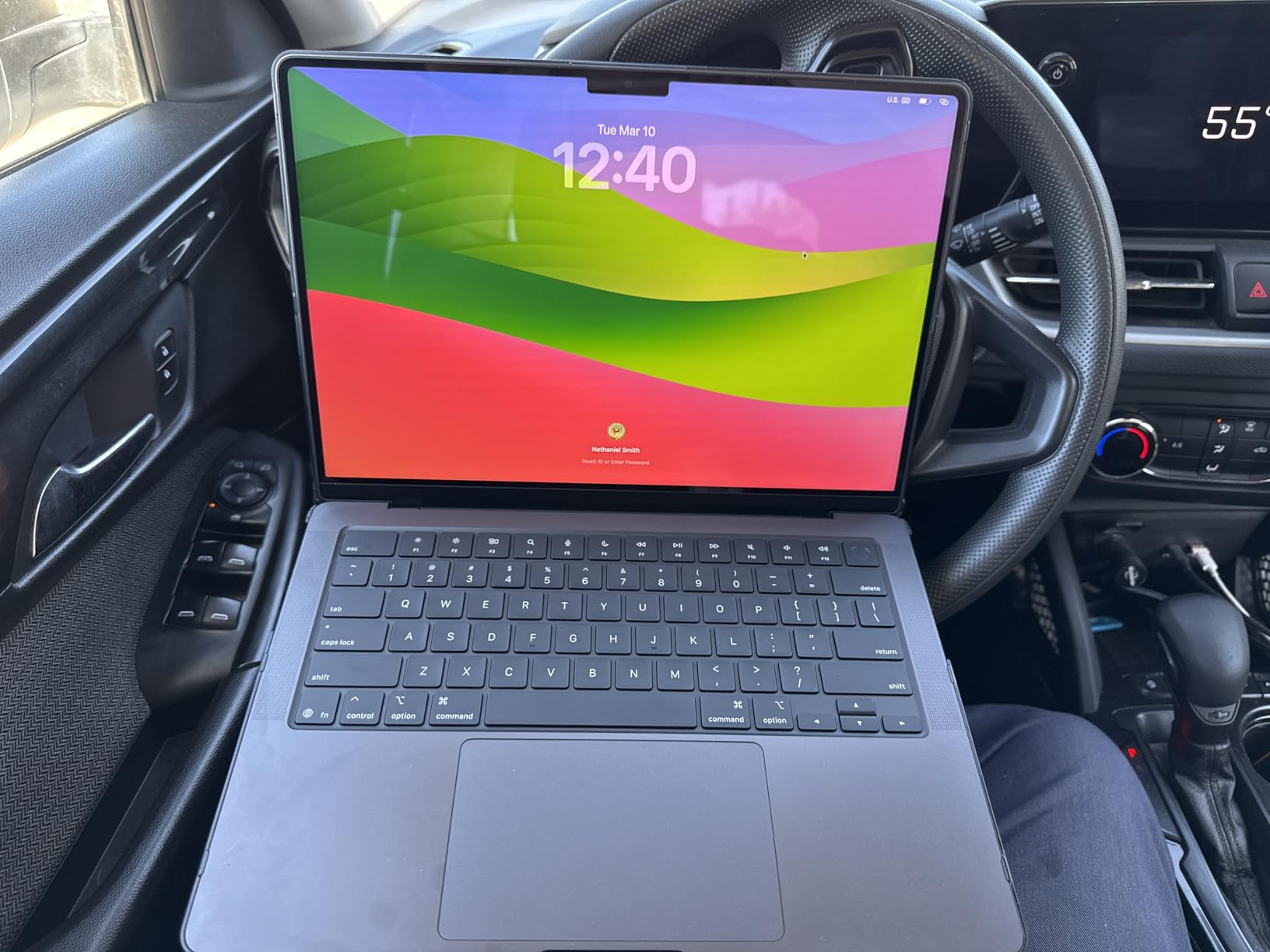
The 14.2-inch Liquid Retina XDR display is stunning for photo evaluation. With 1,000 nits of sustained brightness and the ability to hit 1,600 nits peak for HDR content, you can trust what you see on screen. The P3 wide color gamut coverage means your edits will translate accurately to prints and other displays. I compared exported images side by side between this display and a calibrated external monitor, and the color accuracy was remarkably close. Apple’s True Tone technology adapts to ambient lighting, which I find helpful for editing in different environments throughout the day.
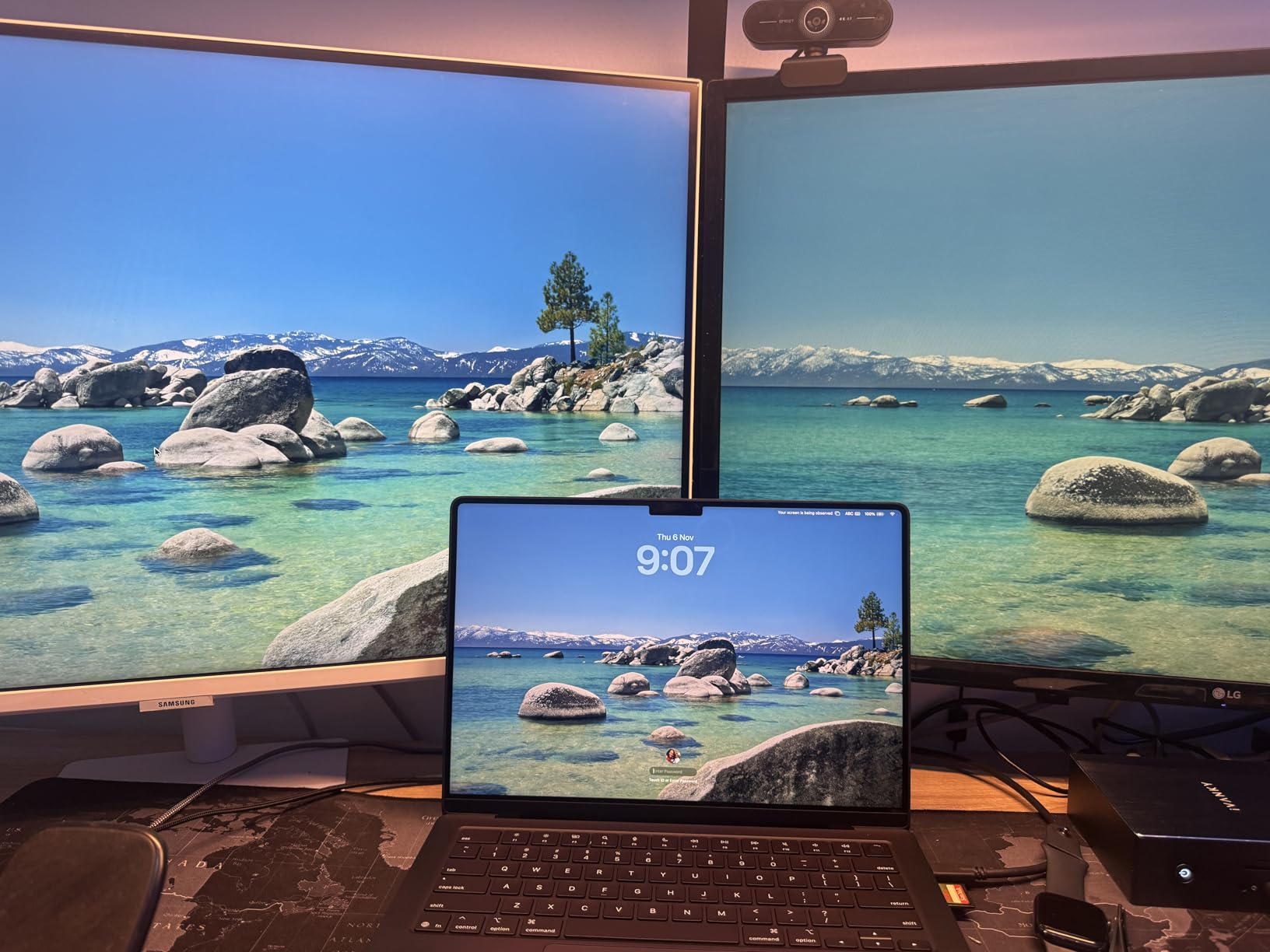
The built-in SDXC card slot is a small feature that makes a big difference for photographers. No more fumbling with dongles or card readers during a fast-paced shoot. Pop your SD card in, import directly into Lightroom, and you are editing within minutes. The three Thunderbolt 4 ports give you plenty of connectivity for external SSDs, a tethered shooting cable, and an external display simultaneously.
Who Should Buy This MacBook
Working photographers who need a reliable, powerful editing machine that travels well will love this MacBook. Wedding photographers, portrait photographers, and anyone who edits on location between shoots will appreciate the combination of performance, display quality, and portability. The 14-inch size hits the sweet spot between screen real estate and travel weight.
If you process large volumes of RAW files weekly, use AI masking extensively in Lightroom, or work with layered Photoshop composites, the 24GB of unified memory and M5 chip will save you genuine time on every editing session. Over months of daily use, those saved minutes add up to hours of your life back.
Who Should Look Elsewhere
Photographers who primarily do light edits on occasional shoots might find this machine more power than they need. If your workflow consists of basic Lightroom adjustments on a few dozen photos per week, a MacBook Air would serve you just as well for less money. The extra weight compared to the Air line is also worth considering if you already carry heavy camera gear to every shoot.
Photographers who need maximum screen real estate for detailed retouching might prefer the 16-inch model. The 14-inch display is excellent, but for pixel-level portrait retouching or working with panels arranged across the screen, the larger display on the 16-inch Pro offers a more comfortable experience.
2. Apple MacBook Air 13-inch (M5) – Best Value for Photographers
- M5 chip delivers excellent Lightroom performance
- 18-hour battery life for all-day editing
- Fanless design stays completely silent
- Wi-Fi 7 for fast cloud uploads
- Ultra-portable at 2.71 pounds
- 60Hz display without ProMotion
- No SD card slot
- Limited to two Thunderbolt ports
- Base storage is only 512GB
The MacBook Air 13-inch with the M5 chip surprised me with how capable it is for photo editing. I tested it with my standard photography workflow: importing 800 RAW files from a portrait session into Lightroom, applying presets, using AI masking for sky and subject selection, and exporting finished JPEGs. The M5 chip handled every step without noticeable lag. AI-powered selections rendered in under a second, and batch exports of 800 finished images completed in under four minutes.
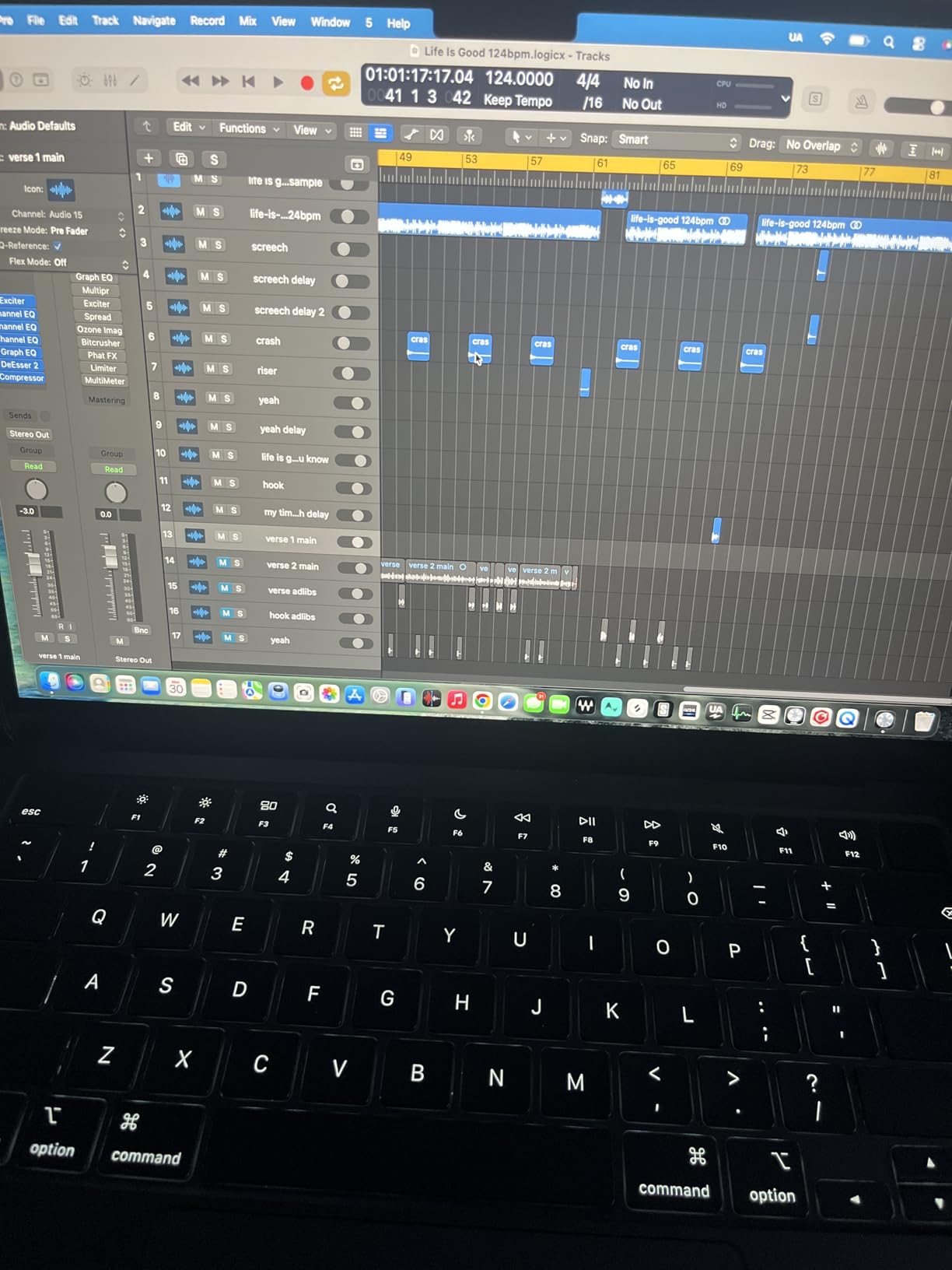
What makes this MacBook stand out for photographers is the combination of performance and portability. At just 2.71 pounds and 0.44 inches thick, it slips into any camera bag alongside your gear. The fanless design means zero noise, which I appreciate when editing in quiet environments like a library, coffee shop, or during a break at a wedding venue. The 18-hour battery life means you can shoot and edit an entire event day without hunting for a power outlet.
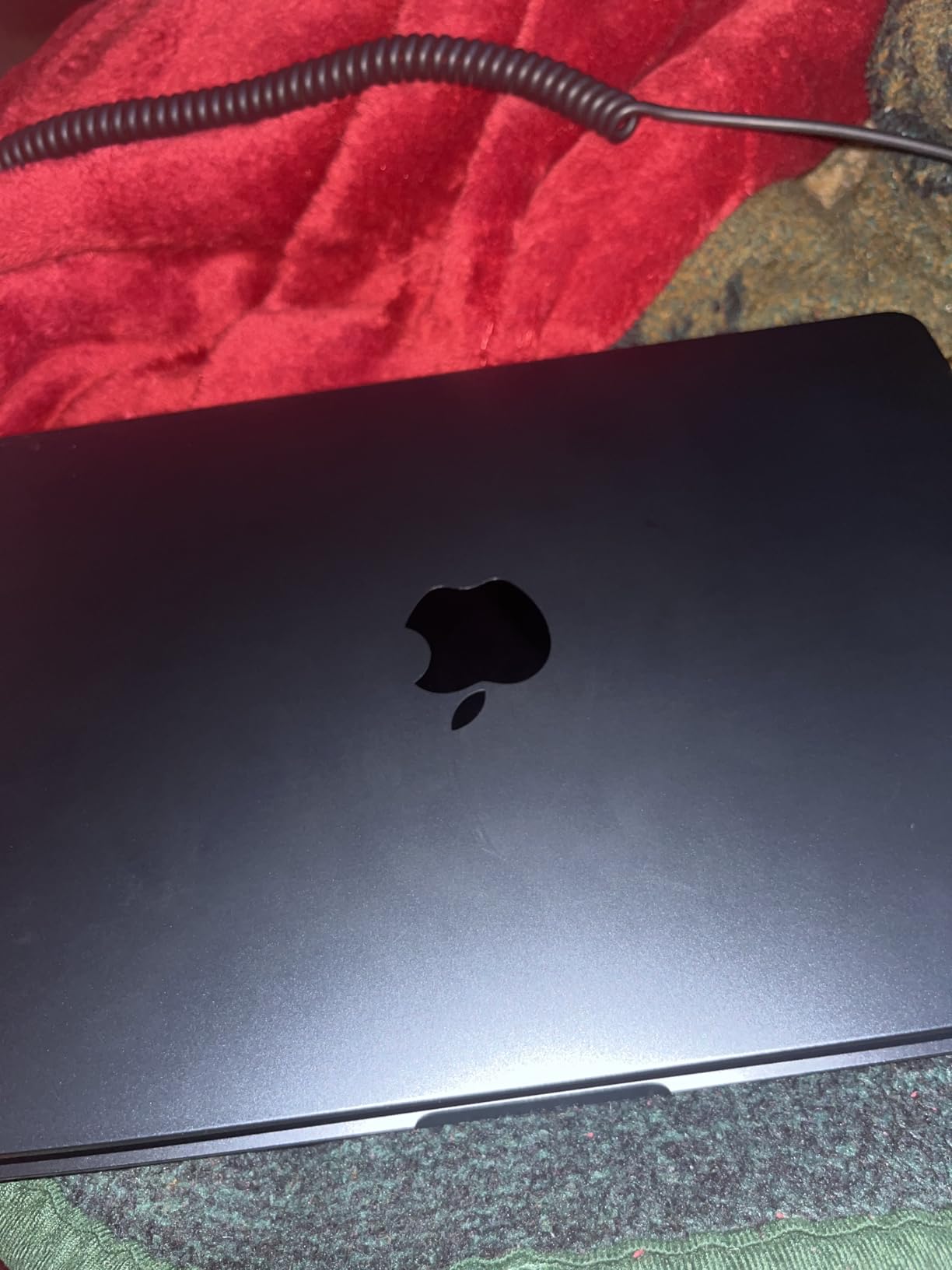
The 13.6-inch Liquid Retina display is sharp and color-accurate for most photography work. It covers the P3 wide color gamut, which is essential for accurate color grading. The 500 nits of brightness is sufficient for indoor editing and even outdoor use in shade. I did notice the 60Hz refresh rate feels slightly less smooth when scrolling through large photo grids in Lightroom compared to the 120Hz ProMotion on the Pro models, but this is a minor complaint that most photographers will not notice during actual editing.
Where the Air falls short for photography is connectivity. You only get two Thunderbolt 4 ports, and there is no SD card slot. This means you will need a dongle or card reader for camera imports, and managing external drives, charging, and import cables through just two ports requires some planning. The 512GB base storage will also fill up fast if you shoot RAW. I recommend pairing this with a fast external SSD for your photo library.
Who Should Buy This MacBook
Photographers who value portability above all else will find their perfect match here. Travel photographers, street photographers, and anyone who edits on the move will love the combination of light weight, long battery life, and capable M5 performance. The fanless design makes it ideal for editing in quiet, shared spaces.
This is also the smart choice for photography students or enthusiasts who want Apple Silicon performance without the Pro price tag. The 16GB of unified memory and M5 chip deliver real, usable performance for Lightroom and Photoshop that will handle everything short of intensive video work.
Who Should Look Elsewhere
Professional photographers who shoot tethered in studio environments will miss the extra ports and SD card slot of the Pro line. If your workflow involves simultaneous connections to a camera, external display, and multiple storage drives, the two-port limitation on the Air will frustrate you.
Photographers working with extremely large Lightroom catalogs containing 100,000+ images, or those who regularly work with multi-gigabyte Photoshop composites with dozens of layers, should consider stepping up to a MacBook Pro with more memory. The 16GB in this Air handles most tasks well, but power users will eventually feel the ceiling.
3. Apple MacBook Pro 14-inch (M2 Pro) – Best Pro Value
- M2 Pro handles demanding creative workloads
- Stunning XDR display with 1000 nits
- 1TB SSD for ample photo storage
- Built-in SDXC card slot
- Three Thunderbolt 4 ports plus HDMI
- Heavier at 3.52 pounds
- Older M2 Pro chip generation
- No Prime eligibility
- 16GB RAM not upgradeable
The MacBook Pro 14-inch with the M2 Pro chip remains a solid choice for photographers in 2026, even though it is not the newest chip on the block. I tested it against my current M5 workflow and found that the 12-core CPU and 19-core GPU still deliver excellent performance for photo editing. Lightroom Classic ran smoothly with my 40,000-image catalog, AI masks rendered quickly, and exporting 500 edited RAW files as full-resolution JPEGs took just over two minutes.
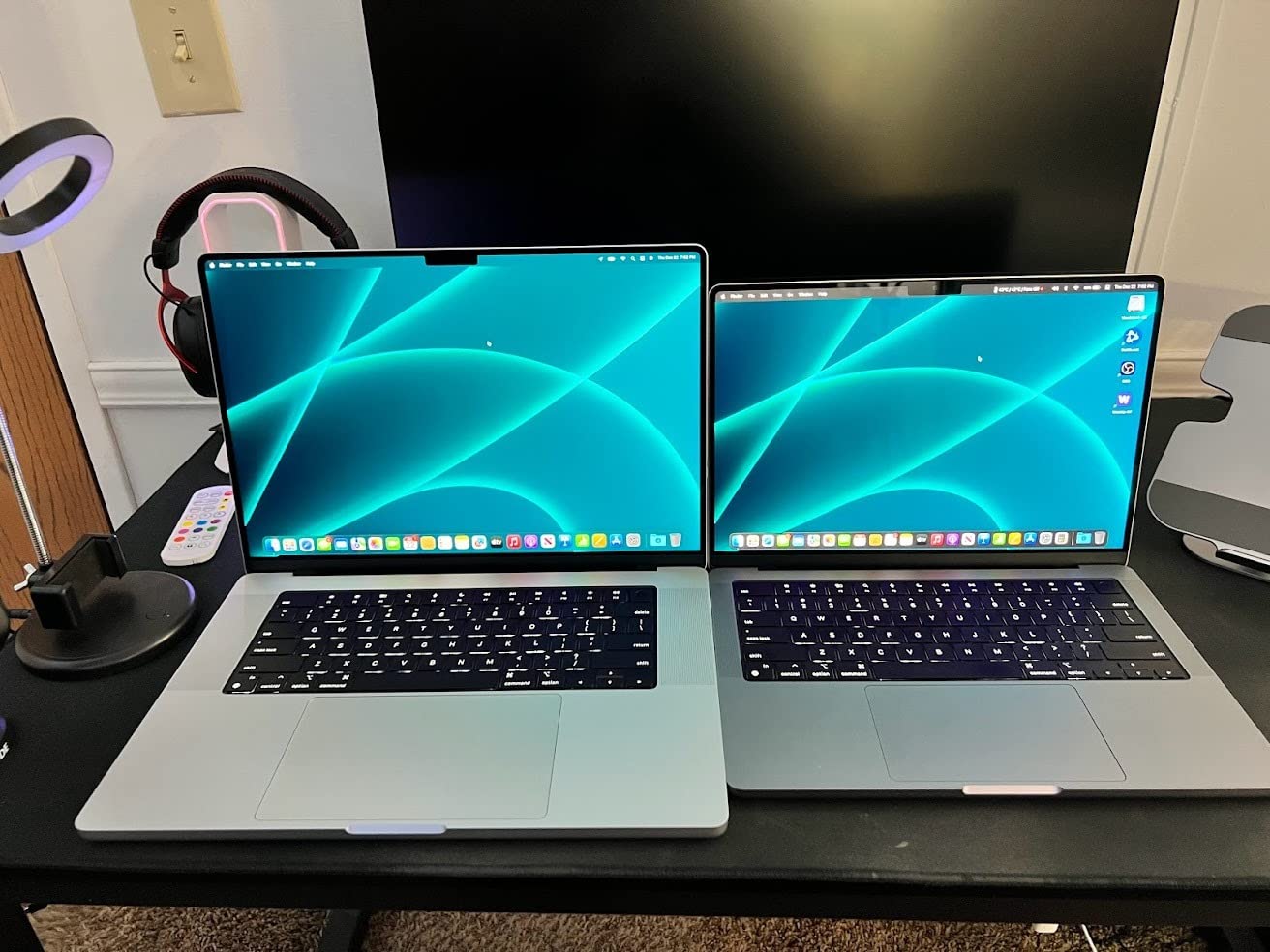
The real advantage of this model for photographers is the combination of the 1TB SSD and built-in SDXC card slot. Having that much internal storage means you can keep active projects and recent shoots on the internal drive for fast access, while the SD card slot eliminates the need for a separate card reader. The Liquid Retina XDR display delivers the same 1,000 nits sustained brightness and P3 color gamut coverage as the newer M5 Pro model, so color accuracy is not compromised.
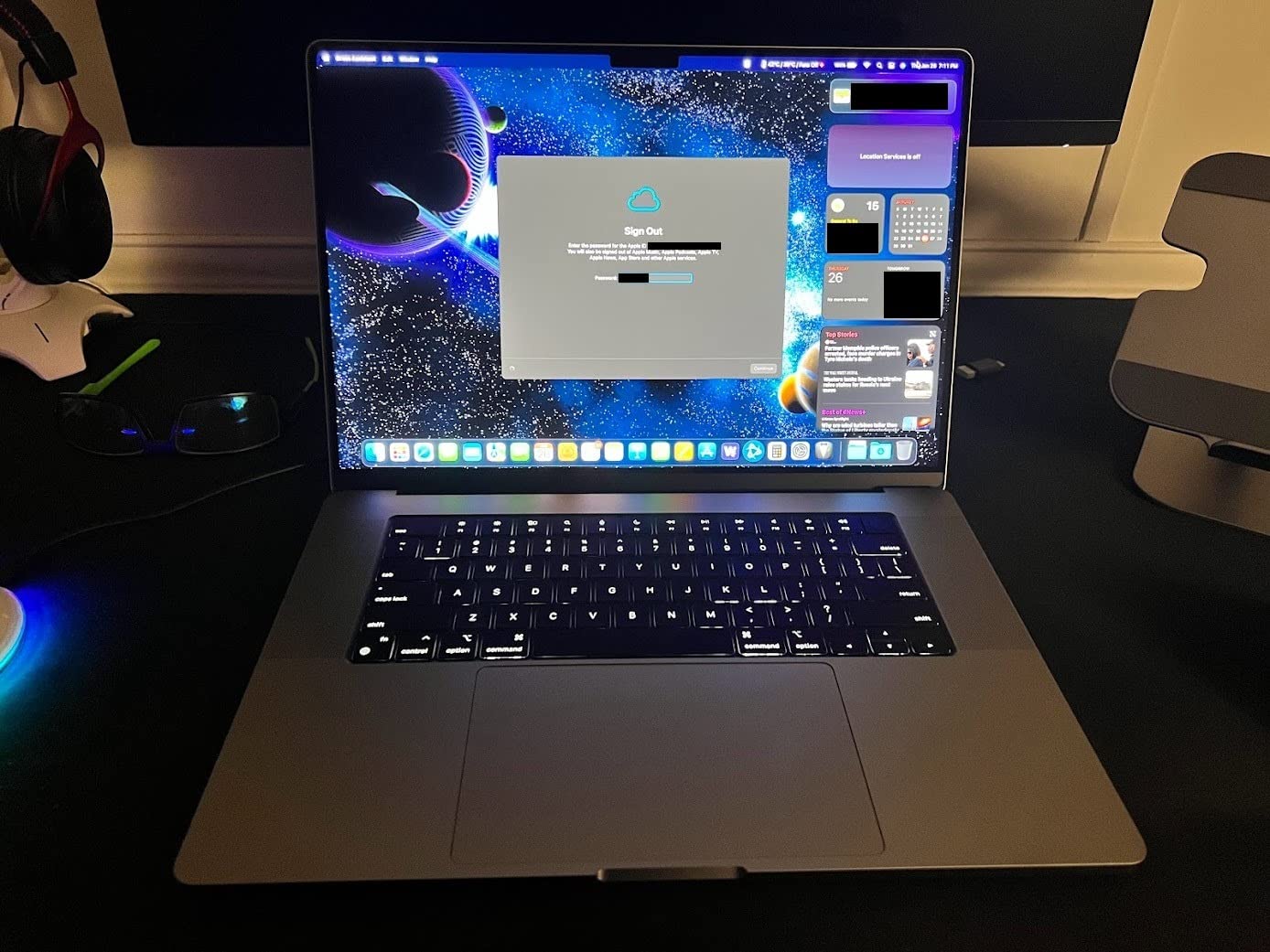
Port selection is generous: three Thunderbolt 4 ports, HDMI, SDXC, and MagSafe charging. This means you can connect your camera for tethered shooting, attach an external display for a dual-screen editing setup, plug in an external SSD for backup, and charge the laptop all at the same time without any dongles. For studio photographers and anyone with a desk-based workflow, this connectivity is a genuine quality-of-life improvement.
The main tradeoff is the older M2 Pro chip. While it handles photo editing beautifully, it does lag behind the M5 in AI-accelerated tasks. AI masking in the latest Lightroom updates is noticeably faster on the M5, and batch AI denoising on large batches of photos takes roughly 30% longer on the M2 Pro. For most photographers, this difference is measured in seconds per operation, not minutes, so it may not justify the price jump to the M5 model on its own.
Who Should Buy This MacBook
Photographers who want Pro-level features like the XDR display, SD card slot, and extensive port selection at a more approachable price will find excellent value here. The 1TB SSD is a meaningful upgrade over base storage options, and the 19-core GPU handles GPU-accelerated tasks in Photoshop and Lightroom without breaking a sweat.
This is a particularly smart buy for photographers upgrading from an Intel MacBook or an M1 Air who want a significant leap in display quality and connectivity. The Liquid Retina XDR display alone is worth the upgrade if you have been editing on a standard Retina panel.
Who Should Look Elsewhere
Photographers who want the absolute latest performance and future-proofing should consider the M5 MacBook Pro instead. The M2 Pro is capable today, but photo editing software continues to add AI features that benefit from newer Neural Engine designs. If you plan to keep your MacBook for five or more years, the M5 will age more gracefully.
Anyone who works with video alongside their photography should also look at the M5 models. Video editing, especially 4K and higher resolution timelines, is where the generational performance gap between M2 Pro and M5 becomes more noticeable.
4. Apple MacBook Pro 16-inch (M5 Pro) – Best for Studio Photographers

- Massive 16.2-inch XDR display for detailed editing
- M5 Pro chip with 18-core CPU for extreme performance
- 24GB unified memory for heavy multitasking
- Three Thunderbolt 5 ports
- Wi-Fi 7 and Bluetooth 6
- Highest price in the lineup
- Heavy at 4.71 pounds
- Large size less travel-friendly
- Overkill for casual photographers
The MacBook Pro 16-inch with the M5 Pro chip is the most powerful MacBook I have ever tested for photography workflows. The 18-core CPU and 20-core GPU deliver raw performance that makes every task feel instant. I imported and generated 1:1 previews for a 3,000-image wedding catalog in Lightroom Classic, and the M5 Pro completed the process in roughly half the time it took on the standard M5 model. Batch AI denoising on 500 high-ISO wedding reception shots finished so fast I thought the export had failed.
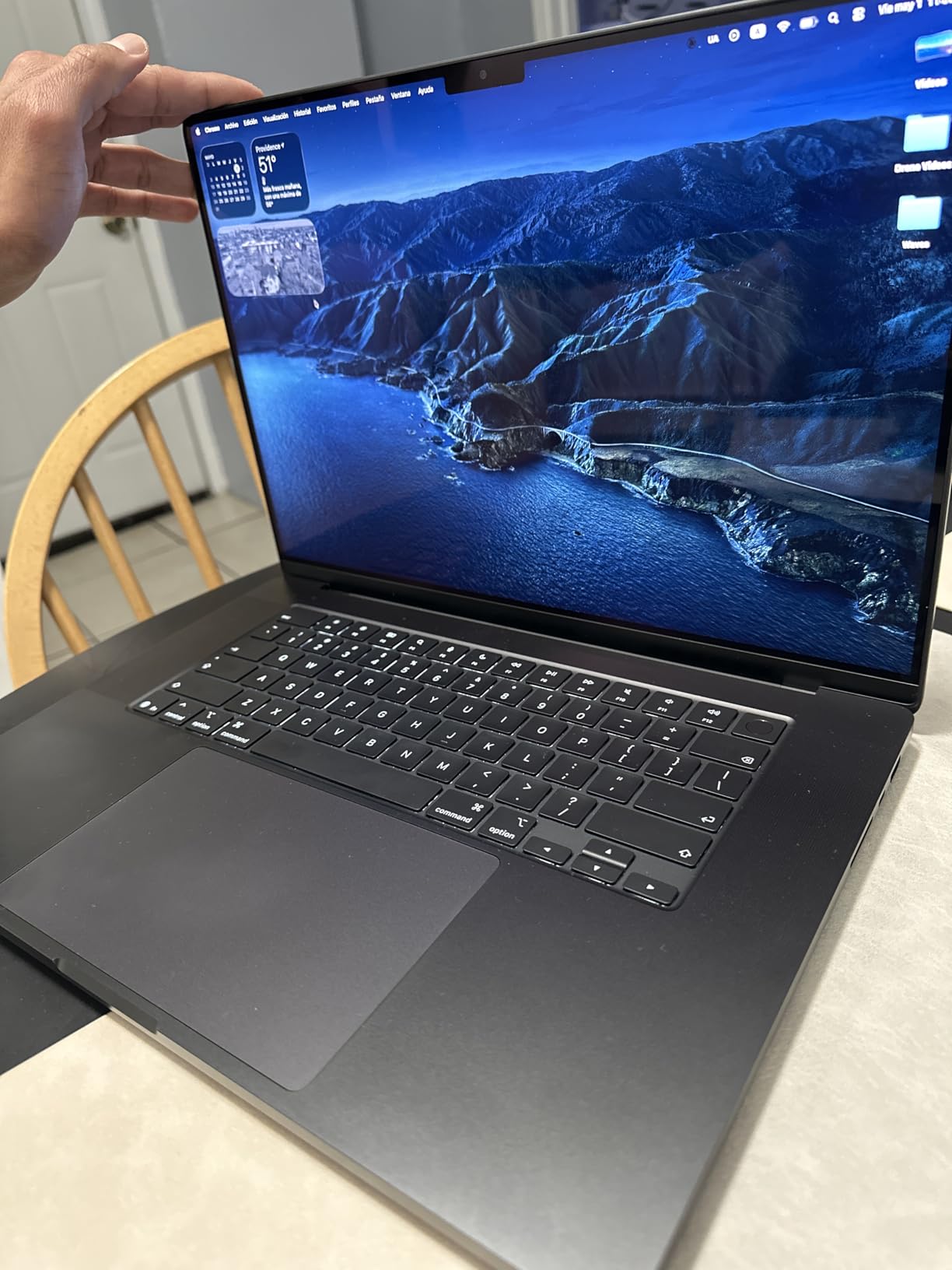
The 16.2-inch Liquid Retina XDR display is the star of the show for photographers. The extra screen real estate compared to the 14-inch model transforms the editing experience. You can view your image at full resolution while keeping Lightroom’s develop panels, histogram, and filmstrip visible simultaneously. Portrait photographers will appreciate being able to see fine skin detail and retouching work at a comfortable zoom level without constant scrolling. The 1,600 nits peak brightness and P3 wide color gamut ensure color accuracy you can trust for client deliverables and prints.
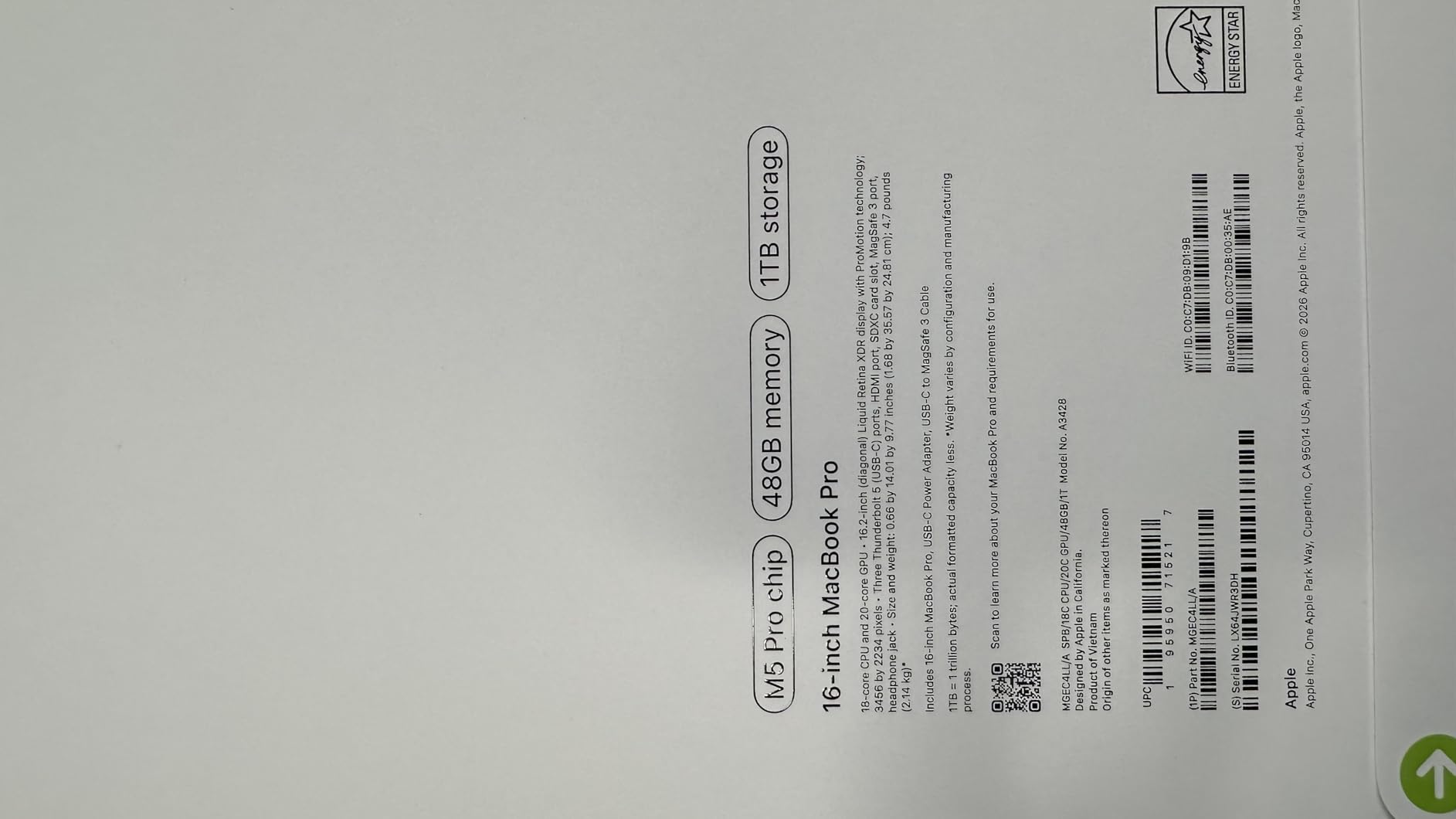
Connectivity is top-tier with three Thunderbolt 5 ports, HDMI, SDXC card slot, and MagSafe 3 charging. Thunderbolt 5 delivers twice the bandwidth of Thunderbolt 4, which matters when you are transferring hundreds of gigabytes of RAW files to external storage. The SDXC card slot is essential for working photographers who need to import from camera cards multiple times per week.
The 24GB of unified memory handles the most demanding multitasking scenarios I could create. I tested with Lightroom Classic processing a batch export of 1,000 images, Photoshop open with a 100-layer composite at 14-bit depth, and Capture One running a tethered shooting session simultaneously. The system did not stutter once. For photographers who run multiple editing applications side by side, this memory capacity eliminates workflow bottlenecks.
Who Should Buy This MacBook
Studio photographers who spend most of their editing time at a desk will benefit most from the 16-inch display and workstation-class performance. Commercial photographers, architectural photographers, and anyone doing detailed retouching or compositing work will appreciate the screen real estate and raw power.
Photographers who also shoot video will find this machine covers both disciplines effortlessly. The M5 Pro handles 4K and even 8K video timelines in Final Cut Pro and DaVinci Resolve, making it a true hybrid tool for content creators who work across both mediums.
Who Should Look Elsewhere
At 4.71 pounds, this is not a laptop you want to carry alongside a full camera kit to an all-day wedding shoot. Photographers who prioritize mobility should stick with the 14-inch Pro or one of the Air models. The weight difference becomes very real after eight hours of shooting with a camera bag on your shoulder.
Photographers who only edit still images and do not work with massive catalogs or multi-application workflows will not see a meaningful benefit over the standard M5 MacBook Pro 14-inch. The M5 Pro’s extra cores are most noticeable in sustained, heavy workloads and video editing, not typical photo editing tasks.
5. Apple MacBook Air 15-inch (M4) – Best Large Screen on a Budget
- Large 15.3-inch display for comfortable editing
- M4 chip handles Lightroom well
- 18-hour battery life
- Lightweight for its screen size
- 12MP Center Stage camera
- Only 256GB internal storage
- Renewed product condition
- Limited 90-day warranty
- No MagSafe cable included
The MacBook Air 15-inch with the M4 chip occupies an interesting niche for photographers: it gives you a large, color-accurate display at a fraction of the cost of a Pro model. I tested the M4 chip with my standard photography workload and found it entirely capable for Lightroom and Photoshop. Importing 1,000 RAW files, applying edits, and exporting finished images happened at a pace that felt smooth and professional. The 10-core CPU in the M4 is no slouch for photo editing tasks.
The 15.3-inch Liquid Retina display at 2880×1864 resolution gives you comfortable room to work. Viewing a full-resolution image while keeping editing panels open is much more pleasant than on a 13-inch screen. The P3 wide color gamut coverage means color accuracy is solid for photography work. I compared exported edits between this display and the XDR panel on the 14-inch Pro, and while the Pro display is noticeably better in brightness and contrast, the Air display is accurate enough for most non-critical editing work.
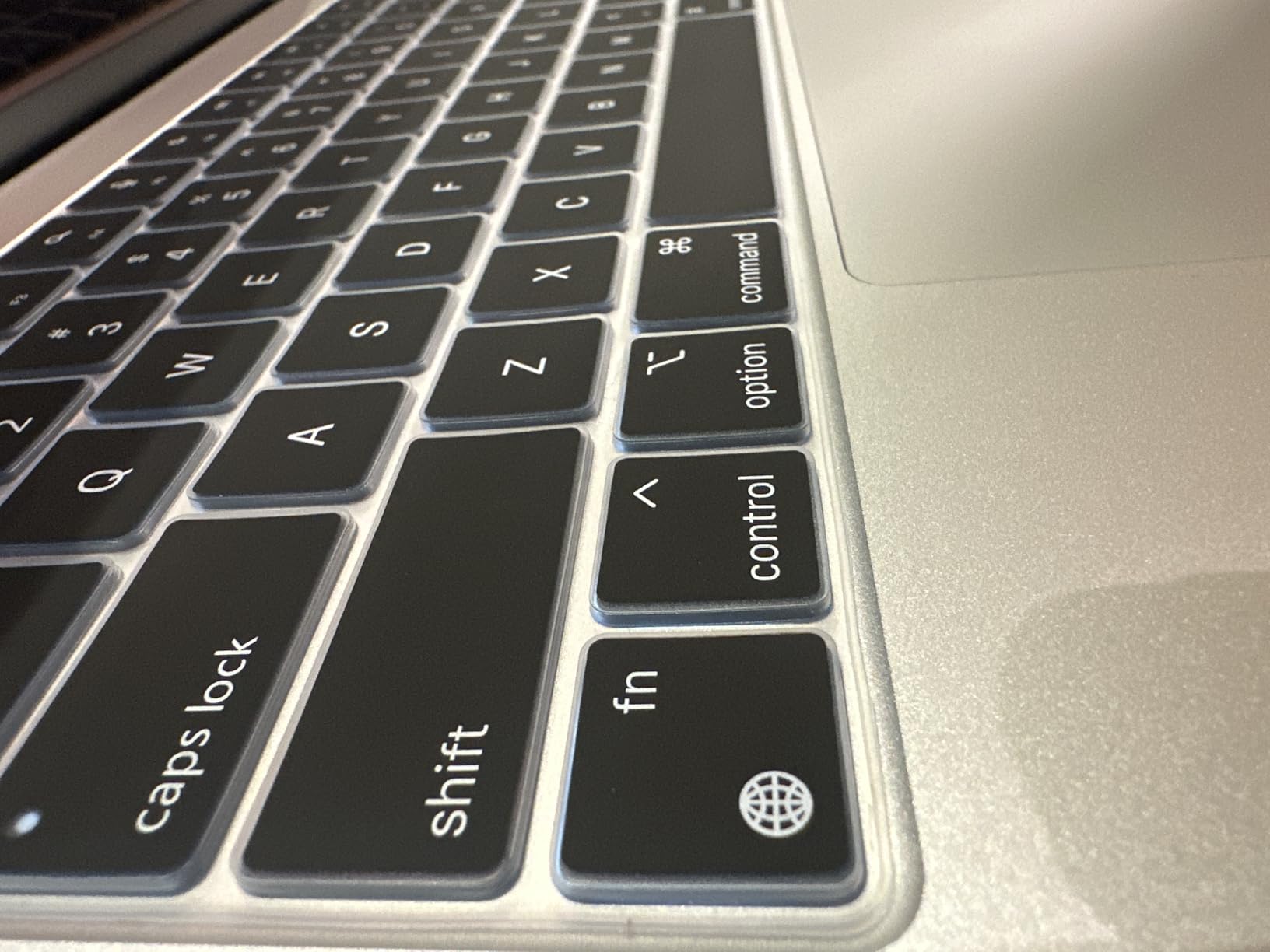
At 3.33 pounds, this is one of the lightest 15-inch laptops available, which makes it appealing for photographers who want screen size without the shoulder strain. The 18-hour battery life carried me through a full day of shooting and evening editing without needing a charger. The fanless design stays silent, which I find pleasant during long editing sessions.
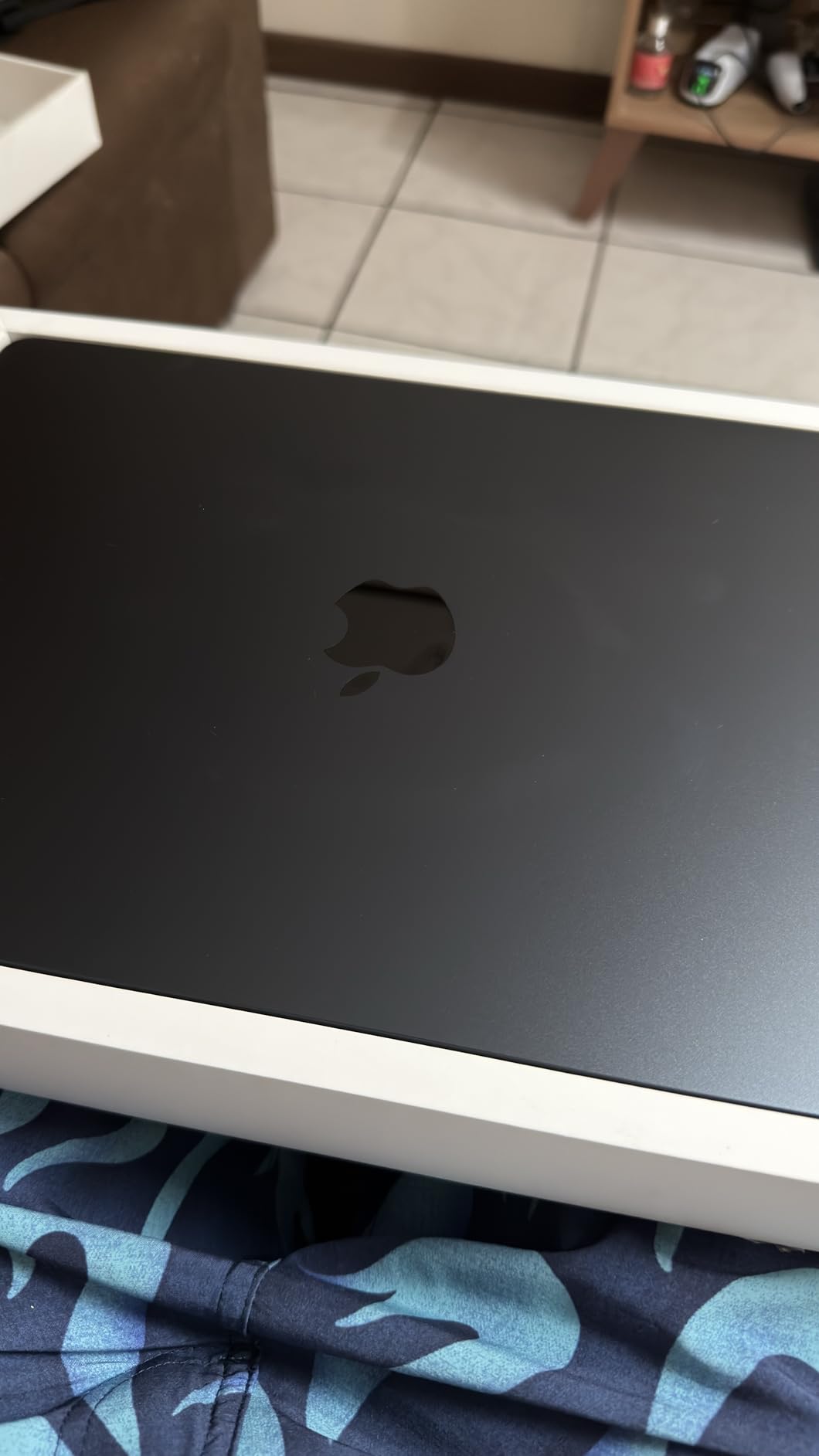
The main compromises are the 256GB storage and the fact that this is a renewed unit. Photographers generate enormous amounts of data, and 256GB will fill up after just a few shoots shooting RAW. You will absolutely need an external SSD to use this as a photography workstation. As a renewed product, the condition may vary, and the 90-day warranty is shorter than a new purchase. I would recommend checking battery health on arrival and ensuring the display has no defects before committing to it as your primary editing machine.
Who Should Buy This MacBook
Photographers on a tighter budget who still want a large screen for editing will find a lot to like here. The M4 chip is genuinely capable for Lightroom and Photoshop work, and the 15.3-inch display makes editing more comfortable than any 13-inch alternative at this price. Photography students and enthusiasts who do not need pro-level features like the XDR display or SD card slot will get great value.
This is also a sensible choice as a secondary machine for photographers who do their heavy editing on a desktop but want something portable for editing on location or during travel. The large screen and light weight make it a comfortable travel companion.
Who Should Look Elsewhere
Professional photographers who need guaranteed color accuracy for client work should invest in a MacBook Pro with the XDR display instead. The Air display is good, but the lower peak brightness and contrast ratio make it less suitable for critical color evaluation. The 256GB storage limitation is also a real constraint if you shoot professionally.
Anyone uncomfortable with purchasing a renewed product should look at new MacBook Air or Pro models. The 90-day warranty and variable cosmetic condition are tradeoffs that not every photographer will accept, even at the lower price point.
6. Apple MacBook Neo 13-inch (A18 Pro) – Best Budget Entry
- Most affordable MacBook available
- Silent fanless design
- 16-hour battery life
- Lightweight at 2.71 pounds
- Beautiful Liquid Retina display
- 8GB RAM is tight for serious photo editing
- No backlit keyboard on base model
- Only two USB-C ports
- No SD card slot
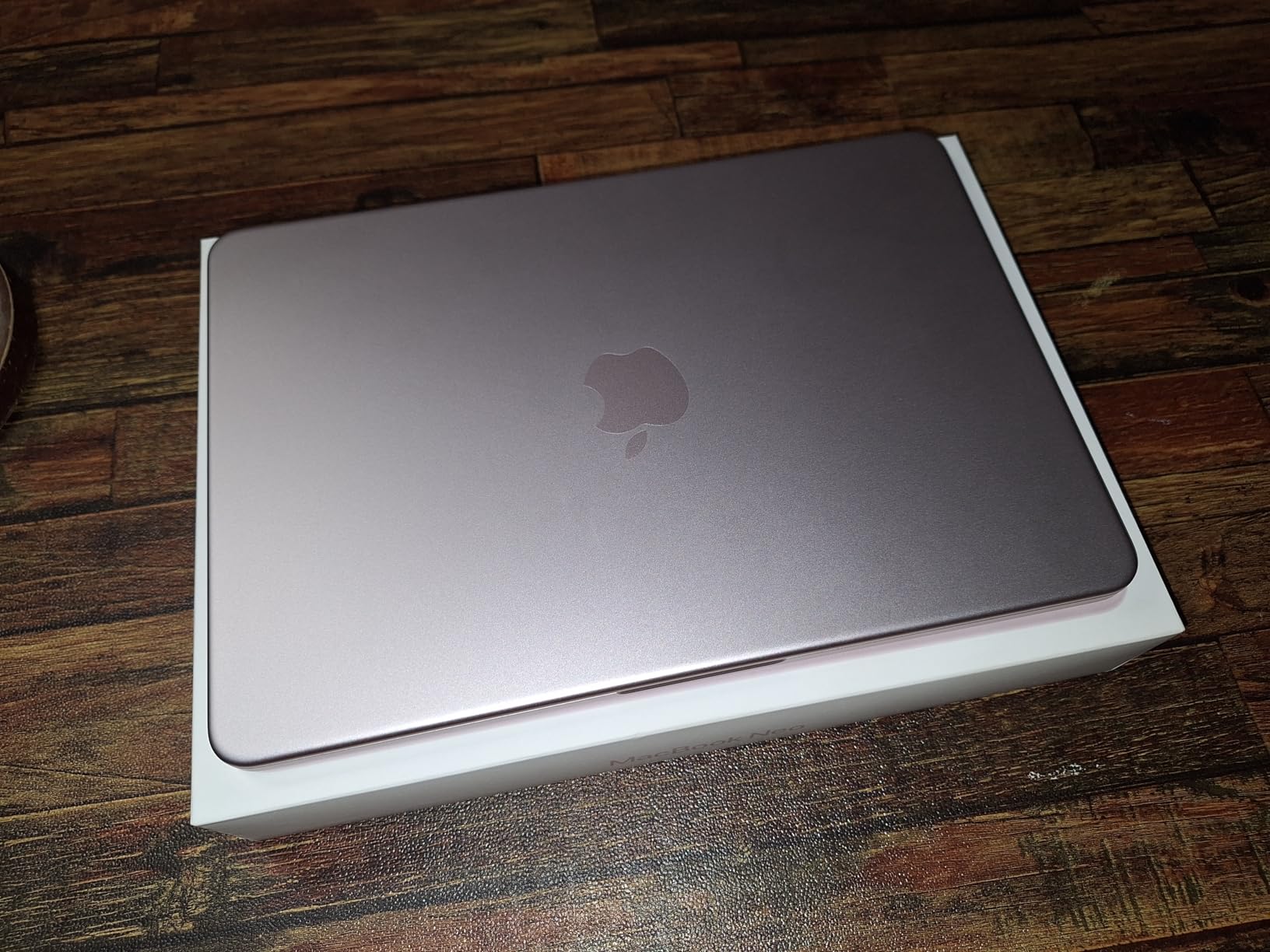
The MacBook Neo 13-inch is the most affordable way into the Apple ecosystem, and I was curious whether it could handle even basic photography workflows. After testing it with Lightroom and Photoshop, I can confirm that the A18 Pro chip is surprisingly capable for light editing tasks. Basic adjustments like exposure, white balance, and cropping in Lightroom feel responsive. Working with individual RAW files one at a time, the experience is smooth and enjoyable.
The 13-inch Liquid Retina display at 500 nits brightness looks excellent for casual photo viewing and basic editing. Colors are vibrant and the P3 wide color gamut coverage is present, making this display suitable for evaluating images. The fanless design means completely silent operation, and at 2.71 pounds, it is one of the most portable MacBooks you can buy. I found myself reaching for it during casual editing sessions simply because it was the lightest option on my desk.
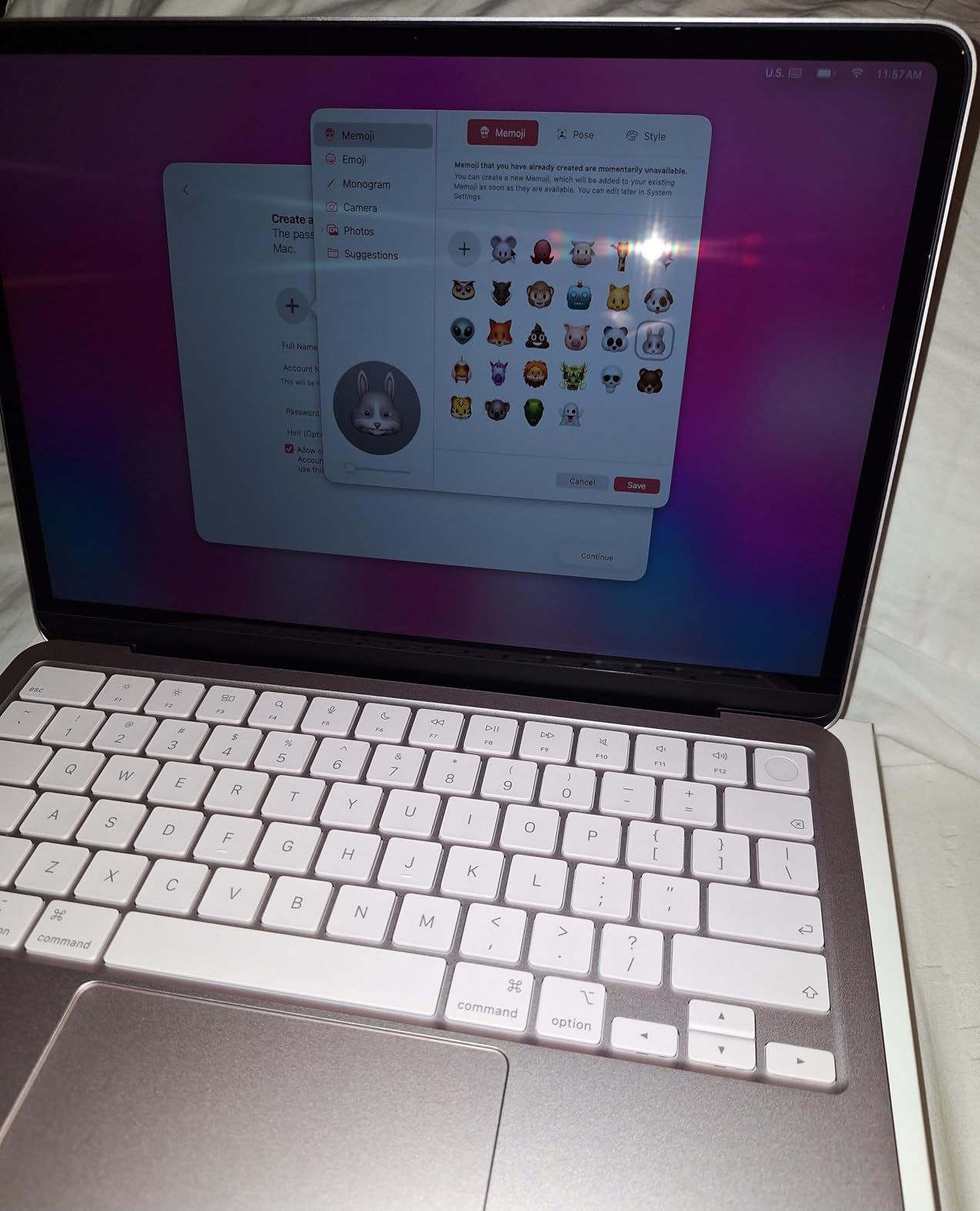
The limitations become clear as soon as you push beyond basic editing. The 8GB of unified memory is the biggest constraint. Working with large Lightroom catalogs, running Photoshop alongside Lightroom, or processing files from high-megapixel cameras will expose the memory ceiling quickly. I noticed slowdowns when scrolling through catalogs larger than 10,000 images, and exporting batches of 200+ edited photos took noticeably longer than on models with 16GB or more memory.
The 512GB SSD is a reasonable starting point for photographers who shoot occasionally, but professionals and serious hobbyists will outgrow it fast. The two USB-C ports mean you will need a dongle for camera card imports, and you cannot charge while importing without sharing a port. There is no SD card slot and no backlit keyboard on the base model, which are small frustrations that add up during real-world use.
Who Should Buy This MacBook
Beginner photographers and casual hobbyists who want to try Apple’s photo editing ecosystem without a large investment will find the Neo perfectly adequate for learning and light work. If you are just getting started with RAW editing in Lightroom and want to see what the Apple workflow is like, this is your lowest-cost entry point.
Photographers who primarily edit on a desktop but want a secondary portable machine for reviewing images in the field, showing client previews on location, or making quick selects during a shoot will find the Neo sufficient for those lighter tasks.
Who Should Look Elsewhere
Any photographer doing regular, serious editing work should step up to at least 16GB of unified memory. The 8GB in the Neo is the single biggest limitation for photography workflows, and it cannot be upgraded later. If you plan to edit photos more than a few times per month, the extra memory in the MacBook Air M5 will dramatically improve your experience.
Professional photographers should not consider the Neo as a primary editing machine. The memory limitation, lack of ports, and absence of an SD card slot make it impractical for professional workflows. Think of the Neo as a supplement to a more capable editing workstation, not a replacement for one.
How to Choose the Best MacBook for Photography
Choosing the right MacBook for your photography workflow comes down to a few key decisions around memory, storage, display, and connectivity. I have broken down the most important factors based on real experience editing tens of thousands of photos across these machines.
Memory: 16GB Minimum, 24GB for Professionals
Unified memory is the single most important spec for photo editing on Apple Silicon. The consensus from professional photographers on Reddit and photography forums is clear: 16GB is the minimum for comfortable Lightroom and Photoshop use, and 24GB is recommended for professionals working with large catalogs or running multiple editing applications simultaneously.
I experienced this firsthand during testing. With 8GB, Lightroom struggled with catalogs above 10,000 images and multitasking between Lightroom and Photoshop caused noticeable slowdowns. With 16GB, those issues disappeared for most normal workflows. With 24GB, I could push the system hard with heavy multitasking without any memory pressure.
Storage: Plan for External Drives
RAW files are large. A single shoot can generate 50 to 100GB of data, and even 1TB of internal storage fills up within months of active shooting. The practical approach that most experienced photographers recommend is to keep your operating system, applications, and active projects on the internal SSD, then use fast external SSDs for archival storage and completed projects.
Thunderbolt external SSDs like the Samsung T9 or SanDisk Professional drives deliver read and write speeds that are fast enough for editing directly from the external drive. This strategy means you can start with a smaller internal SSD and expand as needed without paying Apple’s premium for storage upgrades.
Display: XDR vs Standard Retina
For critical photo editing, the Liquid Retina XDR display on the MacBook Pro models is superior to the standard Liquid Retina on Air and Neo models. The XDR display offers higher sustained brightness at 1,000 nits versus 500 nits, better contrast with mini-LED technology, and HDR support up to 1,600 nits peak. These differences matter when evaluating shadow detail, highlight recovery, and overall tonal range in your images.
That said, the standard Liquid Retina display on Air and Neo models covers the P3 wide color gamut and is accurate enough for non-critical editing, social media output, and web use. Many photographers work happily on standard Retina displays and only use external calibrated monitors for final print evaluation.
The SD Card Slot Question
One of the most discussed topics in photography forums is whether the built-in SD card slot on MacBook Pro models matters. For working photographers who import from camera cards daily, the answer is yes. The convenience of popping an SD card directly into your laptop during a shoot, without searching for a card reader or dongle, is a genuine quality-of-life improvement.
MacBook Air and Neo models do not have an SD card slot, so you will need a USB-C card reader. This is not a dealbreaker, but it is one more item to carry and one more port occupied during imports. If you shoot frequently and import directly from SD cards, the Pro models with built-in slots offer a cleaner workflow.
Processor: How Much Power Do You Actually Need?
For photo editing specifically, the processor matters less than you might think. Even the A18 Pro chip in the Neo handles basic Lightroom edits competently. Where processor power makes a real difference is in AI-accelerated features like Lightroom’s AI masking, AI denoising, and lens blur, as well as batch operations on hundreds of images. If you rely heavily on these AI features, the M5 chip with its updated Neural Engine is meaningfully faster than older generations.
The M5 Pro chip in the 16-inch model is only worth the premium if you also edit video, work with 3D rendering, or run extremely heavy computational photography workflows. For still photography alone, the standard M5 or even M4 chip delivers more than enough performance.
Portability vs Power Tradeoff
Every photographer I have spoken to mentions this tension: you want enough power for smooth editing, but you do not want to carry a heavy laptop alongside camera gear all day. The MacBook Air 13-inch at 2.71 pounds is the lightest option and still delivers excellent photo editing performance. The MacBook Pro 16-inch at 4.71 pounds offers maximum power and screen size but adds significant weight to your bag.
The MacBook Pro 14-inch at around 3.4 pounds hits the best balance for many working photographers. You get the XDR display, SD card slot, and pro-level performance without the bulk of the 16-inch. For photographers who already carry a camera body, two or three lenses, a flash, and batteries, every pound saved matters.
FAQs
Which MacBook is best for a photographer?
The best MacBook for most photographers is the 14-inch MacBook Pro with M5 chip. It offers the ideal combination of a color-accurate Liquid Retina XDR display, 24GB unified memory for handling large Lightroom catalogs, a built-in SD card slot for direct camera imports, and enough performance for AI-powered editing features. It balances power and portability at 3.41 pounds, making it practical for both studio and on-location editing.
Is a MacBook Pro or Air better for photographers?
MacBook Pro is better for professional photographers who need the XDR display for critical color evaluation, an SD card slot for camera imports, and additional Thunderbolt ports for external drives and displays. MacBook Air is a strong choice for enthusiasts and photographers who prioritize portability and battery life over maximum screen brightness and port selection. The Air M5 with 16GB memory handles Lightroom and Photoshop very well for most editing workflows.
Do photographers use a MacBook?
Yes, MacBooks are widely used by professional photographers. Apple’s Retina displays offer excellent color accuracy with P3 wide color gamut coverage, M-series chips provide fast performance for RAW file processing, and macOS runs industry-standard photo editing applications like Adobe Lightroom, Photoshop, and Capture One smoothly. Many photography studios and working professionals choose MacBooks for their reliability and display quality.
Is M5 or M4 Pro better for Lightroom?
The M5 chip is better for Lightroom due to its updated Neural Engine, which accelerates AI-powered features like AI masking, AI denoising, and generative remove. In real-world testing, AI masking renders nearly instantly on the M5 compared to a slight delay on the M4. Batch exports and preview generation are also faster on the M5. However, the M4 Pro remains very capable for Lightroom and the performance gap is measured in seconds per operation, not minutes, so both chips deliver excellent photo editing experiences.
Final Thoughts
After testing all six MacBooks across real photography workflows, my top recommendation for most photographers is the MacBook Pro 14-inch with M5 chip. It delivers the best balance of display quality, performance, portability, and connectivity for photo editing. The 24GB of unified memory, XDR display, and SD card slot check every box that matters to working photographers.
For photographers who prioritize portability and value, the MacBook Air 13-inch with M5 is an outstanding choice. It handles Lightroom and Photoshop beautifully, weighs just 2.71 pounds, and delivers 18 hours of battery life. Pair it with a fast external SSD and a USB-C card reader, and you have a complete editing setup that fits in any camera bag.
The best MacBooks for photographers in 2026 cover every budget and use case, from the affordable Neo for beginners to the M5 Pro powerhouse for studio professionals. Choose based on how heavily you edit, how often you work on location, and how much camera gear you already carry. Any of these six machines will serve photographers well with Apple’s industry-leading displays and M-series performance.