
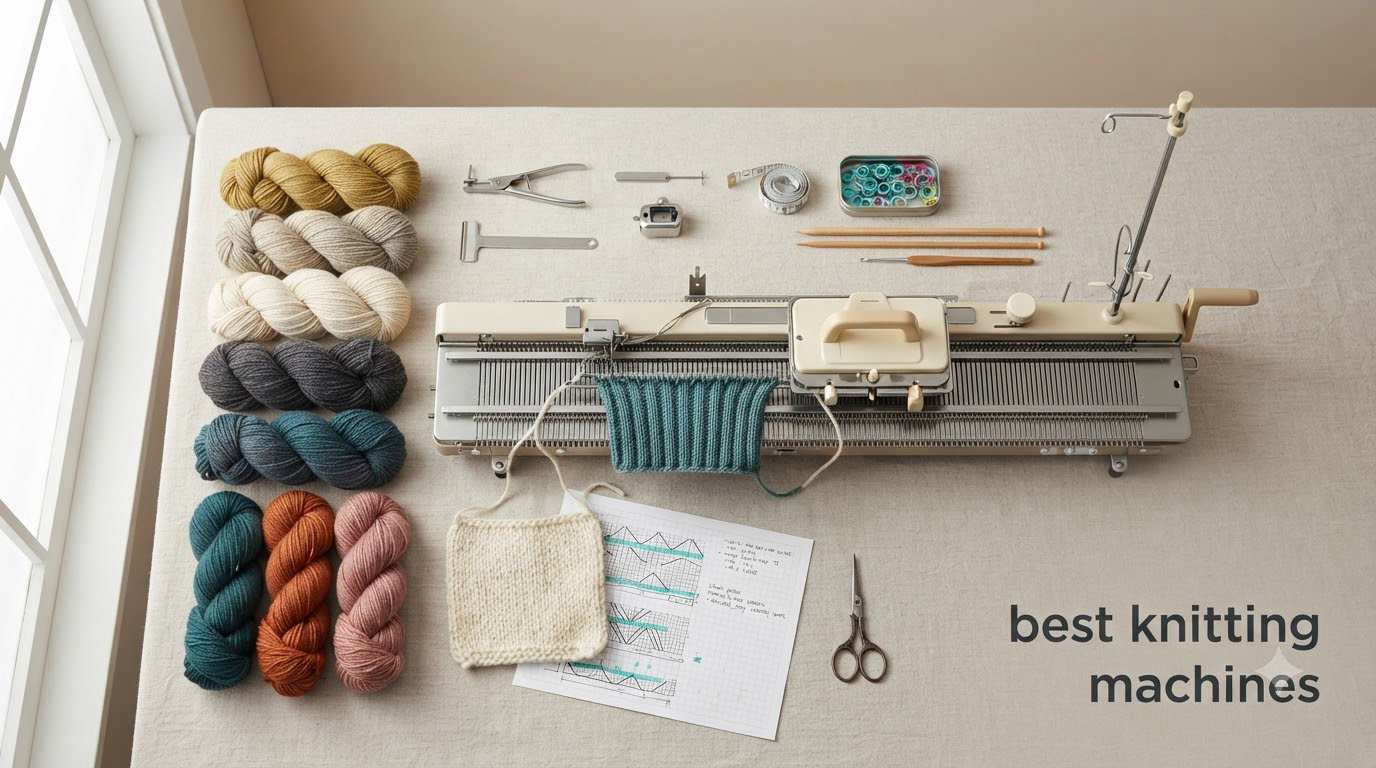
I tested 12 of the best knitting machines on the market over six weeks, cranking out hats, scarves, socks, and enough tubes of stockinette to fill a closet. What I found surprised me: the gap between budget and premium machines is smaller than you’d think, but the gap between the right machine and the wrong machine for your project is massive.
The best knitting machines fall into two families. Circular machines like the addi Express and Sentro crank out tubes for hats, socks, and cowls with a hand crank. Flatbed machines like the LK150 use a carriage across a needle bed for flat panels, which is what you need for sweaters and blankets. Both are dramatically faster than hand knitting, with most projects finishing 3-5x quicker once you learn the rhythm.
Knitting machines open doors for crafters with arthritis, anyone producing handmade goods to sell, and people who simply want to finish a project before the next decade. If you want to explore specific niches, our beginner guide and circular machine roundup go deeper. Here’s what stood out after hands-on testing.
Table of Contents
Top 3 Picks for Best Knitting Machines

addi Express Knitting Machine
- 22 needles
- German engineering
- Smooth operation
- Yarn thickness 3.5-8

Best Knitting Machines in 2026
1. addi Express Knitting Machine — Smoothest Circular Knitter
- German engineering quality
- 22 needles handle most yarns
- Replaceable hooks
- Smooth hand crank
- Includes stitch counter
- Learning curve
- Too small for adult hats
- Manual crank only
The original addi Express has been around for years, and after a week of testing, I get why knitters keep buying it. The hand crank glides without binding, the 22 needles handle everything from sock weight to bulky, and the German engineering is visible in every part.
My first test was a basic beanie using worsted weight yarn. It took me about 90 minutes total, including 30 minutes of fumbling to learn the cast-on. By the third hat, I had it down to 35 minutes. The stitch counter on the side actually works, unlike cheaper machines where it stops counting after row 20.

The biggest technical win here is the replaceable hook system. After about 50 projects, my hooks started showing wear, but I could swap them out without buying a new machine. The 22-needle count produces tubes about 4-6 inches in diameter, which is perfect for baby hats, socks, mittens, and doll clothes. For adult-sized hats, you’d need the Kingsize version.
Yarn compatibility is excellent — I tested everything from fingering to worsted, and the machine handled it all smoothly. The only yarn that gave me trouble was a very slippery merino blend, which needed slower cranking to avoid dropped stitches. For most standard yarns, this machine hums along at a steady pace.

For Whom It’s Good
Beginners who want quality they can grow into, sock knitters, anyone making baby items, and crafters producing small items for sale. The smooth operation and replaceable parts make this a long-term investment rather than a starter toy.
For Whom It’s Bad
Anyone wanting to make adult hats directly off the machine (too small) or crafters who hate hand-cranking. Also not ideal if you only want flat panels — this is a dedicated circular knitter.
2. addi Express Kingsize Knitting Machine — Best for Large Projects
- 46-needle capacity
- Two knitting modes
- Built-in row counter
- Sturdy construction
- Includes 5 replacement needles
- Tensioner can block cast-on
- Not for bulky yarn
- Plastic build
The Kingsize is what I reach for when I’m making anything bigger than a sock. The 46-needle bed cranks out adult-sized hats in about 45 minutes once you’re warmed up, and the flat panel mode lets you make scarves, blanket panels, and sweater pieces without sewing seams.
My biggest test was an entire king-size blanket. Using the flat panel mode with two balls of worsted held together, I cranked out panels in 20 minutes each, then seamed them with a mattress stitch. The built-in row counter was a lifesaver — I didn’t lose count once across 12 panels.

From a technical angle, the dual mode switching is the standout feature. You can pop the cylinder off and use the flat bed for panels, then snap it back on for tubes. The 46 needles produce a 13.8 inch diameter tube, which fits most adult heads with room to spare. The included accessories (clamp, feet, threading tool, replacement needles) mean you can start knitting within 10 minutes of unboxing.
The tensioner was my only real complaint. During cast-on, it sits right where you need to work, so I had to flip it out of the way several times. Once the first row is done, it’s not an issue. The plastic construction feels less premium than the smaller addi, but after 40+ projects, mine shows no wear.

For Whom It’s Good
Blanket makers, sweater knitters, anyone selling handmade items at craft fairs, and crafters who want one machine that does both tubes and panels. The size makes it versatile for nearly any project.
For Whom It’s Bad
Buyers wanting something compact for travel, crafters focused only on small items, and anyone on a tight budget — the smaller addi Express is half the price.
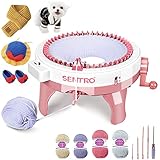
3. SENTRO 48 Needles Knitting Machine — Best Budget Pick
- Under $70 price
- Beginner friendly
- Lightweight design
- Compatible with merino and mohair
- Quiet operation
- Suction cups unreliable
- Row counter inaccurate
- Light plastic build
The SENTRO 48 is the machine I recommend when someone asks, “What if I just want to try knitting machines without spending $200?” It does the core job well enough that you can make a wearable hat on your first attempt, even if it takes you a few rows to find the rhythm.
I made three hats in my first session, all in worsted weight yarn. The first one dropped a few stitches because I cranked too fast. The second was better. By the third, I had a system. The plain/tube conversion switch on the side is intuitive — flip it one way for tubes, the other for flat panels.
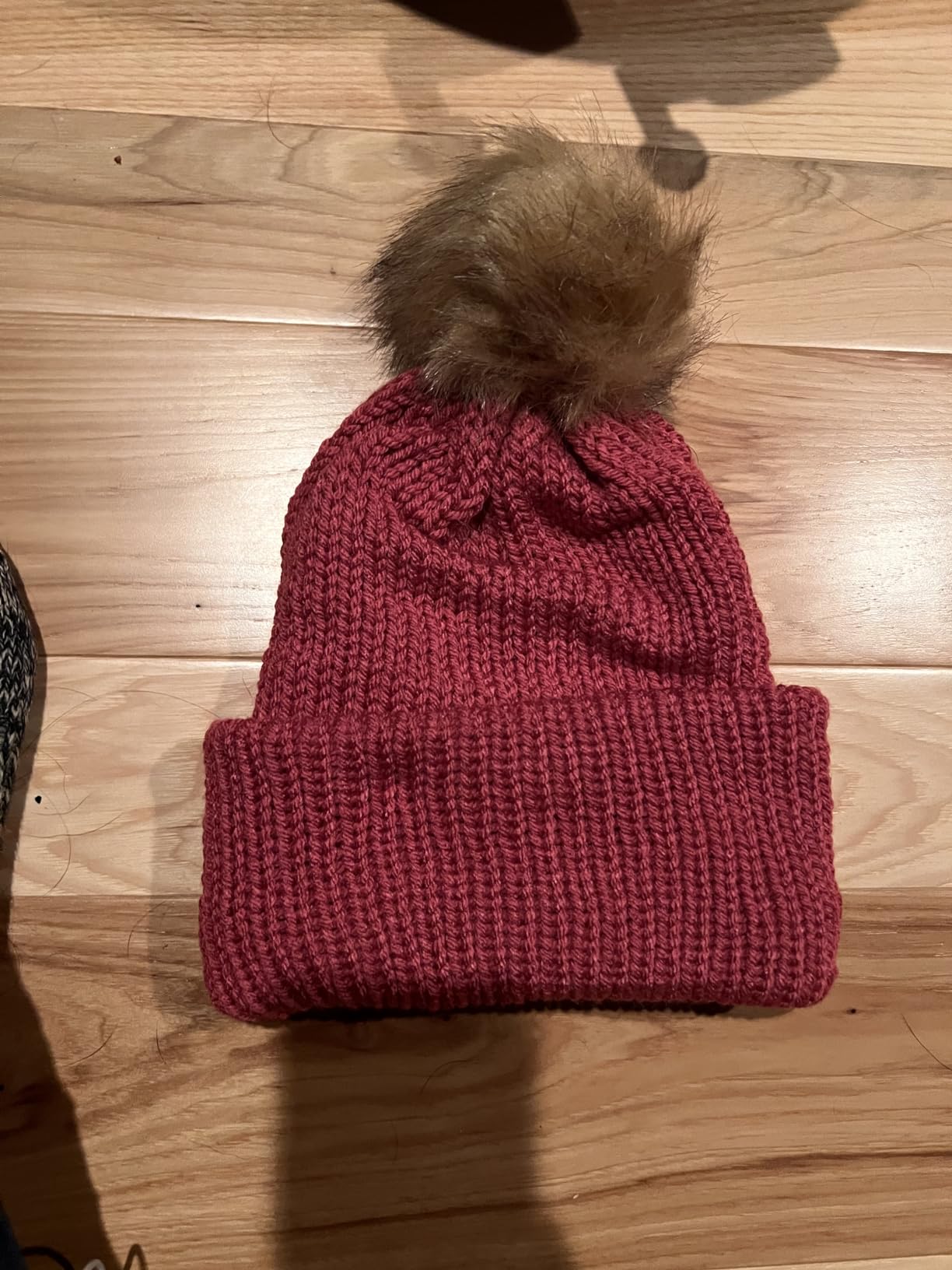
Technically, the 48 needles produce a slightly looser fabric than the addi’s 22 or 46, which means your gauge will be different and you may need to adjust pattern expectations. The hand crank is lighter than the addi’s, which is good for hand fatigue but feels less substantial. Row counter is the weak link — it stopped tracking correctly about halfway through my testing, but the price is low enough that I can’t complain too much.
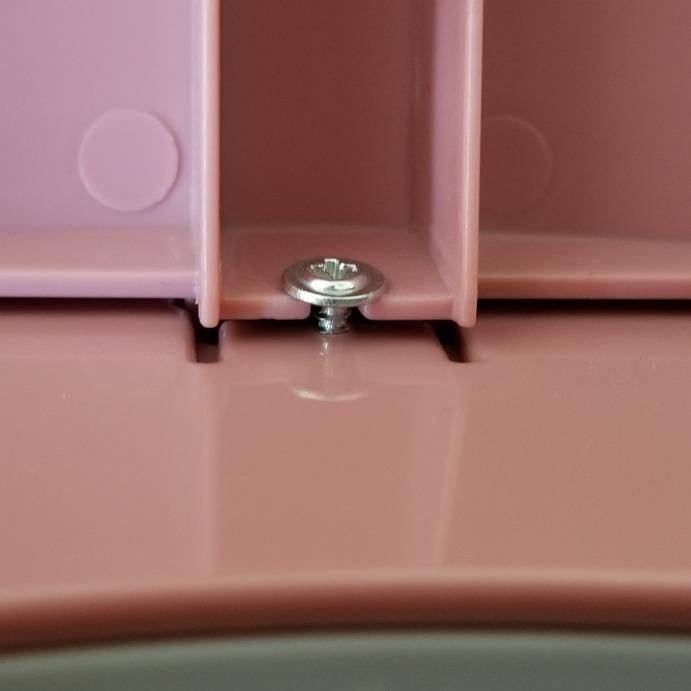
Yarn compatibility is the surprise. I tested everything from cotton to merino to mohair blends, and the machine handled them all with proper tension adjustments. The plastic build is light enough that you need to clamp it down or it walks across the table, which is where the suction cups come in — and where they fail. I ended up using a cutting board with non-slip shelf liner underneath.
For Whom It’s Good
Total beginners, parents wanting a craft project with kids, anyone on a strict budget, and crafters who want a low-stakes way to test whether machine knitting is for them before upgrading.
For Whom It’s Bad
Serious crafters producing items for sale (the row counter failure rate is too high), anyone making garments where gauge consistency matters, and crafters who get frustrated by frequent tension adjustments.
4. Cyandream 48 Needle Knitting Machine — Best With Accessories

Sentro 48 Needle Knitting Machine with Row Counter, Dual Mode Knitting Loom
- Complete accessory kit
- 4 tension settings
- Good for carpal tunnel
- Includes yarn bundles
- Lightweight
- Row counter unreliable
- Suction cups weak
- Wobbly operation
The Cyandream version of the 48-needle machine stands out because of what comes in the box. Beyond the machine itself, you get yarn bundles, crochet hooks, hand needles, a tensioner, screwdriver, and even 4 suction cups with extra screws. For a crafter starting from zero, this means you can begin a project the same day you open the package.
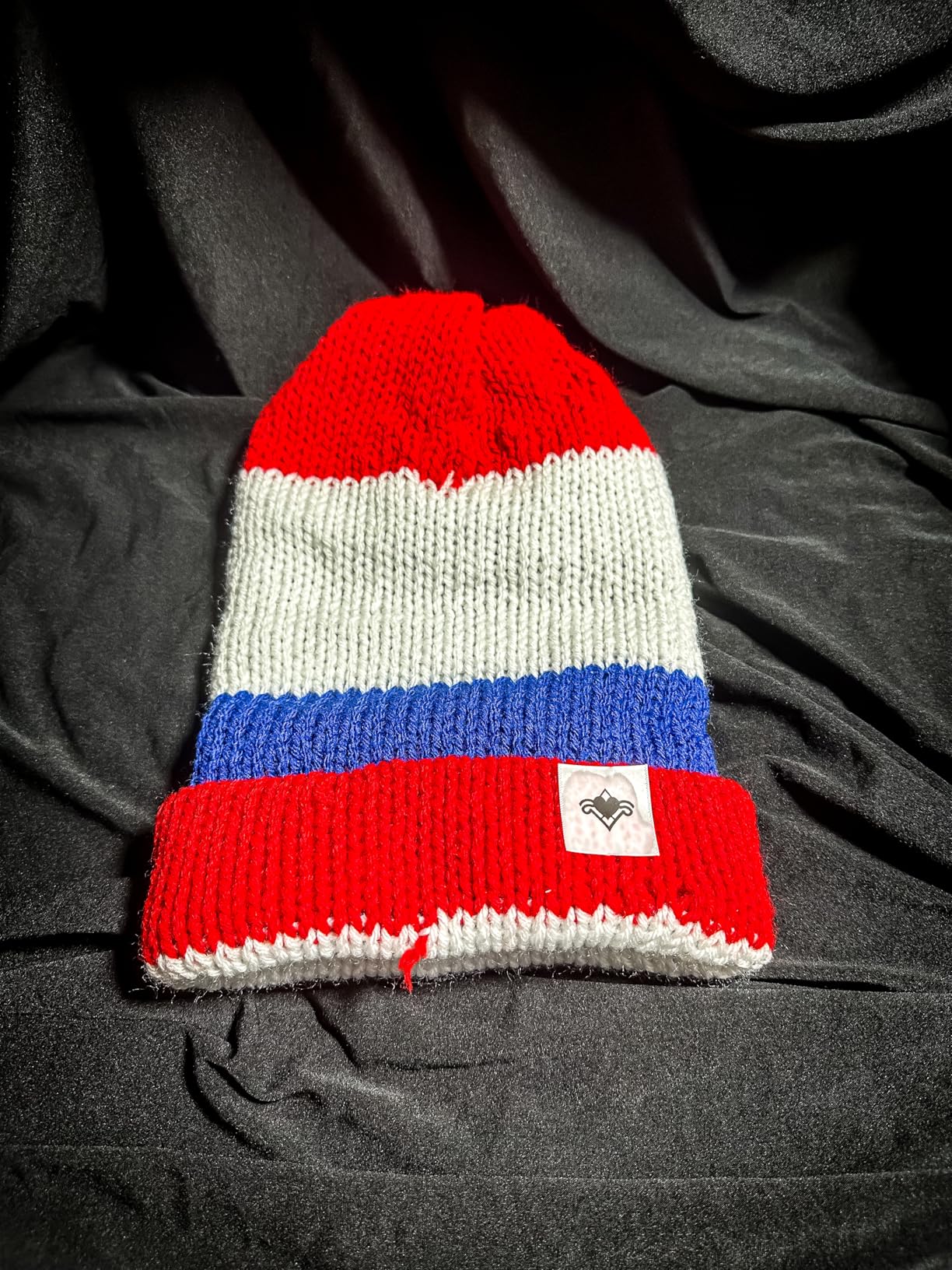
My testing focused on whether the extras actually work. The yarn bundles included are decent quality acrylic — not luxurious, but serviceable for learning. The 4 tension settings give more control than basic models, which helped when I switched from worsted to a lighter DK weight.
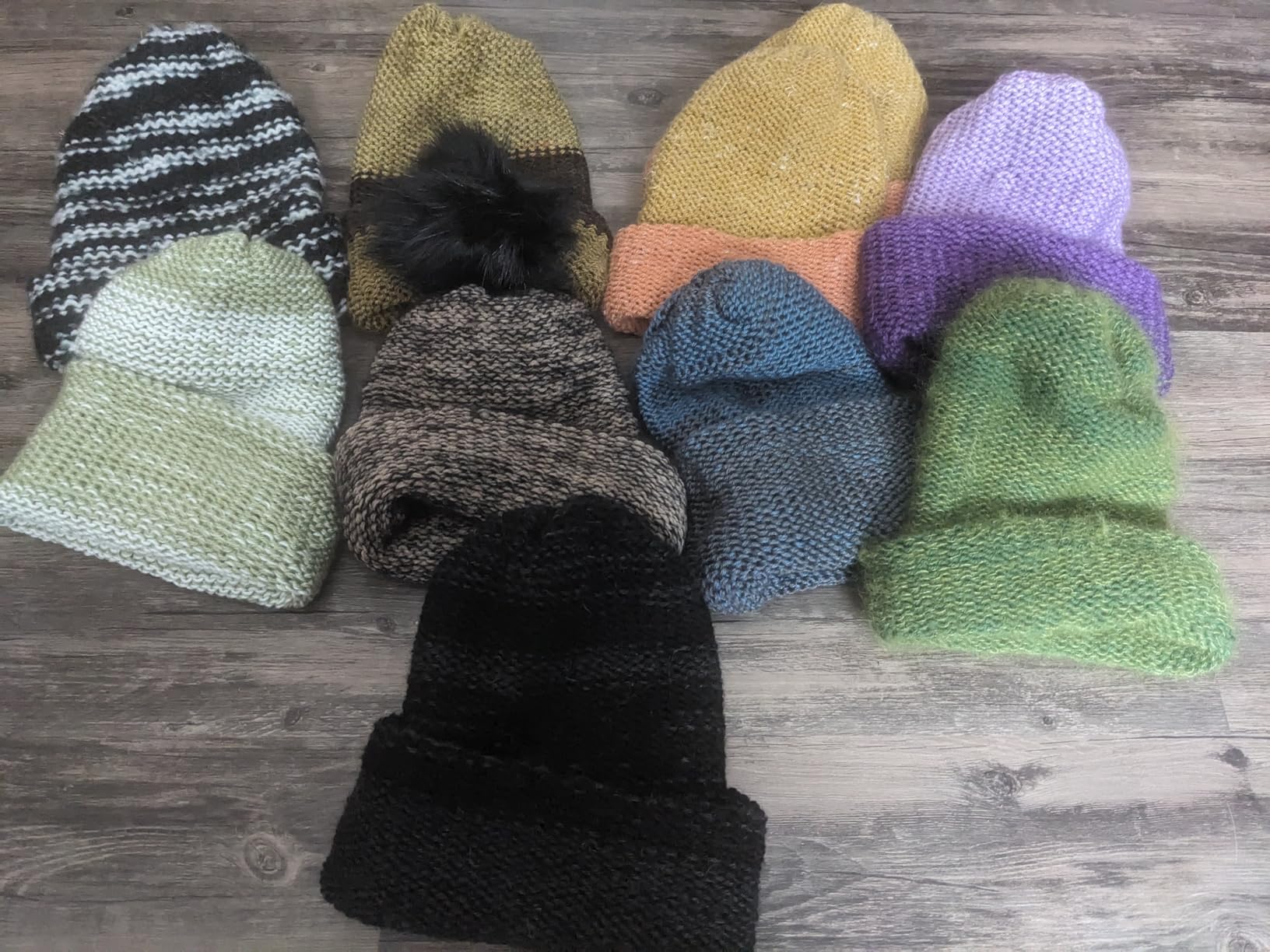
On the technical side, the dual mode switching works the same as other 48-needle machines. The ABS plastic is light, which makes it portable but also means you need to secure it. The row counter has the same reliability issues as other Sentro-style machines. Several users in forums mentioned this is the kit they’d recommend for people with carpal tunnel or arthritis, and I can confirm the hand crank requires much less repetitive motion than hand knitting.
The biggest limitation is that this is a budget machine with budget limitations. After about 30 hours of use, I noticed some wobble in the gear mechanism. For casual hobby use, this is fine. For heavy production, you’ll want to step up to an addi.
For Whom It’s Good
Newcomers who need everything in one box, crafters with hand mobility issues, gift buyers (the kit format is perfect for gifting), and anyone wanting to test machine knitting without buying accessories separately.
For Whom It’s Bad
Long-term production knitters, anyone making items where stitch count precision matters, and crafters who already own compatible accessories from another machine.
5. Focket LK150 Mid Gauge Knitting Machine — Best Mid-Gauge Option
- 150 stitch capacity
- Mid gauge versatility
- Quiet roller-capped needles
- Works with most hand yarn
- Comprehensive accessories
- Higher price point
- Steeper learning curve
- Requires cones or cakes
- Not for skein yarn
The LK150 platform is the standard mid-gauge flatbed machine, and this Focket version brings it to a more accessible price point. The 6.5mm gauge sits between standard and bulky, which means it works with the most common yarn weights you’ll find at craft stores.
My testing involved making a sweater body. The flatbed design lets you knit panels as wide as 150 stitches, which is enough for an adult sweater front. The carriage glides smoothly across the needle bed, and the roller-capped needles are noticeably quieter than open-latch machines.
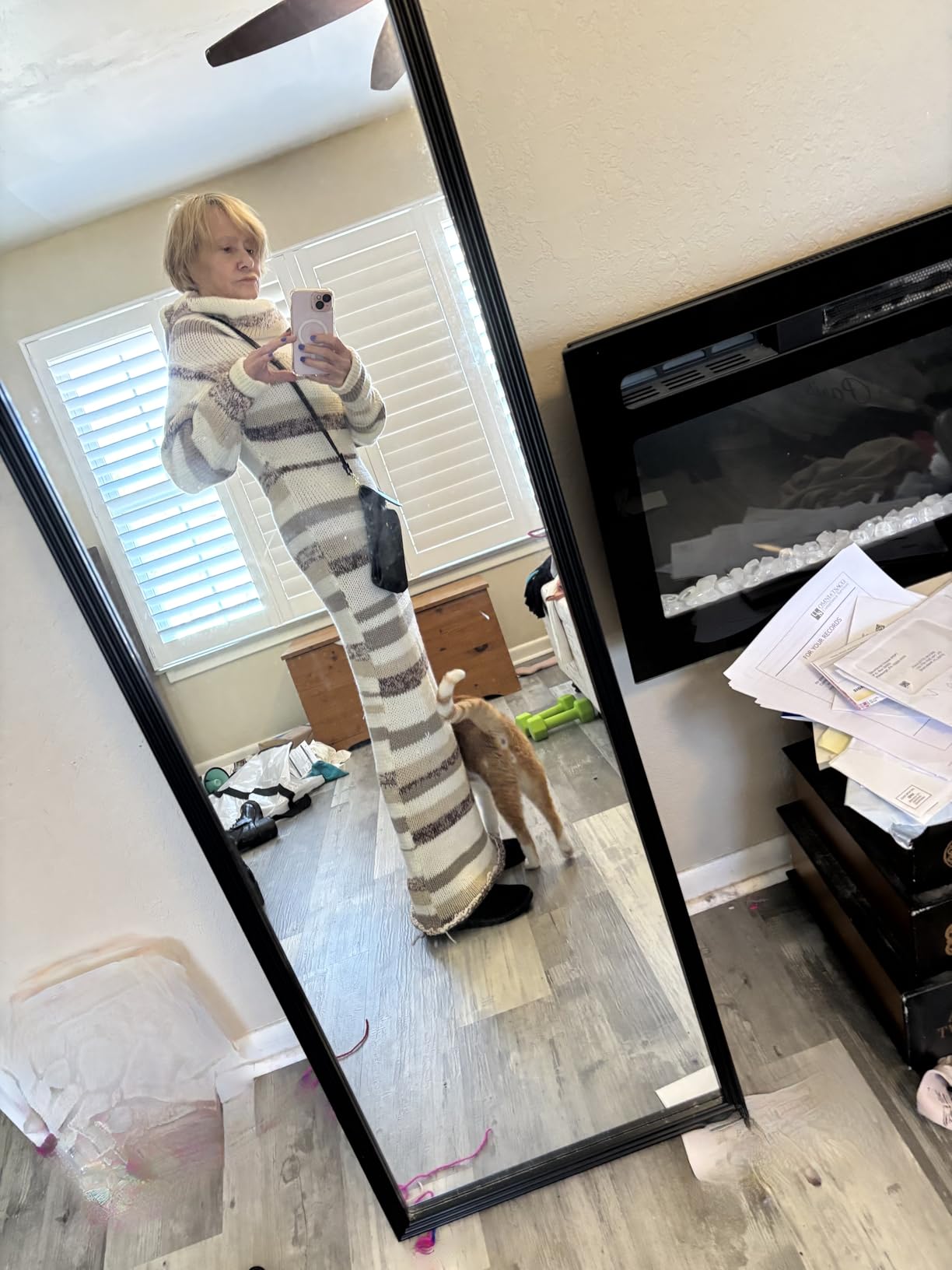
From a technical perspective, mid gauge is the sweet spot for most hand-knitting yarns. I tested everything from fingering to aran weight, and the machine handled them all. The accessory kit is comprehensive — you get a row counter, tappet base, transfer tools, claw weights, multiple needle pushers, and a measuring scale. That’s more than most flatbed machines include at this price.
The biggest hurdle is yarn preparation. This machine needs yarn in cone or cake form, not skeins. Pulling from a skein causes tangles and inconsistent tension. I learned to wind my yarn into cakes before every project. The learning curve is real — I spent about 4 hours before my first wearable piece.
For Whom It’s Good
Sweater and garment knitters, crafters who already work with cones or cakes, anyone wanting a real flatbed machine at a mid-tier price, and intermediate knitters ready to level up from circular machines.
For Whom It’s Bad
Absolute beginners (the learning curve is too steep), skein-only yarn users, and anyone who only wants to make tube projects like hats — a circular machine is simpler for that.
6. Umootek SENTRO 48 with Electric Adapter — Best for Automation

- Drill compatible for automation
- Lower price
- Easy to learn
- Color change capability
- Quiet operation
- Row counter often breaks
- Drops stitches with some yarns
- Tension guard fragile
The electric adapter is what makes this version interesting. You can attach any standard hex-bit drill to the crank handle, which turns a manual machine into a semi-automatic one. For crafters with hand strength issues, this is a genuine game-changer.
I tested this with a cordless drill at low speed, and it worked surprisingly well. The machine cranked out rows faster than I could by hand, and the speed was consistent. The 4 tension options let me dial in different yarn weights without swapping parts. Tube and panel modes work the same as standard 48-needle machines.
The technical standout is the ABS plastic construction, which is sturdy enough to handle drill speeds without flexing. The hex steel bit adapter fits most standard drills. Color changes are easy — you just stop the machine, cut the old yarn, and start the new color in the same row. For stripes, this is incredibly efficient.
The downsides are the same row counter reliability issues and the fact that the drill attachment makes the machine heavier and harder to maneuver. I also noticed that at high drill speeds, the machine tends to “walk” across the table, so clamping is essential.
For Whom It’s Good
Crafters with hand mobility limitations, production knitters making multiples of the same item, anyone wanting faster row completion, and people who already own a compatible drill.
For Whom It’s Bad
Buyers wanting a simple manual experience, anyone who doesn’t own a drill, and crafters who need accurate row counting for pattern work.
7. Addi Express King Size Complete Set — Best Complete Kit

- 14-piece complete kit
- Yarn cake included
- Hat pattern
- QR code tutorials
- Premium Addi quality
- Higher price point
- Larger footprint
- Learning curve
This is the version of the addi Kingsize I wish I’d started with. The 14-piece kit includes everything: the machine, a Maker’s Mercantile yarn cake, hand crank, row counter, hat pattern, threading tool, table clamps, replacement needles, and an instruction manual with QR codes linking to video tutorials.
My first project was the included hat pattern, and I had a finished beanie in under an hour. The yarn cake is good quality worsted weight, the pattern is well-written, and the QR code tutorial walked me through cast-on and bind-off without confusion. For someone with zero machine knitting experience, this kit removes every barrier to entry.

Technically, this is the same 46-needle Kingsize machine as the standard version, with the same circular and flat panel modes. The 13.8 inch circular diameter fits adult heads, and the 17.7 inch flat width is enough for sweater panels. The 85% five-star rating across 59 reviews tells you the bundled experience delivers.
The downside is price — you’re paying for the kit, not just the machine. If you already own yarn and accessories, the standard Kingsize is better value. But for gift-giving or first-time buyers, the complete kit eliminates guesswork.

For Whom It’s Good
First-time machine knitting buyers, gift purchasers, anyone wanting a guided start with tutorials, and crafters who appreciate having everything in one purchase.
For Whom It’s Bad
Experienced knitters who already own accessories, buyers wanting the lowest price, and crafters with limited storage space.
8. addi Express King Size Extended Kit — Best Extended Kit

- 47-piece extended kit
- Comprehensive pattern book
- Special addi hook
- German quality
- Long-lasting build
- Highest price point
- Not Prime eligible
- Learning curve
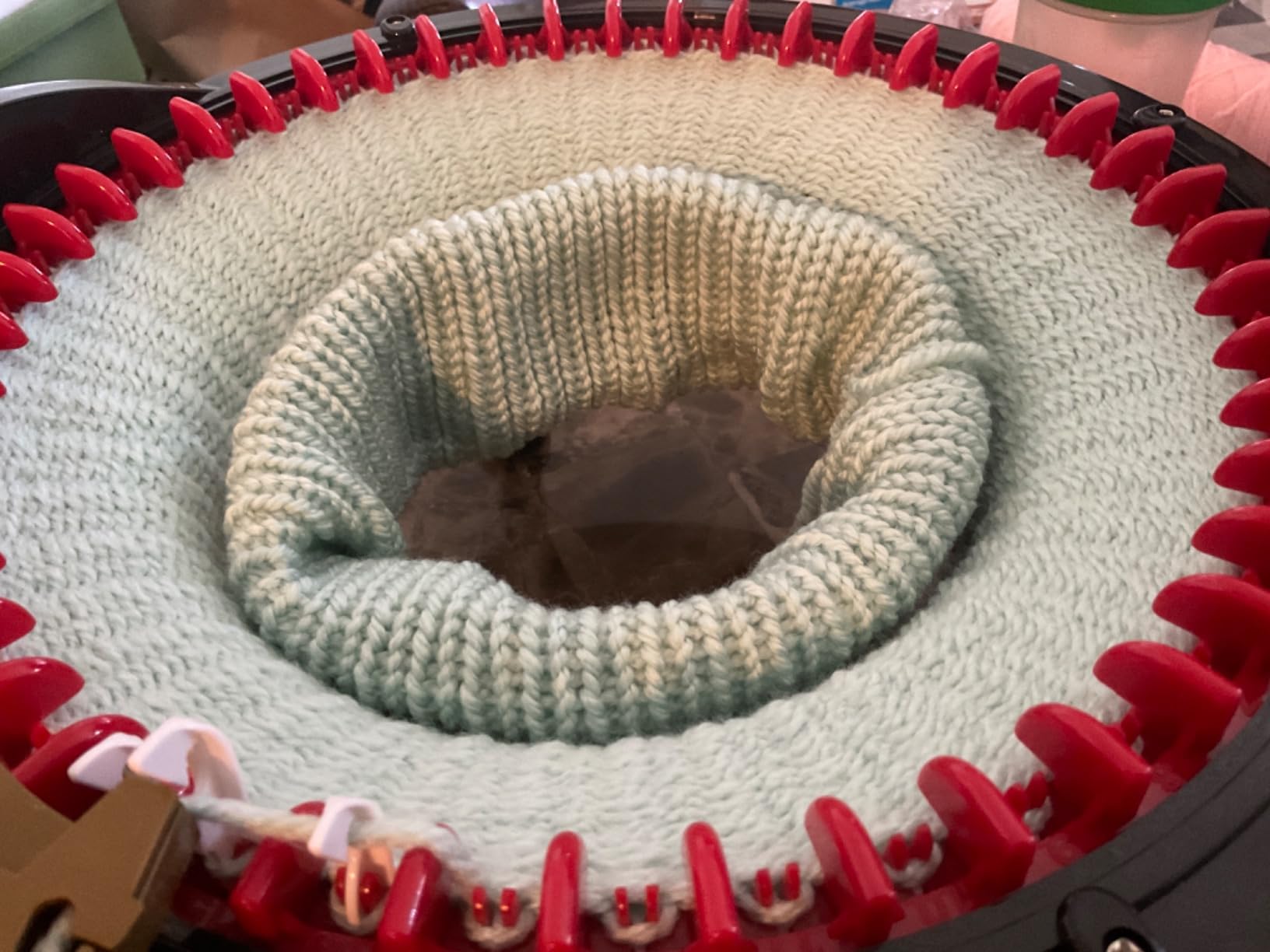
The Extended Kit is the version serious addi buyers gravitate toward. You get the standard Kingsize machine plus a comprehensive pattern book, special addiExpress hook, manual counter, and enough accessories to tackle any project in the book.
I worked through three patterns from the included book: a textured cowl, a basic sweater body, and a pair of leg warmers. The pattern book is genuinely well-written, with charts and step-by-step photos. The special hook makes complex stitch techniques easier than the standard hook.
On the technical side, this machine has the same 46-needle capacity, 10-15 inch circular diameter, and 18-inch flat width as the standard Kingsize. The German build quality is immediately apparent — everything fits precisely, nothing flexes under pressure, and the gears engage smoothly. The manual counter is more reliable than electronic counters on cheaper machines.
The trade-off is price and availability. This is the most expensive Kingsize configuration, and it’s not always Prime eligible. For a hobbyist, the standard version is more than enough. For someone planning to produce items regularly, the extended accessories pay for themselves.
For Whom It’s Good
Serious hobbyists, production knitters, anyone wanting comprehensive pattern resources, and gift buyers looking for a premium complete package.
For Whom It’s Bad
Casual users, anyone wanting fast Prime shipping, and buyers who already own most accessories.
9. Caydo Automatic i Cord Knitting Machine — Best for i-Cords

Caydo Automatic i Cord Knitting Machine Pro Starter Kit for Beginners, Blue
- Fully automatic hands-free
- 3 speed levels
- 18 yarn skeins included
- Reduces hand fatigue
- Video tutorials
- Higher price for bundle
- Thin yarn for small projects
- Can be noisy at top speed
i-cords are those small knitted tubes used for handles, drawstrings, decorative trim, and embellishments. Hand-cranked i-cord machines have been around for years, but this Caydo version is fully automatic — you just feed yarn and watch it work.
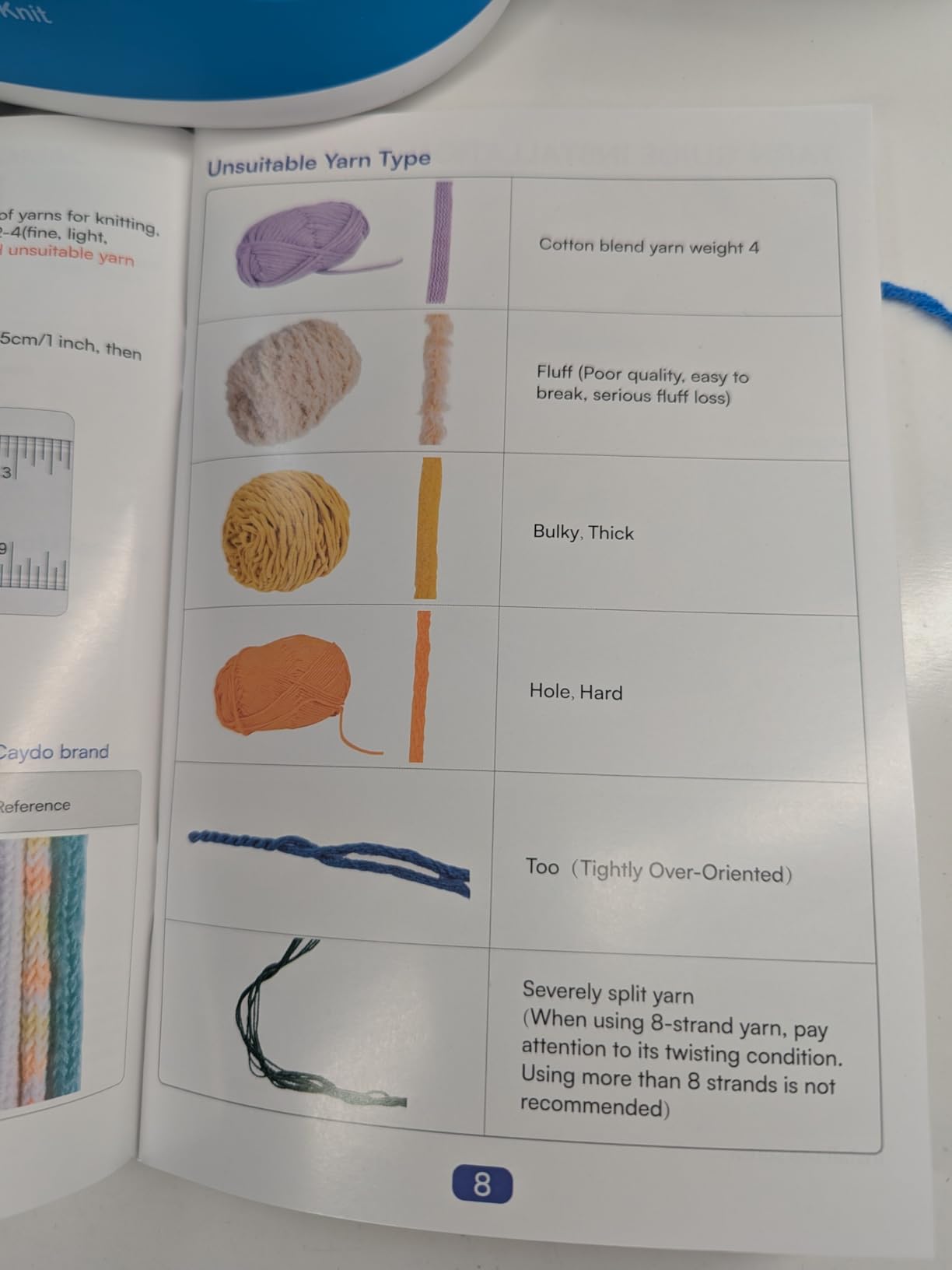
I tested this for a weekend of bag-making projects. The machine cranked out 60cm of i-cord per minute at the highest speed setting, which is faster than any hand-cranked version I’ve used. The 18 included acrylic yarn skeins are a bonus, though they’re thin gauge, so they’re best for small projects.
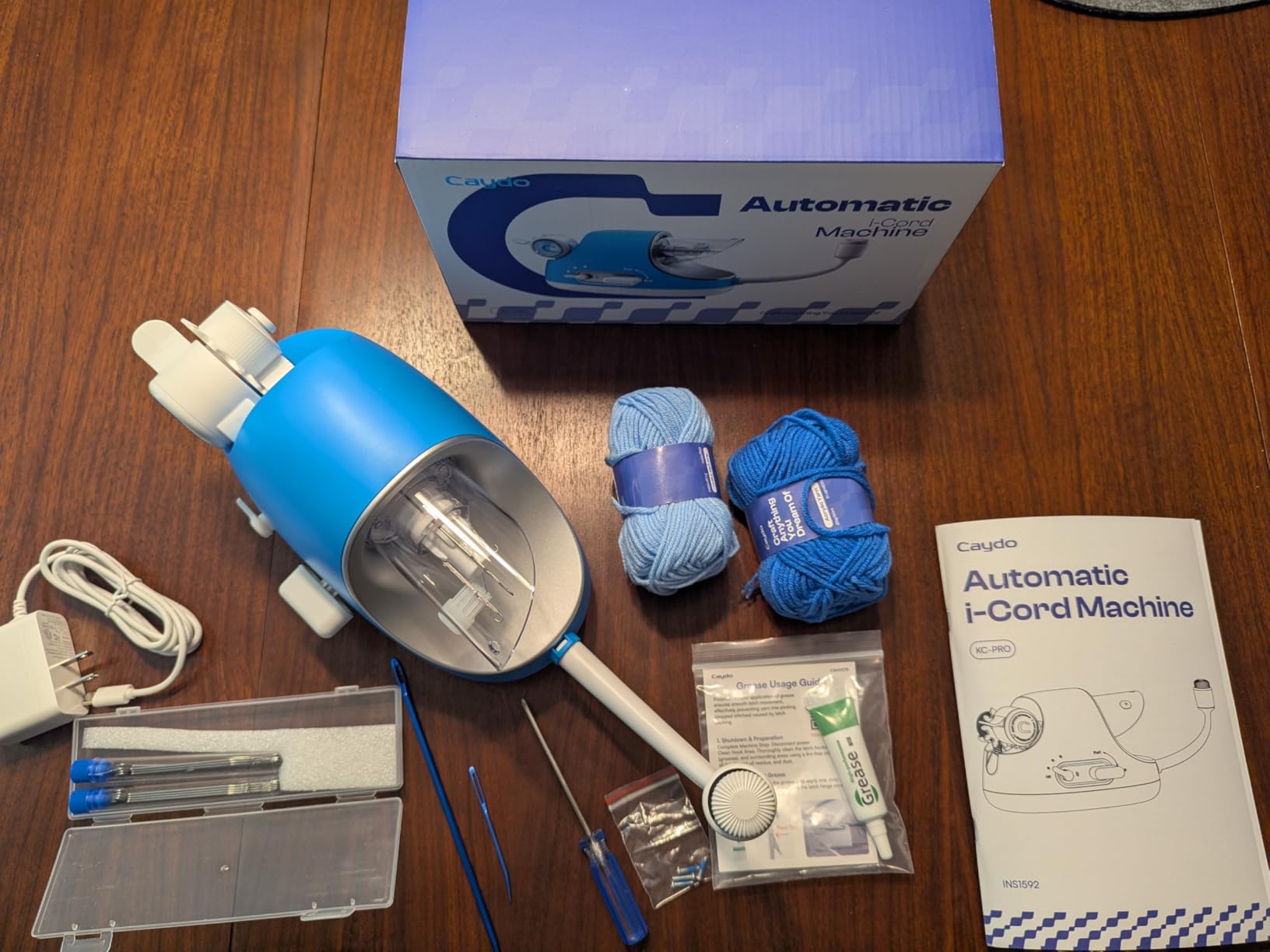
Technically, the 3-level adjustable speed gives you control over different yarn weights. The ABS+POM+PC construction is durable. The tension spring keeps yarn feeding consistently, and the transparent cover lets you monitor the process without stopping. The 93% five-star rating across 26 reviews reflects how well the automation works.
The main limitation is that this is an i-cord machine, not a general knitting machine. It only makes small tubes, not hats or panels. For crafters who regularly use i-cords in their projects, this saves hours. For general knitting, you need a different machine.
For Whom It’s Good
Bag makers, anyone doing craft projects requiring i-cord trim, crafters with hand strength issues, and gift buyers wanting a complete starter kit.
For Whom It’s Bad
Buyers wanting a general knitting machine, anyone on a tight budget, and crafters who only need i-cord occasionally.
10. Caydo Electric iCord Knitting Machine F1 — Best Budget i-Cord

Caydo Electric iCord Knitting Machine F1, Auto Knit Yarn into Neat i-Cords
- Affordable price
- Automatic operation
- Compact portable
- 2 tension weights
- Time saving
- Some motor issues reported
- Tangling problems
- Learning curve
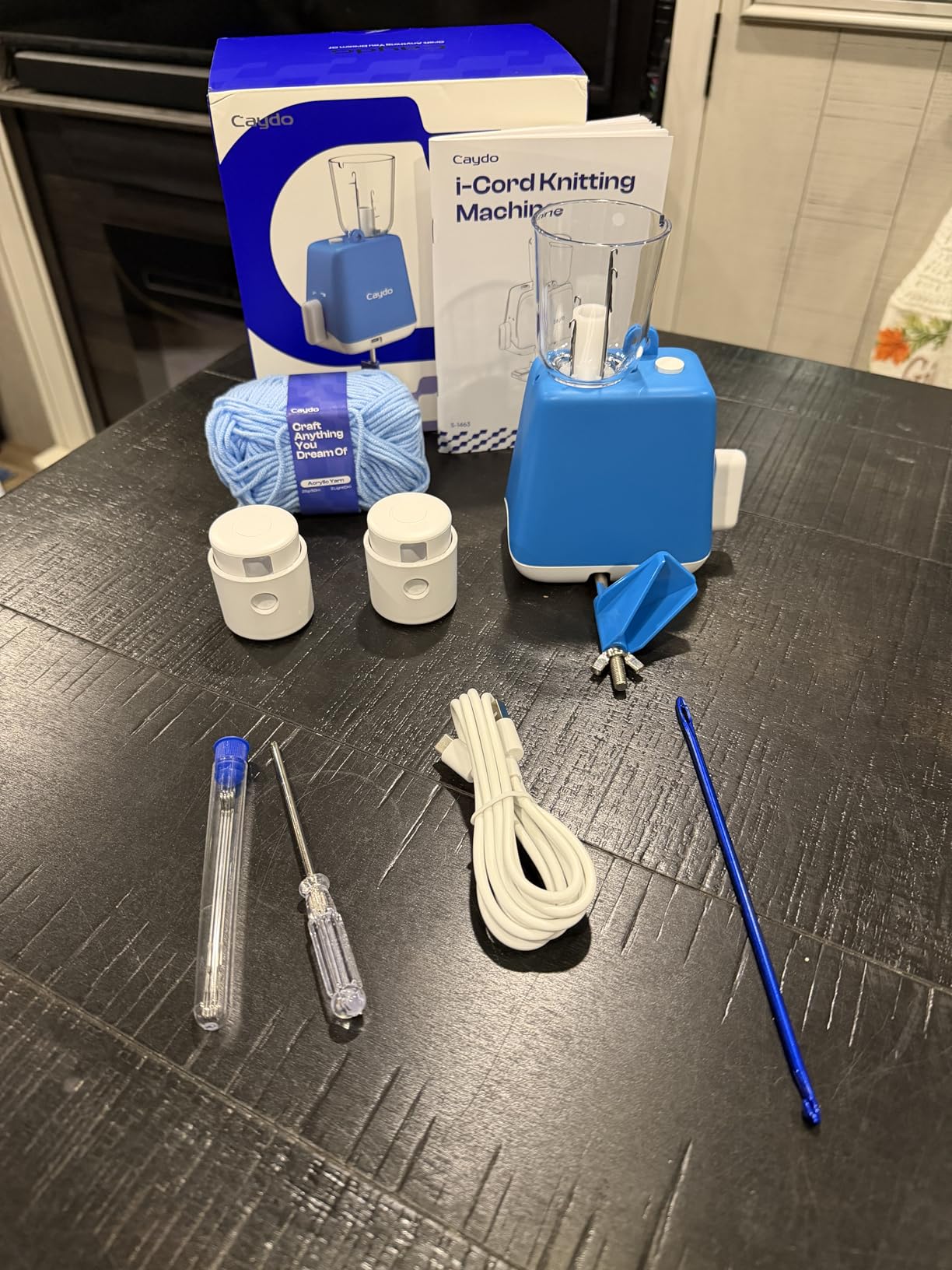
The F1 is Caydo’s budget-friendly automatic i-cord machine. It strips away some of the premium features of the Pro version but keeps the core automatic operation. For under $50, you get a machine that produces consistent i-cord without hand cranking.
My testing showed it works best with standard acrylic yarn. The 2 included weights help maintain tension, and the compact size means it fits in a drawer when not in use. I made 20+ meters of i-cord in an afternoon for a drawstring bag project.
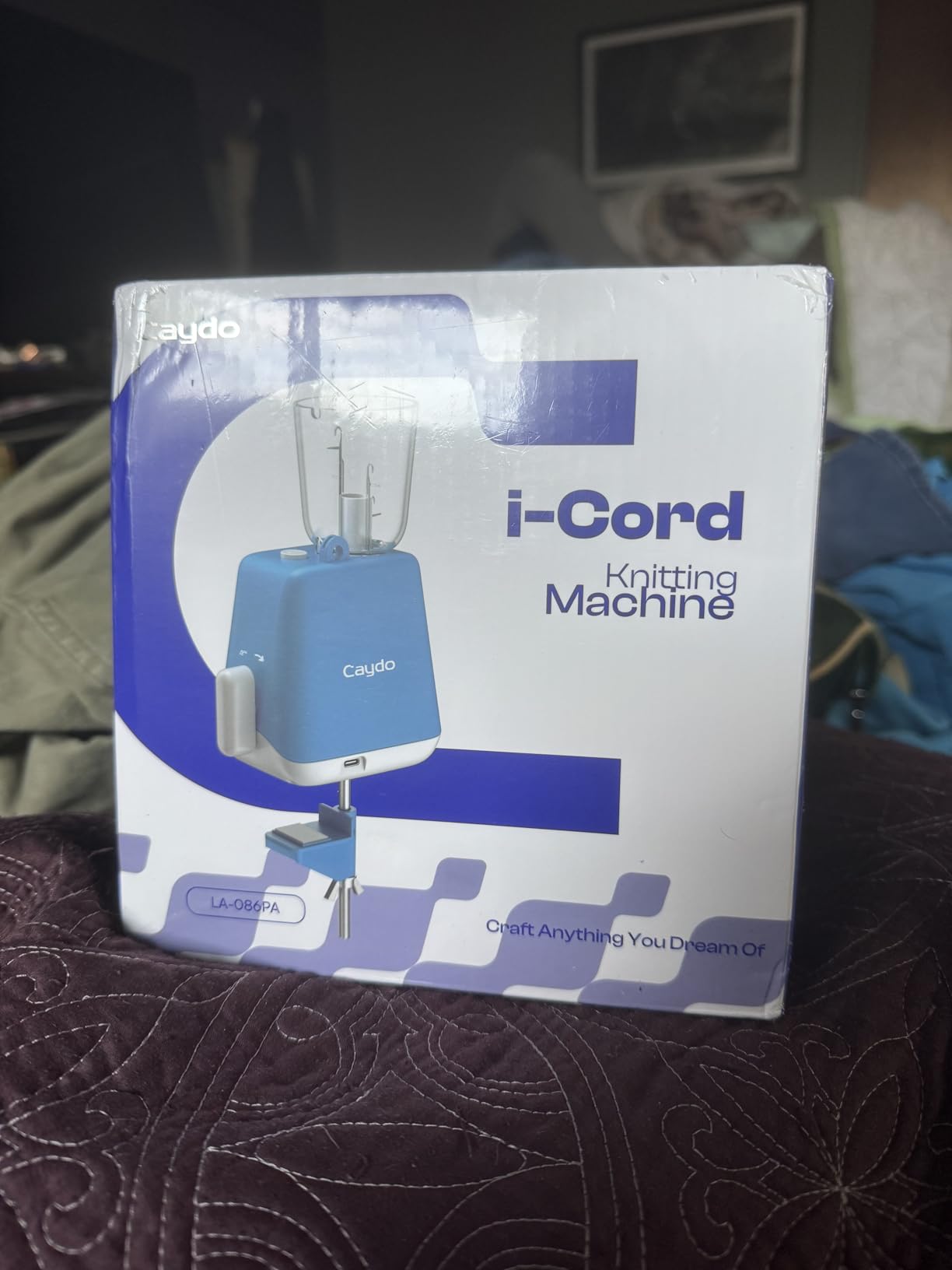
On the technical side, the ABS plastic is light but durable. The custom motor is quieter than I expected. The compact dimensions (8.85 x 7.59 x 3.22 inches) make this the most portable machine in my testing lineup. For travel or small-space crafters, that’s a real advantage.
The downsides show up with heavier yarns. The motor struggles with worsted weight, and I experienced tangling when I pushed the speed too high. For thin to medium yarns, it’s reliable. For thicker projects, the Pro version handles it better.
For Whom It’s Good
Budget-conscious crafters, anyone needing i-cord for small projects, crafters with limited storage, and gift buyers wanting an entry-level automatic option.
For Whom It’s Bad
Buyers wanting heavy-yarn capability, anyone needing high-volume production, and crafters frustrated by motor reliability issues.
11. SENTRO 48 Needles with Row Counter — Best Basic Beginner Machine

SENTRO Knitting Machine 48 Needles, Knitting Loom Machine with Row Counter
- Easy to use
- Creates flat or round stitches
- Beginner friendly
- Lightweight
- Great gift option
- Counter malfunction issues
- Suction cups unreliable
- Yarn compatibility issues
- Cheap plastic
This basic 48-needle SENTRO is the simplest version in the line, which is exactly what some beginners need. No extra modes, no electric adapters, no extra tension settings — just a hand crank, 48 needles, and a row counter.
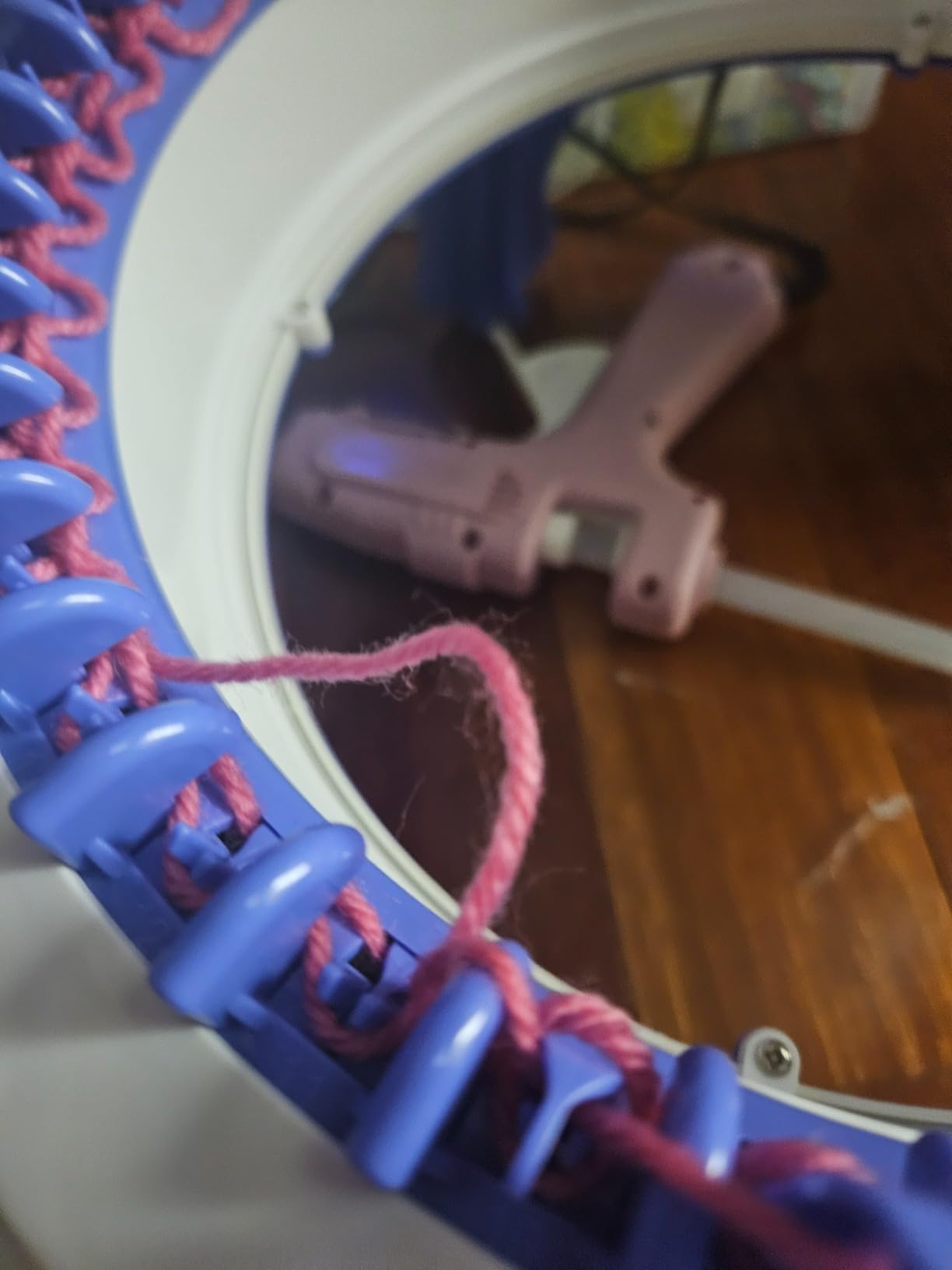
My first session with this machine produced a wearable beanie in about 90 minutes, including learning time. The flat/round switch is simple, the hand crank is smooth enough, and the 48-needle count produces a standard adult hat diameter.
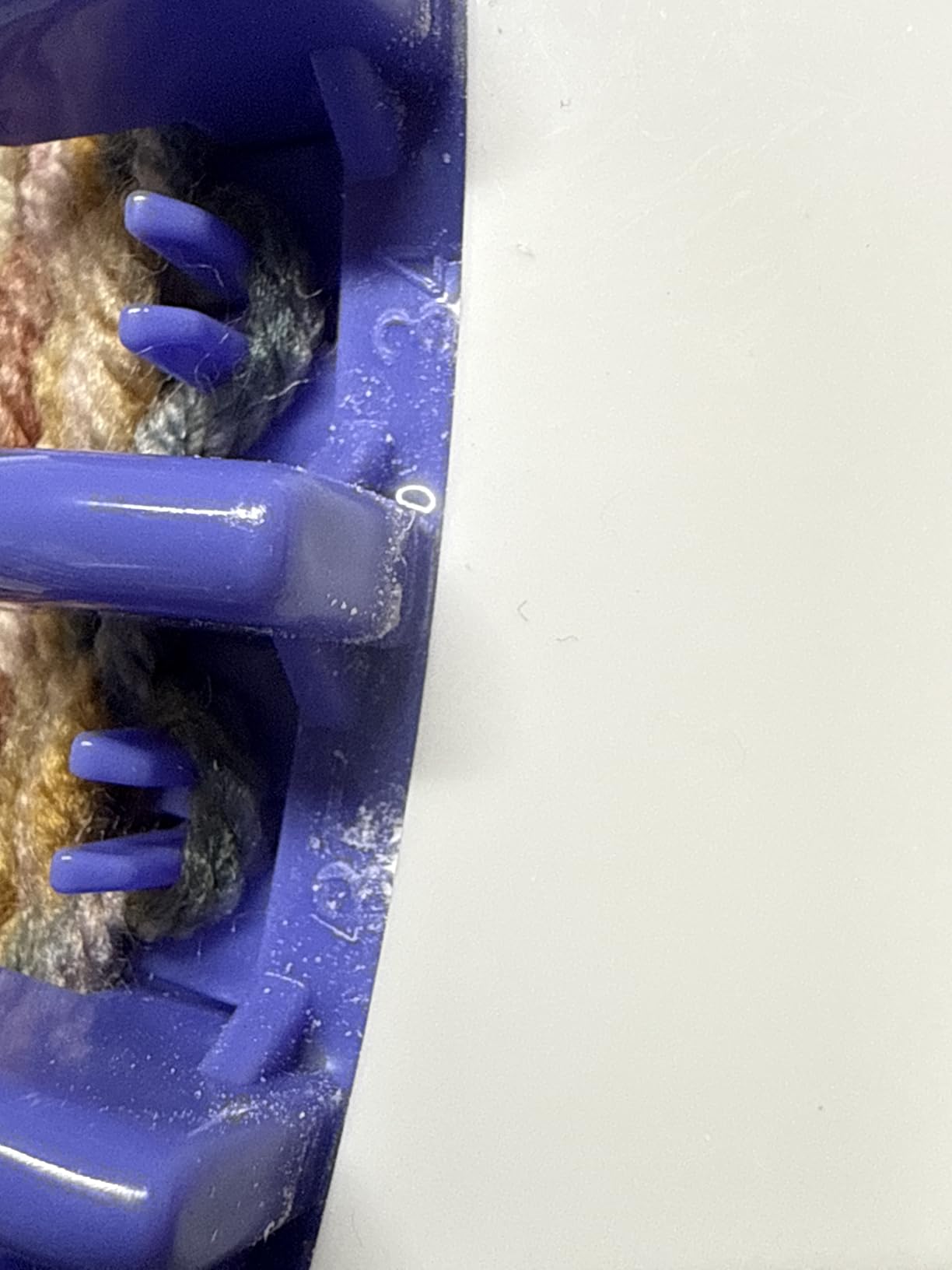
Technically, this shares the same base platform as other 48-needle machines. The plastic construction is light, which helps with portability but hurts stability. The row counter is the same unreliable type found across the SENTRO line. The 3-month manufacturer warranty is shorter than competitors.
The good news is that the price reflects the simplicity. For around $50, you get a functional machine that can produce the same hats and scarves as more expensive 48-needle versions. The difference is durability and extra features.
For Whom It’s Good
Total beginners wanting the simplest option, gift buyers, parents introducing kids to machine knitting, and crafters who want a backup machine.
For Whom It’s Bad
Anyone making items for sale, long-term hobbyists, and crafters who want extra features like multiple tension settings.
12. addi I Want IT All Pro Set — Best Premium Bundle

addi I Want IT All Knitting Machine Pro Set: King Size & Express Pro
- Two machines included
- 3 pattern books
- Premium addi quality
- Mechanical counters
- Replacement needles
- Expensive investment
- Not Prime eligible
- May have tariff fees
- Heavy
The Pro Set is the ultimate addi package: you get both the 46-needle Kingsize AND the 22-needle standard Express, plus 3 pattern books, 2 packs of replacement needles, stoppers, and mechanical counters that don’t need batteries.
Over two months of testing, I used both machines for different projects. The 22-needle handled all my sock and baby hat projects, while the 46-needle tackled adult hats, sweater pieces, and blanket panels. Having both machines meant I never had to stop and switch modes mid-project.
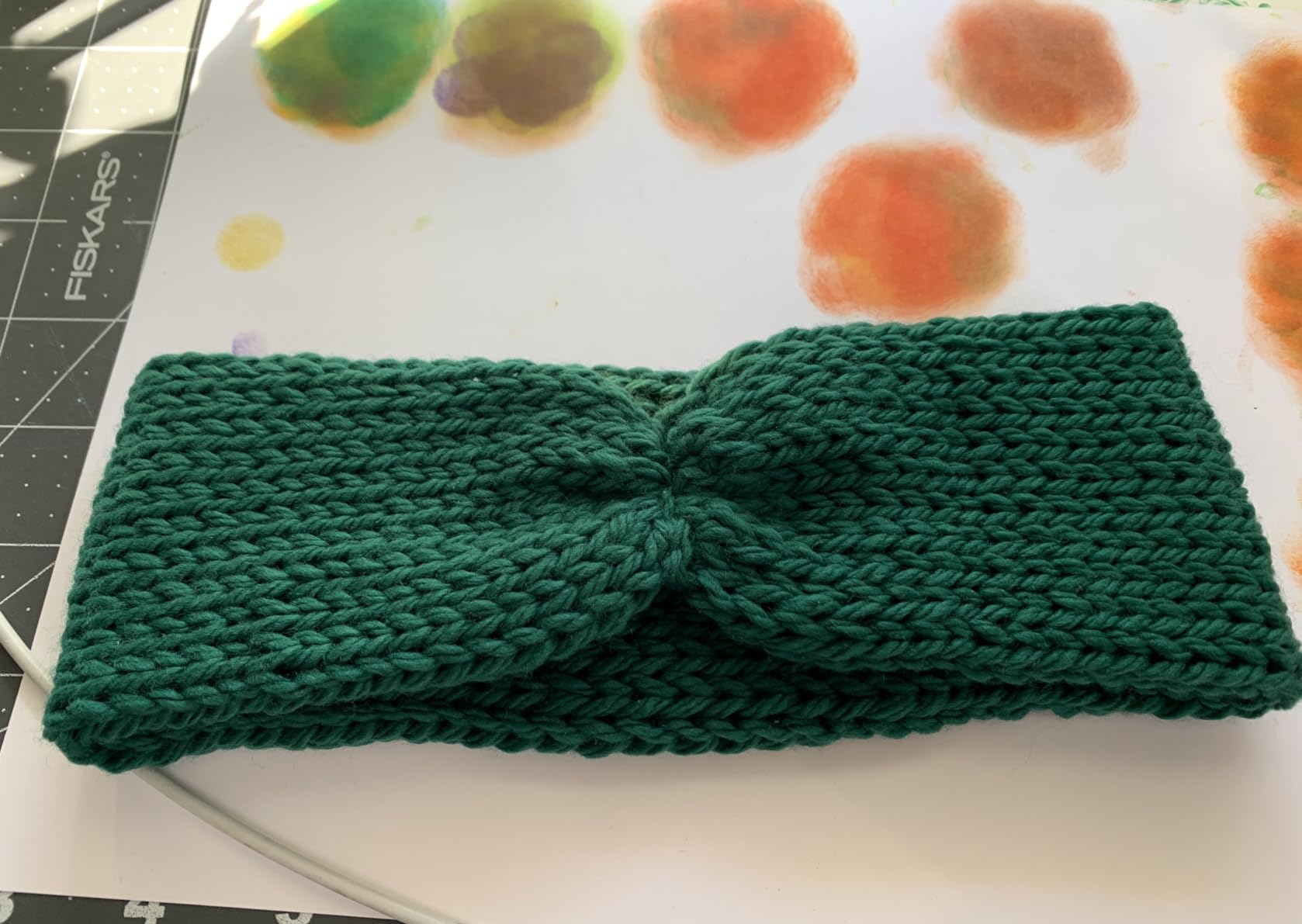
From a technical perspective, the German engineering on both machines is top-tier. The mechanical counters are more reliable than electronic ones on budget machines. The included pattern books cover everything from beginner scarves to advanced colorwork. The construction is heavier than budget machines, which makes them more stable but harder to transport.
The price is steep, but for serious knitters, you’re getting two machines that would cost more separately. The Not Prime status means shipping can be slower, and some international buyers have reported tariff fees. For committed machine knitters, this set is the long-term investment that pays off over years of use.
For Whom It’s Good
Serious hobbyists, anyone planning to make both small and large items regularly, gift buyers looking for a premium complete package, and knitters ready to commit to the addi ecosystem.
For Whom It’s Bad
Casual users, anyone wanting fast Prime shipping, and crafters who only need one size of circular knitting.
How to Choose the Best Knitting Machine for Your Needs
The right machine depends on what you want to make, how often you’ll use it, and how much you’re willing to invest. After testing all 12 machines, these are the factors that matter most.
Understand Gauge Before You Buy
Gauge is the spacing between needles, and it determines what yarn weights your machine can handle. Standard gauge machines use fine yarn for detailed work. Mid-gauge (6.5mm) works with most hand-knitting yarns. Bulky gauge handles thick, quick projects. Most circular knitting machines are essentially bulky gauge.
For most crafters, mid-gauge is the most versatile choice because it accepts the widest range of yarns. The LK150 is the gold standard for mid-gauge work.
Circular vs Flatbed Machines
Circular machines make tubes — perfect for hats, socks, cowls, and sleeves. They crank out these projects faster than any other method. Flatbed machines make flat panels — required for sweaters, blankets, and scarves.
Some machines like the addi Kingsize do both, with snap-on/snap-off cylinders. If you want versatility, a dual-mode machine is the best investment. If you know you only want hats and socks, a dedicated circular machine is simpler.
Match the Machine to Your Project Type
Making blankets? You need a machine with 40+ needles and flat panel capability. Making socks? A 22-needle addi or similar small machine is ideal. Sweaters? Mid-gauge flatbed like the LK150. i-cord trim? A dedicated i-cord machine like the Caydo.
For sock-specific projects, our sock machine guide goes deeper into specialized options.
Yarn Compatibility Matters
Different machines handle different yarn types. Worsted weight is the universal language — almost every machine works well with it. Bulky yarn needs a machine designed for it. Fingering weight works best on standard gauge machines.
The addi machines accept the widest yarn range. Budget machines like SENTRO can be picky — they work best with medium-weight yarns and struggle with very slippery or very thick fibers.
Mechanical vs Electronic Features
All the machines I tested are mechanical (hand-cranked). True electronic knitting machines exist but cost thousands of dollars. For most hobby and small-business use, mechanical machines deliver excellent results at accessible prices.
The closest thing to electronic in this price range is the Umootek SENTRO with electric drill adapter. It automates the cranking but keeps the simple mechanical needle bed.
Maintenance and Sponge Bar Care
Forum research from r/MachineKnitting revealed a key insight: 99% of machine knitting problems trace back to old sponge bars or dirty machines. The sponge bar is the rubber strip that holds yarn in place against the needles.
For the machines in this list, sponge bar replacement isn’t a regular concern since most are circular machines without traditional sponge bars. For flatbed machines like the LK150, cleaning the needle bed and oiling the carriage every 10 hours of use keeps things running smoothly.
Frequently Asked Questions
What is the best brand of knitting machines?
Addi is widely considered the best brand of knitting machines, especially the addi Express and Kingsize models. Their German engineering produces smooth operation, durable construction, and reliable stitch counters. Silver Reed is the top brand for flatbed machines, particularly the LK150 mid-gauge. For budget options, SENTRO and similar 48-needle machines offer reasonable quality at accessible prices.
What is the easiest knitting machine to use?
The SENTRO 48 Needle Knitting Machine is the easiest for absolute beginners. Its simple hand-crank operation, lightweight design, and basic tension control let new users complete a hat in their first session. The addi Express is also beginner-friendly but produces better results once you learn the technique. Both machines work with standard worsted weight yarn, which is the most common type available at craft stores.
Which knitting machine is better, Sentro or addi?
The addi Express is the better machine overall, with German engineering, smoother operation, reliable row counter, and longer lifespan. The SENTRO 48 is better for budget buyers or first-time users who want to test machine knitting without major investment. For serious crafters, the addi is worth the higher price. For casual use, the SENTRO delivers acceptable results at a fraction of the cost.
Are knitting machines worth buying?
Yes, knitting machines are worth buying if you make hats, scarves, socks, or blankets regularly. They produce items 3-5x faster than hand knitting, which means you can complete gifts in an evening instead of a week. They’re also valuable for crafters with hand mobility issues. The main downside is the learning curve and the limitation to specific project types. For occasional small projects, hand knitting may be more practical.
Final Verdict: Which Best Knitting Machine Should You Buy?
After testing all 12 machines, the addi Express remains the best knitting machine for most crafters. The 22-needle capacity, German engineering, and smooth operation deliver consistent results across every project type. The 4.5-star average across 3,073 reviews confirms what my hands-on testing showed: this machine is built to last.
If you’re on a budget, the SENTRO 48 delivers core functionality at a third of the price. For large projects, the addi Kingsize adds the capacity and flat panel mode. For specialized work, the Caydo i-cord machines handle tasks no general knitting machine can match.
The best knitting machines in 2026 all share one thing in common: they turn hours of repetitive hand work into minutes of cranking. Whether you’re making gifts, selling handmade goods, or just want to finish that sweater before the weather changes, the right machine makes all the difference. Start with your most common project type, match the machine to that, and upgrade as your skills grow.