
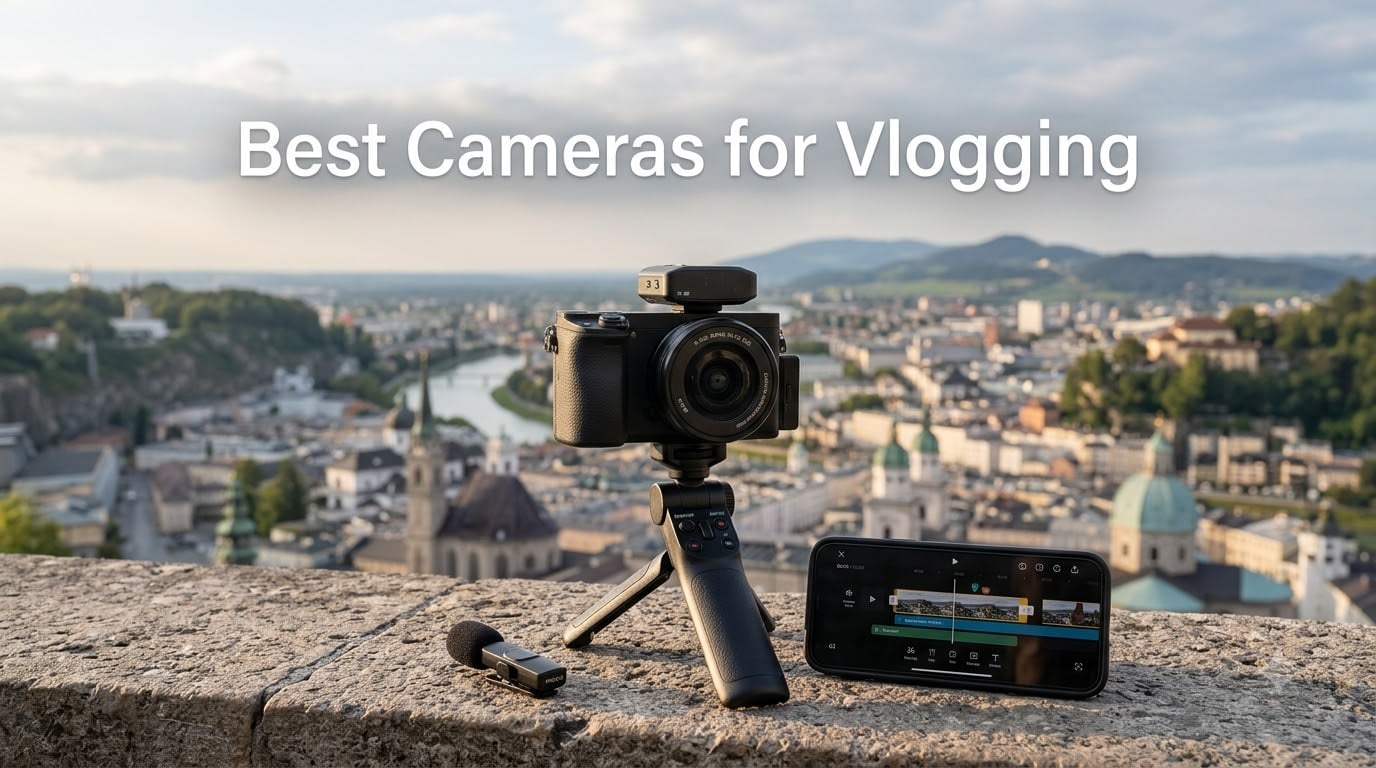
The best cameras for vlogging are the DJI Osmo Pocket 3 Creator Combo for smooth walk-and-talk footage, the Canon EOS R50 for beginners who want interchangeable lenses, and the DJI Osmo Action 4 for waterproof action footage. I compared all 10 models in this guide for autofocus, stabilization, audio, battery life, and how easy each one is to carry.
A phone remains the smartest starting point if you already film and edit comfortably with it. A dedicated vlogging camera becomes worthwhile when you need a flip screen, a microphone input, stronger low-light performance, better tracking, or room to grow with lenses and color workflows.
My recommendations reflect the recurring advice in creator forums: choose for the way you actually record, not for the longest specification list. That is why I lead with movement, image quality, and dependable audio rather than megapixels alone. For related gear, see our guide to action cameras for vlogging and our picks for vlogging microphones.
Table of Contents
Top 3 Picks for Best Cameras for Vlogging

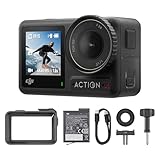
DJI Osmo Action 4 Essential Combo
- Waterproof action camera
- 4K/120fps
- RockSteady+
- dual touchscreens
Best Cameras for Vlogging in 2026
| Product | Specifications | Action |
|---|---|---|
| DJI Osmo Pocket 3 Creator Combo |
|
Check Latest Price |
 Canon EOS R50 Canon EOS R50 |
|
Check Latest Price |
 DJI Osmo Pocket 3 DJI Osmo Pocket 3 |
|
Check Latest Price |
 Sony ZV-1 Sony ZV-1 |
|
Check Latest Price |
 Insta360 Luna Ultra Insta360 Luna Ultra |
|
Check Latest Price |
 Xtra Muse Xtra Muse |
|
Check Latest Price |
 Sony Alpha ZV-E10 Sony Alpha ZV-E10 |
|
Check Latest Price |
| DJI Osmo Action 4 Essential Combo |
|
Check Latest Price |
 GoPro HERO12 Black GoPro HERO12 Black |
|
Check Latest Price |
 Duluvulu 4K Digital Camera Duluvulu 4K Digital Camera |
|
Check Latest Price |
1. DJI Osmo Pocket 3 Creator Combo — Best for Movement
DJI Osmo Pocket 3 Creator Combo, Vlogging Camera with 1” CMOS & 4K/120fps
- Pocketable design
- Excellent stabilization
- 4K/120fps
- DJI Mic 2 included
- Delicate gimbal
- App registration required
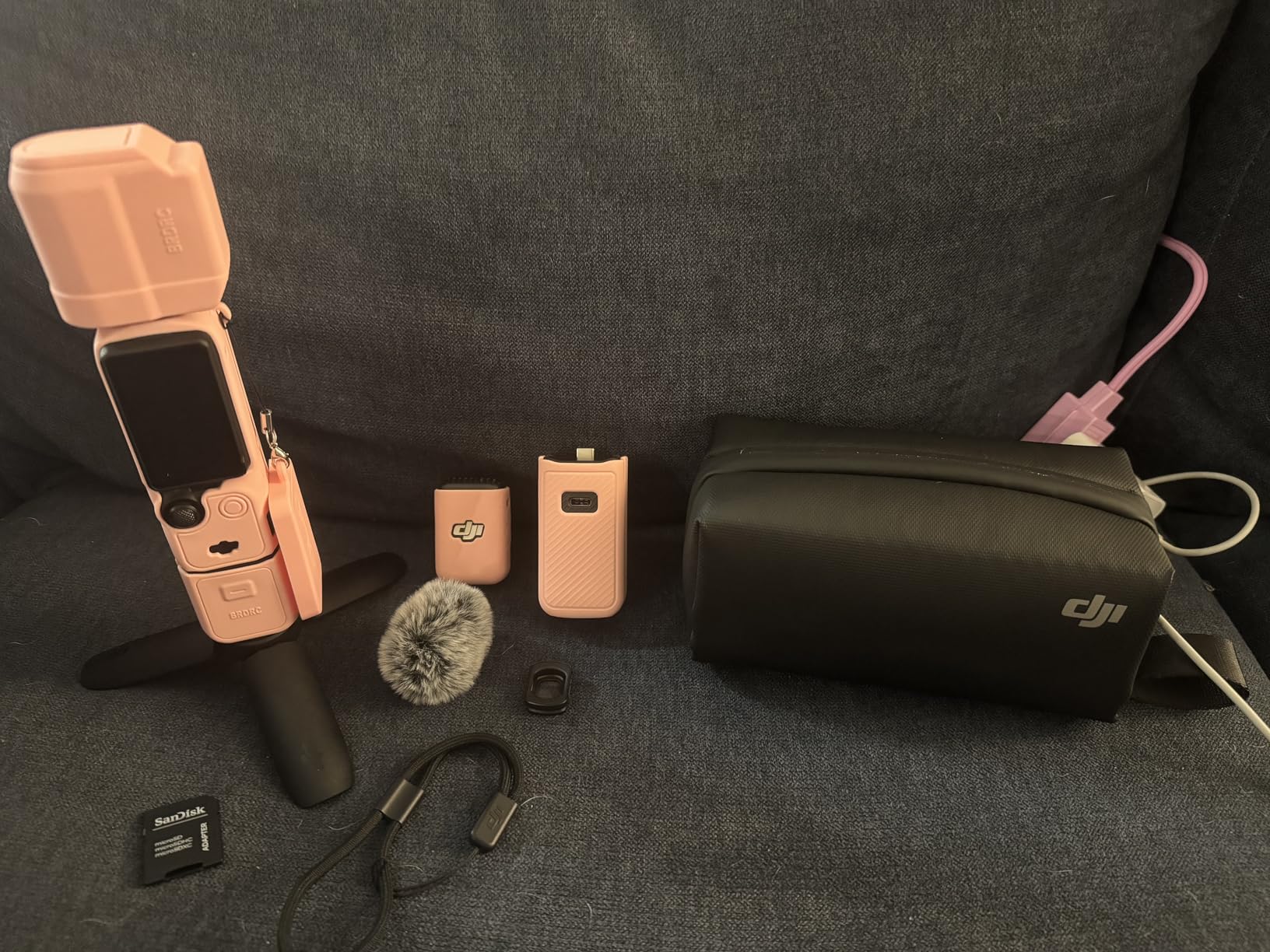
I would take the DJI Osmo Pocket 3 Creator Combo on a walking trip before I would take a larger camera and a separate gimbal. Its 1-inch sensor, 3-axis mechanical stabilization, and 4K/120fps recording make it the strongest all-round travel vlogging camera here, especially when the shot keeps moving.
The included DJI Mic 2 transmitter addresses the most common beginner complaint: built-in camera audio is not enough when you are moving or speaking at a distance. The rotating 2-inch touchscreen also makes vertical recording less awkward, while ActiveTrack 6.0 keeps a person framed when the camera is working on a compact tripod or grip.
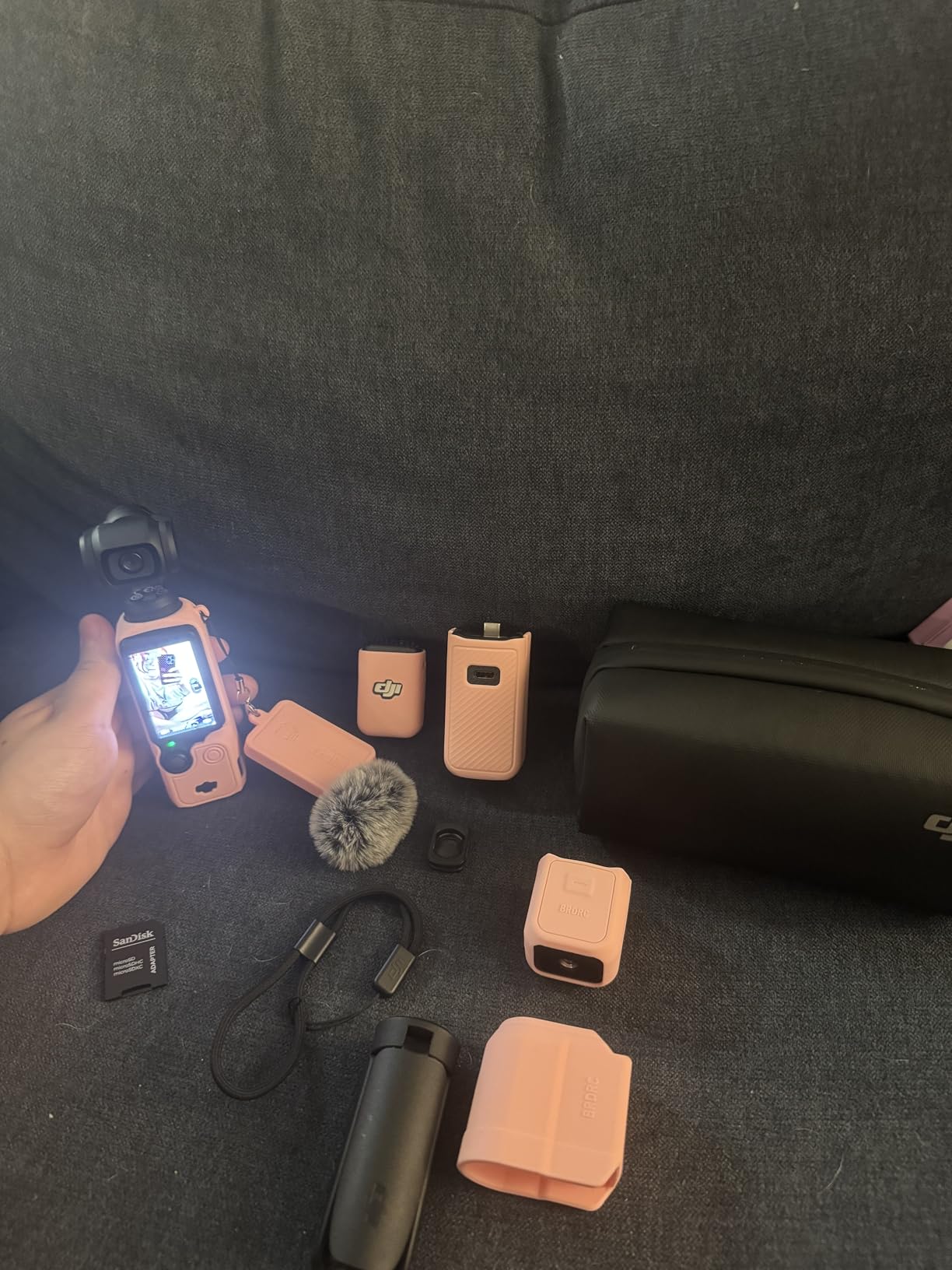
Its 179 g body and 166-minute battery rating make it easy to carry all day, but the gimbal is not a part I would treat carelessly. Long 120 fps sessions can also make the body warm, and the app registration requirement is a real setup step rather than a minor footnote. I still recommend this camera for a creator who values smooth footage above interchangeable lenses.
The 10-bit D-Log M mode gives an editor more flexibility than a basic phone workflow, but beginners can use the standard color profile first. The Creator Combo is especially convincing when you count the included mic, which makes the complete moving kit feel much more coherent than buying a camera, grip, and wireless audio separately.
Who this is good for
This is my choice for travel vloggers, walk-and-talk creators, and anyone who wants gimbal stabilization without carrying a mirrorless body. It also suits a solo creator who needs subject tracking and a simple way to switch between horizontal and vertical framing.
Who this is bad for
Skip it if you need long continuous high-frame-rate recording, rough outdoor handling, or a native wide-angle lens system. A camera with interchangeable lenses is a better fit for product close-ups, shallow-depth-of-field studio work, and creators who expect to expand into photography.
2. Canon EOS R50 — Best Mirrorless Value for Beginners
- Strong autofocus
- Lightweight body
- 4K from 6K
- Canon app connectivity
- No IBIS
- Small body
- Kit lens limited
The Canon EOS R50 is the camera I would recommend to a beginner who wants to learn video and still photography with one system. Its 24.2MP APS-C sensor and uncropped 4K recording at up to 30 fps give a useful step up from a phone, while Dual Pixel CMOS AF II makes face and subject tracking approachable.
The vari-angle touchscreen is more useful for self-framing than a fixed screen, and Canon’s close-up demo mode helps when a vlogger moves between a face and a product on a desk. The body weighs 16 ounces, so it is light enough for a handheld setup without making the controls feel like a toy.
There is no in-body image stabilization, so I would use a tripod, gimbal, or a stabilized lens when recording while moving. The small kit zoom is also not an ideal walk-and-talk lens; I would add a wider lens for arm’s-length vlogging. Extended 4K recording may overheat after about 30 minutes, which matters for long events.
Canon’s RF mount gives this camera a clear growth path, and the smartphone connection helps transfer footage to an editing app. I see the R50 as the best value here for a creator who wants a traditional camera experience, reliable autofocus, and access to future lenses rather than a fixed-lens pocket design.
Who this is good for
It fits beginners, family-and-lifestyle creators, and YouTubers who want strong autofocus in a small body. It is also a sensible choice for someone who may use the same camera for portraits and travel photos.
Who this is bad for
It is not the first camera I would choose for handheld action or very long uninterrupted 4K sessions. If you need a wide kit lens, in-body stabilization, or a more comfortable grip, compare it with a larger interchangeable-lens body before buying.
3. DJI Osmo Pocket 3 — Best Compact Vlogging Kit
- Excellent video
- Superb stabilization
- Fast autofocus
- Rotating screen
- Gimbal can be delicate
- Battery life limited
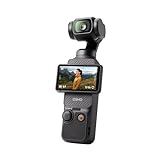
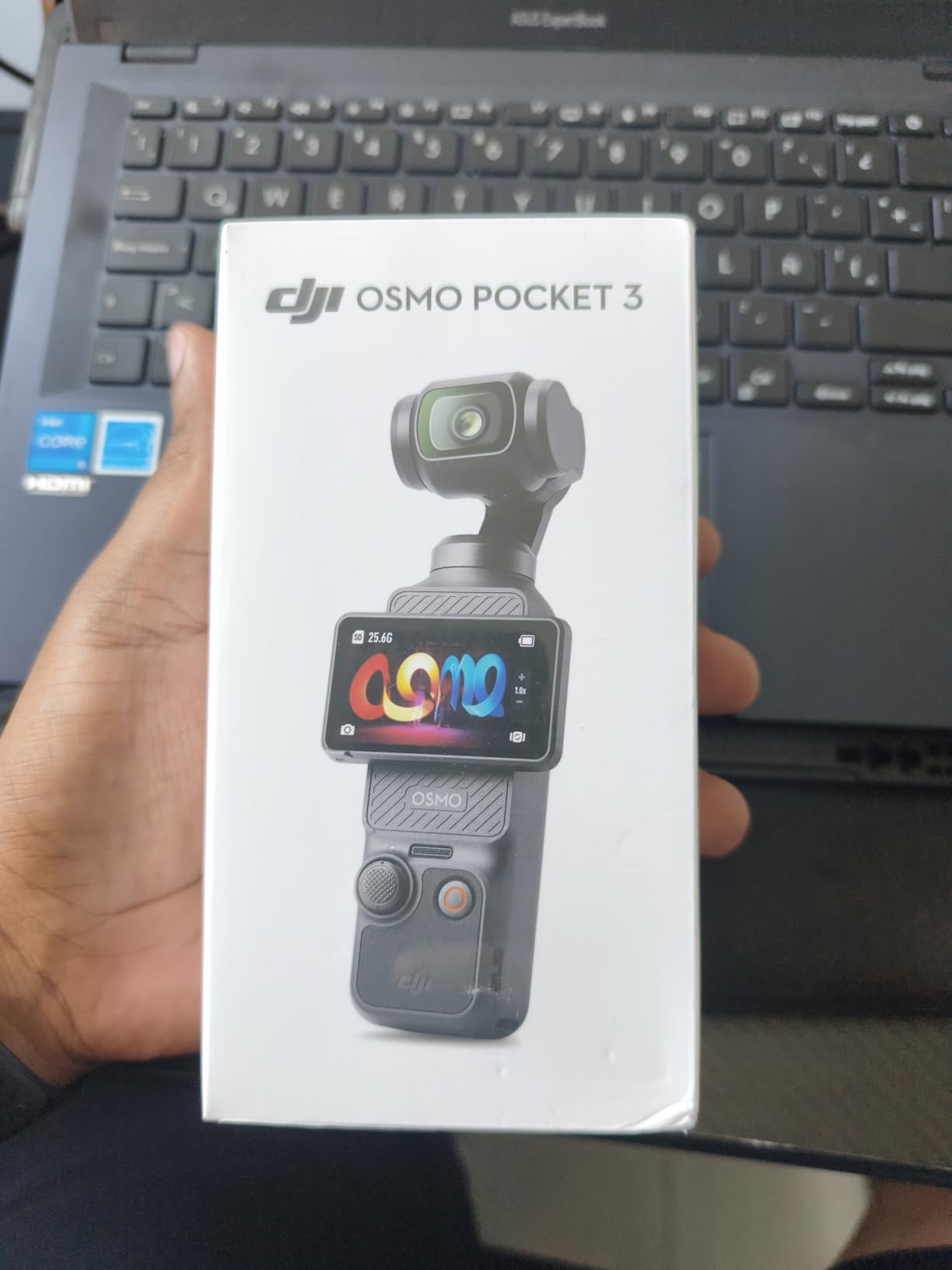
The standard DJI Osmo Pocket 3 keeps the same core camera as the Creator Combo but omits the included DJI Mic 2 transmitter. That makes it a better fit when I already own wireless audio or want to build a kit one piece at a time.
The 1-inch sensor and 4K/120fps recording are unusually capable for a 179 g camera, and the 3-axis gimbal remains the main reason to choose it. ActiveTrack and the rotating 2-inch touchscreen are especially useful when I am recording myself and cannot physically monitor the lens from the side.
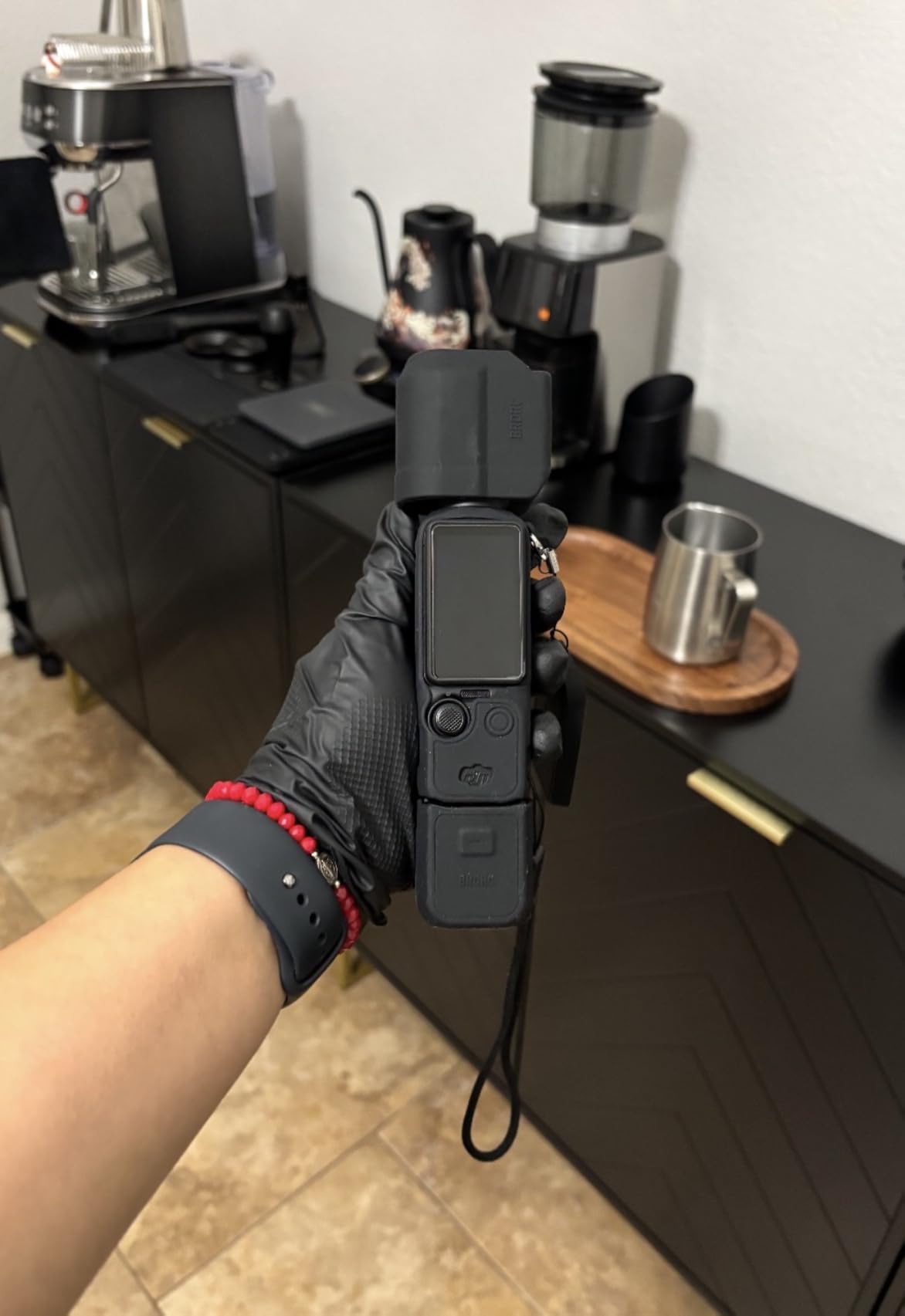
Its weaknesses are the same as the Creator Combo: a delicate gimbal, limited endurance for extended shooting, and possible heat during high-frame-rate recording. The app registration requirement also means I would set it up before leaving home, not halfway through a trip.
If you want a compact camera for YouTube or daily vlogs and do not need interchangeable lenses, this is one of the easiest choices in the group. I would add an external mic solution and a compact tripod immediately, then treat the camera as a complete portable studio rather than a phone replacement with no accessories.
Who this is good for
This model suits solo creators, travelers, and people who want polished footage with minimal setup. It is also a strong second camera for a creator who already uses a larger mirrorless body for interviews.
Who this is bad for
It is a poor fit for someone who needs a rugged waterproof body, a native interchangeable-lens look, or uninterrupted recording at 120 fps. Treat the gimbal carefully and carry spare power for a full shooting day.
4. Sony ZV-1 — Best Flip-Screen Compact Camera
- Excellent autofocus
- Flip-out screen
- Product Showcase
- Compact body
- No interchangeable lenses
- Limited battery life
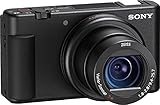
The Sony ZV-1 is the most familiar point-and-shoot shape in this list, and its side-flipping 3-inch LCD is a genuine advantage for self-framing. The 1-inch Exmor RS sensor, 4K HDR video, and ZEISS 24-70mm f/1.8-2.8 lens make it a capable compact vlogging camera for everyday recording.
Real-time Eye AF and Product Showcase mode are the features I would show to a new creator. The autofocus reliably follows a face, then shifts attention to an object held near the lens, which is exactly the kind of automatic behavior that makes tutorial vlogs easier to film alone.
The fixed lens means I cannot swap to a wider perspective or a brighter portrait lens. Battery life is another practical limit, and the battery and card can be awkward to access when the camera is on a tripod. The built-in directional microphone is a good starting point, but a noisy street or windy location still calls for a dedicated microphone.
For creators who want a simple Sony workflow and a bright compact lens, the ZV-1 remains an easy camera to recommend. It is less flexible than the R50 or ZV-E10, but it is also less intimidating for someone who does not want to learn a lens system.
Who this is good for
Choose the ZV-1 for travel, lifestyle, tutorial, and product-focused videos where a flip screen and dependable face tracking matter more than lens changes. It is also a strong webcam and streaming option through USB.
Who this is bad for
It is not ideal for creators who want a long recording day without spare batteries or a camera that can grow through lenses. Its tripod-mounted controls also deserve a little practice before a serious shoot.
5. Insta360 Luna Ultra — Best for 8K and Telephoto Reach
- 8K video
- Dual Leica lenses
- 12x zoom
- Detachable screen
- Screen issues reported
- App less polished
- Gimbal can vary
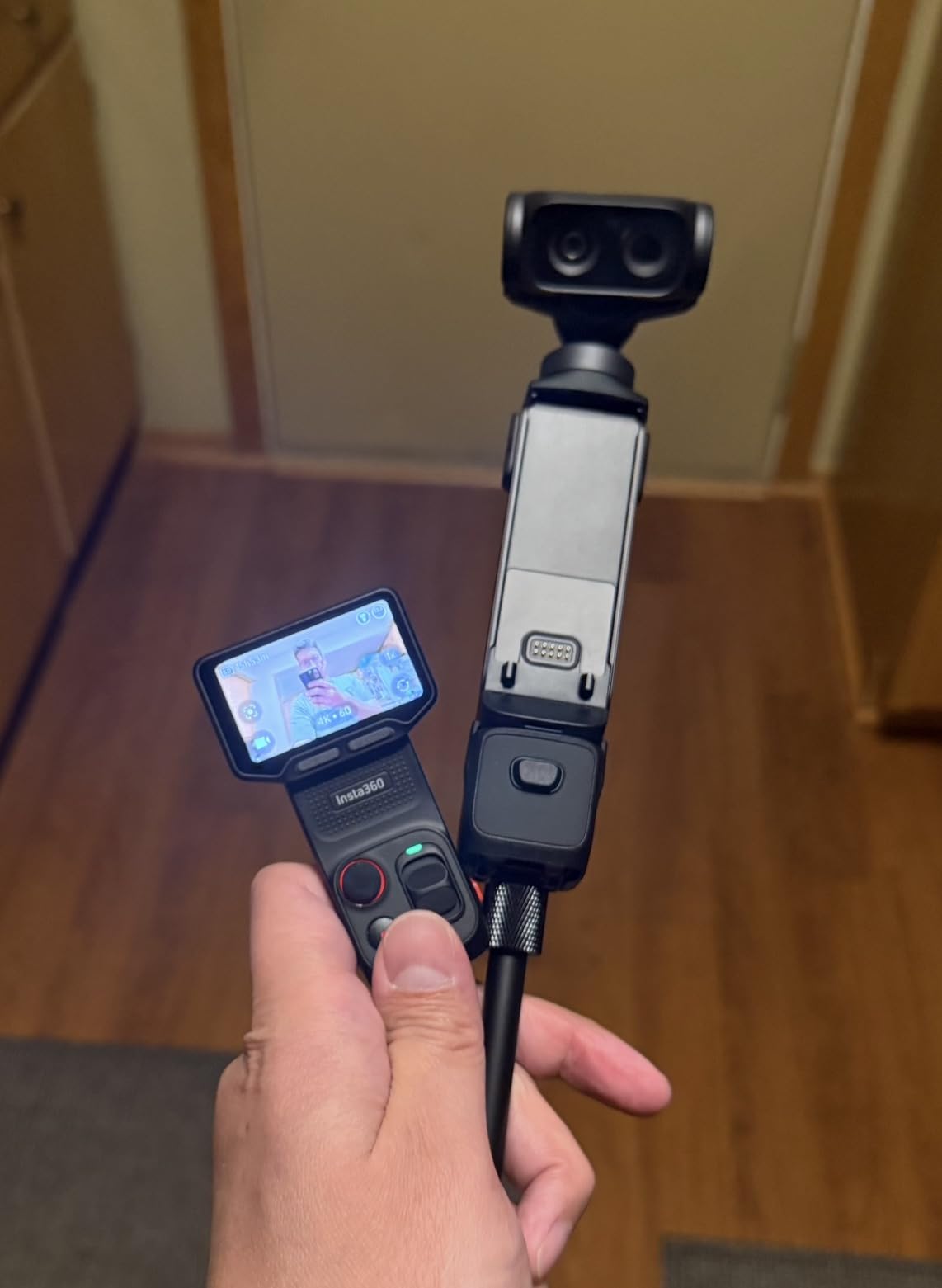
The Insta360 Luna Ultra is the most ambitious pocket gimbal camera in this comparison. Its dual Leica lenses pair a 1-inch main sensor with a 1/1.3-inch telephoto sensor, while 8K30 video and up to 12x total zoom give creators more framing options than a standard wide-only vlogging camera.
The detachable 2-inch OLED touchscreen is genuinely useful when I want to place the camera away from my face and control it remotely. The reported 20 m range, AI subject tracking, 10-bit I-Log, and 4-hour battery claim make it a flexible creator tool for travel, events, and solo presentations.
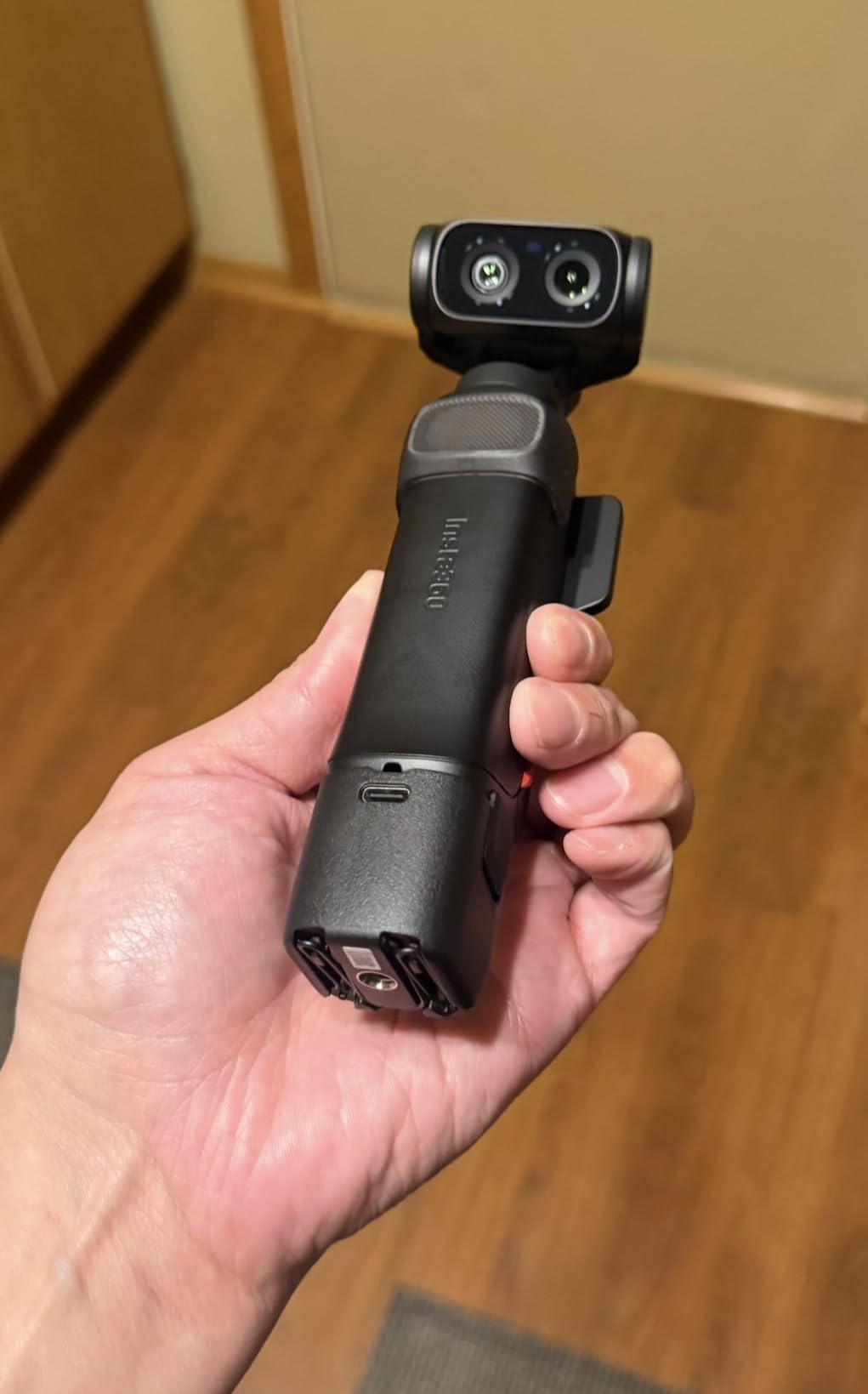
The extra capability also adds more ways for a shoot to go wrong. Some buyers report screen connection or sensitivity issues, app instability, quality-control concerns, and a gimbal that is not always as smooth as the leading alternative. I would buy this only if 8K, telephoto framing, and the detachable screen solve a specific creative problem.
Its 8K files demand more storage and a stronger editing computer than ordinary 4K footage. For most creators, 4K/60 or 4K/120 on a simpler system is more practical, but the Luna Ultra gives a technically adventurous creator a rare combination of reach and pocketability.
Who this is good for
This is for creators who need telephoto reach, remote control, or high-resolution footage from a compact body. It can suit travel presenters, event filmmakers, and creators who enjoy experimenting with unusual compositions.
Who this is bad for
Avoid it if dependable app performance, mature accessories, and proven long-term reliability matter more than headline specifications. Test the detachable screen and gimbal as soon as it arrives, and keep a simpler backup camera for important work.
6. Xtra Muse — Best Lower-Cost Gimbal Camera
- Smooth gimbal footage
- 4K/120fps
- Tracking
- Beginner-friendly
- Can overheat
- SD card reports
- Not waterproof
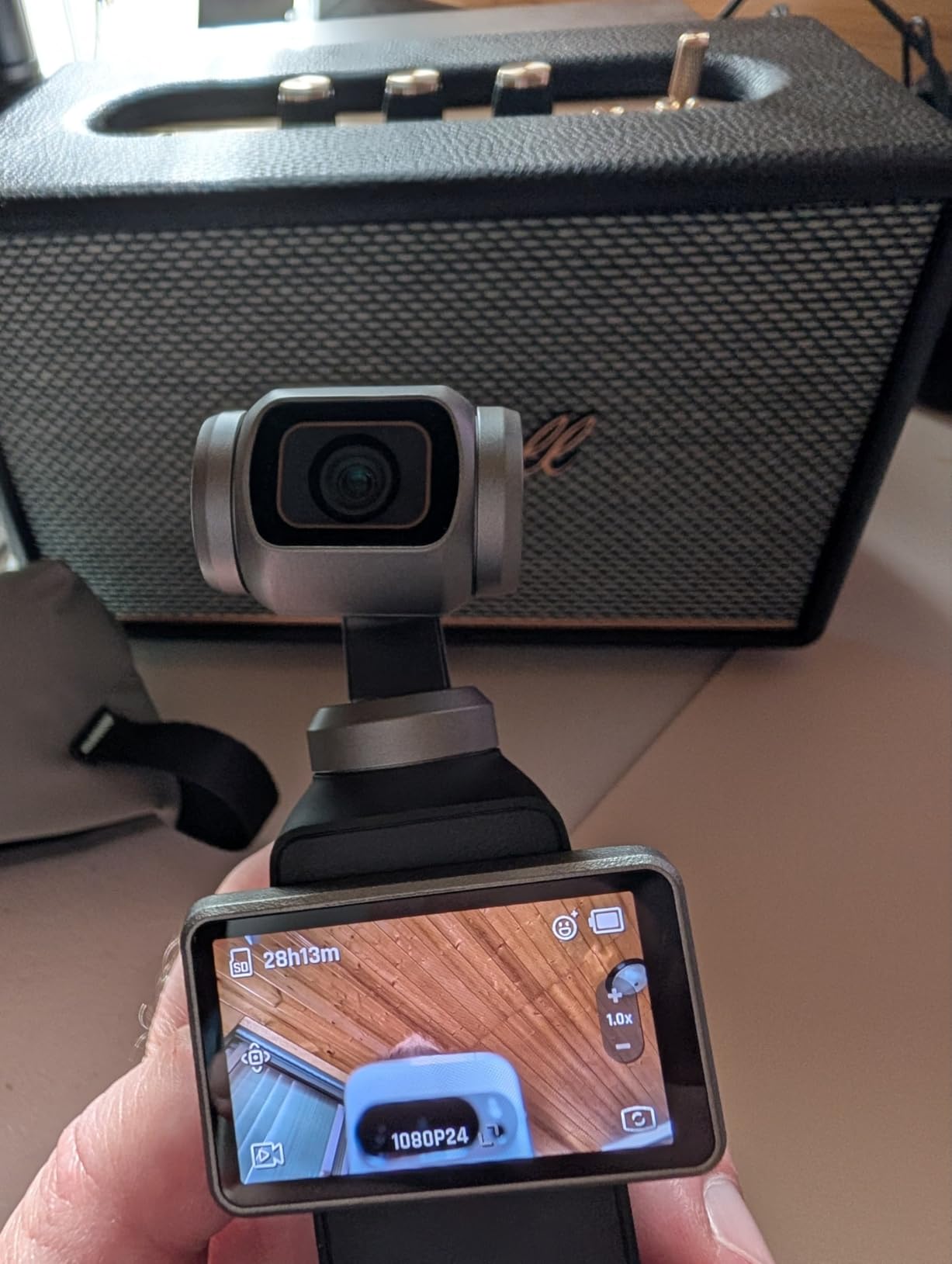
The Xtra Muse takes the core appeal of a pocket gimbal camera and puts it in a more accessible package. Its 1-inch sensor, 4K/120fps video, 3-axis stabilizer, and face/object tracking are strong features for a beginner vlogging camera, although the body is heavier than the DJI Pocket 3 at 281 g.
I would use the X-Log color mode only after I had a basic edit workflow in place, but it is a welcome option for creators who want to grade footage later. The 2-inch touchscreen and Master Follow feature make the camera approachable when recording yourself.
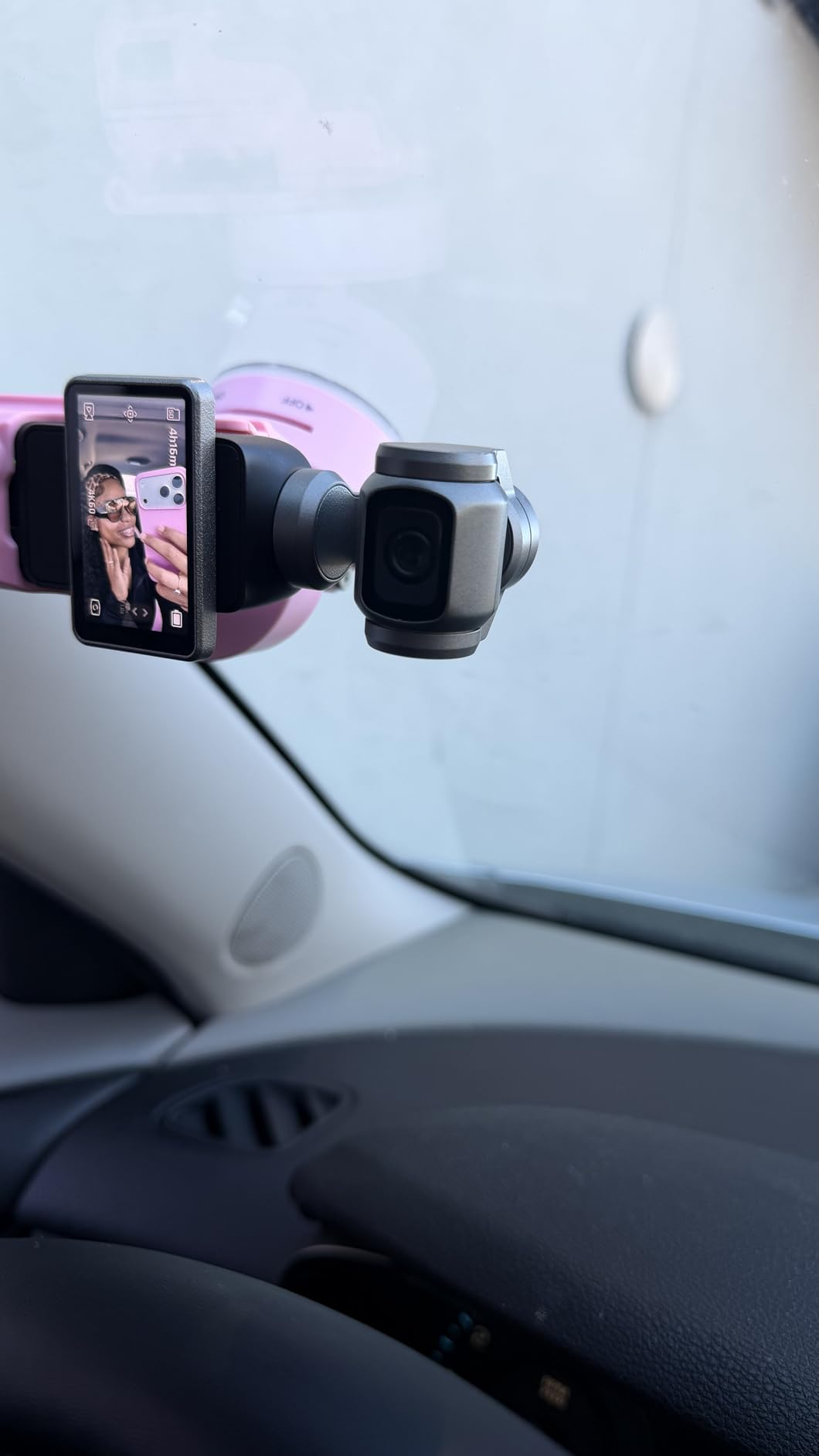
It is not waterproof, and some users report SD-card errors and overheating during sustained recording. I would use a known-compatible card, avoid long high-frame-rate sessions in hot conditions, and carry a backup recording plan. The built-in media package includes a handle, bag, cable, and wrist strap, which helps a new creator start without buying every basic accessory at once.
Compared with the DJI model, the Xtra Muse trades some brand maturity and ecosystem support for a lower-cost entry point. It is worth considering when a 3-axis gimbal and 1-inch sensor matter more than app polish or a large accessory catalog.
Who this is good for
This is a sensible choice for a beginner who wants gimbal footage and tracking without moving to a premium compact model. It also suits a travel creator on a tighter budget who accepts the need to manage heat and storage carefully.
Who this is bad for
It is not the right camera for water sports, unattended critical recording, or anyone who wants a fully developed editing and accessory ecosystem. A conventional smartphone may be a safer first choice for casual uploads.
7. Sony Alpha ZV-E10 — Best Interchangeable-Lens Starter
Sony Alpha ZV-E10 – APS-C Interchangeable Lens Mirrorless Vlog Camera Kit – Black
- Excellent autofocus
- Interchangeable lenses
- Product Showcase
- 24.2MP stills
- No IBIS
- No viewfinder
- Battery drains quickly
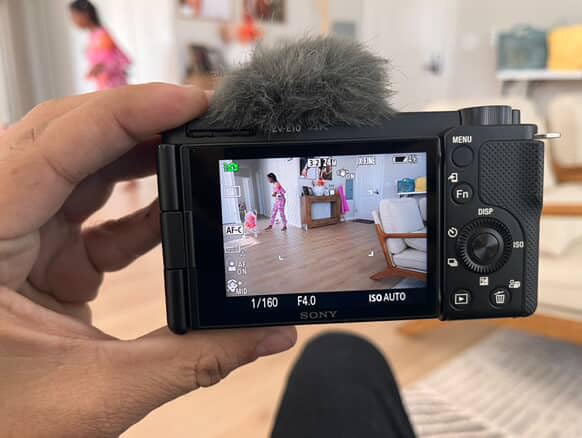
The Sony Alpha ZV-E10 is the best mirrorless vlogging camera here for a creator who expects to change lenses. The 24.2MP APS-C sensor, 4K video oversampled from 6K, 425-point Fast Hybrid AF, and Real-Time Eye AF give it the image quality and tracking I want from a starter system.
The included 16-50mm lens is useful for everyday recording, but I would add a wider lens for arm’s-length vlogging. Sony’s Product Showcase Setting and background-defocus button are small details that matter when I am filming an object or trying to make a talking-head scene look more polished without a large setup.
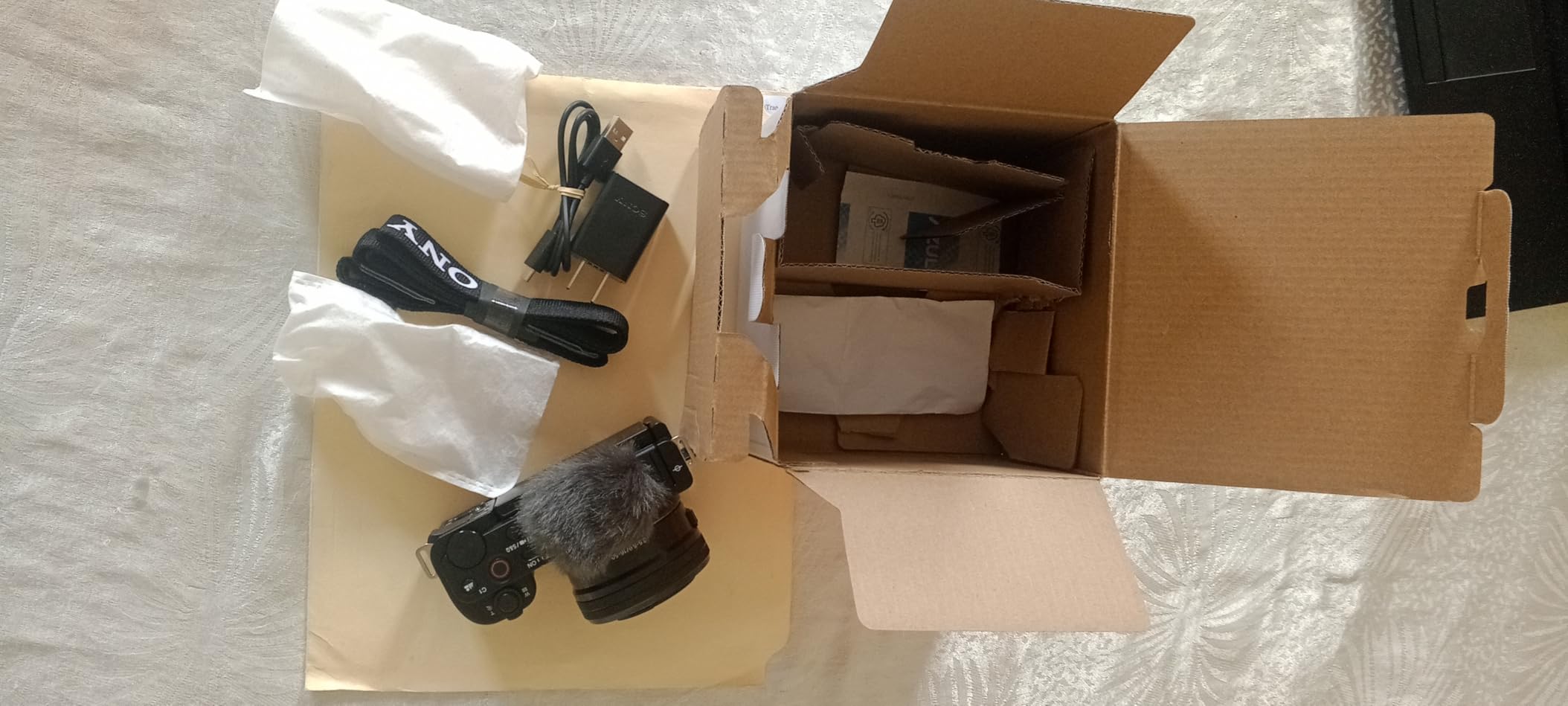
Battery drain is the compromise I notice most, especially when recording or streaming. There is no in-body image stabilization or viewfinder, and the rear touchscreen is less flexible than the best fully articulating screens. Those limits are easier to accept when the goal is an affordable interchangeable-lens system rather than a tiny travel camera.
I would build the kit around a wide lens, a small tripod, and an external microphone. The E-mount gives you room to choose a brighter prime, a compact zoom, or a lens designed for video, which makes this a stronger long-term platform than a fixed-lens compact.
Who this is good for
It fits new YouTubers, product reviewers, and photographers who want one camera for video and stills. It is especially useful when a creator wants to learn manual exposure and upgrade lenses over time.
Who this is bad for
It is not my first choice for a creator who wants a camera to fit in a pocket, record for hours on one battery, or stabilize footage in-body. Budget for a lens and power solution before calling the purchase complete.
8. DJI Osmo Action 4 Essential Combo — Best Waterproof Action Pick
DJI Osmo Action 4 Essential Combo, Waterproof Action Camera Vlogging Camera
- Waterproof body
- 4K/120fps
- RockSteady+
- Dual touchscreens
- Battery can feel short
- App registration required
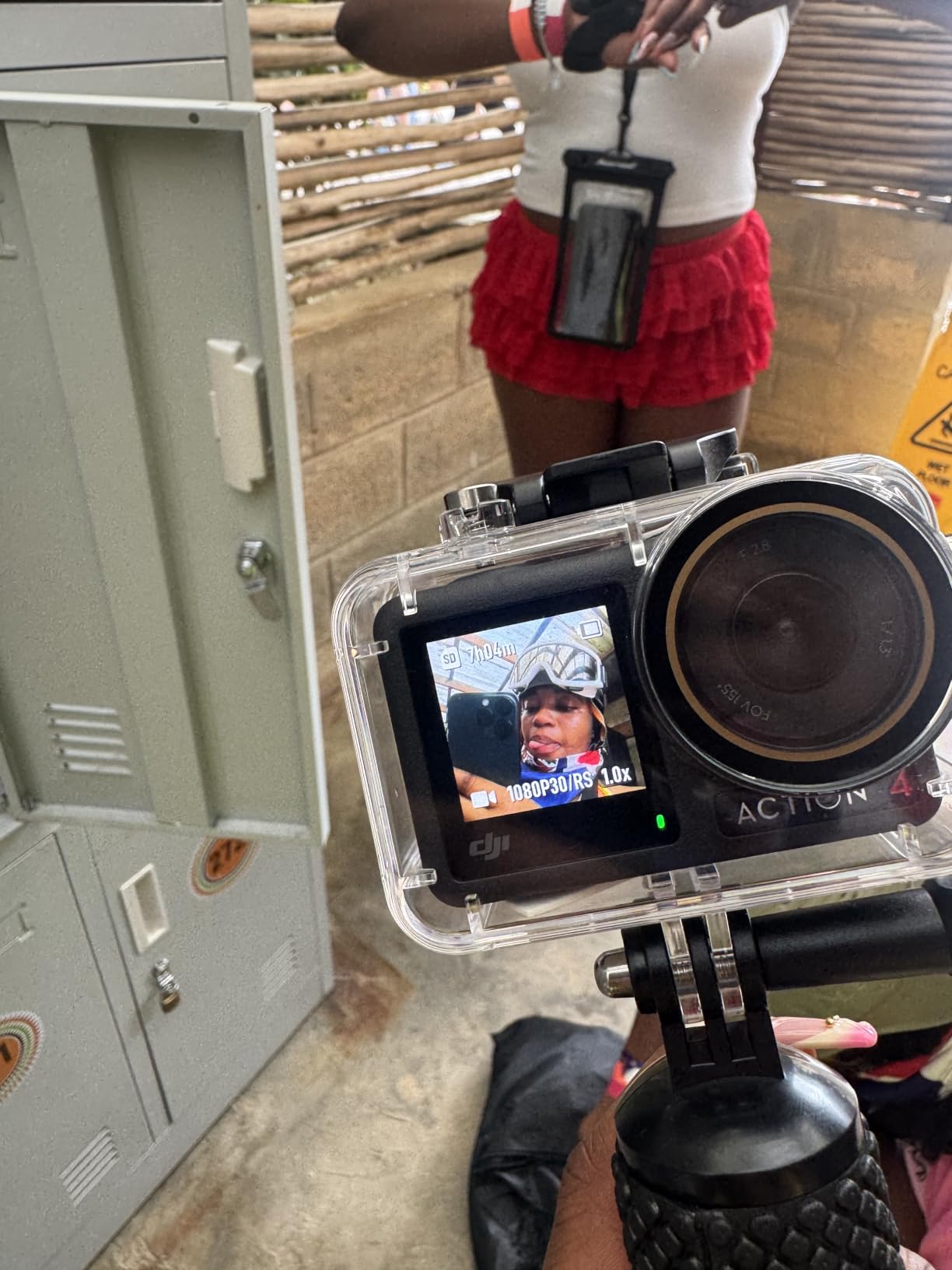
The DJI Osmo Action 4 Essential Combo is my pick when a vlog needs to survive rain, water, bumps, or a helmet mount. Its 1/1.3-inch sensor, 155-degree ultra-wide field of view, 4K/120fps recording, and RockSteady+ stabilization make it a much more serious action camera than a basic phone case.
The dual full-color touchscreens let me frame myself from the front and review settings from the rear, which is a small but important feature for solo action vlogs. D-Log M gives an editor a 10-bit starting point, and the magnetic quick-release system makes it easy to move between mounts without fumbling with a case.
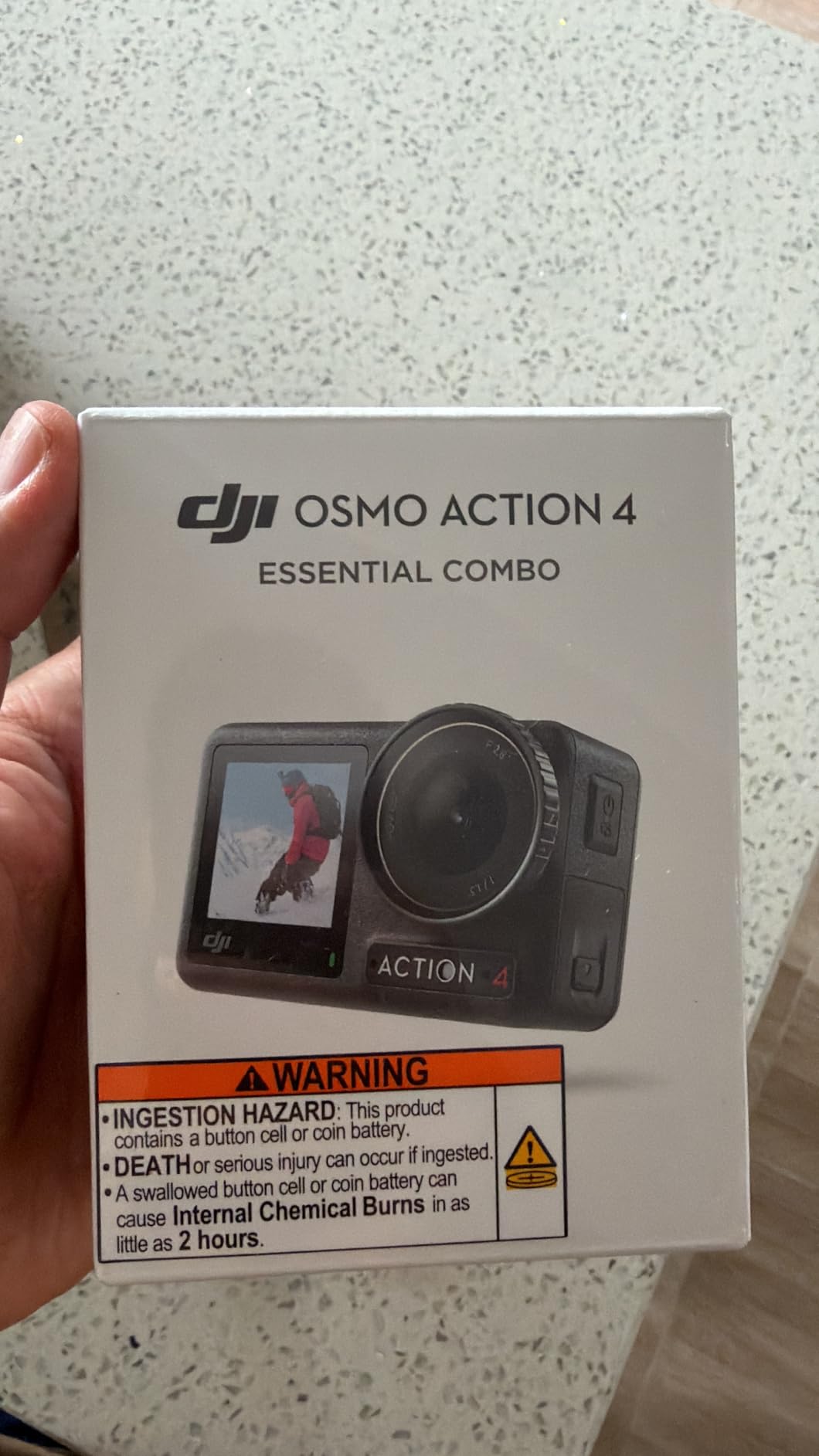
Water resistance to 18 m and cold-resistant battery performance are compelling for outdoor creators, but this is still an action camera rather than a walk-and-talk camera. I would add a separate microphone when spoken audio matters, and I would not assume the listed battery life will cover a long day without a spare or charging break.
Its wide lens keeps you in the frame without a large camera, and the compact body is easy to mount on a bike, board, or chest rig. The Essential Combo includes useful basics, while creators who want more mounting flexibility can add the accessories they need rather than buying a larger kit blindly.
Who this is good for
Choose it for travel, sports, underwater sequences, and point-of-view footage. It is also a good option for a vlogger who wants a second, rugged camera for B-roll while a mirrorless camera handles interviews.
Who this is bad for
It is a weak fit for studio work that needs shallow depth of field, a normal perspective, or a quiet self-facing recording experience. The wide lens and action ergonomics do not replace a full-size camera for every scene.
9. GoPro HERO12 Black — Best for Adventure Footage
- 5.3K60 video
- Excellent stabilization
- Waterproof
- Live streaming
- Can overheat
- Confusing menus
- Standard shipping
The GoPro HERO12 Black is a familiar choice for adventure vloggers, and its 5.3K60 video gives creators more resolution than the DJI Action 4 for slow-motion crops and high-resolution editing. The 27MP still capture and HyperSmooth 6.0 stabilization are useful when I am moving through a place and cannot control the camera.
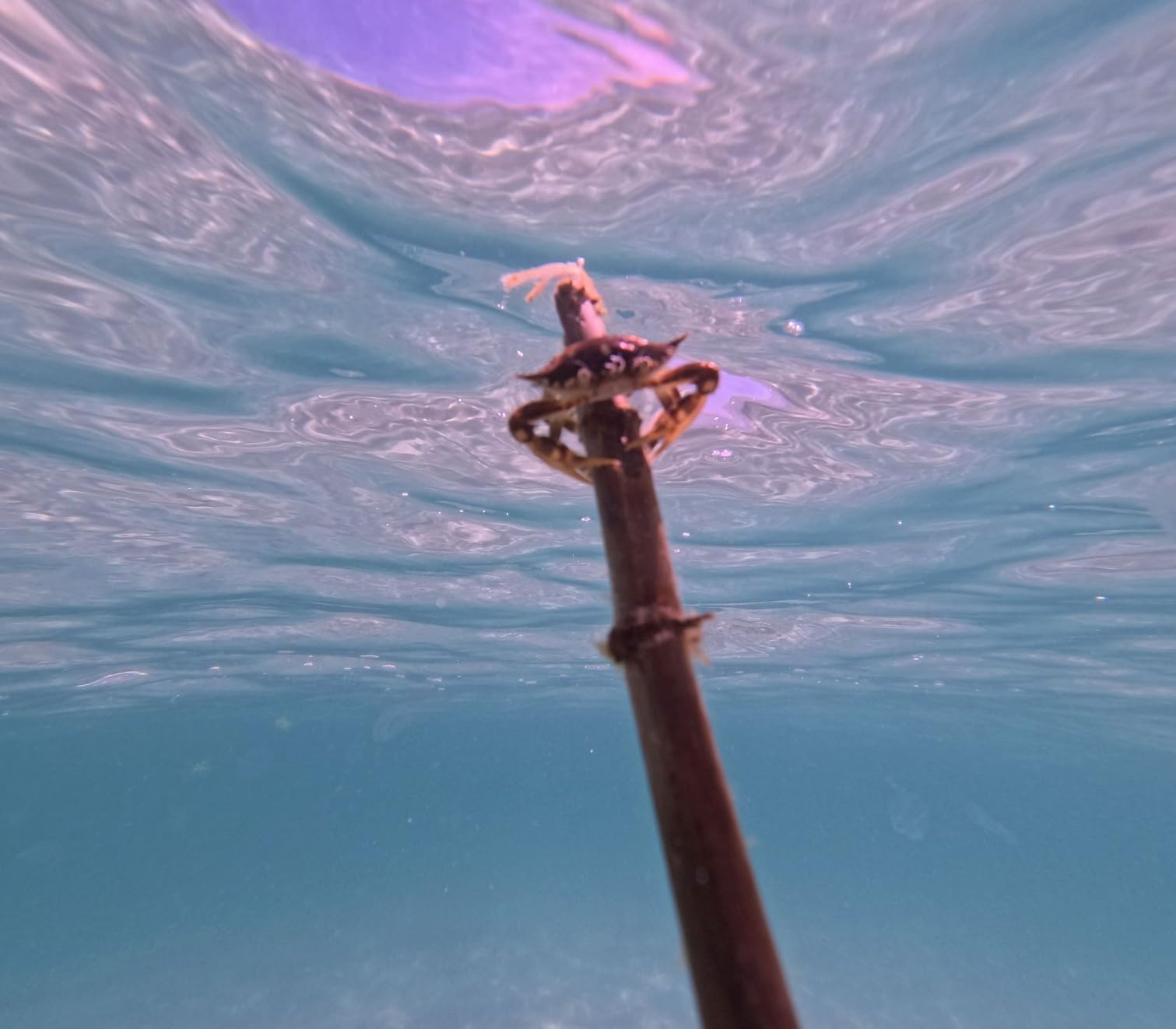
Its waterproof body reaches 10 m, and the folding fingers make mounting quick. TimeWarp, live streaming, and webcam modes give the camera more uses than a single-purpose action recorder, while the compact shape works well for POV sequences, travel cutaways, and quick social updates.
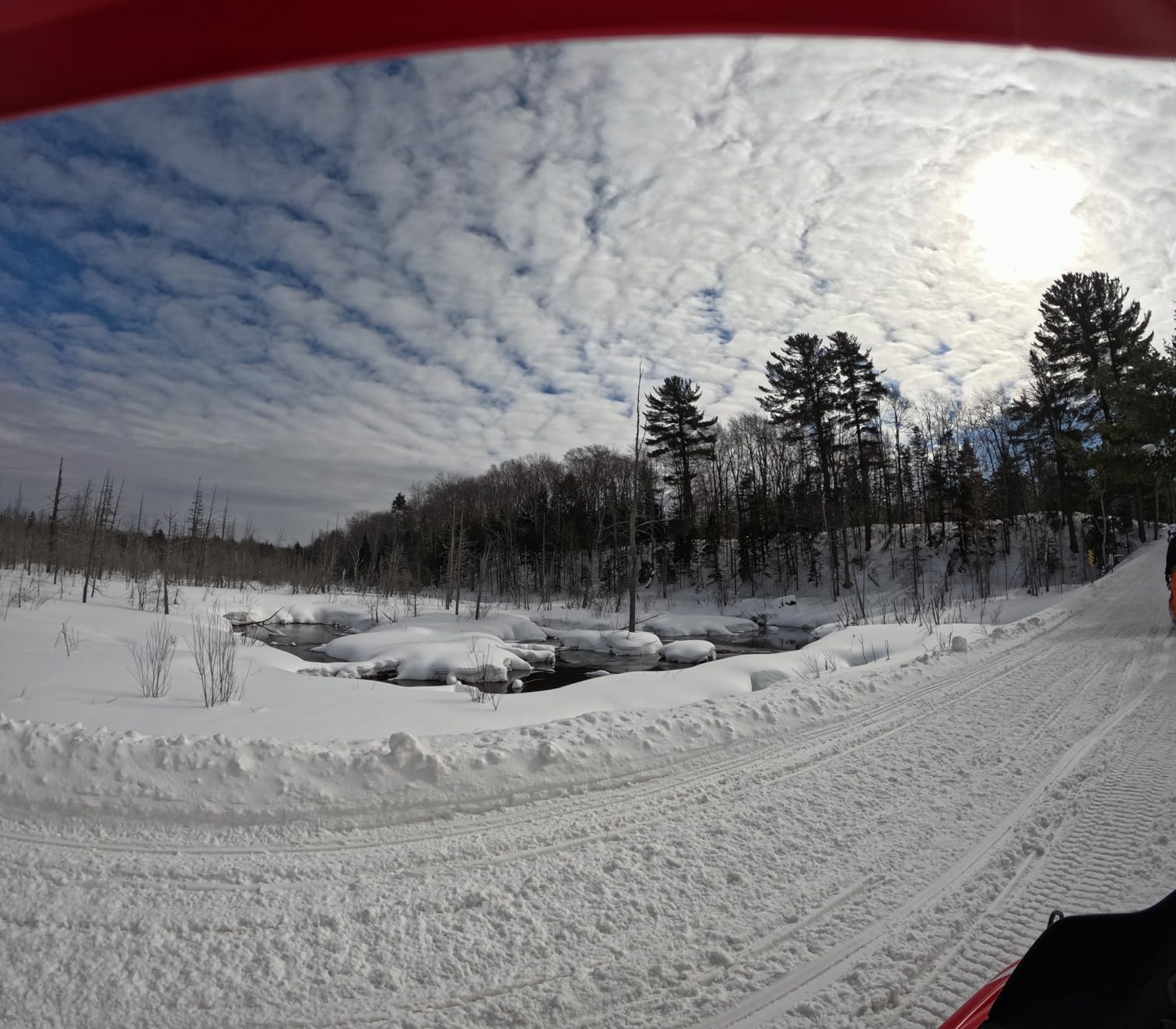
Extended high-resolution recording can produce heat warnings, and the menu system takes time to learn. The product is not Prime eligible in the research data, so I would check delivery terms before relying on it for a trip. For spoken vlog footage, an external mic is still important, especially in wind.
The HERO12 is best treated as a specialist camera that makes B-roll and adventure moments easy. It is less natural for a seated review or a polished talking head, but it earns its place in a kit when the story includes motion, weather, or water.
Who this is good for
It suits action, travel, outdoor, and POV creators who value ruggedness and stabilization. It also works for a creator who wants to capture a second angle without carrying another full camera.
Who this is bad for
Avoid making it your only camera for interviews, product close-ups, or quiet indoor scenes where a larger sensor and natural perspective help. Check the firmware before the first shoot, and plan cooling breaks for long recordings.
10. Duluvulu 4K Digital Camera — Best Very-Budget Starter
- Low entry cost
- Flip screen
- Two batteries
- 32GB card included
- Small 1/3-inch sensor
- Limited low light
- Digital zoom degrades
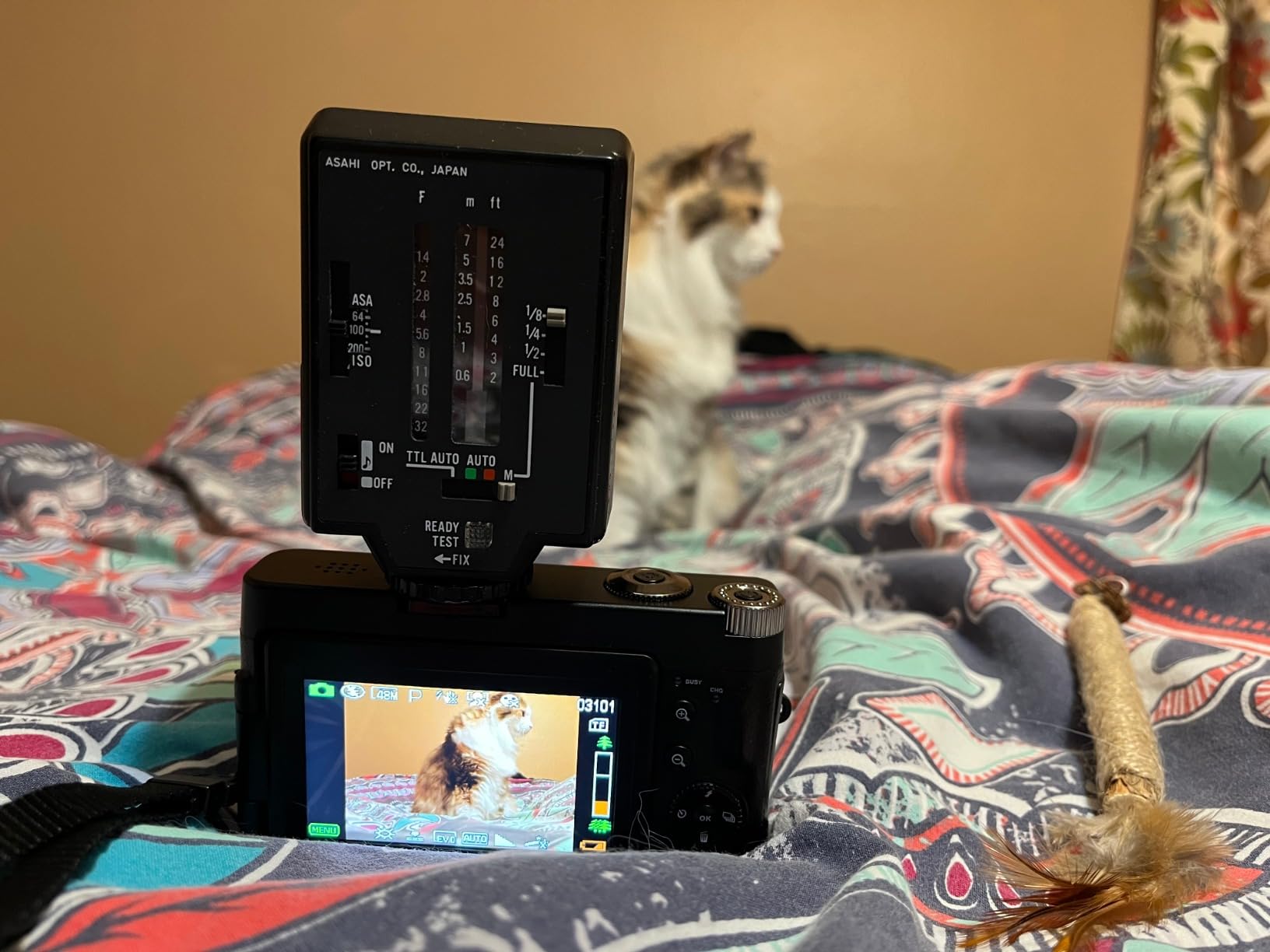
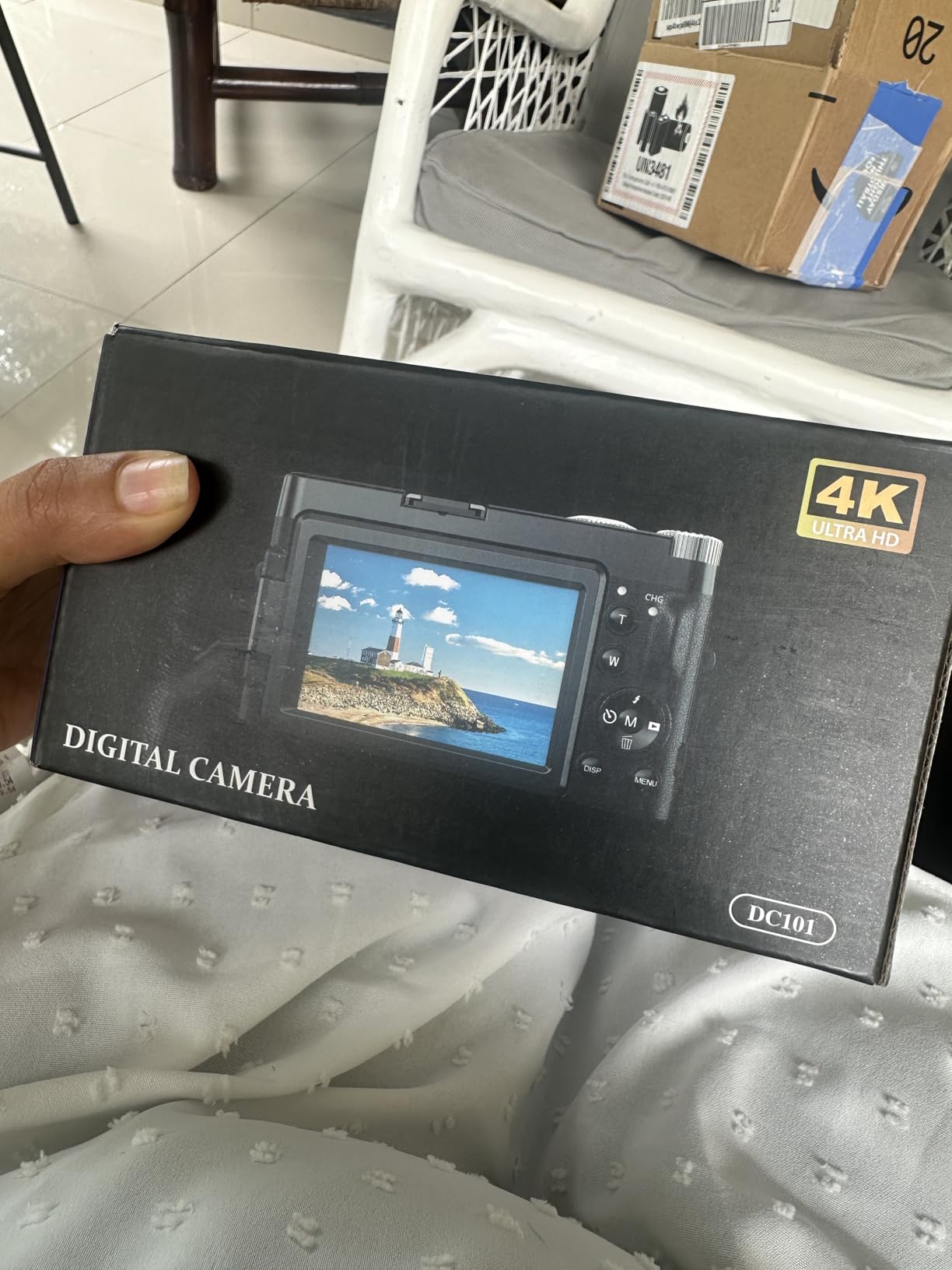
The Duluvulu 4K Digital Camera is the most affordable camera in the roundup and the easiest one to hand to a teenager or first-time creator. It includes a 32GB SD card, two rechargeable batteries, a 3-inch 180-degree flip screen, and a simple fixed-lens design, so the basic kit feels complete out of the box.
I see it as a bridge between a phone and a more capable camera. The screen helps with self-recording, and the 4K mode is enough for casual YouTube uploads, school projects, and beginner travel vlogs, but the 1/3-inch sensor will not match the low-light or background-blur performance of the larger cameras here.
Battery life varies by unit, with some users reporting roughly 45 to 50 minutes of use. The 16x digital zoom is not equivalent to optical zoom, so I would move closer to the subject instead of relying on it. There is no in-body stabilization, and the fixed lens cannot support a creator who wants to grow into a serious lens system.
For a child, teen, or casual traveler, those compromises are reasonable. For a working creator, I would save for a model with better tracking, audio control, and low-light performance rather than treating the headline 48MP photo number as a substitute for sensor size and reliable video tools.
Who this is good for
This is good for a beginner who wants physical controls, a flip screen, and included accessories without a large investment. It can also serve as a simple camera for family trips and casual social posts.
Who this is bad for
It is not the right choice for low-light filming, fast subject tracking, professional audio, or a creator planning a long-term lens upgrade. Treat the two batteries as a starting allowance and carry charging access.
How to Choose the Best Camera for Vlogging
Choose stabilization that matches your movement
A gimbal camera such as the Osmo Pocket 3 is my first choice for walk-and-talk footage because it corrects movement continuously. Electronic stabilization in an action camera is excellent for sports and POV work, while a mirrorless body may need a lens with optical stabilization or a separate gimbal.
Do not assume “stabilization” means the same thing. A 3-axis mechanical gimbal physically levels the camera, while electronic systems crop and correct the image digitally, and optical stabilization helps a particular lens reduce shake.
Prioritize autofocus, audio, and a screen
Face and eye tracking matter when you are recording alone. A flip or articulating screen lets you confirm framing, and a microphone input is more important than a modest megapixel increase once you move beyond casual clips. Our guide to on-camera microphones for vloggers explains how to improve the part of your video viewers notice immediately.
Built-in microphones are useful for a quick test, but wind, distance, and room echo quickly expose their limits. I record a minute of speech in every location and listen with headphones before starting a longer take.
Match the sensor and lens to your look
A larger sensor generally gives a cleaner image in low light and more control over depth of field, but it also makes the camera and lenses larger. A 1-inch sensor is a strong middle ground for travel, APS-C is better for interchangeable-lens growth, and an action camera prioritizes wide, rugged capture over a cinematic background.
The lens matters as much as the sensor. A wide lens keeps your face in frame at arm’s length, while a brighter prime gives you more background separation indoors. If you already have a mirrorless camera for video, check your existing lenses before buying a new body.
Plan the workflow before the camera
Every camera in this list creates a different storage, transfer, and editing workload. I use fast memory cards, keep spare batteries or a charging plan, and record a short test clip before leaving for a trip. A phone-first workflow is still excellent for quick edits, but a dedicated camera becomes easier to use once you standardize file organization and backups.
Check whether your editing app supports the camera’s video mode, codec, and color profile. Ten-bit footage can look better after grading, but it is not automatically better for a beginner; standard color is easier to share quickly and still leaves room to improve your audio and composition.
Build the accessory kit around the job
For a walking vlog, I start with a compact grip or tripod, a wireless microphone, and spare power. For travel, I add a small light, a wide lens or action mount, and a padded case. For a studio YouTube setup, a stable tripod, external mic, headphones, and a deliberate background matter more than a second body.
Accessories are part of the camera decision, not an afterthought. A cheap body with a good microphone and light can outperform a more expensive body with unusable audio. If you are choosing a gift for a new creator, our gifts for filmmakers and vloggers guide can help you prioritize useful support gear.
Frequently Asked Questions
Which camera do most vloggers use?
Many vloggers use compact cameras or mirrorless cameras with a flip screen, dependable face tracking, and an external microphone input. The best choice depends on the shoot: DJI Osmo Pocket 3 models are popular for walk-and-talk video, Canon and Sony models suit lens-based growth, and DJI or GoPro action cameras suit outdoor and waterproof footage.
Which camera is best for vlogging?
The best camera for vlogging is the DJI Osmo Pocket 3 Creator Combo for most people because it combines a 1-inch sensor, 3-axis gimbal stabilization, 4K/120fps recording, tracking, and an included wireless microphone in a 179 g body.
What do most YouTubers use for cameras?
Most YouTubers use a mix of smartphones, compact cameras, mirrorless cameras, and action cameras. A YouTube creator who films tutorials often values autofocus, a flip screen, and microphone input, while a travel creator may prioritize stabilization and battery life.
What are the top 10 best cameras for vlogging?
The top 10 best cameras for vlogging in this guide are DJI Osmo Pocket 3 Creator Combo, Canon EOS R50, DJI Osmo Pocket 3, Sony ZV-1, Insta360 Luna Ultra, Xtra Muse, Sony Alpha ZV-E10, DJI Osmo Action 4 Essential Combo, GoPro HERO12 Black, and Duluvulu 4K Digital Camera.
Final Recommendation
The Best Cameras for Vlogging list has a clear center: choose the DJI Osmo Pocket 3 Creator Combo for the best mix of portability, stabilization, image quality, tracking, and audio. Choose the Canon EOS R50 when interchangeable lenses and beginner-friendly autofocus matter more, and choose the DJI Osmo Action 4 when waterproof action footage is the priority.
I would start with the camera that matches your current shooting style, then add the accessory that fixes the biggest weakness first. A good microphone, stable grip, spare power, and a simple editing backup routine will improve more videos than chasing a spec that you will not use.