
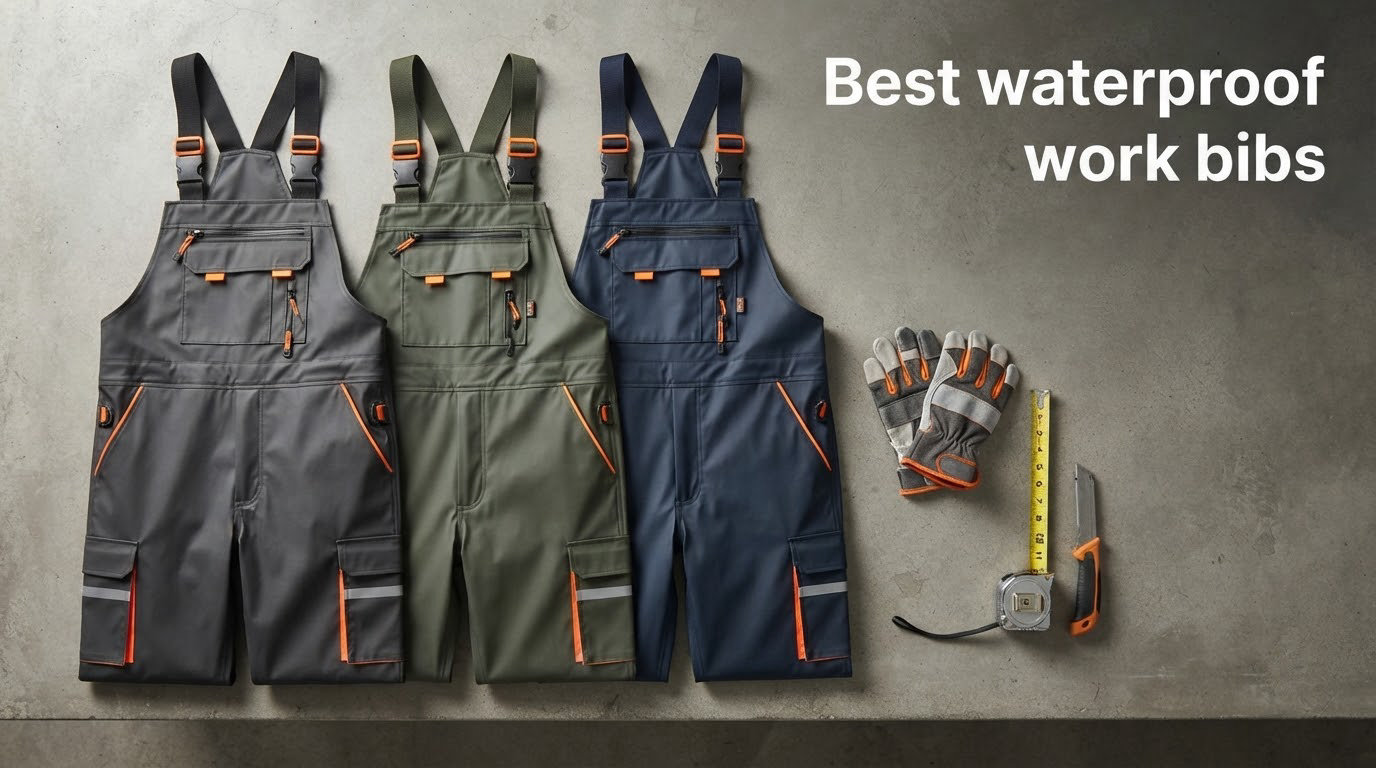
Rain does not care about your shift. If you are framing houses, running a saw on a wet deck, flagging traffic in a downpour, or standing in a boat all day, the difference between a good day and a bad one usually comes down to what you are wearing from the waist down and up. That is the whole argument for bib overalls: a chest-high panel that covers your torso and legs in one piece, so there is no waist gap for water to run into and no jacket hem to lift when you reach overhead.
We spent the last several weeks going through the best waterproof work bibs on the market, reading owner reviews, and comparing the details that actually decide whether a bib survives a season on the job. This roundup covers ten options across the full range: featherlight three-layer rain bibs, unlined PVC workhorses, hi-vis safety garments rated to ANSI standards, and a flame-resistant model built for refinery work.
Along the way we also pulled together a short guide to waterproof ratings, seam construction, breathability, and sizing, because the biggest complaint in every work forum we read was not about waterproofing at all. It was about fit, and about not knowing which number on a spec sheet mattered. If you also need to keep a phone dry in the same conditions, our picks for waterproof phone pouches for boating are worth a look.
Table of Contents
Top 3 Waterproof Work Bibs (October 2026)

Frogg Toggs Pilot II Guide
- Breathable waterproof fabric
- Zip-to-knee side zips
- Locking buckle suspenders

Pioneer Hi Vis Ripstop Bib
- ANSI/ISEA 107-20 Class E
- 300D PU-coated ripstop
- 12 inch leg zippers

Helly Hansen Mandal Bib
- Waterproof fabric and construction
- Zipped inner chest pocket
- Adjustable elastic suspenders
Our top three cover three very different jobs. The Frogg Toggs Pilot II Guide is the all-round answer for anyone who wants one bib that handles rain, wind, and a full day of movement. The Pioneer Hi Vis Ripstop bib is the safety-first pick for road crews, flaggers, and anyone who has to be seen. The Helly Hansen Mandal is the proven standard, and it is the one most crews already own.
Best Waterproof Work Bibs at a Glance in 2026
Every bib below is rated by the same four questions: how well does it shed water, can you move in it, does it seal over your boots, and what happens after six months of kneeling in gravel. The table sorts the whole list so you can narrow it down before you read the details.
| Product | Specifications | Action |
|---|---|---|
| Frogg Toggs Pilot II Guide |
|
Check Latest Price |
| Pioneer Hi Vis Ripstop Bib |
|
Check Latest Price |
| Helly Hansen Mandal Bib |
|
Check Latest Price |
 Viking Journeyman FR Bib Viking Journeyman FR Bib |
|
Check Latest Price |
 Portwest S488 Hi-Vis Rain Bib Portwest S488 Hi-Vis Rain Bib |
|
Check Latest Price |
 Carhartt Shoreline Bib Overall Carhartt Shoreline Bib Overall |
|
Check Latest Price |
 Frogg Toggs FTX Armor Rain Bib Frogg Toggs FTX Armor Rain Bib |
|
Check Latest Price |
 Grundens Shoreman Bib Grundens Shoreman Bib |
|
Check Latest Price |
 Grundens Neptune Bib Grundens Neptune Bib |
|
Check Latest Price |
 RainRider Workwear Bib RainRider Workwear Bib |
|
Check Latest Price |
Two numbers in that table deserve attention before anything else. The Portwest S488 is the only bib here with a published hydrostatic head and moisture vapour figure, listed at EN 343 WP 10000mm and MVP 10000g per square metre over 24 hours. The Frogg Toggs FTX Armor carries the highest quoted water hold out at 15000mm. Everything else is described by construction rather than by a number, which tells you something about the category.
1. Frogg Toggs Pilot II Guide – Best All-Round Waterproof Work Bib
FROGG TOGGS Men’s Pilot II Guide Waterproof Breathable Rain Bib, Dust Blue/Slate, Large
- Waterproof and breathable for long hours outdoors
- Two zippered chest pockets plus quick-drain cargo pocket
- Zip-to-knee side zips for fast on and off
- Locking buckle suspenders hold securely
- Runs narrow through the leg
- Light shell offers little warmth in cold weather
- Popular model so some size and color combinations are thin
The Pilot II Guide is the bib we kept coming back to while putting this list together. It carries a 4.5 average across more than 1k reviews, which is the deepest combination of rating and owner history in this group. Owners consistently describe it as waterproof yet breathable over long hours outdoors, and the reason is that the fabric is treated as a single breathable membrane rather than a coated shell, so moisture passes through instead of sitting against you.
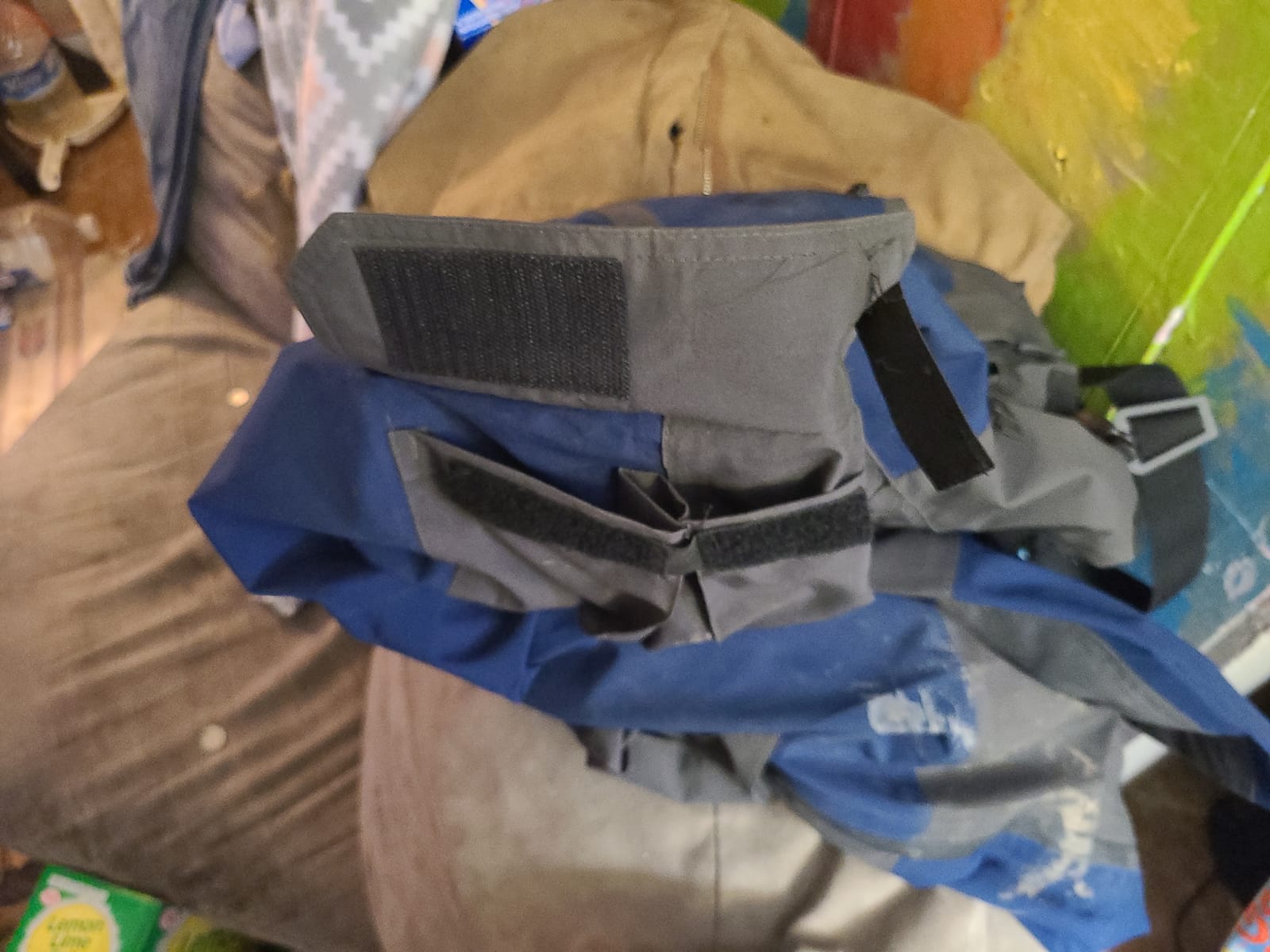
The practical details are what make it a work bib rather than an angling bib. Two zippered chest storage pockets and a quick-drain expandable cargo pocket give you somewhere for a phone, a notebook, or gloves that will not soak. Comfort-stretch suspenders with locking buckles stay put under a tool belt, which matters more than it sounds, because most suspender failures happen when the strap slides off the shoulder mid-lift.
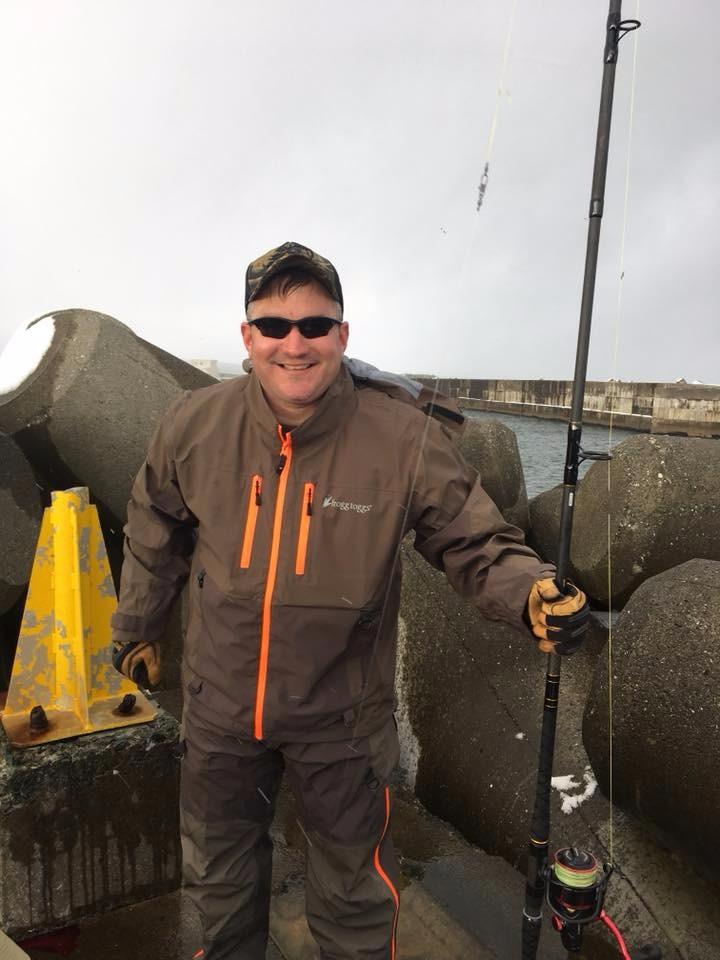
The zip-to-knee side zips are the feature that gets mentioned most in day-to-day use. They let you pull the bib on and off over work boots without lying down, untying laces, or finding a wall to brace against. If you have ever had to strip wet boots in a trailer or a truck bed at 6am, you understand the value immediately.
Multiple accessory D-rings add clip points for a tether or a small light. That is a small thing, but on a night road crew or a deck at dusk, a clipped headlamp beats a hand-held one every time.
What the Pilot II Guide does well?
The balance between waterproofing and breathability is the strongest thing about this bib. Wearers doing long days in rain report coming out drier on the inside than they expected, which is rare in a garment this light. There is no liner to soak, so the fabric stays comfortable rather than turning into a cold damp layer by the afternoon.
It is also light. That sounds minor until you are climbing ladders or carrying lumber all day, where every extra pound across the shoulders is felt by evening.
Where it falls short?
The shell is uninsulated, so this is a rain bib and not a cold-weather bib. In genuinely cold conditions you need a thermal layer underneath, and the fit is close enough through the leg that a thick one is not always comfortable.
It is also, by design, a hunting and fishing model that is very popular in both, so some size and color combinations are thinner than others. The second caveat from owners is that the leg is cut closer than a roomy rain suit, so if you layer over insulated work pants, size up carefully.
2. Pioneer Hi Vis Ripstop Waterproof Bib – Best for Road Crews and Flaggers
- Heat-sealed seams hold up in sustained rain and snow
- 300D PU-coated ripstop resists abrasion and puncture
- Hi-vis yellow with reflective tape meets Class E
- 12 inch leg zippers allow boot access
- Fits over normal work clothing
- Non-breathable shell runs hot in warm weather
- Runs small so most buyers size up
- Black leg hems need rolling to clear the boot zips
This is the bib to look at if being seen matters as much as staying dry. It is hi-vis yellow with reflective tape and meets ANSI/ISEA 107-20 Class E, which is the standard road crews, tow operators, and flaggers are held to. Worn over a Class 2 or Class 3 vest, shirt, or jacket, it moves the wearer up to Class 3 coverage.
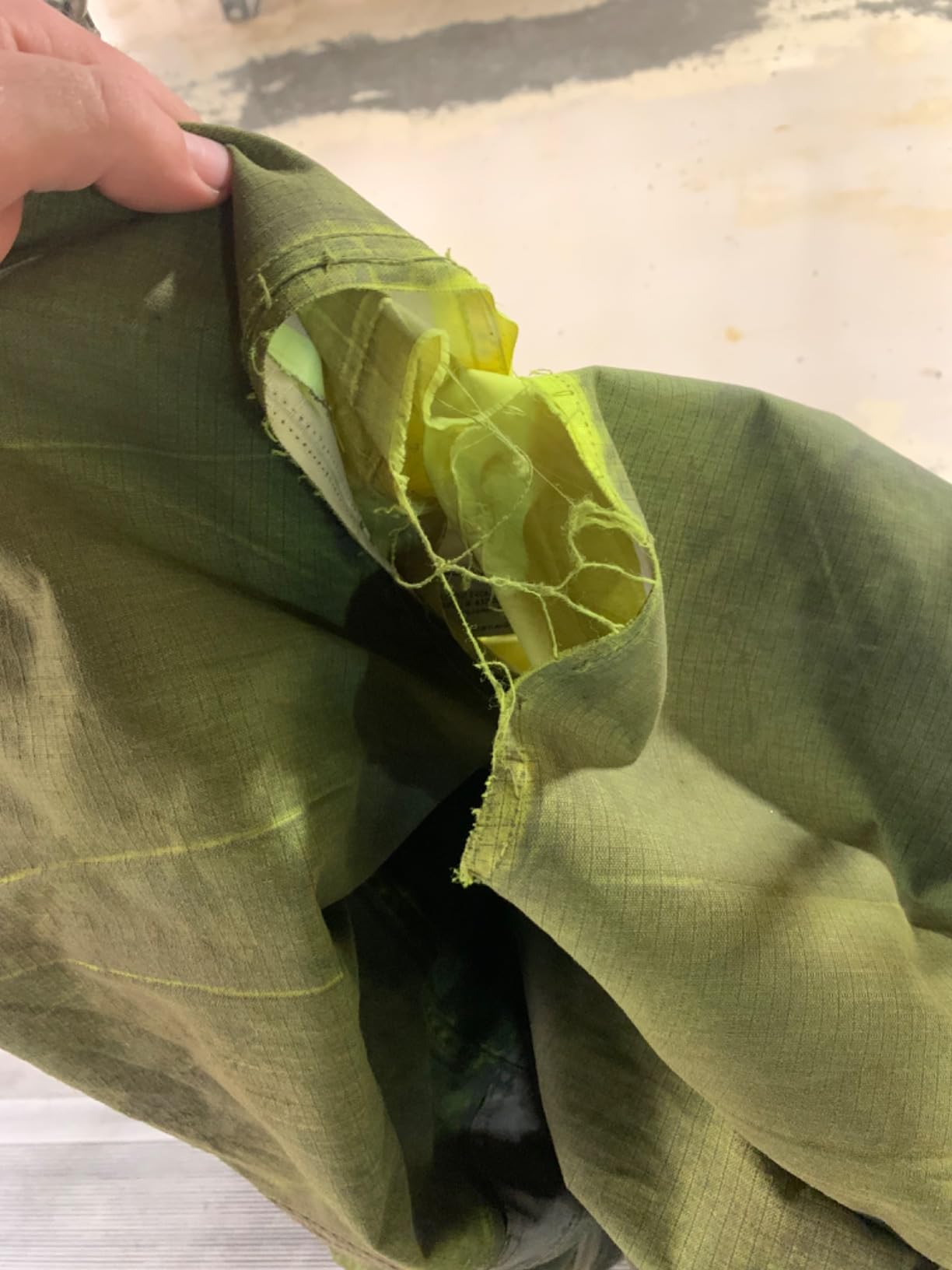
On the waterproofing side it is not subtle. The construction is 300D PU-coated ripstop polyester, fully lined, double-stitched, with heat-sealed seams. That is a heavier fabric than most of the breathable options here, and heat-sealing means there is no stitching running through the water barrier in the places that matter.
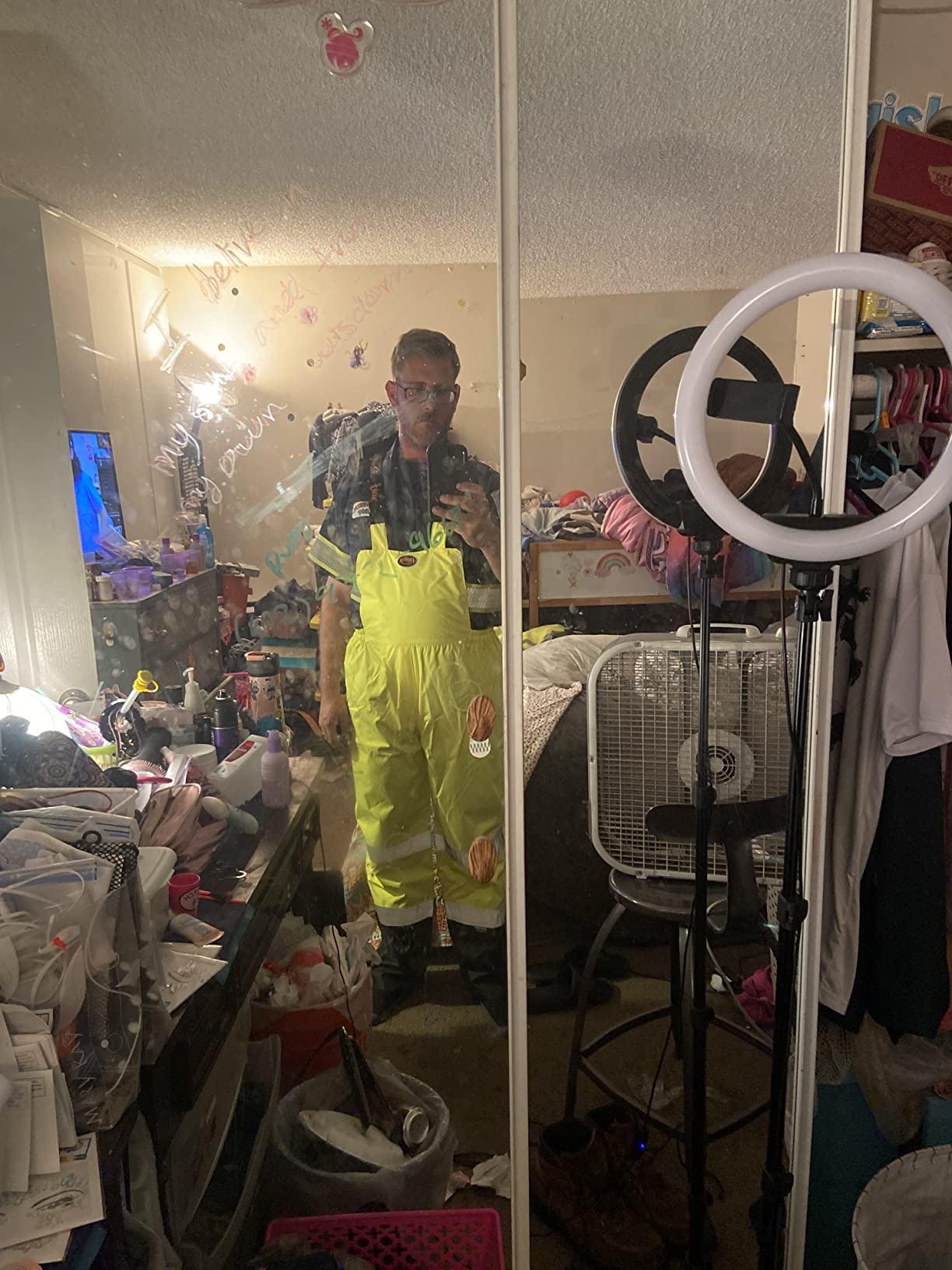
Owners include flaggers, tow truck operators, outdoor crews, and motorcyclists, and the reviews describe a garment that takes abuse. Several report a full winter season of use with no failure. The ripstop weave resists abrasion and puncture, which is exactly what you want when you are kneeling on gravel or clipping into a truck bed.
The 12-inch leg zippers are the feature that separates this from most safety bibs. You can open the leg to the knee, step into a boot, and pull the bib up without a fight. Adjustable suspenders, a zip-up chest pocket, and a zippered fly cover the rest of the practicality checklist, and black hems conceal the dirt that accumulates at the bottom of a leg.
Why crews pick it?
The combination of Class E visibility and heat-sealed seams is rare in one garment. Most hi-vis bibs in this category compromise somewhere, either on reflectivity or on waterproofing, and this one does not obviously compromise on either.
Reviewers also note that it fits over normal work clothing without needing a size up in most cases, which is a real advantage when you are buying for a crew rather than for yourself.
Where it causes problems?
The shell does not breathe. That is the trade for the heavy PU coating and sealed seams, and it means this is a cold and wet weather bib rather than an all-season one. In warm rain you will get hot, and the trapped heat is the reason hi-vis garments get stripped off on mild days.
Fit is the other recurring note. It runs small, so many buyers order one size up, and the black leg hems have to be rolled or adjusted to clear the boot zippers. A small minority of owners report water getting in at the seams after extended heavy rain, which is rare but worth knowing about.
3. Helly Hansen Mandal Waterproof Bib – Best Value for Everyday Wet-Weather Work
Helly Hansen Workwear Men’s Mandal Fishing and Rain Bib Pant, Classic Navy, Medium
- Dependable waterproof bib from an established workwear brand
- Zipped inner chest pocket for secure storage
- Adjustable elastic suspenders for a workable fit
- High-vis and navy colorways available
- Basic pocket layout for the price
- No leg zips so boots make on and off awkward
- Straightforward shell with limited venting
The Mandal is the bib you will see on more job sites than any other on this list. It has been around since 2015, it holds a 4.4 average across more than 1200 reviews, and it is the default recommendation in trades forums when someone asks for a waterproof bib that just works. Helly Hansen built its reputation on foul weather gear, and the Mandal is the straightforward expression of that.
The construction is waterproof fabric and waterproof construction, with a resistant finish. That is a modest description, but it is the same approach that has made the brand a standard in commercial fishing, dock work, and heavy outdoor trades for decades: keep the water out, keep it simple, replace it when it finally wears through.
The two features that get singled out by owners are both small. An inner chest pocket with a zipper keeps a phone or a wallet away from the front of your body, where it would be uncomfortable under a tool belt. Adjustable elastic suspenders give you some fit control at the shoulder, which is the one adjustment that matters most on a bib.
Colorway choice is better than most people expect. High-vis and navy versions are both available, so the same bib can serve a road day and a dock day without a second purchase. For crews that standardise on one garment, that is a genuine advantage. If the boat or the dock is also where the audio lives, our picks for waterproof marine speakers for boats solve the same wet-weather problem for sound.
What you are giving up for that simplicity is storage and adjustability. The Mandal has a basic pocket layout compared with hi-vis models that carry six pockets and tool-specific compartments, and there is no leg zip, so getting into it over boots means stepping in and pulling up the way you would with any pair of rain pants.
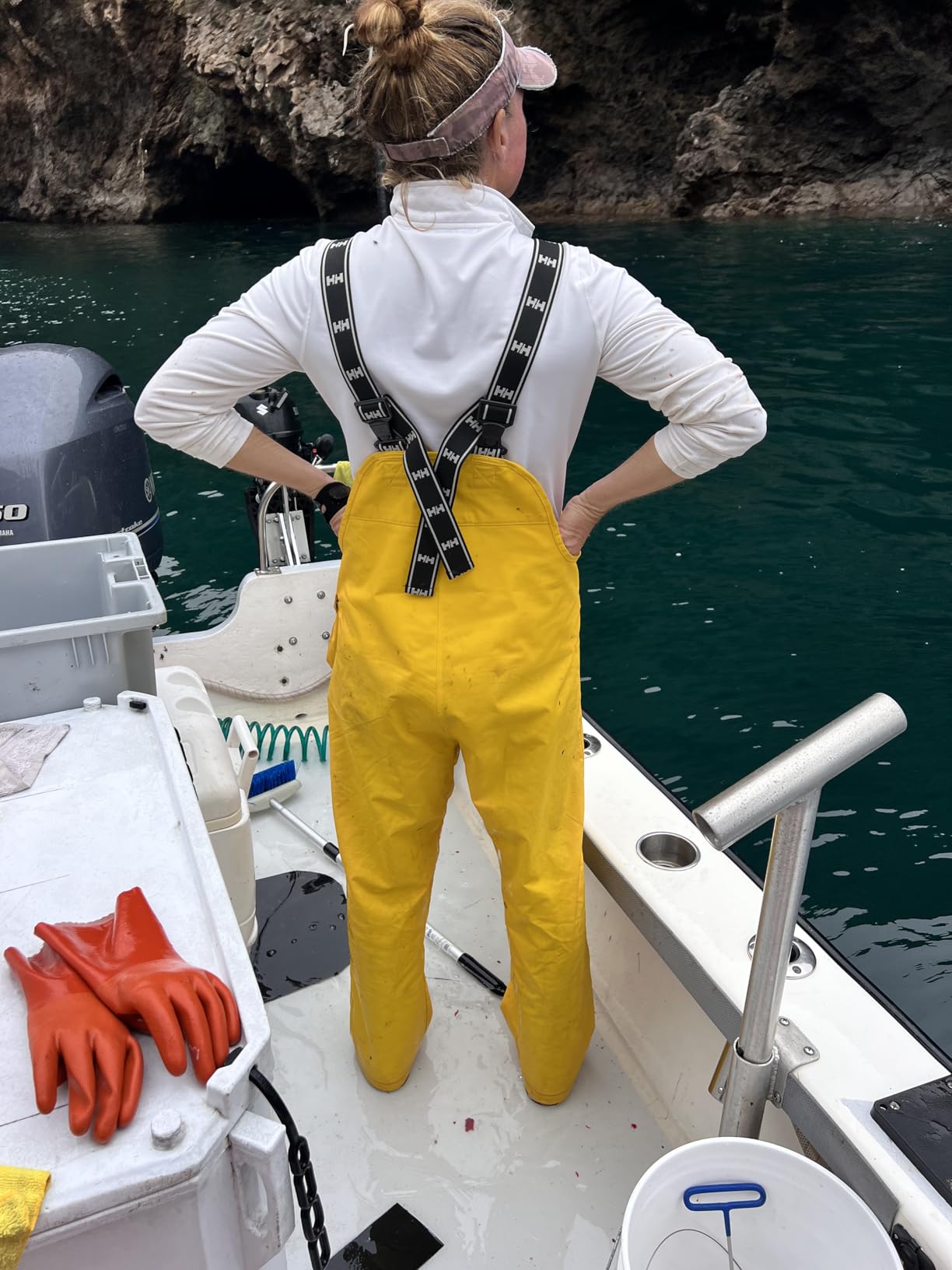
Where the Mandal earns its place?
It is the safest buy in this list for a first waterproof bib. There is nothing exotic about it, nothing to learn, and a long owner history that tells you what happens after a few seasons. If you work outdoors occasionally and want one garment that handles rain without thinking about it, this is the one.
It is also the value pick. When you compare it to a technical three-layer bib on features alone, it looks thin. Compared to how long it lasts and how many people buy it as a crew standard, the calculation changes quickly.
What you give up?
There are no leg zippers, which is the first thing people miss when they are pulling the bib on over steel-toe boots in a wet parking lot. Ventilation is limited, so a hard day of climbing or digging in mild rain will warm up the interior.
The pocket layout is the other limitation. If your work depends on keeping a radio, a multi-tool, and spare gloves organized in the rain, one zipped chest pocket is going to feel sparse next to the Portwest or the Pioneer.
4. Viking Journeyman FR Bib – Best for Refinery, Utility, and Flame-Resistant Work
Viking Journeyman FR Bib Overalls, Class 1 Hi-Vis Rain Pants, Black – M
- Certified flame resistance to ASTM D6413 and CAN/CGSB-4.2
- Windproof and waterproof sealed construction
- Class 1 hi-vis with contrasting Vi-brance tape
- Front and back vents add breathability
- Quick release suspenders and 13 inch boot zippers
- Runs small so most reviewers size up one full size
- No through pockets to reach trousers beneath
- Unlined FR fabric is not warm in deep cold
Almost no bib in this category carries real flame resistance, which is why the Viking Journeyman stands out. The fabric is self-extinguishing and tested to CAN/CGSB-4.2 No.27.10 and ASTM D6413 for momentary contact with open flame. Refinery, utility, and outdoor crews buy it for exactly that combination: flame resistance and waterproofing in the same garment.
It is also properly certified for visibility. The hi-vis is CSA Z96-15 Class 1 Level 2 and ANSI/ISEA 107-2015 Type O Class 1 compliant, using contrasting Vi-brance tape, and the configuration meets WCB, Worksafe, and DOT requirements. That is the level of paperwork a safety manager will ask you for, and it is already answered.
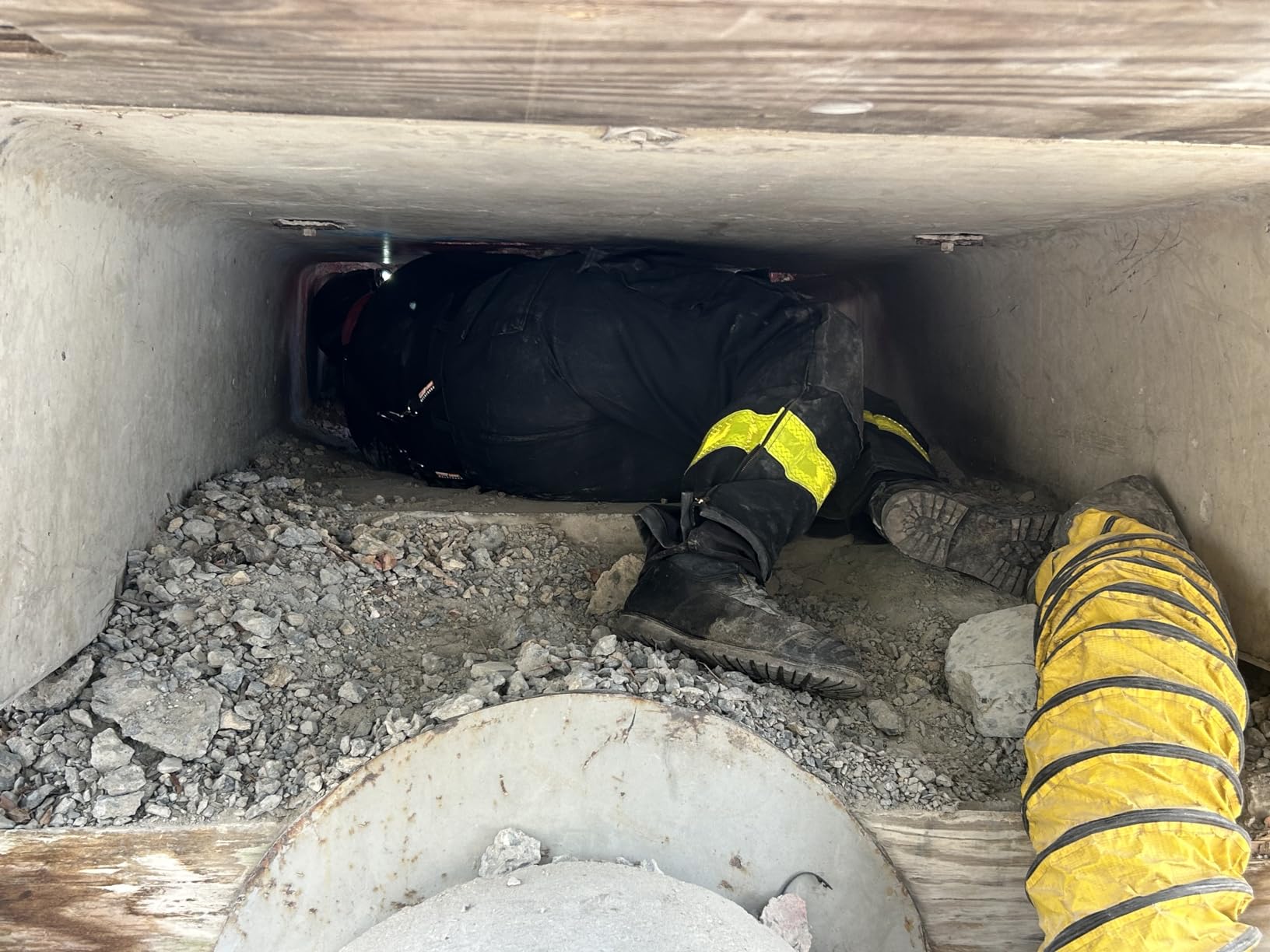
The base fabric is FR-treated 300 denier trilobal ripstop polyester with a PU backing, and unlike most bibs in this roundup the manufacturer publishes a full test standard list rather than a marketing phrase. Trilobal ripstop is tough against abrasion and puncture, which is the point in forestry, construction, and industrial work.
Front and back vents are the feature that stops an FR bib from becoming a sweatbox, and they matter more here than on a leisure garment because FR clothing cannot be swapped for a lighter layer mid-shift. Owners in sewage, mud, and heavy rain report that the light weight and durability hold up over a full season.
Fit hardware is unusually complete: heavy-duty elastic suspenders with quick release buckles, an elastic waist with a zippered fly, 13-inch boot zippers with a cover and hook-and-loop fasteners, and a detachable bib design so the top can come off in heat.
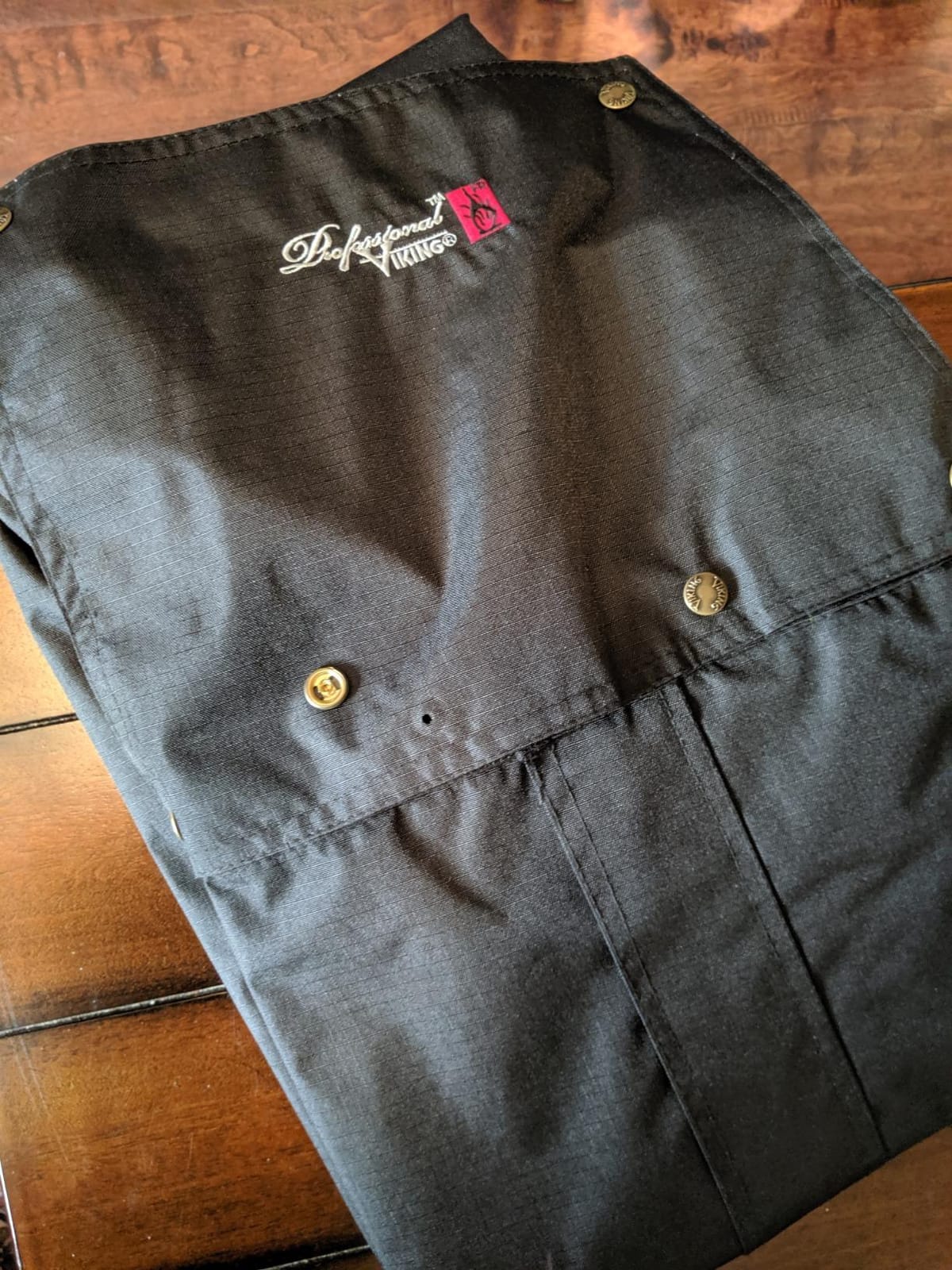
Why industrial crews choose it?
Certified flame resistance is the whole reason to buy this bib. If you work around hydrocarbons, refinery equipment, or a site where your clothing has a fire rating requirement, an FR-rated bib that is also waterproof removes an entire category of decision from your shift.
The detachable bib design is a quiet bonus. In hot weather you can run it as overalls and stay within your rating, then add the chest when the rain turns.
Where it falls down?
It runs small, and the fitting advice from owners is consistent: order one full size up. Several reviewers also note the absence of leg-through pockets, which means you cannot reach the pockets on the trousers you are wearing underneath without stripping the bib.
Because the fabric is not insulated, it is not a cold-weather solution on its own. Deep cold requires layering underneath, and reviewers who work in freezing conditions say so directly. The vents also need to be opened deliberately, because a vent that is closed during a downpour is a vent that leaks.
5. Portwest S488 Hi-Vis Contrast Rain Bib – Best Documented Specs and ANSI Compliance
Portwest S488 Hi-Vis Breathable Contrast Rain Bib and Brace Overtrousers
- Taped seams and EN 343 Class 4 waterproofing
- Breathable 300D shell more comfortable than rubber
- 6 pockets including a dedicated phone pocket
- Contrast panels protect against visible dirt
- CE certified Class E and ISO 20471 Class 2
- Runs small through the body so size up
- No leg zippers makes boots awkward
- Side snaps are tight to undo
- Minority report inseam seam opening with use
The Portwest S488 is the only bib on this list where the manufacturer publishes the full technical performance rather than describing the fabric. It is rated EN 343:2019 Class 4:3 with a water penetration figure of 10000mm and a moisture vapour transmission figure of 10000g per square metre over 24 hours, and it carries ANSI/ISEA 107:2015 Supplemental Class E plus EN ISO 20471 Class 2 certification.
For anyone who has to answer a safety officer or fill out a spec sheet, those published numbers are worth more than any adjective. EN 343 Class 4 is the highest waterproof rating in that standard, and the 10000g MVP figure sits at the top of the breathability range for a work garment, which is unusual for a hi-vis bib.
The shell is 300D breathable 190g fabric and it is unlined. Unlined matters here: there is no separate layer to hold water, so the garment dries faster after a shift and feels lighter on a warm day than the heavier coated options.
What the specs buy you?
Six pockets is a lot of storage for a rain bib. It includes a dedicated phone pocket, a back patch pocket, and double rule pockets, and with the elasticated back panel and adjustable side opening, the garment moves with you rather than restricting your reach.
Contrast panels protect the areas that show dirt first, which is both practical and a reason the garment still looks presentable after a season. The rating is 4.5 across 746 reviews, and owners describe the build quality as strong for a hi-vis bib.
Where the compromises are?
Fit is the recurring theme. It runs small through the body and long in the leg, so reviewers recommend sizing up and shorter wearers note the length. There are no leg zippers, which makes pulling it on over boots genuinely awkward, and the side snap closures are described as tight to undo and re-fasten.
A small number of owners also report the inseam seam opening up after weeks of use. Care is simple, which is good: machine wash warm, do not tumble dry, drip line dry, no ironing, no dry cleaning.
6. Carhartt Shoreline Bib Overall – Best for Construction and General Trades
- Storm Defender membrane blocks water while letting sweat escape
- Fully taped seams close the usual leak points
- Reinforced nylon kick panels and knees
- Secure multi-compartment zippered bib pocket
- Tall and short inseam options available
- Cut closer to workwear than a roomy rain suit
- Limited room for thick insulating layers
- Heavier than a three-layer shell
The Shoreline is the bib that answers the question directly: is Carhartt rain gear good? For construction work, it is the strongest general-purpose answer in this roundup. It uses Carhartt’s Storm Defender waterproof and breathable technology with Wind Fighter wind protection, and the seams are fully taped rather than partially sealed.
Fully taped seams are the specification that should matter most to anyone reading this list. A needle hole through a fabric is a channel straight to your skin, and the difference between a bib that is taped at the shoulder and one that is taped everywhere is the difference between dry and damp at the end of a shift.
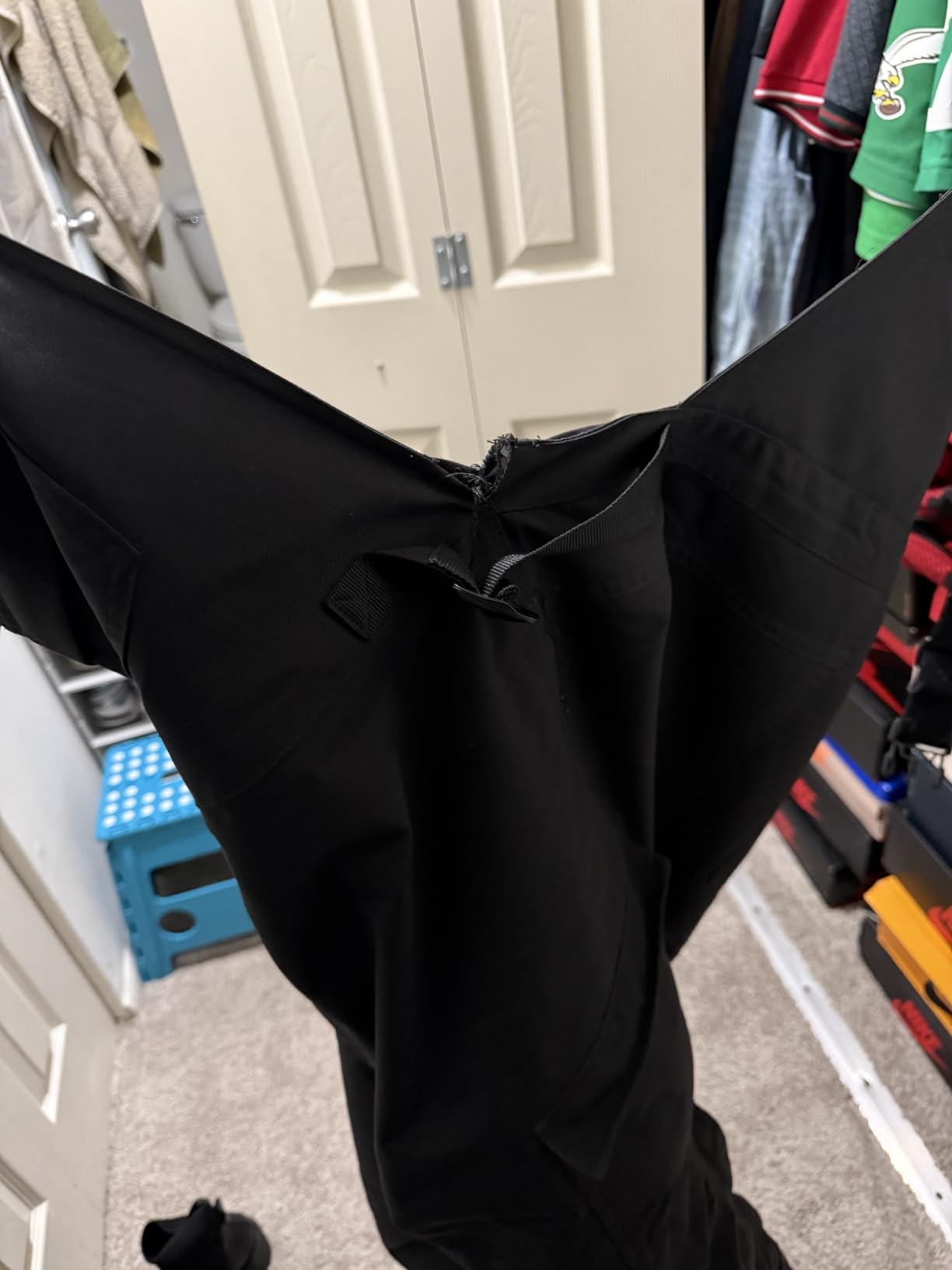
Reinforced nylon kick panels and knees are the other reason this one stands out for trades. Kick panels are the section of fabric at the lower leg that scrapes against boots, ladders, and truck beds, and it is almost always the first place a rain bib fails. Reinforcing it moves the failure point somewhere else.
Owners put the 4.5 average and 311 reviews down to the same three things: waterproofing, breathability, and the reinforced knees and kick panels. The Storm Defender membrane is described as keeping water out while letting sweat escape, which is the balance that determines whether you can wear a bib for ten hours.
A multi-compartment bib pocket with a secure zipper holds a phone, a pencil, and small tools without them bouncing around. Adjustable elastic suspenders give a personalised fit, and tall and short length options mean you can match the inseam to your work trousers instead of guessing.
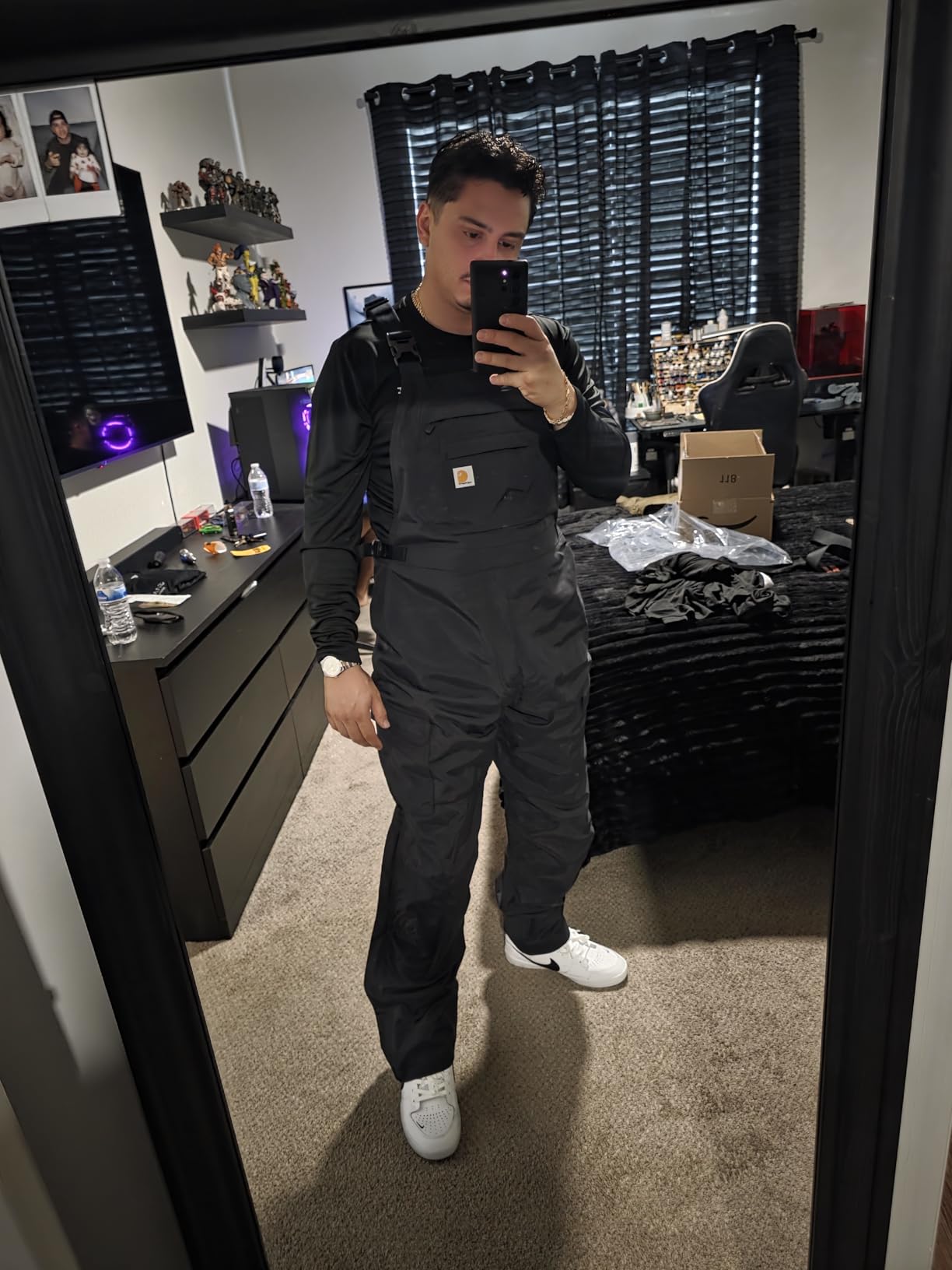
Why tradespeople pick it?
It is the only bib here built around a durability argument rather than a membrane argument. The reinforced knees and kick panels are a direct response to how trades work: kneeling, kneeling, kneeling, then standing up in wet gravel all day.
It is also the easiest buy for a crew. Carhartt sizing is predictable, tall and short versions exist, and anyone who already wears the brand will find the fit familiar.
Where it is not the right call?
The cut is closer to traditional workwear than to a roomy rain suit, and that limits room for thick layers. If your winter setup involves a heavy insulated layer underneath, this is going to be tight, and you will feel it after hour three.
It is also the heaviest of the breathable options here. That weight is where the durability lives, but it is a real cost on a long climb. For a market where ratings and specifications are the deciding factor rather than longevity, the Portwest may be a more precise fit.
7. Frogg Toggs FTX Armor Premium Rain Bib – Best for Lightweight Mobility
FROGG TOGGS Men’s FTX Armor Premium Waterproof Rain, Fishing Bibs, Black, Medium
- Smooth micro-textured liner is comfortable against skin
- Thigh-length leg zips and full front zip for easy entry
- Reinforced knees and seat for abrasion resistance
- Lightweight and packable with D-rings and angled pockets
- Athletic cut runs tight through hips and seat
- Some report leakage at chest pocket and ankle zips
- Not tough enough for abrasive commercial work
The FTX Armor is the most technically specified bib in this roundup, and it is built as a three-layer system. The outer layer is Teflon DWR-coated polyester rated at 15000mm water hold out with a 10000 MVTR, fully seam taped and sealed. The mid layer is DriPore Gen2, a waterproof but ultra-flexible barrier. The inner layer is a soft, cool micro-textured tricot liner.
That inner layer is the reason this bib feels different from a coated shell. A DWR-coated face fabric and a taped barrier handle the water; the liner handles you. It stays smooth against skin instead of sticking and chafing, and it dries quickly when you do get wet.
The entry system is the best in this group. A full front zip combined with thigh-length zippered legs means you can open the garment almost completely and step straight into it over boots. Elastic H-back suspenders with low-profile buckles stay out of the way of a tool belt or a pack.
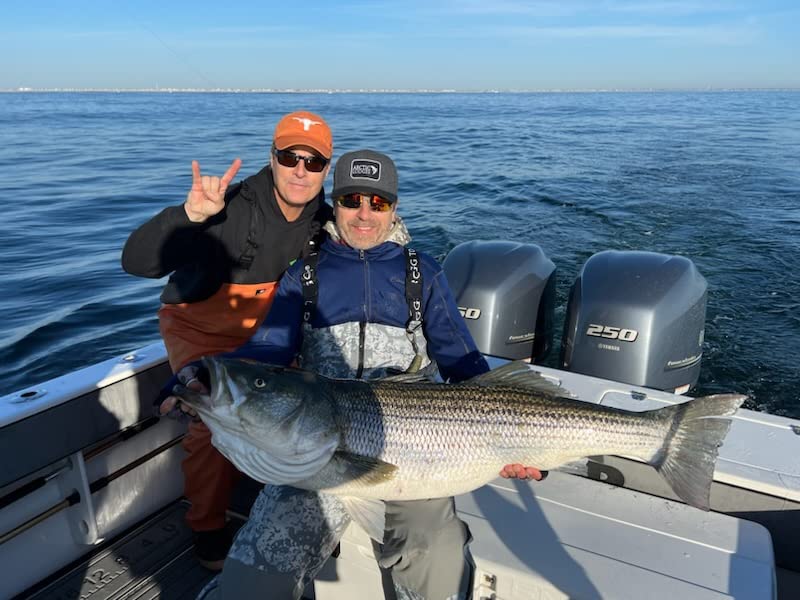
Reinforced knee and seat panels take the two highest-wear areas, and angled zippered pockets keep gear accessible without a load-bearing panel pressing against your thigh. Adjustable hook-and-loop take-up straps at the ankles let you cinch the leg over a boot, which closes one of the most common leak paths in a bib.
Owners rate it 4.3 across 220 reviews, with anglers and outdoor workers describing it as staying dry in cold wind and rain. The most common praise is comfort and liner feel, and the most common criticism is the athletic cut through the hips and seat.
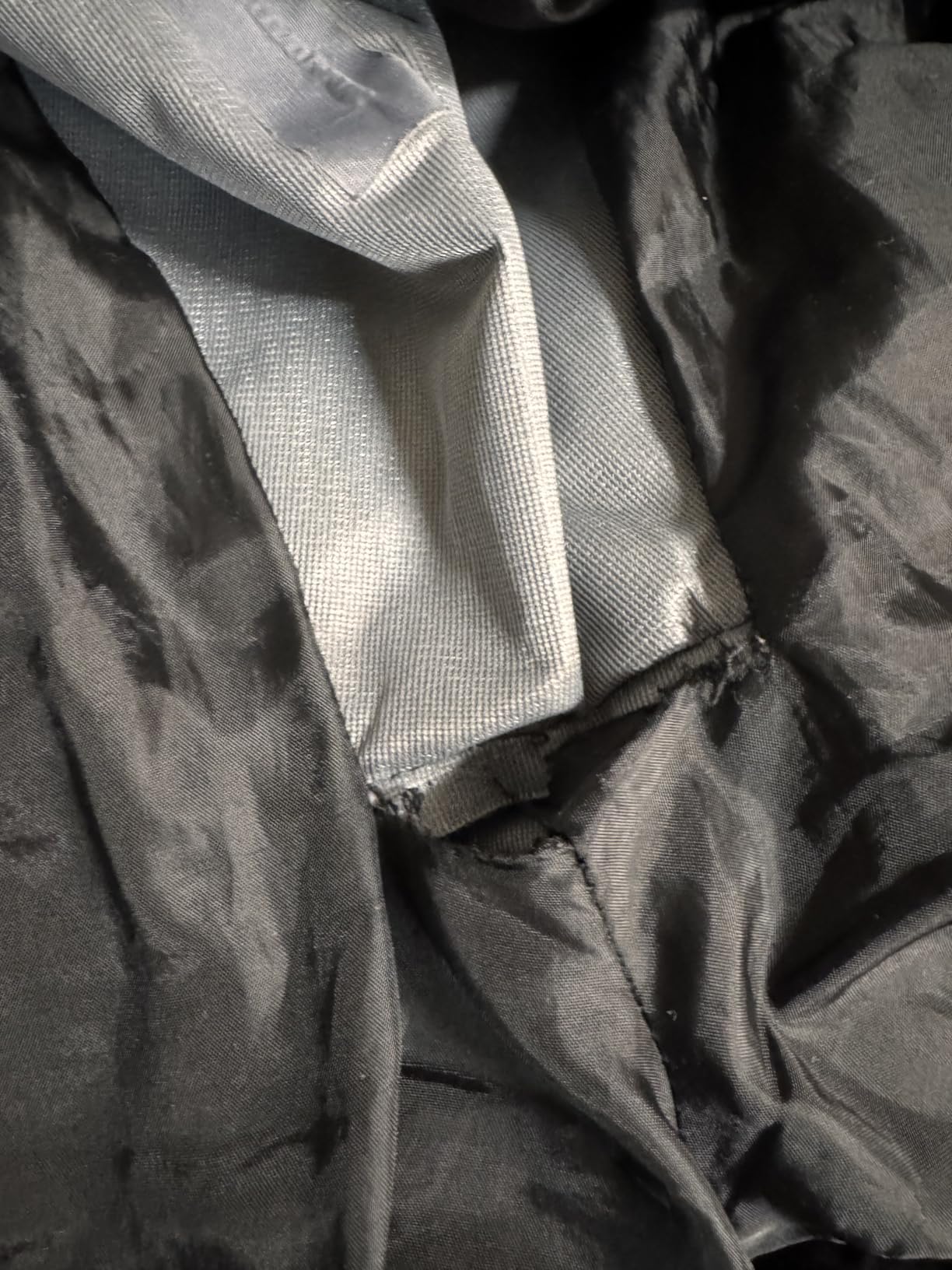
What makes it different?
Three-layer construction with a proper liner is the difference between a rain bib you tolerate and one you forget you are wearing. It is also the highest quoted water hold out figure in this roundup at 15000mm, paired with a 10000 MVTR that keeps it from becoming a sauna on a high-output task.
For work that involves a lot of movement, such as climbing, hiking, or working a deck, the thigh-length leg zips and the packable weight are the features you will notice every single day.
Where it will let you down?
The athletic cut is snug through the hips and seat, and several buyers size up because of it. That is the opposite problem from the Portwest and the Viking, and it is worth checking against the trousers you plan to wear.
There is also a durability ceiling. A handful of owners report leakage at the chest pocket and the ankle zippers in sustained heavy rain, and the fabric is not tough enough for abrasive commercial fishing or heavy kneeling work. This is a movement-first bib, not a beat-it-up one.
8. Grundens Shoreman Bib – Best for Seafood, Wet Work, and Easy Cleaning
Grundéns Men’s Shoreman Bib – Fishing Pants, White, XX-Large
- Liner-free PVC wipes clean and resists stains and odor
- Quick drying so it does not hold wet weight
- Suspender straps designed to reduce shoulder fatigue
- Roomy enough to layer warm clothing underneath
- Runs large and long so sizing down is common
- Very wide leg cut reads as baggy
- Stiff plasticky feel that some dislike
The Shoreman is the reference work bib for anyone whose job involves standing in water or around fish, and its origin is specific: it was designed and built for seafood processing facilities. That is not marketing language, and it explains the design choices better than any spec sheet would.
The material is double-sided phthalate-free PVC polyester with no fabric liner. Removing the liner is the critical decision. A lined bib traps water inside the garment when the shell is breached, and a lined bib also cannot be hosed down. The Shoreman wipes clean, dries fast, and resists stains and odors, which is why it is standard in fish rooms, docks, and wash-down environments.
It holds a 4.4 average across more than 1200 reviews, and long-standing owners dominate the reviews. That is the durability signal that matters in this category, and it is also backed by a warranty against manufacturing defects for the life of the product.
Why it lasts?
There is no membrane to delaminate and no seam tape to peel, because the barrier and the fabric are the same material. That single fact removes the most common failure modes in waterproof work bibs, and it is why these keep working after years in a wet environment.
Durable adjustable suspender straps are engineered to reduce fatigue over long shifts, and the bib is roomy enough to layer warm clothing underneath, which is essential in a cold fish room or on a winter dock.
Where it frustrates people?
Sizing is the dominant complaint and it is the opposite of most bibs here. It runs large, especially through the waist and in length, and several reviewers returned theirs for that reason. If you are used to sizing up in rain gear, do not do it here.
The leg is cut very wide, which some read as baggy rather than roomy, and a minority describe the material as stiff and plasticky. Breathability is not a feature of PVC, so in warm conditions this is a hot garment. It is also cut for a man’s frame, though a men’s small is reported to work for many women looking for a roomy fit.
9. Grundens Neptune Bib – Best for Commercial Deck Work and Washing
- PU coating is flexible compared with stiff PVC
- Keeps wearers dry and warm in cold wet conditions
- Machine washable and air dryable without softener
- Most reviewed bib in this group with 1457 reviews
- Runs small through thighs and seat so size up
- Torso runs short on long-waisted wearers
- Some report pocket seams splitting with heavy use
- Not built for constant kneeling
The Neptune is the most-reviewed bib in this roundup, with 1457 reviews at a 4.4 average, and it takes a different approach to the same problem the Shoreman solves. Where the Shoreman is rigid PVC, the Neptune is a polyurethane-coated polyester with an active, stretchy medium-weight fabric, designed with commercial fishermen working on deck in mind.
PU coating on a polyester base is more flexible than PVC, and owners consistently say so. The Neptune moves when you climb, haul, or crouch, and several reviewers note that it outperforms the slicker PVC bibs they replaced. For a job that is mostly standing and shifting weight, that difference is felt by the end of a trip.
It is waterproof and stain resistant, with strategically placed pockets and adjustable features placed where deckhands actually reach. Sizes run up to 5X-Large, with hi-vis and camo options among them, which matters if you are outfitting a boat crew.
Why it is the easiest to live in?
It is machine washable and air dryable without softener. That single fact is why the Neptune has the deepest review history in this list. A washable bib can be cleaned at the end of a trip and be dry by morning, and no amount of wiping down a PVC bib changes that advantage for anyone not working in a wash-down room.
It also keeps wearers warm as well as dry, which matters on a cold deck where a windproof shell alone is not enough.
Where it falls short?
The Neptune runs small, particularly through the thighs and seat, and most buyers size up one or two sizes. The torso also runs short on long-waisted wearers, which limits how far the straps can extend. Get the measurements before you order, because this is the one bib here where sizing up too far is as likely as sizing up correctly.
A minority report pocket seams splitting and fabric tearing with heavy use, and it is not built for constant kneeling or abrasion. If your work is on a wet boat deck, this is close to ideal. If it is on gravel and rebar, look at the Carhartt or the reinforced Viking instead.
10. RainRider Workwear Bib Rain Pants – Best Budget Pick for Light Duty and Hobby Use
- PU coated ripstop repels water rather than absorbing it
- Taped seams reported leak free through heavy use
- Adjustable ankle snaps and suspenders fit a wide range
- Light enough to avoid overheating on moderate activity
- Machine washable and true to size
- No leg zippers so boots are awkward
- Not rugged enough for heavy daily work
- Runs warm during high-exertion activity
The RainRider is the entry point. It is listed for men and women, it is machine washable, and owners describe it as the cheapest bib that genuinely repels water rather than soaking it. That last phrase is the important one, because a surprising number of budget rain bibs absorb water into the face fabric and feel wet within an hour.
The construction is ripstop polyester with a PU coating, and the ripstop weave adds cut, tear, and abrasion resistance over a plain polyester. The fabric is described as lightweight and flexible even in cold conditions, which is a slightly unusual claim for a coated material and a real advantage when you have to move.
Taped seams do the sealing work, and owners report them staying leak free through a full week of boat-based fishing. A snap take-up adjustment at the waist, elastic suspenders with quick release buckles, and adjustable boot cuffs cover the fit adjustments that matter, and a large chest pocket keeps small gear off the front.
What you get for the money?
A genuinely waterproof, genuinely washable bib with taped seams and adjustable cuffs, at the bottom of the price range. For boat work, pressure washing, dog walking, gardening, or a seasonal outdoor job, it does the job without the ceremony of a technical garment. The same logic applies to the rest of a wet-weather kit: if your hobby takes you onto wet sand, our roundup on waterproof metal detectors for beaches covers the sealed-unit question.
It is also listed for women, and the adjustable suspenders and waist snaps give more fit flexibility than a fixed-cut bib, which addresses one of the gaps in this category.
Where it is not enough?
There are no leg zippers, which is the most common complaint in the reviews and the most annoying one in practice when you are stepping into boots. Owners also question long-term durability for year-round work use, which is the honest limitation of a garment in this tier.
It runs warm inside during high-exertion activity. If your day involves digging, climbing, or hauling, the lack of venting will show up on your back by mid-afternoon. For heavy daily trades, spend up and buy the Carhartt or the Viking; for occasional wet work, this does the job.
How to Choose the Right Waterproof Work Bibs?
What the waterproof rating actually means?
A waterproof rating is the height of a column of water the fabric can hold before leaking, measured in millimetres. Most bibs in this roundup sit in the 10000mm to 15000mm range, which is the range that suits sustained rain rather than an occasional shower. Below 5000mm you are looking at a splash garment, not a rain bib.
Higher is not automatically better. Beyond a certain point you are paying for capability you will not use, and in many cases a very high rating is paired with a very low breathability figure. The number to look at alongside it is the moisture vapour transmission rate, which tells you how much sweat passes through the membrane. The Portwest S488 is the clearest example of a garment that publishes both: 10000mm water penetration and 10000g per square metre over 24 hours.
Why seams decide everything?
Every stitch passes a needle through the fabric and the membrane together, which creates a hole. Sealing those holes is the job of the seam, and this is where most cheap bibs fail first. Fully taped seams cover every stitch with waterproof tape, critically taped seams cover only the high-risk areas such as the shoulder and seat, and welded seams fuse the layers together with no stitching at all.
The Portwest uses taped seams, the Carhartt Shoreline uses fully taped seams, the Viking uses a sealed FR construction, and the Pioneer uses heat-sealed seams. The Frogg Toggs models describe themselves as fully seam taped. If a listing does not mention seams at all, treat that as a question you need answered before you rely on the bib in steady rain.
Breathability versus waterproofing on a job site
Work is the worst case for a membrane. You generate heat, you generate moisture, and if the garment does not vent it, that moisture condenses on the inside and you end up wet from the wrong direction. Thigh ventilation zippers, pit zips, and underarm vents exist specifically to solve this, and the Viking includes front and back vents as standard.
The trade-off runs the other way too. Rubber and PVC bibs such as the Grundens Shoreman are completely waterproof and completely unbreathable, which is exactly why they are the standard in wash-down fish rooms and why they are miserable above about 50F for anyone working hard. The genuinely breathable options here are the Pilot II Guide, the FTX Armor, and the Portwest S488.
Insulated versus shell bibs
None of the ten bibs in this roundup is a true insulated cold-weather bib, and that is deliberate. Insulation belongs in the layer underneath, where you can add or remove it through the day. A thin merino or synthetic base layer plus a fleece mid layer under a shell bib lets you regulate temperature across a shift that starts cold and ends warm, which an insulated bib prevents you from doing.
For sustained work below freezing, the combination that works is a breathable shell bib over a thermal base layer, and you accept the sweat at high output or you slow down. The uninsulated PVC options in this list are a different proposition entirely: they are waterproof with no condensation management at all, which is why they are a cold-weather answer for low-output work and a poor one for heavy labour.
Fit, sizing, and what to wear underneath
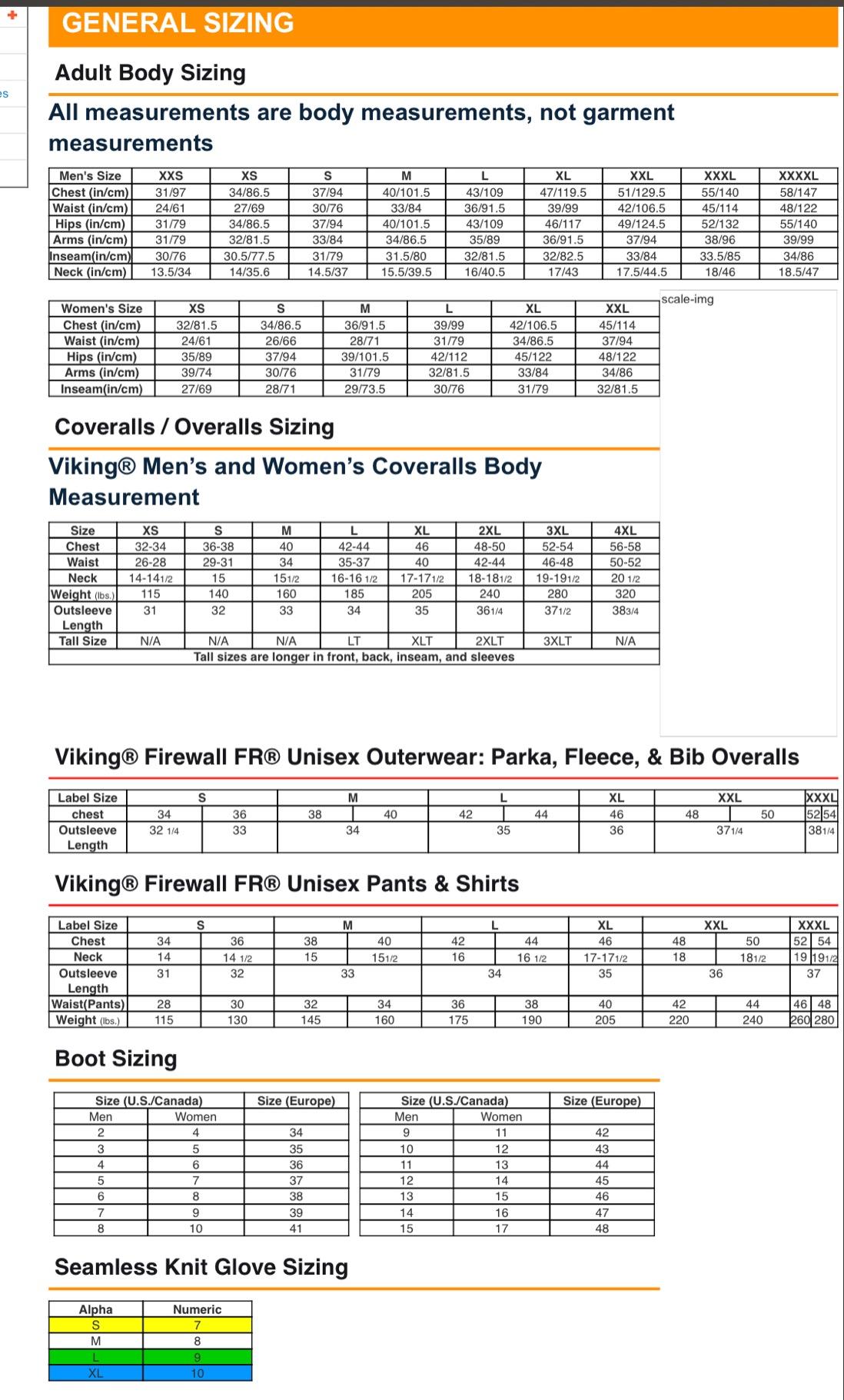
This is the number one problem in every work forum we read, and it is the one manufacturers help least with. Two questions decide whether a bib fits: what you wear under it, and how you want it to seal at the waist and boot. A person in a t-shirt and work pants wants a relaxed fit. A person in insulated bib pants or a fleece mid layer needs a full size up, and the models on this list that run small, the Portwest, the Viking, and the Neptune, all need that adjustment.
Measure the chest, waist, and hip over the clothing you will actually wear, then add the layering room you need. Check the inseam against your work trousers, because a bib that is short in the torso can sit badly on a long-waisted frame no matter what the size chart says. For boot sealing, look for an ankle or leg zipper and adjustable cuff; without one, water runs down the outside of your trousers and wicks in at the sock line.
The entry system is the other half of fit. Zip-to-hip and thigh-length leg zips let you step into the bib over boots without taking them off, and on a wet site that saves you more time than any other feature on the list. Entry and exit matters even more for bathroom access on a long shift, which owners mention constantly.
High-visibility and flame-resistant requirements
If you work where visibility is regulated, buy the certification, not the colour. The Pioneer meets ANSI/ISEA 107-20 Class E, the Viking is CSA Z96-15 Class 1 Level 2 and ANSI/ISEA 107-2015 Type O Class 1, and the Portwest carries Supplemental Class E plus EN ISO 20471 Class 2. Worn over a Class 2 or Class 3 vest, the Pioneer reaches Class 3 coverage.
For flame-resistant work, the Viking is the only bib in this roundup with certified ratings to ASTM D6413 and CAN/CGSB-4.2 No.27.10. If your site requires an FR rating, that certification is the entire decision, and no amount of waterproofing substitutes for it.
Caring for a technical waterproof bib
Wash technical bibs on a gentle cycle with a technical wash or a small amount of non-technical detergent, close the zippers and fasten the hook-and-loop cuffs first so nothing snags, and skip the softener. Softener coats the fibres and blocks the DWR finish, which is what makes water bead on the outside of the fabric instead of soaking in.
When water stops beading and the face fabric starts to look flat, the DWR has worn off. Many manufacturers make a wash-in re-proofer for exactly this, and the garment keeps working after treatment even though the original finish is gone. Dry the bib on a line rather than in a tumble dryer where the care label allows it, and store it hung rather than folded at the seams, since a permanent crease in a taped seam is a permanent leak path.
One last practical note: if you are setting up elevated work in the rain, the ground matters as much as the clothing. Our guide to portable work platforms covers stability and footing for wet-surface setups.
Frequently Asked Questions
Who makes the best waterproof bibs?
For most trades, Helly Hansen and Carhartt are the safest answers, and for commercial fishing and wash-down work Grundens is the long-standing standard. If you need flame resistance or a formal ANSI certification, Viking and Portwest publish the ratings that safety officers ask for. On this list, the Frogg Toggs Pilot II Guide is the best all-round choice, and the Grundens Shoreman is the hardest to wear out.
What are the best waterproof work bibs?
The best waterproof work bibs depend on the job rather than the brand. For general construction, the Carhartt Shoreline gives you fully taped seams and reinforced knees. For road crews, the Pioneer Hi Vis Ripstop meets ANSI/ISEA 107-20 Class E. For wash-down and seafood work, the Grundens Shoreman has no liner to soak. For movement and low weight, the Frogg Toggs FTX Armor is hard to beat.
What are the best bibs for cold weather work?
None of the bibs in this roundup is insulated, and that is the correct design. Layer a thermal base layer and a fleece mid layer under a breathable shell bib so you can strip back as the temperature rises. For low-output cold work such as a fish room or a security post, the unlined PVC Grundens Shoreman blocks wind completely and wins, but it is a poor choice for heavy labour because it does not vent at all.
Is Frogg Toggs actually waterproof?
Yes, with a caveat. The Pilot II Guide and the FTX Armor are both fully seam taped with a rated membrane, and owners across more than 1,400 combined reviews describe them as keeping them dry in sustained rain. The caveat is durability rather than waterproofing: the fabric is not tough enough for abrasive commercial work, and a small number of FTX Armor owners report leakage at the chest pocket and ankle zippers in prolonged downpours.
Is Carhartt rain gear good?
Carhartt rain gear is good, and the Shoreline Bib Overall is the reason to believe that. It uses Storm Defender waterproof breathable membrane with Wind Fighter wind protection, fully taped seams, and reinforced nylon kick panels and knees that survive kneeling work. It holds a 4.5 average across 311 reviews, and tall and short inseam options make it easy to fit. Its one limitation is a closer cut that leaves less room for thick layers.
What waterproof rating do I need for work?
For steady rain on a job site, look for 10000mm or higher, which is the range these ten bibs sit in. Below 5000mm is a splash garment, not rain gear. Above 20000mm you are paying for capability most trades will never use, and it often comes with lower breathability. The Portwest S488 is worth noting because it publishes both figures: EN 343 WP 10000mm with an MVP of 10000g per square metre over 24 hours.
What to wear under waterproof overalls at work?
Start with a moisture-wicking base layer, add a fleece or insulated mid layer if the temperature calls for it, and finish with the shell bib on top. Wear your normal work trousers and boots underneath so the bib seals correctly at the waist and over the boot. If you are layering thick insulation, size up, and check that the model you buy has leg zippers or adjustable cuffs so water does not wick in at the sock line.
How should waterproof bib overalls fit?
A bib should sit comfortably over your work clothing without gaping at the waist, and the leg should be long enough to cover the boot top without pooling. If you are layering insulation, you need a full size up. Watch the brand: the Portwest, Viking, and Grundens Neptune all run small and need a size up, while the Grundens Shoreman runs large and needs a size down.
Conclusion
There is no single best waterproof work bib, because the best bib is the one built for your water, your hours, and the way you move. For most people, the Frogg Toggs Pilot II Guide is the answer: a 4.5 rating across more than 1k reviews, breathable fabric, and zip-to-knee side zips that make a wet morning bearable. Road crews should look at the Pioneer for Class E visibility, industrial crews at the Viking for certified flame resistance, and anyone working a wet deck or a wash-down room at the Grundens.
The details that decide between them are simple. Check the seam specification, check whether the bib zips over your boots, and check whether it runs small or large for the way you layer. Get those three right and the best waterproof work bibs in 2026 will pay for themselves in comfort alone.