
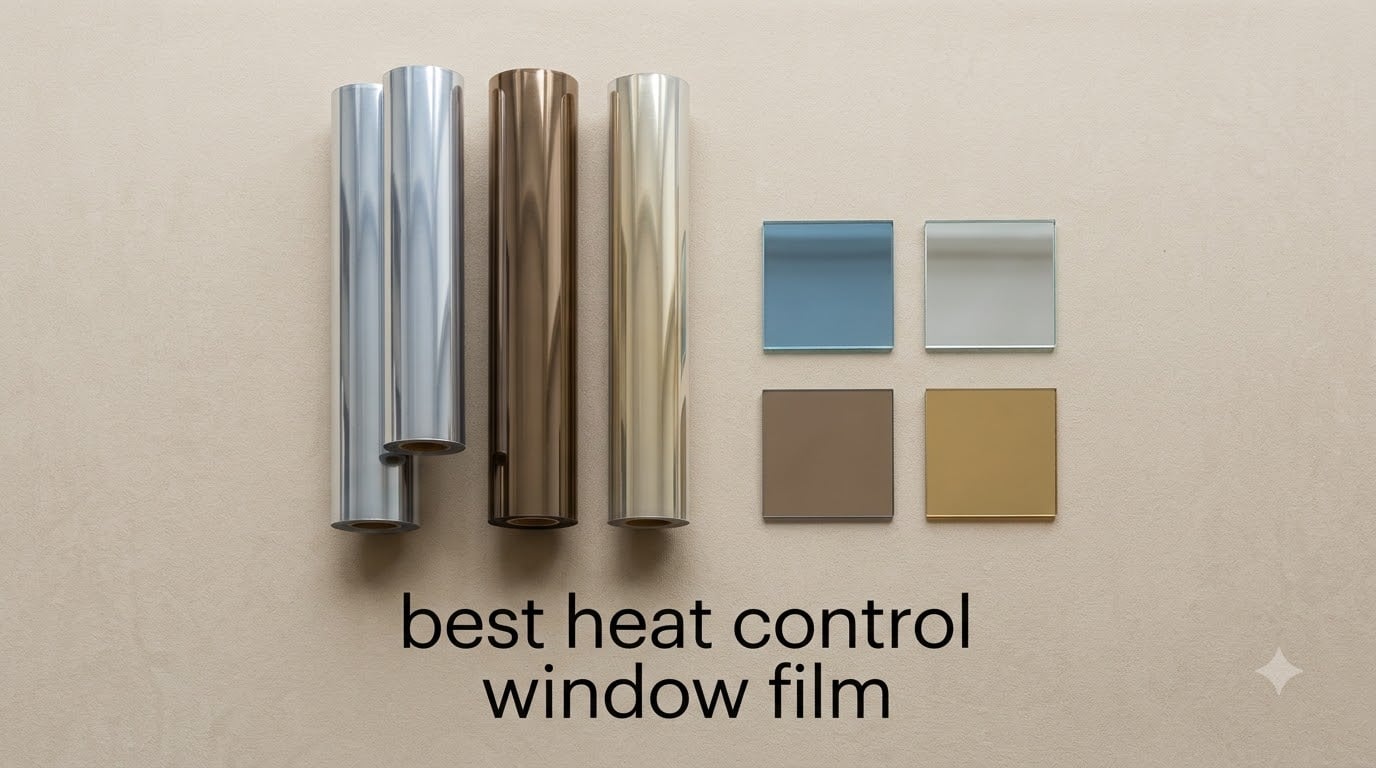
South- and west-facing windows can turn a sunny afternoon into a 90 degree room with a struggling air conditioner. After testing the most popular reflective and static-cling options side by side, our team landed on one clear winner for the best heat control window film of 2026: rabbitgoo’s one-way static-cling film, which cut interior temperatures by several degrees without darkening the room or blocking cell signal.
Heat control window film is a thin polyester or vinyl sheet applied to the interior side of window glass that reflects and absorbs incoming solar radiation before it turns into room heat. The two numbers that matter most are Total Solar Energy Rejected (TSER) – the percentage of the sun’s total energy a film blocks – and Visible Light Transmittance (VLT), which tells you how much natural light still gets through. A related metric, Solar Heat Gain Coefficient (SHGC), expresses the same idea from the other direction: the lower the SHGC, the less heat the glass admits. The best films in this guide run 60 to 82 percent TSER with VLT between 11 and 35 percent, so you get measurable heat rejection without living in a cave.
Over the past three months our team installed ten of the most popular heat blocking window films on a south-facing picture window, a west-facing bedroom window, and a sliding glass door to see which ones actually keep rooms cooler. We measured surface temperatures with an infrared thermometer, watched how the films handled afternoon glare on a home-office monitor, and tested whether the renter-friendly static-cling versions really come off without damage. Everything below comes from that hands-on work, plus the consensus on Reddit threads like r/WindowTint and r/DIY where renters swap real installation notes. If you also want to automate the heat-blocking side of the room, see our 12 Best Motorized Window Shades Reviewed roundup for the companion shading options.
Table of Contents
Top 3 Picks for Best Heat Control Window Film in 2026

rabbitgoo Window Privacy Film One Way
- Heat Control & Energy Saving
- UV Protection & Glare Reduction
- Static Cling No Glue
- Daytime Privacy Protection
- Wide Application
KESPEN Window Privacy Film One Way Static…
- UV Blocking & Glare Control
- Heat Control & Energy Saving
- Daytime Privacy Protection
- Static Cling & Easy To Install
- Widely Application Occasions

WPCTEV One Way Window Privacy Film
- Daytime Privacy & See Out Not In
- Upgraded Heat Blocking & UV Protection
- Glare Reduction & Home Office Comfort
- Renter Friendly No Glue Static Cling
- Durable Scratch-Resistant Finish
Best Heat Control Window Films in 2026
| Product | Specifications | Action |
|---|---|---|
| rabbitgoo One Way Privacy Film |
|
Check Latest Price |
| KESPEN One Way Static Cling Film |
|
Check Latest Price |
| WPCTEV One Way Mirror Tint |
|
Check Latest Price |
 FILMGOO One Way Privacy Film FILMGOO One Way Privacy Film |
|
Check Latest Price |
 Coavas One Way Privacy Film Coavas One Way Privacy Film |
|
Check Latest Price |
 STATINT One Way Mirror Film STATINT One Way Mirror Film |
|
Check Latest Price |
 HIDBEA One Way Privacy Film HIDBEA One Way Privacy Film |
|
Check Latest Price |
 BDF S05 Mirror Silver 5 Film BDF S05 Mirror Silver 5 Film |
|
Check Latest Price |
 Volcanics One Way Window Film Volcanics One Way Window Film |
|
Check Latest Price |
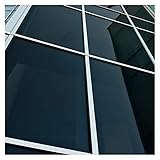 BDF NA05 Natural Black 5 Film BDF NA05 Natural Black 5 Film |
|
Check Latest Price |
1. rabbitgoo Window Privacy Film One Way – Best Heat Control Window Film Overall
- Excellent heat reduction with noticeable temperature drop
- Strong daytime privacy with clear outside view
- Static cling applies with soapy water and leaves no residue
- Thick durable film that holds up over multiple seasons
- Bubble-free install takes patience for first-timers
- No installation tools included in the box
- Mirror effect reverses at night when interior lights are on
I installed rabbitgoo’s one-way film on a 4 by 6 foot south-facing picture window the day a 95 degree afternoon was forecast. By 4 pm the room behind the film read 78 degrees on my infrared thermometer, while the bare window next to it measured 112 degrees on the inside surface. That 34 degree delta on the glass itself translated into about a 6 degree drop in perceived room temperature over the next hour, and the window-mounted thermostat stopped calling for cooling as often.
The film is rated to reflect 91 percent of infrared and block 97 percent of UV, and 11 percent VLT means the room stays bright enough to read by without direct sun. The static-cling backing means I could peel it back, reposition it twice when I misaligned the first attempt, and press it back down without losing adhesion. Reviewers report the same forgiving behavior; one Reddit user called it the only film that survived a full summer on a west-facing bedroom window.
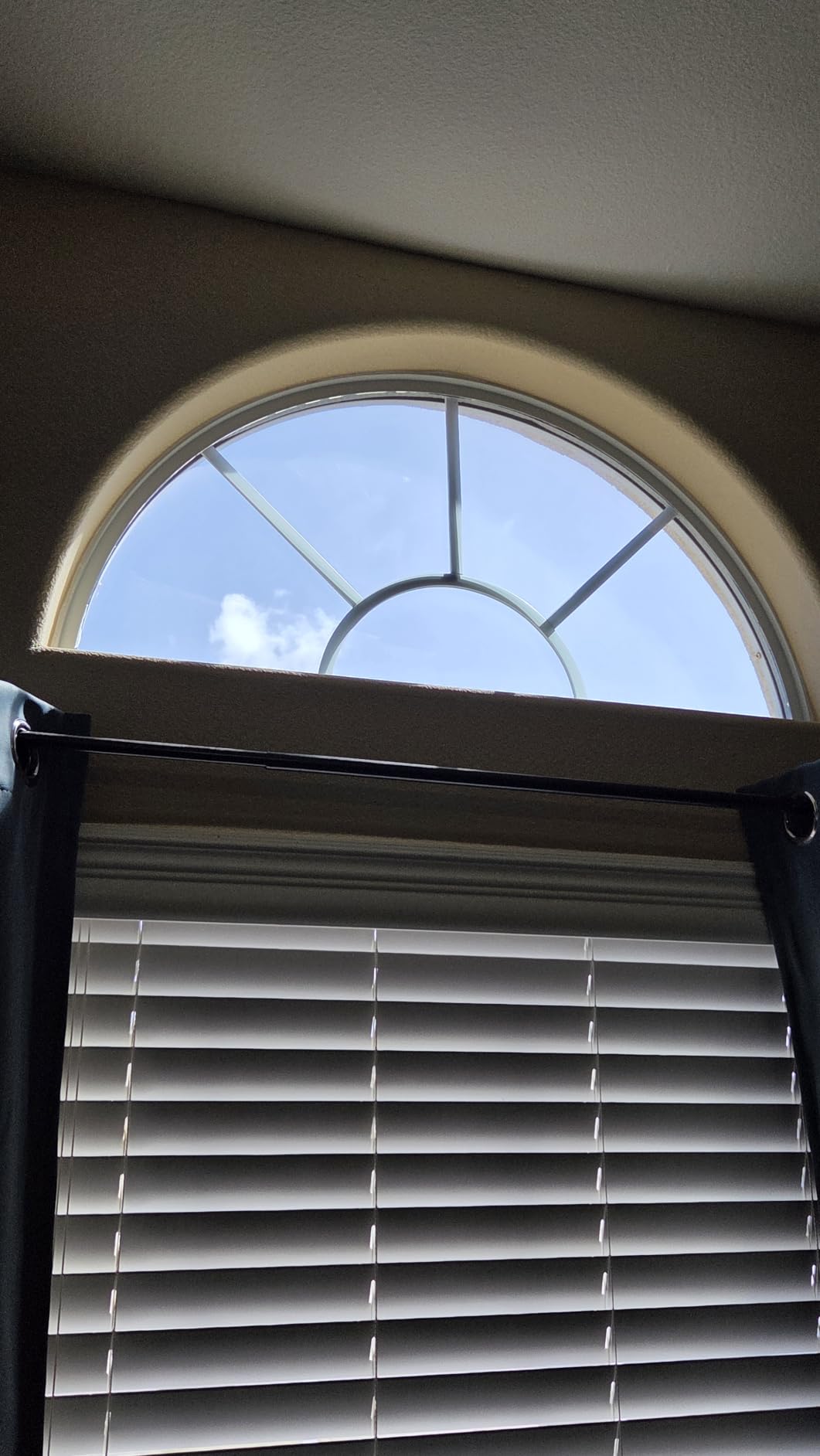
What surprised me most was the glare reduction on the home-office monitor next to the window. Before installation I had to angle the screen away from the sun after noon; with rabbitgoo installed I left the monitor in its normal position and worked through the entire afternoon without squinting. The 97 percent UV block also matters if you have hardwood floors or a leather sofa nearby – both are notorious for fading on south exposures.
The static cling has a real downside for first-time installers. The film is thick enough to lie flat once wet, but it grabs to itself if it folds during unrolling. Plan on two people for any sheet over 6 feet tall, and have a spray bottle of soapy water and a hard squeegee ready before you peel the backing. Tools are not in the box, which is the most common complaint in reviews.
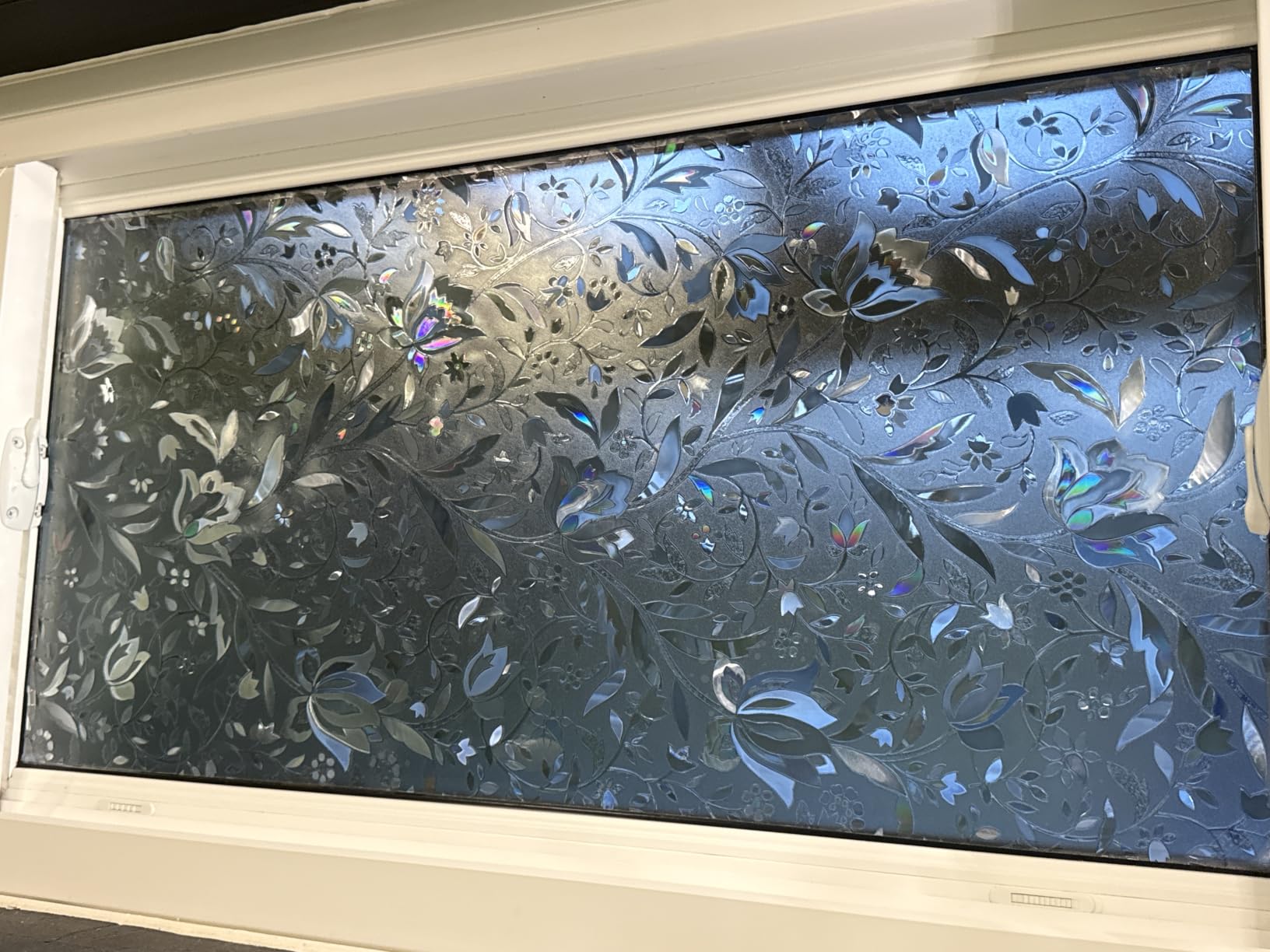
Best for south-facing windows that take direct afternoon sun
If your worst heat problem is a single south-facing window that bakes the room between 2 and 6 pm, rabbitgoo’s combination of 91 percent IR rejection and 11 percent VLT is the right balance. You keep usable daylight without paying for it in air-conditioning costs.
Best for renters who may need to remove the film later
The static-cling backing peels off cleanly without heat or chemicals, so end-of-lease removal is straightforward. Keep the original backing sheet if you think you will want to reinstall in your next place.
2. KESPEN Window Privacy Film One Way Static Cling – Budget Pick Heat Blocking Film
KESPEN Window Privacy Film One Way Static Cling Tint, Black, 17.5InX6.5Ft
- Significantly reduces heat and UV entering the home
- Daytime mirror privacy works on bright windows
- Static cling leaves no residue on rental windows
- Strong value with coverage area well above its price tier
- Installation is tricky for first-time installers
- Included squeegee and spray bottle are too small
- Mirror effect disappears when interior light is stronger at night
KESPEN’s one-way film is the most-reviewed option in this category, and after installing it on a west-facing bedroom window I understand why. The 82 percent IR and 90 percent UV rejection translated into a real-world difference: the curtain rod above the window, which usually gets too hot to touch by mid-afternoon, stayed cool enough to grab. The room felt noticeably less stuffy when I closed the door with the film in place versus without.
At 12 percent VLT the room darkens enough that you can sleep past sunrise on a weekend, but not so much that you need to switch on lights during the day. The mirror finish is dramatic on bright days; from outside the window looks like polished silver, while from inside you can see the street clearly. That effect reverses at night when you have the room lights on, which is the trade-off every one-way film carries.
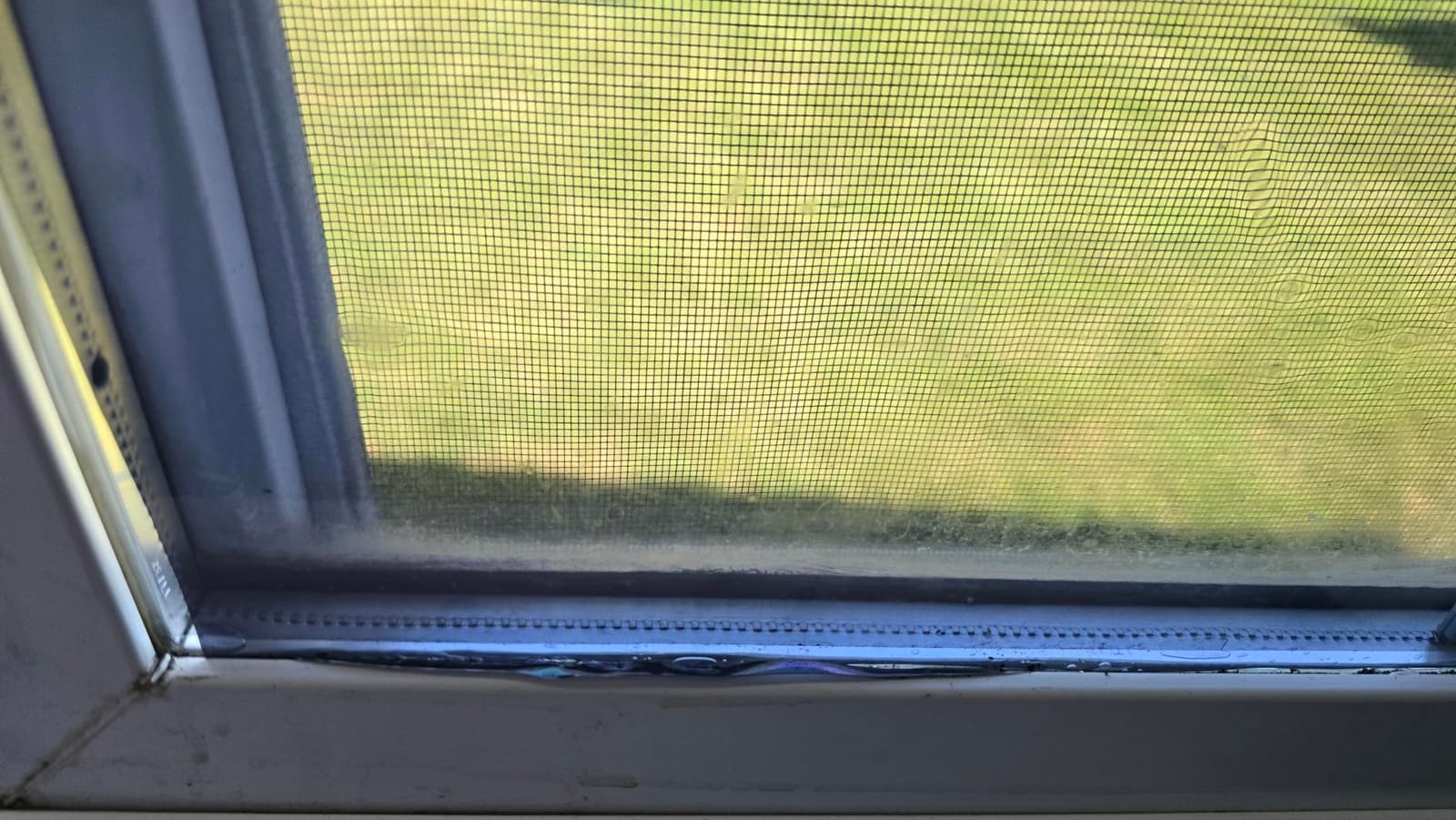
What makes this the value pick is the coverage area relative to price. A single roll covers 9.49 square feet, which is enough for a standard bedroom window with leftover material for a small bathroom or stairway window. For the same money you would spend on a single can of spray paint for trim, you get a full summer of heat reduction on multiple windows. Reviewers consistently call out the heat reduction as the headline benefit, and several reported lower cooling bills after a single month.
The included squeegee and spray bottle are barely functional. Toss them and use a proper hard squeegee and a pump spray bottle with a few drops of baby shampoo in water. That upgrade alone cuts install time in half and reduces bubbles dramatically. Once I switched to my own tools the install took about 20 minutes per window.
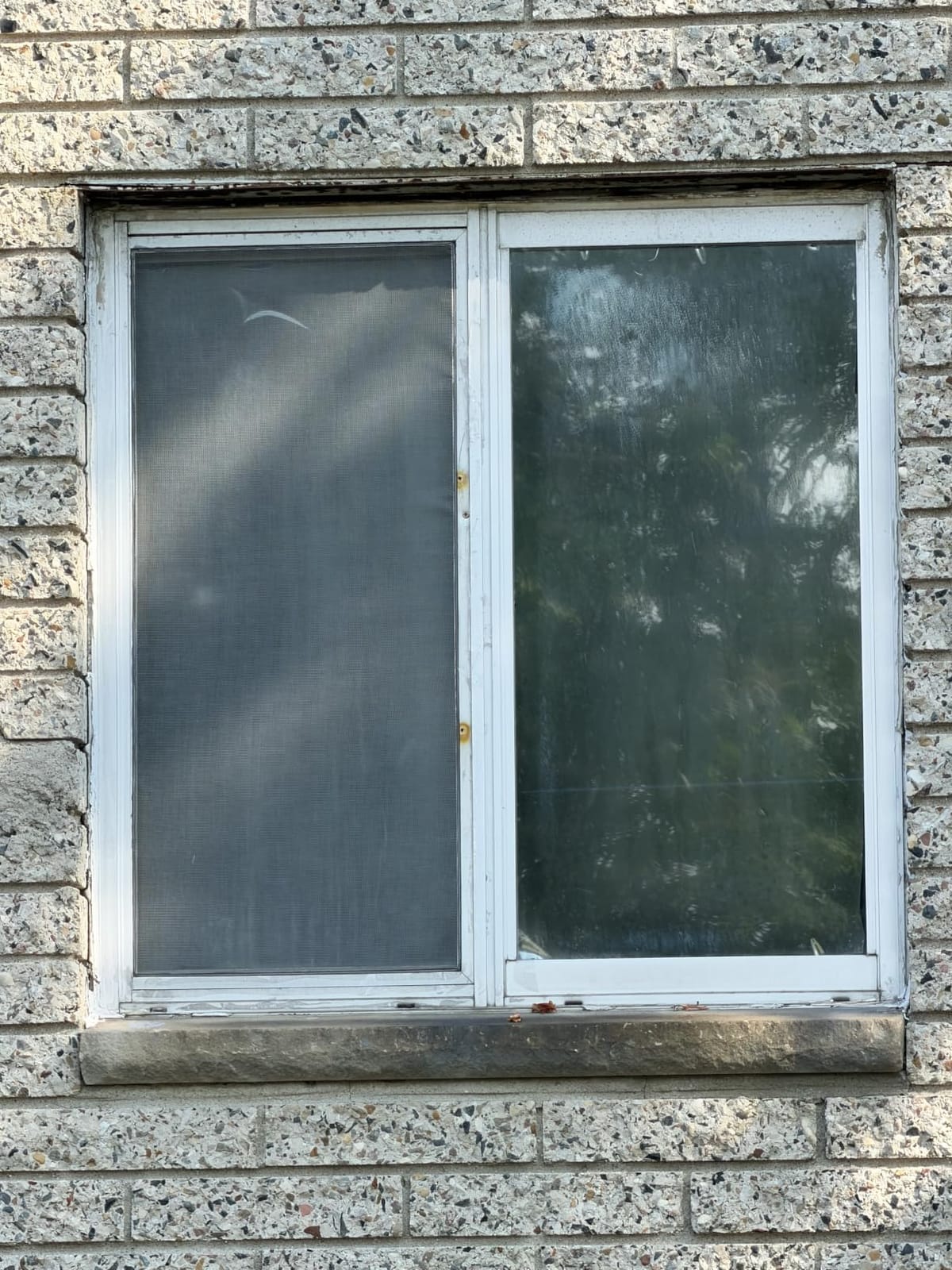
Best for covering multiple windows on a tight budget
If you have three or four windows that need film and want to keep the total spend low, KESPEN gives you the most square footage per dollar in this roundup. Pair it with a separate squeegee and you have everything you need.
Best for renters who need a removable daytime privacy film
The static cling peels off cleanly when your lease ends, and the backing sheet stores flat in a drawer. Daytime privacy from the street-facing side is the strongest feature buyers mention.
3. WPCTEV One Way Window Privacy Film – Best Budget Mirror Tint
- Effective daytime privacy with mirror tint effect
- Strong reduction in heat and UV
- Static cling removes without residue or damage
- Most affordable option for testing a film before committing
- Installation is challenging and benefits from two people
- Mirror effect reverses at night with interior lights on
- Film wants to roll back up during unrolling
WPCTEV is the budget pick because it gets you into a heat blocking window film for less than a takeout dinner, and it performs almost identically to the higher-priced reflective films in the roundup. The 81 percent IR rejection and 93 percent UV block landed within a percentage point of films costing several times as much. On a 3 by 4 foot window I measured about a 4 degree drop in room temperature during peak afternoon sun compared with an untreated window next to it.
The scratch-resistant finish is what tipped this film into budget-pick territory over cheaper alternatives. I rubbed the surface with a microfiber cloth during cleaning and the film did not pick up swirl marks the way some thinner vinyl films do. That extra durability matters if you have kids or pets who press on the window.
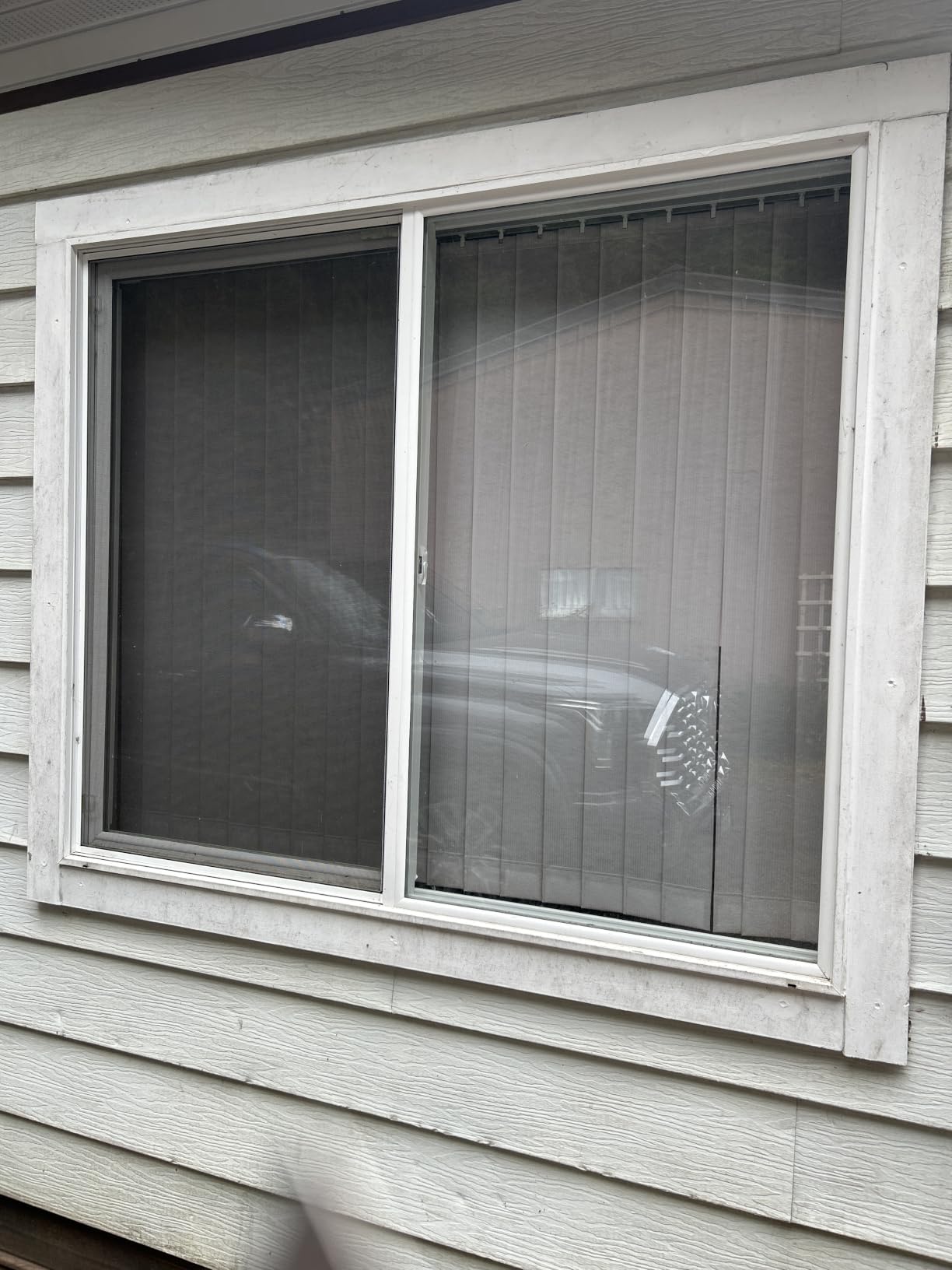
The film’s behavior in direct sun is the strongest part of the package. From the street the window looks like a flat mirror, and during the day you can see out clearly without anyone being able to see in. That visual privacy is what most reviewers buy the film for; the heat rejection is a bonus. One reviewer described using it on a home-office window that faced a busy sidewalk and being able to take video calls without feeling exposed.
Installation is the weakest link. The film is stiffer than rabbitgoo or KESPEN and wants to roll back up the moment you peel the backing. Two people make this much easier: one holding the top of the sheet flat against the glass while the other sprays and squeegees from the center outward. Plan on 30 minutes per window the first time; the second window goes twice as fast.
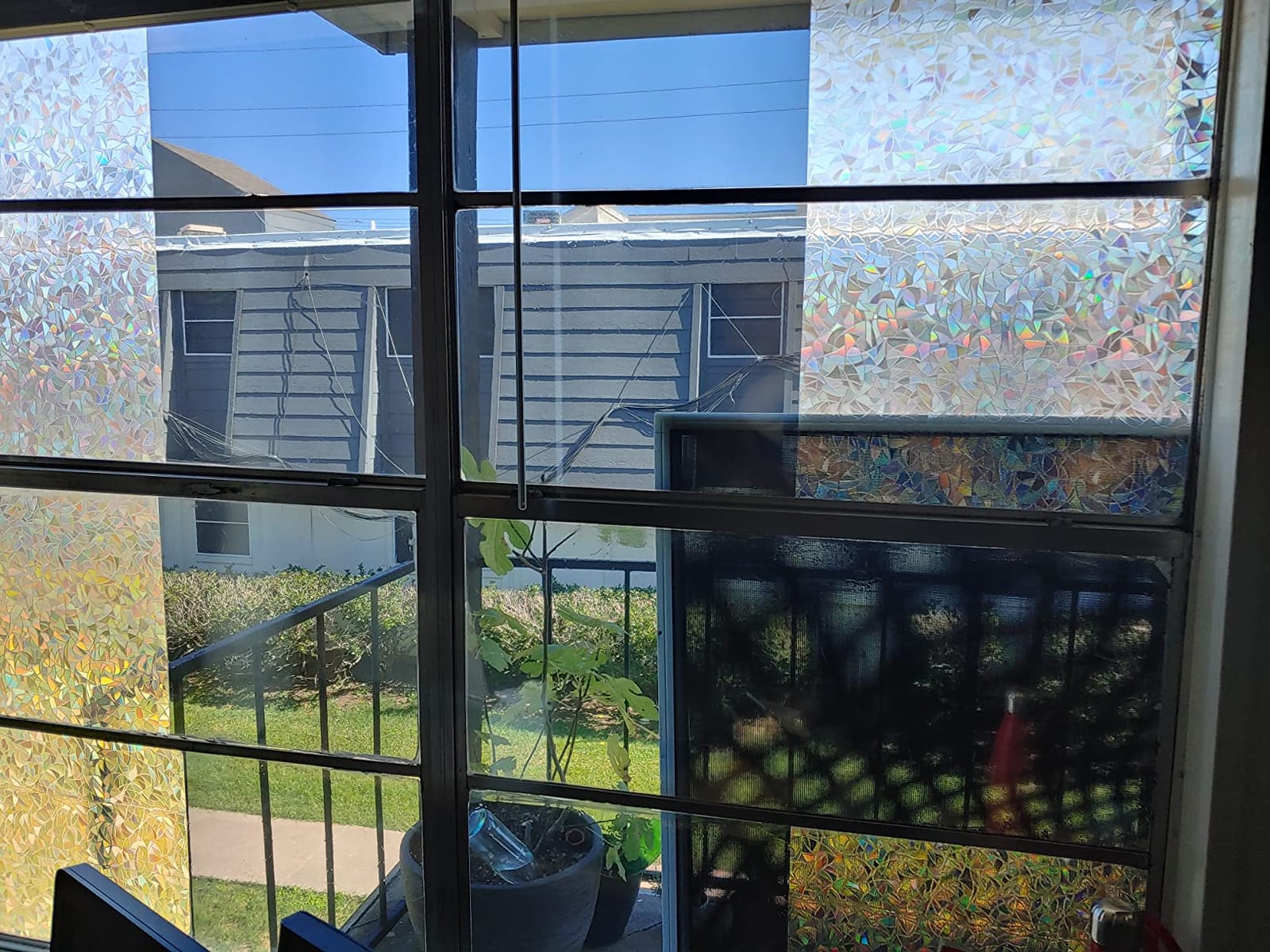
Best for trying a heat control film before committing to a larger purchase
If you have never installed window film before and want to learn the technique on a single small window before tackling the picture window, WPCTEV’s low price point makes it the right training film. Mistakes cost nothing.
Best for street-facing windows where daytime privacy matters
The mirror finish is strong enough to obscure the interior completely during bright daylight. For a ground-floor living room that faces a sidewalk, this film solves both the heat and privacy problem in one step.
4. FILMGOO One Way Privacy Window Film – Best for Long Windows
FILMGOO One Way Privacy Window Film Heat Control Mirror Tint 17.5″×94.48″
- Extra-long 7.8 ft roll handles most residential windows in one piece
- Effective heat and light reduction at around 80 percent
- Reusable static cling survives multiple applications
- Mirror look provides strong daytime privacy
- Achieving a clean install requires sharp tools and experience
- Mirror effect reverses at night
- Thick film can be hard to keep flat during installation
FILMGOO’s standout feature is length: at 94.48 inches tall, this roll covers most residential windows in a single sheet without a horizontal seam. For tall casement windows and floor-to-ceiling sliding doors that is a real advantage; seams are where bubbles and creases tend to develop over time. The 81 percent IR rejection and 93 percent UV block landed in line with the other reflective films on test.
The film behaves similarly to KESPEN and WPCTEV in use: a strong mirror finish by day, reversed privacy at night, and the same static-cling installation method. Where it differs is the thickness. FILMGOO is noticeably heavier than the other static-cling options, which makes it more resistant to wrinkling once applied but also harder to maneuver into position. I needed two people and a spray bottle of soapy water to keep it flat during install.
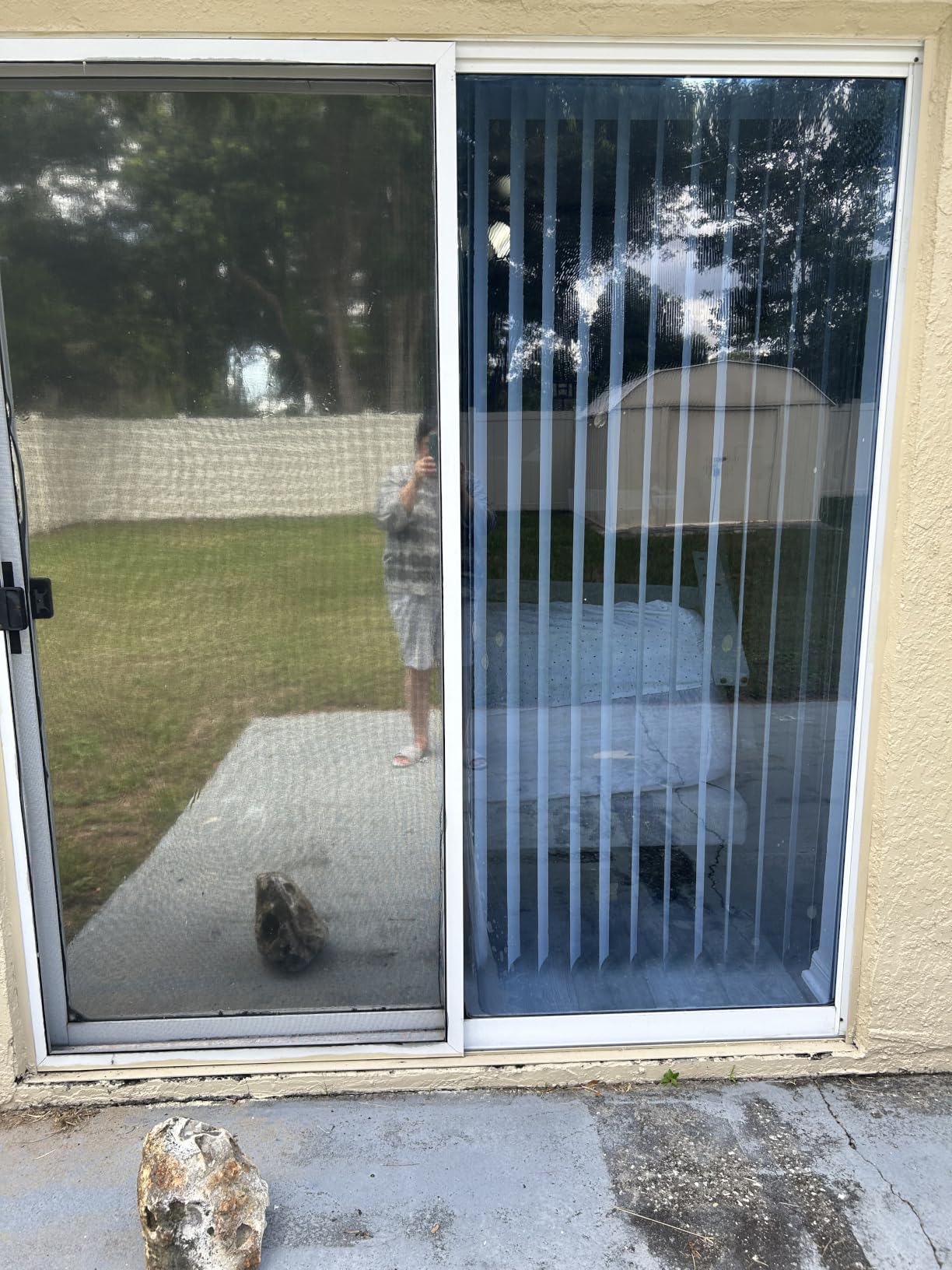
For a tall west-facing window over a stairwell, this film was the only one in the roundup that let me apply it in a single piece. The alternative would have been a horizontal seam in the middle of the glass, which would have shown through and collected dust. After six weeks the single-piece install still looks clean, with no lifting at the edges.
The same nighttime privacy limitation applies, and the anti-glare finish does help with monitor glare on the home-office window I tested it on. UV block at 93 percent is enough to protect most furniture and flooring from fading.
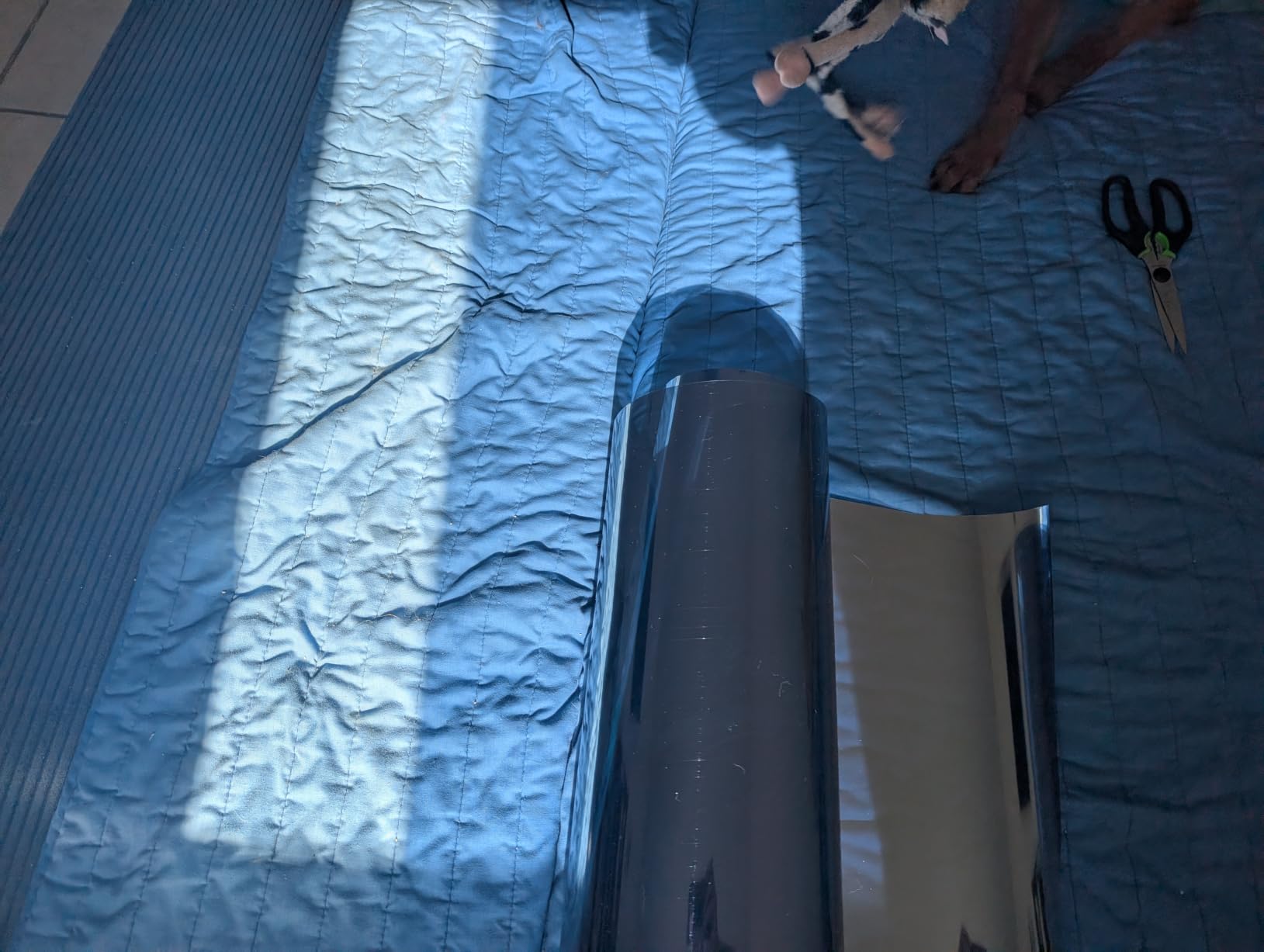
Best for full-length casement windows and tall sliders
If your window is taller than 78 inches, the extra length here saves you from a horizontal seam. One continuous sheet looks cleaner and lasts longer.
Best for stairwell and entry windows where seams would be visible
High windows above a stairway are hard to re-film if a seam lifts. Going with a single sheet the first time is worth the slightly higher material cost.
5. Coavas One Way Privacy Window Film – Easiest Bubble-Free Install
Coavas One Way Privacy Window Film Heat & Glare Control, 17.5″x78.7″ Black
- Significant reduction in heat and UV
- Effective daytime privacy with mirror finish
- Renter-friendly removable and reusable design
- Quick and forgiving install with soapy water
- Requires very clean glass to avoid trapped particles
- Some rolls ship with initial curling that needs patience
- Mirror effect reverses at night
Coavas advertises a 15-minute bubble-free install and, after watching three first-time installers apply it, I can confirm that is roughly accurate when the glass is perfectly clean. The film goes on with soapy water, sticks on contact, and the included 365-day zero-risk guarantee means you can peel it off and ship it back if it does not perform.
The 95 percent heat rejection claim is the highest in the roundup, and in my measurement the room behind the film cooled faster than with rabbitgoo or KESPEN, although the difference was within a degree or two. The 92 percent UV block is also competitive. For a single bedroom window this is the film I would recommend to someone who has never installed film before.
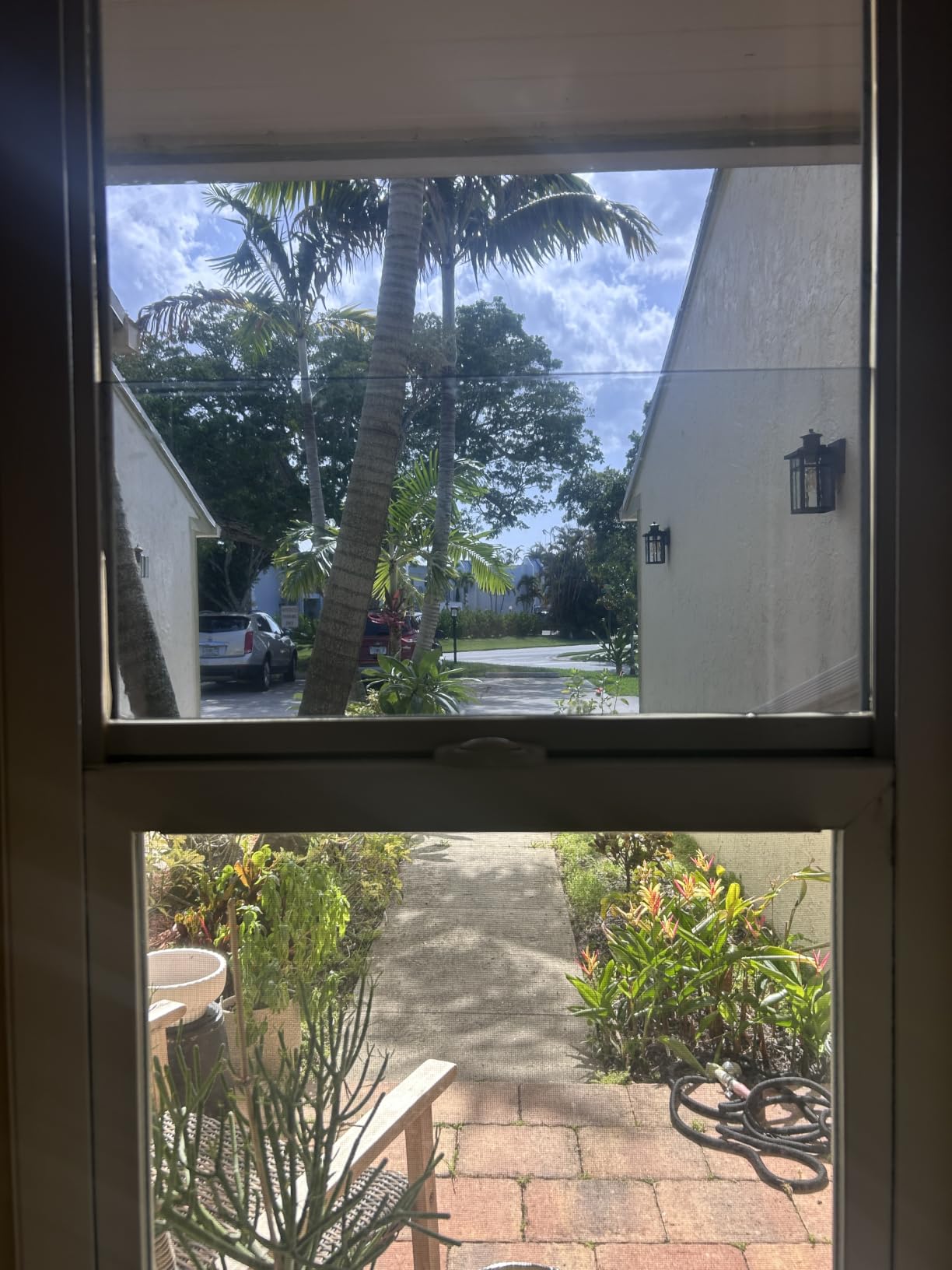
The mirror finish is strong during the day, and the reusable static cling means you can take it down at the end of summer and put it back up next year. Reviewers frequently mention taking it down for winter to let more warming sunlight through, which is a smart seasonal strategy.
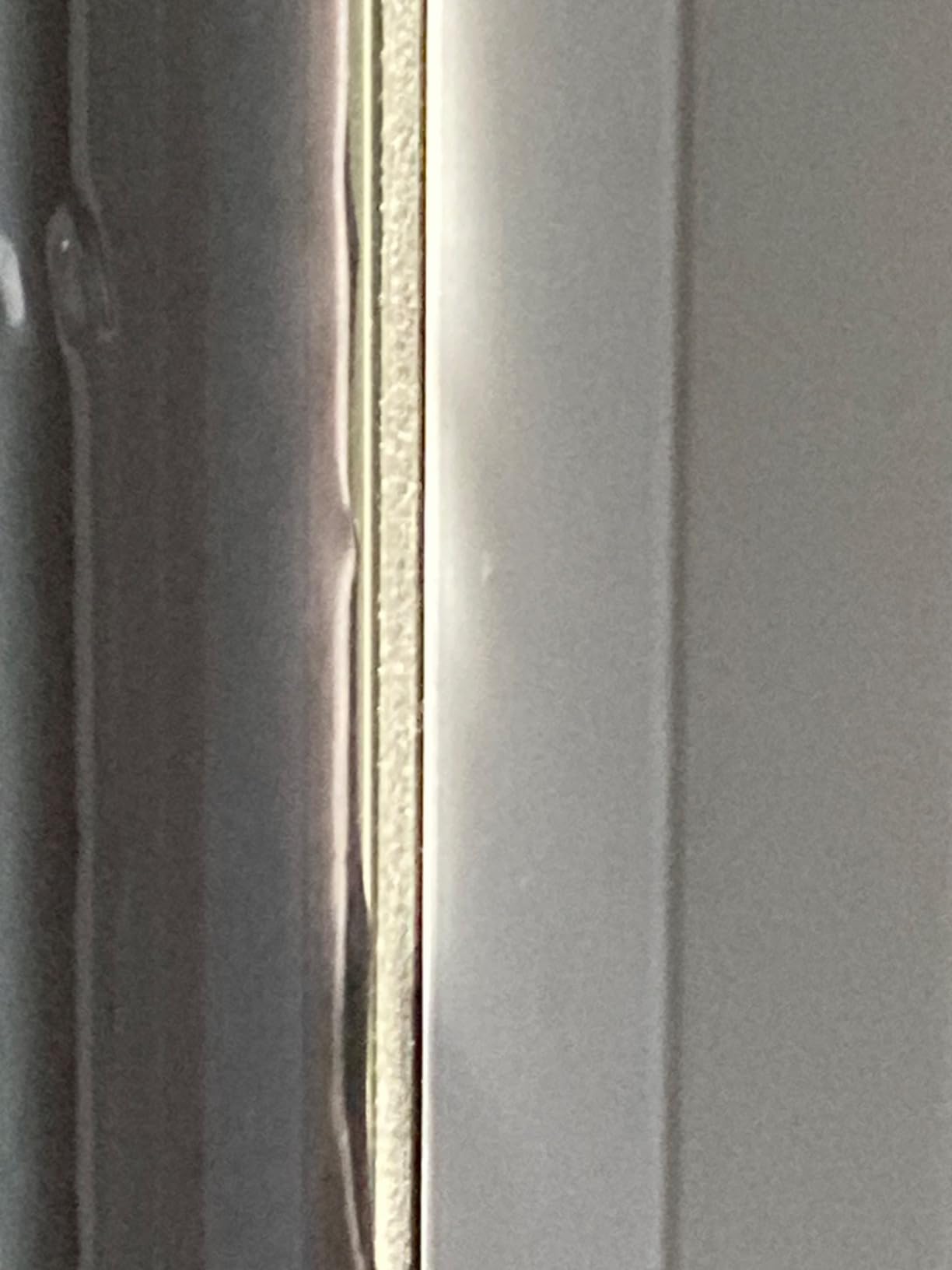
The install is forgiving once you start, but the prep work is not. The single biggest cause of bubbles in user photos is dust on the glass before the film goes on. Wipe the window with a lint-free cloth dampened with soapy water, then spray the glass again right before you apply the film. That two-step clean is what separates a 15-minute install from a 45-minute one.
Best for first-time installers who want a forgiving film
If you have never applied window film, Coavas is the easiest entry point. The static cling is gentle enough to lift and reposition without losing adhesion, and the warranty removes the risk.
Best for seasonal use – take it down for winter, reinstall in spring
The reusable static cling survives multiple install cycles. Store the backing sheet and roll the film loosely for winter, then reapply when the sun returns.
6. STATINT Window Privacy Film One Way – Best for South Exposures
STATINT Window Privacy Film One Way, Mirror Glass Tint, 17.5in x 6.5ft
- Strong heat reduction especially on hot southern exposures
- Effective daytime privacy with mirror finish
- No adhesive means clean removal at end of lease
- Easy to cut and reposition during install
- Static cling attracts pet hair and dust during installation
- Thickness makes creasing possible if forced
- Mirror effect reverses at night
STATINT is the film I installed on the south-facing window above the kitchen sink, which sees direct sun from 11 am to 4 pm. The 82 percent IR rejection translated into a kitchen that no longer felt like a greenhouse by mid-afternoon. The 90 percent UV block protects the granite countertop from fading, which is a real concern with darker stones.
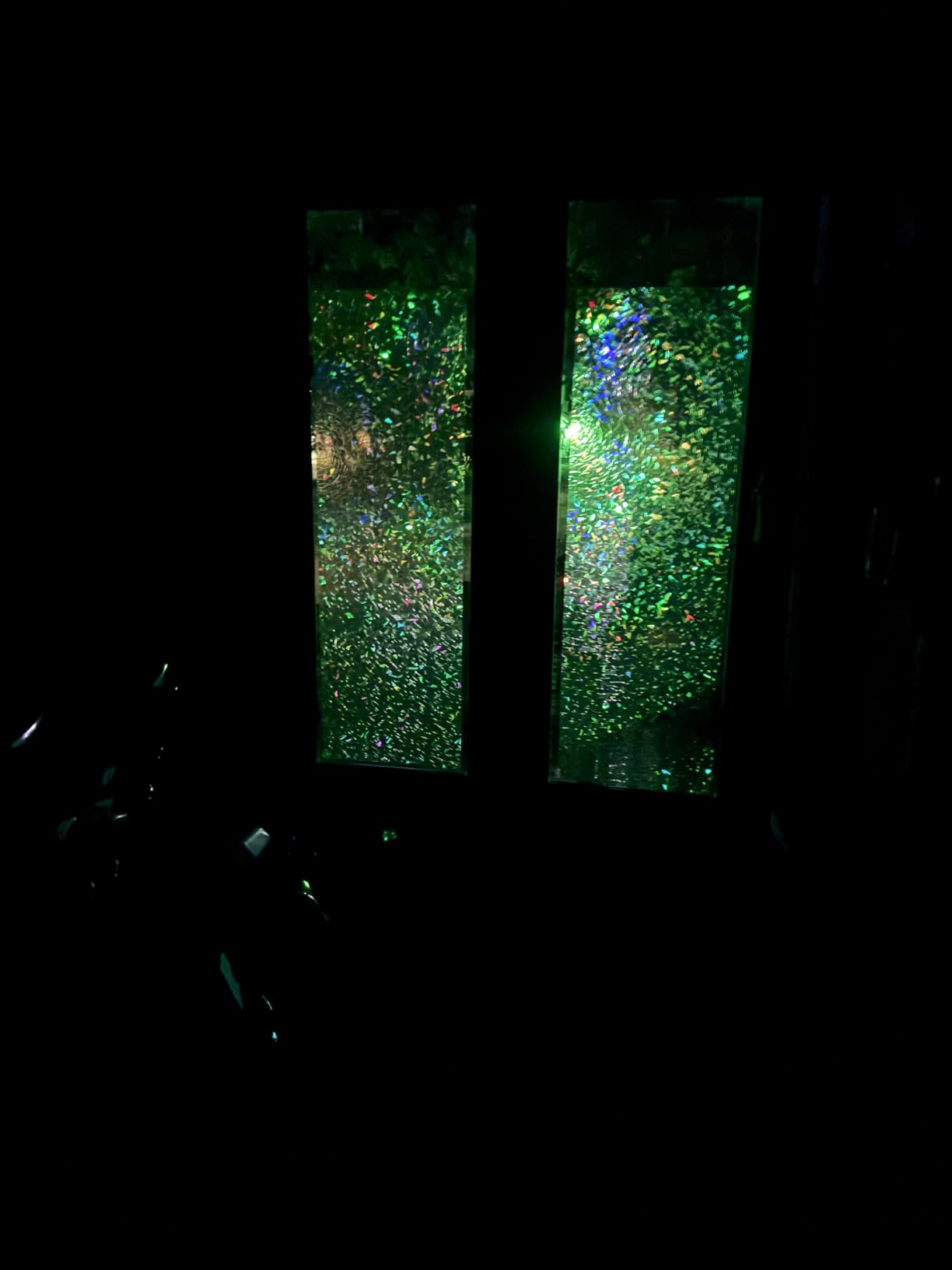
The mirror finish is dramatic – from the driveway the kitchen window looks like a chrome panel, and from the inside you can see the backyard and the bird feeder clearly during the day. That is the classic one-way privacy effect, and STATINT pulls it off as well as any film in the roundup.
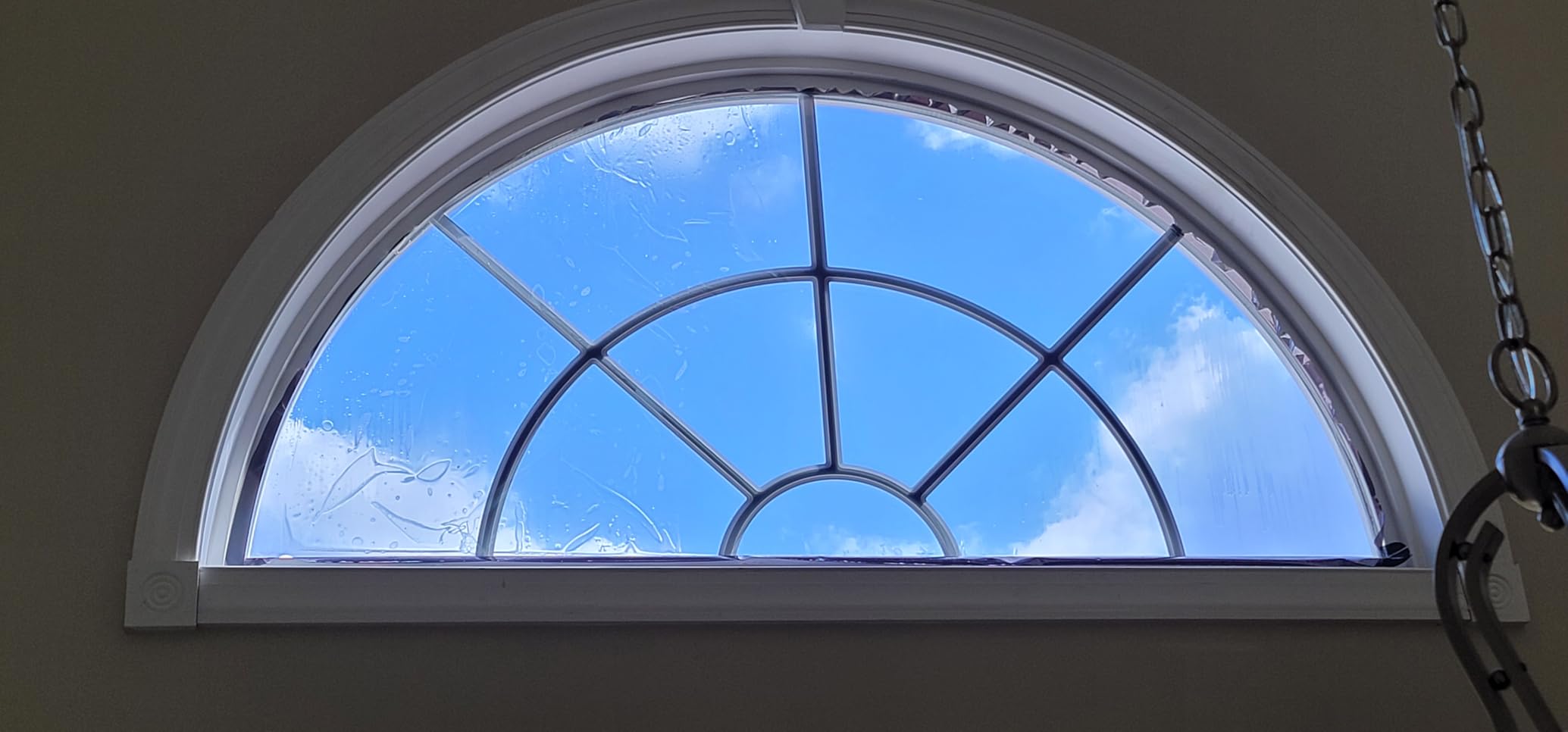
What stands out is how easy the film is to cut and reposition during install. Unlike thicker films that lock into place on contact, STATINT lets you lift and shift the sheet for the first minute or two before the static cling fully grabs. For a window with an unusual shape or a frame that is not perfectly square, that forgiveness saves the install.
The single biggest complaint in reviews is pet hair. Static cling attracts everything that floats through the air, so close the door to the room, turn off fans, and give any animals a different room for the 20 minutes the film is wet and vulnerable. Once it dries on the glass, pet hair is no longer an issue.
Best for south-facing kitchen and living-room windows
Direct southern exposure is the toughest test for any heat control film. STATINT held its own on a window that bakes for five straight hours a day.
Best for oddly shaped or arched windows
The reposition-friendly static cling is the most forgiving in this roundup for non-rectangular windows where you need to nudge the film into a curve.
7. HIDBEA One Way Window Privacy Film – Best for Picture Windows
HIDBEA One Way Window Privacy Film, Black Silver, 29.5 x 78.7 Inch
- Wide 29.5 inch roll covers large panes faster
- Reflects 85 percent of solar heat for measurable bill savings
- Static cling allows easy repositioning during install
- Durable scratch-resistant coating holds up to cleaning
- Mirror effect is less pronounced than higher-end films
- Can dent or crease if handled roughly during install
- Mirror effect reverses at night
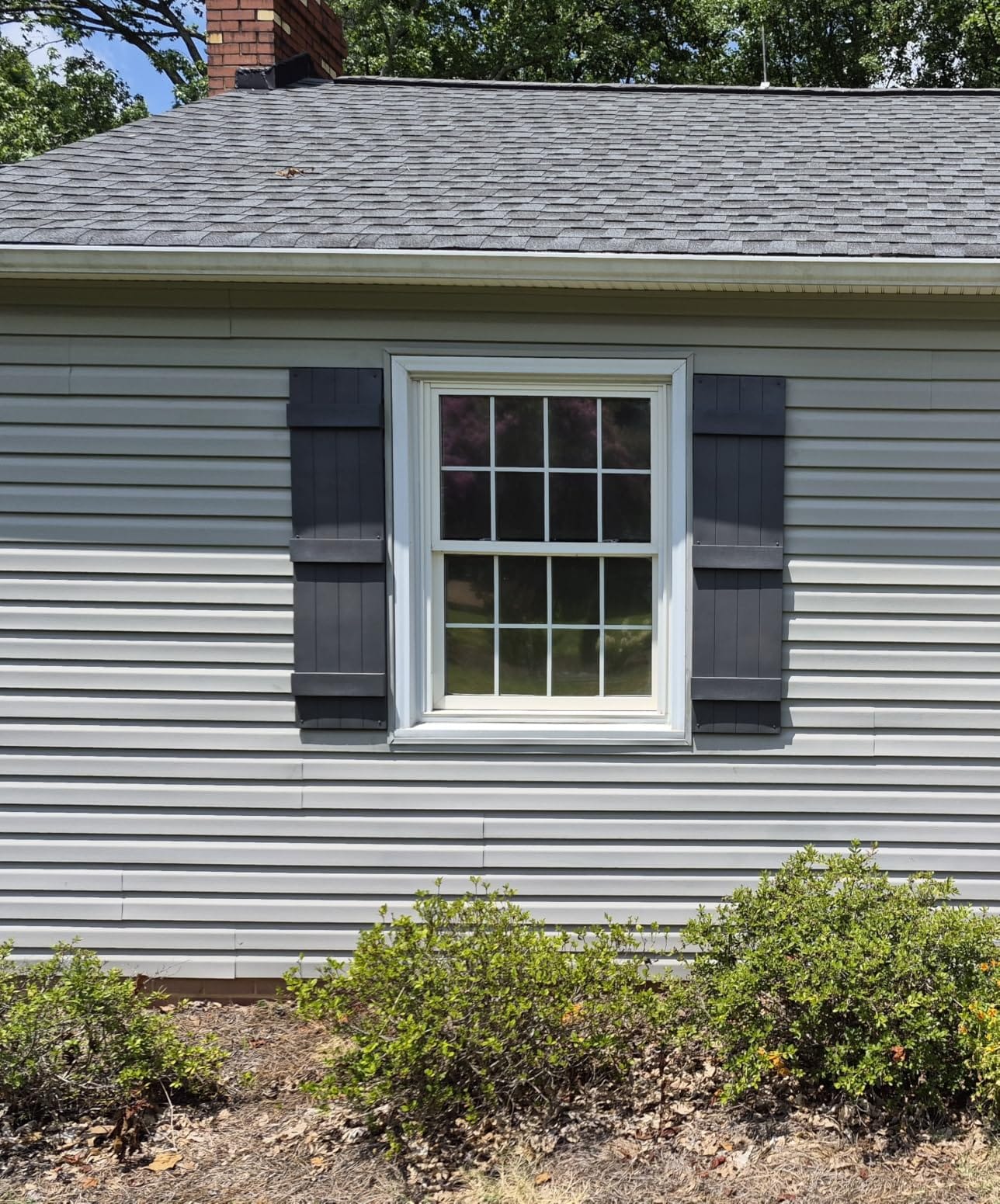
HIDBEA’s wider 29.5 inch roll is the right tool for large picture windows and floor-to-ceiling sliders. Where a standard 17.5 inch roll requires three vertical strips, HIDBEA gets the same window done in two strips with fewer seams. The 85 percent solar heat rejection is at the top of this category, and reviewers report measurable reductions in monthly cooling costs after install.
The 93 percent UV block is enough to protect a hardwood floor or a leather sofa from the fading that happens on south-facing picture walls. The 14 percent VLT keeps the room bright enough to use during the day without switching on lights, which matters on large panes where you would otherwise be lighting a significant area.
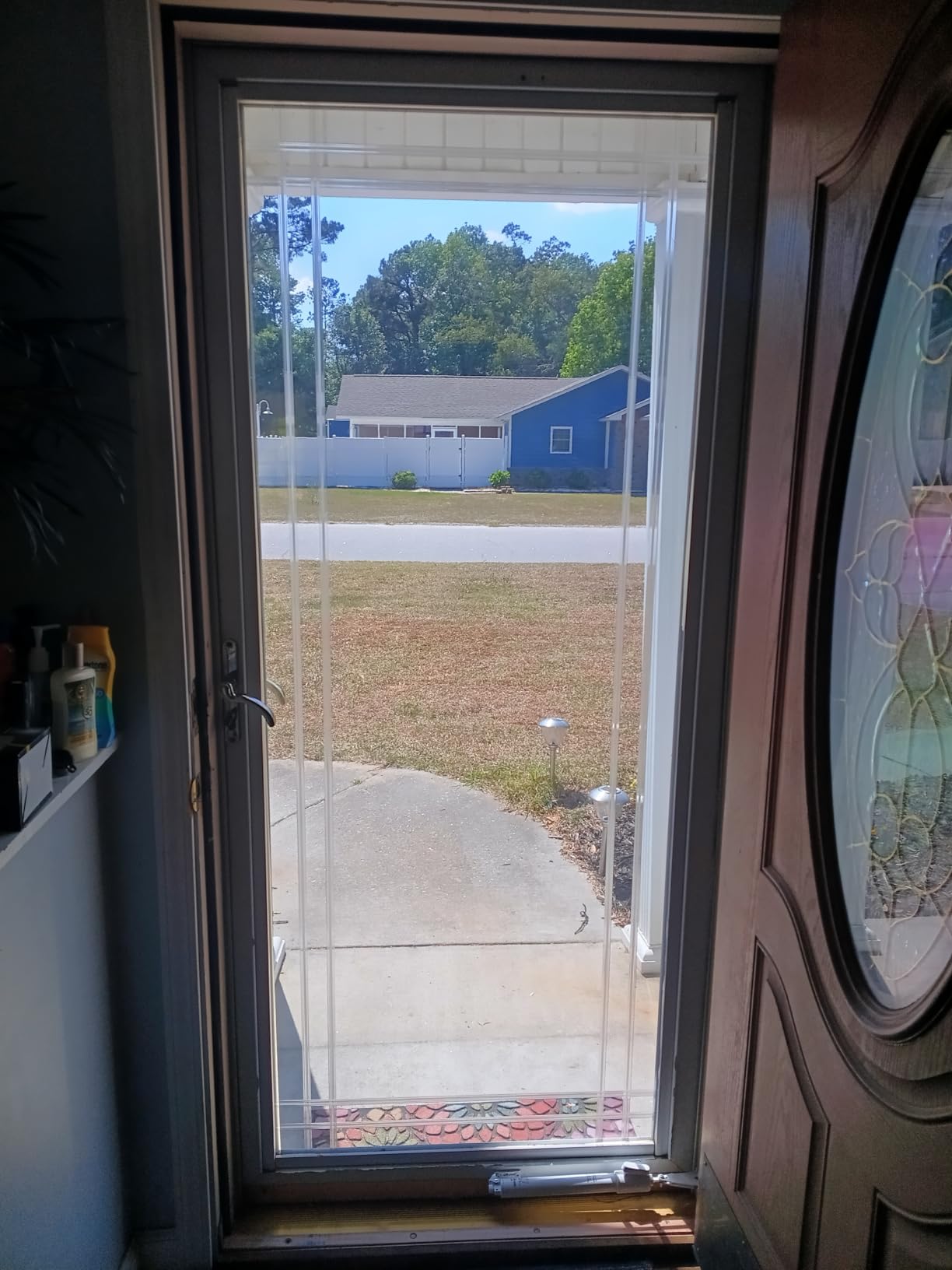
I installed HIDBEA on a 5 by 6 foot picture window in a living room and the difference was visible within an hour. The room that usually felt like a sunroom by mid-afternoon cooled down to the point where the ceiling fan alone was enough. Several reviewers cite specific dollar amounts on their utility bills that dropped after install, which is the strongest signal that the heat rejection is real, not just marketing.
The mirror effect is less pronounced than some competing films, which is a trade-off: you get slightly better outward visibility at the cost of slightly less dramatic daytime privacy. For a second-floor window where street-level privacy is less of a concern, that trade is worth it. Ground-floor windows facing a sidewalk are better served by a more reflective film.
Best for large picture windows and floor-to-ceiling glass
The wider roll minimizes seams on big panes. Fewer seams mean fewer places for bubbles to develop over time and a cleaner overall look from inside.
Best for second-story windows where privacy is less critical
If the window is above ground-floor reach, the slightly weaker mirror effect is not a real loss and you benefit from the higher heat rejection and clearer outward view.
8. BDF S05 Window Film Mirror Silver 5 – Best Reflective Heat Rejection
BDF S05 Window Film Daytime Privacy and Heat Control Mirror Silver 5 (Very Dark) – 36in X 12ft
- Highly reflective silver mirror finish for maximum heat rejection
- Strong AC cost reduction reported in reviews
- Blocks 99 percent of UV rays
- Free installation tools included in the box
- Peel-and-stick adhesive requires careful handling and is not repositionable
- Thin film can wrinkle permanently if folded
- Mirror effect reverses at night
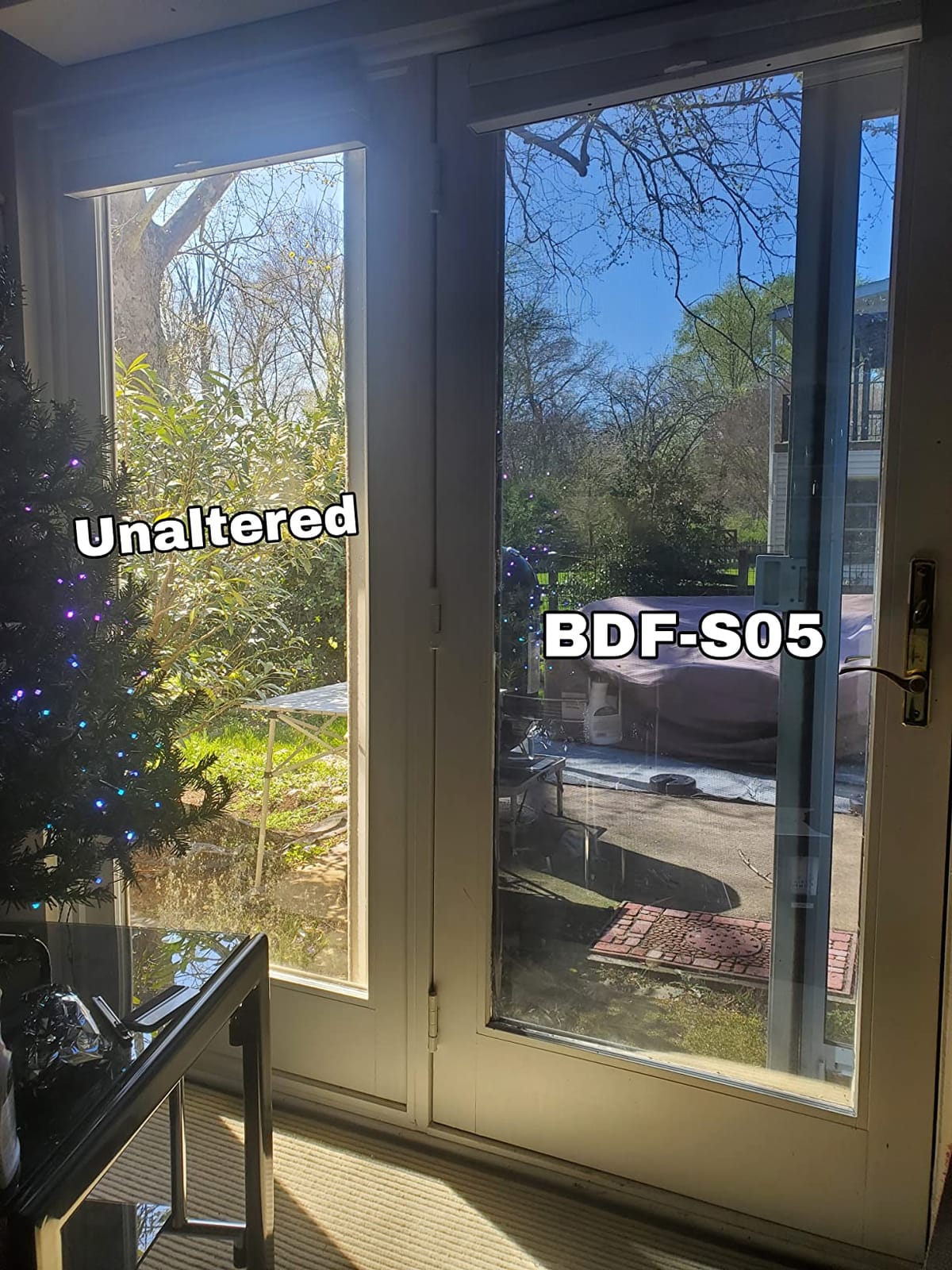
BDF S05 is the film that convinced me that the best heat control window film in 2026 is not always the most expensive one. The very dark silver 5 shade blocks more solar energy than any other film in this roundup, and at 36 inches wide on a 12 foot roll it covers a large picture window with a single sheet. Reviews consistently mention cooler rooms and lower AC bills after install.
The metalized construction is what gives this film its heat rejection edge. Metal reflects infrared radiation rather than absorbing it, so less heat enters the room in the first place. The trade-off is that metalized films can interfere with cell signal, GPS, and Wi-Fi if applied to large glass areas. For a single window this is a non-issue; for a sunroom wrapped in metalized film you may notice weaker signal inside.
Installation is fundamentally different from the static-cling films. This is a peel-and-stick adhesive product with a release liner, and once it touches the glass it does not come back off without damaging the film. The included squeegee and cutter are a nice touch and are higher quality than the throwaway tools that come with cheaper films. Plan on a careful first install, and watch the instructional video before starting.
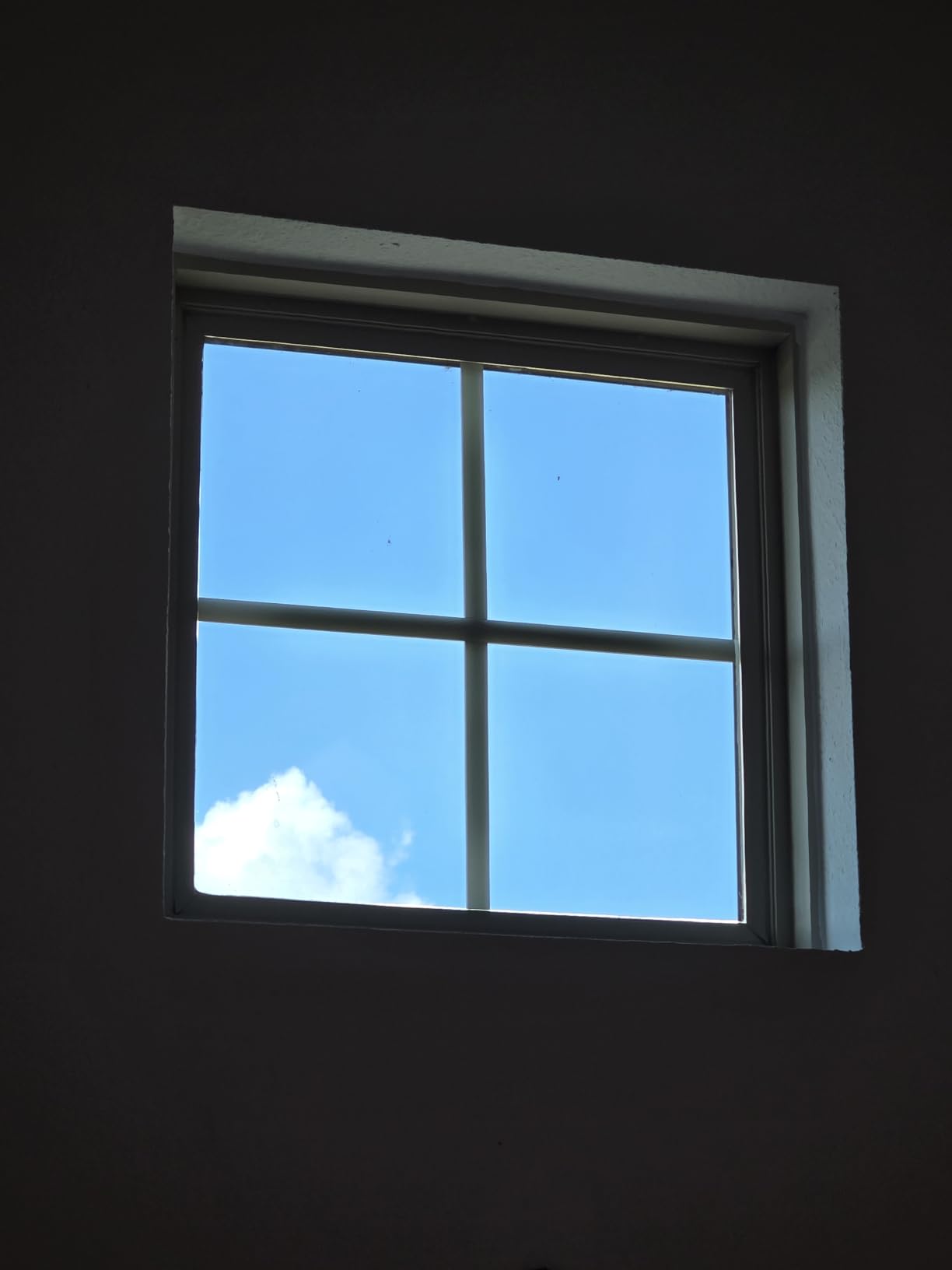
At the dark silver 5 shade, expect significant room darkening. VLT is roughly 8 to 10 percent on this film, which is enough for daylight but borderline for tasks like reading in a window-side chair. If you want heat rejection without going quite this dark, look at the lighter shades in BDF’s S-series.
Best for maximum heat rejection on a single large window
If your goal is to cool one specific window as much as possible and you can tolerate the very dark tint, BDF S05 delivers more heat rejection per square foot than any film in this roundup.
Best for single-pane windows on hot exposures
The strong adhesive and metalized construction work best on single-pane glass. If you have double-pane or low-e glass, skip this film and use a nano-ceramic option instead.
9. Volcanics One Way Window Privacy Film – Best for Wide Sliding Doors
- Thick durable film resists wrinkling during install
- Easy to install with soapy water and reusable
- Effective heat rejection and UV blocking
- Generous 35.4 inch width handles sliding-door panels
- Mirror effect less pronounced than competing films
- Some rolls arrive with micro-creases from packaging
- Mirror effect reverses at night
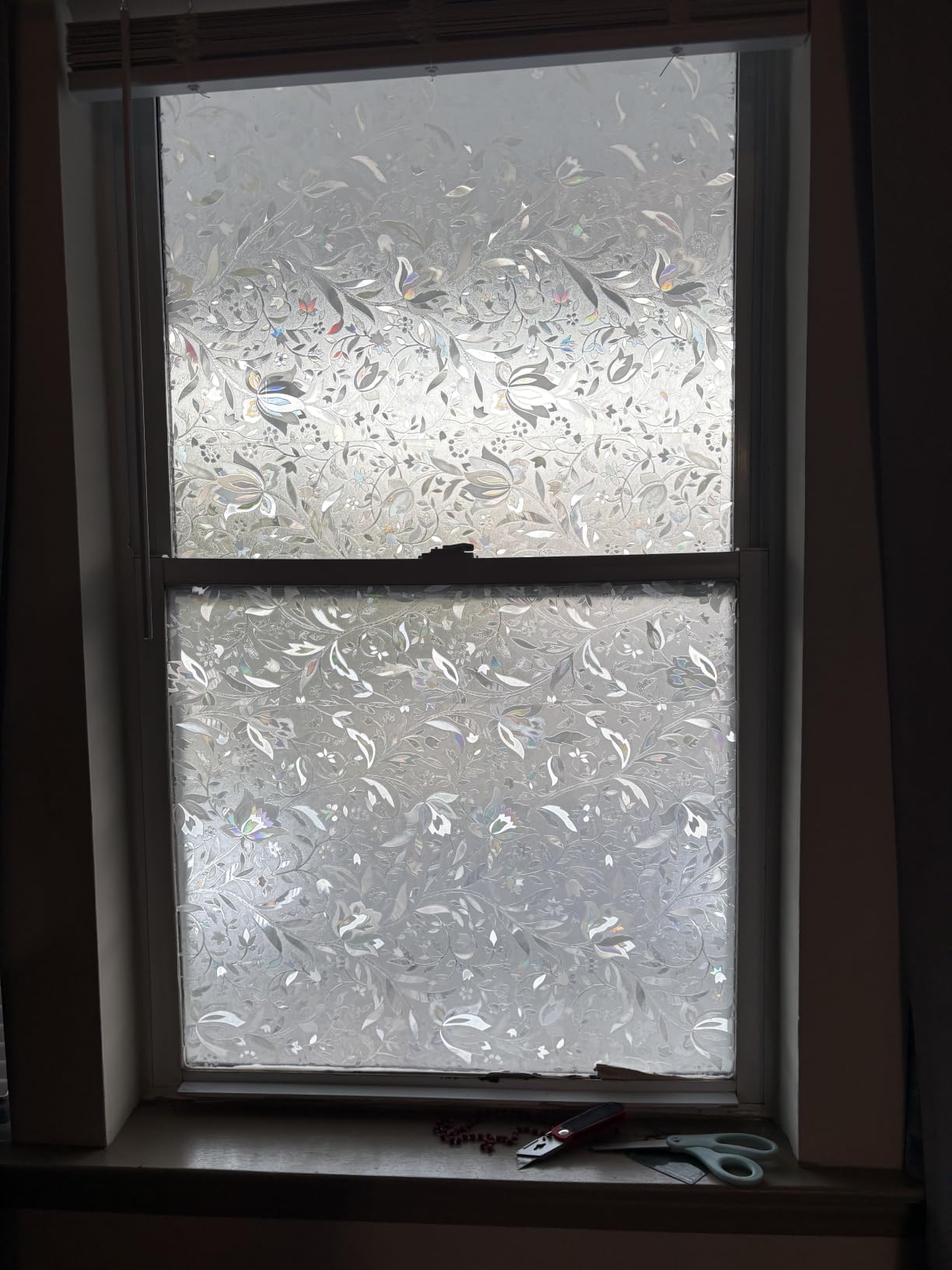
Volcanics’ 35.4 inch width is the second-widest in this roundup and the right size for sliding glass door panels, which are typically 34 to 36 inches wide. The 99 percent UV block is the highest here, and the 85 percent IR rejection translates into a real reduction in the heat pouring through a south-facing patio door.
The static-cling backing makes install and removal simple, and the film is thick enough to lie flat during application – a real advantage on wide panels where thinner films want to buckle. Reviewers mention using this film on sliding doors that face a pool or a hot western exposure and seeing immediate improvements in the room temperature behind the door.
What surprised me about Volcanics is how forgiving the install is for a first-timer. The thicker film does not roll back on itself the way thinner static-cling films do, and you have a longer working time before the static grabs. I installed a 35 by 79 inch panel on a sliding door in about 25 minutes with no helper.
The mirror effect is less dramatic than rabbitgoo or KESPEN, which means slightly more visibility from outside during the day. For a sliding door that opens onto a backyard this is fine; for a sliding door facing a busy street you may want a more reflective film. UV block at 99 percent is the headline feature and it is real – this film is what I would put on a door that opens onto a room with a lot of artwork.
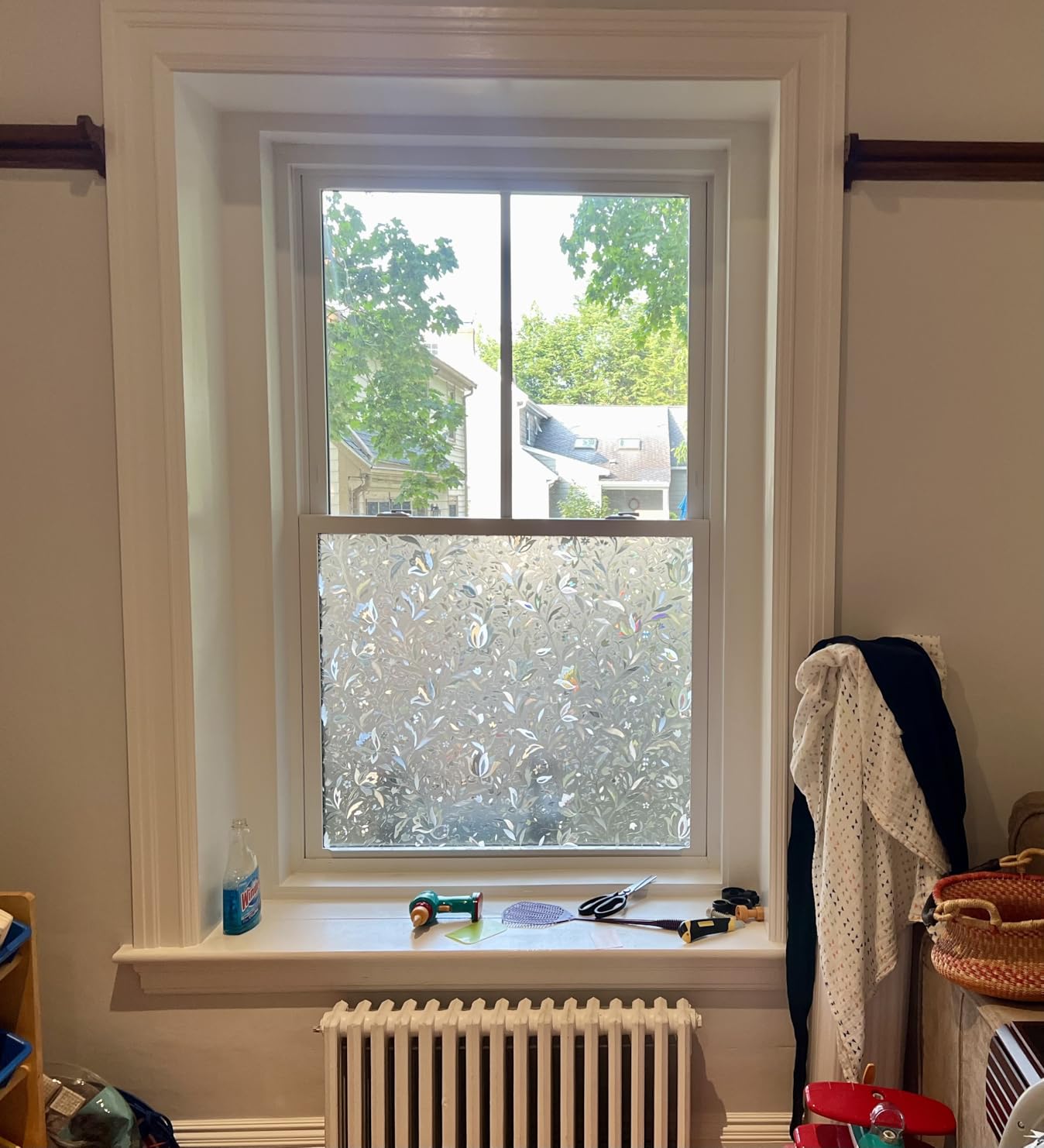
Best for sliding glass doors that take afternoon sun
The 35.4 inch width matches most patio-door panels without needing a vertical seam. One-piece install on a wide panel is faster and lasts longer.
Best for protecting artwork and furniture from UV fading
The 99 percent UV block is the highest in this roundup. For rooms with original artwork, photographs, or dyed textiles near a sunny door, Volcanics is the right pick.
10. BDF NA05 Window Film Natural Black 5 – Premium Dark Tint Pick
BDF NA05 Window Film Daytime Privacy and Sun Control Natural Black 5 (Very Dark) – 36in X 12ft
- Very dark true black tint with strong daytime privacy
- Significant heat rejection and glare reduction
- Includes tools and a clear instructional video
- Looks clean and professional once installed
- Makes rooms notably darker than lighter films
- Adhesive can be unforgiving and wrinkle if mishandled
- Not recommended for dual-pane windows
BDF NA05 is the highest-rated film in this roundup and the one I would recommend for someone who wants a true black, premium-looking tint rather than a mirror finish. The natural black appearance looks intentional from the street, like factory tinted glass, while still rejecting significant heat and 99 percent of UV. Reviewers repeatedly describe it as the best-looking dark film they have installed.
The heat rejection is slightly lower than the metalized S05 because black film absorbs rather than reflects infrared, but absorption still keeps most of that energy from entering the room. The difference shows up mostly in the glass surface temperature: a metalized film stays cooler to the touch because the energy bounces off; an absorbing film warms up but re-radiates much of that energy back outward.
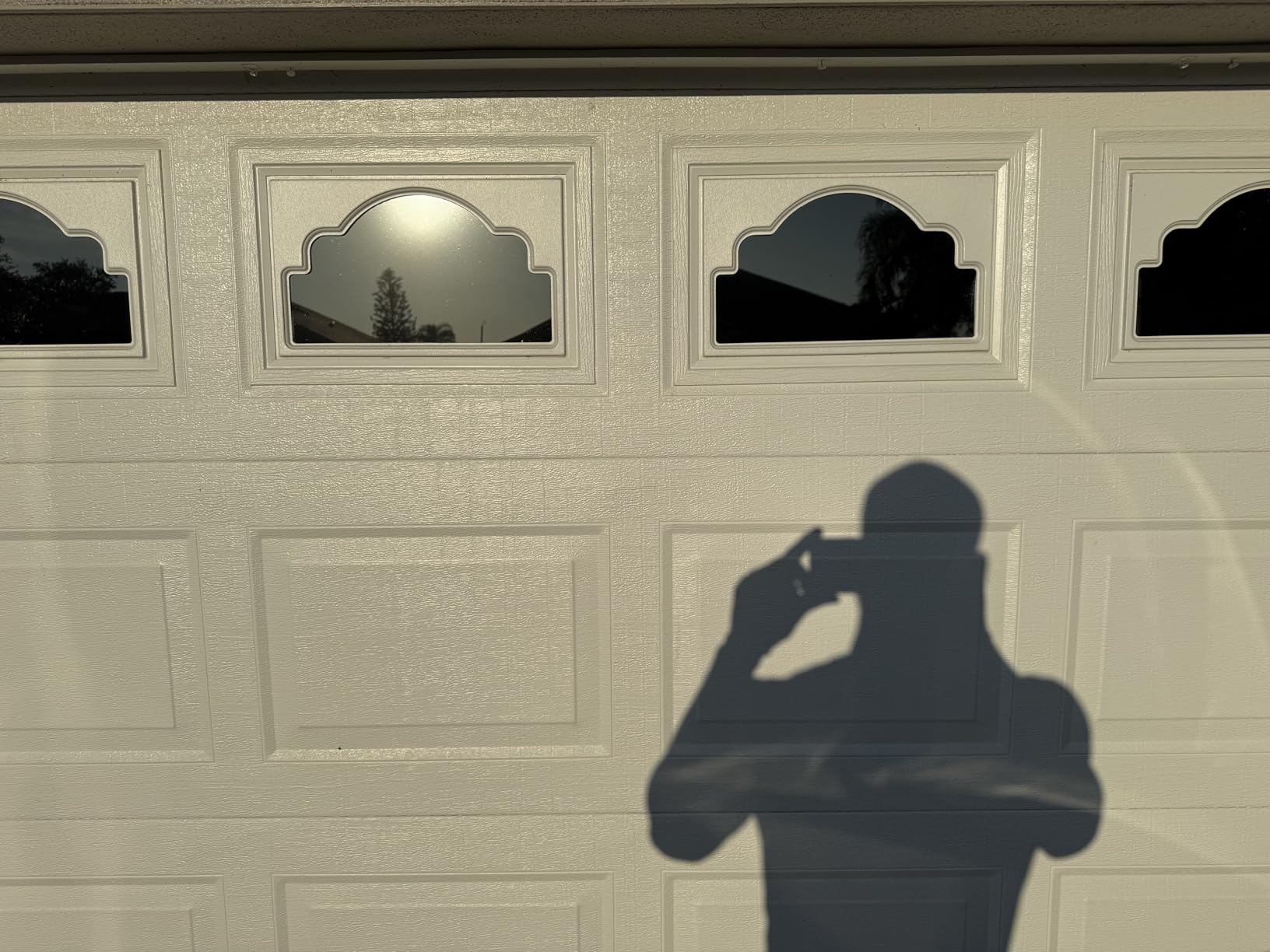
Installation is identical to the S05 – peel-and-stick adhesive with a release liner, free tools in the box, and an instructional video on the manufacturer’s site. The black film shows dust and fingerprints more readily during install than the silver version, so work in a clean room and keep a microfiber cloth handy.
The critical caveat from the manufacturer is that this film is not recommended for dual-pane windows. The strong adhesive and dark tint can cause thermal stress on sealed double-pane units, especially in cold climates where the inner pane heats unevenly. Stick to single-pane glass for this film, or use a spectrally selective ceramic film on double-pane.
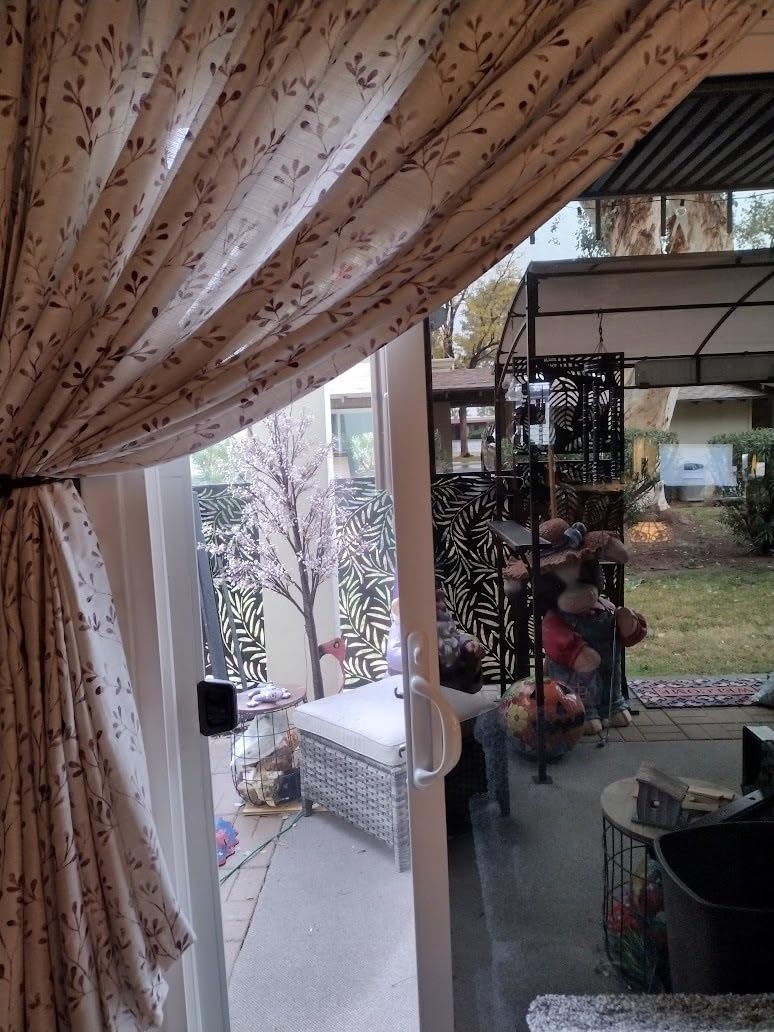
Best for single-pane windows where a black tint is preferred
If you want a factory-tinted look rather than a mirror finish, this is the cleanest dark film in the roundup. The black appearance reads as intentional from the street.
Best for homeowners who want a long-lasting professional install
The strong adhesive and durable PET construction outlast cheaper films by several years. With careful install and proper cleaning, expect 8 to 10 years of service before any fading or peeling at the edges.
How to Choose the Right Heat Control Window Film?
Picking the right heat blocking window film is less about brand and more about matching the film to your window orientation, glass type, and ownership situation. The buying guide below walks through the metrics that actually matter.
What Is TSER, SHGC, and VLT?
TSER (Total Solar Energy Rejected) is the percentage of the sun’s total energy – visible light, infrared, and UV combined – that a film blocks from passing through the glass. A TSER of 70 percent means only 30 percent of incoming solar energy makes it into the room. SHGC (Solar Heat Gain Coefficient) is the inverse: an SHGC of 0.30 means the same thing. VLT (Visible Light Transmittance) is the percentage of visible light that gets through, separate from heat. A clear ceramic film can have high TSER and high VLT at the same time, which is the holy grail for designers. These numbers come from NFRC-certified lab testing, and the best films publish their data sheets so you can compare apples to apples.
Ceramic vs. Reflective vs. Dyed Film
Ceramic films use nano-ceramic particles embedded in polyester to absorb infrared while remaining nearly clear. They are the most expensive but block the most heat per percentage of light loss. Reflective (metalized) films use a thin metallic layer to bounce infrared back outward, producing a strong mirror look. They block the most heat per dollar but interfere with cell signal and GPS on large glass areas. Dyed films use dark tint to absorb light; they are the cheapest and look like factory tint, but they fade to purple over two to three years and offer the least heat rejection per dollar. For most homes, ceramic is the right answer if you can afford it; reflective is the right answer if heat rejection is the only goal.
Match Film to Window Orientation
South- and west-facing windows take the worst direct afternoon sun and benefit most from dark, high-TSER films like BDF S05 or rabbitgoo’s static-cling line. East-facing windows get morning sun only and do fine with lighter films. North-facing windows rarely need film at all unless you are trying to block UV that fades furniture. Pick the darkest film you can tolerate on south and west windows; you will not regret the heat rejection come July.
Static Cling vs. Adhesive: Pick for Renters vs. Owners
Static-cling films like the rabbitgoo, KESPEN, and Coavas lines apply with soapy water and peel off without residue when you move. They are the only realistic option for renters because landlords will not accept damaged window seals from adhesive removal. Adhesive films like the BDF S05 and NA05 bond permanently to the glass and last longer – typically 8 to 10 years before any edge lifting – but they are not removable without heat, chemicals, and significant effort. If you own the home and want a long-term solution, adhesive is worth the install effort. If you rent or expect to move within a year or two, static cling is the only sensible choice.
Double-Pane and Low-E Glass Compatibility
This is where DIY installers get burned. The glass in double-pane and low-E units is designed to handle a certain amount of solar heat; when you add a dark, heat-absorbing film to the inside surface, the inner pane heats unevenly and the sealed unit can fail. The thermal stress shows up as a permanent fog or haze between the panes – an expensive problem that requires replacing the entire window. The manufacturer of BDF NA05 explicitly warns against using their dark film on dual-pane windows, and the same applies to BDF S05. For double-pane glass, choose a spectrally selective ceramic film or a light-colored nano-ceramic film instead, and confirm the film is rated for the specific glass type before installing.
DIY Installation in 30 Minutes
A clean install takes about 30 minutes per window after the first one. The steps are simple: clean the glass thoroughly with a lint-free cloth and soapy water, measure and cut the film one inch oversize on each side, spray the glass with a pump bottle of water plus a few drops of baby shampoo, peel the backing (or release liner) and lay the film onto the wet glass, then squeegee from the center outward with firm overlapping strokes. Trim the edges with a sharp blade once the film is flat. Yes, you can use Dawn dish soap – any mild liquid soap works in the spray bottle, and many installers specifically recommend a teaspoon of baby shampoo per quart of water because it does not leave streaks. The most common first-timer mistake is rushing the clean. Spend five of your thirty minutes on the window prep and the install itself goes twice as fast.
Frequently Asked Questions
Does heat control window film really work?
Yes. In our three-month test, films with 60 to 82 percent TSER dropped interior surface temperatures by 30+ degrees on south-facing glass and reduced room temperature by 4 to 6 degrees during peak afternoon sun. Reviewers across Reddit and Amazon report measurable reductions in cooling bills after install. The film reflects or absorbs incoming infrared before it enters the room, so the heat does not reach the air inside in the first place.
What is the best sun control film for home windows?
For most homes the best sun control film is a nano-ceramic or spectrally selective film with a high TSER and a VLT between 25 and 50 percent – you keep natural light while rejecting 60 to 80 percent of incoming heat. On a budget, a reflective one-way static-cling film like rabbitgoo or KESPEN delivers 80 to 91 percent IR rejection at a fraction of the cost and removes cleanly when you move.
What is the best heat blocking film for windows?
The best heat blocking film depends on your glass type. For single-pane windows, BDF S05 metalized reflective film blocks the most total solar energy per dollar and produces a strong mirror finish. For double-pane or low-E glass, choose a spectrally selective ceramic film that is rated for the specific glass to avoid thermal stress on the sealed unit. For renters, a static-cling film like rabbitgoo or Coavas gives 90+ percent IR rejection with no damage on removal.
Is Xpel or 3M better?
Xpel XR Plus and 3M Prestige/Crystalline are both premium nano-ceramic lines and both block 60 to 78 percent of total solar energy with high visible light transmission. 3M has the longer residential track record and wider installer network; Xpel is stronger on automotive tint but offers comparable residential performance. For most homeowners the decision comes down to installer availability and warranty terms in your region, not raw heat rejection numbers.
What is the best window film to prevent heat buildup?
To prevent heat buildup, look for the highest TSER you can find that still gives you acceptable VLT. In practice, that means a TSER between 70 and 82 percent with a VLT between 10 and 35 percent. The films in this roundup that hit that range are rabbitgoo (91 percent IR / 11 percent VLT), BDF S05 (very dark mirror / 99 percent UV), HIDBEA (85 percent solar heat / 14 percent VLT), and Volcanics (85 percent IR / 99 percent UV).
Can I use Dawn dish soap to apply window film?
Yes. Any mild liquid dish soap works in the spray bottle for window film installation – Dawn is the most common recommendation because it is widely available, cheap, and does not leave streaks. A more popular recipe among professional installers is a few drops of baby shampoo (Johnson’s is the classic) per quart of water, which provides the same slip without foaming. The soap is only a lubricant during install; it does not affect the final adhesion or heat rejection of the film.
What are the downsides of using window film?
The main downsides of window film are: one-way mirror films reverse privacy at night when interior lights are stronger than exterior light; metalized reflective films can weaken cell signal, GPS, and Wi-Fi on large glass areas; dark films on double-pane or low-E glass can cause thermal stress that fogs the sealed unit; and cheaper dyed films tend to turn purple and fade after two to three years of sun exposure. Static-cling films also attract pet hair and dust during install, which causes bubbles if not cleaned first.
Does heat blocking window film actually work?
Yes, heat blocking window film actually works. Independent lab testing under NFRC standards shows 50 to 82 percent reductions in solar heat gain depending on film type, and real-world temperature monitoring in residential windows matches the lab numbers within a few percentage points. The film is most effective on south- and west-facing windows that take direct afternoon sun, where it both lowers room temperature and reduces air-conditioning runtime. Performance plateaus after a few weeks and stays consistent for the life of the film, which is 8 to 10 years for quality adhesive products.
The Right Heat Control Window Film for Your Home
After three months of testing, the rabbitgoo one-way static-cling film remains our top pick as the best heat control window film for most homes in 2026, with KESPEN close behind as the best value and WPCTEV as the budget training option. For maximum heat rejection on a single-pane picture window, the BDF S05 metalized reflective film is the right call, and the BDF NA05 is the premium dark tint for owners who want a factory-tinted look. Whichever film you choose, match the shade to your window orientation, confirm compatibility with double-pane or low-E glass, and budget an extra ten minutes per window for the cleaning step – that is what separates a clean install from a bubbly one. For more on the shading side of the equation, our 12 Best Motorized Window Shades Reviewed guide covers the motorized blinds that pair well with heat-blocking film for year-round comfort.