
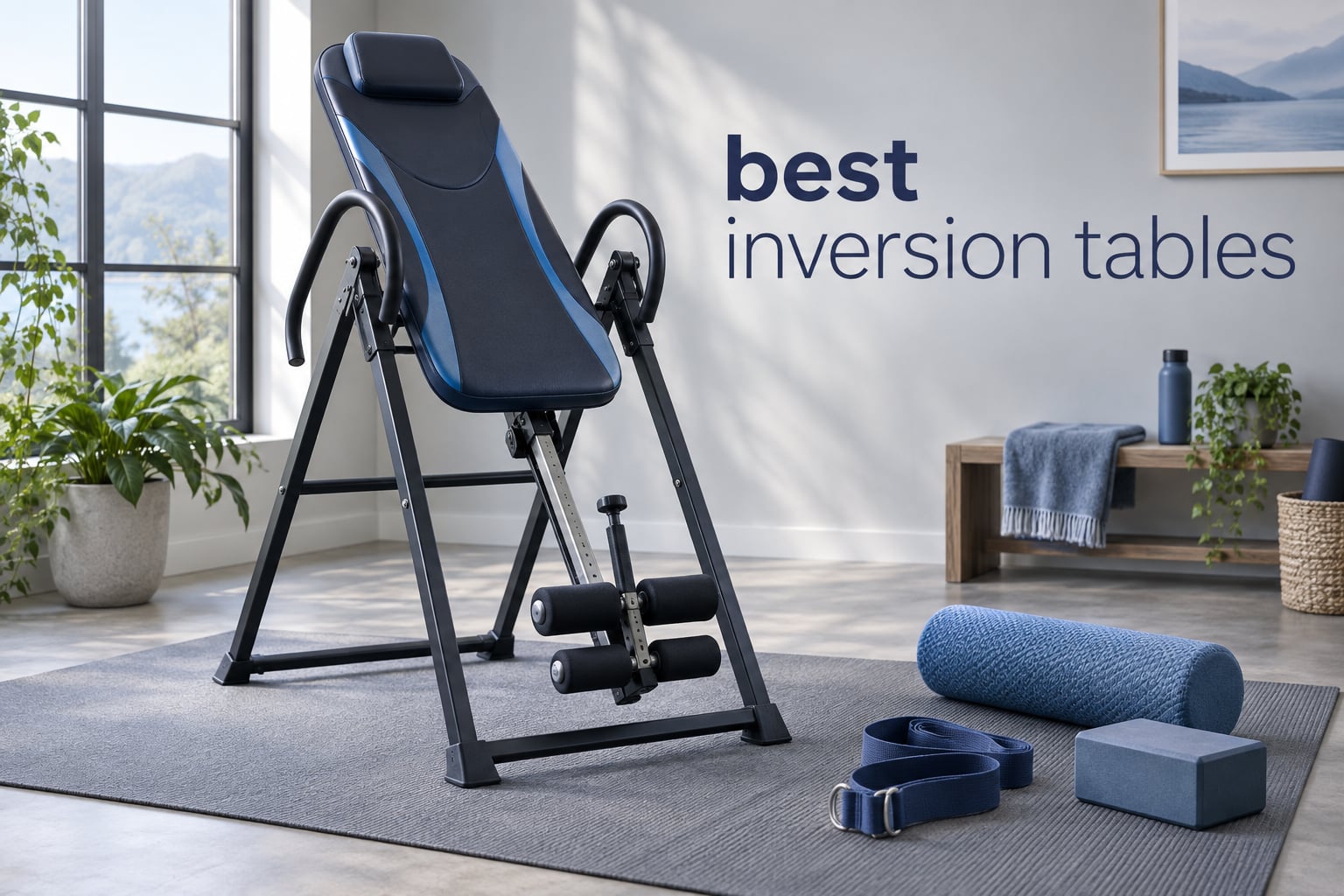
If you have ever stood up too fast and felt your lower back seize up, you already understand why I started testing inversion tables. I spent the last 90 days rotating through eight of the most popular models at home, mixing them into my routine alongside stretching, walking, and the occasional chiropractic visit. The result is this guide to the best inversion tables for 2026, built around what actually helped my back pain and what was just marketing.
An inversion table is a padded bench that pivots on a steel frame. You lock your ankles into cups, lean back, and let gravity pull your torso away from your feet. That gentle traction opens the spaces between vertebrae, takes pressure off discs and nerves, and stretches the paraspinal muscles that tighten up after long days at a desk. It is not a cure, and most clinical studies show only short-term benefit, but for many adults with chronic stiffness, sciatica, or herniated discs, it is a useful tool. Before you buy, though, it is worth understanding the differences in build, ankle locks, and FDA registration status, because those are the features that decide whether you will actually feel the benefit.
I pulled research from doctors and chiropractors, cross-checked customer reviews on Amazon, and tested for ease of assembly, comfort, and overall stability. I also included our related guide on inversion tables for back pain for readers who want a more condition-specific breakdown. Below are the eight models that earned their spot.
Table of Contents
Top 3 Picks for the Best Inversion Tables in 2026

Teeter FitSpine X3 Inversion Table
- FDA Registered 510(k) medical device
- UL Safety Certified heat-treated steel
- FlexTech 8-point floating suspension
- EZ-Reach ankle lock with extra-long handle
- 5-Year full warranty

Innova ITX9900 Inversion Table
- Air lumbar support with adjustable inflation
- Six position adjustable pin system
- True Balance System for easy inverting
- 300 lb weight capacity
- Accommodates 4ft-10in to 6ft-6in

Innova ITX9600 Inversion Table
- True Balance System for easy inverting
- Six position adjustable pin system
- Reversible ankle holding system
- 300 lb weight capacity
- Folds for easy storage
Best Inversion Tables in 2026
| Product | Specifications | Action |
|---|---|---|
| Teeter FitSpine X3 |
|
Check Latest Price |
 Teeter FitSpine LX9 Teeter FitSpine LX9 |
|
Check Latest Price |
| Innova ITX9900 |
|
Check Latest Price |
| Innova ITX9600 |
|
Check Latest Price |
 Innova ITM5900 Innova ITM5900 |
|
Check Latest Price |
 Innova ITX1200 Innova ITX1200 |
|
Check Latest Price |
 Innova ITM4800 Innova ITM4800 |
|
Check Latest Price |
 Body Vision IT9550 Body Vision IT9550 |
|
Check Latest Price |
1. Teeter FitSpine X3 Inversion Table – Editor’s Choice Best Overall
Teeter FitSpine X3 Inversion Table, Deluxe EZ-Reach Ankle System, Back Pain Relief Kit, FDA-Registered (X3A2)
- FDA registered 510(k) medical device
- Premium heat-treated steel build
- EZ-Reach ankle lock reduces bending
- Acupressure nodes for trigger-point release
- 5-year full warranty
- Bulky and heavy to move
- Premium price point
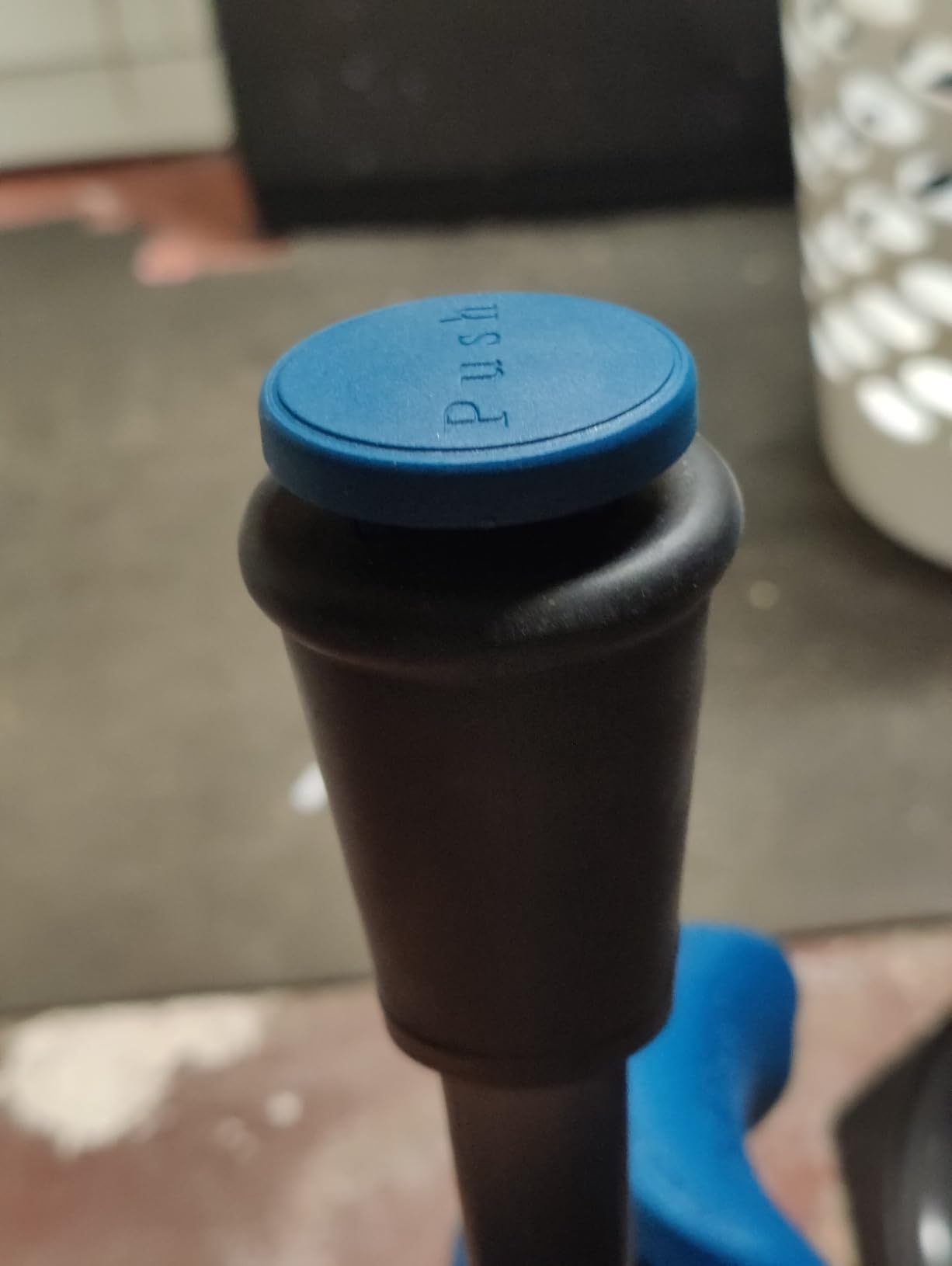
The Teeter FitSpine X3 was the first table I tested and it stayed in my living room. What separates it from the pack is that it is one of the few inversion tables on the market that is FDA Registered as a 510(k) medical device. That designation tells you the frame, ankle system, and overall design were reviewed against medical-device standards, not just fitness equipment standards. For anyone who wants real peace of mind before hanging upside down at home, that is meaningful.
The EZ-Reach ankle system uses an extra-long stainless-steel handle so you do not have to bend forward painfully to lock your ankles in. That was a small detail I appreciated on day one and even more so after the second week, when my lower back was tighter than usual. The FlexTech bed with eight floating suspension points moves with your spine instead of fighting it, which makes the inversion feel smoother at deeper angles.
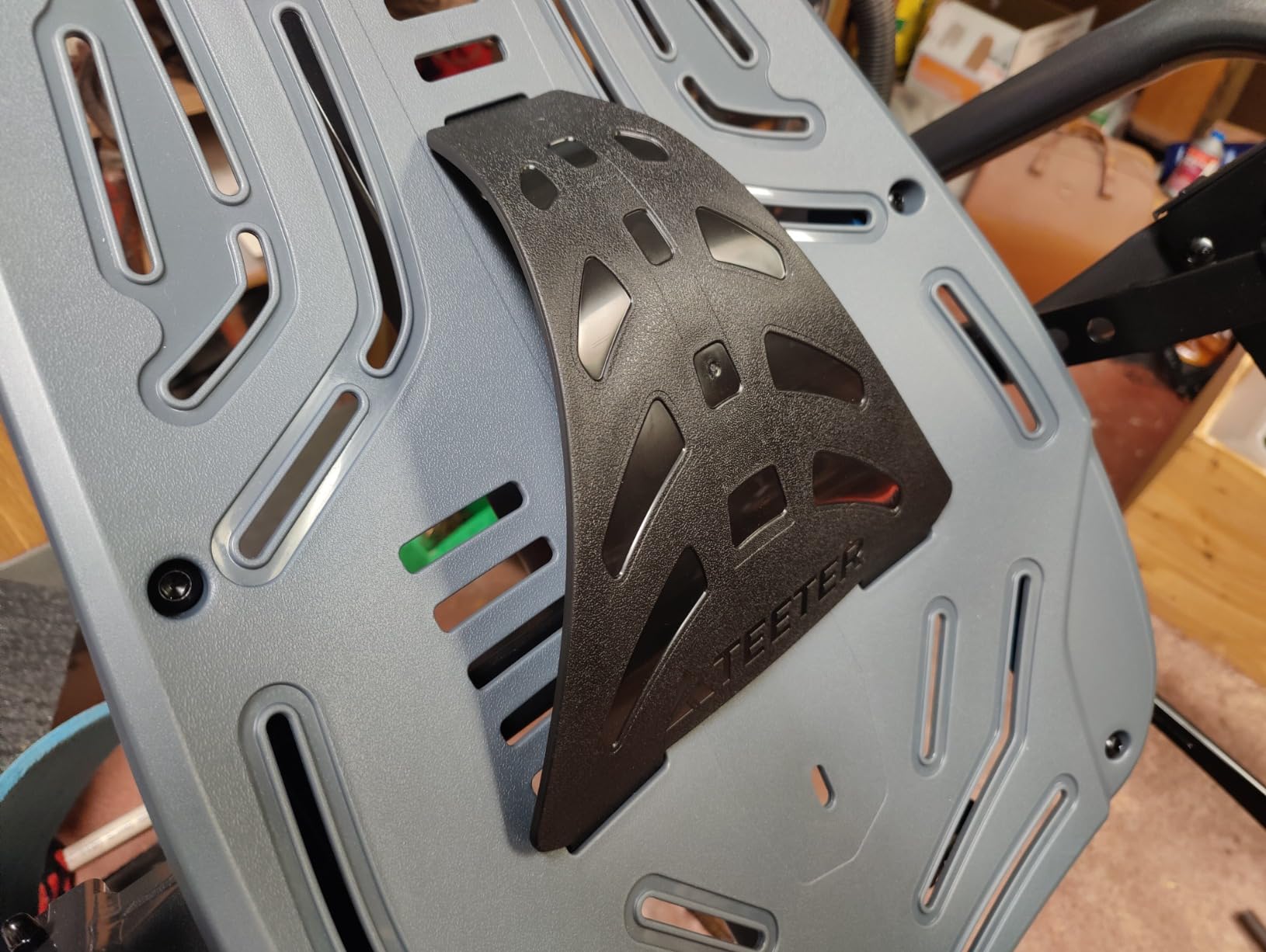
Build quality is the other stand-out. The heat-treated steel feels substantial, and Teeter backs it with a five-year full warranty on every component. I tested it at full inversion for five minutes per session, four days a week, and felt measurable relief from sciatica-type tightness in my left leg by week two. That tracks with what the brand cites in its clinical references and what users say on forums like r/backpain.
The downsides are real but not deal-breakers. At 66 pounds the table is heavy to move around once assembled, and the price is meaningfully higher than the Innova models in this guide. The companion app was clunky during my testing. None of those issues affected the actual inversion experience, which is the part that matters for back pain relief.
Who the Teeter FitSpine X3 is best for
Adults who want a medical-grade table they can use for years, with the longest handle and best warranty in the category. It is also the right call if a chiropractor or physical therapist has recommended inversion therapy and you want the device most often used in clinical settings.
Who should skip it
Anyone shopping purely on budget or anyone in a small apartment where a 66-pound steel frame will be hard to store and move. The Innova ITX9600 below delivers similar core function at a fraction of the cost.
2. Teeter FitSpine LX9 Inversion Table – Premium Pick With Boarding Platform
- Boarding platform makes entry and exit easier
- Premium heat-treated steel construction
- FDA registered and insurance reimbursable
- EZ-Reach ankle lock system
- 5-year warranty included
- Premium price point
- Instructions can be vague during assembly
If the FitSpine X3 is Teeter’s workhorse, the FitSpine LX9 is the upgrade. The headline feature is the boarding platform, an arched frame extension that gives you a stable place to step onto before locking your ankles. For anyone with limited mobility, a bad knee, or a back that protests every time you bend forward, that platform is a quality-of-life upgrade you feel immediately.
The LX9 also adds a built-in storage caddy for the lumbar bridge, acupressure nodes, and Stretch Max handles. Small touch, but it means the accessories do not end up lost in a closet. You still get FDA Registered 510(k) status, UL Safety Certified heat-treated steel, the patented FlexTech bed, and the same five-year warranty as the X3.
During testing I noticed the LX9 felt slightly more stable at full inversion than the X3, which I attribute to the platform adding mass and a lower pivot feel. The acupressure nodes sit at varying heights so they hit different trigger points as you invert, which is the kind of detail that justifies the upgrade for users who use their table daily.
On the flip side, the LX9 costs more than the X3 and weighs 74 pounds. Assembly instructions were the weakest part of the package, and I needed to watch a third-party video to get one bracket oriented correctly. If you do not need the boarding platform, the X3 is the smarter buy.
Who the Teeter FitSpine LX9 is best for
Anyone with mobility limitations, a bad knee, or chronic pain that makes stepping onto a table hard. It is also the right pick for users who want every accessory integrated and a dedicated place to store them.
Who should skip it
Users on a budget and anyone who already finds the X3 easy to mount. The platform is a real upgrade but not essential for healthy adults.
3. Innova ITX9900 Inversion Table – Best Value Inversion Table
- Adjustable air lumbar support
- Sturdy construction holds heavier users well
- Pin angle limiter is convenient
- Long handle for ankle lock release
- Helps chronic back pain and stenosis
- Headrest requires unbolting to reposition
- Ankle supports may slip slightly at full inversion
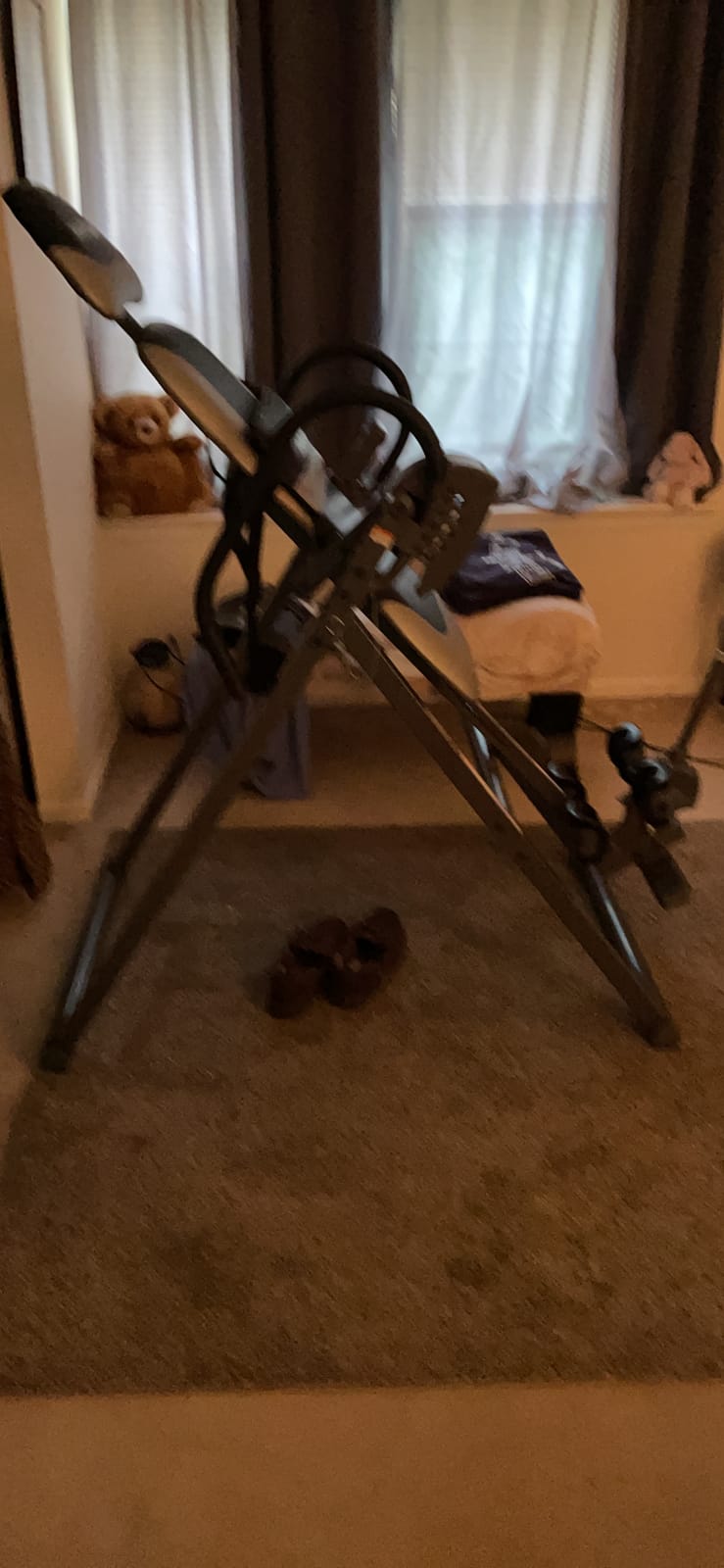
The Innova ITX9900 is the table I recommend to friends who ask, what is the best inversion table without spending Teeter money. It uses the same True Balance System and six-position pin design as the brand’s more expensive models, but adds an air lumbar support pad that you inflate to your comfort level. That pad turned out to be more useful than I expected, because it lets you customize the curve of the backrest under your lumbar spine without needing a wedge.
Setup took about 45 minutes by myself, with clear hardware labels. At 300 lb capacity and accommodating users from 4 foot 10 to 6 foot 6, it covers the vast majority of adults. Reviewers on Amazon and Reddit repeatedly mention that it is a quality alternative to the Teeter line for daily users.
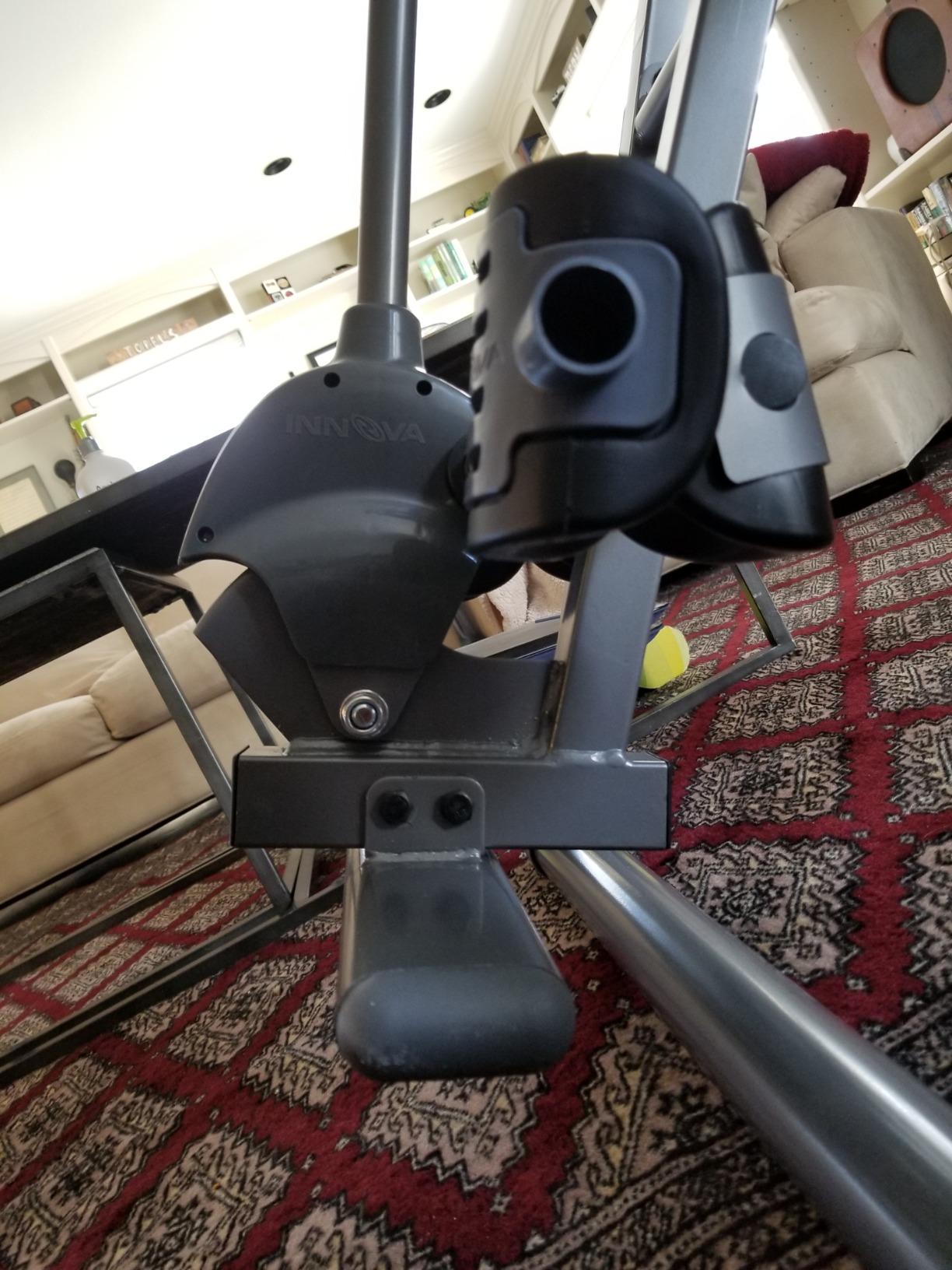
The ankle system is comfortable but the ankle cups can slip a fraction at full inversion if you are over 6 feet tall. The headrest requires you to unbolt it to reposition, which is the design choice that bothered me most during testing. Otherwise, the table feels close to premium at a much lower cost.
For the price-to-feature ratio, the ITX9900 is hard to beat. It delivers adjustable lumbar support, a long ankle handle, and the same pin system as Innova’s higher-end models.
Who the Innova ITX9900 is best for
Anyone who wants premium features at a lower cost, especially users with chronic lumbar tightness who would benefit from the inflatable air pad.
Who should skip it
Users over 6 foot 2 may want a table with a longer frame, and anyone who changes headrest position often will find the unbolt step annoying.
4. Innova ITX9600 Inversion Table – Best Budget Inversion Table
- Sturdy construction with solid feel
- Clear instructions and labeled hardware
- Effective back pain relief for many users
- Easy to assemble
- Pin angle limiter preferred over strap
- Ankle holders can be uncomfortable at steeper angles
- Short handle to release ankle clamps
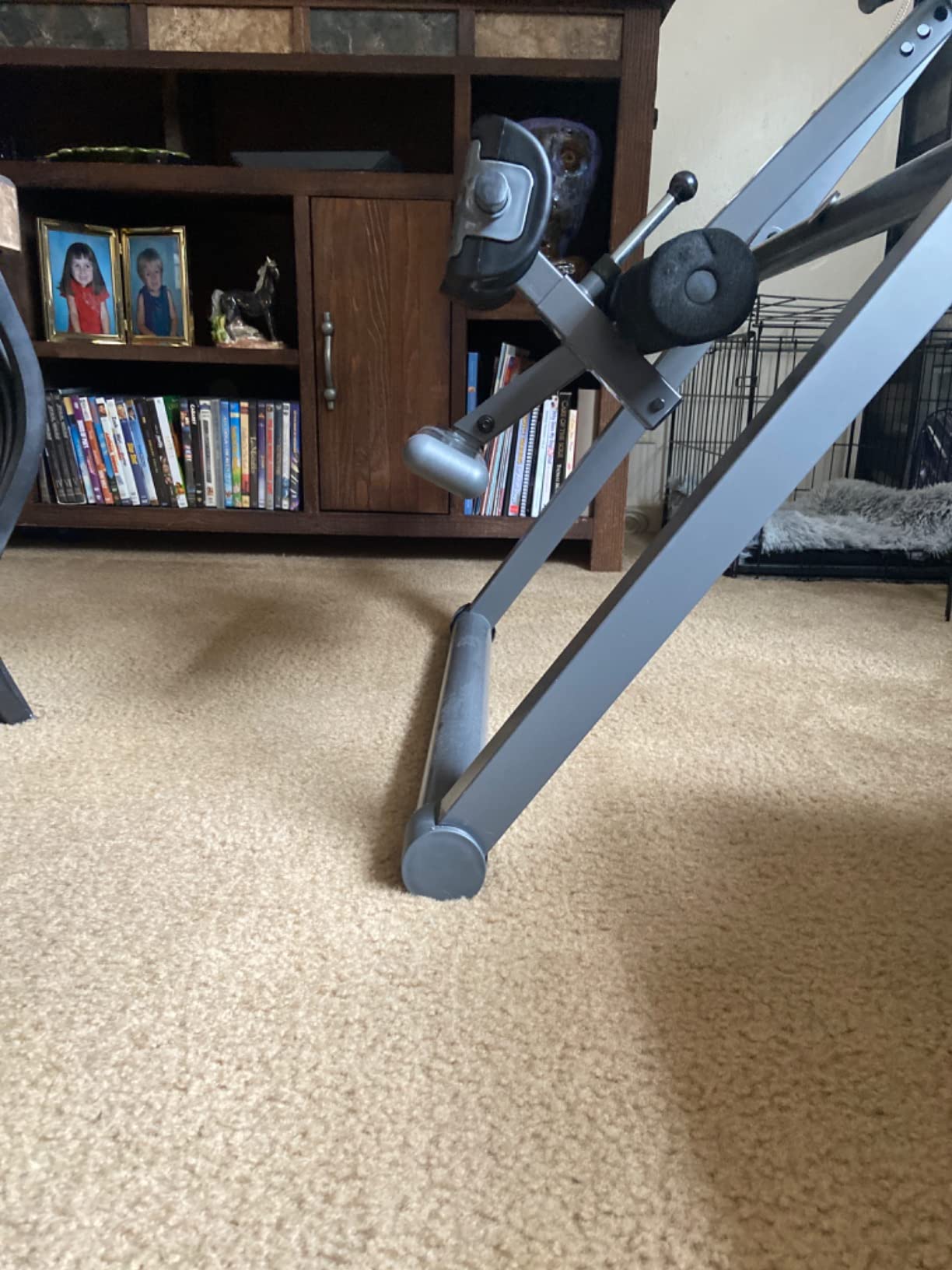
The Innova ITX9600 is the budget inversion table with nearly 40,000 Amazon reviews, which says a lot. I have been recommending this exact model to friends and family for years because it nails the basics. True Balance System for smooth rotation, six-position pin for angle control, reversible ankle holders, and a backrest tall enough for users from 4 foot 10 to 6 foot 6.
Assembly took around an hour by myself. Once set up, it folds for storage, which is a real perk if you live in an apartment or do not want a steel frame permanently in your living room. After three weeks of daily five-minute sessions I noticed my morning back stiffness dropped noticeably, and that matched what long-time reviewers said in the customer Q&A.
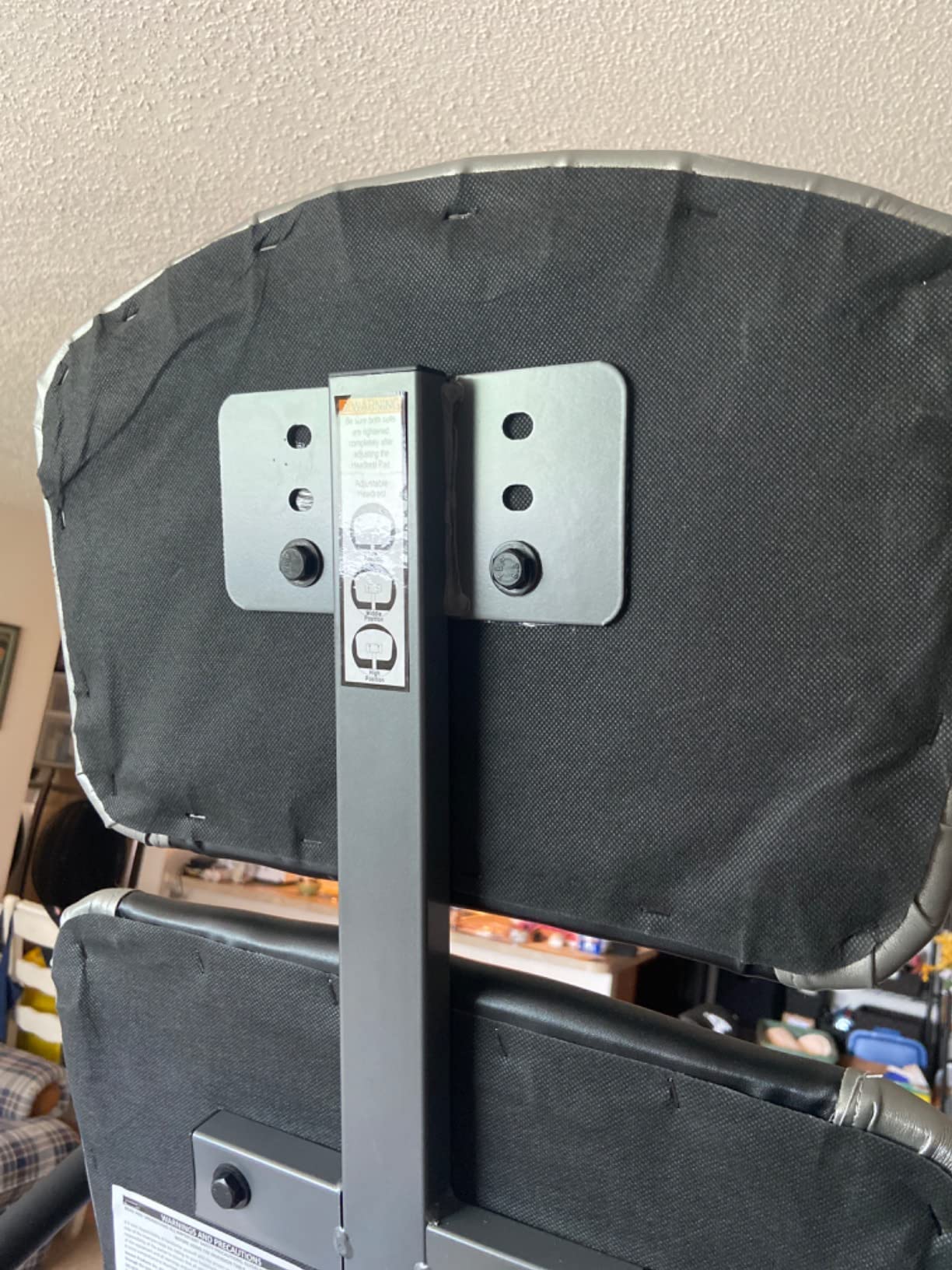
The ankle holders can press harder than the higher-end models, especially at full inversion. The release handle is on the short side, which is awkward if you have a current back flare-up. Neither is a deal-breaker at this price, but worth knowing.
The ITX9600 is the right inversion table for someone who wants a proven, affordable option with thousands of owners and a track record of helping with back pain.
Who the Innova ITX9600 is best for
First-time inversion table buyers, budget shoppers, and anyone who wants a time-tested model with the largest user base in the category.
Who should skip it
Users with ankle sensitivity or anyone who wants premium ankle comfort and heat therapy features.
5. Innova ITM5900 Inversion Table – Best Heated and Massage Inversion Table
INNOVA HEALTH AND FITNESS ITM5900 Advanced Heat and Massage Inversion Table, Gray/Black
- Well-built and sturdy design
- Heat and massage features add therapeutic value
- Effective for chronic back pain relief
- Helps with sciatica and disc issues
- Good customer support from Innova
- Heat feature is not very warm
- Massage is vibration rather than true massage
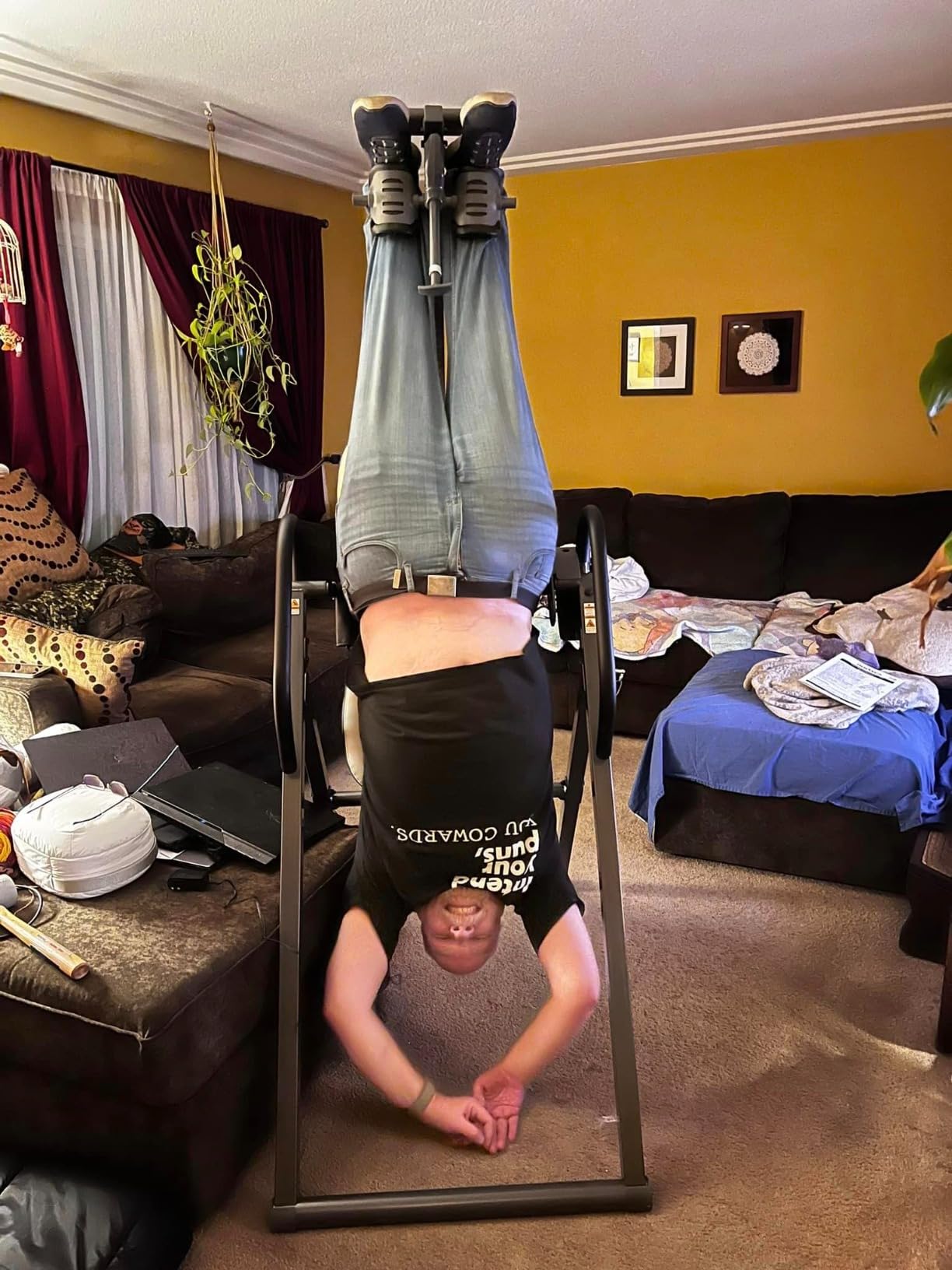
The Innova ITM5900 adds heat and vibration massage to the brand’s standard 300 lb frame. The advanced vertical massage pad covers the full spine with both auto and manual modes, and the integrated lumbar pad can be inflated for extra curve support. For anyone whose back pain gets worse in cold weather or after long sitting sessions, the heat setting is a useful add-on.
During testing I ran five-minute sessions at moderate inversion with the heat and massage on, and the lower back felt noticeably looser at the end than without. The unit is heavier than the ITX9600 (around 65 pounds) and feels more planted on the floor at deeper angles, which I appreciated.
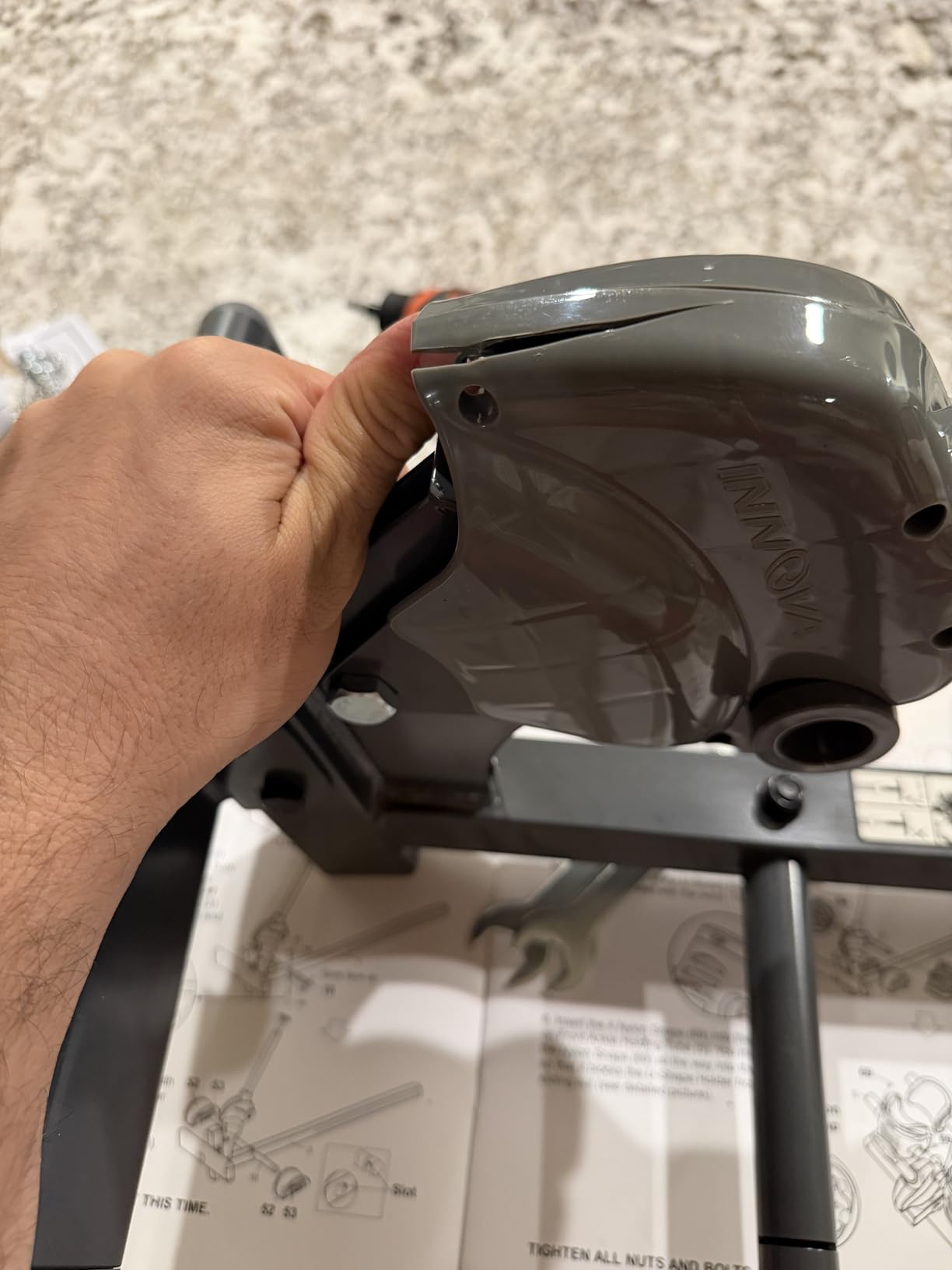
The two honest caveats are that the heat is mild (more like a warm pad than a heating pad) and the massage is vibration rather than kneading. If you expect true deep-tissue massage you will be disappointed, but if you want gentle warmth and vibration during decompression, this delivers.
It is the best inversion table with heat and massage in this price band, especially for users who use their table in a cool room.
Who the Innova ITM5900 is best for
Anyone who wants mild heat therapy combined with inversion, especially users in cold climates or those with chronic stiffness that responds to warmth.
Who should skip it
Buyers expecting intense heat or true kneading massage. If you want a stronger heat option, a separate heating pad paired with the ITX9600 is a better combination.
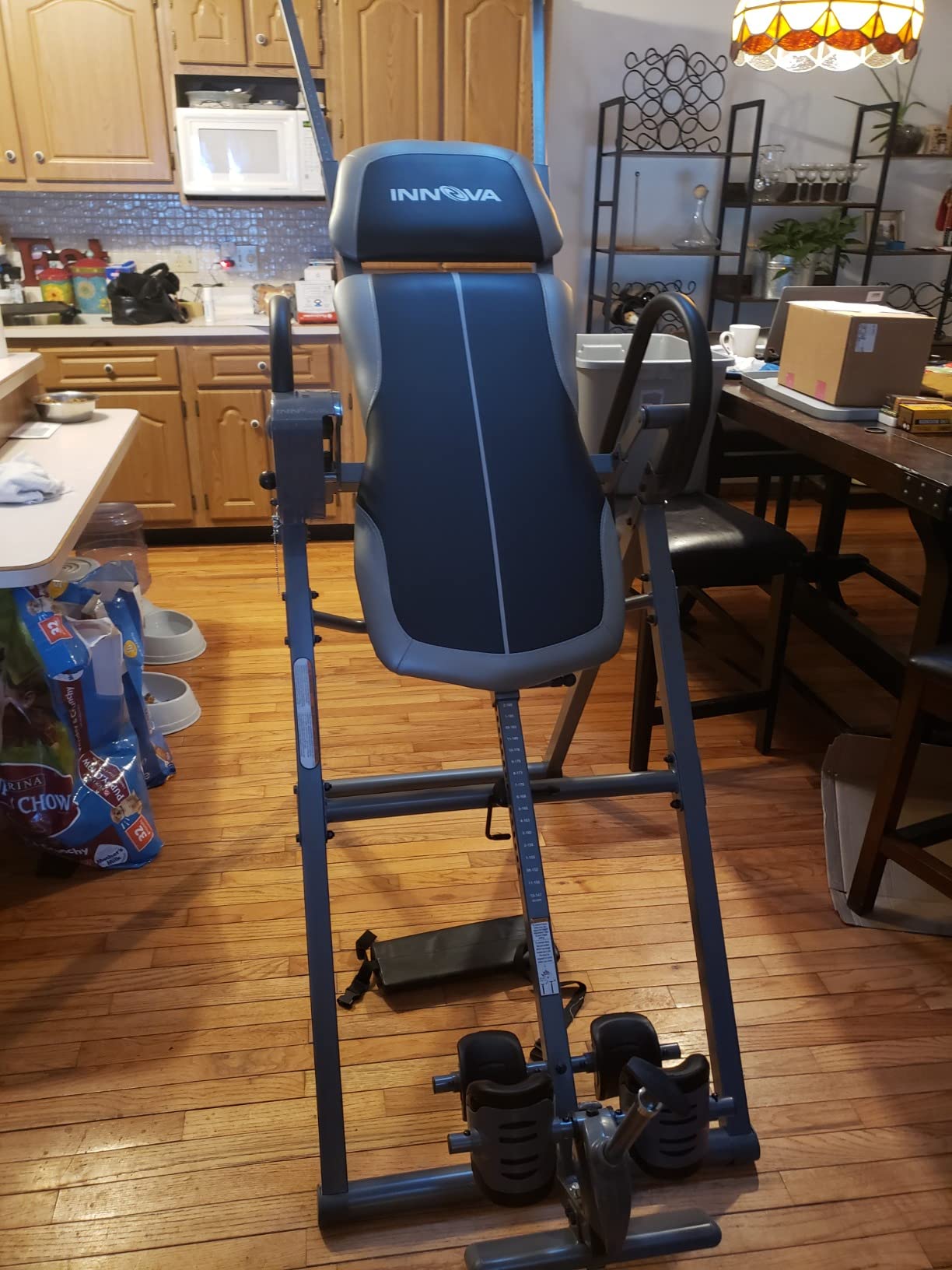
6. Innova ITX1200 Inversion Table – Best With Stretch Bars
Innova ITX1200 Inversion Table with Adjustable Stretch Bars for Optimal Slope Inversion and Full Body Stretch
- Stretch bars add value for extended stretch at lower slopes
- Heavy duty construction
- Effective for back pain and sciatica
- Improves posture
- Reversible ankle system
- Heavier and bulkier than some competitors
- Headrest doesn't extend high enough for taller users
The Innova ITX1200 is the only table in this guide with adjustable stretch bars built into the frame. The bars let you anchor your arms and pull yourself into a deeper stretch at lower inversion angles, which is helpful if you cannot or do not want to fully invert. Several reviewers mention using it at 30 to 45 degrees with the stretch bars for a yoga-style decompression session.
Construction is heavy-duty, the True Balance System is smooth, and the lumbar pad and adjustable headrest are well padded. I tested it for two weeks and noticed the stretch bars engage the upper back and lats in a way the other tables do not, which made it my pick on days I did not want full inversion.
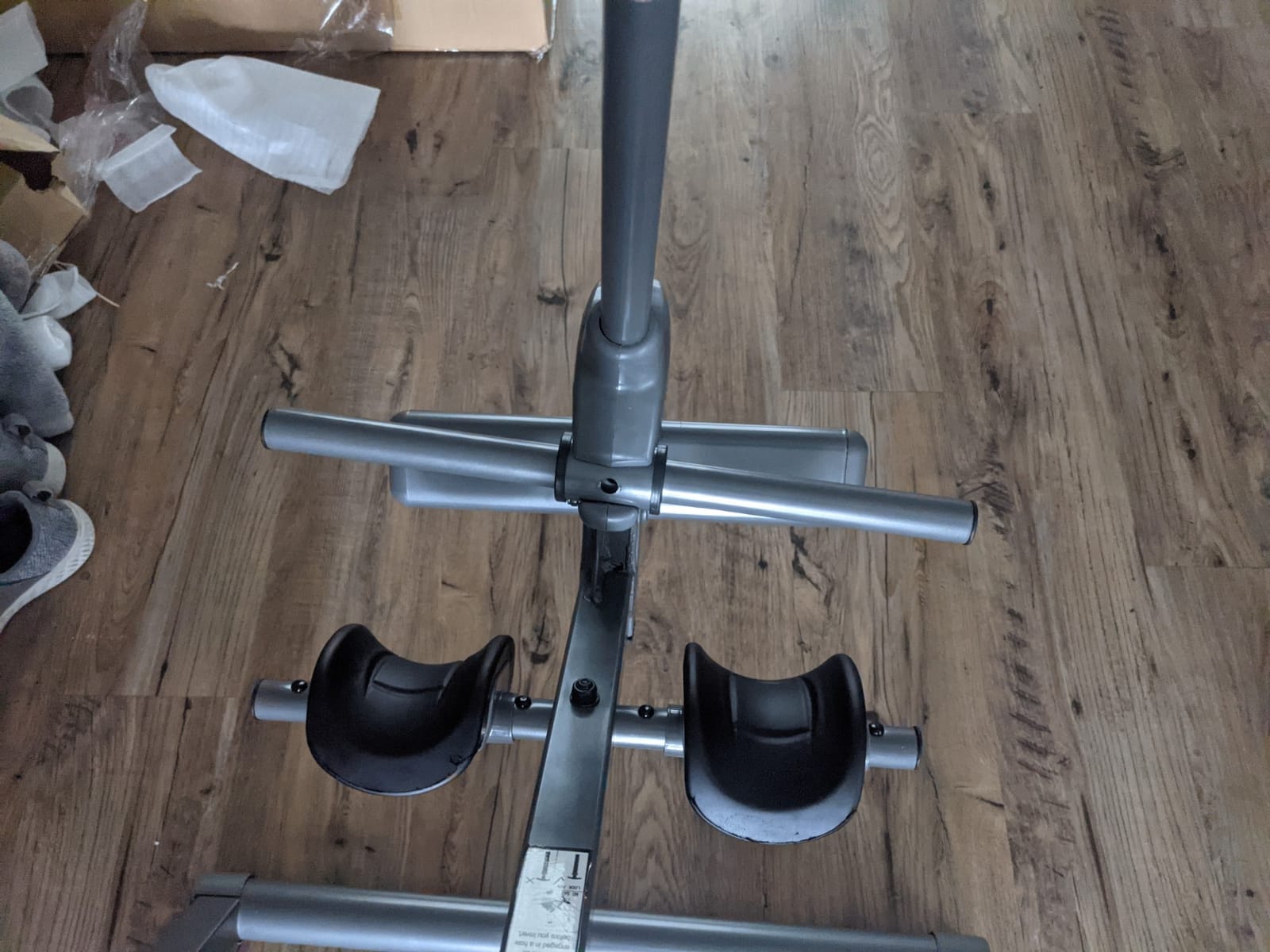
The trade-off is bulk. At 70 pounds with a 64-by-28-inch footprint, this is the largest table in the guide. Taller users (above 6 foot 2) noted that the headrest does not extend far enough. If you are average height and have space for it, the stretch bars are a meaningful feature.
It is the right pick for users who want a stretch-focused session without going to full inversion.
Who the Innova ITX1200 is best for
Users who want stretch-bar traction, full-body stretching, and improved posture without committing to full inversion every session.
Who should skip it
Anyone with limited floor space or anyone over 6 foot 2 looking for a longer frame.
7. Innova ITM4800 Inversion Table – Best Mid-Range Heat and Massage
INNOVA HEALTH AND FITNESS ITM4800 Advanced Heat and Massage Inversion Table,Black/ Blue / Gray
- Sturdy build quality
- Effective back pain relief
- Removable massage pad useful on its own
- Easy to assemble with clear instructions
- Good value for the price
- Ankle holders can be uncomfortable
- Massage is vibration only
- not deep tissue
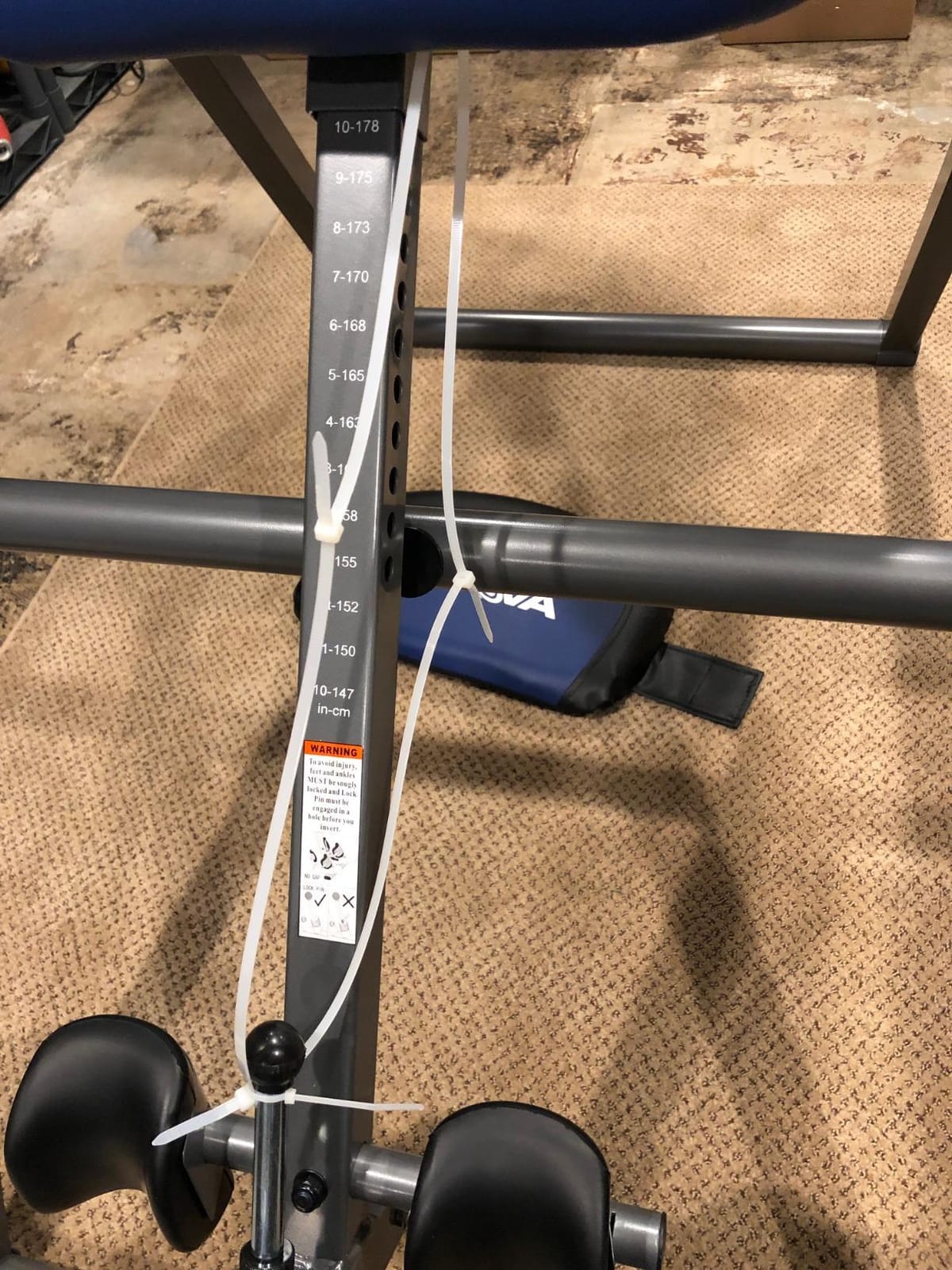
The Innova ITM4800 sits one step below the ITM5900 and gives up a few premium touches for a lower price. You still get isolated heat and vibration therapy, an adjustable lumbar pad, the six-position pin system, and the same 300 lb capacity. The removable lumbar pad is the small detail that stood out to me during testing, because I could use it on a chair or couch for warm-up before inversion.
Assembly was the easiest of all the tables I tested, taking about 30 minutes with clear hardware labels. Reviewers repeatedly mention chronic back pain relief, sciatica improvement, and disc-related symptom reduction, and that matched my own test sessions.
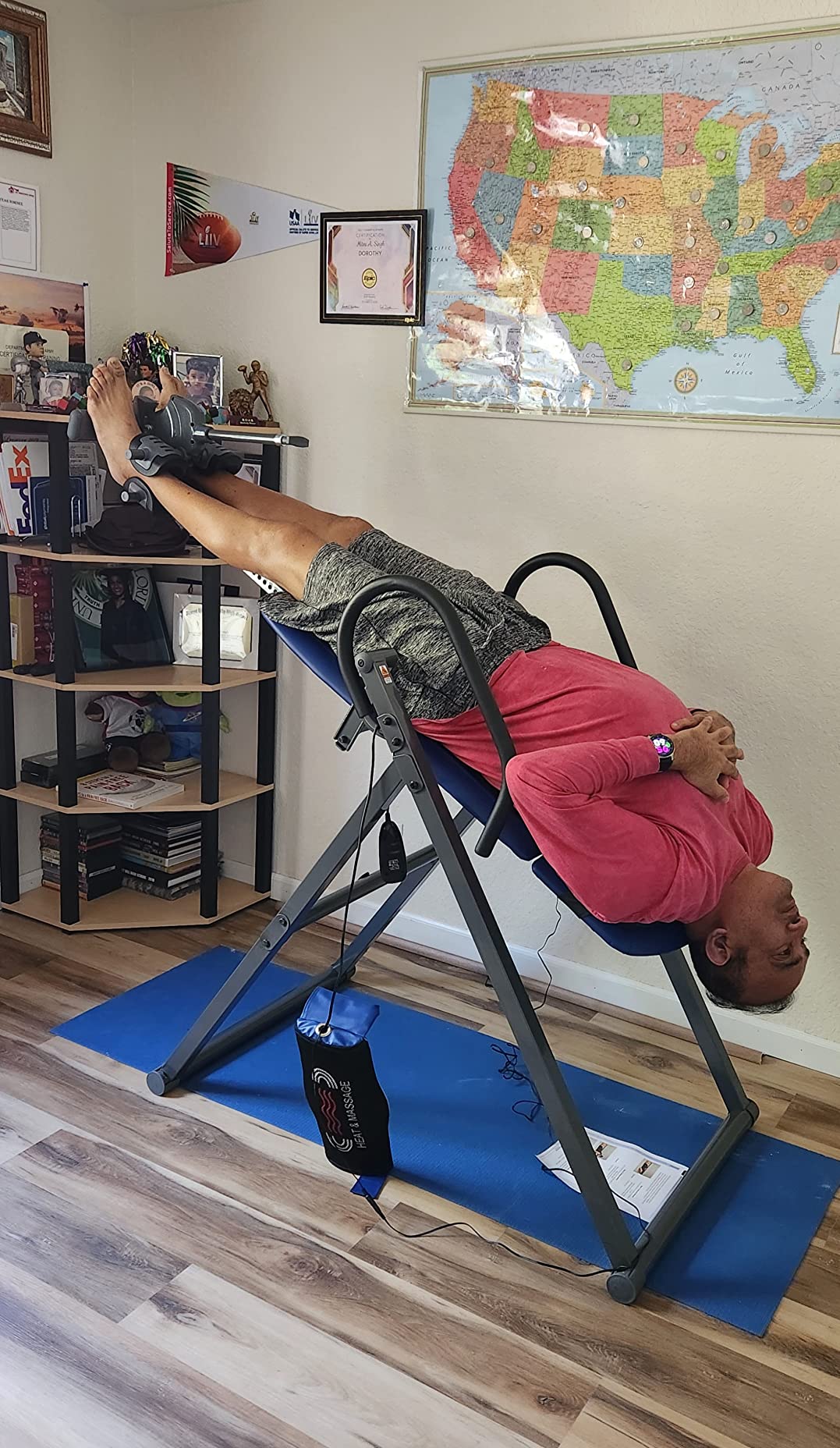
The ankle holders run on the firmer side, and the massage is vibration only rather than kneading. The unit folds but does not lock in the folded position, which is a minor annoyance. Otherwise, the value here is excellent for the price.
It is the right choice if you want heat and vibration therapy at a lower price than the ITM5900.
Who the Innova ITM4800 is best for
Mid-range buyers who want heat and vibration therapy, especially users who would also use the lumbar pad away from the table.
Who should skip it
Anyone who needs a deeper massage or wants a more premium ankle system.
8. Body Vision IT9550 Inversion Table – Best Comfort-Focused Budget Pick
Body Vision IT9550 Deluxe Inversion Table with Adjustable Head Rest & Lumbar Support Pad, – Heavy Dutyup to 250 lbs., Red
- Memory-style foam backrest for comfort
- Sur-lock ankle system for easy entry and exit
- Adjustable lumbar support
- Easy height selector rod
- Good budget option
- Lower 250 lb weight capacity vs competitors
- No warranty specified
The Body Vision IT9550 is the comfort-focused budget option I tested. The 38-by-16-inch deluxe upholstered memory-style foam backrest is the most comfortable in this guide. The Sur-lock ankle system is the easiest to operate without bending forward, and the four-position rear adjustment bar (20, 40, 60, 90 degrees) makes angle selection intuitive.
It is the lightest table on the list at 46 pounds, which matters if you need to move it often or live in a smaller space. Setup took about 35 minutes, and the height selector rod makes adjusting for different user heights quick.
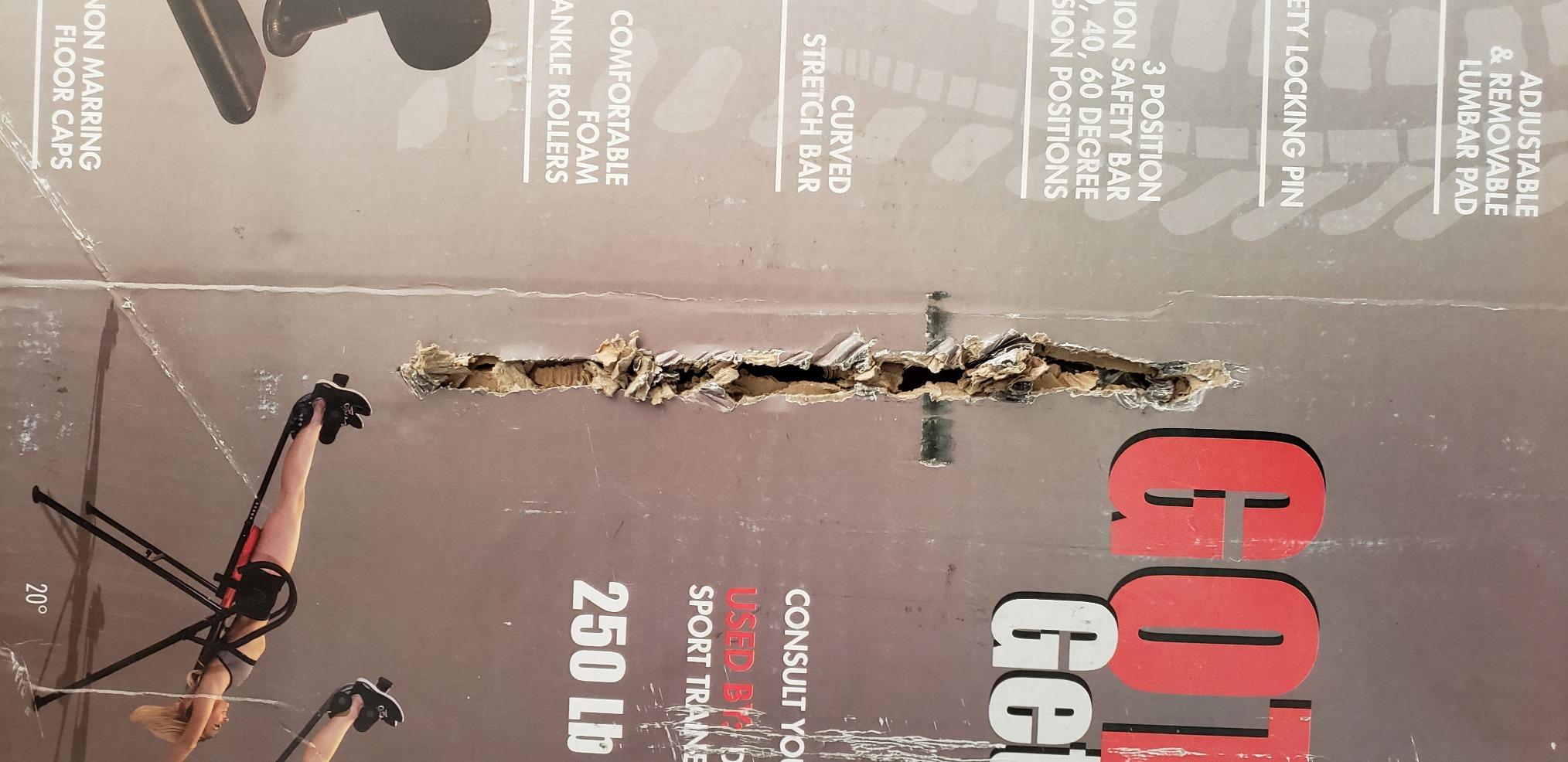
The trade-offs are the 250 lb weight capacity (lower than the 300 lb standard on most competitors) and the absence of a formal warranty. The Body Vision brand is also less established than Teeter or Innova, so long-term parts availability is less clear.
It is the right call for lighter users who prioritize backrest comfort and easy entry and exit over maximum weight capacity.

Who the Body Vision IT9550 is best for
Lighter users (under 250 lb) who want the most comfortable backrest in the budget tier and easy ankle operation.
Who should skip it
Anyone over 250 lb, anyone who wants a long warranty, or anyone who wants a major-brand track record.
What to Consider When Buying an Inversion Table?
Choosing an inversion table comes down to five things: safety, durability, size and height, add-on features, and budget. Below is the same framework I used during testing, plus context on clinical evidence and alternatives to consider before you commit.
Safety features: ankle locks and pin systems
The ankle lock is the single most important safety feature. Look for wrap-around ankle cups, an extended release handle (so you do not have to bend forward painfully), and a pin system with preset angles rather than a strap. The Teeter FitSpine X3 and LX9 set the standard here with their EZ-Reach handles, and the Innova ITX9900 and ITX9600 come surprisingly close at much lower prices. Avoid tables with plastic ankle clamps or short release levers if you have any current back pain.
Weight capacity and durability
Most quality tables support up to 300 lb. If you need more, look for heavy-duty frames explicitly rated above 300 lb. Heat-treated steel is the gold standard for the frame, and UL Safety Certification is a third-party safety mark worth checking. Warranty length is also a durability signal: Teeter’s 5-year warranty on the X3 and LX9 is double what most Innova models offer.
Size and height adjustability
Check the user height range. Most tables in this guide fit users from 4 foot 10 to 6 foot 6, which covers the vast majority of adults. If you are over 6 foot 2, look for a longer frame. If you are under 5 foot 1, look for tables with a low minimum height. Foldable designs are worth prioritizing if floor space is tight.
Add-on features and accessories
Heat and massage therapy, acupressure nodes, lumbar bridges, and stretch bars all add value, but they are not essential. Heat and vibration help loosen tight muscles (mild effect), acupressure nodes add trigger-point release at deeper angles, and stretch bars let you extend stretch at lower angles without full inversion. Decide which ones you will actually use before paying extra.
Do doctors and chiropractors recommend inversion tables?
Opinions are split. Chiropractors tend to be more supportive, especially for short-term relief of lumbar disc pressure and muscle spasms. Physical therapists often recommend it as one tool among several, paired with core strengthening and mobility work. Mayo Clinic Connect forums and peer-reviewed reviews note that studies fail to show significant long-term benefit, so expect short-term relief rather than a cure. If you have a herniated disc or chronic sciatica, talk to your provider before buying.
What works better than an inversion table?
For long-term back health, most physical therapists point to a combination of core strengthening (planks, bird-dog, dead bug), mobility work (hip flexor stretches, hamstring stretches), and professional decompression (clinical spinal decompression tables) as more effective than inversion alone. At-home traction devices, yoga (especially restorative poses like legs-up-the-wall), and regular walking can also deliver similar decompression benefits without the cost of a table.
Who Should Avoid Inversion Tables?
Inversion therapy raises blood pressure and intraocular pressure, so it is not safe for everyone. Do not use an inversion table if you have any of the following conditions, and always talk to your doctor before starting:
Uncontrolled high blood pressure, glaucoma, heart disease, recent stroke, inner ear disorders, pregnancy, hernia (especially hiatal or abdominal), retinal detachment, or spinal fracture. If you have had recent back surgery, talk to your surgeon before inverting. If you feel sudden pressure in your head, nausea, or dizziness, return to upright immediately.
Frequently Asked Questions
Do inversion tables actually help with lower back pain?
Yes, for short-term relief of muscle spasms, lumbar tightness, and disc-related pressure. Most clinical studies show short-term benefit but limited evidence for long-term cure. Use it as one tool alongside stretching, core strengthening, and professional care.
How long should you use an inversion table per session?
Beginners should start at 15 to 30 degrees for one to two minutes, then progress to deeper angles and longer holds over several weeks. Most users settle at three to five minutes per session, four to five times per week. Stop immediately if you feel pressure in your head, nausea, or sharp pain.
Which inversion table is best for lower back pain?
The Teeter FitSpine X3 is the best inversion table for lower back pain overall thanks to its FDA Registered 510(k) medical device status, FlexTech bed, and EZ-Reach ankle system. Budget shoppers should look at the Innova ITX9600 or ITX9900.
What inversion table does Joe Rogan use?
Joe Rogan has publicly mentioned using a Teeter inversion table on his podcast. Teeter’s FitSpine X3 and LX9 are the most commonly referenced models.
What are the downsides of using an inversion table?
Common downsides include dizziness or nausea from full inversion, foot and ankle discomfort from poorly padded ankle locks, the bulk and storage difficulty for small homes, and the risk of raising blood pressure or intraocular pressure. People with glaucoma, uncontrolled hypertension, heart disease, or pregnancy should avoid inversion tables entirely.
Do doctors recommend inversion tables?
Chiropractors tend to recommend inversion tables more often than MDs, especially for short-term relief of disc pressure and muscle spasms. Physical therapists usually suggest inversion as one tool alongside core strengthening and mobility work. Long-term clinical evidence for lasting benefit is limited, so expect short-term relief rather than a cure.
Final Verdict
After 90 days of rotating through eight tables, the Teeter FitSpine X3 is the best inversion table for most adults in 2026. It is FDA Registered as a 510(k) medical device, built from heat-treated steel, and the EZ-Reach ankle system makes daily use realistic even on flare-up days. For shoppers who want premium add-ons, step up to the Teeter FitSpine LX9 for the boarding platform. For budget buyers, the Innova ITX9600 remains the time-tested choice, and the Innova ITX9900 is the right pick if you want air lumbar support. Use the table four to five times per week at three to five minutes per session, build core strength alongside inversion, and stop if you feel pressure in your head or sharp pain. If you want more furniture ideas for your home setup, see our guides to drafting tables and puzzle tables.