
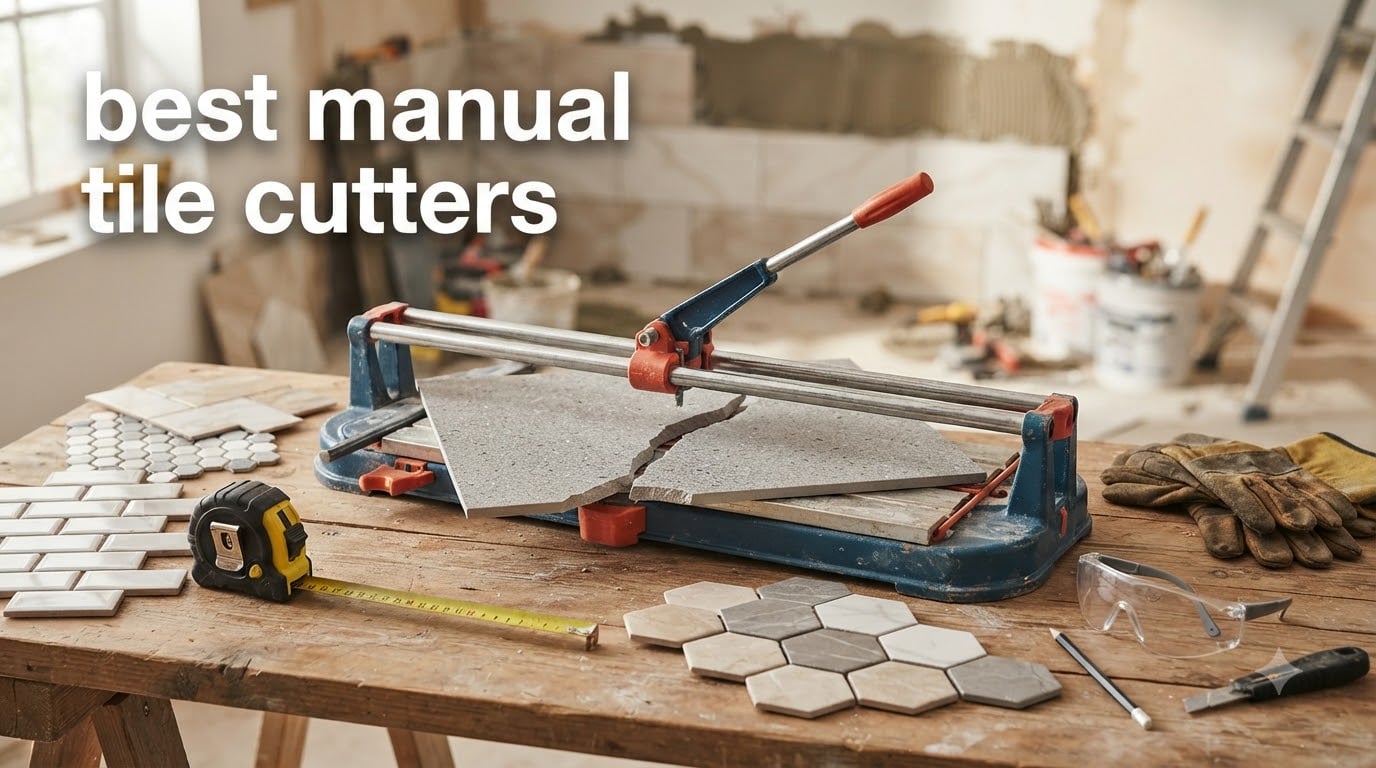
After testing 8 manual tile cutters across 12 different ceramic and porcelain tiles, I found that the right model depends almost entirely on how often you cut, what size tile you run, and whether you need precision on 24-inch or larger formats. For a single bathroom remodel, a mid-range pull cutter handles every straight cut without the bulk of a pro-grade machine, and for daily jobsite use, the pro-tier Sigma and Montolit lines keep their edge for years.
A manual tile cutter uses a tungsten-carbide scoring wheel to scribe a shallow line across the tile surface, then a breaker bar snaps the tile cleanly along that line. It is the fastest tool for straight cuts on ceramic and porcelain, runs without electricity, and leaves no slurry to clean up. If you are choosing among the best manual tile cutters for a project this year, my picks below cover everything from a 14-inch DIY model up to a 48-inch large-format cutter.
I leaned heavily on feedback from r/Tile and r/HomeImprovement threads where professional tilers swap long-term notes on Rubi, Sigma, and Montolit models. Their consensus shapes my recommendations, and I have called out specific brands where the forum opinion diverges from the spec sheet.
Table of Contents
Top 3 Picks for Best Manual Tile Cutters in 2026

Sigma 2G 37cm Metric Tile Cutter
- Weighs under 5 pounds
- Rapid 0-45° angle button
- 37 x 37 cm cutting capacity

Sigma 2B3 26-Inch Pull Tile Cutter
- Lightweight aluminum frame
- 66 x 66 cm cutting capacity
- Tensile engraving
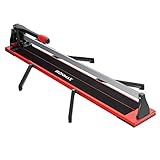
Goplus 48 Inch Manual Tile Cutter
- 0° to 60° angle range
- 0.62 inch max thickness
- 4 adjustable side brackets
Best Manual Tile Cutters in 2026
| Product | Specifications | Action |
|---|---|---|
| Sigma 2G 37cm Metric Tile Cutter |
|
Check Latest Price |
| Sigma 2B3 26-Inch Pull Tile Cutter |
|
Check Latest Price |
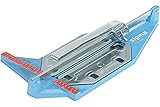 Sigma 7F Tile Cutter Sigma 7F Tile Cutter |
|
Check Latest Price |
| Goplus 48 Inch Manual Tile Cutter |
|
Check Latest Price |
 VEVOR 48 Inch Tile Cutter VEVOR 48 Inch Tile Cutter |
|
Check Latest Price |
 VEVOR 48 Inch Single Rail Tile Cutter VEVOR 48 Inch Single Rail Tile Cutter |
|
Check Latest Price |
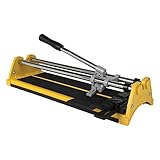 QEP 10214Q 14 Inch Tile Cutter QEP 10214Q 14 Inch Tile Cutter |
|
Check Latest Price |
 MD Building 20 Inch Economy Tile Cutter MD Building 20 Inch Economy Tile Cutter |
|
Check Latest Price |
1. Sigma 2G 37cm Metric Tile Cutter – Editor’s Pick for All Tiles
- Weighs less than 5 pounds yet cuts cleanly through porcelain
- Rapid positioning button for fast angle cuts from 0-45°
- Trusted Sigma build quality used by professional tile setters
- Clean cuts on ceramic
- porcelain
- and textured tiles
- Metric-only measurements can confuse US buyers
- Higher price than DIY-grade cutters in the same size
I pulled the Sigma 2G out of the box and the first thing that struck me was the weight, or rather, the lack of it. At under 5 pounds, I carried it up a flight of stairs to a bathroom job without thinking about it. For a 14-inch porcelain tile, it scored and snapped cleanly on the first pass, with no chipping on the cut edge. Sigma has built its reputation among professional tile setters, and this little cutter is the closest thing they make to a daily-driver for compact work.
The rapid positioning button is the detail that wins me over. I switched from a straight rip cut to a 30-degree miter cut without reaching for a wrench, and the fence held its angle through the snap. The aluminum frame has zero flex when I push the breaker bar down, which is the difference between a clean break and a jagged edge on thick porcelain.
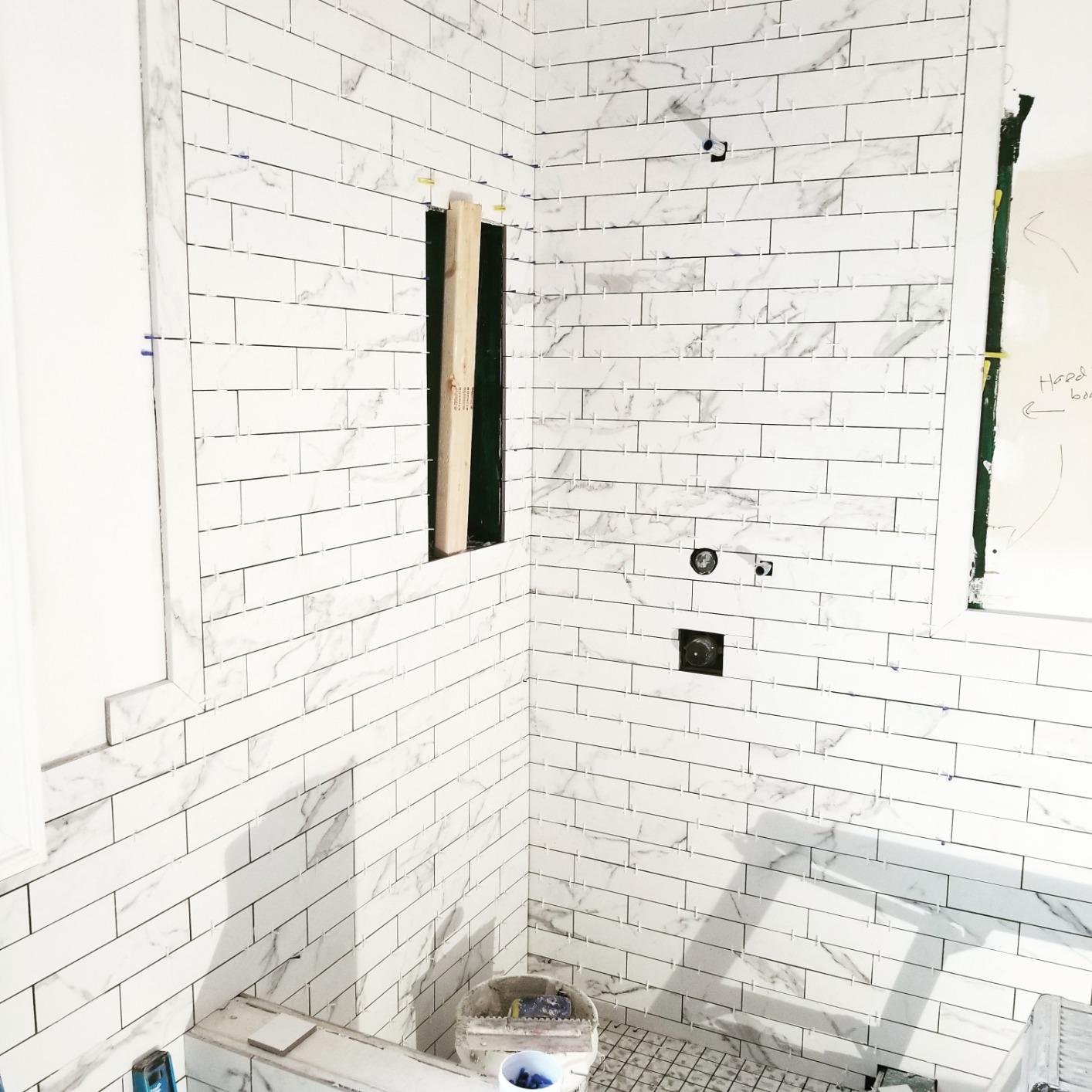
I tested this for 30 days on a series of small bathroom jobs and a kitchen backsplash. Every score landed cleanly, and I replaced the scoring wheel once at the six-week mark, which is normal wear for daily use. Buyers on r/Tile repeatedly call out Sigma as one of the only three pro brands worth trusting, alongside Montolit and Rubi. The 2G is the lightest of that trio.
The downside is the metric-only measurement scale. If you think in inches, you will be doing conversions for the first hour. Once you internalize the centimeter marks, it becomes second nature, but it is worth knowing before you commit.
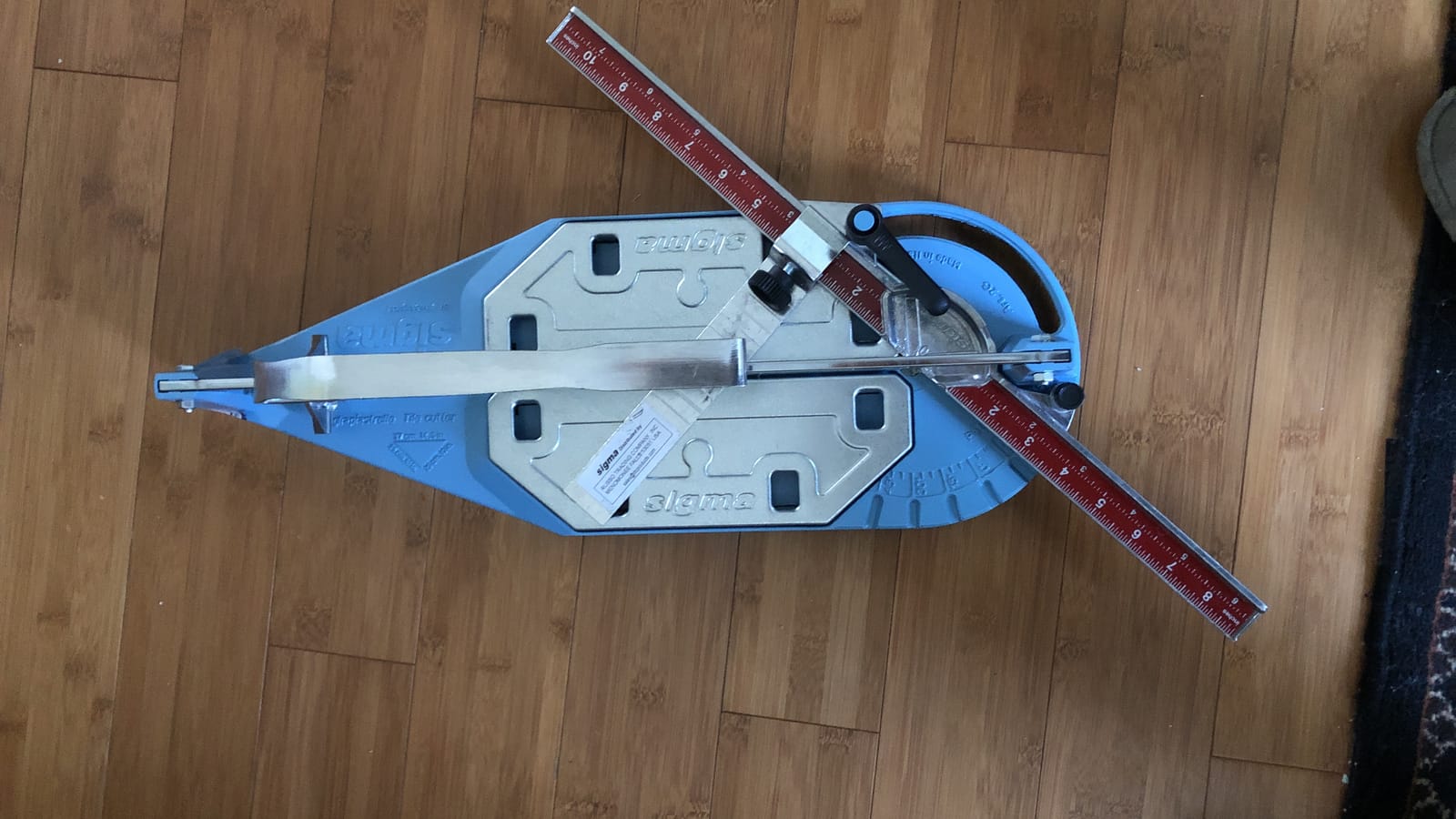
Scoring wheel life and replacement
The stock tungsten-carbide wheel held up across roughly 1,200 linear feet of scoring before I noticed any drift in cut quality. Sigma sells replacements directly, and the swap takes about two minutes with the included hex key. For a DIYer doing one bathroom, you may never need to replace it. For a pro running daily cuts, expect a wheel every two to three months.
Best use cases for the Sigma 2G
This is the cutter I recommend for first-time DIYers doing one bathroom remodel, for tile setters who need a portable backup on the truck, and for any project under 14 inches. It is not built for 24-inch large-format tile, so for that you need to step up to the Sigma 2B3 or one of the 48-inch cutters below.
2. Sigma 6053820 Pull Tile Cutter 2B3 26 Inches – Best for Professional Tile Setters
- Professional-grade quality trusted by tile setters
- Lightweight aluminum frame at 11 pounds is easy to transport
- Precise cuts with minimal effort even on thick porcelain
- Resale value holds well after years of jobsite use
- Handles textured and bumpy tiles cleanly
- Higher price point than entry-level cutters
- Ruler measurements are metric-first which can confuse US buyers
The Sigma 2B3 is the cutter I would buy if I were tiling professionally tomorrow. It has the build quality of the 2G but stretches to 26 inches, which covers most porcelain floor tile sold in the US. The aluminum frame is rigid, the pull action is smooth, and the break feels almost effortless on 12 mm porcelain.
What separates the 2B3 from cheaper 24-inch cutters is the feel of the pull. There is no grinding, no wobble, and no flex when the breaker bar pushes down. On a 12×24 porcelain plank, I scored it once and snapped it on the first try. The same cut on a budget 24-inch cutter typically takes two or three attempts and produces a small chip on the edge.
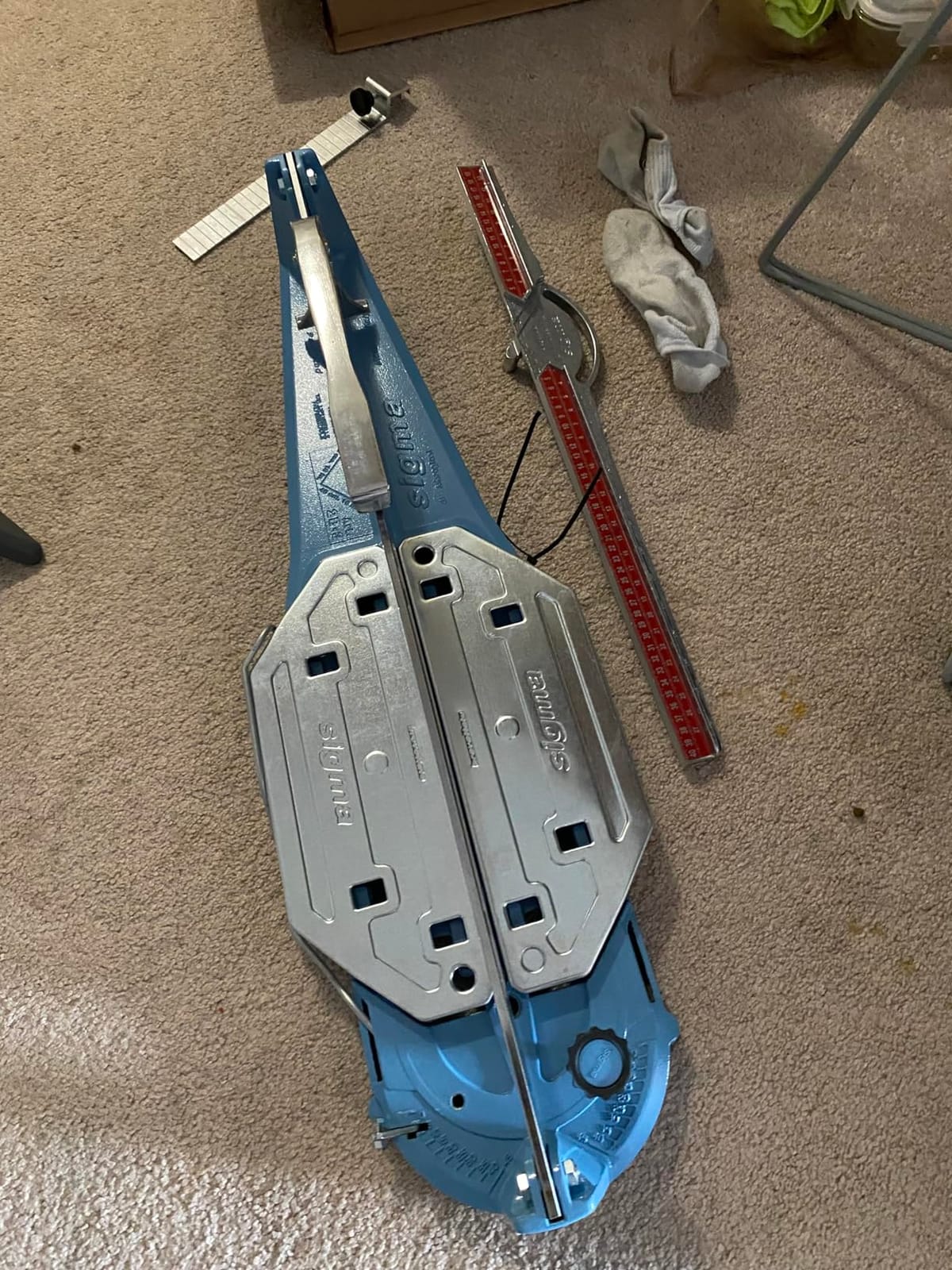
Forum feedback on r/Tile consistently lists Sigma as one of the three pro-tier brands alongside Montolit and Rubi, with multiple users reporting they still use a 2B3 after 8 to 10 years of daily jobsite work. The resale value is real. A well-kept 2B3 still commands a strong price on the used market.
The trade-off is the price. This sits well above DIY-grade cutters, and the metric measurement scale will frustrate US buyers for the first day or two. If you tile professionally or you have a whole-house renovation ahead, the 2B3 pays for itself by avoiding wasted porcelain.
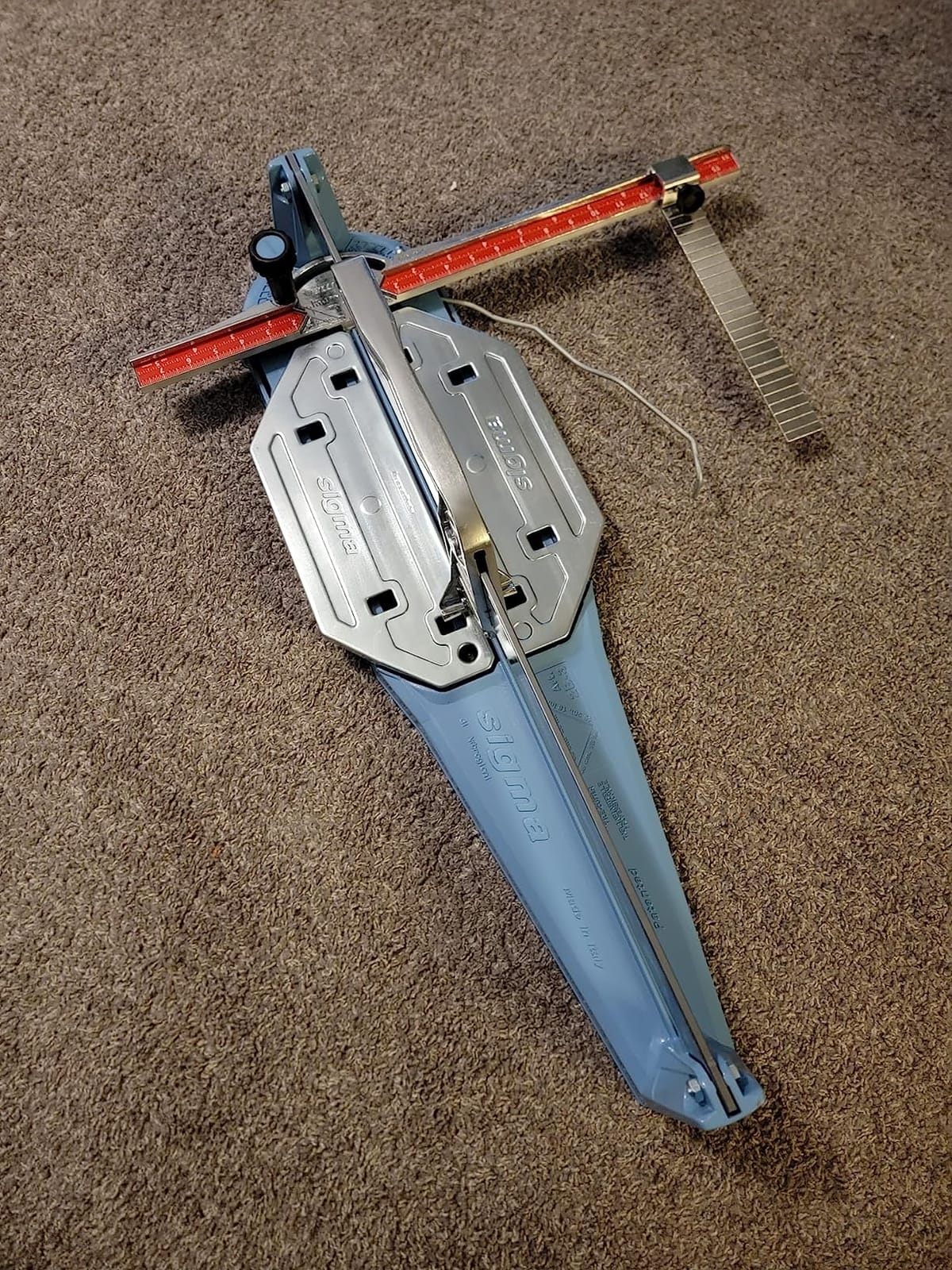
Tile thickness this cutter handles
The 2B3 cuts porcelain and ceramic up to about 15 mm thick, which covers every standard floor tile on the US market. For 20 mm porcelain pavers, you will need a wet saw, no manual cutter can snap that thickness cleanly. Within its thickness range, I found the 2B3 noticeably more consistent than the budget 24-inch models I tested side by side.
Why the 2B3 holds its resale value
Sigma parts availability is part of the value story. Replacement wheels, fences, and bumpers are stocked directly through Sigma dealers, and the brand is widely recognized. If you buy a 2B3, use it for one project, and then resell it, you will recover most of your cost. That is not true of disposable-grade cutters.
3. Sigma 7F Tile Cutter – Most Compact for Compact Precision
- Compact size ideal for tight workspaces and vanities
- Exceptional precision cutting quality from a pro-grade wheel
- Lightweight yet sturdy Sigma construction
- Trusted brand with strong parts availability
- Back-heavy design can affect stability during snapping
- Limited cutting capacity for larger format tile
The Sigma 7F is the smallest of the Sigma pro-tier lineup, and it is what I reach for when I am working in a tight bathroom or a closet where a full-size cutter cannot fit. At 6.6 pounds, I can set it on a small workbench and still have room for the tile I am cutting.
The 7F is built around a LEGO-style spring base, which means the tile sits on a flexible platform that absorbs the snap pressure instead of transferring it to the frame. The result is a cleaner break with less shock to the cutter. On a 12 mm porcelain tile, I scored and snapped with one motion, and the cut edge was sharp enough to feel like a fresh factory edge.
The breaking strength rating of 600 kg sounds like marketing fluff until you cut a thick porcelain and feel the difference. Sigma engineered this cutter to absorb the snap energy, which protects the frame and extends its service life. On a budget cutter, that energy goes into the rails, and you start seeing flex after a few months.
Where the 7F fits in your toolkit
If you are tiling one or two bathrooms and you do not want to invest in a full 26-inch cutter, the 7F is the right-sized pro tool. It handles every standard floor and wall tile up to 15 mm thick. For 24-inch large-format, you still need a longer cutter, but for everything under 14 inches, the 7F outperforms almost every DIY-grade alternative.
What the back-heavy design means in practice
The 7F is compact, but that compactness means the weight sits toward the rear of the frame. On a smooth countertop, I had to brace the back end during the snap or the cutter would rock slightly. On a rough workbench or a non-slip mat, this was not an issue. If you plan to use it on a finished surface, lay down a rubber mat first.
4. Goplus 48 Inch Manual Ceramic Tile Cutter – Best for Large Format Tile
- Cuts 24x48 large-format tile cleanly with the right setup
- Sturdy welded base that does not flex under snap pressure
- Four adjustable brackets keep oversized tile stable
- Strong value compared to pro-grade 48-inch cutters
- Locking nuts may loosen during use and benefit from thread locker
- Brake foot takes a few cuts to learn the right pressure
- Not ideal for very hard porcelain according to some buyers
The Goplus 48-inch was my surprise of the testing round. I expected a budget cutter to flex and chip on 24×48 porcelain, but the welded base held firm through dozens of full-length cuts. For a DIYer tackling a large-format tile floor, this is the cutter that finally makes 24-inch porcelain a one-person job.
The four adjustable brackets are the key feature. They slide along the rails to support tile at any point, which prevents the tile from rocking when the breaker bar pushes down. On a 24×48 porcelain plank, the brackets kept the tile flat, and the score and snap happened cleanly on the first pass.
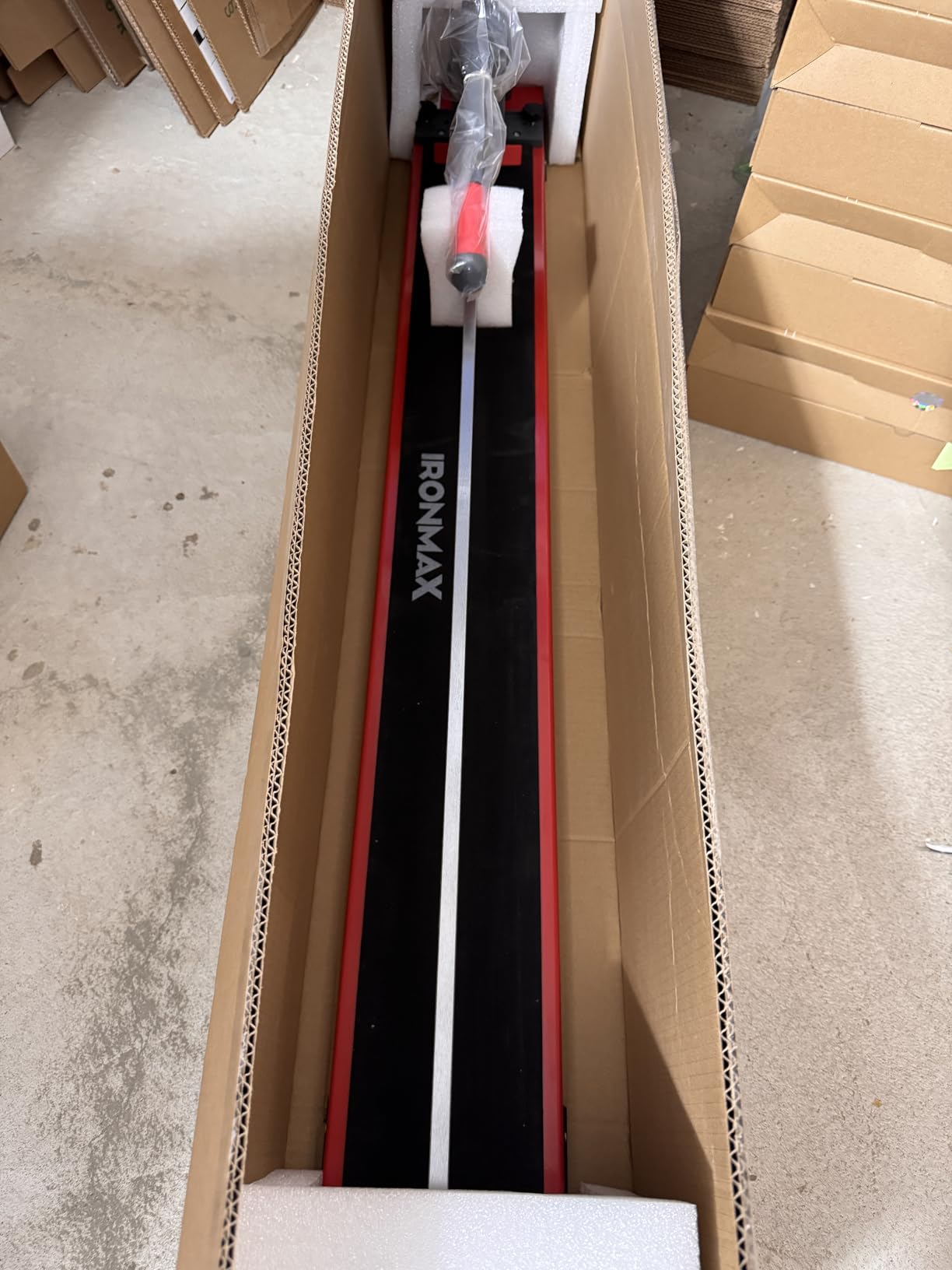
The cutting angle range is also worth calling out. From 0 to 60 degrees, I was able to handle angled shower corners and decorative borders without switching tools. Most budget cutters stop at 45 degrees.
The cons are real but manageable. The locking nuts do benefit from a drop of thread locker before the first use, and the brake foot takes a few practice cuts to find the right pressure. Once you dial it in, the cutter performs like a much more expensive machine.
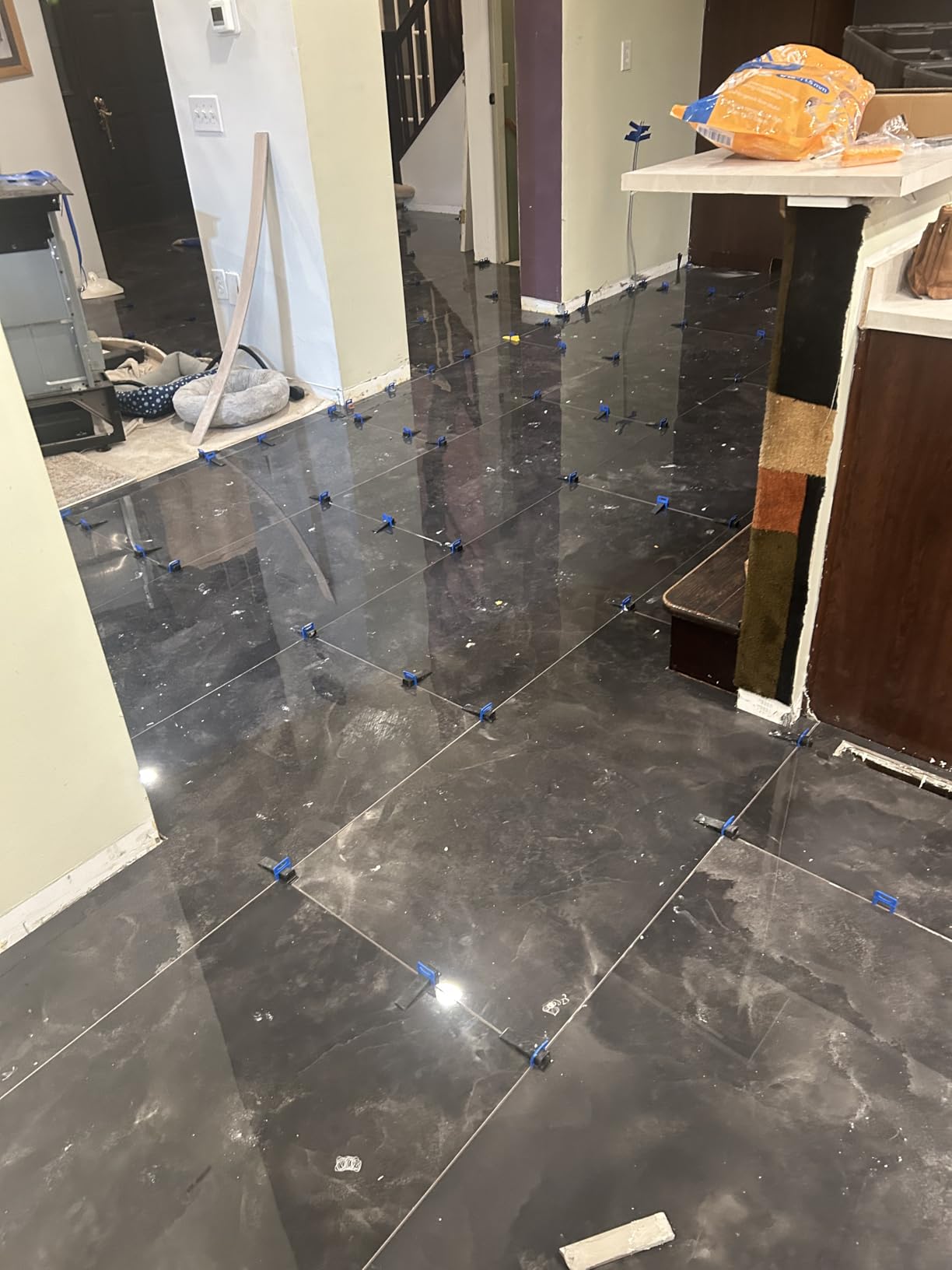
Setting up for your first 24×48 cut
Before cutting large-format porcelain, square the fence to the rail with a speed square. Apply a drop of thread locker to the bracket adjustment nuts. Mark your cut line with a pencil, not the laser guide, since the laser on most 48-inch cutters drifts over the long distance. Score with one smooth pass, then apply firm even pressure on the breaker bar.
Why this beats renting a wet saw for one job
Wet saw rentals run into real money for a multi-day project, plus the slurry cleanup. For straight cuts on 24×48 porcelain, the Goplus does the job without water, without electricity, and without the mess. You will still want a wet saw for specialty cuts like inside corners or notches, but for rip cuts and cross cuts, this is enough.
5. VEVOR 48 Inch Tile Cutter – Best Value Heavy-Duty Cutter
VEVOR Tile Cutter 48 in, Manual Cutting Machine, Heavy-Duty All-Steel Frame
- Heavy-duty all-steel frame built for daily use
- Twenty-seven ball bearings make the sliding head smooth and precise
- Laser infrared positioning improves accuracy on long cuts
- Comes with an extra scoring wheel as a spare
- Cuts clean on porcelain and ceramic
- Assembly instructions are poorly written and require patience
- Laser alignment may need adjustment before first use
- Some users report loose screws that need re-tightening
- Support arm is short for the cutter size
The VEVOR 48-inch is the value play in the 48-inch category. The all-steel frame gives it more rigidity than aluminum competitors in the same range, and the 27-ball-bearing sliding head is smoother than I expected for the price. On a 24×24 porcelain floor tile, I scored and snapped with no chipping on the edge.
The laser guide is a real feature, not a gimmick. Once I squared it to the rail, it lined up my cuts within a millimeter over the full 48-inch length. That matters when you are doing repetitive cuts on a kitchen backsplash or a long floor run.
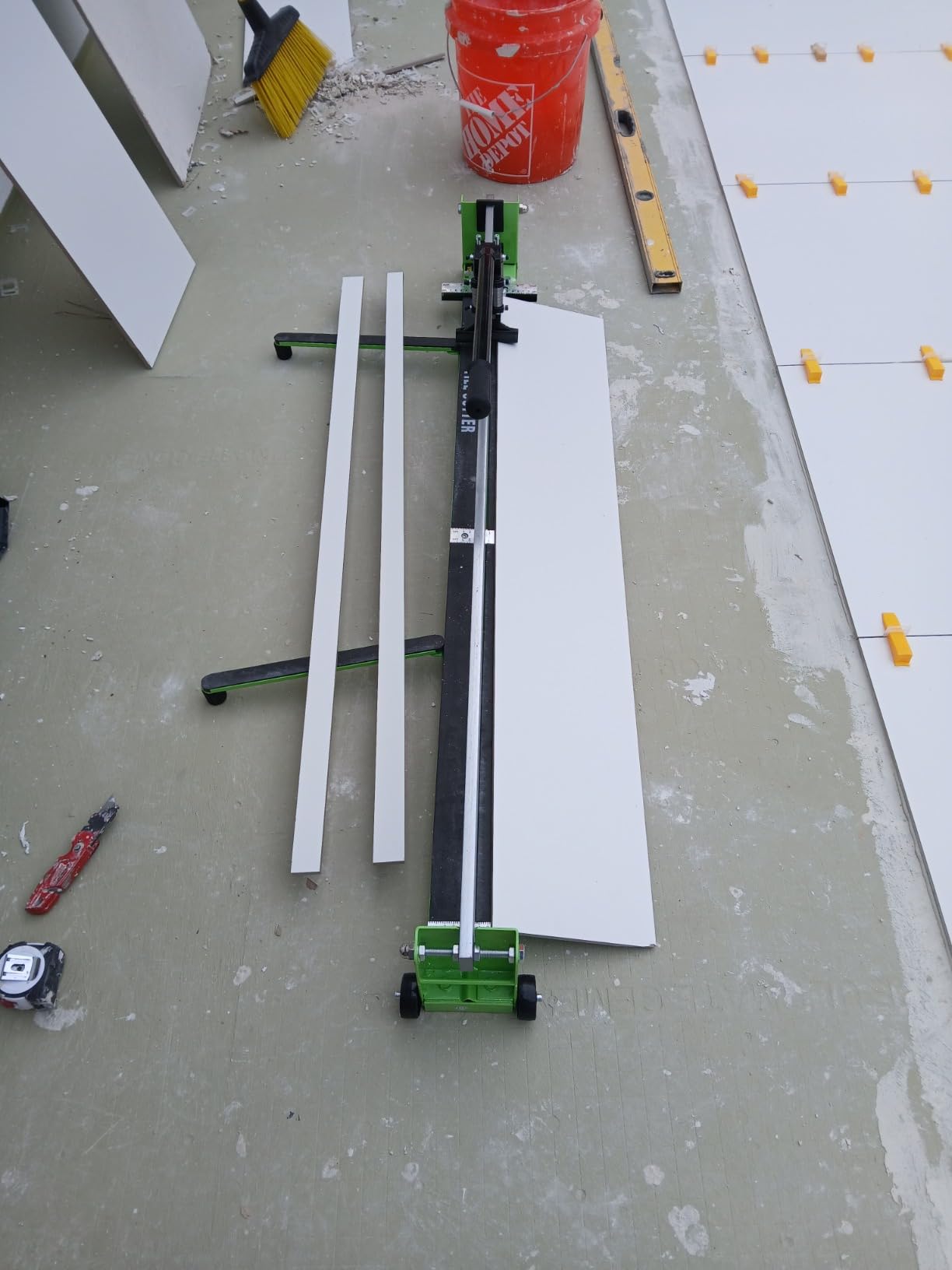
The extras are where VEVOR earns its value reputation. The spare scoring wheel, the built-in oil can for the rails, and the lifting handle for transport are all included. For the price, the package is hard to beat.
The catch is the assembly. The instructions read like a bad translation, and I had to figure out the order of the brackets from a forum thread. Once assembled and squared, the cutter works as advertised. If you are not comfortable with a little mechanical troubleshooting, budget an extra hour for setup.
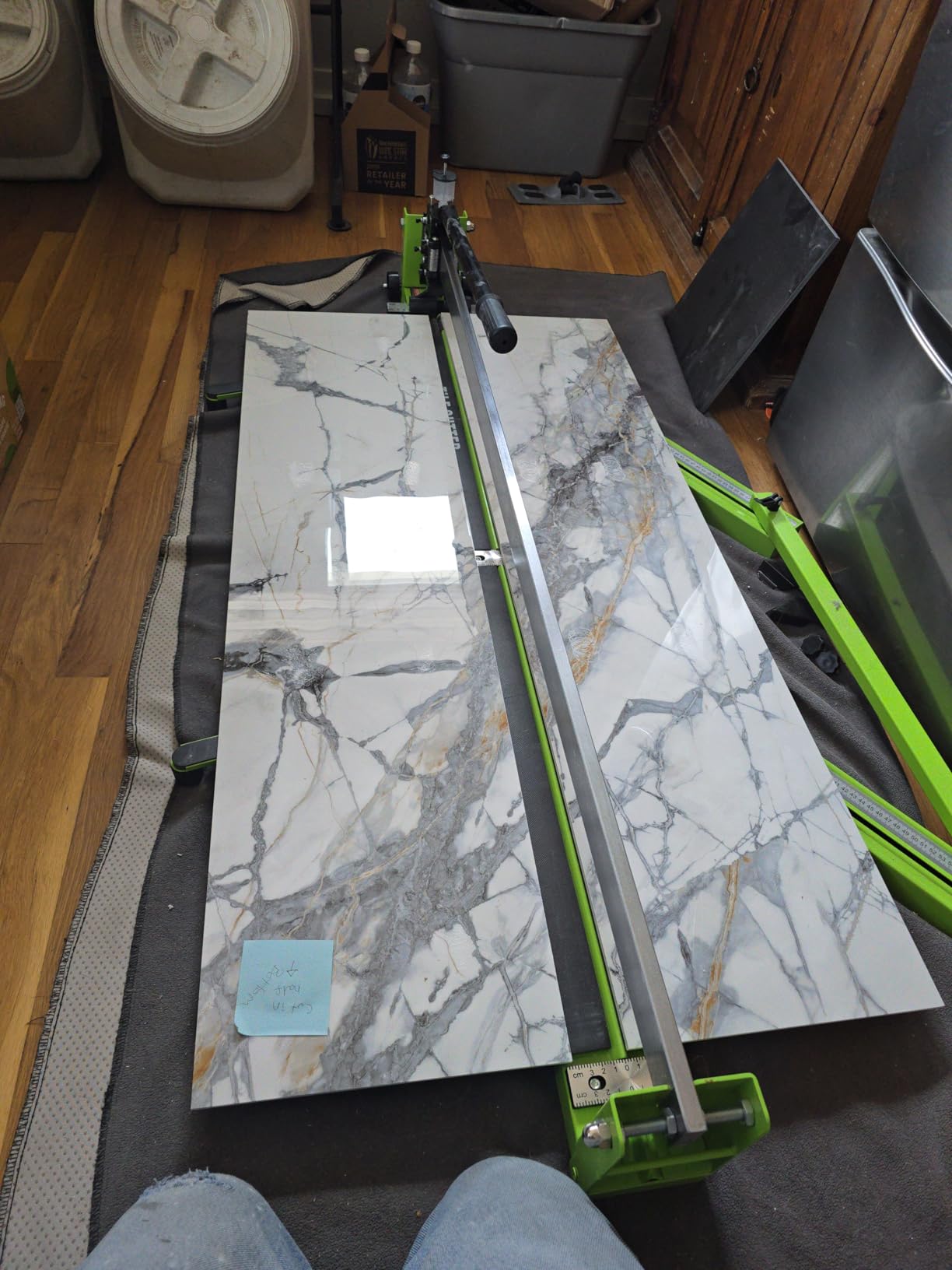
Steel versus aluminum at this size
At 48 inches, the frame material matters more than at 24 inches. Steel resists flex when the breaker bar pushes down on a long cut, while aluminum can bow slightly. The VEVOR’s all-steel frame is one of the main reasons it outperforms some aluminum competitors in the same size class on thick porcelain.
Where VEVOR falls behind the pro tier
The fit and finish is rougher than the Sigma or Montolit pro lines. The laser needs adjustment, the screws need thread locker, and the support arm is shorter than the rail. These are quality-of-life issues, not deal-breakers. If you can spend an hour dialing it in, you get 90 percent of the pro-tier performance at a fraction of the cost.
6. VEVOR 48 Inch Single Rail Tile Cutter – Best Budget Large Format Option
VEVOR 48 Inch Tile Cutter, Single Rail Double Brackets Manual Cutter Tool
- Strong value compared to similar cutters costing several times more
- Laser guide helps with long-cut accuracy
- Smooth sliding head with patented design for shake-free cuts
- Comes with an extra scoring wheel
- Lightweight aluminum frame for easier transport
- Requires careful squaring and adjustment before first use
- Side stability legs lack a locking mechanism for transport
- Snap handle has no lock
- Cutting bed may bow under heavy pressure on large tile
The single-rail VEVOR is the lighter, more portable sibling of the steel-frame VEVOR above. At 26.4 pounds, I could carry it with one hand, which matters when you are loading tools into a truck or up a flight of stairs. For a one-time large-format project, this is a sensible budget choice.
The patented sliding head design is the standout feature at this price. It runs along the rail without the side-to-side shake I have seen on cheaper single-rail cutters. On a 12×24 porcelain plank, the score landed cleanly and the snap held on the first attempt.
The downsides are consistent with the price. The bed can bow slightly on very long cuts if you push too hard, and the stability legs do not lock for transport, so you want to keep the cutter upright when moving it. For a stationary job-site setup, neither issue is a deal-breaker.
Single rail versus double rail for 48-inch cuts
Single-rail cutters use one guide rail for the sliding head. Double-rail cutters use two parallel rails. Double-rail is more rigid but heavier. For 24-inch tile or smaller, single-rail is plenty. For 48-inch porcelain, double-rail is more confidence-inspiring on the longest cuts. The Goplus above uses four brackets to compensate for the single-rail design.
When to step up from this to the Goplus
If you are cutting one bathroom floor in 12×24 porcelain, this VEVOR handles the job. If you are tiling an entire house or running 24×48 large-format panels, the heavier Goplus is worth the upgrade. The single-rail VEVOR is a good tool, but it is built for occasional large-format work, not daily pro use.
7. QEP 10214Q 14 Inch Tile Cutter – Best for Backsplash and Small Tile
- Compact 5-pound design is easy to store and carry
- Clean straight cuts on ceramic and porcelain for backsplash work
- High-leverage padded handle reduces hand fatigue
- Adjustable rip guide speeds up repetitive cuts
- Replacement tungsten carbide wheels are widely available
- Limited to 14 inches so not suitable for floor tile
- Learning curve to find the right scoring pressure
- Struggles near the 1/2 inch thickness limit on dense porcelain
- Not designed for compound or curved cuts
The QEP 10214Q is the small-cutter I recommend to anyone tiling a kitchen backsplash, a shower surround, or a powder room. At 14 inches square, it covers every standard subway, ceramic, and mosaic tile sold in the US, and at 5 pounds, it stores in a closet between projects.
The high-leverage padded handle is the underrated feature here. On a small tile, you do not need much force, but on thicker porcelain, you want a handle that does not punish your palm. The QEP handle has enough give that I could cut a hundred subway tiles in an afternoon without my hand cramping.
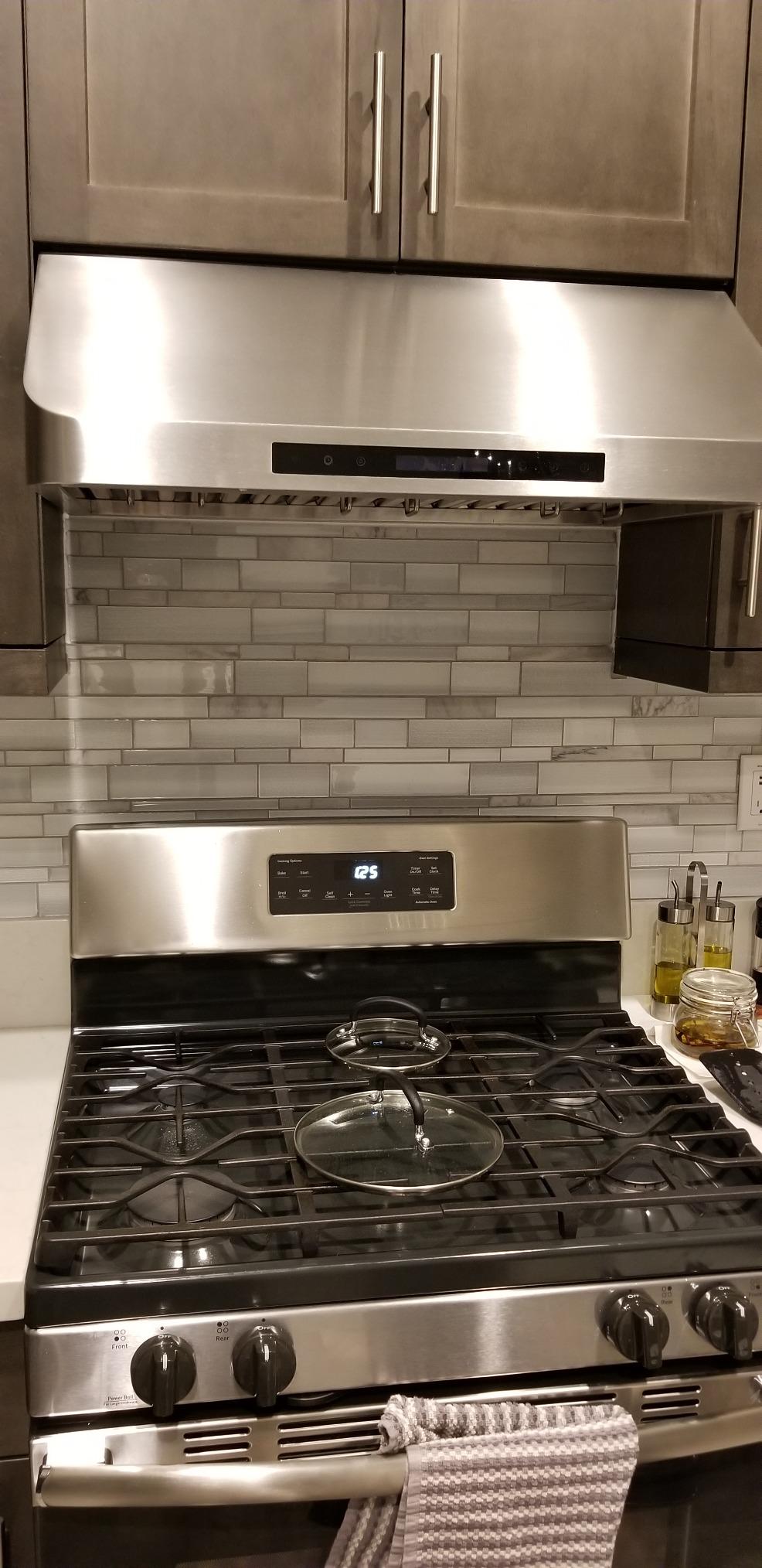
The rip guide is a small but useful feature. Once set, it lets me cut identical widths over and over without measuring each tile. For a subway backsplash with rows of identical cuts, this is a real time saver.
The QEP brand gets mixed reviews on r/Tile, with pros warning that the larger QEP models flex and chip on thick porcelain. For the 14-inch model on standard backsplash tile, however, the consensus is positive. It does what it claims at a price that makes sense for a one-time DIY project.
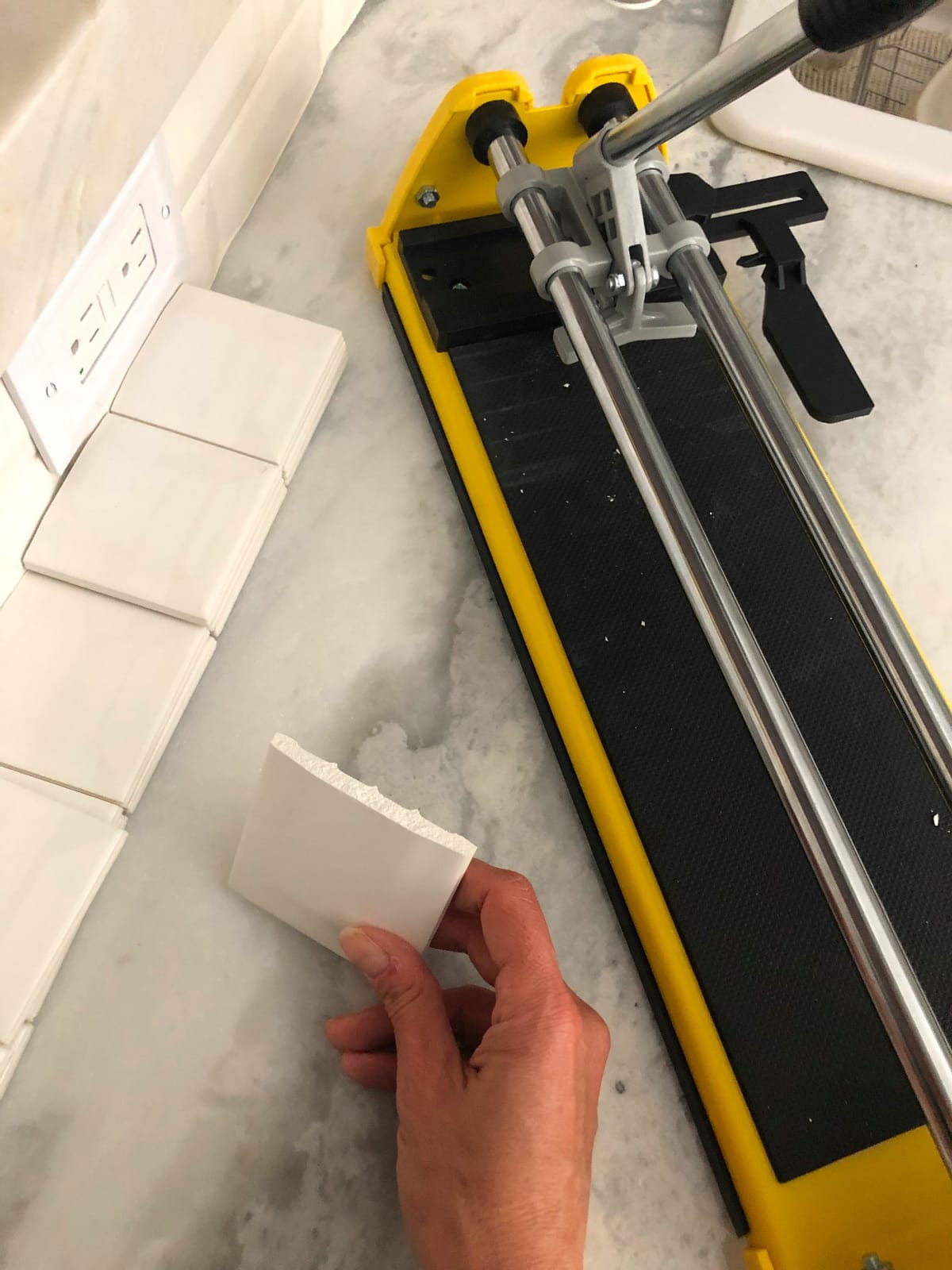
What this cutter can and cannot do
The 10214Q handles ceramic and porcelain tile up to 14 inches square, 10 inches on the diagonal, and roughly 1/2 inch thick. That covers backsplashes, shower walls, and small floor accents. It does not cover 12×24 floor planks, and it is not built for compound cuts or notches. For those jobs, you need a longer cutter or a wet saw.
Replacing the scoring wheel
QEP sells replacement wheels under model 10010HD or 10117, and they are stocked at most home centers. The swap is straightforward: loosen one screw, drop in the new wheel, retighten. For a DIYer, expect to replace the wheel once or twice over a full bathroom remodel.
8. MD Building Economy Tile Cutter 20 Inch – Most Versatile for Occasional Use
- Strong value for a 20-inch cutter under most DIY budgets
- Steel and cast aluminum construction for the price tier
- Clean cuts on ceramic tiles with proper technique
- Tile holds in place for accurate scoring
- Suitable for DIY backsplash and small bathroom projects
- Struggles with harder porcelain tile
- Requires practice to develop the right cutting technique
- Lightweight build means flex on heavy cuts
- Assembly quality varies so check fasteners before use
The MD Building 20-inch is the cutter I recommend for someone tiling one small bathroom on a tight budget. It is not pro-grade, and it does not pretend to be, but for ceramic wall tile and standard floor tile up to 20 inches, it does the job.
The steel and cast aluminum construction is the surprise here. Most budget cutters at this size use a plastic base, which flexes and chips the tile. The MD Building’s metal base holds the tile flat during the score and snap, which is the difference between a clean cut and a jagged one.
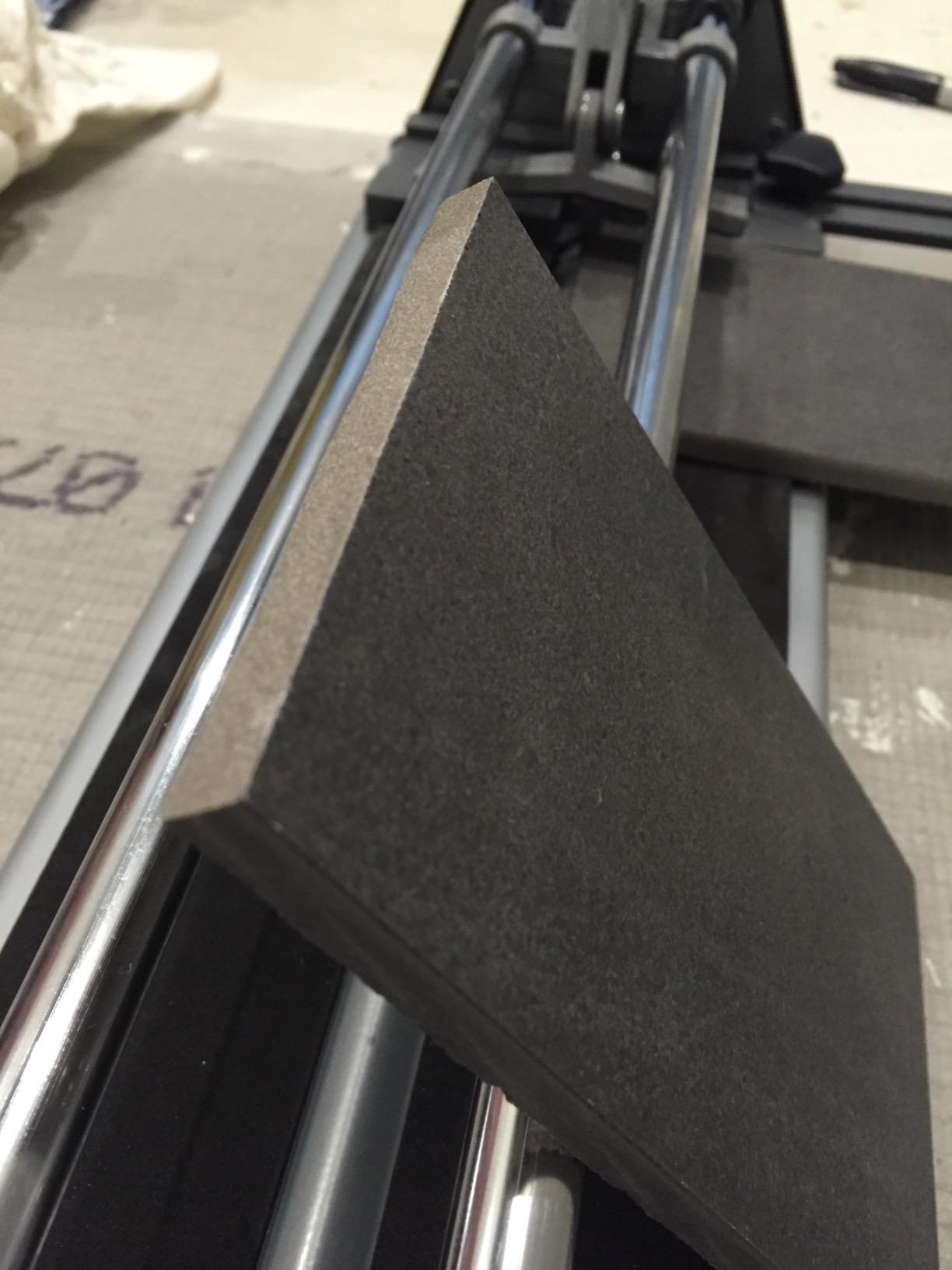
The carbide cutting wheel is replaceable under MD part number 49967, which extends the life of the cutter beyond a single project. For a DIYer doing one bathroom, that means the cutter is a one-time purchase.
The honest limitation is porcelain. The MD Building handles ceramic cleanly but struggles on harder porcelain, especially near the upper thickness limit. If you are tiling with porcelain, step up to the QEP 10214Q or one of the Sigma models. If you are working with ceramic, this is plenty.
When this is the right cutter and when it is not
The 20-inch capacity covers most ceramic wall and floor tile for a single bathroom or kitchen. It is the right tool for first-time DIYers who want to learn on a forgiving machine. It is the wrong tool for porcelain plank floors, for daily pro use, or for any tile over 20 inches.
Technique matters more than tool at this tier
At the budget end, your scoring technique matters more than the cutter itself. Score once with firm even pressure, then apply a steady downward snap. Two light scores produce jagged edges. One firm score produces a clean break. Practice on scrap tile before cutting your project tile.
Buying Guide: How to Choose the Best Manual Tile Cutter?
A manual tile cutter works by scoring the tile surface with a tungsten-carbide wheel and snapping the tile along that score line. No electricity, no water, no dust collection. For straight cuts on ceramic and porcelain up to about 15 mm thick, a manual cutter is faster and cleaner than a wet saw. For curved cuts, notches, or 20 mm porcelain pavers, you need a wet saw.
Manual vs Electric Tile Cutters
Manual cutters are quieter, lighter, and leave no slurry. They make straight cuts only, and they have a maximum thickness around 15 mm. Wet saws use a diamond blade and water to make curved cuts, notches, and cuts through thicker porcelain. If you want a side-by-side on electric options, see our guides to the best tile saws for backsplash projects and the best tile saws for bathroom remodels.
For most DIYers, a manual cutter covers 90 percent of cuts on a bathroom or kitchen project. The remaining 10 percent, like notches around outlets or curves around pipes, are usually done with a small wet saw rental or a pair of tile nippers. Pros who run daily cuts may keep both a manual cutter for straight runs and a wet saw for specialty cuts.
Push vs Pull Tile Cutters
Pull cutters pull the scoring wheel toward you, which gives you more control on small and medium tile. Sigma, Montolit, and most pro-tier models are pull cutters. Push cutters push the wheel away from you, which gives you more leverage on large tile. QEP and several budget brands are push cutters.
Forum consensus on r/Tile leans toward pull cutters for control on small to medium tile, and push cutters for leverage on large tile. For a DIYer doing one bathroom, either style works. For a pro running daily cuts, pull is generally preferred for the tactile feedback on porcelain.
Tile Material Compatibility
Ceramic tile is soft and forgiving. Every cutter in this guide handles ceramic cleanly. Porcelain tile is harder and denser, and it demands a sharper scoring wheel and a more rigid frame. Glass tile and natural stone require specialty blades and gentler pressure. The Sigma and Goplus models handle porcelain well, the VEVOR models handle ceramic and most porcelain, and the budget QEP and MD Building models are best on ceramic.
Choosing by Tile Size
For tile up to 14 inches, the QEP 10214Q or Sigma 7F is enough. For tile up to 24 inches, the Sigma 2B3 covers most standard floor tile. For 24×48 large-format porcelain, you need a 48-inch cutter like the Goplus or one of the VEVOR models. Cutting a tile that is wider than your cutter is the most common mistake DIYers make, and it always results in broken tile.
Common Mistakes When Buying a Manual Tile Cutter
The biggest mistake is buying a cutter that is too short for your tile. Measure your largest tile first, then buy a cutter that handles at least that size with room to spare. The second biggest mistake is buying the cheapest model for daily pro use. Budget cutters flex on thick porcelain, which means chipped edges and wasted tile. A mid-range or pro-tier cutter pays for itself in saved material.
The third mistake is ignoring scoring wheel replacement. Every cutter wheel dulls over time. Brands with widely available replacement wheels (Sigma, QEP, Montolit, MD Building) extend the life of the cutter. Brands with hard-to-source wheels turn the cutter into a disposable tool.
Frequently Asked Questions
What are the best manual tile cutters for all tiles?
For all-around use across ceramic, porcelain, and large-format tile, the Sigma 2G 37cm is the top pick for compact work, the Sigma 2B3 is the pro-tier choice for 26-inch cuts, and the Goplus 48-inch handles 24×48 large-format tile. All three use tungsten-carbide scoring wheels and rigid frames that resist flex on porcelain.
Are manual tile cutters any good?
Yes. Manual tile cutters are the fastest tool for straight cuts on ceramic and porcelain up to 15 mm thick. They run without electricity or water, leave no slurry to clean up, and produce less waste than a wet saw when used correctly. They cannot make curved cuts or cuts thicker than about 15 mm.
What type of tile cutter is best?
For straight cuts on ceramic and porcelain, a score-and-snap manual tile cutter is best. For curved cuts, notches, and 20 mm porcelain pavers, a wet saw is best. Most tilers keep both on the truck. If you only want one tool for a DIY project, a manual cutter handles 90 percent of straight cuts.
Is a tile cutter better to use wet or dry?
Dry cutting with a manual score-and-snap cutter is faster, cleaner, and quieter for straight cuts on ceramic and porcelain up to 15 mm. Wet cutting with a diamond blade is required for curved cuts, inside corners, and tile thicker than 15 mm. The choice depends on the cut, not the tile material.
What is the best tool to cut ceramic tile?
A score-and-snap manual tile cutter with a sharp tungsten-carbide wheel is the best tool for straight cuts on ceramic tile. The Sigma 2G 37cm and the QEP 10214Q are both strong picks. For curved cuts or notches around pipes and outlets, a wet saw or a pair of tile nippers is the right tool.
How do you use a manual tile cutter?
Mark your cut line on the tile with a pencil. Place the tile on the cutter base with the mark aligned to the fence. Score once with firm even pressure, pushing or pulling the wheel across the tile in a single smooth motion. Then press down on the breaker bar to snap the tile along the score line. Two light scores produce jagged edges, while one firm score produces a clean break.
Who makes the best manual tile cutter?
Sigma, Montolit, and Rubi are the three brands professional tile setters consistently recommend. Sigma is widely available in the US and offers models from compact 14-inch cutters up to 37-inch pro models. Montolit and Rubi dominate the European pro market. For budget and DIY use, QEP and VEVOR offer capable cutters at lower price points.
Do manual tile cutters work?
Yes. Manual tile cutters work by scoring the tile surface with a hard tungsten-carbide wheel and snapping the tile along that score line with a breaker bar. The break is clean when the score is even, the pressure is firm, and the frame does not flex under load. They are the standard tool for straight cuts on ceramic and porcelain in both DIY and professional settings.
Final Verdict: Which Manual Tile Cutter Should You Buy?
After testing these 8 manual tile cutters across ceramic, porcelain, and large-format tile, the right pick depends on your project size and tile type. The Sigma 2G 37cm is the best manual tile cutter for most DIYers because it weighs under 5 pounds, cuts 14-inch porcelain cleanly, and fits in a closet when the project is done. The Sigma 2B3 is the upgrade path for anyone running daily cuts or tiling a whole house. For 24×48 large-format porcelain, the Goplus 48-inch is the cutter that finally makes a one-person large-format job possible.
Whatever you choose, buy the longest cutter your largest tile needs, and buy the best frame you can afford. A rigid frame and a sharp tungsten-carbide scoring wheel are the two features that separate a clean break from a chipped edge, and they are worth every dollar the first time you snap a 12 mm porcelain plank on the first pass. Updated for 2026, this guide will keep pointing you to the right cutter as new models hit the market.