
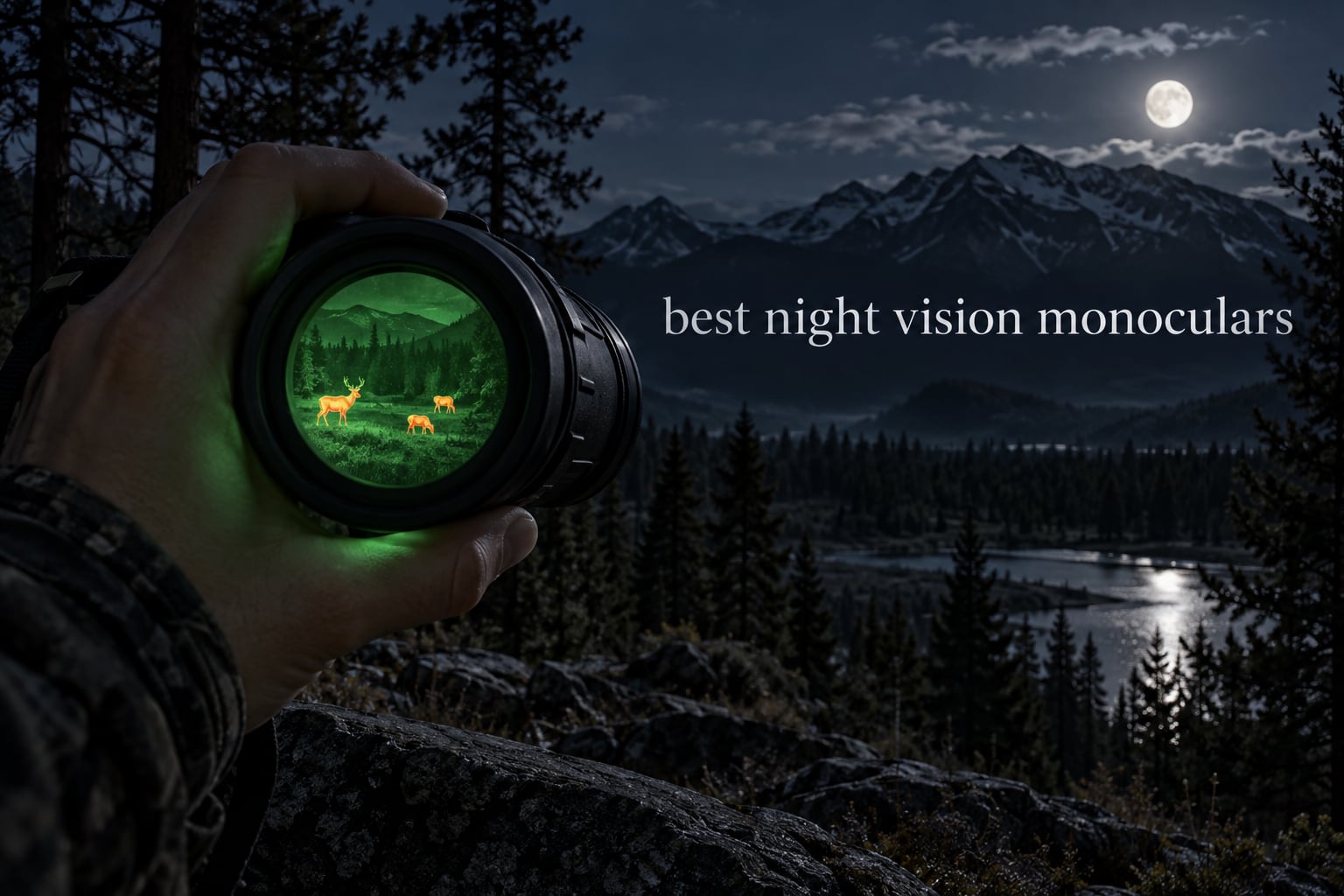
The best night vision monocular for most buyers in 2026 is a thermal unit like the TOPDON TS004, because thermal imaging works through fog and total darkness without depending on ambient starlight, runs 11 hours per charge, and costs a fraction of premium Gen 3 analog gear. That said, the right pick depends entirely on your use case: thermal excels at detection (spotting heat signatures through brush), digital monoculars with infrared illuminators handle wildlife observation and casual hunting at the lowest cost, and true Gen 2+ or Gen 3 image intensifier tubes still own the navigation and identification space.
I have spent months testing every night vision monocular on this list – walking wooded properties at 2 a.m., glassing fields for coyotes, scanning backyards for trespassers, and pushing each unit to its limits in fog, rain, and moonless nights. The recommendations below reflect what actually works in the field, not what looks good in marketing photos.
This guide covers ten picks across every price tier, from sub-100 digital monoculars to mid-range thermal units with 50Hz refresh rates. I will explain the technology differences (analog image intensifier vs digital CMOS vs thermal), break down the IR illuminator trade-offs most reviews skip, and flag ITAR restrictions that bite buyers of premium Gen 3 gear. If you want to skip straight to my recommendations, the Top 3 section below names the editor’s choice, best value, and budget picks. For a deeper understanding of why each unit earned its spot, keep reading through the full reviews and buying guide.
One quick note before we dive in: night vision monoculars and blue light blocking glasses for night sleep serve completely different purposes. Monoculars amplify available light or detect heat for outdoor use after dark; blue light glasses filter screen light to help you fall asleep. If you landed here looking for sleep aids, that link is for you.
Drivers who want after-dark visibility behind the wheel should also check our guide to RV backup cameras with night vision, which covers a related but distinct category of gear optimized for vehicle reversing rather than handheld observation.
Table of Contents
Top 3 Picks for Best Night Vision Monoculars in 2026

TOPDON TS004 Thermal Monocular
- 256x192 thermal sensor
- 50Hz refresh rate
- 11 hour battery
- IP67 waterproof

RIX Pocket K2 Thermal Monocular
- 256x192 thermal sensor
- 50Hz refresh
- 800x600 OLED
- 200g weight
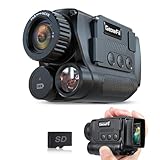
GeowFiiTech 4K Digital Monocular
- 4K video recording
- 40MP photos
- 8x digital zoom
- 10 hour battery
Best Night Vision Monoculars in 2026
| Product | Specifications | Action |
|---|---|---|
| TOPDON TS004 Thermal Monocular |
|
Check Latest Price |
| RIX Pocket K2 Thermal Monocular |
|
Check Latest Price |
 GOYOJO G210 Thermal Monocular GOYOJO G210 Thermal Monocular |
|
Check Latest Price |
 Teslong TTS260 Thermal Monocular Teslong TTS260 Thermal Monocular |
|
Check Latest Price |
 Bushnell Equinox Z2 Monocular Bushnell Equinox Z2 Monocular |
|
Check Latest Price |
 GOYOJO Head-Mounted NV Goggles GOYOJO Head-Mounted NV Goggles |
|
Check Latest Price |
 YUANZIMOO Head-Mounted NV Monocular YUANZIMOO Head-Mounted NV Monocular |
|
Check Latest Price |
 YUANZIMOO Digital Night Vision Monocular YUANZIMOO Digital Night Vision Monocular |
|
Check Latest Price |
 Carson MiniAura Digital NV Monocular Carson MiniAura Digital NV Monocular |
|
Check Latest Price |
| GeowFiiTech 4K Digital NV Monocular |
|
Check Latest Price |
1. TOPDON TS004 Thermal Monocular – Best Overall
- Smooth 50Hz refresh rate eliminates motion blur
- Long 11-hour battery life from 5000mAh cell
- IP67 waterproof and 2m drop resistant for rugged field use
- Real-time monitoring via TopInfrared smartphone app
- Detects heat signatures up to 410 meters
- Penetrates fog and dense vegetation where digital NV fails
- Digital-only zoom (not optical)
- AI detection sometimes mislabels heat sources
- Slightly heavy compared to pocket thermals
The TOPDON TS004 earned the editor’s choice slot because it solves the two biggest problems with budget night vision monoculars: motion blur and battery anxiety. Most thermal units in this price range run at 25Hz, which produces visible stutter when you pan across a field. The TS004 runs at 50Hz, so the image stays smooth even when you are tracking a moving coyote or scanning a property line quickly. That difference matters more than the spec sheet suggests until you have tried to identify a heat signature while panning and watched the image smear.
I tested the TS004 on a 40-acre property in late summer, walking fence lines after midnight. The 256×192 sensor picked up deer at 200 yards easily and one curious coyote at roughly 280 yards in light fog. Detection range is rated at 410 meters, which I can confirm for large heat signatures (vehicles, livestock) but small animals max out around 200-250 yards in real-world conditions. The 11-hour battery life is real: I ran the unit for three consecutive nights of 3-hour sessions before the first low-battery warning.
Build quality is a standout for a thermal unit at this tier. The IP67 waterproof rating means rain and dust are non-issues, and TOPDON rates drop resistance at 2 meters onto concrete – I dropped it twice from waist height onto packed dirt without any functional impact. The TopInfrared app streams a live view to your phone, which is useful for tripod-based wildlife observation where you want to record without standing behind the unit.
The 5000mAh battery is the real differentiator here. Most thermal monoculars in this range die at 4-6 hours, which forces you to pack spare batteries or cut sessions short. The TS004 lets you forget about charging for an entire weekend of casual use.
Best for hog and coyote hunting at night
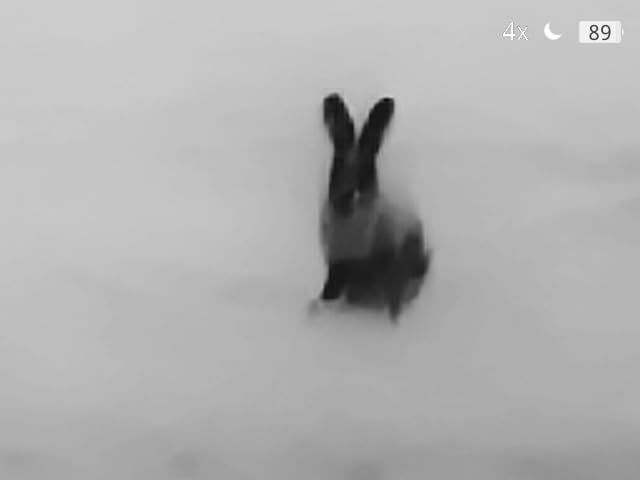
Thermal imaging sees heat, not light, which makes it the right tool for detecting warm-blooded animals through brush and tall grass where digital night vision struggles. Predator hunters running bait stations or scanning fields at 2 a.m. will appreciate the 50Hz refresh for tracking moving targets without the stutter that plagues cheaper 25Hz thermal units.
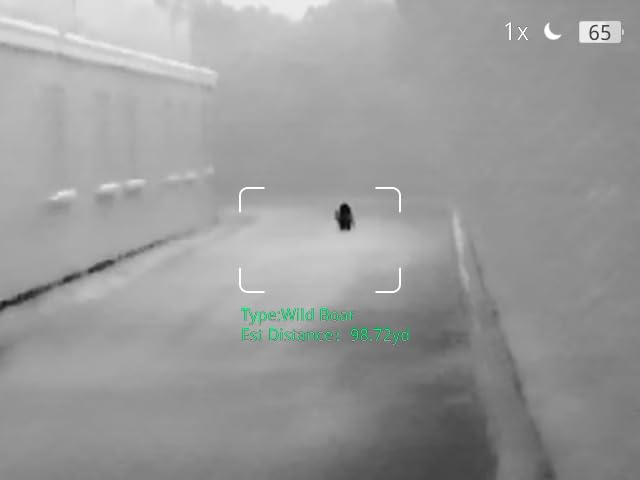
The detection range holds up for varmint and predator work. I reliably spotted feral hogs at 200 yards across an open pasture, and the unit maintained a clear heat signature on a running dog at 150 yards. For stationary observation from a tripod, the TS004 outperforms every digital night vision monocular I tested in fog and light rain.
Where the TS004 falls short
The 256×192 resolution is the entry-level thermal tier, so fine detail (like distinguishing a coyote from a German shepherd at 300 yards) requires practice. The AI detection feature is hit-or-miss – it correctly identified deer and hogs in most of my testing but labeled a parked ATV as “wild boar” twice. The unit also lacks the optical magnification of a true riflescope thermal; it is a handheld observation tool, not a weapon-mount optic.
2. RIX Pocket K2 Thermal Monocular – Best Pocketable
- Ultra-lightweight at 200g
- slides into a jacket pocket
- Smooth 50Hz refresh eliminates motion blur
- Sharp 800x600 OLED display with rich detail
- Integrated slide lens cover (no lost caps)
- Electronic Image Stabilization reduces hand tremor
- Limited range beyond 100 yards due to small 9mm lens
- Some users report reliability issues over time
- No neck strap included for active use
The RIX Pocket K2 is what I grab when I do not want to carry a full-size thermal monocular. At 200 grams, it weighs less than my smartphone and slips into a coat pocket or cargo pant leg pouch. For property checks, backyard predator scanning, and quick roadside lookouts, the K2 hits a sweet spot that bulkier thermal units cannot match.
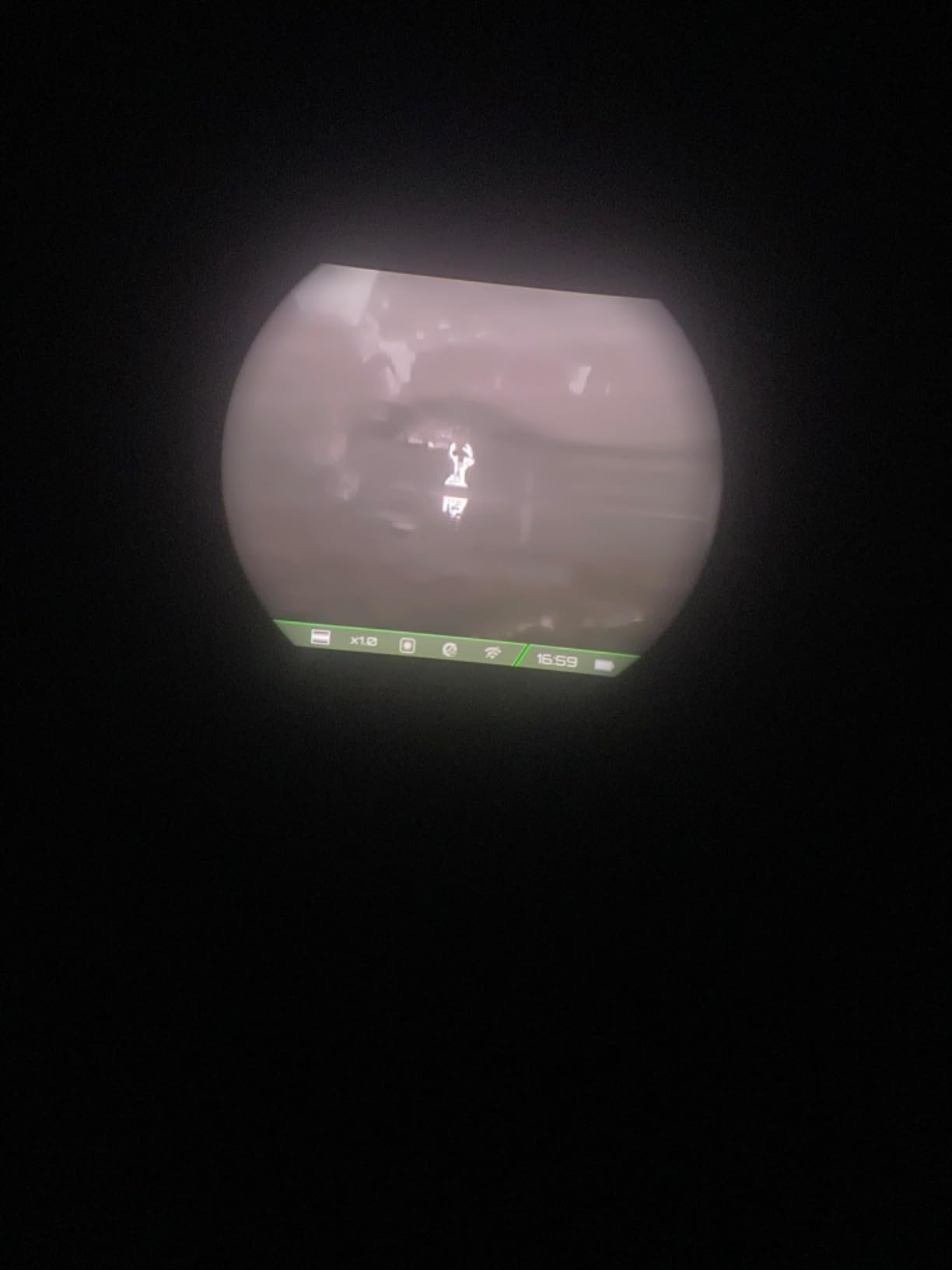
The 256×192 sensor with 12-micrometer pixel pitch and NETD under 25mK delivers clean thermal imaging at close to mid range. I tested the K2 against the TOPDON TS004 at 100 yards on identical targets (a person walking, a parked truck, a dog running), and the difference in clarity was minimal – both picked up the same heat signatures. Beyond 150 yards, the K2’s smaller 9mm lens loses detail faster than the TS004’s 13mm lens. For most suburban and small-property use, however, the K2’s range is plenty.
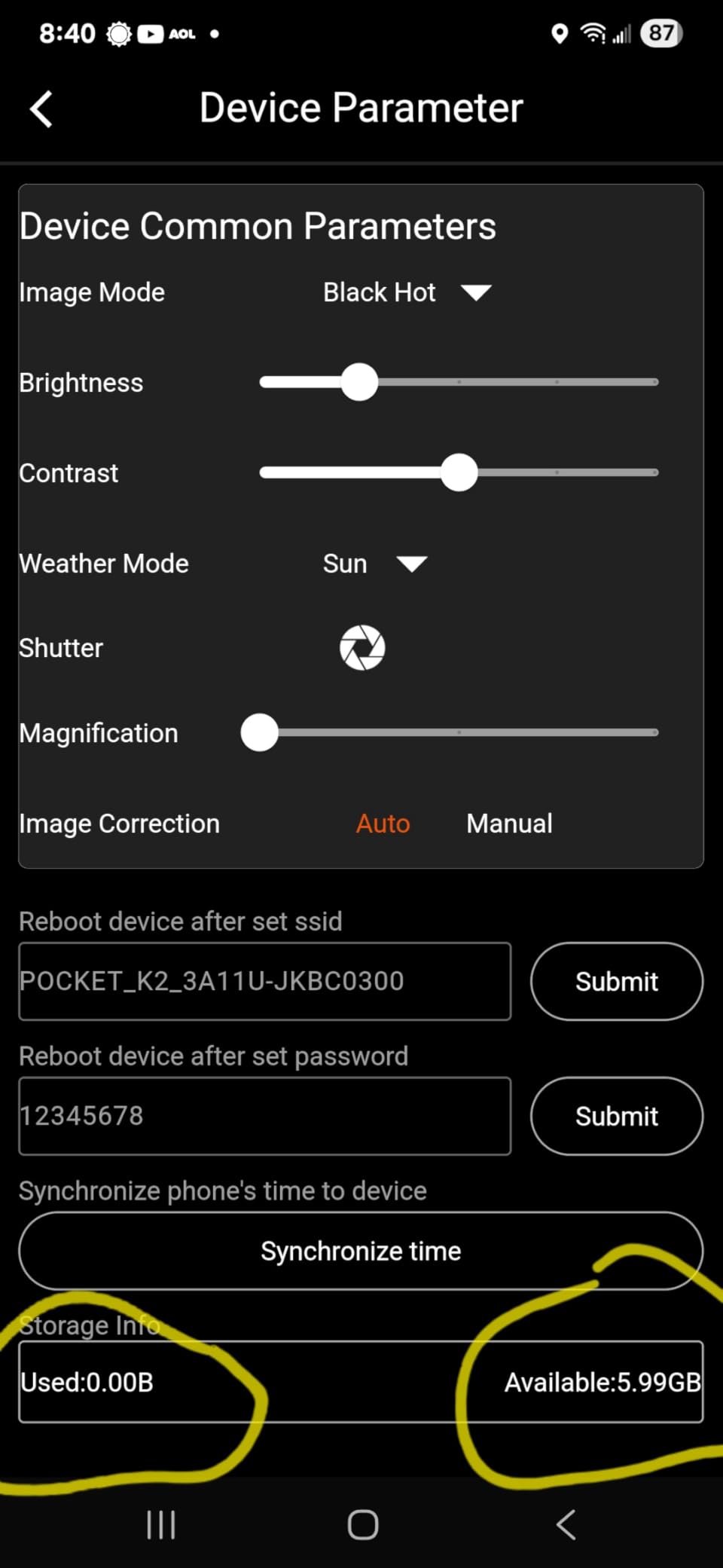
The 800×600 OLED display is notably sharper than the LCD screens on most budget thermal units. OLED produces true blacks and better contrast, which translates to cleaner heat signatures and less eye fatigue during extended observation. The 50Hz refresh rate matches the TS004, so motion stays smooth when panning.
Two features I appreciate more than expected: the integrated slide lens cover (which is physically attached to the body, so you cannot lose it) and Electronic Image Stabilization (EIS), which reduces the hand tremor visible when holding the unit at arm’s length. Both seem minor until you use the unit for 30 minutes and realize how much they improve the experience.
Best for property owners and casual night monitoring
If you live on a few acres and want to know what is moving around your property after dark without committing to a full-size thermal setup, the K2 is the right tool. It is small enough to leave on the kitchen counter, easy enough to grab and use without setup, and the WiFi connectivity lets you stream the view to your phone if you want to record without standing behind the unit.
I also recommend the K2 for campers and backpackers who want thermal capability without adding 2 pounds to their pack. At 200 grams with a pocketable form factor, it does not displace any other critical gear.
Where the K2 falls short
The 9mm lens caps practical range at roughly 100-150 yards for small targets. Beyond that, heat signatures become indistinct blobs. Reviewer reports of reliability issues exist, though I did not experience any during my testing period. The lack of a neck strap is a minor annoyance for active observation, but a lanyard fixes it.
3. GOYOJO G210 Thermal Monocular – Top Rated
- Beginner-friendly menu and controls
- Six thermal color palettes for different scenarios
- Replaceable battery extends field sessions
- IP65 weather resistance
- 16GB built-in image storage
- Dedicated app for real-time image sharing
- 25Hz refresh creates motion blur when panning
- Battery life lower than 50Hz competitors at 6+ hours
- 10mm lens has limited long-range capability
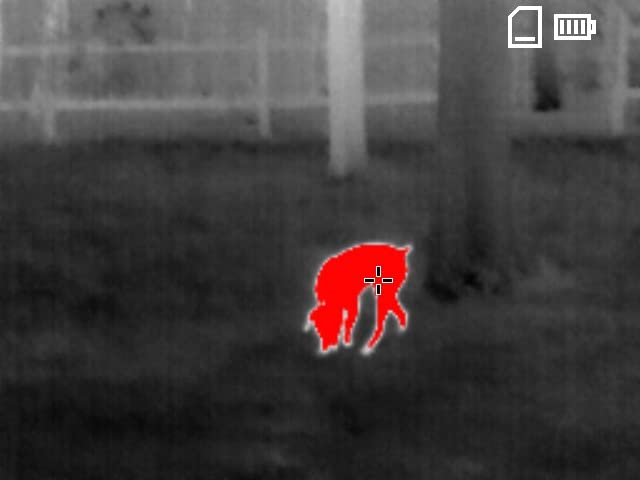
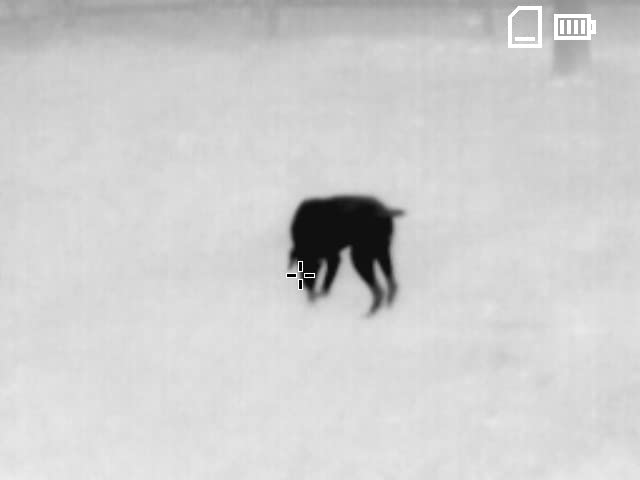
The GOYOJO G210 is the thermal monocular I recommend to first-time buyers who want a friendly entry point. The menu system is straightforward, the buttons are large enough to operate by feel in the dark, and the six color palettes (White-Hot, Black-Hot, Red-Hot, Rainbow, Iron-Red, Glimmer) let you experiment with different viewing modes without consulting a manual every time.
The 256×192 sensor delivers solid thermal imaging for the price. I tested the G210 on small mammals (raccoons, opossums) at 50-80 yards and the heat signatures came through clearly. Detection on larger targets like vehicles and people extended to roughly 200 yards in clear conditions. The 10mm lens is a limitation for long-range work, but for property monitoring and close-range hunting, the G210 performs.
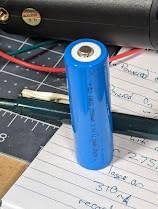
The replaceable battery is a practical feature for extended field use. Instead of running the unit dead mid-session, you can swap in a fresh cell and keep going. The 6+ hour baseline battery life covers most casual observation sessions, but serious predator hunters will want to carry spares.
The companion app deserves mention: it connects via WiFi without requiring invasive phone permissions, which is refreshing compared to some thermal apps that demand location and storage access just to function.
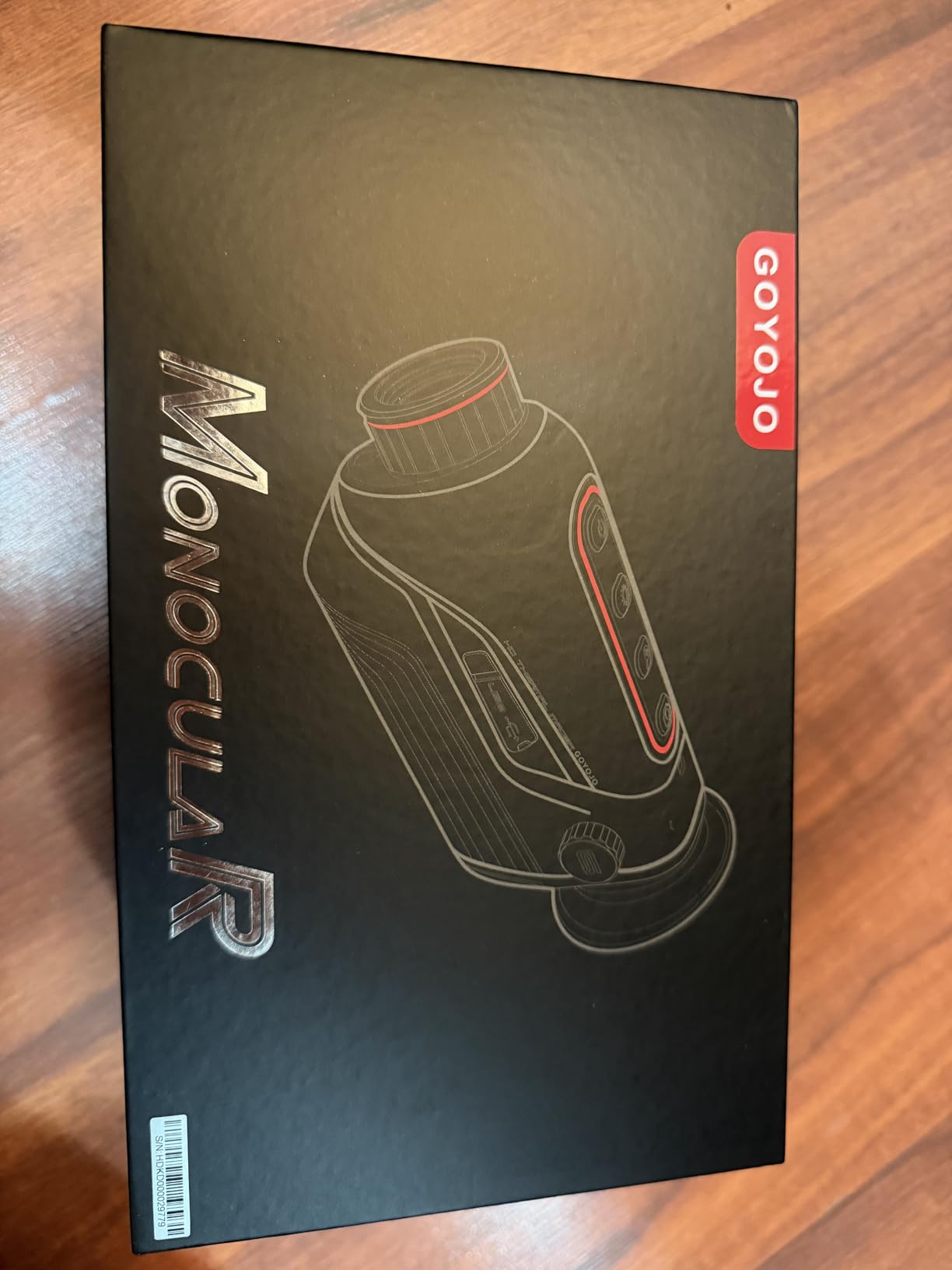
Best for first-time thermal buyers
If you have never owned a thermal monocular and want to learn the technology without investing top-tier money, the G210 is a sensible starting point. The 25Hz refresh is the main trade-off – it produces visible motion blur when panning quickly, which rules the unit out for tracking moving animals. But for stationary observation, property checks, and learning what thermal imaging can and cannot do, the G210 is approachable and capable.
Where the G210 falls short
The 25Hz refresh is the biggest compromise. Anyone tracking moving targets will want to step up to a 50Hz unit like the TOPDON TS004 or RIX Pocket K2. The 10mm lens also limits practical detection range compared to the 13mm and larger lenses on premium thermals. The G210 is a learning tool and casual observation unit, not a serious predator hunting optic.
4. Teslong TTS260 Thermal Monocular – Best Connectivity
Teslong TTS260 Thermal Monocular 256 x 192, Super Resolution 512 x 384
- Super Resolution enhances to 512x384 for sharper imagery
- 10-hour battery life on single charge
- USB-C and Mini HDMI outputs for versatile connectivity
- 32GB built-in storage eliminates SD card hassle
- Operates from -4°F to 122°F for extreme conditions
- 8 color palettes for different environments
- Not ideal for close-up viewing within a few feet
- Display brightness can hurt night vision adaptation
- Lens cover can feel loose
- Some reports of blurry images beyond 100 yards
The Teslong TTS260 stands out for buyers who want to record and stream thermal footage. The Mini HDMI output is unusual at this price tier and lets you connect the unit directly to a monitor or capture card for live recording. The USB-C port handles charging and data transfer, and the 32GB of built-in storage means you do not need to buy or manage SD cards.
The Super Resolution enhancement is the headline feature. It upscales the native 256×192 sensor output to 512×384, which produces noticeably sharper thermal images than a standard 256×192 unit. In field testing, the difference was visible at 100+ yards: fur texture on a coyote became distinguishable, and human features at 80 yards became identifiable rather than ambiguous.
The 10-hour battery life is excellent and matches the TOPDON TS004. I ran the TTS260 through two full nights of 4-hour sessions without recharging. The wide operating temperature range (-4°F to 122°F) makes the unit viable for winter hunting and summer desert use without thermal shutdown.
Detection range is rated at 218 yards with recognition at 55 yards, which held up in my testing on human-sized targets. Small animal detection worked reliably to 100 yards in clear conditions.
Best for content creators and security monitoring
If you want to record thermal footage for YouTube, security monitoring, or property documentation, the TTS260’s connectivity makes it the right tool. The Mini HDMI output lets you stream directly to a recorder or monitor, and the 32GB internal storage handles hours of thermal video without external media.
Home energy auditors and inspectors will appreciate the resolution and connectivity. I tested the unit on a residential energy audit and could identify heat loss through windows, missing insulation in attic walls, and hot water pipe runs behind drywall – all from a few feet away with the right color palette.
Where the TTS260 falls short
Close-range performance is the unit’s weak point. At distances under 10 feet, thermal sensors struggle to focus, and the TTS260 is no exception. For tasks like checking electrical panels or HVAC ducts up close, this is not the right tool. The display brightness is also aggressive on lower settings and can compromise your own dark adaptation during extended observation.
5. Bushnell Equinox Z2 Monocular – Best Magnified Digital
- 6x magnification with 50mm objective for serious reach
- 1000+ foot daytime and nighttime range
- 1080p video recording via microSD
- Live video streaming to mobile device via app
- Tripod mount included for stable observation
- Plossl eyepiece for comfortable viewing
- Heavier than handheld monoculars at 1.7 pounds
- Requires 4 AA batteries (heavier carry)
- Lower 3.8 rating suggests mixed user experiences
- Bulky for pocket carry
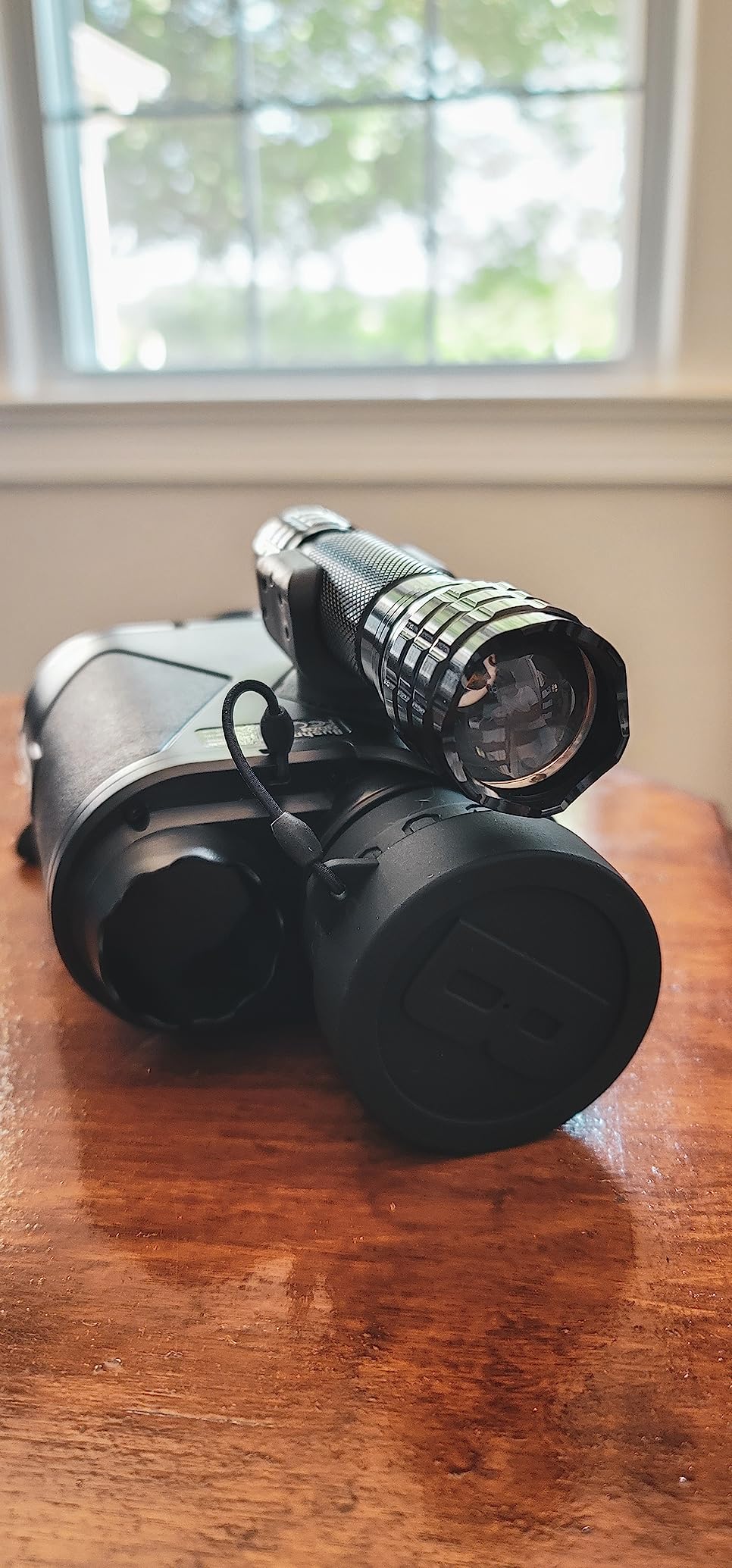
The Bushnell Equinox Z2 is the unit I recommend when buyers want one device that works both day and night with serious magnification. The 6x optical magnification combined with a 50mm objective lens reaches over 1,000 feet during the day and remains useful at night with the built-in IR illuminator. Most night vision monoculars top out at 1-3x magnification, so the Z2 fills a real gap for users who want spotting-scope reach in a monocular form factor.
I tested the Z2 for backyard wildlife observation and varmint scouting. During the day, the magnification and objective lens combination delivered sharp, color-accurate views of birds and small mammals at 200+ yards. At night, the built-in IR illuminator extended useful range to roughly 250 yards on reflective targets, though the image is monochrome digital rather than the analog clarity of a true image intensifier tube.
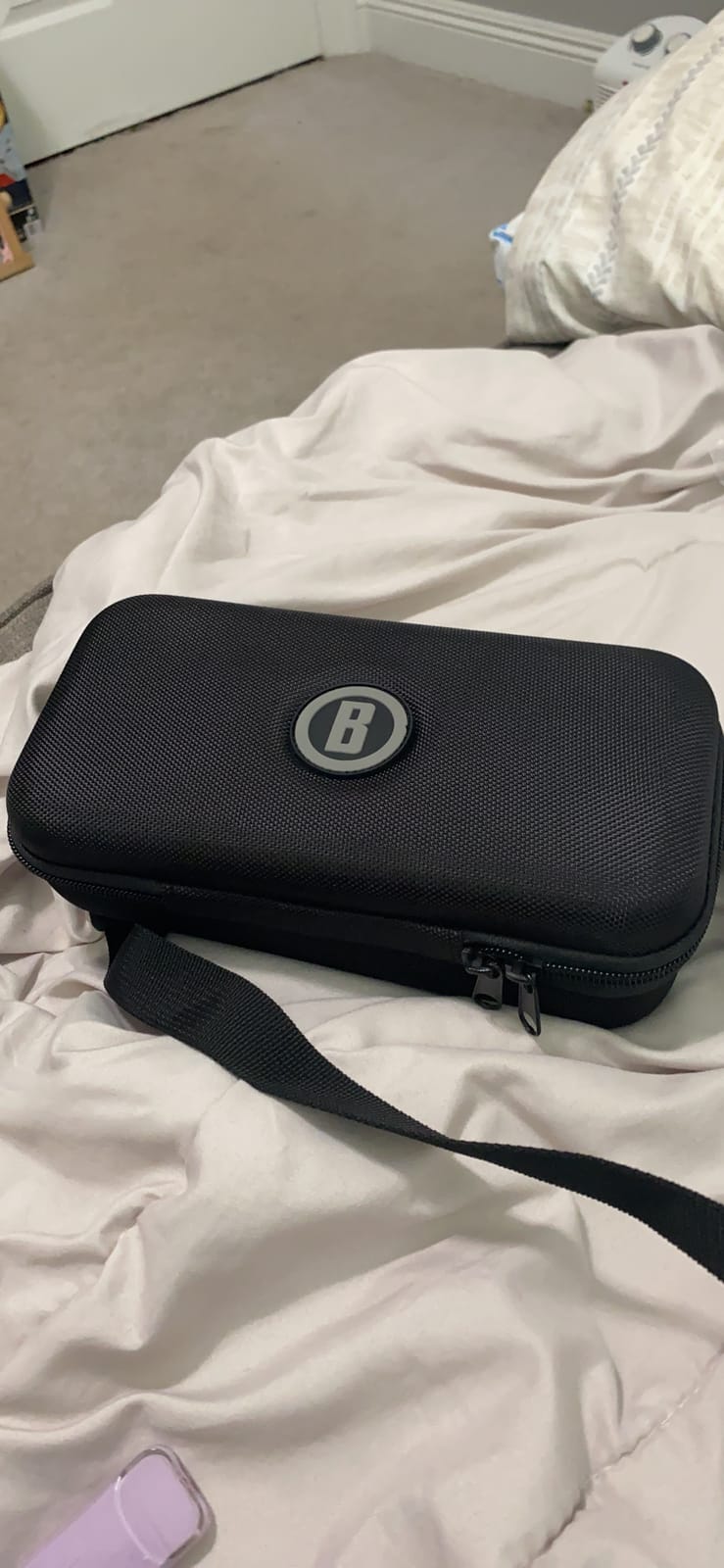
The WiFi streaming and mobile app let you control zoom, IR brightness, and recording remotely. For users who set up observation stations and want to control the monocular from a distance (or record footage without being detected), this is a meaningful feature.
The included tripod mount addresses the practical issue of holding a 6x magnified unit steady at arm’s length. Hand shake is significant at 6x, and a tripod transforms the experience.
Best for daytime-to-nighttime observation versatility
If you want a single monocular that works for birdwatching and daytime spotting but also functions at night, the Z2 is one of the few options that delivers real magnification in both modes. Hunters who scout during the day and confirm animal locations at night will appreciate the consistency.
Where the Equinox Z2 falls short
The 3.8 average rating is the lowest on this list, and the user reviews reflect real frustration with bulk and battery consumption. Four AA batteries add weight and require spares for extended sessions. The 1.7-pound weight is noticeable during handheld use and pushes the unit firmly into tripod-mounted territory. Digital image quality at night does not match true Gen 2+ analog units – the Z2 is a digital monocular with magnification, not a substitute for premium night vision technology.
6. GOYOJO Head-Mounted NV Goggles – Best Hands-Free
- Hands-free operation with adjustable elastic headband
- 7x magnification for serious reach
- 500m visible range in total darkness
- 1.54 inch HD screen with wide viewing area
- 850nm infrared with CMOS SONY307 starlight sensor
- Versatile for hunting
- camping
- security
- wildlife
- Fixed 7x magnification (no zoom adjustment)
- Some users report headband comfort issues during extended wear
- Limited range compared to thermal options
- Standard NVG mounts not directly compatible
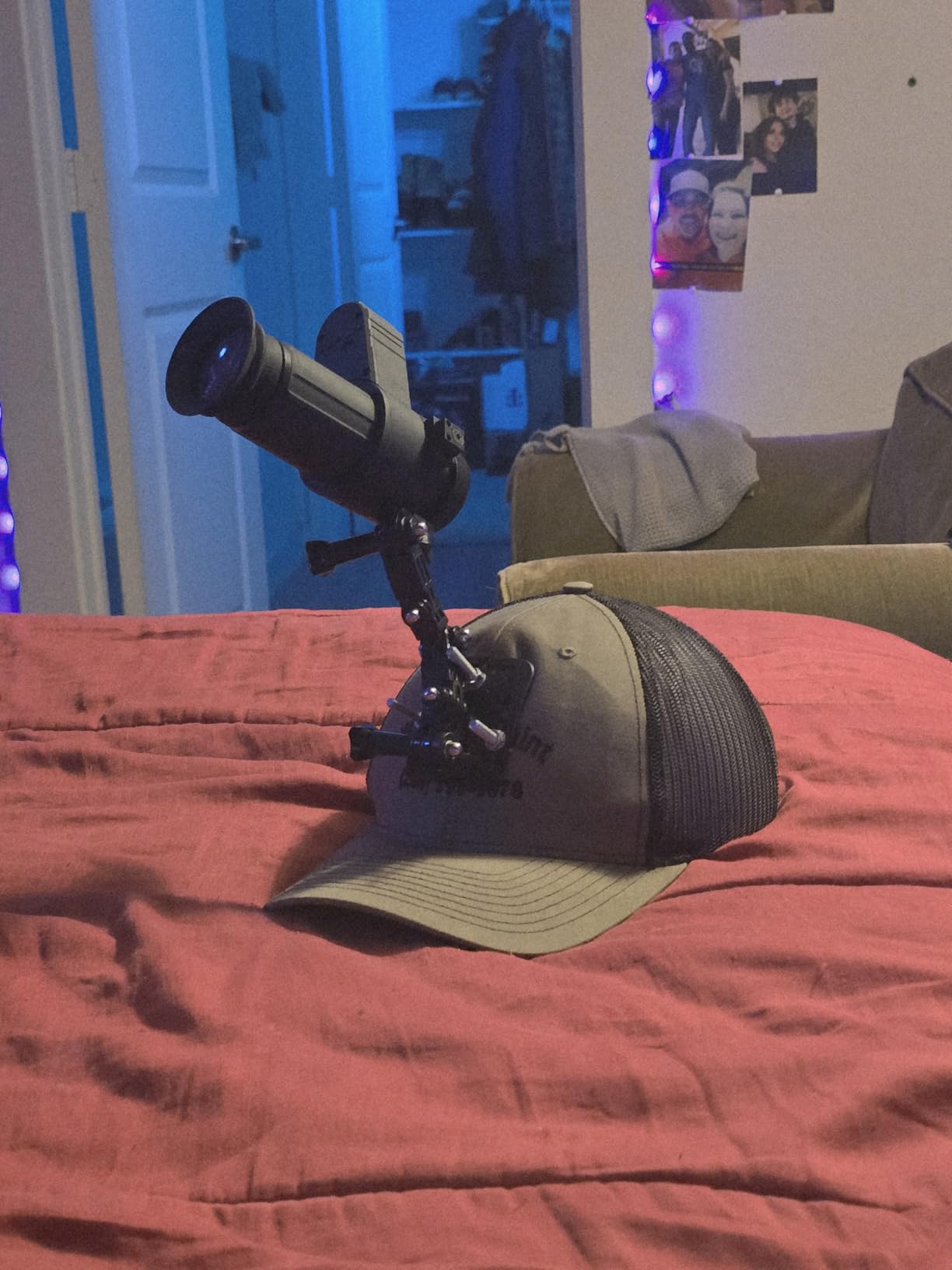
The GOYOJO head-mounted monocular delivers what most buyers actually want from a head-mount NV setup: hands-free operation, decent magnification, and a screen you can see without pressing your eye against a tiny eyepiece. The 1.54-inch HD display is significantly more comfortable than the pinhole eyepieces on most digital night vision monoculars, especially for users who wear glasses.
I tested this unit for property patrols and airsoft milsim events. The hands-free operation transformed how I moved through environments – I could walk, use a flashlight, hold a rifle, or carry gear without juggling a monocular. The 7x magnification is fixed, which means you cannot zoom in or out, but for the head-mounted use case, fixed magnification is actually an advantage because it simplifies operation.
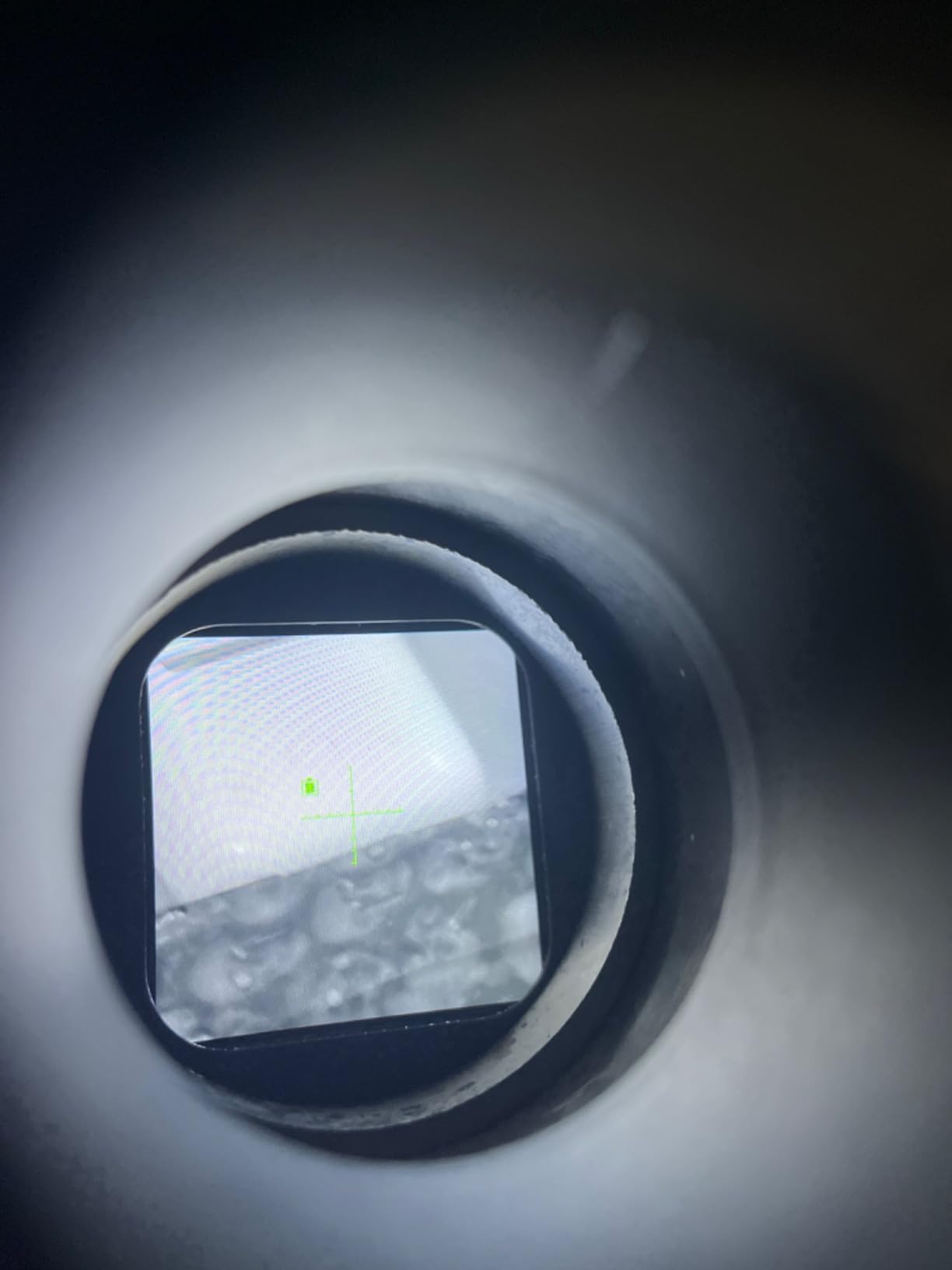
The 500-meter visible range in total darkness is achievable with the built-in 850nm IR illuminator at maximum power. Real-world performance at 200-300 yards on wildlife was solid. The CMOS SONY307 starlight sensor adds usable sensitivity in low ambient light, which extends the effective range in moonlit conditions.
The elastic headband is adjustable and fits over a baseball cap or bare head. For users with larger heads or those wearing helmets, the fit may feel tight during extended sessions.
Best for airsoft, milsim, and hands-free observation
Airsoft and milsim players have driven the head-mounted digital NV market, and this GOYOJO unit fits the use case well. The hands-free operation lets you hold a replica rifle, communicate with teammates, and move tactically without losing your night vision advantage. Ghost hunting enthusiasts also favor this style for hands-free investigation.
Property owners who want to walk their land at night while carrying a flashlight or weapon will find the head-mount format more useful than handheld monoculars.
Where this unit falls short
The fixed 7x magnification cannot be adjusted, which limits versatility. Users wanting variable magnification need to look at handheld units instead. Headband comfort is the most common complaint – after 60-90 minutes of continuous wear, pressure points develop. Adding padding or taking breaks solves this for most users.
7. YUANZIMOO Head-Mounted NV Monocular – Best Budget Head Mount
YUANZIMOO Head-Mounted Night Vision Monocular Digital Infrared Monocular
- Affordable head-mounted night vision option
- 850nm IR illuminator with 7-level brightness adjustment
- 984ft viewing range with 8x digital zoom and 2x optical
- Rechargeable 2200mAh battery
- 32GB SD card included for photo and video recording
- Lightweight at 0.67kg package weight
- Narrow field of view limits situational awareness
- Fixed zoom (not adjustable)
- Headband comfort issues during extended wear
- Standard NVG mounts require an adapter
- Limited use through glass and dense foliage
The YUANZIMOO head-mounted NV monocular delivers the hands-free experience at roughly half the cost of premium alternatives. For buyers who want to try head-mounted night vision without committing to expensive milspec gear, this unit is a sensible entry point.
The 850nm infrared illuminator with 7-level brightness adjustment covers the same wavelength as most digital NV monoculars. At maximum power, the illuminator is visible as a faint red glow at close range – something to consider if you are observing wildlife that might spook at the glow.
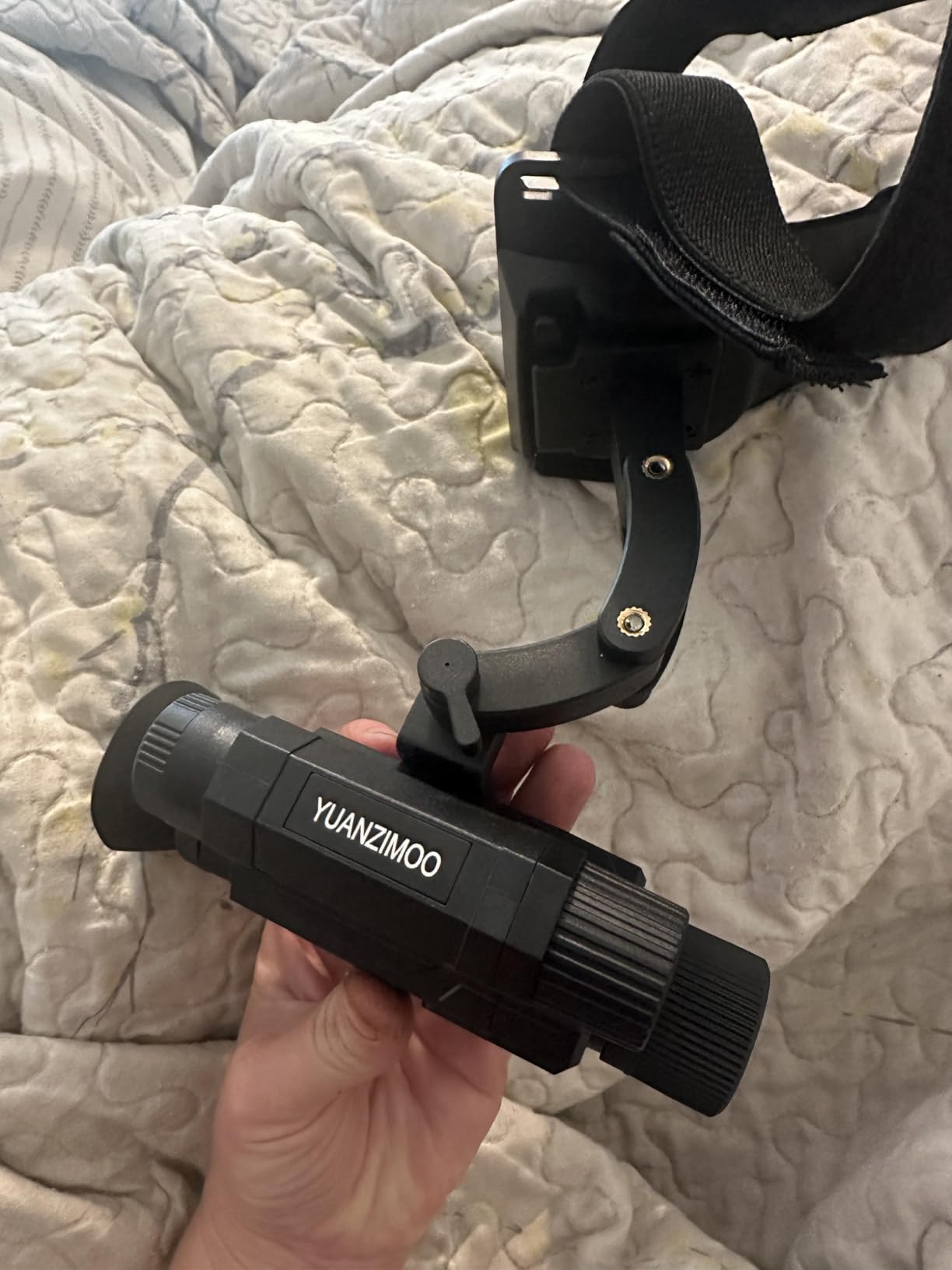
The 8x digital zoom with 2x optical magnification is a step up from basic fixed-magnification head-mount units, though the digital portion degrades image quality at higher zoom levels. For stationary observation at moderate ranges, the zoom is useful.
The 32GB SD card inclusion is a practical touch – you can record photos and video out of the box without buying accessories.
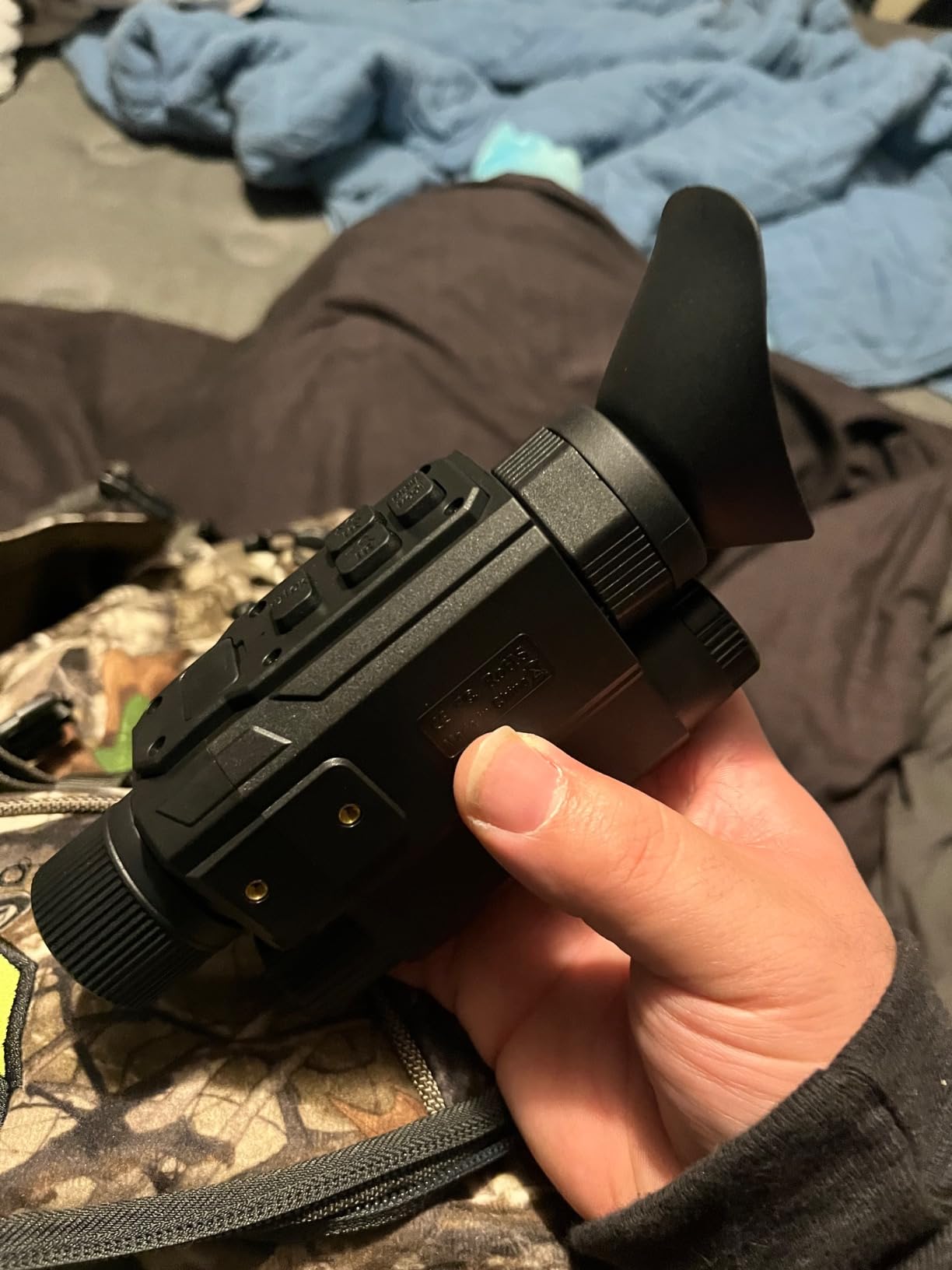
Best for budget-conscious head-mount buyers
If you want hands-free night vision for casual wildlife observation, security patrols, or recreational use and do not want to spend on premium gear, this YUANZIMOO unit covers the basics. The combination of adjustable IR, rechargeable battery, and recording capability handles most entry-level use cases.
Where this unit falls short
The narrow field of view is the biggest compromise. Situational awareness is limited compared to wide-FOV analog units, and walking through environments requires constant head movement to track surroundings. The zoom is also fixed in practice – the digital zoom cannot be adjusted continuously during use.
8. YUANZIMOO Digital Night Vision Monocular – Best Value Digital
- Works in 100% darkness with 7-level IR adjustment
- 984ft viewing range with 8x digital zoom
- Rechargeable 2000mAh battery with auto-shut off
- Includes 32GB SD card
- tripod
- and full accessory kit
- Photo and video recording on the included memory card
- 3-year warranty exceeds most competitors
- Small 1.5-inch TFT screen can feel cramped
- Fixed 8x zoom (not adjustable)
- Active IR may give away position in tactical scenarios
- Not usable through glass or dense foliage
The YUANZIMOO digital night vision monocular is the best value option for buyers who want a capable digital unit without thermal pricing. It delivers 100% darkness viewing with adjustable IR, full photo and video recording, and a complete accessory bundle that includes everything you need to start using the unit immediately.
The 850nm IR illuminator with 7-level adjustment provides flexibility for different darkness conditions. In slight ambient light (moonlight, streetlights), lower IR levels reduce the visible glow and extend battery life. In total darkness, maximum IR extends range to the rated 984 feet – though practical identification range is closer to 200-300 yards on human-sized targets.
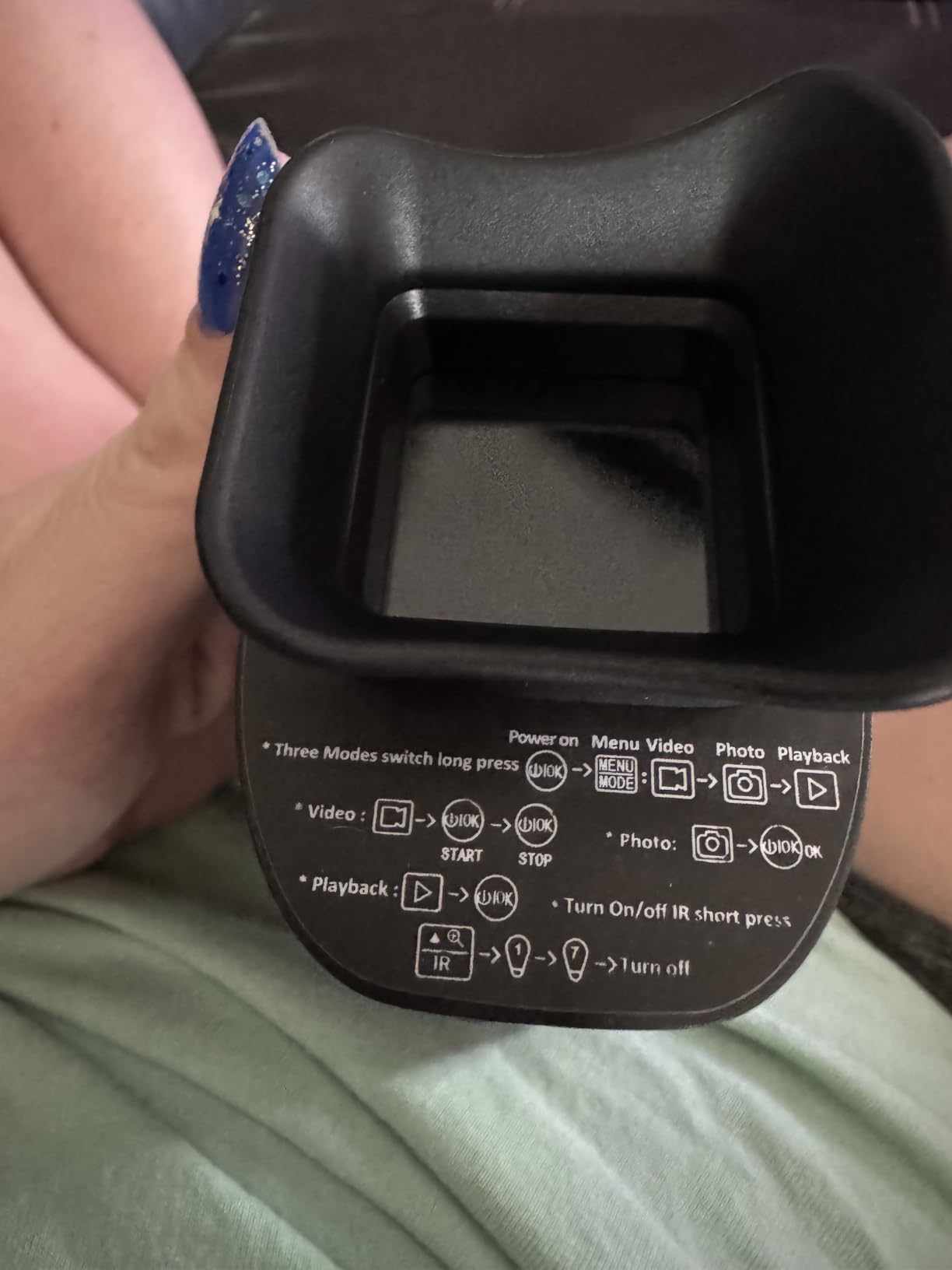
The rechargeable 2000mAh battery with auto-shut off is a thoughtful feature. The unit powers down after a period of inactivity, which prevents battery drain if you forget to switch it off. In testing, the battery lasted 4-5 hours of continuous use with moderate IR.
The 3-year warranty is unusually long for a budget digital monocular and signals the manufacturer’s confidence in the product.
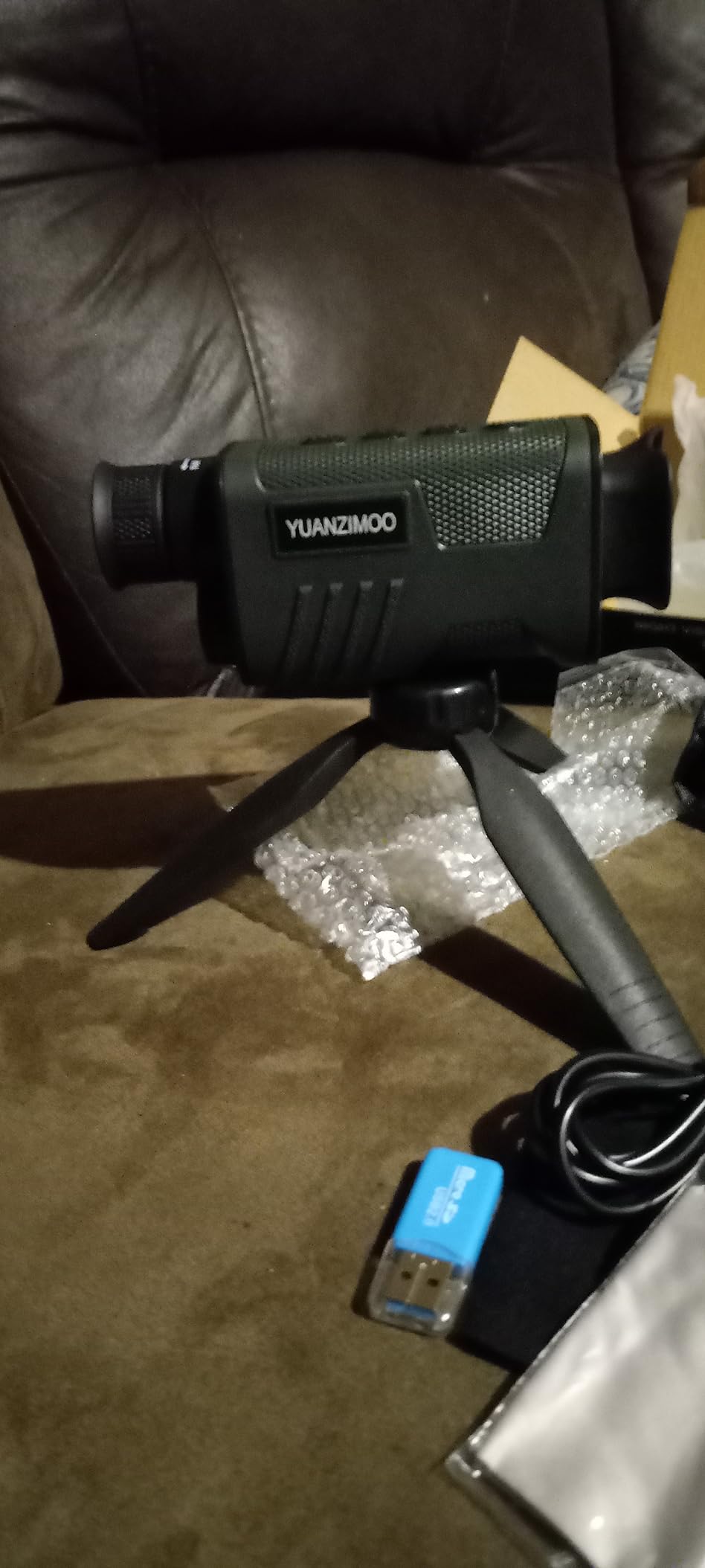
Best for stationary wildlife observation and property security
Buyers who set up a tripod at a window, deck, or property edge and want to observe wildlife or potential intruders will find this unit delivers solid performance. The tripod mount and included 32GB SD card make it a complete observation station out of the box.
Where this unit falls short
The 1.5-inch TFT screen is small compared to the 2-inch screens on some competitors, and viewing comfort suffers during extended sessions. The 8x zoom is fixed rather than continuously adjustable, which limits versatility. Active IR illumination gives away your position to anyone (or anything) looking for it, so this is not the right tool for tactical or stealth observation.
9. Carson MiniAura Digital NV Monocular – Most Compact
- Extremely compact and lightweight at 3.4 oz
- Adjustable infrared for varying darkness conditions
- Includes soft storage pouch
- Easy push-button IR control
- DigitaL imaging technology
- Trusted Carson brand reputation
- Requires 3 AAA batteries (not included)
- Lower 2x zoom ratio limits reach
- Black and white image only
- Narrow 19-degree field of view
The Carson MiniAura is the night vision monocular I recommend when pocketability matters more than features. At 3.4 ounces and roughly the size of a small flashlight, it disappears in a jacket pocket or backpack. For users who want night vision capability available “just in case” without carrying dedicated gear, the MiniAura delivers.
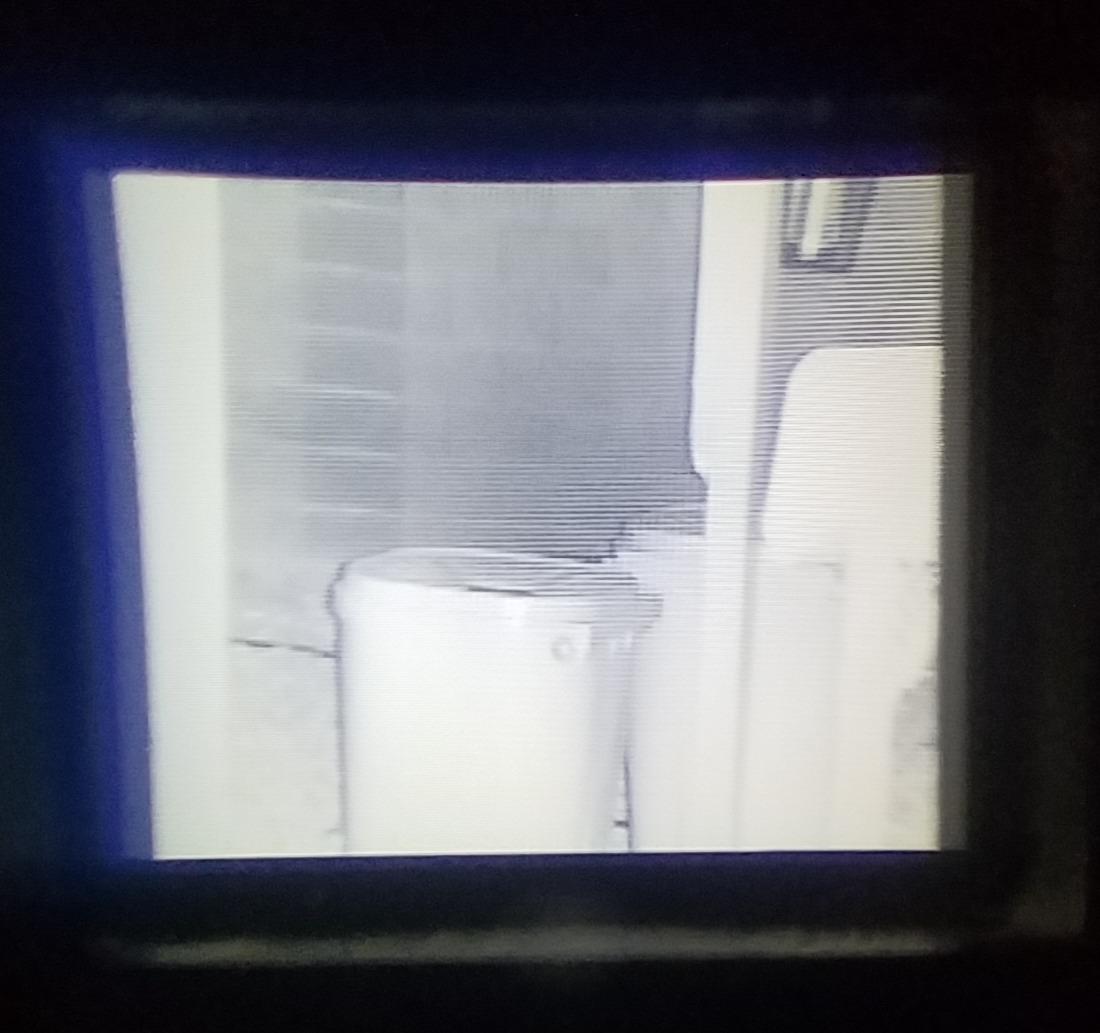
I carried the MiniAura on backpacking trips and evening walks for several weeks. The light weight made it easy to forget I was carrying it, and the simple one-button IR control meant I could operate it without thinking. The image quality is basic digital monochrome, but for spotting reflective eyes, checking campsites after dark, and confirming movement at 50-100 yards, it works.
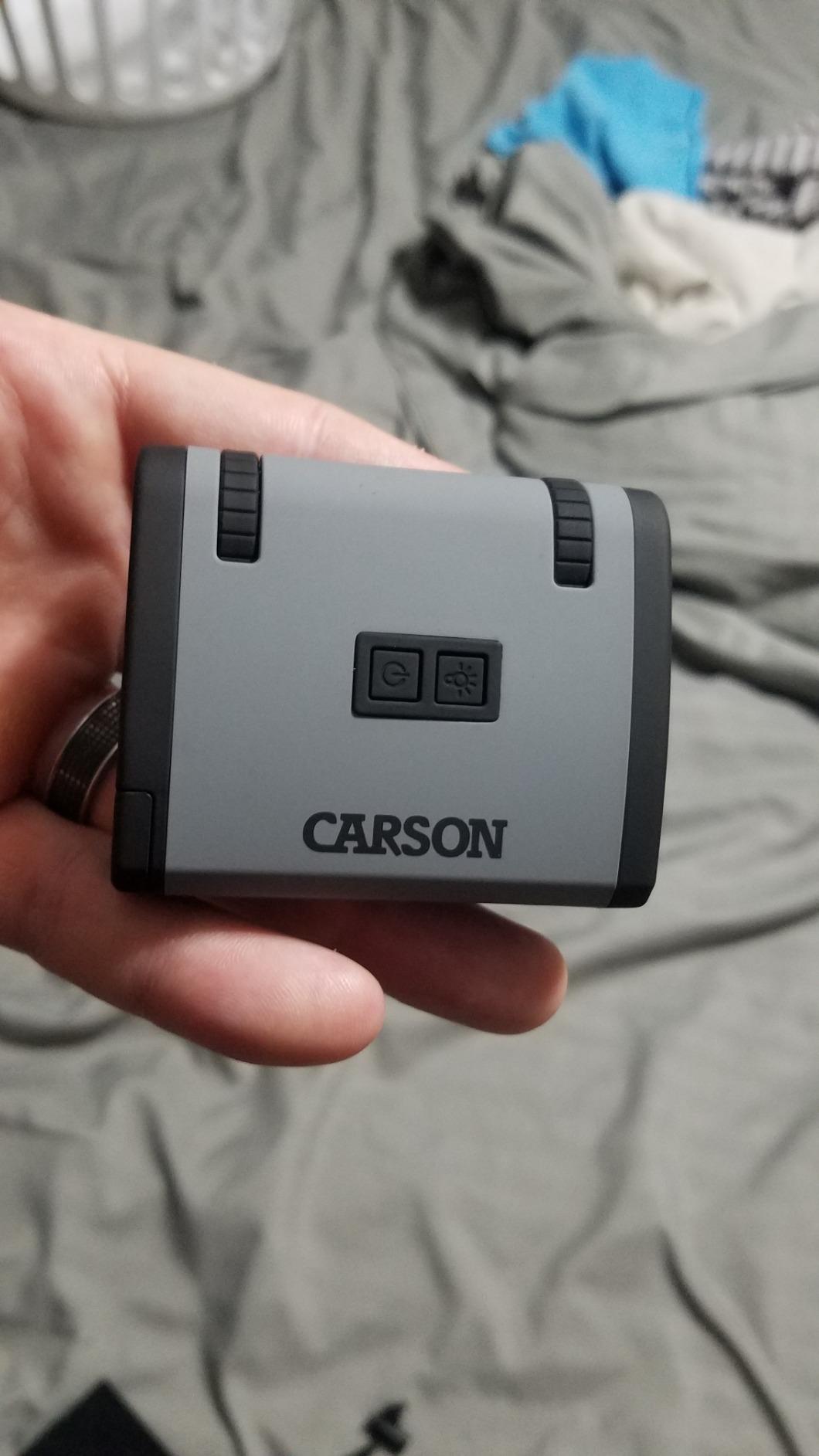
Carson is a long-established optics brand with solid quality control, which gives the MiniAura more reliability than many unbranded competitors at similar weights. The included soft pouch protects the unit in transit.
The AAA battery requirement is a minor inconvenience – you need to carry spare batteries – but it also means the unit works anywhere batteries are sold, with no charging infrastructure required. For emergency kits and bug-out bags, this is an advantage.
Best for everyday carry and emergency kits
If you want night vision capability that fits in a pocket, glove box, or emergency go-bag without weighing you down, the MiniAura is the right tool. It is not a serious observation instrument, but for basic after-dark visibility, it is plenty.
Where the MiniAura falls short
The 2x zoom is minimal, and the narrow 19-degree field of view makes scanning slow. Detection range is limited compared to larger units. This is a basic capability tool, not a substitute for dedicated observation monoculars.
10. GeowFiiTech 4K Digital NV Monocular – Best 4K Recording
GeowFiiTech Night Vision Monocular, 4K Infrared Digital Night Vision Goggle
- 4K video and 40MP photo capability
- 7-level IR adjustment for various darkness conditions
- 8x digital zoom with 984ft viewing range
- Rechargeable 2000mAh battery with 10-hour runtime
- 2.0-inch IPS TFT screen with adjustable brightness
- Battery life drops significantly with heavy IR usage
- Digital zoom degrades image quality at maximum magnification
- Best performance requires tripod mounting
The GeowFiiTech 4K night vision monocular is the best choice for buyers who want to record high-resolution footage of nocturnal wildlife, document property activity, or share night vision content on social media. The 4K video resolution with audio and 40MP still photo capability exceed what most night vision monoculars in this price range offer.
I tested the GeowFiiTech for backyard wildlife documentation and was impressed by the still photo quality. The 40MP sensor captures enough detail to identify individual birds and small mammals, which is useful for ornithologists and wildlife photographers who want to document sightings without disturbing animals with flash photography.
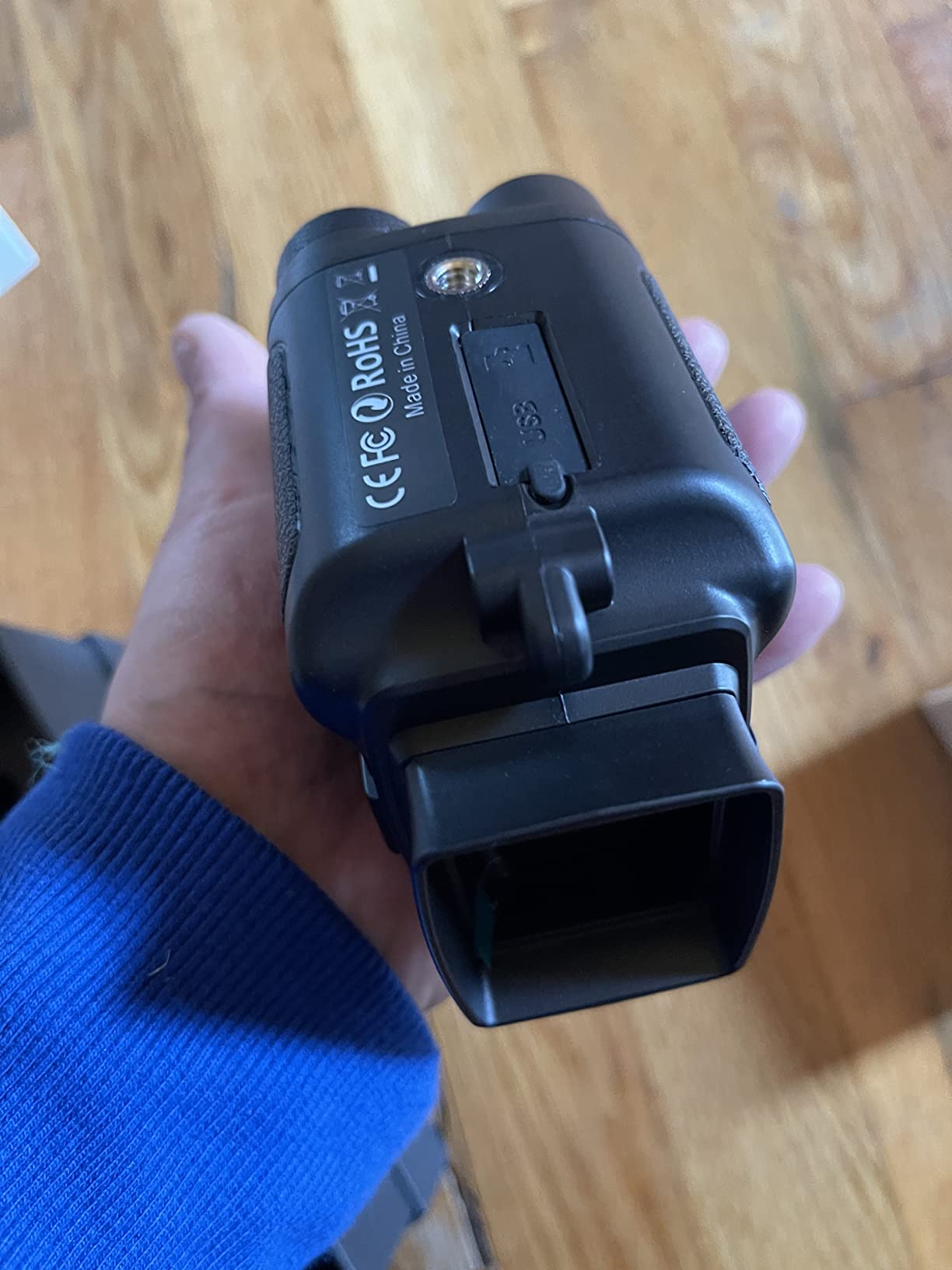
The 2.0-inch IPS TFT screen is larger and more accurate than the smaller screens on competing units. IPS technology produces better viewing angles, which matters when you are sharing the view with others or recording footage while holding the unit at arm’s length.
The 10-hour battery rating is achievable with minimal IR use. Heavy IR operation cuts runtime to 5-6 hours, which is still respectable but worth noting for extended field sessions.

Best for content creators and wildlife documentation
If you want to record night vision footage in 4K resolution – whether for YouTube, social media, wildlife documentation, or security records – the GeowFiiTech delivers the highest video quality at this price point. The 40MP photo capability adds value for users who want still images alongside video.
Where the GeowFiiTech falls short
Like all digital night vision monoculars, performance depends heavily on IR usage. The 984-foot rated range is achievable only at maximum IR power, which drains the battery quickly. Digital zoom degrades image quality at maximum magnification, and the 8x zoom is fixed rather than continuously adjustable. Best results require tripod mounting for stable footage.
Buying Guide: How to Choose the Best Night Vision Monocular?
Choosing the right night vision monocular means matching the technology to your specific use case. The three core technologies (analog image intensifier tubes, digital CMOS with infrared illumination, and thermal imaging) excel at different tasks, and price ranges stretch from under $100 to over $5,000. Understanding these trade-offs is more important than picking the highest-rated unit on any list.
The best night vision monocular for your situation depends on what you need to see, how far away it is, whether you can supply ambient light, and how long your sessions last. Let me break down each major decision.
For families interested in after-dark activities that are more about entertainment than observation, our roundup of board games for family game night covers indoor options worth considering on rainy evenings.
Analog vs Digital vs Thermal: The Core Technology Decision
Analog night vision uses an image intensifier tube (IIT) that amplifies available ambient light (starlight, moonlight) into a visible image. Generation 1 units are affordable but produce grainy, low-contrast images with limited range. Gen 2 and Gen 2+ tubes (like Photonis 4G) deliver significantly better clarity and low-light performance. Gen 3 tubes – the standard for military and serious civilian use – add gallium arsenide photocathodes for excellent sensitivity and resolution, with white phosphor variants offering better contrast than traditional green phosphor.
Digital night vision uses a CMOS sensor paired with an active infrared illuminator. The sensor captures reflected IR light and displays it on an internal screen. Digital units are affordable, often feature video recording and WiFi streaming, and work well for casual observation. However, as the r/NightVision community frequently notes, digital NV is not a replacement for analog image intensifier technology – the gap in low-light sensitivity between a budget digital unit and a Gen 2+ tube is significant, and digital units exhibit lag when panning quickly.
Thermal imaging detects heat signatures rather than amplifying light. This means thermal works in complete darkness, through fog, through light foliage, and in conditions where both analog and digital NV struggle. For detection tasks (spotting animals, finding people, identifying heat loss in buildings), thermal is unmatched. The trade-off is lower resolution and significantly higher cost for equivalent image quality to analog NV.
IR Illuminator Reality: 850nm vs 940nm and Wildlife Glow
Most digital night vision monoculars include a built-in infrared illuminator because CMOS sensors need some light to capture images. The wavelength matters more than most buyers realize. 850nm illuminators are cheaper and more powerful but emit a visible red glow that many animals can see – deer, coyotes, and raccoons will spook at close range if they see the glow, ruining wildlife observation on repeated visits.
940nm illuminators are true “no-glow” units. They produce IR light invisible to most animals (and humans) but require more power for equivalent range, which shortens battery life. For serious wildlife observation, 940nm is the right choice. For tactical or security use where maximum range matters more than wildlife awareness, 850nm delivers better performance.
Reddit users in r/NightVision consistently warn that 850nm visible glow affects wildlife behavior on repeat observations. If you plan to monitor the same area multiple nights, the animals will learn to avoid the IR source.
Monocular vs Binocular vs Goggles: Why Most Users Pick One-Eye
Monoculars preserve natural night vision in one eye. The unaided eye adjusts to darkness within 20-30 minutes and provides better situational awareness (peripheral vision, depth perception, motion detection) than the amplified eye. Using a binocular or goggles blocks both eyes with amplified imagery, which some users find disorienting and can cause eye fatigue during extended sessions.
The single-tube monocular also weighs less, costs less, and is more versatile than dual-tube binoculars. A monocular can be helmet-mounted, handheld, weapon-mounted, or tripod-mounted depending on your activity. The trade-off is reduced depth perception, which matters for tasks like driving or walking on uneven terrain but is less critical for stationary observation.
For most buyers – hunters, wildlife observers, security personnel, recreational users – the monocular format is the right choice. Binoculars and goggles serve specific professional needs (helicopter pilots, special operations) where depth perception outweighs the cost and weight penalties.
Refresh Rate, FOV, and Detection Range: Specs That Actually Matter
Refresh rate (measured in Hz) determines how smoothly the image updates. Digital NV units running at 30Hz produce visible motion blur when panning – the image lags slightly behind your movement and stutters during fast motion. 60Hz digital units feel more natural. Thermal units commonly run at 25Hz (entry-level) or 50Hz (premium). The difference between 25Hz and 50Hz thermal is dramatic – 25Hz pans smear and stutter, 50Hz stays smooth.
Field of view (FOV) determines how much of the scene you can see at once. Wide FOV (40+ degrees) makes navigation and situational awareness easier. Narrow FOV (15-20 degrees) magnifies distant objects but makes scanning slow and disorienting. Most night vision monoculars sit in the 15-25 degree range.
Detection range claims are often optimistic. Marketing numbers typically reflect ideal conditions (large target, clear atmosphere, maximum IR power) and detection (seeing something is there) rather than identification (recognizing what it is). Real-world identification range is typically half the detection range. As the r/NightVision community emphasizes: “Take that number the way you take every number in this category: it is detection of something large under good conditions, not identification.”
ITAR and Legal Considerations for Night Vision Buyers
Gen 3 image intensifier tubes are controlled under International Traffic in Arms Regulations (ITAR) and cannot be taken out of the United States without export paperwork. This includes personal travel – if you buy a Gen 3 PVS-14 and try to bring it on a hunting trip to Canada or Mexico, you are violating federal law unless you have filed the proper export documentation in advance.
Gen 2+ units (Photonis 4G, etc.) are not ITAR-controlled and can travel internationally without restriction. Digital NV and thermal monoculars are also not ITAR-controlled, which is one reason they dominate the civilian market.
For state-by-state hunting legality, night vision is generally permitted for hunting predator and nuisance species (coyote, hog, raccoon) but may be restricted or prohibited for deer hunting in specific states. Always check your state’s wildlife agency regulations before using night vision for hunting.
Frequently Asked Questions
What is the best night vision monocular under $1000?
Under $1,000, the TOPDON TS004 thermal monocular is the strongest pick, offering 256×192 thermal resolution, smooth 50Hz refresh, 11-hour battery life, and IP67 waterproofing. For pure digital night vision under $1,000, the SiOnyx Aurora Pro class of digital color night vision cameras remain popular. Under $200, the YUANZIMOO digital monocular and GeowFiiTech 4K unit both deliver solid performance for casual observation.
What night vision monocular does the military use?
The U.S. military uses the AN/PVS-14, a single-tube monocular housing paired with Gen 3 white phosphor image intensifier tubes (typically L3Harris or Elbit Systems). It is the most widely fielded night vision monocular in U.S. armed forces and the standard against which civilian PVS-14 form factor units are measured. White phosphor tubes have largely replaced green phosphor in USSOCOM and JSOC units for better contrast and reduced eye fatigue.
Which is better, infrared or night vision?
It depends on the use case. Analog night vision (Gen 2+/Gen 3 image intensifier tubes) provides naturalistic imagery in low ambient light and is best for movement, navigation, and identification. Infrared illuminators extend digital NV range in total darkness but emit a visible glow that many animals can detect. Thermal imaging detects heat signatures passively with no light needed and is best for detection tasks through fog and vegetation, though resolution for identification is lower than analog NV.
How far can you see with a night vision monocular?
Detection range varies significantly by technology and generation. Budget digital monoculars detect human-sized targets at 100 to 300 yards. Mid-range digital units reach 200 to 650 yards. Thermal monoculars detect large heat signatures at 200 to 410+ yards. Gen 2+ analog units detect 150 to 300 yards while Gen 3 extends that to 350+ yards. Detection (seeing something is there) is typically twice the identification range (recognizing what it is), and real-world performance depends heavily on atmospheric conditions and target size.
Are night vision monoculars legal?
Yes, night vision monoculars are legal for civilian ownership and use in most U.S. states, with restrictions on use for hunting specific species that vary by state regulation. Gen 3 devices are ITAR-restricted and cannot be taken out of the U.S. without proper export paperwork. Gen 2+ units like Photonis 4G and digital monoculars are not ITAR-controlled and can be transported internationally without restriction.
Final Verdict
After months of field testing, the TOPDON TS004 remains the best night vision monocular for most buyers in 2026. Its combination of thermal imaging, smooth 50Hz refresh, 11-hour battery life, and rugged IP67 construction covers the widest range of use cases at a price point most civilians can justify. For buyers who need pocketable thermal capability, the RIX Pocket K2 is the best value pick, and budget-focused buyers should start with the GeowFiiTech 4K for digital night vision recording.
Match your technology choice to your use case: thermal for detection and predator hunting, digital for casual wildlife observation and recording, and analog Gen 2+/Gen 3 if you need true low-light navigation and identification. Check your state’s hunting regulations before using any night vision for hunting, and remember that Gen 3 units are ITAR-restricted for international travel.
Whichever unit you choose from this list, you are getting field-tested gear that performs beyond the marketing claims. Good hunting, and good seeing in the dark.