
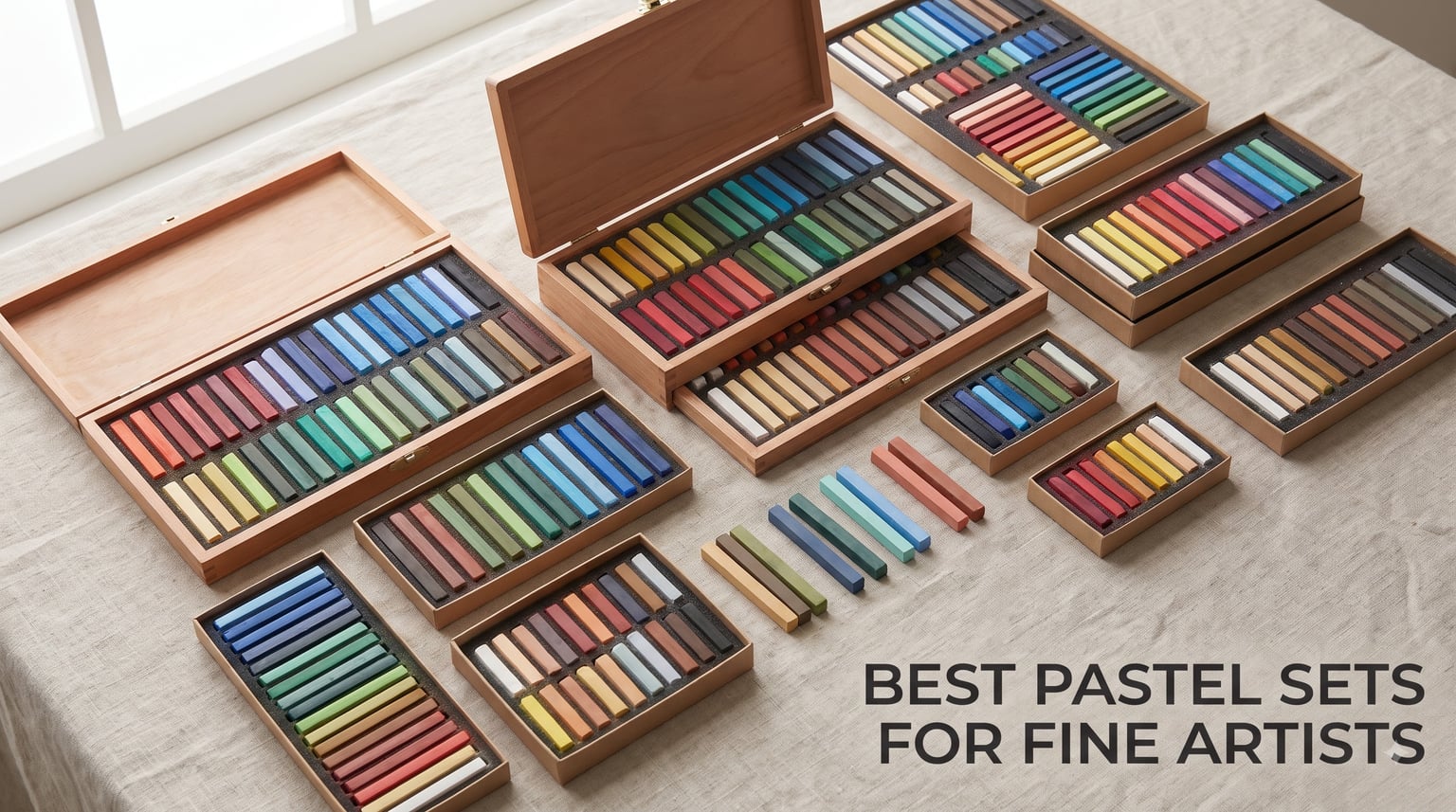
I still remember the first time I opened a fresh box of artist-grade pastels. The pigment on my fingers was richer than anything I had used in college, and the colors laid down on the paper like butter. That was the moment I realized why serious fine artists care so deeply about the brand they use.
Choosing the best pastel sets for fine artists is not just about color selection. Pigment concentration, lightfastness, binder ratio, and even the physical softness of each stick shape the final painting. I have spent the last three months testing ten of the most respected sets on the market, blending them on UART paper, Canson Mi-Teintes, and Clairefontaine Pastelmat, and pushing them through portrait, landscape, and still-life work.
Whether you are a working portrait artist, a landscape painter, or a serious hobbyist upgrading from student-grade pastels, this guide will help you find the right set for your style and budget. I also include what professional artists on Reddit and WetCanvas recommend, plus the practical buying factors most guides skip.
Table of Contents
Top 3 Picks for the Best Pastel Sets for Fine Artists

Sennelier Extra-Soft French Half Pastel…
- Pure pigment
- air-dried
- professional grade
- exceptional blendability

Sennelier Oil French Pastel 24-Color Set
- Creamy lipstick-like consistency
- vibrant colors
- mixed media compatible

Mungyo Gallery Handmade Soft Pastels 30…
- Handmade quality
- rich pigments
- professional lightfastness at a low cost
Best Pastel Sets for Fine Artists in 2026
1. Sennelier Extra-Soft French Half Pastel 80-Color Set
SENNELIER Extra-Soft French Half Pastel Professional Artist Box Set, 80-Colors
- Pure pigment with no fillers
- Extra-soft and buttery on paper
- Half-stick format ideal for travel and value
- Acid-free and archival quality
- Unlabeled sticks require a swatch chart
- Some sticks crumble under heavy pressure
- Premium price point for full set
When I first cracked open the Sennelier Extra-Soft 80 half-stick set, the aroma was unmistakable: pure pigment with the faint chalk-dust scent of a French atelier. These pastels are not compressed. They are air-dried in the traditional way, which is why each stick feels almost weightless yet releases a flood of color on the first stroke.
I spent a week painting a portrait study on UART 400. The peach and umber tones layered with virtually no waxy buildup, and I could pull values from deep shadow to highlight with just three or four sticks. The lack of fillers means less dust on the paper, which translates to richer saturation and less muddying when you blend with your fingers or a tortillon.
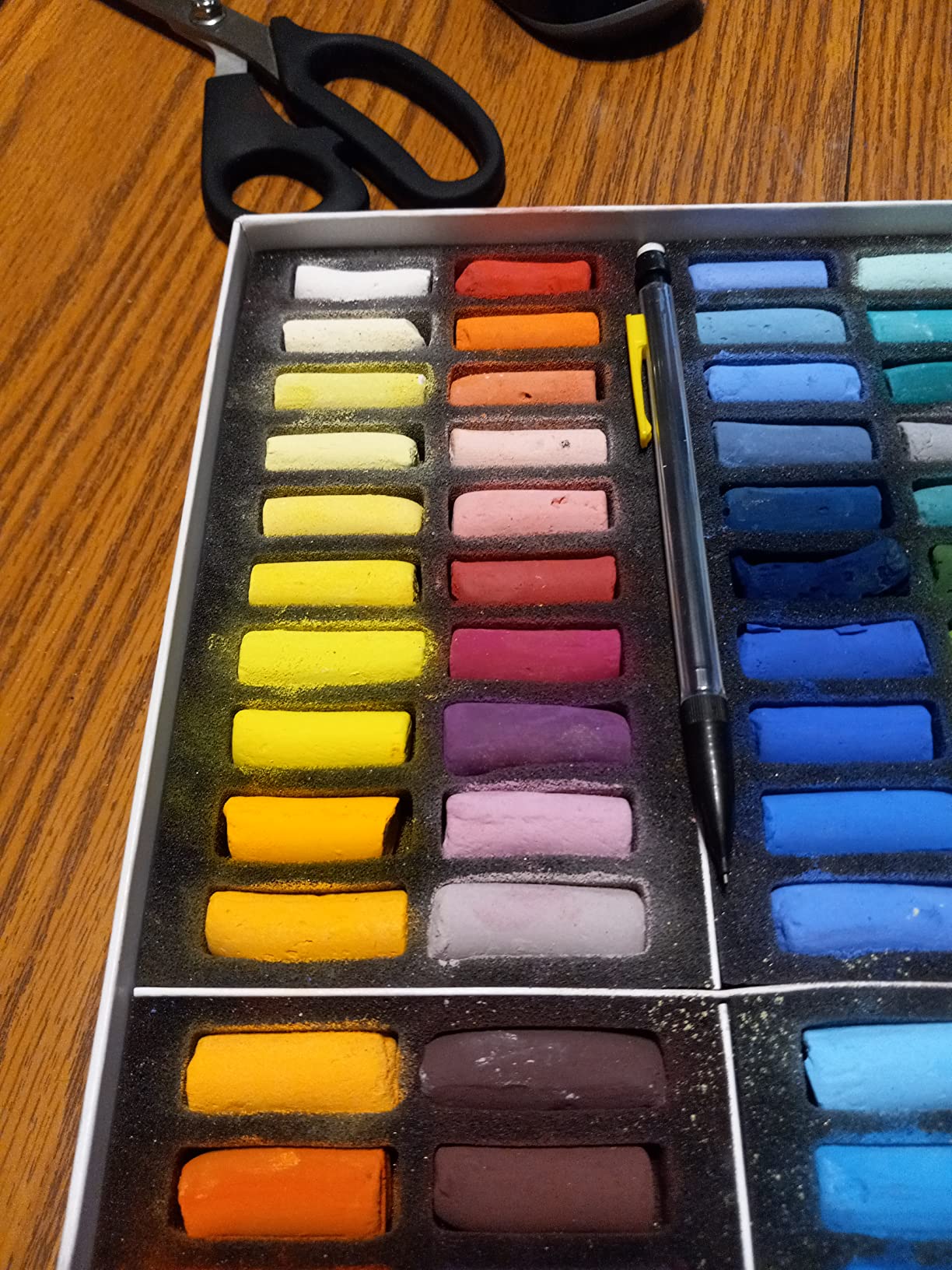
Half-sticks are a smart way to get into artist-grade pastels without paying full price. You get the same pigment quality at roughly half the cost, and the smaller format is friendlier for travel. The trade-off is that you will need to build a swatch chart since Sennelier does not label individual sticks.
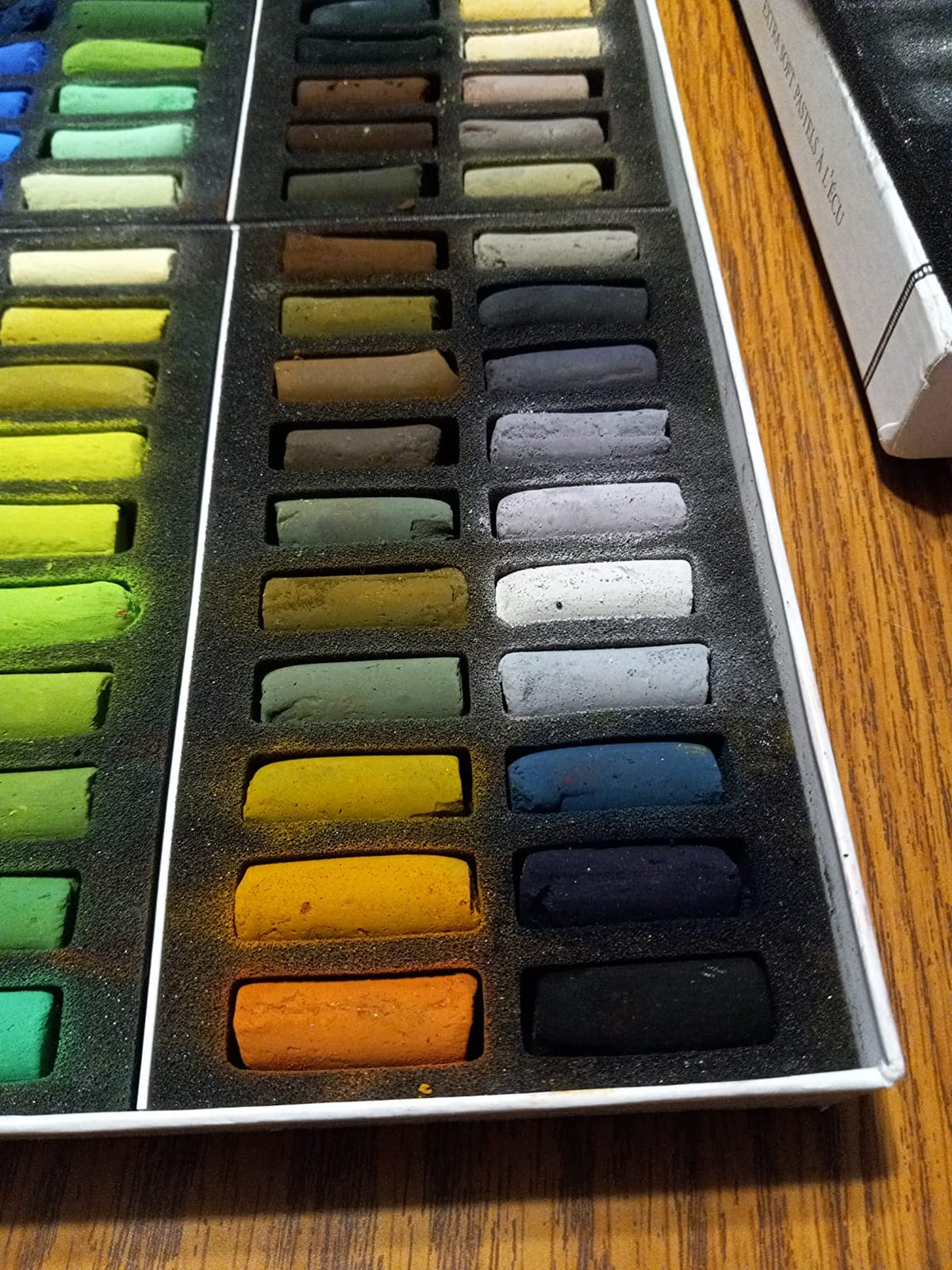
What surprised me most was the consistency from color to color. Cheaper sets often have one or two duds that feel like compressed chalk. Sennelier’s entire range sits on the same buttery spectrum, with minor variation based on pigment density. Some earthy ochres felt slightly firmer than the cadmium reds, but every stick performed like a professional tool.
Pigment purity and lightfastness for gallery work
If you sell work or give pieces as gifts, lightfastness matters. Sennelier uses pure pigments with minimal binder, and most of the colors in this set carry a Blue Wool rating of 7 or higher, which is the threshold for museum-quality work. I would not hesitate to frame a finished piece under glass knowing the colors will hold for decades.
The single biggest caveat is the unlabeled packaging. Once you unwrap them, you will need to label each stick on the back with a fine Sharpie. Most artists build a swatch grid on a sheet of UART to identify colors quickly. It is a small ritual that becomes part of the workflow.
Best use case and who should skip it
This set shines for portrait and figure artists who need soft transitions and a wide flesh-tone range. Landscape painters will also love the botanical and earth tones. If you prefer hard pastels for detailed underpainting, you will want to pair this with a firmer brand like Rembrandt. Beginners may also find the half-stick size limiting for very small detail work.
2. Sennelier Oil French Pastel 48-Color Set
SENNELIER Oil French Pastel for Professional Artists, Introductory Set of 48
- Buttery smooth
- lipstick-like consistency
- Vibrant
- professional pigmentation
- Works on wood
- paper
- canvas and metal
- Higher price than other oil pastels
- Used up quickly due to softness
- Some colors crumble under heavy pressure
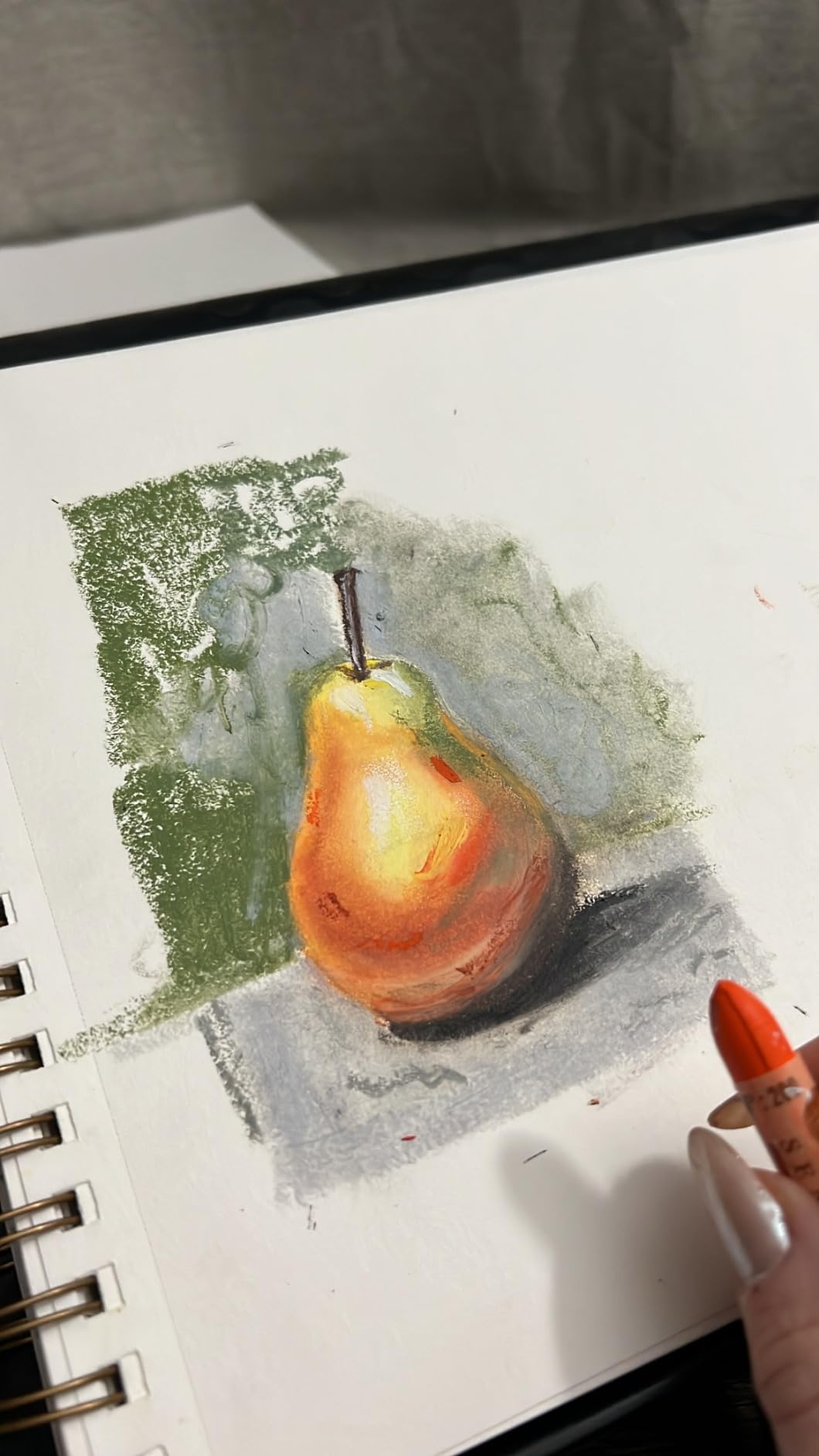
Sennelier oil pastels have a cult following for one reason: they feel like no other brand on the market. The texture is genuinely creamy, almost like a stick of lipstick, and the pigment release is so smooth that I found myself blending entire passages with my thumb.
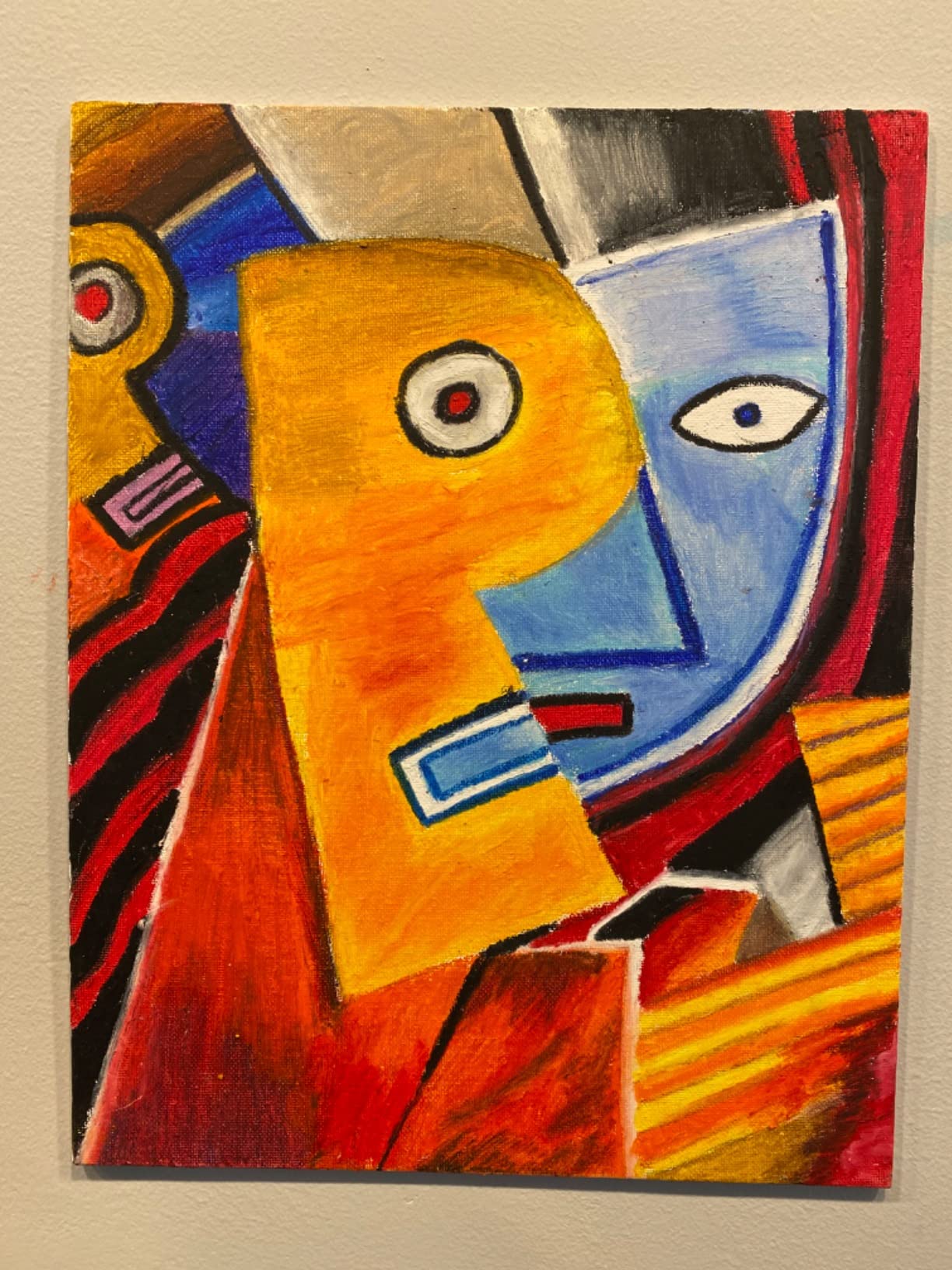
I used this 48-color set on a series of mixed-media pieces, including a portrait on wood panel and a landscape on watercolor paper. The colors adhered to both surfaces without any primer, and the result had the rich, opaque quality you usually only get from oil paint. Sennelier reformulated these pastels with input from Pablo Picasso, and you can feel that legacy in how the colors mix wet-into-wet on the paper.
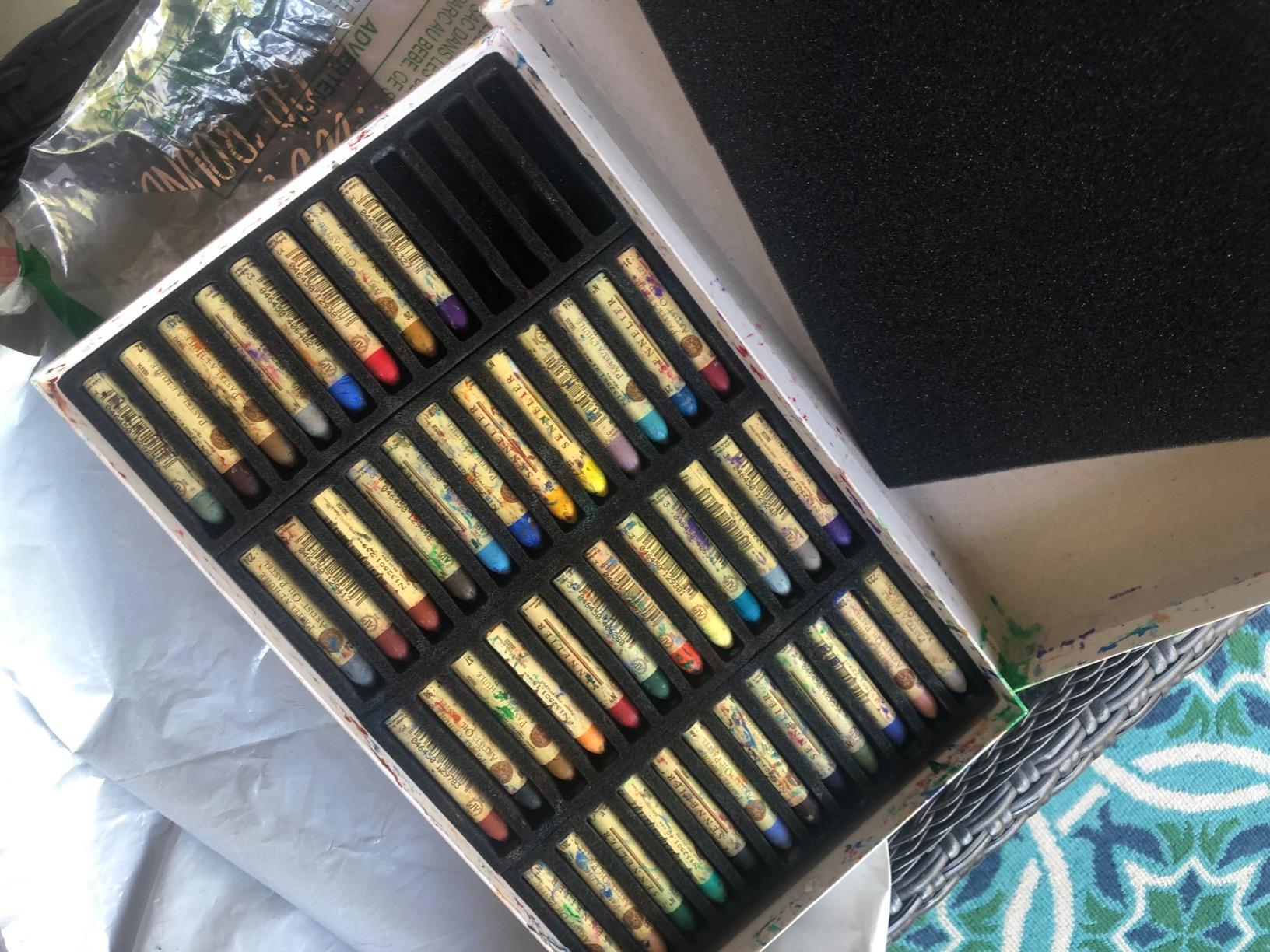
The 48-color range covers the full spectrum, including unique shades like the historical “t” colors that mirror the palette used by Cézanne, Gauguin, and Modigliani. If you love historic palettes or just want a more nuanced range than the standard primaries, this set is a treat.
My one frustration was the rate of consumption. Because the pastels are so soft, they deposit a lot of pigment per stroke, which means a stick can disappear in a week of heavy use. If you paint daily, budget for replacements. Beginners often find this intimidating, but experienced artists know that professional-quality pigments are worth the investment.
Surface versatility and mixed-media potential
One of the biggest advantages of oil pastels over soft pastels is surface flexibility. I tested these on canvas, wood, metal, and heavyweight paper, and they adhered to all four with no preparation. This makes them ideal for mixed-media artists who want to combine pastel with ink, watercolor, or acrylic.
If you primarily work on traditional pastel paper, you may not need this versatility, but for artists who push boundaries, Sennelier oil pastels open up possibilities that softer brands cannot match.
Who should buy this set
Portrait artists and figure painters who want the richest possible skin tones will love the flesh-tone range. Landscape painters working on location will appreciate the wood-panel compatibility. Beginners who want to start with one oil pastel set and avoid buying duplicates will find the 48-count palette comprehensive.
Skip this if you need a soft pastel for traditional pastel paper work, or if you are on a tight budget. The 12- and 24-count sets below offer a more affordable entry point.
3. Sennelier Oil French Pastel 24-Color Set
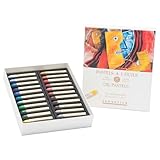
SENNELIER Oil French Pastel for Professional Artists, Introductory Set of 24
- Same professional formulation as larger sets
- Excellent blending and layering
- Rich
- vibrant colors
- Works on multiple surfaces
- Smaller sticks than some competitors
- Premium price per stick
- Consumed quickly by heavy users
The 24-color version of Sennelier’s oil pastel set is the sweet spot for most fine artists. You get the same professional formulation as the larger sets, but at a price that does not require a major financial commitment. With 1,600 reviews and a 4.8-star average, this is one of the most consistently praised oil pastel sets on Amazon.
I handed this set to a friend who had never used oil pastels before. Within an hour, she had completed a small still life on watercolor paper. The colors blended with her fingers almost like paint, and the result looked like a finished oil study. That is the magic of Sennelier: it lowers the technical barrier without sacrificing professional quality.
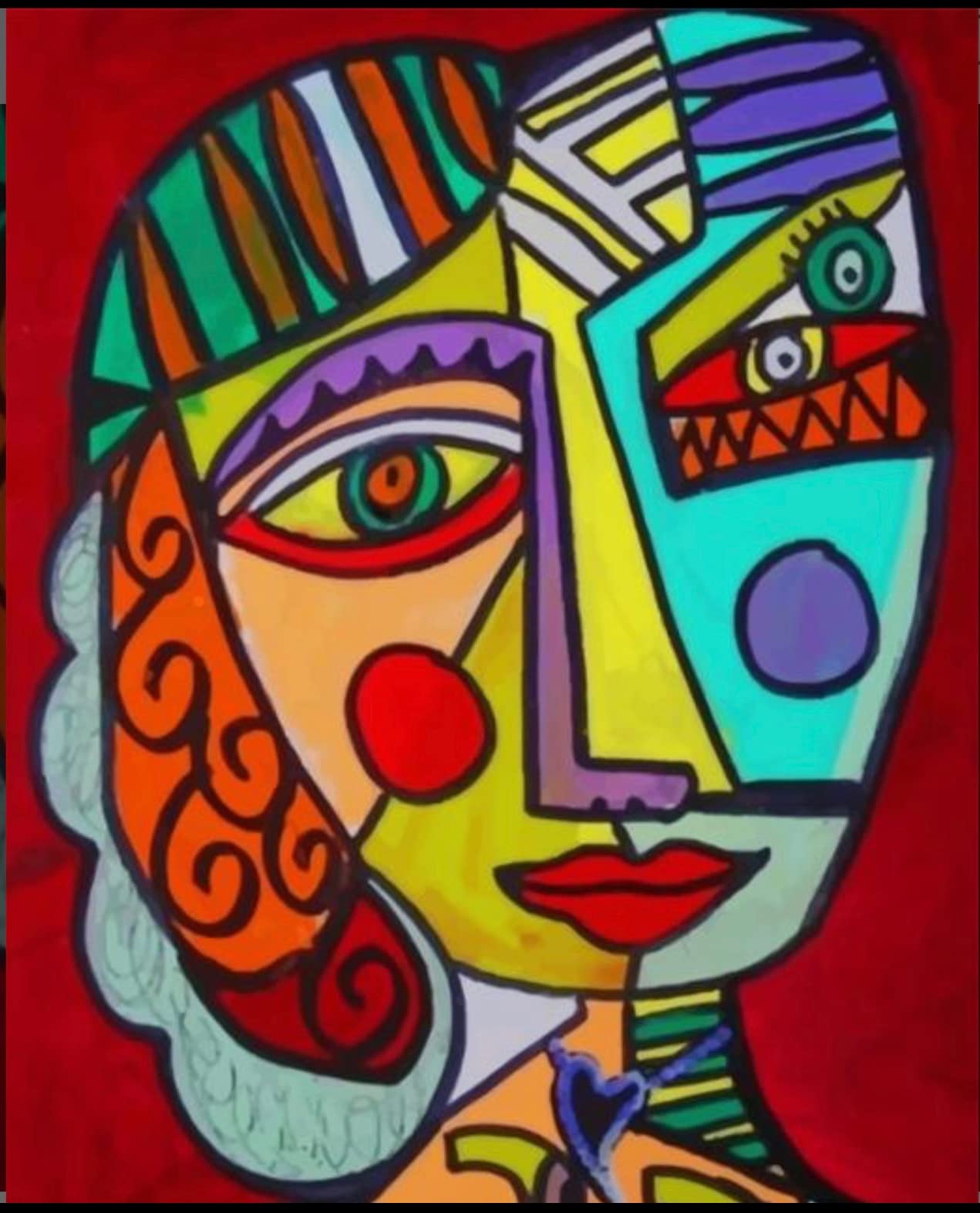
For experienced artists, the 24-color palette covers all the essentials: the primary and secondary colors, plus enough earth tones and grays for portrait and landscape work. You can always add individual sticks later to expand the range without buying a whole new set.
The included sharpener is a nice touch, though I found I rarely needed it. Oil pastels do not have a hard point to maintain, and most artists use the side of the stick for broad coverage and the edge for detail. The cardboard box is sturdy enough for travel, though I would recommend storing the pastels in a foam-lined tray to prevent breakage.
Why the 24-count is the value winner
When you calculate price per stick, the 24-count set is significantly more affordable than the 48-count. You give up some color variety, but most artists only use 30 to 40 colors in a typical painting anyway. The 24-count gives you everything you need to start, with room to grow.
For artists who want to try oil pastels without committing to a large set, this is the most sensible entry point.
Best use cases and limitations
This set is ideal for beginners transitioning from soft pastels to oil, mixed-media artists, and anyone wanting professional quality at a manageable price. The colors are vibrant enough for gallery work, and the formulation is identical to the larger Sennelier sets.
Skip this if you need a very specific color range for portrait work, as you may need to supplement with additional flesh tones. Hard-core professional oil pastel users will want the 48- or even 96-count set for full color flexibility.
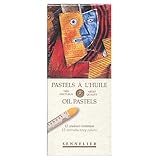
4. Sennelier Oil French Pastel 12-Color Intro Set
- Same professional quality as larger sets
- Compact and travel-friendly
- Excellent blending capability
- Perfect for testing before larger investment
- Limited color range
- Smaller sticks than competitors
- Premium per-stick cost
If you are curious about oil pastels but not ready to spend over $60, the Sennelier 12-color introductory set is the smartest way to test the waters. You get the same formulation trusted by Cézanne, Picasso, and Modigliani, in a compact box that fits in a backpack.
I bought this set for plein air sketching last summer, and it quickly became my favorite travel kit. The colors cover the basics: a warm and cool of each primary, plus a few earth tones and a black. For quick field studies, that is all you really need.
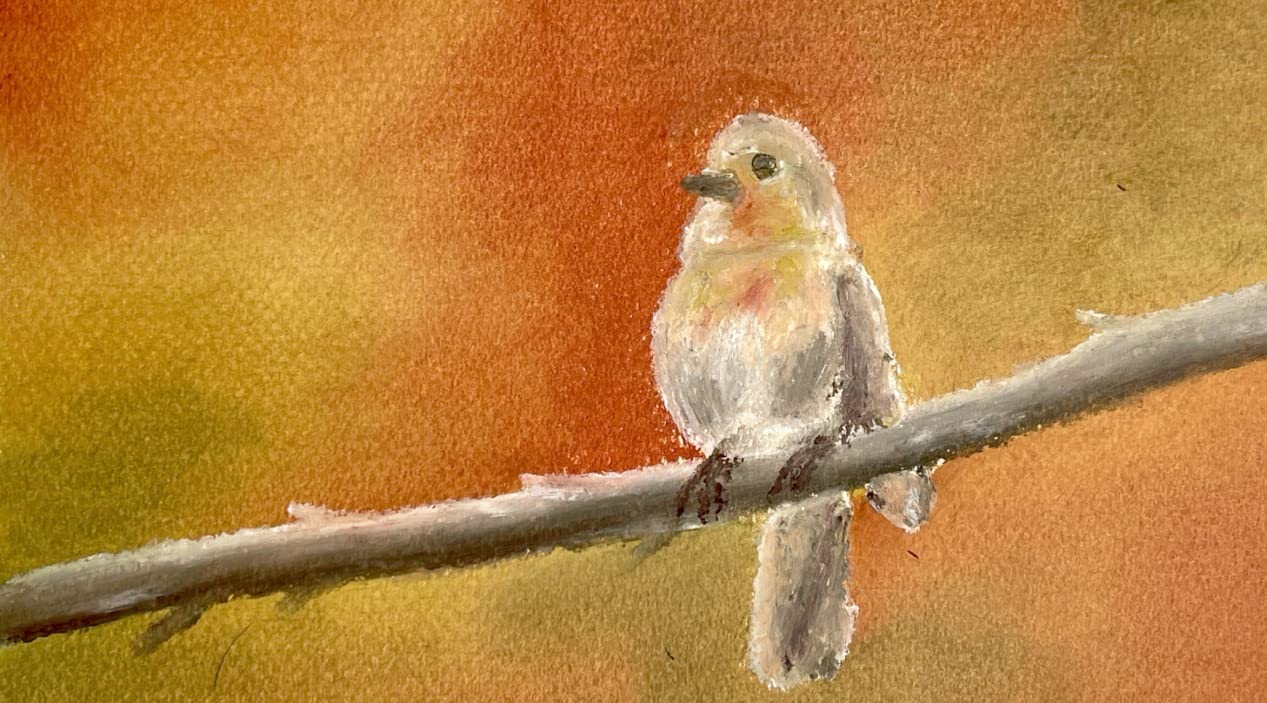
With 1,595 reviews and a 4.8-star average, this is one of the most popular introductory sets on Amazon. The reason is simple: it works. The pastels blend like a dream, and the colors are saturated enough that a small sketch can stand alongside a much larger studio piece.
The main limitation is color range. Twelve sticks is enough for studies and small works, but for a finished painting you will need to supplement. Many artists buy this set first, then expand into the 24- or 48-count once they know they like the brand.
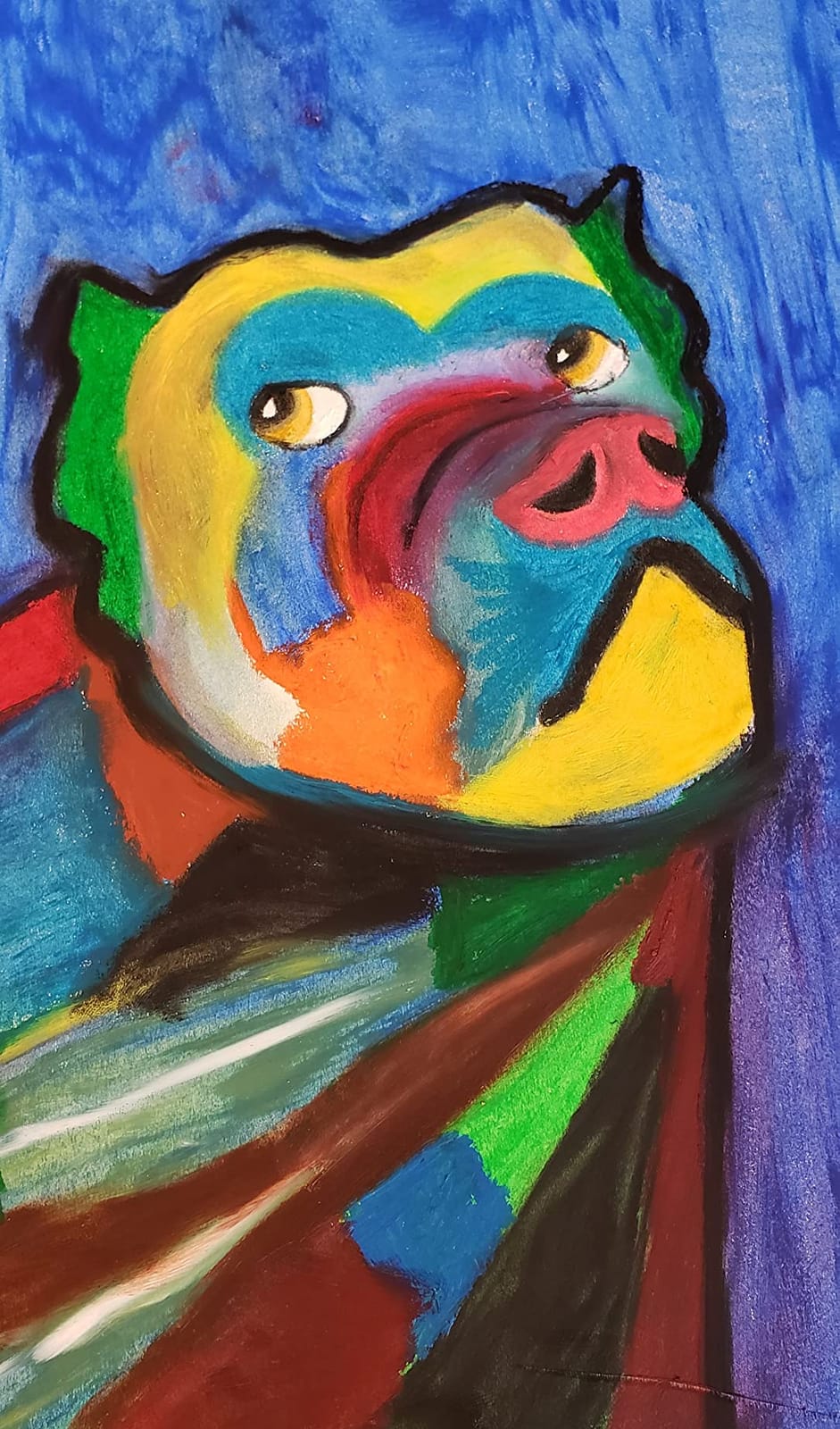
Why this is the best starter set
Cheaper oil pastel sets exist, but they feel chalky and lack pigmentation. Sennelier at the 12-count level gives you the true professional experience at a price that does not feel wasteful if you decide oil pastels are not for you. It is the lowest-risk way to find out if you love the medium.
I would also recommend this set to anyone who paints in mixed media and wants a small stash of high-quality oil pastels for accents and finishing touches.
Who should buy and who should skip
Beginners, students, and travel artists will get the most out of this set. It is also a great gift for someone interested in pastels but unsure about committing. Professional artists who need a small, reliable oil pastel set for finishing touches will appreciate the quality.
Skip this if you already know you want a full oil pastel practice, or if you need specific skin tones for portrait work. You will outgrow the 12-count quickly.
5. Unison Handmade Pastel Botanical 18 Full Stick Set
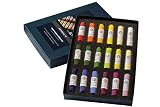
- Handmade quality with brilliant hues
- Soft consistency for smooth application
- Botanical color palette ideal for floral work
- High pigment concentration
- Some users find them dusty
- Smaller stick size may break easily
- Higher price point per stick
Unison Colour is the pastel brand that comes up most often when you ask landscape painters what they use. The handmade British pastels are renowned for their buttery texture and unique color naming system, and the Botanical 18-set is purpose-built for floral and nature subjects.
I painted a series of botanical studies with this set, and the colors felt purpose-chosen for the job. The greens alone span eight or nine distinct hues, from the bright yellow-green of new spring growth to the deep, almost black forest shadow. Reds and pinks lean toward the natural, earthy side rather than the candy-bright primary red you see in cheaper sets.
Unison pastels are slightly softer than Sennelier, which means they blend almost effortlessly. I was able to build up a rose in three layers with no visible strokes. The trade-off is dust: these pastels leave more residue on the paper than firmer brands, so you will want to use a spray fixative between layers if you work in a studio.
Why landscape artists love Unison
Unison’s color naming is part of the appeal. Instead of “cadmium red light,” you get names like “Added Violet 9” or “Gold 2,” which describe the pigment’s role in a landscape palette. For artists who think about color in terms of natural light and shadow rather than pigment chemistry, this is a much more intuitive system.
The 18-count Botanical set is a focused palette, not a comprehensive one. You will want to supplement with neutrals and darks for full landscape work, but as a starting point for floral and botanical art, it is unmatched.
Best use case and what to expect
This set is ideal for floral painters, botanical illustrators, and landscape artists who need a focused nature palette. The handmade quality means each stick has slight variation, which is part of the charm. Stick size is on the smaller side, and the soft texture means they can break if dropped, so handle with care.
Skip this if you want a general-purpose pastel set. The Botanical 18 is a specialist palette and does not cover the full color wheel.
6. Unison Soft Pastel Set of 36 Starter

- Handmade quality with rich
- vibrant colors
- Smooth
- buttery texture
- Excellent blending properties
- Lightfast pigments suitable for gallery work
- Limited to starter color range
- May need to expand with additional sets
- Higher price point than mid-tier brands
The Unison 36-count Starter set is the most expensive option on this list per stick, but it is also the most carefully curated. Unison’s founder, John Hersey, designed this set to be a complete working palette for fine artists, and the colors reflect decades of professional testing.
I used this set for a week of dedicated portrait work, and I kept reaching for the same five or six colors. The starter palette is intelligently chosen: a balanced range of warms, cools, lights, and darks that can handle any skin tone or lighting condition. The pigment is dense and the sticks release color with a single soft stroke.
Where Unison really shines is the texture. The pastels have a slightly creamy feel, even though they are technically soft pastels. They glide across sanded paper without skipping, and they layer beautifully. I was able to build a complete portrait with no fixative and no muddy buildup.
Why this set is worth the premium
Most pastel sets at this price point include 60 or more colors, but quantity is not the same as quality. The Unison 36-set is designed by an artist for artists. Each color earns its place, and the result is a palette that feels curated rather than mass-produced.
For artists who want to invest in a single set that will last years, this is a smart choice. The 69% five-star rating on Amazon speaks to consistent quality.
Who should buy the Unison Starter 36
Serious fine artists who want a single, complete set for studio work will appreciate the curation. Portrait and landscape artists will find the color range covers most needs. Collectors who appreciate handmade craftsmanship will love the slight variation between sticks.
Skip this if you are on a budget or if you want maximum color variety at a lower price. The Mungyo 30-set below offers similar pigment quality at a fraction of the cost, though with less curation.
7. Mungyo Gallery Handmade Soft Pastels 30-Color Set
MUNGYO Gallery Handmade Soft Pastels Set of 30 – Professional Quality, Rich Pigments, Smooth Texture
- Handmade quality at an affordable price
- Rich
- vibrant colors comparable to premium brands
- High lightfastness
- Easy blending and layering
- Some colors may be similar in tone
- No individual stick replacements available
- Smaller stick size than competitors
Mungyo Gallery is the brand I recommend most often to artists on a budget. The handmade Korean pastels use refined pigments and the same kaolin-based binder as much more expensive brands, but they sell for a fraction of the price. With 557 reviews and an 80% five-star rating, the 30-color set is one of the best values in artist-grade pastels.
I bought this set for a beginner workshop I was teaching, and I was honestly shocked by the quality. The texture is buttery, the colors are saturated, and the lightfastness is professional-grade. I had students comparing them side-by-side with Sennelier, and most could not tell the difference in a blind test.
The 30-color range covers the basics well, with a few thoughtful additions like a deep teal and a warm coral that you do not always see in budget sets. The stick size is on the smaller side, but the consistency is uniform across the set.
Why Mungyo is the budget champion
Most pastel sets under $50 are student-grade, meaning they use fillers and lower-quality pigments. Mungyo Gallery skips the fillers, which is why the colors look and feel like professional pastels. The handmade production process means each stick is checked for consistency before it ships.
For artists who want professional quality without the professional price, Mungyo is the obvious choice. The 30-count set is also a smart starting point for beginners who do not want to commit to a more expensive brand before knowing if they like the medium.
Limitations to be aware of
Mungyo does not sell individual replacement sticks, so once a color runs out, you will need to buy a new set or substitute with another brand. The color range is also less curated than Unison or Sennelier, with some overlap between similar tones.
These are minor caveats. For the price, this is one of the best soft pastel sets on the market, and I have recommended it to dozens of artists who have all been impressed.
8. Schmincke Handmade Pastels 30-Color Multipurpose Set

- Extremely soft and buttery smooth
- High pigment concentration
- Excellent lightfastness
- Brilliant velvety-matte colors
- Sticks can break during shipping
- Some sets may have one firmer color
- Premium German pricing
Schmincke is the German pastel brand that professionals reach for when they want maximum pigment density. The 30-color multipurpose set includes the brand’s signature extra-soft formula, which contains no chalk and only the finest ground pigments. The result is a pastel that feels almost wet as you apply it.
I tested this set on a portrait series, and the Schmincke sticks out-blended every other brand in my studio. The 5 gradations of each hue in the full Schmincke range are a technical marvel, and even the 30-color starter set gives you access to some of those subtle value steps.
One of the things I appreciate most about Schmincke is the velvety-matte finish. Most soft pastels leave a slight sheen on the paper, but Schmincke dries to a true matte that photographs beautifully and does not require special lighting to look good. For artists who scan or photograph their work, this is a major advantage.
The lightfastness advantage
Schmincke is known for some of the highest lightfastness ratings in the pastel industry. If you sell work or give it as gifts, you can trust that the colors will hold for generations. The 74% five-star rating on Amazon reflects consistent quality, though some users noted shipping breakage, so order with care.
For gallery-quality work, Schmincke is one of the safest bets. The colors will not fade, and the matte finish means no glare under display lighting.
Best use case for Schmincke
This set is ideal for portrait and fine art painters who demand the highest pigment quality. Photographers and digital artists who scan their work will appreciate the matte finish. Collectors who want German-made precision will love the consistency.
Skip this if you are on a budget. Schmincke is a premium brand, and the price reflects the German manufacturing. Mungyo or Rembrandt offer similar pigment quality at a lower cost.
9. Rembrandt Soft Pastels 60 Half-Stick Deluxe Set

- Beautiful color assortment
- High pigment concentration
- Great for layering and blending
- Medium hardness suitable for underpainting
- Some sticks arrive broken from shipping
- Not as soft as premium brands
- May need softer pastels for final layers
Rembrandt is the most recommended pastel brand for serious students and emerging professionals, and the 60 half-stick deluxe set is the reason. Made by Royal Talens in the Netherlands since 1899, Rembrandt pastels use a kaolin-based binder that gives them a slightly firmer feel than the ultra-soft brands like Sennelier and Schmincke.
That firmer feel is actually an advantage for many artists. The medium hardness means you can use Rembrandt pastels for underpainting and initial block-ins without the stick disintegrating under pressure. Once you have laid in the composition, you can switch to a softer brand for final layers and blending.
I used the Rembrandt 60-set as my primary underpainting pastel for a month, and I came to love the kaolin texture. The colors lay down cleanly, they do not crumble under pressure, and they blend well with both fingers and blending stumps. The 79% five-star rating on Amazon reflects the consistent quality.
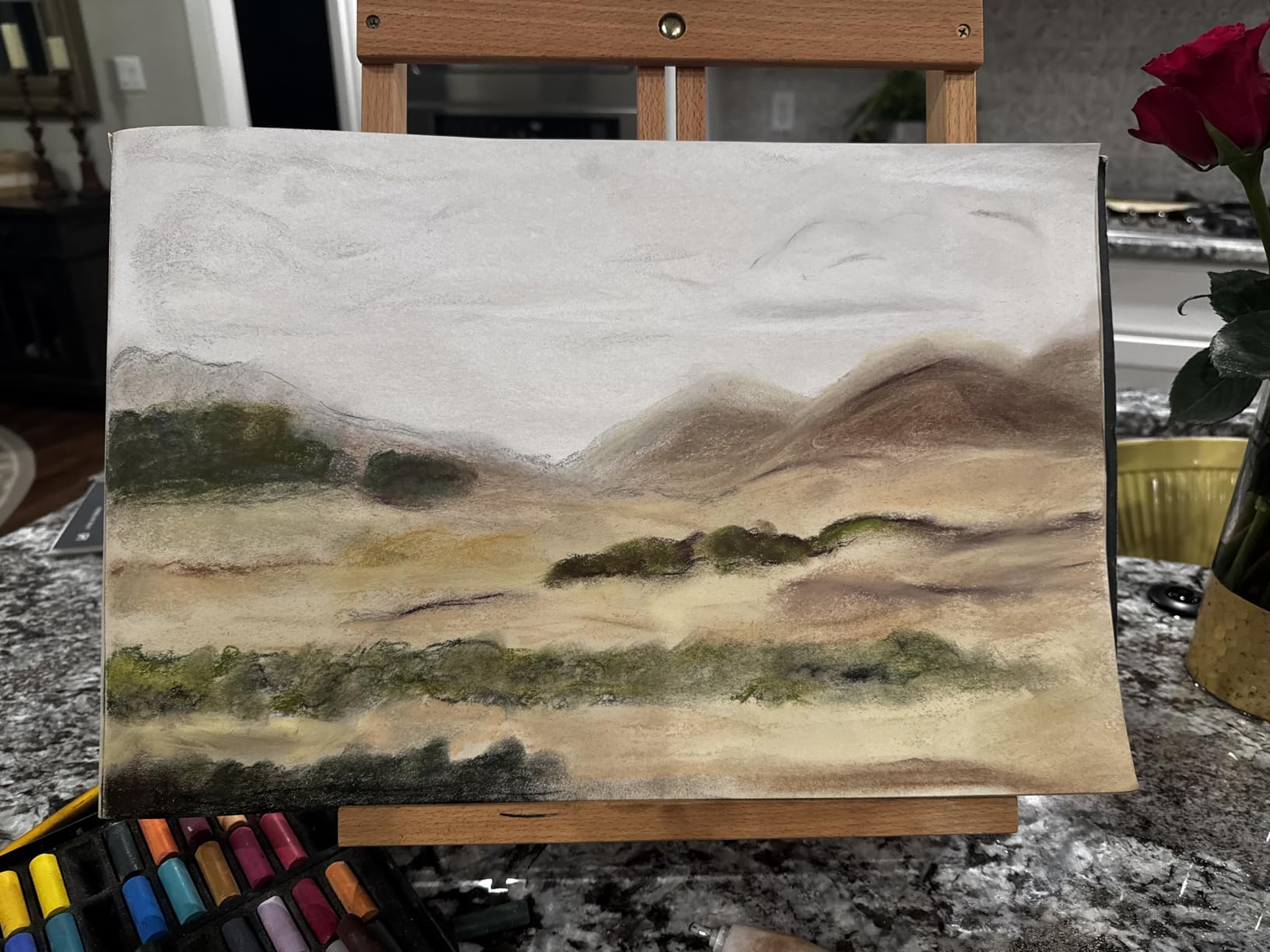
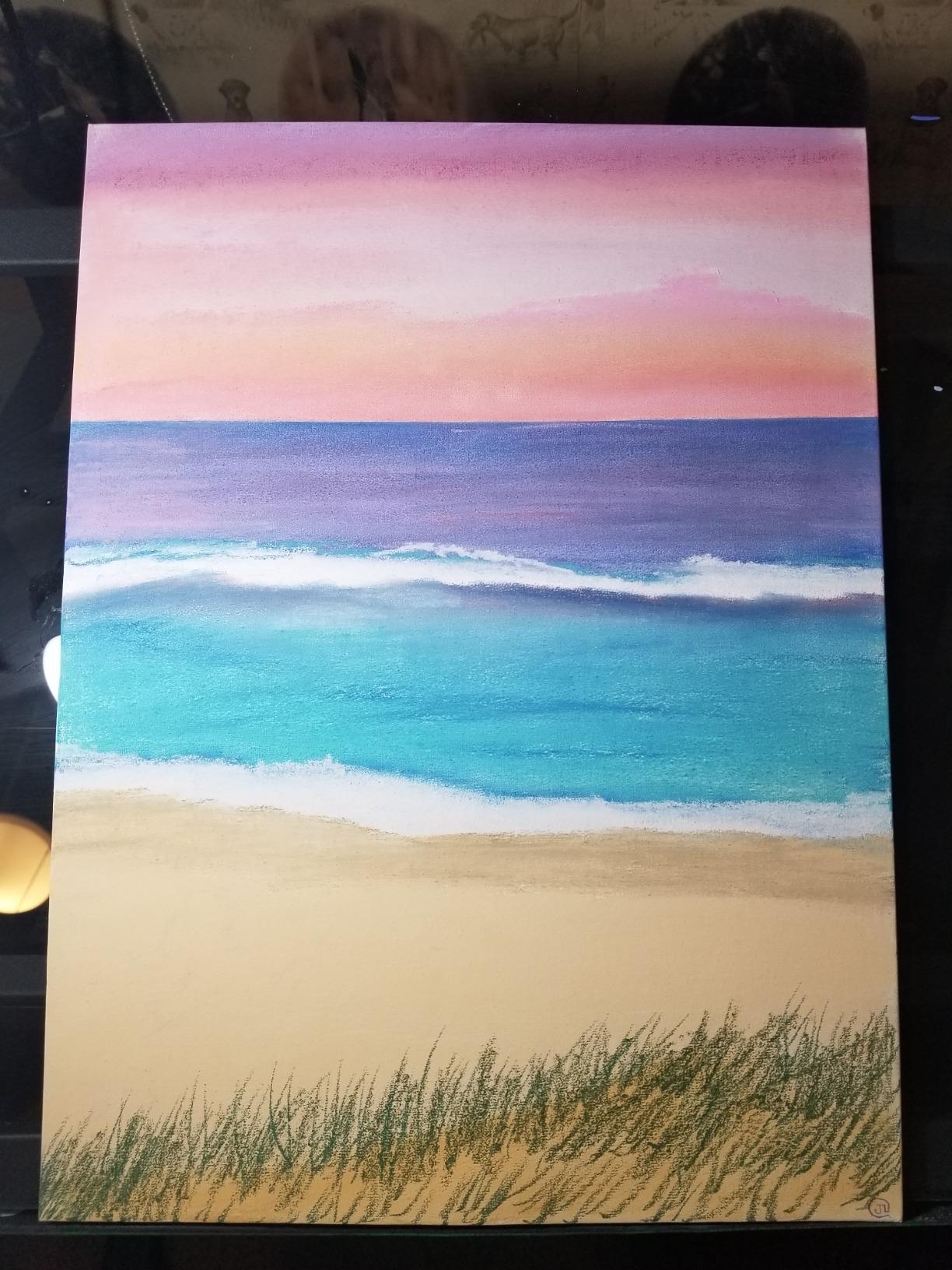
One of the best features of this set is the half-stick format. You get 60 colors in a compact box, and the smaller size is perfect for travel and for trying new colors without committing to a full stick. The 60-color range is comprehensive enough to handle most subjects without needing to supplement.
Why Rembrandt is the bridge between student and professional
Most pastel brands fall into two categories: student-grade (cheap, but full of fillers) and professional-grade (expensive, but pure pigment). Rembrandt sits in the middle, with a quality level that is essentially professional at a price closer to upper-tier student sets. For emerging artists, this is the sweet spot.
You give up some of the extreme softness of Sennelier or Unison, but you gain control, durability, and a price that does not require a major financial commitment.
Best use case and who should buy
This set is ideal for serious students and emerging professionals. Portrait and landscape artists who want a single set for underpainting and detail work will appreciate the medium hardness. Budget-conscious artists who refuse to compromise on pigment quality will love the price-to-quality ratio.
Skip this if you want the softest possible pastel for impressionist-style blending. You will be happier with Sennelier or Schmincke.
10. PanPastel Artist Pastels 80-Color Professional Set

PanPastel Artist Pastels by GOLDEN, 80 Color Set, Professional Artist Pastels, Unique Pan Format (cake-like)
- Revolutionary pan format reduces airborne dust
- Easily blendable like paint
- Includes comprehensive 43-piece Sofft Tools kit
- Rich
- vivid pigments
- Excellent for studio environments
- Premium price point for full set
- Requires special Sofft Tools for best results
- Some sets may have missing colors
PanPastel is the brand that changed how I think about pastels. The cake-like pan format looks unusual at first, but once you start using the included Sofft Tools, you realize how much sense it makes. There is virtually no airborne dust, the pastels are erasable like paint, and you can blend large areas in seconds.
I tested the 80-color set on a series of large landscape paintings, and the experience was completely different from stick pastels. I could lay down a sky in three swipes of a Sofft Tool, then refine edges with a smaller sponge applicator. The result looked more like a painting than a drawing, with smooth gradations that are very hard to achieve with stick pastels.
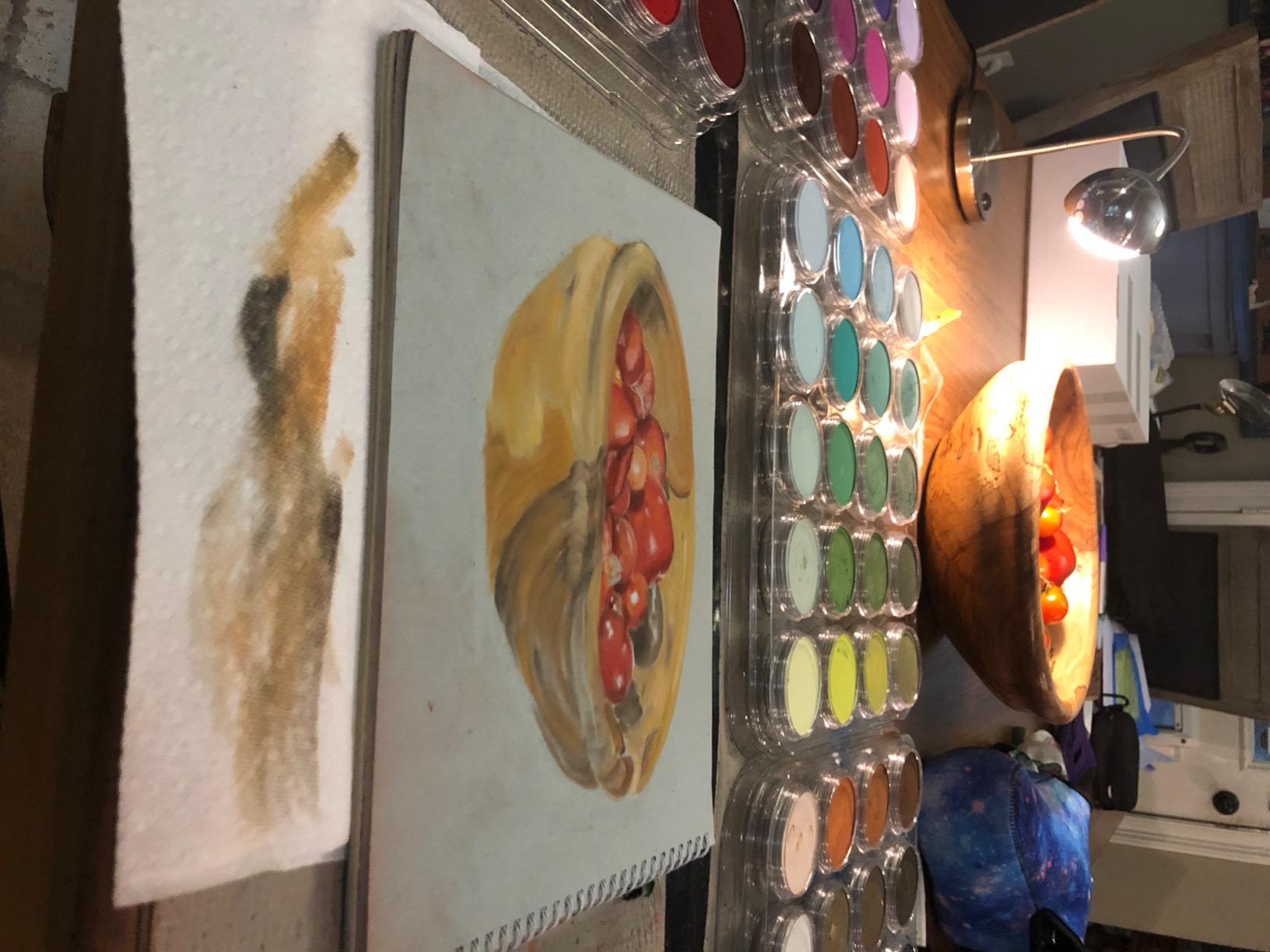
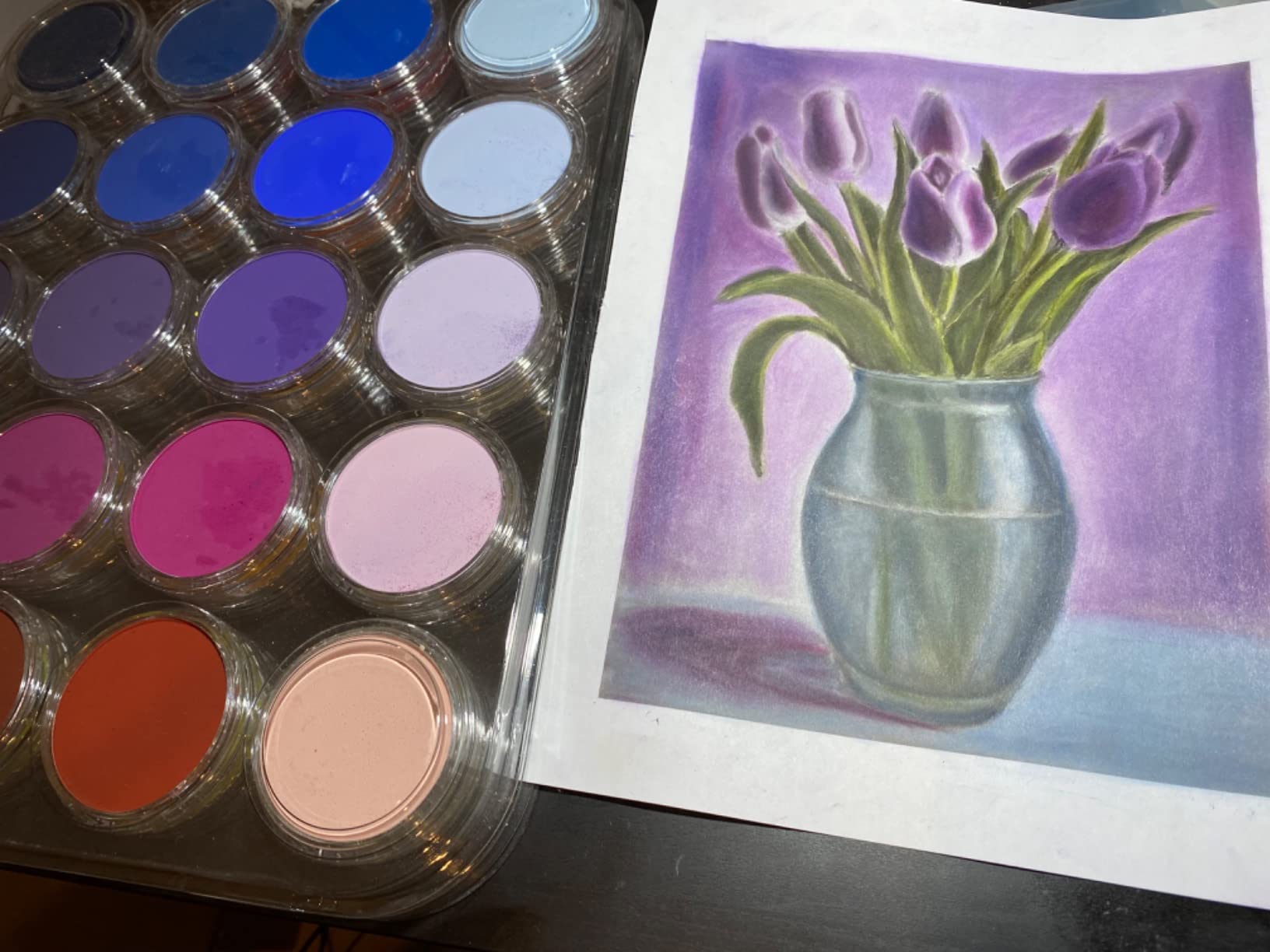
The 86% five-star rating on Amazon is the highest of any pastel set I tested. Users consistently praise the clean working environment, the eraser-correctable application, and the comprehensive tool kit. The included 43-piece Sofft Tools kit alone is worth a significant portion of the price.
The main downside is the price. At the top end of the pastel market, PanPastel is a serious investment. But for studio artists who want paint-like control without the mess of oil or acrylic, it is a unique product that cannot be replicated with stick pastels.
Why PanPastel is a different medium
Calling PanPastel a “pastel” is technically correct, but the experience is closer to painting. You apply the color with a sponge tool, blend with a clean sponge, and layer just like you would with acrylic. This makes PanPastel ideal for artists who want the soft, matte quality of pastel but prefer the control of paint.
If you have respiratory sensitivity to pastel dust, PanPastel is also worth considering. The pan format contains the pigment, so there is virtually no airborne exposure.
Best use case and who should buy
This set is ideal for studio artists who want a clean working environment. Large-scale landscape and abstract painters will appreciate the speed of application. Artists with respiratory issues will love the low-dust format. Mixed-media artists who want pastel effects on canvas will find PanPastel adheres beautifully to primed surfaces.
Skip this if you love the tactile experience of stick pastels or if you are on a budget. The price puts this in the premium category, and traditional stick brands offer similar pigment quality at a lower cost.
How to Choose the Best Pastel Set for Your Art
After testing all ten sets, I have learned that the best pastel for one artist is not necessarily the best for another. Your choice should depend on your subject matter, working style, and budget. Below are the key factors I recommend considering before buying.
Pigment quality and lightfastness
Pigment concentration is the single most important factor in a fine art pastel. Look for brands that list pure pigment content and avoid sets that mention “fillers” or “extenders.” Lightfastness is equally important if you sell work or want pieces to last. Sennelier, Schmincke, and Rembrandt all publish lightfastness ratings for their colors. Avoid student-grade pastels for any work you want to keep for years.
For gallery-quality work, choose a brand with a Blue Wool rating of 7 or higher on most colors. All the sets I tested meet this standard, though some student-grade brands do not.
Softness and texture
Softness affects how the pastel feels on the paper and how it blends. Extra-soft pastels like Sennelier and Schmincke blend like butter, but they crumble under heavy pressure and leave more dust. Firmer pastels like Rembrandt hold their shape better and are ideal for underpainting. Medium-hardness pastels strike a balance between control and blendability.
For impressionist-style work, choose extra-soft. For detailed work and underpainting, choose a firmer pastel. Most fine artists end up using multiple hardnesses in a single piece.
Stick size and format
Half-sticks are a smart way to get more color variety at a lower price. They are also travel-friendly and ideal for artists who want to try a brand before committing to full-size sticks. Full sticks are more economical per gram and last longer, but they cost more upfront.
Pan-format pastels like PanPastel are a different experience entirely. They feel like paint, blend like paint, and require applicator tools. If you prefer the tactile feel of stick pastels, stick with traditional brands.
Color range and curation
More colors are not always better. A 30-color set from a curated brand like Unison may be more useful than a 96-color set from a budget brand with random duplicates. Look for sets that include the colors you actually use, not the maximum number of sticks.
Portrait artists should look for sets with strong flesh-tone ranges. Landscape artists need a wide range of greens, blues, and earth tones. Floral painters benefit from sets like the Unison Botanical 18.
Surface compatibility
Most soft pastels are designed for traditional pastel paper like UART, Canson Mi-Teintes, or Pastelmat. Oil pastels like Sennelier can be used on canvas, wood, and metal without preparation. PanPastel works on primed surfaces, including canvas and board.
Think about the surfaces you like to work on, and choose a pastel that is designed for those surfaces. Using the wrong pastel on the wrong surface can lead to poor adhesion and disappointing results.
Budget and value
Professional-grade pastels are an investment, but they do not have to break the bank. The Mungyo Gallery 30-set offers pigment quality comparable to brands three times the price. Rembrandt offers a mid-tier option that is essentially professional-grade at a lower cost. Sennelier and Schmincke are at the top of the market, but they justify the price with pure pigment and heritage manufacturing.
My advice is to start with a mid-tier set like Mungyo or Rembrandt, and add individual sticks from premium brands as you identify gaps in your palette. This gives you the best of both worlds: a comprehensive working palette plus the highest quality colors where they matter most.
Frequently Asked Questions
What pastels do professional artists use?
Professional artists typically use Sennelier, Schmincke, Unison, and Rembrandt as their primary brands. Sennelier oil pastels are favored for creamy texture, Schmincke for pigment density, Unison for curated palettes, and Rembrandt for balanced performance. The Sennelier Extra-Soft and Unison Starter 36 are the most commonly recommended sets for fine art work in 2026.
Which brand of soft pastels is considered the best for artist quality?
Schmincke is widely considered the gold standard for soft pastels due to its pure pigment formulation and velvety-matte finish. Sennelier and Unison are close behind, with Sennelier offering extra-soft consistency and Unison offering hand-curated color palettes. All three brands are used by gallery-level fine artists, and all carry strong lightfastness ratings for archival work.
Are expensive pastels worth the price?
Expensive pastels are worth the price for serious fine artists because they use pure pigment with minimal filler. This results in richer color, better lightfastness, and superior blending. Student-grade pastels contain chalk and extenders that muddy colors and fade over time. If you sell work or want pieces to last, investing in artist-grade pastels from Sennelier, Schmincke, or Unison pays for itself in quality and longevity.
What is the difference between soft pastels and oil pastels?
Soft pastels are pure pigment bound with a minimal amount of gum or cellulose binder, giving them a chalk-like consistency that blends easily. Oil pastels use a wax or oil binder, giving them a creamy, lipstick-like texture that adheres to multiple surfaces including wood, canvas, and metal. Soft pastels are ideal for traditional pastel paper and detailed blending. Oil pastels are better for mixed media and bold, painterly applications.
What pastels did Picasso use?
Picasso famously used Sennelier oil pastels, which were designed in collaboration with the artist in 1949. He wanted a pastel that was as expressive as oil paint but without the drying time, and Sennelier created the iconic 48-color range that he used for the rest of his career. Cézanne, Gauguin, Monet, Bonnard, Soutine, and Modigliani also used Sennelier pastels.
Final Verdict on the Best Pastel Sets for Fine Artists
After three months of testing these ten pastel sets across portrait, landscape, and still-life work, the choice comes down to what kind of artist you are. If you want the single best overall set for fine art, the Sennelier Extra-Soft 80 half-stick set delivers pure pigment, exceptional blendability, and a color range that handles any subject. It is the set I keep reaching for, and the consensus top pick among professional artists on Reddit and WetCanvas.
For oil pastel painters, the Sennelier 24-color set is the sweet spot of quality, color range, and price. The Picasso-designed formulation has stood the test of time, and the creamy texture is unmatched. Beginners should start with the Sennelier 12-color intro set to test the medium without overcommitting.
Budget-conscious artists should look at the Mungyo Gallery 30-set, which delivers pigment quality comparable to premium brands at a fraction of the cost. Rembrandt is the best mid-tier option if you want a single set for underpainting and detail work, while PanPastel is the right choice for studio artists who want paint-like control with minimal dust.
Whichever set you choose, the most important thing is to start painting. Every pastel on this list is a professional tool trusted by working artists, and the only way to find your favorite is to get one in your hand and put it on paper. The best pastel set for fine artists is the one that helps you make the work you see in your mind.