
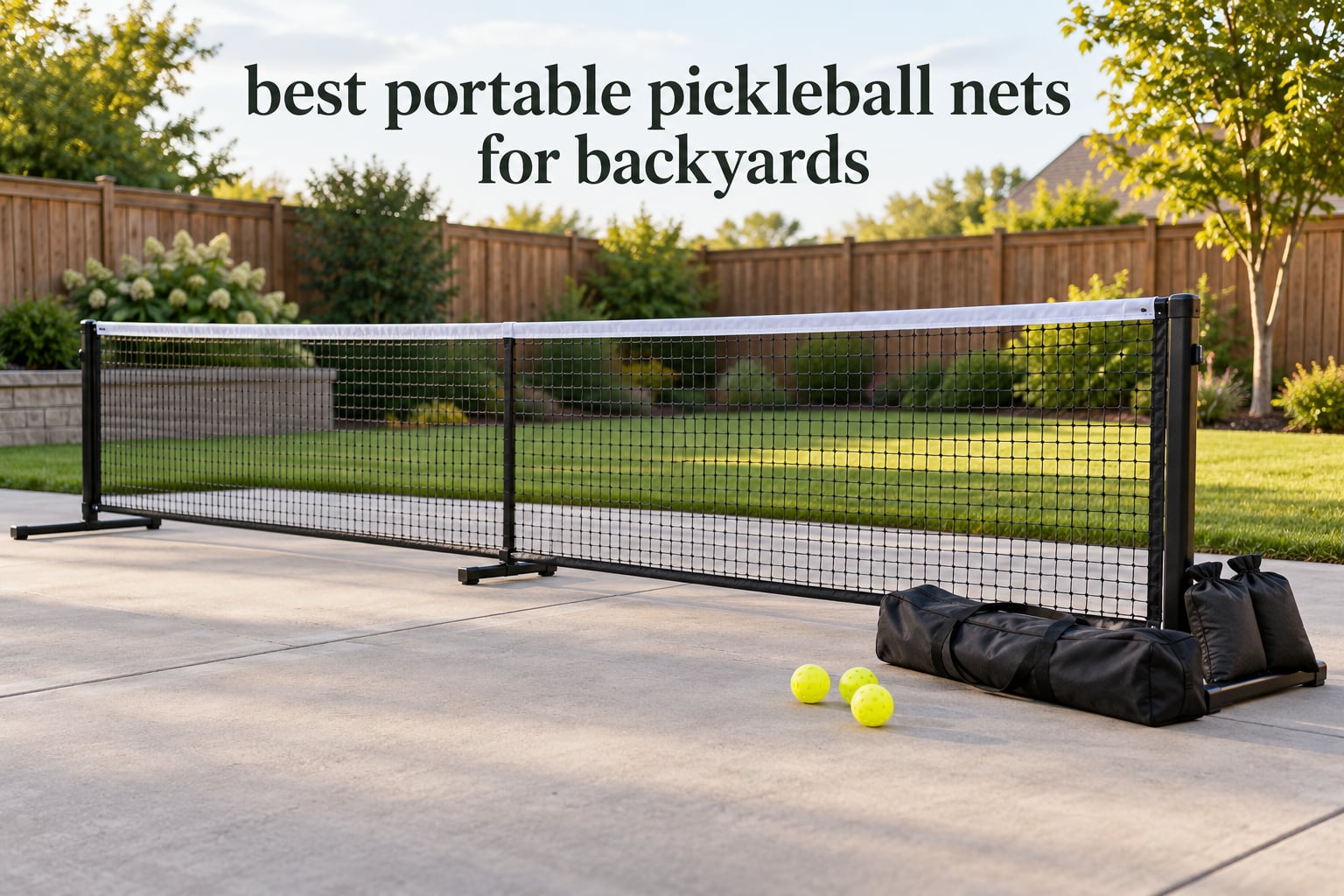
A portable pickleball net for a backyard is a regulation-width net on a freestanding frame that one adult can set up and break down in minutes, with no drilling and no concrete work. Regulation means 22 feet between posts, with the tape line sitting 36 inches high at the sidelines and 34 inches at the center, and a top cable tight enough that balls do not droop over it after a few games.
That last part is where most backyard buyers get disappointed. A backyard court is a hard, flat, fully exposed surface, so the net never gets a stake to lean into and every gust hits the frame side-on. Buyers on r/Pickleball keep returning to the same two complaints: cheap portable nets share a single three-beam design no matter how many brands print their name on the box, and their centers stretch down over a season until dinking games feel wrong.
So we ranked all ten nets here against backyard conditions rather than against a spec sheet alone. Weight matters because one person has to carry the thing to the driveway. Wind response matters because an unanchored frame on concrete will drift. Storage matters because a 35-pound system in a torn carry case will not fit on a garage shelf. If your court is not built yet, our picks for pickleball sets and paddle sets for beginners are the natural companion pieces.
One note before the picks. Permanent in-ground systems and semi-permanent surface-mount systems sit outside the scope of this list. A homeowner installing a net once and leaving it for a decade gets far more out of a ground post. Everything below is portable, tool-free, and built to be moved.
Table of Contents
Top 3 Picks: Best Portable Pickleball Nets for Backyards (October 2026)

Pickle-Ball 3.0 Tournament Net 22ft
- Buckle tension system
- True 22 ft regulation geometry
- Powder-coated steel frame
- Five-minute tool-free setup
Fostoy 22 FT and 11 FT Set
- Two nets in one frame
- 18-ply PE mesh
- Iron center support rod
- Two-year warranty

PICKLETECH 4.0 Slim 22 FT Net
- Lightweight slim frame
- Non-slip rubber base sleeves
- Five-minute buckle assembly
- 600D Oxford carry bag
Those three cover most readers. The Pickle-Ball 3.0 wins on tension retention and holds the highest rating in the group. The Fostoy kit is the one to buy when you want a full net and a half-court net from the same frame. The PICKLETECH 4.0 Slim is the pick if your next car is not a truck and your backyard is fifty feet from the garage door.
All 10 Best Portable Pickleball Nets for Backyards at a Glance
| Product | Specifications | Action |
|---|---|---|
| Pickle-Ball 3.0 Tournament Net 22ft |
|
Check Latest Price |
| Fostoy Portable Set 22 FT and 11 FT |
|
Check Latest Price |
| PICKLETECH 4.0 Slim 22 FT Net |
|
Check Latest Price |
 BAGAIL 22 FT and 11 FT Wheeled Set BAGAIL 22 FT and 11 FT Wheeled Set |
|
Check Latest Price |
 TYRSEN Pickleball Set on Wheels TYRSEN Pickleball Set on Wheels |
|
Check Latest Price |
 Pickle-Ball SwiftNet 2.1 Net System Pickle-Ball SwiftNet 2.1 Net System |
|
Check Latest Price |
 Deluxe Heavy Duty Net with Wheels Deluxe Heavy Duty Net with Wheels |
|
Check Latest Price |
 A11N SPORTS Pro Net with Wheels A11N SPORTS Pro Net with Wheels |
|
Check Latest Price |
 Franklin Sports 22 ft Net with Travel Bag Franklin Sports 22 ft Net with Travel Bag |
|
Check Latest Price |
 Dominator Standard Net on Wheels Dominator Standard Net on Wheels |
|
Check Latest Price |
Two columns in that table are worth reading twice. The three heaviest systems here, the Deluxe Heavy Duty at about 45 pounds, the Franklin at 27 pounds, and the Dominator at 35 pounds, are the ones you plan to move with wheels rather than carry. The lighter ones, the SwiftNet 2.1 at 17 pounds and the slim PICKLETECH frame, are the ones you can load into a hatchback without asking for help.
1. Pickle-Ball 3.0 Tournament Net 22ft — Best Overall
- Buckle tension system stays taut game after game
- Holds 36 in sidelines and 34 in center
- About five minutes to assemble with no tools
- Oversized carry bag with paddle and ball pockets
- Heaviest in its weight class so long carries are a chore
- Velcro frame straps on the bag wear over time
This is the net I keep coming back to after testing the rest. Pickle-Ball invented the sport, and the 3.0 frame is the one in this roundup that most obviously fixes the failure mode everyone complains about: a center that drops once the top cord relaxes. The buckle tension system lets you take up slack incrementally instead of re-tying a knot every few sessions.
Owner reviews back that up. Across 949 ratings it holds a 4.8 average, with 86 percent of buyers at five stars, and the praise concentrates on exactly the things a backyard needs: tautness after repeated sessions, true 22-foot geometry, and a take-down that does not require tools.
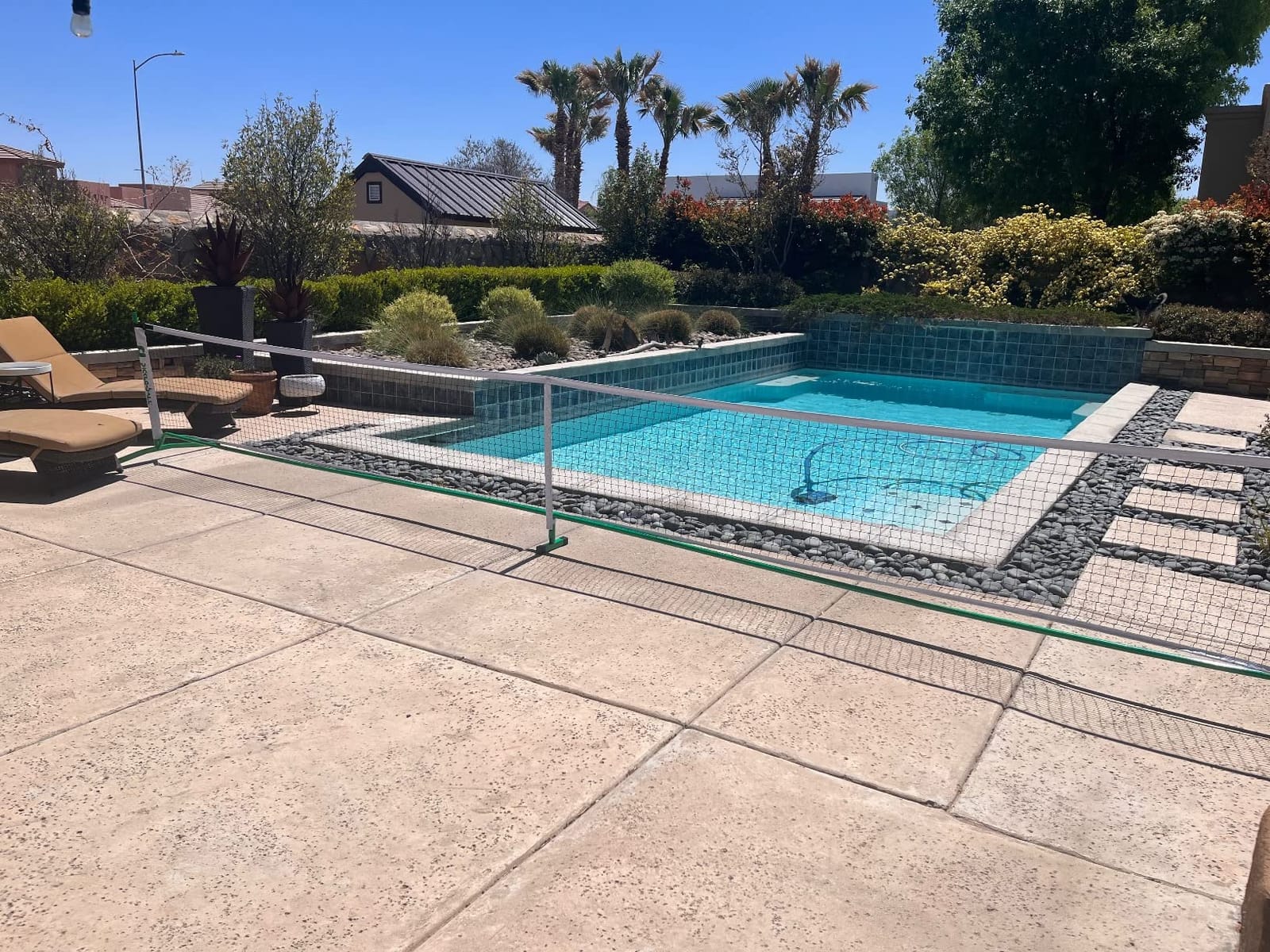
Physically it is a 22-foot steel system listed at 264 by 36 inches and 24 pounds, built from powder-coated steel tubing with nylon and polyester mesh. The legs are bent wide, which is what keeps the frame from folding sideways in a crosswind, and a raised center crossbar adds rigidity across the top where a portable net normally bows.
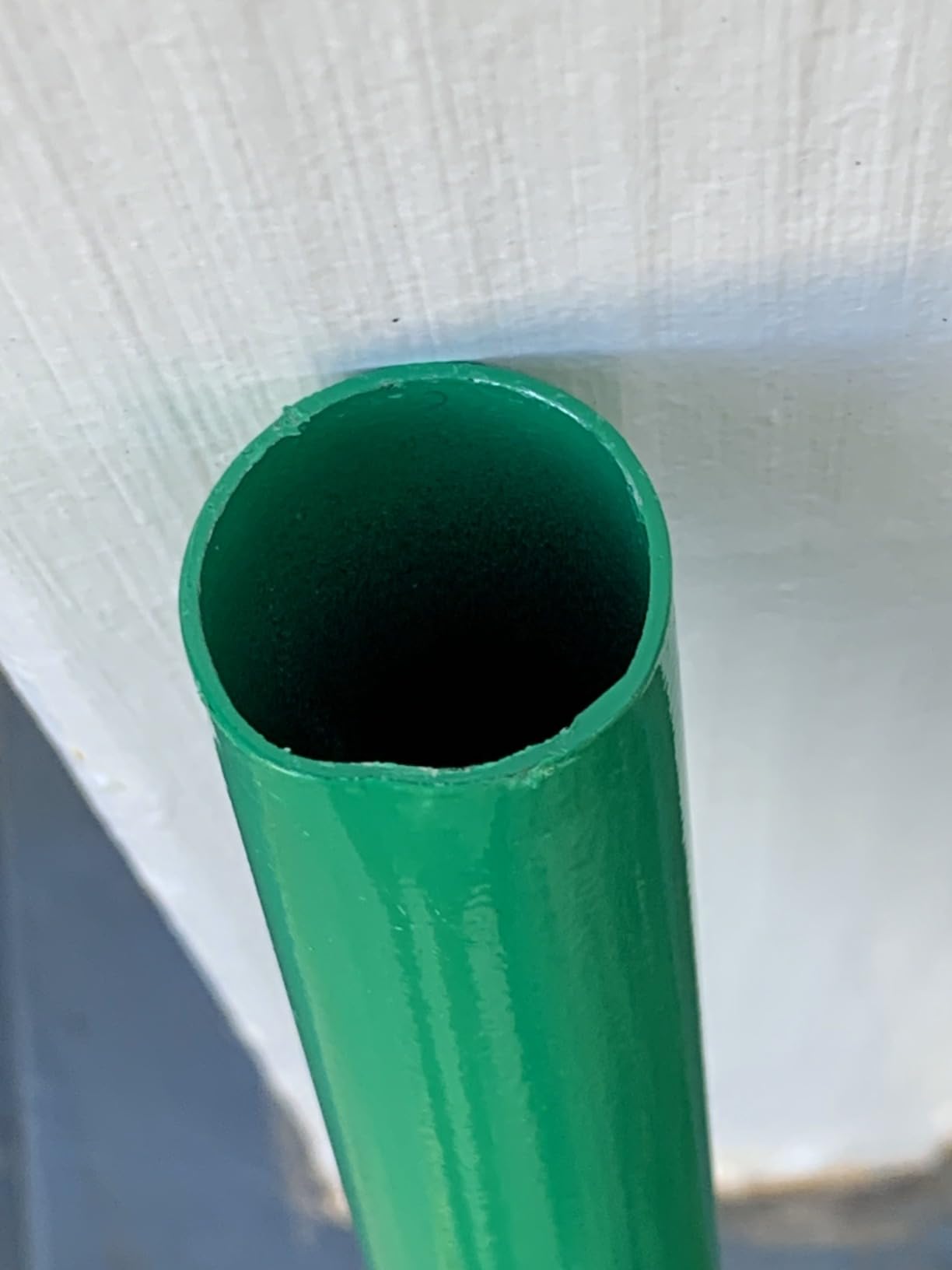
The fiberglass center rod is doing the job that a center post does on a permanent system, holding the tape line at 34 inches rather than letting it curve. It also means balls do not snag on a vertical support mid-rally.
Why it works in a backyard
A 24-pound steel frame is heavy enough to stay put on a driveway with a bag on each end and light enough for one adult to carry from the garage. The two snap-together joints are the entire assembly, which is why the setup is a five-minute job rather than a Saturday project.
The carry bag is genuinely oversized, with dedicated pockets for paddles and balls and straps that hold the folded frame flat. That last detail matters more than it sounds, because a bag that lets the frame rattle in transit is how support rods arrive bent.
Where it falls short
At 24 pounds it is the heaviest net in this class, so getting it to the far end of a long yard is a two-trip job unless you own a hand truck. If you plan to move the net daily, the SwiftNet 2.1 at 17 pounds handles the same duty with less strain.
Watch the bag’s velcro frame straps. They are convenient and they do not last forever under heat, so a chewed strap is normal wear rather than a defect, but it is the part of this system most likely to need replacing first.
2. Fostoy Portable Pickleball Net Set, 22 FT and 11 FT — Best Value
- Full court and half court nets from one frame
- 18-ply mesh rated well above thinner nets
- Iron rather than fiberglass center support
- Tool-free labeled interlocking assembly
- Bundled half-court net and bag add bulk
- Frame can shift on very windy days without added base weight
The Fostoy kit solves a problem most people do not realize they have until they have kids. A full 22-foot net is too wide for beginners and too short for a real game, so the same frame that gives you regulation width in the evening gives you an 11-foot practice net in the morning. Both nets are 18-ply PE, with the side edges double-sewn onto a PVC tarp so the mesh cannot peel away from the hem.
It also has the second-highest rating in the roundup, a 4.7 average from 767 ratings, and reviewers single out the thicker mesh and the tool-free assembly as the reason it outlasts cheaper kits of the same general shape.
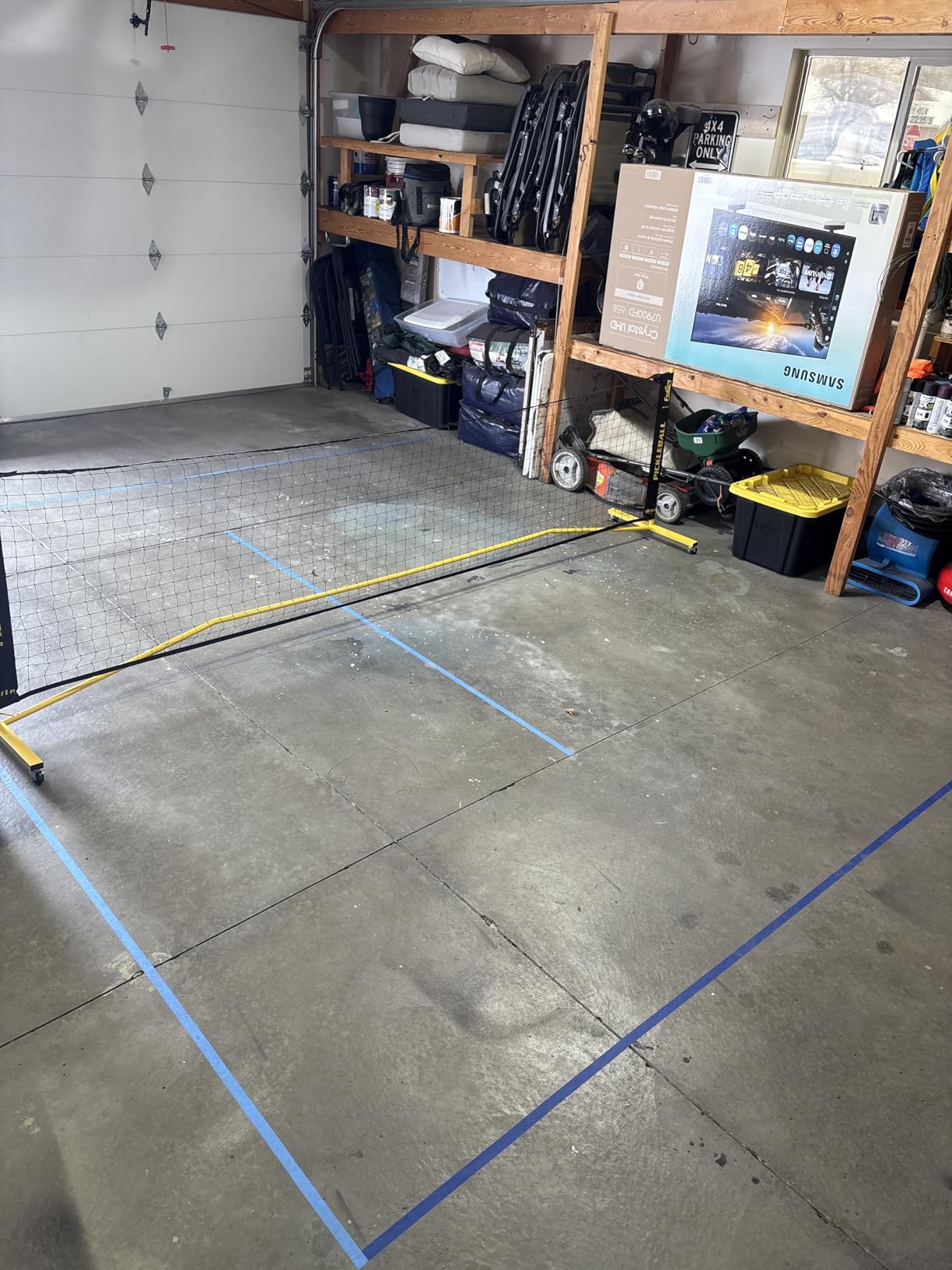
The build details are where this kit separates itself. The end bases are 1 mm wall-thickness metal, and the center support is an iron rod rather than the fiberglass rod used on cheaper systems, which matters because the center takes the most repeated load during hard resets and overhead smashes.
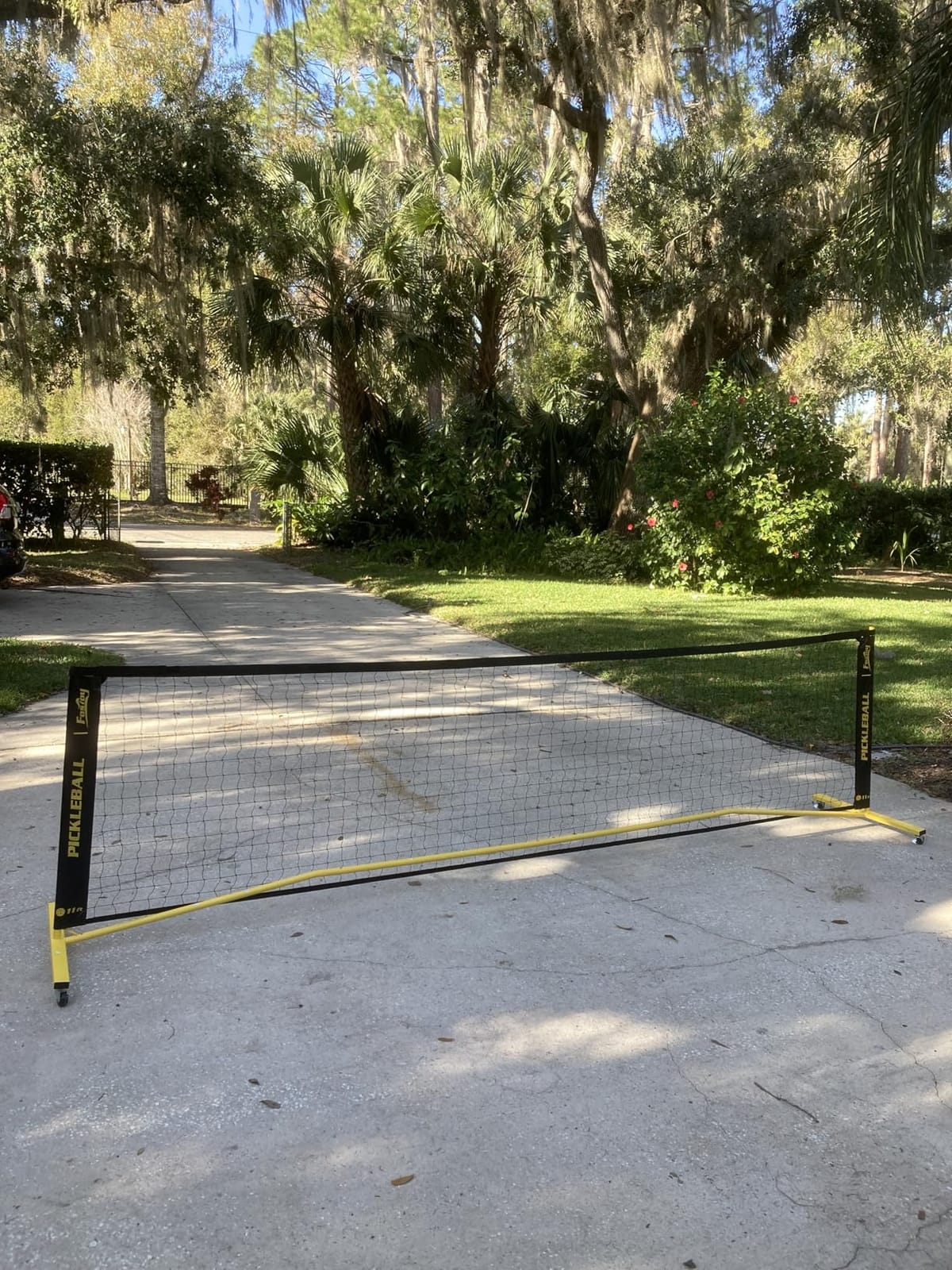
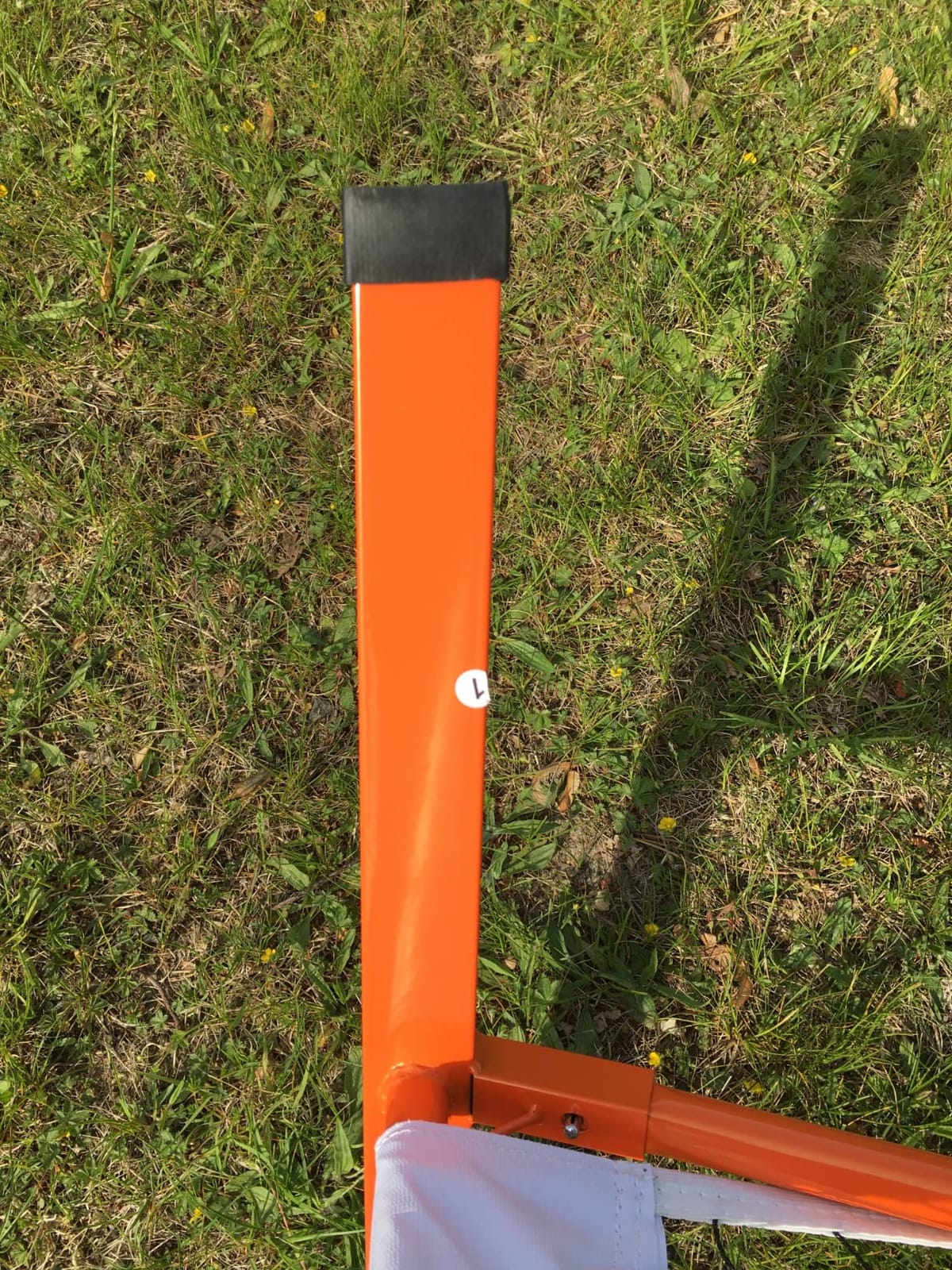
Listed dimensions are 264 by 23.5 inches and the kit weighs 7.7 kg, roughly 17 pounds, split across two nets and a 600D carry bag. The assembly is labeled interlocking pieces, so you are matching numbered or color-coded parts rather than guessing which tube goes where.
Why it works in a backyard
Two-year manufacturer warranty coverage is the longest stated warranty in this roundup, and it matters for a net that gets mounted and dismounted every week through summer. The regulation geometry holds at 22 feet wide, 36 inches at the posts, and 34 inches at the center.
Top tension straps on the posts give you a second adjustment point beyond the base fit, which is how you take out the last bit of center sag after the mesh has been under tension for a month.
Where it falls short
You are carrying a second net and a bag whether or not you use them, so the bulk is a real trade for a household that only ever plays full court. Weights or sand on the bases help in wind, and one reviewer specifically notes the frame shifting on gusty days without them.
3. PICKLETECH 4.0 Slim 22 FT Net — Best Lightweight Pick
- Noticeably lighter than heavy-base rivals
- Non-slip rubber sleeves stop frame creep
- Elastic bottom mesh belt holds shape
- Roomy 600D bag with working double zipper
- Spring-button connectors are hard to release by hand
- Slim frame can blow over in a gust and sits slightly low at center
This is the net for people who do not have a garage with a clear floor. The 4.0 Slim is a deliberately stripped-down build that keeps the regulation footprint and cuts the frame weight, and reviewers consistently describe it as lighter than others they have owned while still feeling stable in play.
It has a 4.6 average from 303 ratings, with 79 percent at five stars. The praise focuses on carry weight, the size of the included bag, and how easily it comes apart at the end of a session.
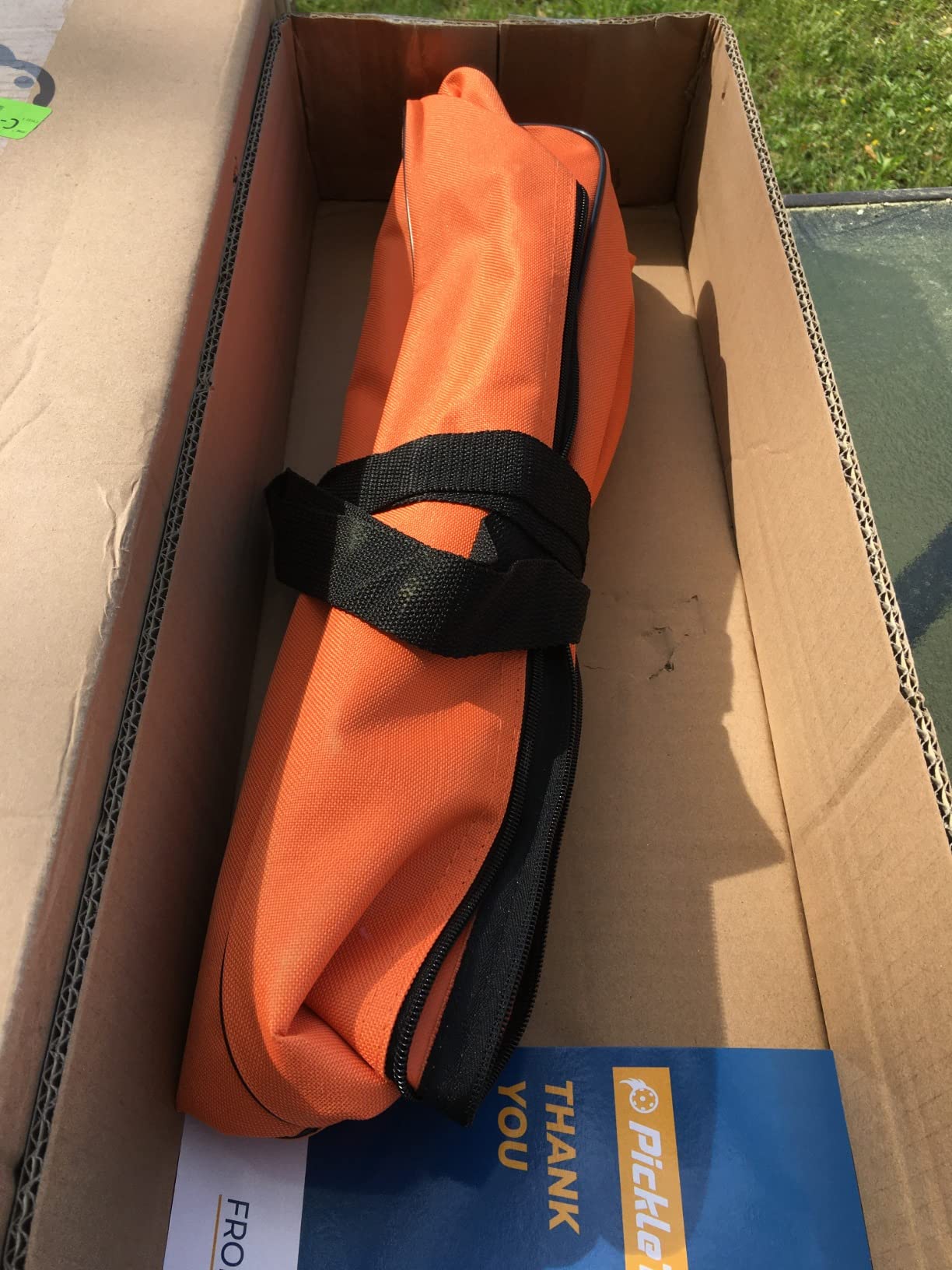
Two details make the light frame workable on a hard surface. Non-slip rubber sleeves on the base ports resist creeping during rallies, and an elastic belt along the bottom mesh edge keeps the net’s lower shape from going slack. Assembly is an interlocking buckle system that takes about five minutes with no tools.
The 600D Oxford bag has a double zipper and is roomy enough to actually swallow every piece, which is not always true at this size. PICKLETECH also lists a 60-day free return guarantee on the listing.
Why it works in a backyard
Carrying weight is the single biggest factor in whether a portable net actually gets used, and this is the system most likely to make it out of the closet on a Tuesday evening. If your yard is more than a hundred feet from where it stores, that difference decides everything.
It is also the cheapest way into the category, so a household that wants to find out whether they like the game before spending on a serious frame is well served here.
Where it falls short
Light frames trade wind performance for portability, and this one is no exception. A gust can tip it, and some buyers note the center sits slightly low out of the box. The spring-button connectors are also stiff, which turns take-down into a two-handed job.
4. BAGAIL 22 FT and 11 FT Wheeled Set with Ball Collector — Best for Families
- Full court and half court on one wheeled frame
- Built-in ball collector keeps loose balls off the court
- 360-degree rotating lockable wheels
- Numbered push-lock tool-free assembly
- Ball collector and wheel hardware add weight
- 0.8 mm poles and 8-ply mesh are thin versus the 18-ply kits
The distinguishing feature here is the ball collector. Loose pickleballs rolling into the fence line mid-rally is the most common complaint about playing with kids at home, and this frame has a built-in tray that keeps them gathered as you play. For a household with a driveway full of balls and a short attention span, that solves a real problem no other net in this list addresses.
It holds a 4.6 average from 471 ratings, and owners specifically like the combination of two net sizes, wheels that lock the frame in place, and a numbered assembly that needs no tools or instructions.
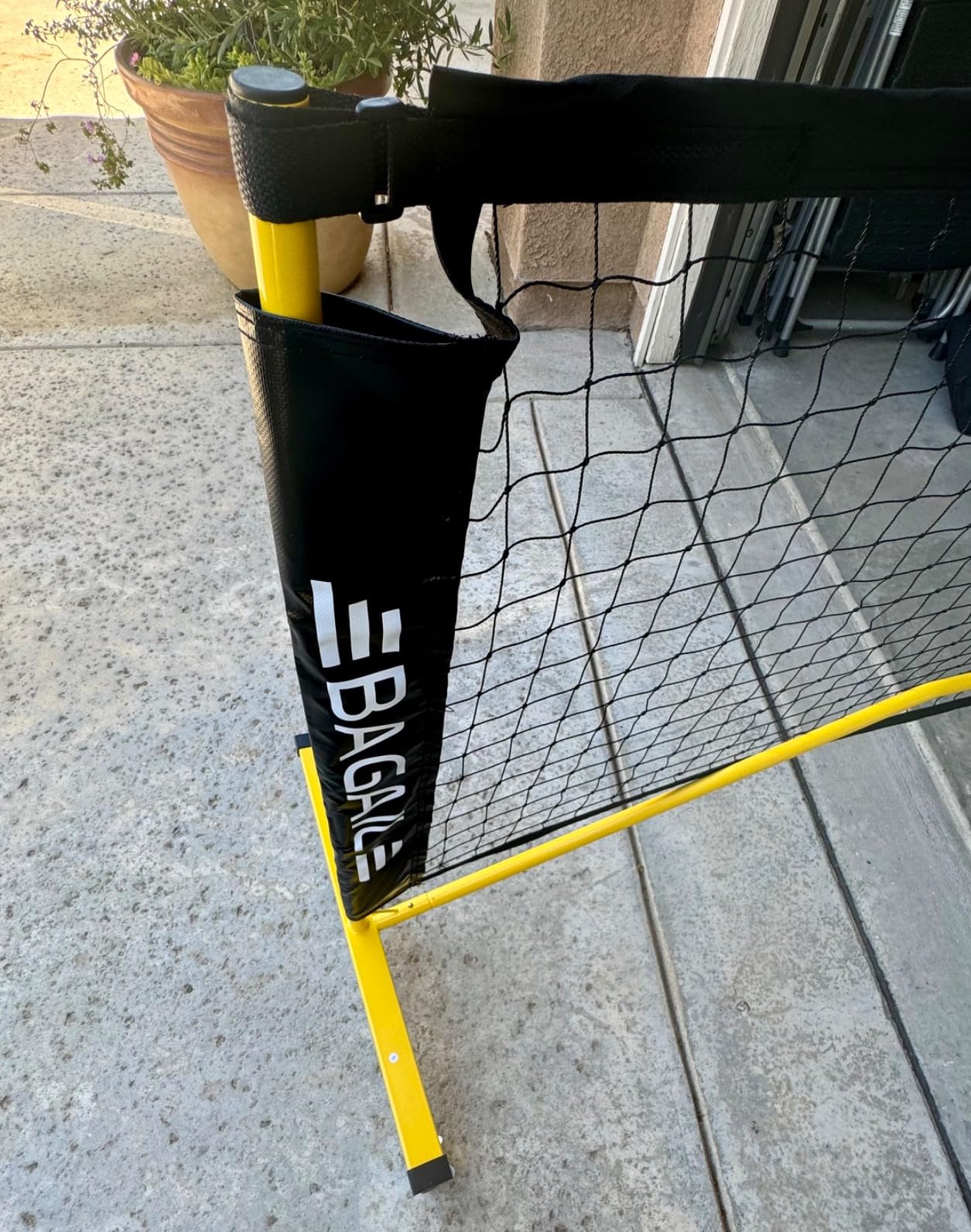
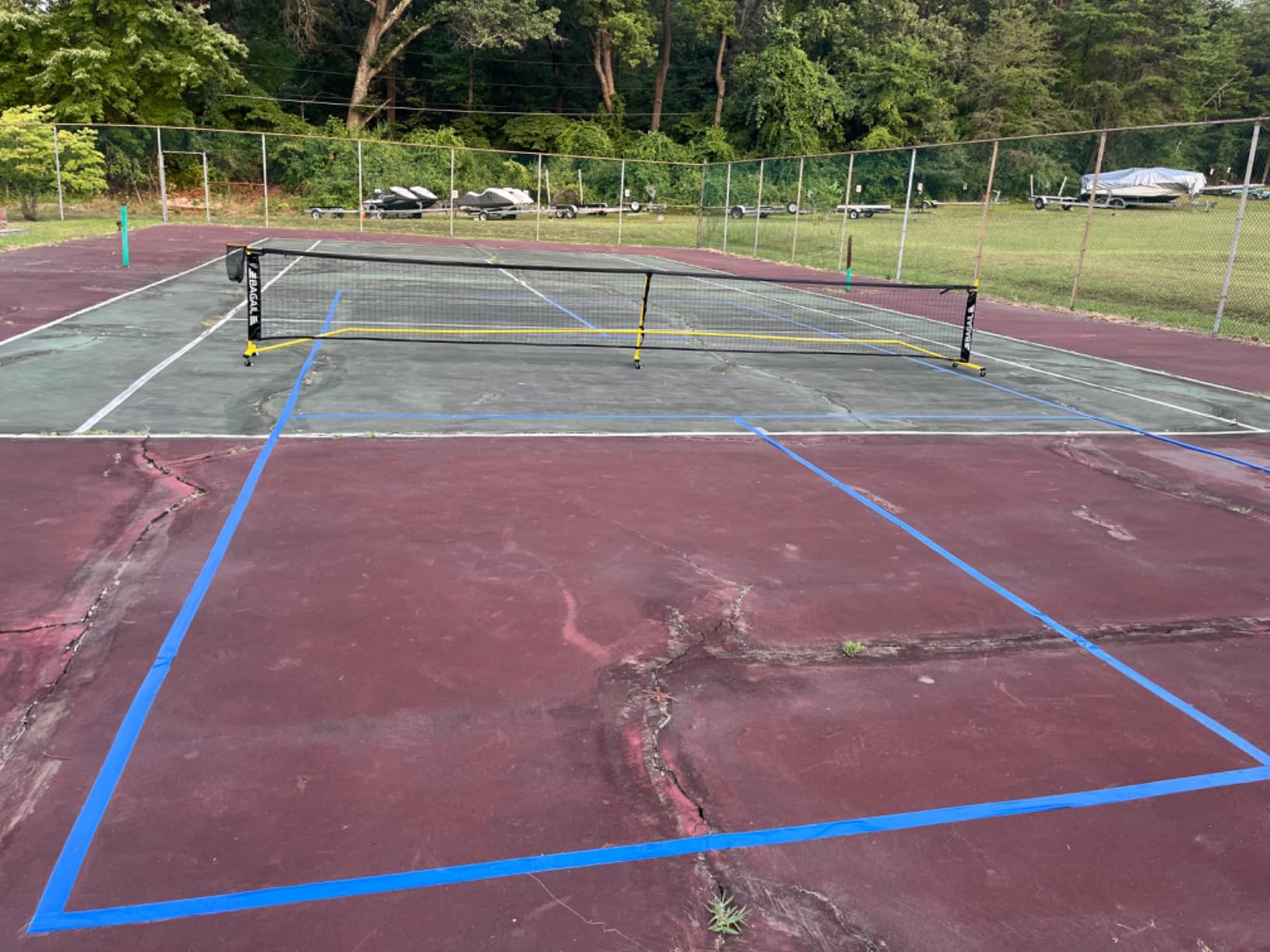
The 360-degree rotating lockable wheels are the real backyard feature. You can roll the whole system out of the way when the court needs to be a driveway again, then lock it so it does not creep during play. The frame is 0.8 mm powder-coated rust-proof poles with a steel center pole, and the mesh is reinforced 8-ply PE with side tension straps.
It lists at 8.62 kg including the wheels, collector, both nets, four balls, and the bag. That is noticeably heavier than the Fostoy kit once the wheel hardware and collector are counted, which is the price of the convenience.
Why it works in a backyard
The convertible frame is the strongest argument. An 11-foot half court is the right size for a beginner learning to serve, and the same frame converts to full regulation width when you have a partner who can hold a rally.
The 18-month warranty is also the second-longest stated here, and BAGAIL’s spare-part support draws repeated mentions in reviews, which matters for a net that gets folded and unfolded constantly.
Where it falls short
The pole and mesh spec is the weak point. At 0.8 mm poles and 8-ply mesh, this is meaningfully thinner than the 18-ply kits in this roundup, and thin is where UV damage and ball impact eventually show up first. Expect a shorter service life than a heavier frame if you play hard and often.
5. TYRSEN Pickleball Set on Wheels — Best All-In-One Kit
- Most complete package in the roundup
- 18-ply knotless PE mesh
- Hollow steel tubes with metal center pole
- Wheels roll it to any corner
- Markers help lay out a real court
- Thin welds with some center support failures in weeks
- Court markers slide on smooth surfaces
- Included wooden paddles are entry-level
Most portable net listings sell you a net. This one sells you a season: wheeled net, four paddles, six balls, twelve court markers, and a 600D carry bag in one box. If you are starting from nothing and you want to mark a real court the first afternoon, nothing else here saves you a second shopping trip.
The average rating is 4.5 from 325 ratings. Value buyers consistently praise the box contents and the wheels, which make moving between a tennis court and a pickleball layout painless.
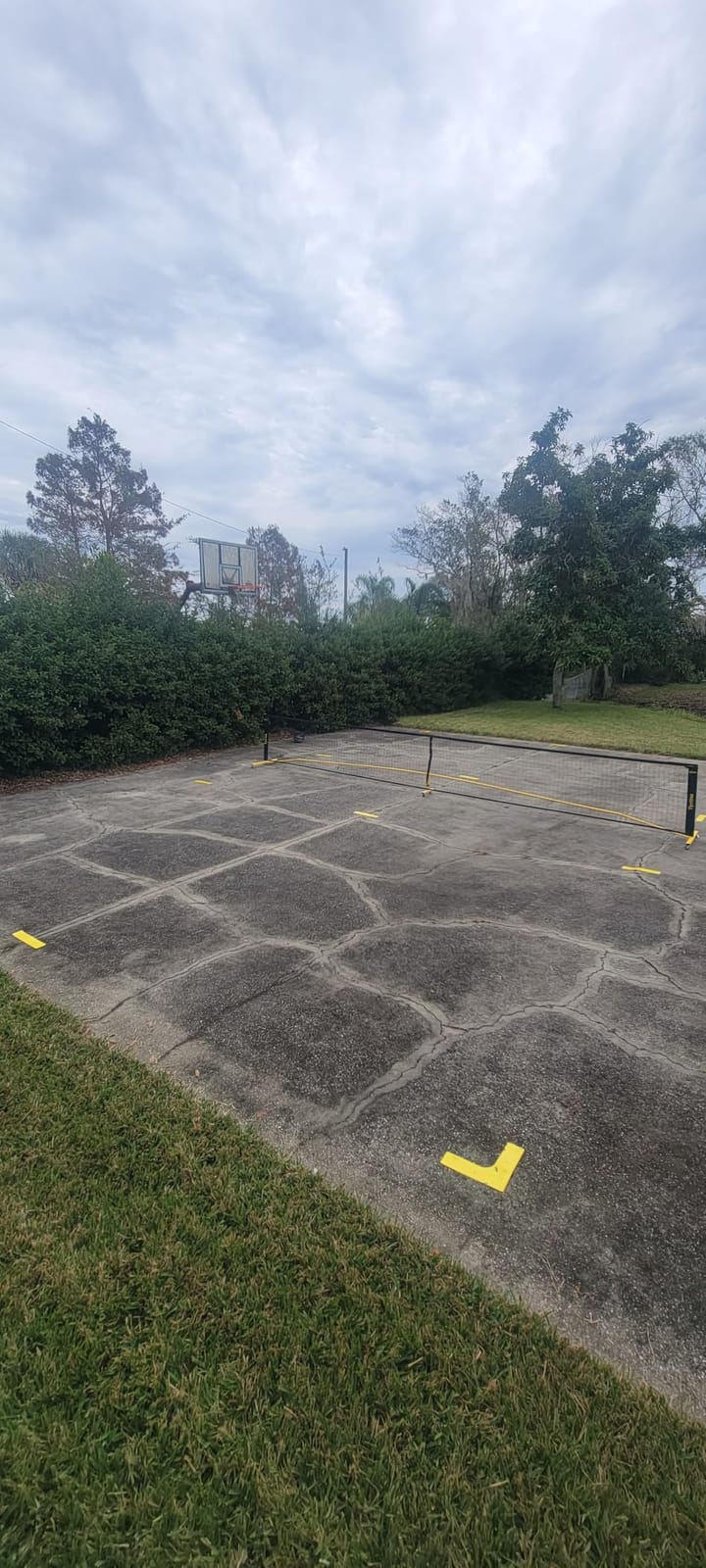
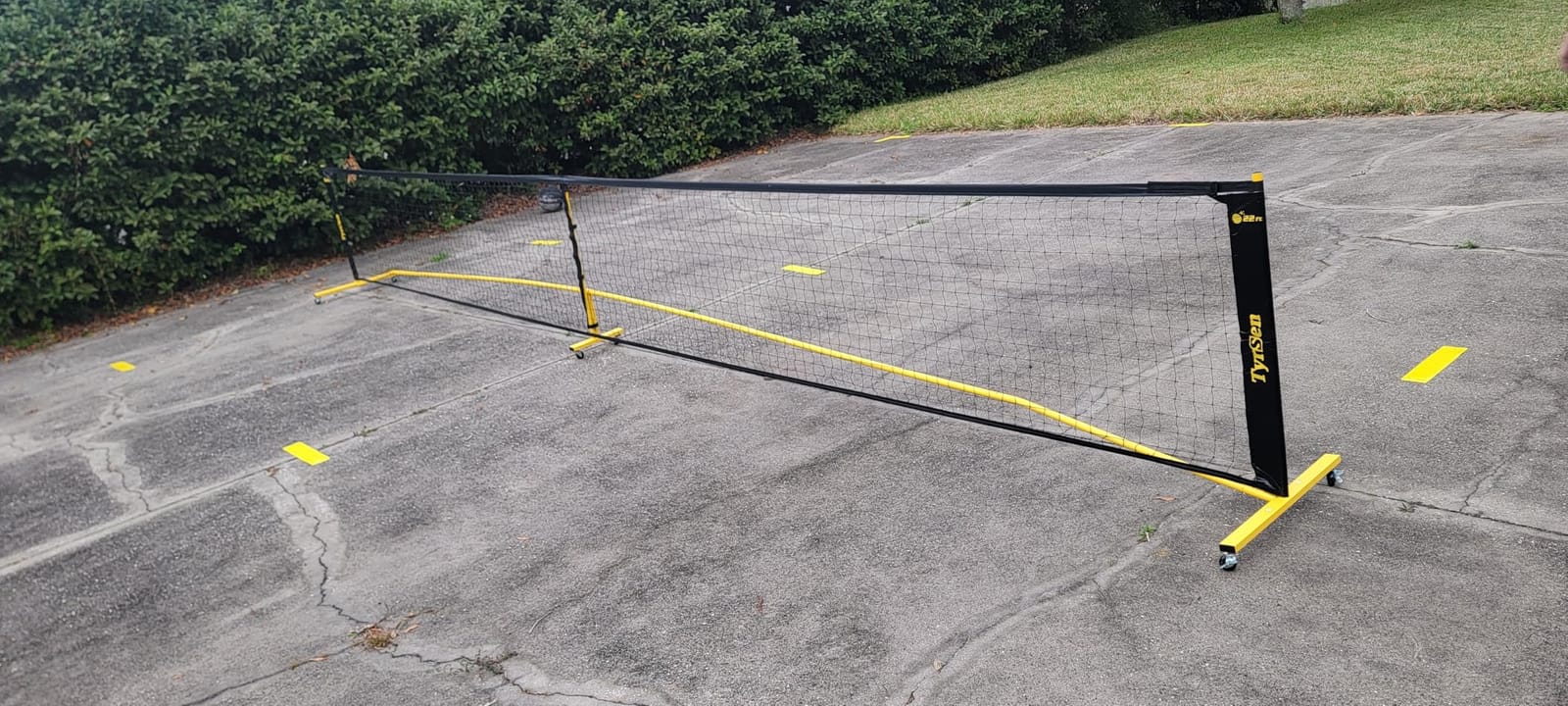
The frame is hollow steel tube with a 15 mm, 1 mm-coated metal center pole, and adjustable tightening straps on the net itself. Listed court size is 22 feet wide by 36 inches at the sidelines and 34 inches at the center, with a packed footprint of 38.19 by 12.99 by 7.87 inches.
Assembly is about ten minutes of interlocking poles with no tools, and the warranty is a one-year guaranty that includes accessory replacement, which is how the paddle and ball pieces get covered.
Why it works in a backyard
The 18-ply knotless PE mesh is a step above the 8-ply and 15-ply mesh common at this tier, and knotless weave resists fraying at the edges where a knotted net starts to go first. Twelve court markers are genuinely useful for laying out a regulation court before you paint anything.
Rolling it to a corner rather than carrying it is the detail that keeps this system in weekly rotation. A net nobody wants to move is a net that stays in the garage.
Where it falls short
Weld quality is the recurring weakness. Several owners report a center support or weld failing within weeks to a month, and light-wall tubing is the reason. The supplied paddles are entry-level wood, and the court markers wander on smooth concrete, so anchor them or skip them.
6. Pickle-Ball SwiftNet 2.1 Portable Net System — Best for Portability and Playing Feel
- Light at 17 pounds and corrosion resistant
- No center post keeps a natural arch and taut top line
- Two-minute setup and takedown
- Carry bag holds every component
- Inner shock cords can arrive frayed and need replacing
- Small plastic center piece can crack on first assembly
- Center can measure under 34 inches
The SwiftNet 2.1 is the system that changes how people talk about portable nets. Owners with several portable nets behind them rate it the best-playing and best-tensioning of the bunch, and community consensus on r/Pickleball broadly treats it as the top of the portable category for regular players.
It holds a 4.5 average from 295 ratings. The carbon fiber frame comes in at 17 pounds, the lightest listed figure in this roundup, and it is the only system here with no center post at all.
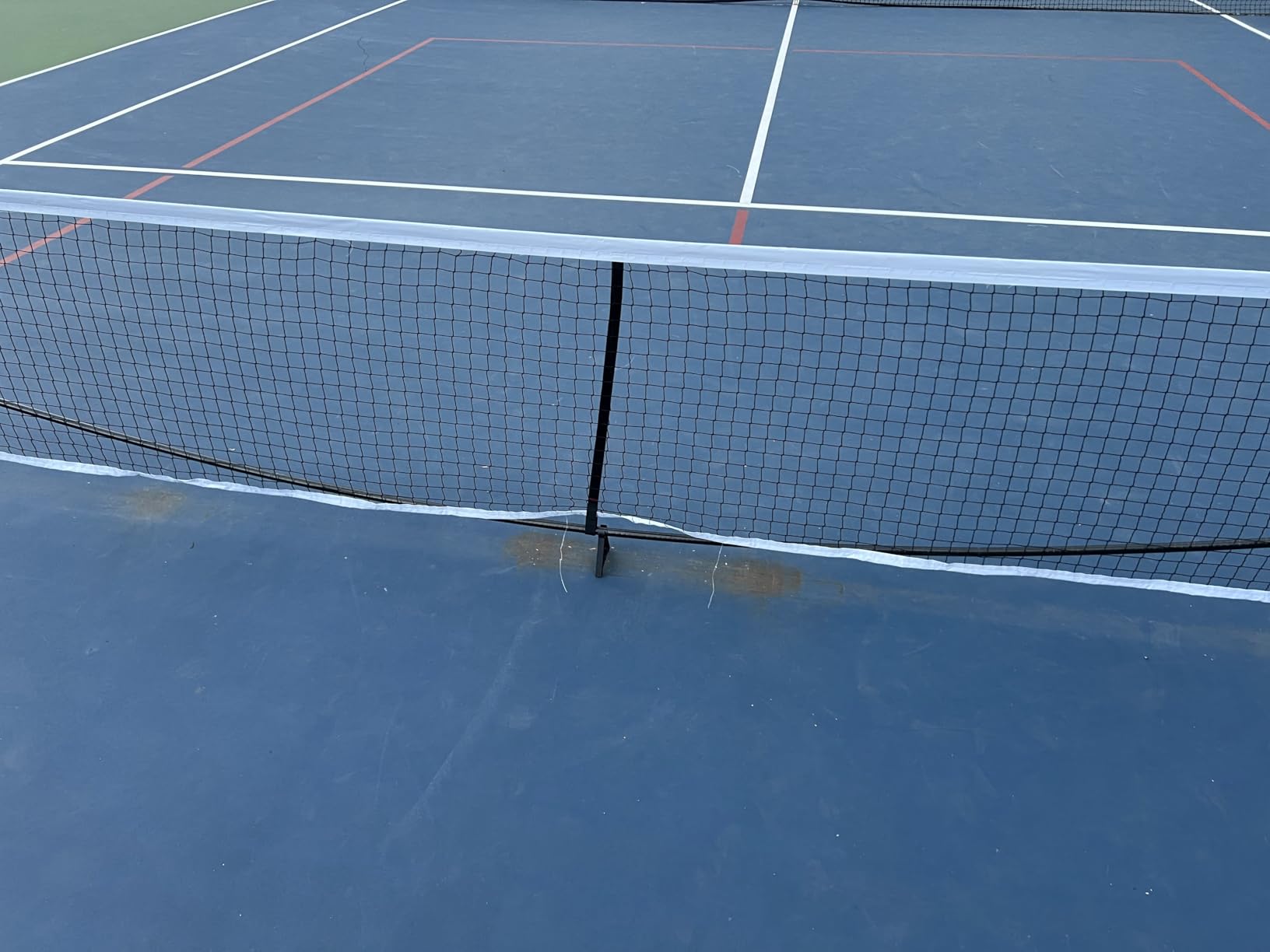
That missing center post is the whole design argument. Without a vertical element in the middle, the net keeps a natural arch and a top line that plays like something permanently installed, and balls roll underneath cleanly on a low serve return instead of catching on a support.
The frame is recycled aerospace-grade carbon fiber with aluminum hardware, listed at 36 by 264 inches and 17 pounds, and it folds down small enough to travel. Setup and takedown are about two minutes.
Why it works in a backyard
Weight is the first thing you feel. Carrying 17 pounds from the garage to the far end of a yard is a normal two-handed job, and it is the difference between a net that gets used weekly and one that stays assembled permanently because moving it is a chore.
Corrosion resistance is the quiet advantage over time. Powder-coated steel in a humid backyard eventually blooms rust at the joints, and carbon fiber simply does not, which matters for a system expected to survive multiple seasons outdoors.
Where it falls short
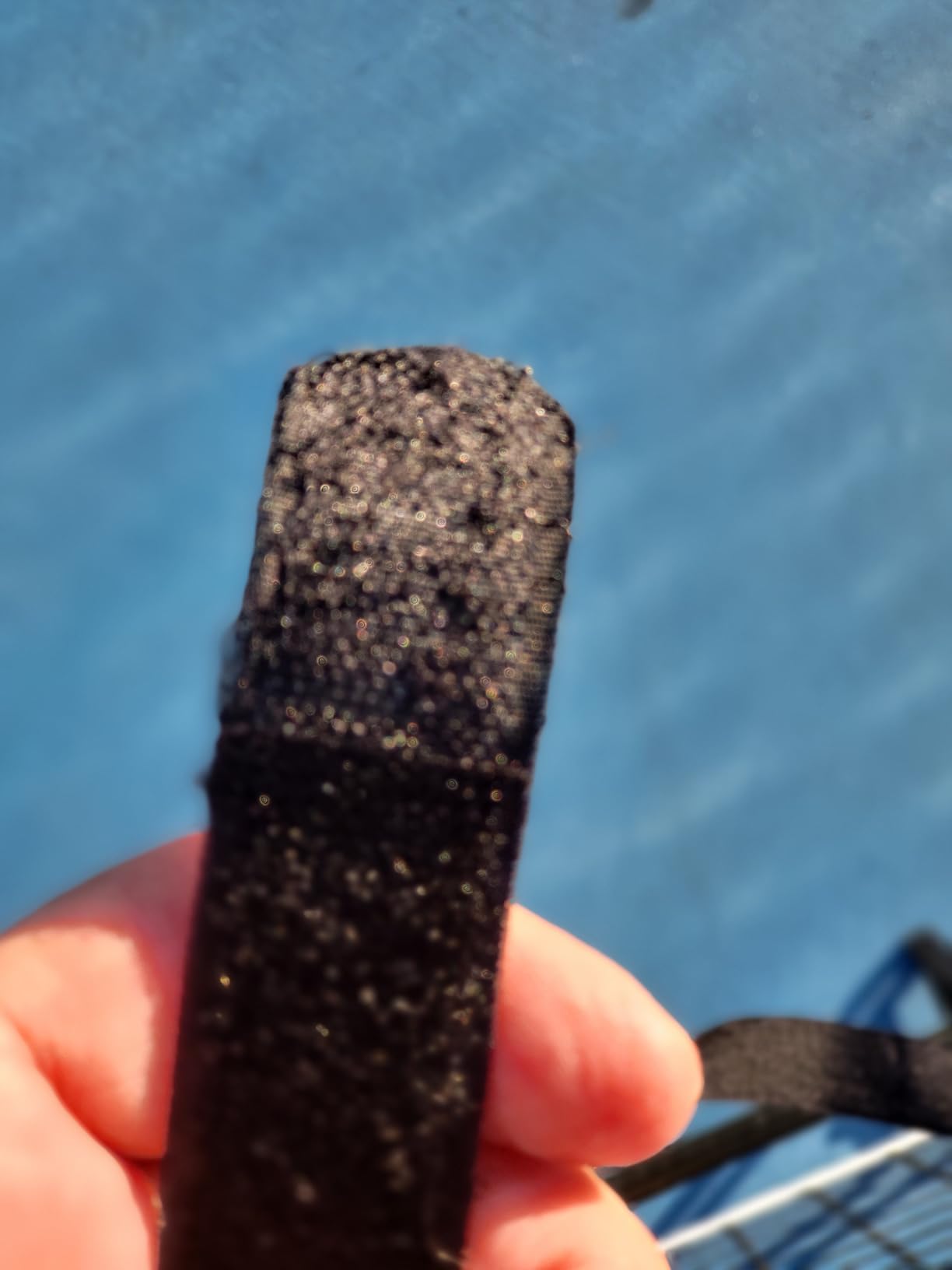
The complaints cluster on small parts rather than the frame. Inner tension and shock cords can arrive broken or frayed and need periodic replacement, the small triangular plastic center support piece can crack during first assembly, and one vertical-tube lock button is tight and finicky to release. Owners also measure the center a little under 34 inches. Pickle-Ball’s customer service draws praise for shipping replacement parts quickly.
7. Deluxe Heavy Duty Pickleball Net with Wheels — Best for Wheeled Durability
- Wide base gives built-in net stability while staying movable
- Locking caster wheels reposition then hold
- One-person tool-free setup in five minutes
- Wheeled carry case included
- Very heavy and awkward over gravel without a cart
- Stock plastic casters do not grip well
- Carry case is undersized and seams have torn
- Mesh can tear after months of heavy use
This is the net for a household with a shared court, a rec program, or a club that needs several systems running at once. Buyers running multi-court operations rate it as the best durability-to-price wheeled net they have used, and several have bought multiples.
It holds a 4.6 average from 149 ratings, the smallest review pool in the roundup but also the most concentrated in buyers who use nets daily rather than occasionally.
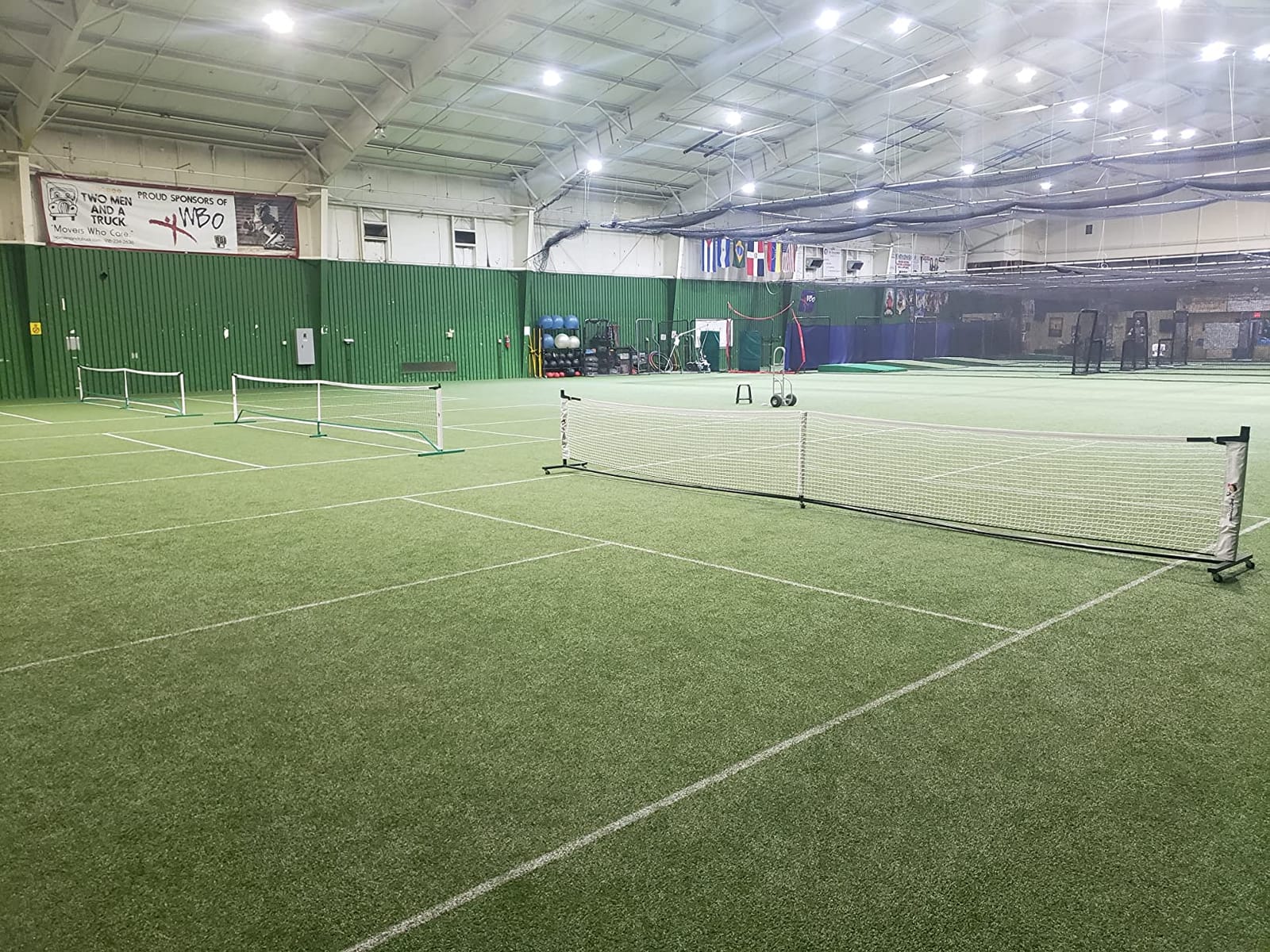
At 22 feet wide with 36-inch sidelines and 34-inch center, the geometry is regulation. What is different here is mass: the listed weight is 20.41 kg, about 45 pounds, and that mass is the feature. A frame that heavy does not drift in a gust, which is the number-one problem with lightweight portable systems on a hard, exposed driveway.
Setup is tool-free and one-person, taking roughly five minutes. The lockable casters let you roll it to a new spot, set it, and lock it firm, and a wheeled carry case is included for storage.
Why it works in a backyard
If your net lives outside permanently rather than coming in each night, weight is not a burden. It is insurance. The wide base and locking casters mean you anchor by positioning once rather than by adding sandbags every session.
The 12-month no-questions-asked warranty covers the frame, net, wheels, and carry case together, which is broader coverage than most competitors in this roundup offer on the same system.
Where it falls short
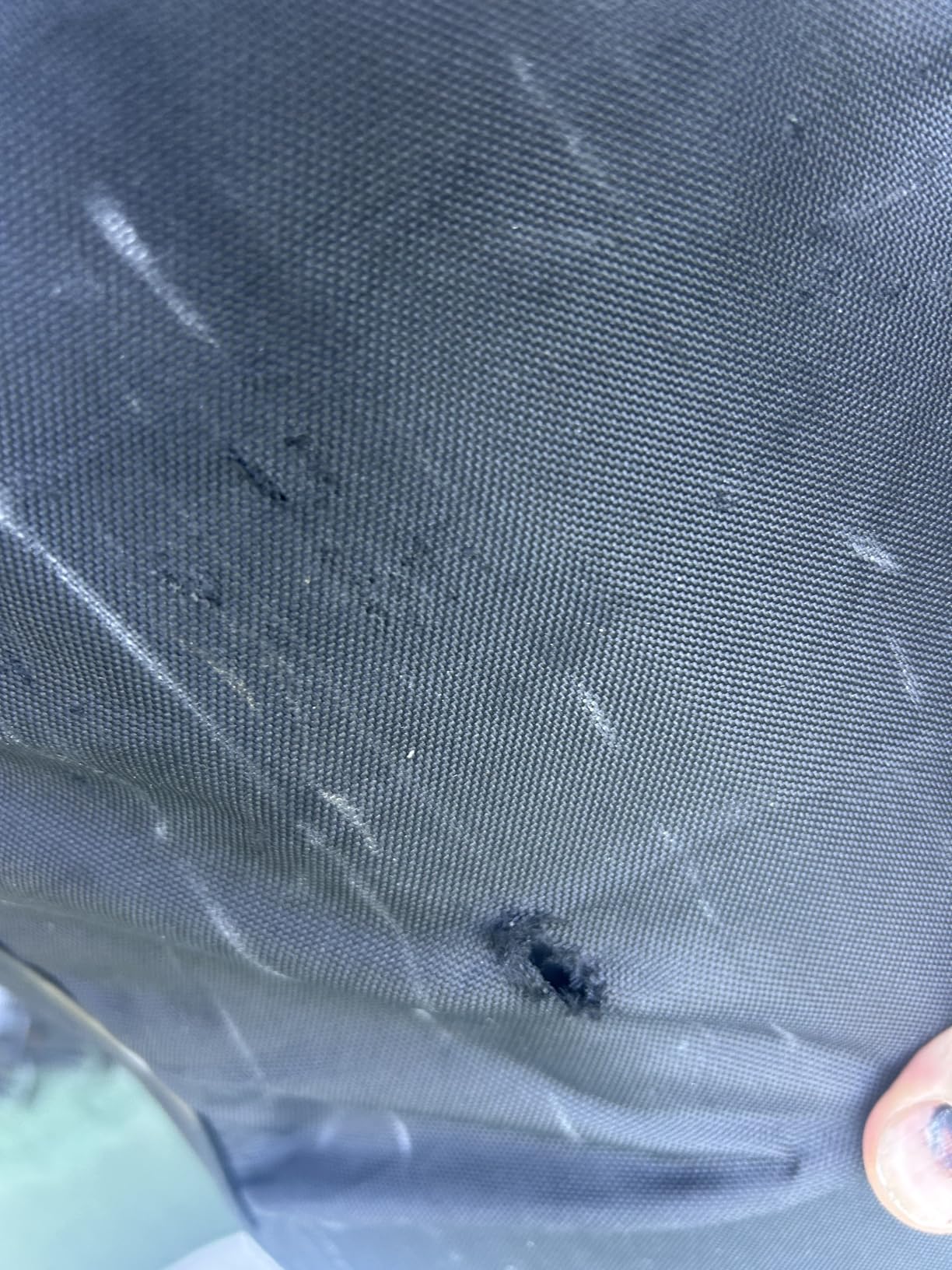
Forty-five pounds is genuinely heavy. Moving it over gravel or a lawn without a cart is a two-person job, and that is the single most common complaint in reviews. The stock plastic caster wheels grip poorly on smooth concrete, and the included carry case is undersized enough that it has torn at the seam for some owners. If you want roller-style wheels, this is not that.
8. A11N SPORTS Pro Pickleball Net with Wheels — Best for Anti-Sag Tension
A11N Sports Pro Pickleball Net with Wheels and Hand Winch, Tournament Regulation Size, Anti-Sag Design, Perfect for Outdoor Court & Indoor Gym Floor
- Hand winch keeps the net straight without a center post
- Six caster wheels allow one-person repositioning
- Square tubing resists twisting better than round tube
- Wide legs plus included sandbags for wind
- Bolted construction is tedious to disassemble
- Heavy and awkward to move without wheels
- Net cord is thin nylon
- Wheel bearings seized after a year for some buyers
The A11N Pro answers the sagging question more directly than anything else in this roundup. A hand winch pulls the net line tight from the side, which means you can take up slack on demand as the mesh relaxes rather than re-rigging the net each month. Rec-center operators running six or more units rate it as the best value in a true wheeled system that is not a pack-and-carry net.
It holds a 4.3 average from 200 ratings, and the complaints are concentrated in hardware rather than in the net itself.
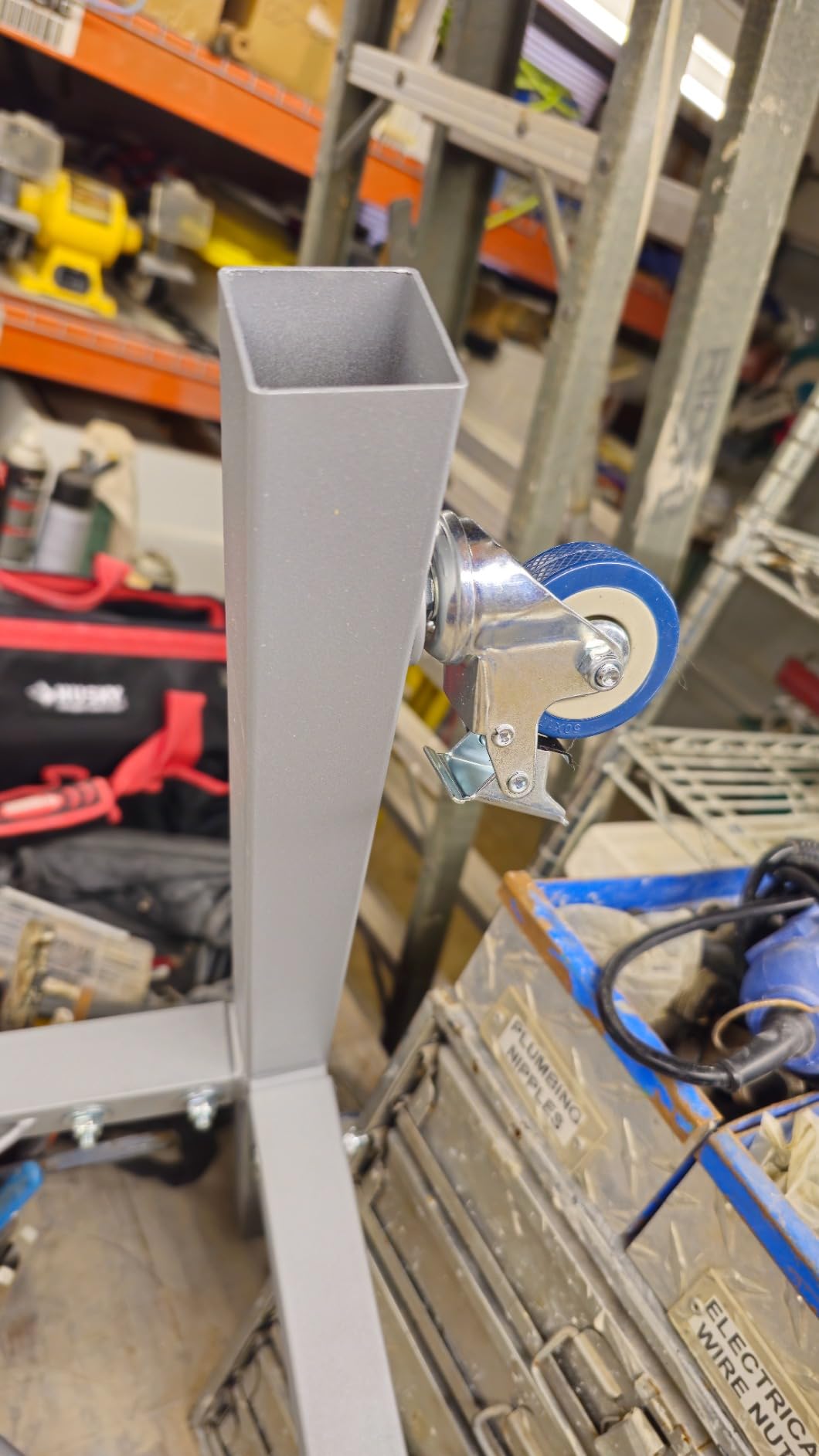
The frame is thick square metal tubing with rust-resistant powder coating and bent wide legs, plus a diagonal brace that keeps the frame square. Square tubing resists twisting better than round-tube competitors, and that is what you feel when a hard crosswind hits a net that has been up for a month.
Six caster wheels, all lockable, let one person roll the whole system aside when the court is needed for something else. Two sandbags are included, which is a nice touch since anchoring hardware is the most commonly skipped accessory.
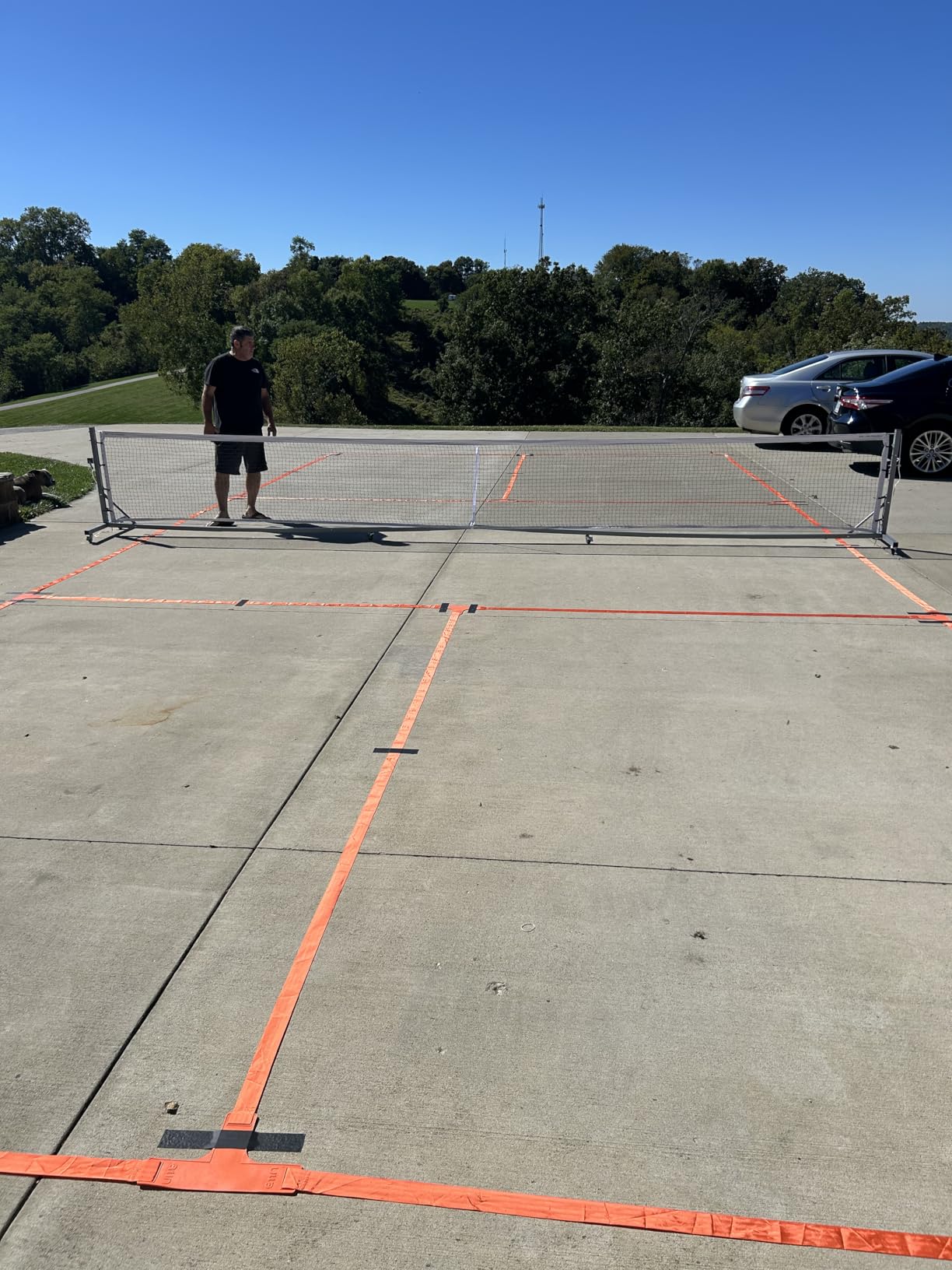
Why it works in a backyard
The winch is a genuine anti-sag answer. Pull the cord until the tape line reads 34 inches in the middle, and you can repeat that in ten seconds three months later instead of wondering whether the net is stretched.
Warranty coverage is split rather than blanket: 12 months on net posts and 6 months on the net. Since the net is the part exposed to sun and ball impact, read that split as a statement about expected net life.
Where it falls short
The bolted construction is the tradeoff for the rigid frame. It should realistically be rolled aside assembled rather than packed up, because disassembly is tedious. The net cord is thin nylon and some owners wanted heavier cord, and caster wheel bearings have seized after about a year for some buyers. Light surface rust has appeared on powder-coated tubing after a season outdoors.
9. Franklin Sports 22 ft Portable Net with Travel Bag — Best for Shared Courts
Franklin Sports Pickleball Net System with Wheels – 22′ Regulation – White
- Center support prevents the sag buyers expect
- Locking wheels make it a one-person job to swing aside
- Tool-free assembly in about three minutes
- Travel bag included
- Support poles are thin but adequate
- Bag is heavy and wheel locks take time to set
- End-base wheels can bend if pulled
- Only a 90-day limited warranty
The Franklin is the one to buy when the same slab does double duty as a tennis court and a pickleball court. The locking wheels are the headline: one person can swing the net to the fence line in a few seconds rather than breaking down a frame and losing an evening to it. A club buyer on r/Pickleball noted buying four of these specifically because setup and take-down were easy.
It holds a 4.4 average from 134 ratings, and buyers report being pleasantly surprised by how little the net sags compared with the listing photos.
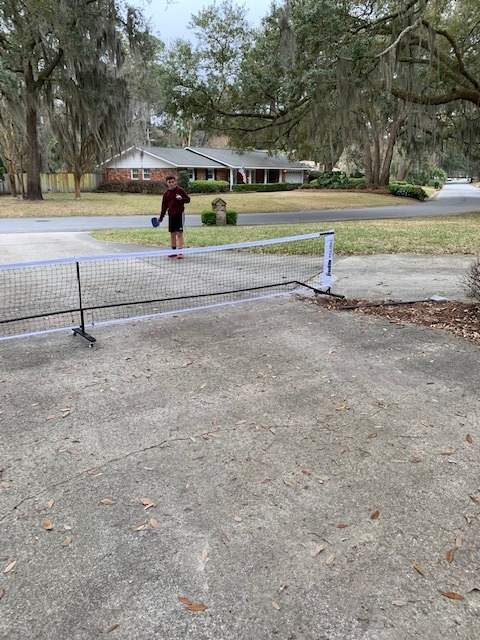
Sizing is listed at 22 feet by 36 inches, 264 by 36 inches overall, at 27 pounds. The frame is powder-coated alloy steel with heavy-duty nylon netting, and the center support is the piece that does the anti-sag work at this price tier.
Velcro straps at the top of each end hold the net line tight, and assembly is roughly three minutes with bungee cords that hold the poles together. No tools are required.
Why it works in a backyard
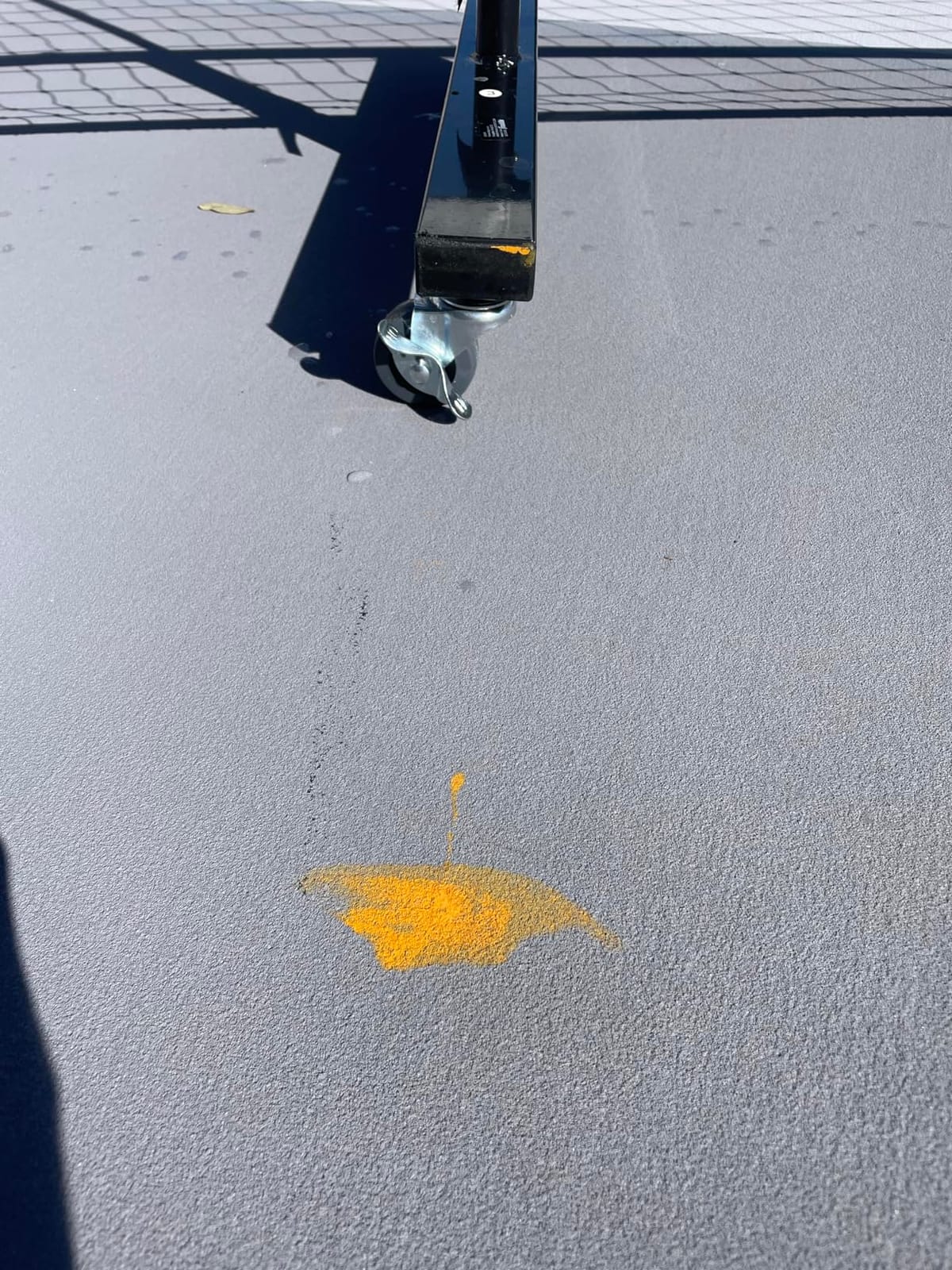
Owners running mixed-use courts care about the transition time, and three minutes is fast. The travel bag handles storage, and one reviewer reports the net still looking good after a full season in Arizona heat, which is a real test of UV exposure.
For a household that also plays tennis, the wheel-and-swing model means the court stays usable for both games in the same session, which no bag-carrying system can offer.
Where it falls short
The support poles are on the thin side, described as adequate but not heavy, and the warranty is a 90-day limited period, the shortest stated coverage here. The bag is heavy to carry and the wheel locks take time to set. End-base wheels can bend if you pull the net by the bases, the frame is slightly wider than some small courts and is not adjustable, and mild rust has appeared at the T-base after two seasons.
10. Dominator Standard Portable Net on Wheels — Best Rust-Proof Aluminum Build
- Aluminum construction is completely rust-proof
- Regulation USAPA-compliant sizing
- Five locking wheels hold firm position
- Under two-minute setup as sections slide together
- Rolling storage bag included
- Heaviest and most expensive system in the roundup
- Aluminum sections dent and scuff in transport
- Lowest average rating with a 6 percent one-star share
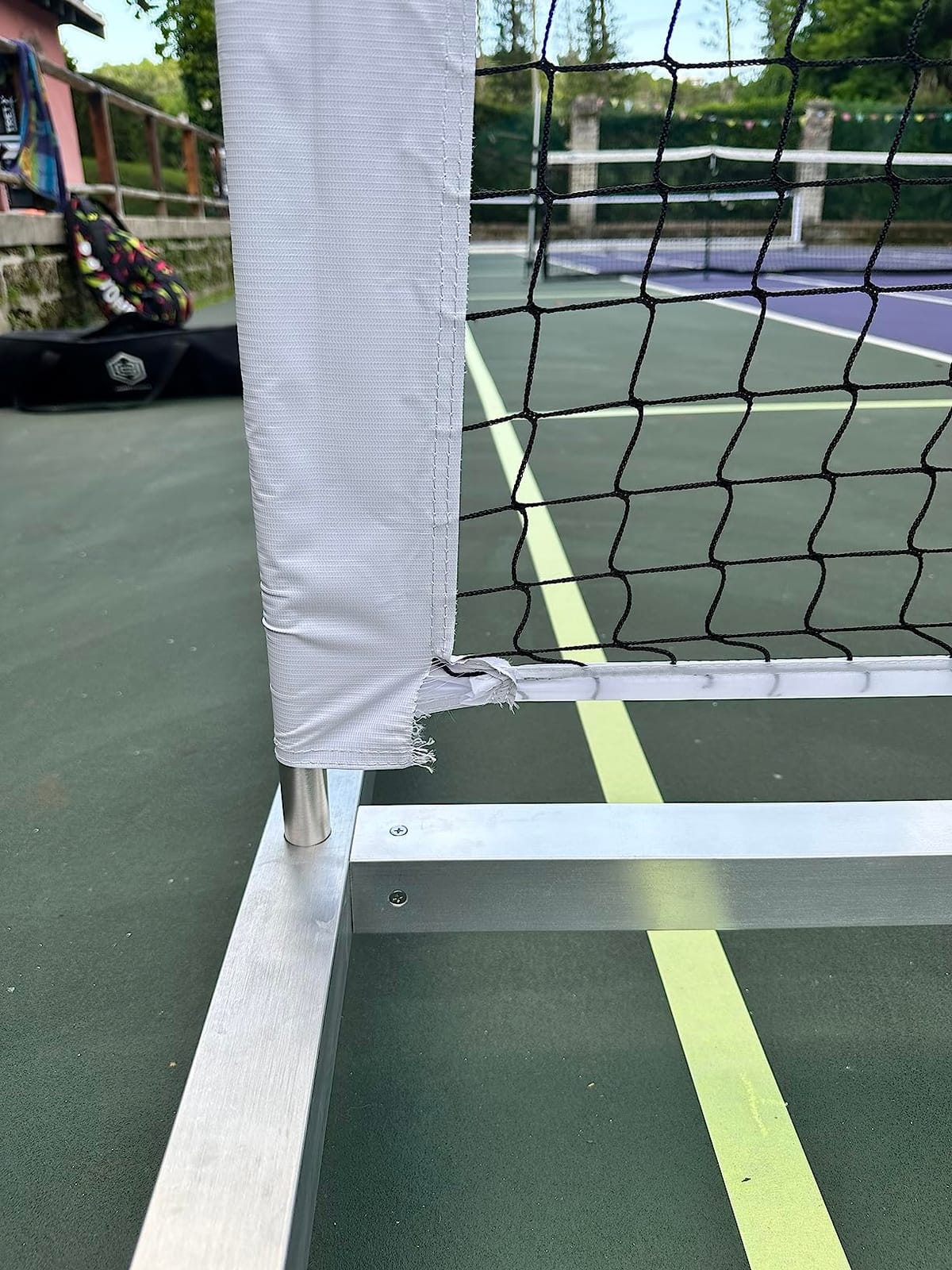
The Dominator takes the permanent-net approach and makes it portable. It is built like something you would bolt to a slab, with 6061 T6 aluminum sections and five locking wheels, and owners who started out wanting a permanent system and needed something movable rate the rust-proof build as the main draw.
It holds a 4.3 average from 127 ratings, and the rating is pulled down by cosmetic damage in transport and the premium tier of the system rather than by problems in play.
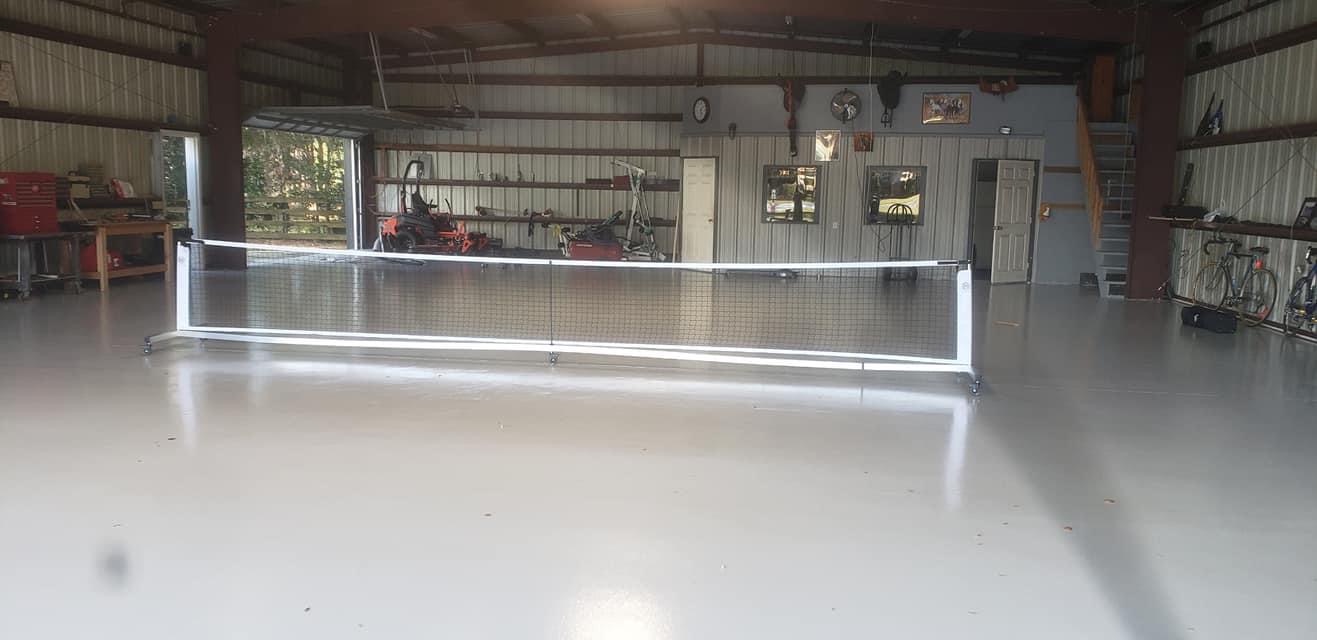
Geometry is 264 inches long, 36 inches wide, and 34 inches at the center, meeting USAPA-compliant sizing. Five total locking wheels, two at each end and one in the middle, keep it firmly positioned, and the middle wheel is what stops a 22-foot span from pivoting at the center.
Setup and takedown are under two minutes because each section slides into the next with no separate hardware. The rolling storage bag lets you wheel the whole thing away like a suitcase, and the warranty is one year from the manufacturer.
Why it works in a backyard
Aluminum does not rust, and that is the single strongest long-term argument for this frame in a humid or coastal backyard where powder-coated steel eventually blooms at the joints. It will outlive the coating on any steel competitor in a wet climate.
At 35 pounds with five locking wheels, this is a system you position once and leave in place. That is the right model for a family that plays most weekends and does not want to break anything down afterward.
Where it falls short
It is the heaviest system in this roundup and the most expensive, and both facts come from the same cause: permanent-grade construction. Aluminum sections show cosmetic scuffs and dents during transport, which is an unavoidable trade with a material that dents instead of flexing. It also carries the largest one-star share of any net here at 6 percent, so read the two-star and three-star reviews before buying.
How to Pick the Best Portable Pickleball Nets for Backyards for Your Surface
Your surface decides more than your budget does. A net that feels rigid on a smooth sealed court can shift constantly on grass, and a frame with narrow base legs will punch divots or slide on concrete that is wet. Match the base design and weight to what you actually have.
On a concrete driveway, weight is your friend. Heavier frames, the Deluxe Heavy Duty at about 45 pounds, the Dominator at 35 pounds, or the Pickle-Ball 3.0 at 24 pounds, resist drift without anchors. Smooth concrete is hard on thin plastic caster wheels, so lockable wheels matter more than rolling wheels on this surface.
On asphalt, the same logic applies with one advantage: the texture gives a little grip. Asphalt is also the most forgiving surface for thin frames, and it is the surface where a lighter system like the PICKLETECH 4.0 Slim holds up fine without sandbags.
On grass, the problem reverses. Wide bent legs, as on the Pickle-Ball 3.0 and the A11N Pro, spread weight to avoid sinking, and a spiked base or stake beats a sandbag because a sandbag slides across wet turf. Expect to move the net often, since mowing and leveling are a constant negotiation.
On a patio made of pavers, use a mat or foam layer under any steel base to avoid scratching, and pick a frame with a wide footprint rather than a narrow post foot. Paver joints are uneven, so a net that looks low in the middle here is usually the ground, not the mesh.
A useful side-by-side comparison is our guide to golf nets for backyard practice, which face the same wind and surface questions and reward the same attention to anchoring.
How to Anchor the Best Portable Pickleball Nets for Backyards on Concrete, Asphalt, and Grass
Portable nets are sold as no-drill, which is true of the frame and false of the physics. A 22-foot span catches wind on both sides, and anchoring is what stops a gust from turning a good session into a trip to the hardware store.
On concrete, sandbags on each end post are the standard answer because they add mass low and wide without touching the surface with hardware. Two sandbags, roughly 25 to 40 pounds each, on the outer edges of each base is the common configuration, and the A11N Pro ships with a pair for exactly this reason.
On asphalt, the same sandbag approach works, and a low-profile rubber weight disc is an alternative if you do not want bags that get in the way of a broom. Stakes are not an option without drilling, which is the one advantage a lawn has over pavement.
On grass, drive stakes at an angle away from the net, one at each end post plus one near the center if the span is pulling. Stake-and-clamp hardware holds better than a sandbag in wet conditions. Whatever the surface, recheck tension after anchoring, because adding weight at the ends can pull the center up and change your 34-inch reading.
How to Stop Net Sag and Hold Center Height at 34 Inches
Center sag is the top complaint on r/Pickleball, and it has a mechanical cause rather than a quality cause. Cheap nets tension the top cord only, so the top line stays put while the mesh below it stretches, and the middle quietly drops below 34 inches over weeks of play.
First, measure rather than guess. A tape measure from the ground to the underside of the tape line in the center of the court should read 34 inches, and at each post it should read 36 inches. If both are low, the frame is settling and the problem is tension, not mesh.
Second, tension the top cord. Buckle systems, as on the Pickle-Ball 3.0, let you take up slack incrementally. Velcro and bungee systems need the strap pulled and re-seated, and once a bungee or velcro strap has stretched there is no reliable way to return it to original tension, which is the limitation reviewers describe directly.
Third, check the center support. A fiberglass or iron center rod holds the middle at height permanently, while a no-center-post design relies on a strap or cord. If a center support has bent, no amount of top-cord tension will fix it, and that is a parts replacement rather than a setup adjustment.
Fourth, read the sag pattern. If the center measures correctly when you first assemble and low after three weeks, the mesh has stretched and only a re-tensionable design or a new net solves it. If it reads low immediately, the frame geometry is the issue.
Fifth, keep the top line clean and dry. Grit and standing water on a cord add drag that stretches the line faster, and drying a net after rain is the cheapest longevity win available.
When the Best Portable Pickleball Nets for Backyards Are the Wrong Call for Your Yard
There is a real answer for a buyer who should skip this entire roundup, and it comes down to how often you intend to play. A portable system is a decision you remake repeatedly: every session is a setup, a carry, a takedown, and a storage problem. That cost is worth it if you play a few times a month or share a court with another sport.
If you play every day and the net can live outside year-round, an in-ground or surface-mount permanent system wins on stability, sag resistance, and sheer playing quality, because it never has to be tensioned twice. Nothing in this list is built to be bolted to concrete.
Skip this roundup also if you have very little space. A 22-foot regulation net needs a 20-foot-wide by 44-foot-long court to play properly, with a 7-foot non-volley zone on each side. A small yard is better served by the 11-foot half-court kits here, such as the Fostoy or BAGAIL, or by a permanently installed half court.
One more disqualifier: shared apartment or courtyard space where a 45-pound system has to move daily. A permanently installed half court on common ground serves more people per pound of hardware.
Storing the Best Portable Pickleball Nets for Backyards Through the Off-Season
UV exposure is what ends portable nets, not rain. Mesh fabric, net cord, and top cable all degrade under repeated sunlight, and a net left on a driveway in full sun through August will fade and stiffen well before one stored in a garage.
Dry the mesh before you store it. A damp net packed into a bag for a week develops mildew at the hem, and mildew at the double-sewn edge is the failure point on higher ply kits like the Fostoy 18-ply mesh. Hang it for a few hours in shade, then pack it.
Store it loose in a bag, off the floor. Concrete floors wick moisture, and a net laid flat on concrete through a wet winter comes out with rust at the base plates. A shelf or a hanging hook in a dry garage beats a folded net on a damp slab.
Check the tension system once before the season starts. This is where the Pickle-Ball 3.0 buckle and the A11N hand winch pay off, because both can be re-tensioned in under a minute after five months of storage. A velcro or bungee net has to be re-strapped, and a stretched strap usually needs replacing rather than re-seating.
Frequently Asked Questions
What height is a regulation pickleball net?
A regulation pickleball net stands 36 inches high at the sidelines and 34 inches high at the center, measured from the ground to the underside of the top tape line. The net spans 22 feet between the outside edges of the posts, and the net itself is 21 feet 9 inches long. A 7-foot non-volley zone, called the kitchen, extends from the net on each side.
Can I leave a portable pickleball net outside?
You can, but you should expect a shorter service life than the warranty suggests. Sunlight degrades mesh fabric, net cord, and top cable faster than rain does, and steel frames eventually show rust at the joints even when powder coated. Aluminum builds such as the Dominator resist corrosion best. Dry the mesh before packing, store the net off the ground in a dry garage, and expect to replace cheaper nets sooner.
How long does a portable pickleball net take to set up?
Setup time ranges from under two minutes for sliding-section systems like the Dominator to about ten minutes for kits that assemble from separate interlocking poles. Most systems in this roundup take two to five minutes with no tools. Two-person assembly matters more than the published time, because bungee and buckle frames are designed to be pulled taut by two people at once. A hand winch system can be adjusted solo.
Do portable pickleball nets meet USA Pickleball standards?
Most do on paper, since regulation sizing is a listing standard anyone can copy. Check three things: 22 feet between posts, 36 inches at the sidelines, and 34 inches at the center. The real test is the third one after a season of play, because many nets advertise regulation height but lose center height as the mesh stretches. Nets with a center strap, winch, or rigid center support hold it best.
Can I use a portable pickleball net for tournament play?
Only if the tournament organizer accepts it. Most competitive and sanctioned events specify approved equipment, and a portable system is more likely to be rejected than a semi-permanent one because its height can shift under wind or ball impact. Recreational and club-level tournaments are usually more flexible. Check the event rules before traveling with a portable net rather than assuming a regulation-size listing is enough.
Can I use a tennis net instead of a pickleball net?
Not for regulation play. A tennis net tape line sits about 42 inches above the surface at the posts, roughly 6 inches higher than the 36 inches pickleball requires, and it has no lower center point. A lower ball crossing the net still counts as a fault in tennis, so a tennis net changes the sport rather than the equipment. Use a portable pickleball net laid across a tennis court instead, which is faster than modifying the court.
Is a portable or permanent pickleball net better?
Choose portable if you play a few times a month, share a court with tennis, or need the space for other things. Choose permanent if you play daily and the net can stay outside year-round. Portable systems cost you setup and carry time at every session but store away in minutes. Permanent systems never need retensioning and hold height best, but they cannot be moved once installed.
How do I keep a portable net from sagging in the middle?
Measure the center with a tape measure first, which should read 34 inches from the ground to the underside of the tape line. If it is low, tension the top cord using the buckle or winch, then check that the center support rod or strap is not bent. If the center reads correctly after setup but low a few weeks later, the mesh has stretched and only a re-tensionable design or a new net restores true height.
What size net do I need for a backyard?
A 22-foot regulation net suits almost every backyard, but the court around it matters as much as the net. A regulation court runs 20 feet wide by 44 feet long, with a 7-foot non-volley zone on each side of the net. In a small yard, a kit that includes an 11-foot half-court net, such as the Fostoy or BAGAIL systems, gives you a practice target on the same frame.
How do I anchor a portable pickleball net?
On concrete and asphalt, place sandbags on the outer edge of each end post, roughly 25 to 40 pounds each. On grass, drive stakes at an angle away from the net and clamp the posts, since sandbags slide on wet turf. Recheck the 34-inch center measurement after anchoring, because added weight at the ends can lift the middle. Always confirm the court is level before tightening anything.
Why do I need my own portable pickleball net?
A portable net lets you turn a driveway, patio, or lawn into a court without permanent construction, and you can move or remove it when the space is needed for something else. It also lets one net serve both tennis and pickleball by rolling aside rather than being rebuilt. Without one, practice options are limited to walls, which do not develop a realistic dinking game.
Final Verdict on the Best Portable Pickleball Nets for Backyards in 2026
The Pickle-Ball 3.0 Tournament Net is our pick for the best portable pickleball nets for backyards, and the reason is tension rather than marketing. It holds 36 inches at the sidelines and 34 inches at the center after repeated sessions, it assembles in about five minutes, and at 4.8 across 949 ratings it has the strongest rating and review combination of any net here. For a driveway that doubles as a tennis court, the Franklin is the smarter buy because you roll it aside in seconds.
Pick the Fostoy kit if you want a half-court net from the same frame, the PICKLETECH 4.0 Slim if carrying weight is your binding constraint, and the A11N Pro if the sag you keep fighting deserves a hand winch. Measure the center with a tape measure after your third session, not the first. That single check tells you more than any listing will.