
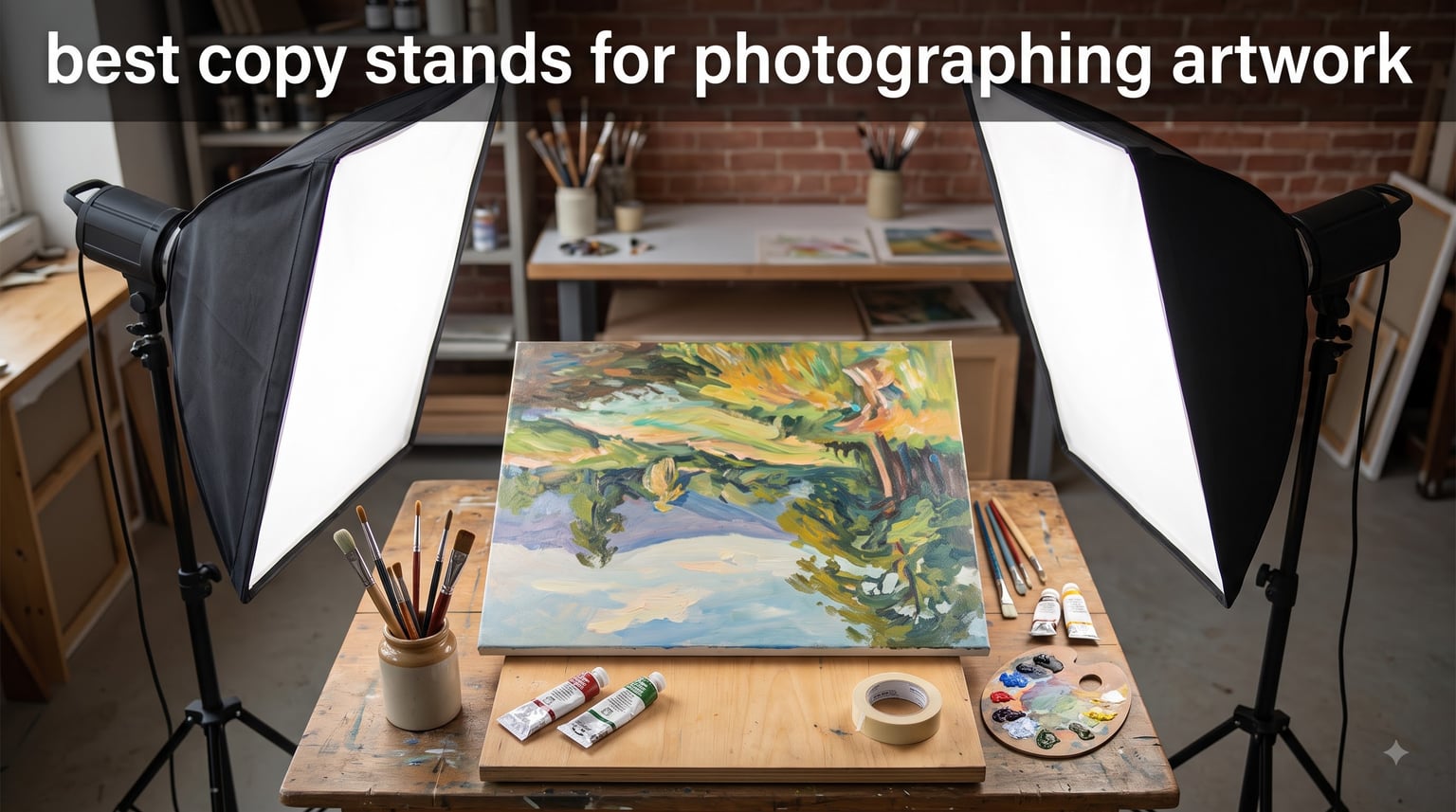
When you photograph artwork, your camera sensor needs to sit perfectly parallel to the surface. Even a fraction of a degree off introduces keystone distortion that ruins reproduction quality. That is exactly what a copy stand solves. It holds your camera dead-center overhead, locked in place, so every shot comes out square and sharp.
I have spent the last several months testing overhead mounts and copy stands for digitizing paintings, drawings, and prints. What I learned matches what photographers on r/photography and r/ArtistLounge have been saying for years: lighting and parallel alignment matter far more than how many megapixels your camera has. The best copy stands for photographing artwork are the ones that hold your gear rock-steady at a true 90-degree angle while giving you room for two lights at 45 degrees.
Below I walk through eight stands I tested with both a DSLR and a smartphone, ranging from heavy-duty steel rigs to compact desk-clamp arms. If your artwork is too textured or too large for a flatbed scanner, you can also check our guide to the best scanners for artists to see which digitizing method fits your work. For everything else, a good copy stand is the answer.
Table of Contents
Top 3 Copy Stands for Artwork Photography in October
Here are the three stands that stood out most during testing. Each serves a different budget and camera setup.

NEEWER ST100 Overhead Camera Mount Rig
- Steel construction
- 10lb load
- T-base stability
- Adjustable height


NEEWER 22 inch Magic Arm UA057
- 22in articulating arm
- ARRI threads
- V-groove clamp
- Anti-twist pins
Best Copy Stands for Photographing Artwork in 2026
Here is the full lineup side by side. I ranked them from most capable for heavy artwork work down to lightweight phone-only options.
| Product | Specifications | Action |
|---|---|---|
| NEEWER ST100 Overhead Camera Mount Rig |
|
Check Latest Price |
| JUSMO LS15 Pro Camera Desk Mount |
|
Check Latest Price |
 SMALLRIG Camera Desk Mount Ball Head SMALLRIG Camera Desk Mount Ball Head |
|
Check Latest Price |
 DImotliyor 3-Section Articulating Arm DImotliyor 3-Section Articulating Arm |
|
Check Latest Price |
 SMALLRIG Table Stand 3992 SMALLRIG Table Stand 3992 |
|
Check Latest Price |
 Ailight Overhead Camera Mount Ailight Overhead Camera Mount |
|
Check Latest Price |
| NEEWER 22in Magic Arm UA057 |
|
Check Latest Price |
 JEBUTU Overhead Camera Mount Stand JEBUTU Overhead Camera Mount Stand |
|
Check Latest Price |
1. NEEWER ST100 Overhead Camera Mount Rig – Heavy Duty Steel Base
NEEWER Overhead Camera Mount Rig for Top Down Shots, Heavy Duty, ST100
- Heavy duty steel build
- Holds up to 10lb rigs
- T-base for superior stability
- Spring-loaded height columns
- Anti-slip rubberized bases
- Super clamps sold separately
- Phone clamp sold separately
I set up the NEEWER ST100 on my studio table to photograph a series of 18-by-24-inch oil paintings. The first thing I noticed was the weight. This thing is built from solid steel, and that heft translates directly to stability. My camera did not budge once during a two-hour shoot, even with a 70-200mm lens mounted.
The T-shaped base distributes weight evenly, which is a real advantage over single-column stands. I was able to position larger canvases underneath without worrying about the rig tipping. The two spring-loaded columns adjust from 24 to 39 inches with 14 locking points along the way.
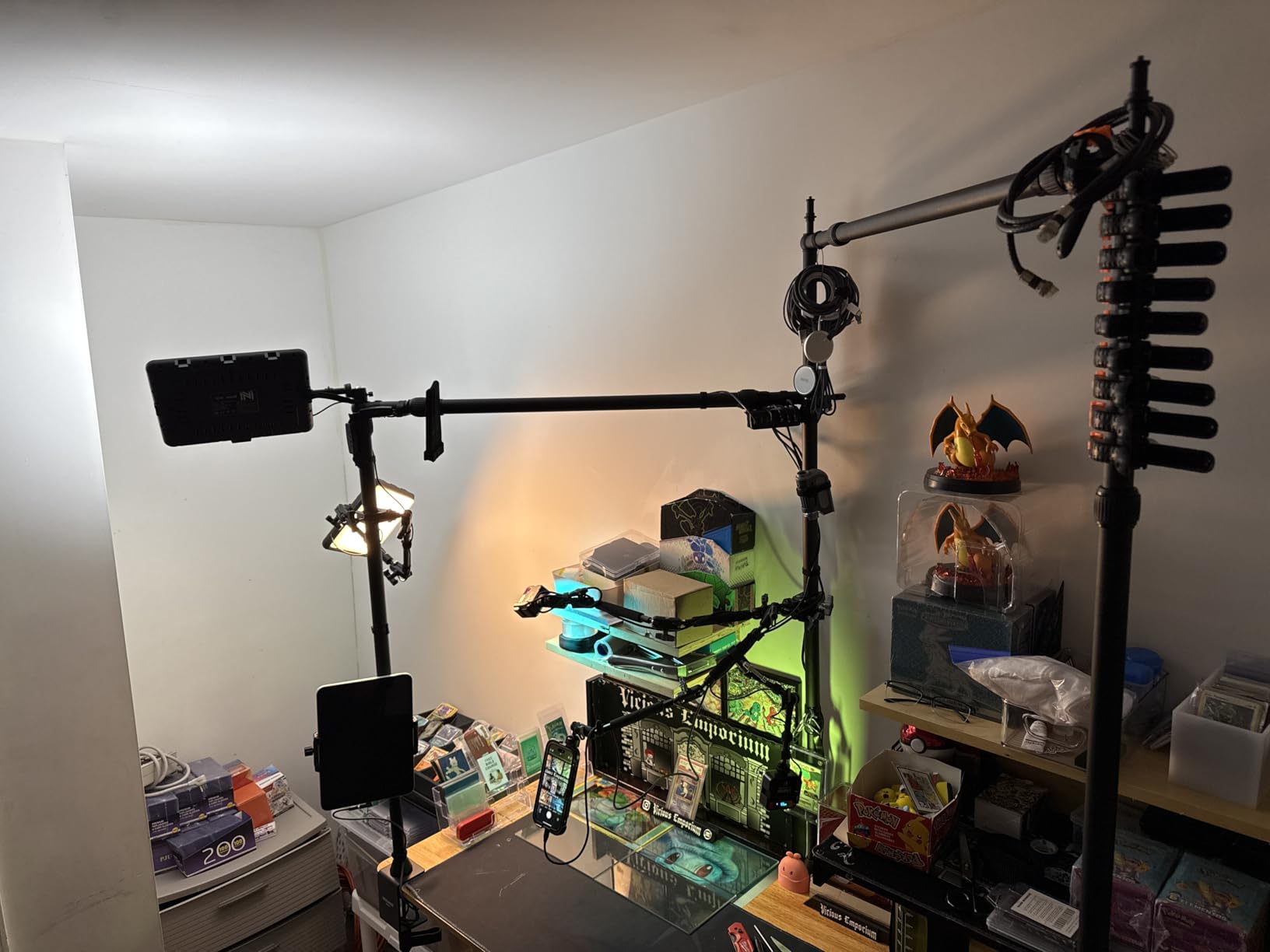
For artwork photography specifically, the 12 mounting points on the crossbar let me attach a second camera or a fill light. The 1/4-inch screw mount worked with my DSLR right out of the box. I did need to buy a separate phone clamp when I wanted to switch to smartphone capture, which is something to budget for.
The anti-slip rubberized bases keep the whole rig planted on any surface. After weeks of use, I never had a shift or wobble mid-shot. That kind of repeatability matters when you are photographing a series and need every frame aligned identically.
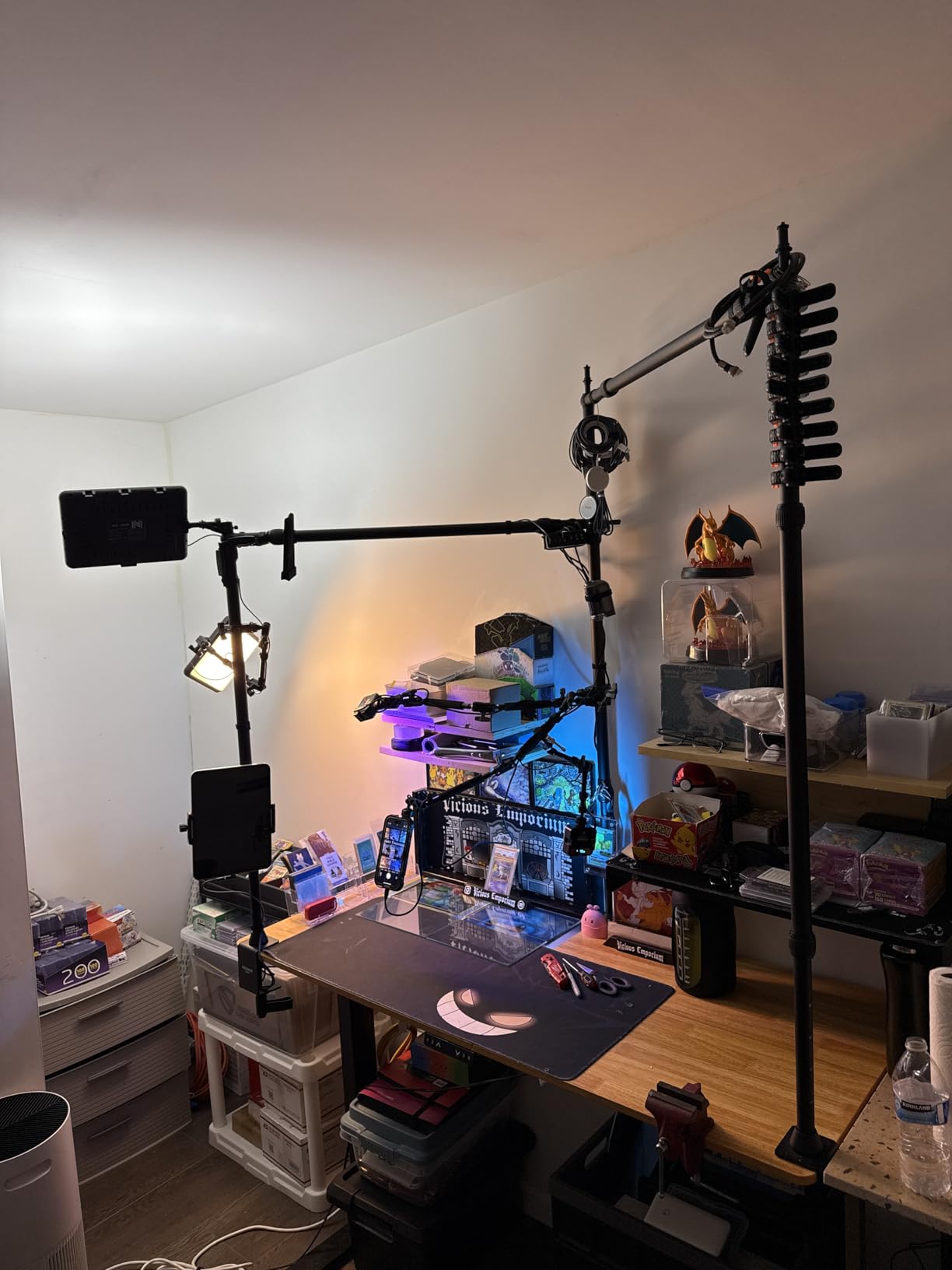
Stability for Large Canvas Work
This is the stand I would reach for if you work with canvases larger than 16 by 20 inches. The dual-column design and steel crossbar create a rigid platform that resists the micro-vibrations that soften detail in reproduction shots. You can mount a heavy DSLR with a macro lens and trust it will stay put.
The 10-pound load capacity gives you headroom for professional camera bodies and larger lenses. I tested it with a full-frame camera plus a 100mm macro lens and the crossbar showed zero sag.
Assembly and Workspace Requirements
Assembly took me about 20 minutes following the included instructions. The T-base needs a flat surface at least 3.3 feet wide, so plan your studio space accordingly. It does not clamp to a desk like some smaller options.
Once built, it stays put. I left mine set up permanently because disassembling and rebuilding each session would eat into productive time. If you have a dedicated art table or studio corner, this is ideal.
2. JUSMO LS15 Pro Camera Desk Mount – 22 Pound Load Capacity
- Professional aluminum build
- Massive 22lb load capacity
- Flexible segmented design
- Thickened C-clamp saves space
- Anti-slip corrugated poles
- Short 3-month warranty
- Extra poles sold separately
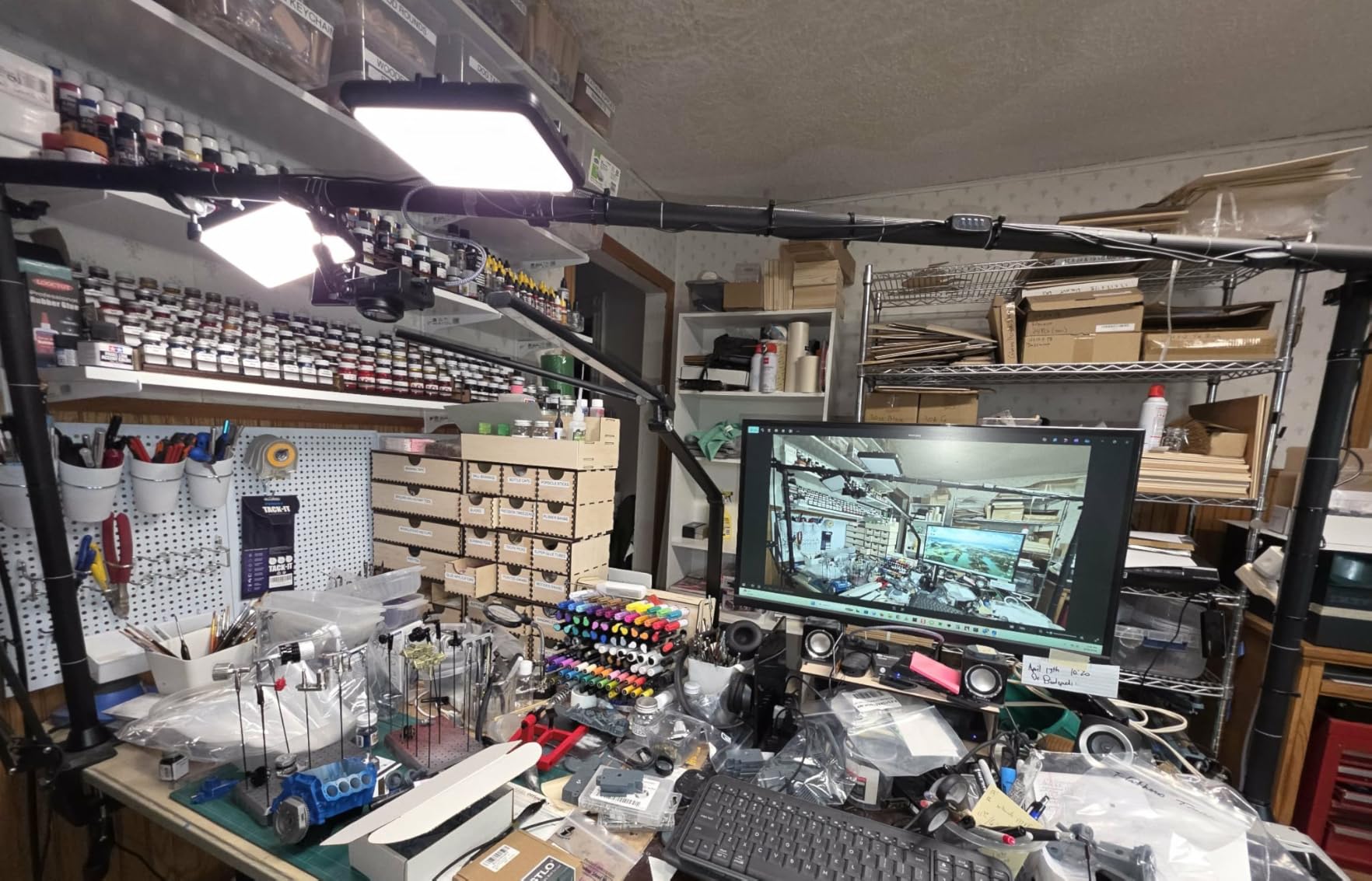
The JUSMO LS15 caught my attention because of its 22-pound load rating, which is the highest in this lineup. I tested it with my heaviest camera and lens combination and the segmented pole system held steady without any visible deflection. The aluminum alloy construction keeps it lighter than the NEEWER steel rig while still feeling solid.
What makes this stand flexible is the segmented pole design. You can adjust both the length and height by adding or removing sections, which is great when you need to switch between small watercolor studies and larger mixed-media pieces. The corrugated pole surface gives you good grip when tightening.
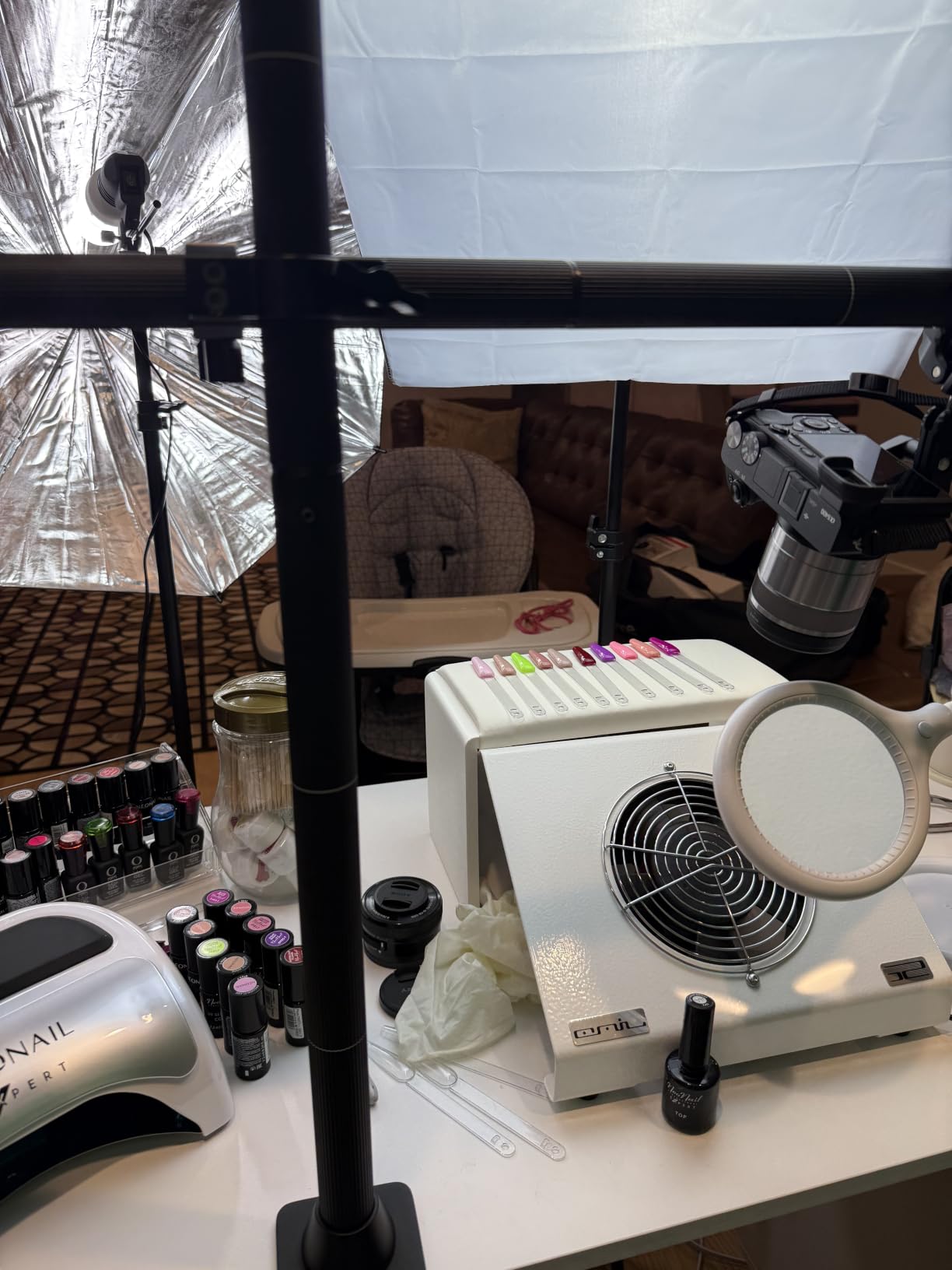
The thickened C-clamp opens to 90mm, which is wider than most competitors. I clamped it to my drafting table and it grabbed securely without marking the surface. The secondary anti-deflection locking screws give you an extra layer of security that budget arms skip entirely.
I used this stand for a full weekend of giclee digitization work on textured acrylic paintings. The rigidity meant I could use slower shutter speeds for maximum detail capture without motion blur creeping in.
Camera Weight Capacity
If you shoot with a professional DSLR or mirrorless body plus a heavy macro lens, this is the desk-mount stand I would trust most. The 22-pound capacity is more than enough for any single-camera setup, and the anti-deflection locks prevent the arm from drifting during longer shoots.
I would still recommend adding a counterweight or keeping the arm as vertical as possible when loading near the maximum. Physics still applies, and a long horizontal reach amplifies leverage on the clamp.
Desk Clamp and Space Needs
The 90mm C-clamp opening handles thicker tabletops that smaller stands cannot grip. I tested it on desks ranging from a thin plywood sheet to a 3-inch-thick butcher block, and it held firm on both. The clamp design keeps your desktop clear for laying out artwork underneath.
Just keep in mind the warranty period is only three months. Register your product and test it thoroughly within that window.
3. SMALLRIG Camera Desk Mount with 360 Ball Head – Compact and Highly Rated
- Highest rated in lineup
- 360-degree ball head
- Quick setup and takedown
- Thickened pipe walls
- Widened base for stability
- Lower 4lb weight capacity
- Mounts surfaces 1-6cm thick only
The SMALLRIG DTCK001 has the highest rating in this group at 4.7 stars, and after testing it I understand why. It is the most refined compact mount I have used. The 360-degree ball head on the secondary arm lets you fine-tune your camera angle with a precision that fixed mounts cannot match.
I used this stand for photographing smaller artwork pieces, ink drawings, and sketchbook pages. The main pole adjusts from 30 to 73cm, and the extension arm reaches 30 to 50cm. For pieces up to about 11 by 14 inches, the coverage was perfect.
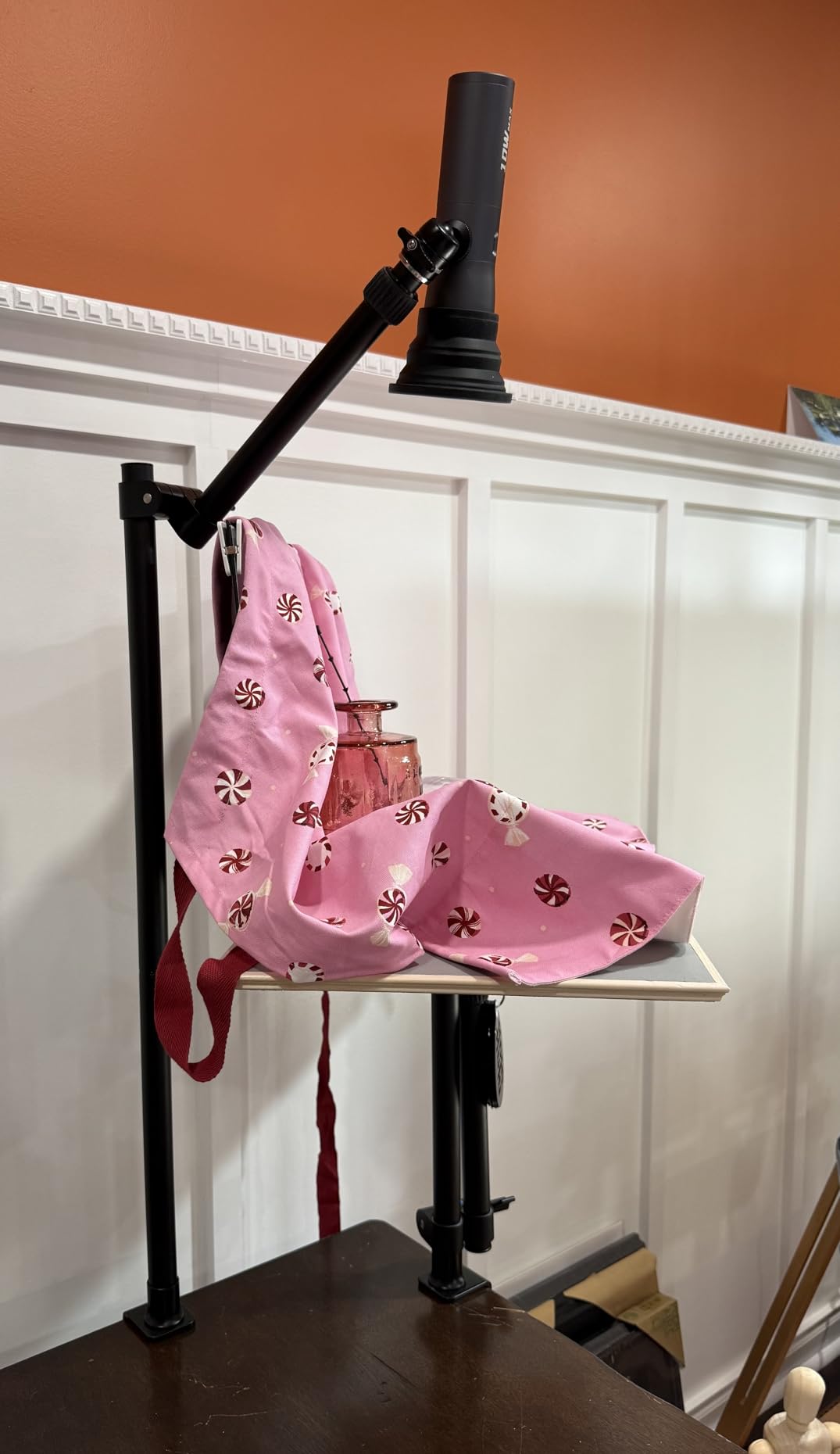
The modular metal knob lets you lock height and angle with a single twist, which is faster than the dual-knob systems on competing stands. The detachable extension pole means you can pack this down small for transport or storage between shoots.
My one concern is the 4-pound weight limit. It handled my mirrorless camera with a pancake lens easily, but a full-frame DSLR with a heavy zoom would push past the rated capacity. For lighter camera setups, this is an outstanding choice.
Camera Compatibility Range
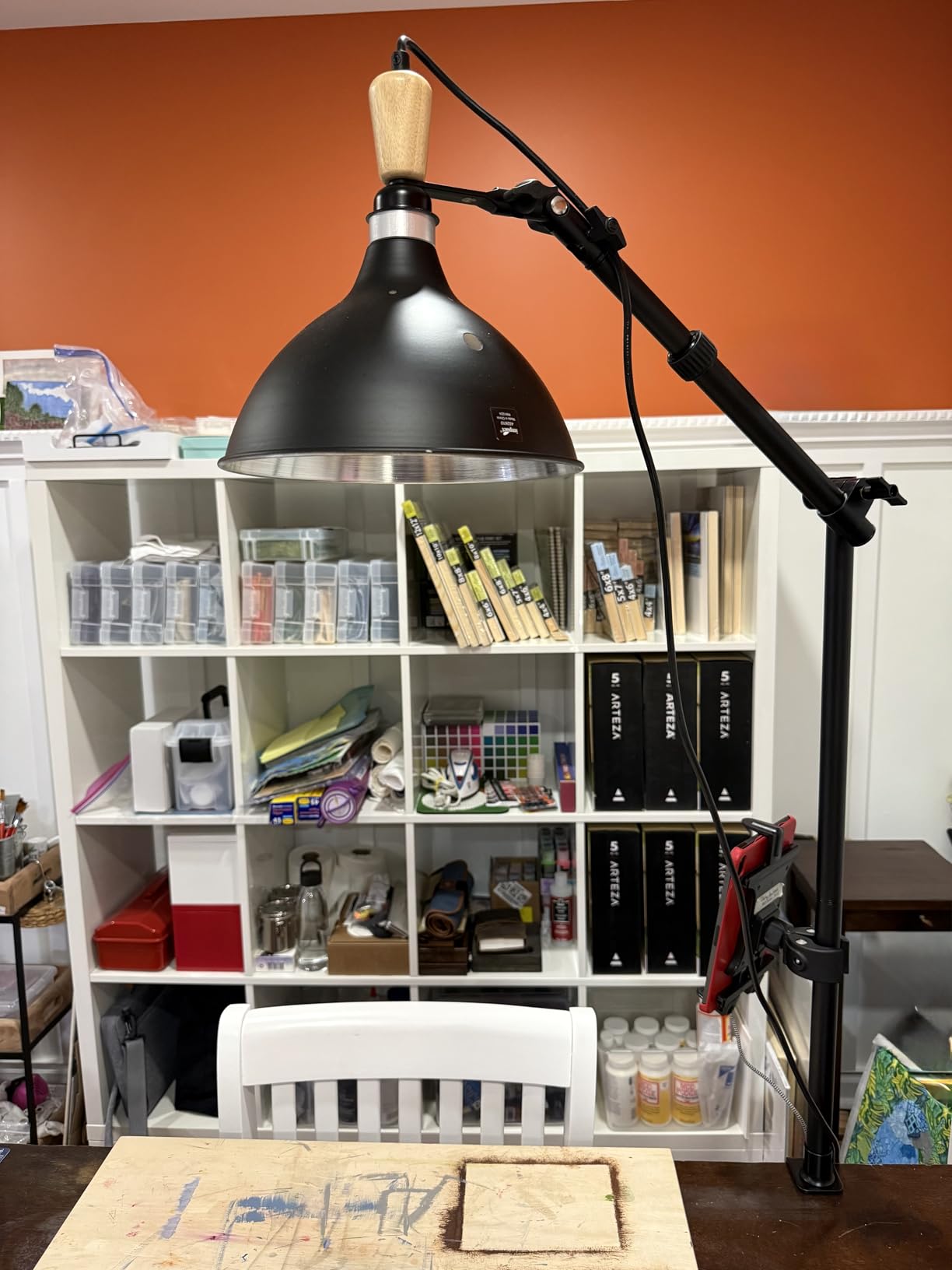
This stand shines with mirrorless cameras, compact DSLRs, and smartphones. I tested it with a Sony a6000 series body and it held steady at full extension. The 1/4-inch and 3/8-inch threaded holes give you options for mounting various accessories alongside your camera.
If your camera and lens together weigh under 4 pounds, you are in the sweet spot. Anything heavier and you should look at the NEEWER ST100 or JUSMO LS15 instead.
Portability and Storage
The detachable and retractable extension pole makes this the most packable stand in the lineup. I took it to a friend’s studio for a joint digitizing session and it fit in a backpack with room to spare. Setup took under five minutes.
For artists who do not have a permanent studio space, this portability is a major plus. You can set it up on a kitchen table, capture your work, and pack it away.
4. DImotliyor 3-Section Articulating Arm Mount – Flexible Multi-Angle Setup
- Versatile 3-section design
- Multiple screw thread options
- Lightweight and portable
- Aluminum padded clamp
- 360-degree ball head
- Lower weight capacity
- Assembly takes time to configure
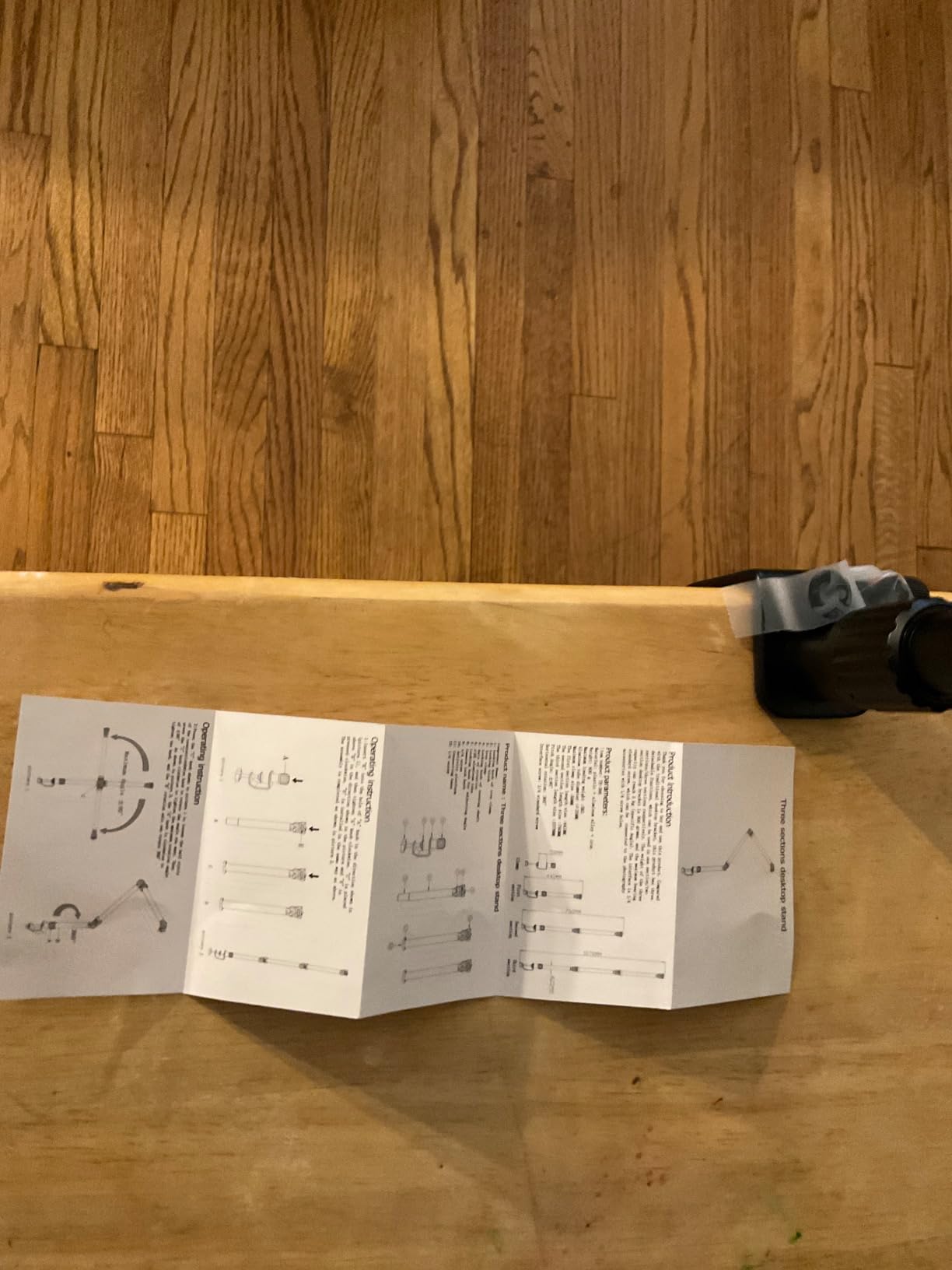
The DImotliyor articulating arm offers something the rigid column stands cannot: flexibility. Each of the three sections adjusts 180 degrees, so you can position your camera at angles that a straight vertical column will not allow. I found this useful when photographing 3D artwork and relief pieces where I needed a slightly oblique angle.
The 1/4-inch, 3/8-inch, and 5/8-inch screw options mean this arm works with nearly any camera or accessory I threw at it. The CNC-machined aluminum alloy has a precise feel, and the padded desk clamp protected my table surface during clamping.
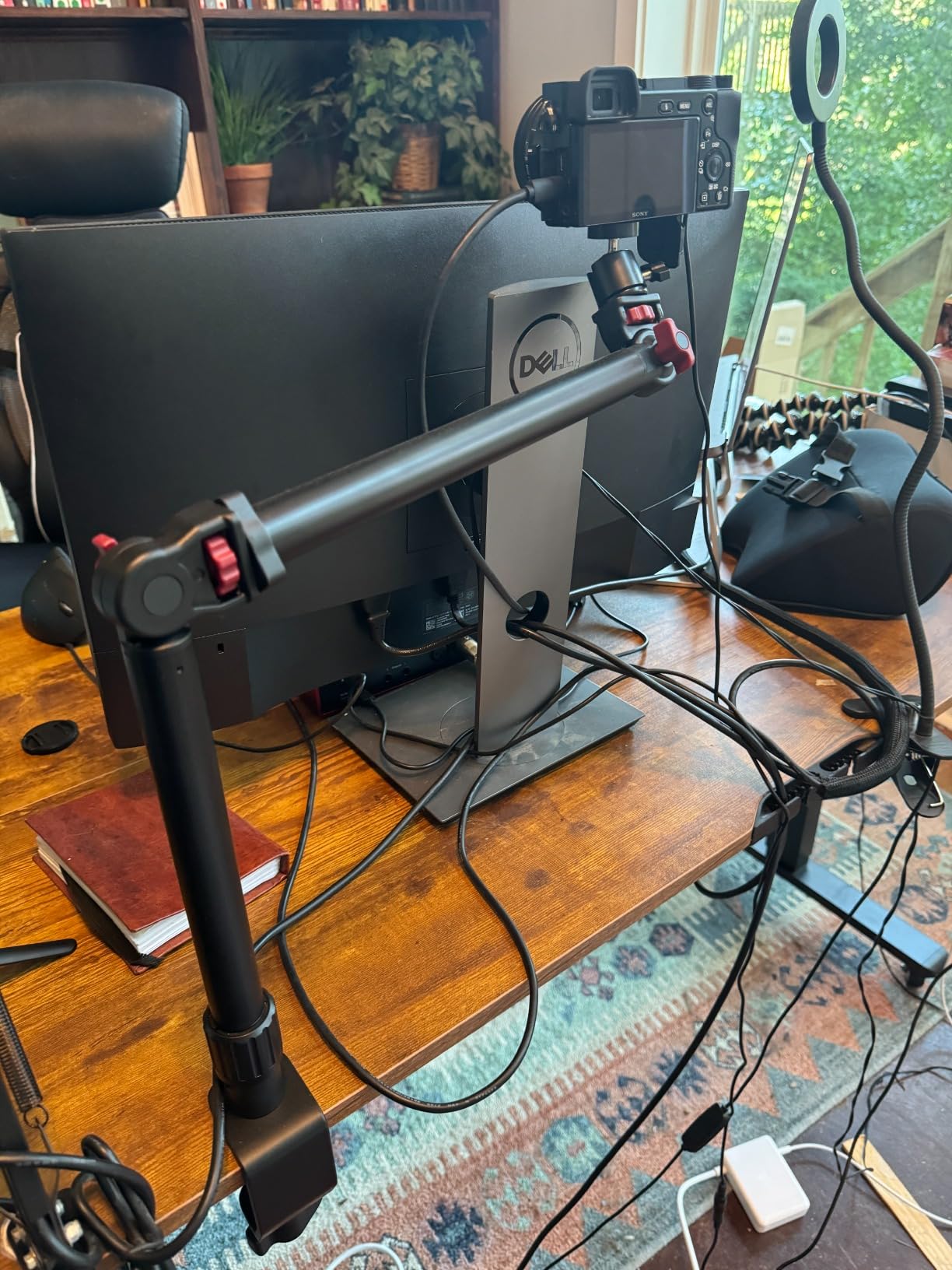
For flat artwork reproduction, I kept the arm configured in a vertical overhead position. The 4.5-pound horizontal load capacity held my camera steady enough for sharp shots at reasonable shutter speeds. When I needed to photograph at an angle for textured pieces, I just repositioned the arm sections.
The included phone holder is a nice bonus. I switched between my DSLR and smartphone during a single session without needing to buy an additional mount.
Angle Flexibility for Different Artwork
If you photograph both flat artwork and sculptural or textured pieces, this articulating arm gives you options that vertical-only stands do not. I photographed a series of encaustic wax paintings where I needed to angle the camera slightly to catch surface texture without blowing out highlights.
For perfectly flat 2D work, you will want to spend time making sure the arm is locked at exactly 90 degrees. Use a bubble level to verify before each session.
Travel and Portability
At 2.2 pounds, this is one of the lightest full-function stands in the lineup. I packed it in a camera bag alongside my tripod for an offsite shoot and barely noticed the weight. The compact folded size makes it genuinely portable.
The trade-off is that lighter construction means less inherent stability. Use a faster shutter speed or a remote shutter release to minimize any micro-movement.
5. SMALLRIG Camera Desk Mount Table Stand 3992 – Built-In Ring Light Adapter
- Built-in ring light adapter
- Height adjustable 13 to 35.4 inches
- Extension arm for extra devices
- Strong 22-25mm diameter tubes
- Matte surface easy to clean
- Base not disassemblable
- Struggles with heavy camera-lens combos
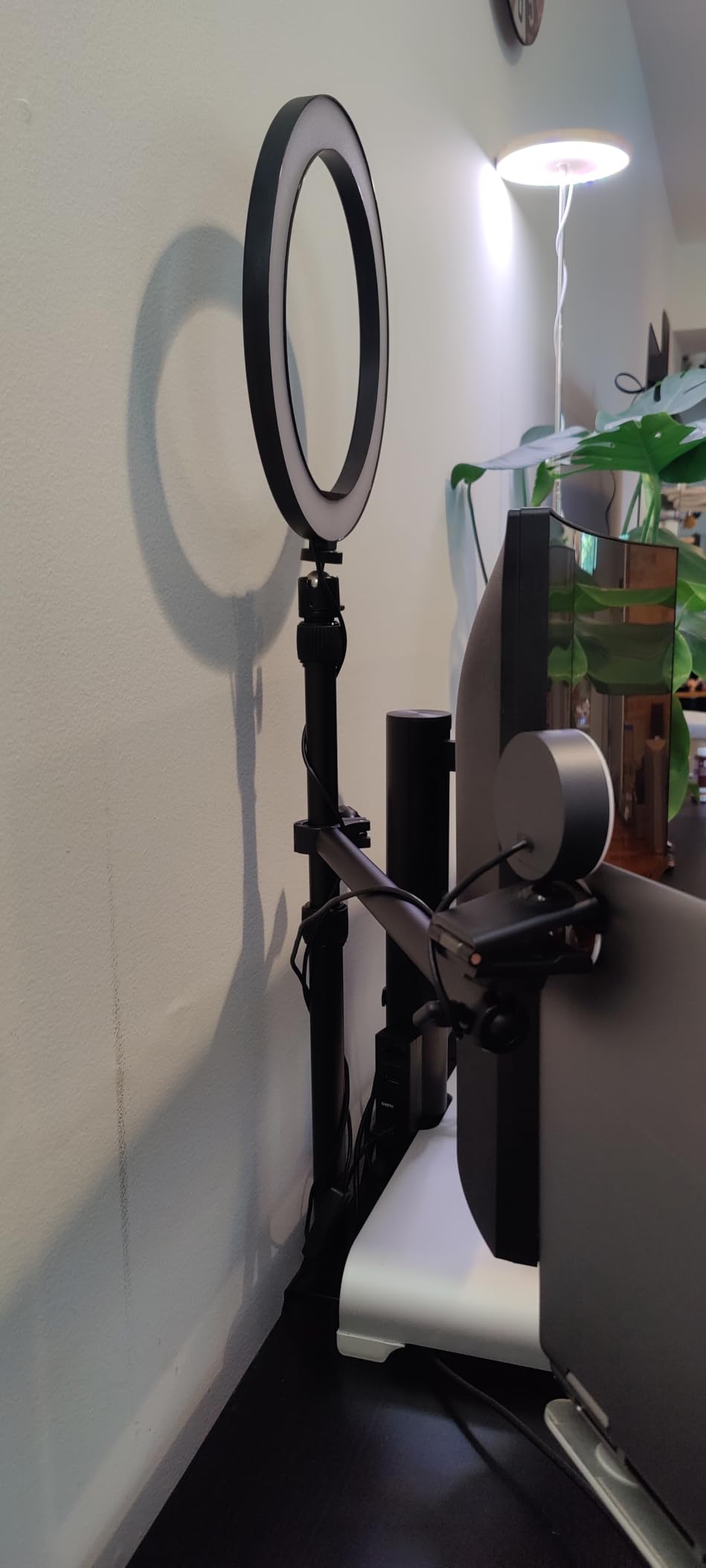
The SMALLRIG 3992 stands out because it includes a ring light adapter right on the mount. For artists who use continuous LED lighting for artwork reproduction, this saves you from buying a separate light stand. I attached a ring light and positioned my camera through the center for shadow-free illumination on flat pieces.
The height adjusts from 13 to 35.4 inches with a three-section extending pole system. The 360-degree swivel ballhead with a tilting range of minus 90 to plus 45 degrees let me dial in the exact overhead angle I needed for square reproduction shots.
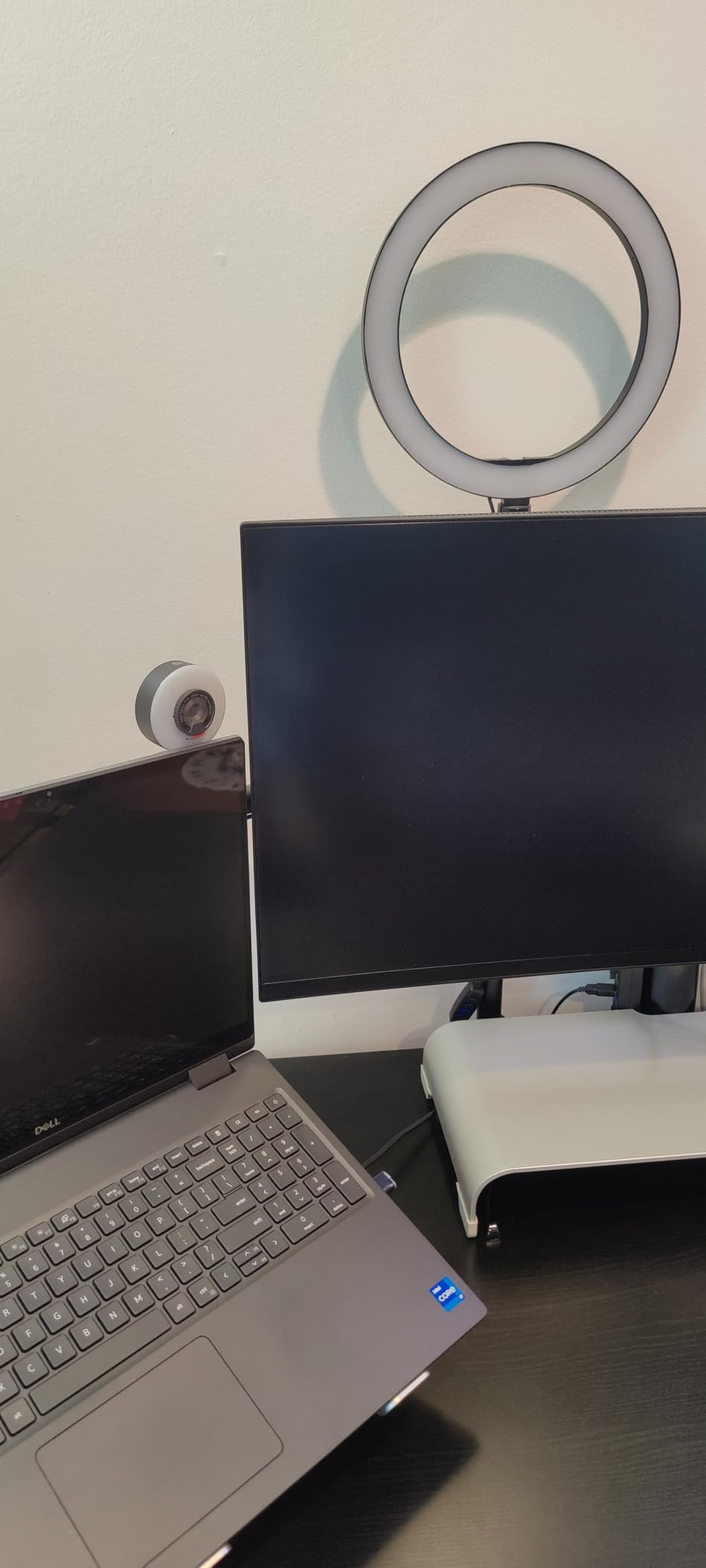
The included magic arm extension with an 18mm ball head gives you a second mounting point. I used it to hold a secondary light or a phone for recording process videos while I photographed finished pieces. The aviation aluminum tubes measure 22 to 25mm in diameter, which feels rigid for the size.
My main concern came when I mounted a Canon DSLR with a heavier lens. The stand handled it but felt less confident than the steel NEEWER or the high-capacity JUSMO. For lighter setups, it is excellent.
Lighting Integration Options
The built-in ring light adapter is the defining feature here. If you already own or plan to buy a ring light, this mount eliminates the need for a separate light stand and simplifies your setup. The matte aluminum surface also means stray light does not create reflections bouncing back onto your artwork.
One caution: ring lights can cause circular reflections on glossy or varnished paintings. For matte work, they are fantastic. For glossy finishes, position two off-camera lights at 45 degrees instead.
Height and Reach for Oversized Art
The 35.4-inch maximum height gives you enough clearance for artwork up to about 24 inches wide, depending on your lens. The low-profile C-clamp design saves desk space so you can spread out larger pieces underneath.
Note that the horizontal bar cannot attach to the highest segment of the vertical pole. Plan your height needs around the second section for maximum stability.
6. Ailight Overhead Camera Mount Desk Stand – Telescopic Boom Arm
- Telescopic height adjustment
- Extendable boom arm
- C-clamp fits most desks
- Standard quarter-inch screws
- Aluminum construction
- Arm load limited to 1kg
- Not water resistant
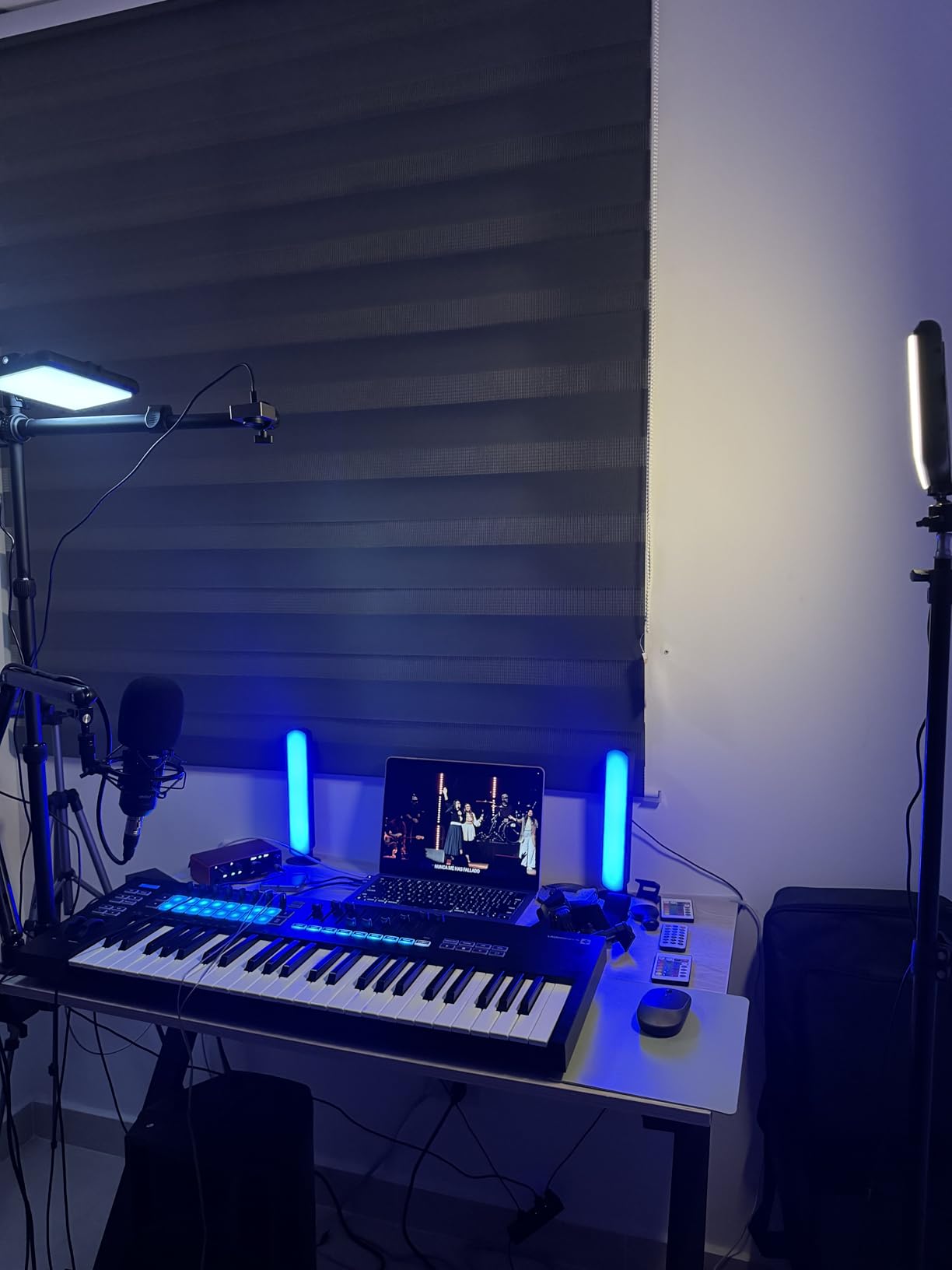
The Ailight mount uses a telescopic design that I found quick to adjust. The height extends from 15.75 to 33.45 inches using twist locks, and the horizontal boom arm telescopes from 11.8 to 20 inches. For artists who need to switch between small and medium-sized pieces frequently, this adjustability is a time-saver.
I tested it with a mirrorless camera and the arm held steady at full extension for flat artwork capture. The C-clamp fits desk thicknesses from 0.2 to 1.97 inches, which covered every table I tried. The rubber pads on the clamp prevented any surface damage.
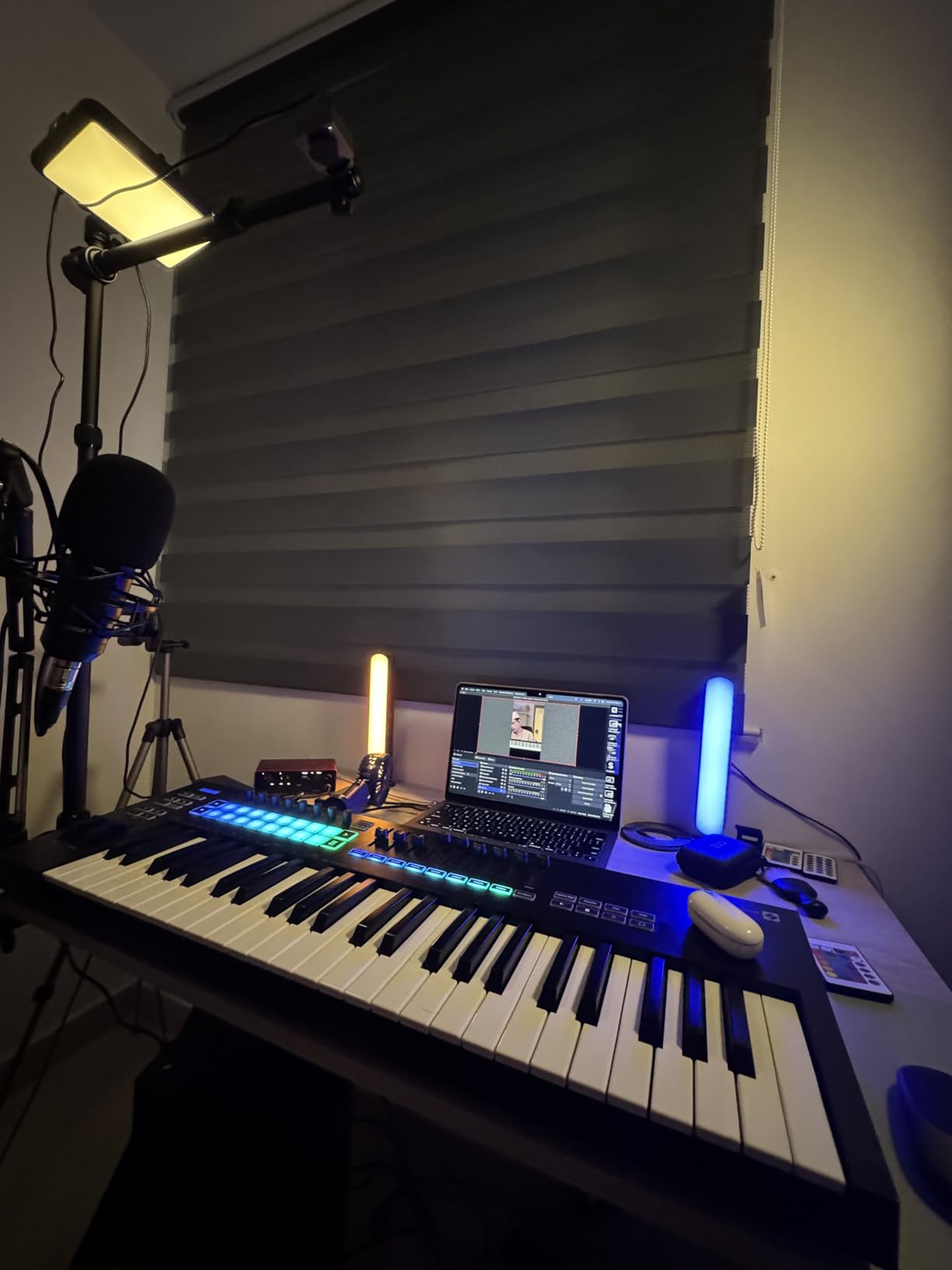
The standard 1/4-inch screws on both the vertical and horizontal ball heads mean you can mount your camera in either orientation. I used the vertical mount for straight-down artwork shots and the horizontal arm for process video recording.
The arm load capacity is limited to 1 kilogram, which is about 2.2 pounds. This rules out heavier DSLR setups but works well with compact cameras, mirrorless bodies, webcams, and smartphones.
Reach and Height Coverage
The telescopic boom gives you more horizontal reach than most fixed-arm stands at this price point. I was able to position my camera over artwork placed off-center on my desk, which helped when I needed to keep lighting stands clear of the shot area.
At maximum extension, keep your camera weight at or below the rated capacity. The arm is steady within its limits but will flex if overloaded.
Device Compatibility
This stand works best with lighter gear. I used it with a compact mirrorless camera, a webcam for streaming, and a smartphone for quick reference shots. The dual ball head design means you can switch between overhead and angled positions without remounting.
If you shoot with a full-frame DSLR and heavy lens, consider the NEEWER ST100 or JUSMO LS15 instead. This arm is built for lighter payloads.
7. NEEWER 22 inch Magic Arm with Desk Clamp UA057 – Most Popular Budget Arm
- Most reviewed with 963 ratings
- Solid aluminum construction
- Three 360-degree ball head adapters
- V-grooves grip flat and cylindrical objects
- Anti-twist pins for secure connections
- Maximum capacity only 500g
- Not water resistant
With 963 reviews and a 4.5-star average, the NEEWER UA057 is the most popular arm in this lineup. Forum users on r/photography consistently recommend similar magic arm setups as affordable alternatives to full copy stands. After testing it, I agree that for phone-based and lightweight camera work, this is hard to beat.
The 22-inch two-section friction boom arm gives you plenty of reach for overhead artwork photography on a desk. The three 360-degree dual ball head adapters let you position your camera at virtually any angle. I found the friction adjustment smooth and reliable once locked.
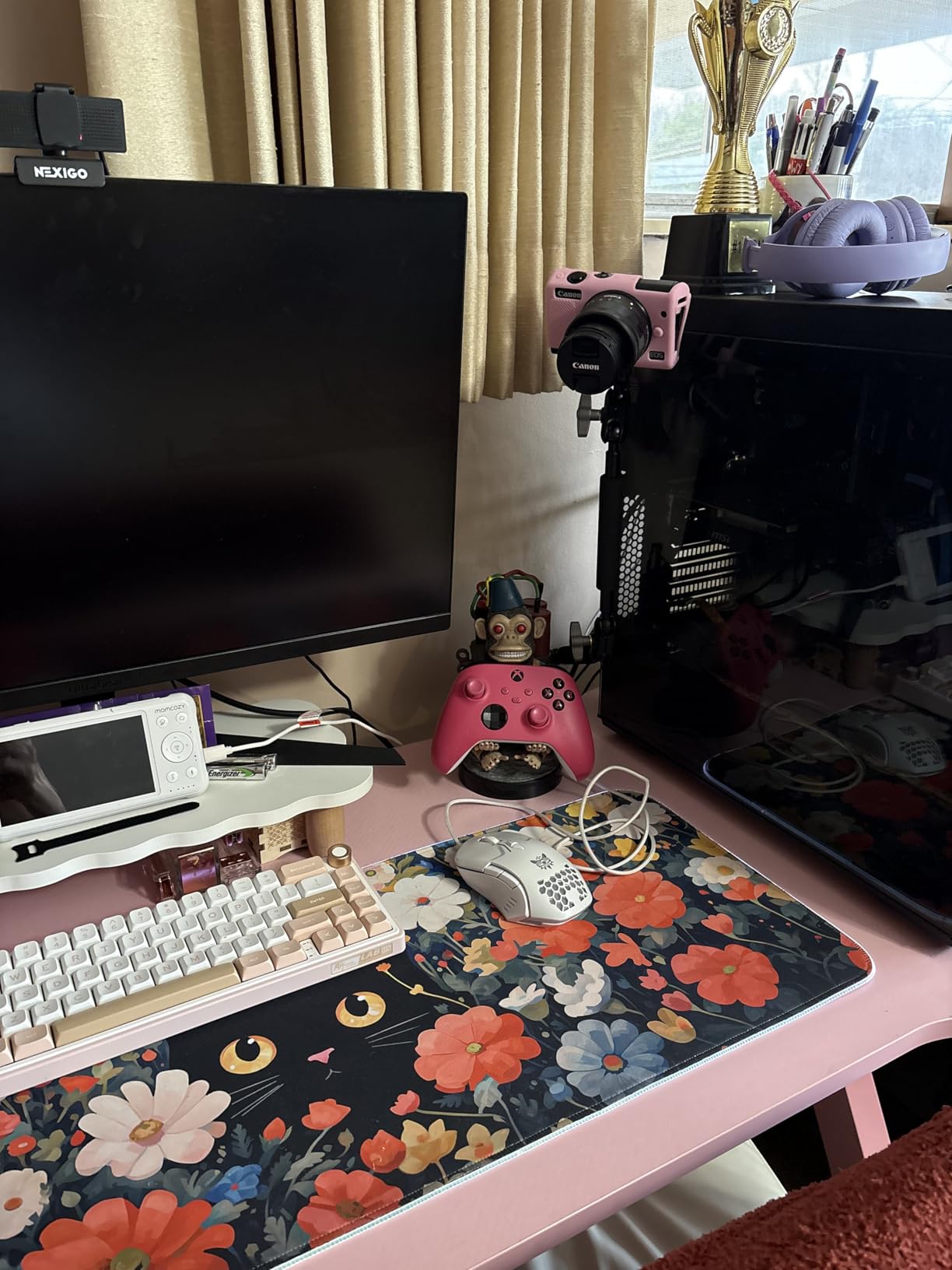
The V-grooves on the clamp grip flat surfaces up to 2 inches thick and cylindrical objects up to 1.6 inches. I clamped it to my desk edge, a shelf, and even a tripod leg. The anti-twist pins on each mounting interface kept everything locked during use.
The 1/4-inch and 3/8-inch threads are compatible with ARRI-standard accessories, which means you can build out a multi-device rig. I mounted a phone, a small LED panel, and a microphone simultaneously for a process video shoot.
Phone and Light Camera Setup
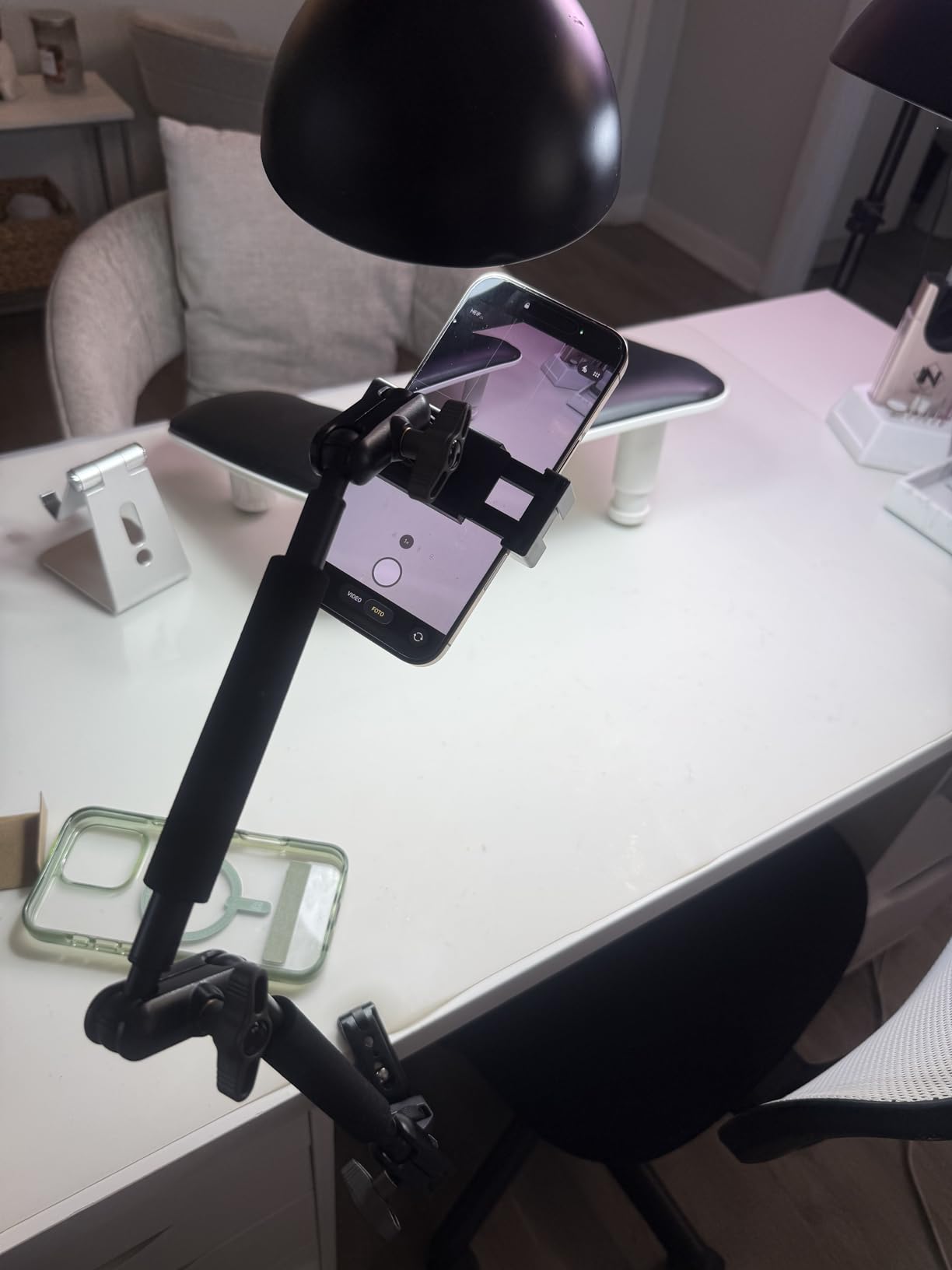
This arm is ideal if you photograph artwork using a smartphone. The 500-gram load capacity handles any phone plus a small action camera or webcam with ease. I captured sharp, well-aligned shots of watercolor pieces using just my phone mounted overhead.
The ARRI-compatible threads mean you can attach a small monitor or light panel alongside your camera. This turns a single arm into a mini copy stand setup for lightweight gear.
Desk Mount Versatility
The super clamp with V-grooves is more versatile than a standard C-clamp. I mounted it on surfaces where a flat clamp would not work, including round railings and pole edges. This flexibility means you can set up your copy station almost anywhere.
Just respect the 500-gram limit. This arm is not designed for DSLR bodies with heavy lenses, and overloading it will cause drift and soft shots.
8. JEBUTU Overhead Camera Mount Desk Stand – Most Affordable Option
- Most affordable option
- 360-degree adjustable arm
- Includes phone holder and ballhead
- Compact and lightweight
- Steel construction
- Limited 0.5kg weight capacity
- Tightening joints feel flimsy
- May slip with heavier devices
The JEBUTU mount is the most affordable option in this roundup, and it is a legitimate choice for artists who primarily use a smartphone for artwork photography. I tested it with my phone capturing small ink drawings and sketchbook pages, and it delivered usable results for social media and online portfolio shots.
The 360-degree ballhead and adjustable holding arm give you positioning flexibility despite the simple construction. Height adjusts from 12.79 to 21.65 inches, and the arm reaches 13 inches. The C-clamp opens to 1.77 inches, which fits standard desks and tables.
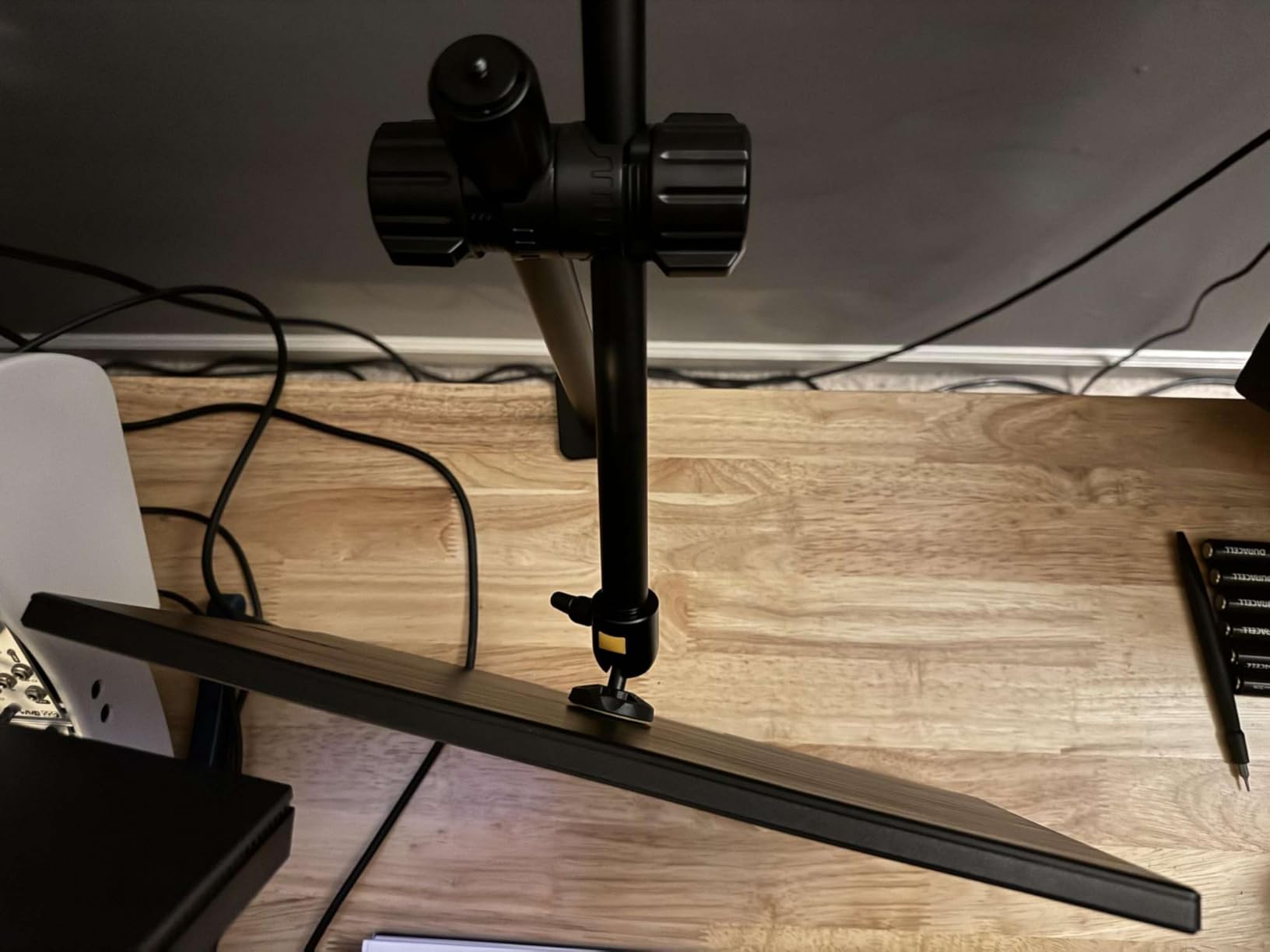
Steel and ABS construction keeps the weight down to about 1 pound. I packed it for a weekend art fair where I needed to document sold pieces on the spot. For that kind of casual, on-the-go digitizing, it does the job.
The limitations are real, though. The 0.5-kilogram load capacity means phone-only use for the most part. Several users report that the tightening joints feel flimsy under load, and I noticed some slippage when I pushed the arm to full horizontal extension with a heavier phone case attached.
Phone and Webcam Use
This stand is built for phones, webcams, and microphones. If you document your artwork for Instagram, Etsy listings, or online classes using a smartphone, it gets your camera overhead and roughly aligned. The included phone holder and ballhead adapter mean you have everything you need in one package.
For professional reproduction work where color accuracy and pixel-level sharpness matter, you will want something sturdier. But for quick documentation and social media content, it is adequate.
Long-Term Durability
The steel and ABS build is functional but not built for heavy daily use. I would treat this as a starter stand for artists just getting into photographing their own work. If you find yourself using it every week, consider upgrading to the NEEWER UA057 magic arm or the SMALLRIG DTCK001 for better long-term reliability.
Keep the tightening knobs clean and check them before each session. The joints are the weak point, and a loose connection means misaligned shots.
How to Choose a Copy Stand for Artwork Photography
Choosing the right copy stand comes down to four factors: your camera weight, your artwork size, your workspace, and your lighting approach. Here is what I learned from testing all eight stands.
Rigidity and parallel alignment are the foundation of good reproduction photography. Your camera sensor must sit exactly parallel to your artwork surface. Any tilt introduces keystone distortion that you cannot fully correct in software. Look for stands with thick columns, locking mechanisms at every joint, and a base wide enough to support your largest pieces without tipping. The NEEWER ST100 and JUSMO LS15 excel here because of their heavy-duty construction.
Weight capacity determines what camera you can mount. Add up your camera body, lens, and any attached accessories. A full-frame DSLR with a 100mm macro lens can weigh 4 to 6 pounds. Add a battery grip and you are at 7 pounds. Match your gear weight to the stand rating with at least a 20-percent safety margin. For heavy rigs, the JUSMO LS15 with its 22-pound capacity is the safest desk-mount option.
The 45-degree lighting rule is more important than any piece of hardware on this list. Position two identical lights at 45-degree angles from your artwork, equidistant from the center. This creates even illumination across the surface and pushes reflections away from the camera lens. No copy stand can compensate for bad lighting. Photographers on r/photography emphasize this point repeatedly, and my testing confirmed it every time.
Photographing artwork under glass is a challenge that almost no guide covers. If your piece is framed behind glass, you need to either remove the glass temporarily or use a polarizing filter on your lens and polarizing film over your lights. Position your lights at 45 degrees and use a black cloth or matte board with a hole cut for your lens to block reflections. A sturdy stand matters here because polarizing filters reduce light by 1 to 2 stops, requiring slower shutter speeds.
Phone versus dedicated camera is a real decision for many artists. Modern smartphones capture excellent detail for web use and small prints. If you go the phone route, any stand rated for 500 grams to 1 kilogram will work. For giclee printing or gallery-quality reproduction, a dedicated camera with a macro lens on a heavy-duty stand produces noticeably better files. Once you digitize your work, check our guide to photo printers for home use to complete your reproduction pipeline.
Frequently Asked Questions
What is the best way to photograph artwork?
The best way to photograph artwork is to mount your camera on a copy stand directly overhead, perfectly parallel to the artwork surface. Position two identical lights at 45-degree angles on either side for even illumination. Use a remote shutter or timer to avoid camera shake, and shoot in RAW for maximum editing flexibility.
What is the 20-60-20 rule in photography?
The 20-60-20 rule refers to lighting placement for copy work and artwork photography. Position your lights at roughly 45-degree angles from the artwork surface, with each light about the same distance from the center. This creates even illumination across the entire piece while directing reflections away from the camera lens, minimizing glare on glossy or varnished surfaces.
What is the best camera for taking pictures of artwork?
The best camera for artwork photography is any interchangeable-lens camera with manual controls and RAW capture. A full-frame or APS-C mirrorless or DSLR body paired with a 50mm or 100mm macro lens produces sharp, distortion-free files suitable for giclee printing. For web use and small prints, a modern smartphone on a copy stand also delivers excellent results.
What is the 80 20 rule in photography?
In photography, the 80-20 rule generally means that 80 percent of your image quality comes from lighting and technique, while only 20 percent comes from your camera gear. For artwork reproduction specifically, this means that proper lighting at 45 degrees and a rigid, parallel copy stand setup matter far more than having an expensive camera body or high megapixel count.
Final Thoughts on Copy Stands for Artwork
After testing all eight stands, the NEEWER ST100 remains my top pick for serious artwork reproduction. Its steel construction and T-base deliver the rigidity that large-format and heavy-camera work demands. For artists who need professional capacity in a desk-mount form, the JUSMO LS15 is an outstanding value. And for phone-based or budget setups, the NEEWER UA057 magic arm covers the basics well.
The best copy stands for photographing artwork all share one trait: they hold your camera perfectly still and perfectly parallel. Pair any of these with two lights at 45 degrees and you will get reproduction-quality files from whatever camera you own. If you know an artist building their first digitizing setup, these stands also make great gifts for artists working toward a professional portfolio.