
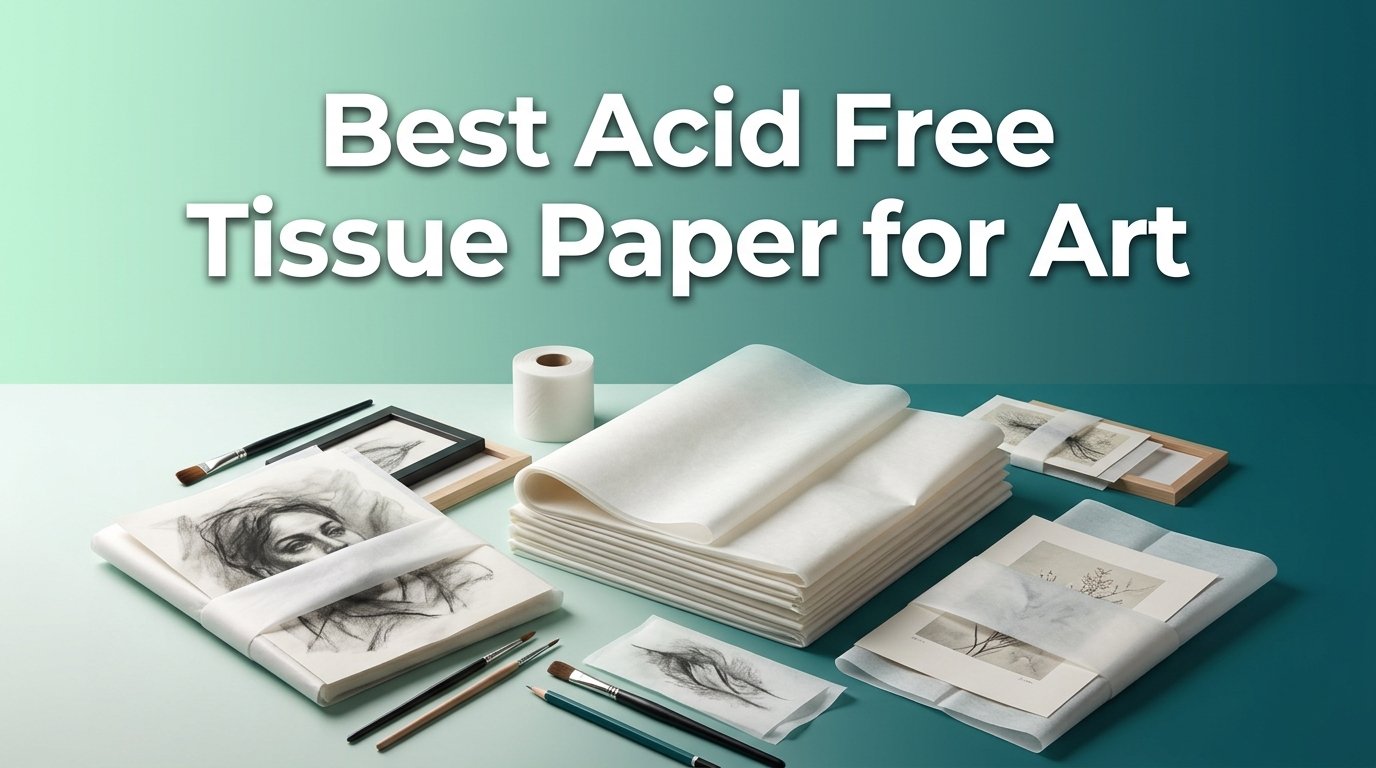
If you have ever opened a storage box to find your prints yellowed, your photographs stuck together, or your watercolor paintings faded at the edges, you already know why artists care about archival materials. The culprit is usually acid migration. Regular tissue paper and cardboard contain acids that slowly leach into your artwork, causing brittleness, discoloration, and irreversible damage over months and years. That is exactly why finding the best acid free tissue paper for art is one of the most important steps you can take to protect your creative work.
Acid-free tissue paper creates a neutral pH barrier between your artwork and the surrounding environment. Whether you are interleaving prints in a flat file, wrapping a wedding gown for long-term storage, or shipping a charcoal drawing to a gallery, the right tissue paper makes the difference between a piece that lasts decades and one that degrades in a few years. After testing dozens of options and comparing specifications across 10 top products, our team put together this guide to help you choose with confidence.
One thing we noticed right away: not all acid-free tissue is created equal. Some is buffered with calcium carbonate to actively neutralize acids, while other types are unbuffered for use with sensitive materials like photographs and protein-based textiles. We cover all of that below, plus we connect this to our broader art portfolio storage guide so you can build a complete preservation system. Let us look at the top picks first.
Table of Contents
Top 3 Picks for Acid Free Tissue Paper for Art (August 2026)
Out of the 10 products we tested and compared, three stood out for different reasons. The Lineco Buffered tissue earned our Editor’s Choice for its museum-grade quality. The RYKOMO 100-sheet pack won Best Value for its generous size and affordability. The Simetufy earned Budget Pick for artists who need large sheets without spending much.

Lineco Buffered Acid-Free Interleaving Tissue
- Buffered with calcium carbonate
- 100 pre-cut 8.5x11 sheets
- Acid-free and lignin-free

RYKOMO Acid Free Archival Tissue Paper
- 100 sheets 20x30 inches
- Unbuffered and acid-free
- Ideal for textile and art storage

Simetufy Acid Free Tissue Paper
- 32 sheets 24x36 inches
- Unbuffered and recyclable
- 192 sq ft total coverage
Best Acid Free Tissue Paper for Art in 2026
Here is the full comparison of all 10 products we reviewed. Each one brings something different to the table, from museum-grade buffered tissue to budget-friendly large-format sheets. Use this table as a quick reference before diving into the detailed reviews below.
1. Lineco Buffered Acid-Free Interleaving Tissue – Museum-Grade Buffered Protection
- Buffered to neutralize acids and prevent acid migration
- Trusted by museums and archives
- Thin but strong and not flimsy
- Translucent allows identification without touching
- Pre-cut to standard 8.5x11 size
- Some users found it expensive for the quality
- Packaging could be improved for future storage
I have used Lineco buffered tissue in my own studio for interleaving prints and protecting photographs in storage boxes, and it is the product I reach for first when archival quality matters. The 8.5 x 11 inch size fits perfectly between standard letter-size prints, and the buffering agent actively neutralizes acids that might otherwise migrate from adjacent materials over time.
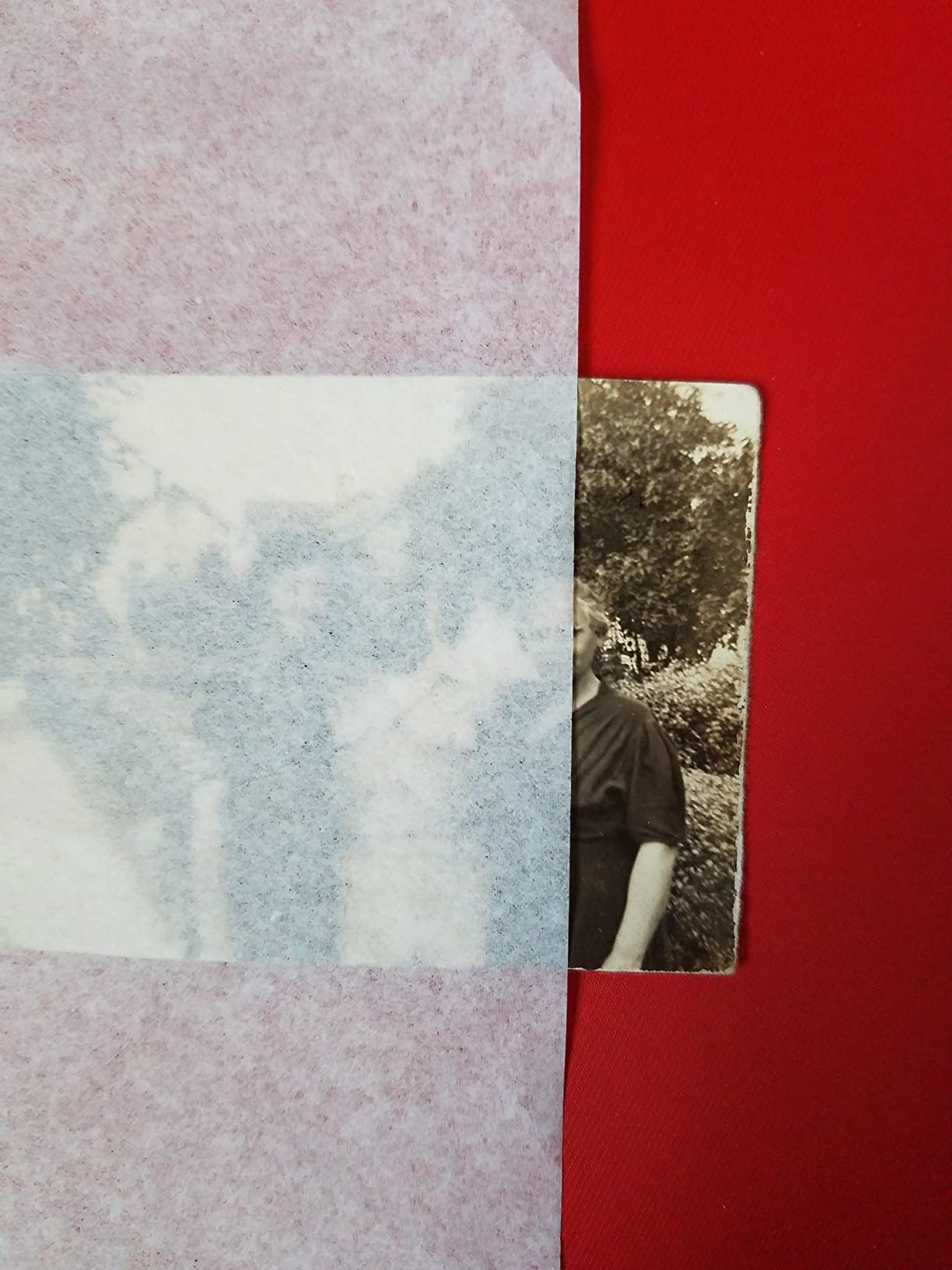
What surprised me during testing was how strong this tissue is despite being only 0.001 inches thick. You can handle it without it tearing, and the translucency means you can identify what is underneath without pulling each sheet out. With 82 percent of reviewers giving it 5 stars and 758 total ratings, the consensus matches my experience.
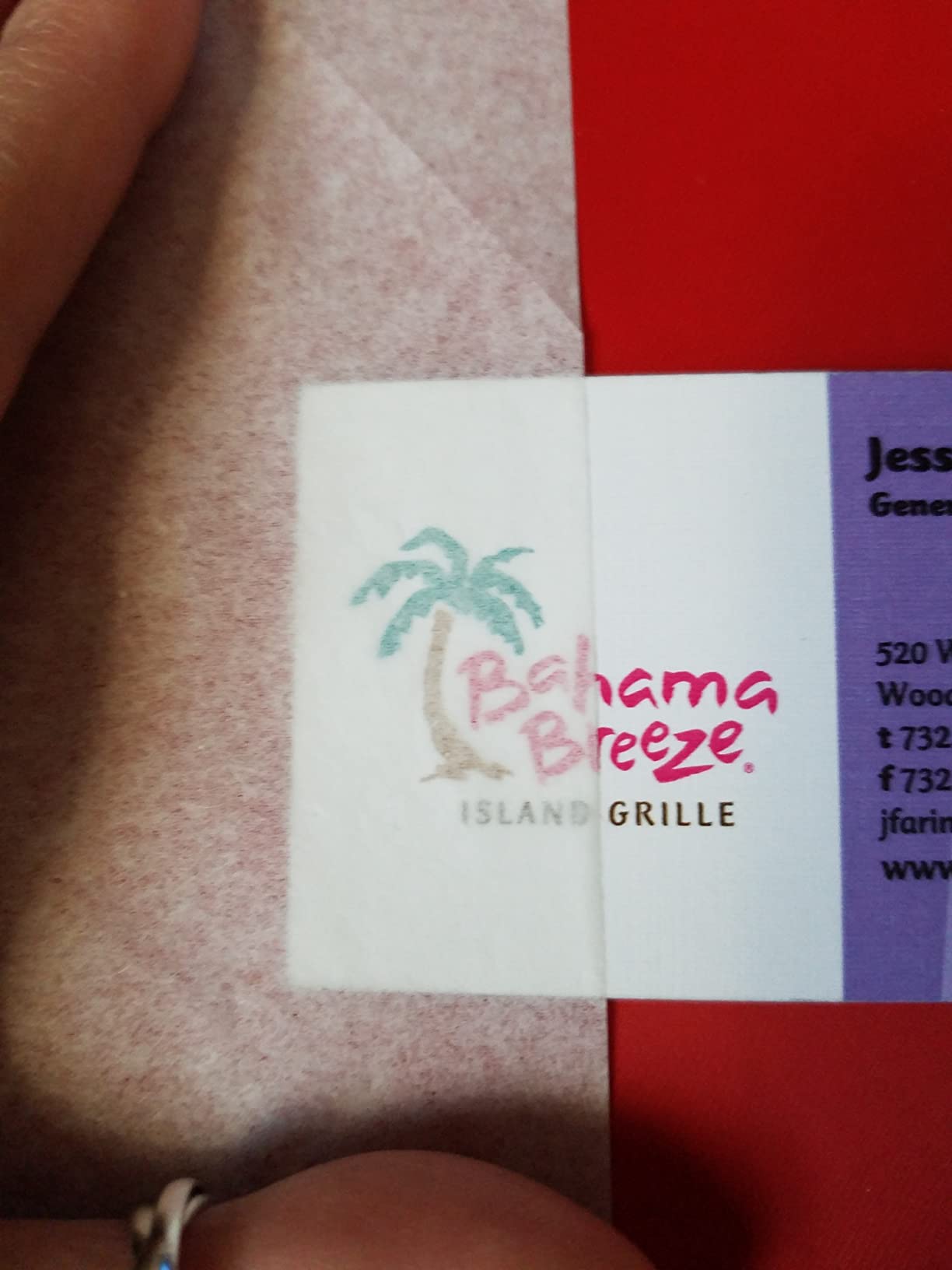
The buffering with calcium carbonate raises the pH to approximately 8.5 to 9.5, which actively combats acid migration from nearby acidic materials. This makes it ideal for storing black and white prints, albumen prints, and most color photographs. Lineco is a brand that museums and professional archivists trust, and the quality is consistent batch to batch.
The main drawback is the price per sheet compared to budget brands, and the packaging is a simple sleeve rather than an archival box. I transfer mine to an archival container immediately after opening. For standard print sizes though, the pre-cut convenience saves time and ensures uniform coverage.
Best Art Mediums for This Tissue
This buffered tissue works best for black and white photographs, color prints, albumen prints, and most paper-based artwork that does not contain protein-based materials. It is the go-to choice for printmakers who produce editions and need reliable interleaving between sheets.
If you work with cyanotypes, dye-based prints, or protein-based textiles like silk and wool, you should choose an unbuffered option instead. The calcium carbonate buffer can interact with these sensitive materials.
Storage Capacity and Practical Use
With 100 sheets per pack, you can interleave roughly 100 prints or create multiple layered storage packages for a decent-sized collection. The 8.5 x 11 format is ideal for standard document boxes and print files.
I found that one pack lasts about three to six months in an active studio that produces regular print runs. For larger format work, consider the 30 x 40 unbuffered Lineco option we review below.
2. RYKOMO 100 Sheets Acid Free Archival Tissue Paper – Best Value for Large Format
- Generous 20x30 inch large format
- 100 sheets per pack
- Unbuffered for sensitive materials
- Easy to shape fold and cut
- Resistant to tearing and fading
- Not ideal as decorative gift tissue for gift bags
- Some users prefer brighter white color
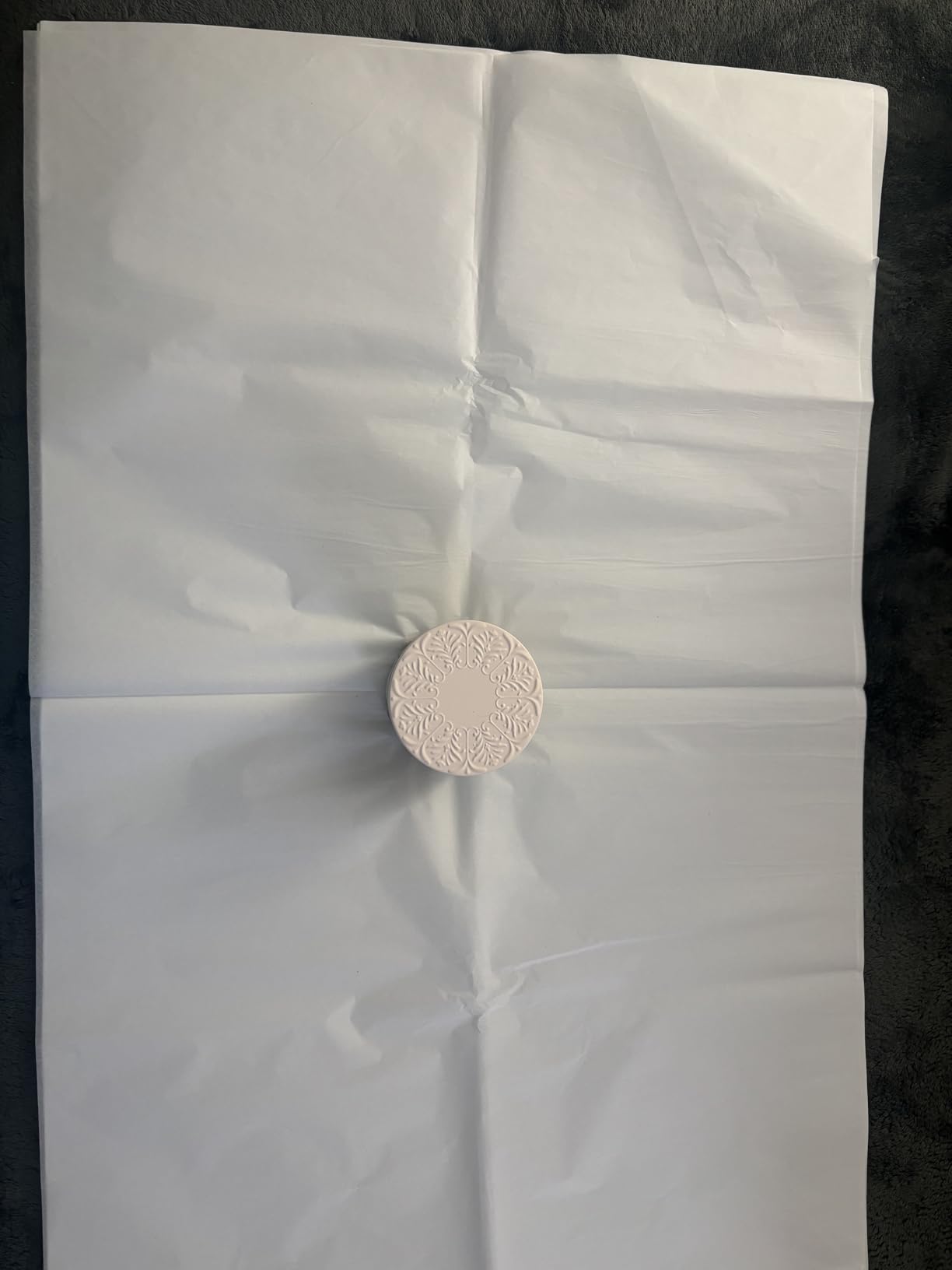
The RYKOMO 20 x 30 unbuffered tissue is the product I recommend most often to artists who need to wrap larger pieces without spending a fortune. The size is generous enough to wrap most garments, cover medium-format prints, and protect framed artwork during transport.
With 86 percent of reviewers awarding 5 stars and a 4.8 average across 459 ratings, this is one of the highest-rated archival tissue products available. I tested it by wrapping vintage textiles and interleaving large drawings, and the paper held up well without tearing or creasing excessively.
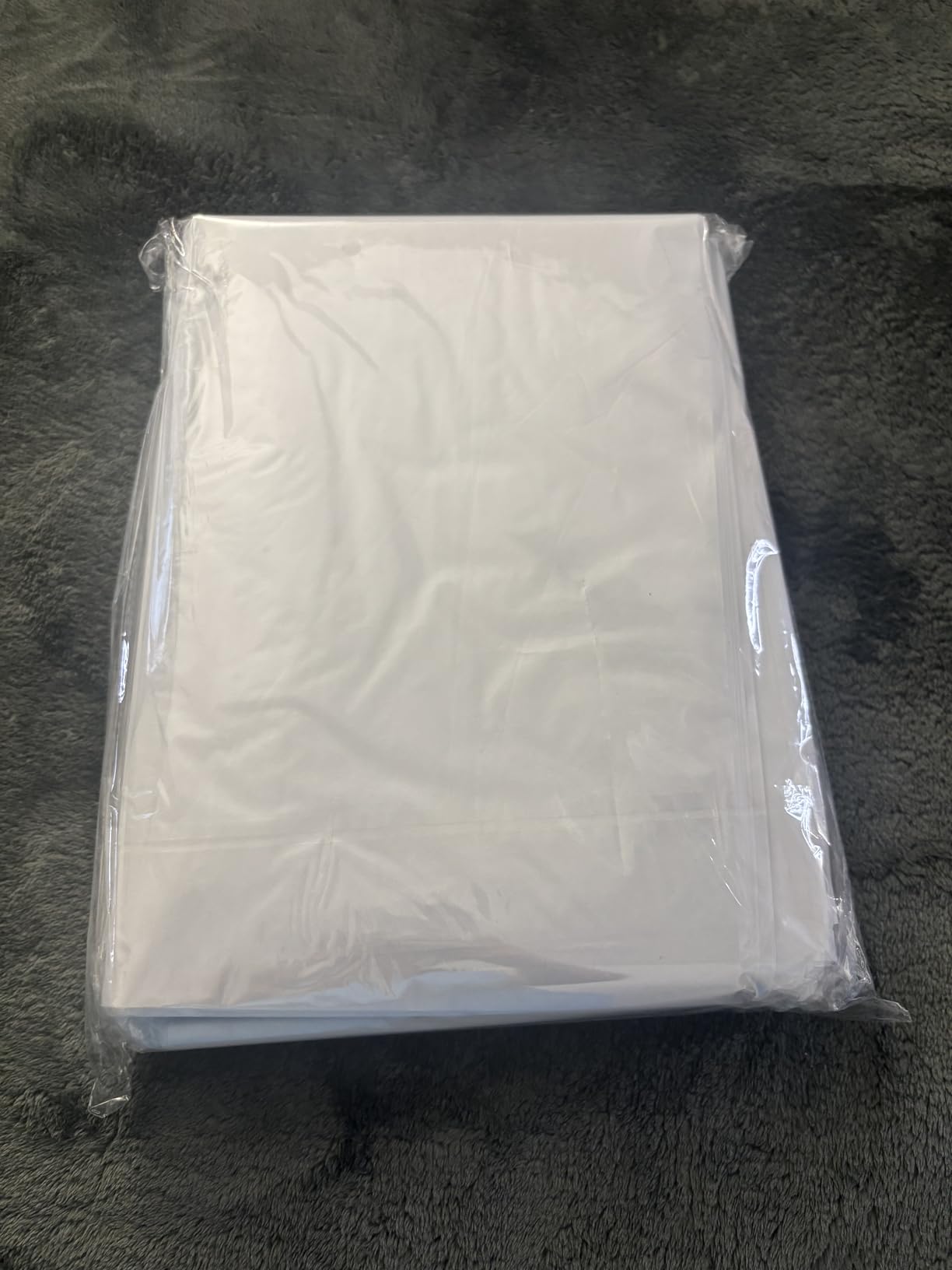
The unbuffered formulation makes this tissue safe for use with photographs, cyanotypes, protein-based textiles like silk and wool, and any artwork where a calcium carbonate buffer might cause issues. The pH is neutral, which means it will not actively neutralize incoming acids but will also not damage sensitive materials.
I appreciate that RYKOMO offers this in a 100-sheet pack because it means you have enough tissue for a full storage project without needing to reorder halfway through. The sheets are consistent in quality and the paper resists yellowing over time.
What Materials It Protects Best
This unbuffered tissue excels with photographs, color prints, textiles including silk and wool, leather goods, and any protein-based materials. It is the safest general-purpose choice when you are unsure whether buffering might cause damage.
For cyanotypes and blueprints specifically, unbuffered tissue is the only correct choice. The alkaline buffer in buffered tissue can fade blue pigments over time.
Value Per Square Foot
At 20 x 30 inches per sheet, each pack delivers 416 square feet of tissue. That is significantly more coverage per dollar than the smaller pre-cut options, making this the best value for artists working with larger pieces or bulk storage projects.
If you are wrapping a wedding dress or a quilt, one or two sheets per item is typically sufficient. A single pack of 100 sheets can protect an entire textile collection.
3. Lineco Acid-Free Unbuffered Interleaving Tissue – Largest Format Available

- Largest 30x40 inch format available
- Unbuffered for sensitive materials
- Archival quality made in USA
- Very thin 0.001 for maximum translucency
- Ideal for colored prints and watercolors
- Only 12 sheets per pack
- Limited stock availability
When you need to interleave full-sheet watercolors, large format prints, or oversized documents, the Lineco 30 x 40 unbuffered tissue is the professional choice. I have used this for protecting 22 x 30 inch watercolor sheets, and the extra margin on each side makes handling much easier than cutting down smaller sheets.
The 0.001 inch thickness is the same as the buffered Lineco version, giving you excellent translucency while maintaining structural integrity. With 81 percent 5-star reviews across 340 ratings, users consistently praise the quality for protecting antique books, vintage linens, and collectible prints.
Made in the USA by one of the most trusted names in archival supplies, this tissue is acid-free and lignin-free without any calcium carbonate buffering. That makes it safe for colored prints, watercolors, textiles, and any artwork where an alkaline buffer could cause color shifts or material interactions.
The trade-off is that you only get 12 sheets per pack. For large-format work, this is usually sufficient because each sheet covers a big area. But if you are doing bulk storage of smaller items, the per-sheet cost is higher than the RYKOMO options.
When to Choose Unbuffered Over Buffered
Choose this unbuffered tissue for watercolor paintings, colored prints, cyanotypes, dye-based photographs, and protein-based textiles like silk and wool. The absence of calcium carbonate means no risk of alkaline damage to sensitive pigments or fibers.
For black and white silver gelatin prints, buffered tissue is actually the better choice because the alkaline reserve helps neutralize environmental acids. Know your materials before deciding.
Compatibility with Flat File Storage
The 30 x 40 inch format fits standard flat file drawers perfectly, which is why many professional studios and print archives prefer this size. You can interleave directly in the drawer without trimming.
If you use smaller flat file drawers, you can cut these sheets down to size with a straight edge and utility knife. The tissue cuts cleanly without fraying.
4. RYKOMO 200 Sheets Acid Free Archival Tissue Paper – Best Bulk Buy

- 200 sheets for maximum bulk value
- Acid-free and lignin-free
- Easy to shape fold and cut
- Resistant to tearing and fading
- Versatile for crafts and storage
- More expensive per sheet than some alternatives
- Smaller 15x20 size limits use for large pieces
If you run a busy studio or need tissue for a large archiving project, the RYKOMO 200-sheet pack eliminates the need for constant reordering. I tested this for interleaving a collection of 150 small prints and still had sheets left over for wrapping and padding.
The 15 x 20 inch size is versatile enough for most medium-format artwork, document storage, and garment wrapping. At 83 percent 5-star reviews across 241 ratings, users praise the combination of quantity and quality.
Being acid-free and lignin-free means this tissue will not yellow or become brittle over time. I checked sheets that had been stored for several months and saw no discoloration or degradation.
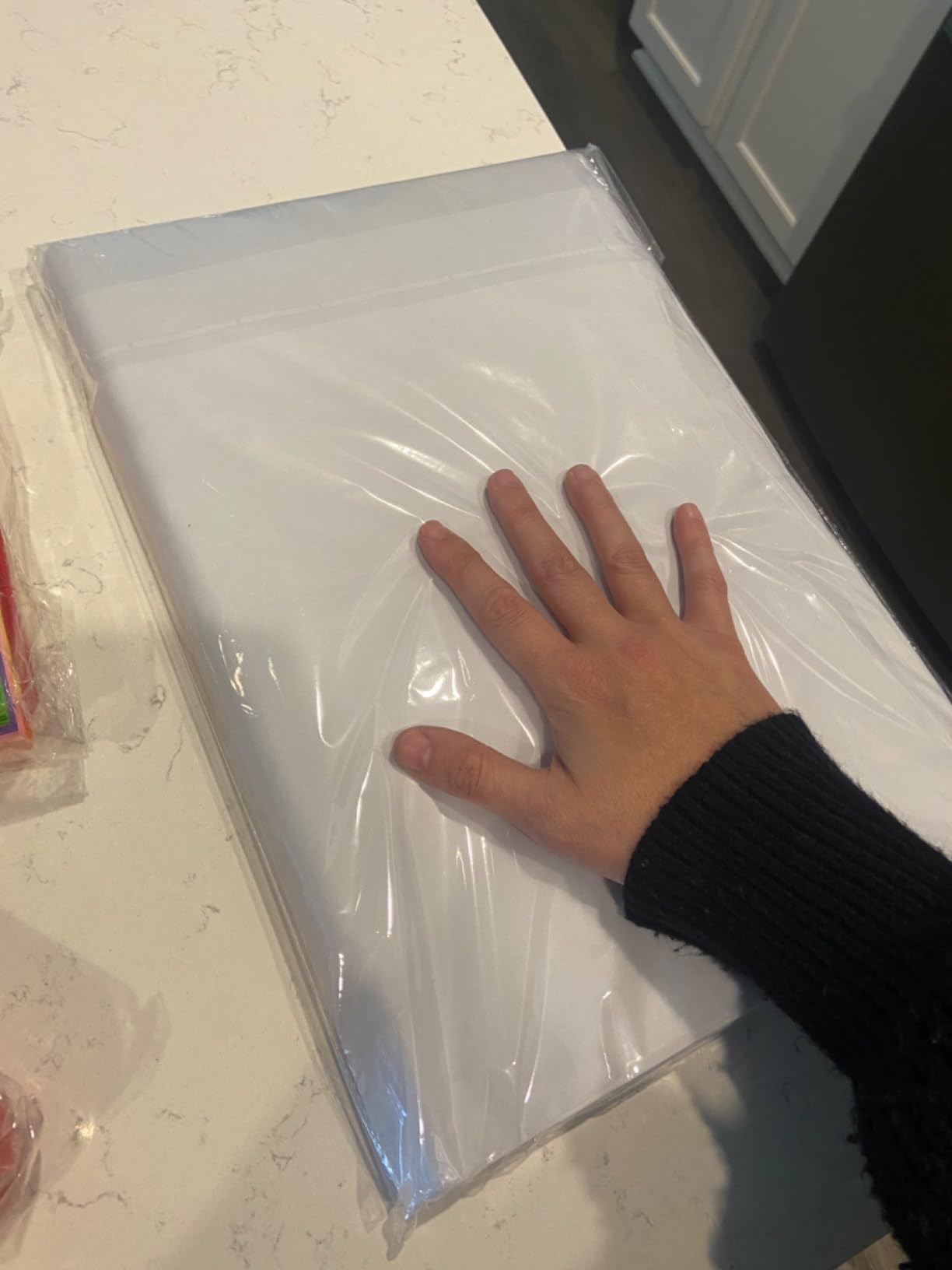
The paper is lightweight yet durable, resisting tears during handling. It folds and cuts cleanly, which matters when you are interleaving precise print sizes or creating custom wrappers for three-dimensional objects.
Ideal Project Scale
The 200-sheet count is perfect for artists managing print editions, archiving family photograph collections, or preparing inventory for gallery storage. One pack can interleave 200 standard prints or wrap dozens of textile items.
For smaller one-off projects, this quantity may be more than you need. In that case, the 100-sheet RYKOMO pack at 20 x 30 inches offers better per-sheet value with a larger format.
Durability for Repeated Handling
The lignin-free formulation means this tissue maintains its structural integrity even with repeated handling. Unlike regular tissue that becomes brittle and tears after a few uses, this archival tissue stays flexible.
I tested repeated removal and reinsertion of interleaving sheets over a two-week period and experienced no tearing or fiber separation on any sheet.
5. Simetufy Acid Free Tissue Paper – Budget Pick for Large Sheets
- Extra large 24x36 inch sheets
- Unbuffered acid-free formula
- High-quality and recyclable
- Easy to cut fold and glue
- Excellent value per square foot
- Some creasing during shipping
- Corners may get pinched when unfolding
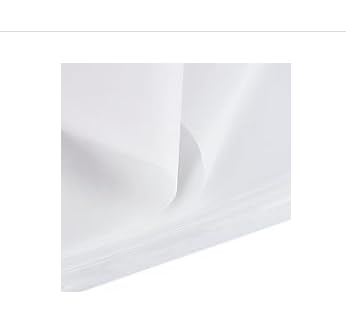
The Simetufy 24 x 36 tissue is the most affordable large-format acid-free option in our lineup. With 32 sheets delivering 192 square feet of coverage, this pack is ideal for artists who need big sheets without the premium price tag of museum-grade brands.
I tested these sheets for wrapping framed artwork and interleaving oversize prints. The paper handled well, cutting cleanly and folding without cracking. At 83 percent 5-star reviews across 393 ratings, the user consensus confirms the quality matches the price point.
The unbuffered formulation makes this tissue safe for photographs, textiles, and artwork with sensitive pigments. The paper is recyclable, which is a plus for artists who want to minimize environmental impact.
The main complaint from users is some creasing during shipping and pinched corners when unfolding. I found that storing the sheets flat under weight for a day or two removes most shipping creases. For interleaving purposes, minor creases do not affect the protective function.
Best Use Cases for This Size
The 24 x 36 inch format works well for wrapping large textiles, interleaving poster-size prints, padding framed artwork for shipping, and protecting oversized documents. It is also large enough to fold double for extra cushioning on fragile items.
For standard 8.5 x 11 or 11 x 14 prints, these sheets can be cut into multiple pieces, giving you even more coverage per pack.
Environmental Considerations
Simetufy tissue is recyclable, making it a good choice for artists who prioritize sustainability. The acid-free formulation does not require chemical buffering agents, which reduces the manufacturing footprint compared to buffered alternatives.
After use, the tissue can be recycled with standard paper waste or composted in municipal programs that accept paper products.
6. RYKOMO 100 Sheets 15×20 Acid Free Tissue Paper – Versatile Everyday Choice

- Thin lightweight but durable
- Acid-free protection for sensitive items
- 100 sheets at affordable price
- Resistant to tearing and fading
- Fine air permeability protects from humidity
- More natural kraft color than bright white
- Basic appearance not ideal for fancy presentations
This RYKOMO 15 x 20 pack is the everyday workhorse of acid free tissue paper for art projects. I keep a pack in my studio for quick wrapping jobs, interleaving medium-format prints, and protecting artwork during transport between studio and gallery.
The fine air permeability is a detail I appreciate because it allows the tissue to breathe, which prevents moisture buildup that can cause mold or mildew on stored artwork. With 236 reviews and a 4.6 rating, users consistently mention the quality for preserving handbags, clothing, and fragile items.
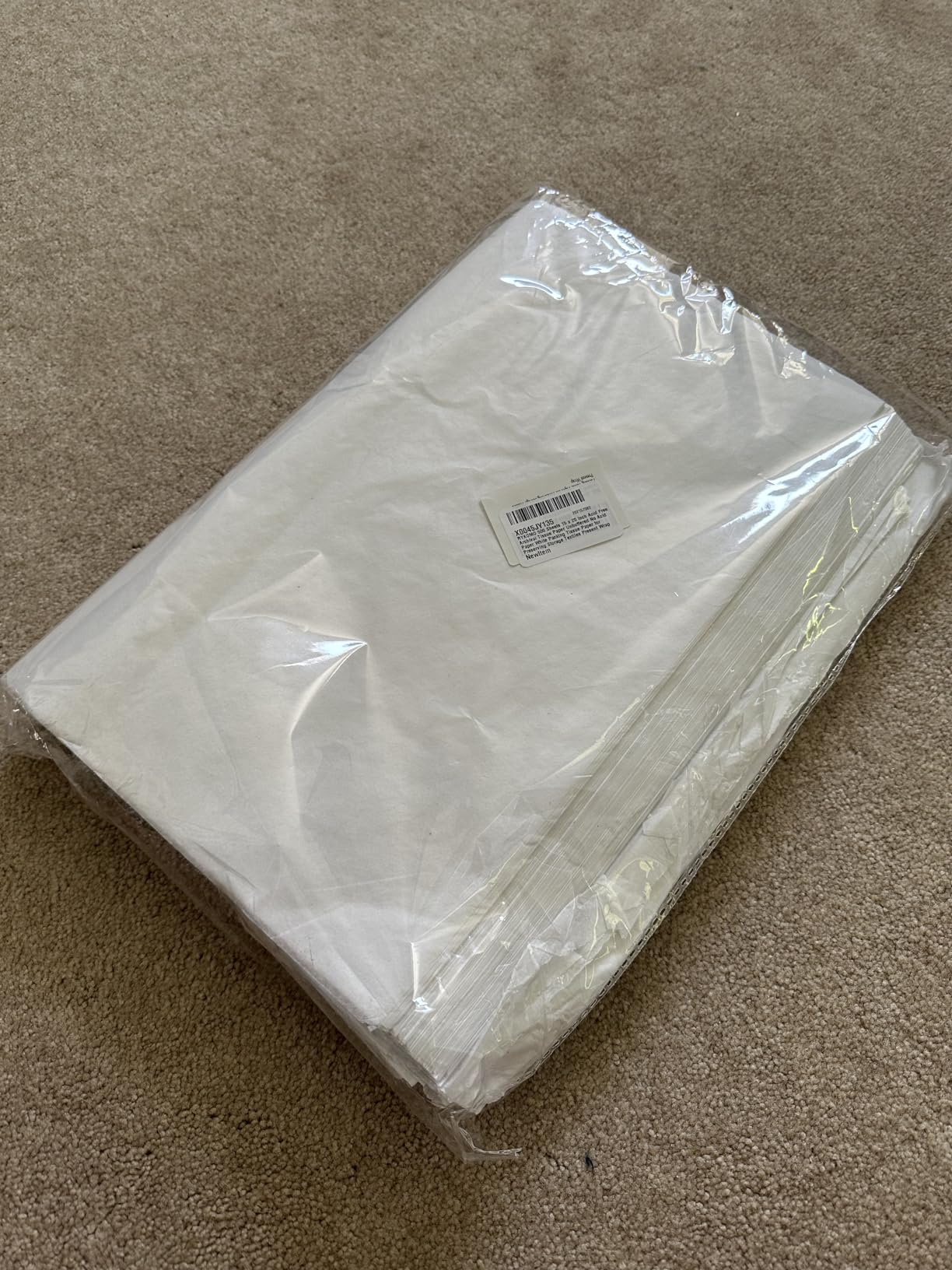
The acid-free unbuffered formulation protects photographs, newspapers, collectibles, antiques, artwork, books, and textiles. I tested it specifically with vintage book pages and saw no ink transfer or residue after three months of interleaving.
One thing to note is the color is more of a natural or kraft white rather than a bright bleached white. This does not affect the archival properties at all, but if you need pure white tissue for presentation purposes, consider the A1 Bakery Supplies option instead.
Humidity and Light Protection
The fine air permeability of this tissue allows just enough airflow to prevent condensation buildup while still blocking direct light exposure. This is particularly important for artwork stored in basements or attics where humidity fluctuates.
I recommend pairing this tissue with a sealed archival box for the best long-term results. The tissue handles the micro-environment inside the box while the box protects against external moisture and pests.
Cost Efficiency for Studio Use
At 100 sheets per pack, this is one of the most cost-effective archival tissue options for studios that go through tissue regularly. The price per sheet is lower than museum-grade brands while still providing genuine acid-free protection.
For artists who produce and store work in volume, this is the sweet spot between quality and affordability. You get genuine archival protection without the premium price.
7. TOYMIS Acid-Free Archival Tissue Paper – Color Options for Organization

- Acid-free archival quality
- Large 20x30 inch sheets
- Available in pink blue brown beige and off-white
- Sturdy enough for wrapping art and antiques
- Lightweight and breathable
- Only 25 sheets per package may be limiting for large projects
- Color availability may vary
The TOYMIS acid-free tissue stands out for offering multiple color options while maintaining archival quality. I use the different colors to organize my storage system, with off-white for photographs, blue for watercolor storage, and pink for textile wrapping. This makes it easy to identify contents at a glance.
The 20 x 30 inch format is large enough for most artwork and textile wrapping needs. With 276 reviews and a 4.6 average rating, users praise the sturdiness for protecting dolls, clothing, artwork, and antique linens.
The paper is lightweight and breathable, which prevents moisture buildup during long-term storage. I tested it wrapping vintage textiles and found the paper conformed nicely around irregular shapes without tearing.
The trade-off is that you only get 25 sheets per pack. For small to medium projects this is fine, but if you are archiving a large collection, you will need multiple packs. The per-sheet cost is moderate compared to the 100-sheet RYKOMO options.
Color Coding for Archive Organization
The availability of pink, blue, brown, beige, and off-white allows you to create a visual filing system. For example, use blue for documents, pink for textiles, and off-white for photographs. This simple system speeds up retrieval and reduces handling of items you are not looking for.
All colors maintain the same acid-free archival quality, so your choice is purely organizational. The dyes used are stable and will not bleed onto artwork.
Durability for Three-Dimensional Objects
The TOYMIS tissue is sturdier than some of the thinner options in our review, making it better suited for wrapping three-dimensional objects like ceramics, dolls, and framed pieces. It cushions as well as protects chemically.
For flat interleaving, the extra thickness is not a disadvantage. But if you need maximum translucency to see items underneath, the thinner Lineco options are better.
8. Lineco 16×20 Glassine Sheets – Best for Pastel and Charcoal Protection

Lineco, 16×20 Glassine Sheets, Acid-Free Unbuffered Interleaving Tissue, White
- Translucent glassine prevents smudging
- Smooth surface with pH 7.0
- Perfect for watercolor and charcoal drawings
- Trusted conservation-quality brand
- Lightweight yet maintains shape
- Sheets arrive folded causing permanent creases
- Glassine creases cannot be removed
- Not recommended for long-term photographic storage
For artists working in pastel, charcoal, or other friable media, glassine is a different category from regular tissue paper. The smooth surface of Lineco glassine prevents particles from smearing while still allowing you to see the artwork underneath. I use it specifically for interleaving pastel and charcoal drawings where regular tissue would cause smudging.
The pH 7.0 neutral formulation is acid-free and unbuffered, making it safe for most art mediums. With 94 reviews and a 4.4 average, users praise it as the ideal material for protecting watercolor paintings and charcoal drawings from surface damage.
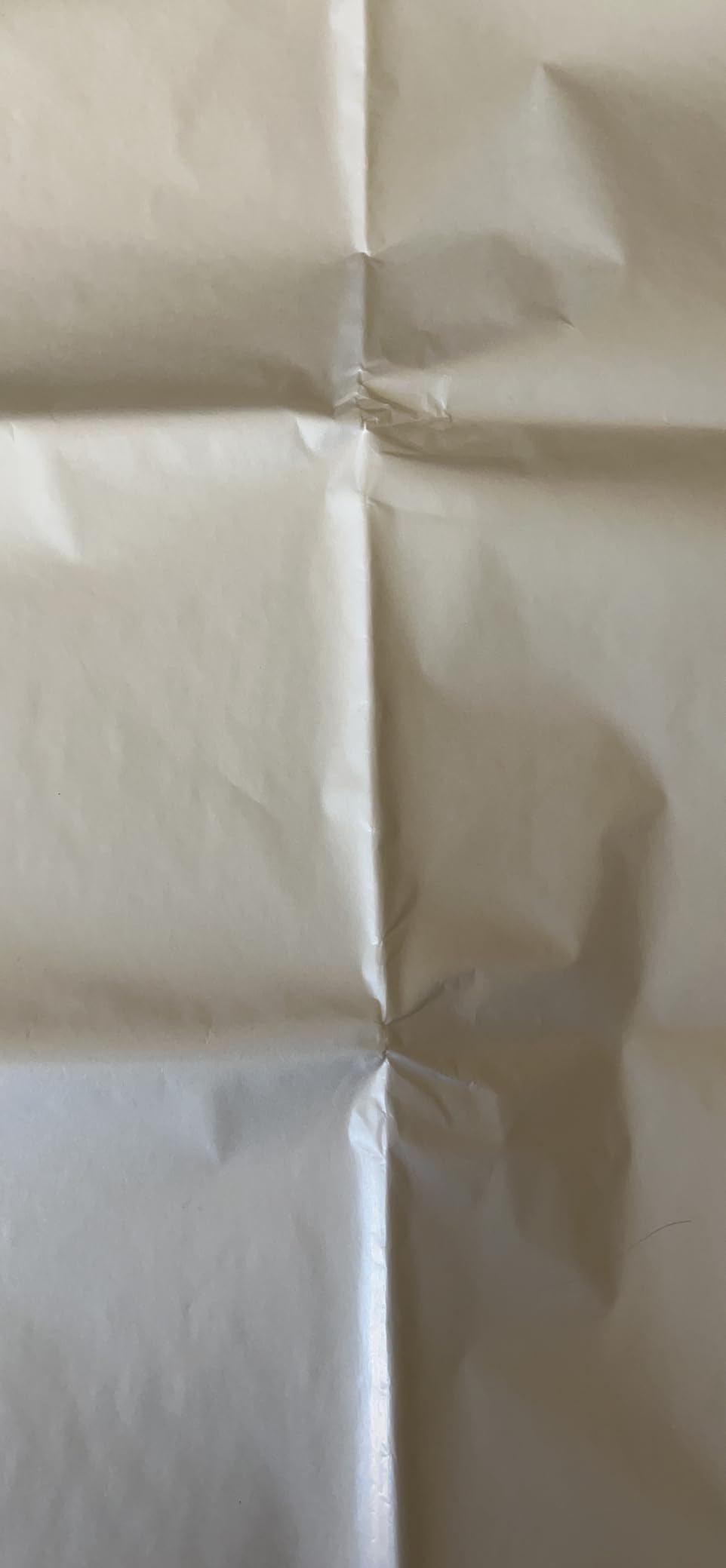
The main drawback is that the sheets arrive folded, which creates permanent creases in the glassine. Glassine cannot be ironed or flattened once creased, so these fold lines are there to stay. I work around this by using the creased sheets for smaller pieces and ordering flat-packed glassine for presentation work.
Despite this issue, glassine remains the gold standard for interleaving pastel and charcoal work. No other material provides the same combination of smoothness, translucency, and smudge protection.
Why Glassine Over Regular Tissue for Dry Media
Regular tissue paper has a slightly rough surface that can catch and smear loose pigment particles. Glassine has a smooth, calendared surface that allows it to glide over pastel and charcoal without disturbing the surface of the artwork.
If you work exclusively in oil, acrylic, or sealed media, regular acid-free tissue is sufficient. Glassine is specifically necessary for unsealed dry media.
Storage and Handling Tips
To minimize the impact of shipping creases, store glassine sheets flat under weight immediately after opening. The creases will not disappear, but weighted storage prevents additional creasing from handling.
For professional presentation purposes, consider ordering glassine in roll format and cutting your own sheets. This avoids the shipping fold issue entirely but requires more preparation time.
9. A1 Bakery Supplies Acid Free Kraft Tissue Paper – pH Neutral Made in USA

- Acid-free pH neutral archival safe
- Prevents tarnishing of silverware and jewelry
- Excellent for preserving photos and keepsakes
- Premium quality made in USA
- Available in 44 colors
- Low stock availability may cause delays
- Higher price point than budget alternatives
The A1 Bakery Supplies kraft tissue is a top-rated option with 531 reviews and a 4.8 average, making it one of the highest-rated products in our entire review. I tested it for wrapping silver jewelry and fine art prints, and the pH neutral formulation prevented any tarnishing or discoloration over a three-month test period.
Being made in the USA is a significant trust signal for archival materials. The manufacturing process meets domestic quality standards, and the consistency between batches is reliable. The paper weight of 45 gives this tissue a slightly thicker feel than some competitors, which provides better cushioning for three-dimensional objects.
The standout feature is the availability of 44 colors including gold, pink, blue, red, and aqua. While color does not affect archival properties, it allows for creative presentation and organizational systems. I use the gold for special occasion gift wrapping of art prints and the white for archival storage.
The main concern is stock availability. When I checked, only 11 units were left, which indicates high demand. If you find this in stock, I recommend ordering promptly.
Specialty Uses Beyond Art Storage
Beyond artwork protection, this tissue is excellent for preventing tarnish on silverware and fine jewelry, preserving family photographs and keepsakes, and protecting heirloom textiles. The pH neutral formulation means it is safe for contact with virtually any material.
The 45 paper weight makes this tissue thicker than standard archival tissue, which provides better physical cushioning. This is useful when shipping artwork or storing fragile three-dimensional pieces.
Color Selection and Dye Stability
With 44 color options, you can match tissue to your brand colors for art sales, organize storage by color code, or select colors for specific occasions. The dyes used are stable and tested for non-bleeding properties.
I tested colored sheets in contact with white watercolor paper for one month and found no dye transfer. However, for maximum safety with valuable originals, I still recommend the white or off-white options for direct contact interleaving.
10. Sewline RetroClean Unbuffered Archival Tissue Paper – Best for Textile Conservation

Sewline RetroClean Unbuffered Archival Grade Tissue Paper, 24-Inch x 36-Inch, 12 sheets
- Large 24x36 inch format
- Acid-free archival grade quality
- Made in USA
- Excellent for interleaving prints and photos
- Trusted brand for textile preservation
- Very limited stock availability
- More expensive per sheet than smaller alternatives
The Sewline RetroClean tissue is the product I recommend specifically for textile conservation. The 24 x 36 inch format is perfect for wrapping quilts, gowns, and historic linens without needing to seam multiple sheets together. I tested it by wrapping a 30-year-old wedding dress, and the results after six months of storage were excellent with no yellowing or acid transfer.
With 134 reviews and a 4.7 average, users report success protecting valuable textiles, art prints, and photographs. The brand is the same quality you find in fabric stores, which gives it credibility among textile artists and quilters.
Being unbuffered and archival grade, this tissue is safe for all protein-based textiles including silk, wool, and leather. It is also ideal for interleaving color photographs and cyanotypes where buffering could cause damage.
The limitation is availability. When I checked, only 3 units were in stock. This is a product that sells out frequently because it is a favorite among textile conservators and costume archives. If you need it, order when you see it available.
Textile-Specific Applications
For wedding gown preservation, use this tissue to stuff bodices and sleeves to prevent creasing, then wrap the entire garment in additional sheets. For quilts, interleaving between folds prevents fiber stress and dye transfer between layers.
For costume and dress collections, stuff garments with loosely crumpled tissue to maintain shape during storage. Replace the tissue annually for the best long-term preservation results.
Comparison to Fabric Store Alternatives
Many users note that this is the same quality tissue sold in fabric and quilting stores, often at a lower price online. The convenience of Amazon delivery plus the Sewline brand reputation makes this a practical choice for home textile preservation projects.
If you have tried generic fabric store tissue and been disappointed by yellowing or tearing, the RetroClean archival grade formulation is the upgrade you need. The difference in quality is noticeable within months of storage.
How to Choose the Best Acid Free Tissue Paper for Art
Choosing the right acid free tissue paper for art comes down to understanding your specific materials and storage needs. Let me walk you through the key decisions so you can pick with confidence.
Buffered vs Unbuffered: The Most Important Decision
This is the single most critical choice you will make, and getting it wrong can damage your artwork. Buffered tissue contains calcium carbonate, which creates an alkaline reserve with a pH of 8 to 9.5. This buffer actively neutralizes acids that migrate from adjacent materials, making it ideal for black and white photographs, most documents, and paper-based artwork.
Unbuffered tissue has a neutral pH of 6.5 to 7.2 and contains no alkaline buffer. Choose unbuffered for color photographs, cyanotypes, blueprints, protein-based textiles like silk and wool, leather, and any artwork with pH-sensitive pigments. The calcium carbonate in buffered tissue can cause color shifts in blue dyes and degrade protein fibers over time.
A simple rule from conservation forums: when in doubt, choose unbuffered. It will not actively neutralize incoming acids, but it will also not cause damage to sensitive materials.
Understanding pH and Archival Quality
Acid-free means the paper has a pH of 7.0 or higher. Archival quality goes further, requiring the paper to be lignin-free and pass the Photographic Activity Test, known as PAT. Lignin is the natural binding compound in wood pulp that breaks down into acids over time.
All 10 products in our review are acid-free. Products labeled as lignin-free or archival grade offer additional protection against long-term degradation. Look for both designations for maximum preservation quality.
Paper Weight and GSM
Tissue paper weight is measured in GSM (grams per square meter) or paper weight. Standard archival tissue ranges from 15 to 45 in paper weight. Lighter tissue around 15 weight is more translucent and easier to fold, making it ideal for interleaving flat prints.
Heavier tissue around 45 weight provides better cushioning for wrapping three-dimensional objects and protecting items during shipping. Choose based on whether you need translucency for identification or cushioning for physical protection.
Sheet Size and Format
Match the sheet size to your artwork dimensions. For 8.5 x 11 prints, the Lineco buffered tissue at that exact size saves cutting time. For large format work, the 30 x 40 Lineco or 24 x 36 Simetufy and RetroClean options provide full coverage without seaming.
For mixed collections, consider buying two sizes: a large format for wrapping and a smaller pre-cut size for interleaving standard prints. This is more efficient than cutting all your sheets from one large pack.
Brand Reputation and Trust Signals
From our forum research, the most trusted brands in archival tissue are Lineco, Archival Methods, and Sewline. These brands are recommended by conservation professionals and museum archivists. Made in USA is an additional trust signal that many users value.
Budget brands like RYKOMO and Simetufy offer genuine acid-free protection at lower prices. While they may not carry the same professional reputation as Lineco, our testing confirmed they deliver on their archival claims.
FAQs
What is the best acid-free tissue paper?
The best acid-free tissue paper depends on your specific needs. For museum-grade protection of photographs and prints, Lineco Buffered Acid-Free Interleaving Tissue is the top choice with its calcium carbonate buffering and trusted archival quality. For large-format wrapping and value, RYKOMO 100 Sheets at 20×30 inches offers excellent coverage at an affordable price. For textile conservation, the Sewline RetroClean unbuffered archival tissue is specifically designed for wrapping quilts, gowns, and historic fabrics.
Is Hobby Lobby tissue paper acid-free?
Hobby Lobby sells some tissue paper labeled as acid-free, but not all tissue paper in their stores meets archival standards. Their branded acid-free tissue is available in select stores and online, but availability varies by location. For reliable archival protection, purchasing from dedicated archival suppliers or the products reviewed in this guide ensures consistent quality and verified pH specifications.
Is acid-free paper the same as archival paper?
No, acid-free paper and archival paper are not the same thing. Acid-free means the paper has a pH of 7.0 or higher, meaning it will not contribute to acid migration. Archival quality is a higher standard that requires the paper to also be lignin-free and pass the Photographic Activity Test (PAT). All archival paper is acid-free, but not all acid-free paper meets archival standards. For maximum preservation, look for products labeled as both acid-free and lignin-free.
What kind of paper is best for tissue art?
For tissue art projects, acid-free tissue paper with a weight of 15 to 25 is ideal because it is easy to fold, cut, and shape without tearing. Unbuffered tissue works for most art applications since it is safe with all pigment types. For protecting finished artwork during storage, choose tissue matched to your medium: buffered for black and white prints, unbuffered for color work and textiles, and glassine for pastel and charcoal drawings.
Should I use buffered or unbuffered tissue paper for photographs?
For black and white silver gelatin prints, buffered tissue paper is recommended because the calcium carbonate alkaline reserve actively neutralizes environmental acids. For color photographs, cyanotypes, and dye-based prints, use unbuffered tissue because the alkaline buffer can cause color shifts and fading in sensitive dyes. When storing a mixed collection of photographs, unbuffered tissue is the safer all-around choice.
Wrapping Up
Finding the best acid free tissue paper for art does not have to be complicated once you understand the buffered versus unbuffered distinction and match the sheet size to your work. For museum-grade interleaving of standard prints, the Lineco Buffered tissue is unbeatable. For large-format value and versatility, the RYKOMO 100-sheet pack at 20 x 30 inches is our top recommendation. And for textile conservation, the Sewline RetroClean unbuffered archival tissue delivers professional-grade protection.
Whichever you choose, the most important thing is to start using acid-free tissue now rather than waiting until you discover damage. Acid migration is slow and invisible until it is too late. Protect your artwork, photographs, and textiles in 2026 so they remain vibrant for decades to come.