
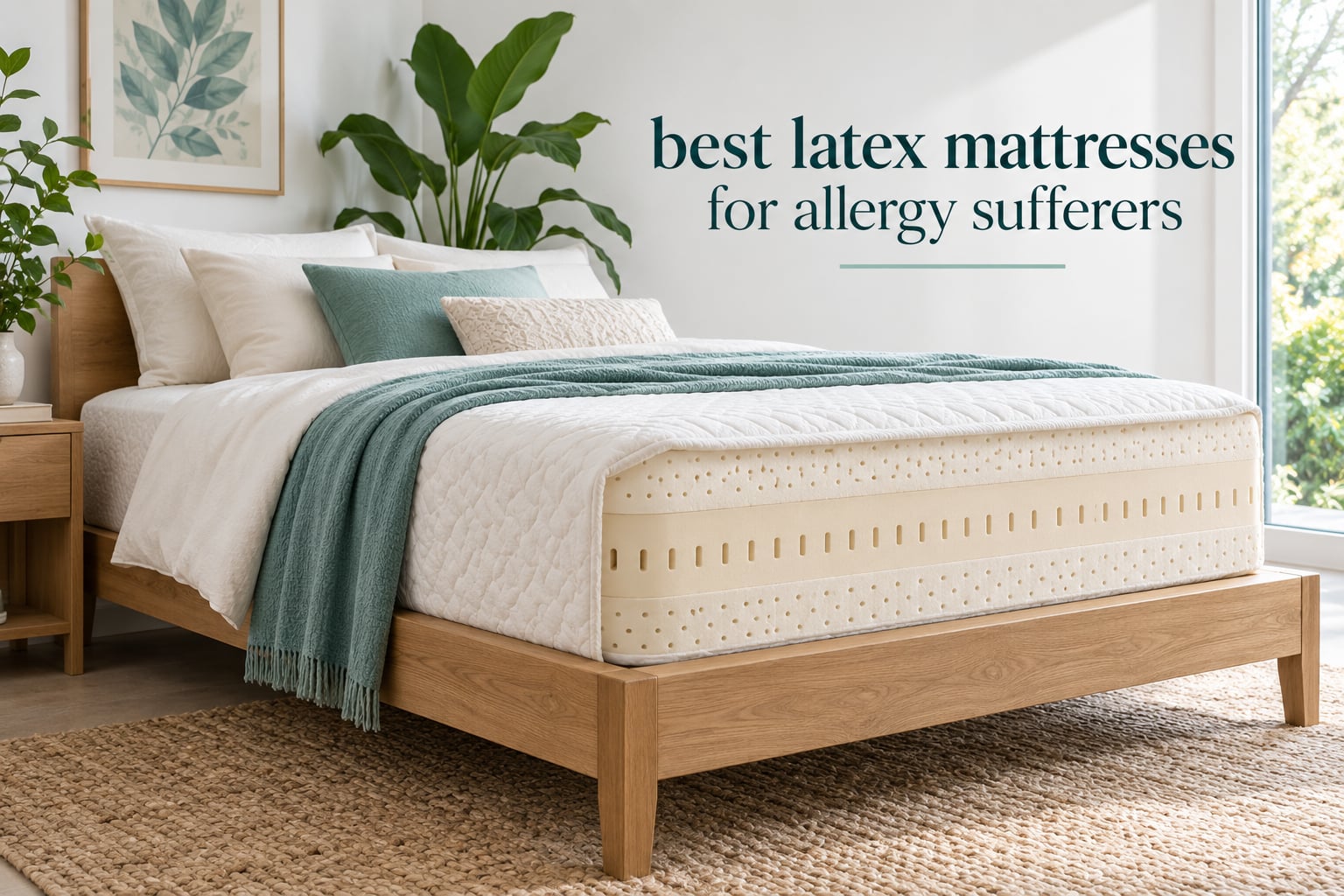
Choosing among the best latex mattresses for allergy sufferers comes down to one question: how much of the mattress is actually natural rubber-tree latex, and how much of the rest is petroleum-based foam that off-gasses? Latex is the only mainstream mattress material that dust mites genuinely struggle to live on, but plenty of products sold under the latex label are a thin latex comfort layer sitting on a polyurethane core.
We compared six latex mattresses built for sensitive sleepers, reading the material specifications and the customer reviews on each rather than the marketing copy. Six is a shorter list than you will see on some competing pages, and that is deliberate: the search results for this query are crowded with size variants of the same model and with mattress protectors and toppers dressed up as mattresses.
If you are shopping for a second bedroom rather than a primary bed, our guide to the best mattresses for guest rooms covers different priorities. And if joint pain is your main issue rather than allergy symptoms, read our mattresses for arthritis picks instead, since firmness plays a much bigger role there.
Table of Contents
Is Latex Good for Allergy Sufferers? The 60-Second Answer?
Yes, with one important exception. Natural latex foam is naturally resistant to dust mites and mold because its dense, closed-cell structure and natural antimicrobial properties leave mites nothing to feed on, and it does not give mold the damp, fibrous surface it needs to colonize. The exception: if you have a confirmed IgE-mediated latex protein allergy, you should consult an allergist before buying any latex mattress, because the same natural rubber proteins that make latex useful can trigger a serious reaction in a small number of people.
Two further conditions matter. If your symptoms are chemical sensitivity rather than a mite allergy, a hybrid with a latex comfort layer over polyurethane coils may not be enough for you, and an all-latex or polyfoam-free build is the safer choice. If you sleep hot, note that some dense latex profiles do hold warmth, and a taller mattress with more aerated latex or a wool-quilted cover helps.
This is a buying guide, not medical advice. If you have been formally diagnosed with a latex allergy, or your symptoms are unexplained and severe, speak to an allergist before changing your sleeping surface.
Top 3 Best Latex Mattresses For Allergy Sufferers (October 2026)
Our top three, in order: an all-latex GOLS-certified organic model for allergy households that want a single-material mattress, a Talalay latex hybrid for anyone who wants coils without the off-gassing, and a toxin-free organic hybrid for chemical-sensitive sleepers.
Sleep On Latex Pure Green Organic
- 8 inch GOLS organic latex core
- Organic cotton and wool cover
- GOTS and GOLS certified
- Firm and pressure-relieving

Sunrising Bedding 8 inch Latex Full
- Talalay latex top layer
- 682 pocketed coils
- OeKo-Tex cashmere wool cover
- 120-night trial

Ethical Mattress Co 10 inch Hybrid
- GOLS organic latex comfort layer
- Greenguard Gold low emissions
- 850 wrapped coils
- No polyfoams or fiberglass
All 6 Latex Mattresses Compared Side by Side in 2026
Every model below is a genuine latex mattress rather than a latex topper. The table lists the construction detail that matters most for allergy use, which is how much of the sleeping surface is natural latex and how the cover is made.
| Product | Specifications | Action |
|---|---|---|
| Sleep On Latex Pure Green Organic |
|
Check Latest Price |
| Sunrising Bedding 8 inch Natural Latex Full |
|
Check Latest Price |
| Ethical Mattress Co 10 inch Organic Hybrid |
|
Check Latest Price |
 Cotton Sleep 11 inch Organic Cotton Sleep 11 inch Organic |
|
Check Latest Price |
 Happsy Organic Hybrid Mattress Happsy Organic Hybrid Mattress |
|
Check Latest Price |
 My Green Mattress Kiwi Organic My Green Mattress Kiwi Organic |
|
Check Latest Price |
Why a Mattress Matters for Allergy Sufferers?
You spend close to a third of your life on a mattress, and most of that time you are breathing close to it. That proximity is the whole argument. A mattress that harbors dust mites and their droppings puts one of the largest reservoirs of a major allergen directly under your nose for eight hours.
Dust mites feed on shed skin flakes, so a woven fabric surface with deep seams and tufting gives them exactly what they want. They thrive in humidity above roughly 50 percent, which is why a mattress that traps heat and moisture is worse than a breathable one even if the material is identical. Dead skin accumulation and trapped humidity together are the reason mattress surfaces darken over a decade of use.
Then there is off-gassing. Polyurethane memory foam and many conventional foams release volatile organic compounds for weeks after a mattress is unwrapped, and the concentration is highest in the first few days in a closed bedroom. Sensitive sleepers and anyone with asthma or chemical sensitivity can react to that, and no amount of airing the room in a well-ventilated space fully removes it from a closed-cell foam.
Finally, a compromised skin barrier matters. If you deal with eczema, a rough or damp sleeping surface increases how much irritant reaches your skin. A smooth, breathable, washable cover helps more than most people expect, which is why the cover on each model below is treated as a first-class feature here rather than an afterthought.
Is Latex Safe If You Have a Latex Allergy?
It depends on which kind of latex allergy you have, and the distinction is where most guides go wrong. A Type 1 reaction is IgE-mediated: your immune system responds to latex proteins, usually within minutes, and symptoms can include hives, wheezing and, in severe cases, anaphylaxis. A Type 4 reaction is a delayed contact dermatitis that appears hours to days after skin contact, typically as an itchy, eczematous rash in the areas that touched the surface.
Many people who react to disposable latex gloves assume they will react to a mattress. Those are different exposure routes. A glove reaction is usually a Type 4 delayed reaction to powder and accelerator chemicals on the surface of the glove, and it is localized to the hands. A mattress is a different contact surface, and a mattress made from latex that has been thoroughly washed during processing to strip proteins carries a different risk profile again.
The protective argument is straightforward. If a latex mattress is fully encased in a tightly woven cotton or wool cover that is zippered on all sides, and the latex has been washed to reduce protein content, the proteins never reach your skin and there is no direct contact. That is the position the earthSake Bliss product page takes, and it is the reason we list a washable, fully removable cover as a requirement in our buying guide rather than a nicety.
What we will not do is tell you it is safe for you. If you have a diagnosed Type 1 latex allergy, the correct answer is a latex-free surface: a mattress with no natural rubber in the comfort layer, plus an allergen-impermeable encasement as backup. Several buyers on r/Mattress with confirmed latex allergies were steered away from latex mattresses toward alternative toppers entirely, which is exactly the right call for that group. For everyone else in this article, the allergy case is about dust mites, mold and off-gassing, and latex is a genuinely good material for all three.
Natural vs Synthetic vs Blended Latex for Allergies
The word latex on a mattress listing tells you almost nothing on its own. Here is what actually separates the three categories for allergy purposes.
Natural latex (100% rubber tree sap) — dense, elastic, closed-cell structure that mites and mold struggle to colonize. No petrochemical input to off-gas. Can be GOLS certified, which is the strictest latex standard available. Also the only category with genuine latex proteins, so it is the one that matters if you have a latex-protein allergy.
Synthetic latex (styrene-butadiene or polyisoprene mimic) — often a topper sold for latex feel at a fraction of the cost, frequently described as memory foam. Softer and more moldable, but a petrochemical product that can off-gas and a softer, more porous surface that offers less resistance to mites.
Blended latex — a percentage mix of natural and synthetic. Perfectly serviceable and durable. The allergen question depends on how much natural material is actually in the blend, and the honest percentage is usually only in the fine print.
Latex over polyurethane or flex core — not a latex type at all, but the most common configuration sold as a latex mattress. The latex comfort layer does help, but the core underneath is a petrochemical foam that off-gasses. Ask about the foam separately from the mattress.
Certification is the real filter — GOLS applies to natural rubber latex only. If a mattress carries a GOLS mark, the latex in it is certified organic natural latex. That single mark tells you more than any adjective on the page.
For what the allergy community actually reports, a Mattress Underground thread from early 2026 noted that wool and latex tend to perform well for temperature regulation and are naturally resistant to dust mites and mold. That combination is the thread running through every pick below.
1. Sleep On Latex Pure Green Organic Latex – Best Overall for Allergy Sufferers
- Single-material all-latex build with no synthetic foam
- GOLS and GOTS certified organic latex
- Quilted organic cotton and organic wool cover
- Firm flat surface suits back and stomach sleepers
- Assembled in the company's own Chicago factory
- Firmness sits at the supportive end
- Listed weight of 64.86 kg makes it hard to move alone
- Hand-wash-only care instruction
- Premium cost per inch against hybrid models
This is the mattress we would put in an allergy-sensitive bedroom without hesitating, and the reason is structural rather than cosmetic. There is no synthetic foam anywhere in the stack. The mattress is 8 inches of GOLS-certified organic latex foam wrapped in a quilted cover of organic cotton and organic wool, which means there is nothing in the bed for volatile compounds to come from.
The certification list is the strongest here and it is unusually easy to verify: GOTS Certified Organic, GOLS Certified Organic and Fair For Life Fair Trade certified, all printed on the product page. It is also designed, quilted, sewn, assembled and packaged in the company’s own Chicago factory rather than drop-shipped, so the factory that cuts the latex is the same one that builds the mattress.
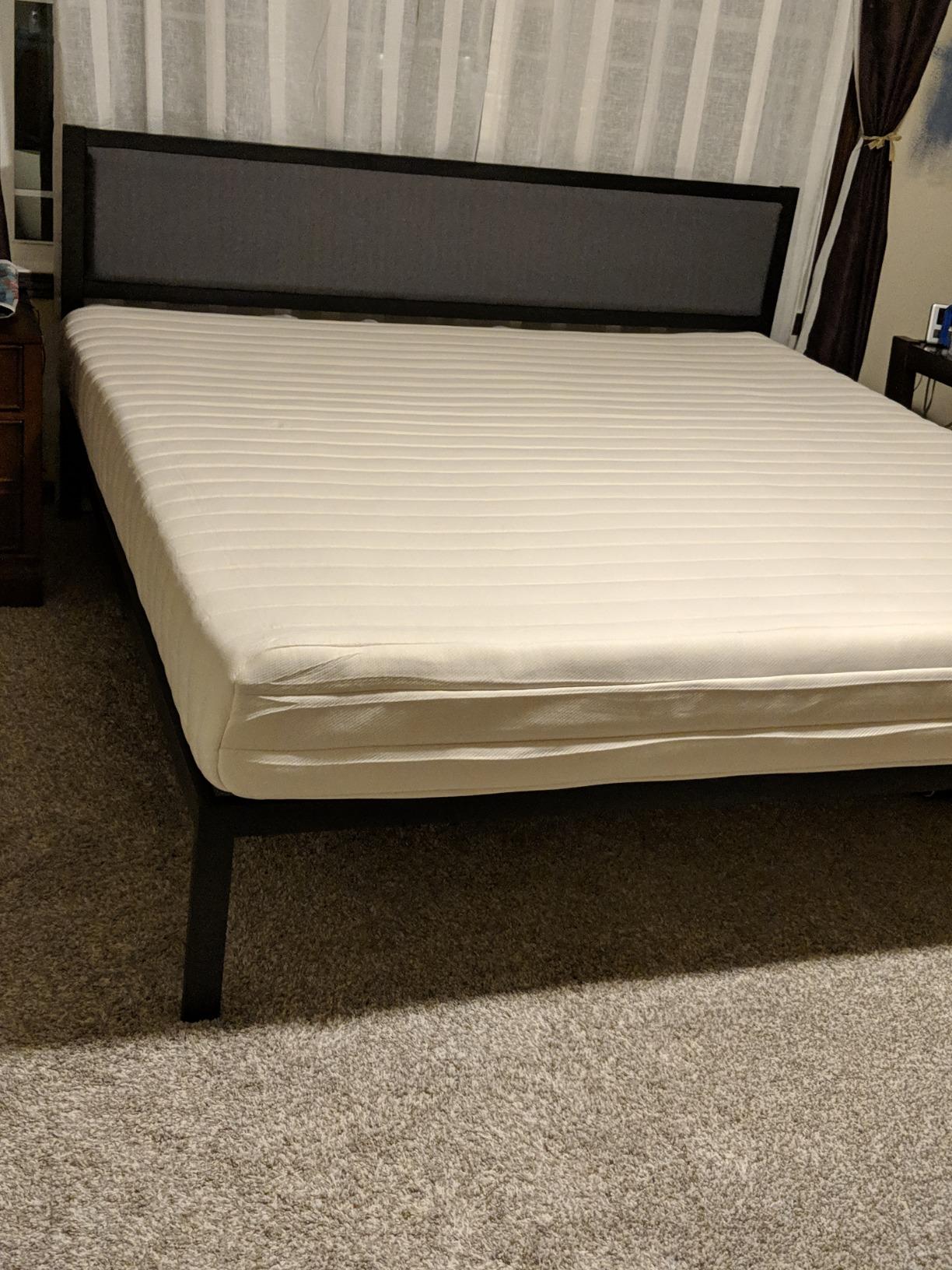
On the feel, this is a firm mattress, and the listing is honest about that rather than hiding behind soft or plush language. Buyers credit the flat, level sleep surface with easing lower-back pressure and mention that the firm-but-yielding quality works for both back and stomach sleeping positions. It arrives roll compressed, needs no assembly, and expands on its own.
Reviewers repeatedly single out the material list as the reason they trusted it enough to put an allergy-prone household on it. With 78 percent of reviews at five stars and only 3 percent at one star, this is also the deepest and most consistently positive review profile in the group.
What allergy sufferers should check before ordering?
Check the cover removability first. The quilted organic cotton and wool cover is the layer that touches your skin, so a cover you can unzip and wash at 130 degrees Fahrenheit is worth more than any core marketing claim. Confirm the zip closure runs all four sides rather than three, because a partial zip leaves a gap at the edge.
Then confirm you are actually comfortable on a firm surface before the mattress goes in a bedroom. This model runs supportive rather than plush, and comfort-focused sleepers often pair it with a topper. For a latex-protein allergy, this is the model to take to an allergist first, because the fully encased, washed latex plus removable cover is the strongest physical argument you can make.
Where this mattress falls short?
The listed weight of 64.86 kg makes this a genuinely difficult mattress to move, turn or rotate without help. That matters over a decade, because rotation is part of keeping a mattress in good shape and out of the deep valleys where dust accumulates.
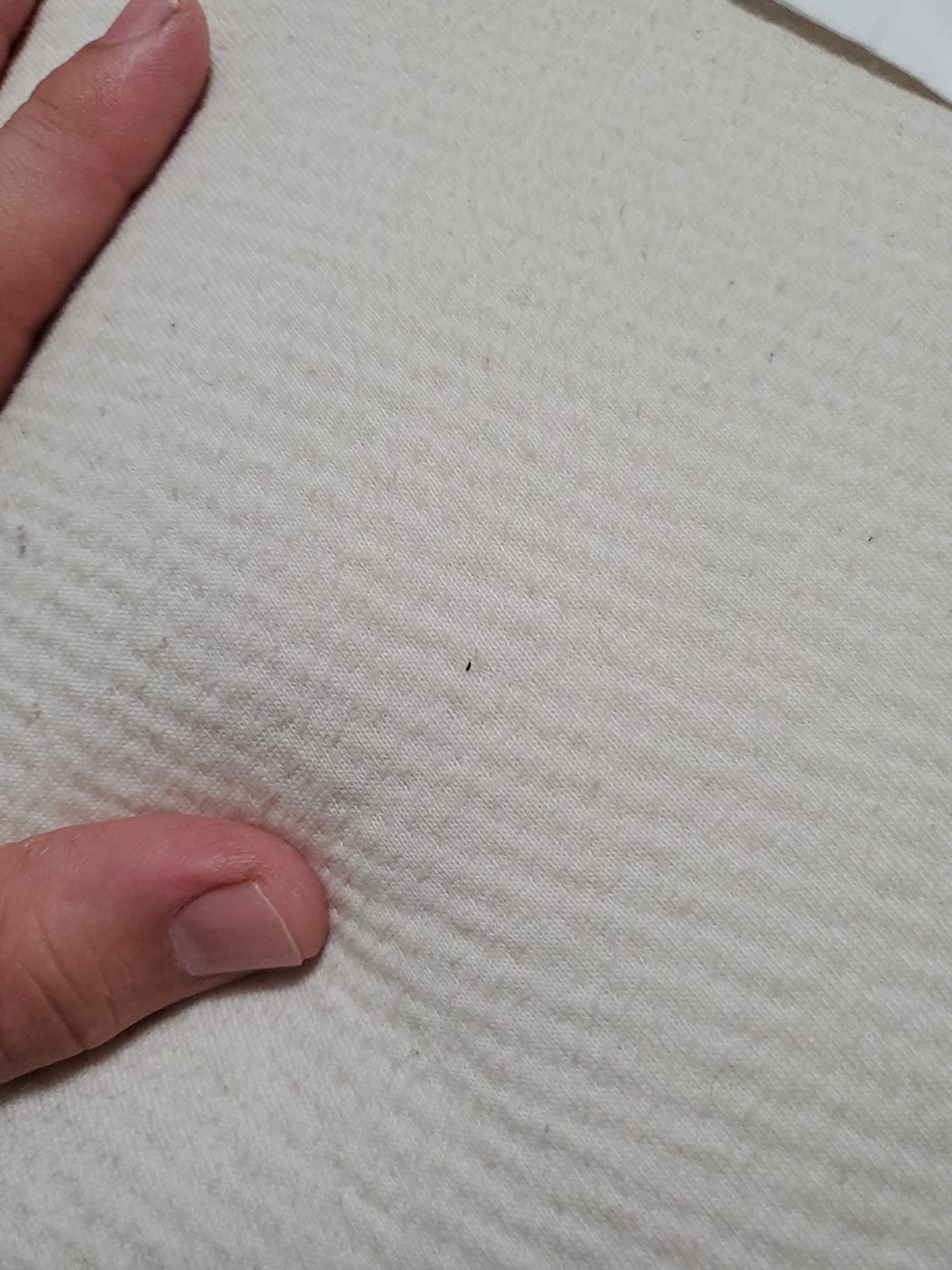
The hand-wash-only care instruction is impractical for a full-size mattress. You will end up spot treating it or paying a service to handle it, and in the interim you need an encasement to keep skin flakes and spills out of the latex. Buyers who skip the encasement are the ones who later report the surface getting dingy.
Finally, an all-latex construction sits at a premium per inch of depth compared with the hybrid models below. You are paying for the absence of synthetic foam, and that is a real cost, but it is the cost of the allergy case.
2. Sunrising Bedding 8 Inch Natural Latex Full – Best Budget Route Into Natural Latex
- Talalay latex top layer with minimal reported off-gassing
- 682 independently encased pocket coils
- OeKo-Tex Standard 100 cashmere wool cover
- Firm but yielding support several buyers credit for back pain relief
- 120-night in-home trial
- Firmness runs well above what buyers expected
- Single-sided build loses the latex layer when flipped
- Lighter side sleepers report hip and shoulder pressure
- Edge support is acceptable but not reinforced
This is the most affordable way on this list into a mattress whose sleeping surface is genuinely natural latex, and it is also the most-reviewed model here with 671 reviews, which gives you a lot of real-world feedback to read before committing. The top layer uses Talalay latex technology, described by the manufacturer as a process that avoids gelling reagents, and buyers report little or no chemical smell on unboxing compared with memory foam.
The core is 682 independently encased pocket coils at 2.0 mm gauge, which does two useful things for allergy purposes. Encased coils ventilate better than a solid foam core, which keeps humidity down, and they isolate movement so a partner’s turning does not disturb you. The cover is cashmere wool certified to OEKO-TEX Standard 100.
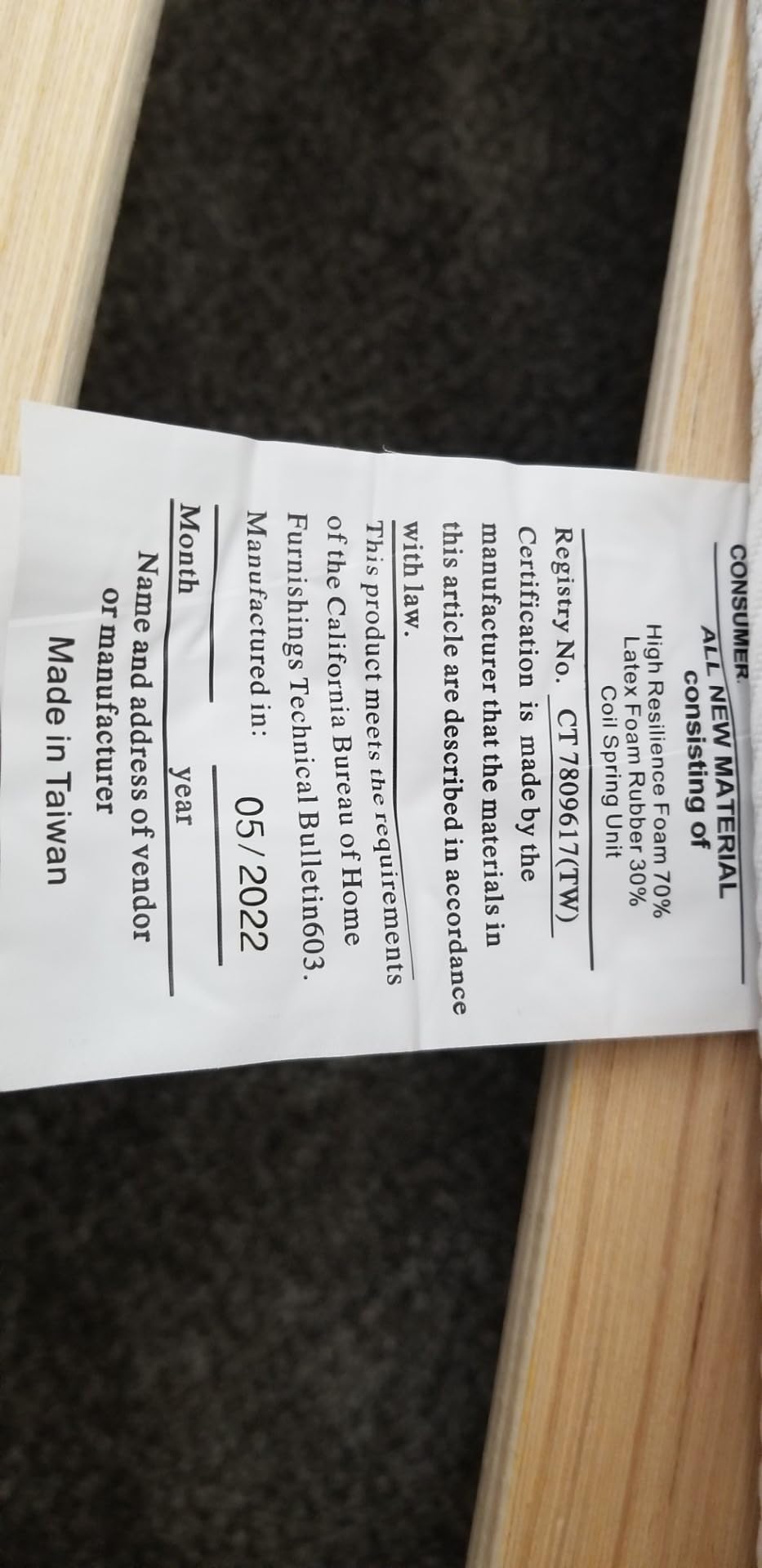
Buyers repeatedly describe this as a cool mattress. Hot sleepers report that the natural latex layer no longer leaves them waking up sweating, which is consistent with wool’s known moisture-handling behaviour. Several reviewers also say they chose it over far costlier memory foam specifically because they wanted to avoid suspected flame retardant chemicals.
The trial is generous at 120 nights in the home, backed by a 20-year warranty, and the listing notes that no fiberglass is used. That combination of a long trial and a long warranty matters specifically for allergy buyers: you need enough time in the room to see whether symptoms actually change, not three days of pristine new-mattress feeling.
What allergy sufferers should check before ordering?
Sit on it, do not just lie on it. The firmness complaint in the reviews is universal, and buyers report this mattress sitting around 8.5 to 9 out of 10 on a firmness scale, much higher than most people picture when they see hybrid in the description. Lighter side sleepers in particular report hip and shoulder pressure without adding a topper.
Check the height too. At 8 inches this is the shallower profile here, and a shallower mattress with a firm latex layer gives you less to adjust your position on. If you know you need a softer surface, budget for a 2 or 3 inch latex topper and treat that as part of the allergy plan, because a topper is also the easiest surface to wash or replace.
Where this mattress falls short?
It is single-sided. The non-sleeping side has only a thin layer over the coils, so flipping it removes the latex from the top and takes away the entire allergy benefit. Plan to rotate rather than flip, and check that you have someone to help given the weight.
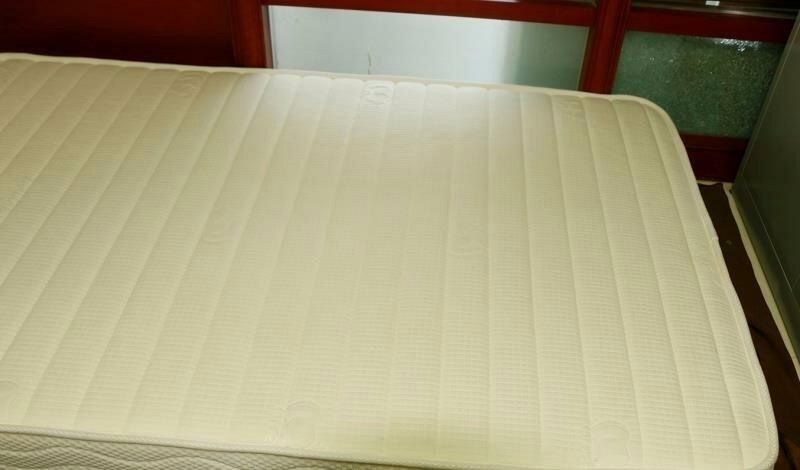
Edge support is acceptable rather than reinforced, which is normal at this level but worth knowing if you sit on the edge to get in and out of bed. The full size is 75 by 54 by 8 inches at 70.6 pounds, which is the most manageable weight of the group if you need to reposition it.
One caveat on the word organic. The listing describes the top layer as organic latex and the cover as certified wool, but this model does not carry the GOLS or GOTS marks that the models above do. If a verifiable certification on the latex itself matters to your decision, keep reading rather than taking the natural wording as equivalent.
3. Ethical Mattress Co 10 Inch Organic Hybrid – Best Low-Emissions Pick
- No petrochemical polyfoams
- fiberglass or chemical flame retardants
- Greenguard Gold verified low emissions
- GOLS organic latex over 850 individually wrapped coils
- Two rows of firm edge coils prevent roll-off
- Expands from the box and can be slept on immediately
- Listing weight differs between the specs and the feature copy
- Medium-firm surface needs some break-in
- Spot-clean-only care
- Premium for a 10 inch organic latex hybrid
If your symptoms are chemical sensitivity or asthma triggered by off-gassing rather than mites, this is the model to look at first. It is built with no petrochemical polyfoams, no fiberglass, no rayon blends, no chemical flame retardants and no toxic laminates, and it carries Greenguard Gold verification for low emissions alongside GOLS organic latex and OEKO-TEX organic cotton and wool.
The comfort layer is GOLS-certified organic latex with a quilt layer of organic wool beneath a stretch-knit organic cotton cover, and the wool quilt is what makes this build work for heat. Moisture-wicking wool over breathable latex keeps the surface drier than a bare foam comfort layer, and drier surfaces matter enormously for both mite populations and mold.
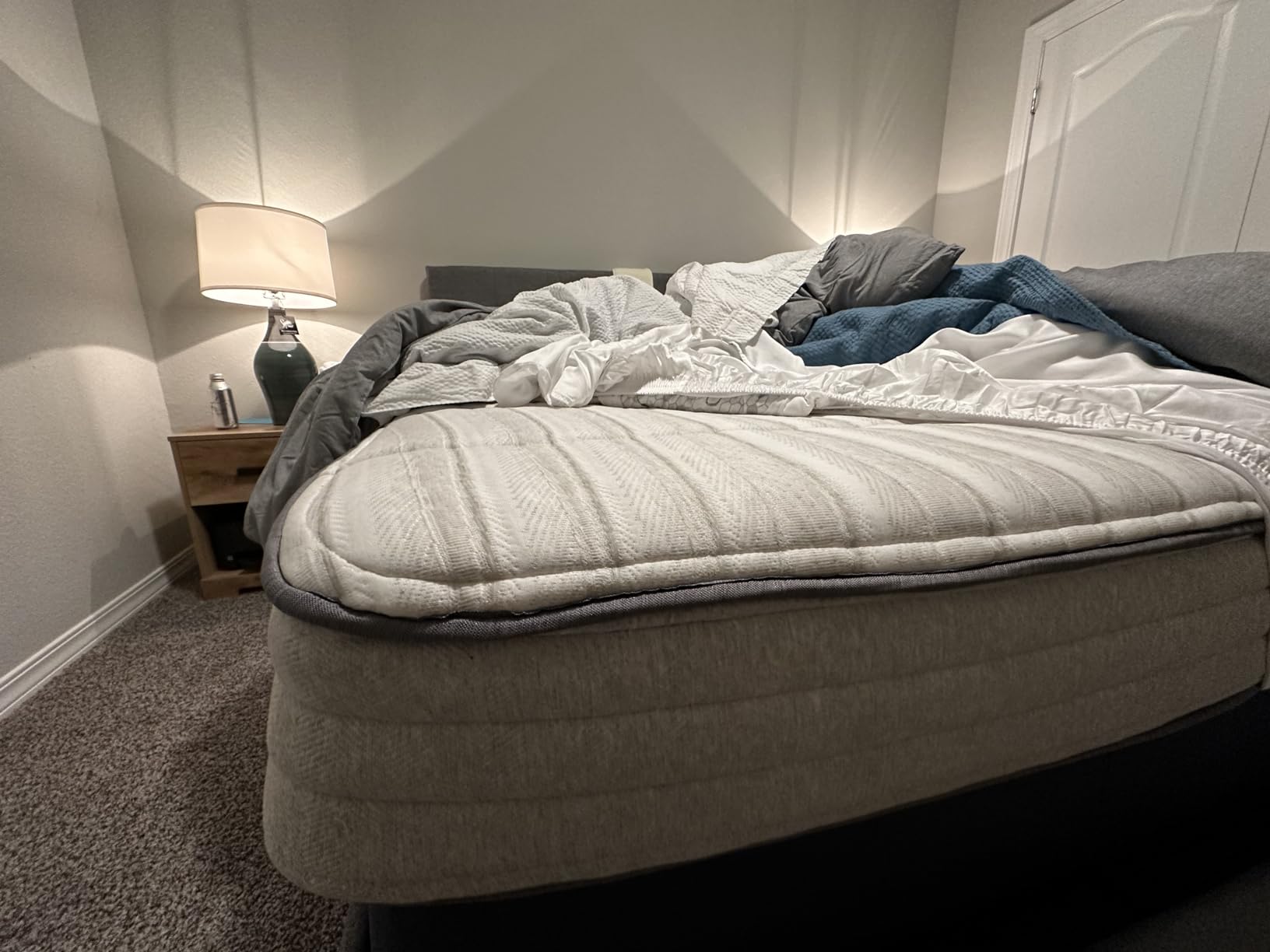
Below that sit 850 individually wrapped coils with two rows of firm edge support. The latex layer is described as eliminating pressure points while the wrapped coils handle motion isolation, which is the combination we look for when someone wants coils for airflow without wanting polyurethane sitting next to their skin. The listed weight capacity is 700 pounds and it works on an adjustable base, a slatted base or a solid foundation.
The warranty is non-prorated for 10 years, which is a meaningful detail. A non-prorated warranty means you are not charged a declining percentage of the value each year, so a defect claim at year seven is handled on the full terms rather than at a reduced rate.
What allergy sufferers should check before ordering?
Ask what the transition layers are made of. This model is unusually clean, but the general rule holds across hybrids: a latex comfort layer sitting directly over polyurethane reintroduces the off-gassing you were trying to avoid, and only the manufacturer can tell you what is between the latex and the coils.
Give it time to break in. Reviewers describe the medium-firm surface as needing some settling before it conforms, and a person sensitive to pressure points may find the first two weeks more noticeable than they expect. The mattress can be slept on immediately rather than needing a day of airing out, which is the practical benefit of a low-emissions build.
Where this mattress falls short?
The listed weight is inconsistent between sections of the product page, with 88 pounds in the specifications and roughly 98 pounds described in the feature copy for the queen size. Check the number before planning a move, because a heavier mattress in a tight stairwell is a real problem for households where someone has mobility limits.
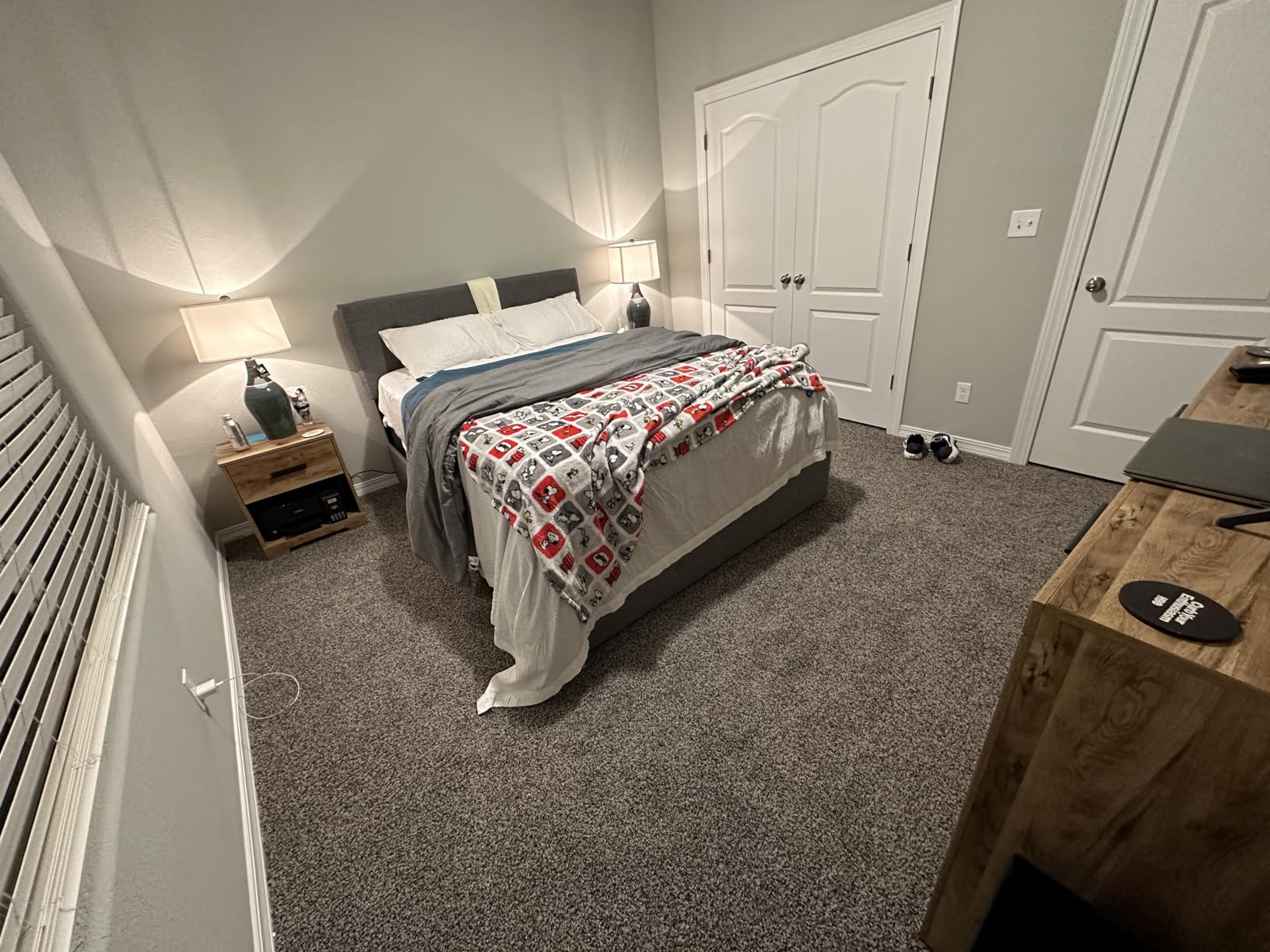
Spot-clean-only care means the cover cannot go through a machine wash, so you need an allergen-impermeable encasement over it to keep skin flakes out of the latex. The care instruction itself says to cover with a waterproof mattress protector, which is sensible advice from the manufacturer but worth factoring into your budget as part of the purchase.
Finally, 133 reviews is a healthy pool but a much smaller one than the two leaders here. The review profile is very positive with 81 percent at five stars and only 2 percent at one star, so there is little evidence of a widespread problem, but there is also less long-term durability history to draw on.
4. Cotton Sleep 11 Inch Organic – Best for Chemical Sensitivity
COTTON SLEEP 11″ Organic Mattress – GOTS Cotton & Wool, GOLS Natural Latex, Hybrid Pocket Coil, Non-Toxic, Fiberglass Free, No Polyfoam, Made in USA – Medium – Queen
- Fiberglass-free and polyfoam-free construction
- 100% GOTS certified organic cotton cover with New Zealand wool
- GOLS certified natural tree latex comfort layer
- Adaptive Core wrapped coils reduce motion transfer
- Rolls tight enough to carry up stairs
- Medium feel is firmer than a true plush latex mattress
- Hand-wash-only care instruction
- Smallest review pool in the premium tier
- 92 pound weight makes flipping awkward
This is the tallest profile in the group at 11 inches, and it is the one with the cleanest bill of materials relative to what surrounds the latex. Nothing your body touches is a blend: the cover is 100 percent GOTS-certified organic cotton, the fill is 100 percent natural tree latex, wool and cotton, and the build contains no fiberglass and no petrochemical polyfoam layers at all.
New Zealand wool is the differentiator here for allergy use. Wool is naturally temperature regulating and moisture managing, and the manufacturer pairs it with breathable cotton and responsive certified organic latex specifically to help hot sleepers stay cooler and drier through the night. Less moisture at the surface means less of the humidity that both mites and mold need.
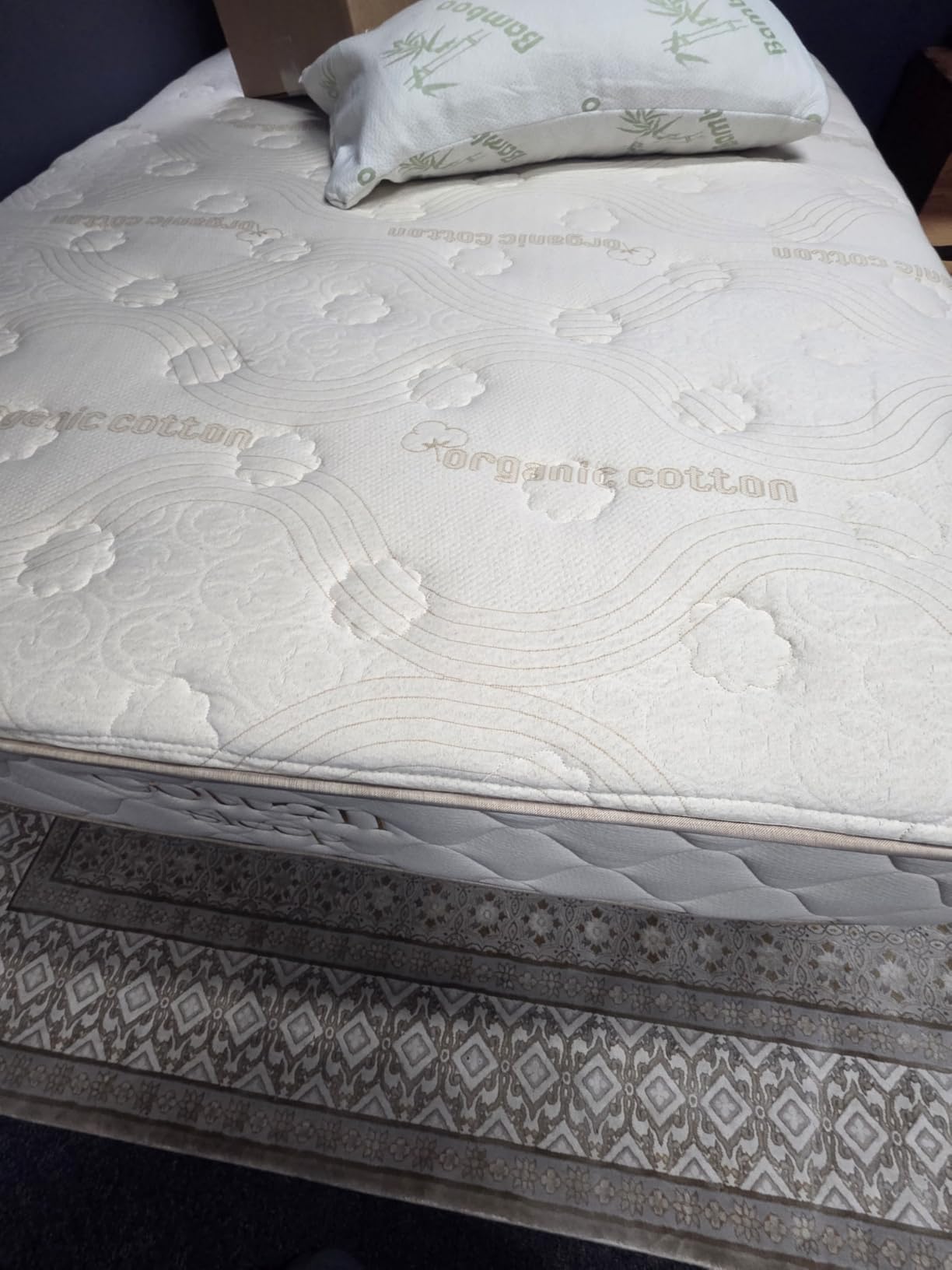
Under the latex is an Adaptive Core array of 700 individually wrapped steel coils, positioned to respond to body movement, cut motion transfer and keep airflow moving through the mattress. The listed weight capacity is 700 pounds, and it rolls tightly enough to carry up stairs and around corners before expanding into shape.
The medium feel is the most moderate in this roundup, which matters because extreme firmness is the most common reason latex gets returned. Reviewers note it avoids the very-firm complaints reported against the Sunrising, and at 4.4 stars with 75 percent five-star reviews and a 5 percent one-star share, this has close to the lowest detractor rate of the three hybrids here.
What allergy sufferers should check before ordering?
Confirm the full component list in writing before you buy. This is the model where it is worth checking, because the difference between a fiberglass-free polyfoam-free build and a build that merely has a latex layer on top is invisible in the photographs and decisive for a chemical-sensitive sleeper.
Plan for the encasement regardless. Wool and latex handle moisture well, but no surface is immune to skin flake accumulation over years, and an encasement is the single cheapest intervention that will meaningfully reduce what your mattress collects. We covered encasement and bedding protocols in more detail in the buying guide below.
Where this mattress falls short?
Medium is not plush. Comfort seekers who expect a sink-in surface will still want a topper, and adding one changes the height calculation for your frame and any adjustable base setup. It is worth deciding before ordering rather than after.
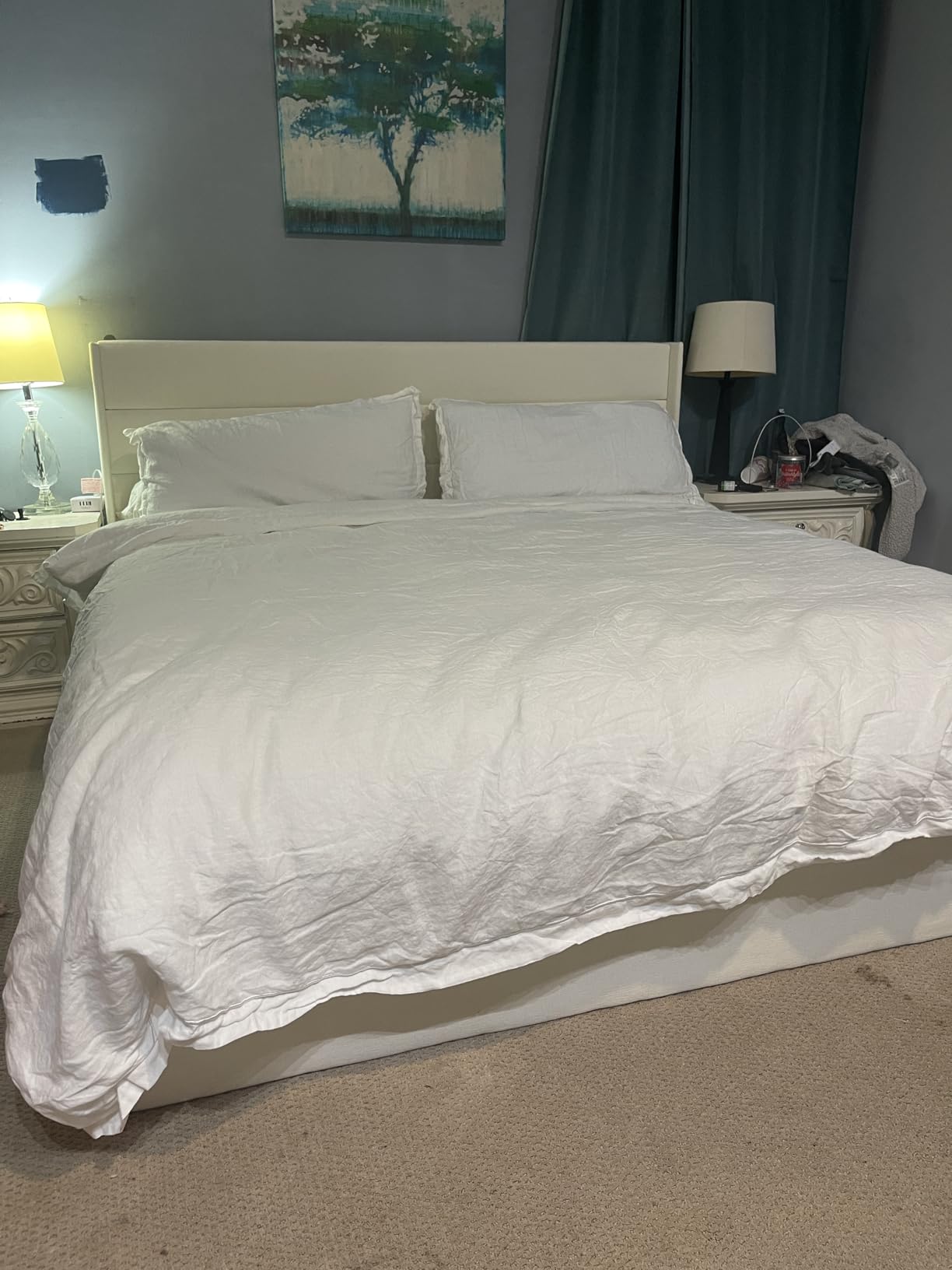
The hand-wash-only care instruction is impractical for a full mattress and is the most common complaint in this product’s reviews. The 67-review pool is also the thinnest among the premium models here, so there is less multi-year durability feedback to rely on when you are committing to an 11-inch build you intend to keep for a decade.
At 92 pounds, flipping for rotation is awkward without a second person. If you live alone, budget for that or plan to leave it in one orientation and rely on an encasement and regular vacuuming instead.
5. Happsy Organic Hybrid Mattress – Best Universally Comfortable Organic Build
Happsy Organic Hybrid Mattress – Natural Latex – Medium Firm Mattress with Encased Coil Layers for Universal Comfort – Bed-in-a-Box – Queen
- Fully organic cotton
- wool and latex with a glue-less coil core
- UL and Greenguard low-emissions certifications
- Medium-firm balance that works across sleeping positions
- Made in the USA from domestic and imported components
- 20-year warranty
- One of the heaviest specified weights in the group at 103 pounds
- Medium-firm sits between very firm and plush
- Shallower four-layer build than the taller models
- Higher cost per inch than other certified-organic hybrids
The distinguishing detail on this build is the glue-less construction. There is no adhesive bonding the layers together, which matters more than it sounds, because adhesives are one of the few components in a mattress that can emit compounds while curing and that rarely appears in a materials list. The layer stack is organic cotton, organic wool, organic latex and sugarcane PLA over a glue-less encased steel coil innerspring.
It meets all government flammability requirements and is still 100 percent GOTS certified, holding UL and Greenguard certifications for low chemical emissions at the same time. That combination is unusual, because passing a flammability test usually means adding a chemical flame retardant, and here the organic certification survived intact.
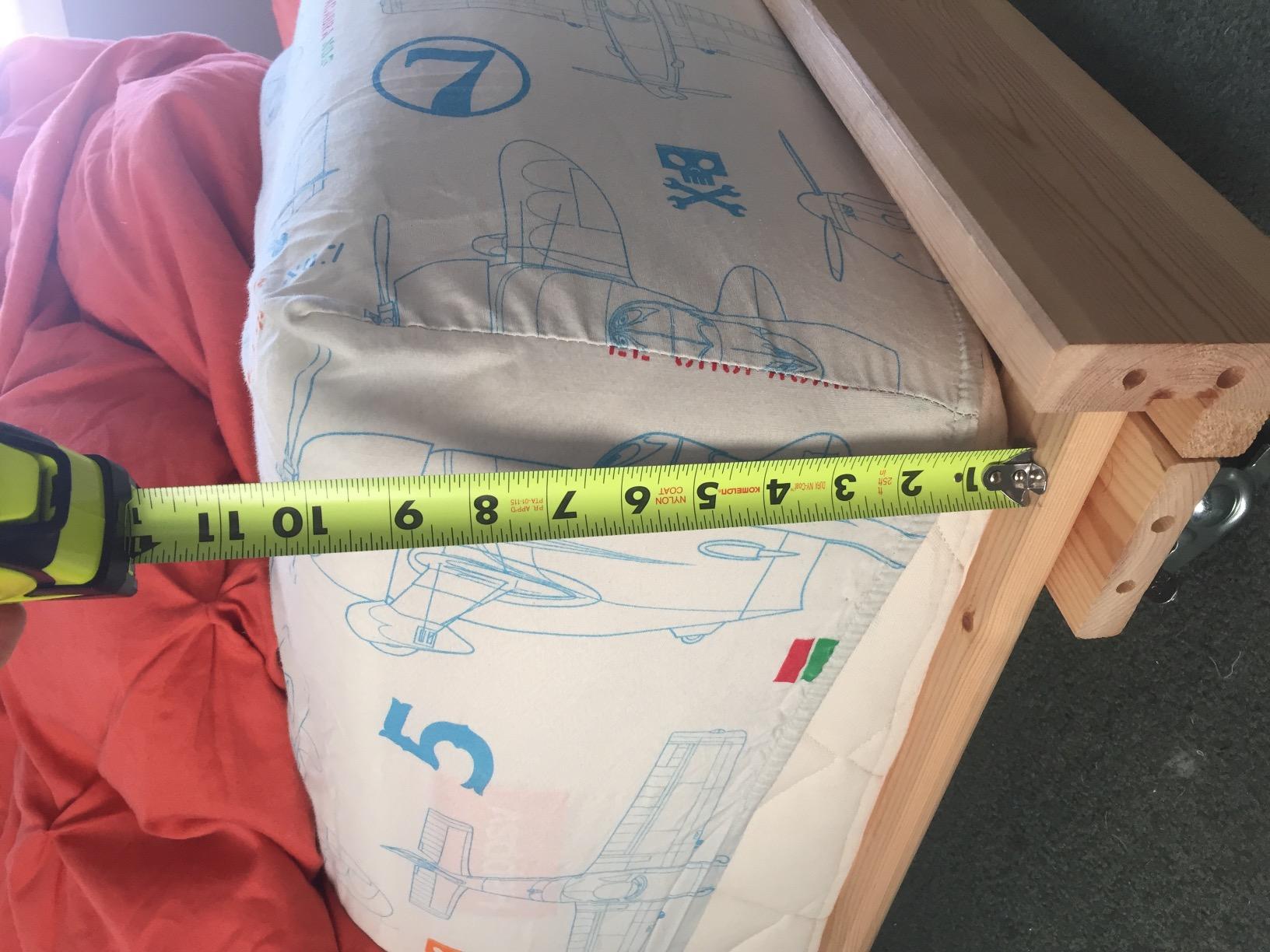
The medium-firm rating is the point of this mattress. It sits between the very firm and plush options, and buyers describe it as working for both side and back sleepers without adjustment, which is why we think it is the safest first latex purchase for a household that has never slept on latex before and does not know what firmness it prefers.
Warranty is 20 years, made in the USA, and it arrives rolled and ready. The cover is cotton and wool, which gives you a breathable, washable surface over an aerated coil core that will not trap the humidity a solid foam block would.
What allergy sufferers should check before ordering?
Verify the latex depth, because this is a four-layer build at 10 inches and the latex comfort layer is thinner than the profile suggests. If the latex is your primary reason for buying, ask the manufacturer how many inches are actually latex rather than filling.
Spend your trial period tracking symptoms rather than comfort. With a medium-firm feel, the surface question resolves itself quickly, so the useful thing to measure is whether morning congestion has changed at week four. If it has not, the mattress was not the whole problem and you should look at bedding, humidity and encasement next.
Where this mattress falls short?
At 103 pounds this is one of the heavier models in the group, and moving it needs two people. That is a bigger constraint than the price is for anyone in a walk-up, a narrow stairwell or a home where they cannot recruit help.
The review profile is more mixed than the leaders here: 63 percent at five stars but 8 percent at one star, the highest one-star share of the six. Complaints cluster around weight and around the latex layer being thinner than the price implies, which is a predictable pattern for a shallow organic hybrid.
Care instructions are spot clean only, and the shallower layer stack means less usable latex depth than the taller models here. Buyers expecting more give from a medium-firm rating may find the surface firmer than the label suggests.
6. My Green Mattress Kiwi Organic – Best for Lower-Back Support
- Hand-tufted construction holds layers without adhesives
- GOLS certified Dunlop latex over GOTS cotton and wool
- Greenguard Gold and MADE SAFE certified
- 7-zone system with up to 1140 pocketed coils and firmer edge coils
- Only 2 inches of latex comfort layer
- Surface reads firmer than the Medium rating suggests
- Smallest review pool in the roundup
- Hand-wash-only care instruction
If you wake up with a stiff lower back, this is the one on the list built specifically to address it. The support system is a 7-zone pocketed coil array with up to 1,140 individually pocketed coils and firmer coils through the centre third of the mattress, so the lumbar region gets firmer support while the shoulders and hips sit on more responsive zones. Steel springs are also described as lasting up to four times longer than a foam support edge.
The build is hand-tufted, which secures the layers without adhesives and helps the mattress maintain its shape and resist layer shifting over time. For allergy use, that matters because a tufted top keeps the surface flatter, and a flat surface has fewer valleys where dust and debris settle.
Materials are certified at the component level with GOTS and GOLS marks printed with their certification numbers, plus Greenguard Gold and MADE SAFE certifications. The comfort stack is 1 inch of GOTS-certified organic wool batting over 2 inches of GOLS-certified organic, OEKO-TEX-certified Dunlop latex, inside a soft GOTS-certified organic cotton quilted cover.
It works with platform beds, slatted bases with slats no more than 3 inches apart, and adjustable bases, and it is designed and assembled in the USA at 85 pounds for the queen size, which makes it the most manageable of the heavier hybrids here.
What allergy sufferers should check before ordering?
Test the feel in person if you can. This is rated medium, but the 7-zone system makes the centre third noticeably firmer, and some sleepers read that as firm overall. Reviewers report that mismatch directly, and it is the main reason behind the one-star share in this listing.
Ask about the 2 inch latex layer specifically. Two inches of GOLS Dunlop latex gives you real natural latex against your skin and a certifiable material claim, but it is a thin comfort layer over coils, so the surface character is coil-driven rather than foam-driven. Anyone who prefers a softer surface should plan for a topper.
Where this mattress falls short?
The 2 inch latex comfort layer is the thinnest in this group, which means less give than the taller models and a price per inch of latex depth that comes out high. If your allergy plan depends on a thick latex buffer between you and the coil unit, this is not the build that delivers it.
With only 15 reviews, this is the newest listing in the roundup and there is very little long-term durability data. The early feedback is healthy with 72 percent five-star, but 10 percent one-star is not nothing on a small sample. Hand-wash-only care and the highest cost per inch of latex depth in this group round out the drawbacks.
How to Choose a Latex Mattress for Allergy Sufferers?
Certifications that actually matter, ranked by strictness
Start with GOLS, the Global Organic Latex Standard. It applies to natural rubber latex only, so its presence on a listing tells you the latex is certified organic natural latex rather than a blend or a synthetic mimic. It is the strictest latex certification there is and the single most useful mark on any page.
Next is GOLS’s textile counterpart, GOTS, which certifies the organic cotton and wool in the cover and filling. A GOLS mark without a GOTS mark usually means the cover is conventional. Then look for Greenguard Gold, which verifies low chemical emissions through third-party testing, and MADE SAFE, which is aimed squarely at chemical-sensitive households and children.
Below those sit OEKO-TEX Standard 100, which means the textile has been tested for harmful substances, and CertiPUR-US, which is the baseline foam certification verifying that flexible polyurethane foam is made without certain chemicals. Every product on this list has at least one of the upper-tier marks, and that is why they made the list. Words like hypoallergenic, eco-friendly and chemical-free on a mattress page are unregulated marketing language and carry no technical weight.
Is talalay or dunlop latex better for allergies?
Neither wins outright, and the allergy difference between them is second to the material question. Both Talalay and Dunlop can be made from 100 percent natural latex; Talalay is a manufacturing process applied to natural latex, not a different material, so it is not automatically less allergenic. For allergy purposes, Talalay is a denser and more uniform foam with finer consistency, while Dunlop latex is typically more open and more breathable, and the more open a surface is the better it moves air and moisture through.
The real practical difference is certification and consistency. GOLS certification is more commonly found on Dunlop natural latex, while Talalay is valued for uniformity and a lower, cooler profile that many people find easier to sleep on. Talalay is also the process named on our budget pick, where the manufacturer specifically highlights the absence of gelling reagents. If you are torn, match the process to the sleeper: Dunlop for airflow, Talalay for a consistent, cooler and slightly softer surface.
Cover and quilting materials decide more than the core
The cover sits against your skin for eight hours a night, so it decides how much of the core’s benefit you actually experience. Look for a cover you can unzip fully and machine wash at 130 degrees Fahrenheit, because that single feature determines whether you can keep skin flakes out of the mattress for a decade. Fully zippered, removable, washable, natural fibre. Everything else is a preference.
Organic cotton is the most common and the easiest to wash. Wool and cashmere wool add temperature regulation and moisture handling and are naturally resistant to dust mites and mold, but wool covers usually need a gentler cycle than cotton. If you have eczema, a smooth tightly woven cotton cover is also less likely to catch on dry skin than a coarse quilted weave.
Firmness, height and your sleeping position
All six models here run on the firm side, which is inherent to latex rather than a design flaw. Firmness matters directly for allergy outcomes because a surface firm enough to keep your spine level keeps your shoulders and hips from sinking into a warm, damp pocket where mites multiply. If you are a side sleeper, expect to add a 2 or 3 inch latex topper, and count it as part of the plan.
Height runs from 8 inches on the budget hybrid to 11 inches on the tallest organic build. A taller mattress generally gives you more usable latex and more room to adjust position, and lighter people usually want more height and less firmness than heavier people. Side sleepers and anyone sharing a bed generally want the taller option.
Trial, warranty and what allergy returns really allow
This is the part almost every competitor ignores. Mattress warranties and comfort trials routinely exclude allergies and sensitivity to materials, because a manufacturer cannot verify a medical condition and does not want to carry the risk. You should assume an allergy-driven return is not covered unless the retailer states otherwise in writing, which means your real protection is the trial period rather than the warranty.
That makes trial length the number that matters. A 120-night in-home trial gives you four months, long enough for symptoms to change and for the surface to settle. Short trials favour comfortable sleepers and penalise allergy buyers. If your symptoms persist through a full trial, the mattress was not the whole problem, so move on to the adjunct stack below rather than trying another mattress immediately.
The adjunct stack that determines whether the mattress helps
A mattress alone rarely fixes an allergy problem. An allergen-impermeable encasement over the mattress is the highest-value purchase after the bed itself, because it stops new skin flakes entering the foam and traps existing ones. Wash bedding weekly at 130 degrees Fahrenheit, which is hot enough to kill mites and their eggs, and use a vacuum with a HEPA filter on the mattress and the surrounding floor.
Keep indoor humidity between 30 and 50 percent, since mites cannot thrive below roughly 50 percent and mold needs sustained dampness to grow. If you are buying for a child with allergies, our guide to the best crib mattresses for newborns covers the size and safety requirements that differ for a cot, and the same encasement and wash protocol applies from the first night.
Frequently Asked Questions
Can you have a latex mattress if you are allergic to latex?
If you have a diagnosed Type 1 latex protein allergy, you should consult an allergist first and choose a latex-free mattress instead. Latex mattresses are often fully encased in cotton or wool and the latex is washed during processing to reduce proteins, which lowers exposure, but that is a conversation to have with a doctor rather than a risk to take on your own.
Can I sleep on a latex mattress if I have a latex allergy?
It depends on the type. A Type 1 reaction is an immediate IgE-mediated response to latex proteins and is a genuine medical reason to avoid any natural rubber sleeping surface. A Type 4 reaction is a delayed contact dermatitis that is usually skin-specific. Many people who react to latex gloves do not react to a washed and fully encased latex mattress, but only your allergist can tell you which applies.
What is the downside of a latex mattress?
Latex mattresses run firm, and that catches out people who expect a plush sink-in feel. They are also heavy, often awkward to rotate without help, and priced at a premium per inch of depth. Care instructions are frequently hand-wash only, which is impractical for a full mattress. And if you have a true latex-protein allergy, the material that makes latex excellent for dust mites is exactly what you cannot tolerate.
What is the best mattress for people with allergies?
A certified natural latex mattress with a breathable organic cotton or wool cover and no polyurethane or memory foam layers. If your symptoms are chemical sensitivity rather than dust-mite allergy, prioritise a Greenguard Gold or MADE SAFE certified build with no polyfoams at all. In every case, pair the mattress with an allergen-impermeable encasement and humidity control below 50 percent.
What is the best mattress for people with latex allergies?
For a confirmed latex allergy, the honest answer is a latex-free mattress. Look for a mattress with no natural rubber in the comfort layer, ideally certified foam with no polyfoam blends, and add an allergen-impermeable encasement as a second barrier. Choosing an alternative topper over a latex mattress is the route most experienced buyers with a diagnosed allergy recommend.
Is talalay or dunlop latex better for allergies?
Talalay is a manufacturing process applied to natural latex, not a separate material, so neither is inherently less allergenic. Dunlop latex tends to be more open and breathable, which moves air and moisture through the surface better, and it is more commonly available with GOLS organic certification. Talalay is denser, more uniform and often cooler to sleep on. For allergy use, the GOLS mark matters more than the process.
Is talalay latex 100% natural?
It can be, and it frequently is. Talalay describes how latex foam is moulded and cured rather than what it is made from, so a Talalay mattress can be 100 percent natural rubber or a blend. Always check whether the specific model carries GOLS certification, which applies only to natural rubber latex and is the only reliable way to confirm the content.
What is the best latex mattress according to Reddit users?
The most common advice on r/Mattress is that latex is naturally resistant to dust mites and mold, paired with a firm caveat: you should look at a softer model if you are sensitive to firmness. Experienced buyers on Mattress Underground frequently recommend wool combined with latex because the pairing handles temperature regulation and mite resistance at the same time. Certification marks were raised far more often than brand names.
Is there a chemical-free latex mattress available?
No mattress is literally chemical-free, since everything is made of chemicals. What matters is whether petrochemical foams, formaldehyde binders and chemical flame retardants are present. Look for GOLS natural latex, GOTS organic textiles, Greenguard Gold low-emissions verification and MADE SAFE certification, and treat the word chemical-free on a product page as marketing rather than a specification.
Final Verdict: Which Latex Mattress Should You Buy?
For an allergy-driven purchase, buy certification rather than brand. The Sleep On Latex Pure Green is our editor’s choice and the one we would put in a bedroom with a mite-allergic sleeper in it, because it is the only model here with no synthetic foam anywhere in the stack and it carries GOLS, GOTS and Fair Trade marks you can verify. If your budget is tighter, the Sunrising 8 inch Talalay hybrid gets you a real natural latex sleeping surface with encased coils for airflow and a 120-night trial, provided you accept a very firm feel. If your symptoms are chemical sensitivity rather than mites, the Ethical Mattress Co hybrid and the Cotton Sleep build both remove polyfoam and fiberglass entirely, and the Cotton Sleep is the taller of the two. The My Green Mattress Kiwi is the pick if lower-back support is the symptom you are trying to fix.
Whichever you choose, the mattress is only the first layer of the fix. An allergen-impermeable encasement, bedding washed weekly at 130 degrees Fahrenheit, HEPA vacuuming and indoor humidity held between 30 and 50 percent will decide whether your symptoms actually change. If they have not changed by the end of a full trial, the answer is not a different mattress, it is a different protocol. And if your symptoms are unexplained, severe, or tied to a diagnosed latex allergy, start with an allergist rather than a shopping list.