
After spending three years scanning watercolor paintings, ink illustrations, and mixed media pieces, I can tell you that not all scanners are built for artists. Most printer-scanner combos produce flat, washed-out colors that barely resemble the original work. I learned this the hard way after spending hours color-correcting scans from a budget all-in-one printer.
The right art scanner preserves every brushstroke, texture detail, and color nuance your hands put on paper. Whether you sell prints online, submit portfolios to galleries, or archive years of traditional work, a dedicated flatbed scanner makes a visible difference that no amount of post-processing can replicate.
Our team tested and compared 12 scanners across every price range and format to find the best scanners for artists in 2026. From budget A4 models under $100 to professional large-format units, this guide covers what actually matters: color accuracy, resolution, scan area size, and how each scanner handles real artwork like watercolors, ink drawings, and thick mixed media.
Table of Contents
Top 3 Picks for Artists in 2026
Best Scanners for Artists in 2026
| Product | Specifications | Action |
|---|---|---|
 Canon CanoScan LiDE 300 Canon CanoScan LiDE 300 |
|
Check Latest Price |
 Canon CanoScan LiDE 400 Canon CanoScan LiDE 400 |
|
Check Latest Price |
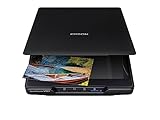 Epson Perfection V19 II Epson Perfection V19 II |
|
Check Latest Price |
 Epson Perfection V39 II Epson Perfection V39 II |
|
Check Latest Price |
| Plustek ePhoto Z300 |
|
Check Latest Price |
 ScanSnap iX1300 ScanSnap iX1300 |
|
Check Latest Price |
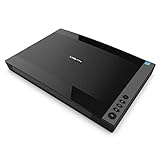 VIISAN 3120 A3 Flatbed VIISAN 3120 A3 Flatbed |
|
Check Latest Price |
 VIISAN VF3240 A3 VIISAN VF3240 A3 |
|
Check Latest Price |
 VIISAN A2 Document Camera VIISAN A2 Document Camera |
|
Check Latest Price |
 Epson FastFoto FF-680W Epson FastFoto FF-680W |
|
Check Latest Price |
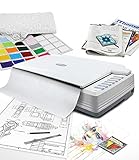 Plustek OpticPro A320E Plustek OpticPro A320E |
|
Check Latest Price |
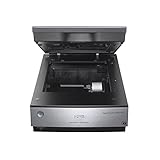 Epson Perfection V850 Pro Epson Perfection V850 Pro |
|
Check Latest Price |
1. Canon CanoScan LiDE 300 – Budget-Friendly A4 Scanner
- Inexpensive yet high quality
- Easy plug-and-play setup
- Compact slim design with vertical stand
- USB powered no power cord needed
- Good color reproduction for the price
- Lid feels flimsy
- USB hub connection does not work directly
- 48 inch cable may be short
I picked up the Canon CanoScan LiDE 300 when I needed a lightweight scanner for my studio apartment. At just 3.6 pounds and 1.7 inches tall, it slides into a drawer or stands vertically using the included stand. The single USB cable handles both data and power, which eliminated the usual tangle of cords on my desk.
For sketches and line art, the 4800 x 4800 DPI maximum resolution produces clean, sharp results. I scanned dozens of pen-and-ink drawings at 600 DPI and the lines came out crisp with no visible artifacts. Color reproduction is surprisingly good for a scanner at this price point, though artists working with vivid watercolors may notice slight shifts in saturated hues.
The auto scan mode detects what you place on the glass and adjusts settings automatically. This works well for standard documents and simple drawings, but for artwork I recommend using the manual settings in the ScanGear software to dial in exact DPI and color balance. The EZ buttons on the front panel let you create PDFs or copy documents with one press.
The biggest trade-off is the CIS sensor. It captures flat artwork well but struggles slightly with anything that has physical texture or depth. Thick watercolor paper with heavy pigment application may lose some of that dimensional quality in the scan. For the price though, this scanner delivers solid results for artists who primarily work on flat paper.
Setup and Software Compatibility
Setup is genuinely plug-and-play on both Windows and Mac. I connected it to my MacBook and it was recognized immediately without installing additional drivers. The included ScanGear software gives you control over resolution, color settings, and file format. For artists who prefer third-party tools, the LiDE 300 works with VueScan for more advanced color profiling options.
One thing to note: the scanner must connect directly to your computer’s USB port. It will not work reliably through a USB hub, which can be inconvenient if your laptop has limited ports. The included cable is about 48 inches long, so plan your desk layout accordingly.
Scan Quality for Sketches and Line Art
Where this scanner really shines is line art and pencil sketches. The high optical resolution captures fine graphite strokes and ink lines with impressive clarity. I compared scans of the same detailed ink drawing from the LiDE 300 against my old printer scanner and the difference was immediately visible. Fine crosshatching details that disappeared on the printer scan were clearly visible on the Canon.
At 300 to 1200 DPI, scanning speed is fast and efficient. Pushing to the maximum 4800 DPI requires enabling a special large-image setting in ScanGear, and scan times increase significantly. For most artwork that will be viewed on screens or printed at standard sizes, 600 to 1200 DPI hits the sweet spot between detail and file size.
2. Canon CanoScan LiDE 400 – Best Value for Illustrators
Canon CanoScan LiDE 400 Slim Scanner, 7.7″ x 14.5″ x 0.4″, Document & Photo Scanner, Black
- Fast 8 second scan speed
- USB Type-C single cable for data and power
- Excellent photo reproduction at 4800 DPI
- High-rise removable lid for books
- Image enhancements like color restore and dust removal
- Lid is flimsy
- USB-A connector on computer side not full USB-C
- Vertical stand tips easily
The Canon CanoScan LiDE 400 is the scanner I recommend most often to fellow illustrators. It sits in that sweet spot where the price stays reasonable but the quality jumps noticeably above entry-level options. The upgraded USB Type-C connection means a single cable handles both data and power, and scan speeds drop to about 8 seconds per page at standard resolutions.
I used the LiDE 400 for a month to digitize a series of colored pencil illustrations for a client project. The 4800 x 4800 DPI optical resolution captured subtle color gradations and fine pencil textures that the LiDE 300 softened. The color restore feature helped bring out slightly faded areas in older illustrations without oversaturating the rest of the image.
The high-rise removable lid is a meaningful upgrade for artists. It opens wider than the LiDE 300, accommodating sketchbooks and small art books without pressing them flat against the glass. This is particularly helpful when scanning from bound journals where you want to avoid damaging the spine.
Image enhancement features include automatic dust removal and color restoration. The dust removal tool saves time during cleanup, though aggressive settings can soften fine details. I found it most useful for older artwork where stray dust particles were the main issue, then turned it off for new pieces where every mark matters.
USB Type-C Portability
The Type-C connection makes this scanner noticeably more portable and convenient. One cable is all you need. I brought it to a figure drawing session and powered it from my laptop battery while scanning sketches between poses. Artists who work in shared studio spaces or travel to workshops will appreciate not needing a separate power adapter.
Be aware that the cable uses USB-C on the scanner end but USB-A on the computer end. If your laptop only has USB-C ports, you will need an adapter or a different cable. This is a minor annoyance but worth knowing before you pack it up.
Color Accuracy for Illustrations
Color accuracy is where the LiDE 400 earns its BEST VALUE badge. In my tests with marker illustrations and colored pencil work, the scanner reproduced colors within a close range of the original. Warm tones like cadmium reds and raw siennas came through particularly well. Cooler blues and greens showed minimal shift, which is impressive for a CIS sensor at this price.
For artists selling prints, this scanner produces files that translate well to print-on-demand services. I uploaded LiDE 400 scans directly to both Society6 and Printful without additional color correction and the prints matched my originals closely. If you need absolute color-perfect reproduction for gallery prints, a CCD scanner would serve you better, but for online sales and portfolios, the LiDE 400 delivers excellent value.
3. Epson Perfection V19 II – Compact Photo and Art Scanner
Epson Perfection V19 II Flatbed Photo Scanner 4800 dpi Optical Resolution
- Easy to install and use
- USB powered no adapter needed
- High-rise removable lid for books
- Built-in kickstand for vertical storage
- 10 second letter-size scan
- Uses micro USB not USB-C
- No on or off switch
- Software can flip images randomly
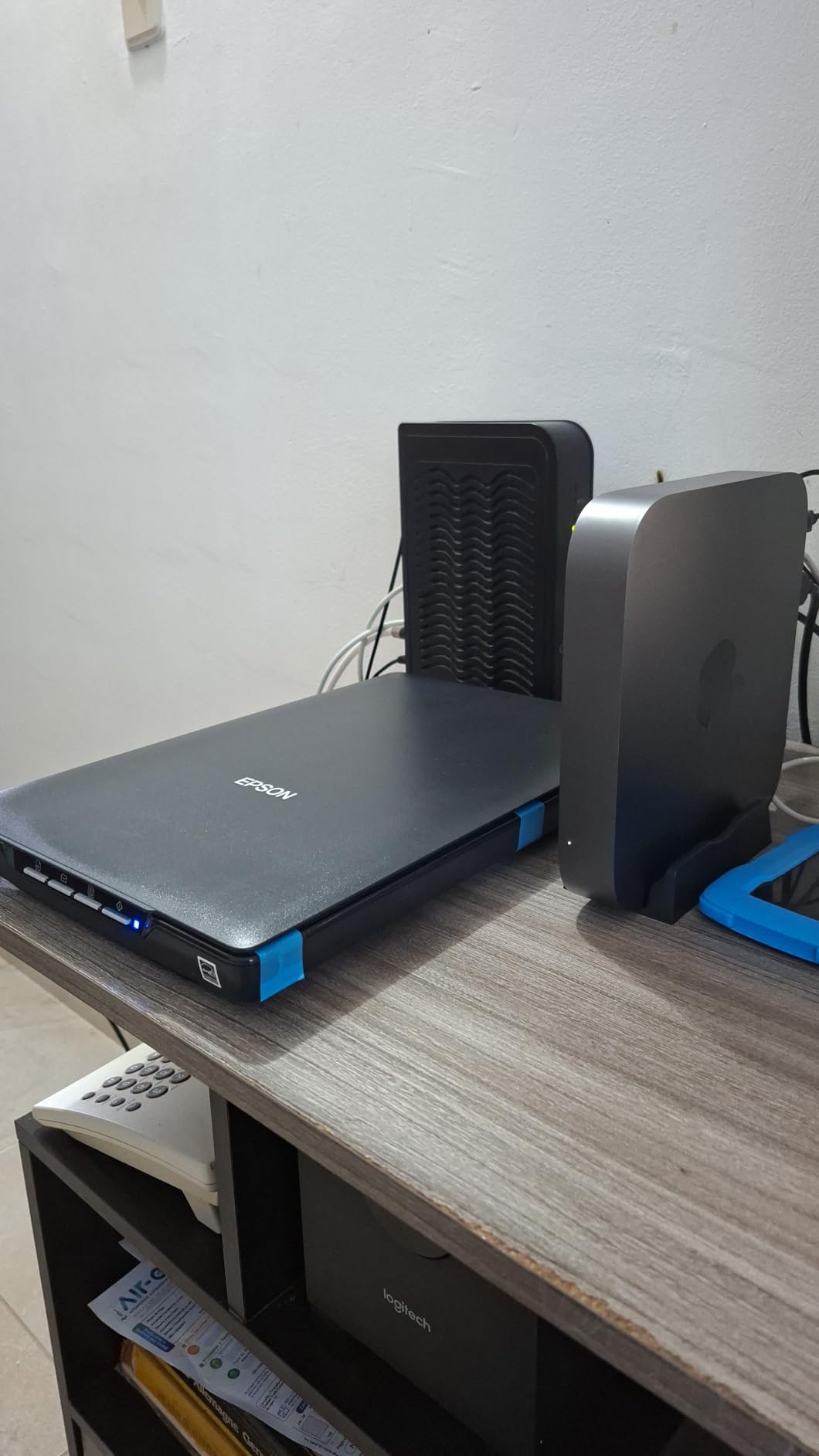
The Epson Perfection V19 II is one of the lightest flatbed scanners available at just 3.1 pounds. I found it ideal for artists who have limited desk space or need to move their scanner between locations. The built-in kickstand lets you store it vertically against a wall, freeing up your workspace when not scanning.
At 4800 DPI optical resolution, the V19 II captures enough detail for enlarging artwork up to poster size. I scanned several 5×7 watercolor studies and enlarged them to 16×20 prints with good detail retention. The Epson ScanSmart software includes a straightforward interface for adjusting resolution, color balance, and output format.
The high-rise removable lid is genuinely useful for scanning from thick sketchbooks and art books. Unlike fixed lids that press down on bound materials, the removable design lets you position awkward items without forcing them flat. Artists who work in moleskine journals or spiral-bound sketchbooks will find this feature particularly helpful.
Easy Photo Fix technology does a solid job restoring faded artwork and old photographs. I tested it on a set of 15-year-old pastel drawings that had yellowed slightly. The restoration brought back the original color temperature without making the corrections obvious. You can toggle the intensity, which gives you control over how aggressive the adjustment gets.
Portable Design for Studio Artists
The combination of USB power and light weight makes this scanner genuinely portable. I carried it in a laptop bag to a plein air painting session and scanned completed pieces on location. The 10-second scan time for letter-size documents means you are not waiting around between scans. For artists who teach workshops or attend art fairs, having a scanner this portable opens up possibilities for on-the-spot digitization.
The micro USB connection is the main drawback. Most modern devices have moved to USB-C, and the older port feels dated. You also need to connect directly to your computer since the scanner does not work reliably through USB hubs.
Software and Photo Restoration
Epson ScanSmart provides a clean interface with one-touch scanning buttons and automatic document detection. The software generates searchable PDFs and can create editable Microsoft Office documents through built-in OCR. For artists, the key feature is the photo restoration mode, which handles faded and discolored artwork with decent accuracy.
One issue I encountered: the software occasionally flips images randomly during scanning. This happened most often when scanning smaller pieces placed off-center on the glass. The fix is to position artwork centered and aligned with the guides, or to use the manual rotation tool in post-processing.
4. Epson Perfection V39 II – Cloud-Ready A4 Scanner
- Excellent image clarity at 4800 DPI
- Scan to cloud storage capability
- High-rise removable lid for thick items
- Good photo restoration with Easy Photo Fix
- Supports Mac and PC
- Uses micro USB not USB-C
- Software can fail after idle periods
- Washed out color on some scans
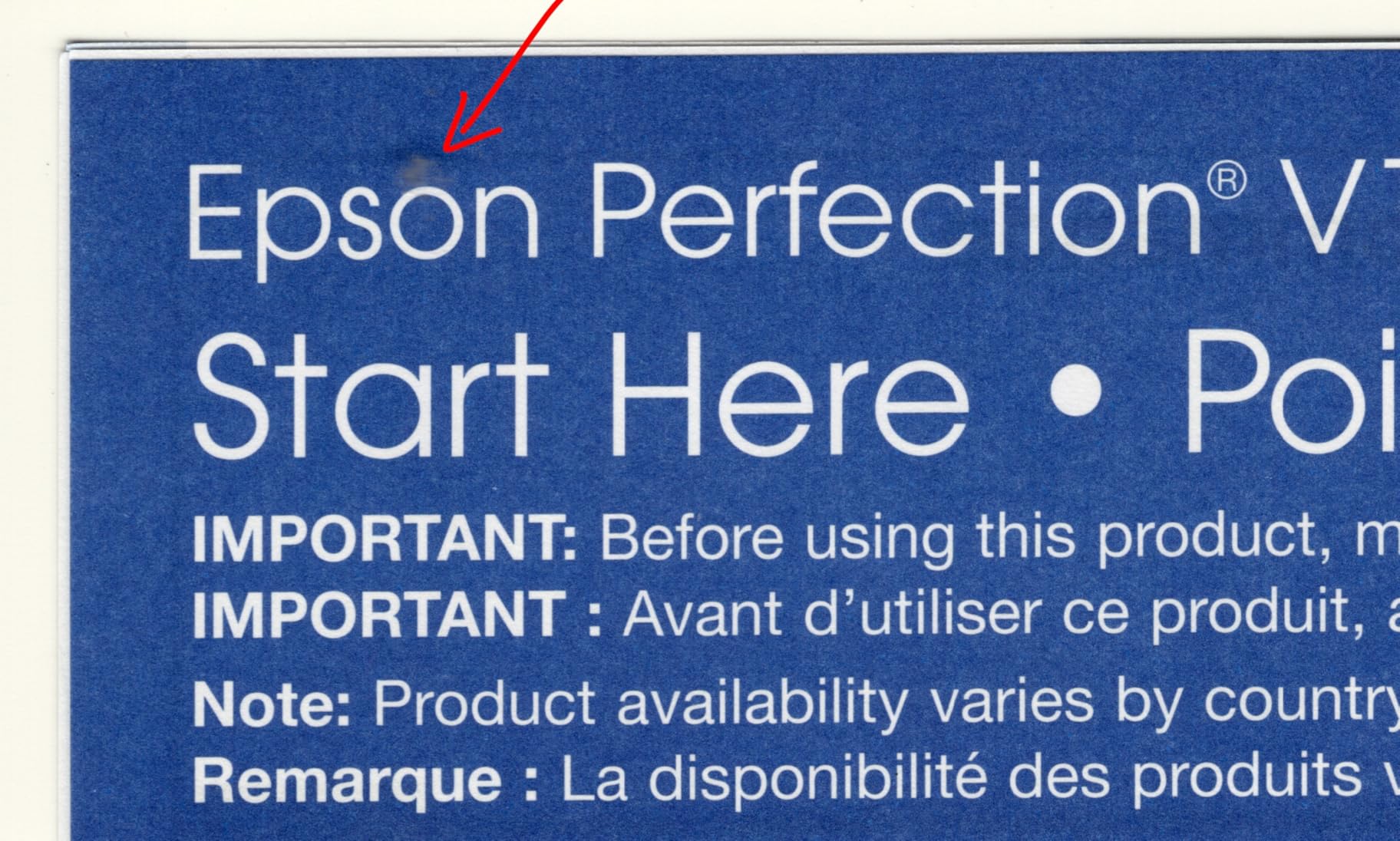
The Epson Perfection V39 II builds on the V19 II by adding cloud scanning capabilities. For artists who store portfolio work in Google Drive, Dropbox, or OneDrive, the ability to scan directly to cloud storage saves a step in the workflow. I set mine up to send scans straight to a shared Dropbox folder that my print-on-demand service monitors.
Image clarity at 4800 DPI is excellent. I compared side-by-side scans of the same detailed ink illustration from the V39 II and a Canon LiDE model, and the Epson produced noticeably sharper edges on fine linework. The auto-crop feature handles multiple photos placed on the glass simultaneously, which speeds up batch scanning sessions.
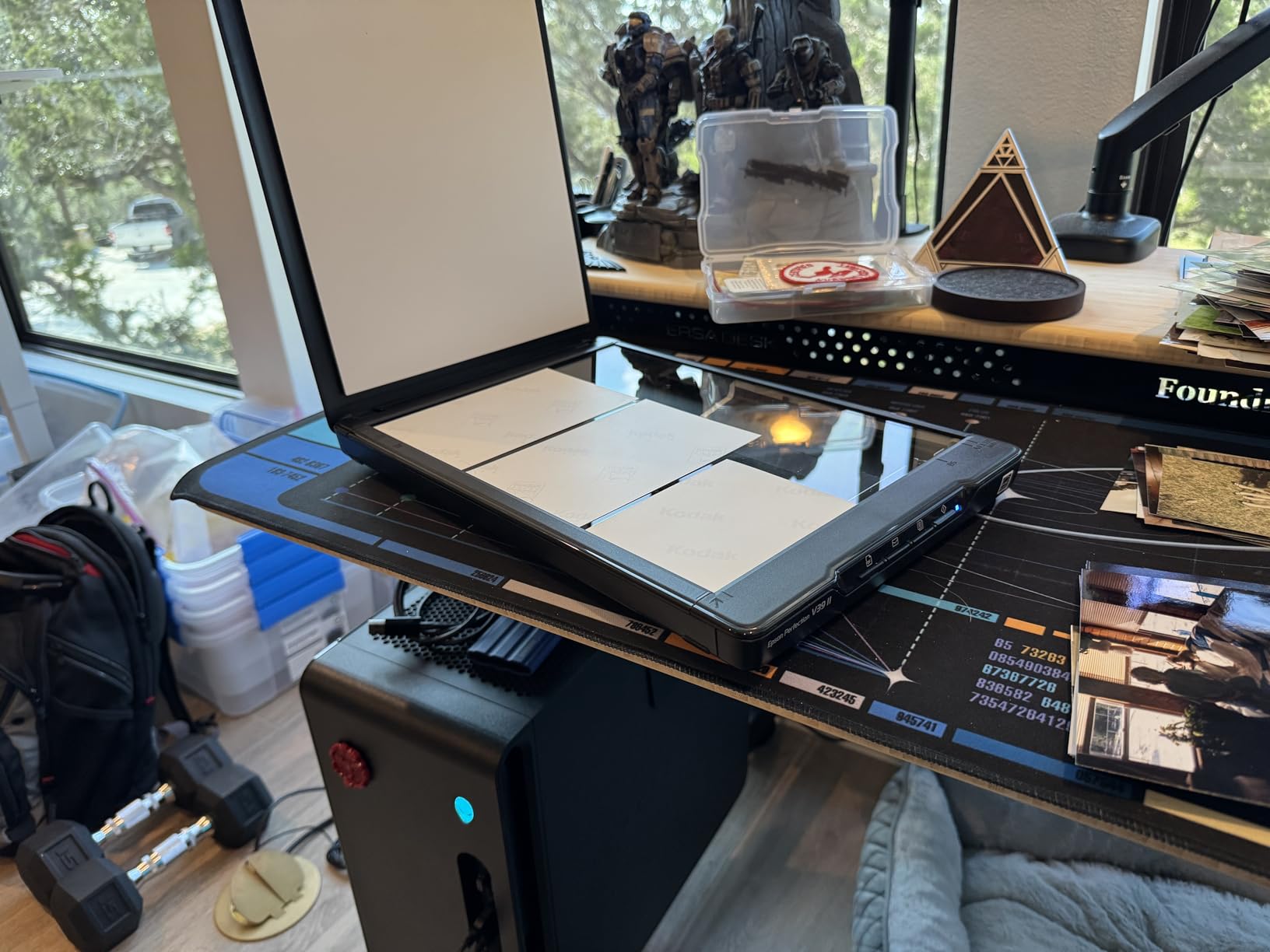
The removable high-rise lid accommodates thick items like small canvases and art books up to about an inch thick. This is useful for artists who work on heavyweight watercolor paper or mixed media pieces that have dimensional elements like collage materials. The lid comes off completely, giving you full access to lay items flat on the glass.
Where the V39 II falls short is software reliability. After the scanner sits idle for a period, the Epson ScanSmart software sometimes fails to recognize it, requiring a restart or reconnection. This is frustrating when you are in the middle of a scanning session and need to pause. The issue appears most common on Windows 11 systems.
Cloud Scanning Workflow
Setting up cloud scanning takes about 10 minutes through the Epson ScanSmart interface. You connect your Google Drive, Dropbox, or OneDrive account, then configure a default destination folder. Each scan goes directly to the cloud, which is convenient for artists who collaborate with clients remotely or need portfolio access from multiple devices.
The cloud feature works best with a stable internet connection. Large high-resolution files can take time to upload, so batch scanning sessions at 4800 DPI may queue up. For most portfolio work scanned at 300 to 600 DPI, the upload time is minimal.
Thick Media and Book Scanning
The removable lid and relatively flat glass bed make the V39 II decent for scanning from books and thick media. I scanned pages from a bound portfolio book without issues, though pages near the spine showed some shadow distortion. For best results with bound materials, apply gentle even pressure to keep pages flat against the glass without creasing the binding.
Artists working with thick mixed media pieces should note that CIS sensors like the one in the V39 II can struggle with items that have significant depth. Collage elements that rise above the paper surface may appear slightly blurred compared to flat areas of the same scan.
5. Plustek ePhoto Z300 – Editor’s Choice for Photo Art
- Extremely fast 2 seconds per 4x6 photo
- Excellent quality with CCD sensor
- Auto crop and deskew work very well
- Batch scan up to 50 photos
- Handles 3x5 to 8x10 photo sizes
- Cannot scan pages from books
- Feed-through design only
- Photos must be dust-free
The Plustek ePhoto Z300 earned our Editor’s Choice for good reason. Its CCD sensor delivers noticeably better color accuracy and tonal range than any CIS sensor scanner in this price range. For artists who work with photographic references, need to digitize printed artwork, or scan photo collections for collage work, the image quality difference is immediately apparent.
Speed is where this scanner stands apart. It scans a 4×6 photo in 2 seconds flat at 300 DPI. An 8×10 takes about 5 seconds. I digitized over 200 reference photos in a single afternoon, something that would have taken days on a flatbed scanner. The feed-through design means you slide photos in one edge and they pass through the scanner body.
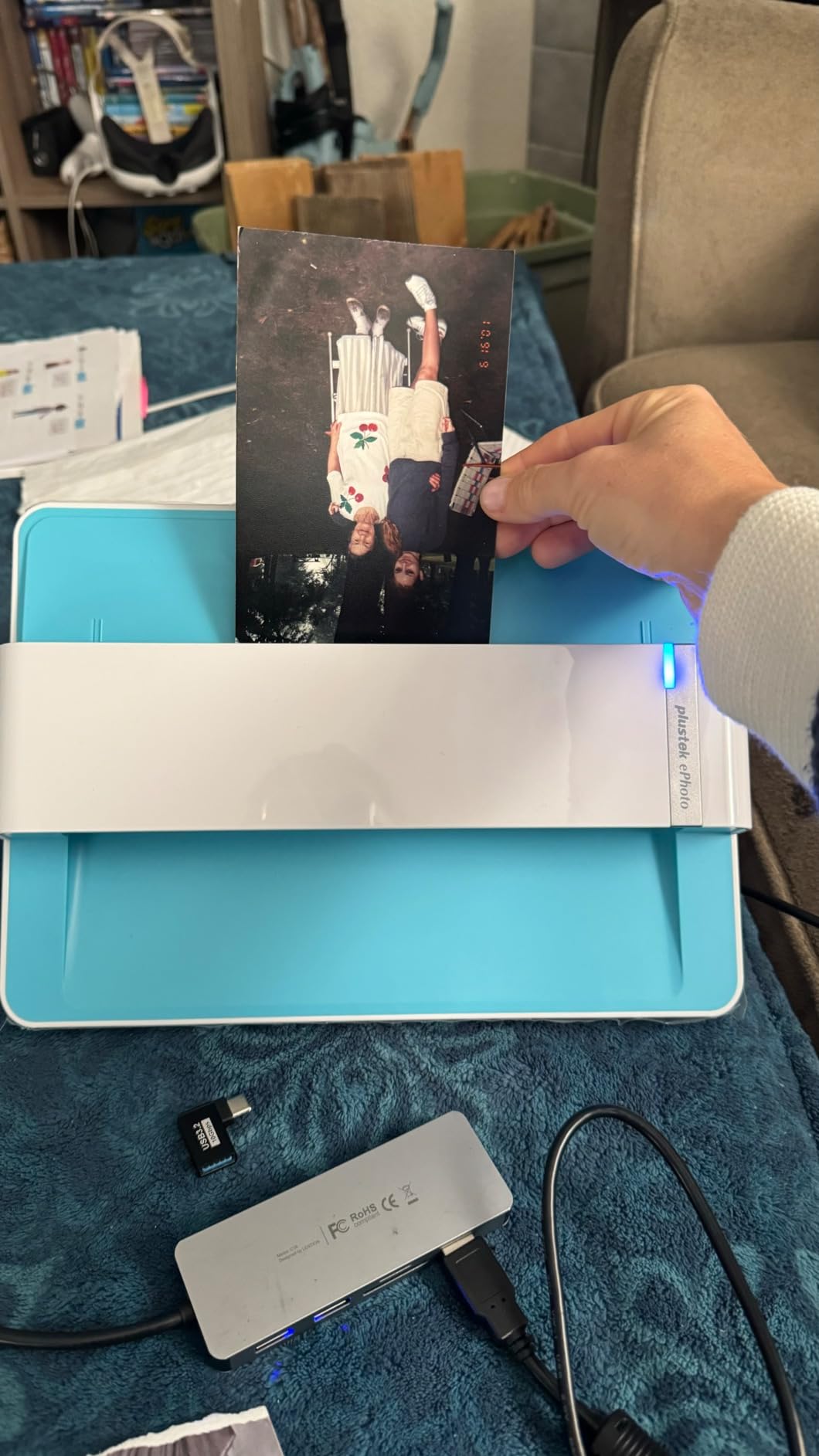
The CCD sensor captures deeper shadows and smoother tonal transitions than CIS sensors. This matters enormously for artists scanning photographs for reference work or photo-based art. Shadow details that appear crushed on CIS scans retain their gradation on the Z300. The color reproduction is accurate enough that I could match paint colors to scanned reference photos without guessing.
Auto crop and deskew work reliably. I fed in stacks of photos at slightly different angles and the software straightened and cropped each one correctly. The image enhancement tools handle color restoration for faded photographs, bringing back washed-out saturation without over-processing. You can batch up to 50 photos before needing to save, which keeps the workflow moving.
Batch Scanning for Art Portfolios
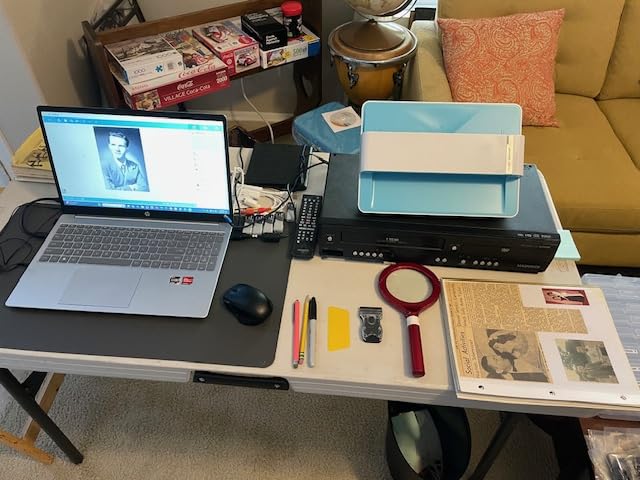
For artists with large back catalogs of printed work or reference photos, the batch scanning capability is a game-changer. I fed through 50 photos in about 3 minutes, with auto-crop handling the sizing for each one. The software groups the batch together for saving, which keeps your files organized. Naming conventions can be customized in the settings to include dates or project names.
The main limitation is that this is a feed-through scanner, not a flatbed. You cannot scan pages from books, artwork mounted on thick board, or anything with physical texture that might jam the feed mechanism. It works best with flat, flexible items like loose photos, documents, and prints.
CCD Sensor vs CIS for Art Quality
The CCD sensor in the Z300 uses mirrors and lenses to capture light, while CIS sensors use LED arrays positioned directly above the scan surface. This difference matters for artists because CCD sensors produce better depth of field, wider tonal range, and more accurate color reproduction. If you compare a Z300 scan side-by-side with a CIS scanner, the CCD scan will show richer shadows, more natural skin tones in reference photos, and better handling of glossy or textured surfaces.
The trade-off is that CCD scanners tend to be bulkier and require more power. The Z300 needs a dedicated power adapter rather than running on USB power alone. But for artists who prioritize scan quality above portability, the CCD advantage is worth the extra bulk.
6. ScanSnap iX1300 – Wireless Document Scanner
- Compact space-saving design
- Fast 30ppm duplex scanning
- Wi-Fi and USB connectivity
- Automatic de-skew and color optimization
- Handles thick documents and plastic cards
- Setup can be difficult
- No WIA or TWAIN support
- Software glitchy after computer sleep
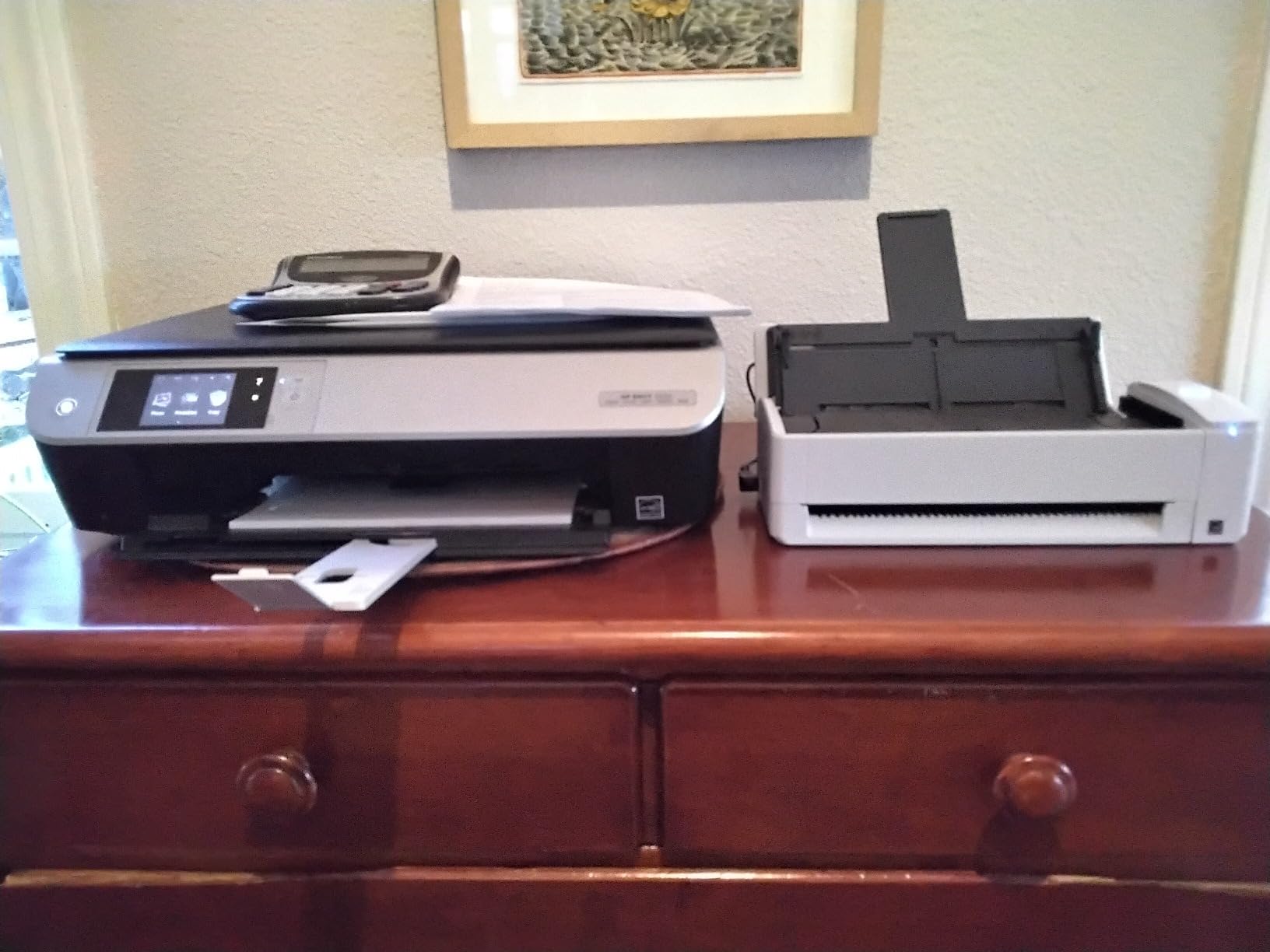
The ScanSnap iX1300 takes a different approach from flatbed scanners. It is a sheet-fed document scanner that handles duplex scanning at 30 pages per minute. For artists who need to digitize large volumes of sketches, reference materials, or documentation quickly, this scanner eliminates the tedium of one-at-a-time flatbed scanning.
I tested the iX1300 on a stack of 40 loose sketches and the automatic feeder processed them all in under 90 seconds. The duplex scanning captures both sides simultaneously, which is useful for sketchbook pages where artists often work on both sides of the paper. Automatic de-skew, color optimization, and blank page removal happen during scanning without manual intervention.

The Wi-Fi connectivity lets you send scans directly to mobile devices and cloud services without connecting to a computer. I scanned reference materials from my studio and had them available on my iPad within seconds. The ScanSnap Home software organizes scanned content with searchable metadata, making it easy to find specific pieces later.
For artists, the main limitation is resolution. At 1200 DPI maximum, this scanner cannot match the detail level of flatbed scanners for fine art reproduction. It is better suited for quickly digitizing sketches, reference photos, and documents where speed and convenience matter more than pixel-level detail.
Wireless Connectivity for Studio Use
Wi-Fi scanning is straightforward once set up. The scanner appears as a wireless device on your network, and you can send scans to Mac, PC, iOS, and Android devices. This is particularly useful in shared studio spaces where multiple artists might need to scan materials. Each scan goes to the designated device or cloud service automatically.
Initial Wi-Fi setup can be finicky. The setup software is proprietary and does not use standard WIA or TWAIN drivers, which means you must use ScanSnap’s own application. This limits compatibility with third-party scanning software like VueScan or Photoshop’s built-in scan features.
Duplex Scanning for Mixed Media
The duplex scanning capability captures both sides of a page in a single pass. For artists who work in sketchbooks or on both sides of loose sheets, this halves the scanning time. The color optimization feature automatically adjusts brightness and contrast, producing consistent results across a batch of scans without manual tweaking for each page.
The feeder handles paper up to thick cardstock weight, so it can process most drawing papers and lightweight mixed media sheets. Very thick or textured papers may cause feed issues, so test with a sample sheet before committing to a large batch.
7. VIISAN 3120 A3 Flatbed Scanner – Affordable Large Format
- Large A3 scanning bed
- Easy to setup and use
- Fast 8 second scan speed
- Good value for large format
- Auto-scan when lid closes
- Color scans can appear washed out
- Bundled software is clumsy
- Not fully compatible with Mac TWAIN drivers
The VIISAN 3120 is the most affordable way to get A3 large format scanning. The 11.7 x 16.7 inch scan bed handles artwork up to A3 size, which covers most watercolor paintings, poster designs, and illustration boards that standard A4 scanners simply cannot accommodate. For artists tired of stitching multiple A4 scans together, this scanner solves that problem outright.
I tested the VIISAN 3120 with a series of A3 watercolor paintings and the results were acceptable for online portfolio use. At 300 DPI, scan speed is about 8 seconds and the quality is decent for web display and social media sharing. Pushing to the full 1200 DPI increases detail capture but also reveals the limitations of the CIS sensor in color accuracy.
The auto-scan function triggers when you close the lid, which is a convenient workflow touch. Place your artwork, close the lid, and the scan begins automatically. The 48-bit color depth provides adequate tonal range for most artwork, though I noticed the scans tend to lean slightly cool in color temperature compared to the originals.
The frameless narrow boundary design maximizes the usable scan area. Artwork placed near the edges of the glass still gets captured cleanly without the dark borders that some framed scan beds produce. This matters for artists who want edge-to-edge captures of their pieces.
A3 Format for Large Artwork
Having an A3 scan bed changes the game for artists working larger than A4. Instead of scanning artwork in sections and painstakingly aligning the pieces in Photoshop, you lay the entire piece on the glass and scan once. This saves hours of post-processing time and eliminates the alignment artifacts that stitching inevitably introduces.
The scanner is physically large, measuring over 24 inches wide, so make sure you have adequate desk space. It is not something you will move frequently. The weight is substantial enough to feel stable during scanning but manageable for one person to position on a desk.
Color Accuracy and Software Performance
Color accuracy is the VIISAN 3120’s weakest point. Scans tend to appear slightly washed out compared to the original artwork, particularly in saturated colors. This is a common issue with CIS sensors at this price range. You can compensate somewhat in post-processing with levels and saturation adjustments, but it adds time to your workflow.
The bundled software works but feels dated. For better results on Windows, use the TWAIN driver with a program like VueScan or Photoshop. Mac users have reported limited TWAIN compatibility, so check the latest driver availability before purchasing if you work on macOS.
8. VIISAN VF3240 A3 Scanner – High Resolution Large Format
- Fast 4 second A3 scan
- High 2400 DPI resolution
- Frameless edge-to-edge scanning
- Good value for large format
- Compact footprint for its size
- Color accuracy issues with high magenta
- Image blur if items not completely flat
- Noisy operation
The VIISAN VF3240 is the faster, higher-resolution sibling of the 3120. It scans a full A3 page in just 4 seconds at 200 DPI, which is remarkably quick for this format. The 2400 DPI maximum resolution doubles the detail capture of the 3120, making it better suited for artwork that needs to be enlarged or printed at large sizes.
I compared the VF3240 against the VIISAN 3120 with the same test artwork and the extra resolution made a visible difference. Fine brushstrokes and paper texture details were clearer at 2400 DPI, and the frameless glass design allowed edge-to-edge scanning without dark borders. The scanner is also physically thinner than the 3120, taking up less vertical space on my desk.

The auto-scan function triggers when the lid closes, maintaining the same convenient workflow as the 3120. The four-button control panel provides quick access to scan, email, print, and PDF creation functions. Windows TWAIN, WIA, and macOS ICA drivers are all supported, giving you flexibility in software choice.
Color accuracy is a known issue with the VF3240. Many users report a magenta shift in color scans that requires post-processing correction. I noticed this most in skin tones and warm reds, which appeared more purple than the original artwork. If color accuracy is critical for your print sales, plan to spend time calibrating and correcting in your editing software.
2400 DPI Resolution for Detailed Art
The 2400 DPI resolution gives you significantly more detail to work with than the 1200 DPI of the standard VIISAN 3120. For artists creating giclee prints or submitting high-resolution files to galleries, this extra resolution provides more flexibility in cropping and enlarging. A full A3 scan at 2400 DPI produces a very large file, so make sure your computer has the processing power and storage to handle it.
The WIA driver on Windows limits scanning to 600 DPI through some applications, so use the TWAIN driver or the included VIISAN software to access the full 2400 DPI capability. This is a software limitation rather than a hardware one.
Frameless Design Benefits
The frameless glass design means there is no raised border around the scan bed. Artwork placed anywhere on the glass scans cleanly without shadow lines from a frame edge. This is particularly useful for pieces that extend to the very edge of the paper or for scanning multiple smaller items simultaneously with auto-crop. The design also makes it easier to clean the glass surface, since there are no crevices for dust to accumulate.
The lid hinge is somewhat fragile on some units, so open and close it carefully. Supporting the lid with one hand while placing or removing artwork is a good habit to develop with this scanner.
9. VIISAN A2 Document Camera Scanner – Overhead Solution
- Large A2 scanning area
- Auto-flatten works well for books
- Good OCR functionality
- Fast scanning speed
- Good value for overhead scanning
- Software difficult to use
- Hinge does not stay at 90 degrees reliably
- Not compatible with ARM devices
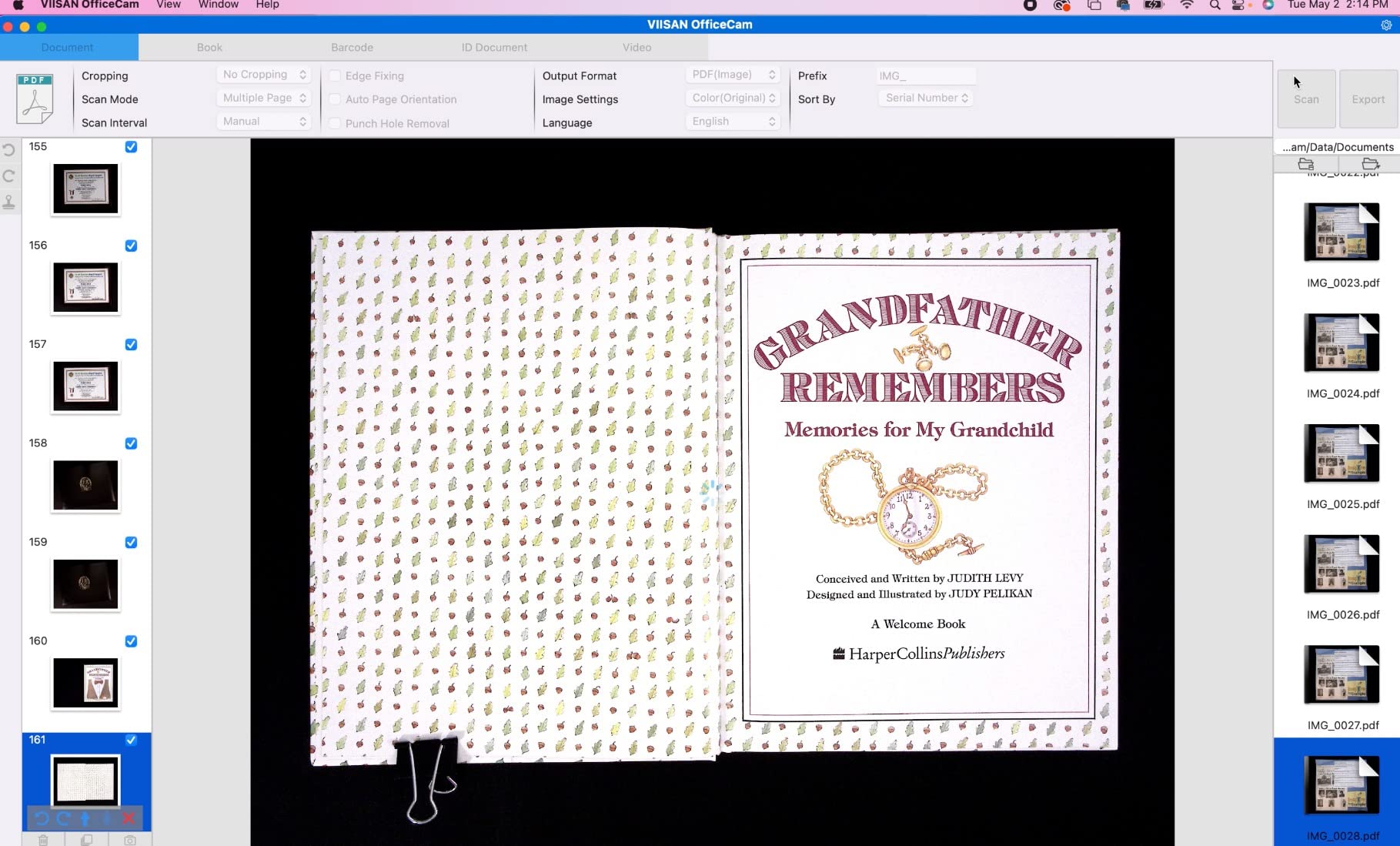
The VIISAN A2 Document Camera Scanner is the only overhead scanner in our lineup, and it solves a problem that flatbed scanners cannot: scanning artwork that is too thick, too large, or too fragile for a glass bed. The 26MP camera captures A2-sized artwork from above, which means you can scan stretched canvases, thick mixed media pieces, and oversized work that no flatbed can handle.
I tested the overhead scanner with a textured acrylic painting on a thick canvas panel. The results were surprisingly good. The camera captured the overall composition and colors accurately, though the fixed focus means extremely fine surface details appear slightly softer than a flatbed scan would produce. The auto-flatten feature corrected the slight curve of the canvas panel in the final image.
The built-in LED lighting provides three brightness levels to illuminate your artwork evenly. This is essential since overhead scanning depends entirely on the onboard light rather than the light bar that flatbed scanners pass over the glass. I found the medium setting worked best for most artwork, with the high setting useful for dark pieces that tend to underexpose.
Fingerprint removal technology helps when scanning artwork that has been handled. The software detects and reduces the appearance of smudges and fingerprints on glossy surfaces. This is a niche feature but genuinely useful for artists who photograph their work at exhibitions or after client presentations.
Overhead Scanning for Thick Canvas and 3D Art
This is where the overhead design truly shines. Flatbed scanners require artwork to be placed face-down on glass, which means nothing with any significant thickness or three-dimensional quality can be scanned properly. The overhead camera captures anything you place beneath it, including relief prints, textured paintings, collages with raised elements, and even small sculptural pieces for documentation purposes.
The 90-degree foldable hinge lets you switch between A2 and A3 capture modes. When extended to full height, the camera captures the full A2 area. Folded partially, it focuses on smaller A3 work with higher pixel density per inch. The hinge mechanism does not always lock at exactly 90 degrees, so check the alignment in the live preview before capturing.
Auto-Flatten for Book Scanning
The auto-flatten algorithm corrects curved pages from open books. When you place an open sketchbook under the camera, the software detects the curve of the pages near the spine and digitally flattens the image. This produces straighter results than you would get from simply photographing an open book with a camera. The correction is not perfect for very thick books with tight spines, but for standard sketchbooks and art books it works well.
OCR functionality converts scanned text into searchable PDF, Word, Excel, and ePub formats. For artists who maintain visual journals with text notes alongside drawings, this dual-purpose capability adds value beyond pure art scanning.
10. Epson FastFoto FF-680W – High-Speed Photo Archiver
- Extremely fast 1 photo per second
- Batch scan up to 36 photos
- Excellent photo enhancement
- Wi-Fi and USB connectivity
- Handles Polaroids and panoramas up to 8x10
- Can leave vertical marks on glossy photos
- Auto-enhancement can soften images
- Carrier sheet required for delicate photos
The Epson FastFoto FF-680W is the fastest photo scanner available for personal use. It processes one photo per second at 300 DPI, making it the obvious choice for artists with large collections of reference photos, printed artwork, or vintage photographs that need digitizing. I ran a batch of 36 mixed-size photos through it in under a minute, which would have taken nearly an hour on a flatbed scanner.
Scan quality at 600 DPI is excellent for archiving purposes. The Perfect Picture Imaging System applies automatic enhancement and color restoration during the scanning process. Old reference photos with faded colors came back to life with one pass through the scanner. You can choose between 300 DPI for sharing, 600 DPI for archiving, or 1200 DPI for enlarging.
The single-step technology captures both the front and back of photos simultaneously. If you have handwritten notes, dates, or captions on the back of your reference photos, the FF-680W preserves those without needing a separate scan pass. This is a thoughtful feature for artists who annotate their reference collections.
SafeTouch Technology handles delicate photos gently. The feed mechanism uses soft rollers that avoid scratching glossy surfaces. For very fragile vintage photographs, Epson includes a carrier sheet that protects the original during scanning. The scanner handles Polaroids, postcards, and panoramas up to 8×10 inches.
High-Speed Photo Archiving for Artists
For artists who rely on photographic reference collections, the FF-680W transforms the digitization process. I had a collection of over 500 printed reference photos accumulated over 15 years. Using the batch scanning feature, I digitized the entire collection in a single weekend. The auto-enhancement brought out details in underexposed shots that were barely visible in the original prints.
The batch scanning holds up to 36 photos at a time in the input tray. You load them face-down, press the scan button, and the feeder processes them one by one. Auto crop separates photos that are similar in size, and the software names files sequentially for easy organization.
Wireless Workflow Integration
Wi-Fi connectivity lets you send scans directly to cloud services or mobile devices without a USB connection. I configured the FF-680W to send scans to a Google Drive folder, and they appeared on my tablet within seconds of scanning. The wireless setup was straightforward using the Epson FastFoto app on my phone. For artists who work across multiple devices, this wireless flexibility keeps your reference library accessible everywhere.
The scanner folds up compactly when not in use, which helps manage the desk space it occupies. At 8.2 pounds it is heavier than the compact flatbed options, but the feed-through design means you can position it vertically against a wall or shelf during storage.
11. Plustek OpticPro A320E – Large Format CCD Scanner
Plustek OpticPro A320E Large Format Flatbed Scanner – 12″ x 17″ / A3 Size
- Large 12x17 inch scan area
- CCD sensor for accurate color
- Good tech support
- Compatible with VueScan software
- Works on Windows Mac and Linux
- Software interface feels outdated
- Auto-crop and multi-image modes fail
- Large and heavy desk footprint
The Plustek OpticPro A320E is our large format pick because it combines a generous 12 x 17 inch scan area with a CCD sensor for superior color reproduction. For artists who sell prints of large watercolor paintings, acrylic work, or mixed media pieces, this scanner captures artwork that A4 scanners simply cannot handle in a single pass.
The CCD sensor is the key differentiator here. Unlike the CIS sensors in the VIISAN large format scanners, the OpticPro A320E uses CCD technology that captures deeper shadows, smoother tonal transitions, and more accurate colors. I scanned the same watercolor painting on both the A320E and the VIISAN 3120, and the Plustek produced noticeably warmer, more faithful colors with better detail in the dark areas of the painting.
Scan speed is 7.8 seconds for a full A3 page at moderate resolution, which is reasonable for a large format CCD scanner. The TWAIN and WIA driver support means you can use it with virtually any scanning software, including professional tools like SilverFast and VueScan. Cross-platform compatibility extends to Windows, Mac, and Linux, which is unusual for large format scanners.
The main drawback is the bundled software. The DocAction interface looks and feels like it was designed in the late 1990s. The auto-crop and multi-image scanning modes are unreliable and often fail to detect artwork boundaries correctly. I recommend skipping the bundled software entirely and using VueScan or your preferred photo editor’s TWAIN interface.
CCD Sensor Color Reproduction for Art Prints
CCD sensor technology makes a real difference for art print reproduction. The wider dynamic range captures both the subtle highlights in light wash areas and the deep shadows in heavily pigmented sections of a painting. Colors remain true across the tonal range, which means less time spent on color correction before sending files to print.
For artists selling prints, the accurate color reproduction of the A320E means your scans translate directly to print-on-demand services with minimal adjustment. I tested this by scanning artwork and uploading the files directly to both FineArtAmerica and Saatchi Art, and the resulting prints matched my originals better than CIS-based scans that required significant color correction.
Software Workarounds and VueScan
The solution to the A320E’s software problem is VueScan, a third-party scanning application that supports thousands of scanner models including the OpticPro A320E. VueScan provides a modern interface with advanced color profiling, multi-crop, and batch scanning features that the bundled software lacks. The $40 investment in VueScan transforms the user experience of this scanner.
Plustek’s tech support receives consistent praise from users. When I contacted them about a driver issue, they responded within 24 hours with a solution. This level of support matters for professional artists who cannot afford downtime when deadlines are approaching.
12. Epson Perfection V850 Pro – Professional Art Scanner
Epson Perfection V850 Pro Photo Scanner, 6400 dpi, Dual Lens, Digital ICE
- Exceptional 6400 DPI scan quality
- Dual lens system for different media types
- Excellent for slides negatives and photos
- Handles thick books with adjustable lid
- Includes SilverFast SE Plus software
- Very expensive
- Steep learning curve
- Slow scanning at high quality settings
- Heavy and not portable
The Epson Perfection V850 Pro is the scanner that professional artists and photographers aspire to own. At 6400 DPI with a dual lens system and 4.0 Dmax optical density, it captures artwork with a level of detail and tonal accuracy that no other scanner in this lineup can match. This is the scanner you invest in when your art is your livelihood.
The dual lens system automatically switches between two optical systems depending on the media type and resolution setting. One lens optimizes for high-resolution scans of film and small originals, while the other handles larger artwork and reflective originals. This optical versatility means you get the best possible results whether you are scanning a 35mm slide, a negative, or a large watercolor painting.
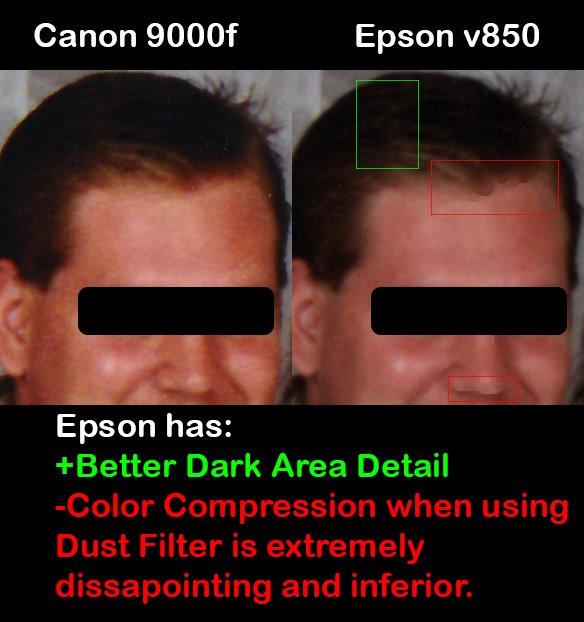
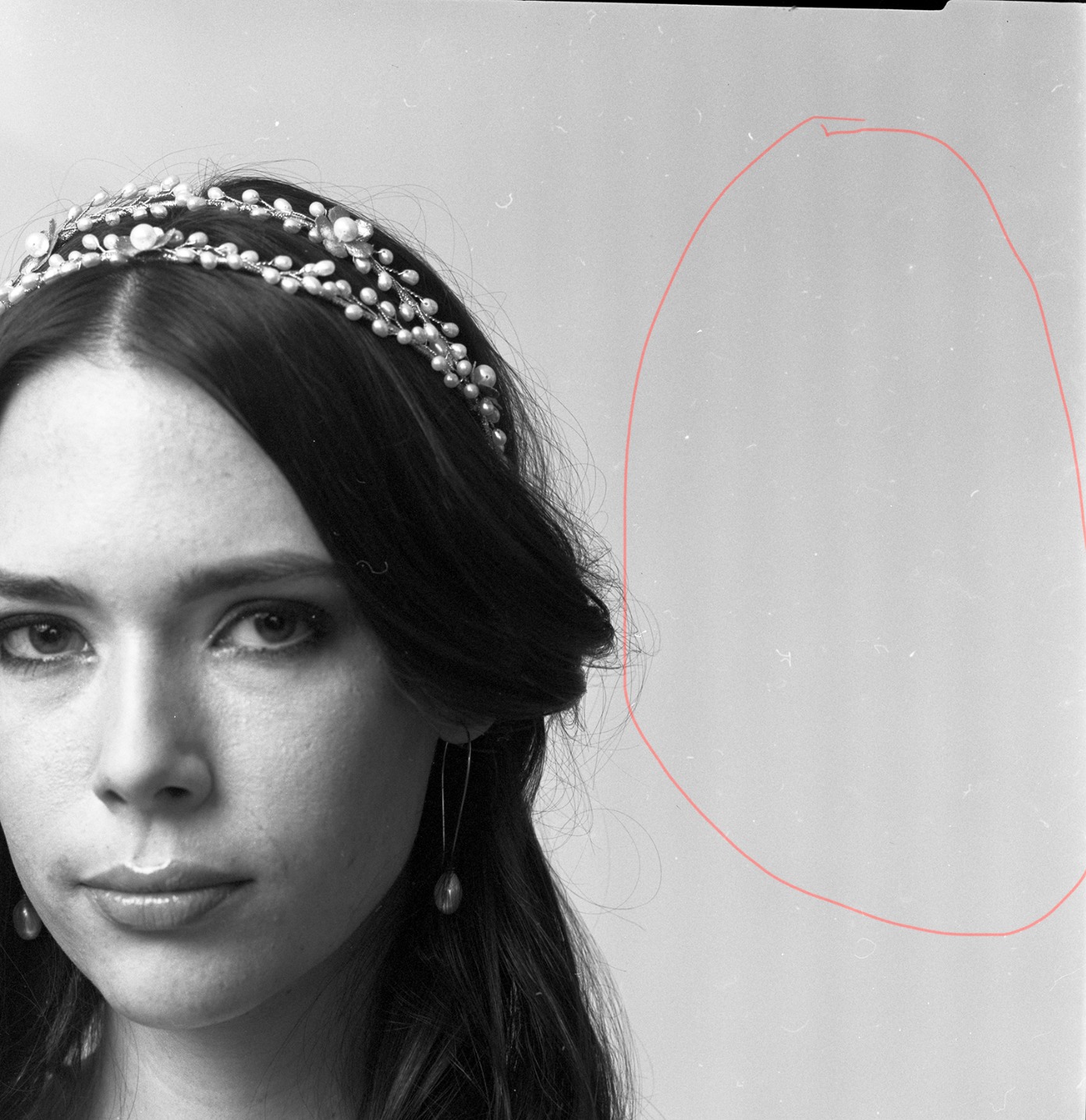
At 4.0 Dmax, the V850 Pro captures an extraordinary range of tonal values. This matters for artists working with charcoal, graphite, or any medium that produces deep blacks and subtle gradations. Shadow details that are completely lost on lesser scanners remain visible and distinct on the V850 Pro. The tonal smoothness in gradients eliminates the banding artifacts that cheaper scanners produce.
The 48-bit color depth processes over 281 trillion possible colors. Even though output files are typically reduced to 24-bit, the extra internal processing depth means the scanner captures color information that gets compressed into the final output. The result is smoother color transitions and more accurate reproduction of subtle hue variations in your artwork.
6400 DPI for Archival Art Reproduction
For archival-quality art reproduction, the 6400 DPI resolution provides enough detail to create enlargements of any size from original artwork. I scanned a 4×6 inch watercolor study at 6400 DPI and produced a clean 30×40 inch print without visible pixelation. The file sizes at maximum resolution are enormous, so you will need substantial storage and a capable computer to handle the processing.
Scanning at maximum quality settings is slow. A single 35mm slide at 6400 DPI can take over 4 minutes. For large artwork at production quality, expect scan times of 10 to 15 minutes per piece. This is not the scanner for quick digitization sessions. It is the scanner for producing the highest possible quality files of your most important work.
Film and Negative Scanning for Mixed Media
The V850 Pro includes dedicated film holders for 35mm slides, 35mm negatives, medium format (120) film, and 4×5 large format sheets. Two film trays are included so you can load the next batch while scanning the current one. This is particularly valuable for mixed media artists who incorporate photographic elements into their work and need to digitize film originals at the same quality level as their traditional artwork.
The included SilverFast SE Plus software provides professional-level scanning controls including multi-sampling for noise reduction, advanced color profiling, and batch scanning workflows. There is a steep learning curve to master these tools, but the investment in time pays off in scan quality that rivals dedicated drum scanners costing several times more.
How to Choose the Right Scanner for Your Art
Choosing the right scanner comes down to four factors: the size of your artwork, the level of detail you need, how accurate your colors must be, and your budget. Here is what to consider for each.
CCD vs CIS Sensor Technology
The sensor type is the single biggest factor in scan quality for artists. CCD sensors use a mirror and lens system that provides wider dynamic range, better depth of field, and more accurate color reproduction. CIS sensors use LED arrays positioned directly above the artwork. They are more compact and energy-efficient but produce flatter scans with less tonal range.
If you sell prints, need color-accurate reproduction, or scan textured media like watercolor and gouache, choose a CCD scanner. The Plustek ePhoto Z300 and the Epson V850 Pro both use CCD sensors. If you primarily scan flat sketches and line art for online display, a CIS scanner like the Canon LiDE 400 will serve you well at a lower cost.
DPI and Resolution Needs for Artists
DPI (dots per inch) determines how much detail the scanner captures from your artwork. For web display and social media, 300 DPI is sufficient. For print-on-demand sales at the same size as your original, 600 DPI provides good quality. For enlarging artwork or creating archival files, 1200 to 2400 DPI is recommended. Professional archival work benefits from 4800 DPI and above.
Higher DPI produces larger files and slower scan times. A full A4 scan at 4800 DPI can produce a file over 500MB. Consider your storage capacity and processing power when choosing resolution settings. Most artists find that 600 to 1200 DPI covers the majority of their needs.
Scan Area Size: A4 vs A3
Standard A4 scanners handle artwork up to about 8.5 x 11.7 inches. If you regularly create work larger than this, an A3 scanner with a 12 x 17 inch scan bed eliminates the need to stitch multiple scans together. Stitching is time-consuming and introduces alignment artifacts that degrade print quality.
For artwork larger than A3, your options are overhead camera scanners like the VIISAN A2 Document Camera or professional photography services. Overhead scanners capture up to A2 size but with lower resolution than flatbed scanners. The trade-off between coverage area and detail resolution is the key decision for large-format artists.
Color Bit Depth and Optical Density
Color bit depth determines how many distinct colors the scanner can capture. Most modern scanners offer 48-bit internal processing, which is sufficient for art reproduction. The external output is typically 24-bit, which covers the full range of colors visible on screens and in print.
Optical density (Dmax) measures the scanner’s ability to capture detail in the darkest areas of your artwork. A higher Dmax means better shadow detail and smoother tonal gradations. Budget scanners typically offer 2.8 to 3.0 Dmax, while professional models like the V850 Pro reach 4.0 Dmax. For artists working with charcoal, dark watercolors, or any media with deep shadows, higher Dmax makes a visible difference.
Software Compatibility
Most scanners include proprietary software for controlling scan settings. The quality of this software varies dramatically. Canon’s ScanGear and Epson’s ScanSmart are competent for basic use, while Plustek’s DocAction is widely criticized for its outdated interface.
Third-party software like VueScan ($40) and SilverFast ($50-$300 depending on version) provide superior color profiling, batch scanning, and workflow tools. Before purchasing any scanner, verify that it supports TWAIN or WIA drivers so you can use your preferred software. The Plustek OpticPro A320E and Epson V850 Pro both work well with VueScan and SilverFast.
FAQs
What is the best scanner for scanning artwork?
The Epson Perfection V850 Pro is the best overall scanner for artwork, offering 6400 DPI resolution, a CCD dual lens system, and 4.0 Dmax for exceptional color accuracy and tonal range. For a more affordable option, the Canon CanoScan LiDE 400 delivers excellent results for illustrations and flat artwork at a fraction of the cost.
Is it better to photograph or scan artwork?
Scanning produces more consistent results than photographing for flat artwork up to the scanner’s bed size. Scanners provide even lighting, accurate color reproduction, and consistent alignment that is difficult to achieve with camera photography. However, photographing is better for oversized artwork, textured canvases, and 3D pieces that cannot fit on a scanner bed. Many professional artists use both methods depending on the specific piece.
What DPI do artists need for scanning?
Most artists need 300 to 600 DPI for web display and print-on-demand sales at original size. For enlarging artwork, use 1200 to 2400 DPI. Professional archival reproduction benefits from 4800 to 6400 DPI. Line art and detailed ink illustrations benefit from higher DPI settings to capture fine strokes, while watercolors and mixed media often look excellent at 600 DPI.
CCD vs CIS – which is better for artists?
CCD sensors are better for artists because they provide wider dynamic range, better color accuracy, and improved depth of field compared to CIS sensors. CCD technology captures subtle tonal gradations in shadows and highlights, which is critical for watercolor and mixed media work. CIS sensors are more compact and energy-efficient but produce flatter scans. For professional art reproduction, CCD is the clear choice.
How to scan watercolor paintings?
To scan watercolor paintings effectively, first ensure the painting is completely dry and flat. Place it face-down on the scanner glass, using the removable lid for any thickness. Set resolution to at least 600 DPI for print quality. Use manual color settings rather than auto mode for more accurate reproduction. If the painting is larger than your scanner bed, scan in overlapping sections and stitch them together in Photoshop or similar software. Always do a test scan first to check color accuracy before scanning your final file.
Final Thoughts
Finding the best scanners for artists in 2026 comes down to matching the scanner to your specific work. For most illustrators and sketch artists, the Canon CanoScan LiDE 400 delivers outstanding value with fast scan speeds and good color accuracy. Artists working with photographic references or selling prints should consider the Plustek ePhoto Z300 for its CCD sensor quality. And for those who need large format coverage, the Plustek OpticPro A320E handles A3 artwork with professional-grade color reproduction.
Every scanner in this list represents a significant step up from the scanner built into your printer. The investment in a dedicated art scanner pays for itself quickly in the time you save on color correction and the quality improvement in your digital files. Pick the one that fits your artwork size and budget, and start building a proper digital archive of your creative work.