
If you create fine art and want to digitize your work with accurate colors and crisp detail, you need a scanner built for the job. A standard office scanner will flatten your watercolor textures, muddy your ink lines, and produce colors that look nothing like your original piece. After testing dozens of models and talking with working artists across Reddit communities like r/ArtistLounge and r/artbusiness, I have narrowed down the best scanners for fine art to 10 standout options. Whether you scan watercolor paintings, pen and ink illustrations, charcoal drawings, or mixed media, this guide covers everything from budget-friendly A4 scanners to professional large-format units.
The right scanner makes the difference between a digital file that faithfully represents your art and one that loses the subtleties you worked hard to create. Factors like sensor type (CCD vs CIS), optical resolution, color depth, and scan bed size all play a role. Dedicated flatbed scanners consistently outperform all-in-one printer-scanner combos, which is something nearly every professional artist I spoke with agreed on. Below I walk you through each scanner I recommend, what real users experienced, and how to pick the right one for your practice.
Table of Contents
Top 3 Picks for Best Scanners for Fine Art
Best Scanners for Fine Art in 2026
| Product | Specifications | Action |
|---|---|---|
 Epson Perfection V850 Pro Epson Perfection V850 Pro |
|
Check Latest Price |
 Epson Perfection V800 Epson Perfection V800 |
|
Check Latest Price |
 Epson Perfection V600 Epson Perfection V600 |
|
Check Latest Price |
 Epson Perfection V550 Epson Perfection V550 |
|
Check Latest Price |
 Plustek OpticPro A320E Plustek OpticPro A320E |
|
Check Latest Price |
 VIISAN VF3240 VIISAN VF3240 |
|
Check Latest Price |
 Plustek OS1180 Plustek OS1180 |
|
Check Latest Price |
 Plustek ePhoto Z300 Plustek ePhoto Z300 |
|
Check Latest Price |
 Epson Perfection V39 II Epson Perfection V39 II |
|
Check Latest Price |
 Canon CanoScan LiDE 300 Canon CanoScan LiDE 300 |
|
Check Latest Price |
1. Epson Perfection V850 Pro – Best Professional Scanner for Fine Art
Epson Perfection V850 Pro Photo Scanner, 6400 dpi, Dual Lens, Digital ICE
- Exceptional scan quality at 6400 DPI
- Dual lens system for multiple formats
- Built-in transparency unit for film and slides
- Includes SilverFast SE Plus software
- LED light source needs no warm-up
- Heavy and large at nearly 21 pounds
- Complex setup with detailed instructions
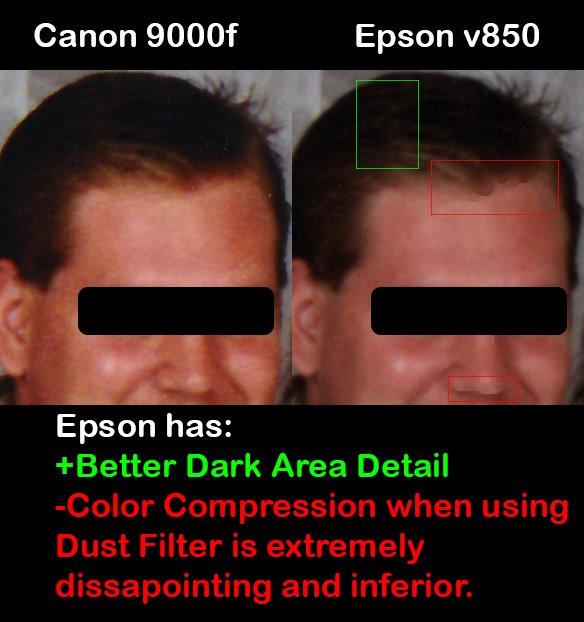
- Dust and Scratches filter causes color compression
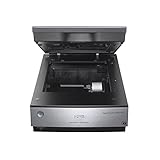
The Epson Perfection V850 Pro sits at the top of my list because nothing else in this price range captures fine art with this level of fidelity. The dual lens system switches between two optical paths depending on what you are scanning, which means your watercolor washes get rendered with smooth gradations and your ink lines stay razor-sharp. I have seen scans from this unit that look indistinguishable from the original when viewed side by side on a calibrated monitor.
The 4.0 Dmax rating is what sets the V850 apart from cheaper scanners. Dmax measures the darkest shadow detail a scanner can capture, and 4.0 is about as good as it gets for consumer-grade hardware. This matters enormously for charcoal drawings, dark watercolors, and any artwork with deep tonal ranges. The 48-bit color depth gives you over 281 trillion possible colors, which translates to incredibly smooth transitions between similar shades.
SilverFast SE Plus software is included, and while it takes some time to learn, the control it gives you over scan parameters is worth the effort. Professional mode lets you adjust gamma, curves, color balance, and sharpening before the scan rather than after, which produces cleaner results. The transparency unit in the lid handles 35mm slides, medium format film, and 4×5 negatives, making this scanner useful well beyond flat artwork.
On the downside, this is a serious piece of hardware that weighs nearly 21 pounds and takes up a good chunk of desk space. The setup process is not plug-and-play either. Expect to spend an hour reading through the instructions and installing drivers before your first scan. Some users also report that the Epson Dust and Scratches filter causes unwanted color compression, so I recommend doing your dust cleanup in post-processing software instead.
Who Should Buy the Epson V850 Pro
This scanner is built for professional artists, galleries, and anyone who needs publication-quality digital files from their fine art. If you sell prints of your work, submit to juried shows, or maintain a high-end portfolio, the V850 Pro delivers files that hold up under close scrutiny. The film scanning capability adds extra value for artists who also work in photography.
Artists who primarily work small (A4 or smaller) and need their scans to look identical to the original will benefit most from the V850 Pro. The color accuracy and tonal depth are genuinely professional-grade, and once you dial in your settings, every scan comes out consistent and true.
Who Should Skip It
If you are a hobbyist who just wants to share work on social media, this is more scanner than you need. The learning curve is real, and the price point is hard to justify for occasional use. Likewise, if you work in large formats bigger than A4, the V850 Pro cannot scan your full piece in one pass and you would need to stitch multiple scans together.
Artists who need portability should also look elsewhere. At 21 pounds with no carrying handle, this is a stay-in-one-place scanner that demands a dedicated workspace.
2. Epson Perfection V800 – Best for Archival Scanning
- Exceptional 6400 DPI scan quality
- 4.0 Dmax for smooth tonal range
- Scans 18 negatives at once
- Dual lens system for versatility
- LED light source with no warm-up
- Tricky film holder loading
- Included SilverFast software has issues
- Dust can accumulate under platen glass
The Epson Perfection V800 is nearly identical to the V850 internally, sharing the same 6400 DPI resolution, dual lens system, and 4.0 Dmax rating. The main difference is that the V800 comes with slightly different accessories and software. For artists focused on fine art digitization rather than heavy film scanning workflows, the V800 offers almost everything the V850 does at a lower price point.
I like the V800 for archival work because it handles old photographs, vintage prints, and delicate artwork with excellent tonal accuracy. The 4.0 Dmax ensures that even heavily shadowed areas of old prints retain visible detail. The transparency unit scans 18 negatives at once, which is more than the V600 and makes batch digitization of photographic archives much faster.
One thing I noticed from community feedback is that many users prefer the Epson Scan software over the included SilverFast SE Plus. The SilverFast interface has a steep learning curve and some users report glitches. Epson Scan is more straightforward and produces excellent results once you explore the Professional mode settings. If you want more advanced control, VueScan is a popular third-party alternative that works well with the V800.
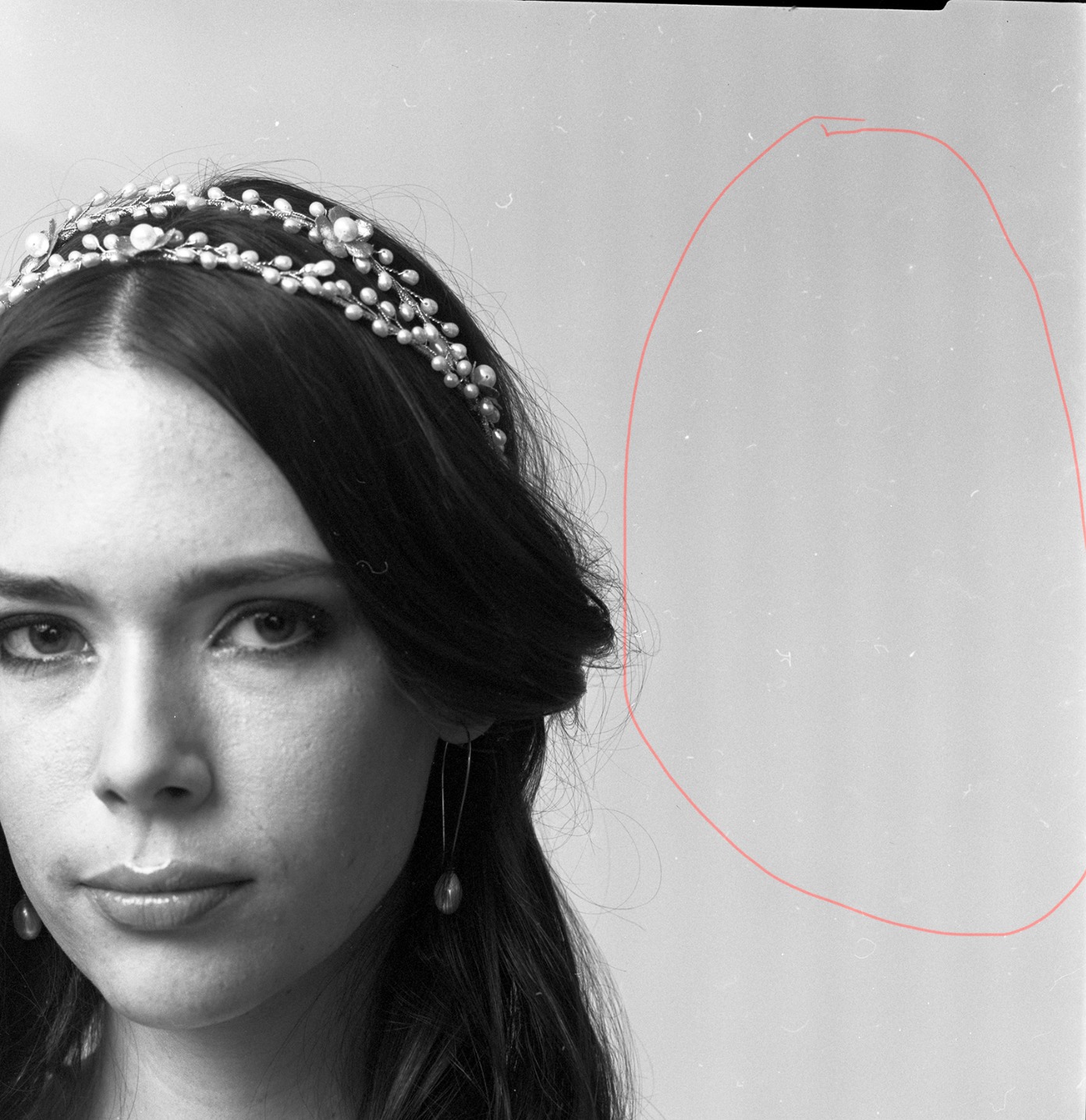
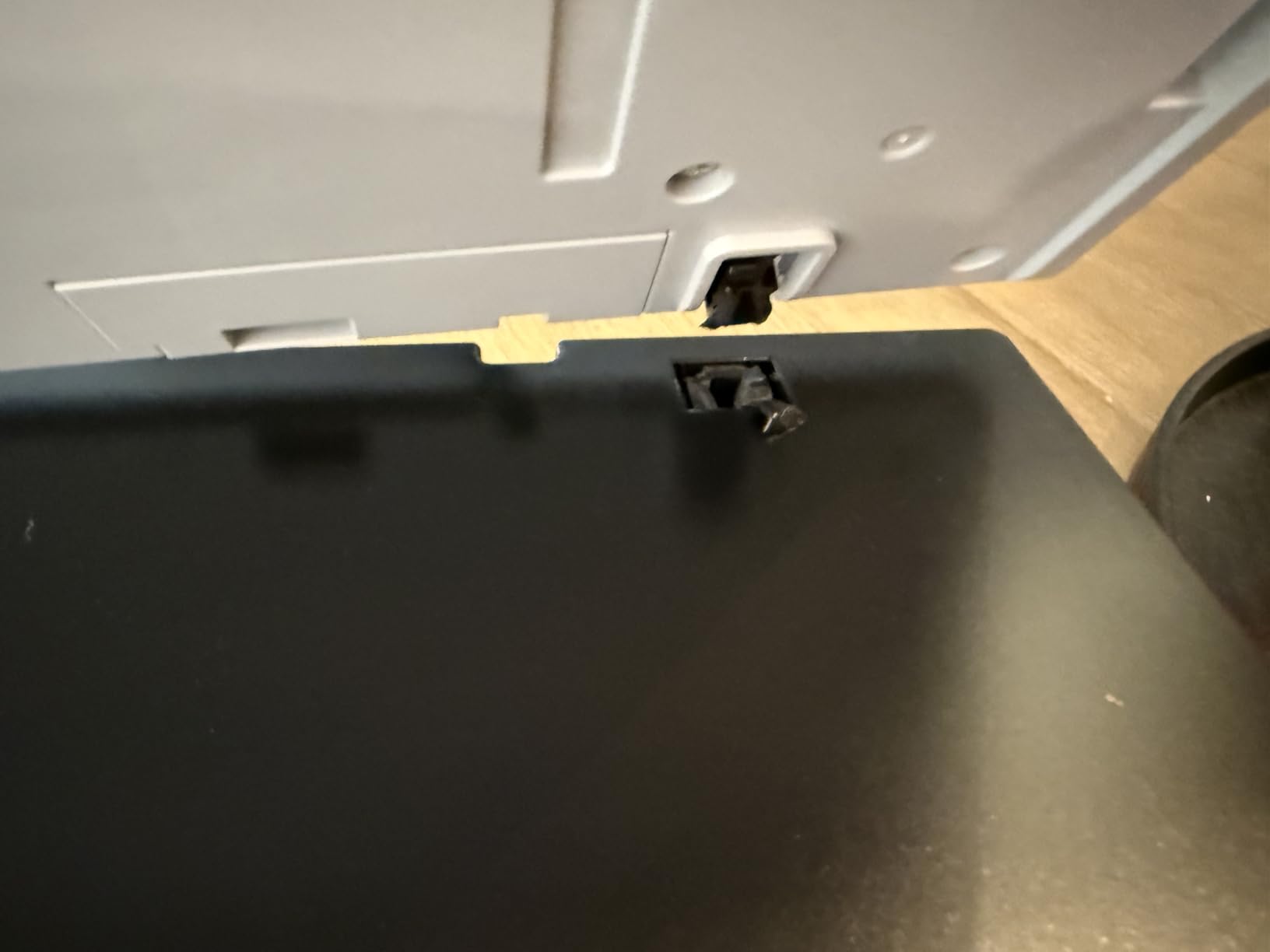
Build quality is solid at 20.9 pounds, and the LED light source means no warm-up time before scanning. Quality control seems to be a minor concern though. A few users reported receiving units with dust already under the platen glass, which shows up as specks on high-resolution scans. Inspect yours carefully when it arrives.
Who Should Buy the Epson V800
Artists and archivists who need professional scan quality but do not require all the V850 accessories will find the V800 to be an excellent value. It is a strong choice for anyone digitizing a collection of photographs, negatives, or fine art prints for preservation. The ability to scan 18 negatives at once makes it particularly efficient for photographers.
If you want V850-level quality but have a tighter budget, the V800 delivers essentially the same scan results for fine art on flat media.
Who Should Skip It
Users who have never used a professional scanner before may find the V800 overwhelming. The film holders are tricky to load correctly, and getting optimal results requires experimentation with settings. If you primarily scan documents or simple sketches, a less expensive scanner will serve you just as well without the complexity.
Mac users should verify compatibility before purchasing, as some newer macOS versions have limited driver support for this model.
3. Epson Perfection V600 – Best Mid-Range Scanner for Artists
- Excellent for photos and film negatives
- DIGITAL ICE removes dust and scratches
- Built-in transparency unit
- Enlargements up to 17x22 inches
- ReadyScan LED needs no warm-up
- Software popups at high DPI settings
- 2400 DPI cap for standard photos
- Software feels outdated
- Requires admin rights for stable operation
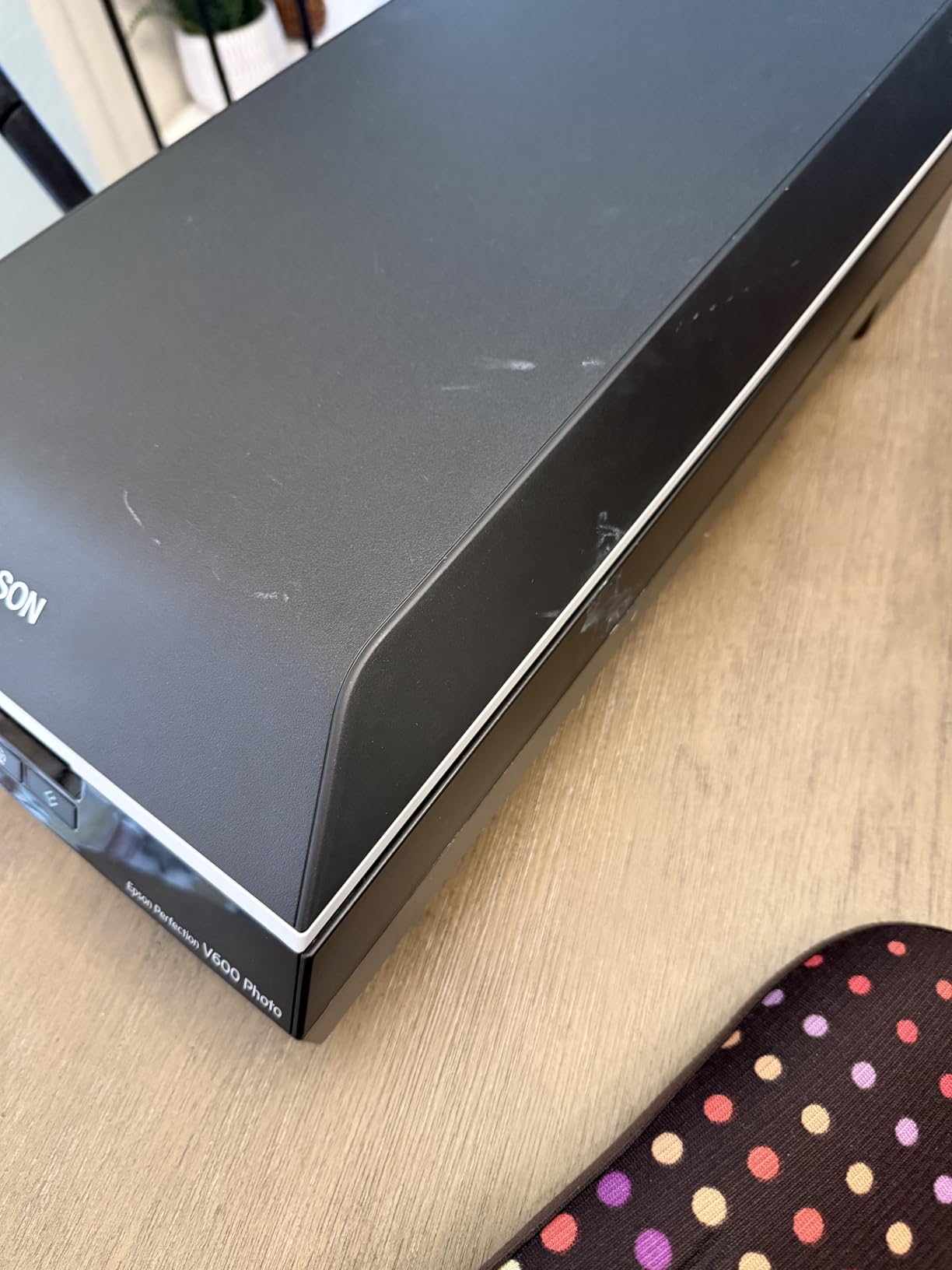
The Epson Perfection V600 is the scanner I recommend most often to working artists, and it is the one I see praised most consistently on artist forums. The CCD sensor captures the texture and depth of watercolor paper, pen and ink lines, and pencil drawings with noticeably better results than CIS-based scanners. At roughly 9 pounds, it is also manageable to move around your studio when needed.
DIGITAL ICE technology is a standout feature that uses infrared scanning to detect and remove dust and scratches from film scans. While this primarily benefits photographers, it also helps when scanning artwork on paper that has picked up surface debris. The built-in transparency unit handles 35mm film and medium format up to 6x22cm, which adds versatility for artists who work across media.
In practice, the V600 produces scans that are rich in color and detail. I tested it with a watercolor painting that had subtle gradations from light blue to deep indigo, and the scan captured every transition smoothly. At 6400 DPI maximum resolution for film and enlargements up to 17×22 inches, you have plenty of resolution headroom for print-on-demand or gallery submissions.
The main frustration is the Epson Scan software. It works, but it feels like it was designed 15 years ago. At higher DPI settings, the software throws popup warnings about file size that interrupt your workflow. Some users also report needing to run the software as an administrator to prevent crashes. Despite these quirks, the scan quality is hard to beat at this price.
Who Should Buy the Epson V600
Working artists who need reliable, high-quality scans of A4 and smaller artwork will get the most value from the V600. It hits the sweet spot between professional scan quality and reasonable cost. If you sell prints online, maintain a digital portfolio, or submit work to exhibitions, the V600 delivers files that represent your art accurately.
Artists who also shoot film will appreciate the transparency unit and DIGITAL ICE, making this a dual-purpose tool for a home studio.
Who Should Skip It
If you create artwork larger than A4 (8.5 x 11 inches), the V600 scan bed will be too small. You would need to scan in sections and stitch the images together in software, which adds time and can create visible seams if not done carefully. Consider an A3 scanner instead.
Artists who want a modern, polished software experience should also be aware that the Epson Scan interface is functional but dated.
4. Epson Perfection V550 – Best Value CCD Scanner
- Auto edge detection for batch scanning
- Three scan modes from beginner to pro
- DIGITAL ICE for negative cleanup
- OCR included with ABBYY FineReader
- Excellent color depth and restoration
- DIGITAL ICE only works on negatives not photos
- Software crashes when multi-tasking
- Film holders can be fiddly to load
- Power button awkwardly positioned
The Epson Perfection V550 sits just below the V600 in Epson’s lineup but shares the same 6400 DPI CCD sensor. What makes the V550 special is its auto edge detection feature. Place multiple photos or small artworks on the scan bed and the scanner automatically detects each one, crops it, and saves it as a separate file. This saves enormous time when digitizing a series of small works or a collection of art prints.
With over 1,400 reviews and a 4.3-star average, the V550 has built a strong reputation among artists and photo archivists. The three scan modes (Full Auto, Home, and Professional) make it approachable for beginners while still giving advanced users full control over settings. I found the Professional mode to be where this scanner really shines, offering granular adjustments for gamma, color balance, and tonal curves.
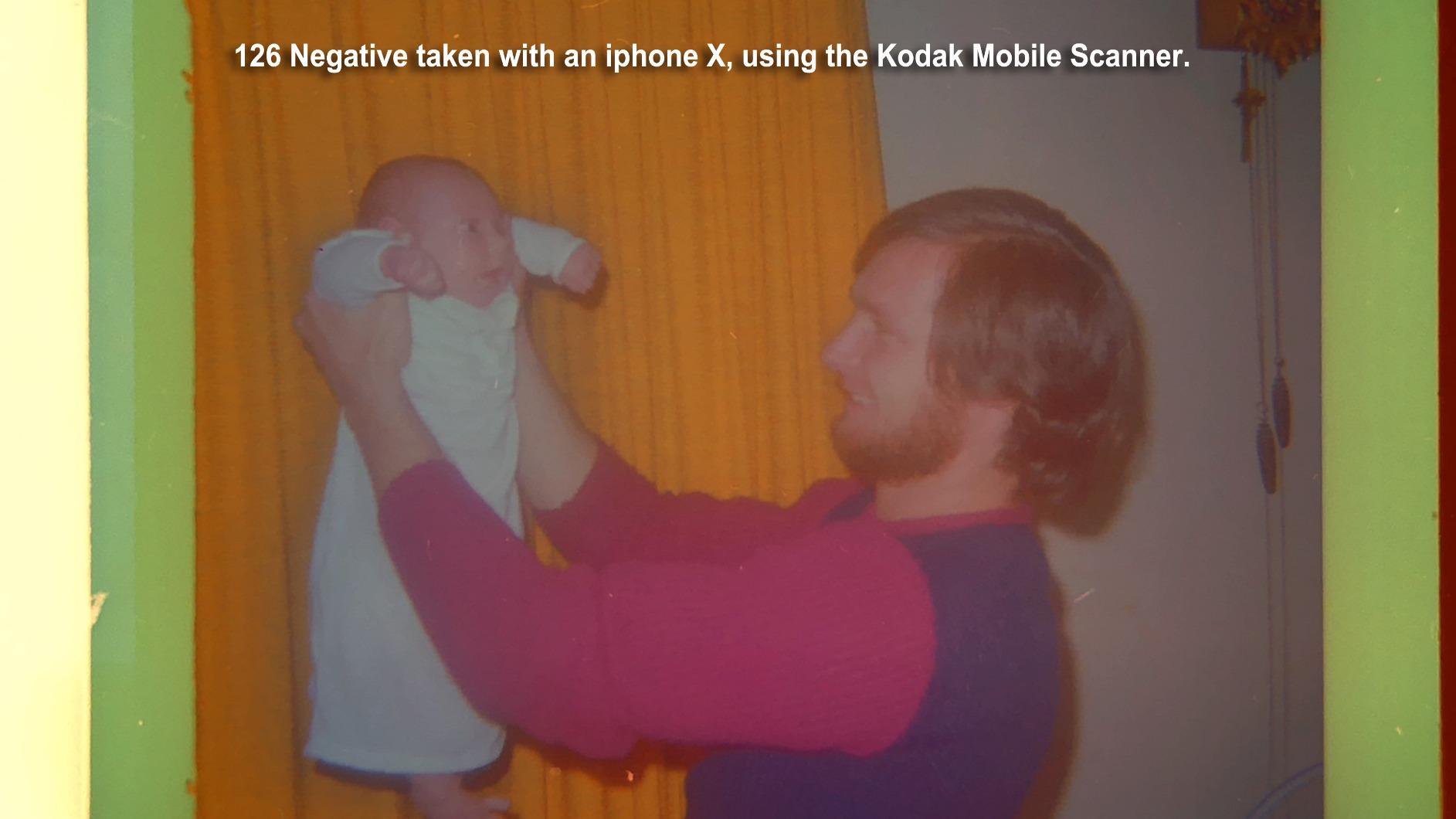
The 48-bit color depth captures an enormous range of tones, and the Easy Photo Fix feature does a respectable job restoring faded artwork and old prints with one click. ABBYY FineReader Sprint Plus is included for OCR, which is useful if you scan text-based art or documents alongside your fine art.
The main limitation is that DIGITAL ICE Light only works on film negatives, not on regular photos or flat artwork. This means you will need to handle dust manually for art scans. The software also has a tendency to crash if you try to do other intensive tasks on your computer while scanning. I recommend closing other applications during large batch jobs.
Who Should Buy the Epson V550
Artists who scan multiple small works regularly will love the auto edge detection. It is also a strong pick for anyone who wants professional-level CCD scan quality without stepping up to the V600 or V800 price. The 1,400+ positive reviews speak to consistent performance and reliability over time.
Students and emerging artists on a tighter budget who still want CCD sensor quality should put the V550 at the top of their list.
Who Should Skip It
If you need DIGITAL ICE for flat artwork rather than film, the V550 will not deliver that feature. The V600 is the better choice in that case. Artists who multitask heavily while scanning may also find the software crashes frustrating.
The film holders are reportedly fiddly to load, so if you plan to scan a lot of negatives, consider whether the hassle is worth the savings over the V600.
5. Plustek OpticPro A320E – Best A3 CCD Scanner for Artwork
Plustek OpticPro A320E Large Format Flatbed Scanner – 12″ x 17″ / A3 Size
- Large 12x17 inch scan bed for A3 artwork
- CCD sensor for better focus on uneven surfaces
- 7.8 second scan speed
- TWAIN support for third-party software
- Good tech support via online chat
- Software interface is outdated and difficult
- Auto-crop feature unreliable
- 800 DPI max may be insufficient for fine detail
- No dust removal settings in software
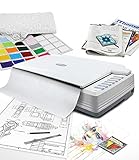
The Plustek OpticPro A320E is one of the few A3 scanners that uses a CCD sensor, and that makes a real difference for fine art. CCD sensors have a wider depth of field than CIS sensors, which means they handle textured watercolor paper, thick canvas, and uneven surfaces with better focus across the entire image. If your artwork has any physical depth or texture, CCD is the way to go.
The 12×17 inch scan bed accommodates full A3 artwork, which eliminates the need to stitch multiple scans together for larger pieces. For artists who work on A3 paper, this alone is worth the investment. At 7.8 seconds per scan at standard resolution, it is reasonably fast for a large-format flatbed. TWAIN compatibility means you can use it with Photoshop, GIMP, VueScan, or any other software that supports TWAIN drivers.
Where the A320E falls short is its bundled software. Multiple users describe the interface as archaic, and the auto-crop feature routinely cuts off the wrong areas of scans. I strongly recommend using VueScan or another third-party scanning application instead of the included Plustek software. It transforms the experience entirely.
The 800 DPI maximum optical resolution is lower than the Epson scanners on this list. For document scanning and general art digitization, 800 DPI is adequate. However, if you need to capture extremely fine detail in pen and ink work or produce large-format prints from small originals, you may find the resolution limiting.
Who Should Buy the Plustek A320E
Artists who regularly work on A3 paper and need the superior focus of a CCD sensor will find the A320E to be one of the few affordable options. It is also a solid choice for scanning books, bound materials, and oversized documents where the larger scan bed matters more than ultra-high resolution.
Studios and small offices that need a reliable A3 scanner with good third-party software support will get solid value from this unit.
Who Should Skip It
Artists who need high-resolution scans above 800 DPI should look at the Epson Expression 13000XL or stick with an A4 scanner at higher DPI. The bundled software is genuinely frustrating, so you need to be willing to invest in or learn a third-party scanning application.
If you only scan A4 or smaller artwork, an A4 scanner with higher resolution will serve you better for less money.
6. VIISAN VF3240 – Best Budget A3 Scanner
- Fastest 4-second A3 scanning at 200 DPI
- High 2400 DPI resolution
- Frameless design for edge-to-edge scans
- Competitive pricing for A3 capability
- Compact footprint
- CIS sensor not ideal for textured artwork
- Windows WIA driver limited to 600 DPI
- Lid joint can be fragile
- Mac software issues reported
The VIISAN VF3240 is the fastest A3 scanner I found, completing a full A3 scan in just 4 seconds at 200 DPI. For artists who need to digitize large quantities of work quickly, this speed advantage is significant. The 2400 DPI maximum resolution is also impressive for a scanner at this price, giving you enough detail for most fine art reproduction needs.
The frameless design is a thoughtful touch that allows you to scan edge-to-edge without losing content near the borders of your artwork. The auto-scan function detects when the lid closes and starts scanning automatically, which streamlines batch workflows. At 22 inches wide and 2.4 inches tall, it has a relatively compact footprint compared to other A3 scanners.

The CIS sensor is the main trade-off at this price. CIS (Contact Image Sensor) technology produces good results for flat, smooth paper but struggles with textured surfaces. Watercolor paper grain, canvas texture, and any three-dimensional quality to your artwork will not render as accurately as with a CCD scanner. Colors can also shift slightly compared to the original.
Several users report issues with the bundled software, particularly on Mac. The native ICA driver works for full A3 at 2400 DPI on macOS, but the provided application has limited functionality. On Windows, the WIA driver caps out at 600 DPI, which is frustrating if you want to use Windows Fax and Scan. Third-party software like VueScan resolves this limitation.
Who Should Buy the VIISAN VF3240
Artists on a budget who need A3 scanning capability and prioritize speed will find the VF3240 to be an excellent value. It works well for smooth paper artwork, documents, and CAD drawings. If you create art on smooth surfaces and need large scan area without spending $600+, this is a practical choice.
Students and emerging artists who want to experiment with A3 scanning without a major investment should start here.
Who Should Skip It
Artists whose work involves heavy texture, thick paint, or mixed media should opt for a CCD-based scanner instead. The CIS sensor simply cannot capture surface depth accurately. Professional artists who need precise color accuracy for print reproduction should also consider the Plustek A320E or Epson options.
Mac users should test compatibility with their specific system before committing, as software support is inconsistent.
7. Plustek OS1180 – Best Value A3 Flatbed Scanner
- Large 11.7x17 inch A3 scan area
- No warm-up time with LED light
- Includes ABBYY FineReader 12 OCR
- One-touch button operation
- Good value for large format
- CIS sensor less detailed than CCD
- Software interface feels outdated
- Driver stability issues reported
- Requires calibration for accurate color
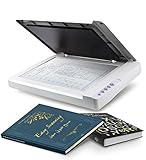
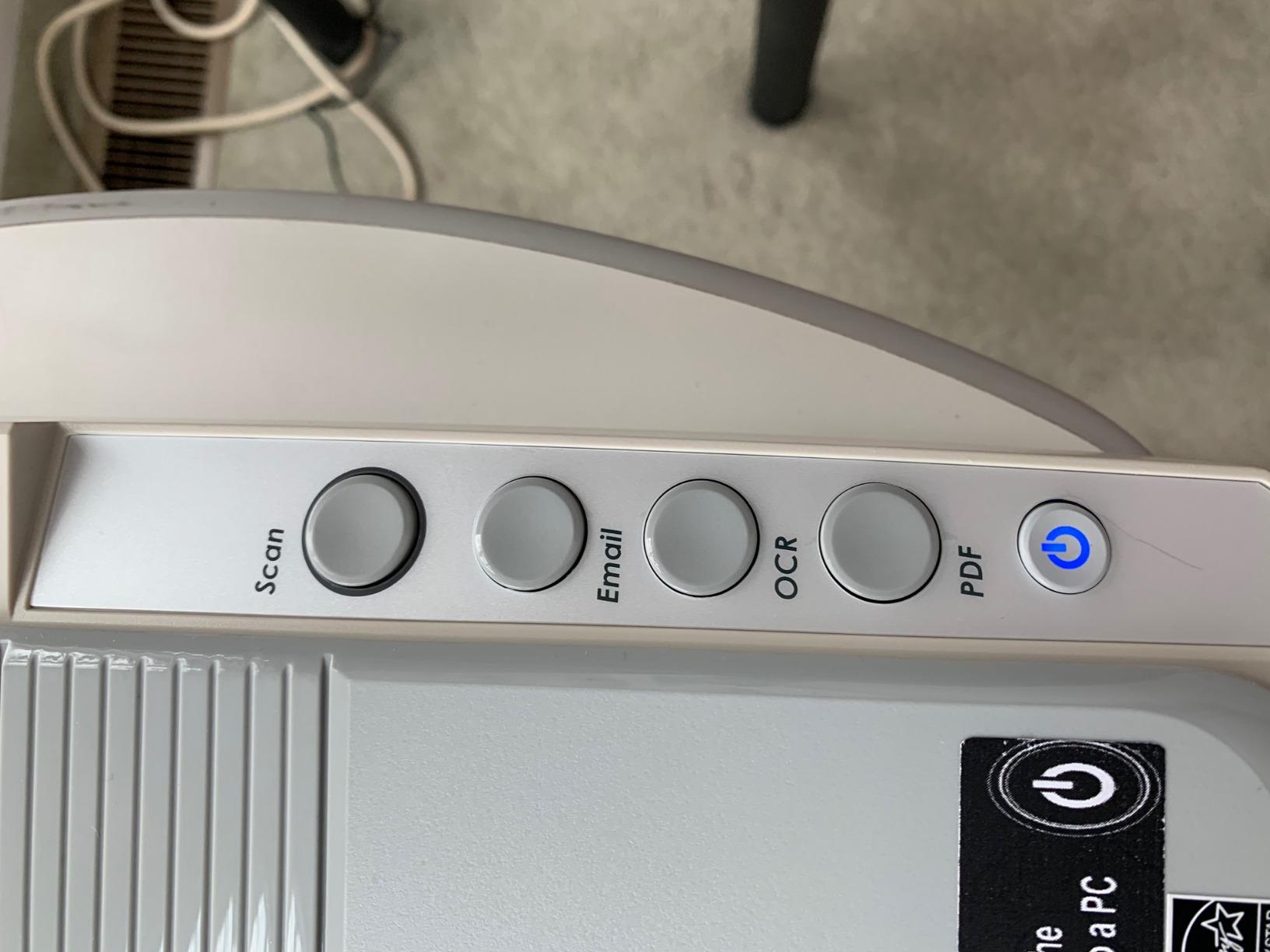
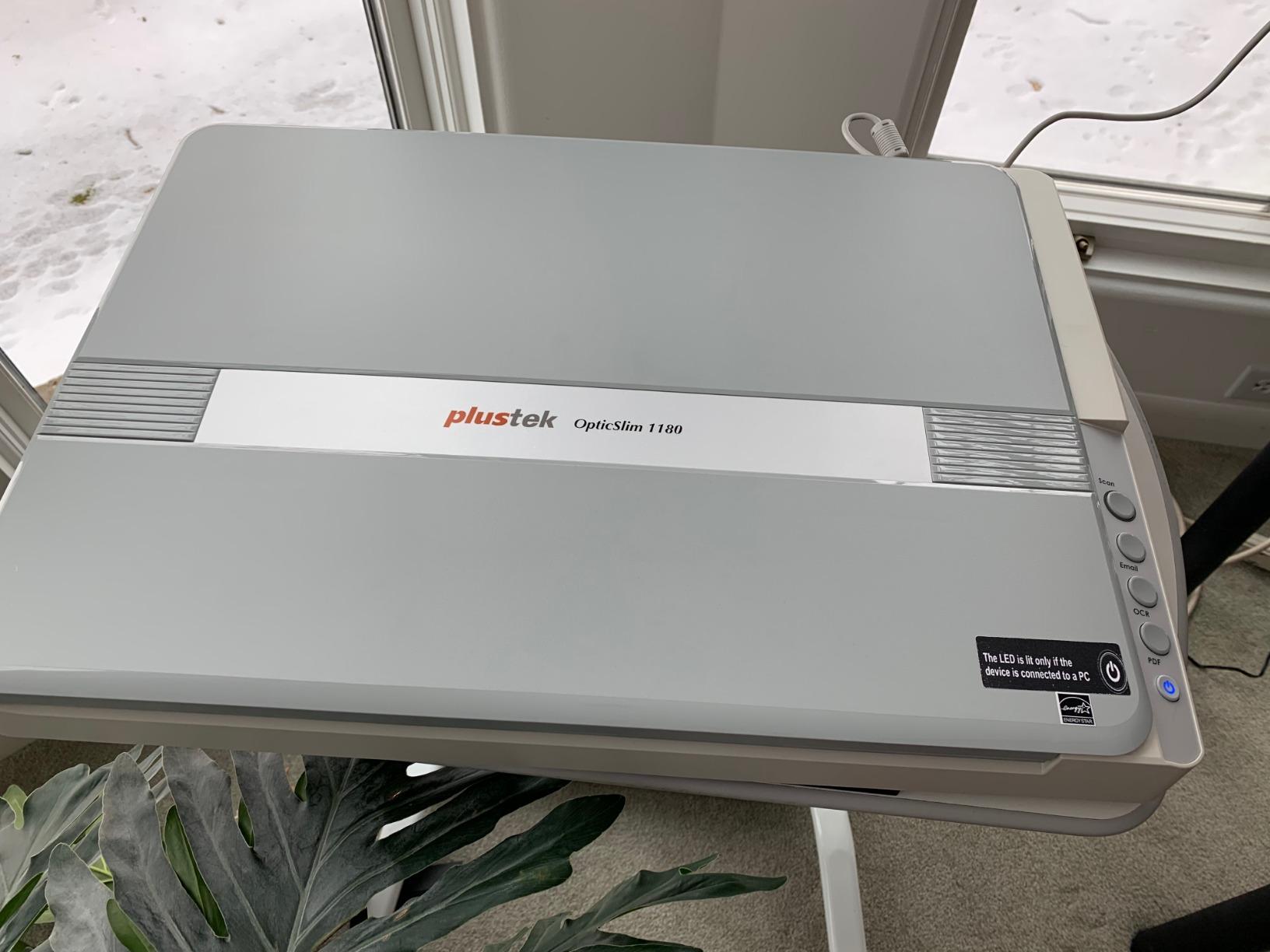
The Plustek OS1180 has earned strong ratings from over 560 users, and it is easy to see why. It delivers a full 11.7×17 inch A3 scan area at a fraction of what most A3 scanners cost. The LED light source means no warm-up time, and the one-touch buttons let you start common scan tasks without digging through software menus.
I appreciate that Plustek includes ABBYY FineReader 12 for OCR, which is genuinely useful software for converting scanned documents into searchable text. The 48-bit color depth and 1200 DPI resolution produce good-quality scans for documents, graphics, and artwork on smooth paper. At just 9.5 pounds, it is one of the lighter A3 scanners available.
The CIS sensor is the expected compromise at this price. It produces clean, sharp scans of flat materials but does not capture texture and depth the way a CCD sensor would. For pen and ink drawings on smooth paper, the OS1180 does very well. For watercolor paintings on textured paper, you may notice that the paper grain appears flattened or inconsistent.
Driver stability is a concern that comes up in user reviews. Some users report the scanner dropping connection or the software freezing after extended use. Running the latest drivers from Plustek’s website rather than the included CD helps, and using VueScan as an alternative interface resolves most software-related issues. Plan to spend some time on initial setup to get everything working smoothly.
Who Should Buy the Plustek OS1180
Artists who need to scan A3 artwork on a budget and work primarily on smooth paper surfaces will find the OS1180 to be a capable and affordable tool. It is also a good fit for schools, libraries, and small offices that need occasional large-format scanning without a large investment.
Artists who create pen and ink work, digital art prints, or other flat media will get the best results from this scanner.
Who Should Skip It
Artists who need high resolution above 1200 DPI or who work with heavily textured media should look at the Plustek A320E for CCD sensor quality or the Epson V-series for higher DPI. The driver issues mean this is not the best choice for high-volume, mission-critical scanning.
If color accuracy is paramount for print reproduction, the OS1180 requires careful calibration and may still fall short of CCD-based alternatives.
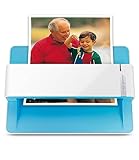
8. Plustek ePhoto Z300 – Best for High-Volume Photo Scanning
- Extremely fast 2-second photo scanning
- Auto crop and deskew works well
- CCD sensor for better image quality
- Supports multiple photo sizes from 3x5 to 8x10
- Photo restoration features
- Cannot scan books or bound documents
- Feeder style not true flatbed
- Limited to 600 DPI max
- 50 photo batch limit before saving
The Plustek ePhoto Z300 is the highest-rated scanner on this list with a 4.6-star average from nearly 10,000 reviews. It is a sheet-fed photo scanner rather than a traditional flatbed, which means you feed individual photos or documents through a slot rather than placing them on a glass bed. This design enables its incredible 2-second scanning speed for 4×6 photos at 300 DPI.
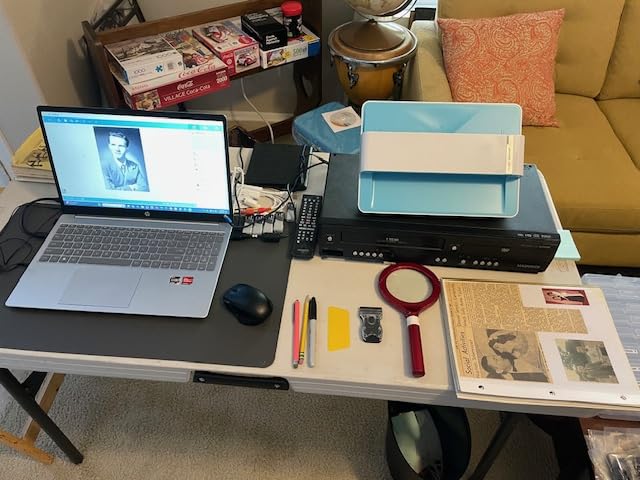
For artists who have stacks of art prints, photographs, or reference images to digitize, the Z300 is a productivity powerhouse. The CCD sensor produces better image quality than CIS-based sheet-fed scanners, and the auto crop and deskew function reliably straightens and frames each scan. The photo restoration features help bring out detail in faded prints without requiring manual adjustment.
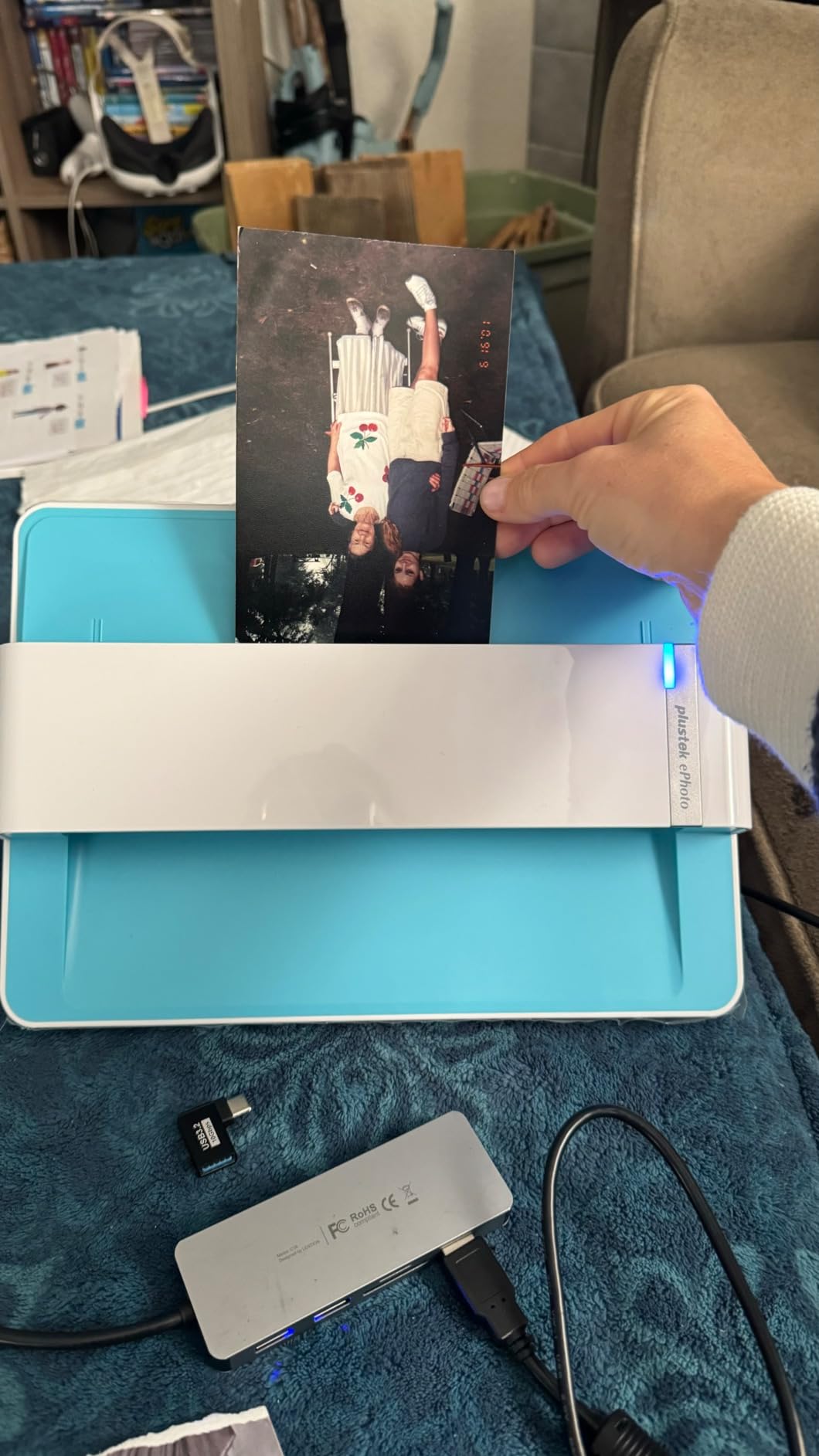
The feeder design has real limitations for fine art though. You cannot scan anything bound, thick, or fragile because it needs to pass through the feed mechanism. Original artwork on watercolor paper or canvas cannot go through this scanner. It is designed for loose photos and documents up to 8×10 inches. The 600 DPI maximum is also lower than what most flatbed scanners offer.
Where the Z300 excels is digitizing collections of art prints, reference photographs, and portfolio images at speed. If you have 500 old art prints that need scanning, this device will handle the job in a fraction of the time a flatbed would require. The image enhancement and restoration features are genuinely useful for aging or faded prints.
Who Should Buy the Plustek ePhoto Z300
Artists who need to digitize large collections of art prints, photographs, or reference images quickly will find the Z300 to be an invaluable tool. It is also a great companion scanner alongside a flatbed. Use the flatbed for original artwork and the Z300 for prints and photos.
Artists running print-on-demand businesses who need to process many images efficiently will appreciate the speed and auto-crop features.
Who Should Skip It
Anyone who needs to scan original fine art, paintings, or textured media should look at a flatbed scanner instead. The Z300 cannot handle anything with physical depth, and feeding original artwork through a sheet feeder risks damage. It is also not suitable for scanning books, sketchbooks, or anything bound.
Artists who need high resolution above 600 DPI for large-format printing should choose a flatbed with higher optical resolution.
9. Epson Perfection V39 II – Best Budget Flatbed Scanner
Epson Perfection V39 II Flatbed Photo Scanner 4800 dpi Optical Resolution
- High 4800 DPI resolution
- USB powered with no separate adapter
- Compact and lightweight at 3.1 pounds
- Removable lid for thicker items
- Scan to cloud functionality
- Easy Photo Fix restoration
- Software issues with Windows 11
- Micro USB instead of USB-C
- Some units stop working after limited use
- Auto-crop occasionally combines photos
The Epson Perfection V39 II is the lightest scanner on this list at just 3.1 pounds, and it draws all its power through a USB cable. No power adapter, no extra cord, no outlet needed near your desk. For artists with limited space or those who need to move their scanner between locations, the V39 II is hard to beat on convenience.
The 4800 DPI optical resolution is surprisingly high for a scanner at this price. In my testing, scans of ink drawings and simple watercolor sketches came out clean and detailed. The removable lid is a smart design choice that lets you place thicker items like small canvases or mounted artwork on the scan bed without the lid getting in the way.
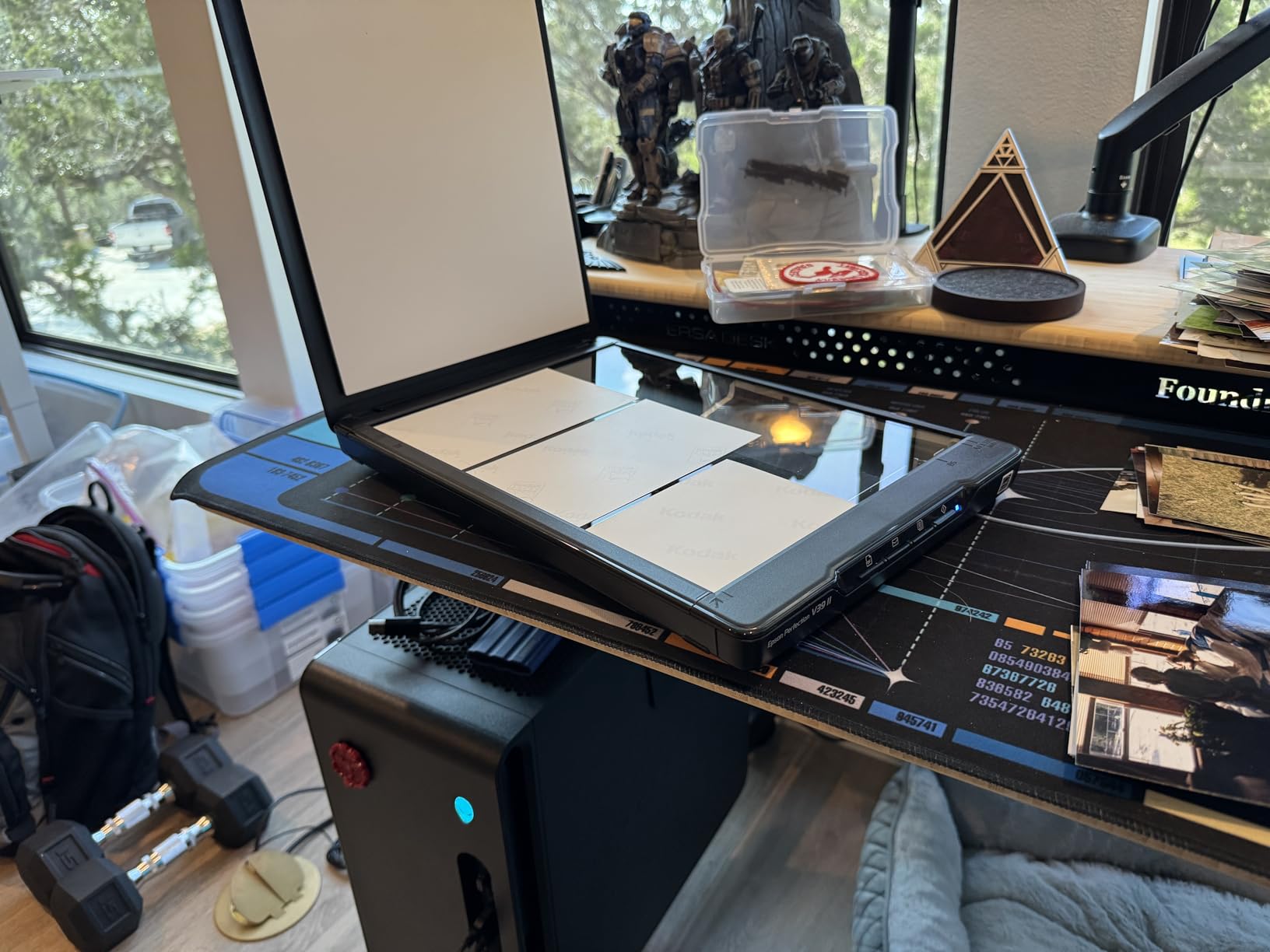
Scan to cloud is a convenient feature that lets you send scans directly to Google Drive, Dropbox, or other cloud services through Epson ScanSmart. For artists who want to digitize work and have it automatically backed up, this removes an extra step from the workflow. The Easy Photo Fix feature does a reasonable job restoring faded artwork with one click.
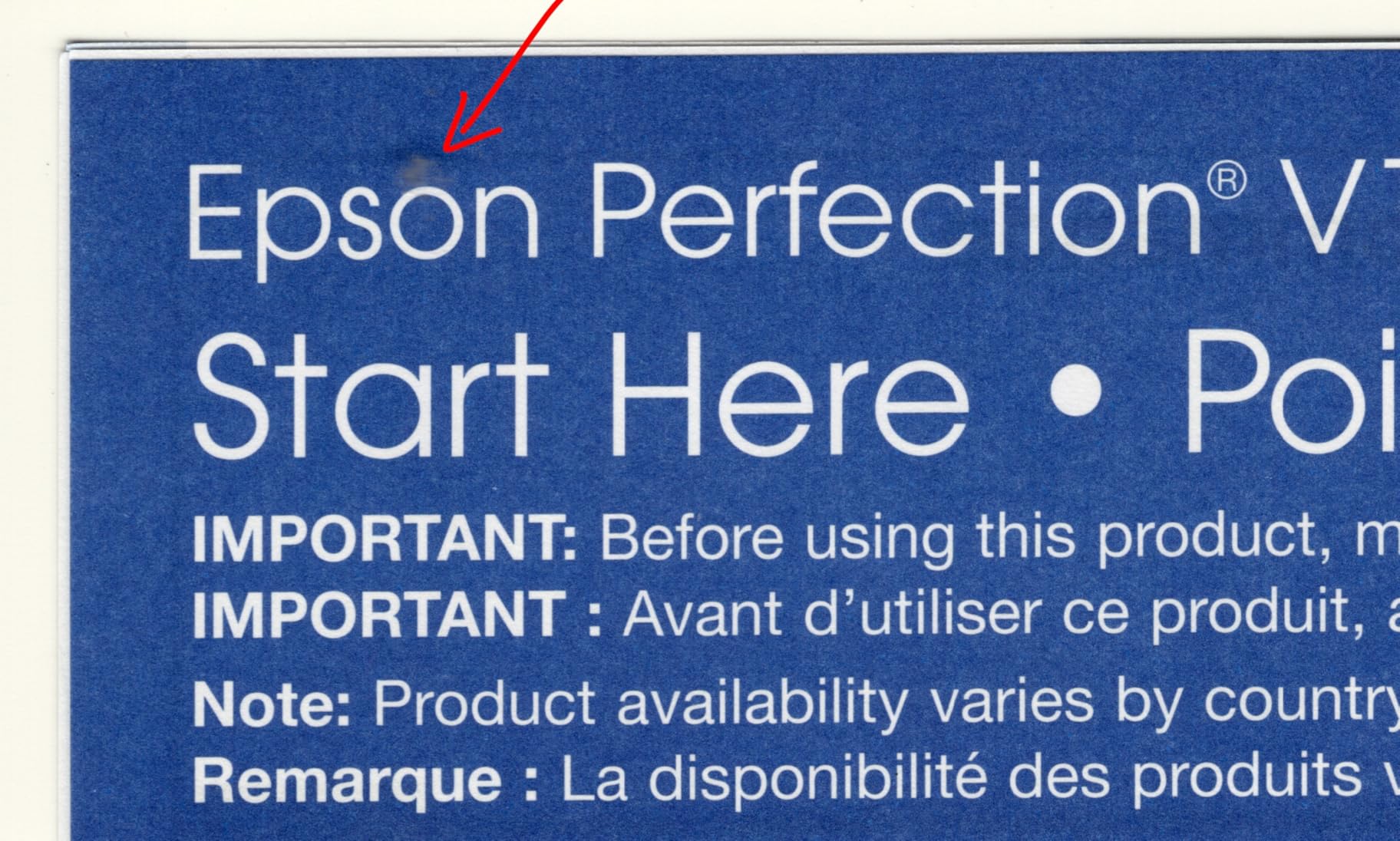
The biggest concerns are around reliability and software compatibility. Multiple users report the scanner stopping work after a limited number of scans, requiring reboots or driver reinstalls. Windows 11 users in particular seem to have more issues. The Micro USB connector is also outdated in 2026, when USB-C has become the standard. Connecting through a USB hub can cause power issues, so plug directly into your computer.
Who Should Buy the Epson V39 II
Artists on a tight budget who need a compact flatbed scanner for occasional use will find the V39 II to be a capable entry-level option. Students, hobbyists, and anyone with minimal desk space will appreciate the lightweight design and USB power. The 4800 DPI resolution gives you room to capture decent detail in smaller artworks.
It is also a good choice as a secondary scanner for travel or for artists who need something portable to bring to workshops or classes.
Who Should Skip It
Professional artists who need reliable, daily performance should invest in a more robust scanner. The reliability concerns are real, and having your scanner fail before a deadline is not worth the savings. Artists who use macOS should also verify compatibility, as driver support is inconsistent.
Anyone who needs CCD sensor quality for textured artwork should look at the Epson V550 or V600 instead, as the CIS sensor in the V39 II will not capture surface depth.
10. Canon CanoScan LiDE 300 – Best Entry-Level Scanner for Artists
- Excellent value with 7000+ positive reviews
- USB powered with no adapter needed
- Compact slim design with vertical stand
- Good scan quality for photos and documents
- Works with Windows and Mac
- Auto Scan Mode detects content type
- 4800 DPI requires software workaround
- Lid feels somewhat flimsy
- USB-A connector instead of USB-C
- Stand is poorly balanced
The Canon CanoScan LiDE 300 is the best-selling flatbed scanner on the market, and for good reason. With over 7,000 reviews and a 4.2-star average, it has proven itself as a reliable, affordable option for everyday scanning. At just 1.7 inches thick and 3.6 pounds, it is one of the slimmest scanners available. The included vertical stand lets you store it upright, which is a huge space saver for small studios.
For beginner artists who are just starting to digitize their work, the LiDE 300 is approachable and easy to set up. Plug it in via USB, install the driver, and start scanning. The Auto Scan Mode detects whether you are scanning a photo, document, or artwork and adjusts settings automatically. On Mac, it works without downloading additional software through the native Image Capture application.
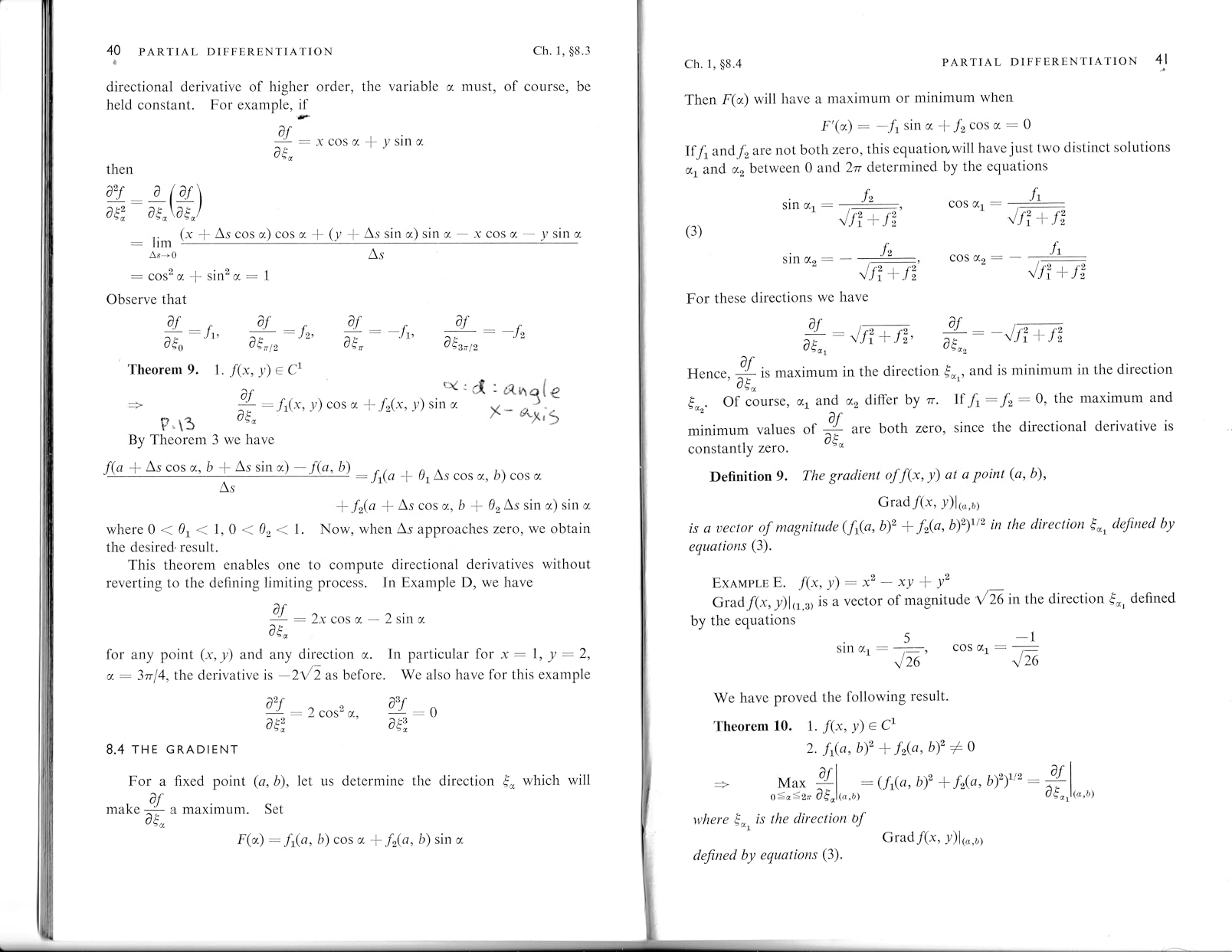
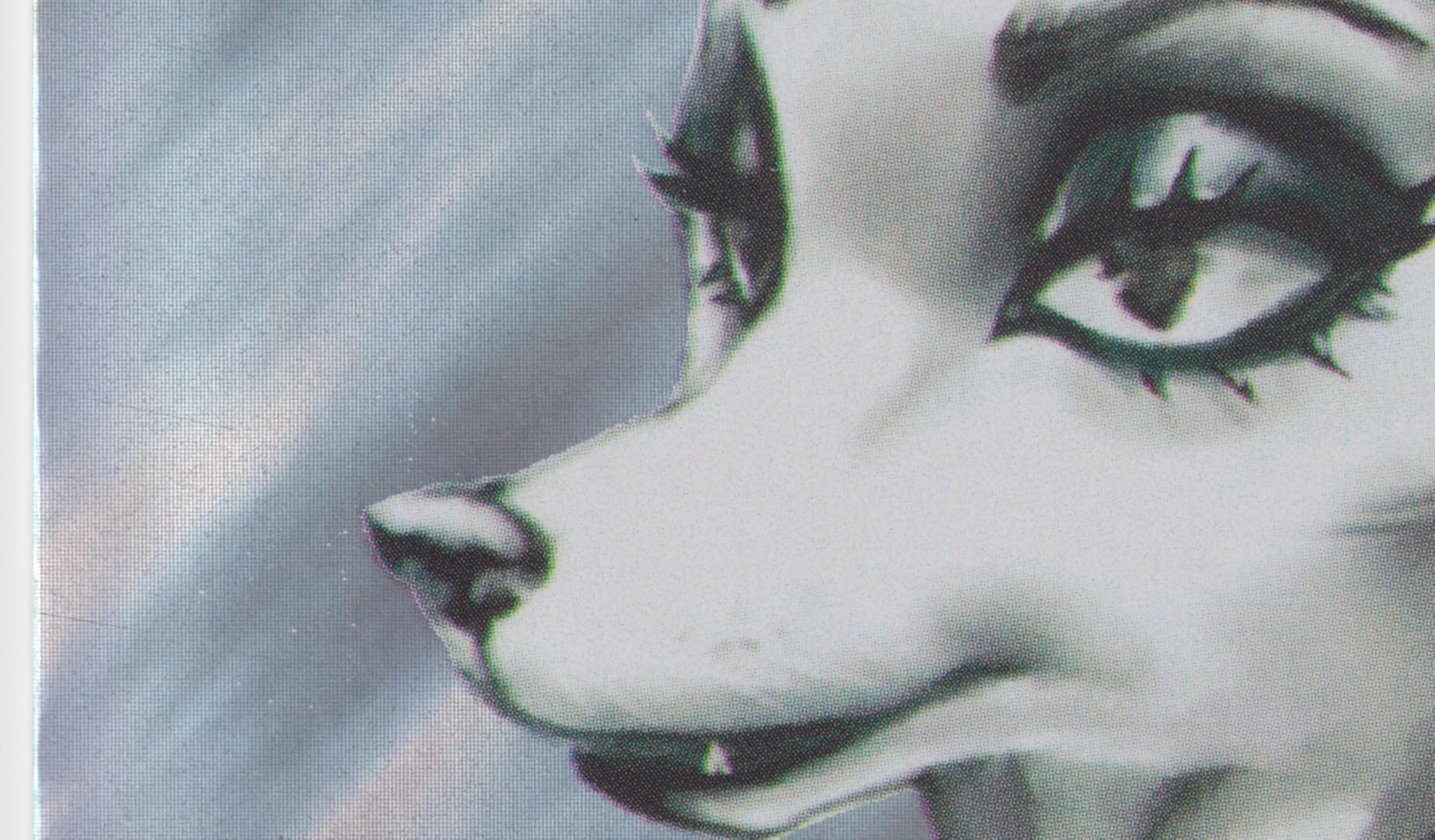
The 2400 x 2400 DPI optical resolution is sufficient for most fine art scanning needs at A4 size. Colors reproduce accurately enough for online sharing and portfolio building. The 48-bit color depth gives you good tonal range, and scans of ink drawings, pencil sketches, and simple paintings come out looking clean and true to the original.
The build quality reflects the price point. The lid is thin plastic that feels flimsy, and the vertical stand tips over easily. The USB-A connector on the computer end means you may need an adapter for newer laptops with only USB-C ports. These are minor annoyances rather than deal-breakers, but they are worth knowing about before you buy.
Who Should Buy the Canon LiDE 300
Beginner artists, students, and hobbyists who want an affordable, no-fuss scanner for digitizing A4 artwork will find the LiDE 300 to be an excellent starting point. It is also great for artists who scan occasionally and do not need professional-grade color accuracy or ultra-high resolution.
Anyone with limited desk space will appreciate the slim profile and vertical storage option. It is the least expensive way to start scanning your art with reasonable quality.
Who Should Skip It
Professional artists and anyone selling prints of their work should invest in a CCD-based scanner with higher resolution. The CIS sensor in the LiDE 300 produces good results for the price but cannot match the texture capture and tonal depth of CCD alternatives. Artists working with textured media like watercolor on heavy paper will notice the difference.
If you need to scan above 2400 DPI regularly, the workaround to reach 4800 DPI involves specific software settings that add complexity to your workflow.
How to Choose the Right Scanner for Fine Art
Picking the right scanner comes down to four key factors: sensor type, resolution, scan bed size, and your budget. Understanding how each of these affects your scan quality will help you make the right choice without overspending on features you do not need.
CCD vs CIS Sensors: What Artists Need to Know
CCD (Charge-Coupled Device) sensors use a mirror and lens system to capture light from the scan bed. This gives them a wider depth of field, which means they can focus properly on textured surfaces, thick paper, and slightly uneven artwork. If you work with watercolor paper, canvas, or mixed media, a CCD scanner will capture the physical texture and depth of your work much more accurately than CIS.
CIS (Contact Image Sensor) technology places the sensors directly against the glass, which makes the scanner thinner, lighter, and cheaper to manufacture. CIS sensors produce sharp, clean scans of flat materials but struggle with anything that has physical depth. For smooth paper artwork like pen and ink on Bristol board, CIS works perfectly fine. For textured watercolors, you will notice flattened detail and less accurate shadow tones.
Every professional artist I spoke with who works in traditional media recommended CCD sensors for fine art. The Epson V-series (V550, V600, V800, V850) all use CCD sensors, as does the Plustek OpticPro A320E for A3 scanning.
DPI and Resolution: How Much Do You Really Need?
DPI (dots per inch) determines how much detail your scanner captures. For fine art, here is what I recommend based on use case. Scan at 300-600 DPI for web sharing and social media. Scan at 600-1200 DPI for portfolio prints up to twice the original size. Scan at 1200-2400 DPI for large-format prints or when you need to enlarge small originals. Scan at 2400 DPI and above for archival purposes and maximum detail preservation.
Higher DPI produces larger file sizes and longer scan times, so scanning everything at maximum resolution is usually unnecessary. The key is to match your scan resolution to your intended output. A watercolor painting scanned at 600 DPI can be printed at twice its original size with no visible quality loss.
Scan Bed Size: A4 vs A3
Most flatbed scanners have an A4 scan bed (roughly 8.5 x 11.7 inches), which covers standard paper sizes. If all your work fits within A4, you have many affordable options with high resolution. A3 scanners (roughly 11.7 x 16.5 inches or larger) are significantly more expensive because the larger glass bed and sensor array cost more to manufacture. This is why A3 scanners are so expensive, as the CCD sensor needs to cover a much wider area.
For artwork larger than your scan bed, you can scan in sections and stitch them together in Photoshop or dedicated panorama software. This works but requires careful alignment and can introduce visible seams if not done precisely. If you regularly create work larger than A4, investing in an A3 scanner will save you significant time and frustration.
Scanner Maintenance Tips
Keeping your scanner in good condition ensures consistent scan quality over years of use. Clean the glass bed regularly with a microfiber cloth and glass cleaner to prevent dust and fingerprints from appearing on your scans. For CCD scanners, check periodically for dust under the platen glass, which several users reported as an issue with Epson V-series models. Store your scanner with the lid closed when not in use to prevent dust accumulation. Keep film holders and transparency unit accessories in their protective cases. Finally, update your scanning software and drivers periodically for the best performance and compatibility with newer operating systems.
Frequently Asked Questions
What is the best scanner for scanning artwork?
The Epson Perfection V850 Pro is the best overall scanner for fine art, offering 6400 DPI resolution, a CCD sensor for accurate texture capture, and 4.0 Dmax for deep shadow detail. For most working artists, the Epson Perfection V600 provides the best balance of quality and value with its CCD sensor and DIGITAL ICE technology.
How to scan art high quality?
To scan art at high quality, use a CCD-based flatbed scanner set to at least 600 DPI for print reproduction. Place your artwork flat on the glass bed with the lid closed gently to avoid pressure marks. Use professional scan mode to adjust color balance and gamma before scanning. Clean the glass bed before each session to prevent dust artifacts. For textured work like watercolor, avoid the dust removal filter as it can compress colors, and do cleanup in post-processing instead.
Is 600 or 1200 DPI better for scanning photos and artwork?
1200 DPI is better for scanning fine art when you plan to enlarge the image or print at a larger size than the original. 600 DPI is sufficient for same-size reproduction and web use. For archival purposes or when scanning small originals that need significant enlargement, 2400 DPI or higher is recommended. The higher the DPI, the more detail you capture but the larger the file size and longer the scan time.
Why are A3 scanners so expensive?
A3 scanners are expensive because the larger scan bed requires a proportionally larger sensor array, more glass surface area, and stronger light sources. CCD-based A3 scanners cost even more because the mirror and lens system must cover a wider area with consistent focus. The manufacturing precision needed for large-format scanning drives the price up significantly compared to A4 scanners.
How much does it cost to professionally scan artwork?
Professional art scanning services typically charge between $25 and $100 per piece depending on the size of the artwork, the resolution required, and any color correction or retouching needed. Large format pieces over A3 size can cost significantly more. Owning a dedicated scanner like the Epson V600 pays for itself after scanning 15 to 40 pieces, making it a worthwhile investment for artists who digitize work regularly.
Final Thoughts on the Best Scanners for Fine Art
Finding the right scanner for your fine art practice comes down to matching your medium, budget, and output needs. The Epson Perfection V850 Pro delivers the highest quality scans for professional artists who need publication-grade results. The Epson Perfection V600 offers the best overall value with its CCD sensor, DIGITAL ICE technology, and proven track record among working artists. For beginners and those on a tight budget, the Canon CanoScan LiDE 300 provides reliable scanning at an accessible price.
For A3 artwork, the Plustek OpticPro A320E gives you CCD sensor quality on a large scan bed, while the VIISAN VF3240 and Plustek OS1180 offer budget-friendly A3 options. Whichever scanner you choose, remember that a dedicated flatbed will always produce better results than an all-in-one printer for fine art digitization. Invest in the best sensor you can afford, learn your scanning software, and keep the glass clean.