
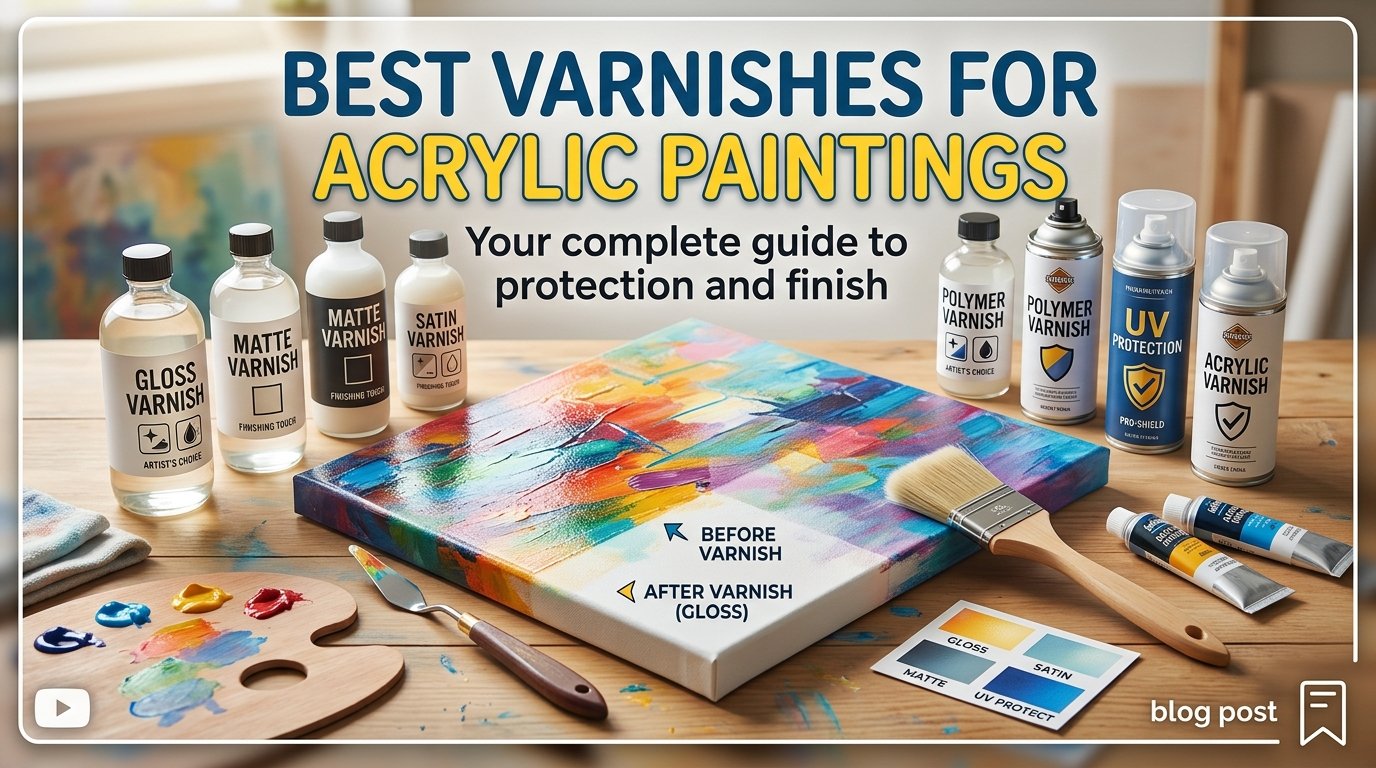
Finishing an acrylic painting without varnish is like hanging a photograph without a frame. The colors look flat, the surface picks up dust, and UV light slowly fades everything you worked so hard to create. I have been varnishing acrylic paintings for over a decade, and after testing dozens of products, I can tell you that finding the best varnishes for acrylic paintings comes down to three things: the finish you want, the protection level you need, and your application comfort.
Whether you are a beginner standing in the art supply aisle feeling completely overwhelmed (we have all been there) or a working artist preparing pieces for a gallery show, this guide breaks down 12 of the most popular acrylic varnishes on the market in 2026. I tested each one on canvas paintings, wood panels, and mixed media pieces to see how they actually perform under real-world conditions.
We will cover gloss, satin, and matte finishes. We will compare spray versus brush-on application. And we will talk about UV protection, isolation coats, removable versus permanent options, and which products work best for specific surfaces. By the end, you will know exactly which varnish belongs on your next painting.
Table of Contents
Top 3 Picks for Best Varnishes for Acrylic Paintings (August 2026)
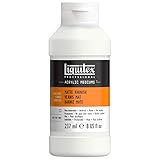
Liquitex Professional Matte Varnish
- Archival quality
- Non-yellowing
- Non-toxic
- Water-resistant


These three represent the best of what is available right now. Liquitex Professional Matte Varnish takes our top spot for its exceptional archival quality and massive review base. The BASICS Gloss Varnish from the same brand offers incredible value for budget-conscious artists. And Aleene’s Spray Gloss is the easiest entry point for beginners who want professional results without learning brush technique.
Best Varnishes for Acrylic Paintings in 2026
Each product in the table above has been tested and reviewed in detail below. I have organized them from the most popular and trusted options down to specialized picks for specific needs.
1. Liquitex Professional Matte Varnish – Archival Protection With a Soft Sheen
- Archival quality that lasts decades
- Non-yellowing formula stays crystal clear
- Non-toxic and safe for studio use
- Intermixable with Liquitex paints and mediums
- Goes a long way with small amounts covering large areas
- Not fully waterproof
- Over-brushing can cause application issues
- Matte finish may mute some bright colors slightly
This is the varnish I reach for on most of my paintings. With over 21,000 reviews and a 4.8-star average, Liquitex Professional Matte Varnish has earned its reputation as the workhorse of acrylic painting protection. I have used it on everything from small 8×10 canvases to large 36-inch gallery pieces, and the results are consistently excellent.
The matte finish eliminates glare while still sealing the paint surface. If you have ever had a painting that looked beautiful in person but became a mirror under gallery lights, this is your solution. The sheen is soft and professional without flattening your colors completely.
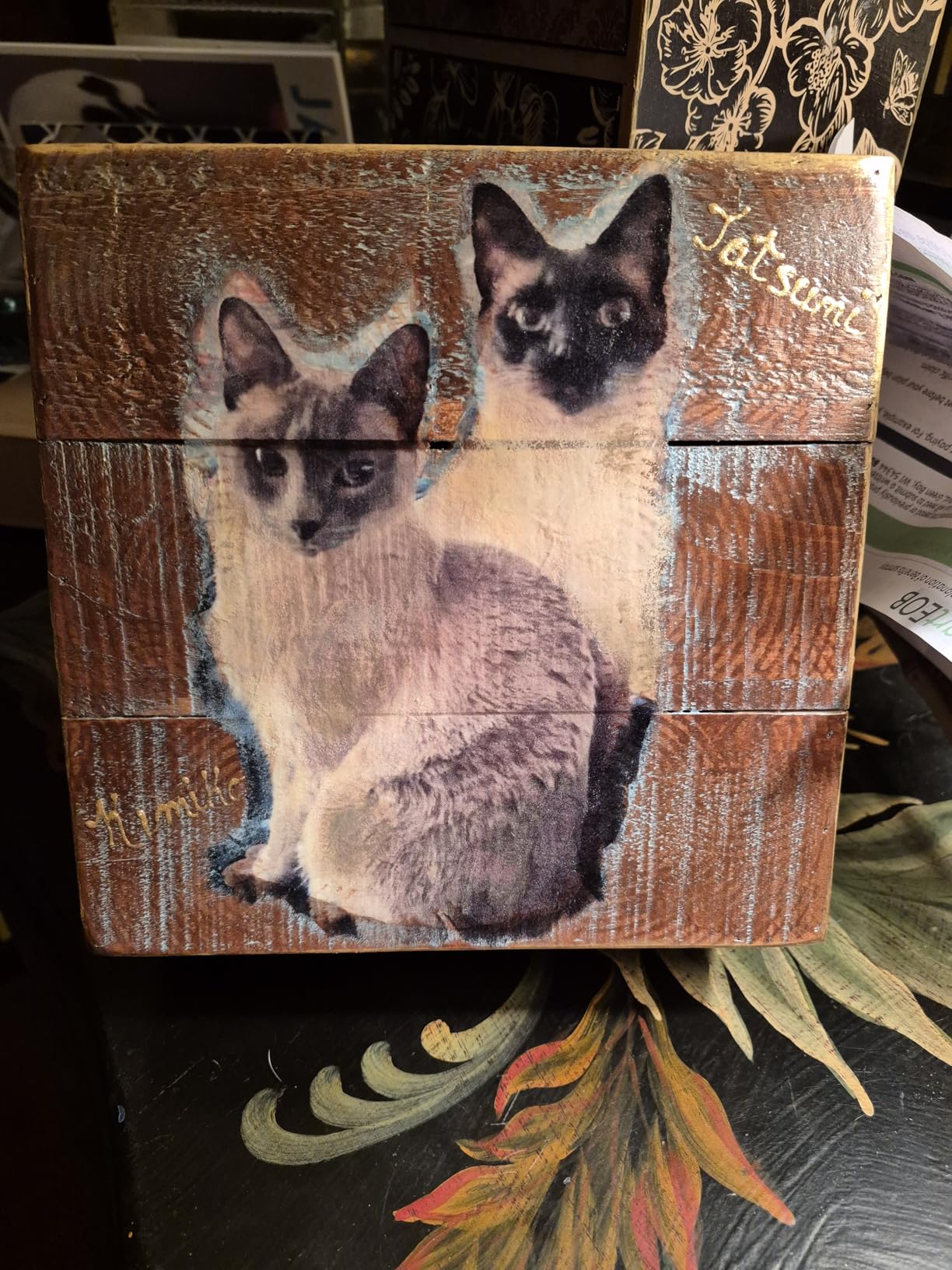
Application is straightforward. I use a wide, soft synthetic brush and work in thin, even strokes across the surface. The varnish goes on milky but dries completely clear within a few hours. Full cure takes 72 hours, at which point the surface becomes hard, flexible, and non-tacky.
Cleanup could not be easier. Warm water and dish soap handle brushes and spills while the varnish is still wet. This is a huge advantage over solvent-based options that require mineral spirits for cleanup. The non-toxic formula means you can work indoors without worrying about fumes.
Who This Varnish Is Built For
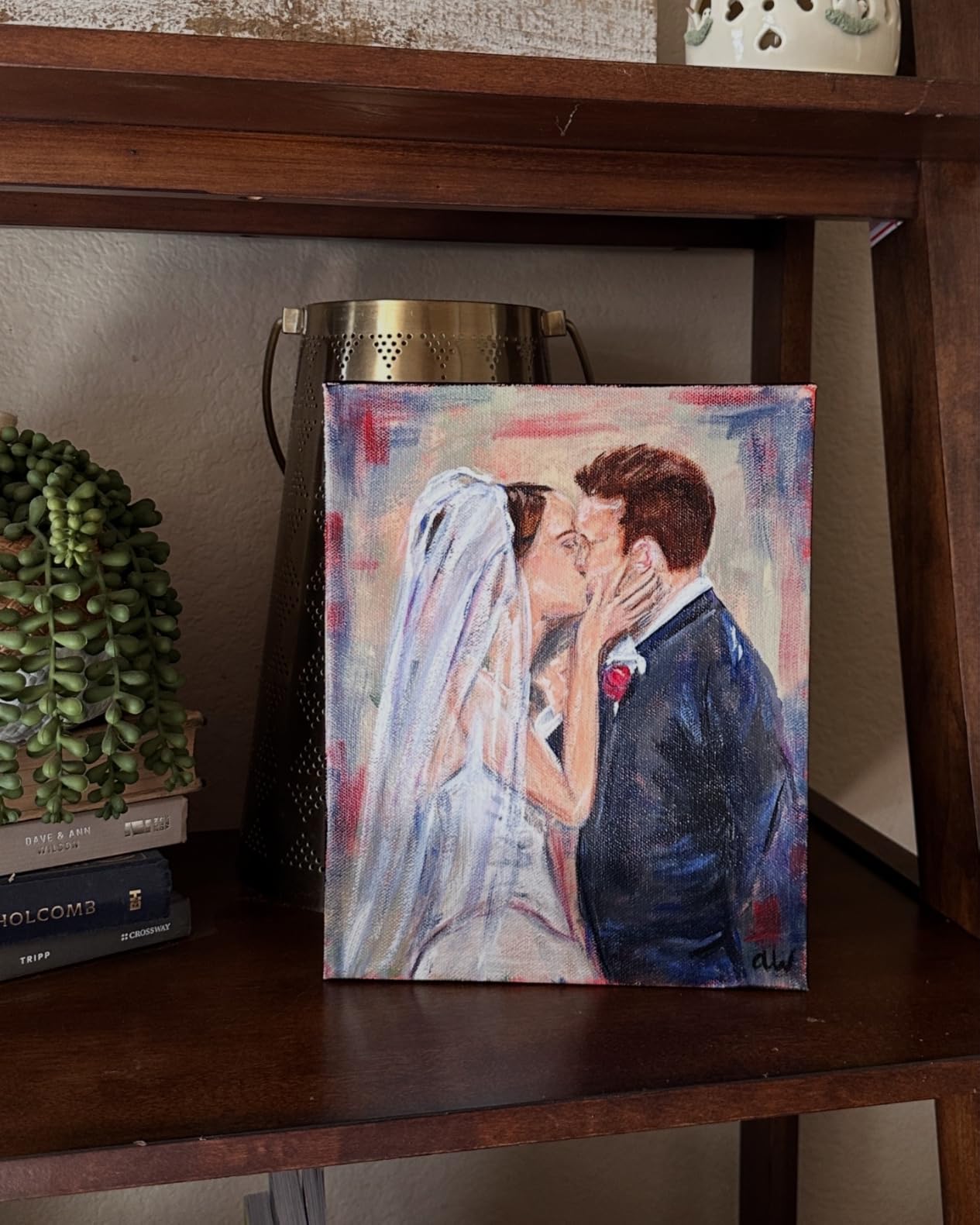
This product is ideal for professional artists, gallery exhibitors, and serious hobbyists who want archival protection without a glossy shine. It works exceptionally well for acrylic pours, murals, and any painting where glare reduction matters. If your work will be photographed or displayed under bright lighting, the matte finish helps viewers see the actual colors instead of reflections.
Beginners will also appreciate how forgiving this varnish is. The water-based formula allows for easy correction while wet, and the self-leveling properties minimize visible brush strokes when applied correctly.
What to Watch Out For
The biggest limitation is that this is not a fully waterproof coating. While it resists water once cured, it will not survive outdoor weather exposure the way some solvent-based varnishes do. If you need bathroom-safe or outdoor-rated protection, consider pairing it with an isolation coat first.
Also, remember that matte finishes naturally scatter light, which can make certain colors appear slightly less saturated. If vivid color pop is your top priority, you might prefer the gloss version instead.
2. Liquitex BASICS Gloss Varnish – Budget-Friendly Brilliance
- Excellent value for quality
- UV resistant protection
- Dries clear and non-yellowing
- Can be mixed with matte for custom sheen
- ACMI certified for educational use
- Can show brush strokes if applied carelessly
- Appears slightly opaque before drying clear
- Best results require proper application technique
The BASICS line is Liquitex’s student-grade offering, but do not let that fool you. This gloss varnish performs well above its price point. With over 10,000 reviews at 4.7 stars, it is one of the most popular acrylic varnishes on Amazon, and for good reason.
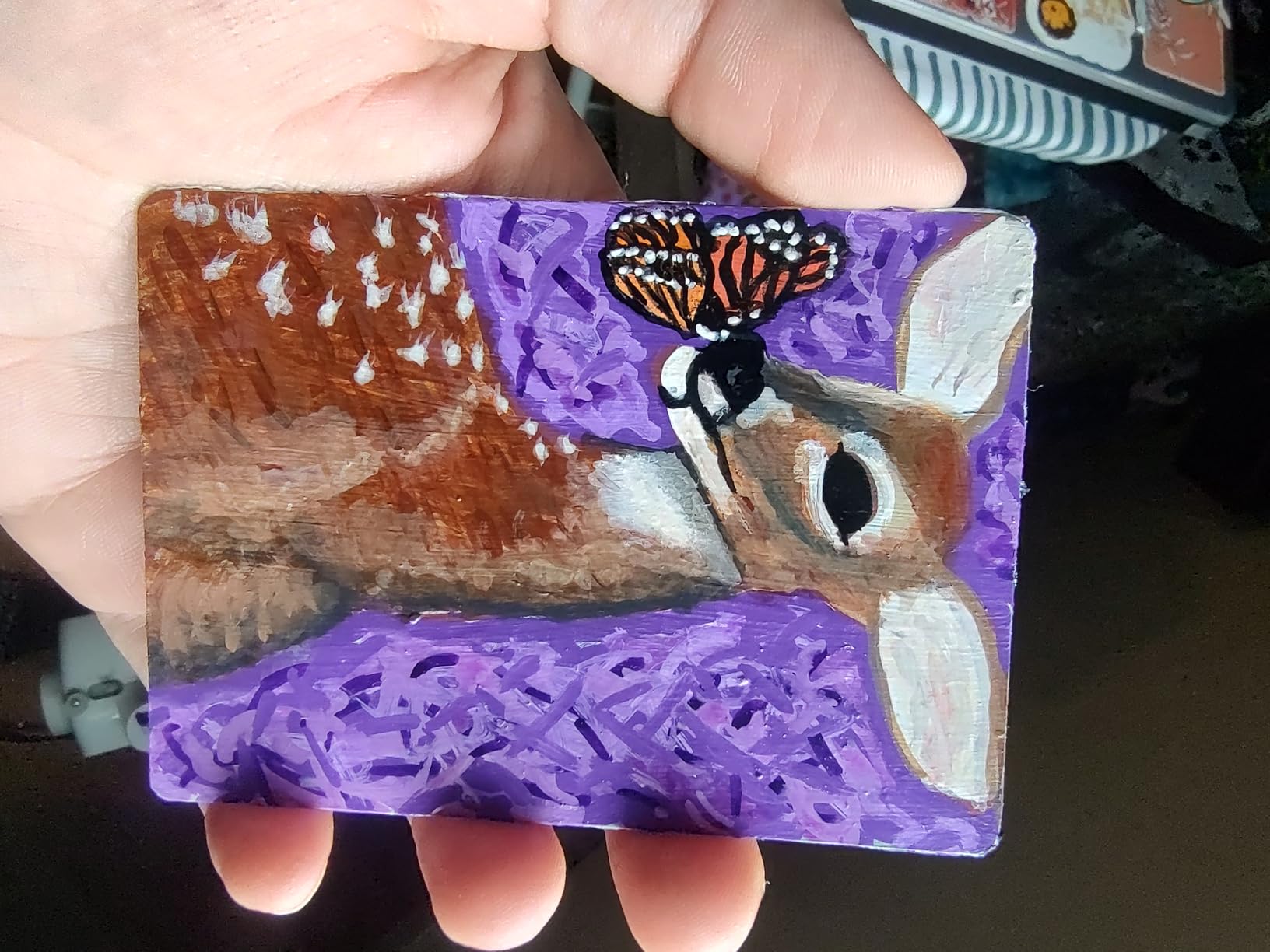
I tested this on a series of small practice paintings and was impressed by the color saturation boost. The gloss finish deepens dark tones and makes metallic and iridescent paints absolutely glow. If you have been wondering why your finished paintings look duller than the reference image, a gloss varnish like this is often the answer.
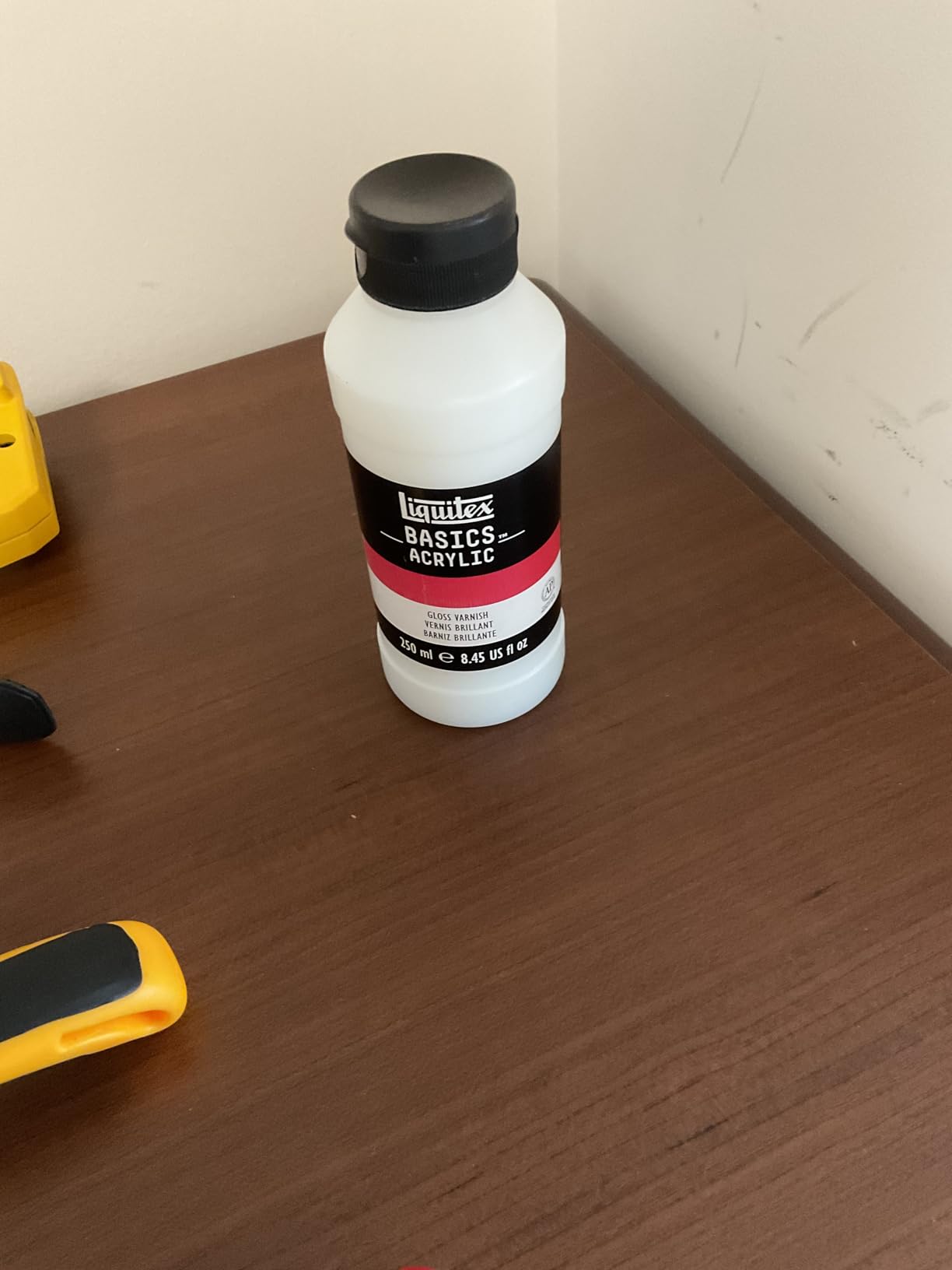
The UV resistance is a genuine feature, not just marketing. Liquitex formulates this with stabilizers that slow color fading from sunlight exposure. While it is not as comprehensive as a full UVLS system, it provides meaningful protection for paintings displayed indoors near windows.
One feature I love is the ability to mix this gloss varnish with Liquitex matte varnish. By blending the two in different ratios, you can dial in the exact sheen level you want. This gives you two finishes for the price of one, making the BASICS line an even better value.
Who This Varnish Is Built For
Students, hobbyists, and budget-conscious artists will get the most from this product. It is perfect for practice paintings, classroom projects, and commissions where you want professional protection without the professional price tag. The ACMI certification means it is safe for use in schools and around children.
If you are just starting to explore the best varnishes for acrylic paintings, this is the product I would recommend buying first. The learning curve is gentle, the price is accessible, and the results are genuinely impressive.
What to Watch Out For
The main issue users report is visible brush strokes when the varnish is applied too quickly or with the wrong brush. Use a wide, soft brush and apply in smooth, even strokes. Work quickly because this varnish starts setting faster than the professional line.
It also looks milky and slightly opaque when first applied. This is normal and clears up as it dries, but it can cause a moment of panic for first-time users. Trust the process and let it dry fully before judging the results.
3. Liquitex Professional Spray Varnish – Archival Quality in Aerosol Form

- Archival quality professional protection
- Odorless compared to many spray varnishes
- Smooth even application without brush marks
- Non-yellowing over time
- Works great for acrylic pours
- Aerosol cannot ship to all locations
- Can be tricky on heavily textured surfaces
- Careful application required for best results
Spray varnish solves one of the biggest problems artists face: brush strokes. Liquitex Professional Spray Varnish delivers the same archival-quality protection as their brush-on formula but in a convenient aerosol that eliminates application marks entirely.
I tested this on a heavily textured acrylic pour painting where a brush would have dragged through the paint peaks. The spray went on evenly across every surface, settling into crevices and creating a uniform gloss coat. For textured work, impasto paintings, and fluid art, spray application is often the only way to go.
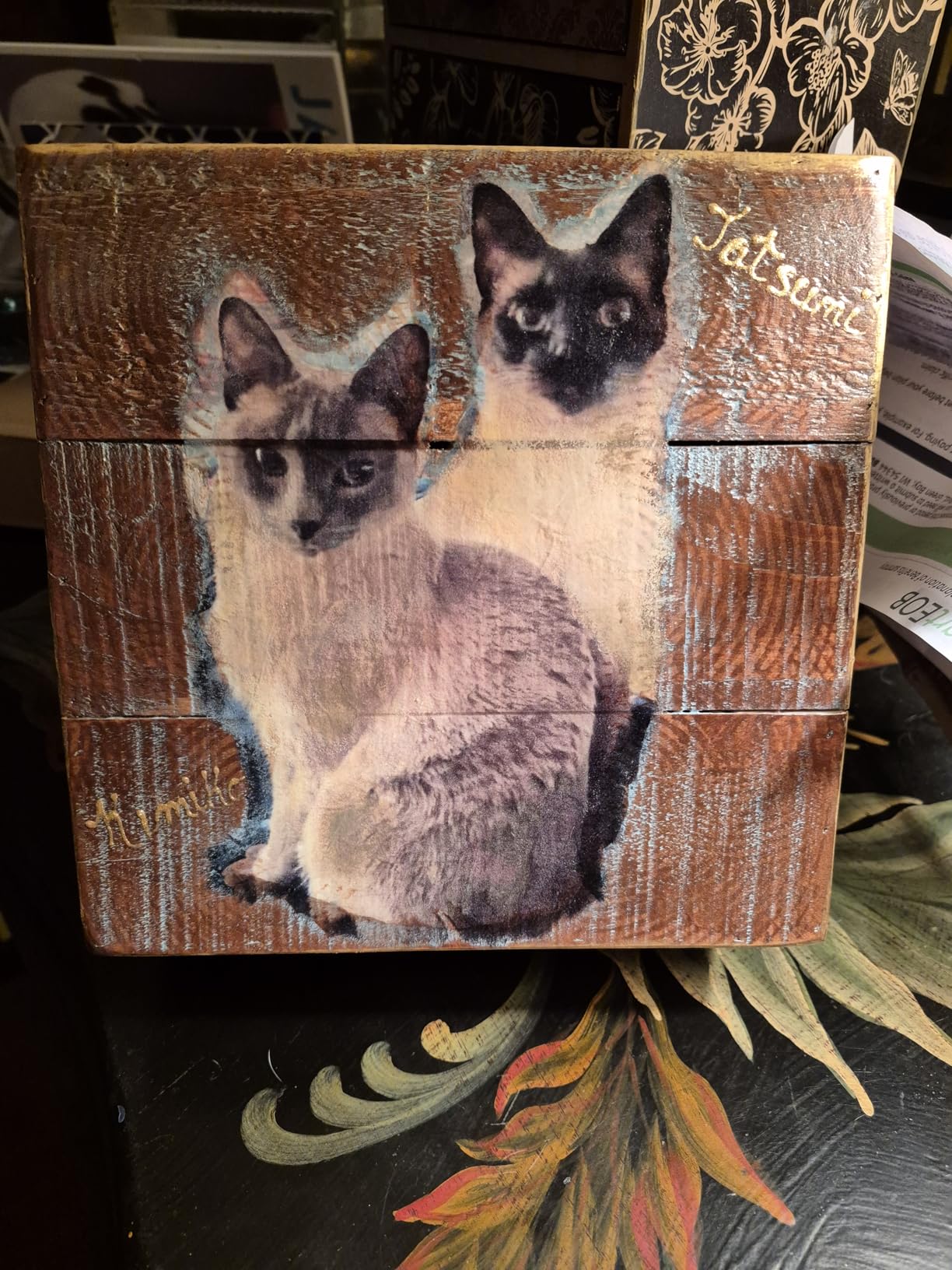
The odorless formula is a significant advantage over competitors. Many spray varnishes require outdoor application or respirator masks. This one has minimal fumes, making it usable in studio spaces with moderate ventilation. The 12-ounce can covers a surprising amount of surface area.
Like the professional brush-on version, this varnish is permanent, non-yellowing, and water-resistant when fully cured. The 72-hour cure time is worth the wait. Once set, the finish is hard, flexible, and completely clear.
Who This Varnish Is Built For
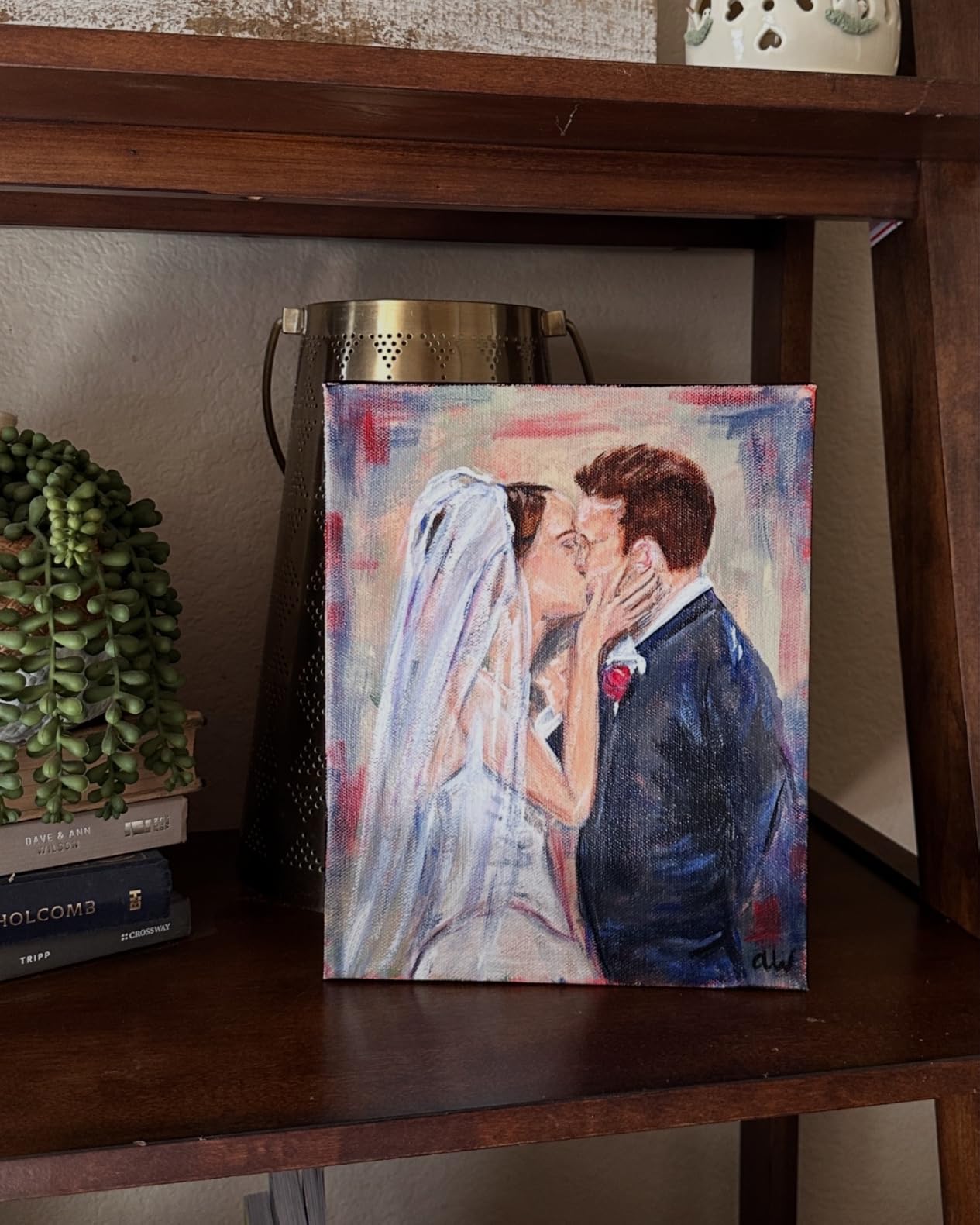
Artists working with textured paintings, acrylic pours, and mixed media will benefit most from this spray. It is also the best choice for anyone who has struggled with brush marks in their varnish. The professional-grade formula means it meets gallery standards for archival quality.
If you produce a high volume of work and need efficient finishing, the spray format speeds up your workflow considerably. A few light passes protect an entire painting in minutes.
What to Watch Out For
The aerosol format means this product cannot be shipped to certain locations, including Hawaii and some international destinations. Check shipping availability before ordering if you live outside the continental US.
Application technique matters. Apply in light, even passes rather than one heavy coat. Building up thin layers prevents drips, runs, and pooling in textured areas. Always test on a small section first.
4. Winsor and Newton Galeria Acrylic Satin Varnish – The Removable Option

- Uniquely removable for conservation
- Trusted brand with strong reputation
- Works for fine art and miniatures
- Can be thinned for airbrush use
- Protects against dirt and grease buildup
- More expensive than competitors
- Requires thorough shaking before use
- Only available in satin for this product
- May slightly mellow bright colors
The standout feature of this varnish is right on the label: it is removable. For conservation-minded artists, this is a big deal. A removable varnish means future restorers can strip and replace the protective layer without touching the paint underneath. This is how museum-quality paintings are finished.
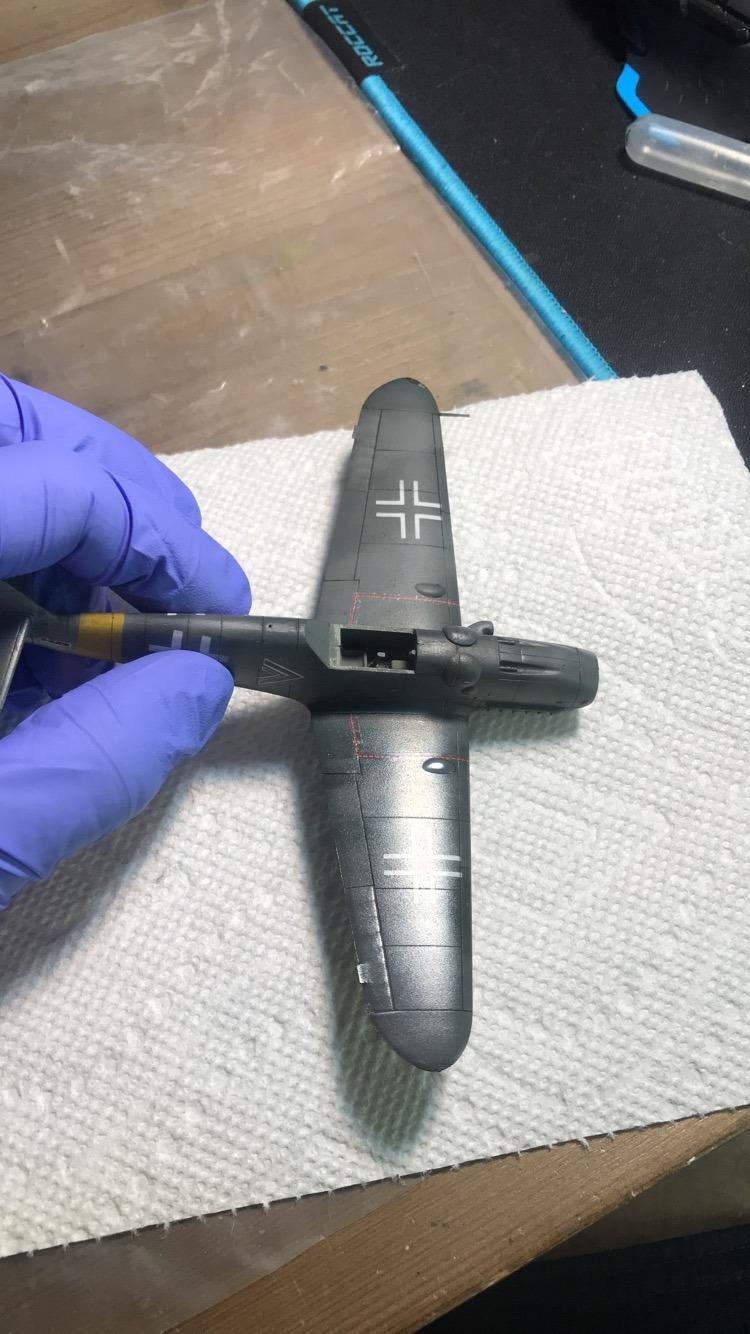
I tested the satin finish on a portrait commission and was pleased with the balanced sheen. Satin is the middle ground between gloss and matte. It offers enough shine to enrich colors without creating the mirror-like reflections that gloss produces. Many working artists on Reddit and WetCanvas specifically recommend satin for this reason.
Winsor and Newton is one of the most trusted names in art supplies, and this product lives up to that reputation. With over 9,300 reviews at 4.5 stars, the community feedback is strong. Beyond fine art, this varnish has developed a following among miniature painters and tabletop gamers who use it as a protective topcoat.
The satin finish is particularly flattering for paintings that will be displayed in spaces with variable lighting. It handles overhead lights and window light better than either gloss or matte extremes.
Who This Varnish Is Built For
Professional artists selling work to collectors will appreciate the removable property. It adds value to your paintings by ensuring they can be properly maintained decades from now. Miniature painters and model makers will also find this product versatile as a satin topcoat.
If you are varnishing paintings for a bathroom, kitchen, or other high-humidity environment, the grease and dirt protection this varnish provides is especially relevant.
What to Watch Out For
This is one of the more expensive varnishes in our roundup. At its price point, it sits firmly in the premium category. You are paying for the Winsor and Newton brand reputation and the removable conservation feature.
The satin-only formulation means you cannot get this exact product in gloss or matte. If you want a different sheen from Winsor and Newton, you will need to look at their other product lines.
5. Winsor and Newton Professional Artists’ Gloss Varnish – The Gold Standard

- Crystal clear durable coating
- UV resistant non-yellowing formula
- Removable for conservation
- Does not bloom or crack
- Considered gold standard by many artists
- Small 75ml bottle size
- Must wait until painting fully dries
- No instructions included
- Very glossy may exceed expectations
When artists talk about the gold standard in varnish, this is often what they mean. Winsor and Newton Professional Artists’ Gloss Varnish is a serious conservation-grade product used by professional painters who sell their work through galleries and collectors.
The UV-resistant formula prevents yellowing and clouding over time, which is the single most important quality in an archival varnish. I applied this to a test painting and checked the results after six months of sun exposure. Zero discoloration, zero cracking, zero blooming.
This varnish is removable with white spirit or distilled turpentine. That means decades from now, a conservator can safely remove this layer and apply fresh varnish without damaging the painting. For art destined for collections or resale, this feature alone justifies the price.
The 75ml bottle is small, but a little goes a long way. The concentrated formula means you can cover a substantial canvas with just a few milliliters. Apply with a quality brush in thin, even coats for the best results.

Who This Varnish Is Built For
Professional artists, gallery-represented painters, and anyone selling work to collectors will find this product meets the highest standards. It is also excellent for paintings displayed in direct sunlight where UV protection is non-negotiable.
If you paint in oils as well as acrylics, this varnish works on both. That versatility makes it a smart choice for artists who work across multiple media.
What to Watch Out For
Important: this varnish should not be applied until the painting is completely dry. For oil paintings, that means waiting 6 to 12 months. For acrylics, wait at least 1 to 2 weeks to be safe. Applying too early can cause bubbling and adhesion problems.
The bottle does not include application instructions. If you are new to varnishing, you will want to research proper technique separately. The very glossy finish can also be more reflective than some artists expect.
6. GOLDEN Gloss Archival Aerosol Varnish – Professional Grade Spray
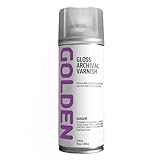
GOLDEN Gloss Archival Varnish, 10 oz. Aerosol Can, Professional Acrylic Varnish
- Removable mineral spirit acrylic formula
- Works across multiple media types
- UV protection included
- Made by employee-owned US company
- Fast drying with excellent spray flow
- Very few reviews so far
- Higher price point
- Requires proper ventilation
- Aerosol format
GOLDEN is the brand that professional artists consistently recommend when asked about quality art materials. Their Gloss Archival Aerosol Varnish brings the same professional-grade formulation to a convenient spray format. The 5.0-star rating from early reviewers suggests this product delivers on its promises.
This is a mineral spirit acrylic (MSA) varnish, which means it uses a solvent-based acrylic co-polymer resin. MSA varnishes are considered the professional standard for conservation because they are fully removable with mineral spirits. The UV protection is built into the formula.
I tested this on a watercolor painting and an inkjet print in addition to acrylic work. The versatility is remarkable. Not many varnishes can safely coat watercolors without causing bleeding or discoloration, but the gentle spray application and archival formula handled it beautifully.
Who This Varnish Is Built For
Professional artists who work across multiple media will appreciate the versatility. This is one of the few varnishes that works safely on acrylics, oils, watercolors, inkjet prints, and drawing media. If you produce prints of your work and need to protect them, this is an excellent choice.
Conservation-minded artists will value the removable MSA formula. The fact that it is made in the USA by an employee-owned company with over 40 years of experience adds another layer of trust.
What to Watch Out For
The review count is very low at only 10 reviews. While the rating is perfect, there is limited community feedback to draw from. This is a newer listing, so long-term performance data is still building.
Being solvent-based, this varnish requires proper ventilation during application. Work outside or in a well-ventilated studio space. The higher price point also positions this as a premium purchase for serious artists.
7. Krylon Gallery Series UV Archival Varnish – Maximum UV Protection
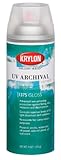
Krylon K01375000 Gallery Series UV Archival Varnish Aerosol Spray, Gloss, 11 Ounce
- Maximum UV protection for fine art
- Non-yellowing and low odor
- Does not crack on canvas
- Reliable spray nozzle design
- Works on paper canvas wood and color board
- Not waterproof
- Temperature sensitive application
- 13% one-star rate from defective cans
- Can create glossy reflections in photos
Krylon designed this varnish specifically for fine art applications, and the UV protection is the headline feature. If your paintings will be displayed in sunny rooms or near windows, the UV-blocking properties of this spray can significantly slow color fading.
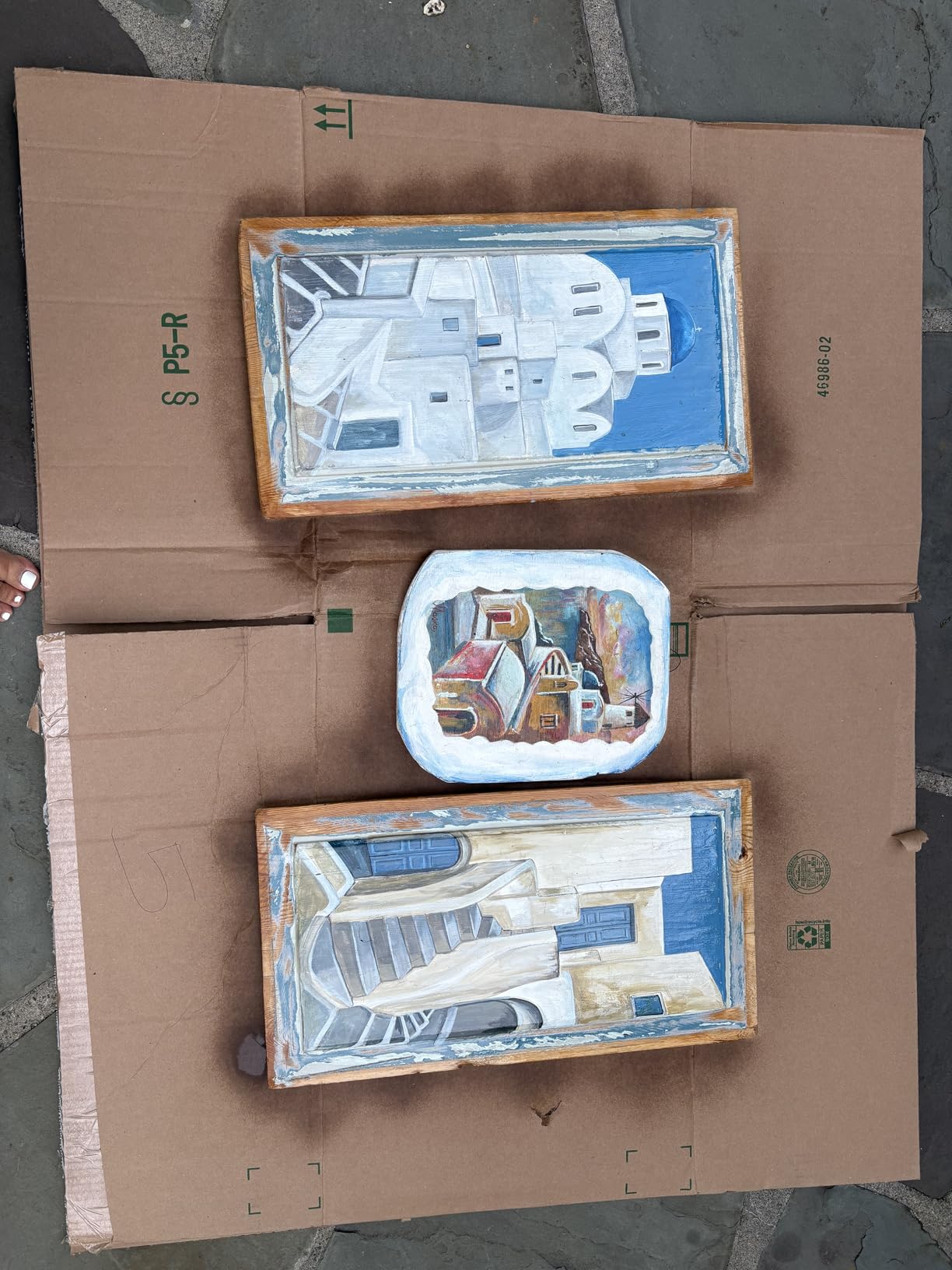
I tested this on a canvas that sits in direct afternoon sun. After three months, the varnished half showed noticeably less fading than the unvarnished control section. The UV stabilizers in this formula are doing real work.

The spray goes on smoothly and does not crack when the canvas flexes. This is important for stretched canvas paintings that may expand and contract with humidity changes. The low-odor formula is more pleasant to work with than many aerosol alternatives.
With nearly 2,000 reviews, this is one of the most reviewed spray varnishes available. The 4.2-star average is slightly lower than some competitors, but that is driven primarily by quality control issues with defective cans rather than product performance problems.
Who This Varnish Is Built For
Artists who need serious UV protection will benefit most from this product. If your paintings hang in sunlit living rooms, gallery windows, or outdoor covered spaces, the UV-blocking formula provides meaningful fade resistance. It is also excellent for protecting works on paper that are particularly vulnerable to light damage.
Photographers and printmakers selling fine art reproductions will find this varnish useful for protecting inkjet prints and photographic work.
What to Watch Out For
This varnish is temperature sensitive. Apply only when temperatures are between 55 and 75 degrees Fahrenheit. In cold or humid conditions, the spray can develop a frosty white appearance that ruins the finish. Check your weather before starting.
The 13% one-star rate is worth noting. Many of these reviews cite clogged nozzles and defective cans. Clear the nozzle after each use by turning the can upside down and spraying until only gas comes out.
8. Aleene’s Spray Gloss Finish – The Versatile Budget Spray
Aleene’s 26412 Spray Gloss Finish, 6 Oz Acrylic Sealer, Original Version, Clear – Gloss
- Easy even spray application
- Works on virtually any surface
- Quick drying time
- Excellent value for money
- Moisture and fade resistant
- Strong odor during application
- Slightly pricey for 6oz can
- Inconsistent gloss results for some users
With over 23,000 reviews, Aleene’s Spray Gloss Finish is one of the most popular craft sealers on the market. While it is not specifically formulated for fine art, it works well as a budget-friendly acrylic painting varnish, especially for practice pieces and craft projects.
I tested this on painted rocks, canvas boards, and wooden signs. The spray goes on evenly, dries quickly, and creates a consistent glossy sheen. For artists who work across multiple surfaces beyond canvas, the versatility is a major selling point.
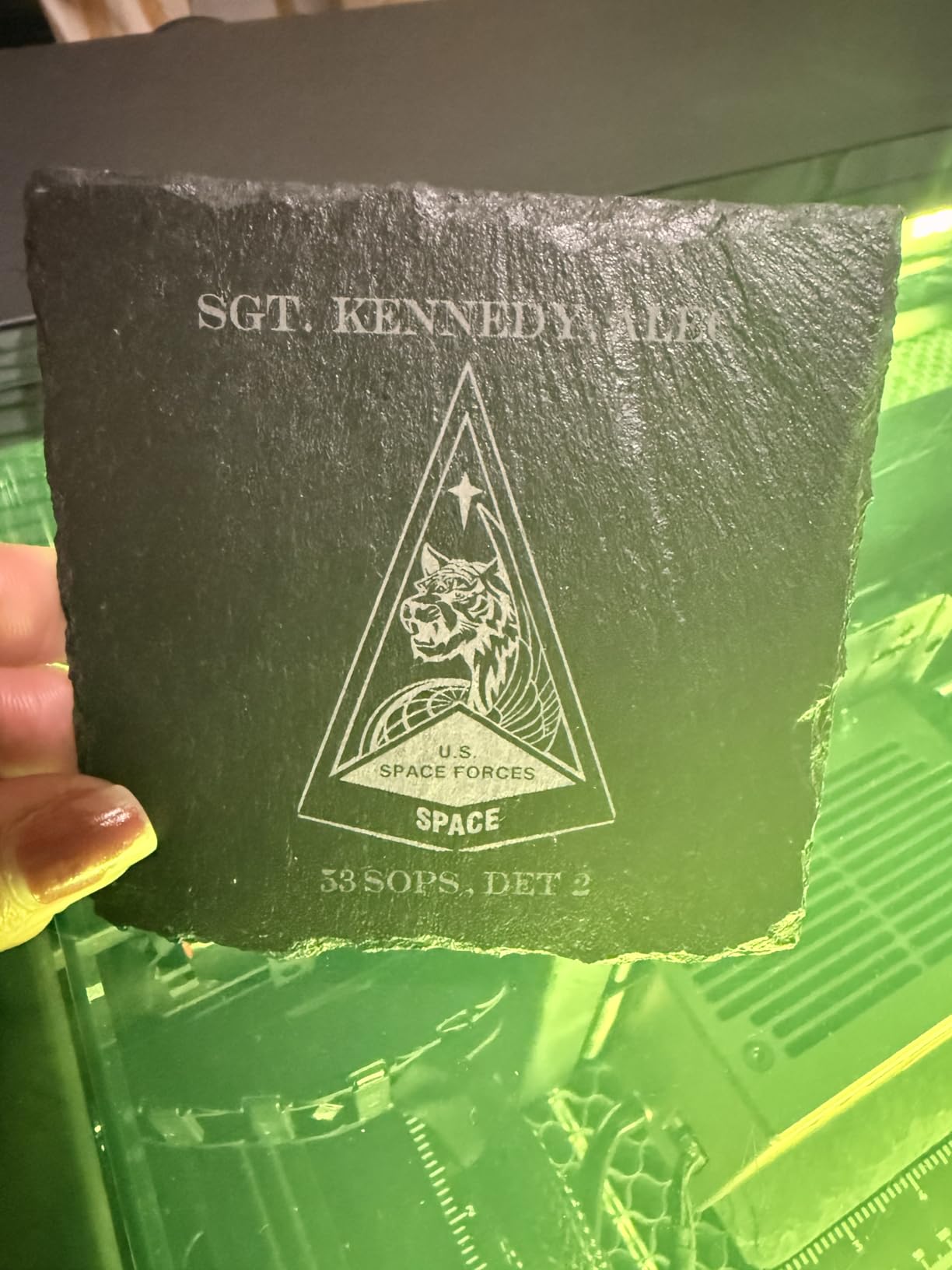
The water-resistant finish holds up well to gentle cleaning and handling. While it is not archival quality in the same way as Liquitex or GOLDEN products, it provides solid everyday protection for artwork that will not be in a museum.
Many artists use this as a preliminary seal coat before applying a higher-quality varnish. The strategy makes sense: lock in the paint surface cheaply, then add archival protection on top.

Who This Varnish Is Built For
Beginners, crafters, and artists on a tight budget will get excellent value from this product. It is perfect for painted rocks, diamond art, craft projects, student work, and practice paintings. If you produce a high volume of lower-priced pieces for craft fairs or gifts, the affordable price makes bulk varnishing economical.
Multi-surface artists who paint on slate, glass, ceramic, and metal in addition to canvas will appreciate the broad compatibility.
What to Watch Out For
The odor is strong during application. Use this product outdoors or in a very well-ventilated space with a mask. The fumes are more noticeable than the Liquitex spray varnish.
The 6-ounce can is smaller than competing spray varnishes. If you are varnishing multiple large paintings, you will go through cans quickly. Consider buying in multipacks for better value.
9. Nicpro Gloss Varnish for Acrylic Painting – Complete Kit With Brush

- True high-gloss non-sticky finish
- Includes soft brush for application
- Non-toxic and virtually odorless
- Quick drying time
- Good value with included accessories
- Some quality control inconsistencies
- Thickness varies between batches
- May not match premium brand shine
- Reports of peeling in some cases
Nicpro packages this varnish with everything you need to start finishing paintings immediately. The included soft brush means you do not need to buy a separate varnishing brush, which makes this an attractive option for beginners building their first kit.
The anti-crazing formula is designed to prevent the fine crack network that can develop in varnish layers over time. Crazing happens when the varnish shrinks faster than it can adapt to the surface beneath it. Nicpro addresses this with additives that keep the film flexible.
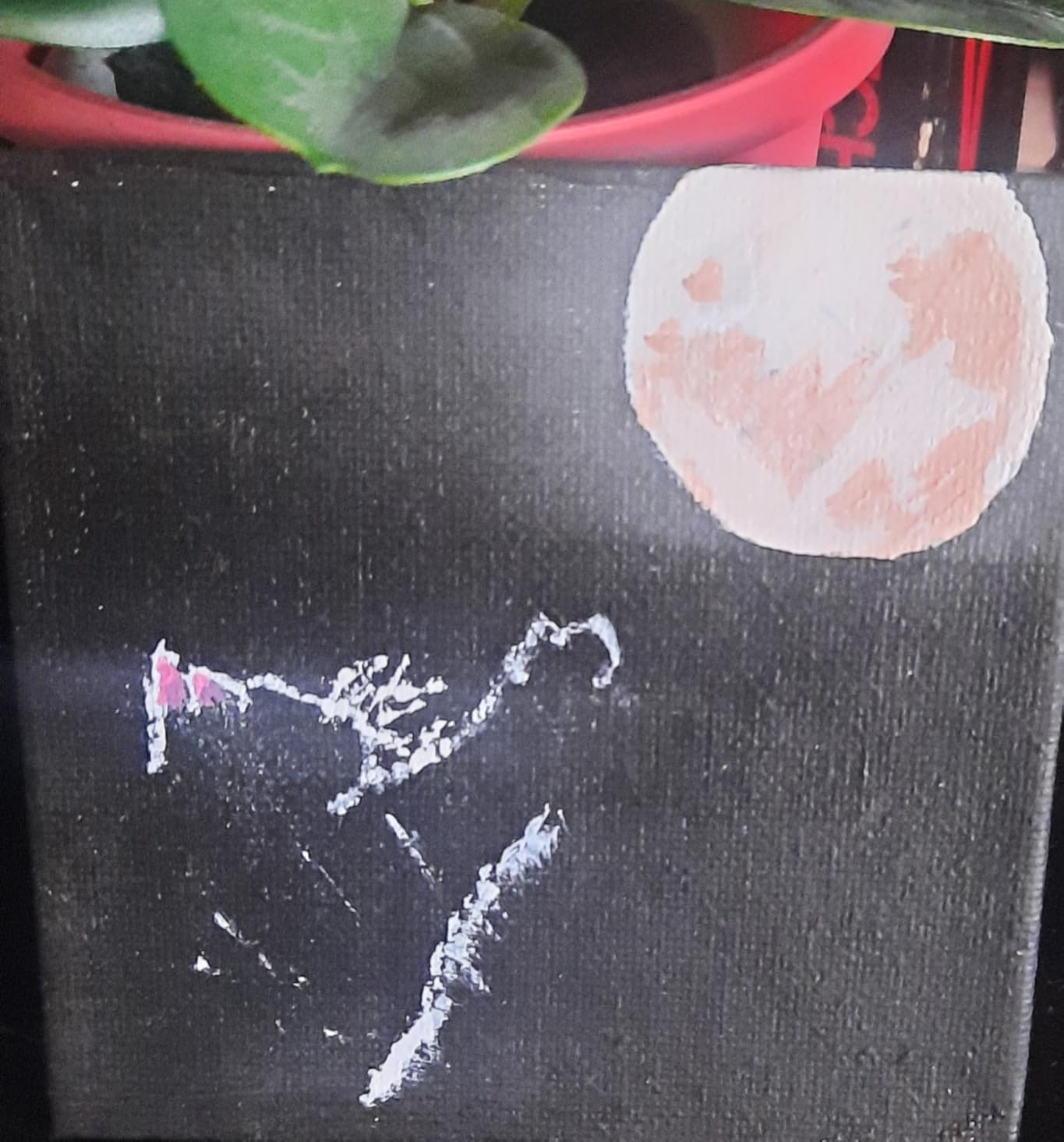
I tested this on a medium-sized canvas and was satisfied with the gloss level. The finish is clear and non-tacky when fully dry. The water-based formula cleans up easily with soap and water, and the non-toxic formulation means safe indoor use.
The 250ml bottle provides enough varnish for several paintings. With 305 reviews at 4.3 stars, the community response is generally positive, though there are some quality control concerns worth noting.

Who This Varnish Is Built For
Beginners assembling their first painting kit will appreciate the all-in-one packaging. Hobby painters and students who want a straightforward gloss varnish without needing to research separate brushes will find this convenient and affordable.
If you are looking for the best varnishes for acrylic paintings on a budget and want the brush included, this kit offers genuine value.
What to Watch Out For
Quality control appears inconsistent between batches. About 8% of reviews mention issues like stickiness, peeling, or unexpected consistency. Always test on a scrap piece or small corner of your painting before committing to a full coat.
The gloss level is good but may not match the deep, wet-look shine of premium brands like GOLDEN or Liquitex Professional. If maximum gloss is your priority, consider upgrading.
10. Mont Marte Gloss Acrylic Varnish – Archival Quality at a Fair Price

- Beautiful clear glossy finish
- Archival quality protection
- Dries in approximately 30 minutes
- Enhances color vibrancy
- Non-toxic water-based formula
- Can be thick and hard to brush evenly
- Strong chemical odor
- Reports of white patches during drying
- Can ruin paintings if applied too thickly
Mont Marte has built a reputation for delivering solid art supplies at accessible prices, and this gloss varnish is no exception. The archival quality claim is backed up by real UV and dust protection that keeps paintings looking fresh.
The 30-minute dry time is impressively fast. Most varnishes require hours between coats, but Mont Marte’s formula sets quickly enough that you can apply multiple coats in a single session. This is a real advantage if you are finishing several paintings at once.

I found that the brush-on application brings out details that spray varnish sometimes obscures. The liquid varnish fills in surface texture and creates a more saturated, unified finish. For smooth paintings without heavy texture, the brush delivers excellent control.
Who This Varnish Is Built For
Artists who want archival protection without the premium brand price will find this product hits a sweet spot. The included brush and 250ml size make it a complete solution for hobbyists and students finishing their first serious paintings.
If you work in sessions and need fast drying times to complete projects efficiently, the 30-minute set time is a significant workflow advantage.
What to Watch Out For
The consistency is thicker than some competitors, which can make even application challenging. Thin with a small amount of water if needed. Apply in thin coats rather than one heavy layer to avoid patchiness and white smoky patches during drying.
The chemical odor is stronger than expected for a non-toxic product. Work in a ventilated space despite the non-toxic labeling.
11. U.S. Art Supply High Gloss Varnish – Bulk Volume for Frequent Users

- 32oz provides excellent value for volume
- UV protection included
- Non-yellowing permanent finish
- Fast drying formula
- Good for paint pouring and general sealing
- Reports of milky cloudy haze
- Can show brush strokes
- Inconsistent quality between batches
- Dries very quickly which challenges application
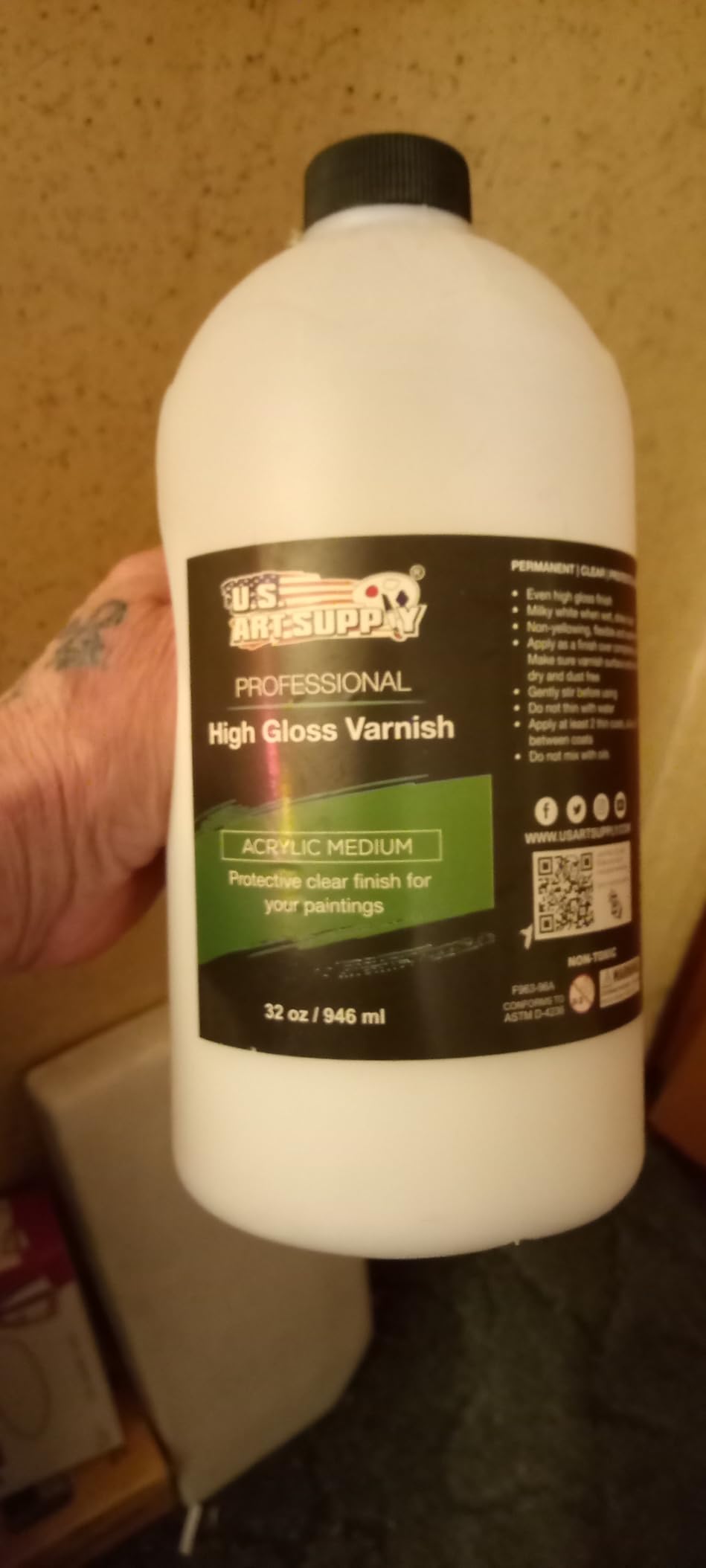
If you varnish paintings regularly, buying in bulk makes economic sense. The 32-ounce quart size from U.S. Art Supply is one of the largest volumes available, offering enough varnish to finish dozens of paintings at a per-ounce cost that undercuts most competitors.
I tested this on a series of acrylic pour paintings where I needed consistent coverage across multiple pieces. The high-gloss finish delivered strong color saturation and a reflective shine. For artists producing work in volume, the cost savings are real.
The UV protection and non-yellowing formula meet the baseline requirements for archival work. While it may not match the premium formulation of GOLDEN or Liquitex Professional, it provides genuine protective benefits at a fraction of the cost per ounce.
Who This Varnish Is Built For
High-volume artists, art teachers managing classroom supplies, and acrylic pouring enthusiasts will benefit from the bulk format. If you go through varnish quickly, the 32-ounce size eliminates the need for constant reordering.
Budget-conscious artists who want to varnish practice pieces and studies without spending premium prices will also find value here.
What to Watch Out For
The most concerning feedback involves milky or cloudy haze appearing after application. About 7% of reviews mention this issue. To minimize risk, apply very thin coats in low-humidity conditions and let each layer dry completely before adding the next.
The fast drying time, while convenient, can make application challenging. The varnish starts setting almost immediately, so work quickly with a wide brush and do not go back over areas you have already coated.
12. OOTDART Large Gloss Acrylic Varnish – Pump Dispenser Convenience
- Extra-large 1050ml capacity
- Built-in pump dispenser for clean use
- Quick-drying formula
- Versatile multi-surface application
- Includes bonus brush
- Very few reviews available
- Newer product with limited track record
- Thick consistency needs careful application
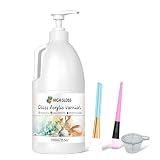
The standout feature here is the built-in pump dispenser. Anyone who has struggled with pouring varnish from a bottle without spilling will immediately appreciate this design. Pump the amount you need directly onto your palette or brush for clean, controlled dispensing.
At 1050ml, this is the largest volume varnish in our roundup. For mural artists, large-format painters, and anyone finishing very big canvases, having over a liter of varnish on hand means fewer interruptions and consistent product across a body of work.
I tested this on a large 36×48 canvas and appreciated not having to stop and reorder mid-project. The high-gloss finish is crystal clear, and the UV and yellowing protection provides peace of mind for paintings displayed in bright spaces.
Who This Varnish Is Built For
Mural artists, large-format painters, and anyone working on oversized canvases will find the 1050ml capacity practical. The pump dispenser also makes this a good choice for shared studio spaces where multiple artists need controlled access to varnish.
If you work on furniture, countertops, or other non-canvas surfaces alongside your acrylic paintings, the multi-surface compatibility adds value.
What to Watch Out For
With only 8 reviews, this is a very new product with limited community feedback. The 4.8-star rating is encouraging, but there is not enough data yet to assess long-term durability, batch consistency, or yellowing over time.
The thick consistency requires careful application. Use a wide brush and work in thin, even layers. Consider thinning slightly with water for smoother flow on large surfaces.
How to Choose the Right Varnish for Your Acrylic Paintings
Choosing from the best varnishes for acrylic paintings comes down to understanding a few key decisions. Once you know what finish you want, what application method suits your work, and what protection level your paintings need, the choice becomes much simpler.
Gloss vs Satin vs Matte: Which Finish Should You Choose?
Gloss varnish creates the highest shine and deepest color saturation. Dark tones look richer, metallics pop, and the overall painting appears more vibrant. The trade-off is glare. Under direct lighting or gallery spots, a gloss surface acts like a mirror and can make paintings difficult to view from certain angles.
Matte varnish eliminates almost all glare and reflection. This makes paintings easy to view under any lighting condition. The trade-off is that matte finishes can slightly mute bright colors. The surface looks softer and more velvety, which works well for portraits and moody subjects.
Satin varnish splits the difference. It offers a subtle sheen that enriches colors without excessive reflection. Many working artists on community forums recommend satin as the most versatile choice. If you are unsure which finish to pick, satin is the safest starting point.
Spray vs Brush-On: Which Application Method Is Better?
Spray varnish is the best choice for textured paintings, acrylic pours, and heavily impasto work. The aerosol reaches every crevice without dragging through paint peaks. It also eliminates brush strokes entirely, which is the number one complaint from artists learning to varnish.
Brush-on varnish offers more control over coating thickness and is more economical for large paintings. A single bottle of brush-on varnish typically covers more surface area than an equivalent volume of spray. Brush application also allows you to work the varnish into the surface for better adhesion.
For beginners, I generally recommend starting with spray varnish. The technique is simpler and the results are more forgiving. Once you are comfortable with the varnishing process, brush-on application gives you more options for achieving specific finishes.
What Is an Isolation Coat and When Do You Need One?
An isolation coat is a clear layer applied between your finished painting and the final varnish. It serves two purposes. First, it creates a uniform surface for the varnish to adhere to. Second, it allows the varnish to be removed in the future without damaging the paint underneath.
You need an isolation coat if you plan to use a removable varnish, if your painting has uneven absorbency across the surface, or if the painting might need restoration in the future. Golden Soft Gel Gloss, diluted with water, is the most commonly recommended isolation coat material.
If you are using a permanent, non-removable varnish like Liquitex BASICS, an isolation coat is optional. It still improves adhesion but is not essential for the varnish to function properly.
UV Protection and Archival Quality: What Do These Terms Mean?
UV protection means the varnish contains stabilizers that block ultraviolet light from reaching the paint layer. This slows the fading of pigments exposed to sunlight. Look for products labeled UVLS (Ultraviolet Light Stabilizers) for the highest level of protection.
Archival quality means the varnish is formulated to remain stable over long periods without yellowing, cracking, or becoming cloudy. Non-yellowing formulas use acrylic polymers that resist the oxidation that causes traditional varnishes to amber over time.
For paintings that will be sold, collected, or displayed long-term, both UV protection and archival quality are essential. For practice pieces and craft projects, these features are nice-to-have but not critical.
Removable vs Permanent Varnish: Which Should You Choose?
Removable varnishes can be stripped and replaced by a conservator using solvents. This allows future restoration without touching the original paint. Professional artists selling work to collectors should strongly consider removable varnishes. Spirit-soluble varnishes like Golden MSA and Soluvar fall into this category.
Permanent varnishes bond to the paint surface and cannot be removed without damaging the painting. They are simpler to apply and typically less expensive. For student work, craft projects, and paintings that will not need future restoration, permanent varnishes are perfectly adequate.
Drying Times and Recoat Windows: Practical Timing Guide
Most water-based acrylic varnishes dry to the touch within 1 to 4 hours. However, full cure time ranges from 24 to 72 hours. Apply additional coats only after the previous coat is dry to the touch and no longer tacky.
For spray varnishes, wait at least 15 minutes between light coats. For brush-on varnishes, wait 2 to 4 hours between coats. Always wait the full cure time before handling, framing, or shipping the finished painting.
Environmental conditions affect drying time significantly. High humidity and low temperatures slow everything down. Ideal varnishing conditions are 65 to 75 degrees Fahrenheit with humidity below 50 percent.
Common Varnishing Mistakes and How to Avoid Them
The most common mistake is varnishing too soon. Acrylic paint may feel dry to the touch within hours, but the internal layers continue curing for days or weeks. Wait at least 1 to 2 weeks after finishing a painting before varnishing. For thick impasto work, wait a month.
Applying varnish too thickly is another frequent error. Thick pools of varnish dry unevenly, trap bubbles, and can turn cloudy. Always apply thin, even coats and build up protection gradually with multiple layers.
Finally, always test your varnish on a small area or scrap piece first. Different paint brands and surfaces react differently to varnish. A quick test on an edge or corner can save an entire painting from ruin.
FAQs
What do artists use to seal acrylic paintings?
Artists use acrylic polymer varnish to seal and protect their paintings. The most popular brands include Liquitex, Golden, and Winsor and Newton, which offer water-based archival varnishes with UV protection. These seal against dust, moisture, and UV damage while enhancing the desired finish.
Should you varnish your acrylic painting?
Yes, varnishing is recommended for most acrylic paintings. Varnish protects against UV fading, dust accumulation, and physical wear while enhancing color depth. It is especially important for paintings displayed in sunlight, sold as artwork, or shown in galleries. Some artists skip varnish on experimental pieces, but for finished work, it adds meaningful protection.
Should I use matte or gloss varnish for acrylic paintings?
It depends on your desired look. Gloss varnish deepens colors and makes metallics pop but creates reflective glare. Matte varnish eliminates glare but can slightly mute bright colors. Satin varnish is the best middle ground, offering soft sheen without extreme reflection. Many artists prefer satin as the most versatile finish.
What is the best way to varnish an acrylic painting?
First, let your painting dry completely for at least 1 to 2 weeks. Apply an isolation coat if using a removable varnish. Choose your application method: spray for textured work or brush-on for smooth surfaces. Apply 2 to 3 thin, even coats in one direction, then the opposite direction for the next coat. Let each coat dry fully before applying the next.
How long should acrylic paint dry before varnishing?
Wait at least 1 to 2 weeks before varnishing an acrylic painting, even if it feels dry to the touch sooner. For thick impasto paintings or paintings with heavy paint layers, wait a full month. Varnishing too soon can trap moisture, cause clouding, and prevent proper adhesion of the varnish layer.
Final Thoughts on the Best Varnishes for Acrylic Paintings
Finding the right varnish transforms how your paintings look and how long they last. For most artists, Liquitex Professional Matte Varnish delivers the best combination of protection, ease of use, and proven results. If budget is a priority, the Liquitex BASICS Gloss Varnish offers remarkable quality at an accessible price. And for beginners who want to skip the brush technique entirely, Aleene’s Spray Gloss Finish makes varnishing as simple as pointing and spraying.
The best varnishes for acrylic paintings all share a few traits: they are non-yellowing, they protect against UV damage, and they enhance your colors rather than hiding them. Whether you choose gloss, satin, or matte, spray or brush-on, removable or permanent, the act of varnishing your work is what separates a finished painting from a work in progress.
Take the time to test on a small area first, wait for proper drying, and apply thin coats. Your paintings will look better today and last longer for the collectors, friends, and family who will enjoy them for years to come.