
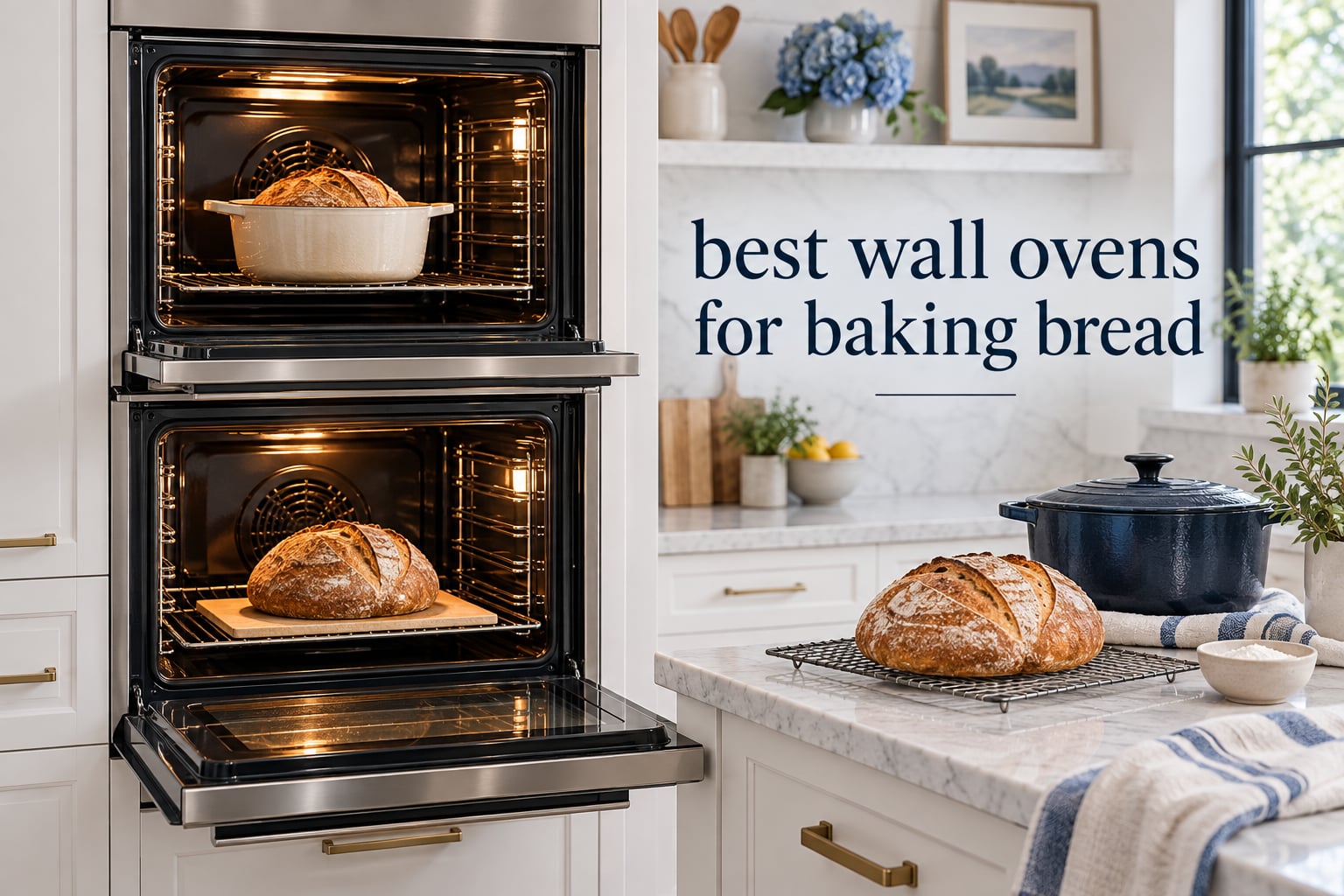
If you bake bread more than once a week, the oven becomes the single piece of equipment that decides whether your loaf has a shattering crust or a soft, pale one. The best wall ovens for baking bread do three things well: they hold temperature accurately through a long bake, they move air evenly around the dough, and they add moisture at the start of the bake so the crust stays flexible long enough to open up. A few models here also push real steam into the cavity, which is the closest a built-in oven gets to a Dutch oven.
We went through ten wall ovens and read every review and spec we could find, then ranked them on bread performance rather than on general cooking versatility. We paid attention to cavity size, whether convection is present, whether a proof or fermentation setting exists, how high the oven will climb, and whether the controls stay usable with flour on your hands. Feature lists look similar across this group, so the small differences matter more than the big ones.
One thing surprised us. Only two of the ten ovens here list a steam bake function, and several of the rest have no proofing mode either. That is fine for most home bakers, since a covered pot handles the steam phase and a warm corner of the kitchen handles proofing. But if you want the oven to do more of the work, the Samsung NV51K6650DG/AA is the model we would study first, since it pairs steam with two large convection cavities.
If you are still working out the basics of built-in cooking, our guides to the best wall ovens overall and the best double wall ovens cover the hardware side. For proofing equipment that sits outside the oven, our roundup of the best dough proofers for bread baking covers the rest of the problem.
Table of Contents
Top 3 Picks: Best Wall Ovens For Baking Bread (October 2026)
These three cover the most common situations. One wins on proven ownership feedback, one on value for a compact kitchen, and one on steam.


All 10 Wall Ovens Compared in 2026
This table lists every oven in the guide with the details that matter for dough. Ratings and review counts are copied exactly as buyers left them.
How We Judged These Ovens for Bread
Bread punishes an oven in ways weeknight cooking does not. A bake runs 40 to 60 minutes at temperature, then another 20 to 30 minutes cooling with the door cracked, so anything that drifts, cycles on or off loudly, or runs hot at the corners shows up in the crumb. We weighted four things above all else: temperature consistency reported by owners, how evenly heat spreads across the cavity, a usable proofing or keep-warm range, and build and control quality that will hold up over years of daily use.
We also read the negative reviews closely, because appliance reviews are mostly about installation and service rather than baking. The forum research behind this guide turned up a repeated pattern: bakers who bake weekly care far more about consistent temperature and a door that closes softly than about app control. Several long-term owners on baking forums describe proofing modes as useful only when the temperature is adjustable, and note that many are fixed near 100F with a two-hour cap. That shaped how we treat proof modes below, as a convenience rather than a feature that changes your results.
Steam vs Convection for Bread: What Actually Matters
Convection is the feature that matters most, and it is not close. A fan that circulates heat across, under and around the dough keeps the far corners of a 5 cu ft cavity from running cooler, which is what lets two loaves finish at the same time instead of one being done while the other is still pale. Every oven in this guide has a convection fan, so the real differences are in cavity size, element power and how well the fan is placed.
Steam is a different story. In a real steam oven, water is introduced at the start of the bake so the crust does not set immediately, which delays it, allows more oven spring, and gives you a thinner, shinier, better blistering surface. Only the two Samsung units here list a steam bake function. Most bakers get a workable version of the same effect with a covered cast iron pot, a tray of boiling water, or an ice cube tossed onto a preheated surface at the moment the dough goes in. if you already own a Dutch oven, our cast iron Dutch oven roundup is worth reading before spending more on the appliance. Convection fan placement is covered in detail in our convection wall oven guide.
One practical caution. Steam ovens that add moisture are not automatically better for bread. In a dual-cavity unit, only one cavity has the steam function, so you still cannot steam and bake two different breads at different times in the same session. And the moisture tends to make the oven floor sticky, so plan on a steam clean or a wipe-down cycle either way.
1. COSMO 30 inch Double Wall Oven – Best Overall for Bread
30 in. Haven Coll Double Electric Wall Oven, True Convection, Stainless
- Dual 5 cu ft cavities bake two loaves at once
- Proof mode plus true European convection
- Self-clean cycle with hidden bake element
- Three racks included out of the box
- Convection limited to the top oven
- Professional 240V installation required
- Cool-touch handle and venting add bulk to the cutout
This is the oven we would put in a kitchen that bakes several loaves a week. The top cavity runs Turbo True European convection across 5 cu ft, and the bottom cavity is a separate 5 cu ft standard bake. That pairing matters more than it sounds: proof one dough in the bottom, score and load the shaped loaf into the top.
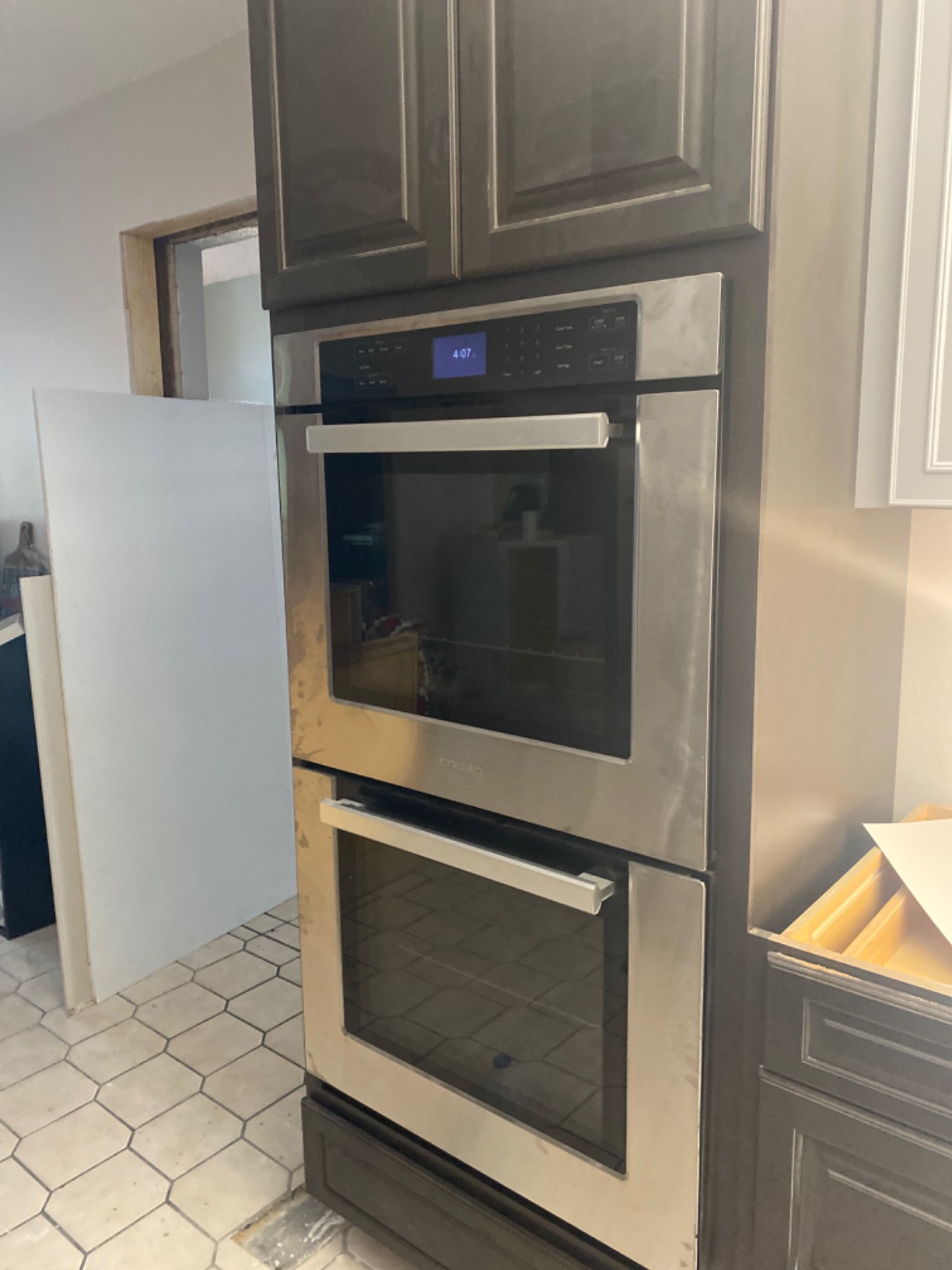
Seven functions cover Bake, Broil, Warm, Proof, Convection Bake, Convection Broil and Convection Roast. The Proof setting is the reason this model leads the list for a lot of people, because it removes the need to find a warm corner of the kitchen during winter. The included three racks and the automatic self-clean with a hidden bake element are practical touches that save time every week.
Owners describe even convection browning and good results with sourdough, and the review base of 38 is the largest in this group. A 66 percent five-star share tells you most people are satisfied, though not thrilled, which is roughly what you would expect from a model without steam.
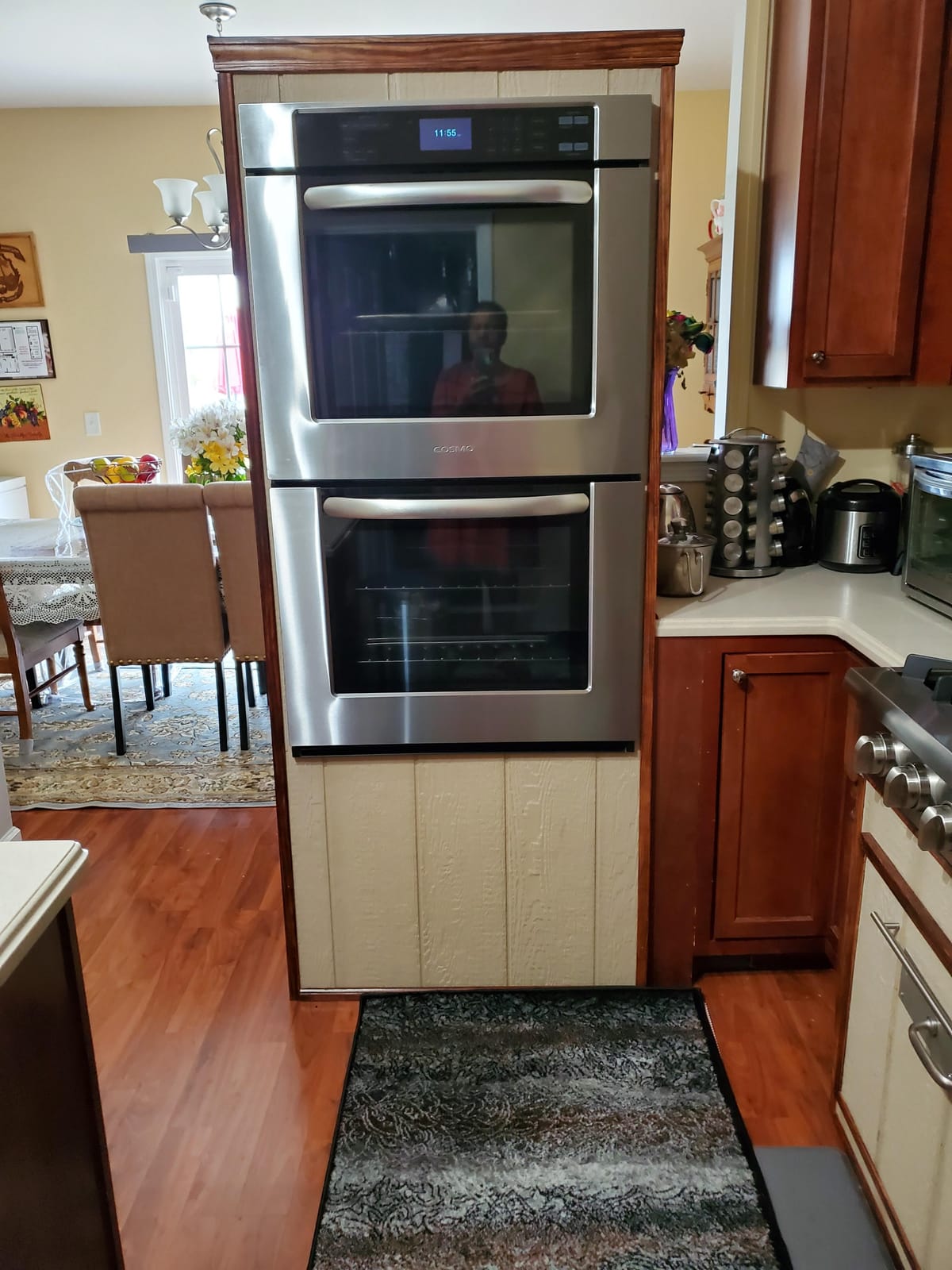
Check the cutout before you order. The unit weighs 236.5 pounds, measures 23.5 inch deep by 29.87 inch wide by 51.18 inch high, and needs a 240V hardwired connection at 4800 watts. The cool-to-touch handle and the cavity venting system both take space, so a tight cabinet opening can be a problem.
How it handles a big sourdough batch
With a 5 cu ft convection cavity you can fit two loaves on one rack with air on both sides, or bake a pair of loaves and a tray of rolls using the second rack. Because the bottom cavity bakes without a fan, use it for slow fermentation or for a second oven spring phase rather than for an even crust.
The self-clean cycle is worth taking off your hands during a weekend bake. Bread ovens get flour on the floor and walls quickly, and a hidden element means there is no exposed coil to wipe around.
Where it falls short
The single biggest limitation is that only the top oven has convection. If your plan is to run two independent loaves of the same dough in both cavities, the bottom one will brown more slowly and you will need to swap racks partway through.
Installation is not a weekend project. This is a 240V hardwired unit rated at 4800 watts, and the warranty is a one-year limited parts and labor plan, which is standard in this category.
2. KoolMore 30 inch Electric Double Wall Oven – Best for Batch Baking
- Proof mode suits sourdough schedules
- Two dishes bake at once
- Hidden bottom element wipes clean
- Commercial-grade racks and doors
- Responsive service supplied extra racks
- One rack per cavity as standard
- Convection limited to the upper oven
- Some reports of fan noise and temperature drift
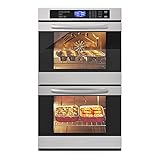
The KoolMore KM-WO30D-SS is built around the same idea as the COSMO but with a more industrial feel. Two independent 5 cu ft cavities give you 10 cu ft total, which is enough to handle a whole holiday baking run. Owners describe the racks, doors and keypad as commercial grade, and that impression comes through in the reviews.
Seven cook and baking modes include proof, convection bake, convection broil and convection roast, plus air frying. Rapid fan-assisted convection is the heating method, so the top cavity distributes heat quickly enough for a weekday bake without a long preheat. A whole turkey fitting in one cavity is a reported owner result, which tells you how much usable space you are working with.
Our team reads the control panel criticism closely because it is fair. The keypad does not backlight, and in a dark kitchen with floury hands it is genuinely hard to read. It is also worth knowing that the convection fan sits in the upper oven only, the same limitation as the COSMO.
Proofing and scheduling two bakes
The proof mode is the feature sourdough bakers mention most. Holding a shaped loaf near proofing temperature overnight means you can bake on your own schedule instead of the dough’s, and that convenience is what makes weekend batches realistic.
Because the lower cavity is standard bake, a smart schedule is to proof and warm in the bottom while the top cavity bakes at full convection temperature. The one-rack-per-cavity packaging is the annoying part of that plan, since bread bakes are exactly when you want two racks.
What to watch after the first year
A minority of owners report higher-pitched fan noise and temperature drift after a few months. That is a common finding in convection ovens of any price, and it is the reason we suggest a simple independent oven thermometer in the first weeks of ownership rather than trusting the display blindly.
The unit draws 8500 watts at 240V, so your electrical plan needs to account for that. Warranty coverage is one year parts and labor. Customer service has been responsive and has sent extra racks, which is worth knowing if you plan to bake in volume.
3. Garvee 30 inch Built-In Convection Wall Oven – Best for Rack Flexibility

Garvee 30″ Built-In Electric Wall Oven, 4.8 Cu.Ft Convection Oven with Self-Cleaning, 8 Functions, 3800W, Touch Control & Safety Lock, Certified, Stainless Steel
- Convection fan and 3800W element promote even browning
- Six rack positions fit multiple trays
- High-temperature self-cleaning cycle
- Four-layer glass door stays cooler to the touch
- 2-year manufacturer warranty
- Touch controls less precise than knobs for long bakes
- Professional 240V installation required
- No timer listed for this model
Rack positions are usually the first thing a bread baker looks at after cavity size, and this Garvee has six. That is enough to run a deck of rolls on one level and a pair of loaves on another without crowding the airflow, which is exactly the layout that stresses a convection fan.
The cavity is 4.8 cu ft, driven by a 3800W element with a convection fan for faster preheat and even browning. There are eight cooking functions on a touch panel with a safety lock, and a high-temperature self-clean cycle in a stainless steel cavity handles the flour and grease that accumulate quickly.
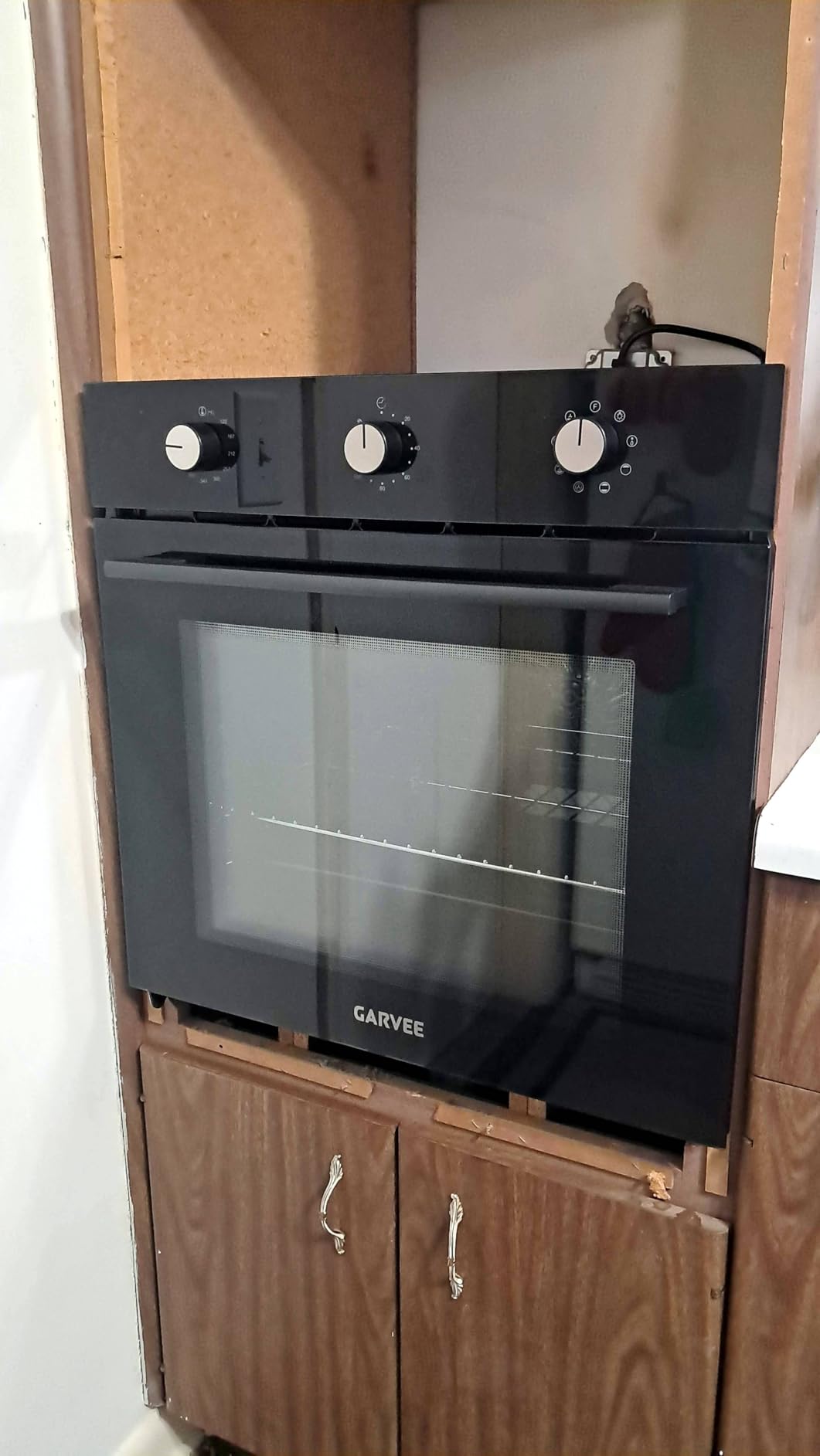
Owners rate the value highly, with a 55 percent five-star share across 23 reviews. The common thread in feedback is even heat distribution, rack flexibility and easy cleaning, with touch-control responsiveness the most frequent reservation. That last point is a real consideration for long bakes, where a small adjustment at the halfway mark matters more than a fast menu.
For a bread baker, the two-year manufacturer warranty is a genuine plus. It is longer than the one-year terms that come with several of the doubles in this guide, and it covers a component that gets opened dozens of times a week.
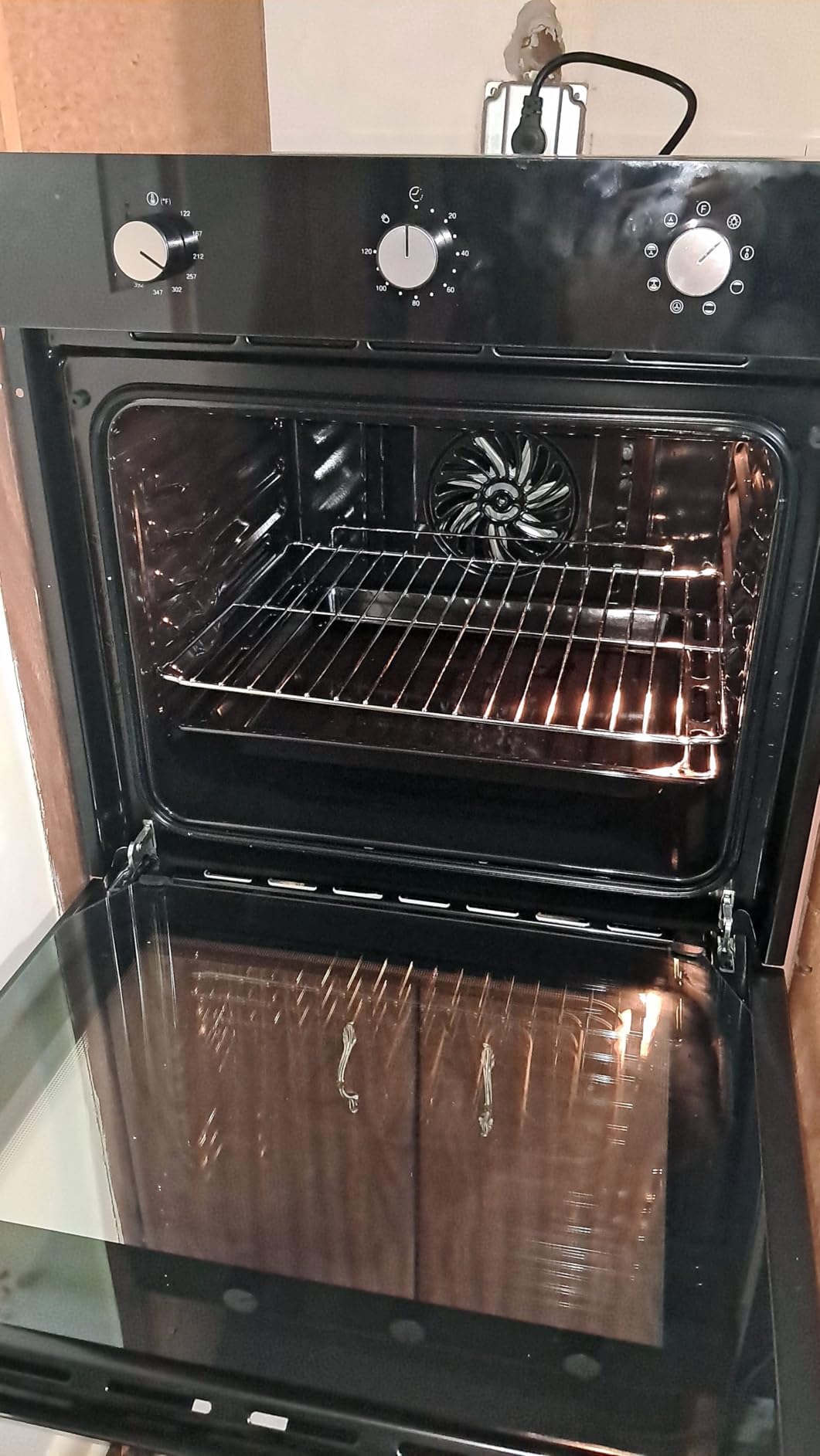
Loading and unloading heavy trays
Six positions mean you can drop a Dutch oven on the lowest shelf and a baking steel on the middle one. The 4-layer tempered glass door keeps the outside of the door cooler to the touch than a single-pane door would, which matters when you are pulling a tray across your forearm in a hurry.
Because the door is heavier than a lightweight single wall oven, plan your loading with two hands. It is not a telescoping rack system, so the rack height is where you set it.
What we would want improved
The touch controls are the weak point. For a long bread bake, a mechanical dial lets you make a small correction without navigating a menu, and forum bakers consistently say they prefer physical controls for this reason.
Also verify the cutout before ordering. The listed dimensions are 34.25 inch deep by 29.33 inch wide by 32.68 inch high on a 30-inch body, which is deeper than a standard flush cabinet opening. Professional installation at 240V is expected, and no timer function is listed for this model.
4. Empava 24 inch Convection Wall Oven – Best Value
Empava 24″ 2.3 cu ft Single Electric Convection Wall Oven, Stainless Steel
- True convection removes cold spots
- Dedicated Pizza and Keep Warm modes
- Mechanical knobs stay precise with floury hands
- Ceramic interior wipes clean without self-clean
- 2-year US manufacturer warranty
- 2.3 cu. ft. cavity is small for large artisan loaves or multiple trays
- No steam or proof-specific mode
- Single rack included limits simultaneous baking
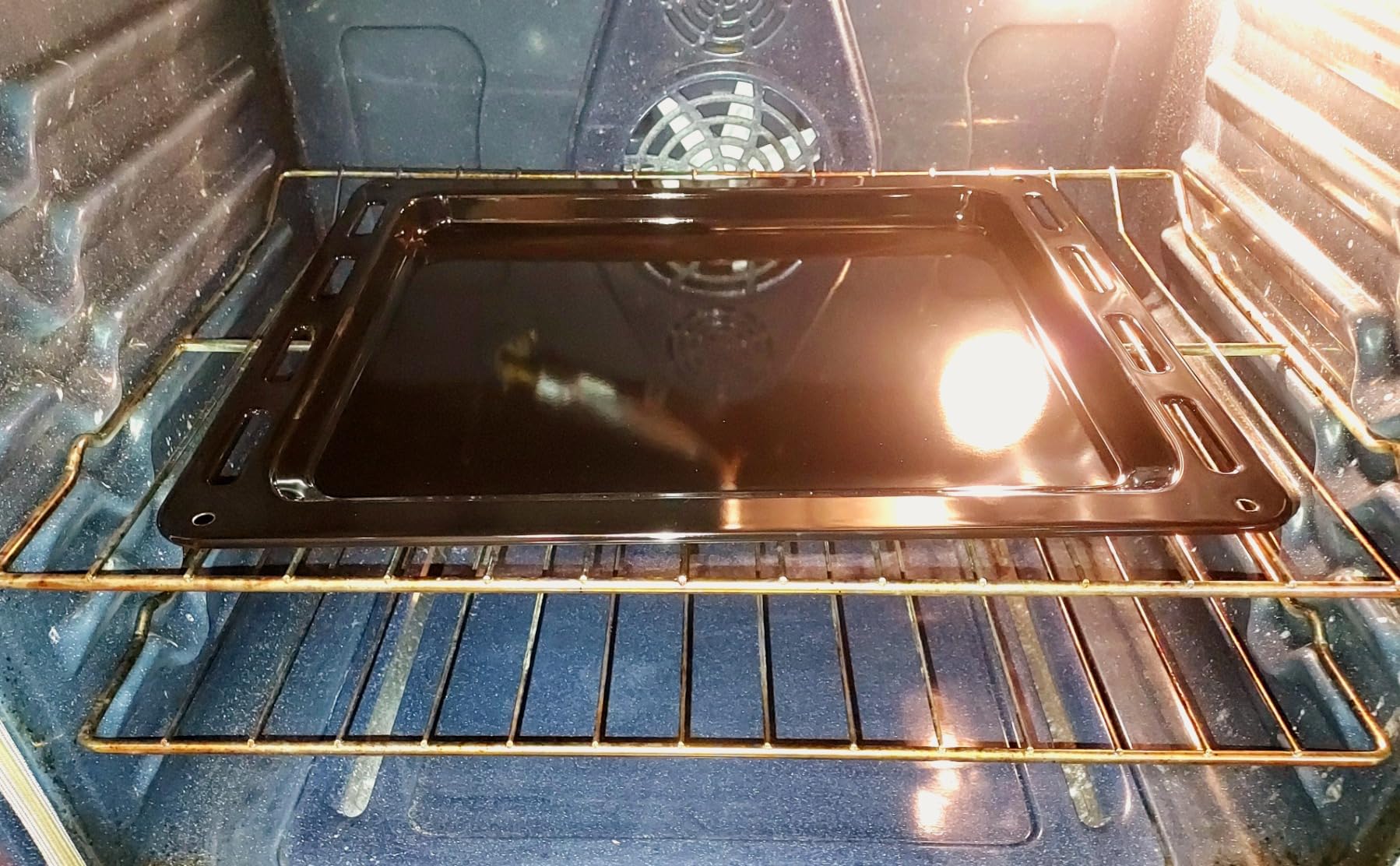
This is the most highly rated oven in the set, tied at 4.6 stars with no reviews below four. It is also the one most likely to surprise you, because a 24-inch unit with mechanical knobs and a ceramic interior is not what most buyers expect at this level.
The cavity is 2.3 cu ft with a true convection fan system circulating heat over, under and around the food. Seven cooking modes cover convection roast, convection broil, preheat, bake, broil, pizza and keep warm, and there is a 360-degree rotisserie for the times bread is not the priority.
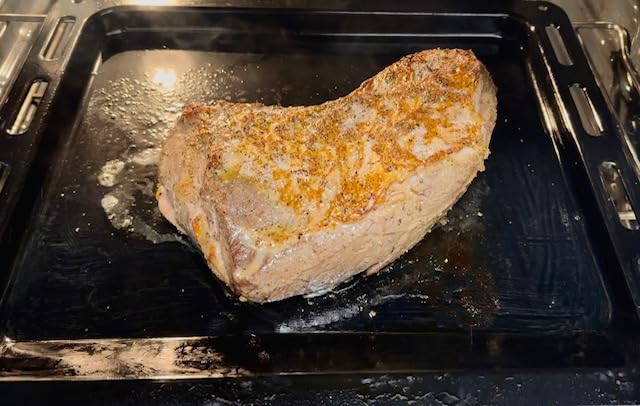
What makes it work for bread is the mechanical knob control. With flour on your hands, a dial that clicks into a new position is more reliable than a capacitive panel, and long-term owners on baking forums make the same point. The black ceramic interior has hidden heating elements and wipes down without a high-heat self-clean cycle, which also means no self-clean cycle to damage a control board.
The triple-layer tempered glass door, a halogen light and a viewing window make it easy to judge crust color without opening the door and losing your oven spring.
Where the small cavity gets in the way
Two and a third cubic feet is genuinely compact. A single large sourdough loaf fits comfortably, but a wide pan of focaccia or two loaves side by side will not, and the single included rack limits you to one level of baking.
If your household bakes one or two loaves a week in a compact kitchen, an apartment, an RV or an undercounter installation, that constraint is a fair trade for everything else. If you bake in volume, look at the 30-inch models instead.
What the 2-year warranty is worth
Empava backs this unit with a two-year US-based manufacturer warranty, which is double the one-year term that is common in this category. For a first built-in oven on a rental or a starter home, that is a meaningful difference over a decade of use.
It draws 2800 watts at 240V and weighs 76 pounds, making it the easiest unit here to handle during installation. Included items are a broiler pan, oven rack, installation kit, power cord and manual.
5. Garvee 24 inch Single Wall Oven – Best for Dough Proofing
Garvee 24 Inch Built-In Single Wall Oven, 2.5 Cu.Ft Electric Oven with Touch & Mechanical Knob Control, 8 Modes, 3000W, ETL Certified, Black
- Built-in fermentation mode for dough proofing
- Eight baking modes plus warming and defrost
- Compact 24-inch footprint fits standard cabinetry
- Enamel interior wipes down easily
- Touch panel plus mechanical knob control
- Listed dimensions and cutout figures differ
- No self-cleaning cycle
- Warranty coverage not stated on the listing
The single most baker-specific feature in this guide is on this oven. Alongside eight main baking modes, it has warming, fermentation, defrost and disinfection functions, and a steaming range listed from 140F to 230F. That is a wide, controllable low-temperature band, which is what dough proofing actually requires.
Many competitor proofing modes sit at a fixed temperature near 100F with a two-hour limit, which bakers on forums describe as an inconvenience rather than a feature. A listed 140F to 230F steam range gives you room to work with a schedule, even if the exact control resolution is not published.
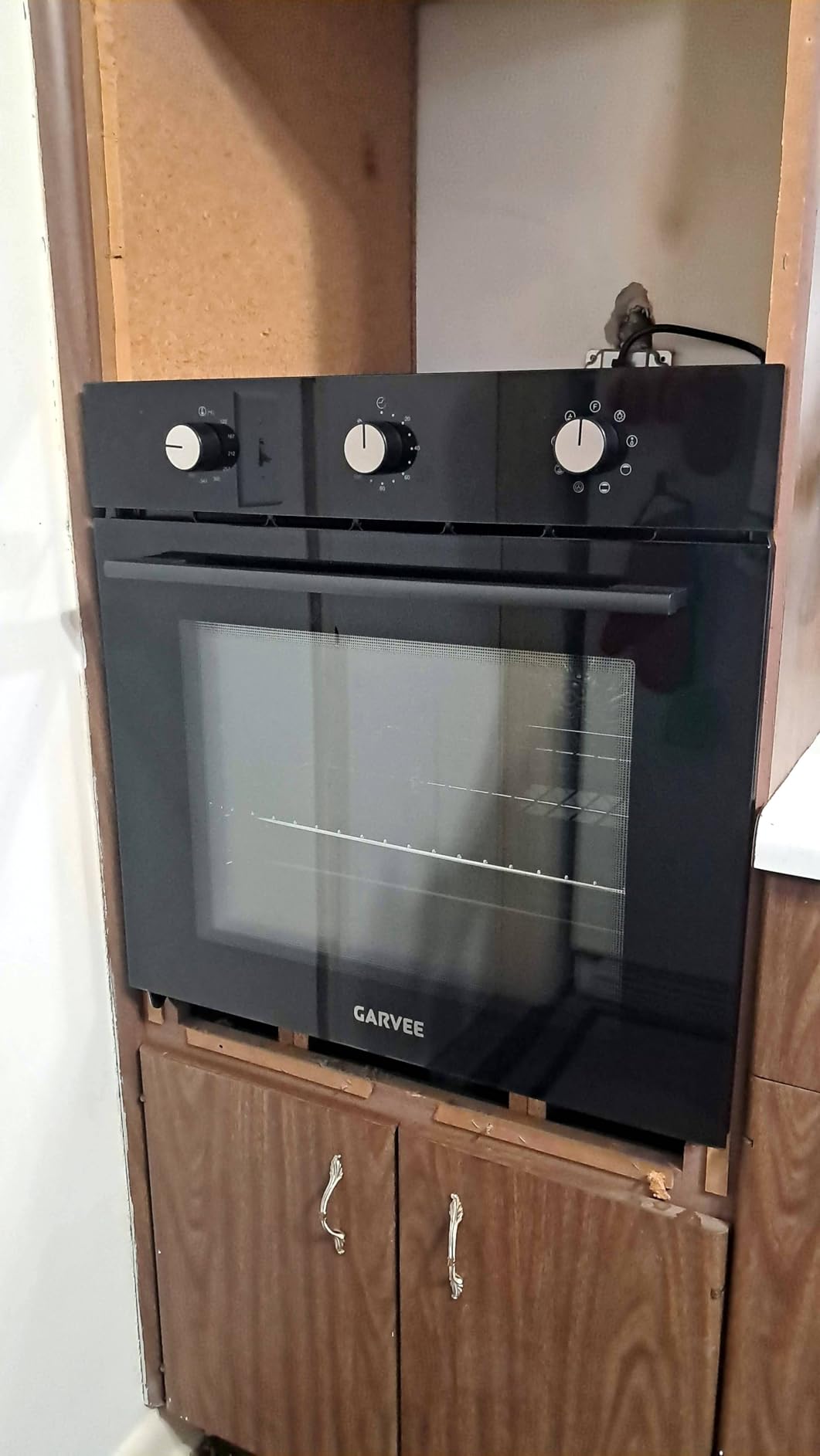
The baking range is listed from 212F to 482F, driven by 3D convection heating at 3000W. The enamel interior and double-pane insulated, heat-resistant, disassemblable door glass are simple to wipe down, which suits someone baking several times a week without a self-clean cycle.
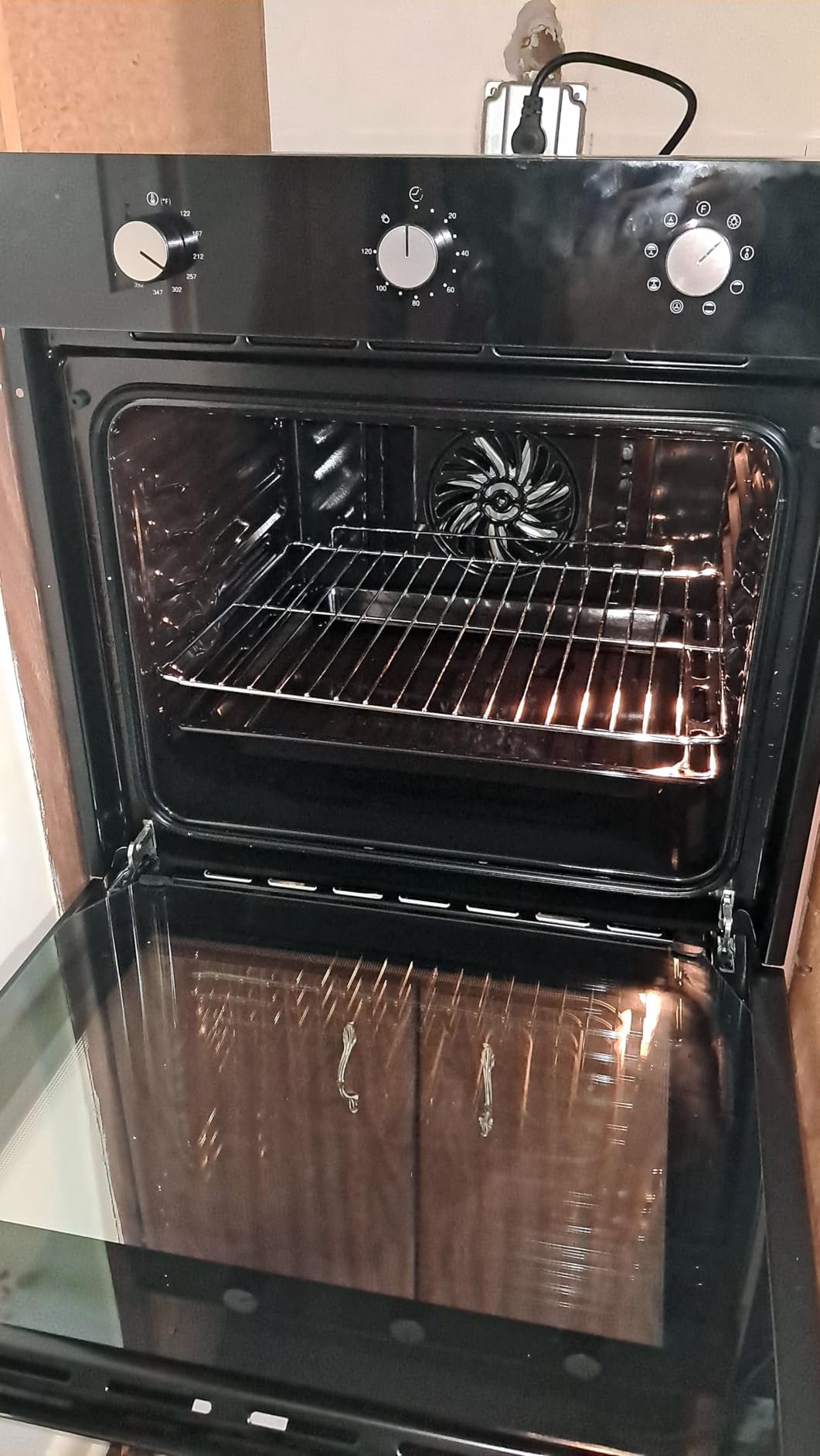
Control is a hybrid: a touch panel combined with a mechanical knob. That gives you quick menu access and a dial for mid-bake corrections, and the panel lock prevents accidental changes while you are loading dough.
Proofing workflow
Set the fermentation function, put your shaped loaves on a rack at the cavity’s lowest position, and check them visually through the door glass. The 2.5 cu ft cavity is enough for two small loaves or a single large one with clearance for oven spring.
Because the low range goes to 140F, the same oven can handle a slow overnight proof and then a full bake without you transferring dough to a different appliance between the two stages.
Two things to confirm before you buy
The listing dimensions and the stated cutout do not match. The product dimensions are given as 26.97 inch deep by 25.91 inch wide by 25.87 inch high, while the cutout is described as 22 inch wide by 21.6 inch high by 23.4 inch deep. Measure your cabinet opening and confirm against the manual before ordering.
There is no self-cleaning cycle, and warranty coverage is not stated on the listing, which is a real gap. The oven is ETL safety certified and runs at 240V, so the electrical requirement is standard.
6. Samsung 30 inch Smart Double Wall Oven – Best for Steam
- Steam Cook adds the moisture artisan dough needs
- Dual convection cooks evenly and fast
- 5.1 cu ft per cavity takes large roasting pans
- Illuminated controls show only active options
- App and voice control for monitoring bakes
- Component replacement cost is very high
- Thin brand service coverage in some areas
- Professional installation required
Steam Cook is the feature that sets this oven apart for bread. It adds precise moisture for crisp crust and tender crumb, which is the one function here that most directly changes your results without a covered pot.
Two 5.1 cu ft cavities with dual convection fans handle large pans and bake evenly top to bottom. The upper cavity is where the steam function lives, so shape your schedule around that: the top oven takes the load that benefits from moisture, and the bottom handles the long slow bake that does not.
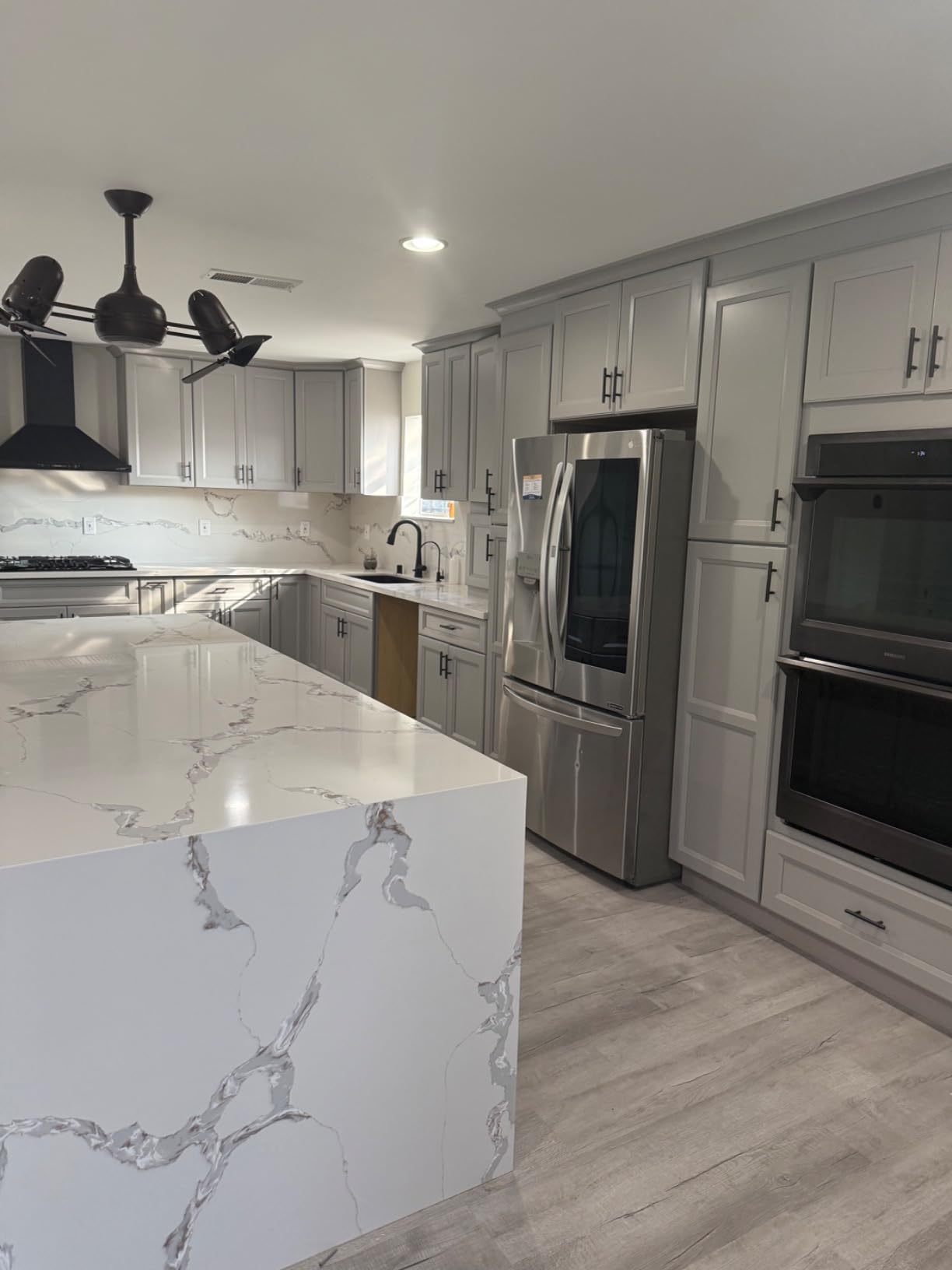
Owners are delighted with how the oven looks in a remodeled kitchen and with the steam-plus-convection results, and 85 percent of reviews are five star. The illuminated digital-analog controls light only the options you can actually select, which is a small but genuinely thoughtful design choice when you are adjusting a bake in a dim kitchen.
Wi-Fi connectivity through the SmartThings app plus voice control through Bixby, Alexa or Google lets you check a bake from another room. Our take is that monitoring a probe remotely is a nicer luxury than controlling temperature remotely, but it does help on a long sourdough schedule.
Steam versus a Dutch oven
Steam Cook handles the first minutes of the bake, which is exactly the window a covered pot addresses. Owners who switched from a covered pot report that the oven version is less hands-on, since there is no ice to add and no pot to preheat for twenty minutes before the dough goes in.
The tradeoff is that a steam function still needs cleaning. Steam Cook plus a high-temperature self clean is a reasonable maintenance pairing, but expect the floor to need a wipe-down more often than a dry convection oven.
Service risk is the thing to weigh
The critical feedback on this model is about ownership, not baking. Replacement cost for a failed component is very high, the unit is difficult to transport for service, and brand service coverage is thin in some areas. That is a real consideration if you live outside a large metro area.
The unit draws 9300 watts at 240V and weighs 260 pounds, so professional installation is required. Samsung lists five years of EU spare part availability and a one-year parts and labor warranty.
7. Empava 30 inch Air Fryer Combo Wall Oven – Best for Probe Baking
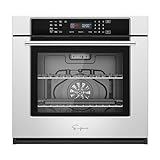
- Warm/Proof mode plus convection for dough work
- Air fry in a built-in cavity
- Built-in probe supports precise internal checks
- Self and steam clean with a ceramic interior
- Delay start for timed bakes
- Small 4.0 average rating with 20% one-star reviews
- Glass touch panel needs cleaning and can be harder to adjust mid-bake than knobs
- Wide 30-inch cutout and 240V hardwiring required
Probe accuracy is what separates this one. A built-in temperature probe reaches a listed maximum of 500F, the highest probe rating stated for any single oven in this guide, and that matters for bakers who want to know the internal reading rather than guess from crust color.
Ten functions are listed, including Sabbath, bake, broil, convection broil, convection bake, convection roast, Warm/Proof, delay start, self and steam clean, and air fry. The Warm/Proof mode handles dough, the probe handles verification, and delay start lets you set a bake to begin on a schedule.
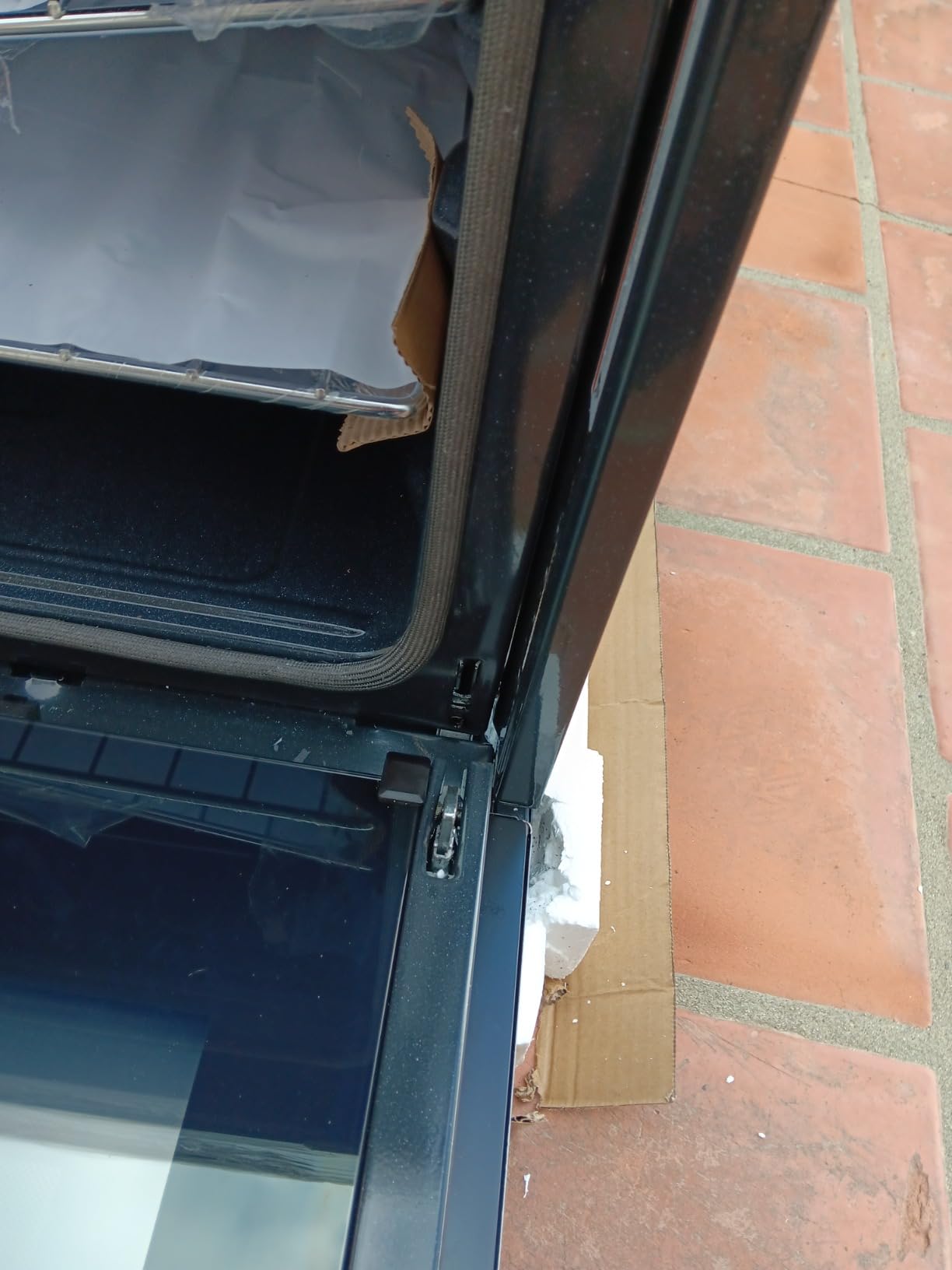
The 5.0 cu ft cavity has six rack positions, a large oven window and halogen lighting, and it includes an air fry basket, baking tray and broiler pan. The black ceramic interior with hidden elements keeps cleanup simple, and a self and steam clean handles the residue that bread baking leaves behind.
The review base is short at 10 entries, and a fifth of reviewers gave one star. Buyers like the combination of proof mode, air fry and probe in a single 30-inch cavity, but expect more variability here than in the higher-rated models.
Where the probe actually helps
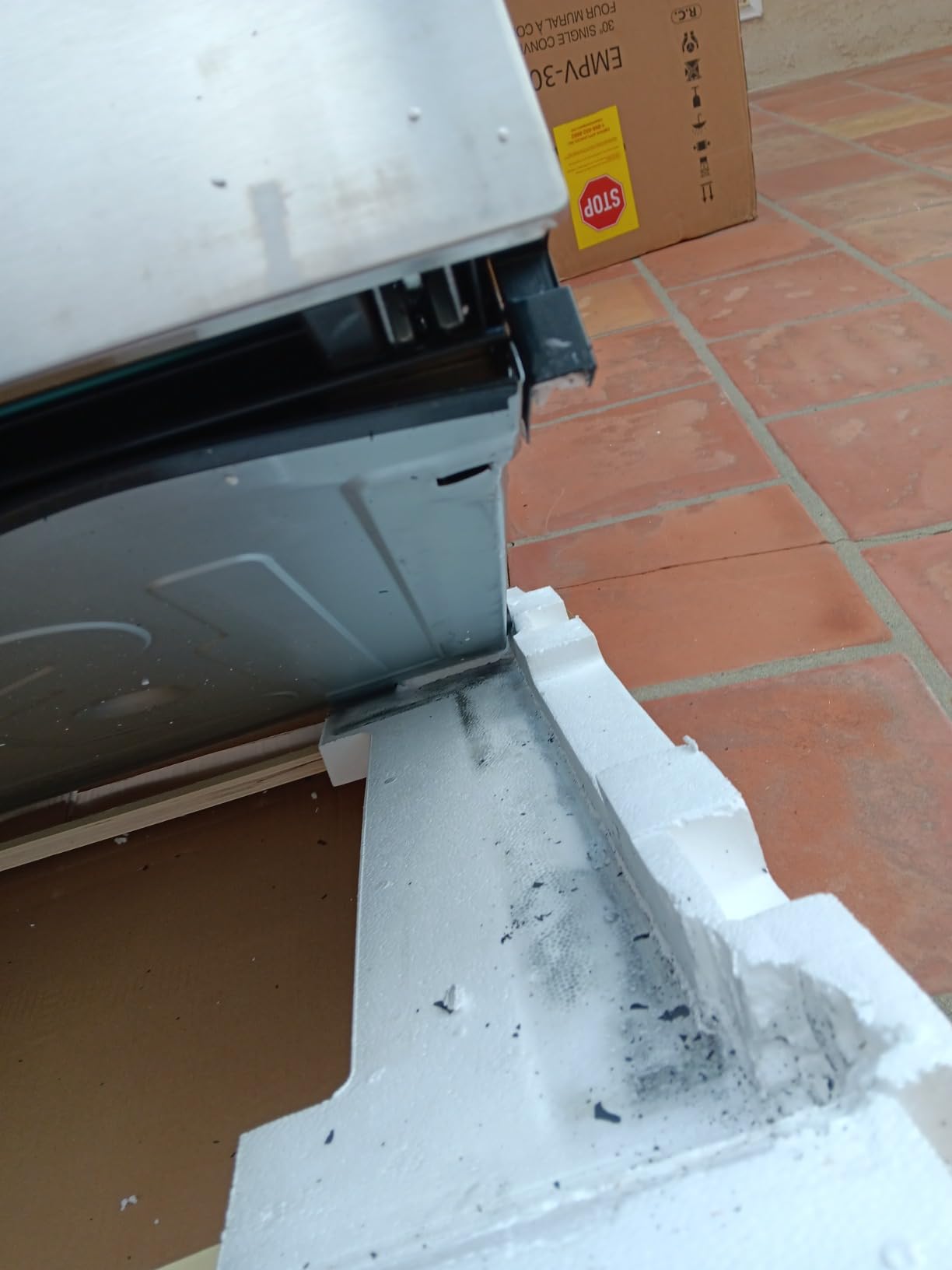
Crust color is a decent proxy for doneness, but a probe reading is better when you are working with a new flour, a new hydration level or a loaf shape you have not baked before. This oven lets you watch internal temperature without opening the door and stalling oven spring.
Six rack positions in a 5.0 cu ft cavity give a good amount of room. You can fit a Dutch oven on the lowest shelf with clearance, or run loaves on two levels in a batch.
Trade-offs to plan around
The glass touch panel needs regular cleaning, since flour shows on it constantly, and it is harder to adjust mid-bake than a mechanical control. A three-second setting lock helps against accidental changes but adds a step.
Installation requires a wide 30-inch cutout and 240V hardwiring at 4800 watts. Warranty is two years from the manufacturer, which is a good match for a unit with this much variability in reviews.
8. ThermoMate 24 inch Convection Wall Oven – Best for Small Kitchens
- 12 modes including convection bake and keep warm
- Two racks plus rotisserie included
- Detachable 3-layer glass door is easy to clean
- Child lock adds safety in a busy kitchen
- Only 7 reviews
- so the long-term record is thin
- 480F maximum is below the higher-capacity ovens
The ThermoMate ESTS611 carries a 4.7 rating on just seven reviews, which is exactly the combination that makes it interesting and risky at the same time. It is a 24-inch built-in or undercounter convection oven with 12 cooking modes and a 2.6 cu ft cavity.
The mode list is the longest we found in a compact unit: defrost, keep warm, bake, broil, turbo, convection roast, convection bake, convection broil, convection warm, grill, rotisserie and light. A sensor probe is included, with a listed maximum of 480F, and the convection system is designed for rapid preheating and even airflow.
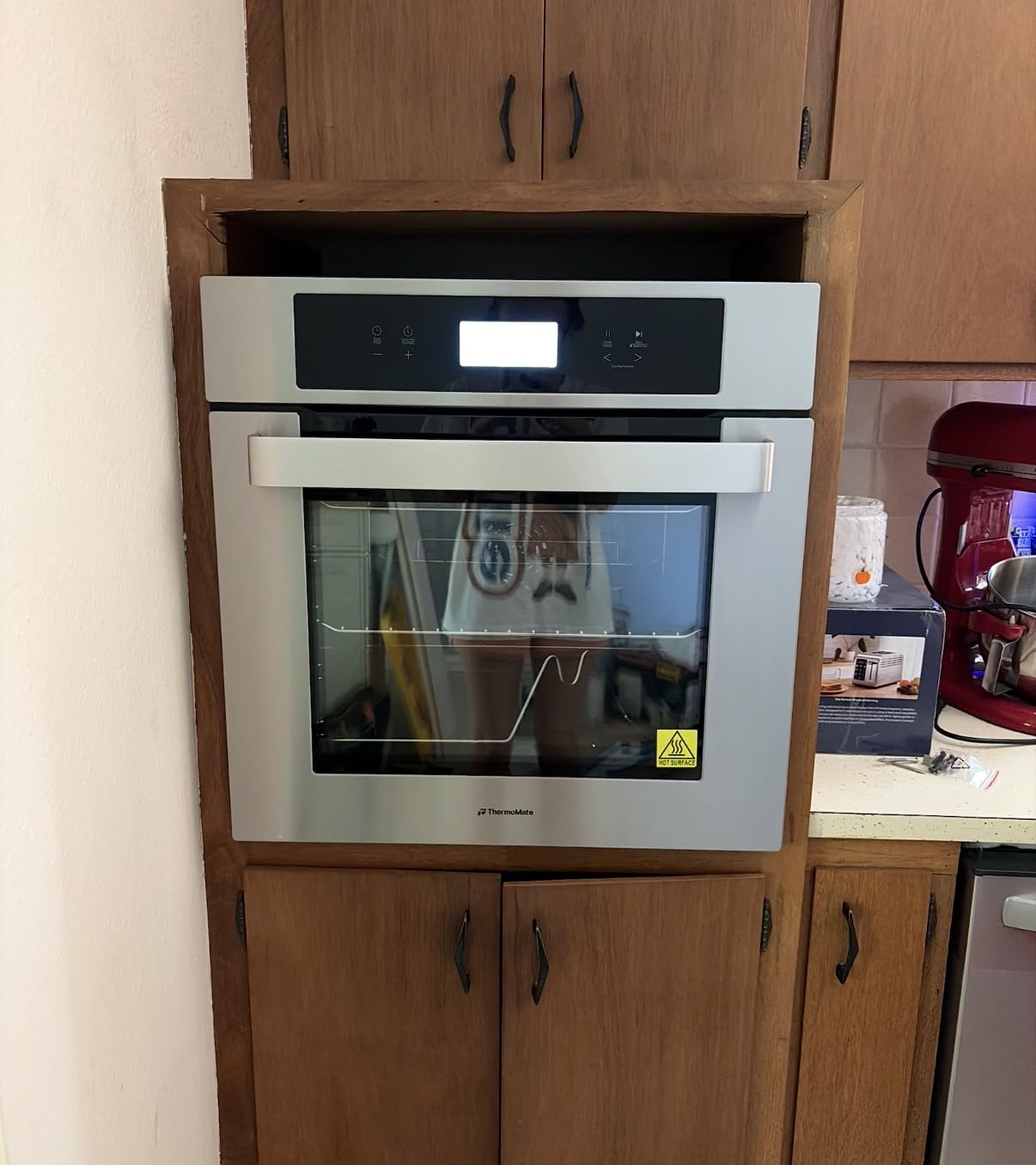
The door is a 3-layer hollow tempered glass panel, 1.4 inch thick, and it detaches completely for cleaning. That is a genuine benefit in a small kitchen where the oven sits close to a counter and the door is opened forty times a week. The interior has a 5-layer shelf and two racks, plus a rotisserie in the box.
Owners praise the mode variety, even convection and the included accessories. A 69 percent five-star share with no ratings below four is a clean record, but seven reviews is not a long-term durability history, and we would treat it that way.
Fitting it into a tight space
The product size is 23.4 inch by 23.4 inch by 21.9 inch, and the built-in size is 22.0 inch by 23.0 inch by 22.5 inch, so a standard undercounter cabinet opening works. At 84.2 pounds and 3100W, it is one of the easier units here to install, and it is ETL certified at 240V.
For bread, the 2.6 cu ft cavity handles one good-size loaf. Two racks let you run a small batch, and the keep warm and convection warm modes cover the low-temperature end of the schedule.
Reading the thin review record honestly
The main caution is obvious and worth stating plainly. With seven reviews, we cannot tell you how the electronics and the fan hold up over five years, and that is the period that decides whether a wall oven was a good purchase.
The 480F maximum is below the higher-capacity ovens here, which matters for the hard-crust end of the spectrum. The warranty is one year from the manufacturer, the shortest in this group.
9. Samsung 30 inch Flex Duo Wall Oven – Best for Two Temperatures at Once

Samsung Appliance NV51K7770SG 30″ 5.1 cu. ft. Total Capacity Electric Single Wall Oven with Top Broiler, in Black Stainless Steel
- Divider splits one cavity into two zones
- Dual convection cooks evenly top and bottom
- Steam Cook supports crust and crumb
- 5.1 cu ft total in a single 30-inch cavity
- Enamel interior reported to bubble and flake
- Return shipping on a failed delivery is costly
- Cutout needs careful measuring
The Flex Duo divider is the idea worth understanding. In this 30-inch single oven, a removable divider converts the 5.1 cu ft cavity into two separate zones that can run at different temperatures, and each zone has its own rack. For bread, that means a 450F hearth loaf above and a 350F slow bake below in the same oven.
Dual convection fans and a Steam Cook system are both built in, so the divider does not cost you the moisture function. A top broiler, self-cleaning, a child safety lock and LED controls round out the feature set, and Wi-Fi lets you monitor a long bake remotely.
Even cooking and the Flex Duo divider are the strongest points in a small review set of nine. Two one-star and two-star reviews raise real durability and return-logistics concerns, so this one suits a buyer who is comfortable with the brand’s service model.
What two zones do for dough
Most weeknight baking needs are really two processes running at once: a hot crust bake and a slow warm finish, or a bake alongside a tray of something gentler. The divider handles that without a second appliance and without rotating racks mid-bake.
The trade is capacity per zone. Once the divider is in, each chamber is roughly half the cavity, which is fine for loaves and small batches but rules out a very wide single pan.
Concerns to weigh before ordering
The most serious reported issue is the enamel interior bubbling and flaking after roughly six months, with the warranty reportedly not covering it. That is a durability complaint rather than a baking complaint, but on a built-in oven it is expensive to resolve.
Return shipping costs for a non-functional delivery can approach the cost of the oven, so check the return terms carefully. The listed cutout is 28.5 inch wide by 27.25 inch high by 23.5 inch deep, and warranty coverage is one year parts and labor.
10. PioneerWorks 30 inch True Convection Wall Oven – Best for High-Heat Range
- Convection bake and roast for even browning
- Only oven here listing a 150F-550F range
- Self-cleaning with a hidden bake element
- Gliding rack makes heavy trays easier to load
- Lowest rated here at 3.9
- Only 5 reviews in total
- No steam or dedicated proof mode listed
The number that sets this oven apart is temperature range. It is listed from 150F to 550F, and with a 3500W top broil element and a 3000W lower bake element for 3800W total, it has the headroom to push a loaf into the high-heat range where crust development really happens.
Convection modes cover bake, convection bake and roast, plus air fry, in a 4.8 cu ft cavity with six adjustable rack positions. A built-in temperature probe, delay start, a warming mode, a child safety lock and a self-cleaning cycle are all included, and the triple-layer door uses Low-E glass with an LED interior light.
It also includes two chrome-plated racks, one gliding rack and removable drip trays. A gliding rack is one of those features bakers notice immediately, because loading a heavy Dutch oven without tilting it is a small daily quality of life improvement.
Assessing the feature set against the reviews
The feature list is competitive, but the ownership signal is not. Five reviews total, a 3.9 average, and a split between 74 percent five-star and 26 percent one-star with nothing in between. That distribution usually reflects two different experiences rather than one consistent product.
There is no steam function and no dedicated proof mode listed. For a baker, that means the low-temperature end of the 150F floor is doing double duty as a proofing workaround, and you will be managing moisture with a covered pot.
Fit and finishing notes
This is a front-control, freestanding-style layout rather than a flush-mount built-in, and it will look different installed than the other units here. The listed dimensions are 34.25 inch deep by 31.05 inch wide by 29.33 inch high, which is deep, so plan the cabinet opening with the manual in hand.
Warranty is two years, and the unit runs at 240V. Our honest read is that the hardware is capable for bread, but the thin review history makes it the pick we would test more carefully before committing to a full kitchen remodel.
Buying Guide: Choosing a Wall Oven for Bread Baking
Cavity size is the first decision, and it depends on how you bake. A 4.8 to 5.1 cu ft cavity is the sweet spot for a weekly sourdough schedule: it fits a large Dutch oven, two loaves side by side, or a deck of rolls on a second rack with air moving around both. A 2.3 to 2.6 cu ft cavity suits a single loaf and compact kitchens, and it is the reason two of our picks lean toward smaller households.
Convection comes second, and every oven on this list has it. The useful question is not whether there is a fan but where it sits. In a double oven, the fan is usually in the upper cavity only, so the lower one behaves as a standard bake oven. If you plan to bake in both cavities, plan for the bottom one to be your slow or proofing space.
Steam is the third decision, and it is the one most people get wrong. Real steam buys you a thinner, better-blistered crust and more oven spring, but a covered pot or a tray of boiling water gets you most of the way there. Our position is that steam is worth paying for only if you already bake weekly and dislike the pot routine. If you have not established that habit yet, a convection oven plus a good Dutch oven is the better order of operations.
Proofing mode is the fourth. Look for a low-temperature range that is actually adjustable rather than a fixed setting, and check whether it has a time limit. Bakers running multi-day schedules need to hold a temperature for longer than a two-hour cap allows.
Controls matter more than bakers expect. Mechanical knobs or dials are easier to use with flour on your hands, and they cannot be confused by a stray touch while you are loading a wet, sticky loaf. Touch panels are fine for preheat and timers, and a real nuisance at the halfway adjustment of a long bake.
Installation deserves its own conversation. Every oven here is 240V and most need hardwiring, so plan the electrical work before the cabinetry. Verify cutout dimensions against the manual rather than the listing, because the 24-inch models in particular show conflicting numbers. If you want steam eventually, a nearby water line makes that upgrade far simpler, which is why our double wall oven guide covers it in detail.
Finally, read the negative reviews for the failure mode you cannot tolerate. Some units report fan noise developing over time, some report enamel interiors degrading, and some carry high component replacement costs with thin local service. Knowing which of those would frustrate you most tells you which model to rule out first.
Frequently Asked Questions
What is the best home oven for baking bread?
For a dedicated built-in, the COSMO 30 inch double wall oven is the strongest all-rounder here, with two 5 cu ft cavities, a proof mode and true European convection in the top oven. The Samsung 30 inch smart double wall oven is a pick with a dedicated steam function, which produces a thinner crust and more oven spring. If you bake one loaf a week in a small kitchen, the 24-inch Empava is the value choice.
Does bread bake better in a convection oven?
Yes, and the improvement comes from even heat distribution rather than from speed. A convection fan circulates heat over, under and around the dough, which prevents hot and cool corners from browning at different rates. That matters most when you bake two loaves at once, because without a fan the second loaf usually needs swapping partway through.
Can I bake sourdough bread in a steam oven?
You can, and steam is well suited to sourdough because the moisture delays crust set so the loaf can expand more before the surface hardens. Only the two Samsung models in this guide have a named steam function. Most bakers achieve a similar result with a covered cast iron pot, which holds its own heat and traps moisture for the first part of the bake.
What type of oven is best for baking bread?
A convection wall oven with a large enough cavity and an adjustable low-temperature range for proofing. A 4.8 to 5.1 cu ft cavity handles a large loaf, a Dutch oven, or two loaves side by side. Adding steam improves crust further, but it is a refinement rather than a requirement, and a covered pot covers the same window of the bake.
Which brand of wall oven is the most reliable?
Reliability is best judged by warranty length and reported component failures rather than by first impressions. In this group, the 24-inch Empava and the 30-inch Garvee carry two-year manufacturer warranties, while several doubles come with one-year parts and labor terms. Check local service availability before choosing, since a failed control board is expensive to replace and awkward to transport.
Final Verdict: Which Wall Oven to Buy in 2026
The best wall ovens for baking bread in 2026 come down to which constraint is binding in your kitchen. Buy the COSMO 30 inch double wall oven for the most balanced package: two 5 cu ft cavities, a proof mode, true European convection in the top oven and the largest review base in this group.
Buy the Samsung NV51K6650DG/AA if steam matters more than service risk, the 24-inch Empava if you want reliable convection and mechanical controls in a compact space, and the 24-inch Garvee if an adjustable proofing range is your priority. Every one of these is a capable bread oven, and the right pick is the one whose weaknesses you can live with.