
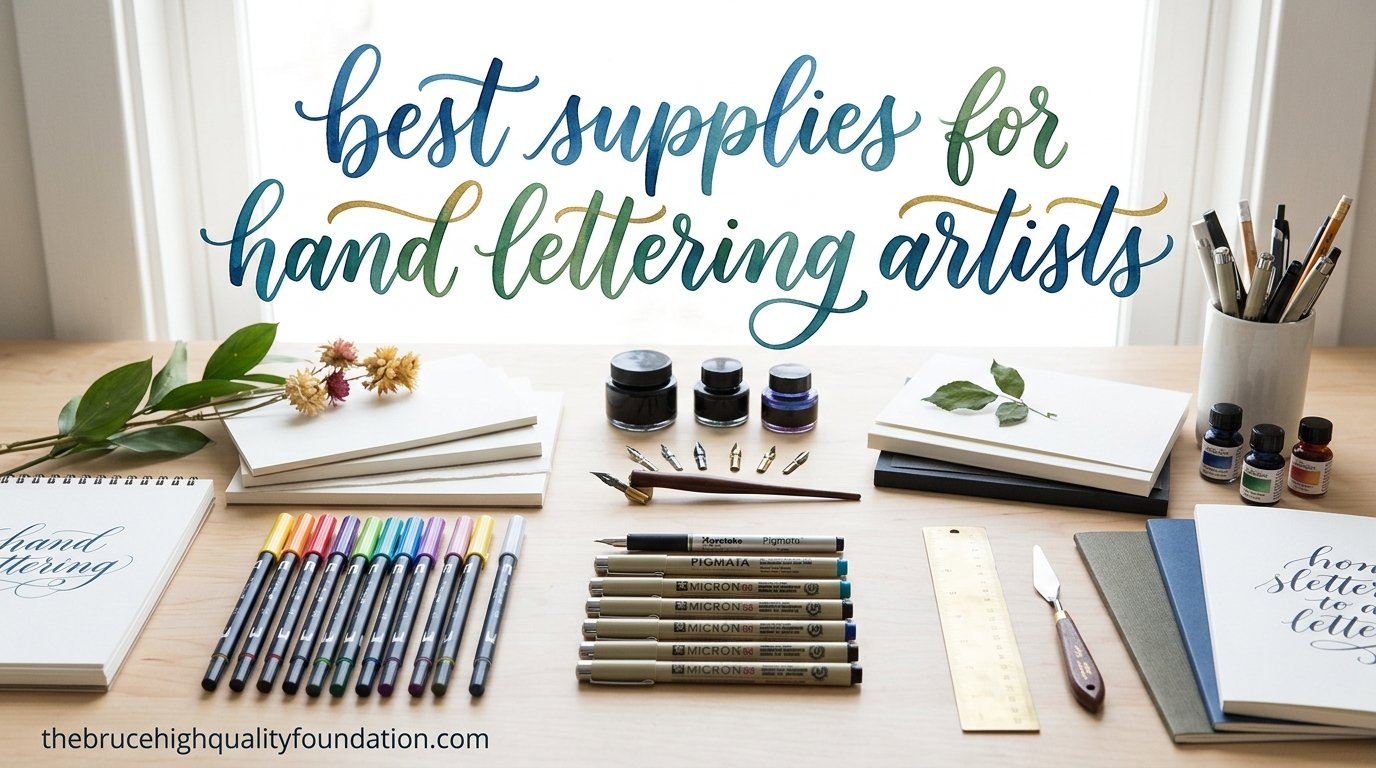
I remember buying my first set of hand lettering supplies and feeling completely overwhelmed. There were hundreds of pens, dozens of paper types, and every YouTube tutorial seemed to use a different brand. After spending way too much money on supplies that frayed, bled through paper, or simply did not work for my skill level, I decided to test everything myself.
Our team has spent the last several months testing 12 of the most popular hand lettering supplies on the market. We are talking about brush pens, fineliners, erasers, light pads, and full lettering kits. We used each one for daily practice, finished client pieces, greeting cards, and bullet journaling. The goal was simple: figure out which supplies actually deserve a spot in your kit.
Whether you are a complete beginner wondering what supplies you even need, or an intermediate letterer looking to upgrade your tools, this guide covers the best supplies for hand lettering artists in 2026. We have also included a buying guide that breaks down pen types, paper weights, and budget tiers so you can make informed choices. If you want to dive deeper into specific categories, check out our guides on best brush calligraphy sets and best fineliner pens for journaling.
Table of Contents
Top 3 Picks for Hand Lettering Artists
These three products stood out above everything else we tested. They represent the best combination of quality, value, and reliability for hand lettering work.
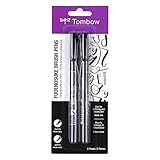
Tombow Fudenosuke Brush Pen 2-Pack
- Soft and hard tips
- Quick-drying ink
- Best beginner brush pen

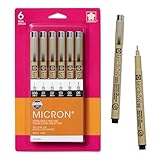
Sakura Pigma Micron Fineliner Pens
- Archival waterproof ink
- 6 tip sizes
- Gold standard fineliner
Best Supplies for Hand Lettering Artists in 2026
Here is a quick comparison of all 12 products we tested. The table below gives you the overview, and then we dive into detailed reviews for each one.


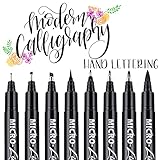
1. Tombow Fudenosuke Brush Pen 2-Pack – The Best Beginner Brush Pen
Tombow 62038 Fudenosuke Brush Pen, 2-Pack. Soft and Hard Tip Fudenosuke Brush Pens for Calligraphy and Art Drawings
- Flexible brush tip creates varying line widths
- Both soft and hard tips included
- Smooth ink flow with quick drying
- Excellent for beginners learning pressure control
- Tips retain shape well over time
- Not waterproof on glossy surfaces
- Soft tip can bend with heavy use
- Ink may appear gray on printer paper
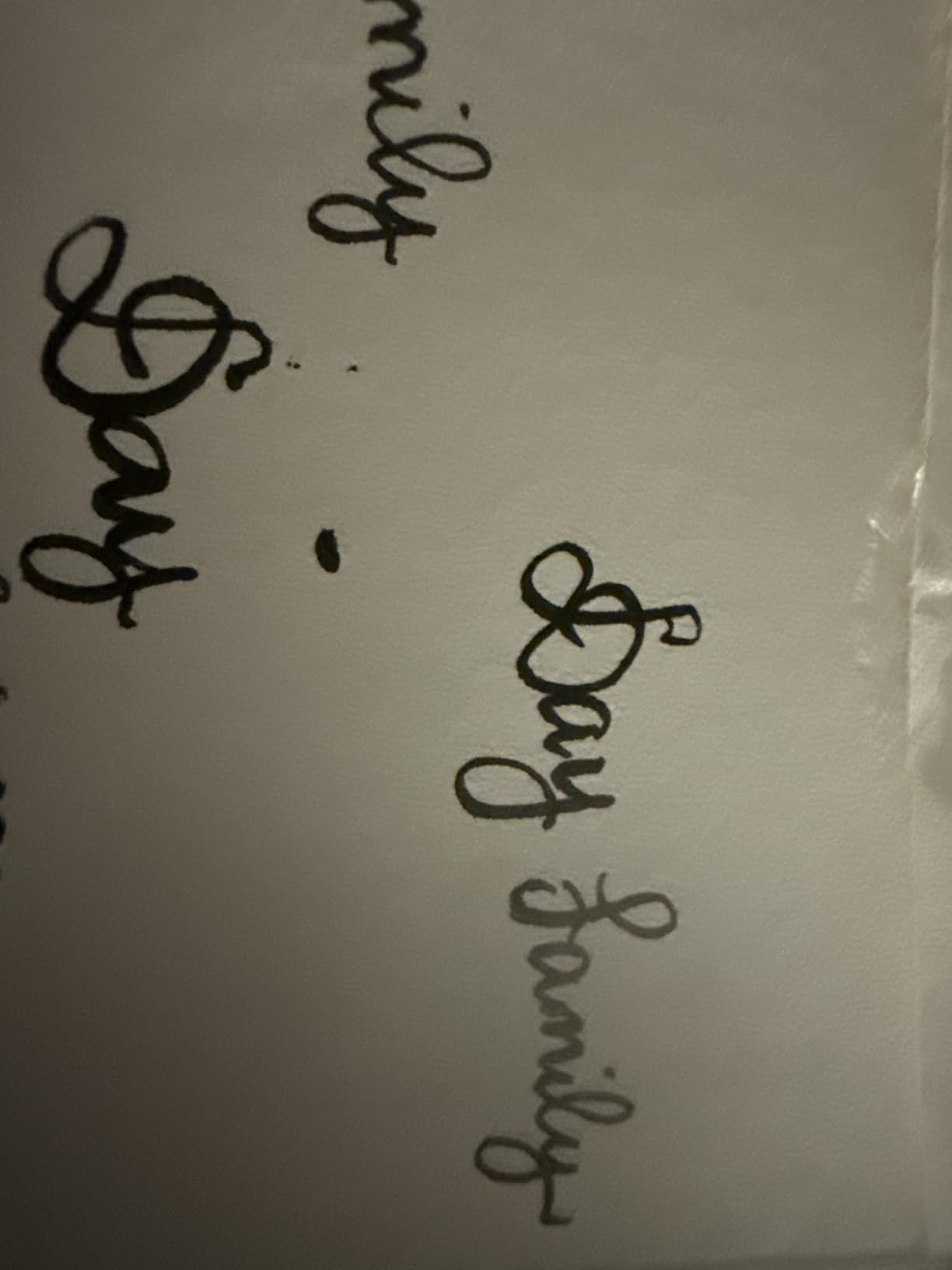
If I had to recommend a single product to someone just starting hand lettering, it would be the Tombow Fudenosuke 2-Pack. I have been using these pens for over two years, and they remain my go-to for daily practice. The set includes both a soft tip and a hard tip, which lets you experiment with different pressure levels without buying multiple pens.
The soft tip is perfect for beginners because it requires less pressure to create thick downstrokes. When I first started, my hand would cramp trying to control stiffer brush pens. The Fudenosuke soft tip solved that problem almost immediately. The hard tip, on the other hand, gives you more control for smaller lettering and detail work.
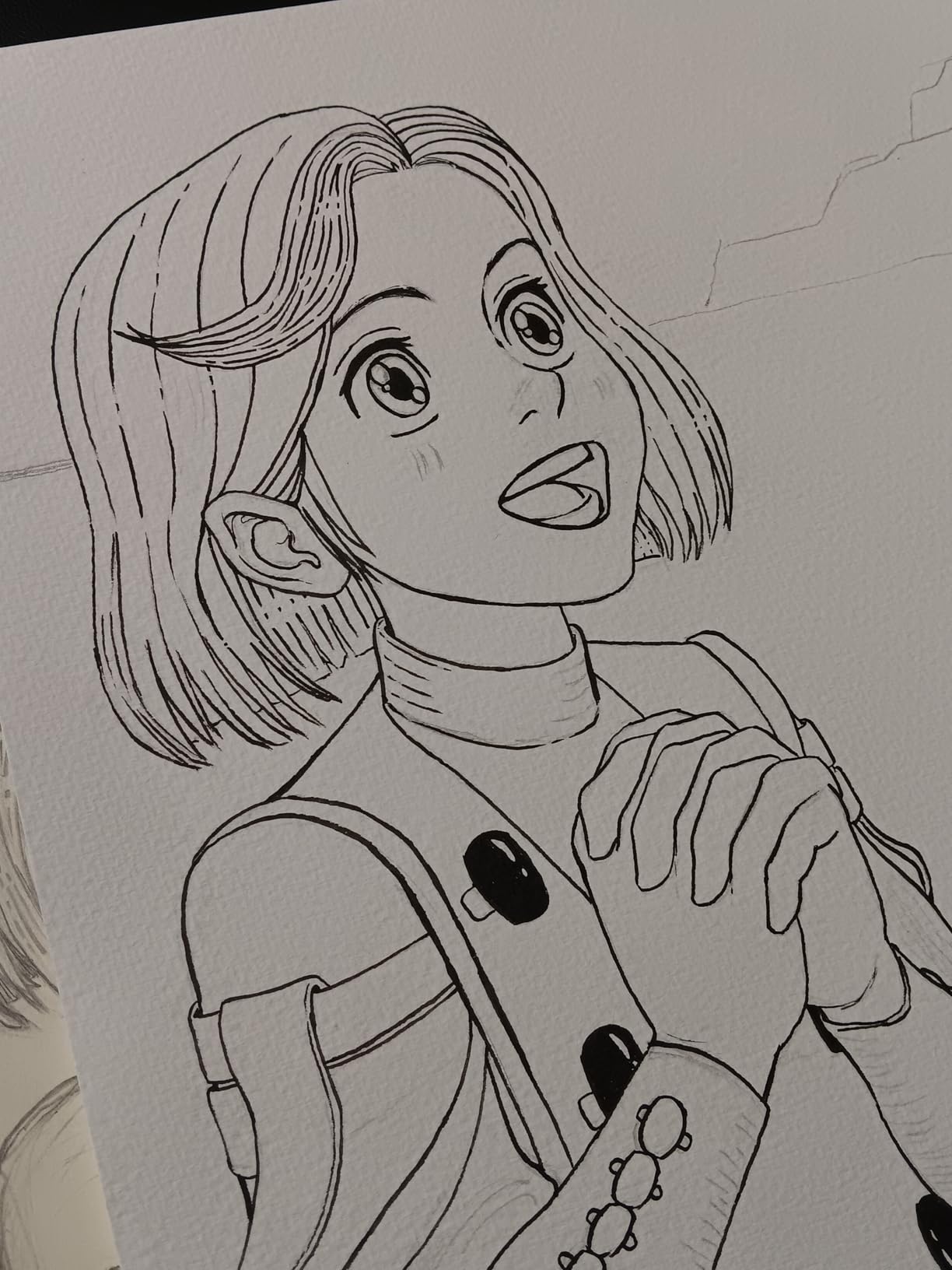
The water-based pigmented black ink flows smoothly and dries quickly. I noticed almost zero smudging when writing left to right, which is a common issue with cheaper brush pens. With over 41,000 reviews and an 81 percent five-star rate, the community clearly agrees these are outstanding pens for the price.
One thing to keep in mind: the ink is not waterproof. If you plan to add watercolor over your lettering, the lines will smear. For finished pieces that need water resistance, you will want to pair this with a waterproof fineliner like the Sakura Pigma Micron. Also, avoid using these on regular printer paper because the ink can look gray instead of rich black.
Ideal Skill Level and Use Cases
These pens are perfect for absolute beginners through intermediate letterers. I recommend them for practice drills, greeting cards, envelope addressing, and bullet journaling. The compact retractable design makes them easy to carry in a pencil case without worrying about lost caps. If you want a reliable, affordable brush pen that will not frustrate you as you learn, this is the one.
Paper Compatibility Notes
Based on my testing, the Fudenosuke pens perform best on smooth marker paper and dot grid journals with at least 100 GSM weight. The Rhodia dot pad and Archer and Olive journals are excellent companions. Regular copy paper will cause the ink to look washed out, and textured watercolor paper can fray the brush tip faster than smooth surfaces.
2. Tombow Dual Brush Pen Art Markers – Best for Color Lettering
- Dual-tip design offers maximum versatility
- Water-based ink is blendable and self-cleaning
- Acid-free and odorless
- Vibrant long-lasting colors
- Includes blender pen for watercolor effects
- Ink is not waterproof
- Colors can bleed through thin paper
- Brush nib softens over time
The Tombow Dual Brush Pens are the most popular lettering markers on the market, and after using them extensively, I understand why. Each pen features a flexible brush tip on one end and a fine tip on the other. This dual design means you get two tools in one, which is incredibly convenient for switching between thick brush lettering and fine detail work.
I tested the Celebration 10-pack, which includes a beautiful range of vibrant colors along with a colorless blender pen. The blender pen is a standout feature. You can use it to create watercolor effects by blending two colors together directly on the paper. I used this technique for hand lettered birthday cards, and the results looked professionally printed.
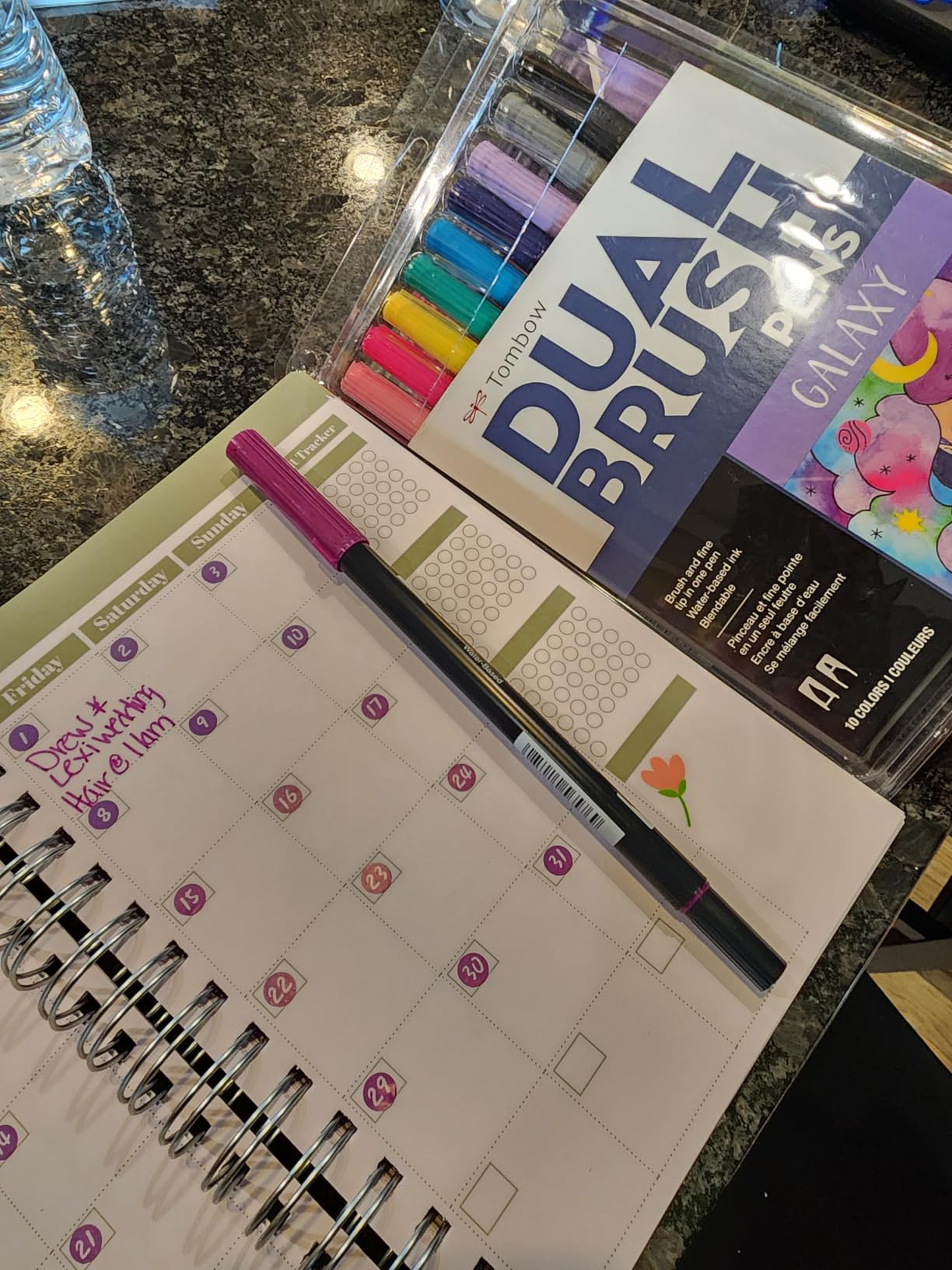
With over 41,000 reviews and an 84 percent five-star rate, these pens have earned their reputation. The water-based ink is acid-free and odorless, making it safe for artists of all ages. The colors are vibrant and blend smoothly without streaking. I found the ink lasted a remarkably long time even with heavy daily use.
The main drawback is that the ink is not waterproof. It will also bleed through thinner paper, so you need to pair these with quality paper that has a GSM of 100 or higher. Over time, the brush nib can soften with heavy use, but I found it held up well for about three months of daily practice before I noticed any change.
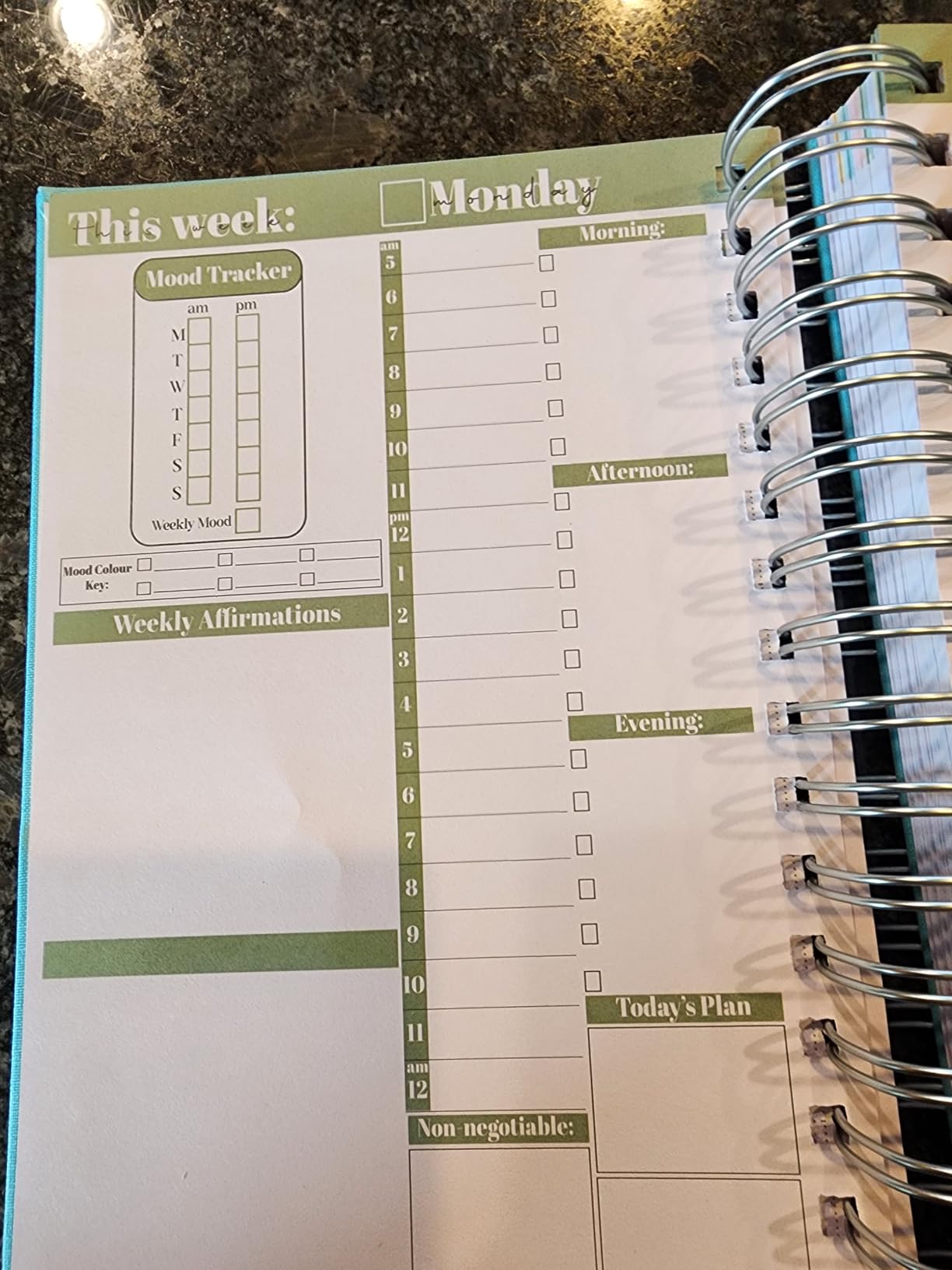
Who Should Buy These Markers
These markers are ideal for beginners through advanced letterers who want to add color to their work. They are perfect for hand lettered quotes, greeting cards, planner decorating, and art journaling. If you are looking for the best supplies for hand lettering artists that offer both quality and versatility, the Tombow Dual Brush Pens are hard to beat. You can also explore our guide on best brush calligraphy sets for more brush pen options.
Blending and Watercolor Techniques
The included colorless blender pen opens up creative possibilities that single-tip markers cannot match. I tested blending on Rhodia dot pads and found that the ink blends most smoothly on paper with a smooth finish and 90 GSM or higher. For watercolor lettering effects, scribble ink on a plastic palette, pick it up with the blender pen, and paint onto heavyweight watercolor paper for beautiful gradient lettering.
3. Sakura Pigma Micron Fineliner Pens – The Gold Standard Fineliner
- Archival quality waterproof and fade-resistant ink
- Consistent ink flow with crisp clean lines
- Wide variety of tip sizes
- Durable tips that resist fraying
- Works on paper fabric and wood
- Not refillable design
- Relatively high price point
- Limited to black ink in this set
- Fine tips can bend if pressed too hard
If brush pens are the stars of hand lettering, fineliners are the workhorses. The Sakura Pigma Micron set is the gold standard, and I use these pens every single day. They are essential for faux calligraphy, inking over pencil sketches, adding details to brush lettered pieces, and creating crisp outlines.
This 6-pack includes tip sizes ranging from ultra-fine 005 (0.20mm) to bold 08 (0.50mm). Having multiple sizes lets you create depth and contrast in your lettering. I typically use the 02 or 03 size for faux calligraphy outlines and the 005 for adding delicate details and serifs.
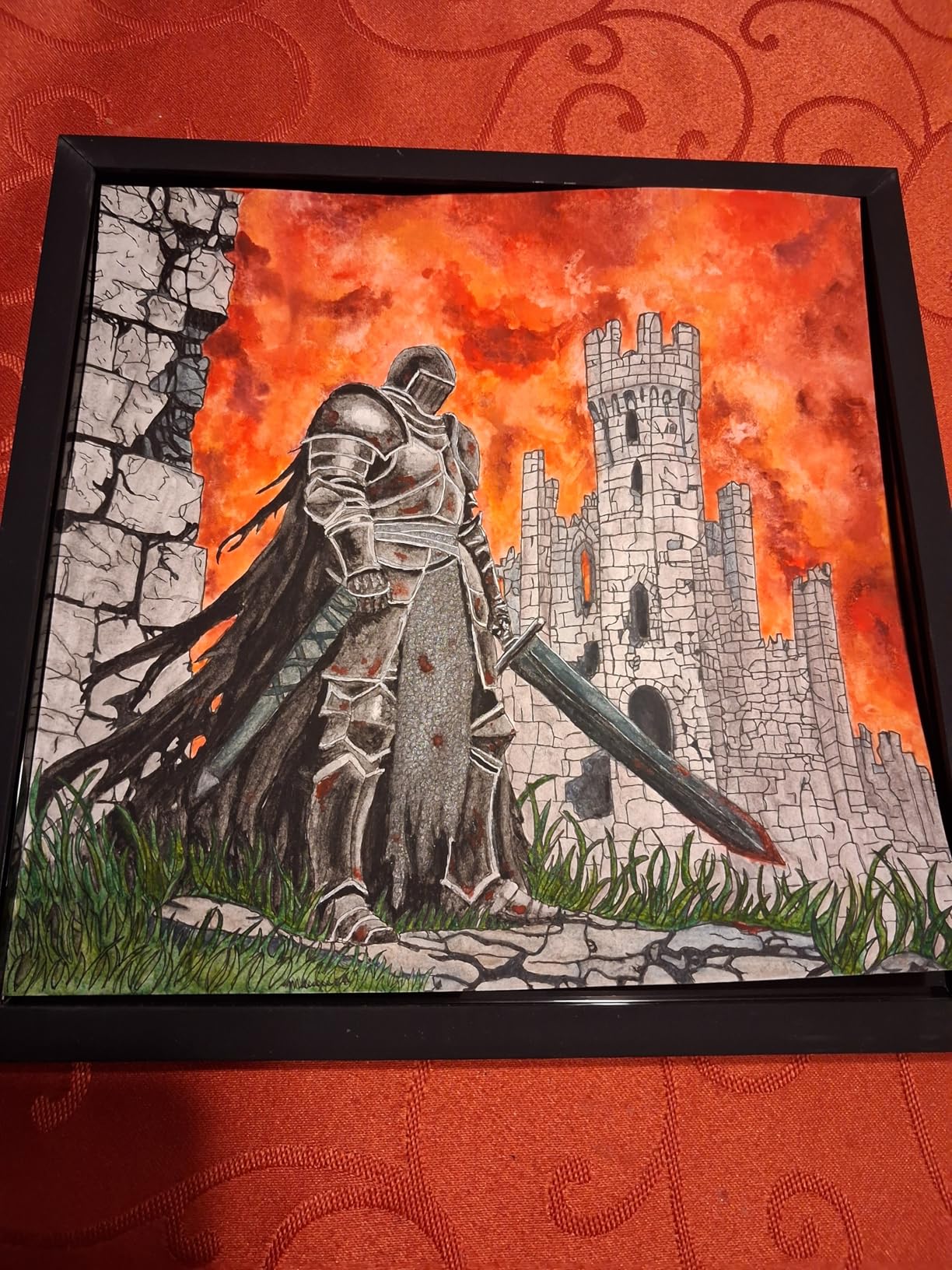
The archival pigment ink is what sets these pens apart. It is waterproof, fade-resistant, and pH neutral. This means your lettering will last for decades without deteriorating. I tested the waterproof claim by running water over a dried sample, and the ink did not budge. This makes these pens perfect for pairing with watercolor lettering.
With nearly 65,000 reviews and an 87 percent five-star rate, the Pigma Micron is one of the highest-rated art supplies on all of Amazon. Forum users on Reddit consistently call these the best pens for inking over pencil sketches. The main downside is that they are not refillable, which is a waste concern. They also carry a premium price point compared to budget fineliners.
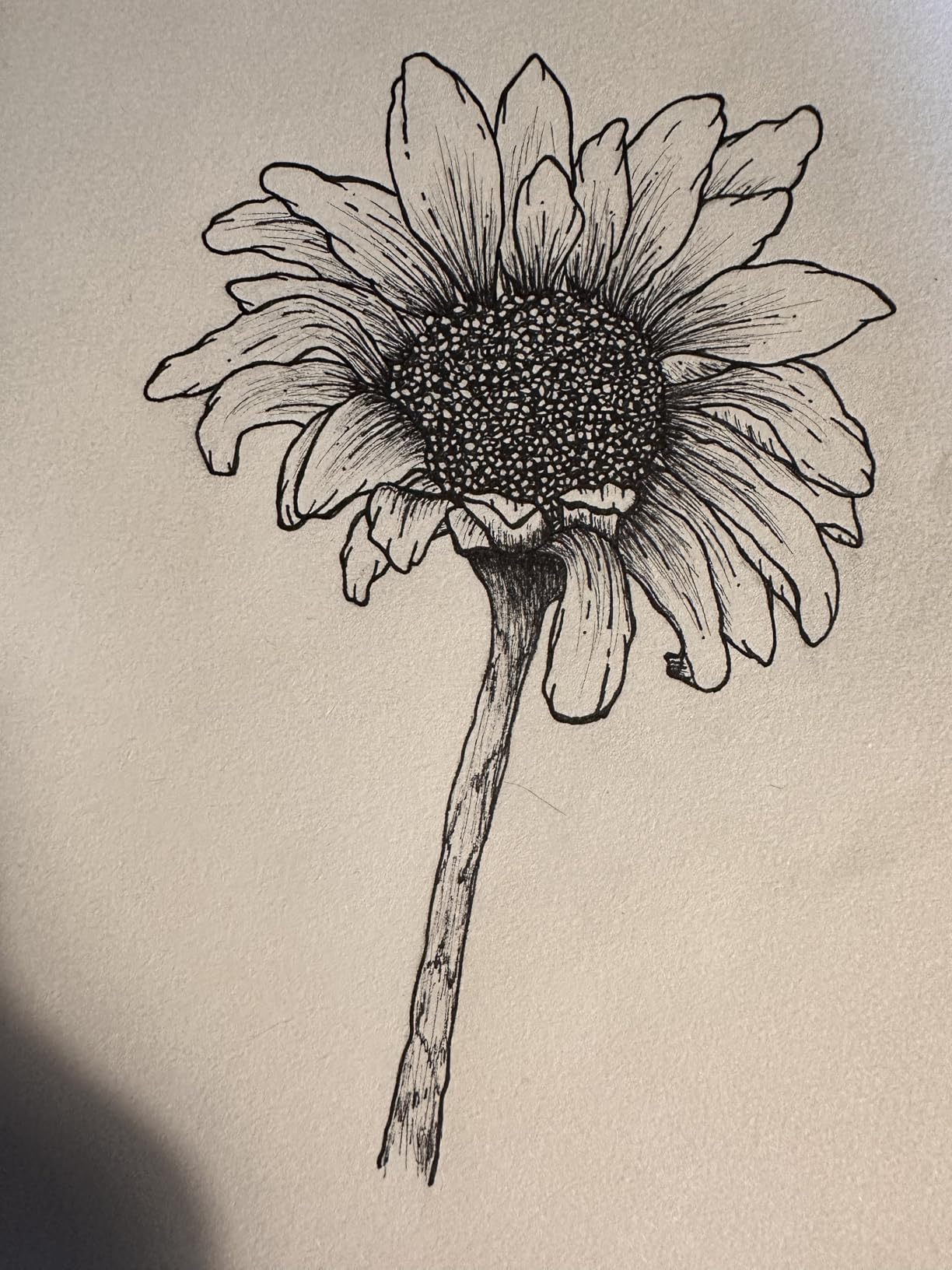
Best Uses in Hand Lettering Workflows
These fineliners excel at faux calligraphy, where you draw the thick downstrokes manually rather than using brush pen pressure. I also use them for envelope addressing, where crisp waterproof lines are essential. The 005 size is perfect for adding faux serifs and decorative details to block lettering. If you want to learn more about fineliners, check our best fineliner pens for journaling guide.
Tip Longevity and Maintenance
The tips are durable but can clog if the pens sit unused for weeks. I store mine horizontally and use each pen at least once a week to keep the ink flowing. Avoid pressing hard on the fine tips, especially the 005 and 01 sizes, as they can bend. With proper care, each pen lasts about two to three months of regular use before the ink runs out.
4. Ohuhu Fineliner Pens – Best Budget Fineliner Set

Ohuhu Fineliner Micro Drawing Pens: 8-size Tips (Ultra-fine, Fine & Brush)
- Excellent value compared to premium brands
- 8 different tip sizes including brush
- Waterproof and quick-drying ink
- Smooth consistent ink flow
- Coded caps prevent mixing up sizes
- Brush tip less flexible than premium alternatives
- Size labeling not always accurate
- Occasional quality control issues with dried pens
- Ink could be slightly darker
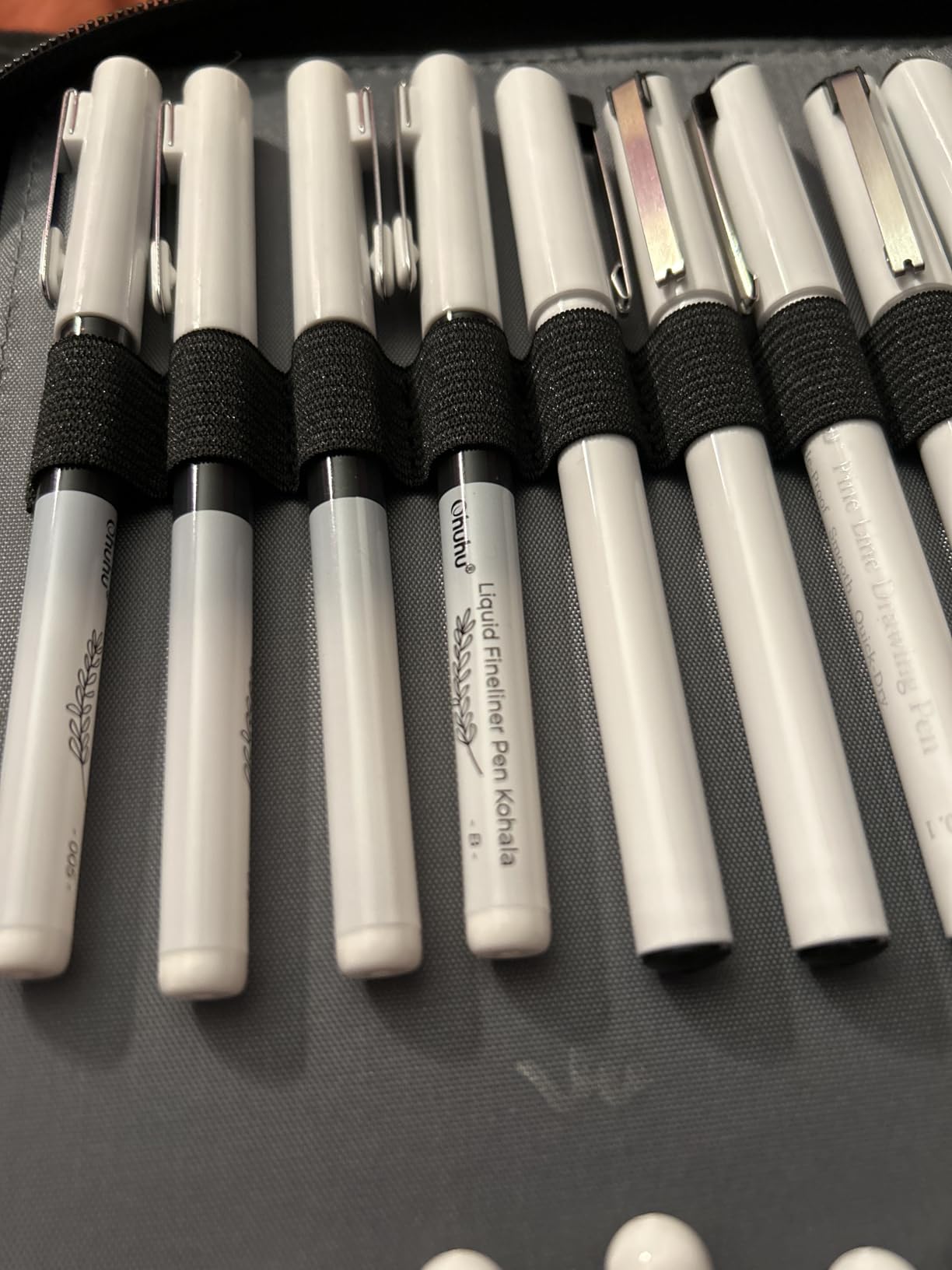
Not everyone wants to spend premium prices on fineliners, especially when just starting out. The Ohuhu Fineliner Pens offer an impressive alternative at roughly half the cost of Sakura Microns. I tested these side by side with the Pigma Micron set and was surprised by how closely they matched in performance.
This 8-pen set includes sizes from ultra-fine 0.2mm all the way up to a brush tip. That is more variety than the Sakura 6-pack. The coded caps make it easy to identify sizes at a glance, which I found genuinely useful during long lettering sessions. The wider barrel grip is also more comfortable for extended use.
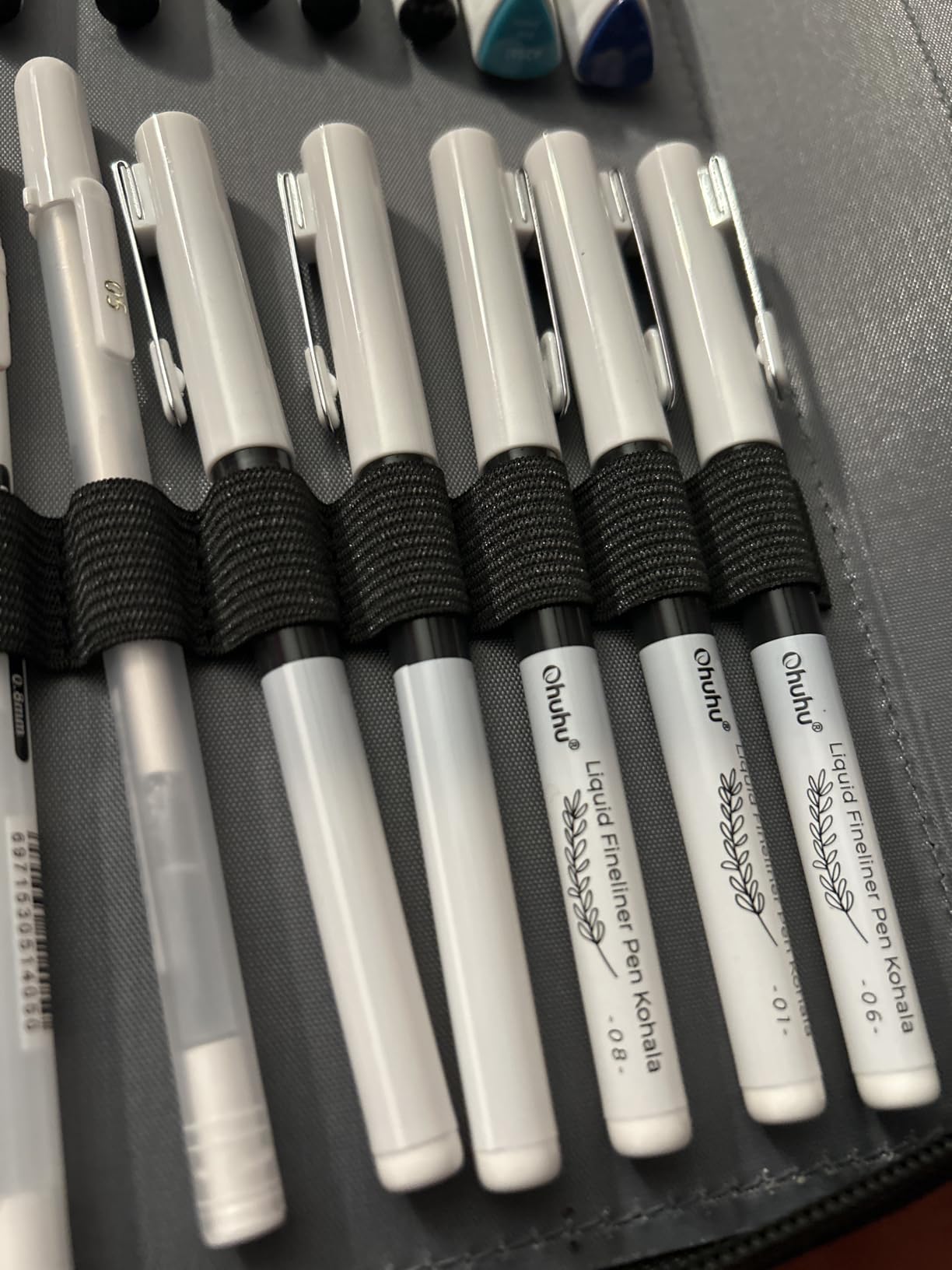
The waterproof pigment ink flows smoothly and dries quickly. I did notice it is slightly less opaque than the Sakura ink, appearing a shade lighter on certain papers. However, for practice work and casual lettering, the difference is negligible. With over 5,000 reviews and an 82 percent five-star rate, these pens clearly satisfy most users.
The brush tip included in this set is the weakest link. It is noticeably stiffer than Tombow brush pens and does not offer the same level of pressure sensitivity. I would not recommend relying on it as your primary brush pen. However, as a bonus inclusion in a fineliner set, it works fine for accents and small details.
Value Comparison with Premium Brands
At roughly one dollar per pen, these are among the most affordable quality fineliners available. For beginners who are still figuring out their preferred tip sizes, the Ohuhu set lets you experiment without a big investment. Once you know which sizes you use most, you can upgrade to individual Sakura Micron pens in those specific sizes.
Quality Control Considerations
Some users report receiving dried-out pens in their sets. I tested two separate sets and both arrived in good condition, but it is worth checking each pen immediately upon arrival. Ohuhu customer service is generally responsive about replacing defective units. Store the pens horizontally with caps clicked tight to maximize ink life.
5. Staedtler Double-ended Brush Markers – Best Mid-Range Color Set
- Dual brush tips on each pen for versatility
- 12 vivid assorted colors
- Water-based blendable ink
- Good value for 12-pen set
- Beginner-friendly design
- Brush tip stiffer than Tombow alternatives
- Some users received dry sets
- Not waterproof
- Smaller color range than premium sets
The Staedtler Brush Letter Duo sits in a comfortable middle ground between budget markers and premium Tombows. I tested the 12-color set over several weeks of greeting card and envelope lettering. The dual-tip design gives you both a fine tip and a broad brush tip on each pen, which is useful for switching between lettering styles quickly.
The 12 assorted colors cover the essential spectrum from warm reds and oranges to cool blues and greens. The water-based ink is blendable, though I found the blending not as smooth as Tombow Dual Brush Pens. For the price, you get a solid set that performs well for casual lettering, adult coloring, and creative projects.
One thing I noticed is that the brush tip is noticeably stiffer than Tombow alternatives. This can actually be an advantage for beginners who struggle with pressure control. The stiffer tip requires more deliberate pressure, which helps develop muscle memory. However, advanced letterers may find it limiting for achieving smooth transitions between thick and thin strokes.
With 3,268 reviews and a 75 percent five-star rate, this set is well-regarded but not without issues. Some users report receiving dry pens out of the box, which suggests occasional quality control problems. The rectangular barrel shape can also feel less comfortable than round barrels during long lettering sessions.
Best Applications for This Set
These markers work well for adult coloring books, casual hand lettering practice, and creative journaling. I found them particularly good for planner decorating where you want pops of color without investing in a full Tombow collection. They are also a solid gift option for someone just getting into lettering.
How It Compares to Tombow Dual Brush Pens
The Staedtler set costs less than a comparable Tombow set and offers similar functionality. However, Tombow wins on ink blendability, color vibrancy, and brush tip flexibility. If budget is your primary concern, Staedtler is a great choice. If you plan to do serious lettering work or blending, the extra investment in Tombow is worth it.
6. Faber-Castell Pitt Artist Pen Hand Lettering Starter Set

- High-quality India ink that is waterproof and lightfast
- No bleed through paper
- Wide variety of nib types included
- Beginner-friendly with included guidance
- Quick drying ink
- Brush nibs can fray with heavy use
- Limited color range in starter set
- Packaging quality control issues reported
- Some users received damaged packaging
The Faber-Castell Pitt Artist Pen Hand Lettering Set is designed specifically for beginners who want an all-in-one introduction to lettering. I was impressed by how much thought went into this set. It includes 7 Pitt lettering pens with different nib types, a Faber-Castell 9000 pencil, an eraser, and a sharpener.
The standout feature is the India ink. Unlike water-based brush pens, the Pitt Artist Pens use pigmented India ink that is waterproof, smudge-resistant, and lightfast. This means your finished pieces will not fade or smear, even if you accidentally spill water on them. I tested this by adding watercolor washes over dried lettering, and the ink stayed perfectly crisp.
The set includes brush, superfine, and 1.5mm nib types in black and grey tones. While the color range is limited compared to Tombow sets, the ink quality more than makes up for it. The nibs lay down smooth, opaque lines that work beautifully on journals, canvas, and sketchbooks. With a 4.7-star rating from over 1,200 reviews, this set has clearly impressed users.
The main downside is that the brush nibs can fray with heavy use. I noticed some fraying after about a month of daily practice. Also, some users have reported packaging quality control issues, including damaged boxes and even rusty staples. Faber-Castell offers a 30-day warranty against manufacturer defects, so you can request replacements if needed.
Why India Ink Matters for Finished Pieces
India ink is the professional choice for archival artwork. Unlike water-based ink, it will not fade over time and resists water damage completely. If you are creating commissioned pieces, wedding stationery, or artwork you want to last, India ink pens are the way to go. Our guide on India ink sets for artists covers this topic in depth.
Is This Set Worth It for Beginners
Yes, if you want professional ink quality in a beginner-friendly package. The included pencil, eraser, and sharpener make this a true starter kit. The only gap is the lack of an instructional guide. The included pamphlet is very basic, so you will need to supplement with free online tutorials or a lettering workbook.
7. LitEnergy A4 LED Light Tracing Pad – Best Tool for Practice
- Excellent brightness with even illumination
- Ultra slim and portable design
- Adjustable brightness settings
- USB powered for flexibility
- Great value for the price
- Not rechargeable must stay plugged in
- Uses micro-USB not USB-C
- Acrylic surface can bow under pressure
- Touch button can accidentally turn off
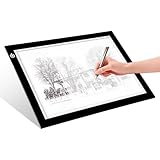
A light pad is one of those tools that transforms your lettering practice. The LitEnergy A4 LED Light Tracing Pad is the number one best seller in its category on Amazon, and I use mine almost every day. It allows you to trace practice worksheets, replicate lettering styles, and create consistent layouts without drawing guidelines by hand each time.
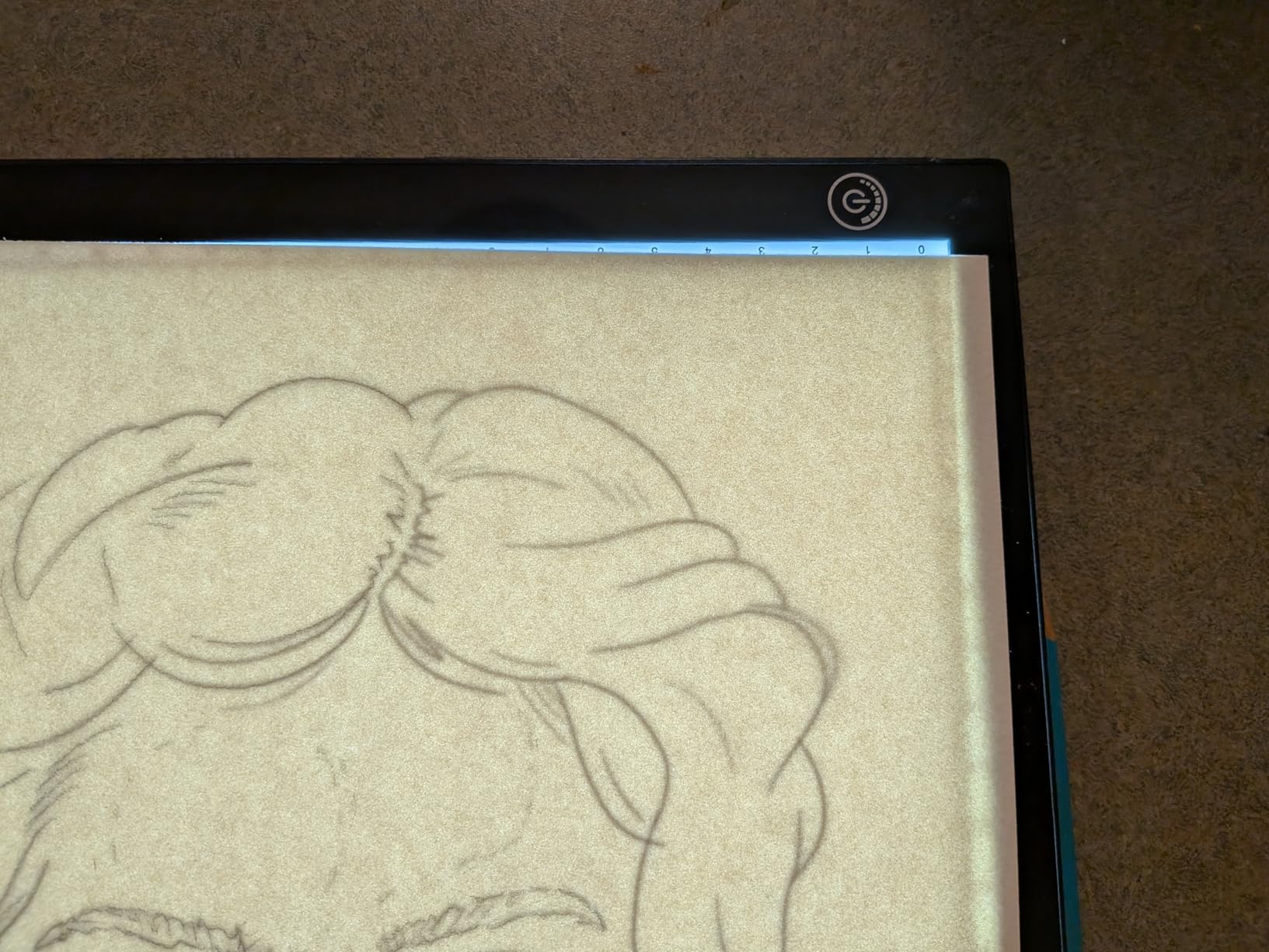
The pad features adjustable brightness with a touch-sensitive dimmer. I typically set it to about 60 percent brightness for standard tracing paper and crank it up to full for thicker cardstock. The LED illumination is even across the entire surface with no hotspots. At only 0.2 inches thick and one pound, it is remarkably portable.
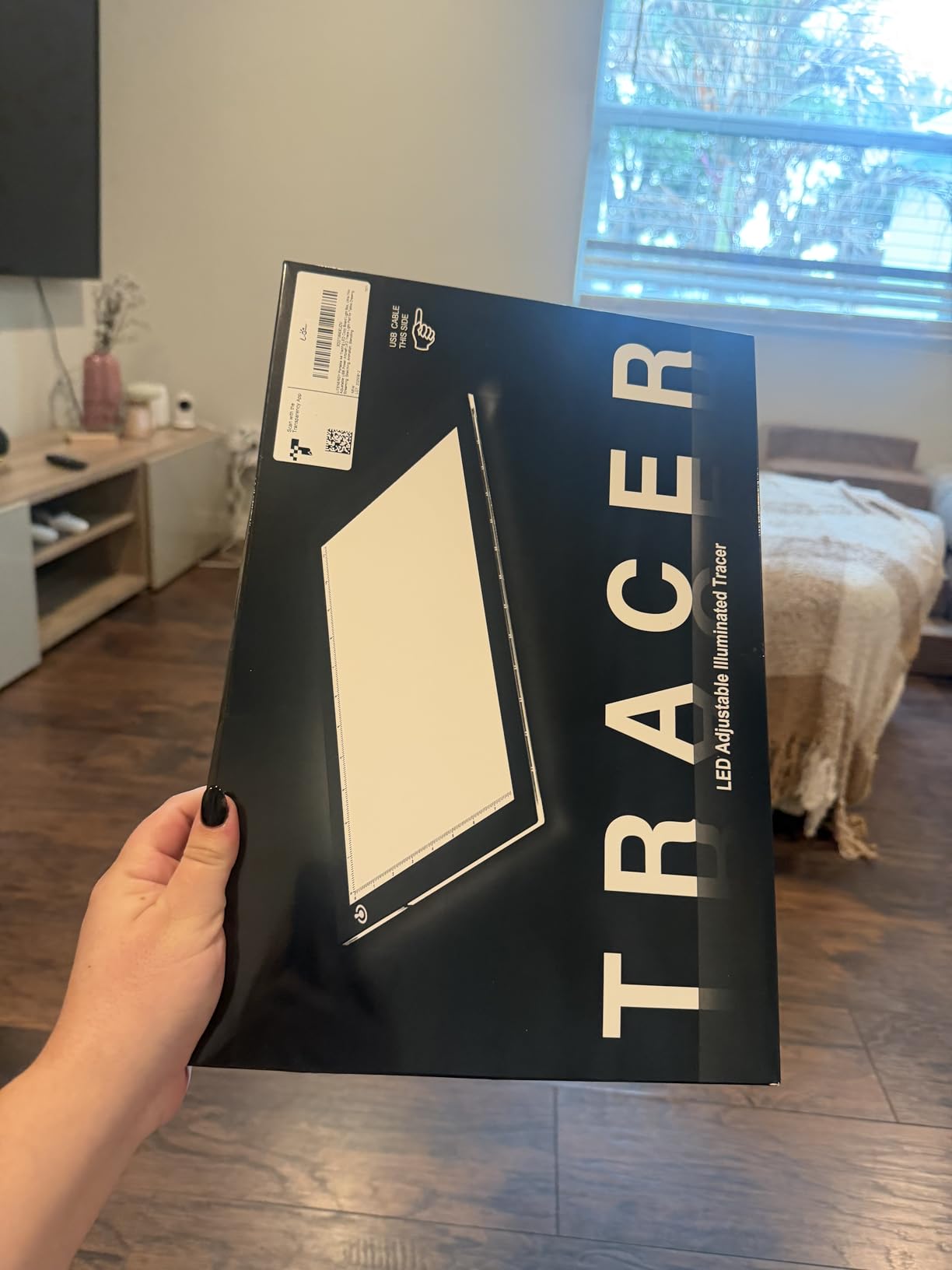
With over 27,000 reviews and a 4.5-star rating, this light pad has proven itself across thousands of users. It is useful not just for lettering but also for tracing, stenciling, diamond art, and even Cricut weeding. The ruler markings printed on the edges are a small but thoughtful touch that I use frequently for alignment.
The main limitations are practical rather than performance-related. The pad is not rechargeable, so you need to keep it plugged in via USB during use. It also uses the older micro-USB connector rather than USB-C. These are minor inconveniences given the affordable price point and excellent performance.
How a Light Pad Improves Lettering Practice
I print free lettering worksheets and place them under my practice paper on the light pad. This lets me trace the exact stroke directions and proportions without wasting paper printing guidelines every time. It speeds up the learning process significantly. You can also use it to transfer lettering sketches onto final pieces for clean, professional results.
Alternatives and Upgrades
If you want a rechargeable option, LitEnergy offers a 10×15 inch rechargeable version for a higher price. For most lettering work, the A4 size is sufficient since it fits standard letter-sized practice sheets. If you work with larger formats or address many envelopes at once, consider the A3 size variant for more working area.
8. Faber-Castell Kneadable Eraser – Best Eraser for Lettering

- Soft and pliable for precise erasing
- Leaves no residue or streaks
- Excellent for lifting pencil marks gently
- Comes in reusable storage case
- Gentle on paper surface
- Single eraser per pack can be misleading
- Packaging may imply 2-pack
- Edges can wear down with heavy use
- Minor crumbs during erasing
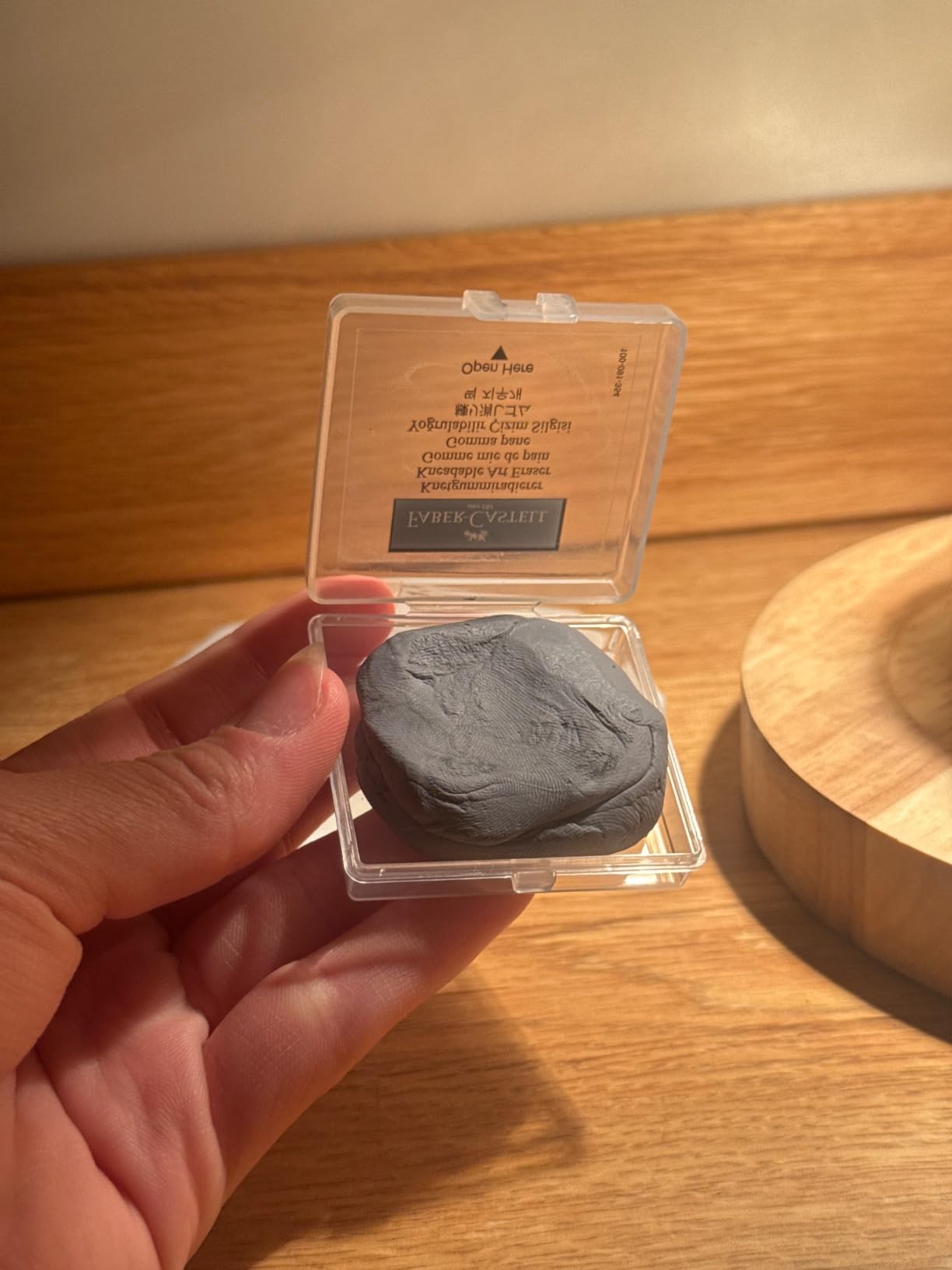
Every hand lettering artist needs a good eraser, and the Faber-Castell Kneadable Eraser is the one I reach for constantly. Unlike standard erasers, a kneaded eraser lifts graphite from paper rather than rubbing it away. This means zero damage to your paper surface, which is critical when you are erasing pencil guidelines from finished lettering pieces.
The eraser is soft and pliable. You can stretch it, fold it, and shape it into a point for erasing tiny areas. I shape mine into a thin edge to erase guide lines between letters without disturbing the ink. It collects graphite into itself, so you simply knead it to clean it. The included storage case keeps it from drying out between uses.
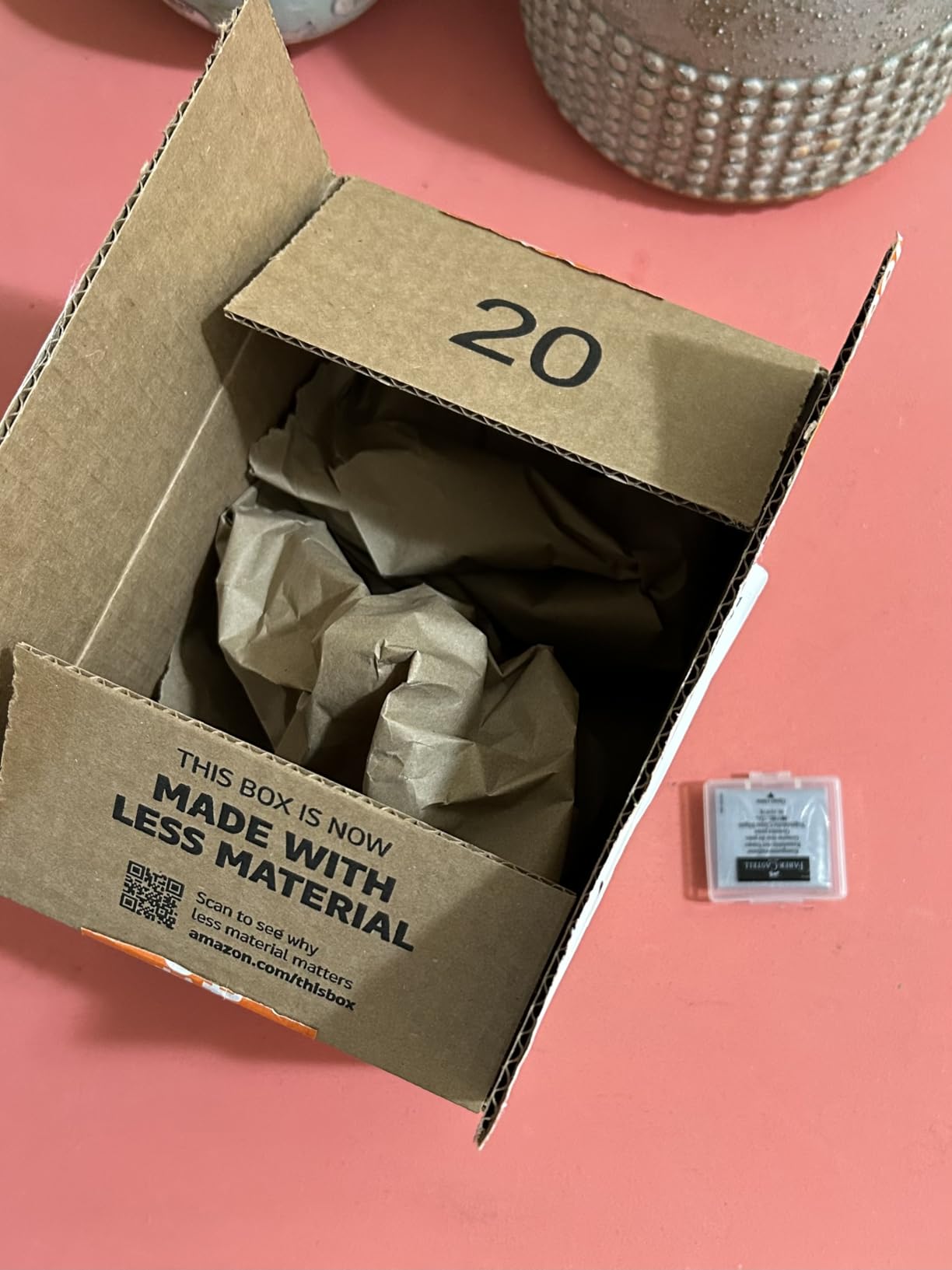
With over 20,000 reviews and the number two best seller rank in drawing erasers, this product speaks for itself. An 85 percent five-star rate shows that artists across disciplines trust it. I have used mine for over six months and it shows no signs of drying out or losing effectiveness.
One important note: the packaging can be misleading. The product image appears to show two erasers, but you only get one per pack. This is the most common complaint in reviews. At under four dollars for a single eraser that lasts months, it is still excellent value.
Why Kneaded Beats Vinyl for Lettering
For finished lettering pieces, kneaded erasers are superior because they lift graphite without friction. Vinyl erasers like the Prismacolor Magic Rub are better for heavy-duty erasing on practice paper and drafting work. I keep both types in my kit. Use the kneaded eraser for delicate finished pieces and the vinyl eraser for practice sessions.
Care and Storage Tips
Always store your kneaded eraser in the included case when not in use. Exposure to air will dry it out over time. If the eraser becomes saturated with graphite and starts leaving marks, simply stretch and fold it several times to work the graphite into the interior. Replace the eraser when it becomes too stiff to knead comfortably.
9. Sakura Pigma Micron, Graphic and Brush Fineliner Pens 8-Pack
- Exceptional archival quality ink
- Wide range of tip sizes including brush
- Smooth skip-free writing
- Does not smear or feather
- Durable tips resistant to fraying
- Not refillable design
- Fine tips can clog if unused
- May bleed through thin paper
- Higher price point than alternatives
This 8-pack from Sakura is an expanded version of the 6-pack Pigma Micron set we reviewed earlier. It adds a 1.0mm Graphic tip and a Brush tip to the standard micron range. I found this combination particularly useful because it covers everything from ultra-fine details to bold brush strokes in a single set.
The inclusion of a brush tip is what sets this set apart. While it is not a replacement for a dedicated brush pen like the Tombow Fudenosuke, the Pigma Brush tip uses the same archival waterproof pigment ink as the micron tips. This means you can create brush-style lettering that will not smear under watercolor washes.
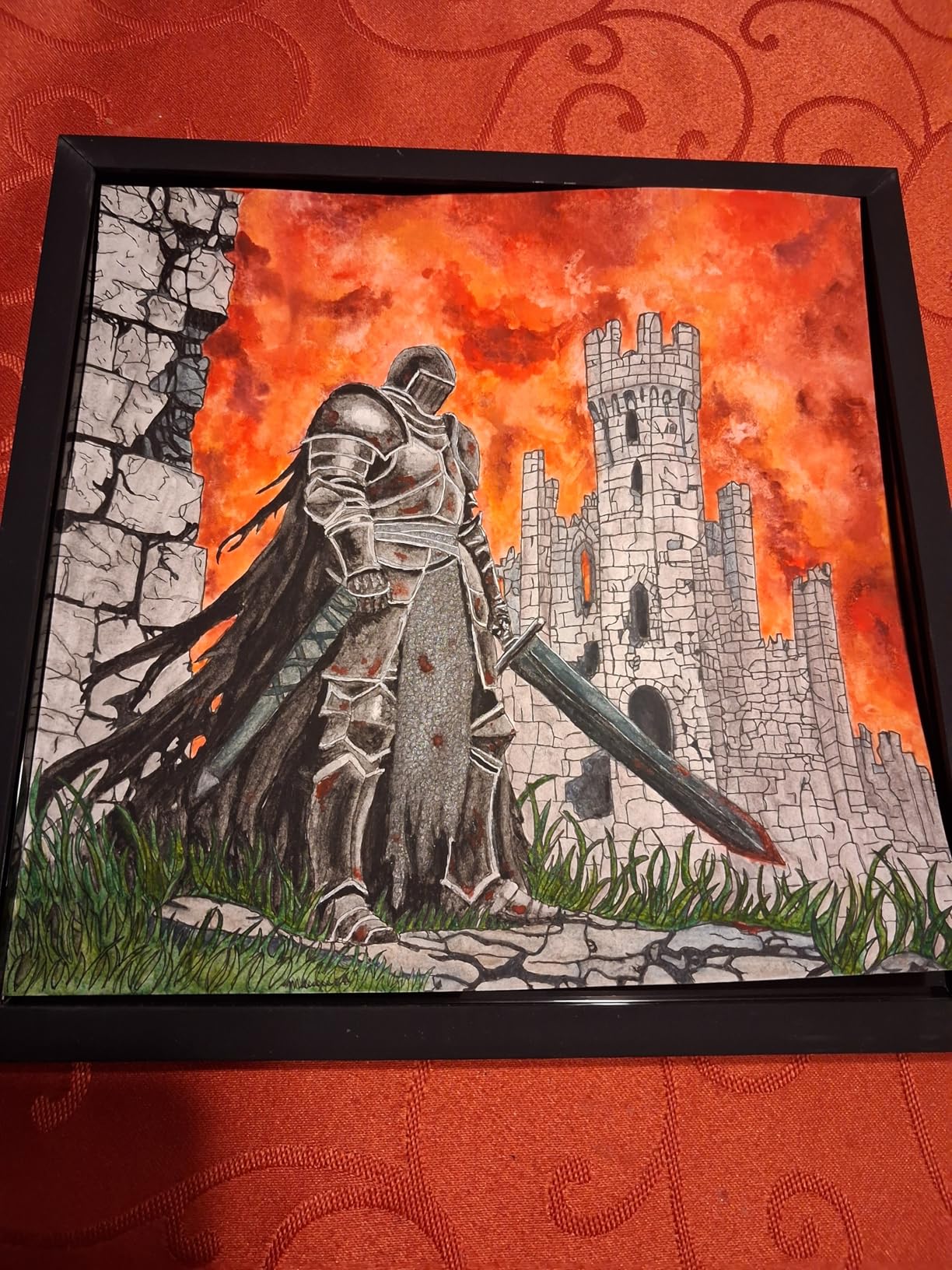
I tested the brush tip for envelope addressing combined with watercolor accents. The results were professional quality. The ink stayed crisp and dark even after I applied wet watercolor over it. This is something that water-based brush pens simply cannot do.
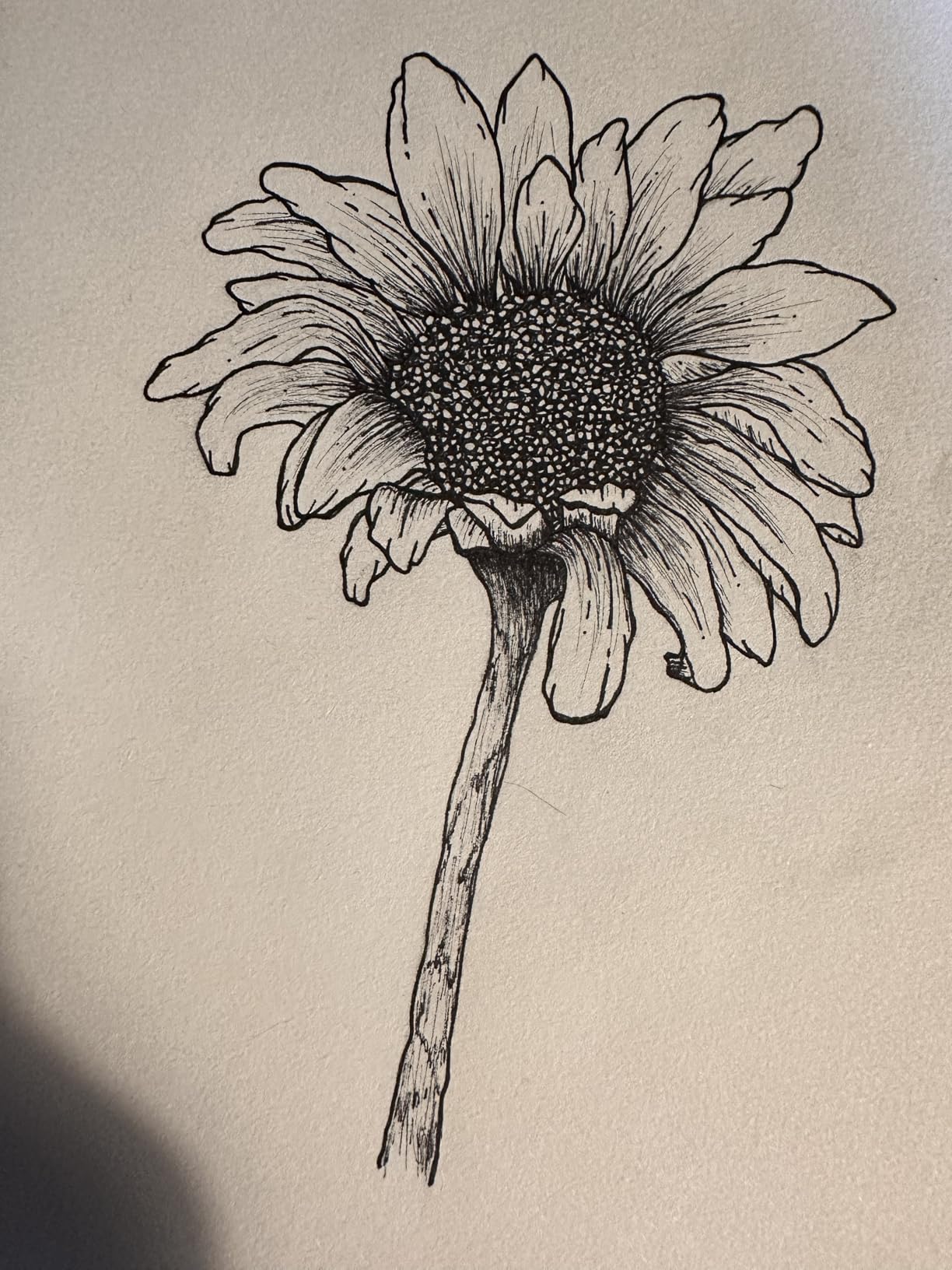
The Graphic 1.0mm tip produces bold, consistent lines that are perfect for creating contrast in hand lettered pieces. I use it for filling in thick downstrokes in faux calligraphy and for creating bold headers. With the same archival ink quality as the rest of the Pigma line, this 8-pack represents excellent value for serious letterers.
When to Choose the 8-Pack Over the 6-Pack
If you do any watercolor lettering or want a single set that covers both detail work and brush effects, the 8-pack is the better choice. The added Graphic and Brush tips give you more creative options. If you only need fine tips for faux calligraphy and detailing, the 6-pack is more economical.
Combining with Watercolor Lettering
The waterproof ink makes these pens ideal for watercolor lettering projects. Sketch your lettering first with the micron tips, erase pencil guidelines, then add watercolor washes. The ink will not bleed or smear. This technique is popular for wedding stationery and commissioned artwork. Check our guides on calligraphy ink sets for artists for complementary ink options.
10. Dyvicl Hand Lettering Pens – Affordable 8-Size Pen Set
- 8 different nib sizes for varied styles
- Smooth ink flow with no skipping
- Waterproof and fade-proof ink
- Ergonomic pens with coded pocket clips
- Good value for 8-pen set
- Some pens arrive dry quality control issues
- Brush tip awkward for beginners
- Plastic packaging difficult to open
- No instructions included
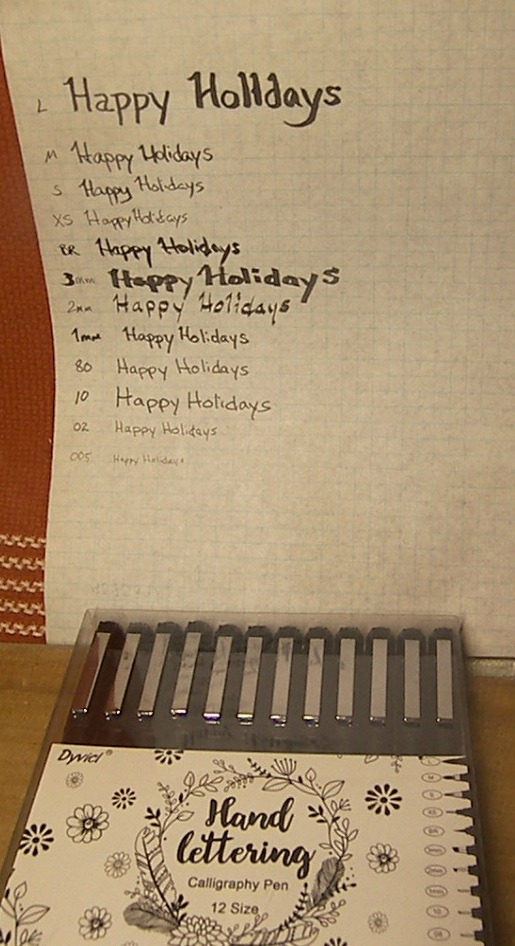
The Dyvicl Hand Lettering Pen set is another budget-friendly option for beginners who want to try multiple nib sizes without spending much. This 8-pen set includes sizes ranging from 1mm to a soft brush tip, covering everything from fine detailing to broad lettering strokes.
I found the ink flow smooth and consistent across most of the pens. The waterproof pigmented ink is a nice touch at this price point. The ergonomic design with coded pocket clips makes it easy to identify sizes quickly. The pens work on paper, fabric, and even melamine surfaces, which adds versatility.
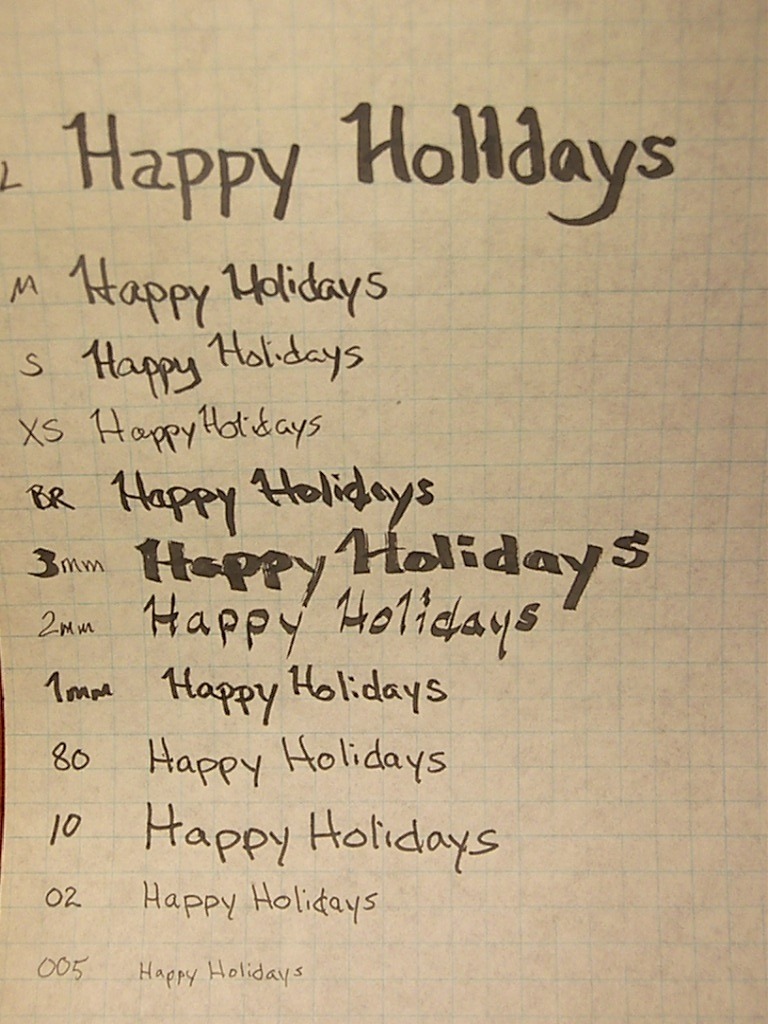
However, this set has some notable quality control issues. Out of the 8 pens in my set, one arrived dry and needed priming before it would write. Other users have reported similar experiences. The brush tip is also stiffer and less responsive than dedicated brush pens, which may frustrate beginners trying to learn pressure-based strokes.
With 3,335 reviews and a 72 percent five-star rate, the Dyvicl set sits firmly in the budget category. It is not going to replace premium pens, but it offers a cost-effective way to experiment with different nib sizes. For practice purposes, it gets the job done.
Best Uses for This Set
The Dyvicl pens are best suited for practice drills, scrapbooking, and casual journaling. I would not recommend them for commissioned work or pieces where ink consistency is critical. They are a good stepping stone set for beginners who want to figure out their preferred nib sizes before investing in individual premium pens.
What to Check When Your Set Arrives
Test every pen immediately upon arrival. If any pen is dry or skips excessively, contact Dyvicl customer service for a replacement. Prime new pens by pressing the tip gently on scrap paper until ink flows. Store horizontally with caps clicked tight to prevent the tips from drying out between uses.
11. Prismacolor Premier Magic Rub Vinyl Erasers 12-Pack

- Cleanly erases pencil without damaging paper
- Works well on delicate surfaces
- Durable and long-lasting
- Sharp corners for precise cleanup
- Excellent value for 12-pack
- Recent batches may have air bubbles
- May leave slight trace on very delicate paper
- Slight odor from cardboard packaging
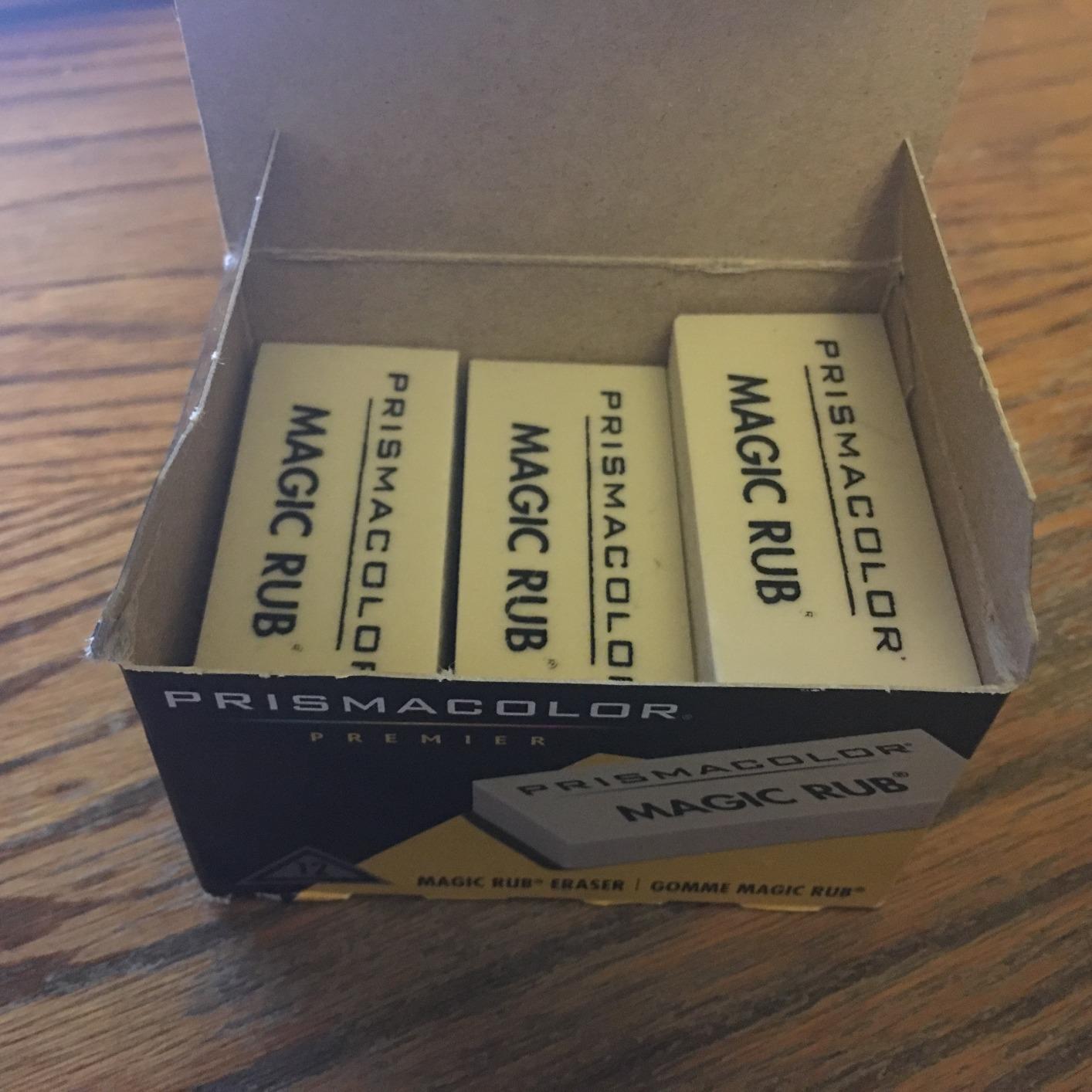
The Prismacolor Magic Rub eraser is a drafting classic that has earned its place in lettering kits everywhere. I tested the 12-pack and was reminded why these have been a staple for decades. The vinyl material absorbs graphite cleanly without smudging, and the sharp corners are perfect for erasing guide lines in tight spaces between letters.
What makes these erasers special is their ability to erase India ink as well as graphite. While a kneaded eraser lifts graphite gently, the Magic Rub can actually remove light India ink marks. This is useful when you make small mistakes with your Pitt Artist Pens and need to clean up the area before redoing the stroke.
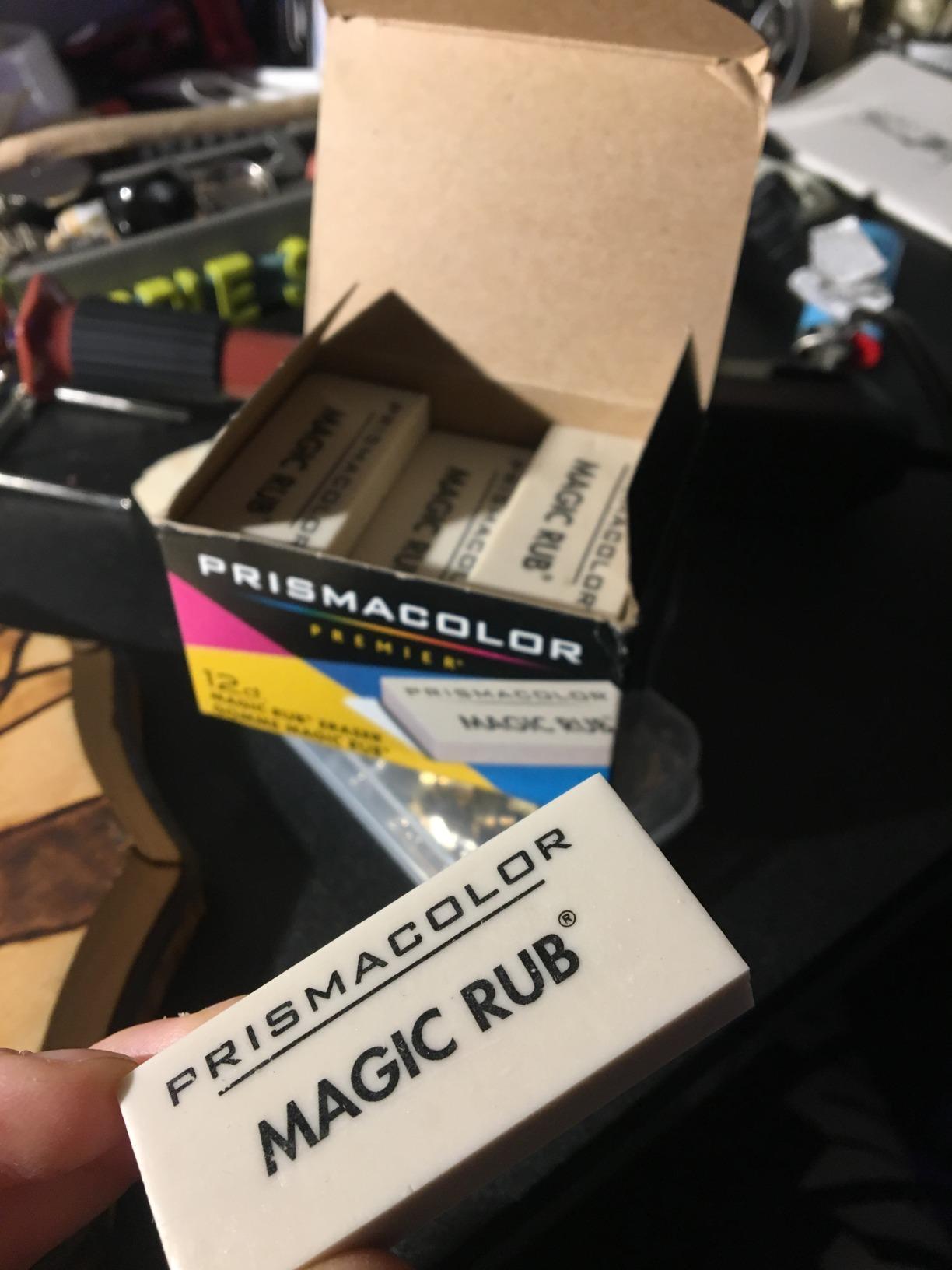
The latex-free design reduces smudging, which is important for lettering work where stray graphite marks can ruin a clean piece. Each eraser measures 2.25 inches long by 1 inch wide, making them easy to hold and maneuver. With 12 erasers in a pack, you will not run out for a very long time.
With over 2,000 reviews and a 79 percent five-star rate, these erasers are well-loved by the art community. Some users have noted that recent production batches occasionally contain air bubbles in the vinyl, which can affect performance. This seems to be a minor quality control issue rather than a widespread problem.
Vinyl vs Kneaded: Which Do You Need
You actually need both. Use the kneaded eraser for finished pieces where you need to lift pencil marks without any friction. Use the Magic Rub for practice sessions, heavy erasing, and cleaning up India ink mistakes. The Magic Rub is also better for erasing large areas of graphite quickly. At under a dollar per eraser in the 12-pack, there is no reason not to have both in your kit.
Made in USA Quality
The Prismacolor Magic Rub is manufactured in the United States, which gives some users confidence in quality standards. The erasers come with a one-year limited warranty. I found they last significantly longer than generic vinyl erasers, with each one surviving months of daily use before wearing down to an unusable size.
12. Tombow Advanced Lettering Set – Best All-in-One Kit

Tombow 56191 Advanced Lettering Set. Includes Need to Enhance Your Hand Lettering
- Comprehensive set with everything needed for lettering
- Smooth fluid ink flow without skipping
- Vibrant pigment payoff
- Great variety of tools for all skill levels
- Excellent value as a gift set
- Instructional pamphlet is very basic
- No in-depth instructions for beginners
- Higher price point than individual pens
The Tombow Advanced Lettering Set is the most comprehensive kit on our list. It bundles together multiple Tombow products into one package, giving you a complete lettering toolkit in a single purchase. I tested this set as a potential gift recommendation, and it exceeded expectations.
The set includes 4 Dual Brush Pens, 2 Fudenosuke Calligraphy Pens (soft and hard tips), a MONO Twin Permanent Marker, a colorless Blender Pen, a MONO Drawing Pencil, and a MONO Eraser. This is essentially a curated collection of Tombow bestsellers. Having all these tools in one set lets you explore different lettering techniques without piecing together individual purchases.
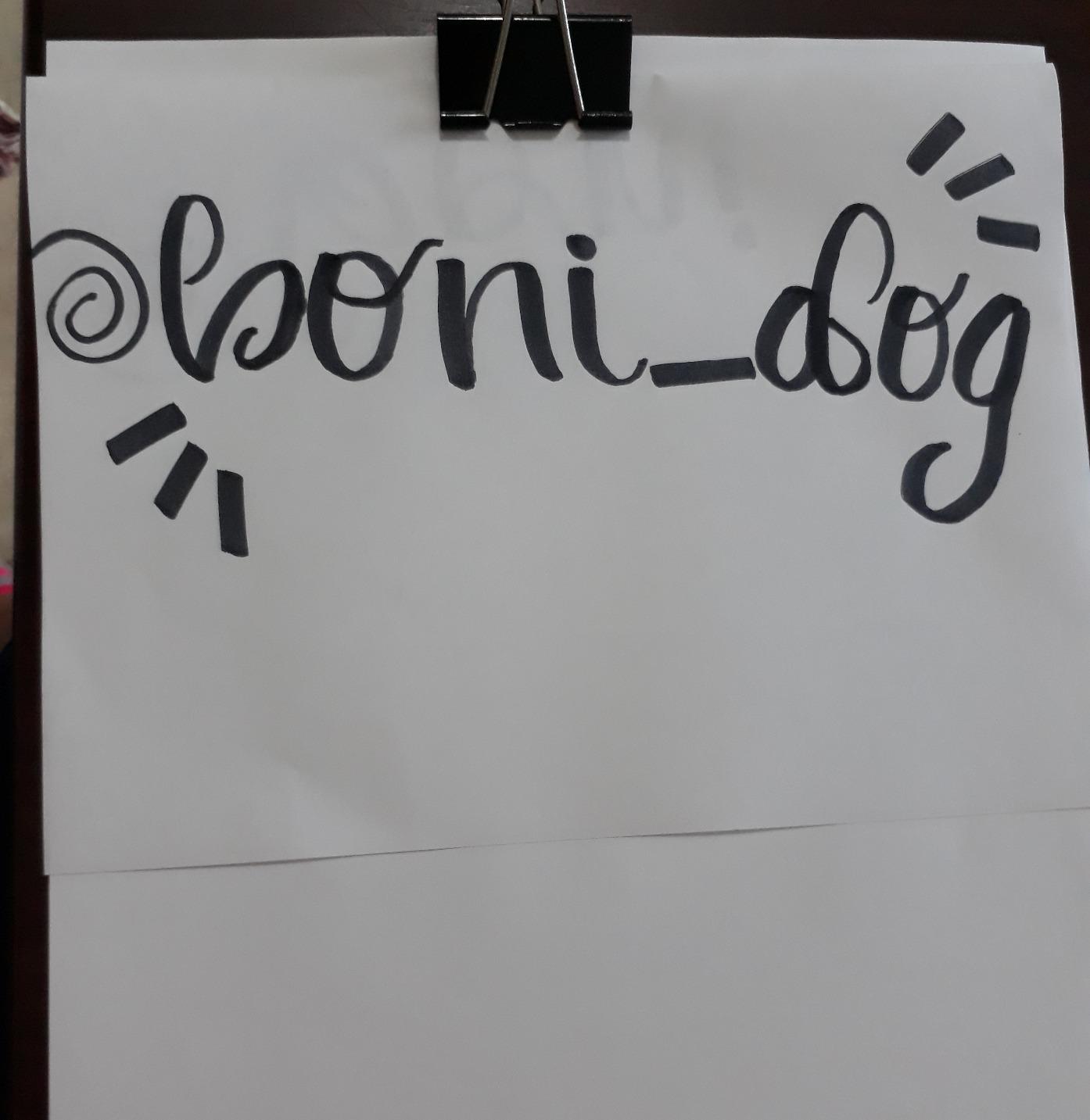
The ink flows smoothly across all the pens with no skipping or streaking. The colors are vibrant with excellent pigment payoff. The Fudenosuke pens in the set are the same high-quality pens we reviewed as our Editor’s Choice pick. The MONO Twin Permanent Marker is useful for adding permanent details that will not smear.
With 983 reviews and an impressive 84 percent five-star rate, this set is beloved by users. Notably, there are zero one-star or two-star reviews, which is remarkably rare for any product. Customers consistently describe it as a great gift and an ideal starter kit for anyone serious about hand lettering.
Is This Set Worth the Investment
If you are buying these tools individually, the total cost would exceed the set price. The convenience of having a curated collection is also valuable. This set makes an excellent gift for someone starting their lettering journey. The only real downside is that the included instructional pamphlet is very basic, so beginners will need to supplement with online tutorials or a lettering workbook. For more comprehensive pen options, browse our fountain pens for calligraphy guide.
What Is Missing From This Kit
The set does not include paper or practice worksheets, which are essential for beginners. I recommend pairing this set with a Rhodia dot pad and printed lettering worksheets. A light pad like the LitEnergy model we reviewed would also complement this set perfectly for tracing practice sheets. The kit also lacks fineliners, so consider adding a Sakura Pigma Micron set for faux calligraphy work.
How to Choose the Best Hand Lettering Supplies
Choosing the right supplies depends on your skill level, budget, and what you want to create. After testing all 12 products, I have broken down the key factors to consider when building your lettering kit.
Pen Types Explained
Hand lettering uses three main pen types, each serving a different purpose. Brush pens have flexible tips that create thick and thin lines based on pressure. They are the primary tool for brush lettering and modern calligraphy. Fineliners have fixed metal or nylon tips that produce consistent line widths. They are used for faux calligraphy, detailing, and inking. Gel pens use liquid ink and are great for adding decorative elements and color accents. Most lettering artists use a combination of all three types.
Paper Weight and GSM Matters
GSM stands for grams per square meter and measures paper thickness. Regular printer paper is about 75 GSM and will cause your brush pens to fray and ink to bleed through. For hand lettering, you want paper that is at least 100 GSM. Dot grid journals like Archer and Olive use 160 GSM paper that handles brush pens beautifully. Marker paper and smooth finish pads are also excellent choices. The smoother the paper surface, the longer your brush pen tips will last.
Skill Level Recommendations
Beginners should start with affordable tools that build muscle memory without frustration. The Tombow Fudenosuke soft tip, Crayola Super Tips, or the Dyvicl set are all good entry points. Intermediate letterers can invest in Tombow Dual Brush Pens, Sakura Pigma Microns, and quality dot grid journals. Advanced letterers should consider professional tools like the Faber-Castell Pitt Artist Pens with India ink for archival quality finished pieces. Check our dip pen sets for calligraphy guide for traditional options.
Budget Tiers
For under 25 dollars, you can build a functional starter kit with the Tombow Fudenosuke 2-pack, Ohuhu fineliner set, and a Rhodia dot pad. For 50 to 75 dollars, add Tombow Dual Brush Pens, a light pad, and a kneaded eraser. For over 75 dollars, consider the Tombow Advanced Lettering Set, Sakura Pigma Micron 8-pack, and an Archer and Olive journal. The beauty of hand lettering is that you can build your collection incrementally as your skills improve.
Preventing Brush Pen Damage
The number one mistake beginners make is using brush pens on rough or low-quality paper. This frays the brush tip quickly and ruins the pen. Always use smooth paper with a GSM of 100 or higher for brush pens. Hold the pen at roughly a 45-degree angle and let the brush do the work rather than pressing hard. Store pens horizontally with caps on to prevent the tips from drying out. For more pen care tips and advanced techniques, our best paint markers guide covers specialty tools as well.
FAQs
What supplies do I need for hand lettering?
The essential hand lettering supplies are a brush pen (like the Tombow Fudenosuke), a fineliner pen (like the Sakura Pigma Micron), smooth practice paper of at least 100 GSM, a kneaded eraser, and a pencil for guidelines. Optional but helpful items include a light pad for tracing practice sheets and a ruler for layout lines.
What pens are best for hand lettering beginners?
The best beginner pens are the Tombow Fudenosuke Soft Tip brush pen, Crayola Super Tips for budget practice, and Sakura Pigma Micron fineliners for faux calligraphy. The Fudenosuke is consistently recommended across forums as the easiest brush pen to learn pressure control with.
What paper is best for brush pens?
The best paper for brush pens is smooth finish paper with a weight of at least 100 GSM. Rhodia dot pads, Archer and Olive dot grid journals with 160 GSM paper, and marker paper pads are all excellent choices. Avoid regular printer paper because it frays brush tips and causes ink bleed-through.
How much do hand lettering supplies cost?
A basic starter kit costs around 20 to 25 dollars including a brush pen, fineliner set, and practice paper. A mid-range kit runs 50 to 75 dollars with added color pens and a light pad. Professional kits with archival ink pens and premium journals can exceed 100 dollars. You can start small and build your collection over time.
Can I use regular paper for hand lettering?
You can practice faux calligraphy and basic lettering on regular paper using fineliners or gel pens. However, regular printer paper will damage brush pen tips and cause ink to bleed through. For brush pen practice, invest in smooth marker paper or dot grid journals with a GSM of 100 or higher to protect your pens.
What is the best beginner brush pen?
The Tombow Fudenosuke Soft Tip is the best beginner brush pen. Its soft flexible tip requires less pressure to create thick downstrokes, making it easier to learn pressure control. It is affordable, durable, and consistently recommended by lettering communities on Reddit and YouTube.
Final Thoughts on the Best Supplies for Hand Lettering Artists
Finding the best supplies for hand lettering artists does not have to be overwhelming. After testing 12 products across brush pens, fineliners, erasers, light pads, and complete kits, a few clear winners emerged. The Tombow Fudenosuke 2-Pack is the best starting brush pen for anyone. The Tombow Dual Brush Pens offer the best value for color lettering. And the Sakura Pigma Micron remains the gold standard fineliner that every lettering artist should own.
Remember that technique matters far more than the tools themselves. Many incredible lettering artists started with nothing more than a pencil and a cheap marker. Invest in quality supplies gradually as your skills improve, and always protect your brush pens by using the right paper. With the right tools and consistent practice, you will see your lettering transform faster than you think.
Pick up a Tombow Fudenosuke, grab some smooth practice paper, and start lettering today. The best time to begin was yesterday, but today works just fine.