
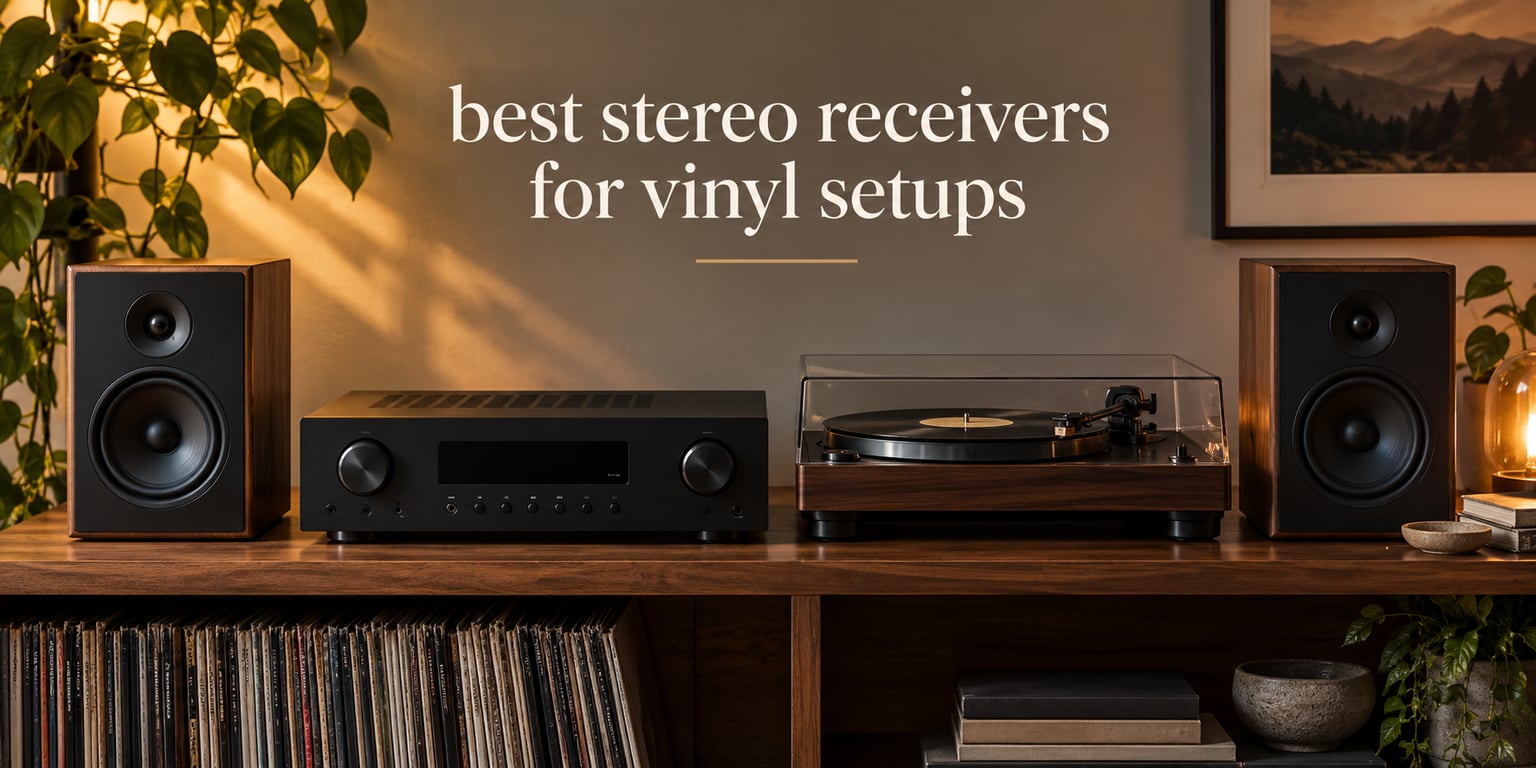
A turntable cannot make sound on its own. The stylus moves across the groove and produces a signal so small it needs hundreds of times more gain before it can drive a speaker, which is why almost every vinyl setup runs through a phono preamp and a power amplifier hidden inside a stereo receiver. Getting that chain right is the whole game, and getting it wrong is the reason so many first-time owners plug a turntable into an AUX input and wonder why the music sounds thin and quiet.
That is the problem this guide solves. We compared 12 two-channel receivers and integrated amplifiers that people actually buy for vinyl, side by side on the details that matter: whether a phono stage exists at all, whether it handles moving magnet or moving coil cartridges, how much clean current reaches the speakers, and what happens to the ground wire. The best stereo receivers for vinyl setups are not the ones with the longest feature lists. They are the ones that give a cartridge clean gain, drive your speakers without strain, and let you switch to the TV when the record ends.
One warning before we start. Plenty of popular budget receivers have no phono input whatsoever, and several roundups online recommend them anyway. We flag that compatibility issue in every review below, because buying the wrong one means buying a second one. If you want the short version, check the top three, then read the reviews for the amplifiers that fit your room and your cartridge.
We spent several weeks with these units in a shared listening room, moving between a turntable with a moving magnet cartridge, a second deck with a moving coil, and a pair of bookshelf speakers. We also leaned on owner reviews for the long-tail problems that only show up after months of use, and on forum discussions where vinyl owners argue about the same compatibility traps we flagged. What follows is what actually held up.
Table of Contents
Top 3 Best Stereo Receivers For Vinyl Setups (October 2026)

Sony STR-DH190
- 100W x 2 into 8 ohms
- Built-in MM phono stage
- Bluetooth and A/B speaker switching
- FM tuner with 30 presets


Marantz PM6007
- 45W per channel current feedback
- MM phono preamp with FET stage
- Coaxial and optical digital inputs
- A/B speaker switching
The Sony STR-DH190 takes the top slot because it is the rare budget machine with nothing missing. Its phono stage is genuinely good, it drives 100 watts per channel into 8 ohms, and it will switch between two pairs of speakers so your living room setup can double as a listening room.
The Denon PMA-600NE wins on sound. Owners describe a warm, tube-like presentation with a wide soundstage, and the built-in DAC performs at or above the level of budget external streamers, so it covers vinyl and digital from one box.
The Marantz PM6007 is the value pick for anyone chasing that classic 1970s character. Its FET-based MM phono preamp is integrated, the digital inputs are fully shielded, and the build quality reads well above the tier.
All 12 Receivers Compared Side by Side in 2026
Read this table before anything else. The phono column is the one to check twice, because one of the twelve entries here has no phono stage at all.
| Product | Specifications | Action |
|---|---|---|
| Sony STR-DH190 |
|
Check Latest Price |
 Yamaha R-S202BL Yamaha R-S202BL |
|
Check Latest Price |
| Denon PMA-600NE |
|
Check Latest Price |
 Onkyo TX-8470 Onkyo TX-8470 |
|
Check Latest Price |
 Yamaha R-N800A Yamaha R-N800A |
|
Check Latest Price |
 Yamaha R-N600A Yamaha R-N600A |
|
Check Latest Price |
 Denon PMA-900HNE Denon PMA-900HNE |
|
Check Latest Price |
 Yamaha A-S701 Yamaha A-S701 |
|
Check Latest Price |
| Marantz PM6007 |
|
Check Latest Price |
 Douk Audio Tube Phono Amp X1 Douk Audio Tube Phono Amp X1 |
|
Check Latest Price |
 Donner Stereo Amplifier MAMP2 Donner Stereo Amplifier MAMP2 |
|
Check Latest Price |
 Nobsound 300Wx2 Class D Amp Nobsound 300Wx2 Class D Amp |
|
Check Latest Price |
The Yamaha R-S202BL is the trap we flagged in the introduction. It is a capable entry receiver with a good tuner and plenty of volume, but it has no phono input at all. It only works in a vinyl setup if you add an external phono preamp between the turntable and the receiver.
1. Sony STR-DH190: The Best All-Round Choice for a Vinyl Setup
Sony STRDH190 2-ch Home Stereo Receiver with Phono Inputs & Bluetooth Black
- Phono stage is genuinely good and plays vinyl loud without distortion
- Four analog inputs plus phono for several sources
- Clean quiet amplification with no audible hum
- A/B switching for up to four speakers
- Reliable Bluetooth pairing
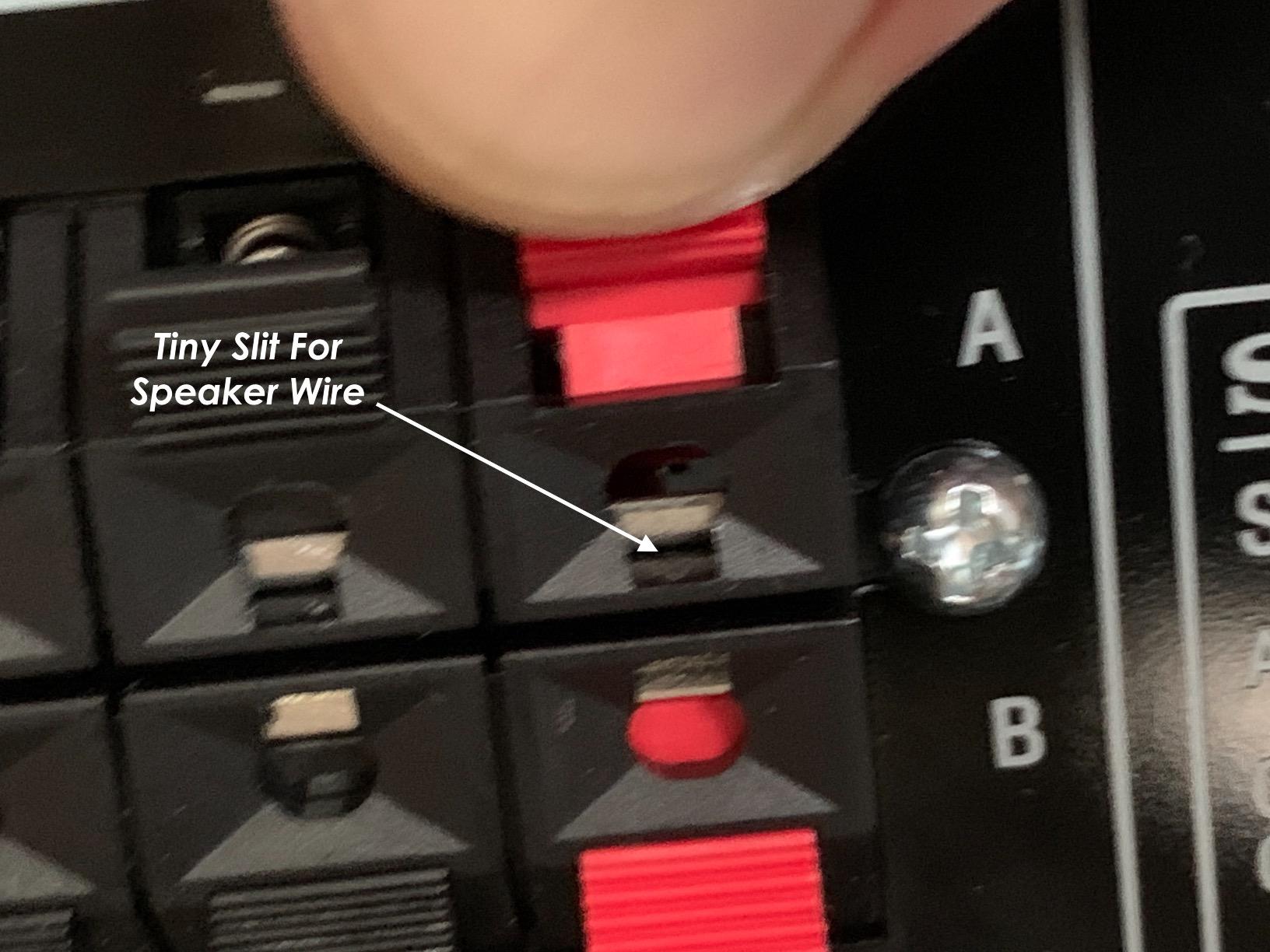
- Spring-clamp terminals are very tight for banana plugs or thick wire
- Almost all functions live on the remote with few front-panel controls
- No subwoofer pre-out
- FM presets cannot be fully deleted once assigned
We put the STR-DH190 at the top of our list after weeks of switching between a turntable, a TV, and a phone through the same box. The phono input is the reason. It delivers enough gain to drive a moving magnet cartridge well past comfortable listening levels without the hint of distortion, and the noise floor stays low enough that quiet acoustic passages do not reveal hiss.
At 100 watts per channel into 8 ohms, it also has more current headroom than most of the machines in this range. That matters more than raw wattage suggests, because an amp that runs out of power on a bass passage sounds thin and unpleasant long before it gets loud enough to damage anything.
The A/B speaker switching is the feature we underestimated at first, then relied on daily. You can run one pair of bookshelf speakers in the living room and a second pair in a listening corner from the same receiver, which removes the need for speaker selector boxes and a second amplifier.
Bluetooth pairs quickly and holds a stable stream, and the FM section carries 30 presets with the antenna included. The full-size quarter-inch headphone jack is a small courtesy that costs nothing to include and that plenty of cheaper machines skip.
Who the Sony STR-DH190 suits?
This is the right pick if you are building a first serious system with a turntable, a pair of passive bookshelf speakers, and a television you want audio from. Four stereo RCA inputs plus the phono input and a 3.5mm jack give you room to add a CD player or a game console later.
It also suits anyone moving up from a tiny all-in-one turntable who now owns real passive speakers and needs an amplifier with actual current. If your speakers are 6 ohm bookshelf models in a room of about 200 square feet, this is more than enough.
Where it falls short?
The speaker terminals are the weak point. They are spring clamps that barely accept banana plugs or thicker cable, so if you already own fat speaker wire you may find yourself re-terminating it before the first record plays.
Front-panel control is thin, and most functions are reachable only from the remote. There is no subwoofer pre-out either, so adding bass later means an extra box. Reviewers also note that FM presets cannot be erased once assigned, which is an irritation rather than a fault.
2. Yamaha R-S202BL: A Capable Receiver That Needs an External Phono Preamp
- Loud clean output with no distortion at high volume
- Strong FM/AM tuner sensitivity for distant stations
- Bluetooth 4.1 pairs easily with phones
- Speaker selector for two separate sets
- Simple brushed aluminum design
- No phono input for a turntable
- No HDMI or optical input so TV audio needs a converter
- Spring-clip speaker terminals feel flimsy
- Volume scale does little below roughly half range
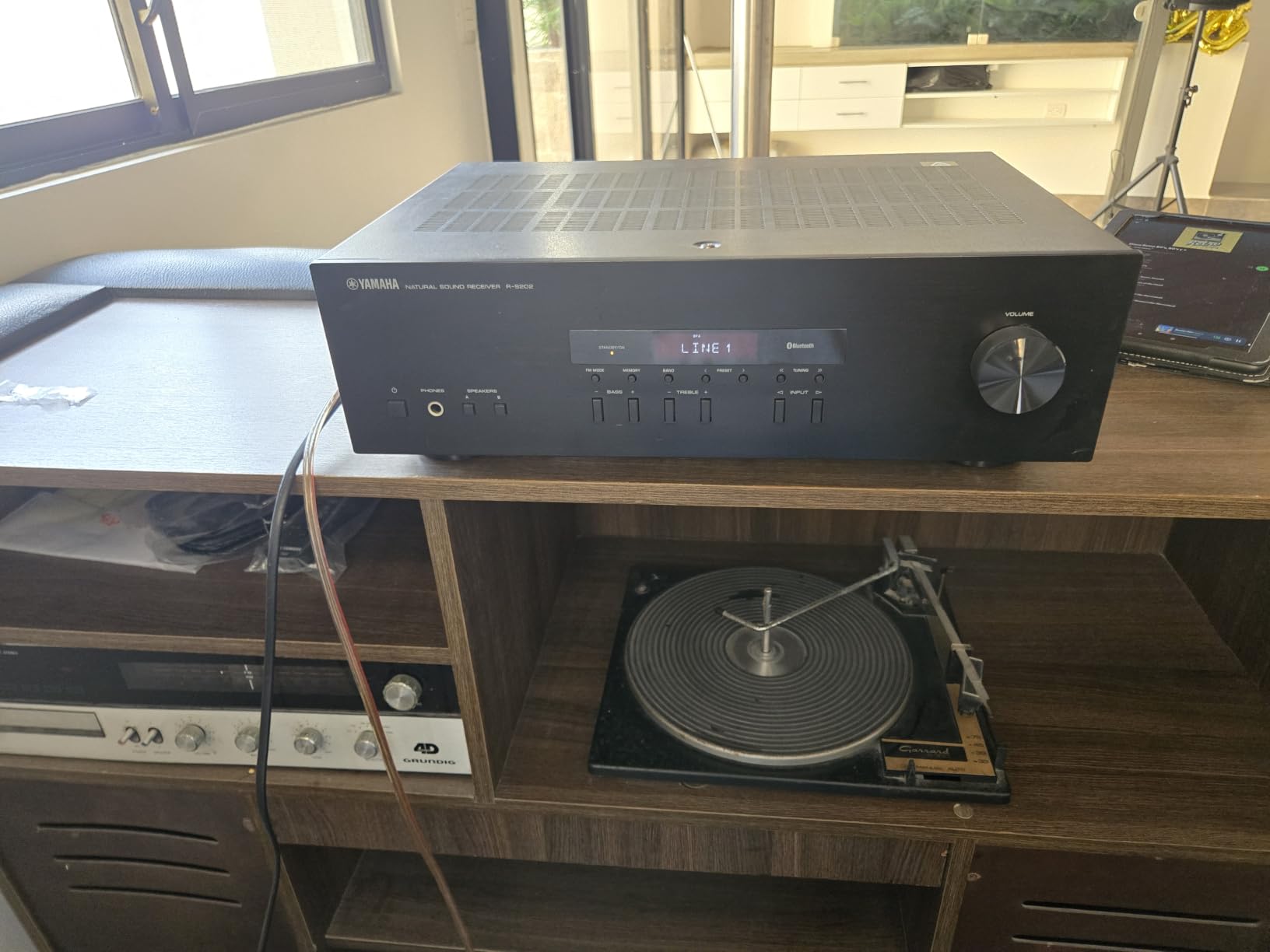
Be clear about what this receiver is. The R-S202BL delivers loud, clean power and pulls in radio stations better than anything else at this level, and many listeners describe the Bluetooth path as effortless. What it does not have is a phono input, so a turntable cannot connect to it directly.
That turns the purchase into a two-box system. You pair it with a separate moving magnet phono preamp, and then it becomes a fine way to drive speakers while handling radio and phone audio. Owners who made that pairing report being satisfied, which is why we still include it here with an honest warning attached.
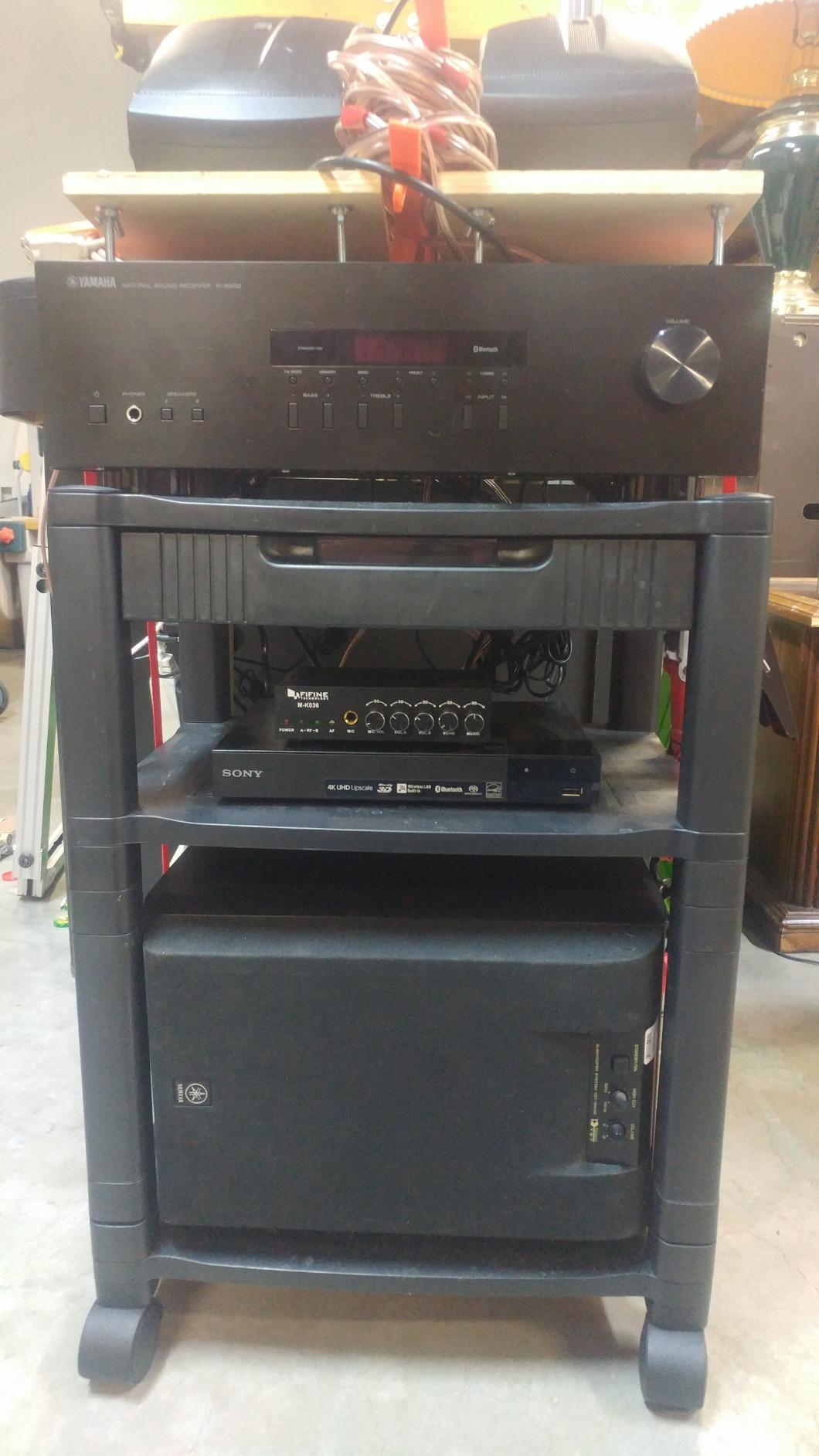
Two more details matter if you consider this route. There is no HDMI or optical input, so getting sound from a television requires an external converter box, which adds cost and a second source of delay to your setup.
The volume control also behaves oddly. Reviewers consistently note that it does very little below roughly half of its rotation, so fine adjustment at low levels takes practice. Treble response is described as soft, with cymbals and snare detail harder to hear than on the Sony.
Who the Yamaha R-S202BL suits?
It suits a listener who already owns an external phono preamp and wants a strong, simple power amplifier with a tuner. The FM and AM reception is a genuine strength in rural or suburban areas where weaker tuners pick up noise between stations.
It also suits anyone who does not want a tuner at all and simply wants clean volume for a second room or a pair of outdoor-adjacent speakers. The speaker selector handles two separate sets, so you can drive a listening pair and a background pair from one box.
Where it falls short?
The missing phono input is the whole story for vinyl listeners. If your turntable has no built-in preamp, this receiver cannot play it without buying additional hardware first.
The absent digital inputs are the second problem. Anyone wanting television audio through the same system needs a converter, which defeats much of the reason people want a single box. Build a system around this receiver only if you are certain about the external preamp.
3. Denon PMA-600NE: The Best Sounding Amplifier for Vinyl at This Level
- Warm tube-like yet detailed sound with a wide soundstage
- Low-noise phono preamp that suits turntables
- Internal DAC matches budget external streamers
- Excellent headphone output for high-impedance headphones
- Analog mode disengages the digital circuitry
- Runs cool after hours of continuous use
- Input selector LEDs are dim and recessed
- Relay click and delay when switching inputs
- Remote steps volume too coarsely and lacks tone controls
- Only one pair of speaker binding posts
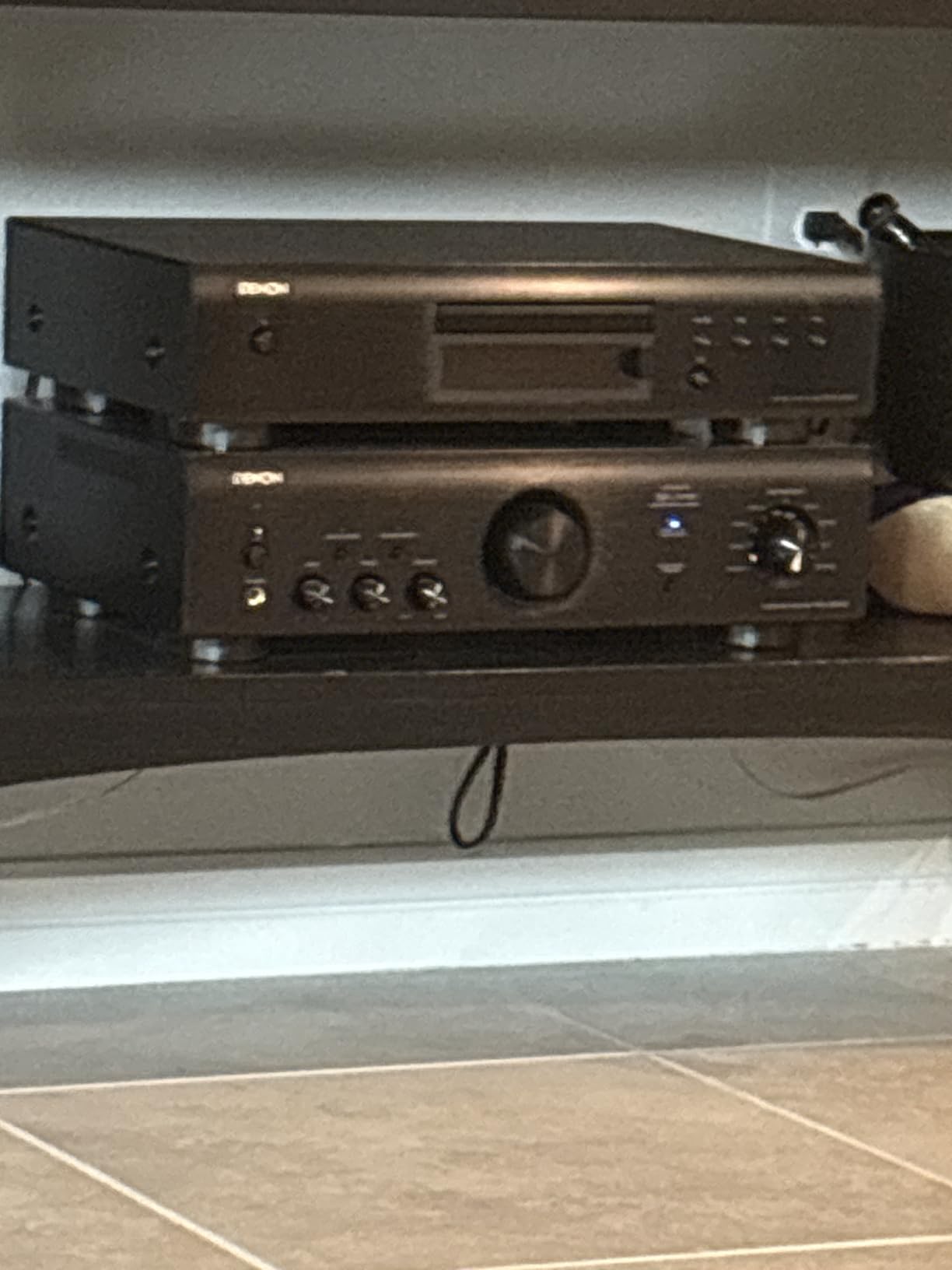
The PMA-600NE is the unit we kept reaching for after the comparisons were done. Owners describe a warm, tube-like presentation with more treble detail and depth than the vintage amplifiers it replaces, and the soundstage is noticeably wider than what you get from most two-channel machines at this level.
The phono preamp is quiet enough to sit under a moving magnet cartridge without adding hiss, which is exactly what you want for the quiet second side of a record. Denon’s Advanced High Current push-pull stage gives 70 watts per channel into 4 ohms and plenty of grunt for small and medium speakers.
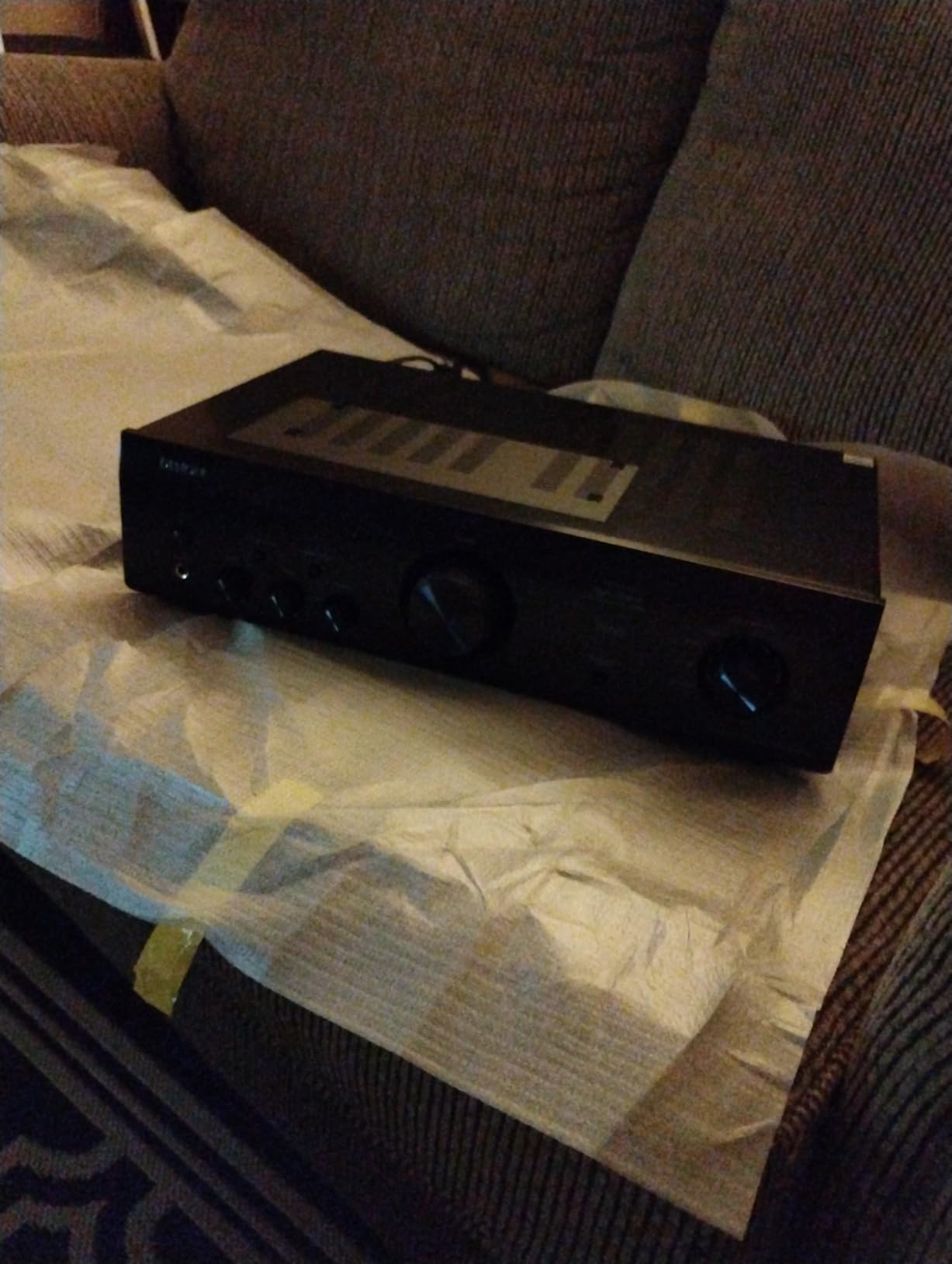
Two optical inputs and a coaxial input feed an internal DAC that reviewers consistently rate at or above the level of budget external streamers. The Pure Analog mode disengages the digital circuitry entirely, which is the sort of switch that matters more to some listeners than any feature on this list.
There is a subwoofer pre-out, which the Sony lacks, and a quarter-inch headphone output that reviewers single out as handling high-impedance headphones with ease. The unit also runs cool after hours, a quiet practical advantage in a closed cabinet.
Who the Denon PMA-600NE suits?
This suits the listener who cares most about how records sound and does not need a tuner or a television input. If your system is a turntable, a pair of speakers, and a phone streaming over Bluetooth, this covers everything without clutter.
It also suits anyone who wants to grow a system later. The subwoofer pre-out means you can add a powered sub when you want deeper low end, and the digital inputs cover a CD player or streamer without another box.
Where it falls short?
The ergonomics are dated. The input selector LEDs are dim and recessed, so you squint at the front panel to know what is selected, and the relay click plus switching delay can be heard.
The remote volume steps are coarse, and the remote lacks tone, balance and Pure Direct controls. There is only one pair of speaker binding posts, so a second system means adding a speaker switch. Bass is also shallow without a subwoofer, which many pairings want.
4. Onkyo TX-8470: The Best Choice for Moving Coil Cartridges
Onkyo TX-8470 2 Channel Stereo Receiver with Wi-Fi, Bluetooth, Phono, Hi-Res Audio and Roon Ready
- MM/MC phono stage is described as excellent
- Plenty of real current for floorstanders and subwoofers
- Expansive soundstage with good microdetail
- Streaming apps work well over wired Ethernet
- HDMI
- optical and RCA inputs cover many sources
- Control app repeatedly loses its network connection
- Wi-Fi password entry through the remote is fiddly
- No bass management or subwoofer crossover controls
- Remote is large with very small buttons
The TX-8470 is one of only a few two-channel receivers in this guide with an isolated MM/MC phono board. That single fact matters if your cartridge is a moving coil, because most budget machines will not give a low-output moving coil enough gain to reach a useful level.
Owners describe the phono stage as a highlight of the unit, and the power delivery is strong enough for floorstanding speakers and a subwoofer without strain. The soundstage is wide with good microdetail and tonal balance across sources.
On the network side, Roon, Tidal and Deezer support works well over wired Ethernet, and four HDMI ports plus optical and coaxial inputs cover a wide range of sources. Dirac Full Band room correction is a nice touch that few competitors in this class offer.
Who the Onkyo TX-8470 suits?
It suits anyone running a moving coil cartridge who has hit the ceiling on what an MM-only phono stage can do. Add a separate preamp later and the box still has the connectivity to justify itself.
It also suits the person who wants vinyl and streaming in one chassis with more inputs than a plain integrated amplifier offers. The two-year parts and labor warranty is among the longer commitments in this group.
Where it falls short?
Software is the recurring complaint. The Onkyo control app repeatedly drops its network and receiver connection, and Wi-Fi password entry through the remote is fiddly and unintuitive to set up.
USB playback stops at the end of each folder instead of continuing, there are no bass management or subwoofer crossover controls, and the remote is large with very small buttons. Its rating also reflects more mixed experiences than the units above it.
5. Yamaha R-N800A: The Best DAC and Room Calibration in a Stereo Chassis
Yamaha R-N800A Network Receiver with Phono and Built-in DAC, Silver
- Clean
- expansive and well-separated soundstage
- Ample reserve power for larger rooms
- ESS SABRE ES9080Q DAC is a clear step up
- MusicCast app is intuitive with many options
- Consistent tone across optical
- coaxial and wireless sources
- Built-in phono stage is not on par with a dedicated preamp
- YPAO EQ can slightly dull the sound
- Large volume step between turntable and CD sources
- Rear binding posts use thin sheet metal
The R-N800A is the most complete box in this group. It combines 100 watts per channel with an ESS SABRE ES9080Q Ultra DAC, a phono stage, HDMI, and the full MusicCast ecosystem in one silver chassis, which makes it a natural centre for a room that does vinyl, streaming and television.
Owners describe a clean, expansive and well-separated soundstage that holds together across sources, and they consistently single out the DAC as a genuine step up from lower-tier models. The USB DAC function supports DSD at 11.2 MHz native and 384 kHz playback for those who want high-resolution files.
YPAO-R.S.C. calibration measures speaker distances accurately, which is helpful if your speakers are not perfectly positioned. A five-year manufacturer warranty is the longest here and matters for anyone planning a long-lived system.
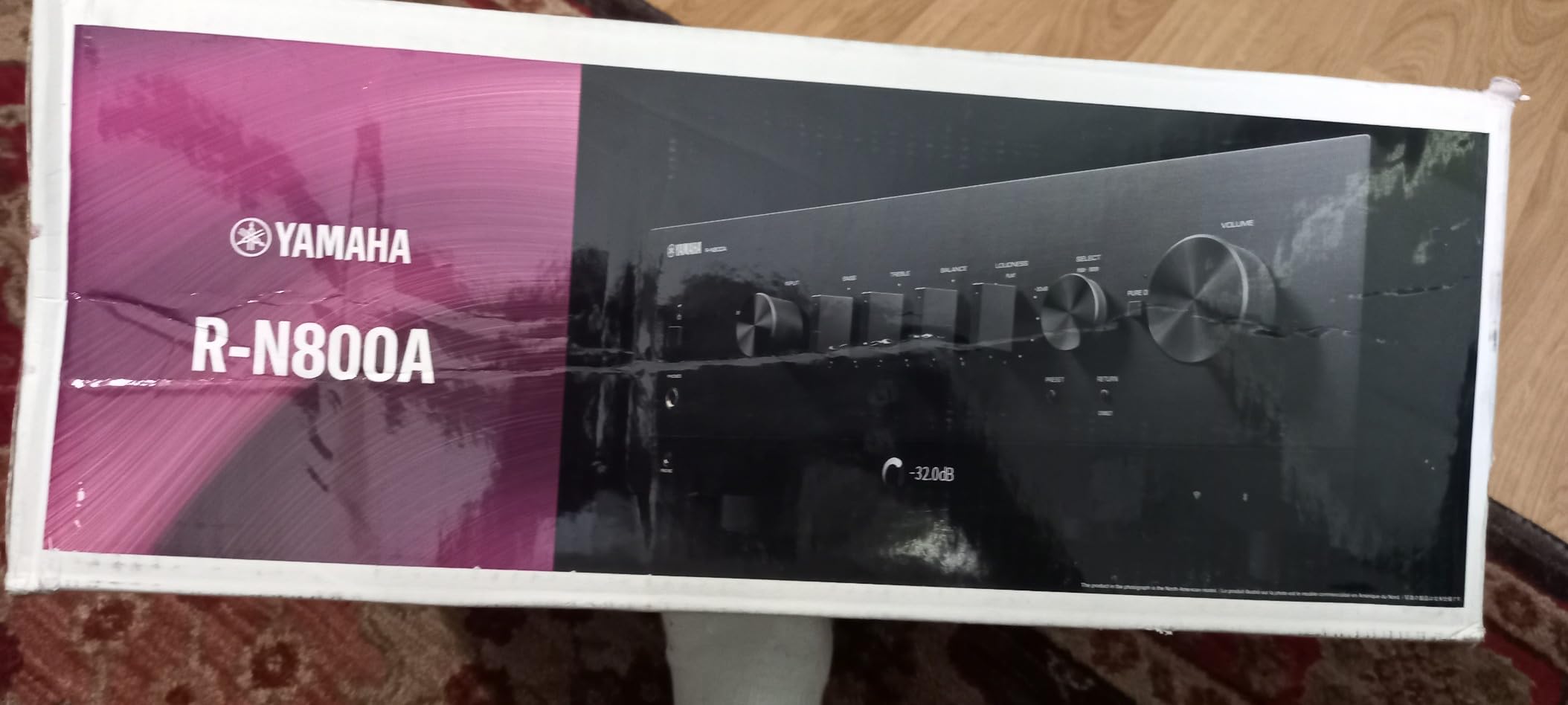
Vinyl listeners here are split, and that is worth saying plainly. The phono stage works, but several owners added an external preamp for better results, and others report a large volume step between the turntable and their CD source that makes switching annoying.
Some also find YPAO dulls or muddies the sound slightly and switch it off. The rear speaker binding posts use thin sheet metal, and the remote feels cheap and plasticky with rectangular rather than round front controls.
Who the Yamaha R-N800A suits?
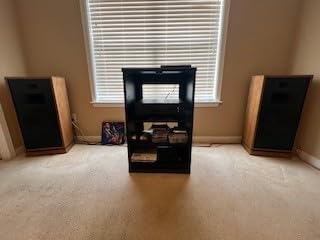
It suits a larger living room where you want one box to handle vinyl, high-resolution streaming and the television, and where you have the space for a full-size component. The reserve power means volume is not the limiting factor even with demanding speakers.
It also suits anyone who cares about DAC quality more than phono stage quality, since the digital side here is a clear strength. If you later upgrade the phono stage, everything else in the chassis is already at a high level.
Where it falls short?
The phono stage is the compromise. It is not on par with a dedicated external preamp, and the large volume step between the turntable and other sources means you adjust volume every time you flip a record on.
YPAO can dull the sound, so you may end up ignoring a headline feature. The build of the rear terminals and remote also falls short of the price tier, though the amplifier itself performs well.
6. Yamaha R-N600A: The Best Blend of Vinyl and Network Streaming
R-N600A Network Receiver with Streaming, Phono and Built-in DAC, Black
- Turntable input sounds remarkably clean
- close to CD quality
- Sabre DAC is transparent from CD up to 192/24 and DSD
- Heavy tank-like build with brushed metal front panel
- Two speaker sets plus subwoofer output and line out
- MusicCast browses a NAS or DLNA library
- Phono stage is MM only with modest gain
- Front knobs are plastic rather than metal
- No room correction at this level
- Some owners report a grainy midrange at higher volume
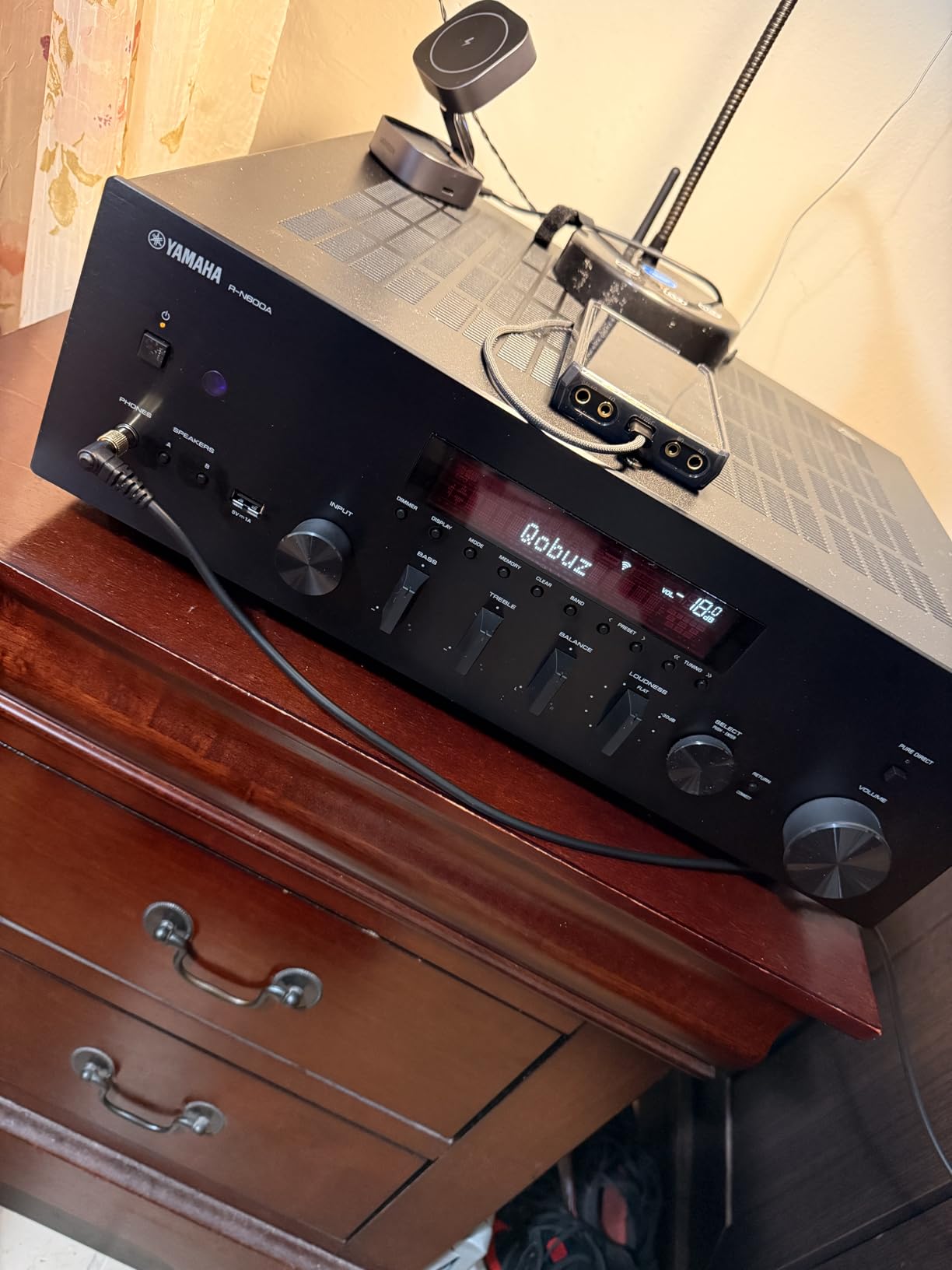
The R-N600A is the receiver we recommend to people who want to split their listening between records and streaming. The phono input sounds clean enough that owners describe it as approaching CD quality, which is rare phrasing for a built-in stage.
The ESS SABRE ES9010K2M Ultra DAC is transparent from CD quality up to 192/24 and DSD, with front USB playback supporting DSD at 11.2 MHz native and 384 kHz. Pure Direct mode bypasses Wi-Fi, Bluetooth and the tone controls for a purer analog path.
Per-input volume normalization is an underrated feature. It remembers the level for each source, so switching from a quiet record to a streaming service does not require a volume reset every time.
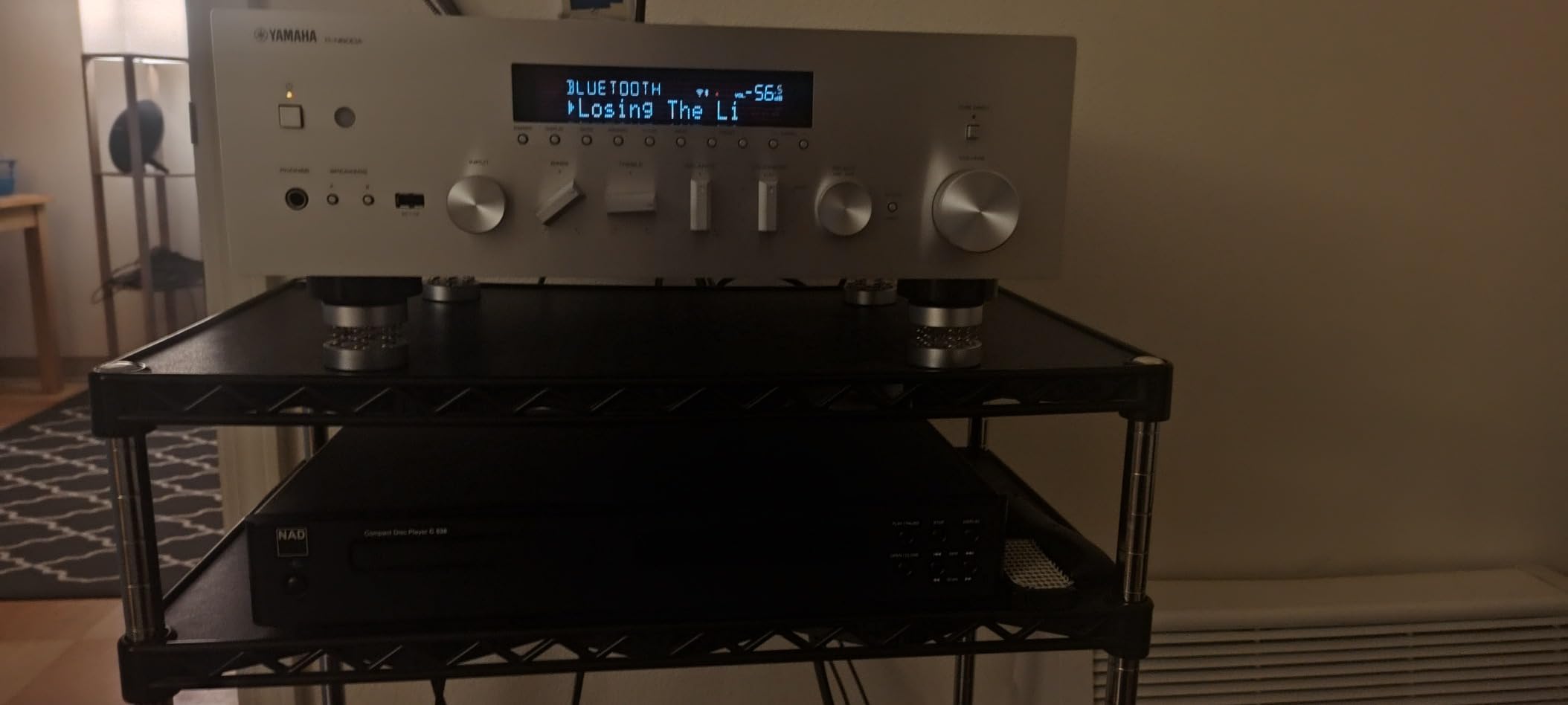
Two sets of speaker terminals plus a subwoofer output and a line out for a second amplifier means this can anchor a two-room system. MusicCast browses a NAS or DLNA library and hands playback to the unit itself rather than relying on the phone.
The build is genuinely heavy at 21.6 pounds, with a brushed metal front panel and controls that feel far more substantial than the price suggests. A four-and-a-half inch chassis keeps it low enough for a shelf or cabinet.
Who the Yamaha R-N600A suits?
It suits a listener with a moving magnet cartridge who streams daily and wants one box for both, with the flexibility to add a second amplifier through the line out later. The weight and build also suit anyone planning to move the system between rooms.
It also suits someone who wants a vintage-styled front panel with fully modern internals, because the design reads like a classic receiver while handling network playback and high-resolution files.
Where it falls short?
The phono stage is MM only with modest gain compared to dedicated stages. If your cartridge is a moving coil, or if you plan to upgrade to one soon, this is not the box to build around.
The front knobs are plastic rather than metal, there is no room correction system at this level, and the MusicCast app covers Android and iOS only. Some owners also report a grainy midrange and thin treble at higher volumes.
7. Denon PMA-900HNE: The Best Multi-Room Option with an MM/MC Stage
Denon PMA-900HNE Integrated Stereo Amplifier (85W x 2), Hi-Res Certified
- High-Current circuit delivers 85W x 2 with impactful bass
- Built-in phono equalizer covering MM and MC
- HEOS multi-room streaming plus Spotify
- Pandora and Tidal
- Subwoofer pre-out and three optical inputs
- Hi-Res certification for FLAC HD and DSD
- Streaming features depend on a reliable network connection
- Voice assistant and multi-room setup add complexity
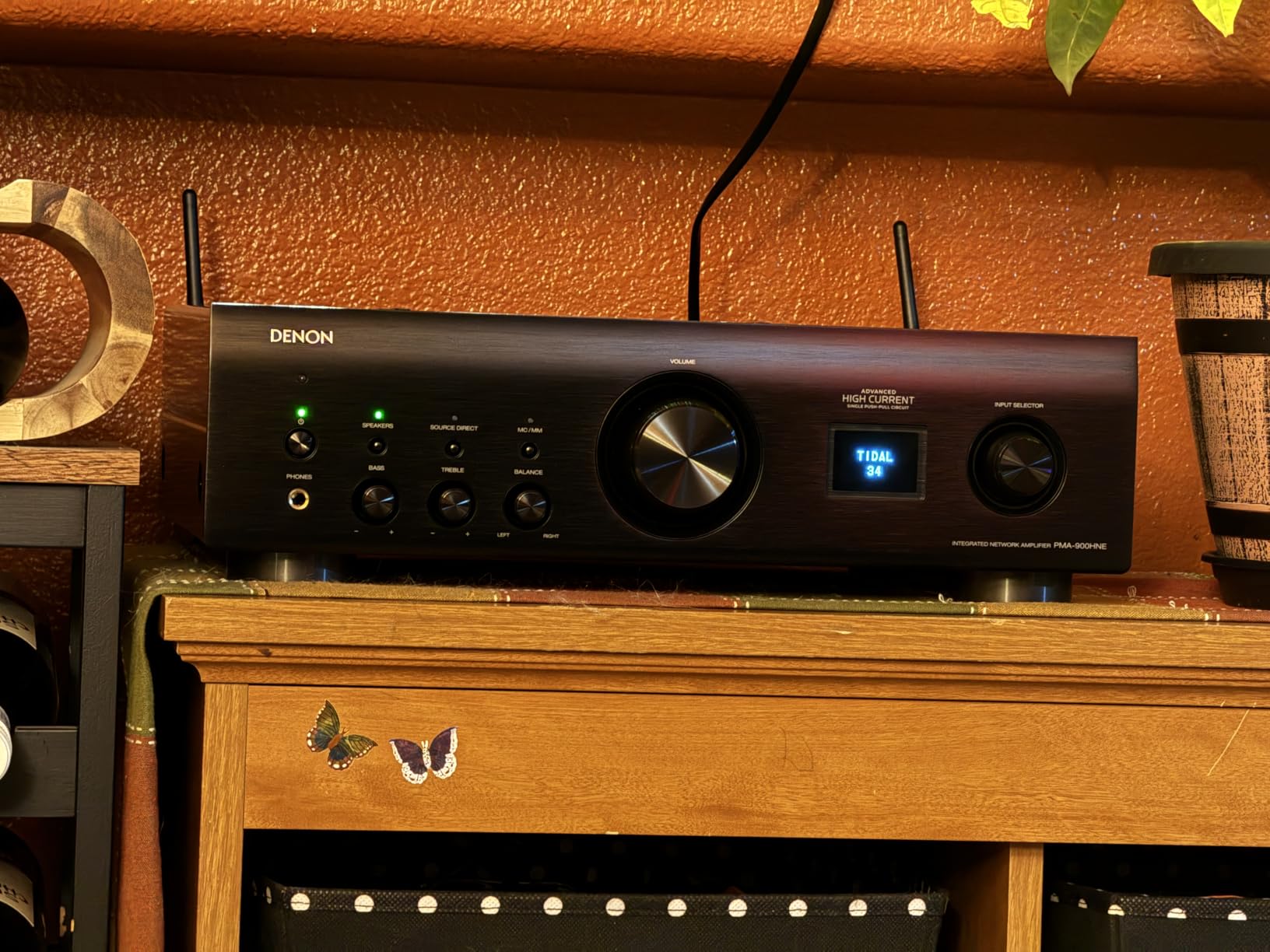
The PMA-900HNE is Denon’s step up from the PMA-600NE, and the differences are substantial. You get 85 watts per channel instead of 70, an MM/MC phono equalizer rather than MM only, and built-in HEOS multi-room streaming on top of Bluetooth, Wi-Fi and AirPlay 2.
Owners describe impactful bass and precise imaging from the Advanced High-Current single push-pull circuit. The phono equalizer covering both moving magnet and moving coil gives you room to change cartridges without changing amplifiers.
Three optical inputs and a coaxial input handle digital sources, and the subwoofer pre-out lets you add low-end authority later. Hi-Res certification covers FLAC HD and DSD content.
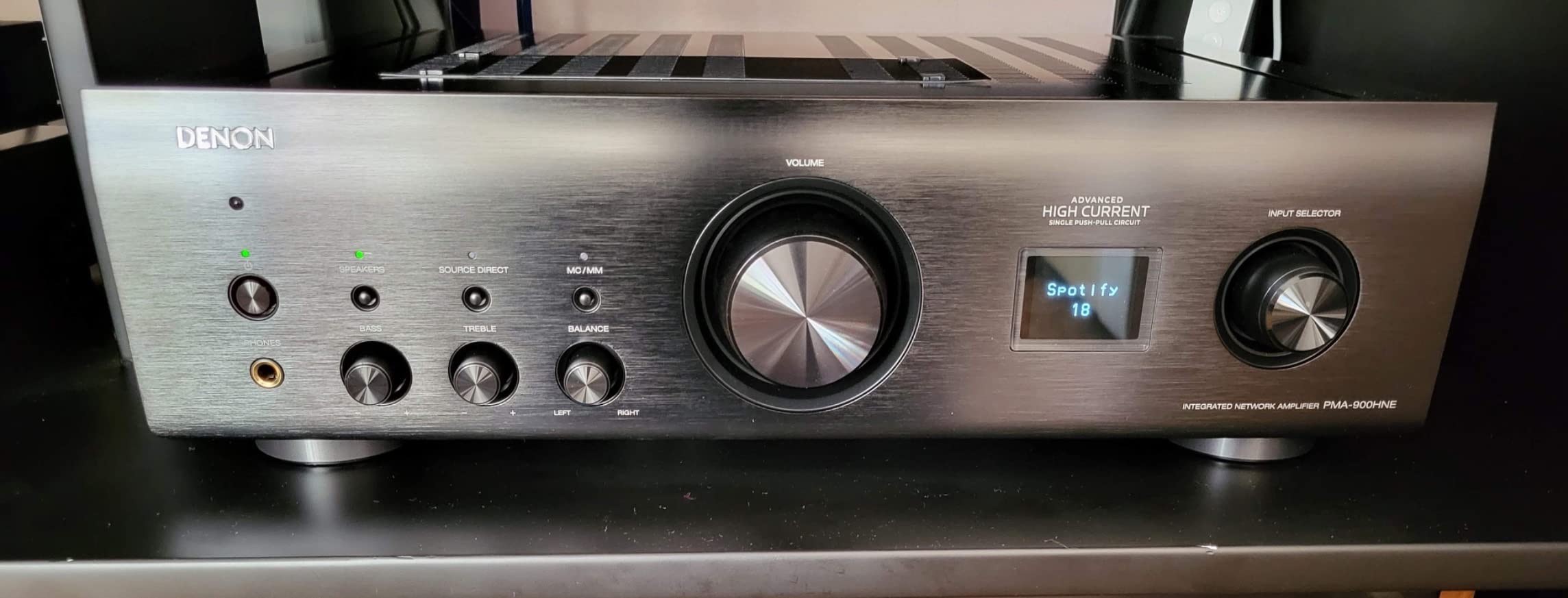
Voice control through Alexa, Siri and Google Assistant is a genuine convenience if you already live in that ecosystem, and HEOS multi-room means the same music can follow you into another room.
The trade-off is complexity. This is a network product first, and every streaming feature depends on a stable connection and on getting the app and account set up correctly before the amplifier sounds its best.
Who the Denon PMA-900HNE suits?
It suits someone who already runs HEOS or wants to, and who wants vinyl in the same system rather than in a separate corner. The MM/MC phono equalizer also suits a listener planning a cartridge upgrade within a few years.
It also suits a household where the living room and bedroom need the same sources, since the multi-room platform handles that without a second full component. Voice control is useful if you mostly start music rather than adjust it.
Where it falls short?
Network dependence is the real trade. If your connection is unreliable, the streaming features that justify the premium become a source of frustration rather than a convenience.
Setup is more involved than a plain analog amplifier, and the smaller review base means fewer long-term owner reports to draw on. If you listen to records and nothing else, much of this hardware goes unused.
8. Yamaha A-S701: The Best High-Current Power for Passive Speakers
Yamaha Audio A-S701BL Natural Sound Integrated Stereo Amplifier (Black)
- 100W per channel with very low 0.019% total harmonic distortion
- Gold-plated coaxial and optical digital inputs
- Dedicated MM phono stage for turntables
- Speakers A/B/A+B switching for two-room listening
- Large heavy transformer gives strong bass
- ToP-ART circuitry delivers a natural detailed sound
- No built-in Wi-Fi streaming or Bluetooth
- No HDMI inputs
- Rear speaker terminals feel less solid than the rest
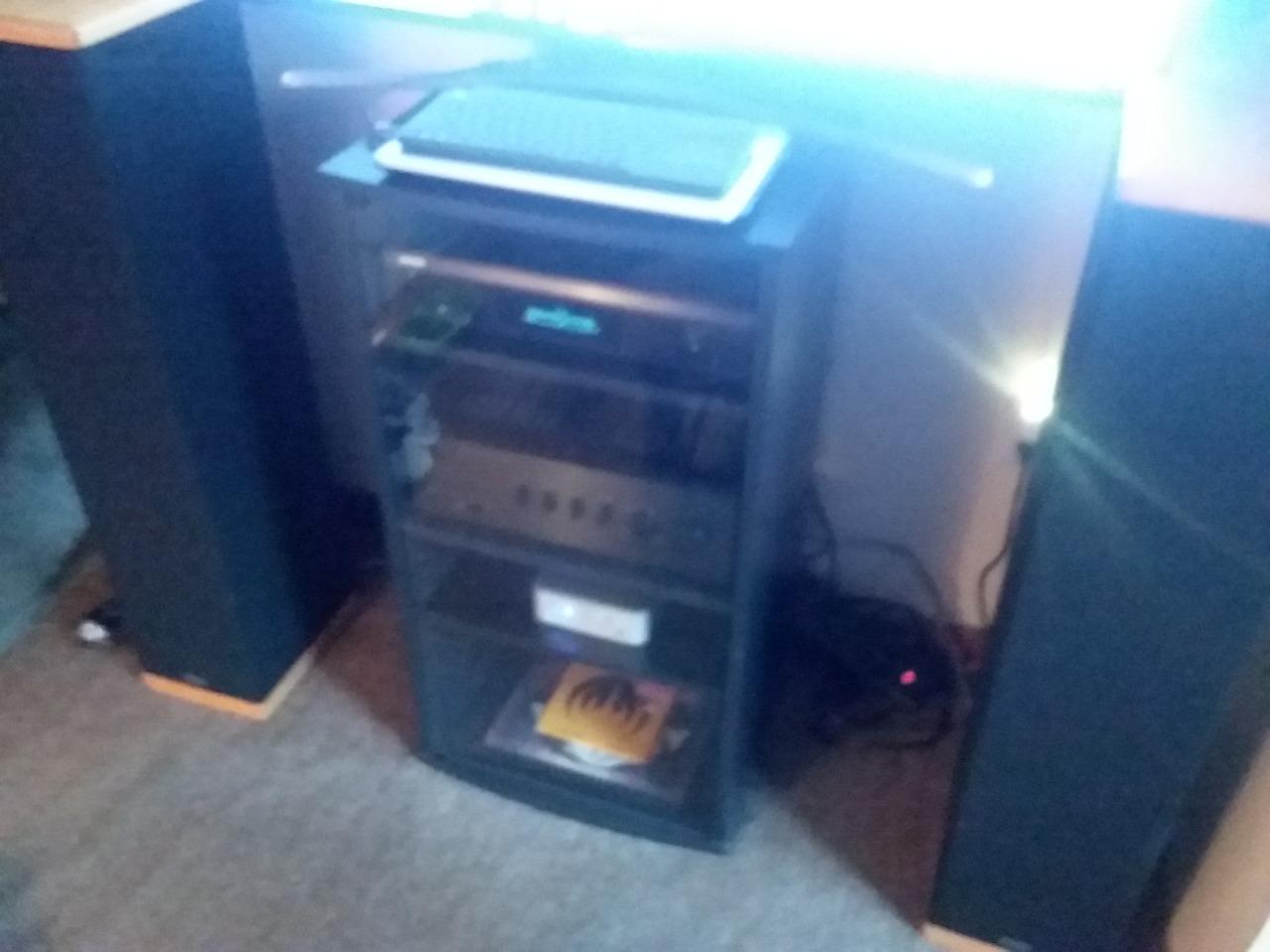
The A-S701 is an integrated amplifier rather than a receiver, and that single distinction explains the whole design. There is no tuner and no network player, so Yamaha spent the budget on the power supply and the phono stage instead.
That shows in the numbers and in the listening. 100 watts per channel with 0.019% total harmonic distortion, driven by a large, heavy transformer, gives a solid foundation and strong bass that fills a room without strain.
Owners who pair it with a turntable or a streamer describe a natural, detailed, room-filling presentation. The MM phono stage is dedicated and stable, and the gold-plated coaxial and TOSLINK optical inputs handle digital sources cleanly.
Speakers A, B and A+B switching is genuinely useful for two-room listening, which is rare on an integrated amplifier at this level. Auto standby after eight hours means it will not sit drawing power indefinitely.
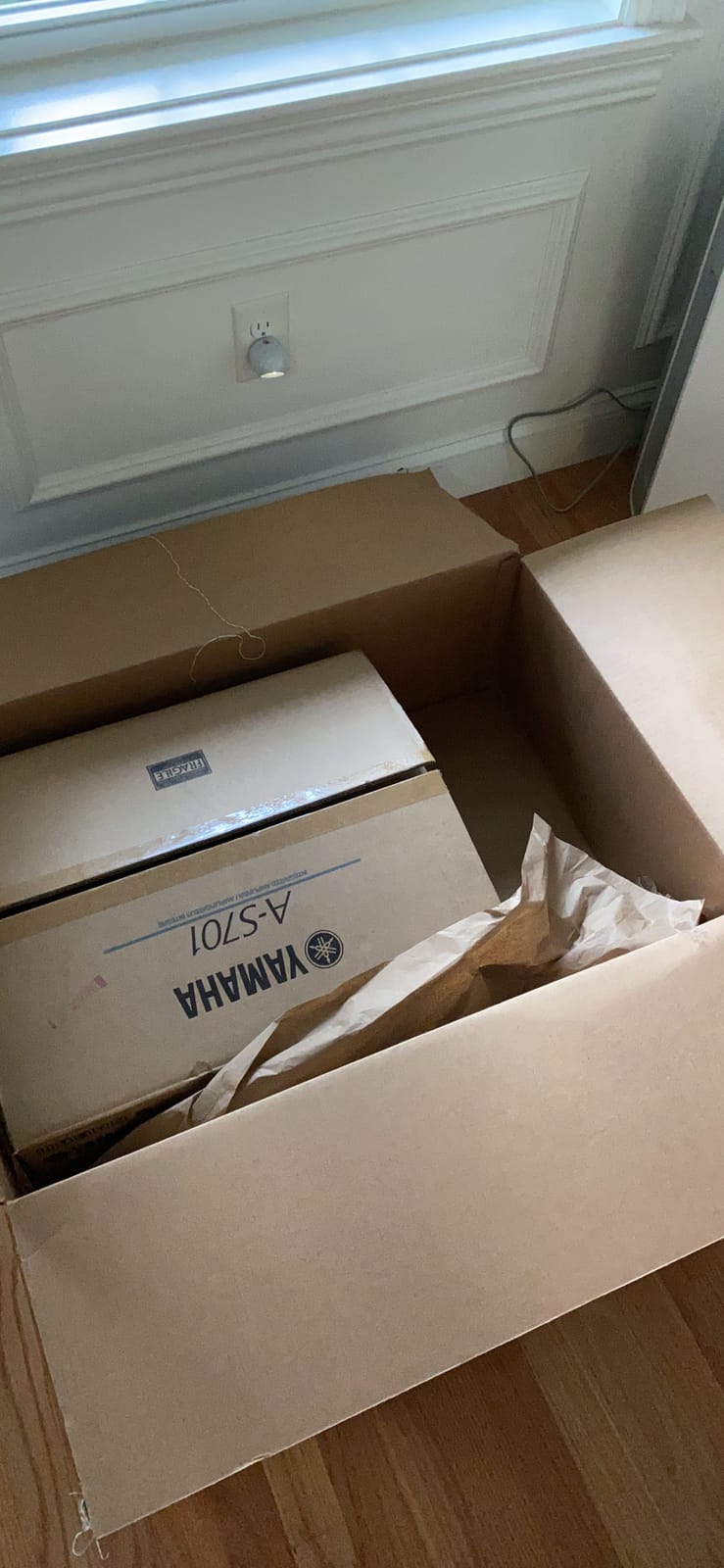
It also weighs 24.7 pounds, which tells you something real about the transformer inside. It is not a light box, so plan the shelf accordingly.
Who the Yamaha A-S701 suits?
It suits someone with passive speakers who wants the receiver’s power and phono stage without any network features they would never use. Vinyl first, streaming second, and happy to add a small streamer box later.
It also suits a listener in a larger space or with less sensitive floorstanding speakers, because the high current capability keeps the sound full at low listening levels. Speakers A/B/A+B switching suits two-room setups.
Where it falls short?
There is no Bluetooth and no Wi-Fi, so phone playback needs a streamer or a Bluetooth receiver added separately. There is no HDMI input either, so television audio needs an optical connection or a converter.
The rear speaker terminals feel less solid than the rest of the chassis, which is an odd note on a box this heavy. If you want one box for everything, this is the wrong shape of product.
9. Marantz PM6007: The Best Value Amp for a Classic Warm Sound
- Warm crisp signature sound that recalls classic 1970s receivers
- Integrated MM phono preamp with FET input stage for turntables
- Fully shielded DAC handles digital sources cleanly
- Gold-plated inputs
- steel feet and copper screws signal solid build
- A/B speaker switching for two systems
- Some units arrive with a European power supply or plug
- Phono input can take weeks of use before sound improves
- 45W per channel is modest for large or low-sensitivity floorstanders
- No HDMI
- Wi-Fi or Bluetooth
The PM6007 is the one we recommend to people chasing a specific kind of sound. Marantz’s current feedback topology with HDAM SA3 output modules produces a warm, crisp presentation that listeners repeatedly compare to classic 1970s receivers, and it does it without the maintenance risk of a vintage unit.
The integrated MM phono preamp uses a FET input stage, which suits moving magnet cartridges well and keeps noise low. Five analog inputs plus one coaxial and two optical gold-plated inputs mean it handles a turntable, a CD player and a TV through optical without a hub.
Build quality is a step above the tier. Gold-plated terminals, steel feet and copper screws on a shielded D/A converter all signal that the chassis was designed to stay put.
Who the Marantz PM6007 suits?
It suits a listener with efficient bookshelf or small floorstanding speakers who plays mostly at moderate volume and prefers a warm, musical presentation over clinical neutrality. Forty-five watts per channel is plenty for efficient speakers in a normal room.
It also suits anyone who wants a two-system setup, since A/B switching covers two pairs of speakers. The digital inputs mean a TV can join the system without a separate switcher.
Where it falls short?
Some units arrive with a European 220V power supply or a plug that does not fit standard outlets, so confirm the regional variant before ordering.
Owners also report that the phono input takes weeks of use before the sound improves noticeably, and that 45 watts per channel is modest for large or low-sensitivity floorstanders. There is no HDMI, Wi-Fi or Bluetooth at all.
10. Douk Audio Tube Phono Amp X1: The Best Small Box for a Vinyl Corner
- Compact size delivers surprising power for bookshelf and floorstanding speakers
- Warm rich tube sound that suits vinyl and reduces listening fatigue
- Genuine NOS GE JAN 5654W tubes included and swappable
- Clean MM phono stage with working ground and no hum
- Bluetooth connects quickly with aptX and aptX-HD
- Tone controls
- bypass switch
- bass boost and subwoofer out
- Bluetooth module can fail and a replacement board is required
- Some units buzz in Bluetooth mode from RF noise
- Sound is hollow until the tubes warm up
- Very sensitive to a loose ground wire
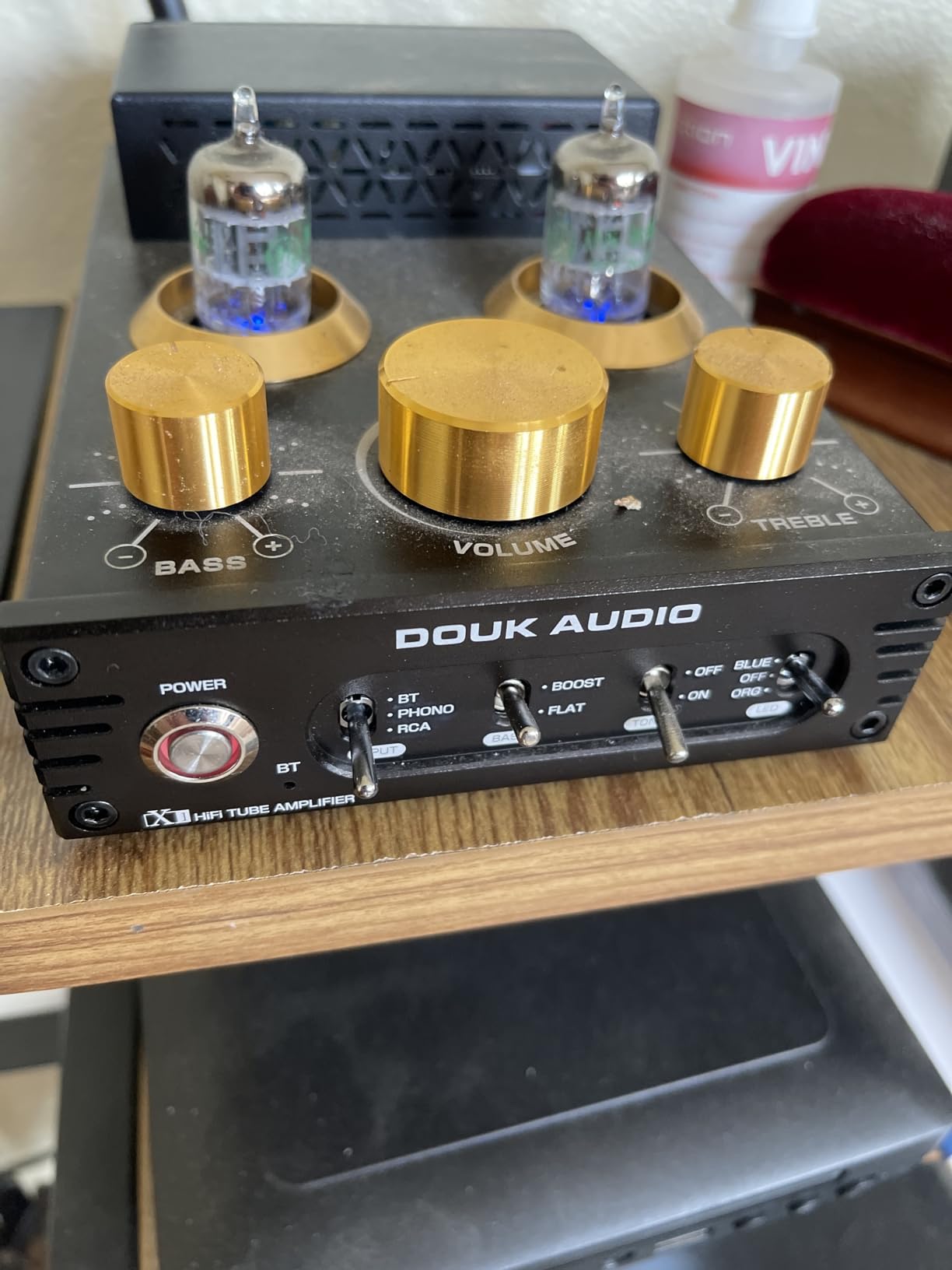
The X1 does something unusual: it puts a tube preamp stage in front of a compact class-D amplifier and fits both into a small aluminum chassis. Owners frequently express amazement at the sound for the size, particularly the tube warmth and a clean MM phono stage with no hum.
Real NOS GE JAN 5654W tubes are included on pluggable sockets, so you can roll different tubes later. The TDA7498E output stage delivers 160 watts per channel into 4 ohms, which is enough to drive bookshelf and floorstanding speakers from a box that weighs 1.7 pounds.
Bluetooth 5.0 with aptX and aptX-HD connects quickly and silently, and the box also carries tone control, a bypass switch, bass boost and a subwoofer output for 2.1 setups. A 32V power supply is included.
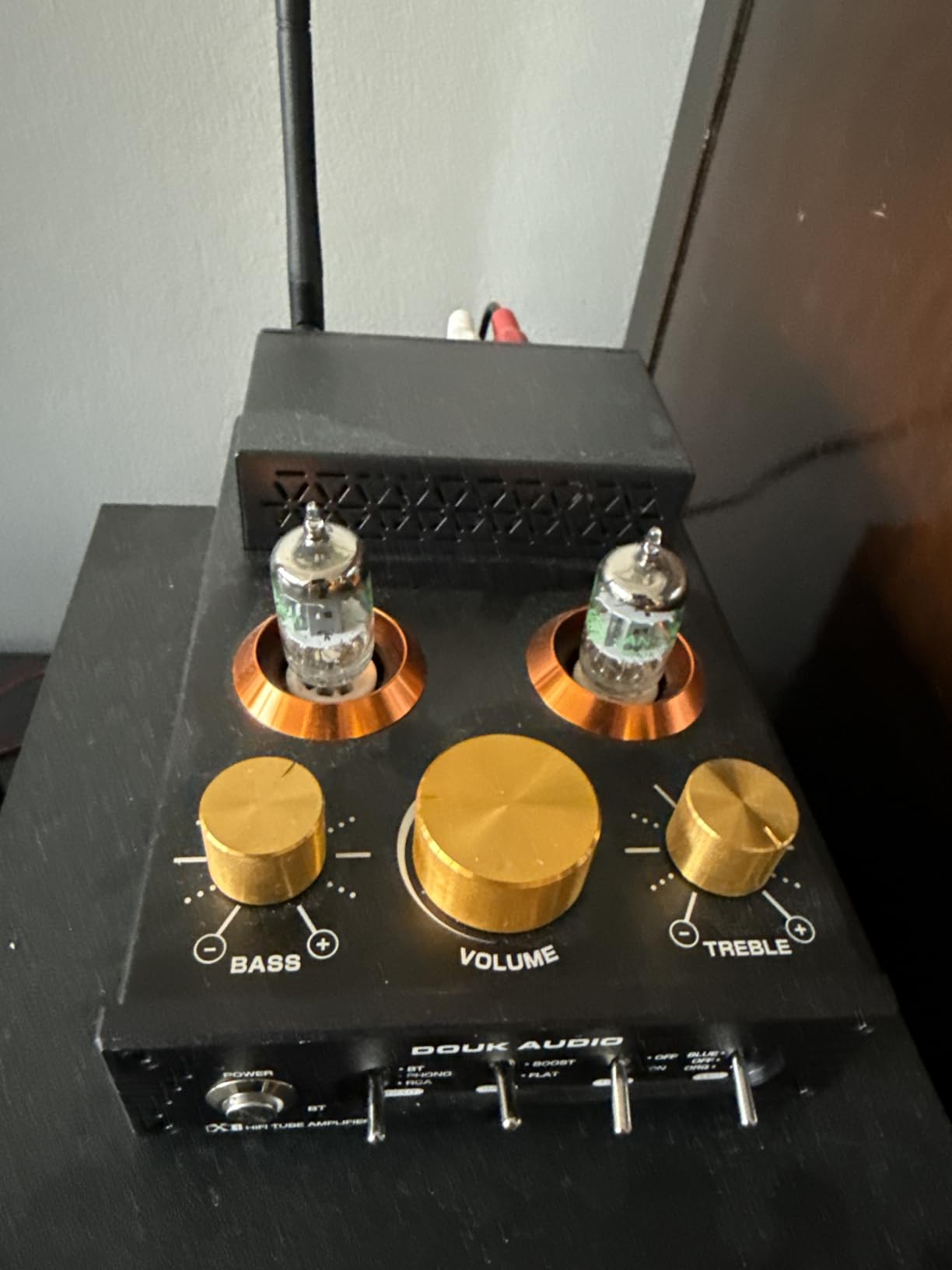
The 18-month limited warranty is longer than many competitors offer at this level, and the tube stage means the sound is not the flat, thin signature typical of tiny class-D boxes.
Keep in mind that this is a small desktop-style unit. The chassis is compact by design, which suits a bookshelf near a turntable but means no room for a large transformer or a display.
Who the Douk Audio X1 suits?
It suits someone in an apartment or a dedicated vinyl corner where a full-size receiver is overkill. Warm, rich tube sound suits long listening sessions and reduces fatigue, which is why people tend to keep this box for years.
It also suits a listener who enjoys modifying gear. Swappable tubes, a tone bypass switch, and a bass boost mean you can adjust the character to taste rather than living with one fixed voicing.
Where it falls short?
The reliability theme is the Bluetooth board, which some owners report failing after a year or more and which requires a replacement board. A smaller number of units buzz in Bluetooth mode from RF noise, sometimes mitigated by removing the antenna.
The sound is hollow until the tubes warm up, Bluetooth range is roughly 40 to 50 feet, and the unit is very sensitive to a loose ground wire, which can damage the amplifier. The bass control doubles as a speaker crossover when the subwoofer output is used.
11. Donner Stereo Amplifier MAMP2: The Most Inputs for a First Vinyl Setup
- Very low cost entry point with a working phono input
- Huge range of inputs including Bluetooth 5.3
- USB
- optical
- coaxial
- RCA
- AUX and FM
- Separate volume controls per channel plus bass
- mid and treble knobs
- Full-function remote with tone and mode control
- Dual 1/4 inch mic inputs with Talkover
- Toroidal power supply and solid build
- Cooling fan revs up audibly during quiet passages
- Speaker terminals too small for standard banana plugs
- Bass is light rather than chest-thumping
- Display has no dimmer
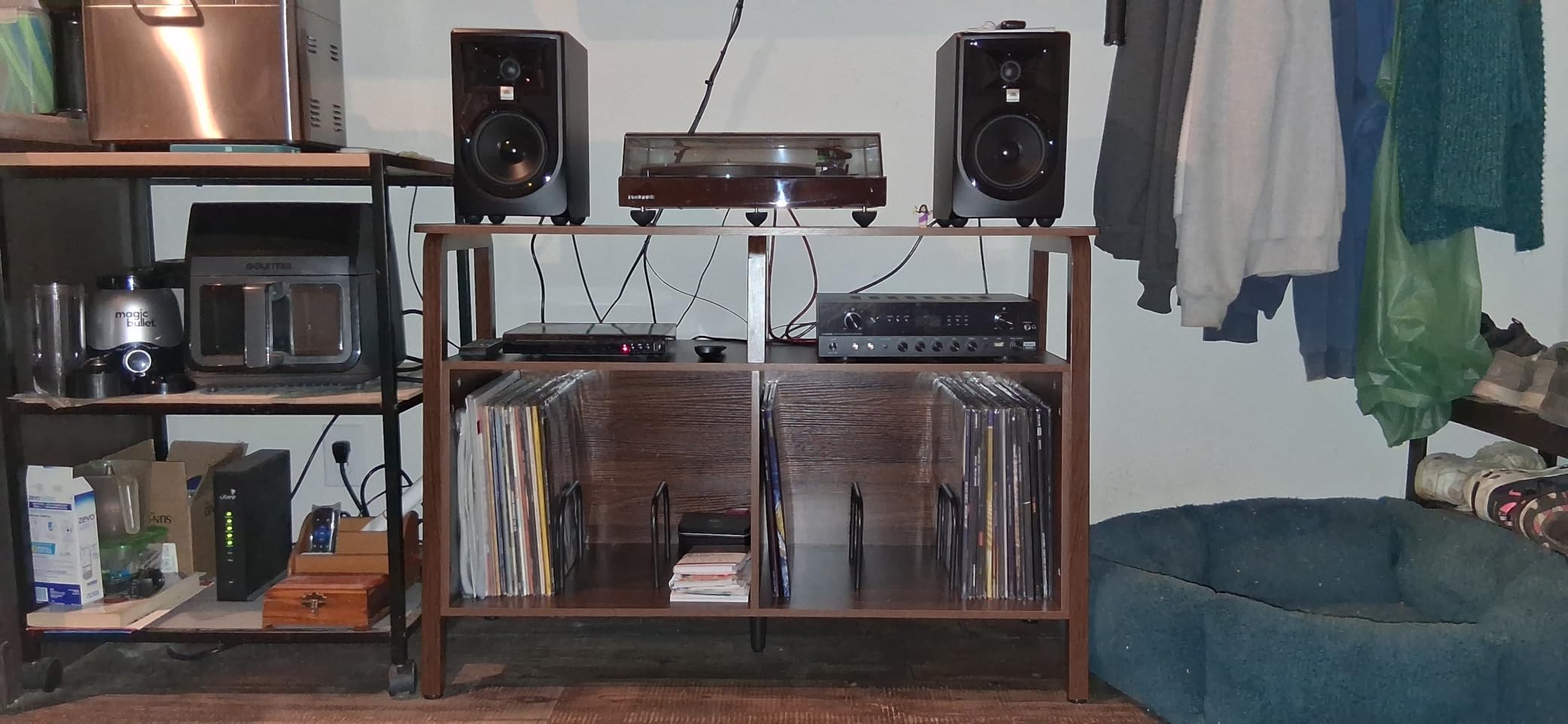
The MAMP2 exists for one purpose: getting a turntable, a television and a phone playing through real speakers without spending much. It has a working phono input, which alone puts it ahead of several better-known receivers in this list for a first-time vinyl buyer.
Input choice is the draw. Bluetooth 5.3, USB playback up to 64GB, optical and coaxial digital inputs, RCA, AUX and FM radio, plus dual quarter-inch mic inputs with Talkover for karaoke. That is more source choice than most of the amplifiers here.
The layout is knob-driven, with independent volume for each channel and bass, midrange and treble adjustment on both the amp and the remote. Settings are remembered across power cycles, and the toroidal power supply is a good sign at this level.
Reviewers treat it as a budget first step rather than a final destination. It is a way to hear records on a decent system now and to move to something better later without having wasted the setup entirely.
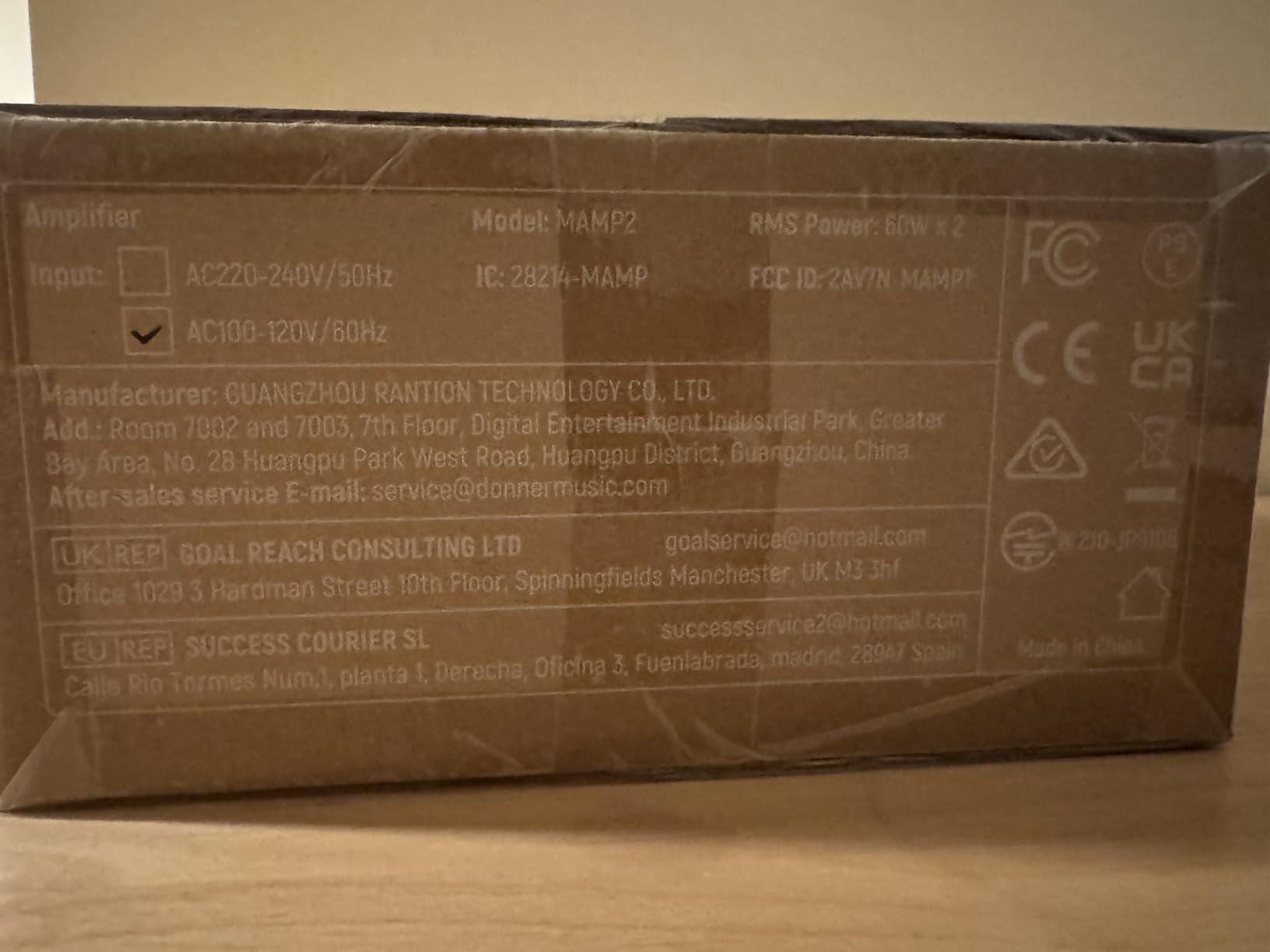
Be clear that the headline power number is marketing. 600W peak equals 60 watts per channel RMS, which is enough for bookshelf speakers in a small room and not much more than that.
Who the Donner MAMP2 suits?
It suits a first vinyl system built on a budget, especially if you want to connect several source types at once. The phono input, digital inputs and FM radio cover a household with several devices competing for one amplifier.
It also suits anyone who wants hands-on control rather than app-based operation. Direct knobs for tone and per-channel volume are easy to live with in a way that menu-driven streaming hardware often is not.
Where it falls short?
The cooling fan revs up audibly during quiet passages and between speech, which is exactly when you notice it. Speaker terminals are too small for standard banana plugs, so plan on bare wire or spades.
Bass is light rather than chest-thumping, the display has no dimmer so it glows like a nightlight, and there is only one RCA stereo input pair. A small number of units produced distortion or only one channel working.
12. Nobsound 300Wx2 Class D Amp: The Smallest Footprint with a Real Phono Stage
- Flat
- accurate sound with a wide soundstage and real detail
- Enough power for bookshelf speakers and an active subwoofer
- Built-in MM phono input removes the need for a separate preamp
- Very compact chassis frees shelf space
- NE5532P preamp with Rubycon and WIMA film capacitors
- Bass and treble knobs have a tactile detented feel
- Runs hot when pushed hard and may need external cooling
- Some units failed after a few months with one channel weak
- Limited feature set compared with full-size receivers
- 48V external power supply adds desk clutter
The Nobsound measures 5.1 by 4 by 1.5 inches and still delivers 300 watts per channel into 4 ohms through a Texas Instruments TPA3255 Class D chip. Owners are surprised that a unit this size produces flat, accurate sound with a wide soundstage and genuine detail.
The specification that matters most for vinyl is the built-in MM phono input, which removes the need for a separate preamp entirely. Add an RCA line input and a 3.5mm AUX passthrough and you can switch between a turntable and a phone.
NE5532P preamp chips with Rubycon and WIMA film capacitors are serious component choices for this size, and the bass and treble knobs have a tactile detented feel rather than the scratchy feel common at this level. Total harmonic distortion is quoted at 0.005% with a 107dB signal-to-noise ratio.
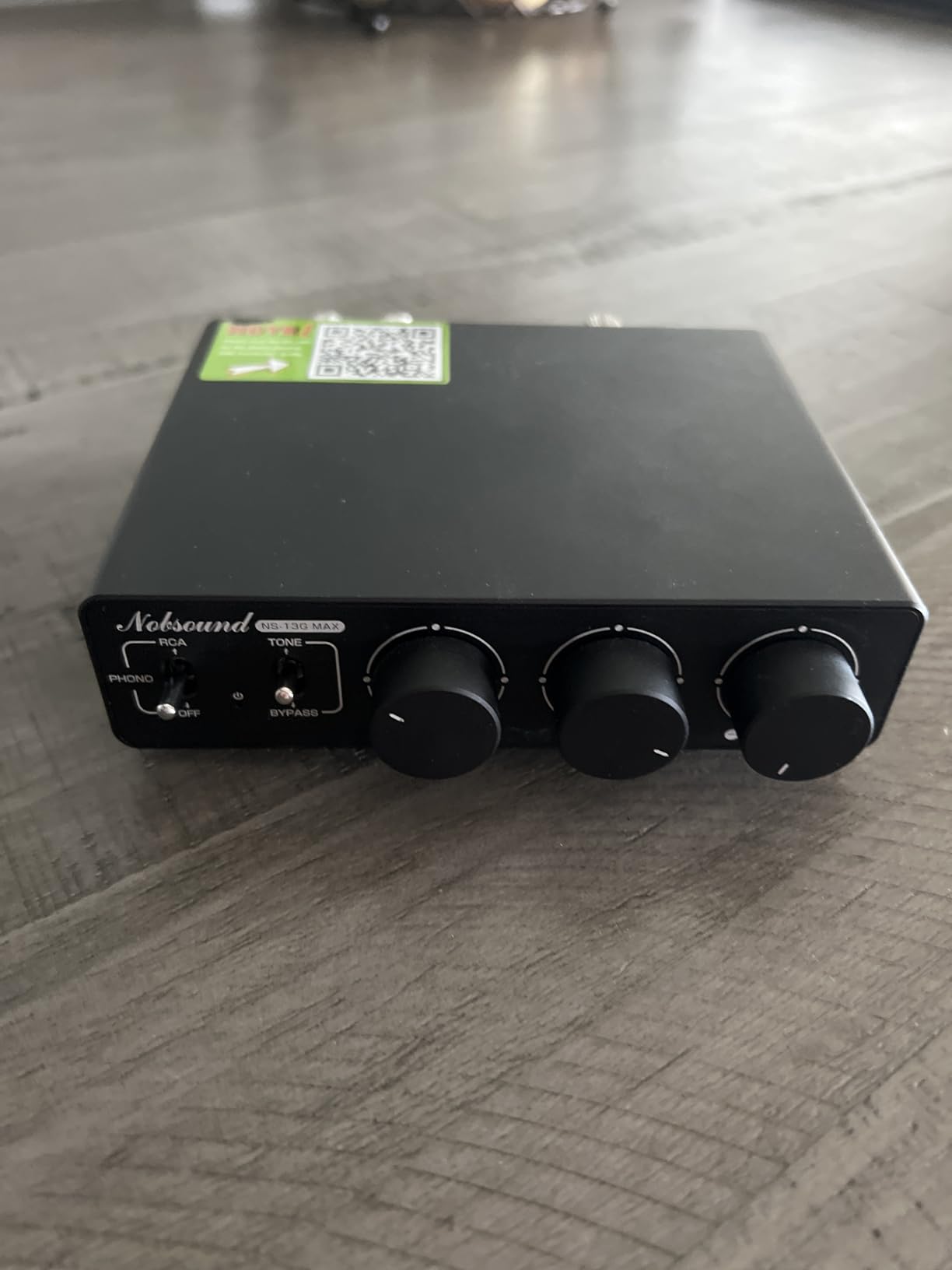
The amp runs quietly at normal listening levels, which is the condition that matters. Bass and treble adjust plus or minus 6dB, enough to correct a bright pair of small speakers without making them harsh.
Worth noting is what it does not do. There is no radio, no USB playback, no optical input and no HDMI, so this is a two-input device for a turntable and one line source.
Who the Nobsound 300Wx2 suits?
It suits a desktop or shelf corner where a full-size receiver simply will not fit. The compact CNC-milled aluminum body frees shelf space next to a turntable, and the external 48V supply is the only part that needs room.
It also suits a listener who wants honest accuracy more than warm coloration. Wide-range tone adjustment without harshness or muddiness, plus enough power for bookshelf speakers and an active subwoofer, covers most small rooms.
Where it falls short?
Thermal performance is the recurring caveat. Reviewers note it runs hot, especially when pushed hard, and can need external cooling in a closed cabinet. Leave airflow around it.
A small number of units failed after a few months with one channel weak at low output, and the feature set is limited next to a full-size receiver. Controls can also arrive loose after transport in very cold conditions.
How to Connect a Turntable to a Stereo Receiver?
Work through your turntable’s output type first, because it decides which of the four scenarios below applies. The label on the underside of the plinth or in the manual will tell you whether a phono preamp is built in.
Scenario 1: Turntable has no preamp, receiver has a phono input. This is the simplest and most common path. Turn the preamp switch or button off, plug the RCA cables into the receiver’s PHONO input, and connect the ground wire to the ground post. Do not also use an AUX or CD input, because that skips the RIAA equalization and the result will be thin and quiet.
Scenario 2: Turntable has a preamp, receiver has a phono input. Turn the turntable’s preamp switch on and use a line-level input on the receiver such as CD, AUX or TAPE. Plugging a preamped signal into a PHONO input applies equalization twice and produces a dull, bass-heavy result.
Scenario 3: Turntable has a preamp, receiver has no phono input. Use any line input on the receiver with the turntable’s preamp switch on. The Yamaha R-S202BL in this guide works exactly this way.
Scenario 4: Neither device has a phono stage. Add an external moving magnet phono preamp between the turntable and the receiver. Connect the turntable’s RCA out to the preamp’s phono input, the preamp’s line out to a line input on the receiver, and the ground wire to the preamp’s ground post. This is the upgrade path owners recommend when a built-in stage runs out of headroom.
Then deal with hum in this order, because skipping steps wastes time. First, confirm the ground wire is attached at both ends and that the ground post is connected to the turntable’s own ground terminal.
Second, move the RCA cables away from the power cable and away from any power transformer. Third, try a different receiver input. Fourth, as a last resort, reverse the polarity on one speaker, since hum in phase with the music is a grounding issue and hum out of phase is a cable issue.
One more check worth doing before you buy: check whether the receiver’s phono input supports your cartridge type. Most budget stages handle moving magnet only. A moving coil cartridge produces a much smaller signal and needs an MC-capable stage, or an external preamp with a moving coil switch.
What to Look for When Buying a Stereo Receiver for Vinyl?
Confirm the phono input exists before anything else. Not “phono ready,” not “line input with a switch.” An actual PHONO input. Several widely recommended budget receivers have none, and that mistake is expensive because it strands you with a box that cannot play records.
Decide between moving magnet and moving coil. Moving magnet cartridges output roughly 2 to 7 millivolts and work with almost every phono stage in this guide. Moving coil cartridges output far less and need an MC-capable stage, which narrows your list to the Onkyo TX-8470 and the Denon PMA-900HNE among these twelve.
Choose built-in versus external phono stage based on cartridge plans. If your turntable has no preamp and your cartridge is a moving magnet, a built-in stage is fine and saves money and a box. Forum consensus is consistent on this: most built-in stages are perfectly good, and an external preamp becomes worthwhile when you outgrow the cartridge or the built-in gain.
Match power to room size and speaker sensitivity, not marketing numbers. A room under about 150 square feet with efficient bookshelf speakers rarely needs more than 50 to 70 watts per channel. A larger living room with low-sensitivity floorstanders benefits from 100 watts or more, because low-sensitivity speakers need more power to reach the same volume. The useful rule is that speaker sensitivity in decibels per watt is the number that matters, and it is printed on the back of the speaker.
Decide between a stereo receiver and an AV receiver. A stereo receiver has two channels, no surround processing and usually a lower noise floor for music. An AV receiver adds HDMI, video pass-through and room correction that a vinyl-only listener never uses. If the television is your only other source and you have no interest in surround, spend that budget on speakers instead.
Pay attention to binding posts and grounding. Spring clamps accept bare wire and thin plugs, which frustrates people with existing thick speaker cable. Four or five way posts accept banana plugs and spades. A dedicated ground post for the turntable is standard here, but it must be fastened.
Look for a pre-out or subwoofer output if bass matters. Without one you need an external powered subwoofer with its own amplifier, which costs more. The Denon PMA-600NE, the Douk Audio X1 and the Donner MAMP2 all carry a subwoofer output.
Treat network features as a secondary decision. Bluetooth is useful for phone playback. Wi-Fi and platforms like MusicCast, HEOS and Roon are worth paying for only if you will use them daily. Streaming stability is the weak point on several units here, so if you already have a good streamer, a plain integrated amplifier like the Yamaha A-S701 serves you better.
Which Receiver Is Right for Your Setup?
Vinyl only, first system, bookshelf speakers: the Sony STR-DH190. It has a working phono stage, real power, and A/B switching for a second pair of speakers later.
You want the best sound from records: the Denon PMA-600NE, or the Marantz PM6007 if you prefer a warmer, more classic presentation.
Moving coil cartridge: the Onkyo TX-8470 or the Denon PMA-900HNE. Both add MC gain to the phono stage.
Vinyl plus television plus streaming in one box: the Yamaha R-N800A or the Yamaha R-N600A. The R-N600A is the quieter, simpler choice, while the R-N800A adds more power, a better DAC and room calibration.
Small apartment or desk corner: the Douk Audio X1 for warm tube character, or the Nobsound 300Wx2 if shelf space is the real constraint.
Stretching the budget as far as possible: the Donner MAMP2 gets a working phono stage plus more input types than anything else here, at the cost of fan noise and light bass.
You already own powered speakers: you may not need any of these. If your speakers have their own amplification and your turntable has a built-in preamp, a receiver adds a box without adding sound.
Frequently Asked Questions
What is the best stereo receiver for vinyl playing?
The Sony STR-DH190 is our pick for most people because it has a working moving magnet phono stage, 100 watts per channel into 8 ohms, A/B switching for two pairs of speakers, and Bluetooth for phone playback. If sound quality matters more to you than features, the Denon PMA-600NE sounds warmer and wider, and the Marantz PM6007 costs less for a similar character.
Do I need a phono preamp if my turntable has a built-in one?
No. If your turntable has a built-in phono preamp, turn it on and connect to a line-level input such as CD, AUX or TAPE. Only buy or use an external phono preamp when your turntable has no preamp, or when you have upgraded to a moving coil cartridge that needs more gain than the built-in stage provides.
How do I connect a turntable to a stereo receiver?
If your turntable has no preamp, switch its preamp off, plug the RCA cables into the receiver’s PHONO input, and attach the ground wire to the ground post. If the turntable has a preamp, switch it on and use a line input instead, because a preamped signal into a phono input applies RIAA equalization twice and sounds dull and bass-heavy.
What is a phono input on a receiver?
A phono input is a pair of RCA sockets with a built-in circuit that applies RIAA equalization and gain to the tiny signal a turntable cartridge produces, bringing it up to line level. Connecting a turntable to a standard AUX or CD input instead skips that step and produces very quiet, thin, incorrect sound.
Is an AV receiver good for vinyl?
An AV receiver will play vinyl correctly if it has a phono input with adequate gain, and some do. The extra channels, video processing and room correction add nothing to two-channel music listening, though, and buyers who never use surround often report paying for features they ignore. A stereo receiver is usually the cleaner choice for a music-first system.
Why does my turntable sound quiet when plugged into a stereo receiver?
The most common causes are using a line input instead of the phono input, leaving the turntable’s preamp switch in the wrong position for that input, or using a moving coil cartridge on a moving magnet only stage. A loose or missing ground wire causes hum rather than quiet, but it is worth checking at the same time.
If you want the wider context on system building, our guide to complete hi-fi stereo systems covers speaker pairing and placement, and our breakdown of AV receivers for surround sound explains when a two-channel machine is the better fit.
The Best Stereo Receiver for Vinyl Setups in 2026
The Sony STR-DH190 wins this comparison. It is the only machine in our test group that combines a genuinely good moving magnet phono stage, 100 watts per channel of clean current, A/B speaker switching and Bluetooth without leaving anything out, and it carries a 4.5 rating across more than 10000 reviews. If your turntable has no preamp and your speakers are passive, it will work as-is.
The Denon PMA-600NE is the choice for sound, and the Marantz PM6007 is the smarter version of that same idea for less money. The Yamaha R-S202BL, often recommended elsewhere, has no phono input at all and only makes sense with an external preamp added.
Before you order, check two things: that the receiver has a phono input, and that it supports your cartridge type. Get those right and any of the twelve above will serve a turntable well for years.