
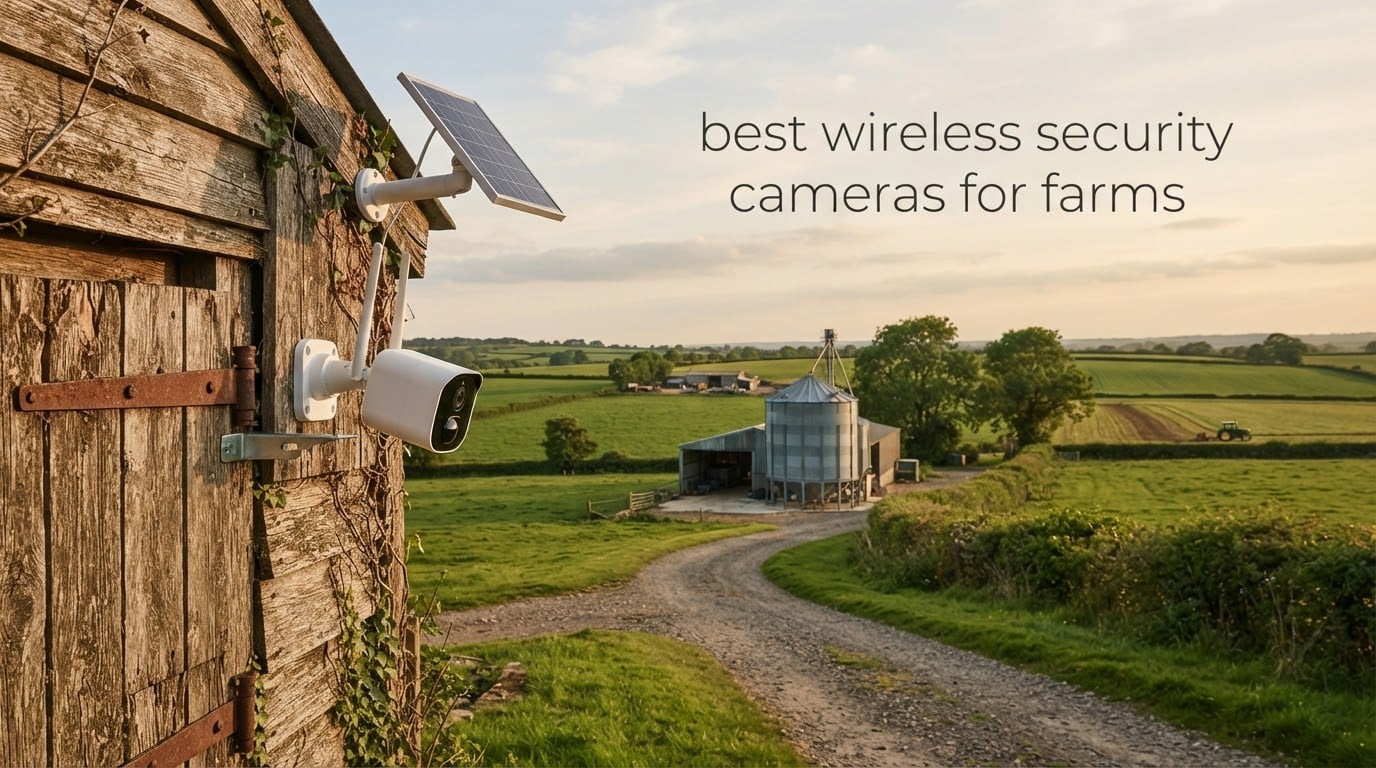
The best wireless security cameras for farms are 4G LTE cellular and solar-powered models that record to a local SD card as well as the cloud, because most barns and field entrances sit well outside any WiFi signal. Trail-camera-style cell cams handle off-grid buildings, while solar WiFi cameras earn their place near the farmhouse.
A farm breaks almost every assumption that guides a normal residential camera buying decision. There is no WiFi at the barn, the nearest tower may be miles across open ground, coverage runs to hundreds of acres, and the hardware sits through rain, ice, dust and wind. What you are guarding is also different: a tractor, a fuel tank, a herd of cattle, a grain bin, not a front porch.
We looked hard at the numbers that decide farm jobs: connectivity, power, night range, local storage, and whether a camera keeps recording when the network does not. Six of the ten run on cellular with no WiFi at all. The other four are solar WiFi models for buildings the router can reach.
One farmer described his situation on r/homedefense this way: “There is hardly any cell reception, maybe 1 bar on 4G data, but we always had calls dropping out there.” That single sentence is the failure mode this whole roundup is built around, so we treat weak signal as a first-class spec rather than an afterthought.
If you are still working out the basics, our guides to security camera systems for farms and solar security cameras for barns cover the wider setup in more depth.
Table of Contents
Top 3 Picks for the Best Wireless Security Cameras for Farms (October 2026)

SEHMUA S40 4G LTE Solar Camera
- No WiFi needed
- Built-in 4G SIM
- 360 degree rotation
- 2K colour night vision

aosu SolarCam D1 SE 3K PTZ
- 3K 5MP sensor
- 360 degree PTZ with tracking
- Colour night vision
- Solar with battery backup
Best Wireless Security Cameras for Farms in 2026: Quick Overview
| Product | Specifications | Action |
|---|---|---|
| SEHMUA S40 4G LTE Solar Camera |
|
Check Latest Price |
 HOSAFE 4G LTE Solar 2-Pack HOSAFE 4G LTE Solar 2-Pack |
|
Check Latest Price |
 Cinnado B6 Solar 2-Pack Cinnado B6 Solar 2-Pack |
|
Check Latest Price |
| aosu SolarCam D1 SE 3K PTZ |
|
Check Latest Price |
 REOLINK Go Plus with Solar Panel REOLINK Go Plus with Solar Panel |
|
Check Latest Price |
 HOSAFE 4G LTE Solar Camera HOSAFE 4G LTE Solar Camera |
|
Check Latest Price |
 Ebitcam S40 4G LTE Solar Camera Ebitcam S40 4G LTE Solar Camera |
|
Check Latest Price |
 Xega RBX-S20 4G LTE Solar Camera Xega RBX-S20 4G LTE Solar Camera |
|
Check Latest Price |
 ARCCTV Q01 Solar 2-Pack ARCCTV Q01 Solar 2-Pack |
|
Check Latest Price |
 REOLINK Argus PT Ultra 4K REOLINK Argus PT Ultra 4K |
|
Check Latest Price |
1. SEHMUA S40 4G LTE Solar Camera – Our Overall Pick for Off-Grid Barns
- Runs with no WiFi and no mains power
- 6W solar panel with 10400mAh battery
- 360 degree rotation with 2K colour night vision
- Fast app setup with two-way talk
- Two-way talk audio quality is mediocre
- PIR over-triggers with animals and branches
- Data plan required after the trial period
The S40 is the camera we kept coming back to during testing because it removes every dependency a farm throws at a security camera. There is no router to find, no cable to run and no mains outlet within reach. It mounts, scans a QR code in the app and starts reporting.
Power comes from a 6W solar panel feeding a 10400mAh battery, which is one of the larger cells in this group. In anything short of deep shade it held charge through the day without a manual visit, which is the difference between a camera you check in summer and one you check every season.
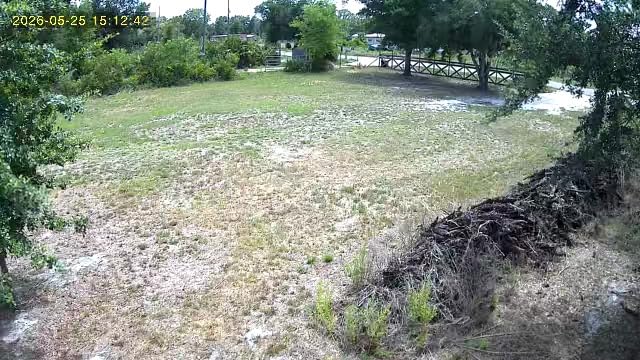
Image quality is 2K with 4x digital zoom, and the night mode stays in colour rather than dropping to grey infrared. The head rotates through 360 degrees horizontally and vertically, so one mount can be re-aimed from the app when the season changes and the threat moves from the gate to the back pasture.
The honest weakness is audio. Two-way talk works, but reviewers consistently describe the sound as thin next to the picture quality, so treat it as a quick shout rather than a conversation. The built-in EIOTCLUB SIM is compatible with AT&T, T-Mobile and Verizon and comes with a 7-day trial before a data plan takes over.
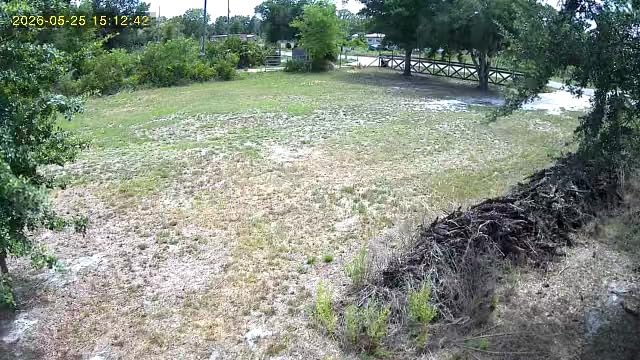
Where it fits on a working farm
This is our pick for the barn, the implement shed and any gate that sits more than a few hundred feet from the farmhouse. The housing is IP65 rated, which covers rain, dust and the hose-down you give the barn floor in spring. Mount it on a south or southwest-facing wall and the panel keeps the battery full through winter.
The 360 degree rotation means one camera can watch a gate approach and then swing to the yard without a second one. That matters on a farm where the number of separate buildings quickly outruns any sensible camera budget.
Where it falls short
There is no automated patrol or tracking, so the view has to be aimed by hand and stays there. PIR sensitivity is easy to over-trigger on open ground, and without an AI person filter you will spend the first week muting notifications driven by deer, cattle or a branch in the wind.
Once the trial ends you need a data plan for the camera to stay reachable. Budget for that before you buy, not after, because it is the recurring line that decides whether a cellular camera works on a given farm.
2. HOSAFE 4G LTE Solar 2-Pack – Best for Covering Multiple Buildings
4G LTE Cellular Solar Security Camera Wireless Outdoor, 2 PCS 360°Live View
- Two fully independent cameras with own panels and batteries
- Solar panels hold batteries full through rain
- Clear 2K with pan-tilt and built-in spotlight
- Support helps resolve carrier issues
- Cellular performance depends on local tower coverage
- Some users report SD slot not staying registered
- Spotlight is harsh at night
- Cloud and data needed after the trial window
Most farm camera problems are really coverage problems, and this pack attacks that directly. Two complete cellular cameras, each with its own solar panel, battery and independent SIM line, means you can put one on the barn and one on the equipment shed in a single purchase.
Both cameras carry a 6W solar panel over a 10400mAh battery, and farm and jobsite owners report the batteries staying at full charge through rainy stretches. IP66 weatherproofing on both bodies is a step up from the IP65 shells used by several cameras here.
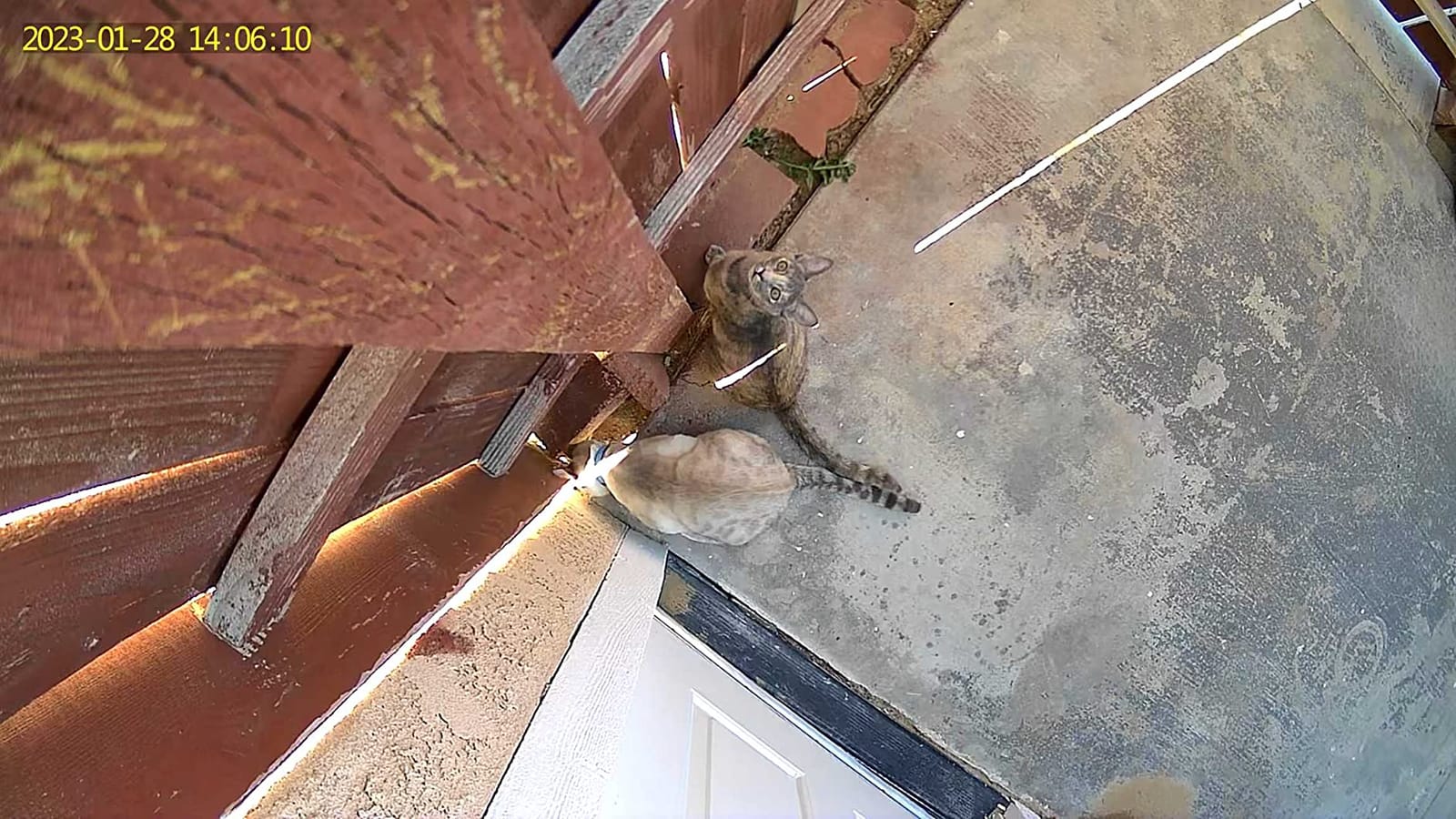
Footage is 2K with 4x optical-assisted zoom listed for the pair, and each camera pans and tilts through 360 degrees. A built-in spotlight produces colour night vision out to about 50 feet, which matters in a dark barn aisle where infrared alone gives you a grey blob.
Reviewers like the value of covering two structures at once and rate the imagery as clear. They also point out that cellular performance depends heavily on nearby tower coverage, so the same two cameras can behave very differently on neighbouring properties.
Why a two-pack suits a farm layout
Farms rarely have one place worth watching. The theft pattern is usually a driveway gate and a shed full of tools, and those sit far apart. Two independent cameras with separate panels and batteries spread across the property without needing a second truck, a second install day or a single point of failure.
Each camera needs its own data line, which is the real ongoing cost of this approach. Budget for two plans if you run both, and ask each family member to use the shared app rather than adding separate accounts.
Where the pair is weaker
Some users report the SD card slot not staying registered, so confirm your card is seated and formatted before you climb the ladder. The in-app spotlight brightness at night is also harsh on the eyes, a small thing that gets irritating when you check footage before dawn.
Both the cloud service and the cellular data are needed once the trial window closes. Local SD recording up to 128GB per camera is supported, but confirm the card registers before you climb the ladder.
3. Cinnado B6 Solar 2-Pack – Best Value Where the Farmhouse WiFi Reaches
Cinnado 2K Solar Wireless Outdoor Cameras for Home Security White B6 2Pack
- Two cameras plus two solar panels in one pack
- AI human detection cuts false alerts
- SD card and cloud both supported
- Support resolves issues within hours
- 2.4GHz WiFi only so no 5GHz connection
- Motion-event recording only with no continuous mode
- SD clip length is fixed
- App is less polished than Ring or Nest
The B6 pair is the value play in this roundup, and it is genuinely different from everything else here. It is a WiFi camera, not a cellular one, so it needs no data plan and no carrier coverage at all. If your farmhouse router reaches the barn, this is the cheapest way to cover two buildings.
Each camera runs a 2304x1296p sensor with 15 frames per second and encodes in H.264. The pack includes two cameras, two solar panels and two 5000mAh batteries, so both cameras can run cordless even in partial shade.
The feature that matters most on a farm is AI human detection. Cattle, deer and moving foliage are constant on open ground, and switching the camera to people-only detection is what stops a security system from training you to ignore its own alerts.
Reviewers also like that SD card and cloud are both supported, so there is no forced subscription. Storage goes to 128GB on a microSD card, and the camera works with Alexa if you want voice control in the farmhouse.
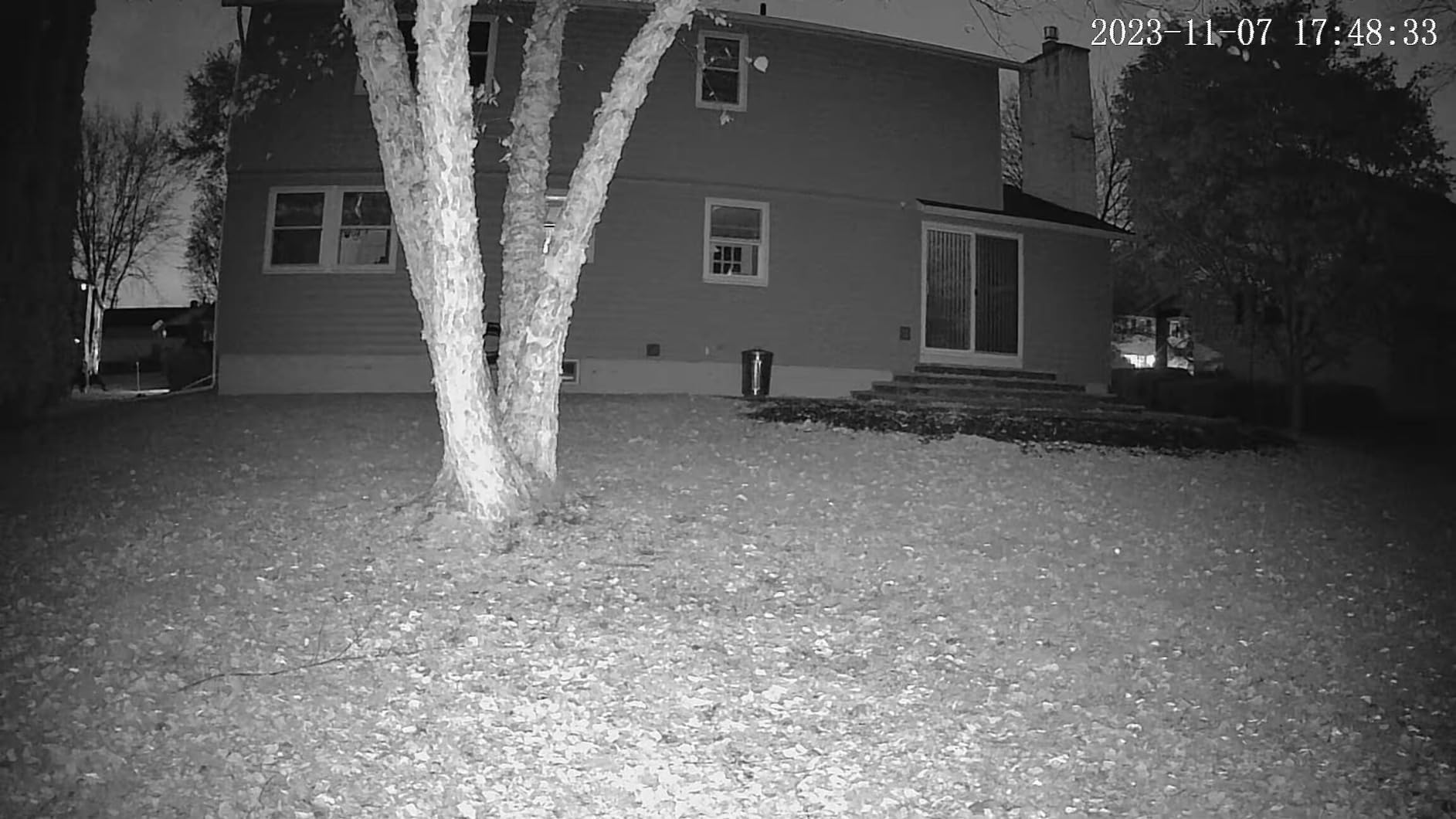
Best used near buildings the router already covers
Mount these on the shop, the house and any outbuilding within WiFi range. The PIR and AI detection system has an adjustable range of roughly 16 to 29 feet, which you can narrow to a doorway and ignore the rest of the yard.
Night handling offers three modes: full colour, intelligent light and auto infrared. Pick the spotlight mode for the driveway and the infrared mode for the barn interior, and you avoid waking the whole yard with a flood of white light.
Where it will not help
This is 2.4GHz only, so it will not join a 5GHz network. More importantly, it needs a real router signal at the mounting point, which rules out field entrances and any corner of the property the WiFi does not reach.
Recording is motion-event based with no 24-hour continuous mode, and the SD clip length is fixed at short intervals you cannot extend. The app works but is plainer than the Ring or Nest apps you may be used to.
4. aosu SolarCam D1 SE 3K PTZ – Best Auto-Tracking PTZ at This Resolution
aosu 3K 5MP Solar Security Camera Wireless Outdoor PTZ 360° Smart Tracking
- 3K 5MP sensor captures finer detail than 1080p
- 360 degree PTZ with one-tap patrol removes blind spots
- Smart tracking follows people and vehicles
- Colour night vision with spotlight and alarm
- 2.4GHz WiFi setup limits mounting options
- Needs reliable router signal at the mount point
- Digital-only zoom limits distant detail
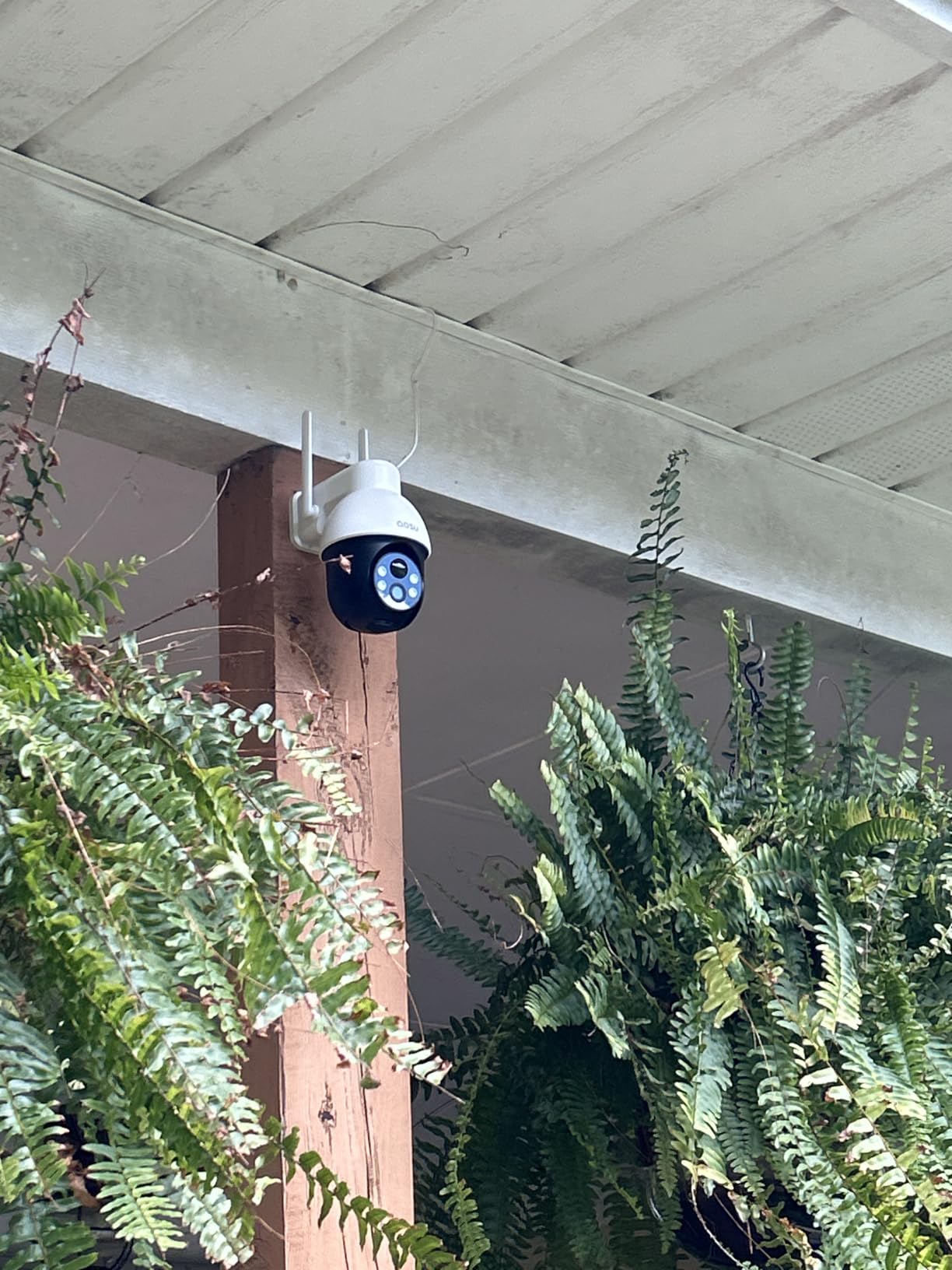
The D1 SE pairs a 5MP, or 3K, sensor with full pan-tilt-zoom head movement, and that combination shows up when you are trying to identify a person or read a number plate across a yard rather than confirm that something moved.
On the mechanical side it is a full 360 degree pan-tilt-zoom head with a one-tap quick patrol that sweeps the whole area, plus smart tracking that follows people, vehicles and pets once motion is detected. On a farm that combination replaces the need for three fixed cameras around one building.
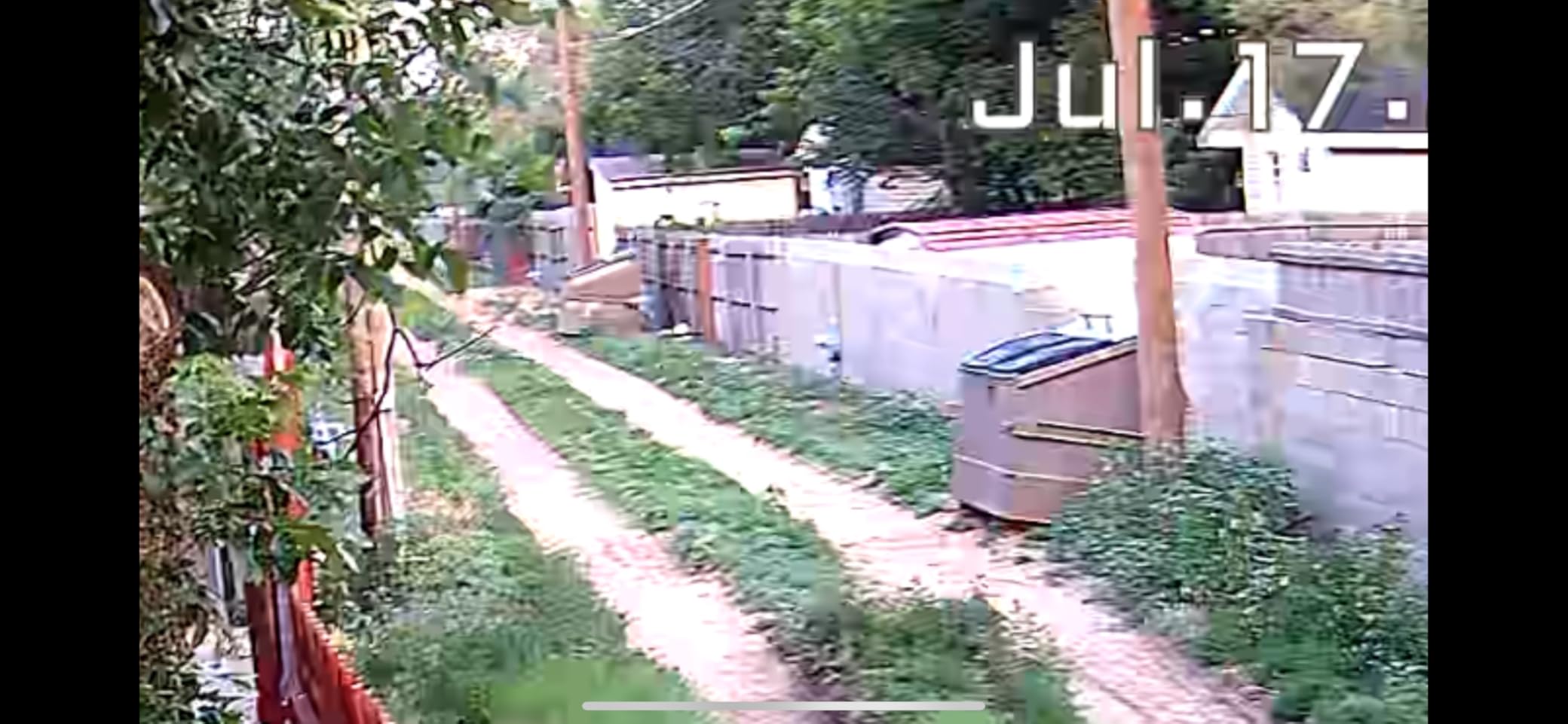
Night performance includes full-colour video from an integrated spotlight, plus a smart alarm for deterrence. Two-way talk runs through AI noise reduction, which cleans up the wind noise that makes farm audio unusable in an open yard.
It installs over WiFi on 2.4GHz, configured through Bluetooth, and it works with Alexa and Google Assistant. Power is solar with a battery backup, and the whole camera is 100 percent wireless with no wiring to the building.
Where the extra resolution pays off
Put this one where identification matters rather than detection: the farmhouse gate, the approach to the yard, the fuel tank. A 3K sensor gives you usable detail at distances where a 1080p camera gives you a coloured shape, and the tracking keeps the subject in frame while you watch.
The IP65 housing and the ceiling or wall mount options make it a reasonable choice for a machine shed overhang or a porch soffit. It is sized for outdoor duty rather than indoor use.
Where the tracking and zoom fall short
The 6x zoom is digital rather than optical, so distant detail degrades when you crop into it. For a farm where most subjects are closer than that, this rarely comes up, but it is a limit worth knowing.
The bigger constraint is the 2.4GHz WiFi requirement and the need for a reliable router signal at the mounting point. That confines this camera to the near farmstead, and pushes true off-grid coverage toward the cellular models on this list.
5. REOLINK Go Plus with Solar Panel – Most Robust in Exposed Positions
- Sealed housing performs reliably in wet exposed places
- Reconnects on its own after major cellular outages
- Good image and dependable night vision
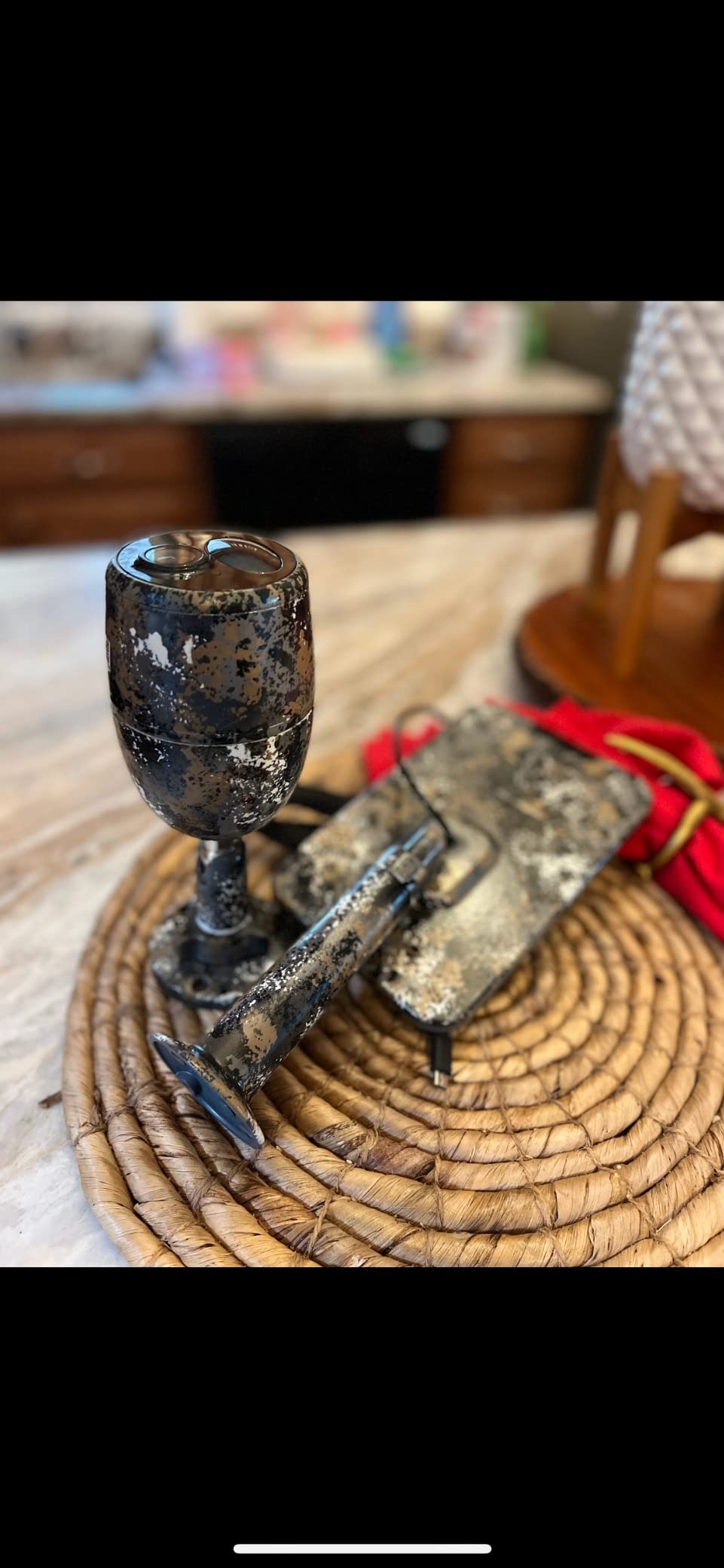
- Includes a camouflage sheath and tree strap
- SIM setup is fiddly and may need APN configuration
- No adjustable motion-detection range
- No 24/7 recording and no WiFi on this variant
- Needs a separate SIM and data plan
The Go Plus comes from a long-established camera maker with a support team many owners describe as responsive, and it is the one we would trust on a fence post or a tree line with no shelter at all. The egg-shaped housing is fully sealed and rated IP65.
It connects over 3G and 4G LTE, so no WiFi is required, and the 7500mAh battery pairs with the included Reolink solar panel for continuous off-grid running. Long-term owners report it recovering by itself after serious cellular outages when power is available.
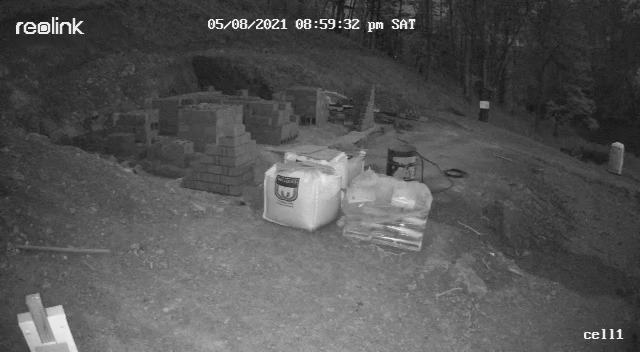
Stills are 4MP and night vision reaches about 33 feet. Smart person and vehicle detection helps on this model more than on most budget cellular cams, and there is two-way talk through the built-in microphone and speaker.
Storage is flexible: a microSD card up to 128GB, plus Reolink Cloud with seven days of free history. You can also view through the phone app, the desktop client or a browser, which is a real advantage if more than one person monitors the property.
Why we would put it in the hardest spot
The included camouflage sheath and tree strap make this the easiest camera here to hide on rural property, and it is a natural fit for a treeline along a boundary where equipment theft happens. Sealed construction and no exposed seams mean winter rain and ice do not get into the body.
For a farm already running other Reolink cameras, the shared app and local storage approach keeps everything in one place. That simplicity of management matters more than most spec sheets admit.
Where setup and alerts frustrate owners
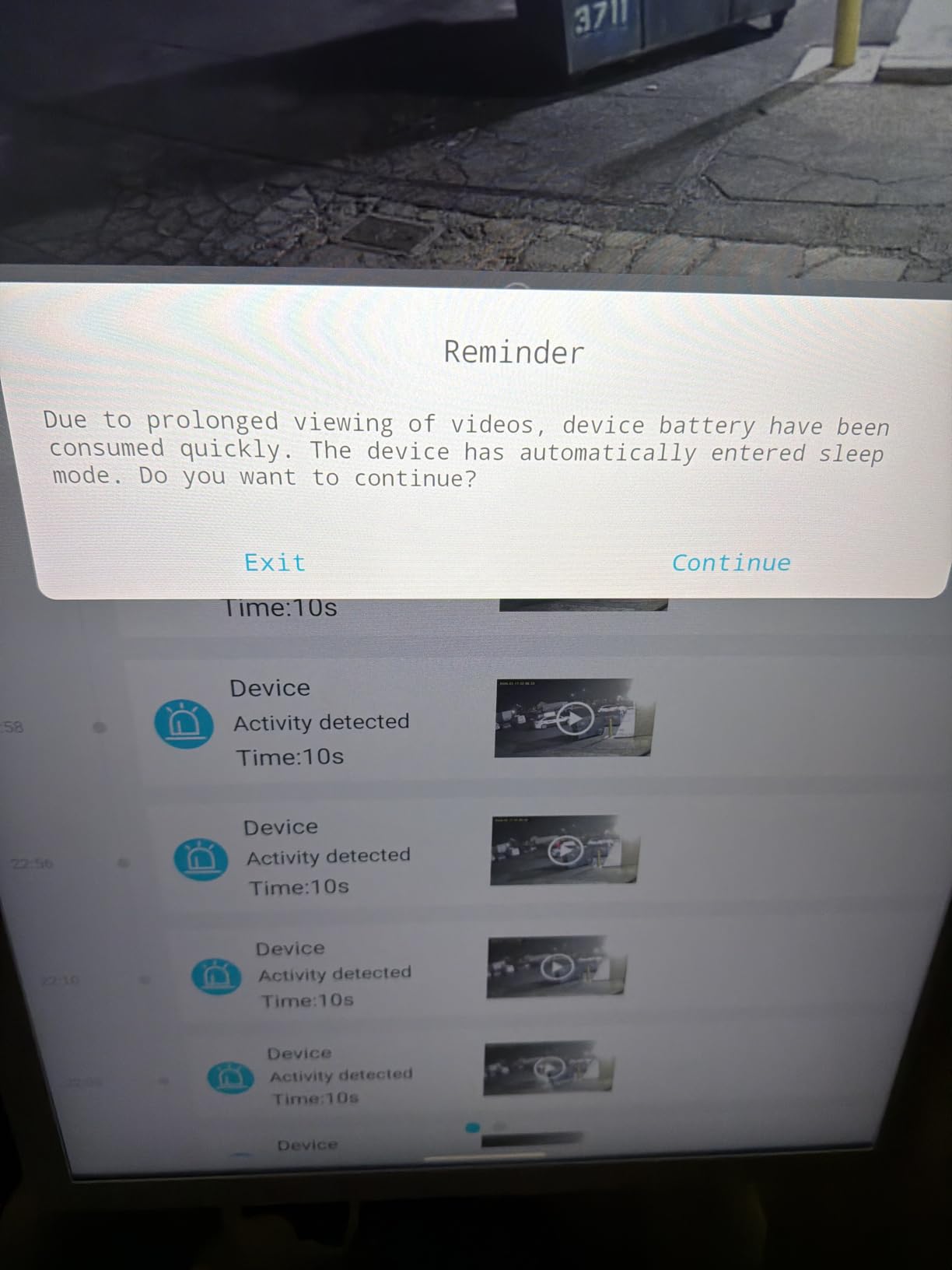
SIM configuration is the sticking point. Owners describe it as fiddly, sometimes needing several attempts and manual APN entry before it connects. Reolink gives you the flexibility, but you pay for it in setup time.
There is no adjustable motion-detection range on this model, so passing vehicles and animals trigger alerts regularly, and there is no 24/7 continuous recording. You will want to live with the notifications rather than fight them.
6. HOSAFE 4G LTE Solar Camera – Best Rated for Cold Weather Ranges
- Genuinely wire-free with no WiFi and no mains power
- 64GB SD card plus free cloud storage included
- 2K sensor with four spotlights for colour night
- IP66 rated from -4F to 122F
- Field of view is narrower than true 360 degree domes
- Built-in SIM with no slot for another carrier
- Cloud plan and data needed beyond trials
- Motion detection cannot be adjusted by zone
This is the only camera in the roundup with a published operating temperature range, and that is why it earns a place. The RBX-S50-4GU is rated IP66 from -4F to 122F, which gives a documented answer to the question northern farmers keep asking about winter survival.
The SIM is pre-installed and pre-activated with a 7-day free data trial, so there is no card to order and no APN fiddling. Power is solar and battery with no mains requirement, which makes it as usable at a remote gate as at the barn.
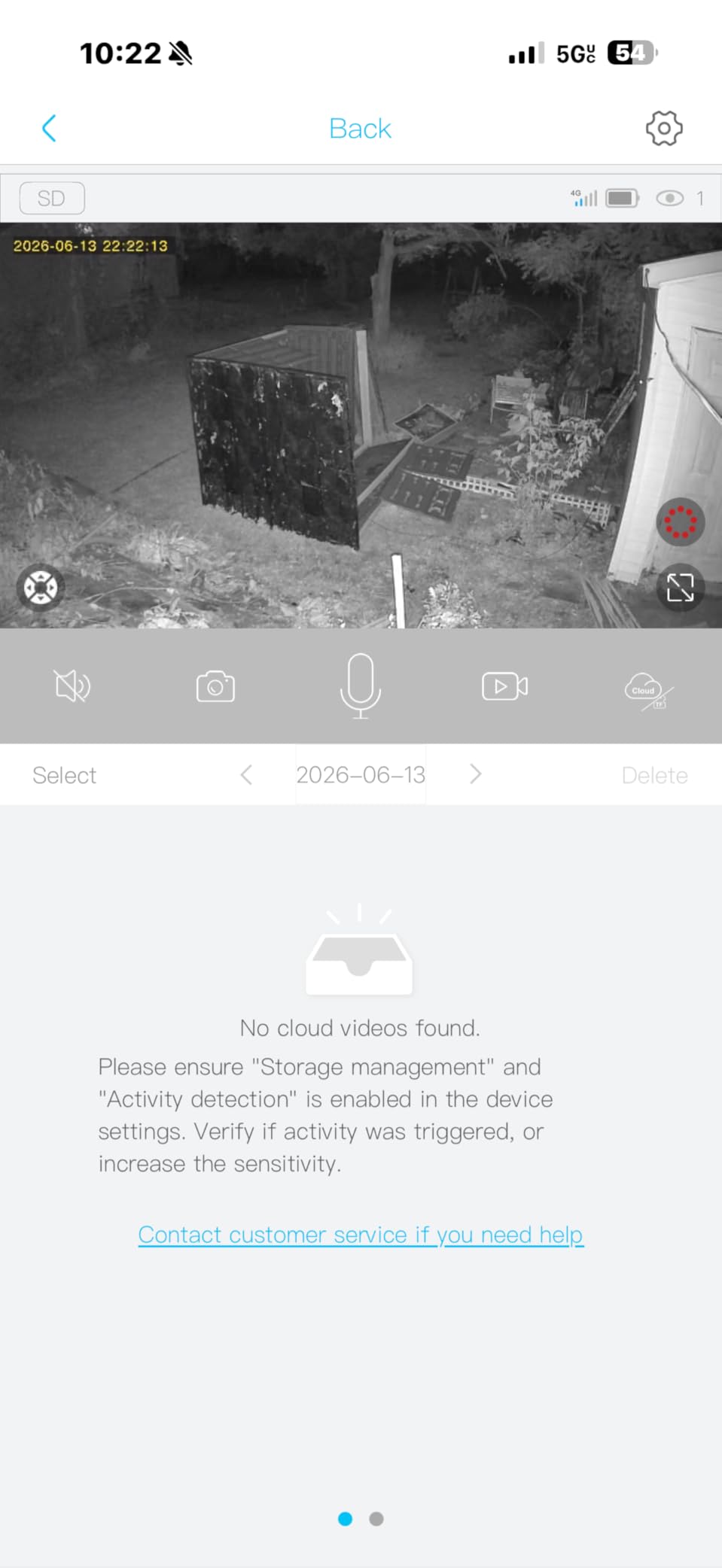
The 2K sensor is backed by four spotlights, and that combination produces usable colour footage at night rather than the grey infrared washout that makes dark barn interiors worthless for identification. Coverage is 270 degrees of pan and 90 degrees of tilt with 4x digital zoom.
A 64GB microSD card ships in the box, and free cloud storage is available through the app. PIR detection covers people, vehicles and animals, with instant phone alerts and two-way audio for talking to a visitor or warning someone off.
Where the temperature rating matters
Northern farms lose cameras to cold, not theft. A documented -4F floor means this camera can stay mounted on a north wall through a Canadian winter without being brought inside to warm up, which is what you want from a camera nobody wants to service in February.
The 270 degree pan and 90 degree tilt cover a barn corner or a small yard well from a single mount. With four spotlights covering the scene, night checks on livestock or a parked tractor are realistic.
Where the fixed SIM becomes a problem
There is no slot for a different carrier SIM, so you are locked to whatever the built-in card uses. That is convenient until coverage at your exact location turns out to be poor, and then there is nothing you can change.
The field of view is narrower than a true 360 degree dome, and motion detection cannot be adjusted by zone, so livestock and moving foliage will cause triggers. Plan to narrow it physically rather than through software.
7. Ebitcam S40 4G LTE Solar Camera – Fastest Solar Recharge in the Group
Ebitcam 4G LTE Cellular Security Camera Includes SIM Card(Support Verizon/AT&T/T-Mobile), 2K Solar Outdoor Cam Wireless Without WiFi Needed, 360° Live View, Color Night Vision
- Supports Verizon
- T-Mobile and AT&T with a prepaid SIM
- 6W panel needs about three hours of sun for a full day
- 2K video with remote-adjustable spotlight
- SD recording up to 128GB or cloud
- Panel may not keep up in heavy overcast
- Pan travel limited to about 270 degrees
- UBox app is phone-focused with no desktop view
- Built-in SIM is non-replaceable
The Ebitcam S40 lists a generous solar figure for a cellular camera: roughly three hours of direct sun for a full day of operation from the 6W panel. On a farm with dark mornings that margin is the difference between a camera that stays charged and one that needs a ladder.
Connectivity is 4G LTE with a prepaid built-in SIM supporting Verizon, T-Mobile and AT&T, and a 7-day unlimited data trial. Video is 2K with a remote-adjustable spotlight and colour night vision, viewed through a 360 degree live view with 4x digital zoom.
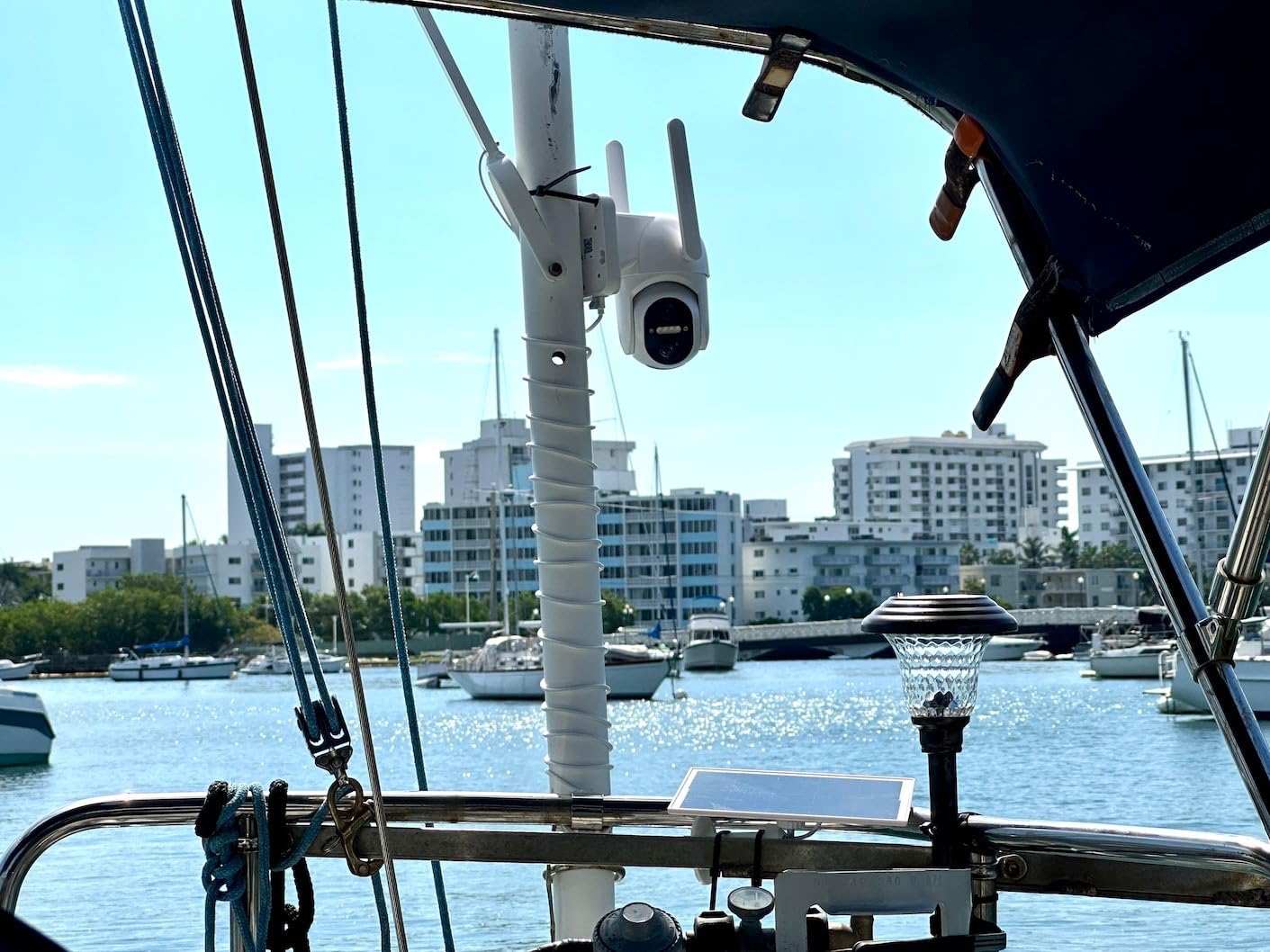
Farm and remote-property owners tend to describe setup as quick and picture quality as better than the price suggests, and the included SD option lets you record locally up to 128GB without paying for cloud at all. Support is repeatedly praised for resolving setup problems patiently.
The battery is 10400mAh and the housing is IP65, which covers the rain, dust and season swings most farm cameras face. Two-way talk and PIR alerts with phone notifications round out the basic package.
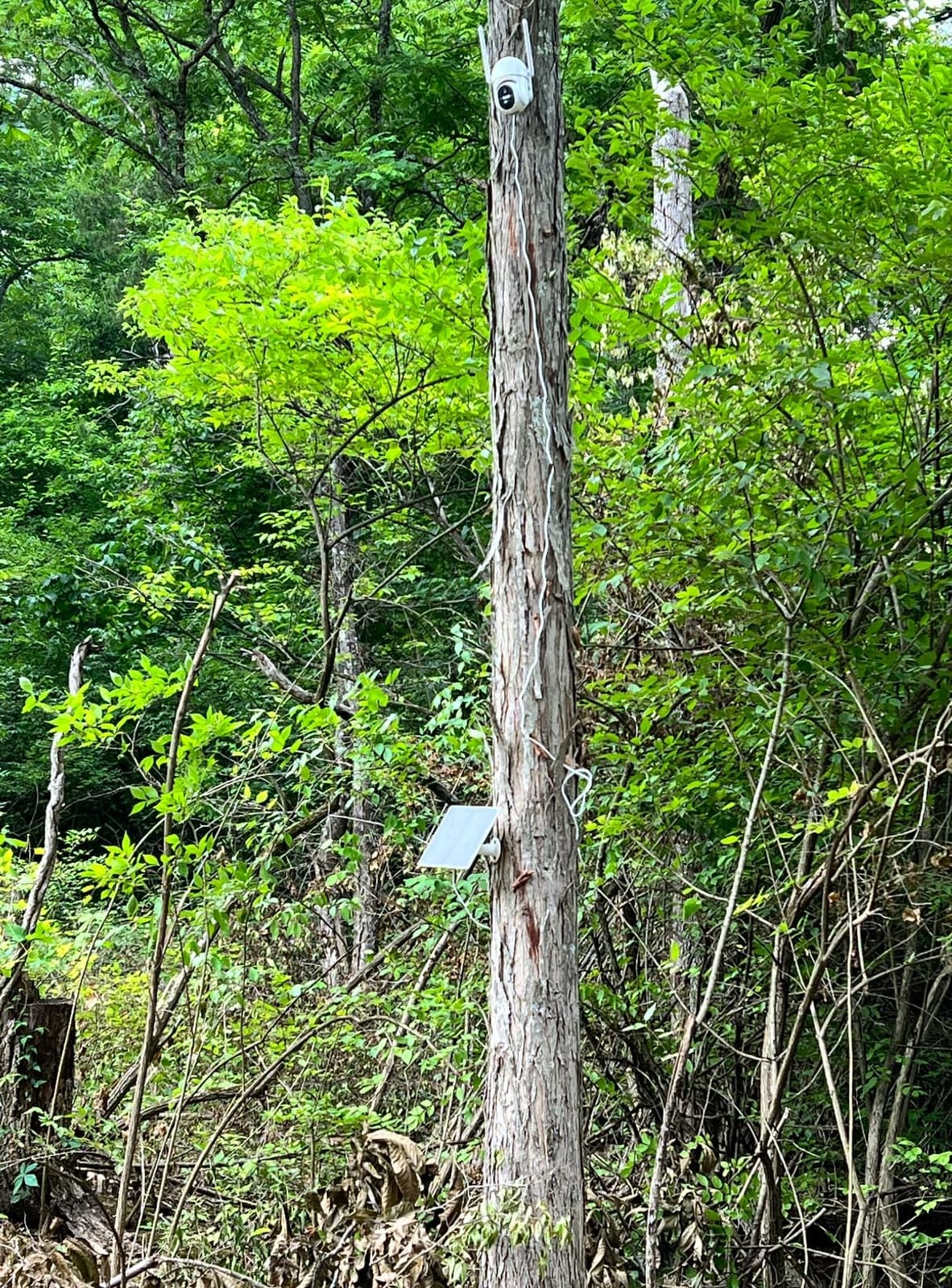
Best for shaded and short-winter installs
If your barn is under tree cover or faces away from the sun for part of the day, solar headroom matters more than resolution. This camera states the shortest recharge time we found, and the remote-adjustable spotlight lets you aim light without touching the mount.
Local SD recording up to 128GB keeps evidence on the device even when the cloud service or the connection is down, which is the pattern farm surveillance practitioners recommend over cloud-only storage.
Where the hardware and app fall short
Some users had to power the camera directly in heavy overcast conditions, so treat the three-hour figure as a good-weather number rather than a guarantee. Pan travel is limited to around 270 degrees, so it does not reach a full rotation.
The UBox app is phone-focused with no PC or multi-camera view, and some users find it buggy. The built-in SIM is also non-replaceable, which means you cannot move the camera to a different carrier if coverage disappoints.
8. Xega RBX-S20 4G LTE Solar Camera – Near-360 Coverage From One Mount
Xega 4G LTE Cellular Security Camera Built-in SIM Card No Wi-Fi Camera
- Built-in SIM means no SIM juggling
- 10400mAh battery with solar
- 355 degree pan and 95 degree tilt
- Colour night vision to about 65 feet
- Multiple family members use the app at no extra cost
- No SIM card slot
- Built-in card is the only cellular option
- Some cameras lost full charge capacity over time
- Setup instructions are confusing
The Xega covers the widest area from a single mount here, with 355 degrees of pan and 95 degrees of tilt. On a gate post or a yard corner that near-complete rotation removes the blind spots that leave a fixed bullet camera pointing at nothing half the night.
The built-in EIOTCLUB SIM has a 7-day unlimited trial and comes with a 10400mAh rechargeable battery plus solar charging. Reviewers credit the stable cellular connection and the near-360 coverage for watching gates, fields and outbuildings.
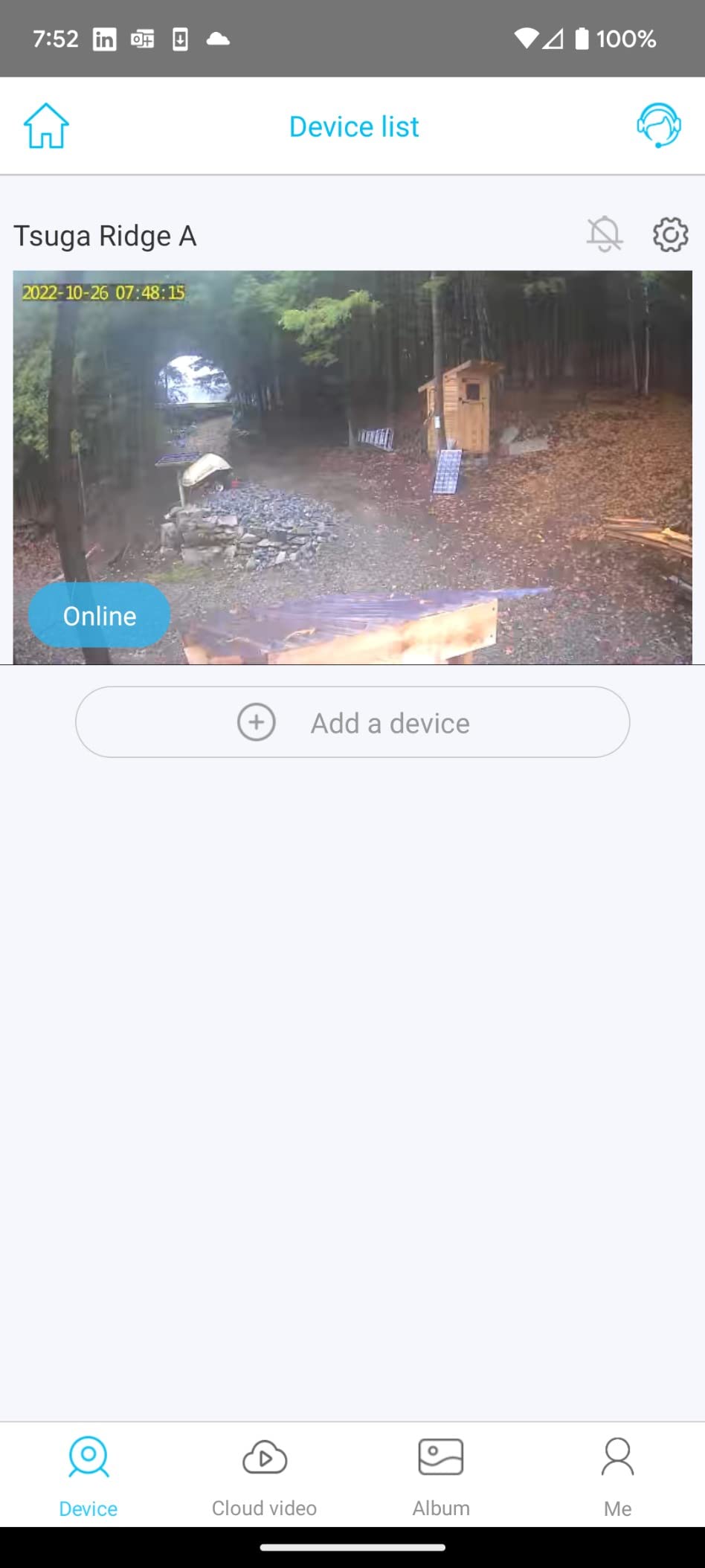
Night performance is a 2K sensor with colour night vision reaching roughly 65 feet, which is the longest night range listed among these ten cameras, plus 4x digital zoom and two-way audio. TF card storage goes to 128GB with a 30-day cloud trial as an alternative.
One detail worth knowing: multiple family members can use the app at no additional subscription cost. On a farm where the property is watched by two or three people, that removes a recurring line from the running costs.
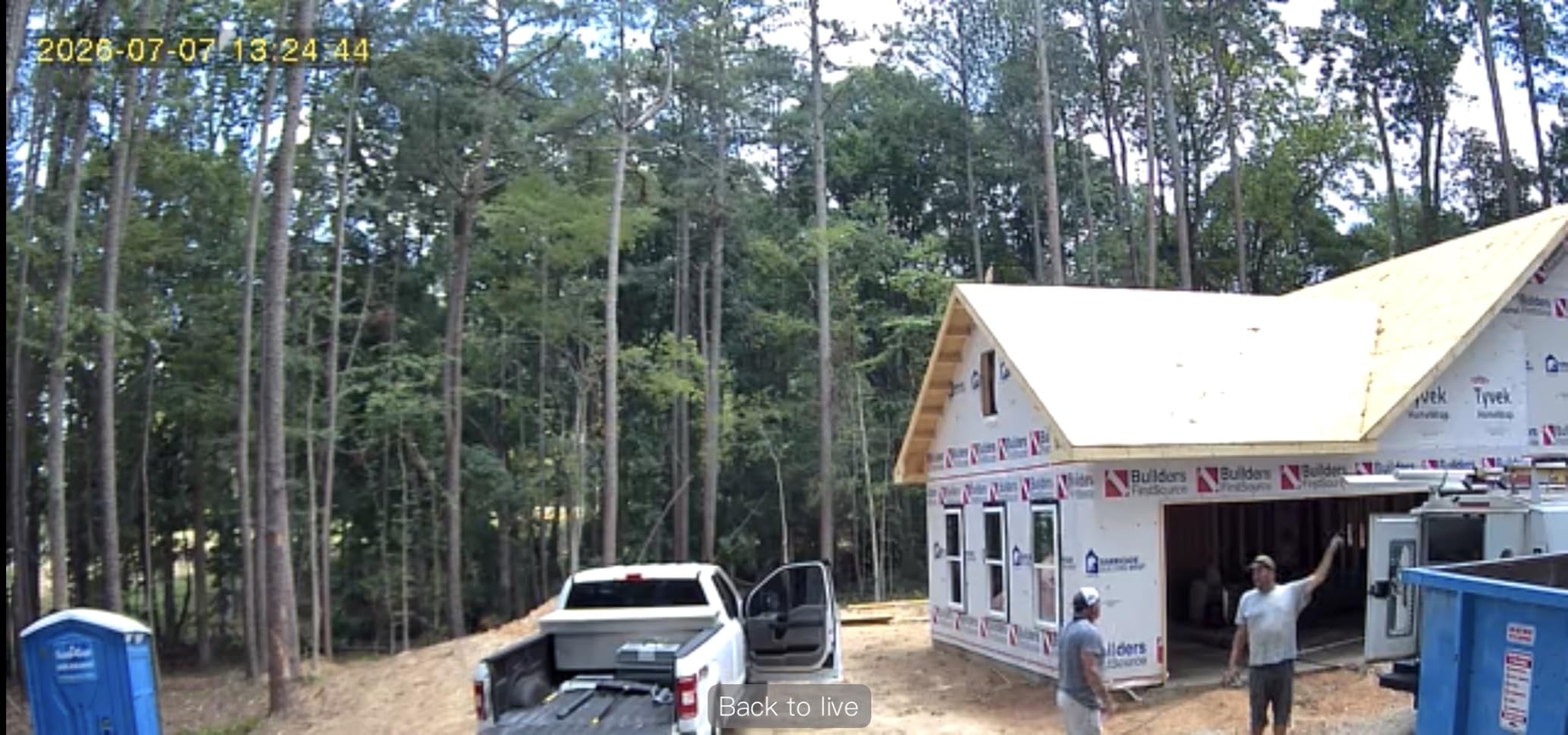
Where wide rotation pays off
Mount this on a gate post overlooking a yard and it covers approaches, the yard itself and the side of the house without adding a second camera. The near-355 degree pan also means re-aiming after a seasonal change is a tap rather than a ladder.
The IP66 ABS enclosure handles weather exposure, and the 65 foot colour night range means you can identify activity at a useful distance rather than only registering that something happened.
Where the lock-in shows up
There is no SIM card slot, so the built-in card is the only cellular option and the camera cannot be moved to another carrier if coverage at your location turns out to be poor. Each camera also needs its own data plan to stay viewable remotely.
Some owners report cameras that stopped holding a full charge after extended use, and the setup instructions are confusing enough that some buyers assumed a separate SIM was needed. Test the panel orientation carefully in the first week.
9. ARCCTV Q01 Solar 2-Pack – Best Dual-Band WiFi Coverage Near the House
ARCCTV Solar Security Cameras Wireless Outdoor, 2 Pack
- 4MP resolution sharper than typical 1080p farm cameras
- Dual band WiFi gives more placement flexibility
- Detachable panel can sit in the sunniest spot
- Two cameras each with their own panel
- 256GB SD allows local recording with no fee
- No automatic tracking
- Needs WiFi at the mount point
- Cloud storage is a paid add-on
- Best configured close to the router
The Q01 is one of only two WiFi cameras here with dual-band support, and on a large property that single fact widens where you can mount it. 2.4GHz reaches further, 5GHz gives you speed and less interference when the camera is close to the router.
Resolution is 4MP at 2560x1440p, twice as sharp as a typical 1080p farm camera, and the pack includes two cameras with two detachable solar panels joined by cable. That detachability lets you put the panel in the sunniest position and the camera in the best viewing angle.
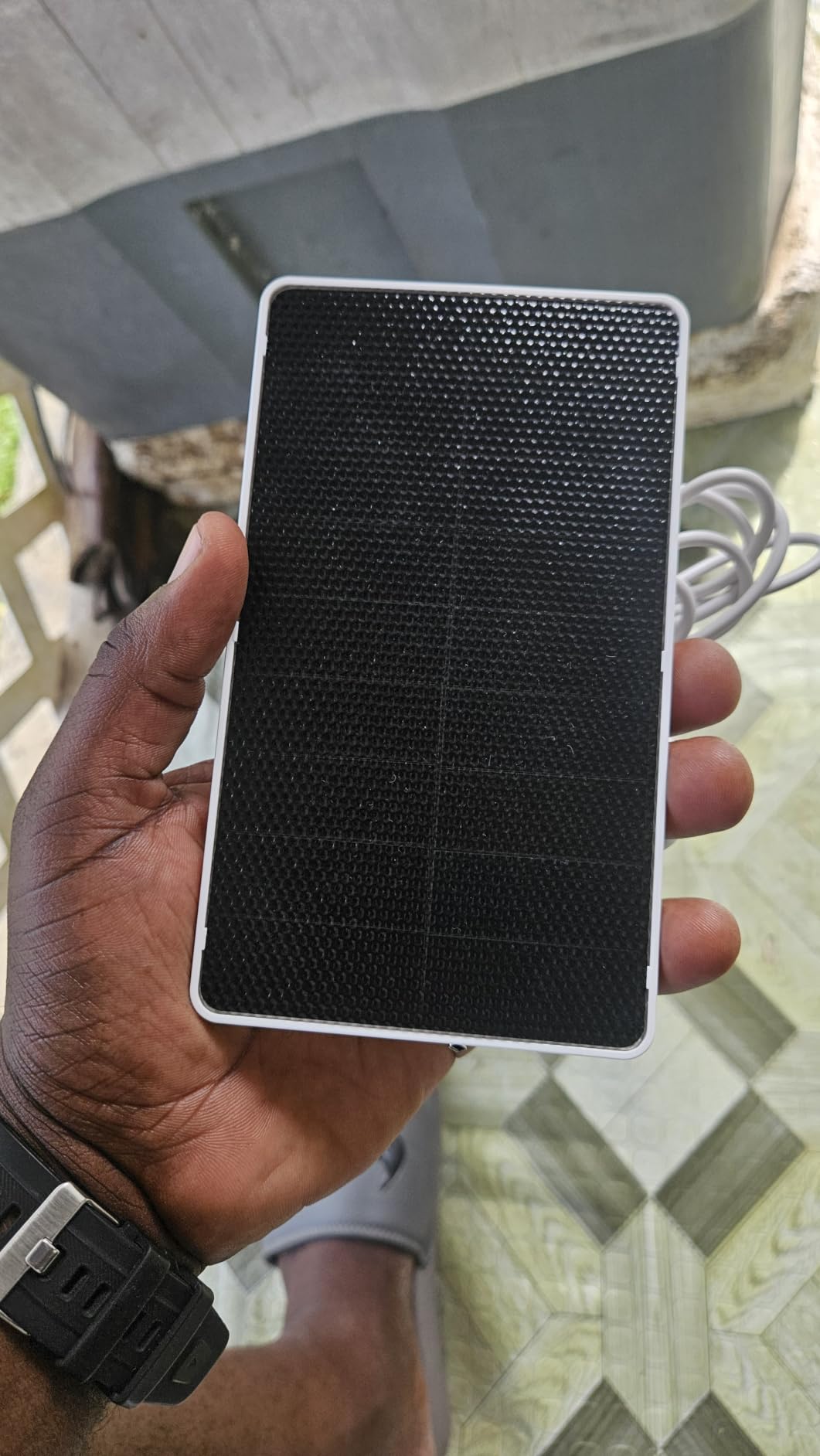
Storage is the other reason to look here. A microSD card up to 256GB allows fully local recording with no monthly fee, which keeps running costs close to nothing. Cloud storage is a paid add-on for AI event tagging rather than a requirement.
Coverage is 355 degrees of pan and 90 degrees of tilt with 10x digital zoom, plus colour night vision from a built-in spotlight, two-way audio and PIR alerts to the app. Installation is a screw-in bracket with no wiring.
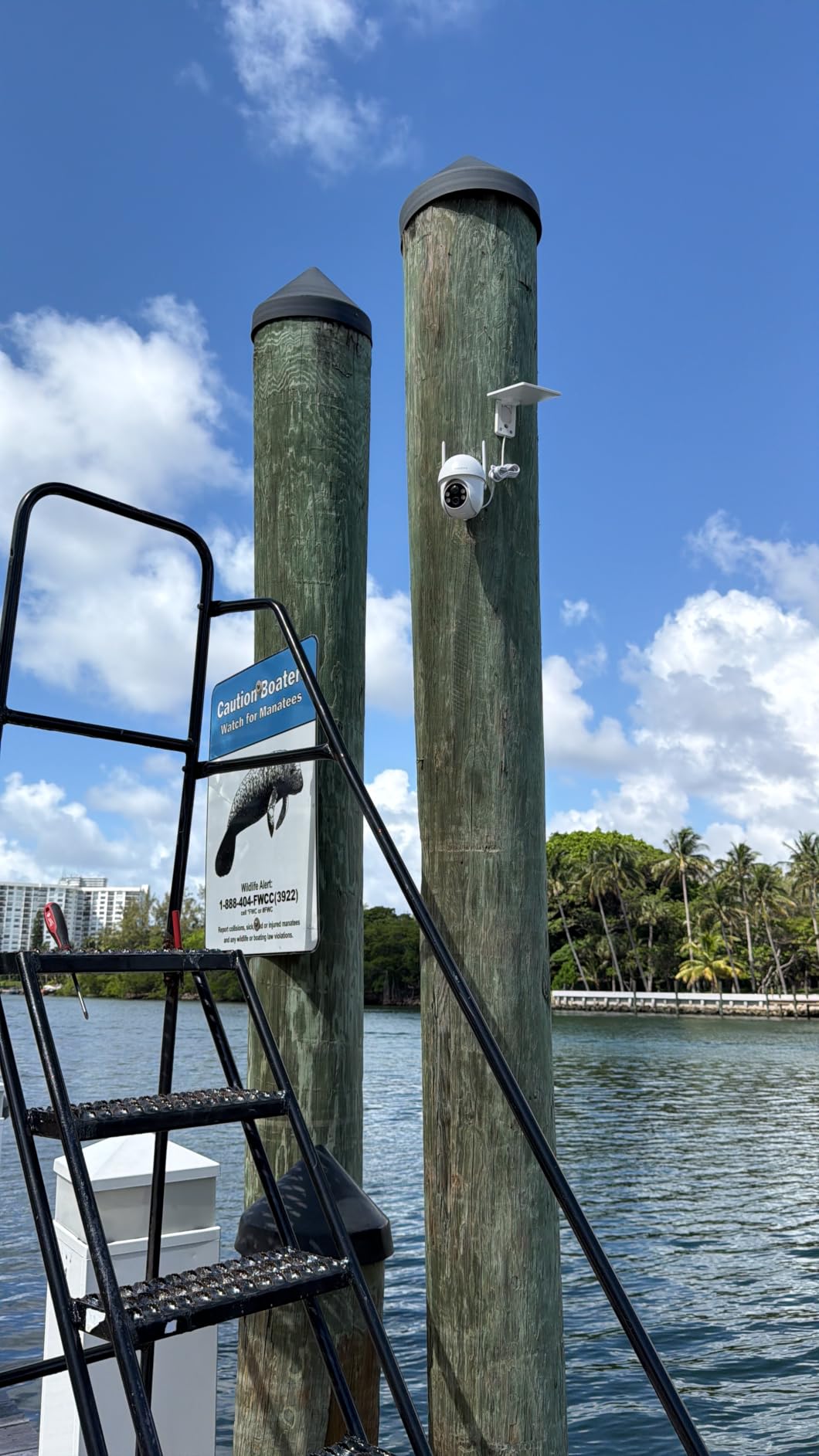
Best for the farmstead, not the far field
This pair works best where your router signal actually reaches: the farmhouse, the shop, the yard near the house. Buyers highlight the 4MP clarity and the dual-band flexibility as the reasons it edges out cheaper 2.4GHz-only solar cameras for placement.
The detachable panel solves the classic barn problem where the camera angle and the sun are in different places. A camera with a fixed panel has to compromise between where it looks and where it charges.
Where it stops being useful
There is no automatic tracking, so the view has to be moved by hand from the app, and 10x is digital zoom rather than optical. You also need WiFi at the mounting point, which rules out far-off fields without a network of their own.
Configure it close to the router first, then move the cameras out. Cloud storage is optional and paid, so budget for it only if you want remote backup and AI tagging rather than assuming it is included.
10. REOLINK Argus PT Ultra 4K – Most Local Storage Without a Subscription
REOLINK Argus PT Ultra First 4K Solar Security Cameras Wireless Outdoor
- 4K 8MP sensor with motion spotlight for night detail
- 355 degree pan and 140 degree tilt with auto-tracking
- Detachable 3W panel needs about 20 minutes of sun
- No subscription with 512GB SD or Home Hub
- Dual band 2.4 and 5GHz WiFi 6
- Small solar panel struggles with many active features
- Drops WiFi if mounted far from the router
- Thin quick start documentation
- IP64 is less sealed than the IP66 options here
The Argus PT Ultra records 4K video from an 8MP sensor and carries the largest storage option here at 512GB on a microSD card. That combination makes it the best local-recording choice for anyone who refuses to pay a subscription.
Mechanically it does more than most. 355 degrees of pan and 140 degrees of tilt with intelligent auto-tracking of people, vehicles and animals means it can follow a subject across a yard rather than watching it walk out of frame in the first two seconds.
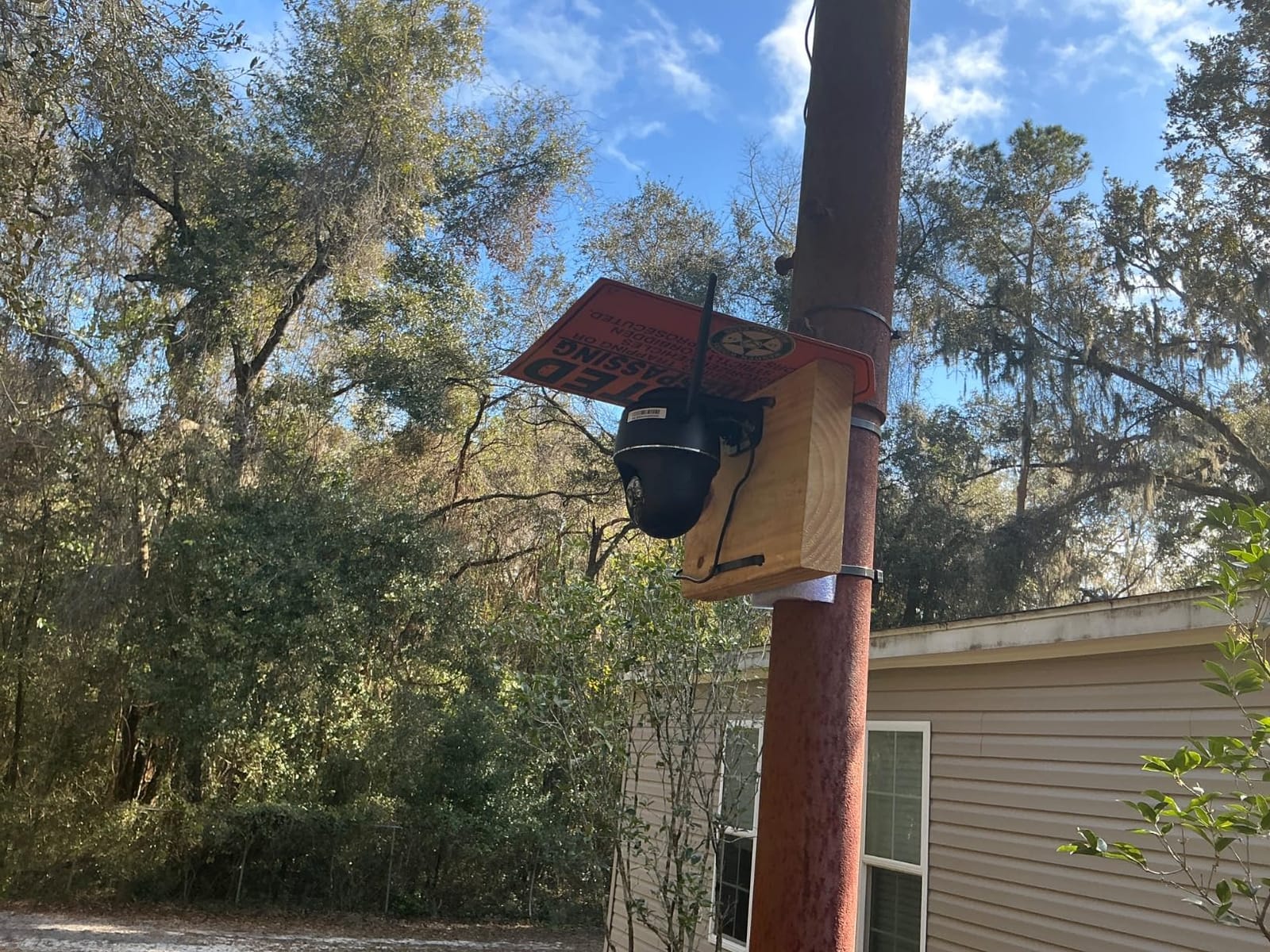
It runs on 2.4GHz and 5GHz WiFi 6, which makes placement easier than the 2.4GHz-only models in this group. Owners consistently praise the 8MP image quality, the wide pan and tilt with tracking, and subscription-free local storage.
Deterrence features include a motion spotlight, a siren and phone notifications. Video is encoded in H.265, which is more efficient on farm WiFi that has to carry two or three cameras at once, and you can also push to a Reolink Home Hub or an FTP server.
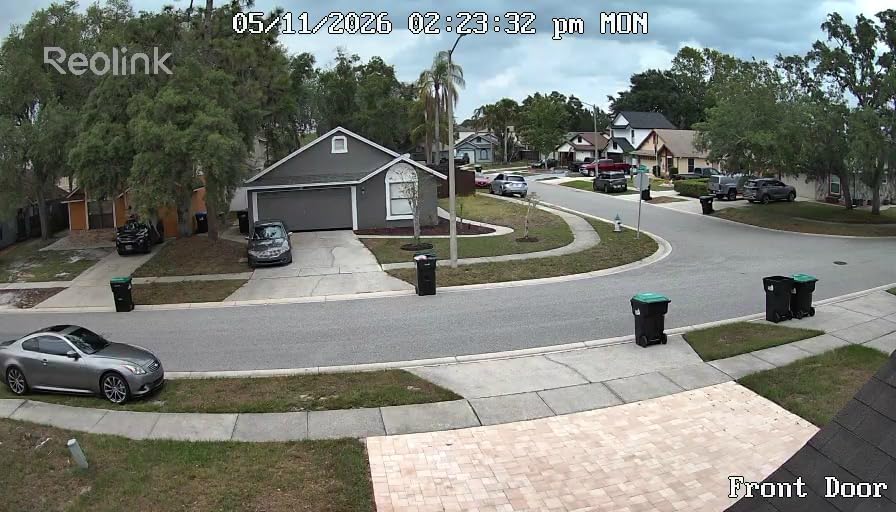
Where 4K and 512GB actually matter
The resolution gap shows when you need to identify rather than detect, such as at the farmhouse gate or the yard where equipment is parked. The spotlight produces colour detail at night, and the 512GB card holds weeks of footage without touching the cloud.
WiFi 6 on both bands gives this model the best placement flexibility of any WiFi camera in the roundup. Set it up near the router, confirm it holds a connection, then move it to the position that matters.
Where the small panel and IP64 rating bite
The detachable solar panel is only 3W. Reolink states about 20 minutes of daily sun is enough, but owners report the battery struggling when several features run at once, particularly with tracking and spotlight active in winter.
IP64 is less weather-sealed than the IP66 models here, and the camera can drop its WiFi connection if mounted far from the router. Quick start documentation is also thin on finding the UID and reset button, so allow setup time.
Why the Best Wireless Security Cameras for Farms Are Not the Ones You’d Expect
Most buying guides for farm cameras rank on megapixels and night range, and both matter far less than the farm actually suggests. Practitioners who monitor rural land remotely make a different argument: on a weak connection, continuous video streaming is the wrong design goal.
In a long-running discussion on IPVM about monitoring farm livestock remotely, the consensus was that the winning pattern is a large card inside the camera, a small image transmitted every few seconds, and a full forensic look only after something has already happened. Continuous 24-hour streaming over rural mobile broadband simply burns through data and stalls.
That is why local SD storage appears repeatedly in this roundup. Every camera we shortlisted records to a card as well as, or instead of, the cloud, and the ones with the largest cards win on running cost. Our picks with 256GB and 512GB options can run indefinitely with no subscription at all.
The second surprise is category confusion. Farmers searching for security cameras often land on trail cameras, while buyers searching for trail cameras land on WiFi security cameras. These solve different jobs: a cell cam covers an empty field corner, a WiFi cam covers a door you walk past daily.
On r/homesecurity, advice for a one-acre farm setup was to use wired cameras with wireless backhaul to the main house and to add trail cameras where there was no power or network. That third path, hardwired plus wireless backhaul, is worth considering if you can run cable to the barn. Our guides to floodlight cameras for large properties and solar camera systems for ranches cover that ground further.
Third, resolution expectations get managed rather than maximised. One IPVM poster put it plainly: “Analog may be your best option. Or low res digital. They don’t care if the cow has a fly on its ass. They care where the livestock in general are.” Match the camera to the job before matching it to a spec sheet.
How to Choose the Right Wireless Camera for Your Farm
Test carrier coverage at the exact install point first
Before buying any cellular camera, stand at the mounting location with the phone you will use and check the signal bars and a speed test. One bar of 4G with dropped calls is a common rural reality, and cameras buffer or fail entirely at that level.
Do this at every planned position, not at the house. A tower that serves the farmhouse can be invisible half a mile down the lane. If you get no usable reading, a cellular camera is the wrong product regardless of how good its specs look.
Choose cellular, WiFi or hardwired based on distance from the router
If the location is within reliable WiFi range, the four solar WiFi cameras here are cheaper to run because there is no data plan at all. If it is not, cellular is the only wireless option that works.
If you can run a cable to the barn, a hardwired system with wireless backhaul remains the most reliable long-term option. It costs more up front and never bills you monthly. Our indoor camera guide covers the network side of that setup.
Size the solar panel for winter, not summer
Most of these cameras carry panels between 3W and 6W. A 3W panel needs roughly 20 minutes of daily sun, while a 6W panel needs about three hours, and a panel that works in July can leave a camera dead by February.
Aim the panel south or southwest in the northern hemisphere, keep it clear of snow and shade, and prefer a detachable panel if the camera needs a different angle. For winter reliability, check the stated operating temperature range. Only one camera here publishes one.
Plan coverage by zone rather than by camera count
Match cameras to what you are actually protecting. The driveway gate wants wide rotation and vehicle detection. The barn wants a night light and a colour night image. A field entrance with no power wants cellular plus solar. The farmhouse wants the sharpest sensor you can justify.
Aim for one camera per zone rather than one camera for the whole property. Most of the blind-spot complaints we see come from a single wide camera trying to cover acreage it was never designed for.
Tune the detection zones so livestock stops triggering alerts
Deer, cattle and wind-blown branches generate constant motion events on open ground, and once you start ignoring notifications the system stops working for you. Narrow the PIR range to the approach you care about and use AI person or vehicle detection where the camera supports it.
If your camera has no zone control, angle it at a doorway or a fence line rather than the middle of a field. Physical narrowing works as well as any setting and costs nothing.
Budget for data plans before you buy
Every cellular camera here needs a plan after its trial period, and some models with a built-in SIM lock you to one carrier with no way to change. Multiply the monthly figure by the number of cameras and by the years you expect to run them.
Local SD recording is the offsetting saving. A camera with 256GB or 512GB of local storage can run without a subscription, and it keeps working when the network does not, which is the failure mode that catches farm owners out.
Frequently Asked Questions
What are the best security cameras for a farm?
The best security cameras for a farm are 4G LTE cellular and solar-powered models that record to a local SD card as well as the cloud. Most farm buildings have no WiFi and weak cellular service, so trail-camera-style cell cams cover off-grid barns and gates, while solar WiFi cameras work best near the farmhouse where the router reaches.
What is the best camera for a farm overall?
For most farms, the best overall pick is a 4G LTE solar cell cam with a large battery and a rotating head. It needs no WiFi and no mains power, so it can be mounted on a barn, a gate post or a field corner and still send alerts and footage to your phone.
What is the best outdoor security camera for a farm?
The best outdoor camera for a farm is one rated IP65 or IP66 with a colour night mode and a solar panel sized for winter. IP66 models are better for exposed posts and northern climates, and colour night vision with a spotlight is far more useful in a dark barn than infrared alone.
What is the best CCTV camera for a farmhouse?
For a farmhouse, the best camera is a dual-band solar model placed within WiFi range of your router, paired with a hardwired system if you can run cable. Dual-band support widens placement options and a local SD card avoids a monthly subscription, while night vision and two-way audio handle visitors.
What is the best security system for acreage?
For acreage, no single camera covers the property. Plan one camera per zone such as the driveway gate, barn, equipment shed, field entrance and farmhouse perimeter, choosing cellular models for remote zones and solar WiFi models near the house, and confirm carrier coverage at each post before buying.
Which cellular security camera with solar panels is the best?
The strongest cellular camera with a solar panel is the one with a large battery, a rotating head and local SD storage. A 6W panel with a 10400mAh battery gives the best winter margin, near-360 degree pan removes blind spots around a building, and an SD card keeps recording when the connection drops.
Do farm security cameras need WiFi?
Most do not. Cellular 4G LTE models work with no WiFi at all, which is why they suit barns and field entrances. Solar WiFi cameras are cheaper to run but need a router signal at the mounting point, so check coverage before choosing one for an outbuilding.
Final Verdict on the Best Wireless Security Cameras for Farms
For most farms, the SEHMUA S40 is the camera to start with. It runs on 4G LTE with no WiFi and no mains power, holds charge on a 6W panel with a 10400mAh battery, and its 360 degree rotation covers more of a building than a fixed camera from one mount.
Cover a second structure with the HOSAFE two-pack, and add WiFi cameras near the farmhouse where the router reaches. Put the sharpest sensors at the gate and the yard, the widest rotation on the post with the most traffic, and the highest weather rating anywhere exposed to winter.
Whatever you choose, test the carrier signal at each mounting point before you order, budget the data plan for years rather than months, and narrow the detection zones so the cattle stop calling you at midnight.