
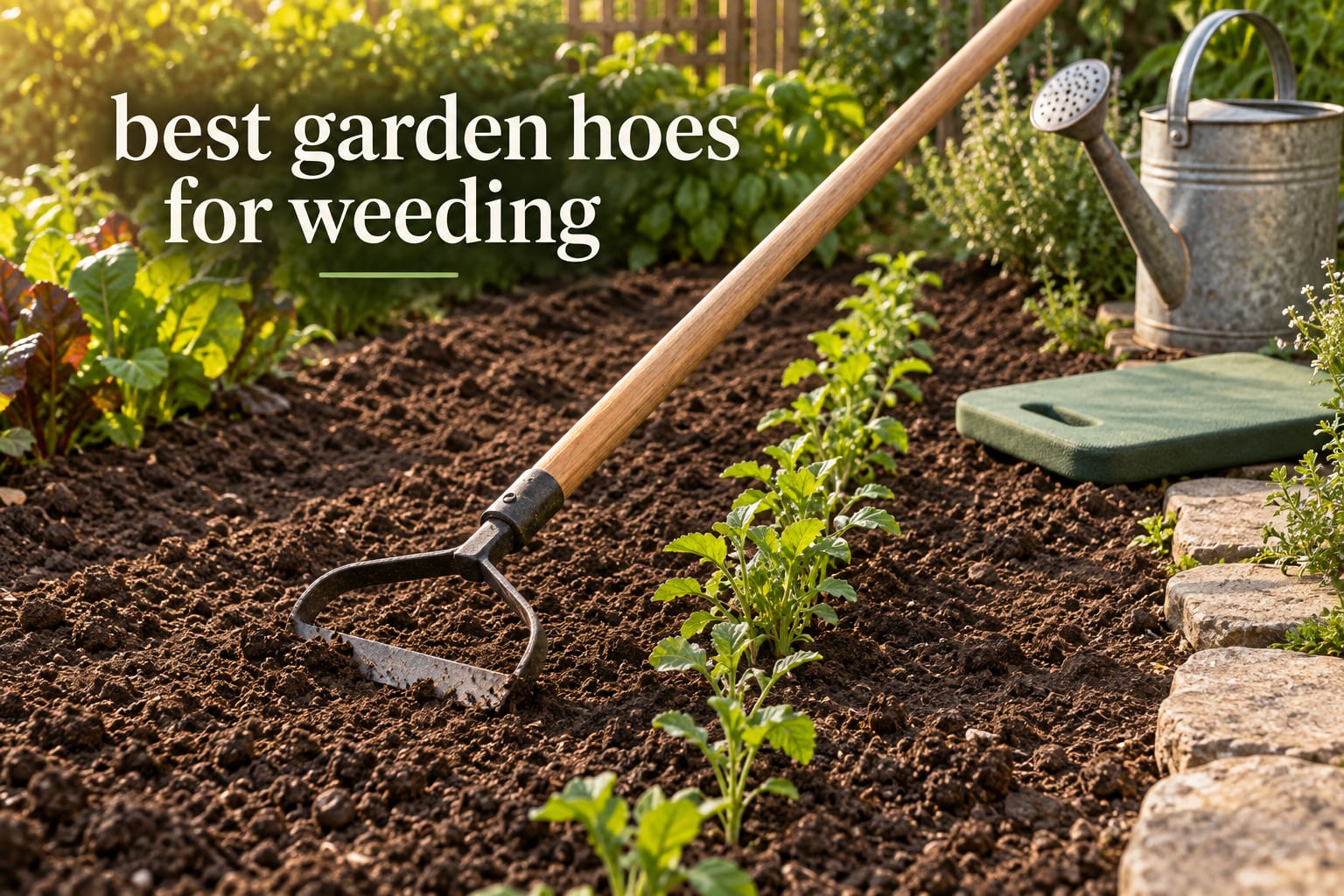
A stirrup hoe, also sold as a scuffle hoe, action hoe or loop hoe, is the best garden hoe for weeding most vegetable beds, and it is the tool I reach for first every season. The blade rides flat against the soil on a push-and-pull stroke, so it slices weed roots and crowns a half inch to an inch below the surface without you ever kneeling down or yanking a weed out by hand.
That is a real change of pace. My own weeding sessions used to end with aching knees and a pile of half-broken weeds that had already dropped seed on the path. Once I switched to a long-handled scuffle hoe, the same bed was cleared in a fraction of the time, and the weeds stayed where I cut them. The right tool still depends on your soil, your bed size and how close you are working to plants, which is why we pulled 10 picks across every major style.
Below you will find the best garden hoes for weeding in 2026, scored on blade quality, how well they hold an edge, handle balance and how much they save your back. We also explain the stirrup versus scuffle versus action naming mess that trips up most first-time buyers, map each hoe style to the soil it actually works in, and cover the technique that decides whether a pass is worth making.
Table of Contents
Top 3 Picks for the Best Garden Hoes for Weeding (September 2026)
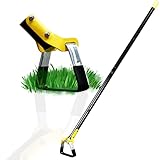
DonSail Adjustable Scuffle Hoe
- 30-61 inch adjustable handle
- 1.3 inch commercial grade steel
- Push-pull weeding loop
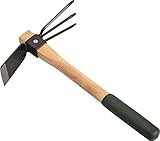
Edward Tools Hoe/Cultivator
- Carbon steel blade and head
- Solid oak handle
- Rubber ergo grip
- Works as hoe and cultivator

Walensee 14 Inch Stirrup Hoe
- Hand-forged heat-treated steel
- Works as hoe rake and scraper
- Ergonomic non-slip grip
- No assembly needed
The Best Garden Hoes for Weeding at a Glance in 2026
Every pick below uses the same basic principle, a sharpened steel edge worked through the top layer of soil, but they differ in reach, mass and how close to a plant you can work. The table gives you the short version; the individual reviews explain the reasoning.
| Product | Specifications | Action |
|---|---|---|
| DonSail Adjustable Scuffle Hoe 30-61 Inch |
|
Check Latest Price |
| Edward Tools Hoe and Cultivator Hand Tiller |
|
Check Latest Price |
| Walensee 14 Inch Stirrup Hoe |
|
Check Latest Price |
 HOMI YOUNGJU Korean Forged Homi Hoe HOMI YOUNGJU Korean Forged Homi Hoe |
|
Check Latest Price |
 MANXRKUI Long Handle Draw Hoe 66 Inch MANXRKUI Long Handle Draw Hoe 66 Inch |
|
Check Latest Price |
 BARAYSTUS 55.9 Inch Stirrup Hoe BARAYSTUS 55.9 Inch Stirrup Hoe |
|
Check Latest Price |
 Ihomepark Dual Head Stirrup Hoe 30-62 Inch Ihomepark Dual Head Stirrup Hoe 30-62 Inch |
|
Check Latest Price |
 Corona CT 3344 ComfortGEL Hoe Cultivator Corona CT 3344 ComfortGEL Hoe Cultivator |
|
Check Latest Price |
 Nohovu 58 Inch Fiberglass Handle Garden Hoe Nohovu 58 Inch Fiberglass Handle Garden Hoe |
|
Check Latest Price |
 Tomerry Japanese Forged Garden Hoe and Cultivator Tomerry Japanese Forged Garden Hoe and Cultivator |
|
Check Latest Price |
What Kind of Hoe Is Best for Weeding?
Short answer: a stirrup or scuffle hoe is the best garden tool for pulling weeds out of a bed in the fastest way, because it cuts below the surface instead of dragging roots out. Here is how the main styles differ, and why the names get tangled.
Stirrup hoe, scuffle hoe, action hoe, loop hoe, oscillating hoe are usually the same tool sold under different names. It has a flat, rectangular blade held in a U-shaped or trapezoid frame that pivots on the handle.
Dutch hoe or push hoe has a wide, flat blade set at a right angle to the handle. You push it forward through shallow soil rather than swinging it back and forth.
Draw hoe has a heavier blade at an acute angle, so you chop into the soil and pull toward you. It is a digging and bed-prep tool that also works for large areas of annual weeds.
Collinear hoe, onion hoe, beet hoe, nursery hoe is a narrow-bladed hand tool used with a kneeling position for close work in rows and densely planted beds.
Field hoe is a broad, flat blade for shallow cultivation across open ground, the traditional long-handled workhorse.
The pivot matters. Because the stirrup frame rocks, the blade stays in contact with the soil through the whole stroke and self-sharpens slightly against the ground as you work, the way a scythe does. Forum users on r/gardening and r/landscaping ask the same question constantly: are a stirrup hoe and a scuffle hoe different tools? They are not, and buying both is a common and expensive mistake.
1. DonSail Adjustable Scuffle Hoe – Best Overall Stirrup Hoe
- Adjustable handle height suits different users
- Lightweight so long sessions stay comfortable
- Three piece screw together assembly takes a minute
- Push-pull loop covers a wide strip of soil each stroke
- Hollow handle feels less solid when levering
- Steel needs drying after use to avoid rust
This is the hoe I keep reaching for. The handle screws together in three sections at 30, 43 or 60 inches, so the same tool serves a raised-bed gardener and a tall user who wants to stay upright. At one pound it is light enough to swing for an hour without loading your shoulders.
The loop frame rides on two points rather than one, which is why it tracks straight through loose soil instead of digging in and flipping clods. On my vegetable rows a single pass buried every small annual weed in the bed, and a second pass a week later caught the stragglers.
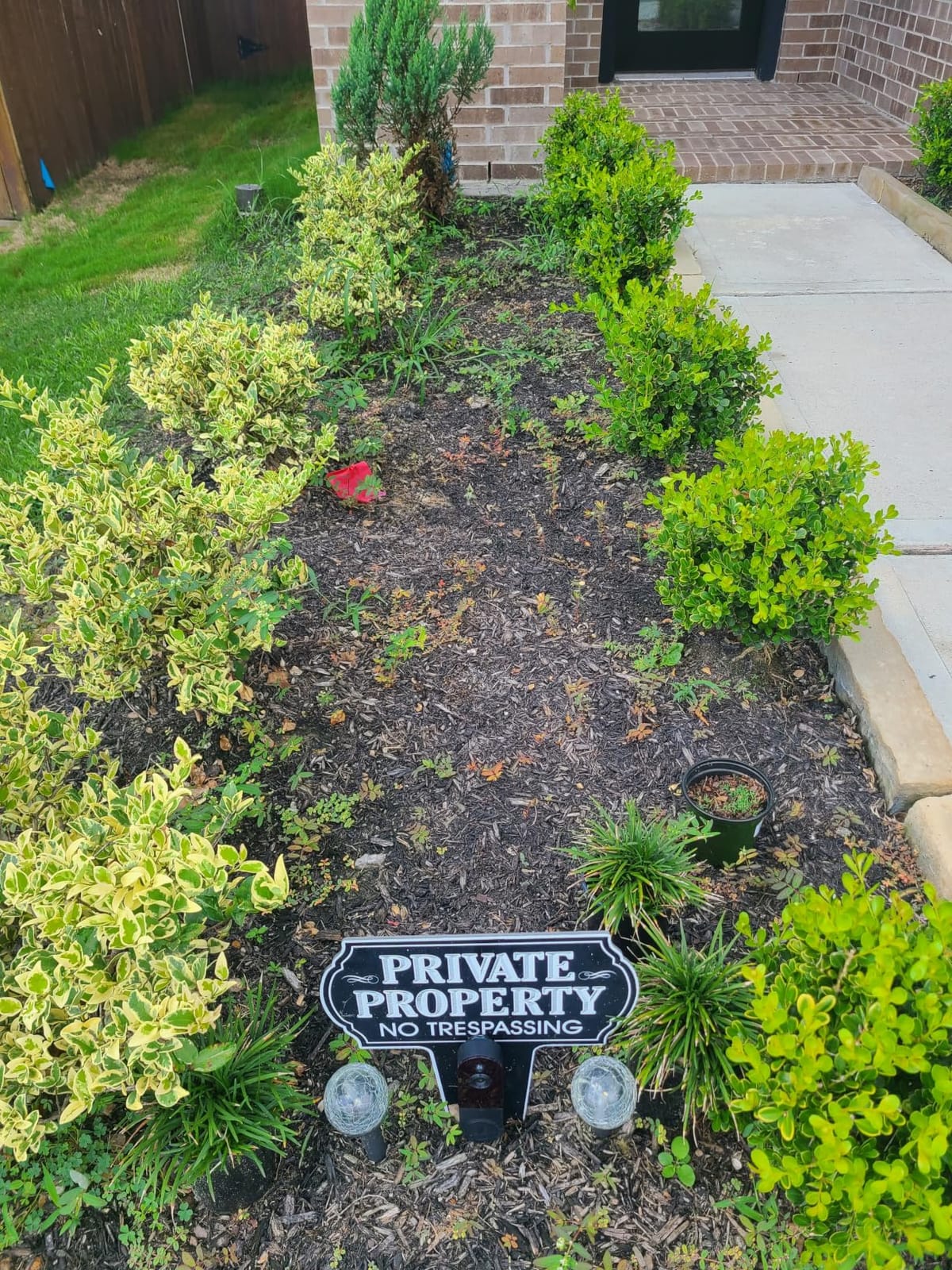
Assembly took under a minute with no tools, and the 1.3 inch diameter steel is noticeably thicker than the tubing used on budget imports. It is a commercial grade tube rather than a solid shaft, which is where the weight saving comes from.
The push-pull motion is efficient because you never lift the blade, you simply walk backward. Reviewers report that the loop slices carpet-style weeds out of path edges and patio cracks where a fork would just rake them along.
Who the DonSail scuffle hoe suits?
Anyone working a standard vegetable plot on loam or sandy soil will get the most out of it. The adjustable length also makes it the easiest pick on this list to share between two people of different heights.
If back strain is your main worry, the 60 inch setting keeps you standing tall and cutting rather than bending. The long internal link on our guide to garden kneelers for seniors covers the opposite approach for people who cannot stand at all.
Who it does not suit?
If your soil is heavy, wet clay that has baked into a crust, this lightweight hollow frame will skid and bounce rather than bite, and you will tire quickly forcing it. It is also not a tool for prying up turf edges or breaking hardpan, that is draw hoe work.
Because the shaft is hollow steel, it is a poorer choice than a solid handle if you plan to lever large stones or roots with the blade. Wipe and oil the blade after each session, or rust will dull the edge faster than soil wear does.
2. Edward Tools Hand Hoe and Cultivator – Best Value Carbon Steel Hand Tool
- Carbon steel blade resists dulling
- Oak handle is replaceable and durable
- Dual function hoe and cultivator
- Ergonomic rubber grip stays secure when wet
- Heavier than most hand tools at 13.6 oz
- Half-screw handle fitting is awkward to adjust
- Too heavy for frail hands
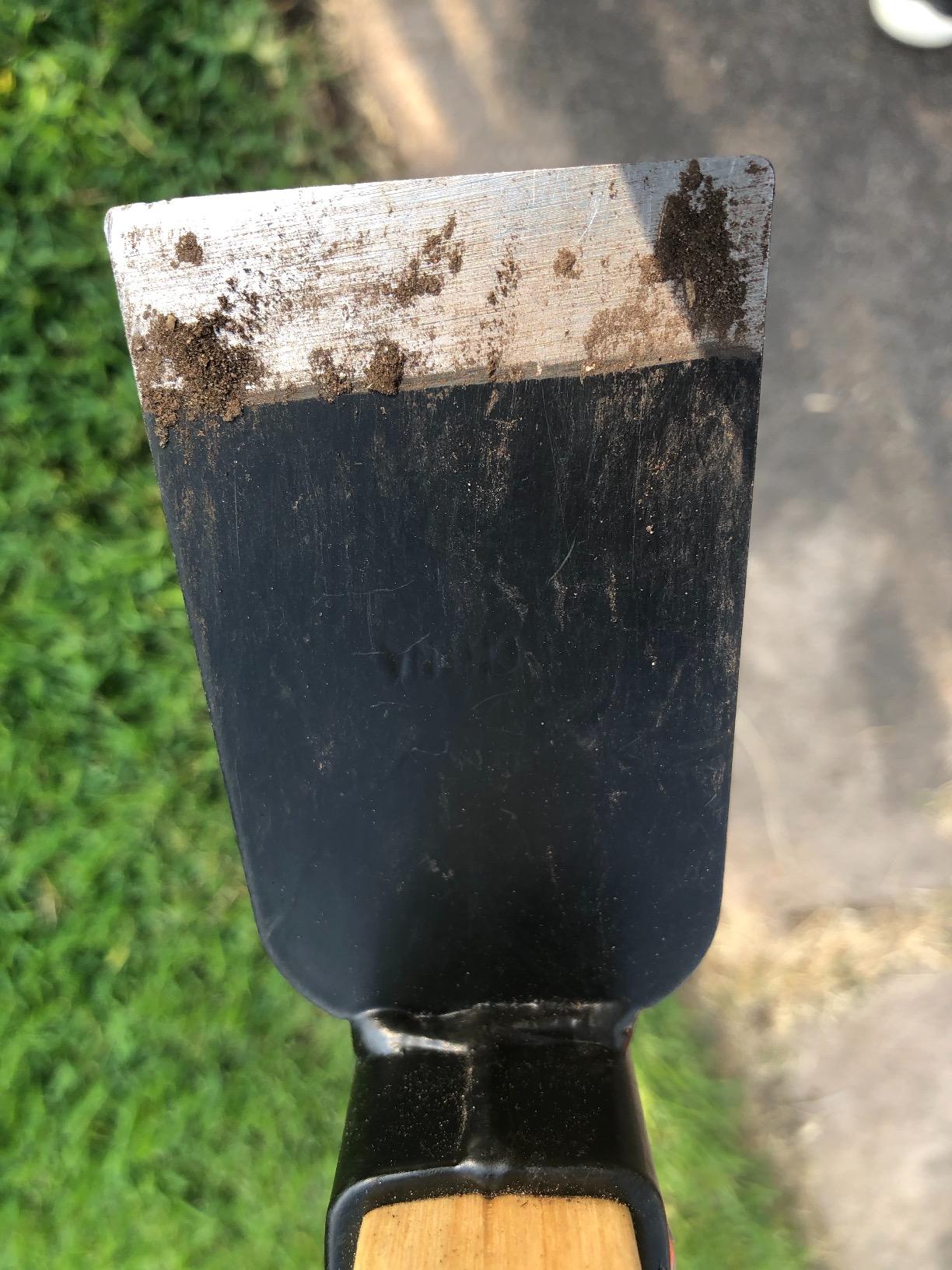
This is the one I hand to friends who want a single tool that does two jobs well. The head is a carbon steel blade on one side and a set of cultivator tines on the other, so you can slice a weed and then break the crust around it in the same pass.
At 13.6 ounces it is one of the heftier hand tools in this roundup, and that weight is the point. A light hand hoe bounces off soil, while a solid carbon steel head transfers your effort straight into the cut, which is exactly what hard ground needs.
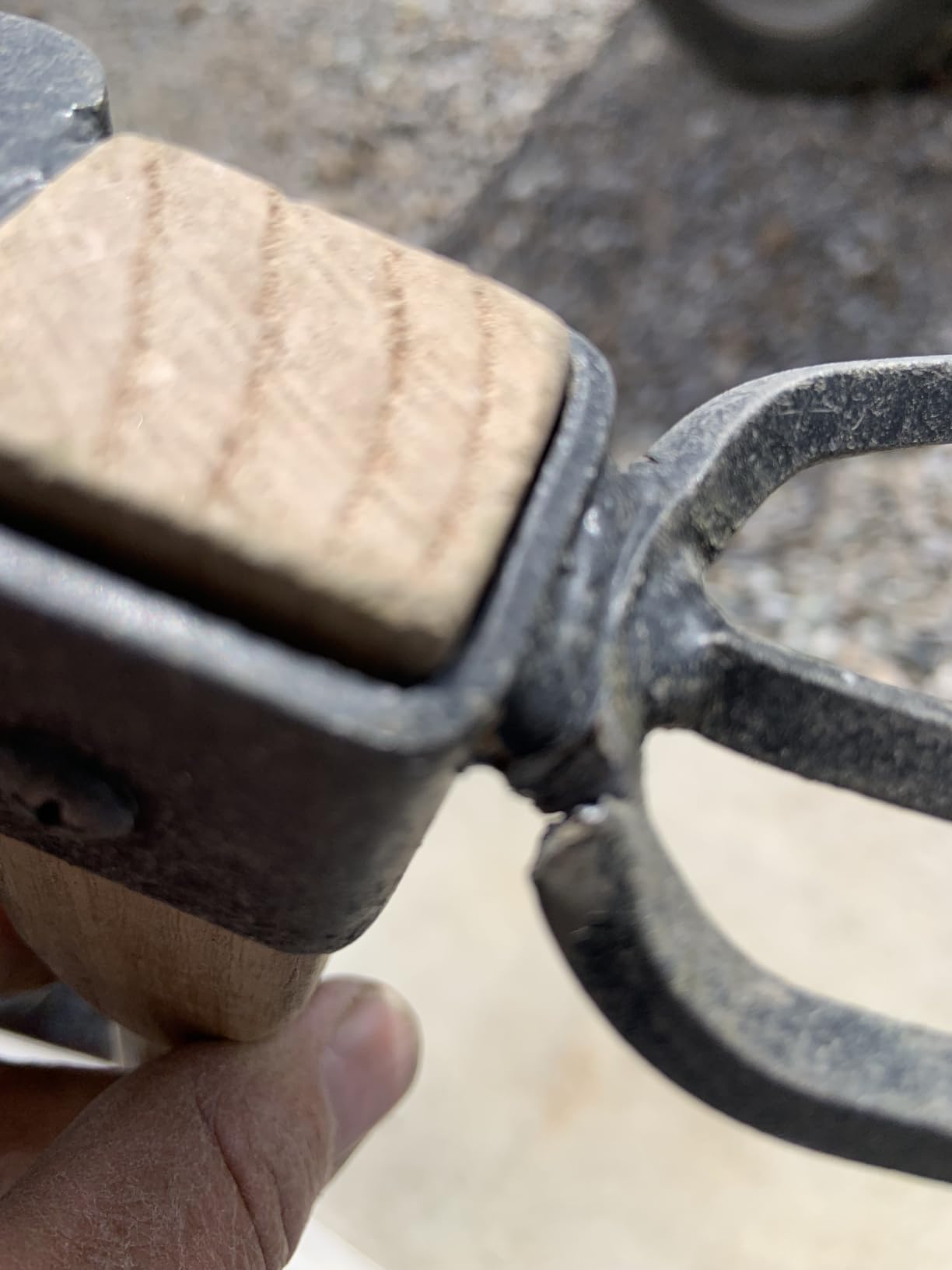
The rubber overmold on the handle stays grippy even with wet hands, which matters more than it sounds during a long morning in a damp bed. The oak shaft underneath is a genuine hardwood that absorbs shock rather than transmitting it to your wrist.
Users often comment on the half-screw handle fitting, which lets you swap or tighten the wood. It looks odd, but it is the reason the handle can be replaced instead of the whole tool being thrown away.
Who the Edward Tools hand hoe suits?
It is built for close work in raised beds, containers and around perennials where a long handle would be more nuisance than help. Reviewers also rate it highly for container vegetables and window boxes, where a full-size hoe cannot fit.
Gardeners with clay soil in a small plot tend to rate this highly for the same reason we did, the blade has enough mass to penetrate a crusted surface. It doubles as a tiller once you have cleared the weeds, which is worth remembering for spring bed prep.
Who it does not suit?
Anyone with hand or wrist trouble should know this is a kneeler tool, and the 13.6 ounce weight adds fatigue over a long bed. If you want to weed while standing, this is the wrong category of tool entirely.
It is also not a blade for slicing established perennial roots. A pointed, hand-forged tool such as the Korean homi in position four penetrates far better where a straight carbon steel edge is used.
3. Walensee 14 Inch Stirrup Hoe – Most Versatile for Beds and Containers
Walensee Stirrup Hoe,Garden Hand Scuffle Hoe for Weeding and Soil Loosening
- Head doubles as a rake and a grass scraper
- Hand-forged steel holds a keen edge
- Ready out of the box with no assembly
- Light and precise for container work
- Short reach means kneeling or bending
- 14 inch length limits large bed coverage
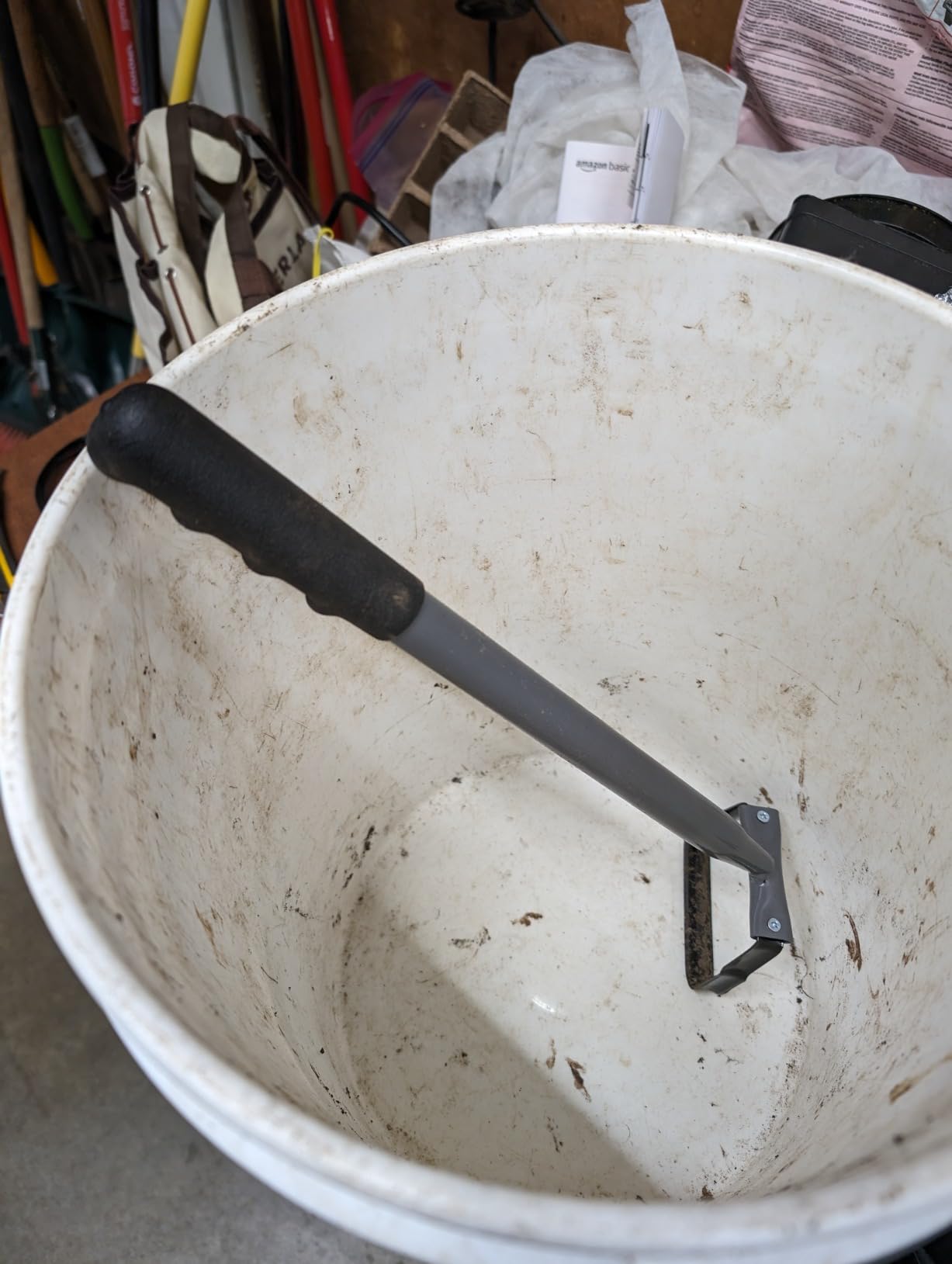
The hollow trapezoid head is the clever part. Flip it and the same piece becomes a small rake for filling a drill, turn it sideways and it scrapes moss and thin crust off a path edge, and use it flat and it cuts.
Because the frame is open in the middle, soil passes through rather than piling up in front of the blade. That self-clearing action is what makes a stirrup hoe so much faster than a solid paddle in loose ground, and this one is no exception.
The steel is hand-forged and heat-treated, and it arrived sharp in our hands rather than needing a file before first use. That matters, because a dull blade tears roots instead of cutting them, and the plant simply regrows.
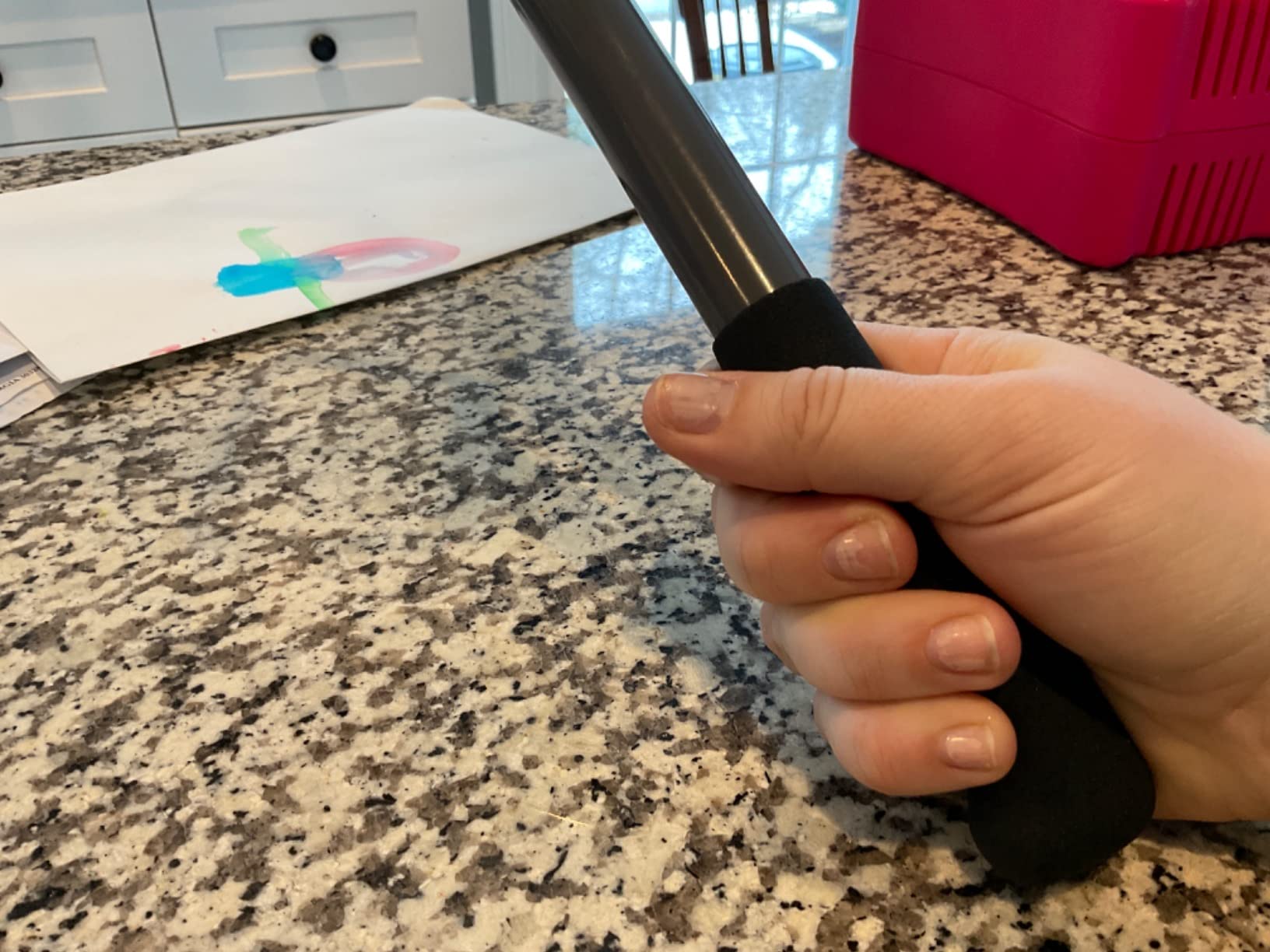
At 14 inches overall it sits comfortably in the hand and is easy to control, which is what you want when working between young transplants. The non-slip rubber grip also reduces the twist that a plain wooden handle produces.
Who the Walensee stirrup hoe suits?
Container, window box and raised bed gardeners get the most from a short tool. When plants are 15 inches apart, precision beats reach, and this head is small enough to work without touching neighbouring foliage.
It is also a sensible first hoe. There is nothing to assemble, nothing to adjust and no parts that can loosen, so a beginner can pick it up and get a clean cut on the first stroke.
Who it does not suit?
Do not buy it to clear a full vegetable plot from a standing position. A 14 inch tool means bending or kneeling for every stroke, which is precisely the back and knee strain people buy a long handle to avoid.
It is also too small for gravel and polymeric sand. A narrow blade with a hollow frame has little mass to drive into a hard surface, so it will skim over the top in paths and stony beds.
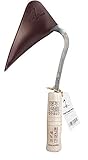
4. HOMI YOUNGJU Korean Forged Homi Hoe – Most Compact for Clay Soil
- Forged point penetrates compacted clay
- Works across weeding digging seeding and planting
- Light enough for arthritic hands
- Synthetic leather safety cover included
- Short handle means kneeling to use
- Not shaped for one-handed use
- Blade may need initial sharpening
This is the tool for the question that comes up most on gardening forums, which hoe actually works in heavy clay. The answer is a pointed, hand-forged blade, and this one carries a proper forged point rather than a stamped edge.
Hammer forging compacts and work-hardens the steel, so the tip holds a fine point even when driven into ground that a light scuffle hoe simply skids across. Reviewers repeatedly single out clay beds and invasive root growth as where it earns its place.
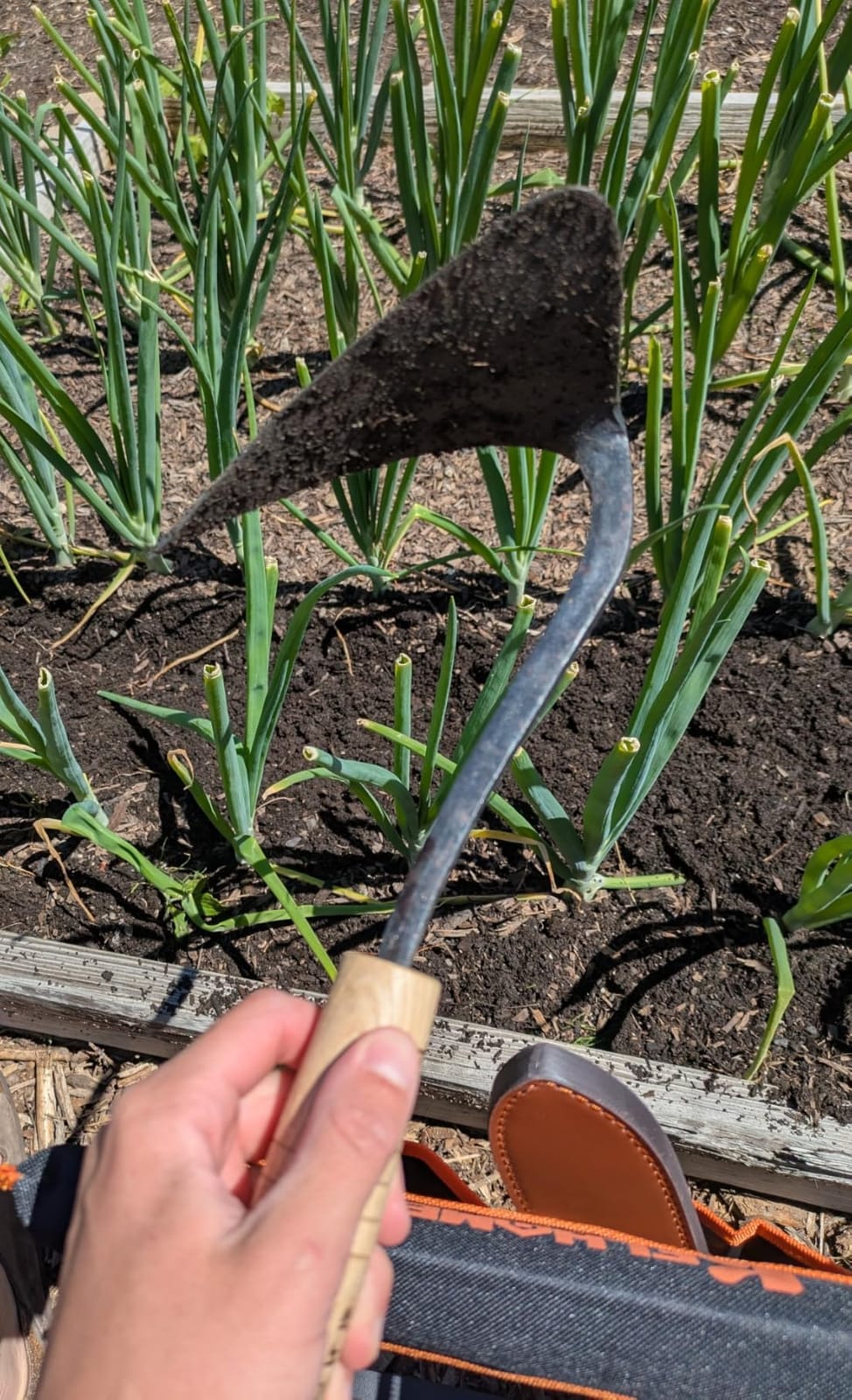
At 10.8 ounces it is one of the lighter tools here, yet it feels substantial because the mass sits at the head rather than in the handle. That balance is what keeps the wrist steady when you are levering a weed out of a hard bed.
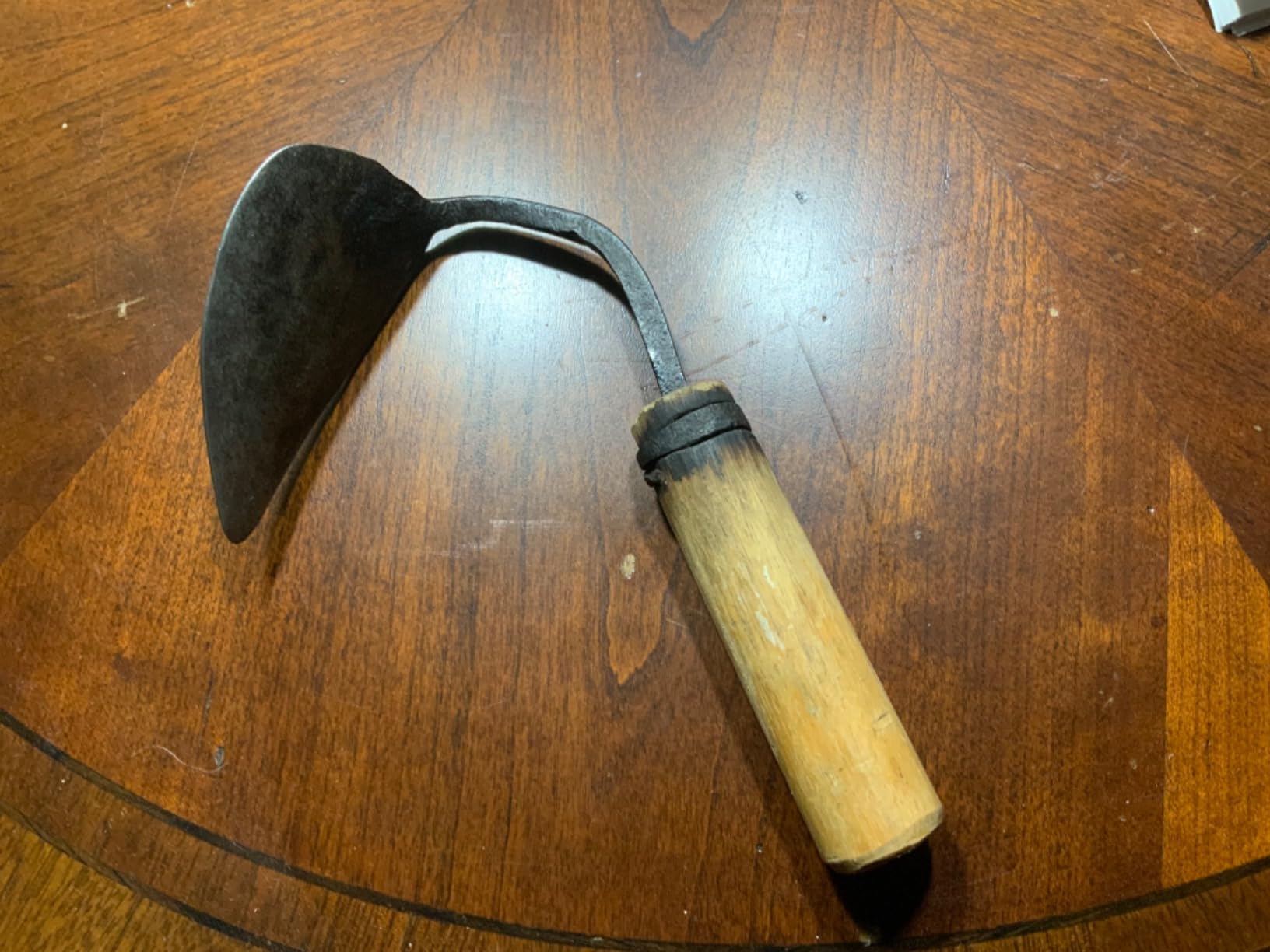
The real wood handle and the supplied synthetic leather cover are small details that show how the tool is meant to be stored. A cover keeps the point from dulling itself against a concrete floor and keeps children away from the business end.
Who the Korean homi hoe suits?
Clay, compacted or stony ground is where this one earns its rating. It is also the pick we would choose for arthritic hands, since the light body and short grip mean less wrist extension than a long shaft demands.
Users treat it as a multi-tool. The same point that slices a weed crown will open a planting hole, break a crust for broadcasting seed and lever out a small root, which reduces how many tools you need on a potting bench.
Who it does not suit?
It is a close-work tool, so anyone with a large plot and a bad back will be kneeling all season. Pair it with a long-handled model if you want both, and think about a cloche for seedlings for the same reason, you cannot tend what you cannot reach.
The handle proportions suit average hands best, and a few users with large hands report the grip feels cramped. Expect to file the point once on arrival if you want a surgical edge.
5. MANXRKUI Long Handle Draw Hoe – Best for Large Open Beds
- Wide blade covers a lot of ground per stroke
- 66 inch height lets you work standing upright
- Double bolt joint resists loosening
- Forged head is heavier than a stirrup frame
- Heaviest option here at 3.5 lb
- Blade often arrives dull
- Handle sections can work loose at the collar
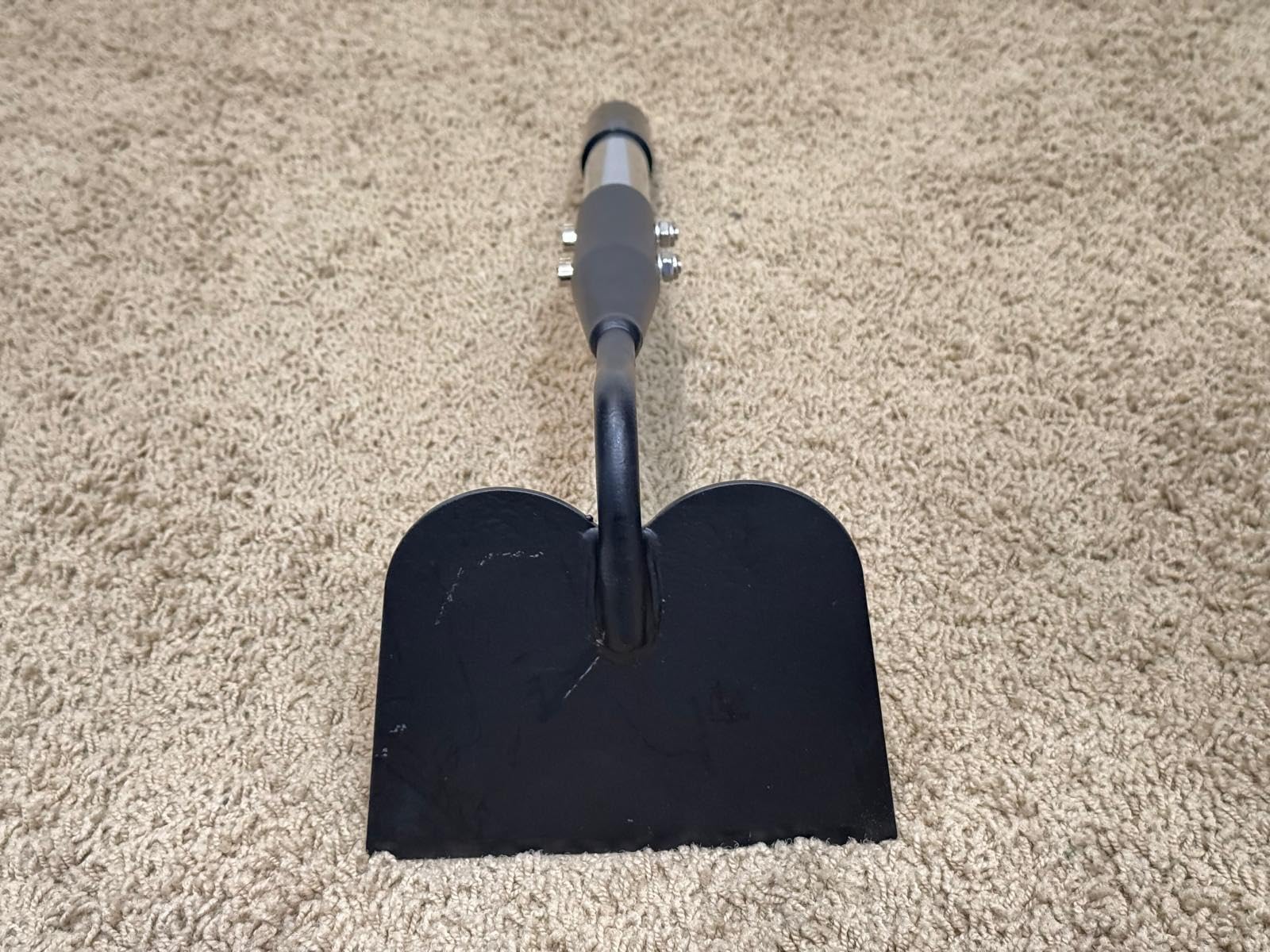
When a bed is big enough that sweeping motion beats precision, a draw hoe with a wide blade covers more ground per stroke of a stirrup. The 5.5 by 6.5 inch blade on this model is among the widest in the roundup.
At 66 inches you stand up straight and drag the blade toward you, cutting a shallow trench that catches weeds and loosens the top layer in the same pass. It ranks in the top three of its category for a reason, and the height is the reason most owners mention.
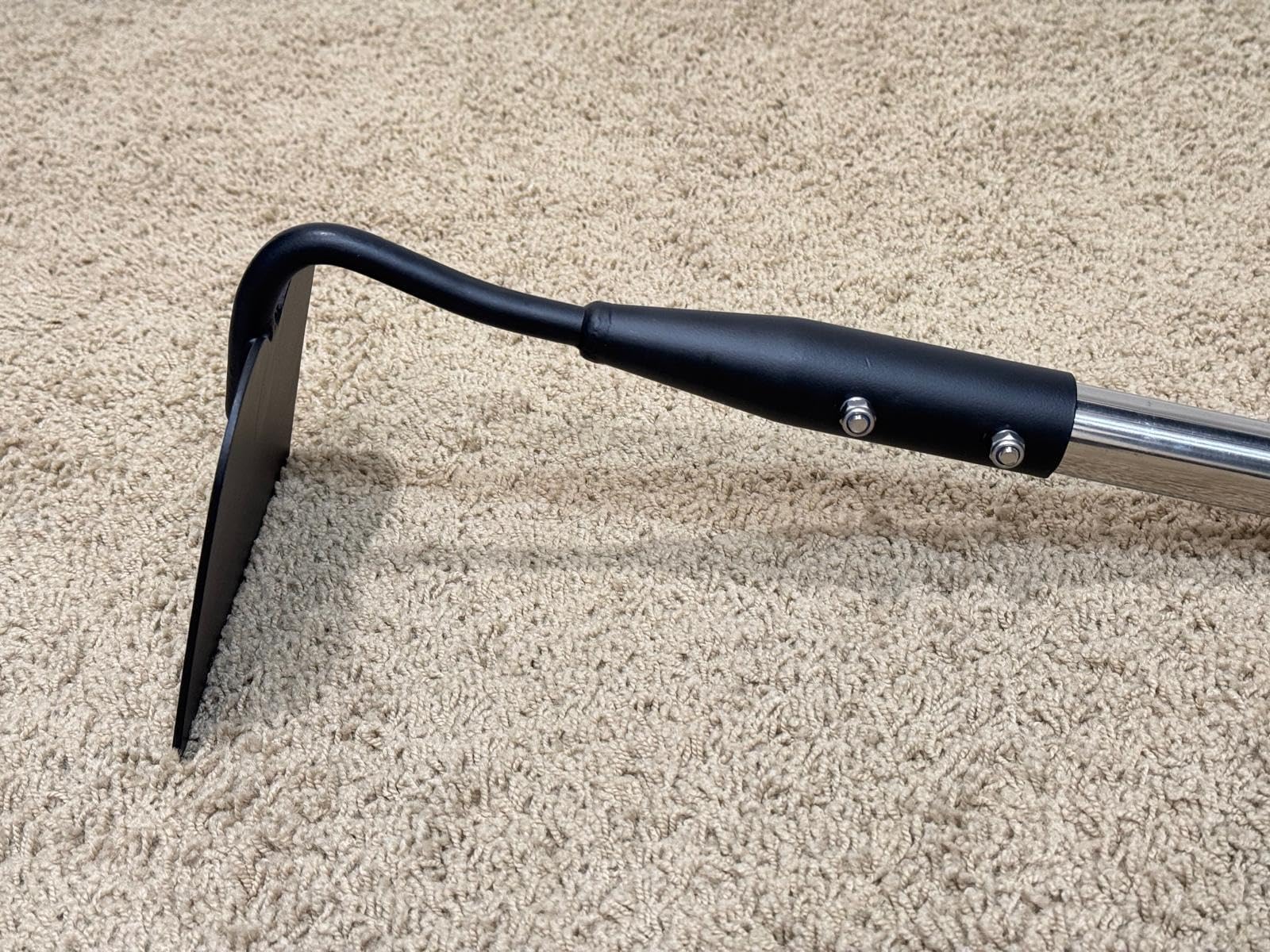
The head is forged steel on a stainless steel handle, joined with a double bolt and nut arrangement rather than a single rivet. Loose head-to-handle joints are the most common failure we see reported in cheap hoes, so this detail is worth paying attention to.
Reviewers rate it highly for weeding, tilling, furrowing and planting. It is a bed-prep tool first, and if you only ever need to nick the tops off annual weeds in a small plot, it is more tool than you need.
Who the MANXRKUI draw hoe suits?
Allotment plots, new beds and any situation where you need to break ground and clear weeds in the same session. If you already have a stirrup hoe for the weekly patrol, this covers the heavy spring work the stirrup cannot.
It is also a sensible choice for anyone whose back cannot take a kneeling position. The handle assembles in sections, so you can break it down for storage in a small shed rather than leaving a full length tool leaning in a corner.
Who it does not suit?
Close work between established plants is not this tool. A wide, heavy blade needs room to swing, and in tight rows it will knock over the crop you are trying to protect.
At roughly 3.5 pounds it is also the heaviest tool we tested, so a full afternoon of chopping will tire the arms. The most common complaint is the blade arriving dull, so plan a few minutes with a file before the first pass.
6. BARAYSTUS 55.9 Inch Stirrup Hoe – Best for Paths and Crack Weeds
- Three height settings suit beds and paths
- Triangular loop slides under surface weeds
- Light at 1.8 lb for its length
- Good for cracks and paving joints
- Handle tubes can snap at pinch points
- Less effective on deep-rooted weeds
- Hollow frame feels light against clay
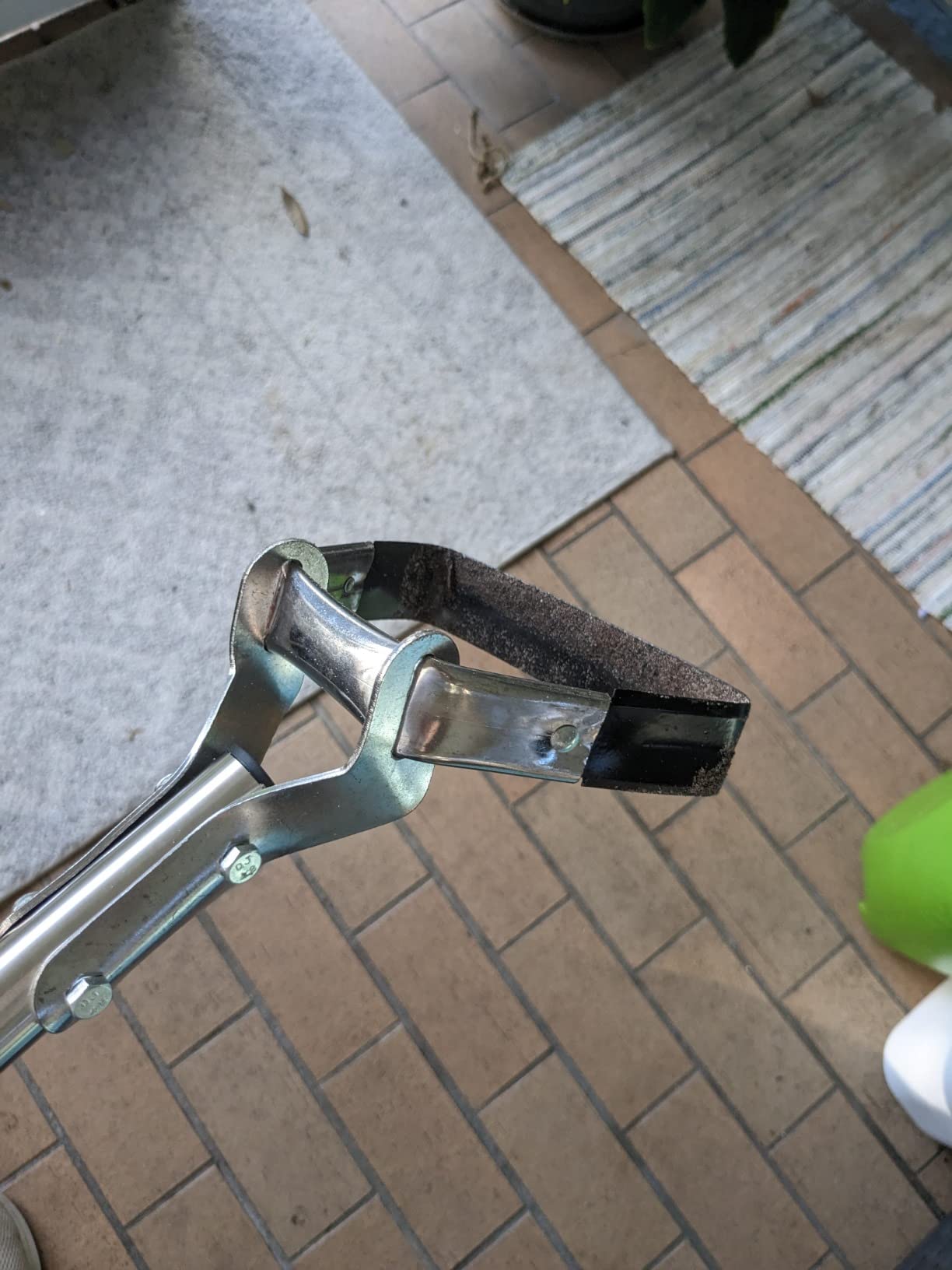
This is the one we reach for when the job is not a bed at all. Weeds growing in the joint between paving, in gravel and along a hard path get cut off at the base by a triangular stirrup edge sliding just under the surface.
Three height settings mean the same tool works a raised bed at 27.55 inches, a normal plot at 41.75 inches and a full height 55.9 inch stance for paths. That versatility is unusual at this level and it removes the need to own two long-handled tools.
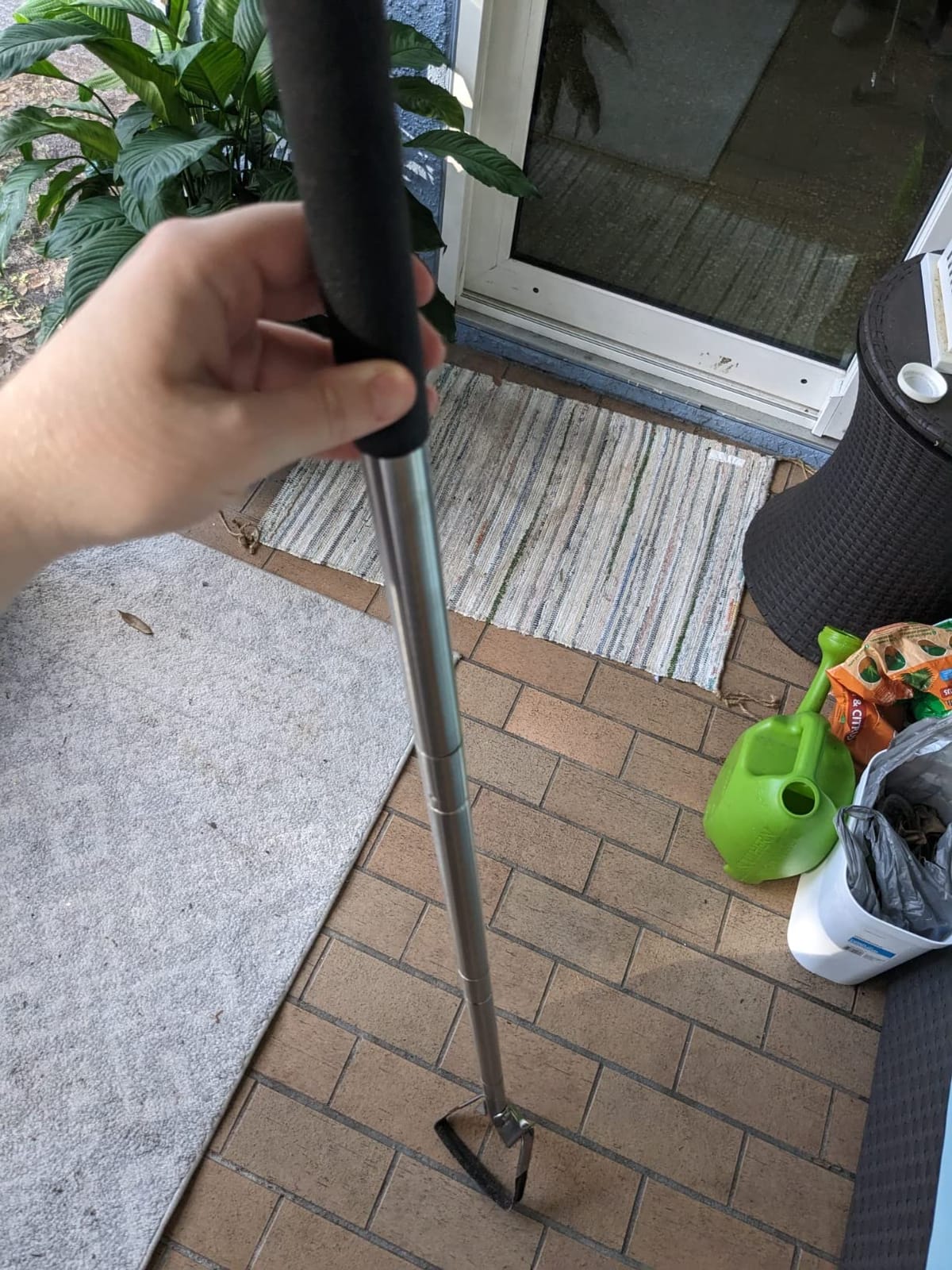
The stainless steel is thickened relative to the usual budget tube, and the hollow design keeps the whole thing to 1.8 pounds. Light weight matters here because path work means a lot of strokes over hard ground with almost no soil resistance to help you.
Owners report it handles surface and shallow-rooted weeds very well, including the carpet-style growth that reappears in cracks each spring. It is less suited to pulling anything with a real taproot.
Who the BARAYSTUS stirrup hoe suits?
Anyone with hard landscaping to maintain, gravel, paving, decking edges and paths, alongside ordinary beds. The adjustability means one tool covers the standing work and the kneeling work without a second purchase.
It is a good fit for shared gardens too, since three people of different heights can each set the tool correctly. Users also praise the value, and the simple three-piece assembly needs no tools.
Who it does not suit?
Durability reports are mixed, and the one recurring theme is handle tubes cracking at the pinch points where the sections telescope into each other. Inspect those joints after a heavy clay session rather than waiting for a failure.
On heavy clay the hollow frame gives you very little to push against, and weeds with deep roots survive a single pass. If your ground is hard, choose a heavier forged or pointed model instead.
7. Ihomepark Dual Head Stirrup Hoe – Best for Rocky Ground
- Rake side and blade side in one head
- Longest adjustment range here at 73 inches
- Coated finish resists rust
- Handles stony and desert soil well
- Handle comfort is basic
- Adjustment collar can slip
- Will not extract deep taproots
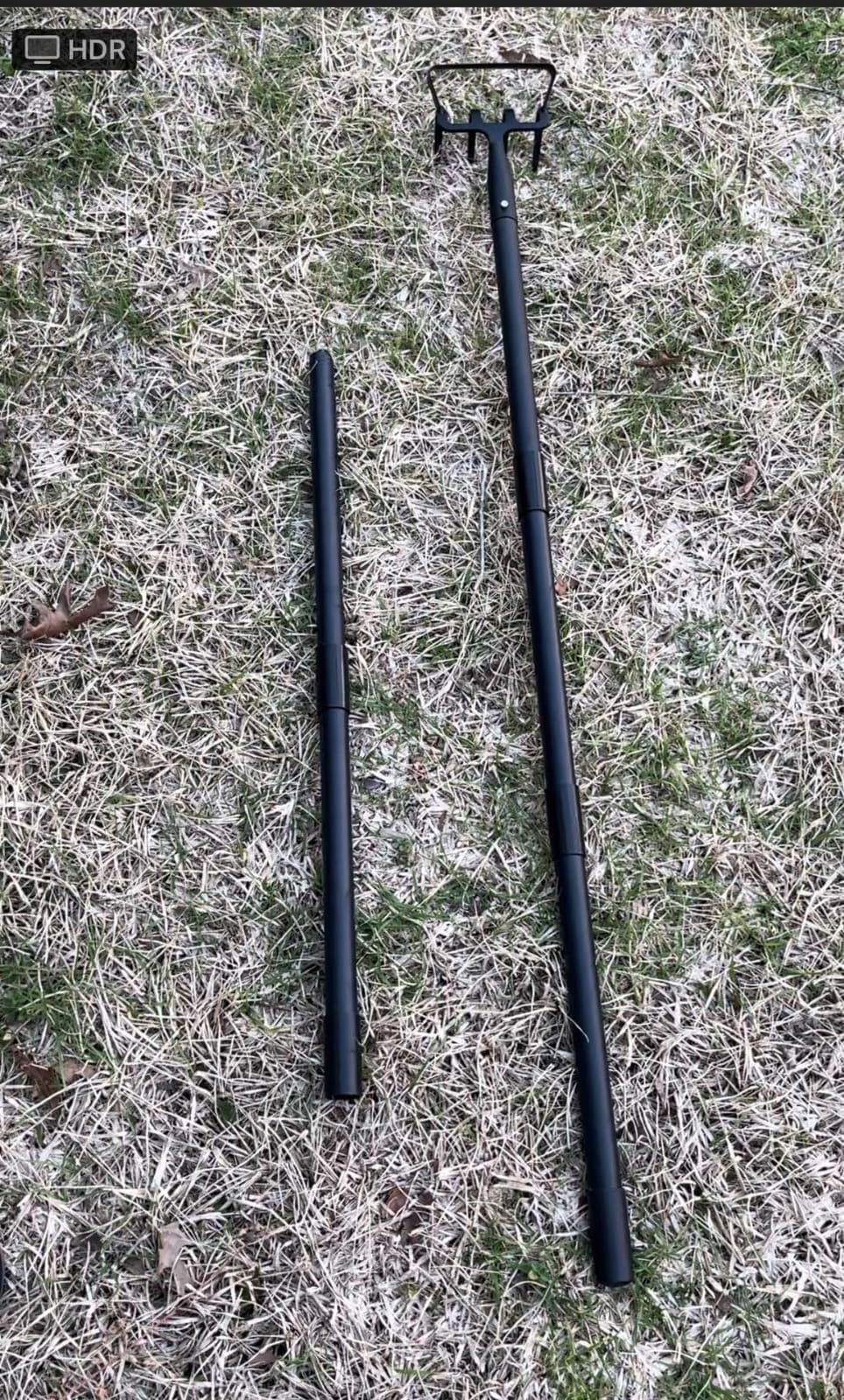
A dual head solves a problem most people hit in month two. The blade side cuts and clears, and when you flip the head the four-tooth rake side pulls the loosened debris back level and lets you cover a seed drill without changing tools.
The handle adjusts from 30 to 73 inches, which is the widest range in this roundup. At the top setting it suits a tall user working standing, and at the short end it functions as a hand tool for raised beds and containers.
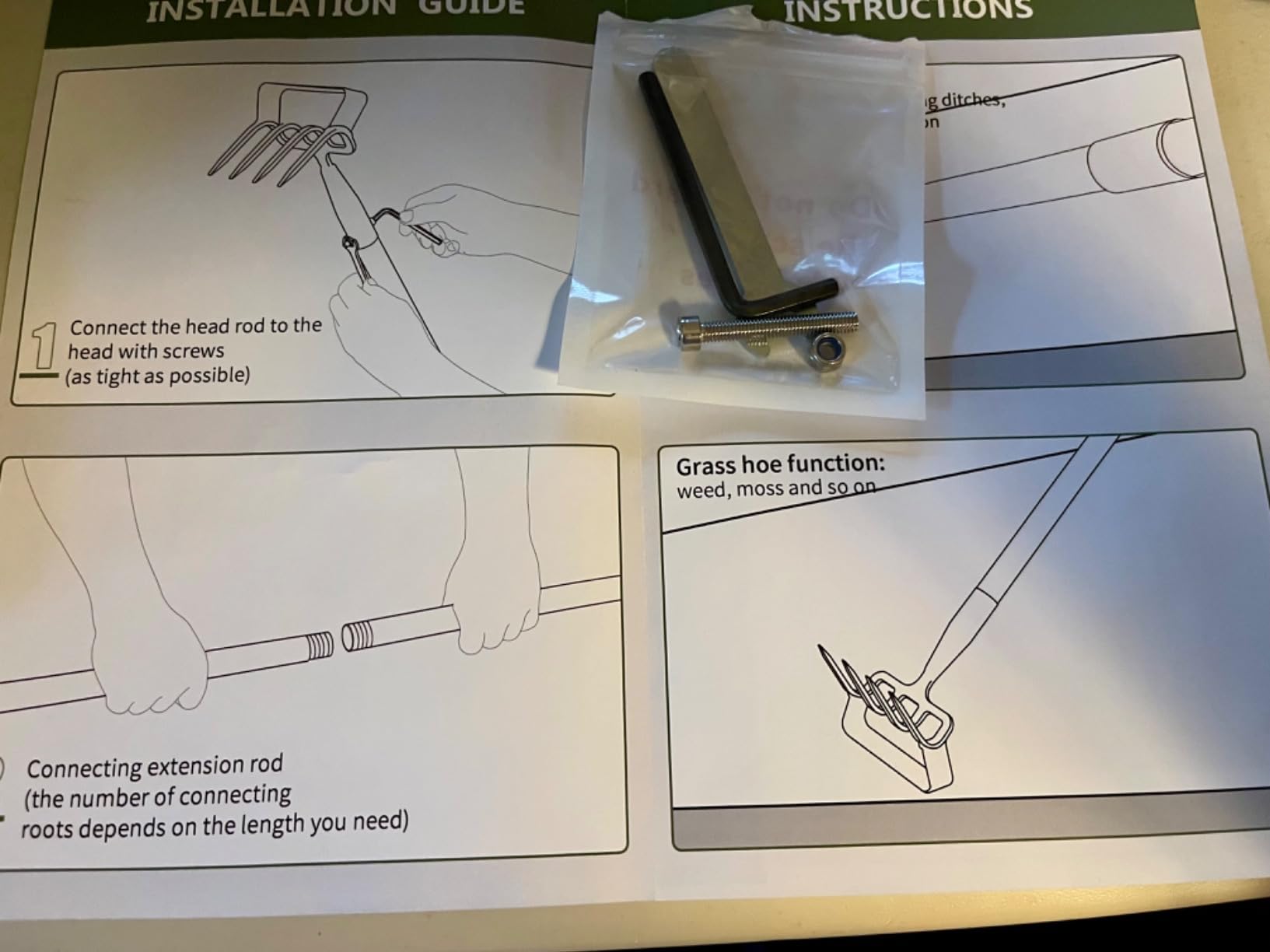
The coated outer layer is the detail that matters outdoors. Uncoated alloy steel pits and rusts through a wet winter, and a pitted blade loses its edge quickly, so a painted finish genuinely extends the useful life of the tool.
Reviewers specifically mention rocky and desert soil, which matches our experience. The blade has enough mass to keep contact with uneven ground rather than skipping over the high spots, so it stays productive between stones.
Who the Ihomepark dual head hoe suits?
Stony, gravelly or newly landscaped ground is where this one earns its place. A 30 inch setting turns it into a genuine hand tool, which makes it useful for balcony and raised bed growers as well as plot owners.
It is also a good first long-handled hoe because the coated steel will survive being left out on a balcony for a season. The one-year warranty is shorter than some, but the head is the part that usually fails, and it is riveted on.
Who it does not suit?
Comfort is the weak point. Users who replace the supplied handle with a length of wood report a noticeable improvement, which tells you the stock grip is functional rather than ergonomic.
It is also not a tool for taproots. The blade cuts surface growth, and anything with a deep root system will regrow unless you follow up with a fork or a pointed blade like the homi in position four.
8. Corona CT 3344 ComfortGEL Hoe – Best for Raised Beds and Borders
Corona CT 3344 Premium Stainless Steel ComfortGEL Hoe/Cultivator, Red
- Stainless steel head resists rust
- ComfortGEL grip reduces hand fatigue
- Narrow shaft works between plants
- Bright red handle is easy to find
- Short handle means kneeling or bending
- Middle claw can loosen with heavy use
- Not for large area standing work
Corona has built cutting tools for a century, and the ComfortGEL grip is the reason this one feels better in the hand than its size suggests. The gel cushioning spreads pressure across the palm, which matters when you are making hundreds of short strokes.
It is a dual-function hoe and cultivator with a weight-forward head, so the cutting end sits closer to your hand and does more of the work than your wrist does. That is a smart design choice for close weeding and for people who cannot swing a long tool.
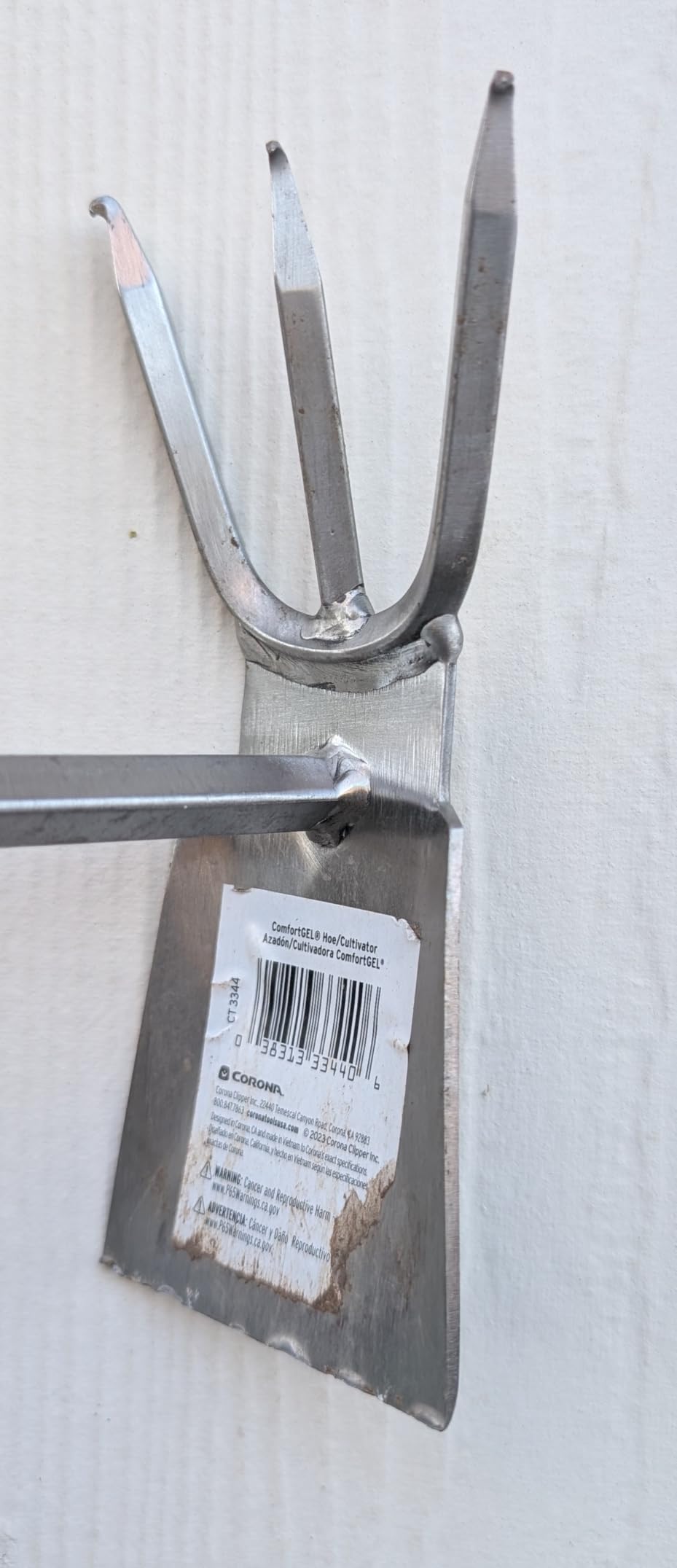
The narrow shaft is the other quiet advantage. It slips between rows and between boxwood and perennials without scraping the plant, and the stainless head will not brown the way a carbon steel blade does if you leave it damp.
The red handle is a small quality-of-life feature we appreciate more than expected. When a hand tool is dropped in leaf mould or tall grass, you can actually find it again, which avoids a second replacement purchase.
Who the Corona ComfortGEL hoe suits?
Raised bed growers and anyone tending densely planted flower borders. The stainless head tolerates the damp conditions a raised bed creates around the root zone, where a rusting carbon blade would need drying after every session.
The cushioning is among the more comfortable grips we have used for prolonged close work.
Who it does not suit?
At 14 inches it is strictly a kneeling or bending tool, and it will not scale to a full vegetable plot. A long-handled model is a better investment if you have more than a couple of beds.
The most common report is the middle claw loosening after heavy use, which is a fitting rather than a steel failure. Retighten it periodically and it stays serviceable for years.
9. Nohovu 58 Inch Fiberglass Handle Hoe – Best for Big Blade Coverage
Nohovu Garden Hoe Tool, 58 Inches Hoe Garden Tool with Fiberglass Long Handle, Heavy Duty Garden Hoe for Weeding
- Wide 6.3 inch blade covers a lot of ground
- Single-piece fiberglass handle will not crack
- Double rivets stop the head working loose
- Non-slip foam grips at both hand positions
- Blade arrives dull and needs a file
- Heavier build than the hollow-frame stirrups
- Foam grips can degrade with age
Fiberglass is the reason this hoe feels different after a full season. A one-piece shaft does not have a grain direction, so it will not crack the way an ash handle can when it is left in a wet shed or knocked against a door frame.
The blade is heat-treated high-carbon steel, 6.3 inches wide and coated against rust. High-carbon steel is the same family used on woodworking tools, and it holds an edge far longer than mild or low-grade steel once it has been sharpened correctly.
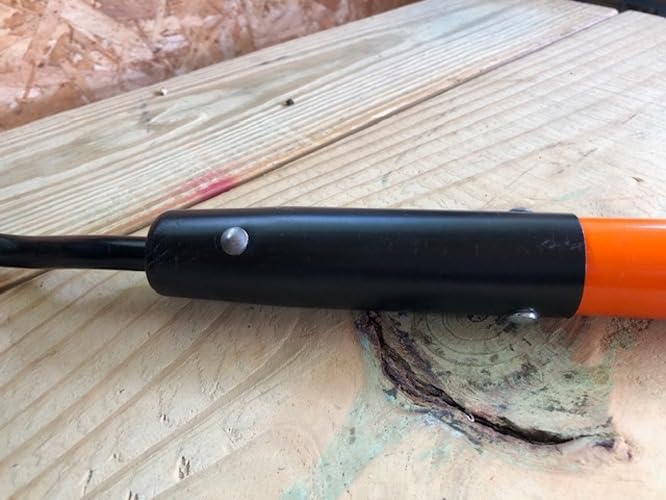
At 2.7 pounds it feels light for a 58 inch tool with a wide blade, and the two non-slip foam grips let you hold the shaft at two different points. Many users use the lower grip for chopping and the upper for pulling, which changes the leverage considerably.
The double-riveted handle-to-head connection is the detail reviewers single out most. Loosening at that joint is the number one complaint about budget hoes, and the fix here is visible from outside the tool.
Who the Nohovu 58 inch hoe suits?
Anyone who wants one substantial long-handled tool and does not want to replace a handle every few years. It suits large plots, allotment work and anyone breaking ground in spring as well as anyone doing weekly weed patrols.
It is also a good choice in wet climates, where an ash handle would soften and swell. The coating slows rust and the two grip positions make a long session much easier on the lower back.
Who it does not suit?
It is not a precision tool. A 6.3 inch blade needs open ground, and it cannot get between closely spaced plants the way a collinear or onion hoe can.
The blade needs sharpening before the first use, and reviewers are consistent about it. Budget five minutes with a flat file and the tool performs well, but skipping that step makes it skid instead of cut.
10. Tomerry Japanese Forged Hoe and Cultivator – Best Forged Steel Hand Tool
Tomerry Japanese Forged Garden Hoe & Cultivator – Wooden Handle
- Hammer-forged steel is tough and holds an edge
- Exceptionally well balanced in the hand
- Only 500 g so fatigue sets in late
- Works for weeding cultivating and planting
- Short handle means kneeling
- Premium cost for a hand tool
- Not sized for large area work
Forged by hammer rather than stamped and pressed, this blade is compacted and work-hardened through the shaping process. That is why it feels heavier than its 500 gram weight suggests and why it holds a keen edge across weeding, cultivating and planting work.
Balance is the standout. The head is 234 millimetres with a 390 millimetre wooden handle, and the mass sits where your hand can control it rather than out at the end, so the tool tracks where you point it.
The Japanese wood handle is worth calling out because it absorbs vibration and stays comfortable when damp, unlike bare tubular steel. Reviewers who compare it with a flat-bladed hoe report noticeably less wrist ache over an afternoon.
Who the Tomerry forged hoe suits?
Close-work growers who want a properly forged head in a hand tool, especially in soil that is stony or slightly compacted. The small head fits between plants and around crowded roots without disturbing neighbours.
It is also a good match for people who already own a long-handled stirrup and want a second tool for the detail work a big blade cannot reach. Our guide to weeding tools beyond the garden covers where hand tools make more sense than powered options.
Who it does not suit?
It is a hand tool, so kneeling or bending is unavoidable, and it covers very little ground per stroke. If you have a full plot, this complements a long-handled hoe rather than replacing one.
It is also a more expensive object for a small job. Buyers who want a serviceable steel hand hoe at a lower cost will find the Walensee in position three does the same job, and the Corona in position eight is even lighter.
Which Hoe Style Suits Which Soil and Bed Type?
Matching the tool to the ground is worth more than any brand preference. A scuffle hoe that glides beautifully through loam will simply skim across a gravel path, and a heavy draw hoe will lift clods out of a raised bed of loose compost.
Loam and sandy soil suit every style on this list. This is the easiest ground to weed, and a stirrup or scuffle hoe will cover more area per hour than anything else.
Heavy clay needs mass and penetration. A pointed hand-forged blade such as the Korean homi or the Tomerry tool works where lightweight hollow-frame stirrup hoes skid, and a wide draw hoe handles it if you can stand for a full session.
Gravel and rocky paths suit a triangular stirrup with a narrow edge, because it slides under the surface and cuts at the base of growth. Broad flat blades ride over the stones.
Mulch and loose compost are best worked with a hollow-frame stirrup, since soil passes through the open middle instead of piling in front of the blade.
Raised beds and tightly planted rows suit short-handled tools, either a collinear style hoe or a compact stirrup. Reach is not the goal, control between plants is.
Compacted, crusted ground benefits from a weight-forward or high-carbon blade, since these have the mass to punch through a surface crust instead of bouncing on it.
One note that came up repeatedly in forum discussions: a light scuffle hoe in wet clay is not a tool failure, it is a mismatch. Moisture in clay turns it into a plastic that absorbs the stroke rather than resisting it, and the only fix is more mass per stroke, a different season, or a different tool.
How to Use a Garden Hoe to Kill Weeds?
Technique matters more than the tool for most people, because a hoe used at the wrong depth or at the wrong time of day mostly moves soil around. Five steps cover almost every bed weeding job.
Work when the soil is dry and the weeds are dry. Wait for a morning after a dry day, not after rain or irrigation. A blade dragged through wet soil smears and compacts, and wet weeds survive a cut far more often than dry ones.
Set the depth to half an inch to one inch. The goal is to sever roots and crowns just below the surface, not to dig. On a deeply rooted weed, go to the low end and make two passes from opposite directions.
Work backward with a push-pull stroke. For a stirrup hoe, step back and drag the blade toward you, then push it away again without lifting. Keep the frame flat on the soil the entire time.
Slice crowns, do not chase roots. Severing the crown is enough for annual weeds. Perennial roots such as bindweed will regrow from fragments, so remove those entirely with a fork while the soil is still loose around them.
Finish with mulch or a second pass. Hoeing leaves a soft surface that germinates new weeds. Lay mulch over the bare strip, or make one more light cultivation pass a week later to catch everything that recovered.
Weeding versus pulling comes down to the weed. Hand pulling is the right call for a few large plants in a small area, and for anything with a deep taproot such as dandelion, because a hoe will only stress it. For dense annual growth across a bed, a hoe wins clearly, and gardeners regularly report cutting a full session down to about 20 minutes with a stirrup compared with hand pulling.
Keep a patch weed-free by hoeing it thoroughly once, then making light cultivation passes rather than waiting for a thicket. Weeding as a weekly ten-minute habit is far easier than reclaiming an overgrown bed in one afternoon.
Buying Guide: Blade Steel, Handle Length, Weight and Warranty
Four decisions account for most of the difference between a hoe that works and one that ends up in a shed. Focus on these in that order.
Blade steel and how it was made
Forged or hammer-forged steel is the quality tell, and it is the one forum advice we agree with most often. Forging compacts the metal and work-hardens the edge, so a forged blade holds a sharp point far longer than a stamped one of the same nominal grade. High-carbon steel is the next tier up, and it is what the Nohovu blade uses.
Stainless steel resists rust and forgives storage mistakes, which is why it appears on the Corona and Ihomepark heads. Mild or low-carbon welded steel is the cheap end of the range, and it is the material most likely to arrive bent or out of true, which makes it skid rather than cut.
Whatever you buy, check the edge on arrival. A dull blade tears roots instead of severing them, and that single detail explains most of the disappointing first impressions we read about budget hoes.
Handle material and length
For weeding while standing, target 54 to 60 inches of handle. That range keeps your spine roughly neutral rather than folded over the bed, and back strain is the single most common complaint in forum threads about short-handled tools. If two people share a hoe, an adjustable shaft is worth more than any other feature.
Ash wood absorbs shock and is the traditional choice, and it is easy to replace if it eventually splits. Fiberglass will not crack or swell in damp conditions and is a better bet if you store tools in a wet shed. Aluminium is lighter still but flexes, and flex costs you edge control on a hard pull.
Weight, balance and the grip
Weight is not a quality signal in itself. It is a fit question. A hand hoe at 13 to 14 ounces is right for a kneeling bed, while a long-handled tool between 1 and 2 pounds keeps a standing session comfortable. Balance matters more than total mass, and a head-heavy design driven by a long shaft wastes effort.
On grips, a cushioned or non-slip surface is the upgrade that reduces fatigue most, because it stops the twist that causes blisters. On tall tools, two grips give you the option to pull with one hand and chop with the other.
Joint construction and warranty
Look at how the head meets the handle. Double rivets or a bolt and nut arrangement resist the twisting that slowly loosens a single-riveted joint, and rivets are cheaper to replace than a moulded fitting. Replaceable handles and long warranties both point to a manufacturer that expects the tool to survive, and that is a reasonable proxy for build quality.
Sharpening and Storing Your Hoe
Almost every maintenance complaint we read came from a blade that was never sharpened after purchase. Ten minutes of care at the start of the season decides whether a hoe cuts or merely moves dirt.
Use a flat file or a bastard-cut mill file and work along the bevel at roughly 45 degrees, removing only the thinnest layer of metal. Take a few strokes per section rather than grinding a whole side, and wipe the blade with a damp cloth afterwards to remove the grit that causes rust. Draw hoes and stirrup hoes are both sharpened on the underside bevel where the soil passes.
After every session, scrape the soil off and dry the blade. In clay soil in particular, a damp blade left overnight will begin to spot with rust within days, and pitted steel cannot be sharpened back to full performance. Finish wood handles with a coat of linseed or tung oil once a season to keep them from drying out and splitting.
Store tools hanging rather than flat, ideally off the ground, so the steel dries and the shaft does not take a set. A cover on a pointed blade such as the Korean homi is worth keeping, since a point left against concrete loses its edge in one night.
Frequently Asked Questions
What is the best garden tool for pulling weeds?
For most vegetable beds, a stirrup or scuffle hoe is the best garden tool for controlling weeds, because the blade slices roots and crowns just below the soil surface instead of pulling them out. For a handful of large deep-rooted plants such as dandelions, a fork or hand pulling is the better choice.
Is a weeding hoe worth it?
Yes, if you have more than a small patch. A weeding hoe clears dozens of annual weeds in a single pass without kneeling, and it leaves the severed roots in the bed rather than dropping seed on your path as hand pulling does. It pays for itself in a single season in a plot of any real size.
What is the most effective tool for weeding a lawn?
A lawn is better served by a hand weeder or a narrow collinear hoe, because a wide blade slices the turf and leaves bare patches that regrow unevenly. A stirrup hoe suits open ground between plants and paths rather than grass, since grass roots run through the thatch and recover faster than annual weeds do.
Is it better to pull weeds or hoe them?
Hoeing wins for dense annual growth across a bed, because you stay standing and nothing regrows from dropped seed. Pulling wins for a few large deep-rooted weeds such as dandelions or bindweed, where you need the whole root. Hoeing only the crown leaves perennial fragments alive, so follow up with a fork.
What is the difference between a scuffle hoe and a stirrup hoe?
There is no practical difference. Stirrup hoe, scuffle hoe, action hoe, loop hoe and oscillating hoe are all names for the same pivoting U-shaped or trapezoid frame with a flat blade. Some sellers use the terms to suggest a difference, so compare blade width, steel and handle length rather than the name on the listing.
What kind of hoe is best for clay soil?
A pointed, hand-forged blade is the best choice for heavy clay, because the tip penetrates a crusted surface instead of skidding across it. A weight-forward or wide draw hoe also works if you can stand and pull for long stretches. Lightweight hollow-frame stirrup hoes are the worst option in wet clay.
How deep should you hoe weeds?
Cut between half an inch and one inch deep. That depth severs annual crowns and roots without disturbing the deeper soil, which preserves structure and moisture. Work on dry soil, and go to the deeper end with two crossing passes for anything that is not an annual weed.
Conclusion: Which Garden Hoe Should You Buy?
If you take one thing from this roundup of the best garden hoes for weeding, take the naming lesson first. Stirrup, scuffle, action, loop and oscillating are the same tool, and buying two because of the label is the most common and most expensive mistake in this category.
For a general plot, our pick is the DonSail adjustable scuffle hoe. The three handle lengths cover everyone in the household, the loop frame tracks cleanly through loam and it keeps you upright. For close work in raised beds, the Corona ComfortGEL hoe is the most comfortable, and the Walensee covers the same ground at a lower tier.
If you garden in clay, change the tool rather than the technique. A pointed hand-forged blade cuts where a light stirrup skates, and the Korean homi and the Tomerry forged hoe are both built for that. For large open beds and spring bed prep, the wide draw hoe earns its place on coverage per stroke.
Whichever you choose, sharpen it before the first pass and dry it after the last. That habit, more than any brand, decides how the tool feels in 2026 and every season after.