
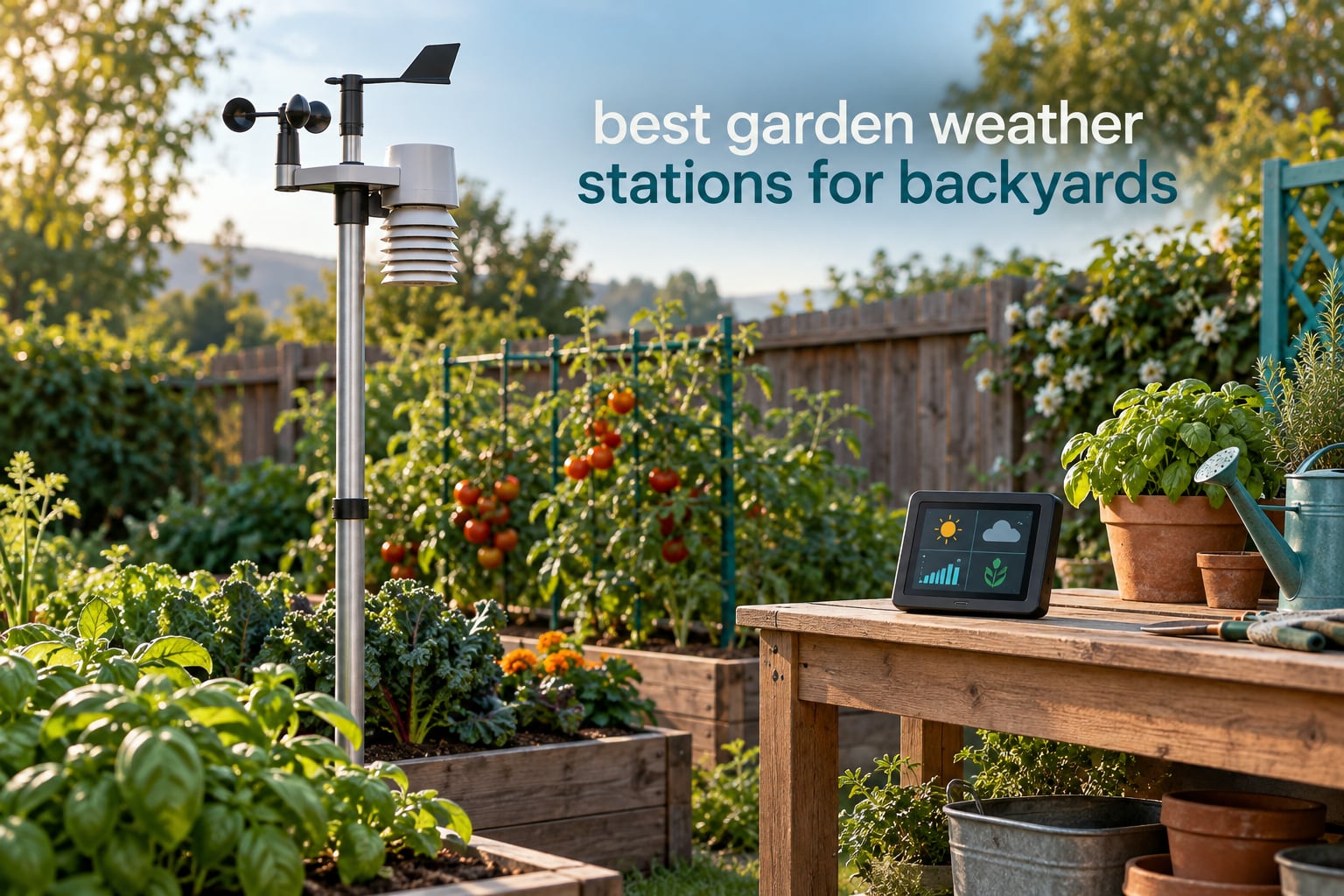
A weather app tells you what the sky is doing at the airport station 20 miles away. A backyard weather station tells you what is happening on the fence line where your tomatoes actually are. That difference decides when you cover the peppers, when you skip irrigation, and when a frost cloth is worth putting on at midnight.
The best garden weather station for most backyards is the Ambient Weather WS-2902. It measures temperature, humidity, wind, rainfall, UV and solar radiation from one outdoor array, and it pushes all of it to your phone and to Weather Underground. The Ambient Weather app is not a bargain, and the setup manual is genuinely confusing, but the sensor breadth and the 13000-plus review history make it the one most gardeners should start with.
That said, a lot of people reading this do not need a station with wind sensors at all. If your only real decision is whether to cover the tender plants tonight, a wireless thermometer with a low-temperature alarm does the whole job. We say so plainly in the buying guide below, because over-buying a weather station is the most common gardening purchase mistake in this category.
We compared all 10 stations in this roundup on the same four questions: what does it measure, how far can the signal reach through a real fence line and a real house, what does it cost you in batteries over five years, and does it help you make a watering or frost decision better than a phone app. If you want the broader picture first, our guide to the best home weather stations for gardeners covers the hardware side, and our outdoor weather station picks go deeper on sensor siting.
Table of Contents
Top 3 Garden Weather Stations for Backyards (September 2026)
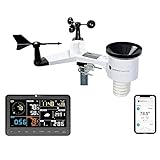
Ambient Weather WS-2902
- Wi-Fi plus app and Weather Underground upload
- Wind speed and direction with rain gauge
- UV intensity and solar radiation
- Solar powered with battery backup

AcuRite Iris 01512MCB
- Large colour LCD with adjustable dimmer
- Over 55 data points including dew point
- 12 hour personal forecast
- Mounting bracket included

Sainlogic 12-in-1
- Swiss sensor with 0.2 C temperature accuracy
- 6.5 inch backlit colour display
- Rainfall tracked from 0-9999 mm
- 443 ft wireless range
Quick Comparison of All 10 Stations in 2026
| Product | Specifications | Action |
|---|---|---|
| Ambient Weather WS-2902 |
|
Check Latest Price |
| AcuRite Iris 01512MCB |
|
Check Latest Price |
| Sainlogic 12-in-1 |
|
Check Latest Price |
 AcuRite Iris 01540M AcuRite Iris 01540M |
|
Check Latest Price |
 Tempest Weather Station Tempest Weather Station |
|
Check Latest Price |
 AcuRite Iris 01535M AcuRite Iris 01535M |
|
Check Latest Price |
 La Crosse V42-PRO-INT La Crosse V42-PRO-INT |
|
Check Latest Price |
 ECOWITT Wittboy Pro HP2564 ECOWITT Wittboy Pro HP2564 |
|
Check Latest Price |
 La Crosse V21-WTH La Crosse V21-WTH |
|
Check Latest Price |
 VEVOR 7-in-1 Wi-Fi VEVOR 7-in-1 Wi-Fi |
|
Check Latest Price |
1. Ambient Weather WS-2902 – Best Overall for a Connected Backyard
- One array measures wind speed and direction
- temperature
- humidity
- rainfall
- UV intensity and solar radiation
- Remote monitoring through the app
- AmbientWeather.net and Weather Underground
- Works with IFTTT
- Google Home and Alexa
- Assembly usually takes under 10 minutes
- Support repeatedly praised as fast and helpful
- Manual is confusing and Wi-Fi setup can take trial and error
- Needs a 2.4 GHz network so 5 GHz only routers will not work
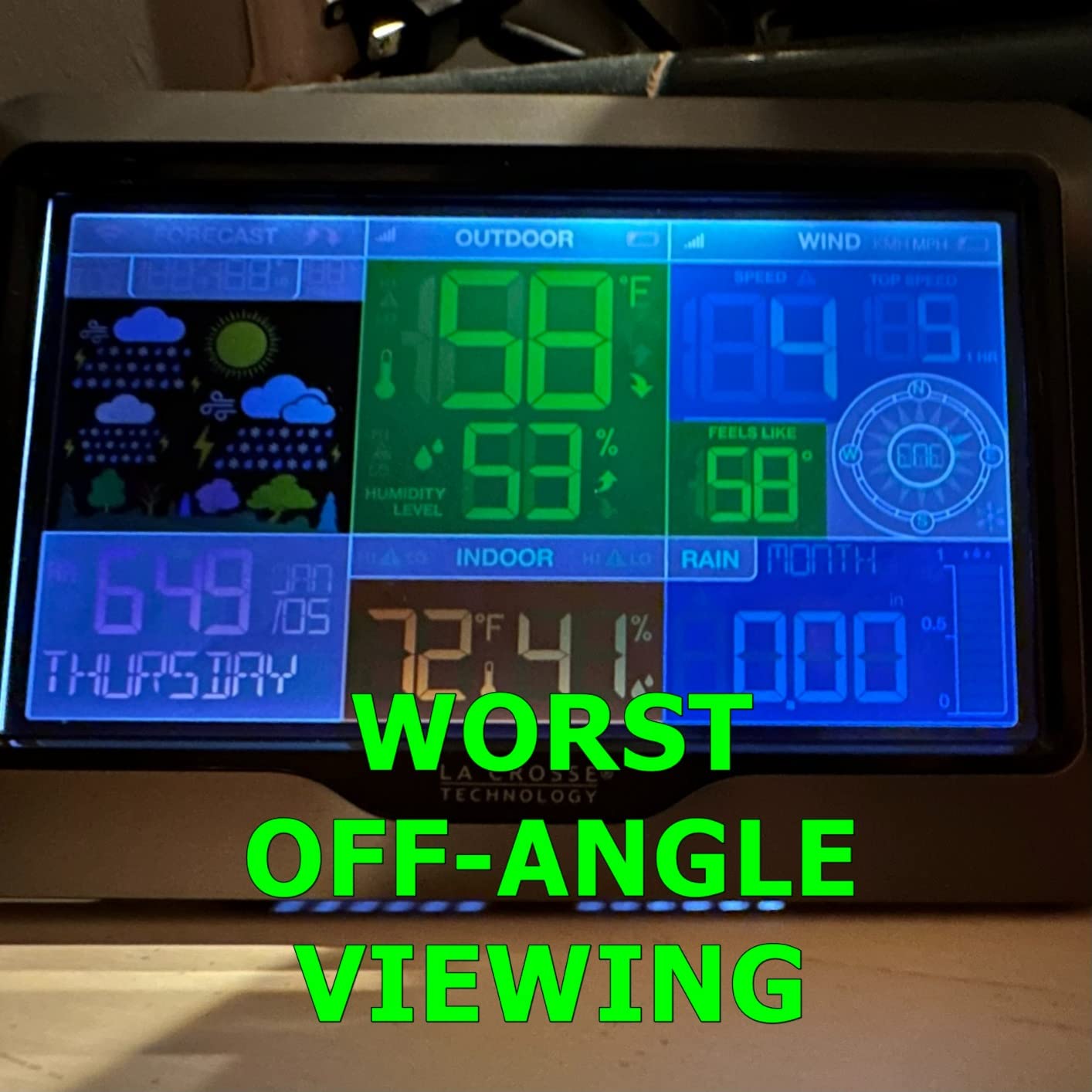
- Colour LCD is hard to read from a steep viewing angle
- Mounting pole and ground socket are not included
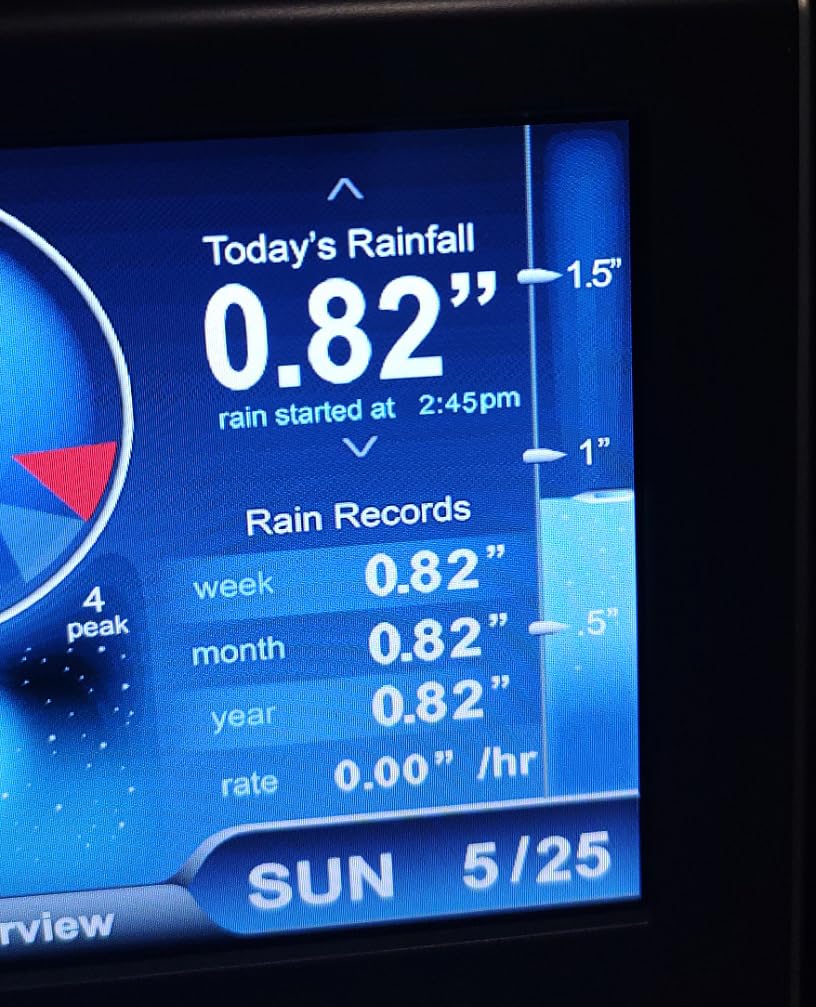
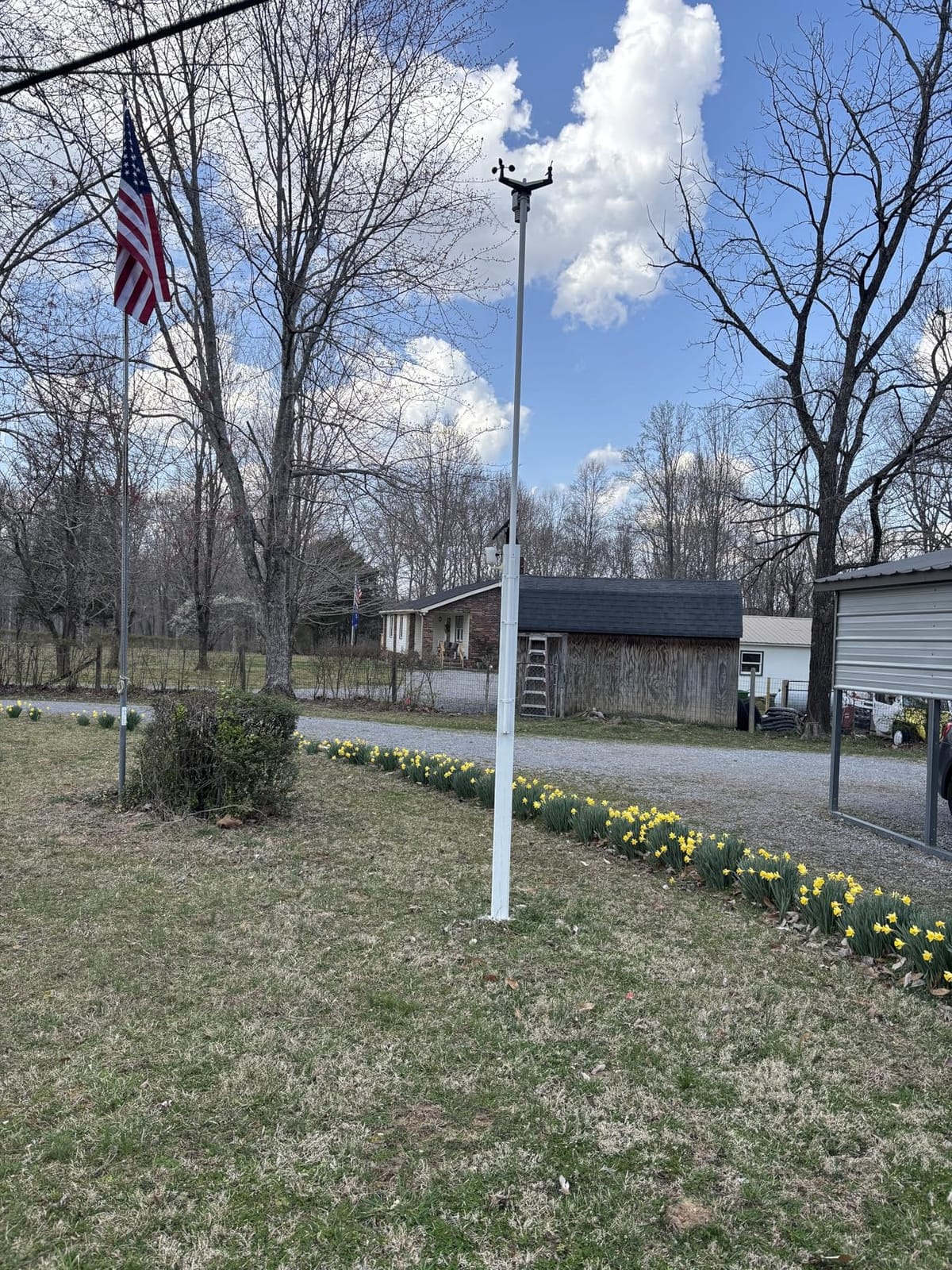
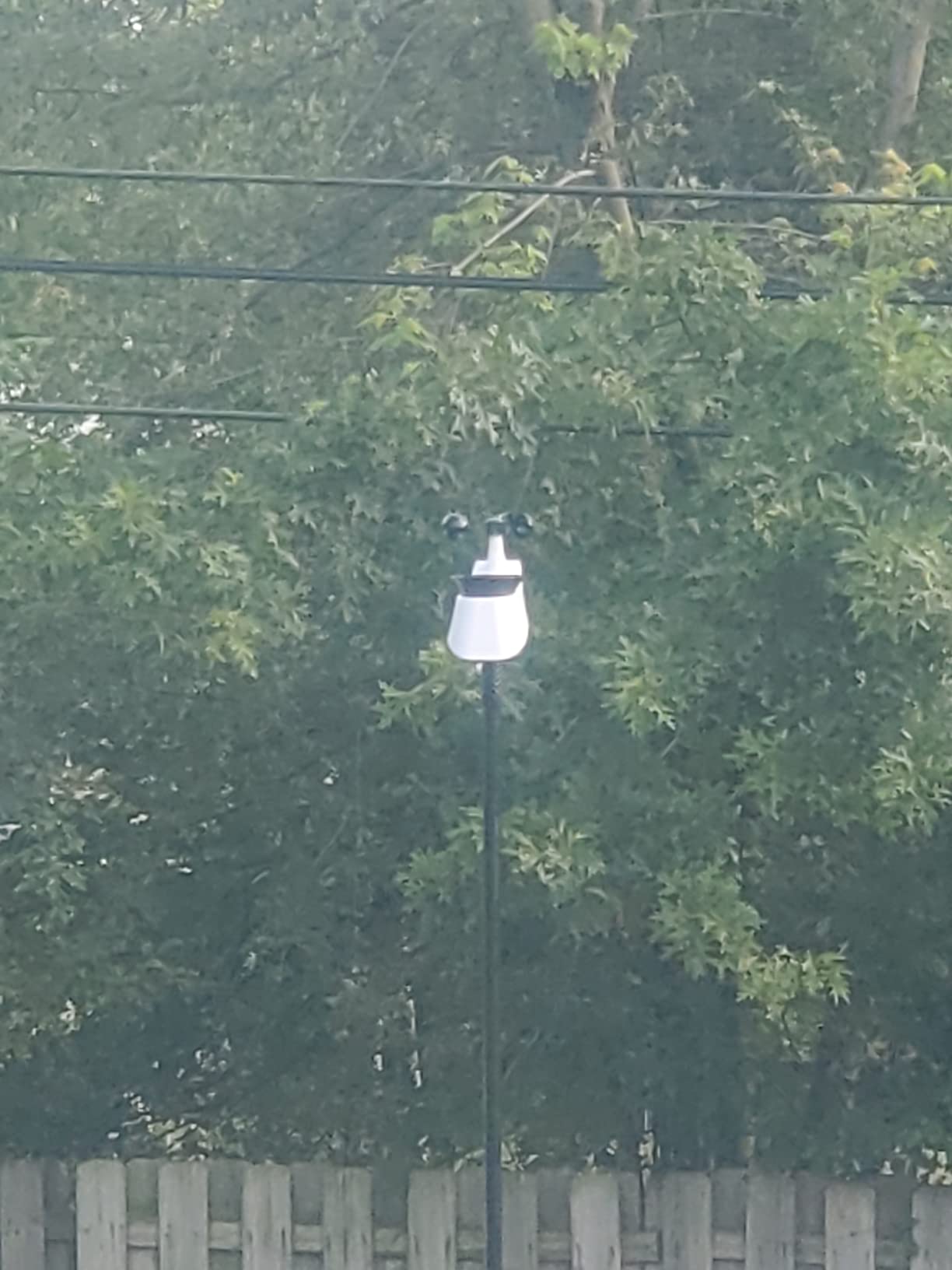
I put the Osprey array on a fence post in the open part of my yard, not against the house, and it has been the station I check first every morning for three seasons. The rain total is the number I use most: the app shows hourly, daily and monthly accumulation, so skipping a watering cycle is a two-second decision instead of a guess.
Sensor breadth is where this one separates itself. Most stations in this roundup stop at temperature, humidity, wind and rain. The WS-2902 also reports UV intensity and solar radiation, which tells you how much direct sun your south bed is actually getting on a specific week rather than in general.
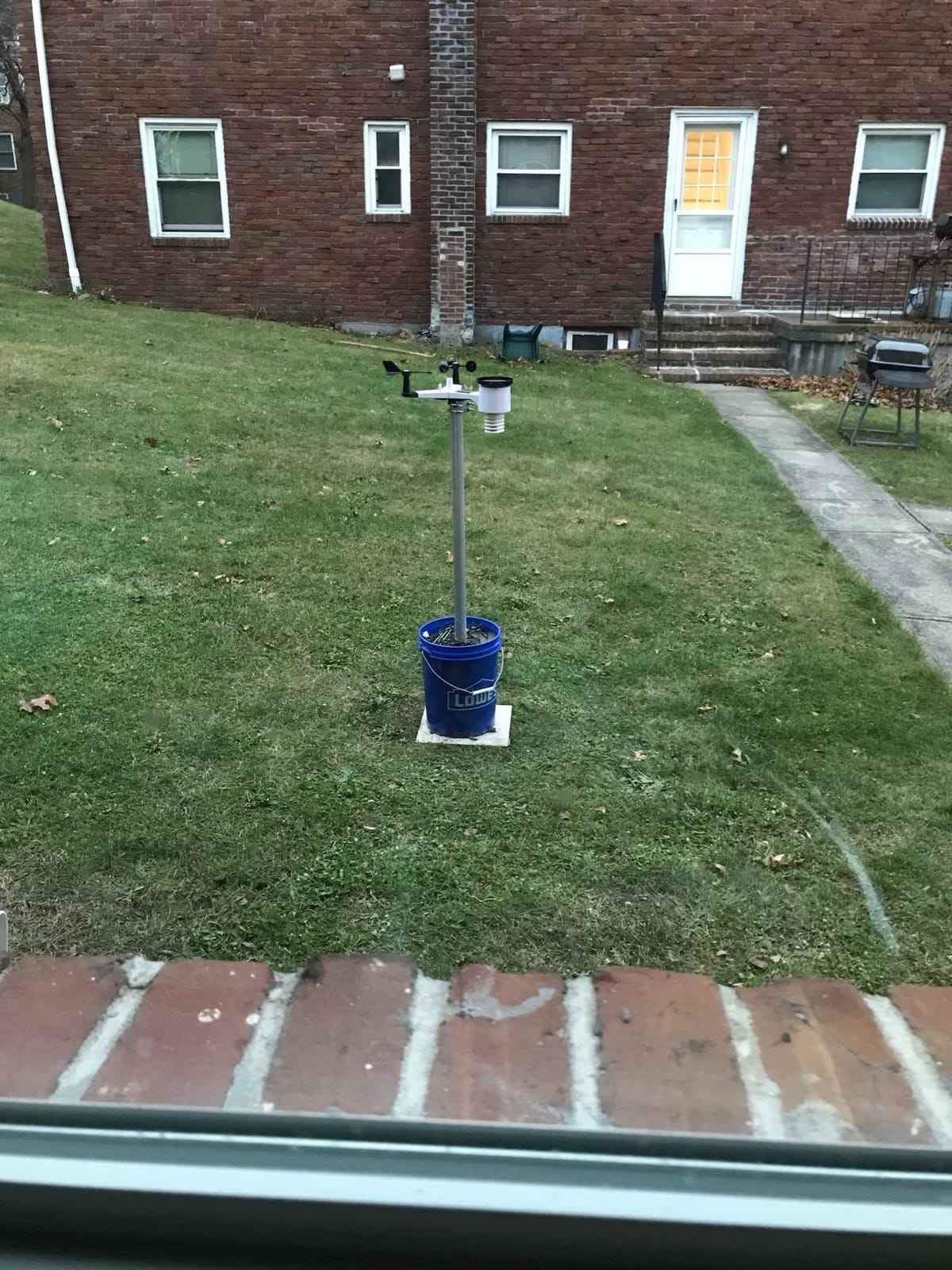
The honest weakness is the setup. Owners describe the instruction manual as confusing, and 2.4 GHz-only Wi-Fi rules it out entirely if your router broadcasts only on 5 GHz. If you have a modern mesh network, read the 2.4 GHz requirement before you commit.
Two more real complaints: the colour LCD becomes hard to read when you look at it from above, which is exactly how a kitchen counter mount works, and the mounting hardware is not in the box. A pole and a ground socket can cost close to what the station costs, so budget for that before you order.
What the WS-2902 does well for a garden?
The customisable alerts are the feature that turns this from a gadget into a frost alarm. You set a low-temperature threshold for the sensor zone that actually holds your tender plants, and the app notifies you when it crosses. For a gardener with a mixed microclimate, the ability to see readings from more than one sensor location is worth more than any single spec on the box.
Data export is also stronger here than on most rivals. Readings can go to Weather Underground, to AmbientWeather.net, or to your own server if you want them in a spreadsheet, and IFTTT support means you can trigger a smart plug or a light when conditions cross a line.
Where the WS-2902 falls short?
The wind gauge tops out near 100 mph and the rain cup top can detach in serious wind, so it is not a storm-chaser unit. The app dashboard tiles are also criticised as low-information and hard to customise, which is a strange thing to apologise for in a product that otherwise has so much going for it.
If you have never run a station before and you want zero setup drama, keep reading. The next two picks are far more hands-off, and one of them costs noticeably less.
2. AcuRite Iris 01512MCB – Best Console Screen for Indoor and Outdoor Reading
AcuRite Iris (01512MCB) Indoor/Outdoor Wireless Weather Station, Color Screen
- Large colour LCD with an adjustable dimmer that doubles as a clock
- Over 55 data points including heat index
- dew point and pressure trend
- 12 hour forecast built from elevation and pressure data
- Mounting bracket included for a pole or post
- Pre-calibrated and reporting within minutes
- No Wi-Fi or app on this model
- Colour screen is hard to read at wide viewing angles
- Runs on ten AA batteries plus cord power
- 433 MHz link weakens through many walls
This is the one I recommend to people who want a number on the wall of the kitchen, not a phone in a pocket. The colour console is large, the dimmer goes low enough for a dark hallway, and it shows the current time and date so it earns its counter space twice a day.
On data depth it is hard to beat at this level. Over 55 data points, including heat index, dew point, feels-like temperature and a pressure trend arrow, means you can watch the barometer fall through the morning and decide whether to bring in the hanging baskets before the storm rather than after.
The 12 hour forecast is personalised: the console combines barometric pressure with elevation data rather than pulling a generic forecast off the internet. It takes roughly three to four weeks of local pressure history to become genuinely trustworthy, and new owners often assume the unit is broken during that window.
Battery maintenance is the quiet cost. It runs on cord power plus ten AA batteries, so this is a twice-a-year job rather than a forgotten chore, but it is a job. For a console that is also your wall clock, that trade is usually worth making.
Where the Iris 01512MCB earns its place?
For a gardener who wants glanceable humidity and dew point, this is the best display in the roundup. Dew point tells you far more about fungal disease risk on a warm humid evening than relative humidity alone, and having both on a big screen changes when you decide to spray or withhold water.
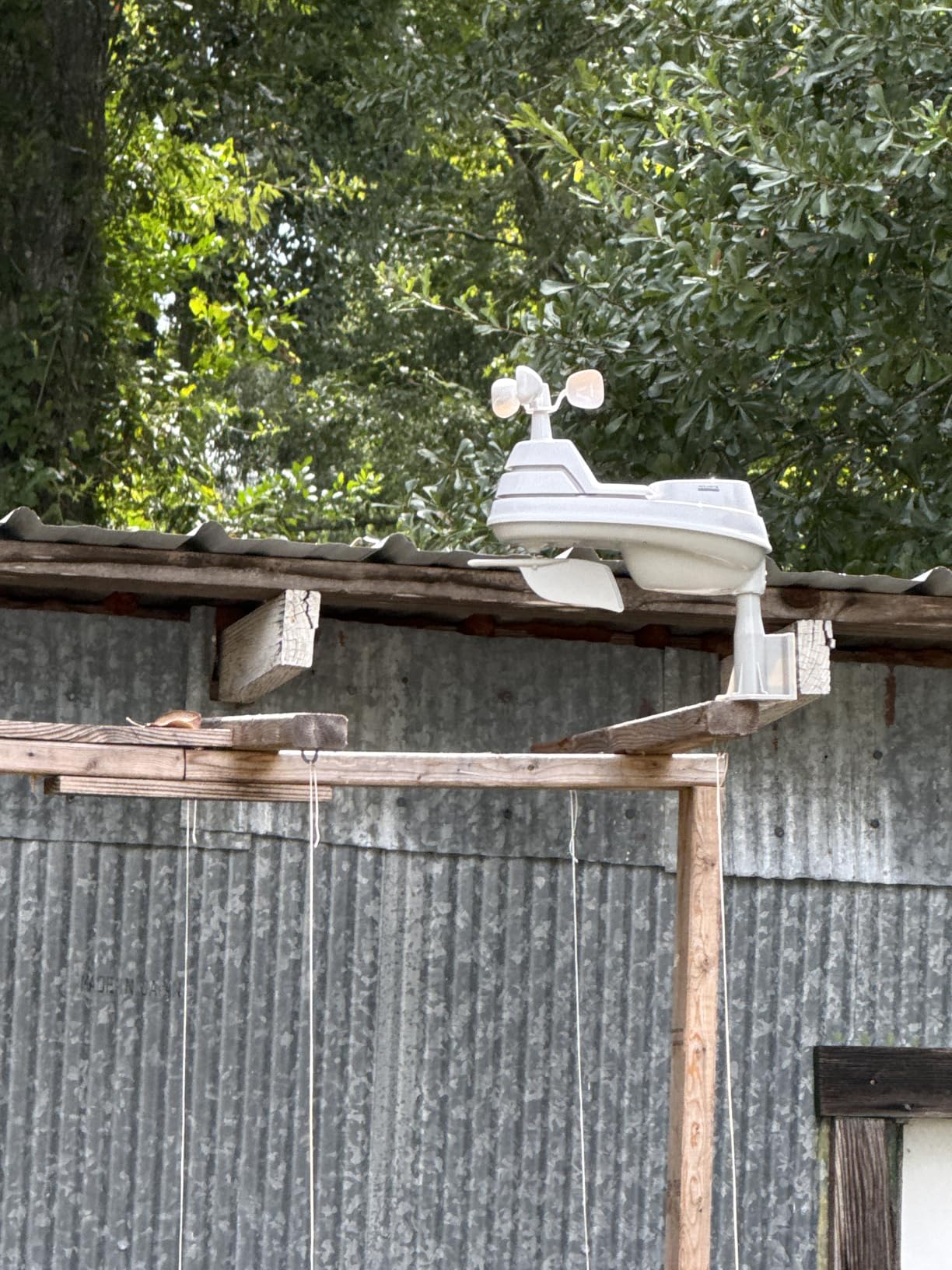
It is also the easiest all-in-one to mount. The bracket is included, the unit is pre-calibrated, and owners report it reporting within minutes of being stuck on a post. No app, no account, no firmware.
Where it falls short for a gardener?
There is no Wi-Fi and no app, so nothing is logged remotely and you cannot get an alert while you are at work. If your frost protection depends on a notification at 2am, this is the wrong tool and you should look at the connected models instead.
Second, 433 MHz is the older, weaker radio band. Through a brick wall, a closed patio and a detached garage, the link is a real problem. Our outdoor weather station guide covers range expectations in real yards in more detail.
3. Sainlogic 12-in-1 – Best Standalone Console for Rainfall Accuracy
Sainlogic 12-in-1 Wireless Weather Station, No WiFi, Indoor Outdoor, Black
- Swiss sensor gives 0.2 C temperature and 1.8 percent humidity accuracy
- 6.5 inch HD colour display with three level backlight
- Twelve measurements including rainfall wind pressure dew point and moon phase
- Hourly daily weekly monthly and cumulative rain records
- 443 ft range suits larger backyards
- Mounting hardware included
- No Wi-Fi
- app or internet uploading
- Display cannot show all 12 functions at once
- Button menu is fiddly for changing units
- Outdoor sensor solar charging is less robust than dedicated solar designs
This is the pick for anyone whose whole argument for owning a station is the rain gauge. It tracks rainfall from 0 to 9999 mm with a stated accuracy of plus or minus 7 percent, and it keeps hourly, daily, weekly, monthly and cumulative records on the console, so a missed storm still shows up in the weekly total a week later.
That last point matters more than it sounds. Most gardeners water on a fixed schedule, and a storm that arrives after you have already watered is invisible unless the total keeps accumulating. A tipping bucket that resets each event and forgets the week is a much weaker irrigation tool.
The stated temperature accuracy of plus or minus 0.2 degrees Celsius is the tightest number any manufacturer in this roundup publishes, and the humidity figure of plus or minus 1.8 percent RH is similarly strong. Real accuracy in your yard will still be dominated by where you mount it.
Two things temper that. The advertising emphasises twelve functions but a 6.5 inch screen cannot render all of them at once, so you will be pressing buttons to cycle through layers. And the outdoor sensor’s solar charging is described by reviewers as less robust than dedicated solar designs, which in a shaded corner of a yard means more battery changes.
The 443 ft quoted range is measured in open air. Through a house, a fence and a row of trees, plan on something shorter, and mount the console on the same wall as the sensor wherever you can.
Why the Sainlogic fits a working garden?
The large backlit screen with three brightness levels is genuinely readable in a dark potting shed at dawn, which is exactly when a frost check happens. It also carries moon phase, which sounds ornamental but is a reasonable proxy for nights you plan to work outside in low light.
Because the sensor and console talk over radio rather than Wi-Fi, there is no account to create and no firmware to update. If your internet goes down, the station keeps logging rainfall, which for irrigation planning is the entire point.
Where it falls short?
No app means no remote alerts and no cloud history beyond the console’s own records. If you want to see the last 24 hours of rain from your office, this does not do it.
If you want UV index, solar radiation or lightning data, this is the wrong pick. Those readings are what the connected models at the top of this list are for.
4. AcuRite Iris 01540M – Best for Sharing Data With Weather Underground
AcuRite Iris (5-in-1) Home Weather Station with Wi-Fi Connection to Weather Underground with Temperature, Humidity, Wind Speed/Direction, and Rainfall (01540M), Black
- All in one array with anemometer
- vane
- barometer
- hygrometer
- rain gauge and thermometer
- Automatic upload to Weather Underground personal station network
- Over 25 data points with threshold alarms
- Colour LCD with three brightness levels
- Display batteries retain settings and data through an outage
- Wi-Fi setup is the most common stumbling block
- Documentation conflicts on sun versus shade placement
- Display base has no tilt adjustment
- Indoor temperature is not uploaded
- Some owners report the rain gauge reading low or zero in heavy events
Weather Underground contribution is the reason to buy this rather than its cheaper siblings. The station uploads automatically to a network of more than 250000 personal stations, and your yard becomes a data point that feeds local forecasts. If you care about citizen science or about hyperlocal records for your own microclimate, that is a real return on the purchase.
It also keeps working sensibly when the power goes. Display batteries hold your settings and history through an outage, which addresses the single most common complaint about console-only units, where a power cut erases the rain totals you were relying on.
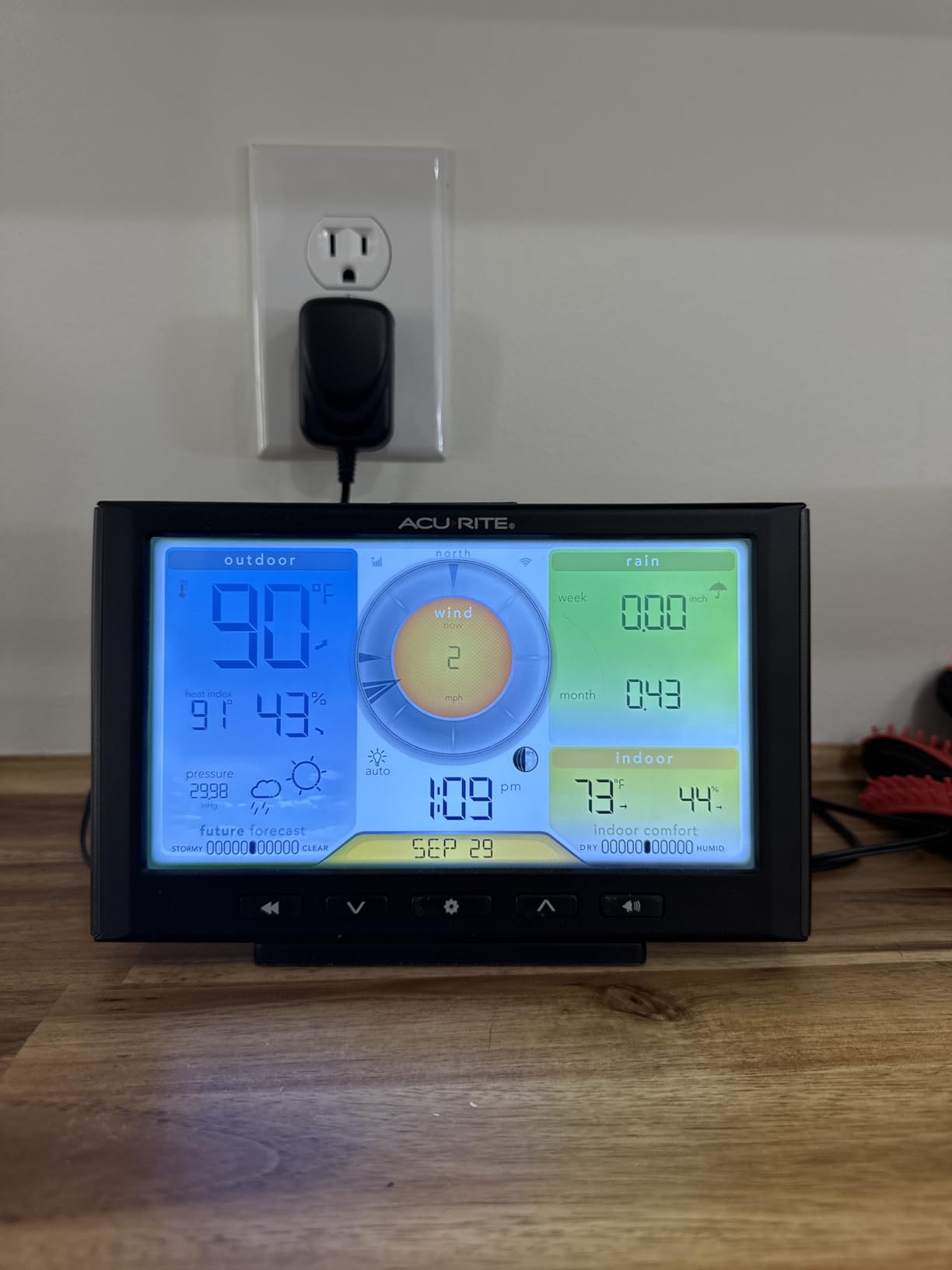
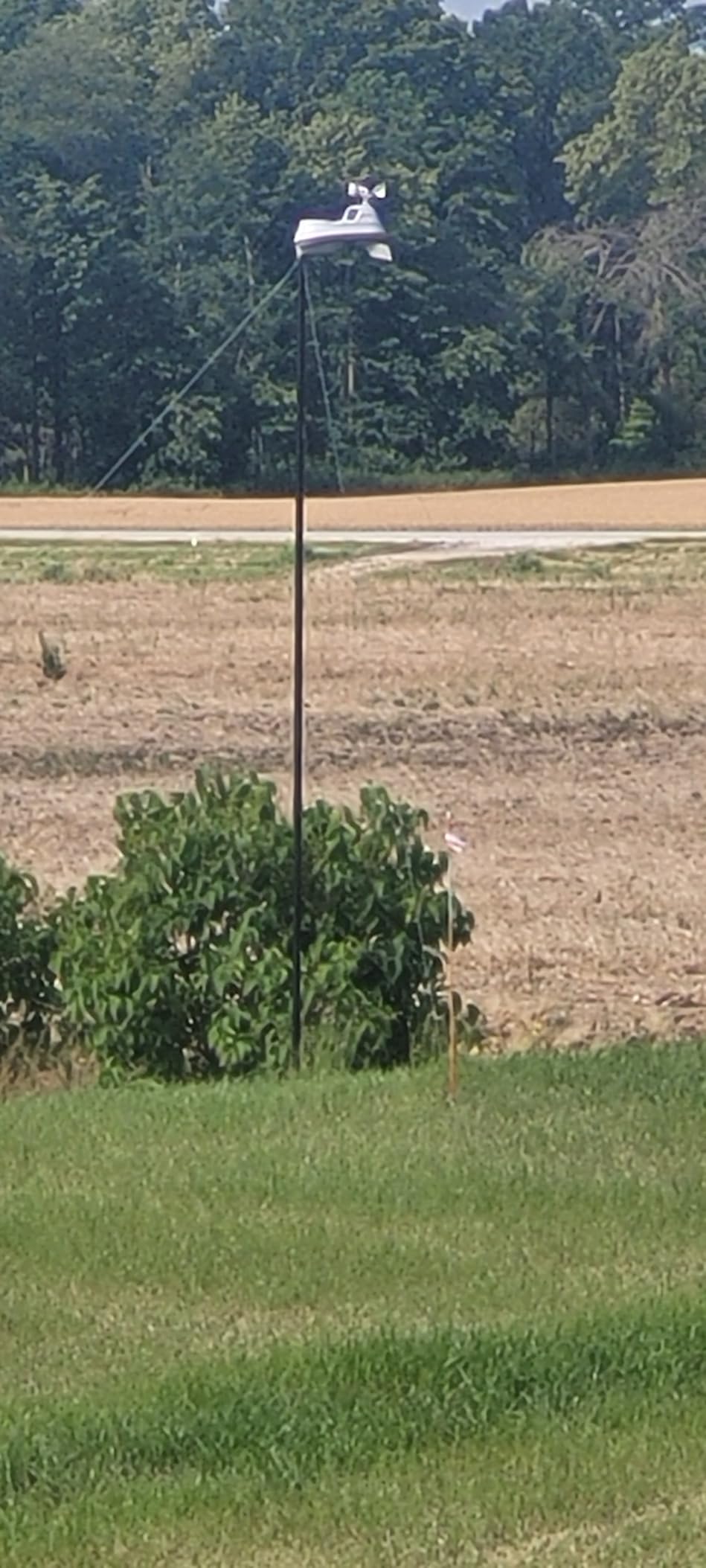
This is the lowest rated product in the roundup at 4.1 stars, and the reasons are consistent rather than random. Wi-Fi setup is the friction point: multiple owners describe needing a laptop rather than a phone, and one describes four hours of setup. The documentation is also contradictory, including conflicting instructions on whether the sensor belongs in sun or shade.
That second complaint is worth dwelling on. Get the placement wrong and the whole instrument is wrong, and the manufacturer cannot tell you which instruction to trust. Our siting section later in this guide settles the question properly.
Why a gardener would choose it?
Threshold alarms let you set triggers for temperature, humidity, wind speed and rainfall, and the storm alarm fires when barometric pressure drops. That is the same frost-alert logic as the console models, but the alerts reach your phone.
The 5 in 1 array gives you wind speed, wind direction, pressure, humidity and rainfall in one mast, which covers nearly every garden decision short of UV and solar radiation. A rating of 4.1 still means most owners are satisfied; there is just a larger unhappy tail than elsewhere.
Where it falls short?
The display base has no tilt adjustment, so it is effectively unusable from above or below eye level. If the natural position for your console is a high shelf, pick a different model.
Several owners report the rain gauge reading low or zero during heavy events, and indoor temperature is not transmitted to Weather Underground. Support is text and email only with no phone line, which matters if the unit will not pair on a Sunday afternoon before a frost.
5. Tempest Weather Station – Best for Zero Maintenance and Lightning Data
Tempest Weather Station with Built-in Wind Meter, Rain Gauge, and Accurate Weather Forecasts, Wireless, App and Alexa Enabled
- No moving parts so nothing to jam with debris or freeze up
- Setup often finished in an hour or less
- 1000 ft plus range with data refreshed every 3 seconds
- Reports lightning strikes
- solar radiation
- UV index and dew point
- Machine learning forecast with a nearby device network map
- Integrates with Alexa
- IFTTT and Rachio
- No included indoor display so you view everything on a phone
- Alerts are limited to rain start
- lightning and status
- Machine learning rain total can understate early totals
- Mounting requires orienting the unit to true north
- Some units reported power failure around two and a half years
The pitch is simple and it holds up: there is no spinning cup anemometer, no wind vane to swing, and no tipping bucket to fill with leaves or freeze. Nothing in this unit wears out, which in a real yard where branches fall and debris blows is the single most valuable property a weather sensor can have.
Long-term owners report it outperforming La Crosse, AcuRite, Davis and Ambient systems in their own experience, and the quoted temperature accuracy of plus or minus 0.5 degrees Celsius is among the tighter figures here. Transmission is quoted at over 1000 ft with data refreshing every three seconds, which is the fastest update rate in this roundup.
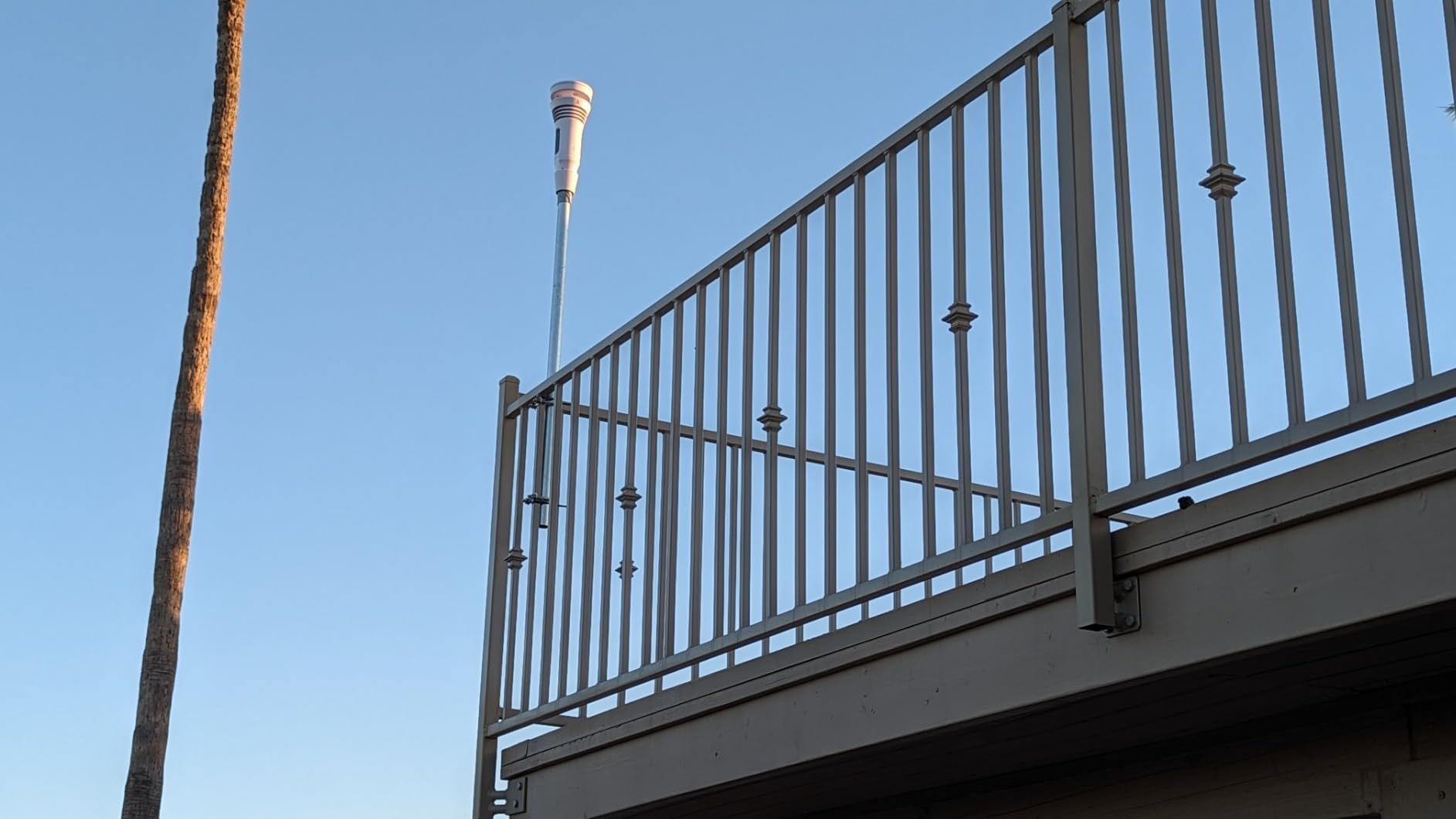
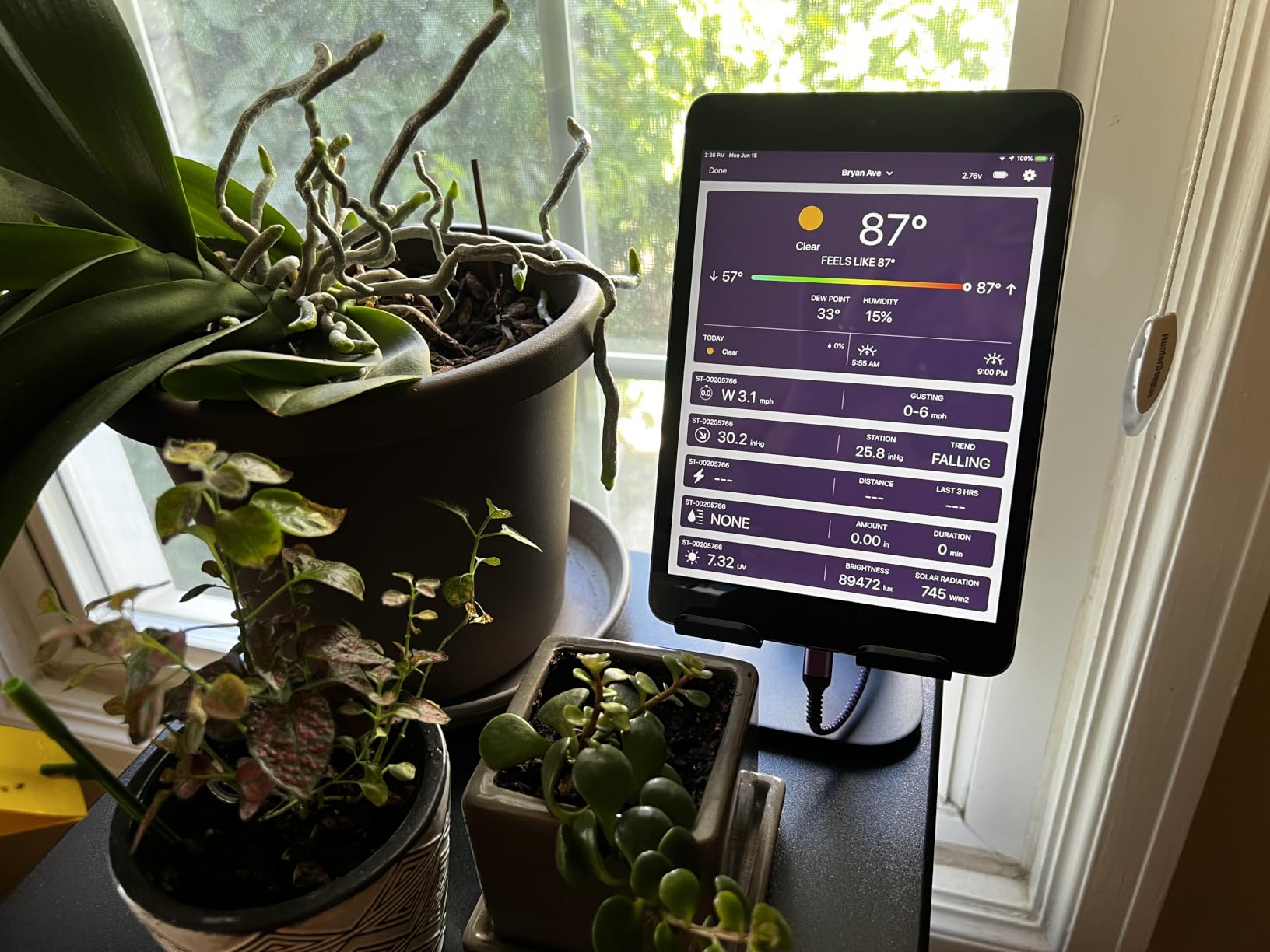
The measurement set is the widest of any product here: temperature, humidity, barometric pressure, wind speed and direction, dew point, solar radiation, UV index, lightning strikes and rainfall from one device. Lightning detection has no equivalent in the other nine, and for anyone sheltering expensive plants in a summer storm it is a genuine addition.
Setup is fast. Owners commonly report mounting, pairing and streaming data within an hour, and the support team is widely praised for fast, generous warranty replacements.
Why gardeners gravitate to it?
There is no console to place on a windowsill, which sounds like a drawback until you realise every reading is in your pocket. Checking the frost risk from the greenhouse, the patio or two hundred miles away costs nothing once it is set up.
The forecast uses a machine learning model trained on a large device network rather than on your barometer alone, and the app shows a map of nearby Tempest devices, so you can sanity check your own reading against your neighbour’s.
Where it falls short?
Alerting is thin. The set is limited to rain start, lightning, status and quality control, with no temperature or wind alert, which is a strange omission for a product aimed at people who care about frost.
The rain gauge needs time to calibrate, and the machine learning correction can understate the daily total in the first few months. Mounting also requires orienting the unit to true north, which is fiddly from the ground. And a number of owners have reported power failure around the two-and-a-half year mark, so plan for a battery rather than treating it as a forever purchase.
6. AcuRite Iris 01535M – Best for Frost Alarms on a Console
- 12 hour hyperlocal forecast from the built-in barometer with no account needed
- Over 25 data points with settable alarms for temperature humidity wind and rainfall
- HD display covers moon phase
- heat index
- frost point and dew point
- Expands later with the AcuRite 06045M lightning sensor
- Pre-calibrated and reporting within minutes
- No Wi-Fi
- smartphone app or remote access
- 433 MHz link is affected by walls and distance
- Display readability at wide angles is a repeated complaint
- So many on-screen fields that some data is small and hard to parse
If your garden anxiety is frost, this is the console to look at. It gives you settable threshold alarms for temperature, humidity, wind speed and rainfall, and the display carries frost point alongside dew point and heat index. Frost point is the number that tells you whether condensation forms on a leaf, which is the mechanism behind most spring damage to tender perennials.
It also has a storm alarm that activates when barometric pressure drops, and a 12 hour forecast built from its own barometer and elevation rather than an internet connection. That last part is genuinely useful: the console keeps forecasting when your connection is down.
The system can grow into a fuller setup later. An optional AcuRite 06045M lightning sensor expands the array, which matters if you are protecting a young orchard or a tall stand of dahlias in an open part of the yard.
Stated temperature accuracy is plus or minus 1 degree Celsius, and the rated range runs to 158 degrees Fahrenheit on the upper end, which covers the deep cold end of the low band better than several rivals here.
Why it suits a frost pocket?
Mount this sensor in the low corner of the yard, behind the fence line where cold air settles, and the alarm reflects the coldest spot rather than the average. That is the whole argument for owning a station instead of trusting a forecast, and this console makes the threshold easy to set and hard to ignore.
For growers running a small greenhouse or a bank of raised beds, having a single remote sensor and a readable display is often more practical than a full smart station. Our raised bed guide covers the setup side of that project.
Where it falls short?
No Wi-Fi, no app, no remote access. The alarm sounds on a console sitting in your kitchen, so if you are not home when the temperature crosses your threshold, the notification does not follow you.
The 433 MHz link is affected by walls and distance, and the sheer density of on-screen fields leaves some data small and hard to parse at a glance. This is the cheapest-mental-effort path to a frost alarm, not the most complete station in the roundup.
7. La Crosse V42-PRO-INT – Best for Placing Sensors in Two Spots
La Crosse Technology Professional Smart Wi-Fi Weather Station with Remote Monitoring (400 Foot Range), Wind and Rain Gauges, Temperature and Humidity Sensors, and Forecasting – V42-PRO-INT
- Separate temperature humidity sensor and wind rain sensor mount in different locations
- Colour display with six forecast views and seasonal scenes
- Wi-Fi adds 7 day forecast
- next 12 hours
- UV index
- sunrise and sunset
- thunderstorm and air quality
- CR2032 backup battery retains settings and history through power loss
- Free app remote monitoring on the standard plan
- Console runs on cord power with no full battery backup
- Sensor batteries are not included
- 2.4 GHz only which some mesh networks handle poorly
- Button menus rather than a touch interface
- Fixed display angle is hard to read above eye level
This is the only station in the roundup that splits the temperature and humidity sensor from the wind and rain sensor. For a garden that runs from a shaded north bed to an exposed south wall, that is not a small detail. One sensor goes in the frost pocket, the other goes on the open post, and each reads where it actually belongs.
Connectivity unlocks a genuinely different feature set: the next 7 day forecast, the next 12 hours, UV index, sunrise and sunset times, thunderstorm warnings and air quality data. All of that is console-only until the Wi-Fi link is set up.
The rain graph with historical records and auto-scroll is a nice touch for irrigation planning, and the hi/lo records are stamped with time and date, so you can see whether a cold night was a blip or a trend.
Outdoor temperature range is rated from minus 40 to 140 degrees Fahrenheit, which covers both the hard freeze end and the summer heat end of a typical backyard without a separate high-temperature sensor.
What the split sensors change for irrigation?
Wind speed and direction belong on the sensor that sits in the open, not next to a wall where the reading is meaningless. Humidity in a shaded bed is a different number from humidity above a paved patio, and dew point differs even more. Putting the two on separate sensors means both numbers are defensible.
The console is also a good deal for a home office or a garden room, where you want the forecast icons and the UV index visible at a glance. If you are planning a long build-out in the yard, our garden fountain picks are a better use of the same weekend.
Where it falls short?
The CR2032 backup battery retains settings and history but does not run the system, so a power cut means the console goes dark even though the data survives. The included wind and rain and temperature sensors need AA batteries that are not supplied, which is the sort of detail that stalls an otherwise quick setup.
As with most connected stations here, 2.4 GHz is the only supported band, and some modern mesh networks handle it poorly. Settings are changed with buttons rather than a touchscreen, and the fixed display angle is hard to read when the unit sits above eye level.
8. ECOWITT Wittboy Pro HP2564 – Best for Data Ownership and Expansion
- No moving parts in either the ultrasonic wind sensor or the haptic rain sensor
- 7 inch colour TFT console with adjustable brightness
- Owners comparing against AcuRite report better temperature
- wind and humidity accuracy
- Solar charging holds up with AA batteries only needed after several cloudy days
- Uploads to Weather Underground
- WeatherCloud
- WOW and Ecowitt plus micro SD CSV logging
- Expands with soil moisture
- pool thermometer
- air quality and leak sensors
- Sequential menu navigation is cumbersome with no touchscreen
- Display packs a lot of data onto a 7 inch screen
- Paper manual mixes several documents with some incorrect QR codes
- WS90 rainfall can deviate from a manual gauge
- No console battery backup so an outage loses settings
Two things make this the enthusiast pick. First, the sensor has no moving parts at all: wind is measured ultrasonically and rain is detected with a haptic piezoelectric sensor, so there is no cup to spin, no vane to jam and no bucket to clean out.
Second, the data is yours. It uploads to Weather Underground, WeatherCloud, WOW and the Ecowitt servers, and it can log to a micro SD card in CSV form for your own spreadsheets. In the enthusiast community, being able to take your readings and leave the vendor’s ecosystem is a genuine reason to switch brands.
Accuracy is the other argument. Stated temperature accuracy is plus or minus 0.3 degrees Celsius, and owners who came from AcuRite or Ambient Weather report measurably better temperature, wind and humidity figures. Transmission is quoted at 500 ft with obstacles and 1000 ft in open space on 915 MHz.
Expansion is where this outruns every other pick. You can add up to eight soil moisture sensors or thermo-hygrometers, four air quality or leak detectors, and a rain gauge or anemometer. If you are managing a large plot or a small orchard, soil moisture probes are the feature that changes how you water.
Why it suits a multi-zone garden?
A single outdoor sensor tells you about one microclimate. A shade bed under deciduous trees, a full-sun herb patch and a raised bed against a warm wall can each sit in different humidity and temperature bands, and soil moisture probes let you see what is happening at root depth rather than at sensor height.
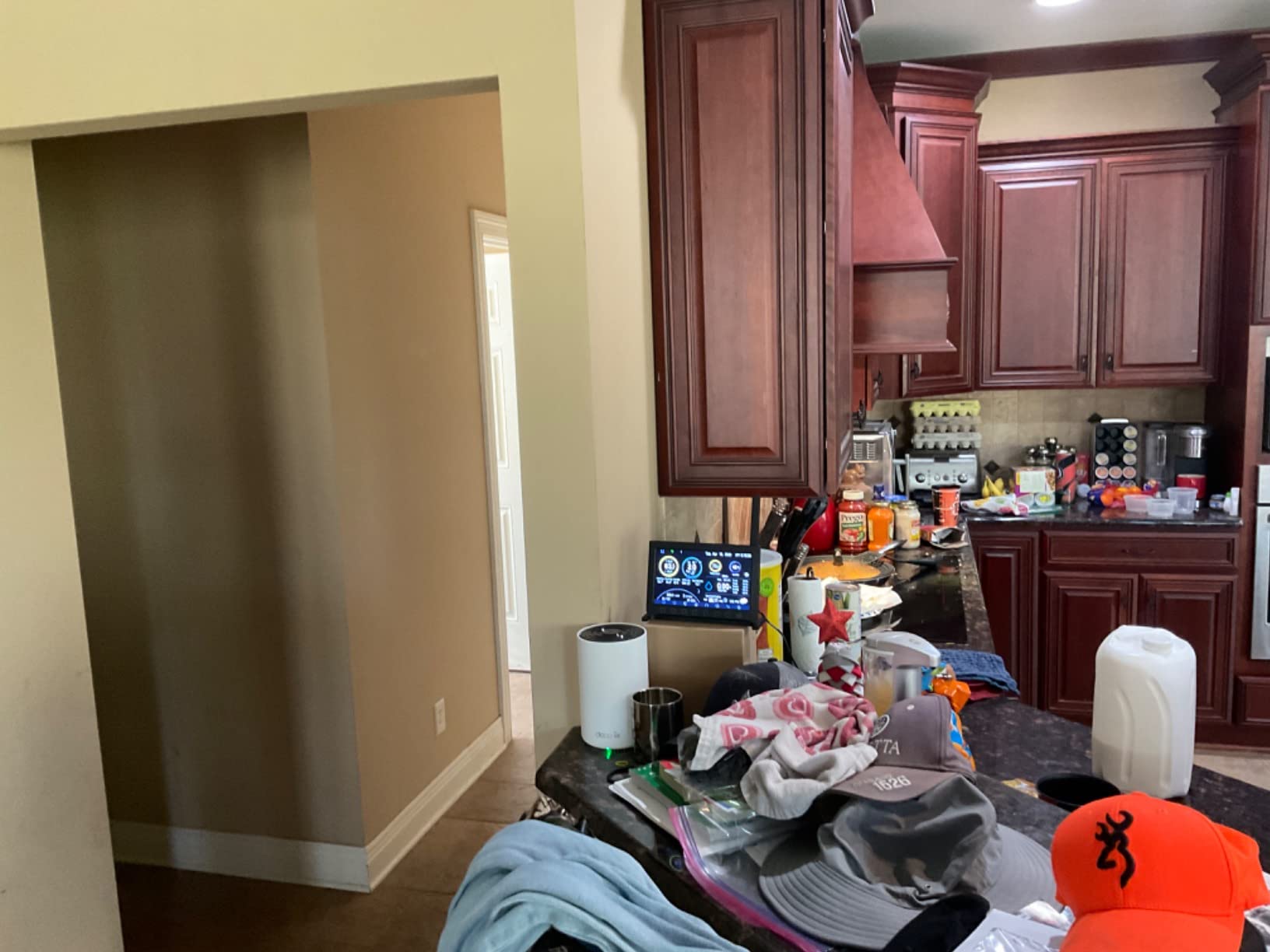
The 7 inch TFT console is noticeably larger and clearer than earlier Ecowitt displays, with adjustable brightness for a night check. It is still busy, and it is still smaller than the product photos suggest, but it is a genuine improvement over a 4 inch screen.
Where it falls short?
The console has no touchscreen and settings are reached by sequential menu navigation, which is genuinely tedious during setup. The paper manual is described as a mash-up of several sensor manuals with some incorrect QR codes, so expect to work from the app documentation instead.
Be realistic about the rain gauge. Daily rainfall from the WS90 can deviate meaningfully depending on raindrop size and wind speed, and Ecowitt itself suggests adding a tipping bucket gauge for precision work. The console also has no battery backup, so an outage loses settings unless a micro SD card is fitted. And with 274 reviews, this is a much smaller installed base than the picks above it.
9. La Crosse V21-WTH – Best Simple First Station With Wind History
La Crosse Technology Wireless Wi-Fi Digital Weather and Wind Station (V21-WTH)
- Least expensive connected station in this roundup
- No bridge
- gateway or wires needed
- Separate thermo-hygro and wind sensors mount in different locations
- Bright well laid out display with seasonal scenes and a desk stand
- Wind readings track closely with nearby stations in owner comparisons
- 2.4 GHz only causes repeated connection losses on some routers
- No tilt adjustment and no auto-dimming backlight
- Outdoor temperature sensor is not weatherproof
- Anemometer under-reports storm gusts
- Instructions are criticised as inaccurate for the network steps
This is the cheapest way into connected readings, and for many first-time buyers it is the right door. It connects directly to the free La Crosse View app with no bridge, no gateway and no wiring, which removes the single most common setup complaint in this category.
Wind history is stored from 1 hour through 24 hours, 7 days, a month and a year, with custom alerts. That depth of wind history at this level is unusual, and for someone deciding whether to take down a young climber before a forecast blow, having a month of gust records is more useful than a single current number.
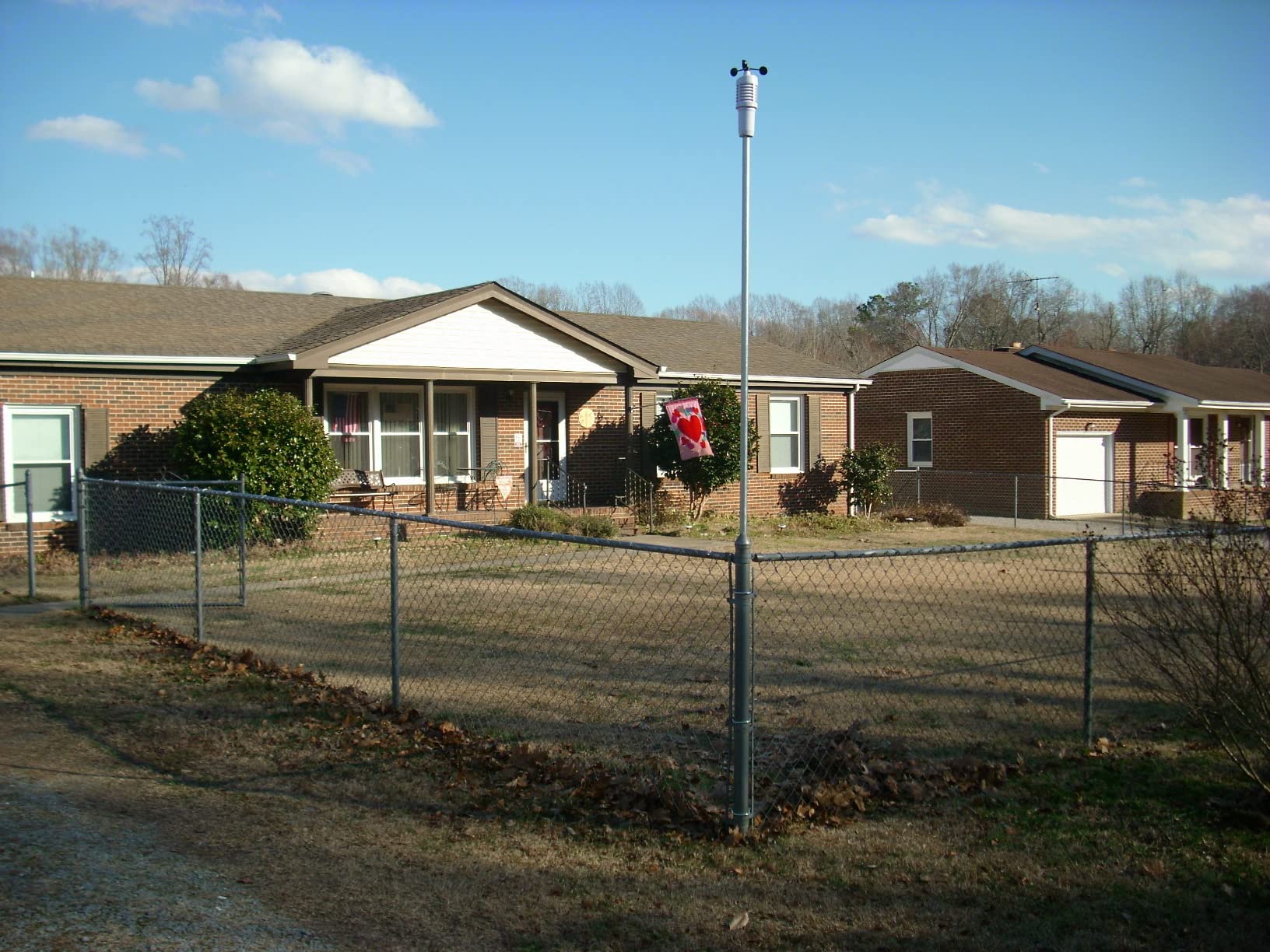
The thermo-hygro sensor and the wind sensor are separate, so you can mount the temperature sensor in a shaded spot and the anemometer in the open. Owners report wind readings and temperature tracking closely with nearby stations and with broadcast forecasts in their own comparisons.
At 4.0 stars this is the lowest rated product here, with 13 percent one-star reviews, and the complaints cluster on connectivity rather than on the measurements. Multiple reviews describe a unit that will not hold a Wi-Fi link.
Why a beginner should start here?
There is nothing to learn and nothing to sign up for. The display is bright, well laid out, has seasonal foliage scenes, a desk stand and a wall mount, and it gives you NWS weather data alongside your own readings once connected.
If you only need a wind number before a storm and a temperature check in the morning, this covers it without a monthly app fee or a learning curve. The 400 ft open air range suits a typical suburban backyard.
Where it falls short?
The 2.4 GHz-only limitation is the defining problem, and on newer mesh routers it is often the reason a unit never pairs cleanly. The instructions are also criticised as inaccurate, particularly for the network connection steps.
Hardware is basic. The display has no tilt adjustment and no auto-dimming backlight, so it is hard to read above eye level or at night. The outdoor temperature sensor is not weatherproof and owners recommend buying a separate radiation shield, and the small anemometer under-reports gusts, sometimes reading zero in severe weather.
10. VEVOR 7-in-1 Wi-Fi – Best Large Display With No Ad App
- Build quality and packaging owners describe as more like a scientific instrument
- 7.5 inch bright display with four brightness levels
- Works with the SmartLife app with no registration on weather websites
- no ads and no paid tiers
- 492 ft transmission with instant pairing reported in testing
- A measured rain test came within 0.01 inches of the reference
- Larger solar panel with NiMH charging plus a built-in level
- Anemometer and wind vane can freeze after rain then sub-freezing temperatures
- Rain gauge reported failing shortly after the return window
- Data refreshes only every 20 seconds so gust peaks are smoothed
- Outdoor sensor is not weather sealed for long-term exposure
- Does not interface with Weather Underground
The 7.5 inch display is the largest screen in this roundup, and it is genuinely visible from most angles of a room thanks to a VA panel and four brightness levels. For anyone who reads their station from a doorway rather than standing next to it, that is worth more than another sensor.
The app situation is a real differentiator. It runs on SmartLife and does not require registration on any weather website, and there is no advertising or paid tier. Several competing app ecosystems prompt for a subscription just to view the device category, which is a poor look for a box you already own.
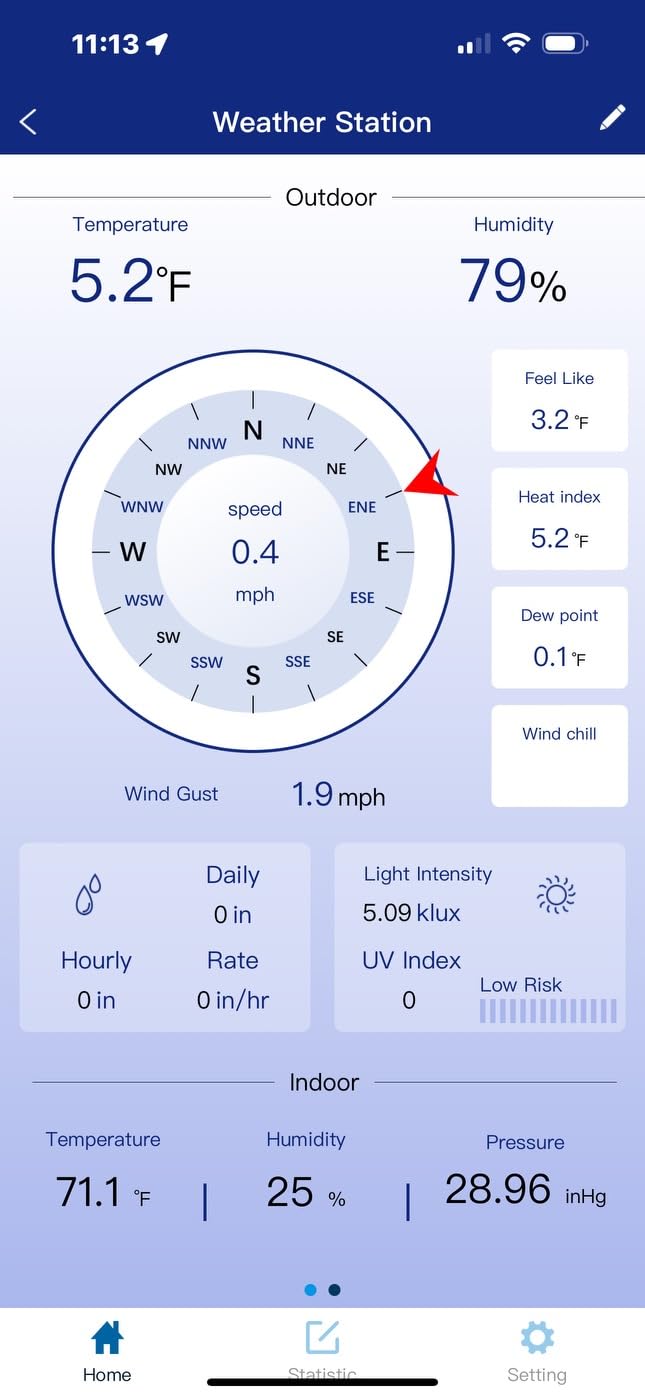
Accuracy has held up well in owner testing. Readings match nearby stations, and one measured rain test came within 0.01 inches of a reference gauge, which is a better light-to-moderate rain result than most tipping buckets in this category manage.
Construction details are thoughtful: an aluminium alloy mounting rod, a charging box, labelled orientation markers on the sensor, and a built-in spirit level for siting. Instant pairing was reported in testing, and transmission is quoted at 492 ft.
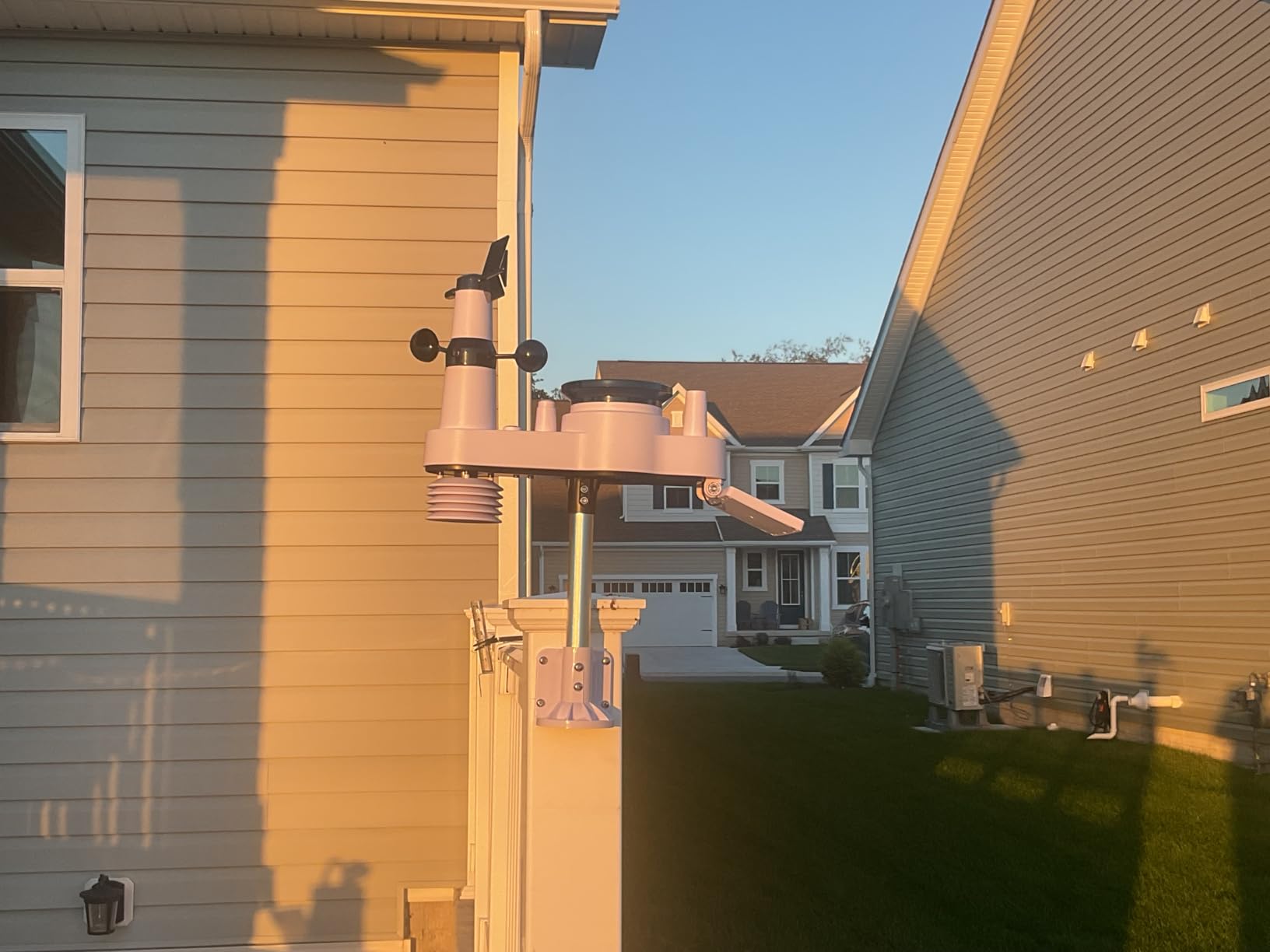
Where it fits a garden?
A large display with four brightness levels is well suited to a potting shed or a covered workbench where you check conditions before heading out. Solar charging with NiMH cells keeps the sensor running through cloudy stretches better than a small panel, and the mounting kit is included.
The six to 12 hour forecast, dew point, moon phase and sunlight readings cover the ordinary weekly questions most gardeners have. It is a complete instrument for someone who wants one screen and no account to manage.
Where it falls short?
Two hardware issues are serious enough to weigh. The anemometer and wind vane can freeze up if rain is followed by sub-freezing temperatures, which is reported as a design flaw rather than bad luck, and the rain gauge has been reported failing shortly after the return window closes, which means roof or post access to diagnose.
The roughly 20 second data refresh smooths over gust peaks rather than recording them, so it is a poor instrument for deciding whether a tree is about to come down in a squall. It does not interface with Weather Underground, and the SmartLife app can prompt for a subscription fee to view the device category.
What Actually Matters in a Garden Weather Station?
Here is what a gardener should actually check, in the order that affects your plants. Everything else on the spec sheet is secondary.
1. A low-temperature alarm you can set yourself. This is the single most valuable feature for most backyards, because frost damage is time-critical. A console that can trigger an audible alarm in the house works. An app that sends a push notification to a phone in the kitchen works better. A station with no threshold alerts at all does not solve the problem you bought it for.
2. Rainfall totals that accumulate properly. A rain gauge that shows only the current event tells you almost nothing useful about irrigation, because a 4 mm drizzle on Tuesday and a 20 mm storm on Saturday both look like a number you have to interpret. Look for hourly, daily, weekly and monthly accumulation.
3. Humidity and dew point, not just relative humidity. Relative humidity shifts with temperature, so the same reading means different things on a cool morning and a warm evening. Dew point is the number that tracks fungal disease risk on crops like tomatoes, beans and grapes, and a station that reports it saves you doing the conversion yourself.
4. Wind, if you have anything tall or trained. If you grow espaliered fruit, tall dahlias, young trees, vines on a pergola or a pond feature, wind speed and gust history tell you when to stake, secure or bring something in. If you grow only beds and borders, skip it. Paying for wind sensors you will never check is the fastest way to resent a purchase.
5. Connectivity that matches where you are. A console-only station is a wall instrument. A Wi-Fi station is a phone instrument. If you make frost decisions from an office or travel for a week at a time during a cold snap, you need the second one. If you are reliably home and the console is in the kitchen, the first one is enough and the second costs you accuracy you will not notice.
6. Range and radio band. Quoted ranges are measured in open air. Radio signals on the 433 MHz band used by several console models attenuate through brick, glass and foil-backed insulation, while 915 MHz units generally perform better through obstacles. Before buying a console-only model, count the walls and outbuildings between the intended sensor position and the console. Our garden hose reel guide makes the same point about planning cable and hose runs before you mount anything.
One more expectation to set correctly: forecast-based stations need roughly three to four weeks of local barometric pressure history before their predictions are worth trusting. New owners routinely conclude that a brand new station is faulty, when in fact the barometer is still learning your elevation and climate.
Where to Mount the Outdoor Sensor for Accurate Readings?
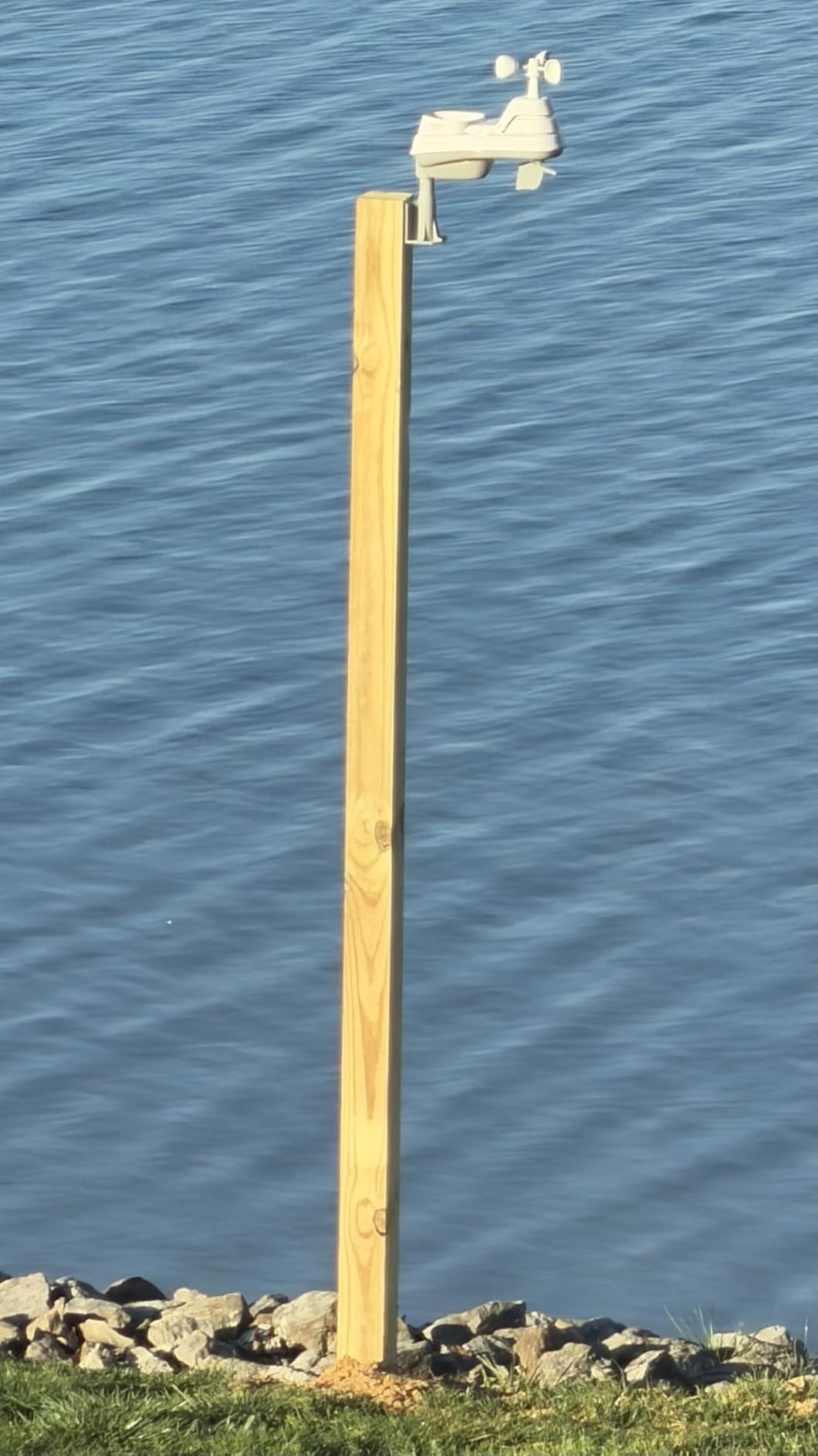
Mount the outdoor sensor at twice its own height above the ground, and keep it at least twice the height of any nearby obstruction away from buildings, trees or fences. This is the rule of thumb that separates a useful reading from a decorative one, and it is the answer to the most common accuracy complaint we found across reviews of these products.
The reason is radiation. A sensor sitting in direct sunlight absorbs solar energy faster than the air around it, and a shielded sensor sitting in still air reads several degrees high. On a sunlit fence post in summer that error is large enough to make a warm day look mild, which is exactly when you are deciding whether to water.
Avoid reflective and heat-retaining surfaces for the same reason. Light-coloured walls, paved patios and metal fences re-radiate heat, and a sensor mounted beside them is measuring the wall as much as the air. If the only available post is beside a white south-facing fence, move the sensor rather than accepting a correction you will not apply consistently.
For gardens specifically, mount low. Cold air pools, and a sensor at head height in the middle of the yard will report a temperature several degrees warmer than the low corner behind your fence where the frost actually forms. If you can only afford one sensor, put it in the coldest, most exposed low spot rather than in the convenient place.
Mount level, not tilted. A tipping bucket rain gauge under-reads when the housing leans, because the water does not tip cleanly at the calibration volume, and this is a much more common error than rain gauge calibration itself. Several of the stations in this roundup ship with a spirit level or orientation markers for exactly this reason.
Finally, expect the rain gauge to under-report light drizzle regardless of model. Tipping buckets need a certain volume of water before a tip registers, so a passing shower may record as zero. For irrigation decisions, treat a recorded zero after visible rain as a reason to check by hand the first few times, not as proof that the garden is dry.
Wi-Fi Station, Radio Console, or Plain Thermometer
A plain wireless thermometer with a min/max memory and a low-temperature alarm is enough if your entire decision-making is one question: do I need to cover the plants tonight. It is also the only option on this list that does not give you wind or rain data, and rain totals are the second thing most gardeners wish they had.
A radio console station fits the gardener who is home most of the time, wants a readable display in the kitchen, and does not care about history beyond the last storm. It is reliable, it keeps working when your internet is down, and it has fewer ways to fail during pairing. Three of the picks in this roundup do exactly this job well.
A Wi-Fi station fits the gardener who leaves, travels, or manages plants away from the house, and it is the only category that gives you UV index, remote alerts, cloud history and a shareable hyperlocal record. The trade is setup friction: 2.4 GHz only networking, account creation, and firmware steps that vary between models.
Whichever you choose, check the power story before you order. Solar-powered outdoor sensors with battery backup need real sun on the panel, and a panel mounted in a shaded corner will quietly fall back to batteries. Console-only units on ten AA batteries are a twice-a-year job. Cord-powered consoles with a coin-cell backup keep your history but still go dark in an outage.
And be honest about whether you will check it. A station you glance at once a season is worse than no station, because it gives you false confidence. If you will make irrigation decisions from the rain total and frost decisions from the alarm, any of the ten here will pay for itself within a season.
Frequently Asked Questions
What is the best backyard weather station?
The Ambient Weather WS-2902 is the best backyard weather station for most gardeners. It measures temperature, humidity, wind speed and direction, rainfall, UV intensity and solar radiation from a single outdoor array, and it sends everything to the Ambient Weather app and to Weather Underground. Its main drawbacks are 2.4 GHz-only Wi-Fi, a confusing manual, and a mounting pole that is sold separately.
Which is better, AcuRite or La Crosse?
AcuRite generally wins on sensor breadth and on display quality, with larger colour consoles and more on-screen data points. La Crosse generally wins on price, on the free tier of its app, and on splitting the temperature and wind sensors so each can be mounted where it reads best. For a gardener who needs frost alarms, AcuRite is the stronger pick; for a gardener on a tighter budget, La Crosse is the stronger pick.
Which home weather station is best according to Consumer Reports?
Consumer Reports publishes a recurring home weather station roundup, but we did not observe a current ranking on the search results for this query, so we will not attribute one. What their published testing generally weights is measured accuracy against a reference instrument, complete sensor coverage, construction quality and ease of setup. Our own approach differs in one respect: we weight frost alarms, rain totals and siting guidance far more heavily, because those are the decisions a gardener actually makes.
Which weather station has the most accurate weather?
Accuracy is decided more by placement than by model. A well-sited sensor beats a premium sensor mounted beside a sunlit wall by several degrees. Among the ten here, the tightest published temperature tolerances are the Sainlogic 12-in-1 at plus or minus 0.2 degrees Celsius and the ECOWITT Wittboy Pro at plus or minus 0.3 degrees Celsius. Allow three to four weeks of local pressure history before trusting any barometric forecast.
What is the best home weather station for the money?
The Sainlogic 12-in-1 is the strongest value in this roundup: a Swiss sensor rated at plus or minus 0.2 degrees Celsius, a large backlit display, rainfall tracked from 0 to 9999 mm with hourly through cumulative records, and a 443 ft range, with mounting hardware included. If you need remote access rather than console readings, the La Crosse V21-WTH is the least expensive connected option in the list.
Do I need a weather station for my garden?
You need one if you make watering or frost decisions from data rather than guesswork. A station with a settable low-temperature alarm and accumulating rain totals pays for itself in a single season. You do not need one if you only grow beds and borders, never travel during a cold snap, and are happy watering on a fixed schedule. In that case a wireless thermometer with a min/max memory is enough.
The Best Garden Weather Station for Backyards in 2026
If you only buy one, buy the Ambient Weather WS-2902. It has the widest sensor coverage in this roundup, a 13000-plus review history, and the connectivity options that make frost alerts and rain history actually usable from a phone. Budget for a mounting pole, check that your router broadcasts on 2.4 GHz, and mount the array away from walls and in the open.
If you never leave home and want the numbers on a kitchen wall instead, the AcuRite Iris 01512MCB gives you the most readable display and the deepest on-console data set, with no account and no app. If rainfall is the only number you care about, the Sainlogic 12-in-1 keeps the best rainfall history and the tightest published temperature tolerance of anything we reviewed.
And if you only grow low beds that will never need covering, skip the whole category. A wireless thermometer with a min/max memory will do the one job you have. The ten picks above are here for the gardeners who lose plants to frost, overwater after a storm, or both.