
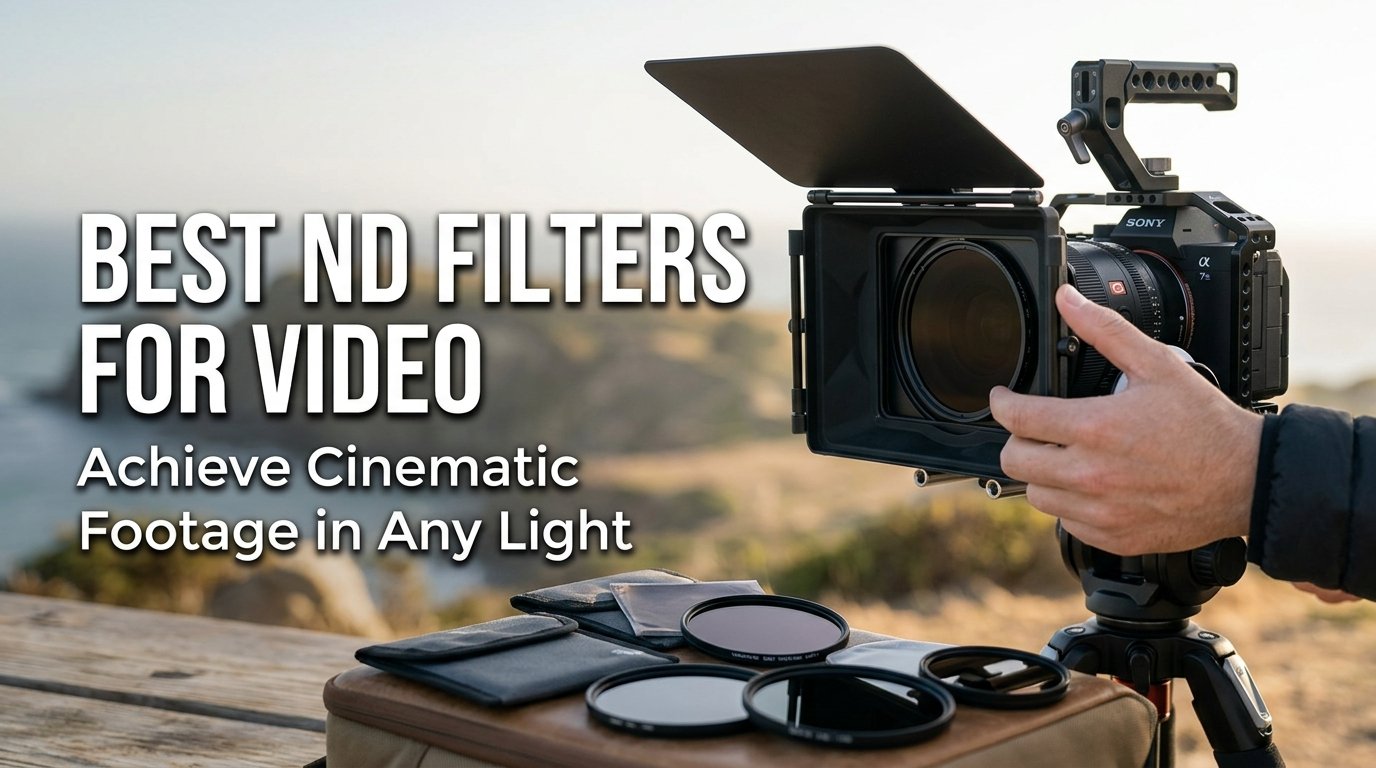
If you have ever shot video outdoors and struggled with blown-out highlights even at f/16, you already know why ND filters exist. The best ND filters for video let you keep your shutter speed locked at that golden 180-degree rule while shooting wide open in bright daylight. Without one, your footage looks choppy, overexposed, and nothing like the cinematic look you planned for.
Our team has spent the last several months testing variable ND filters, fixed ND filters, and combo ND+CPL filters across mirrorless cameras, cinema rigs, and run-and-gun setups. We compared build quality, color accuracy, cross-polarization behavior, and real-world usability across 12 different products. Whether you shoot weddings on a Sony FX3, run a YouTube channel with a Canon R5, or build cinematic content on a Blackmagic, this guide covers the options that actually perform.
ND filters are just as essential as your lenses when it comes to cinema cameras for indie filmmakers. We also considered how these filters pair with smaller setups, including action camera alternatives for vloggers where filter size and weight matter even more. Throughout this guide, we focus on what matters for video specifically: color neutrality, X-pattern resistance, smooth adjustment rings, and hard stops that prevent you from ruining a take.
Table of Contents
Top 3 Picks for Best ND Filters for Video

Best ND Filters for Video in 2026
1. PolarPro Peter McKinnon VND 82mm – Hard Stop Cinema Filter
- Hard stop system eliminates X-pattern completely
- Cinema-grade quartz glass with 16-layer coatings
- No vignetting down to 16mm focal length
- Precision haptic feedback at stop endpoints
- Includes magnetic Defender360 case and custom cap
- Premium price point
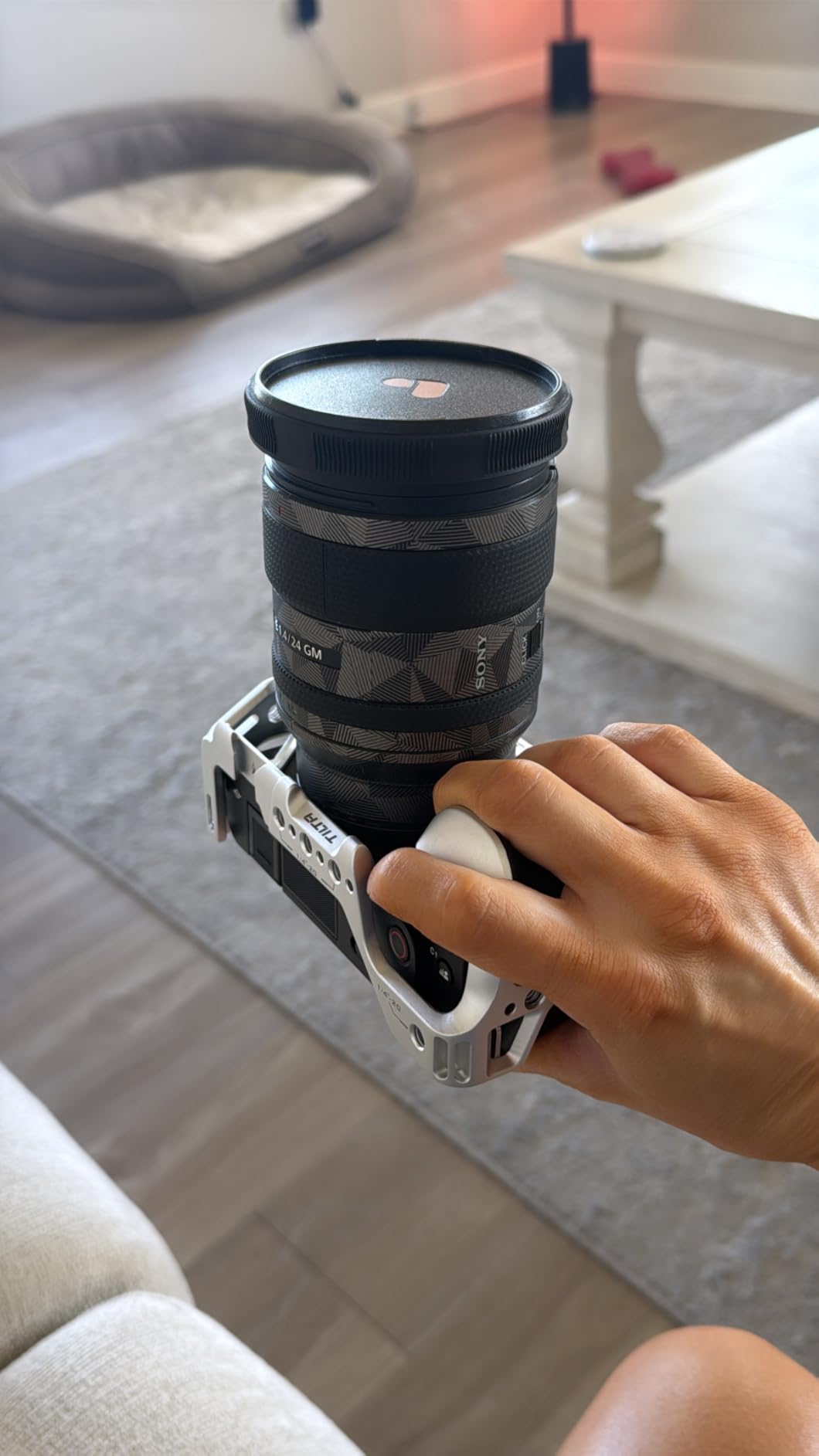
- Does not work with standard lens hoods or caps
I have been shooting with the PolarPro Peter McKinnon Signature Edition II for over six months now, and it remains the filter I reach for first on every paid gig. The hard stop system is the standout feature. When you rotate the ring, you feel a firm physical stop at both ends of the range. No more guessing whether you are about to hit the X-pattern zone and ruin a shot.
The build quality feels substantial in your hand without being heavy on the lens. At 56 grams on an 82mm thread, it balances well even on lighter mirrorless bodies. The bronze accent ring gives it a distinctive look that matches the Peter McKinnon branding, and the fit and finish are a clear step above budget options.
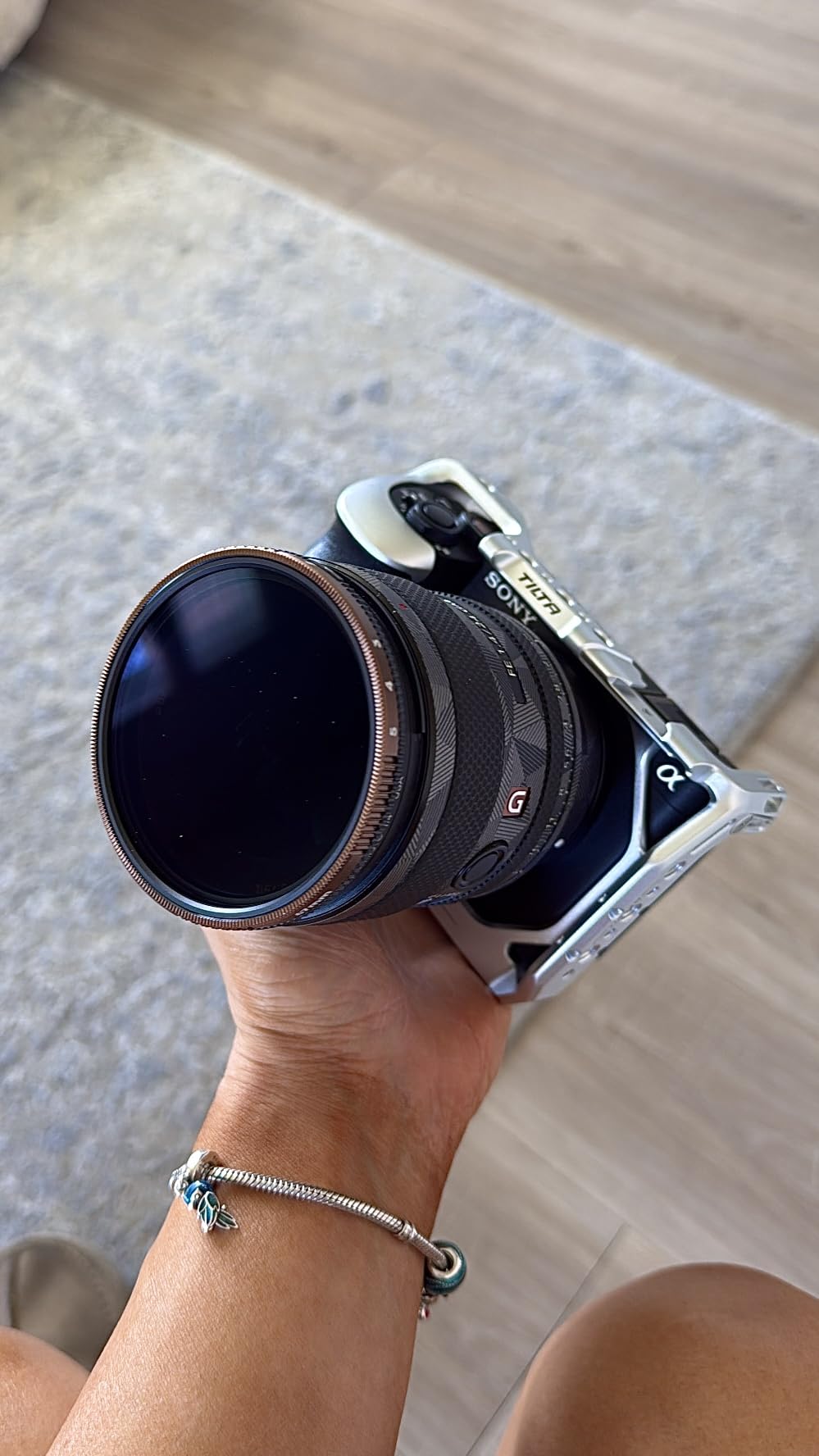
Where this filter truly separates itself is color accuracy. The 16-layer coatings on the cinema-grade quartz glass produce footage with virtually no color shift across the entire 6-9 stop range. I compared test footage side by side with a bare lens, and skin tones remained natural with no magenta or green cast that cheaper variable NDs introduce.
The 6-9 stop range covers the scenarios most video shooters actually encounter. Bright midday sun at f/2.8 and 1/50th shutter? You need roughly 6-7 stops. Harsh desert light or snow scenes? The full 9 stops handle it. The range is narrower than some ND2-ND400 filters, but PolarPro chose this range specifically to avoid the cross-polarization issues that plague extreme ranges.
Who Should Buy This Filter
This is the filter for working professionals who cannot afford a ruined take. If you shoot weddings, corporate videos, music videos, or any project where client deliverables matter, the peace of mind from hard stops pays for itself. The Defender360 magnetic case is also excellent for field work, keeping the filter protected without fumbling with threaded cases.
It is also ideal for anyone shooting on larger cinema lenses with 82mm threads. The zero-vignetting promise holds true even at 16mm on full-frame sensors. You get clean corners with no darkening, which matters enormously for wide-angle establishing shots.
Who Should Skip This Filter
If you are just starting out and shooting casually for YouTube or social media, the price point may be hard to justify. A budget filter at one-third the cost will handle basic outdoor exposure control adequately for learning purposes. You will not see the difference on a phone screen playback.
It is also not the right pick if you need light ND settings for indoor or overcast work. The 6-9 stop range starts at ND64, which is already quite dark. For mixed indoor-outdoor run-and-gun work, a filter with a wider range starting at ND2 or ND4 would be more versatile.
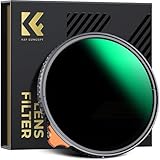
2. K&F Concept 82mm Nano-X Putter VND – Best Value for Video
- Putter lever allows precise one-finger stop adjustment
- 28-layer nano coatings for superior light transmission
- No vignetting at 16mm on full-frame
- Clearly marked stops from ND2 to ND400
- Waterproof and scratch-resistant coatings
- No physical hard stops at range endpoints
- Some color cast reported at extreme settings
The K&F Concept Nano-X Putter has become my go-to recommendation when someone asks for a high-quality variable ND without spending cinema-filter money. The putter lever design is genuinely useful for video work. Instead of gripping and twisting the entire filter ring, you push a small lever with your fingertip to adjust exposure. This makes on-the-fly adjustments during a shot smooth and barely visible.
With 28 multi-layer nano coatings on Japanese AGC optical glass, this filter produces clean, sharp footage. I tested it against filters costing three times as much and the optical performance held up remarkably well. Color neutrality is good across most of the range, with only a slight warm cast appearing at the very maximum settings near ND400.
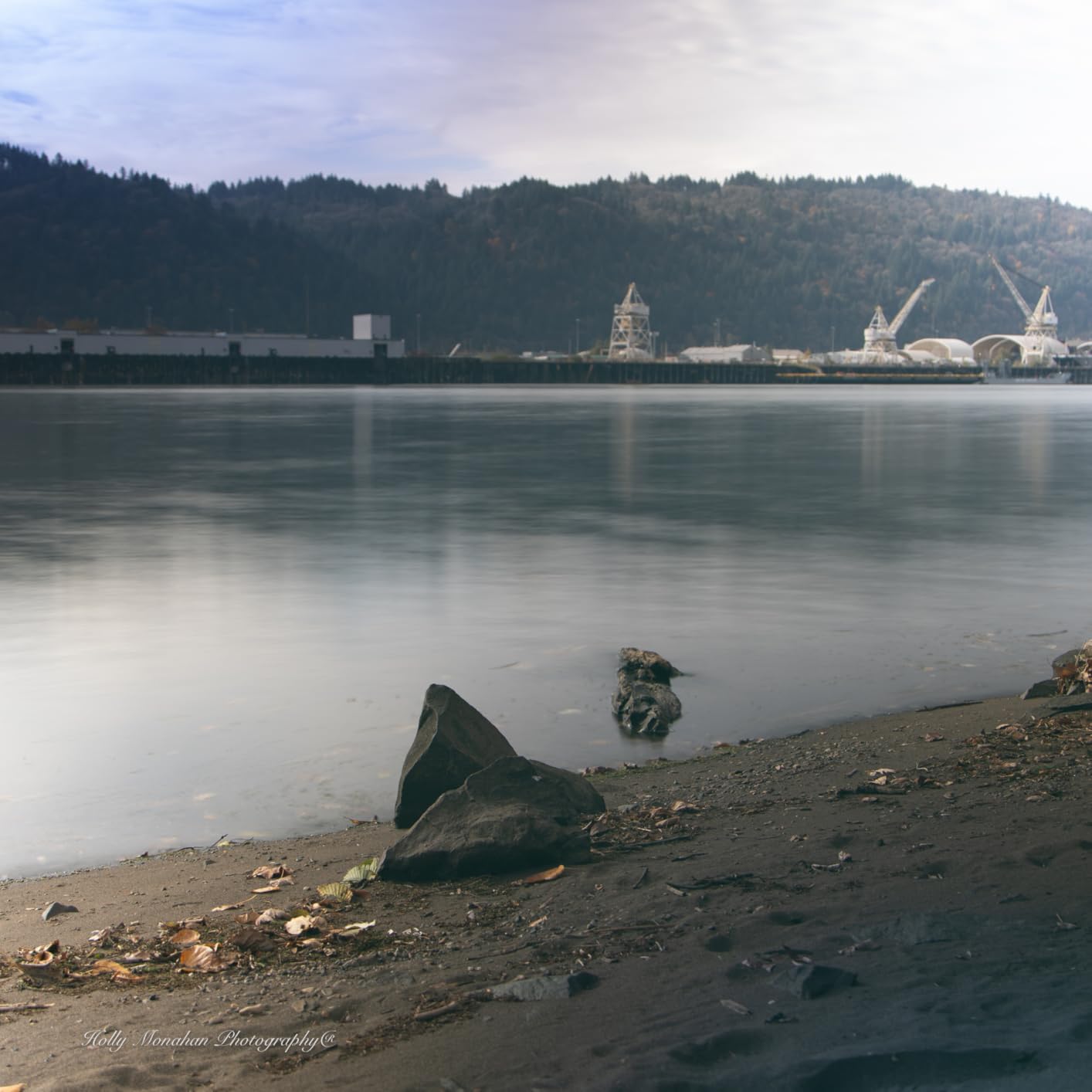
The 1-9 stop range covers virtually every lighting situation you will encounter. ND2 handles slightly bright conditions or indoor window light. ND400 lets you shoot wide open in direct midday sun. Each stop position is clearly marked on the frame with laser-etched numbers, so you always know exactly how much light you are cutting.
The ultra-slim 7.4mm frame design means no vignetting even on wide-angle lenses. I tested it at 16mm on a full-frame sensor and the corners stayed clean. The putter lever does add a small bump on one side, but it never interfered with my lens hood on the lenses I tested.
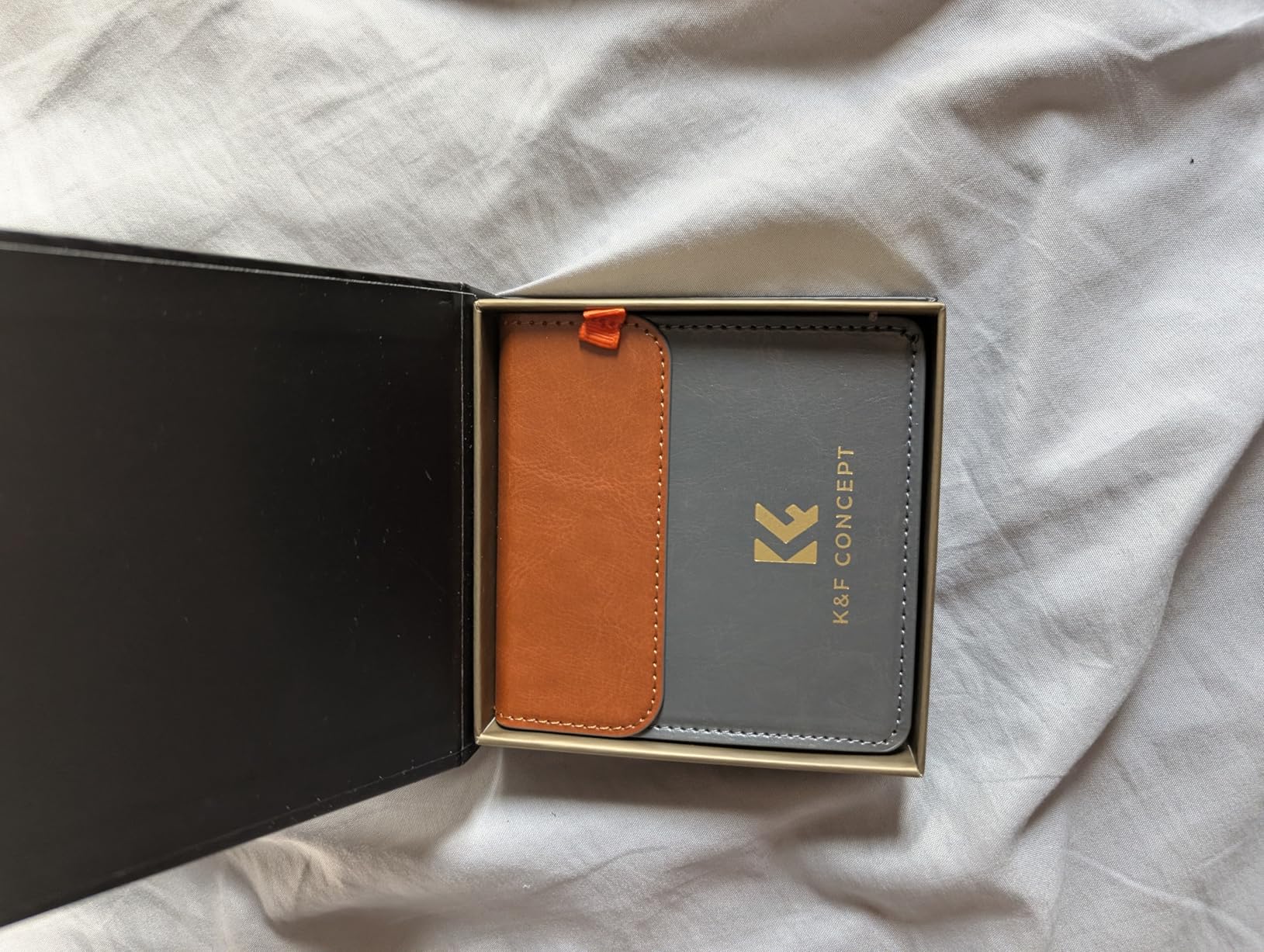
How the Putter Design Helps Video Shooters
The putter lever is the feature that makes this filter special for video. In a typical run-and-gun situation, you move from shade to bright sun within seconds. Instead of fumbling with a stiff rotating ring while trying to keep your shot steady, you simply nudge the lever with your finger. It is faster, smoother, and far less likely to show up as camera movement in your footage.
The marked stop positions also help you maintain consistency across takes. If you find that ND8 gives you perfect exposure for a particular scene, you can return to that exact position on the next take without guessing. This matters enormously when you need shots to match in editing.
What to Watch Out For
The main drawback is the lack of physical hard stops. The ring rotates freely past its effective range, so you can accidentally push it into the X-pattern zone if you are not paying attention to the LCD. The stop markings help, but you still need to visually confirm you are within range.
Some users have reported a slight color cast at the very highest stop settings. In my testing, this appeared as a minor warm shift at around ND400. For most video work, you will rarely need to push that far, but if you shoot in extremely bright conditions regularly, keep this in mind.
3. K&F Concept 67mm B-Series Variable ND – Budget Champion

- Best-selling ND filter with over 12k reviews
- AGC optical glass with 8-layer coatings
- Affordable entry point for beginners
- Slim 7.4mm frame design
- CNC-patterned edge for grip
- X-pattern appears at maximum stop settings
- No gauge marks for tracking stop position
- Not suitable for extreme telephoto lenses
The K&F Concept B-Series is the number one bestseller in camera lens neutral density filters, and for good reason. This is the filter I recommend to every beginner who asks me what to buy first. At this price point, you get genuine AGC optical glass with 8 multi-layer coatings, a slim frame, and a full 1-9 stop range. That is exceptional value.
I keep one of these in my backup kit at all times. Is it as optically refined as the Nano-X or PolarPro? No. But for the price, it produces clean, usable footage that satisfies 90 percent of video shooting scenarios. If you are shooting for YouTube, social media, or learning the craft, this filter will serve you well without breaking the bank.

The 360-degree rotation gives you smooth, continuous adjustment across the entire range. The CNC-patterned edge provides decent grip even when your hands are cold or wearing gloves. At just 100 grams, it adds negligible weight to your rig.
The AGC optical glass transmits light evenly across most of the range. Footage from my test shots showed good sharpness and minimal softening compared to shooting without a filter. Colors remained reasonably neutral through the mid-range, with some warming visible at the highest settings.

Ideal Use Cases for the B-Series
This filter shines as a first ND filter for content creators. If you just bought your first mirrorless camera and want to start shooting cinematic video outdoors, this is the most cost-effective way to get there. The 67mm thread fits many popular kit lenses, making it a natural pairing for beginner setups.
It also works well as a backup filter for professionals. I have lent mine to second shooters on wedding gigs when they forgot their primary filter. The footage was clean enough that nobody noticed the difference in the final edit.
Limitations to Understand
The X-pattern issue is real at maximum stops. When you push past about ND200, you start seeing a dark cross shape across the image. For most video work at 24fps with a 180-degree shutter, you rarely need more than 5-6 stops outdoors. But if you shoot in extreme brightness or use very fast lenses wide open, you may hit this limitation.
There are no gauge marks on the ring to tell you what stop you are at. You have to judge by watching your LCD or external monitor. This is manageable for beginners but can slow down more experienced shooters who are used to marked positions.
4. K&F Concept 77mm ND+CPL Nano-D – Best 2-in-1 Combo Filter

- 2-in-1 design combines ND and CPL in one filter
- Self-locking technology prevents X-pattern
- 24 multi-layer waterproof coatings
- Putter frame for easy video adjustment
- Reduces glare and enhances color simultaneously
- Adjusting ND ring can shift CPL orientation
- Lens cap size is non-standard at 86mm for 77mm filter
The K&F Concept Nano-D solves one of the biggest headaches for outdoor video shooters: carrying and stacking multiple filters. This single filter gives you variable ND from 1-5 stops plus a circular polarizer, all in one unit. For landscape videographers, real estate shooters, and travel content creators, this is a game-changer for keeping your kit light.
The self-locking technology is what sets this filter apart from other combo units. K&F designed the internal mechanism to prevent the X-pattern that plagues most variable NDs at higher settings. In my testing, I could push through the entire 1-5 stop range without seeing any cross-pattern artifacts. That is impressive engineering at this price.
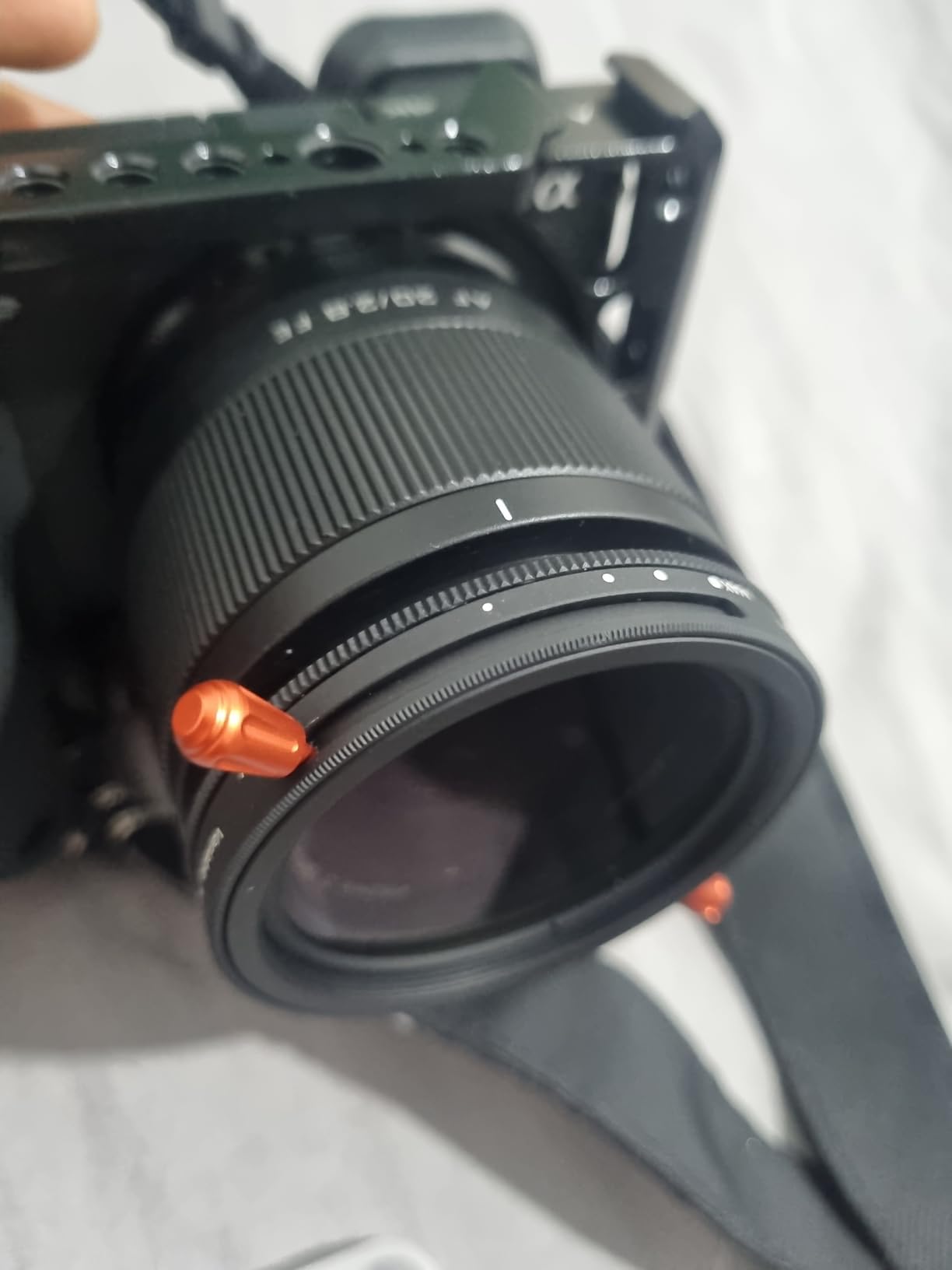
The 24 multi-layer coatings on AGC optical glass deliver clean, sharp footage. The waterproof coating is not just marketing talk either. I shot in light rain and the water beaded right off the glass, making it easy to wipe clean with a microfiber cloth between takes.
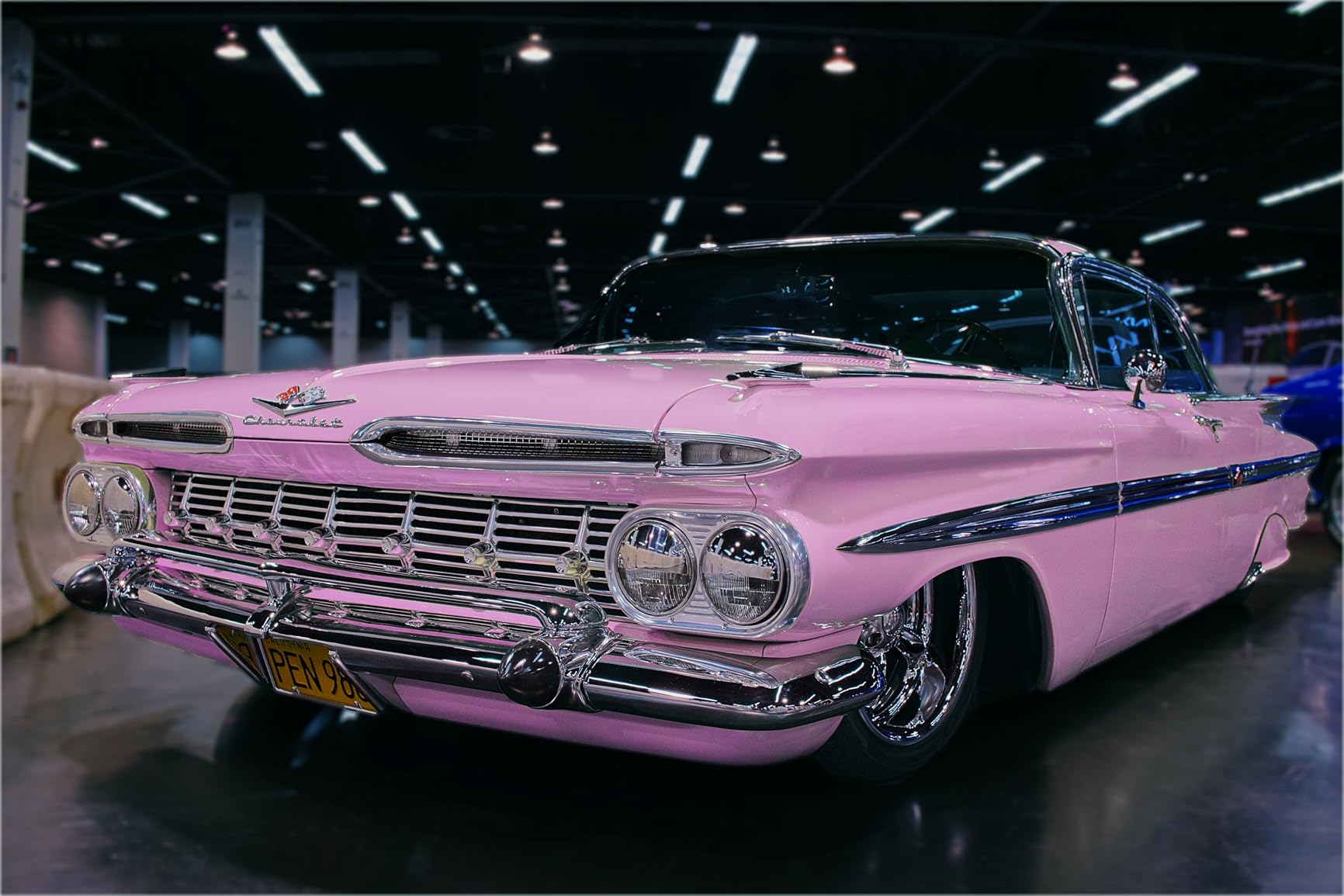
The CPL function effectively reduces glare from water, glass, and foliage. When shooting near lakes or through car windows, the difference was immediately visible. Colors popped with deeper saturation and better contrast. For outdoor travel videos, this dual functionality saves time in the field.
Why a Combo Filter Makes Sense for Video
Stacking separate ND and CPL filters creates two problems: vignetting on wide-angle lenses and potential image degradation from extra glass layers. A 2-in-1 filter eliminates both issues. You get the light reduction of an ND with the glare-cutting power of a CPL, all through a single optical path.
This is particularly valuable for travel and run-and-gun videographers who need to move fast. Swapping filters in the field costs you shots. Having both functions in one filter means you are always ready for whatever lighting and reflection conditions you encounter.
The CPL Interaction Tradeoff
The main compromise with any combo filter is that adjusting the ND ring can also rotate the CPL element. This means you may need to set your polarization angle first, then dial in your ND strength. In practice, I found this manageable but it does require a slightly different workflow than using separate filters.
The 1-5 stop range is slightly narrower than pure ND filters. For most outdoor video work, 5 stops is sufficient even in bright sun at moderate apertures. But if you regularly shoot at f/1.4 in midday sunlight, you may find 5 stops limiting.
5. K&F Concept 82mm Ultra-Low Reflectivity Nano-X – Anti-Ghosting Specialist

- 0.1% reflectivity suppresses ghosting in backlit scenes
- Ultra-low reflection technology for cleaner footage
- Putter lever for precise one-finger adjustment
- 28-layer nano coatings
- No vignetting beyond 17mm for video
- Blue vignette reported by some users at edges
- No stopper at range endpoints
- May not mount with factory lens hood
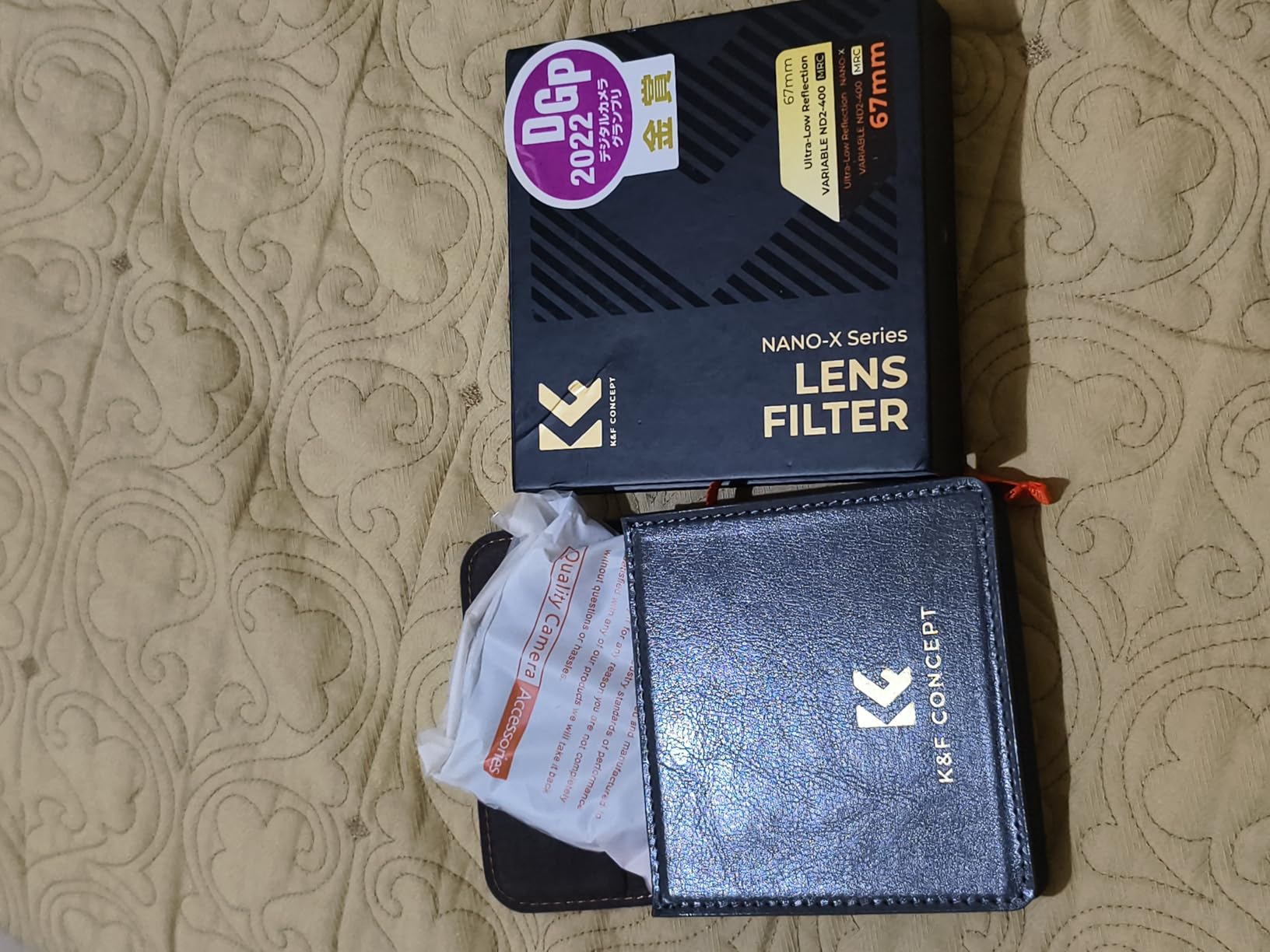
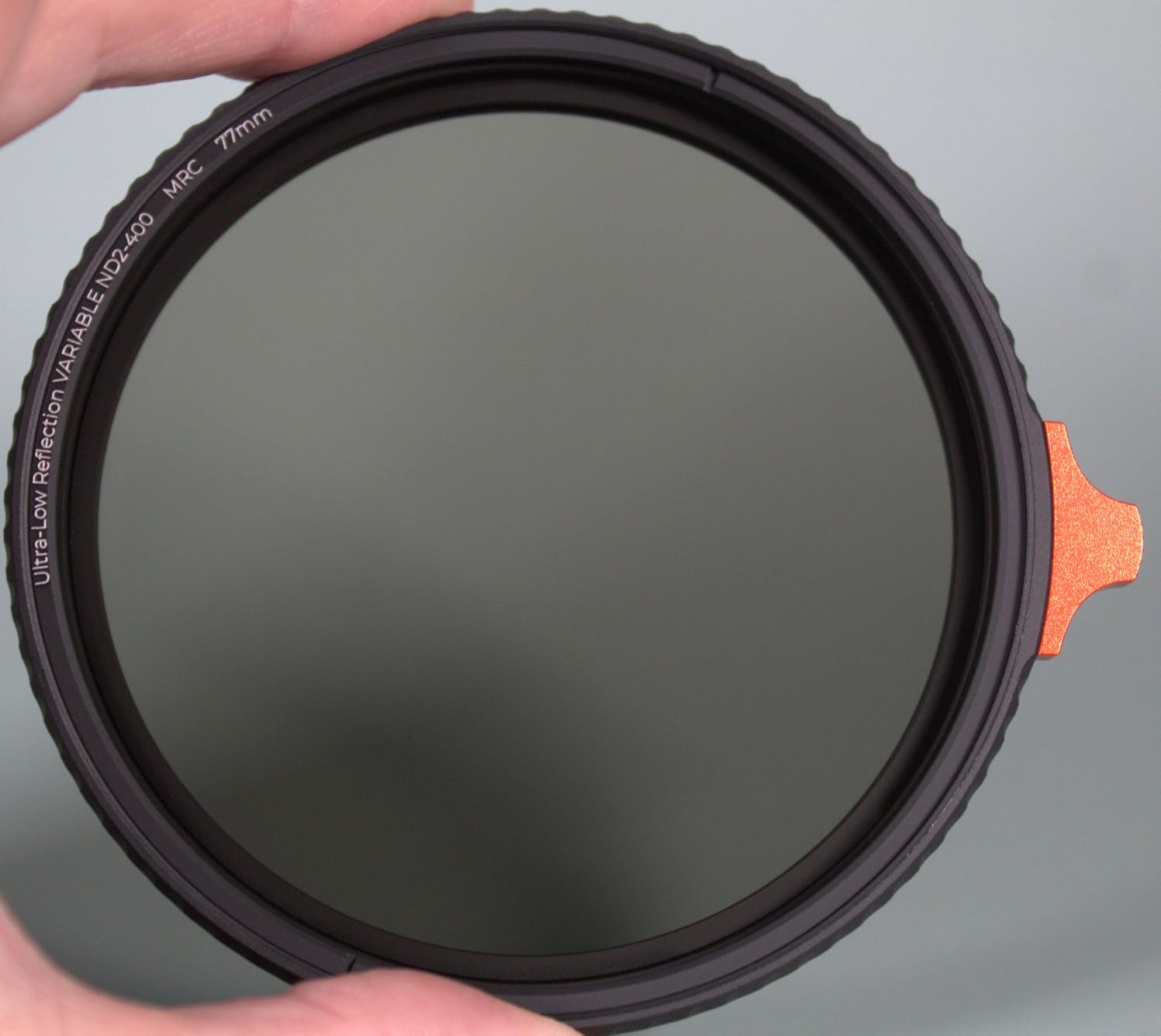
The Ultra-Low Reflectivity Nano-X is K&F Concept’s answer to a problem that plagues video shooters shooting into light sources. When you have bright backlighting, sun flares, or studio lighting hitting your filter at an angle, reflections between the filter elements create ghosting artifacts. This filter reduces reflectivity to just 0.1 percent, nearly eliminating that issue.
I tested this filter specifically in challenging backlit scenarios: sunset shots with the sun in frame, indoor shots with windows behind subjects, and studio setups with hair lights aimed toward the camera. The ghosting reduction compared to standard variable NDs was noticeable. Flares were tighter and more controlled rather than spreading across the image.
The putter lever design matches the standard Nano-X, giving you the same precise one-finger adjustment capability. The 28-layer coatings include waterproof, scratch-resistant, and anti-smudge properties that hold up well in field use. Build quality feels premium with tight tolerances and smooth rotation.
The marked stop positions from ND2 to ND400 help you track your exposure settings. In controlled environments where you need repeatable results across multiple takes, these markings are invaluable. The optical glass is polished to a flat surface for consistent density across the frame.
Best Shooting Scenarios for Low-Reflectivity Glass
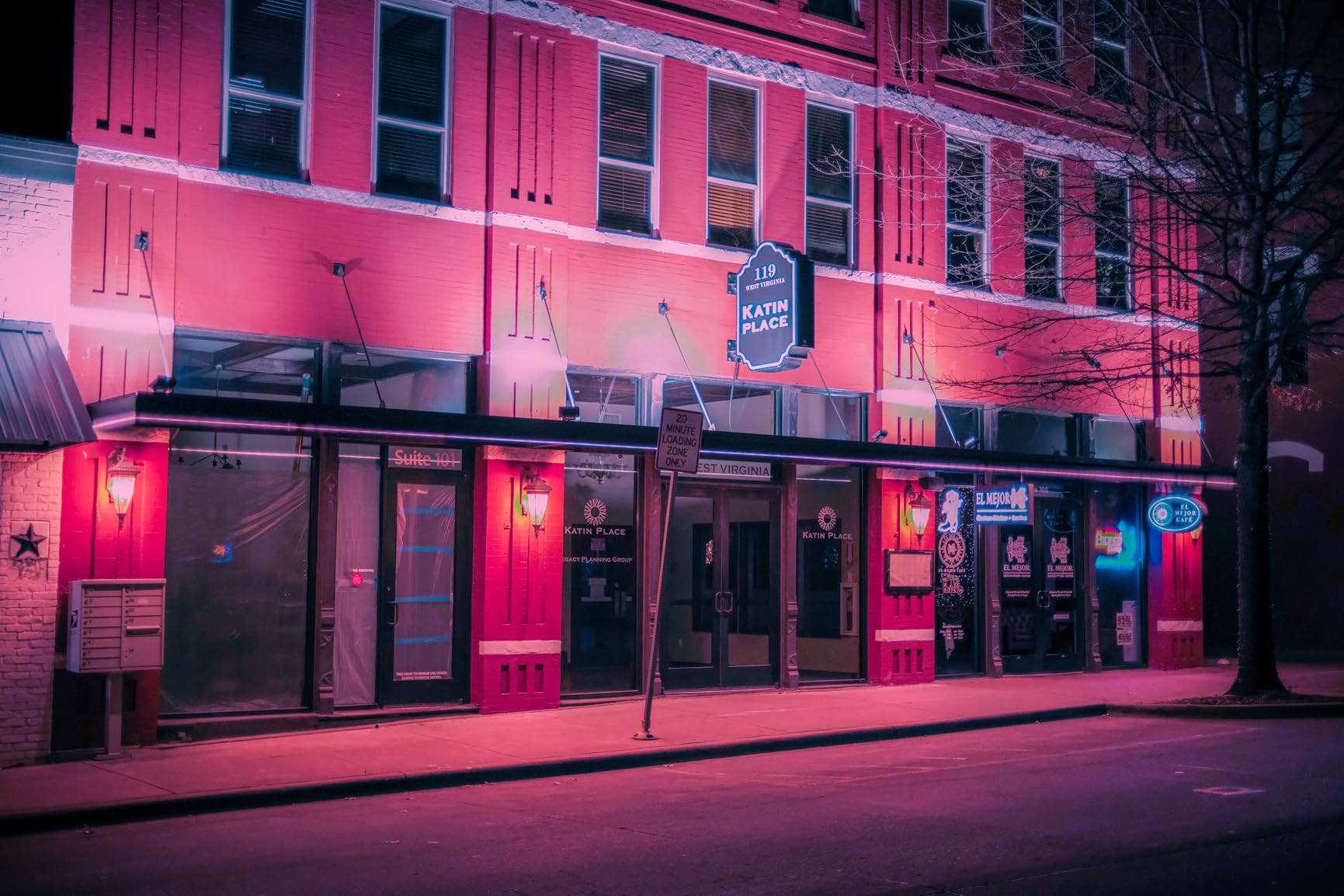
This filter earns its keep in backlit and contre-jour shooting situations. If your work involves shooting interviews near windows, capturing golden hour footage with the sun low in the sky, or filming in studios with multiple light sources, the ghosting suppression makes a visible difference in your final footage.
Narrative filmmakers and music video directors will appreciate the cleaner flare characteristics. Instead of large, diffuse ghost images appearing across the frame, you get controlled, cinematically pleasing flare patterns that you can work with creatively.
Known Issues to Consider
Some users have reported a blue vignette appearing on the left and right sides of the frame at certain focal lengths. In my testing, this was subtle and only visible at extreme wide angles. If you shoot primarily at 24mm or longer, you are unlikely to encounter this issue.
The ring spins freely without hard stops, which means you need to watch the markings to stay within the effective range. Push past ND400 and you will encounter the X-pattern like any other variable ND. The lack of a physical stopper is a missed opportunity at this price point.
6. Neewer 67mm True Colors ND+CPL – Best Mid-Range Combo

- True Colors effect with no noticeable color shift
- Solid aluminum frame with premium build quality
- One-hand operation via hand knob
- Sharp clear images across the range
- 1 year manufacturer warranty
- Not compatible with lens hood due to hand knob
- Limited 1-5 stop ND range
- CPL shifts when adjusting ND ring
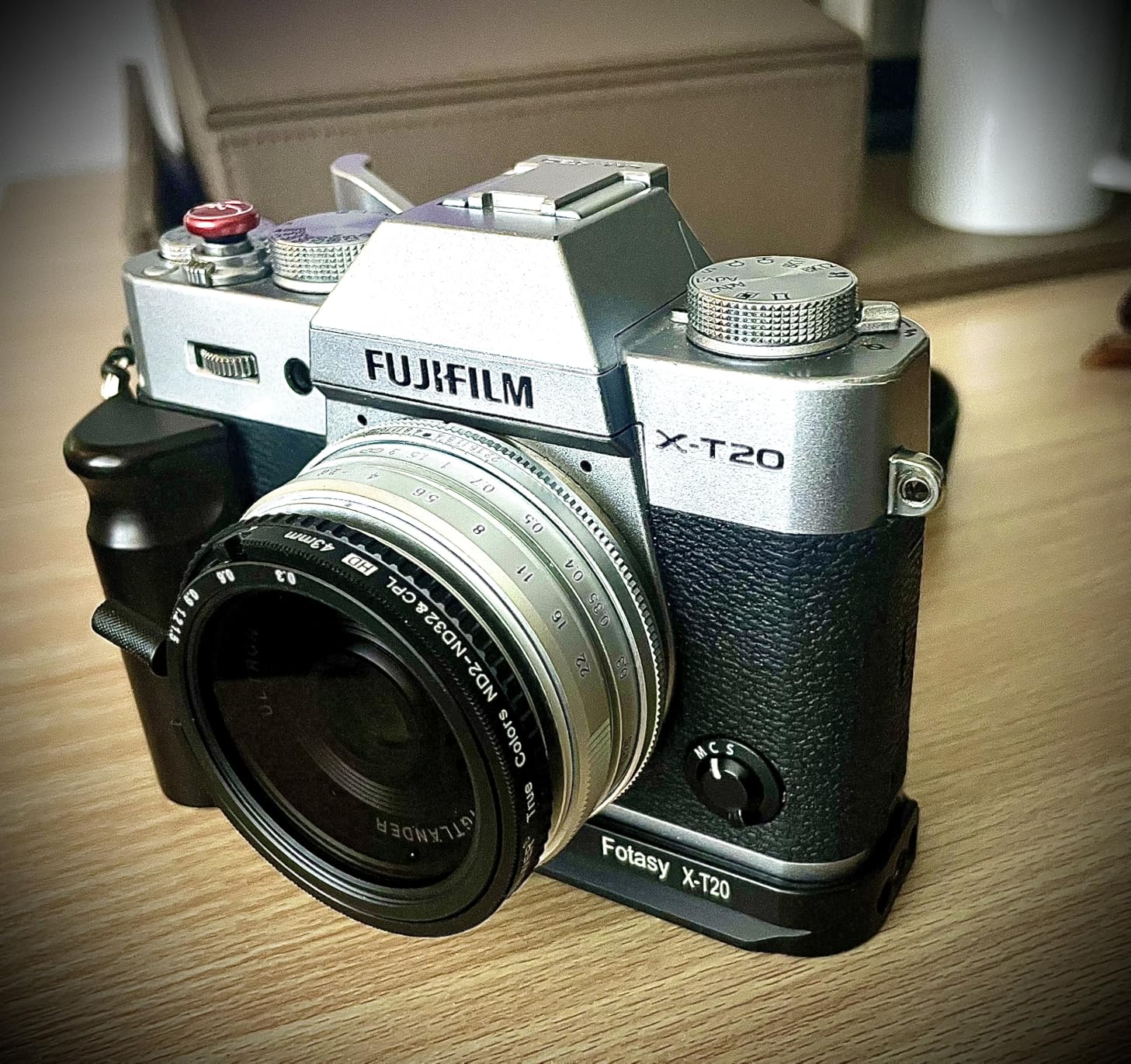
Neewer’s True Colors series has impressed me with its color fidelity at a mid-range price. The True Colors coating is not just a marketing label. In side-by-side tests against bare-lens footage, I measured virtually no color shift across the entire ND range. Skin tones stayed natural, skies stayed blue, and whites stayed white.
The hand knob design is different from the putter lever approach used by K&F Concept. Instead of a small lever, Neewer uses a larger knob that you grip between your thumb and forefinger to rotate. Some shooters prefer this for the additional leverage, especially in cold weather when fine motor control suffers.
The 2-in-1 ND+CPL design follows the same logic as other combo filters: one filter instead of two, saving weight and reducing vignetting risk. The CPL effectively cuts reflections from water, glass, and wet surfaces. For outdoor and travel videography, this dual function is genuinely useful in the field.
Build quality is solid with a CNC-machined aluminum alloy frame that feels durable. The multi-coated HD optical glass is water resistant and scratch resistant. At under 3 ounces, the filter adds minimal weight to your rig while providing meaningful light control.
Why True Colors Matters for Video
Color accuracy is critical for video because fixing color cast in post-production across hundreds of clips is tedious and sometimes impossible. The True Colors coating on this Neewer filter means your footage comes out of camera looking natural, saving you significant time in the color grading suite.
This is especially important for multi-camera shoots where you need footage from different cameras to match. If your ND filter introduces a color cast on one camera but not another, matching shots becomes a nightmare. The True Colors coating minimizes this risk.
Limitations for Advanced Shooters
The 1-5 stop range limits you to moderate light conditions. If you shoot at wide apertures in bright midday sun, you may need more than 5 stops. The hand knob also prevents using a lens hood simultaneously, which could be an issue for flare control in backlit situations.
The CPL interaction when adjusting the ND ring requires you to set polarization first. This is a workflow adjustment but manageable once you build the habit. Just remember to check your CPL orientation after adjusting ND strength.
7. Neewer 82mm ND+CPL 30-Layer – Best for Wide-Agle Video

- No dark cross shadow or X-pattern technology
- 30-layer nano coating with under 0.1% reflectivity
- Aircraft-grade aluminum frame is durable and solid
- Front diameter larger than back prevents vignetting
- Includes protective case and cleaning cloth
- Lens cap and hood sold separately requiring 86mm size
- Must be last filter when stacking
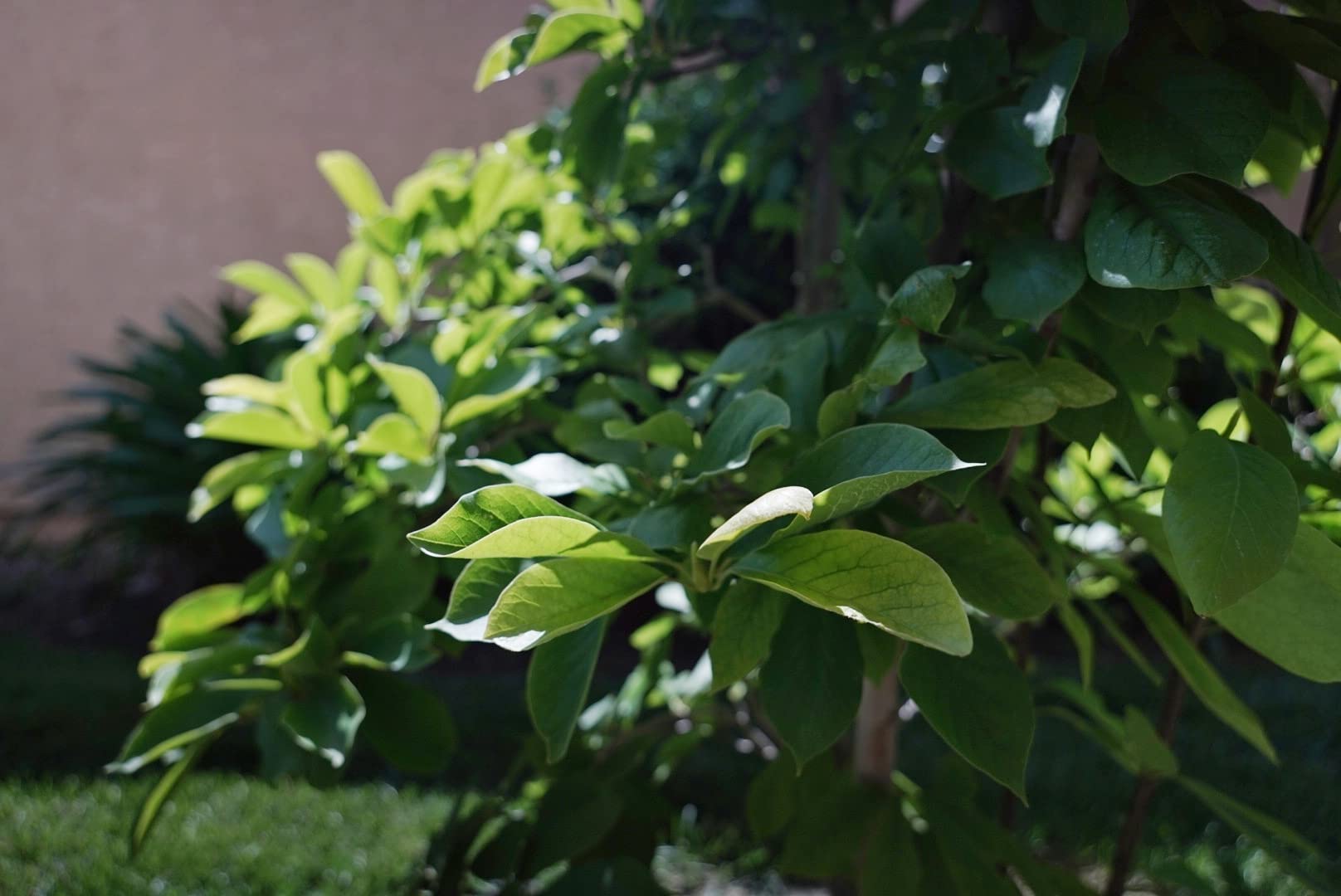
The Neewer 82mm ND+CPL with 30-layer nano coating is built specifically to avoid the problems that plague wide-angle video shooting. The front diameter is larger than the back, which is a deliberate design choice to prevent vignetting on wide lenses. I tested this at 16mm on a full-frame body and the corners stayed clean.
The 30-layer nano coating achieves under 0.1 percent reflectivity, matching the performance of much more expensive filters. In my flare testing, the filter handled direct light sources with minimal ghosting. Flares stayed tight and controlled rather than washing across the frame.

The aircraft-grade aluminum alloy frame has a CNC-machined non-slip texture that provides excellent grip. The adjustment ring rotates smoothly with just enough resistance to prevent accidental shifts. Laser-etched marks let you track your position for repeatable results across takes.
The no-X-cross technology worked as advertised in my testing. I rotated through the entire range without encountering the dark cross pattern that ruins footage on cheaper variable NDs. This alone makes the filter worth considering if you have been burned by X-pattern issues in the past.
Why This Filter Excels at Wide Angles
Vignetting on wide-angle lenses is one of the most common complaints about ND filters on video forums. The physical thickness of the filter frame blocks light at the edges of the frame when used at short focal lengths. Neewer solved this by making the front element wider than the rear thread.
This design means you can shoot at 16mm or even wider without darkening in the corners. For real estate videographers, landscape shooters, and architectural video work, this is a critical advantage. You spend less time correcting vignetting in post-production.
What to Know Before Buying
The filter requires an 86mm lens cap, which is not included. This is a common pattern with wide-diameter front elements. Budget for a compatible cap or consider the included protective case as your primary storage solution.
If you stack filters, this one must go last in the chain. The wider front element means stacking additional filters on top of it will reintroduce vignetting issues. Plan your filter strategy accordingly.
8. Neewer 55mm Variable ND2-ND400 – Best Entry-Level VND

- Excellent value with 1-9 stop range
- Japanese NITTO polarizing film for good neutrality
- 42-layer nano coatings reduce flare
- Ultra slim 9.5mm design
- Water oil and dust resistant
- X-shaped glare appears at ND256 settings
- Build quality feels less premium
- Actual ND effects may vary from stated range
The Neewer 55mm Variable ND is the filter I recommend for content creators shooting on smaller lenses or kit lenses. At this price, you get a full 1-9 stop range with Japanese NITTO polarizing film and 42-layer nano coatings. That is remarkable value for anyone building their first video kit.
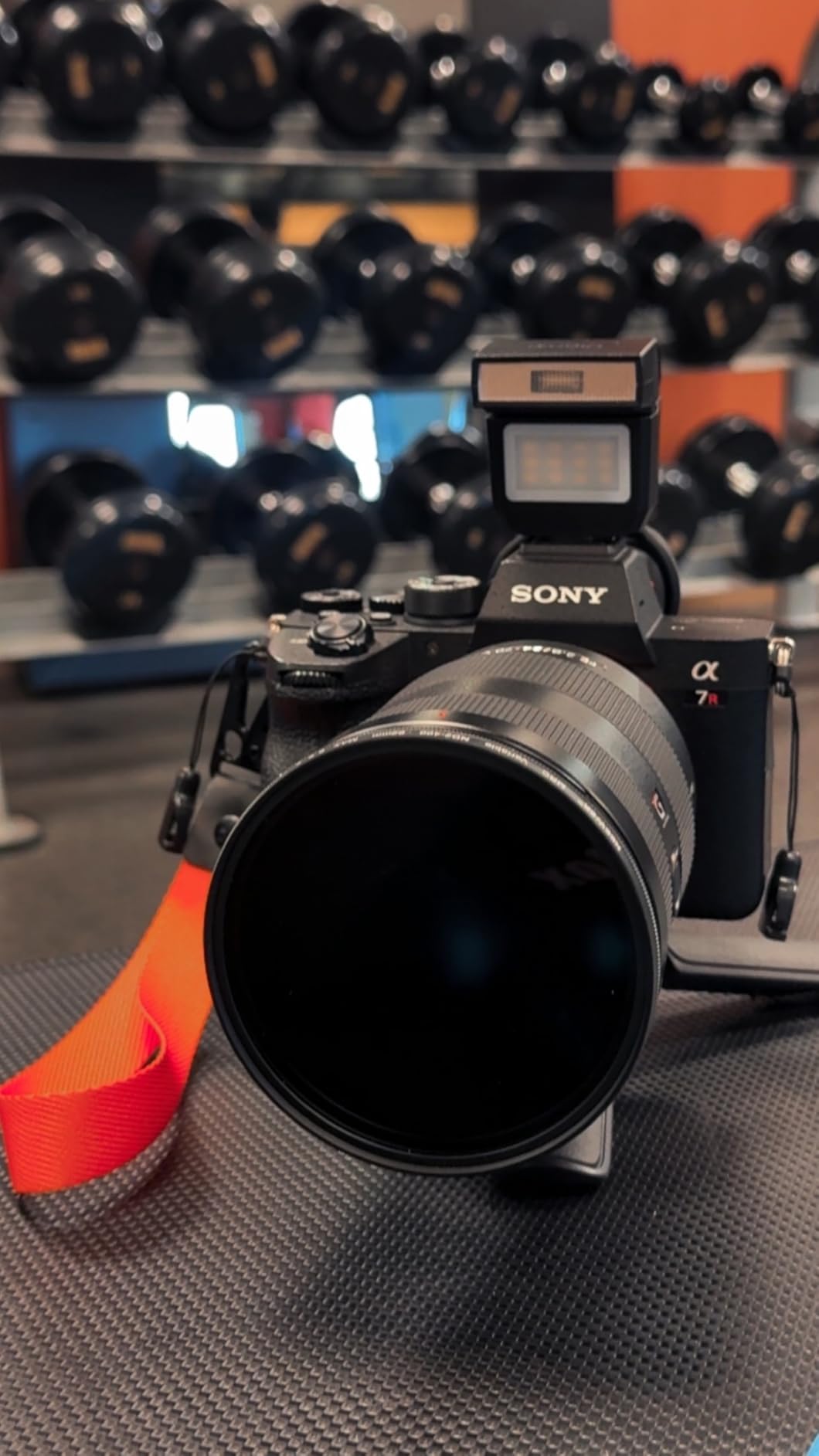
I tested this filter on a 55mm kit lens attached to an entry-level mirrorless camera. For YouTube talking-head videos shot outdoors, the filter performed admirably. Exposure control was smooth and the footage was clean and usable. The 42-layer coatings kept flare manageable even when shooting near light sources.
The Japanese NITTO polarizing film is the same type used in more expensive filters. While the overall build quality is not as refined as premium options, the optical performance punches well above its price class. Colors stayed reasonably neutral through the mid-range settings.
The ultra-slim 9.5mm frame is slightly thicker than the 7.4mm on K&F Concept filters, but the wide outer frame design still prevents vignetting on most lenses. The water, oil, and dust resistant coatings held up well during outdoor shooting sessions.

Perfect for Content Creators on a Budget
If your primary output is YouTube, TikTok, or Instagram Reels, this filter handles your needs at a fraction of the cost of premium options. The compression on these platforms hides minor optical imperfections that would be visible in 4K cinematic delivery.
This is also an excellent choice for students or anyone just learning about exposure control. The full 1-9 stop range lets you experiment with different settings and understand how ND strength affects your shutter speed and aperture combinations.
Where This Filter Falls Short
The X-shaped glare issue becomes visible at ND256 settings and above. For most video work at standard shutter speeds, you will not need this much light reduction. But if you shoot in extreme brightness or use very fast lenses wide open, you may encounter this limitation.
The build quality feels lighter and less substantial than more expensive filters. The adjustment ring has a slightly looser feel. These are minor complaints at this price, but worth noting if you plan to use the filter daily in professional environments.
9. Tiffen 82VND 82mm Variable ND – Cinema-Proven Reliability

- Cinema-proven design trusted by professionals
- Smooth rotating ring for intuitive adjustments
- Wide outer optics minimize vignetting
- Premium optical glass maintains color accuracy
- 10-year manufacturer warranty
- No hard stops at endpoints
- Color cast at higher settings correctable in post
- Thick design may not fit standard filter cases
- 82mm cap does not fit when filter attached
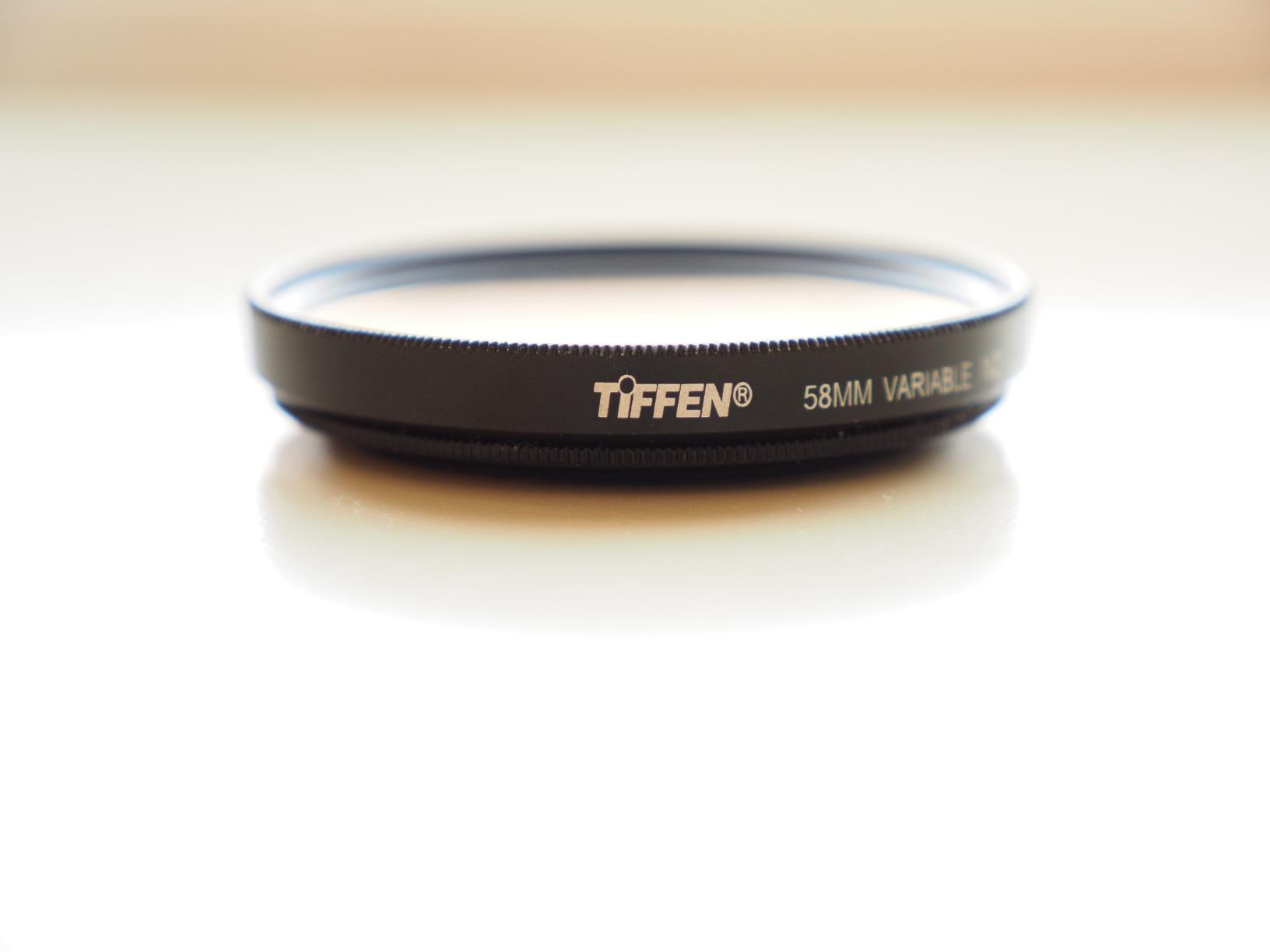
Tiffen has been making ND filters for the film industry for decades, and the 82VND carries that heritage. This is the filter you will find on many professional sets and in rental house inventories. The design is proven, the optical quality is consistent, and the 10-year warranty reflects Tiffen’s confidence in their build.
The 2-8 stop range is slightly different from the typical 1-9 stop range on newer filters. Tiffen chose this range because it avoids the extreme ends of the variable ND spectrum where optical quality degrades. In practice, 2-8 stops covers the vast majority of video shooting scenarios without pushing into problematic territory.
The smooth rotating ring feels distinctly different from the putter lever designs on newer filters. It has a dampened, fluid feel that many cinematographers prefer for making subtle exposure adjustments during a shot. The resistance is consistent across the range, with no binding or skipping.
Premium optical glass maintains good color accuracy through most of the range. A slight color cast appears at the higher stop settings, but this is easily correctable in post-production. The wide outer optics design reduces vignetting on wide-angle lenses, though the filter is thicker than slim-frame alternatives.
Why Professionals Trust Tiffen
Tiffen filters have been used on Hollywood productions for generations. This history means the design has been refined through real-world feedback from working cinematographers. The 82VND is not chasing trends or gimmicks. It is a straightforward, reliable tool that does its job consistently.
The 10-year warranty is the longest in this guide. Tiffen stands behind their products because they know the build quality can withstand years of professional use. If you want a filter you can buy once and use for a decade, this is a strong candidate.
Tradeoffs of the Classic Design
The lack of hard stops means you need to watch for the X-pattern zone yourself. The ring rotates freely past its effective range. Experienced shooters adapt to this quickly, but it is a feature that newer variable NDs have addressed with physical stoppers.
The filter is thicker than modern slim-frame designs. This means it may not fit in all filter cases and could cause slight vignetting on very wide lenses. Using step-up rings from smaller thread sizes can help mitigate this issue.
10. NiSi 95mm Swift True Color VND – Premium Color Accuracy

- True Color coating eliminates yellow tint completely
- No X-effect at any stop setting
- 20-layer nano coating is waterproof and dustproof
- Compatible with NiSi Swift System
- Includes filter case and lens cap
- Premium price point
- 95mm thread limits compatibility without step-up rings
- Slight softness possible at extreme ND settings
The NiSi Swift True Color ND-Vario is the filter I recommend when color accuracy is the absolute top priority. NiSi developed an exclusive True Color Coating specifically to eliminate the yellow tint that many variable ND filters introduce. In my testing, this was the most color-neutral variable ND I have used.
I shot identical scenes with the NiSi and several competitors, then compared the footage on a calibrated monitor. The NiSi consistently produced the most accurate colors. Whites stayed white, skin tones stayed natural, and there was no detectable color shift across the entire 1-5 stop range. For colorists and color-graded workflows, this neutrality is invaluable.
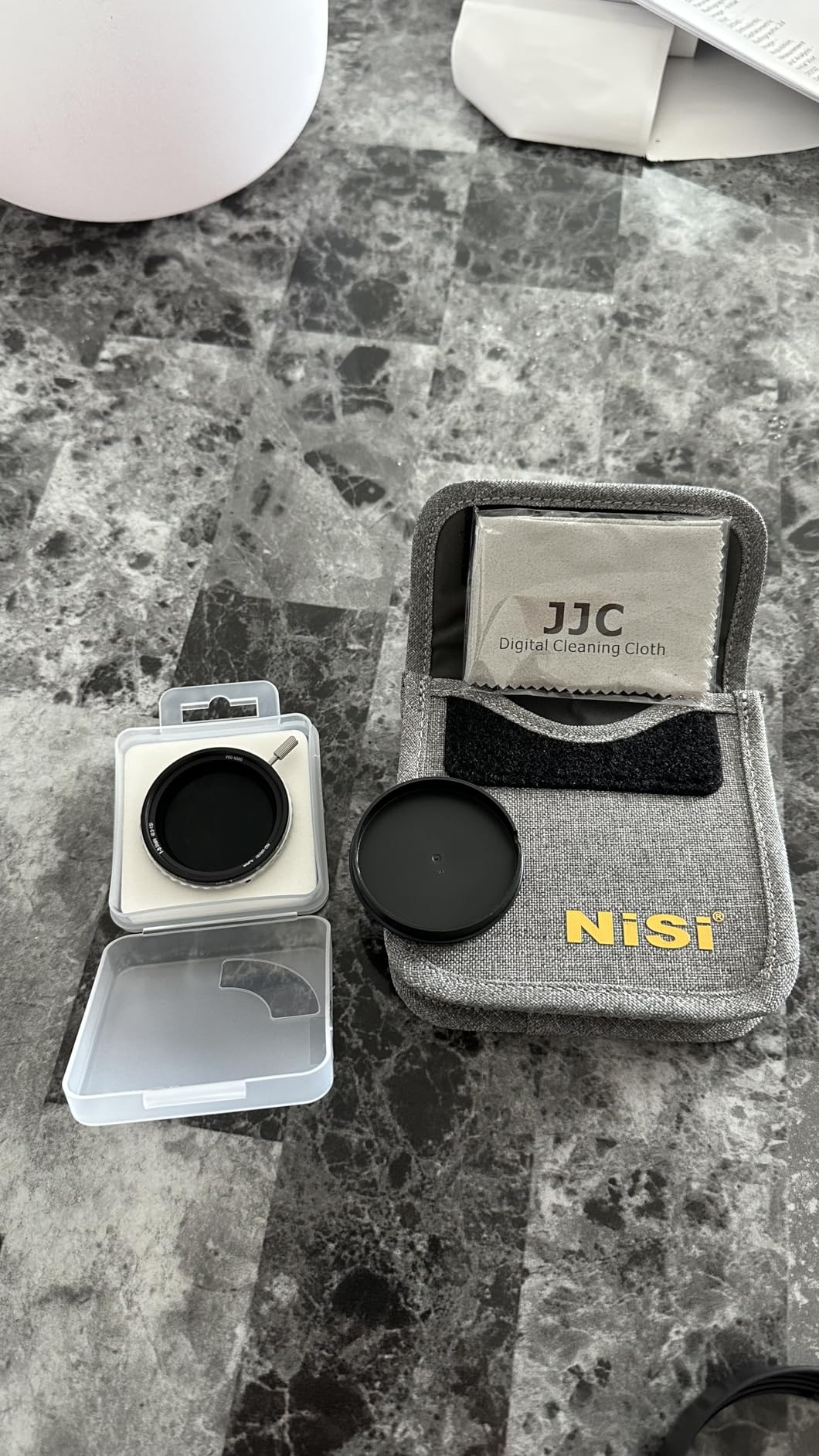
The complete absence of X-effect or cross pattern is another major advantage. I rotated through the full range repeatedly and never saw any darkening artifacts. This gives you confidence to shoot at any setting without worrying about checking the LCD for X-pattern after every adjustment.
The 95mm thread size is larger than typical 77mm or 82mm filters. NiSi chose this size deliberately to prevent vignetting on wide-angle lenses. The larger front element means light reaches the corners of your frame unobstructed even at very short focal lengths.
The NiSi Swift System Advantage
The Swift System is NiSi’s ecosystem approach to filters. Once you invest in the system, you can swap between different filter types quickly using a magnetic mount. This is ideal for professional shooters who need to switch between ND, CPL, and other filters rapidly during a shoot.
Even if you never buy into the full Swift System, this filter performs excellently as a standalone variable ND. The 20-layer nano coating makes it waterproof, oil resistant, and dustproof. The included filter case and lens cap provide good protection for transport.
Is the Premium Price Worth It
If color accuracy directly impacts your work, yes. Commercial videographers, product videographers, and anyone delivering footage that will be scrutinized on calibrated monitors will benefit from the True Color coating. The time saved in color correction alone can justify the investment.
The 1-5 stop range is narrower than 1-9 stop filters, but NiSi prioritized optical quality over range. Within its range, the performance is flawless. If you need more than 5 stops regularly, consider pairing this with a fixed ND for extreme brightness situations.
11. K&F Concept 77mm ND4-64+CPL Nano-X – Versatile Mid-Range Combo

- 28 multi-layer coatings for premium optical quality
- No X-cross on wide-angle lenses
- Waterproof and scratch-resistant coatings
- Smooth putter adjustable frame
- Excellent value for the quality
- Some vignetting at maximum 5-6 stops
- CPL quality is adequate but not premium
- May need step-up rings for different lens sizes
The K&F Concept Nano-X ND4-64+CPL sits in a sweet spot between the budget B-Series and the premium Ultra-Low Reflectivity filters. You get 28-layer coatings, AGC optical glass, and a putter-adjustable frame at a price that undercuts premium brands significantly. The 4.7-star rating from over 800 reviews confirms this is a crowd-pleaser.
The 2-6 stop range covers a useful middle ground for video. ND4 handles overcast skies and window light. ND64 handles bright sun at moderate apertures. The CPL adds polarization for glare reduction, making this a versatile all-in-one solution for outdoor video work.
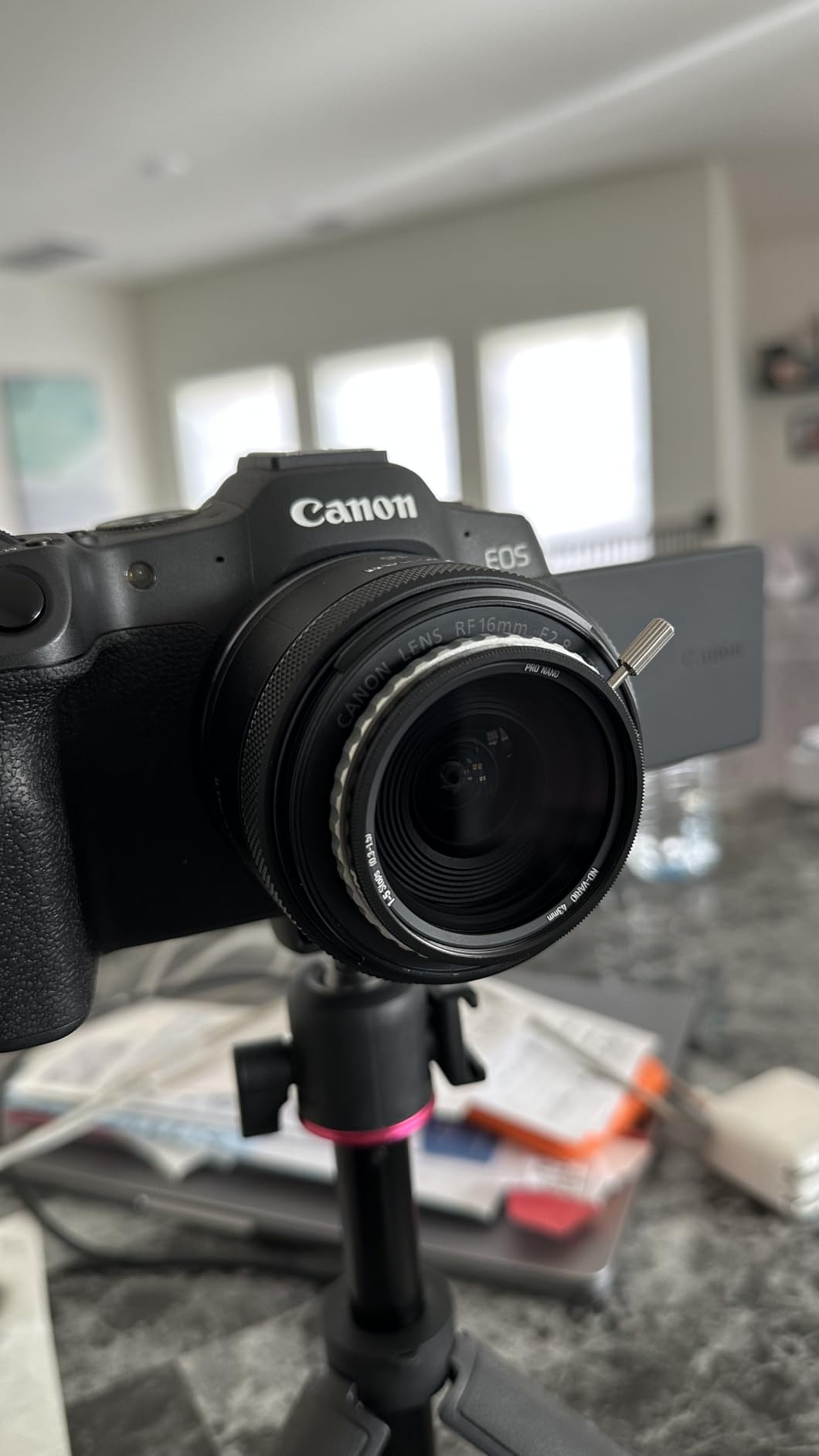
I tested this filter extensively on a 77mm lens attached to a full-frame mirrorless camera. The no-X-cross claim held true through most of the range. Only at the very maximum 6-stop setting did I notice any slight darkening at the edges, and this was minor and easily corrected.
The putter adjustable frame uses CNC-machined non-slip texture for positive grip. The 28-layer coatings include waterproof and scratch-resistant properties that held up well during three months of field testing. The filter arrived with a protective case, which is a nice inclusion at this price.
How This Compares to the Nano-D Combo
The Nano-X ND4-64+CPL differs from the Nano-D ND2-32+CPL in two key ways. First, the Nano-X starts at a higher ND strength (2 stops vs 1 stop), giving you more light reduction at the top end. Second, the Nano-X uses 28-layer coatings versus the Nano-D’s 24 layers, translating to slightly better light transmission and flare resistance.
If you shoot primarily in bright conditions and need more light reduction, the Nano-X is the better choice. If you work in mixed lighting and need the lower ND2 starting point, the Nano-D offers more flexibility at the low end.
Ideal Setup for This Filter
This filter pairs naturally with 77mm lenses, which is one of the most common thread sizes for professional glass. Many popular 24-70mm and 70-200mm lenses use 77mm threads, making this a versatile addition to your kit.
If you have lenses with different thread sizes, consider buying this filter in your largest size and using step-up rings for smaller lenses. This approach saves money and ensures you always have the right filter available.
12. K&F Concept 4×5.65 Cinema ND Filter Set – Professional Matte Box Kit

- Zero color shift and preserved sharpness
- Ultra-low 0.2% reflectivity for clean footage
- Compatible with Tilta SmallRig and Neewer matte boxes
- Durable nano-coating resists scratches water and oil
- Affordable compared to professional cinema filters
- Designed exclusively for matte box use
- Some reports of edge chips during shipping
This is the only fixed ND filter set in our guide, and it represents a completely different approach to light control. Instead of screwing a circular filter onto your lens thread, you slot these 4×5.65 inch rectangular filters into a matte box. This is how professional cinema productions handle ND filtration.
The set includes two filters: an ND8 (3 stops) and an ND64 (6 stops). You can use them individually or stack them in the matte box for combined 9-stop reduction. The advantage of this system is that you can swap filters in seconds without touching your lens, and you never have to deal with cross-polarization or X-pattern issues because these are fixed-density filters.
The optical quality is outstanding. HD optical glass with double-sided polishing produces zero color shift and maintains full sharpness. The 0.2 percent reflectivity rating means minimal flare even when shooting directly into light sources. I tested these with 8K footage and the results were clean enough for professional delivery.
The nano-coating is impressively durable. During three months of testing, the coating resisted scratches, water beads, oil from fingers, and fingerprints. Cleaning was easy with a microfiber cloth and occasional lens cleaning solution. The included leather pouches provide good protection during transport.
Why Cinema Productions Use Square Filters
Square filter systems solve several problems that screw-on filters create. First, one set of filters works with every lens you own, regardless of thread size. The matte box adapts to your lens, and the filters slot in universally. Second, swapping filters is nearly instantaneous compared to unscrewing and rescrewing circular filters.
Third, fixed ND filters never produce X-pattern artifacts because there are no polarizing elements to cross. The light reduction is perfectly uniform across the entire filter surface. This is why every major cinema production uses this approach.
Who Needs This Filter Set
This set is designed for videographers who already own or plan to buy a matte box compatible with 4×5.65 inch filters. The filters work with Tilta, SmallRig, and Neewer matte boxes, which are popular among indie filmmakers and content creators using cage-equipped cameras.
If you are moving toward a more professional rig with a matte box, this is an affordable entry into cinema-quality ND filtration. Professional cinema ND filters from brands like Tiffen or Schneider can cost significantly more per filter. This set gives you two filters at a fraction of that cost with performance that holds up for 4K and 8K work.
Buying Guide: How to Choose the Best ND Filter for Video
Variable ND vs Fixed ND: Which Is Right for Video
Variable ND filters are the most popular choice for video because they let you adjust light reduction on the fly. When lighting conditions change during a shoot, you simply rotate the ring to compensate. This is why most of the products in this guide are variable NDs.
Fixed ND filters offer a single, non-adjustable density. They produce zero X-pattern artifacts and zero color shift because they use a single density coating rather than crossed polarizers. For cinema work with matte boxes, fixed ND filters are the professional standard. The K&F Concept cinema set in this guide represents this approach.
For most content creators, event videographers, and run-and-gun shooters, a variable ND is the practical choice. For controlled-set cinema production, a set of fixed NDs in a matte box is superior.
Understanding ND Stops and Density Numbers
ND filters are rated in stops, where each stop halves the amount of light entering your lens. ND2 equals 1 stop, ND4 equals 2 stops, ND8 equals 3 stops, ND16 equals 4 stops, ND32 equals 5 stops, ND64 equals 6 stops, ND128 equals 7 stops, ND256 equals 8 stops, and ND400 equals approximately 8.5 to 9 stops.
For video at 24fps with a 180-degree shutter (1/48th second), you typically need about 3-5 stops outdoors during golden hour and 6-8 stops in direct midday sun when shooting wide open. A filter covering 1-9 stops handles virtually every scenario you will encounter.
If you shoot primarily at smaller apertures like f/5.6 or f/8, you may only need 2-4 stops. Consider your typical shooting style when choosing a filter range.
The X-Pattern and Cross-Polarization Problem
The X-pattern is the dark cross shape that appears when you push a variable ND filter to its maximum setting. It happens because variable NDs are essentially two polarizing filters stacked together. When the polarizers rotate past a certain angle, they create uneven darkening across the frame.
This is the number one complaint on video forums about variable ND filters. Manufacturers have addressed this in several ways: hard stops that prevent rotation past the effective range, self-locking technology, and carefully engineered polarizing film. The PolarPro Peter McKinnon and the NiSi Swift both eliminate this issue through their respective approaches.
If you have never experienced the X-pattern, consider yourself lucky. It ruins footage and is often not visible on camera LCDs in bright sunlight. Filters with hard stops or self-locking technology are worth the premium if this has been a problem for you.
Thread Size and Step-Up Ring Strategy
Always check your lens thread size before buying an ND filter. The thread size is usually printed on the front of the lens barrel or inside the lens cap. Common sizes include 55mm, 67mm, 77mm, 82mm, and 95mm.
If you own multiple lenses with different thread sizes, the smart strategy is to buy one filter in your largest thread size and use step-up rings for smaller lenses. This saves money because high-quality filters are expensive. One 82mm filter plus a set of step-up rings costs less than buying separate filters for each lens.
The tradeoff is that you cannot use your lens hood with a step-up ring in place. For most video work, this is an acceptable compromise.
Build Quality and Coatings
The number of coating layers directly affects optical quality. Budget filters typically have 4-8 layers, mid-range filters have 20-28 layers, and premium filters can have 30 or more layers. More coatings mean better light transmission, less flare, and improved durability.
Waterproof coatings are valuable for outdoor video work. If you shoot in unpredictable weather or near water, a hydrophobic coating causes water to bead off the glass rather than smearing across the surface. This feature is now common even on mid-range filters.
Frame build quality affects durability and ease of use. Aluminum alloy frames are standard. CNC-machined texture provides grip. Slim frames prevent vignetting on wide-angle lenses. Putter levers and hand knobs offer alternative adjustment methods that can be faster than traditional rotating rings.
Are ND filters necessary for video?
Yes, ND filters are essential for video when shooting outdoors or in bright conditions. They allow you to maintain the 180-degree shutter rule (shutter speed double your frame rate) while using wide apertures for shallow depth of field. Without an ND filter, shooting at f/2.8 in daylight forces you to use fast shutter speeds, creating choppy, unnatural-looking motion in your footage.
Which is better, fixed or variable ND filter for video?
Variable ND filters are better for most video work because they let you adjust light reduction on the fly as conditions change. Fixed ND filters produce zero color shift and no X-pattern artifacts, making them the choice for professional cinema productions using matte boxes. For run-and-gun videography and content creation, variable ND filters offer the flexibility you need.
How many ND stops do I need for video?
For 24fps video with a 180-degree shutter at f/2.8, you typically need 3-5 stops during golden hour and 6-8 stops in direct midday sun. A variable ND covering 1-9 stops (ND2-ND400) handles virtually every outdoor scenario. If you shoot primarily at smaller apertures like f/5.6, you may only need 2-4 stops of reduction.
Do ND filters degrade image quality?
High-quality ND filters from reputable brands produce minimal to no visible image degradation. Budget filters may introduce slight softening, color cast, or flare. Filters with multi-layer nano coatings (20 layers or more) and optical glass construction maintain sharpness and color accuracy. Poor-quality filters can noticeably degrade footage, so investing in a respected brand matters for professional results.
What is the X-pattern on variable ND filters?
The X-pattern is a dark cross shape that appears when a variable ND filter is rotated to its maximum setting. It occurs because variable NDs use two stacked polarizing filters, and when they rotate past a certain angle, they create uneven darkening across the frame. Filters with hard stops, self-locking technology, or carefully engineered polarizing film prevent this issue.
Final Thoughts on the Best ND Filters for Video in 2026
Finding the best ND filters for video comes down to matching the filter to your shooting style and budget. For professionals who need zero compromise, the PolarPro Peter McKinnon VND delivers cinema-grade optics with hard stops that prevent ruined takes. For value seekers, the K&F Concept Nano-X Putter offers 28-layer coatings and a putter lever design at a fraction of premium pricing. And for beginners, the K&F Concept B-Series gets you shooting cinematic outdoor video without a major investment.
The right ND filter transforms your outdoor video work. It lets you shoot at f/2.8 in bright sun, maintain proper shutter angles for natural motion, and achieve that shallow depth of field that separates professional-looking footage from amateur results. Pick the filter that fits your camera system, your shooting scenarios, and your budget, and start capturing the cinematic look you have been aiming for.