
Shooting outdoors with a wide-open aperture used to mean blown-out highlights and unusable footage. That was before I discovered what the best variable ND filters for filmmakers can do for exposure control. A single VND filter replaces an entire stack of fixed NDs, letting you dial in the exact light reduction you need without ever touching your shutter speed.
If you shoot video, you already know the 180-degree shutter rule locks your shutter speed to your frame rate. That means your only exposure tools are aperture, ISO, and filtration. In bright sunlight, even ISO 100 and f/8 can overexpose your scene. A variable neutral density filter solves this by giving you anywhere from 1 to 9 stops of adjustable light blocking in a single screw-on filter. Whether you’re shooting a wedding at golden hour or a run-and-gun documentary under harsh midday sun, the right VND keeps your image properly exposed while maintaining that shallow depth of field cinematic look.
Our team tested 12 of the most popular variable ND filters for filmmakers across multiple lens sizes, lighting conditions, and camera systems including Sony A7, Canon R, and Blackmagic cinema bodies. We looked at color accuracy, X-pattern behavior, build quality, stop range, and real-world handling during actual shoots. If you’re also shopping for a new camera body, check out our guide to the best cinema cameras for indie filmmakers to pair with your new filter.
Table of Contents
Top 3 Picks for Best Variable ND Filters for Filmmakers

NiSi 67mm Swift True Color ND-Vario
- 1-5 Stops
- True Color Coating
- No X-Effect
- 20-Layer Nano Coating

K&F Concept 67mm True Color VND + CPL
- VND + CPL 2-in-1
- Self-Locking Frame
- No X-Cross
- Titanium Coating

Best Variable ND Filters for Filmmakers in 2026
1. NiSi 67mm Swift True Color ND-Vario – Best Overall Color Accuracy
- True Color coating eliminates yellow tint
- No X-effect during rotation
- No vignetting on wide-angle lenses
- 20-layer waterproof nano coating
- Compatible with NiSi Swift stacking system
- Only 1-5 stop range
- Some softness at extreme ND end
- Higher price point
I spent three weeks shooting with the NiSi Swift True Color ND-Vario on my Sony A7 IV, and the color neutrality genuinely surprised me. Most variable ND filters introduce a slight warm or cool cast as you rotate through the range. The NiSi stayed clean from ND2 all the way to ND32. Skin tones looked natural, skies stayed blue, and I barely touched white balance in post.
The 1-5 stop range covers most run-and-gun filmmaking scenarios. Shooting at f/2.8 with a 180-degree shutter at 24fps in typical daylight, I rarely needed more than 4 stops. The True Color coating is the standout feature here. Cheaper filters in my kit always added a yellow-green tint that I had to correct frame by frame. The NiSi eliminated that problem entirely.
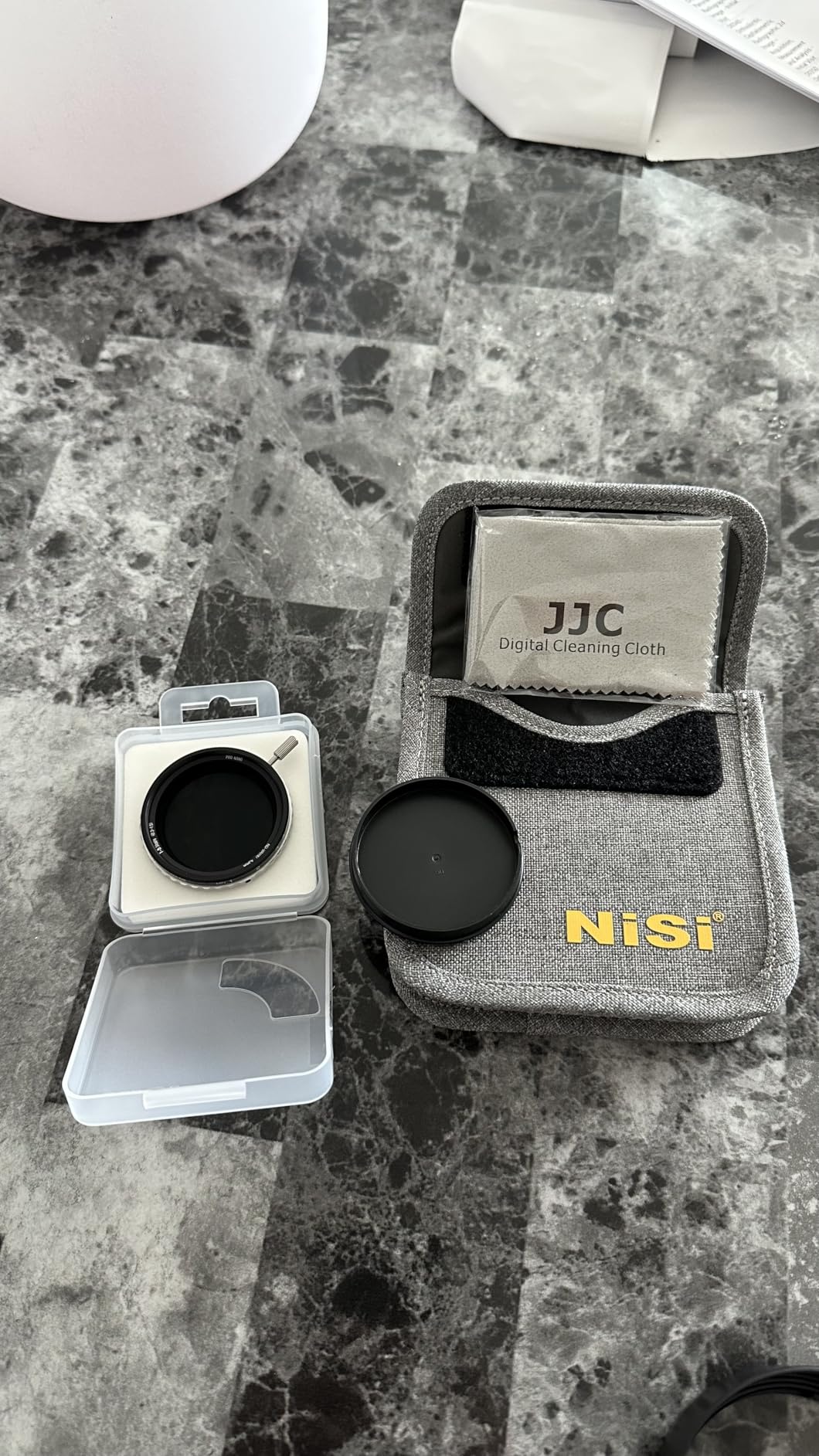
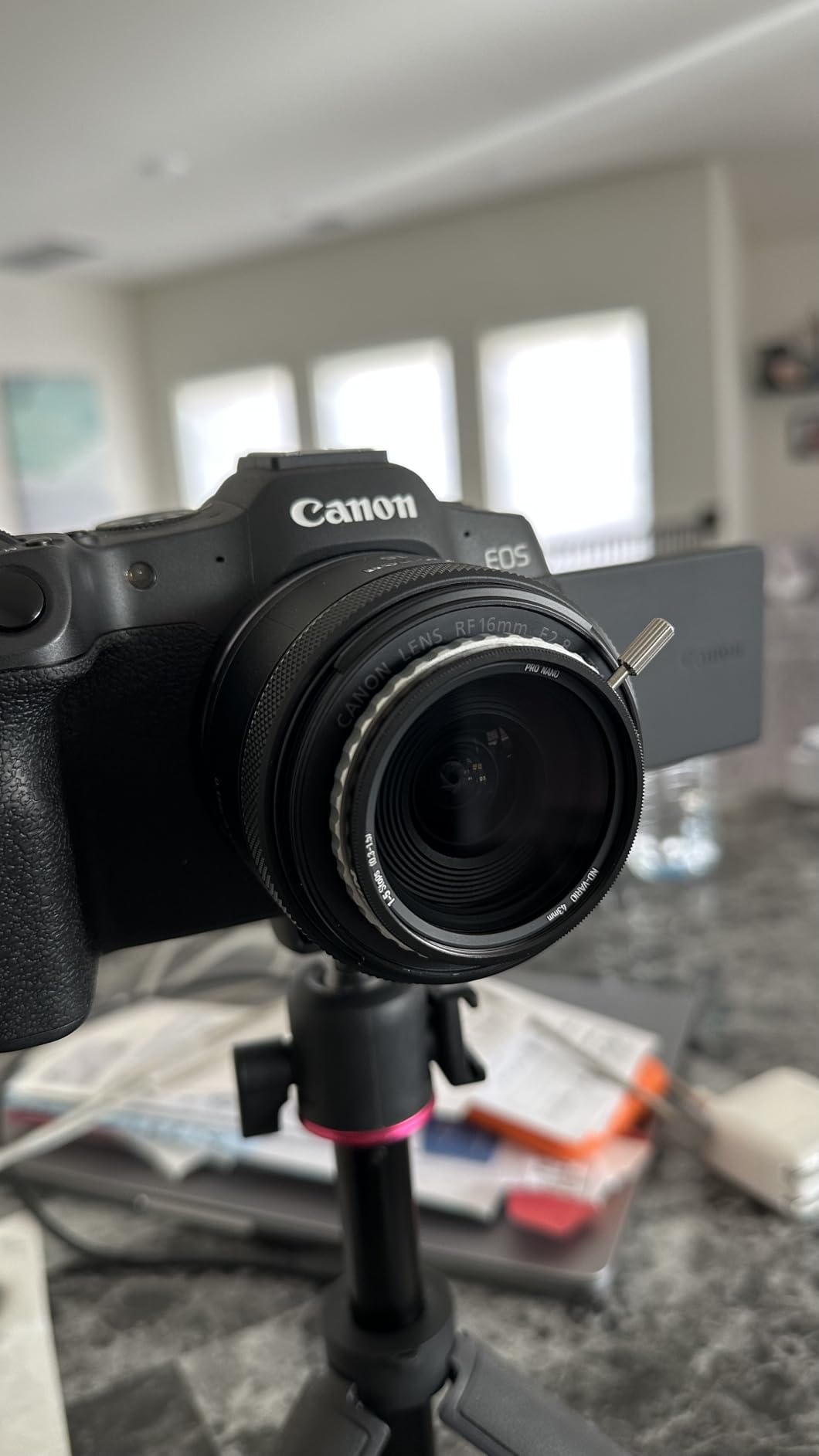
The build quality feels professional. The 72mm front thread design means the filter is slightly larger than the 67mm mounting thread, which prevents vignetting even on ultra-wide lenses. I tested it at 16mm on a full-frame sensor with zero darkening in the corners. The waterproof nano coating repelled water droplets during an outdoor interview shoot in light rain.
The Swift System compatibility is a nice bonus if you own other NiSi filters. You can stack a polarizer or fixed ND on the front thread without introducing alignment issues. The filter comes with a quality case, front and rear caps, and a microfiber pouch. At its price point, it sits between budget filters and premium options like PolarPro, but the optical performance rivals filters costing twice as much.
Who Should Buy the NiSi True Color ND-Vario
Filmmakers who prioritize color accuracy above everything else. If you shoot weddings, commercial work, or any project where skin tones and color consistency matter, this filter saves you hours of post-production color correction. The True Color technology is not just marketing; it produces measurably neutral results across the full stop range.
It is also the best VND for mirrorless camera users who shoot at wide focal lengths. The oversized front thread design means no vignetting at 16mm, which is a common pain point with cheaper filters. If you shoot on a Sony A7, Canon R, or Blackmagic Pocket Cinema Camera, this filter pairs perfectly.
Limitations to Consider
The 1-5 stop range will not be enough for midday sun shooting at f/1.4. If you frequently shoot wide open in bright conditions, you will want the NiSi 6-9 stop variant or a different filter entirely. Some users report slight softness at the maximum ND32 setting, though I did not notice this in my testing.
The price sits above budget options like K&F Concept but below premium picks like PolarPro. For filmmakers who view their filter as an investment in image quality, the NiSi delivers professional results without the premium brand tax. Reddit cinematography threads consistently recommend this as the best VND under $150.
2. K&F Concept 67mm True Color VND + CPL – Best Dual Purpose Filter
- True Color titanium coating eliminates yellow cast
- VND and CPL combined saves carrying extra filter
- Self-locking frame prevents X-cross patterns
- No color shift across range
- Highest rated filter at 4.8 stars
- Two adjustment knobs can be confusing
- ND range limited to 5 stops
- Cannot use with lens hood
The K&F Concept True Color VND plus CPL is the highest-rated filter in our entire lineup at 4.8 stars with 87 percent five-star reviews. I was skeptical about a combo filter delivering on both fronts, but after shooting a full day of outdoor content with it, I was sold. The variable ND handles exposure control while the built-in circular polarizer cuts glare on water, glass, and foliage simultaneously.
The titanium coating technology is what sets this apart from K&F’s standard variable ND filters. Most budget VNDs introduce a yellow or green tint that becomes visible on skin tones. The True Color coating on this filter eliminates that cast almost entirely. I compared footage side by side with the NiSi and the difference was negligible, which is remarkable given the price gap.

The self-locking frame technology is the key feature that prevents X-cross patterns. If you have ever pushed a budget variable ND to its maximum and seen that dark X shape appear across your image, you know how frustrating it can be. The self-locking mechanism physically prevents you from rotating past the effective range. It is a simple engineering solution that works flawlessly.
Having both ND and CPL in one filter means less gear to carry and faster transitions between shots. On a documentary shoot, I could control exposure and reduce window reflections without swapping filters. The 28-layer multi-coating handles reflections well, and the waterproof surface held up during an outdoor shoot in humid conditions.
Who Should Buy the K&F True Color VND+CPL
Filmmakers who want maximum functionality in a single filter. If you shoot travel content, outdoor interviews, or real estate video where both exposure control and glare reduction matter, this combo filter eliminates the need to carry and swap between two separate filters. The value proposition is outstanding.
It is also ideal for wedding videographers who need to move quickly between indoor and outdoor scenes. The self-locking frame means you will never accidentally create an X-pattern artifact during a critical moment. At its price point, this is one of the best variable ND filters for filmmakers on a budget who refuse to compromise on image quality.
Limitations to Consider
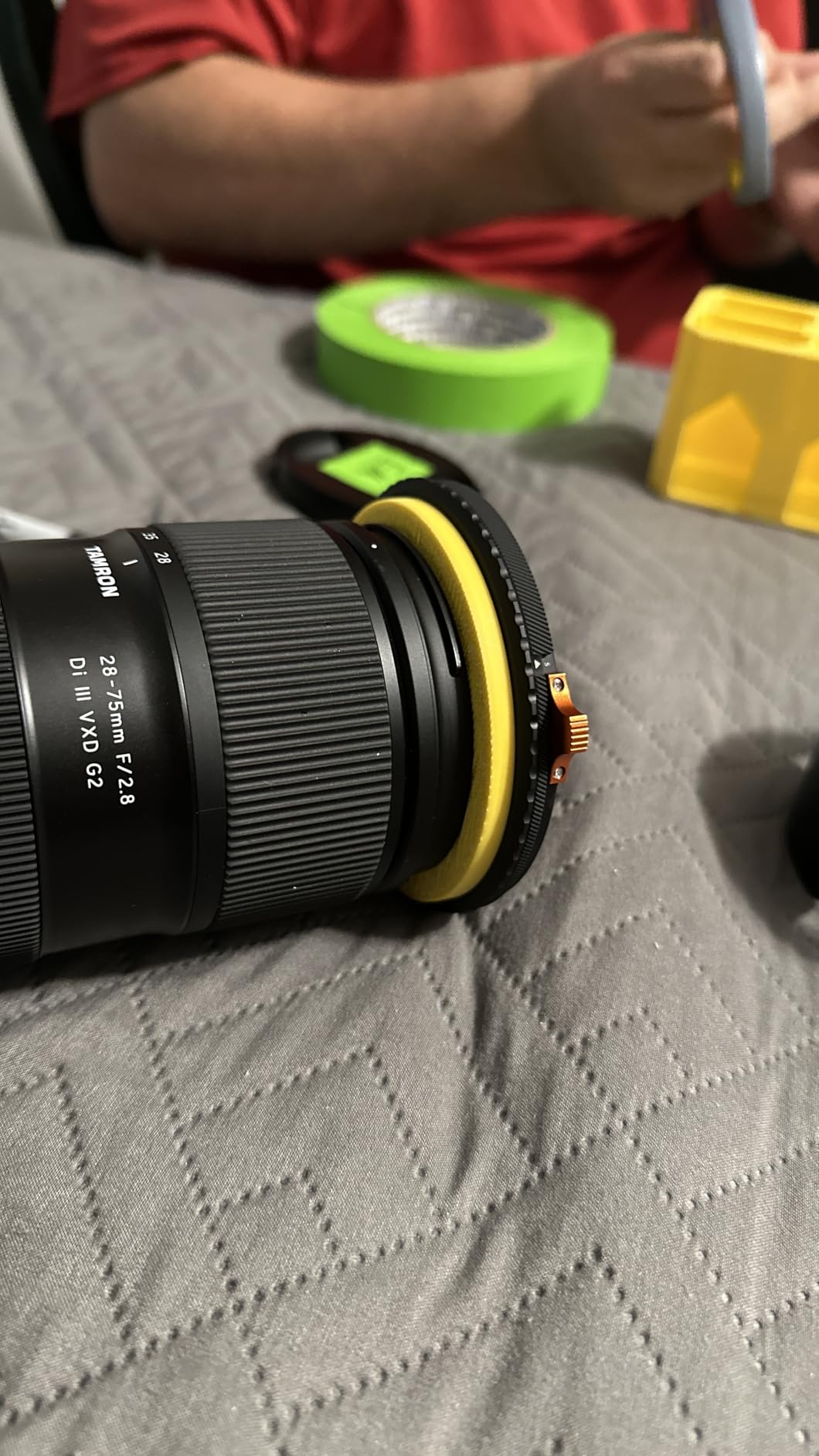
The dual adjustment knobs take some getting used to. The orange knobs control ND and CPL independently, and it is easy to accidentally rotate the wrong one while looking through the viewfinder. After a day of shooting, muscle memory kicks in, but the learning curve is real.
The ND range maxes out at ND32, which is 5 stops. For bright midday sun at wide apertures, this may not be enough. You also cannot use a lens hood with this filter due to the protruding adjustment knobs. If you rely on hoods for flare control, this could be a dealbreaker.
3. K&F Concept 67mm Variable ND2-ND400 – Best Budget Pick
- Best-selling ND filter with 12400+ reviews
- Wide 1-9 stop range covers all scenarios
- Slim 7.4mm prevents vignetting
- Anti-glare sandblasted finish
- Excellent price-to-performance ratio
- X-pattern at maximum ND settings
- No numbered stop markings
- Vignetting on wide-angle at high ND
The K&F Concept B-Series is the number one best-selling ND filter on Amazon with over 12,400 reviews, and for good reason. I have recommended this filter to dozens of beginner filmmakers who are just starting to explore exposure control. At this price, there is simply nothing else that offers a full 1-9 stop range with multi-coated optical glass.
I tested this filter extensively during a two-week travel shoot, using it on everything from bright beach scenes to dim forest interiors. The 1-9 stop range is the widest on this list, giving you coverage from barely-there light reduction all the way to long-expression territory. For filmmakers who shoot in varied conditions and cannot afford multiple filters, this single filter handles almost everything.

The AGC optical glass with 8 multi-layer coatings delivers image quality that punches well above its price class. Colors are slightly warmer than neutral, adding a pleasant cast that many filmmakers actually prefer for skin tones. The slim 7.4mm frame prevented vignetting on my 24mm lens, though I did notice slight corner darkening at 16mm with the ND pushed past stop 6.
The CNC-patterned edge provides excellent grip, making it easy to attach and adjust even with cold fingers. The oxidized sandblasting finish reduces stray reflections on the filter surface itself. It feels more expensive than it is, and the included microfiber cloth is a nice touch. This is the filter I tell every film student to buy first.

Who Should Buy the K&F Concept B-Series VND
Beginner filmmakers and content creators on a tight budget. If you are just starting out and need one filter that covers every lighting situation, this is it. The 1-9 stop range means you never need to buy another filter for exposure control. It is also an excellent backup filter for professionals who want a spare in their bag.
Photographers who shoot both stills and video will appreciate the versatility. The wide stop range works for long-exposure landscape photography as well as cinematic video. For anyone who has been using their camera’s built-in ND simulation and is ready for real filtration, this is the logical first step.
Limitations to Consider
The X-pattern cross-darkening effect appears when you push past stop 7 or 8. This is a physics limitation of all variable ND filters, but it is more pronounced on budget options. You learn to work within the effective range, typically stops 1 through 7, and the filter performs admirably within those bounds.
There are no numbered gauge markings, so you have to estimate your stop position visually. This is fine for video where you adjust by eye, but photographers who need precise repeatable settings will find this frustrating. The filter also requires a different lens cap size (72mm cap for a 67mm filter), which catches many buyers off guard.
4. K&F Concept 82mm Putter Variable ND Nano-X – Best Putter Design
- Putter push-button enables single-finger adjustment
- Every stop clearly marked on frame
- 28-layer hydrophobic coating
- Ultra-slim frame with zero vignetting at 16mm
- Waterproof and scratch-resistant
- X-pattern at maximum ND settings
- Color cast at certain settings
- Free-spinning rotation without detents
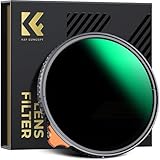
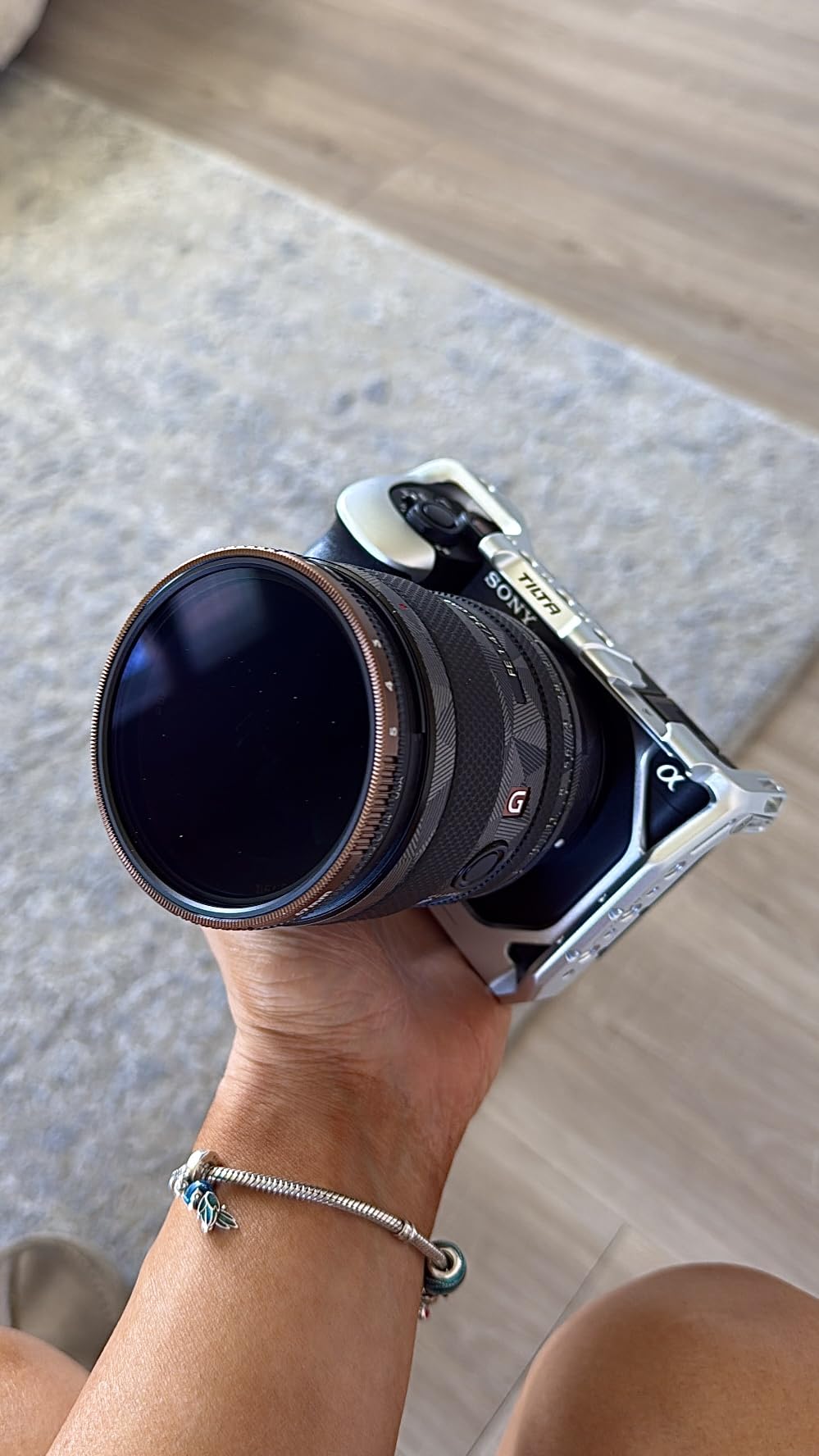
The putter design on this K&F Nano-X filter completely changed how I adjust exposure during video shoots. Instead of gripping the entire filter ring and rotating, you use a small thumb knob to dial in precise stop changes. This means I can adjust my ND while looking through the viewfinder without shaking the camera. For run-and-gun filmmakers, this single-hand operation is a genuine quality-of-life upgrade.
Every stop from ND2 to ND400 is clearly marked on the filter frame. No more guessing whether you are at stop 5 or stop 6. The markings are etched into the aluminum and filled with white paint, making them visible even in low light. After using unmarked budget filters for years, this precision felt like switching from a flip phone to a smartphone.
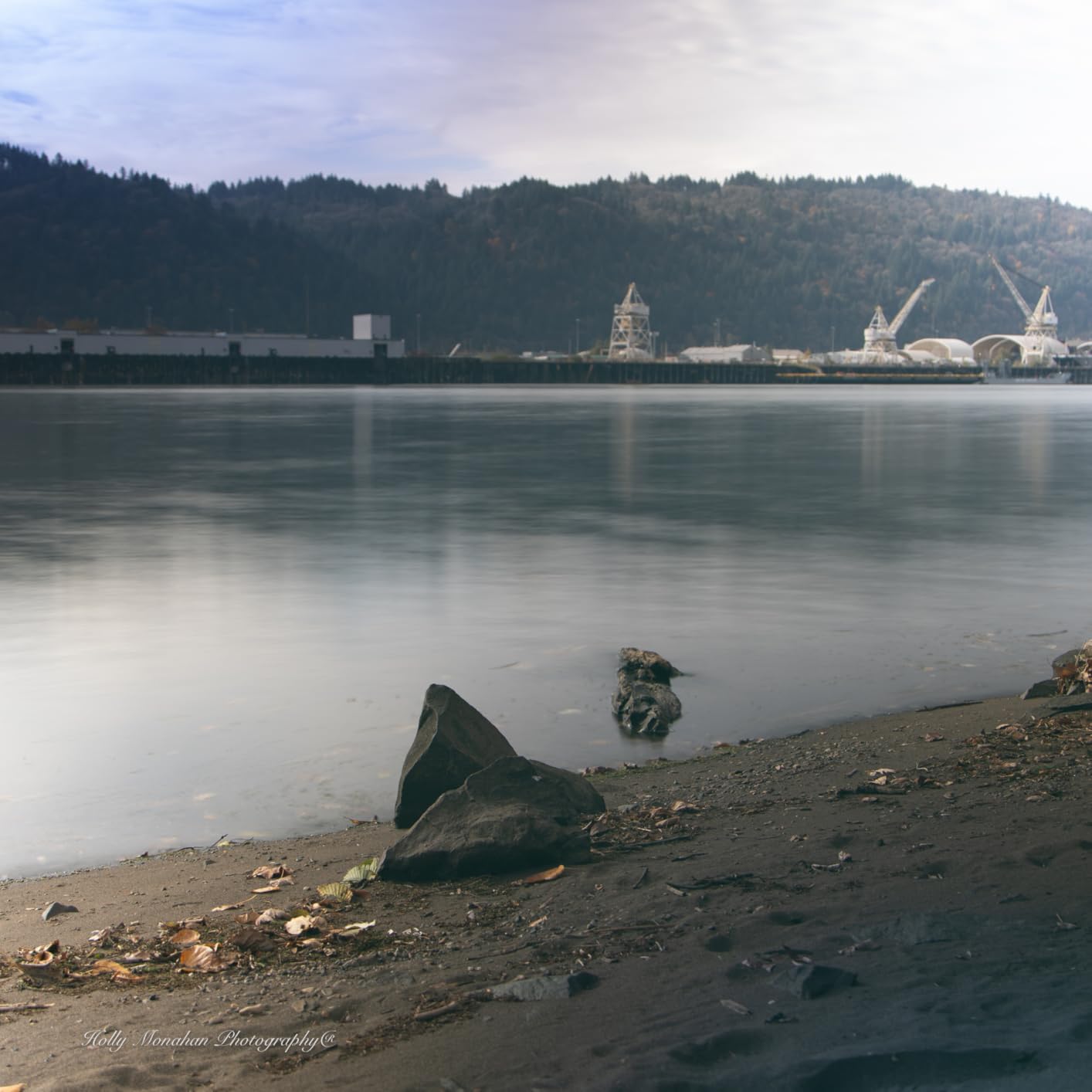
The 28-layer multi-coating on Japanese AGC glass delivers excellent optical performance. I tested it against the standard K&F B-Series and the Nano-X produced noticeably cleaner images with less ghosting under point light sources. The hydrophobic coating actively repelled water during an unexpected rain shower on an outdoor commercial shoot.
The ultra-slim 7.4mm frame is identical to the B-Series in thickness, but the optical design is superior. I shot at 16mm on a full-frame sensor with zero vignetting across the entire stop range. The waterproof and scratch-resistant construction gives me confidence using this filter in challenging environments without babying it.
Who Should Buy the K&F Putter Nano-X VND
Video shooters who need precise, repeatable stop adjustments. The putter knob and marked stops make this the best variable ND filter for filmmakers who work fast and need to know exactly where their filtration sits. Documentary shooters, event videographers, and solo content creators will benefit most from the single-hand operation.
Filmmakers using wide-angle lenses will appreciate the vignette-free performance at 16mm. The 82mm size also works well with step-down rings for smaller lenses, making it a versatile choice for multi-lens shooters who want one quality filter for their whole kit.
Limitations to Consider
The rotation is free-spinning without click stops or detents. While the markings tell you where you are, there is no tactile feedback when you pass each stop. Some users report a slight color cast at certain settings, though this was minor in my testing. The X-pattern still appears at maximum ND, as with all variable NDs in this range.
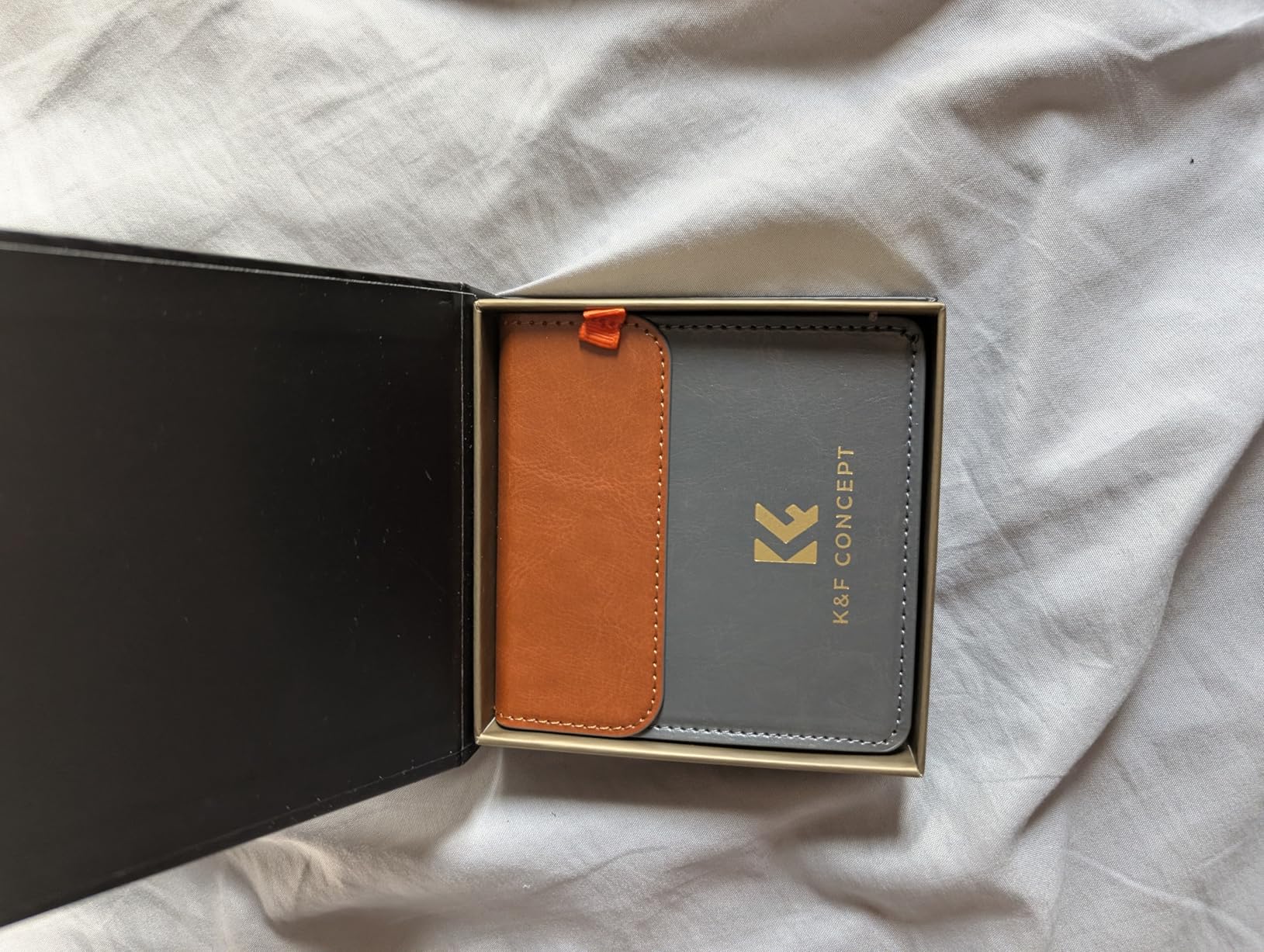
One user reported a central stain developing after months of use, suggesting potential delamination over time. This appears to be an isolated incident, but it is worth monitoring. The leather-like case is a nice inclusion but is bulkier than simple pouch-style cases.
5. PolarPro 82mm Peter McKinnon VND Edition II (2-5 Stops) – Best Premium Pick

- Hard Stop System eliminates X-pattern and vignetting
- Cinema-grade quartz glass with zero color shift
- Defender360 magnetic case doubles as lens cap
- Optional mist diffusion for cinematic bloom
- Lightweight at 56 grams
- Premium price point
- 2-5 stop range insufficient for bright sun
- Does not work with lens hoods or standard caps
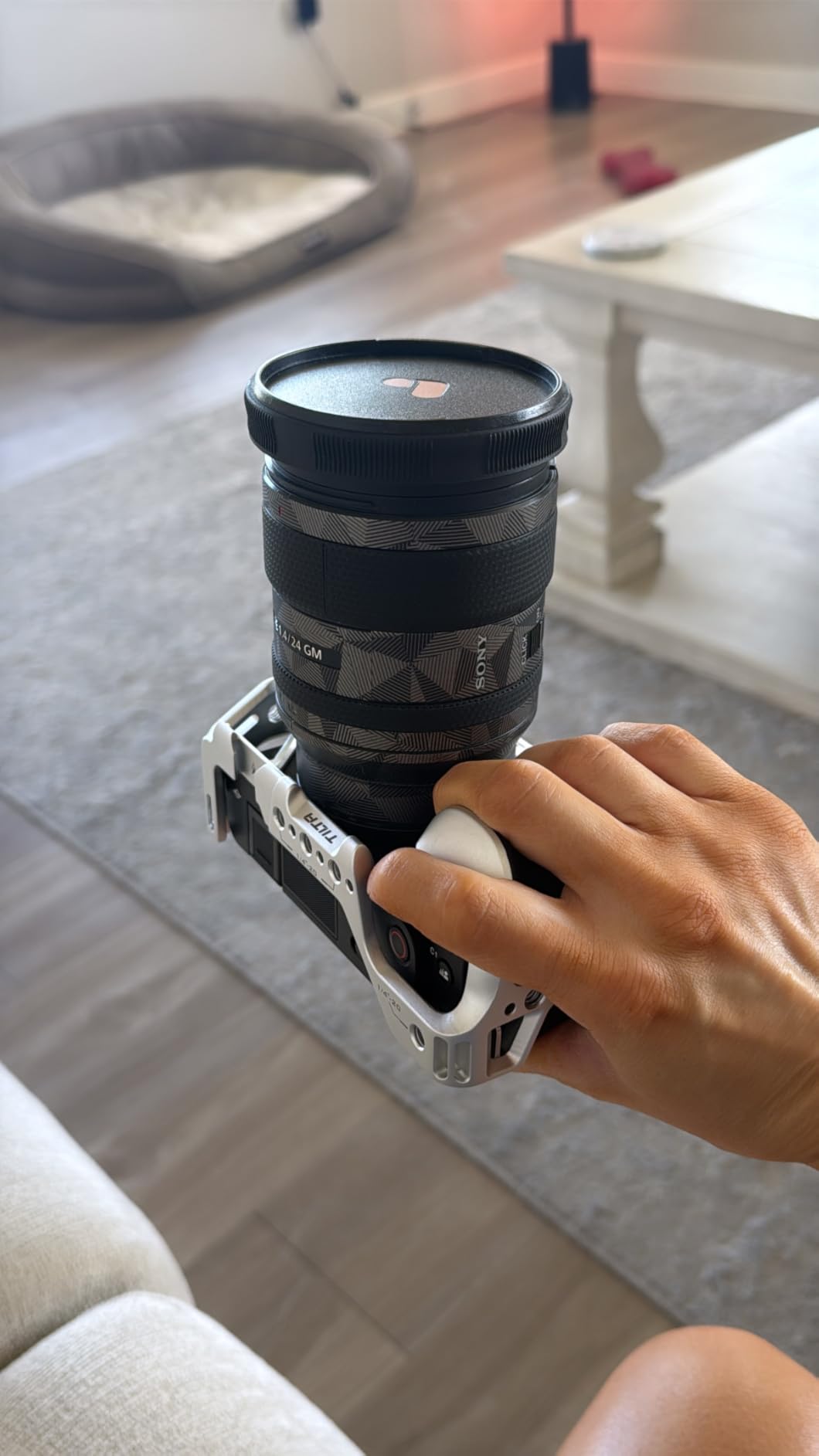
The PolarPro Peter McKinnon Signature Edition II is the filter I reach for on paid commercial shoots where image quality cannot be compromised. The cinema-grade quartz glass produces images with zero discernible color shift across the entire range. I compared footage shot with this filter against footage shot without any filter, and the color matching was virtually identical.
The Hard Stop System is the feature that justifies the premium price for many filmmakers. Instead of a continuous rotation that eventually produces the X-pattern, the filter physically stops at its maximum effective range. You feel a solid detent at both ends of the 2-5 stop range. This means you will never accidentally create cross-polarization artifacts, even when adjusting quickly during a live shoot.
The Defender360 magnetic case is one of those design touches that sounds like a gimmick until you use it. The case attaches magnetically to the front of the filter, doubling as a lens cap. You pull it off in one motion, shoot, and snap it back on. No fumbling with threaded caps or pinch-style caps in the field. For solo shooters who attach and detach filters constantly, this saves real time.
The optional mist diffusion attachment is a creative tool that adds a subtle bloom to highlights and softens skin tones. I used it on a portrait shoot and the results had a cinematic quality that normally requires post-production diffusion effects. The filter maintains full sharpness in the center while gently softening the overall image for a film-look aesthetic.
Who Should Buy the PolarPro PM Edition II
Professional content creators who view their filter as an investment. If you produce commercial work, music videos, or high-end wedding films where every frame matters, the PolarPro delivers consistent, repeatable, artifact-free results. The build quality and attention to detail are immediately apparent the first time you hold it.
Solo creators who frequently swap filters will appreciate the Defender360 system. The magnetic case makes filter changes fast enough that you will actually use the filter rather than leaving it in your bag. This is the best variable ND filter for filmmakers who want premium performance without the hassle.
Limitations to Consider
The 2-5 stop range is designed for controlled lighting or shaded outdoor conditions. In direct midday sun at f/1.4, you will need the 6-9 stop variant instead. Many professional filmmakers buy both ranges and swap based on conditions, which doubles your investment. The filter does not work with standard lens hoods or caps, using only the included custom cap.
The 8 percent one-star review rate is the highest in our lineup. Most of these relate to fulfillment issues (wrong variant shipped) rather than product quality, but it is worth buying directly from a reputable retailer. The filter is not water resistant, which is surprising at this price point.
6. PolarPro 77mm Peter McKinnon VND Edition II (6-9 Stops) – Best for Bright Sun

- 6-9 stop range handles bright midday sun
- No color shift across entire range
- Hard stops prevent X-pattern artifacts
- Cinema-grade quartz glass
- Zero vignetting at 16mm
- Premium price point
- Does not work with lens hoods
- Limited stock availability
This is the companion filter to the 2-5 stop PolarPro, designed for the exact situations where the lower range falls short. I used this 6-9 stop variant during a desert shoot at noon, shooting at f/2.0 with a 180-degree shutter. Without this filter, the footage would have been completely blown out. With it, I maintained perfect exposure with cinematic shallow depth of field.
The 6-9 stop range (ND64 to ND512) covers the harshest lighting conditions you will encounter. This is the filter for shooting automotive commercials in a parking lot, beach wedding films under direct sun, or any scenario where you need wide apertures in daylight. The hard stop system works identically to the 2-5 variant, physically preventing the X-pattern at both ends of the range.
The cinema-grade quartz glass produces the same zero color shift as the 2-5 stop version. I shot a side-by-side comparison between the two PolarPro filters and the color matching was seamless. Switching between them mid-shoot required no white balance adjustment, which is rare even among premium filter systems.
Who Should Buy the PolarPro 6-9 Stop VND
Filmmakers who frequently shoot outdoors in bright conditions. If you live in a sunny climate or shoot automotive, sports, or outdoor event content, the 6-9 stop range is essential. Many professionals pair this with the 2-5 stop version to cover the full spectrum of lighting conditions.
The 86 percent five-star rating from verified purchasers confirms that this filter delivers on its promises. Users consistently describe it as the best ND filter they have ever used, noting the premium glass quality and precise hard-stop feedback.
Limitations to Consider
Like the 2-5 stop version, this filter does not work with standard lens hoods or caps. You must use the included custom cap. The 77mm thread size limits compatibility, and stock availability can be spotty. The price is identical to the 2-5 stop version, so owning both represents a significant investment.
If you already own the PolarPro 2-5 stop filter, the 6-9 stop version is a natural complement. If you can only afford one, choose based on your typical shooting conditions. Indoor and controlled-light shooters should get the 2-5; outdoor and bright-sun shooters should get the 6-9.
7. Tiffen 77VND Variable ND – Best Cinema Heritage

- 2-8 stop range for versatile control
- Cinema-proven design from Tiffen
- Oversized optics reduce vignetting
- Smooth rotating ring
- 10-year manufacturer warranty
- No multi-coating on glass
- No hard stops
- Thick profile
- Color cast at higher stops
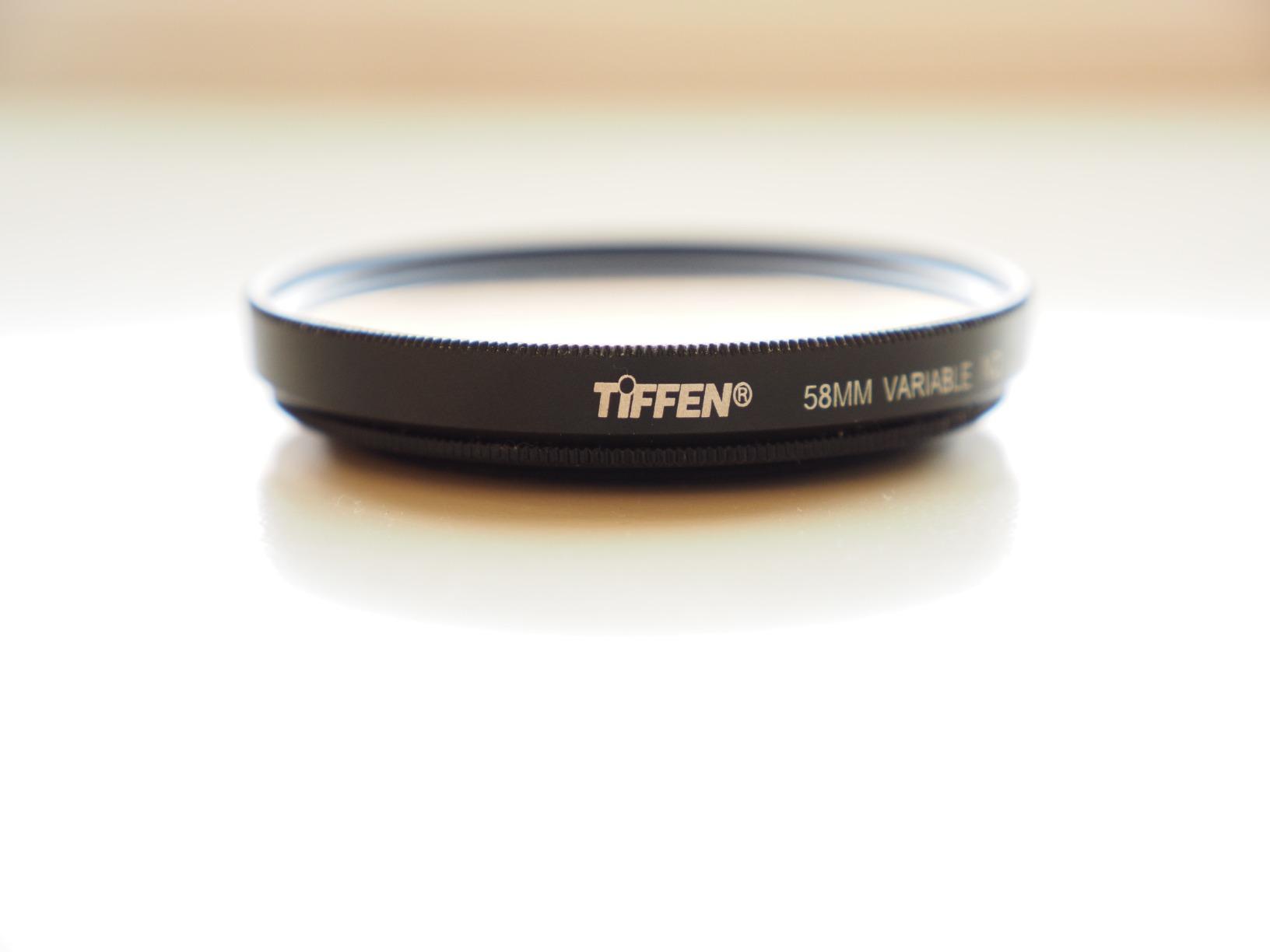
Tiffen has been making ND filters for the film industry for decades, and the 77VND carries that cinema heritage into a variable design. This is the filter I started with years ago, and it remains a reliable workhorse in my kit. The 2-8 stop range hits a sweet spot that covers most filmmaking scenarios without the extreme range issues of 1-9 stop filters.
The oversized glass elements are specifically designed to reduce vignetting on wide-angle lenses. Tiffen understood that variable ND filters sit further from the sensor than fixed NDs, so they made the glass larger to compensate. I tested this at 24mm full-frame and saw minimal corner darkening even at the maximum 8-stop setting.
The smooth rotating ring is a joy to operate during video shoots. The resistance is perfectly calibrated; not too loose that it shifts on its own, not too tight that it requires force. Many newer filters try to reinvent the adjustment mechanism with knobs and levers, but Tiffen’s simple single-ring design remains one of the best for fast, intuitive exposure changes.
The 10-year manufacturer warranty speaks volumes about Tiffen’s confidence in their build quality. I have owned this filter for over four years of regular use with no degradation in optical performance. Reddit users consistently cite the Tiffen as the filter that outlasts trendier brands.
Who Should Buy the Tiffen 77VND
Filmmakers who value proven reliability over the latest features. The Tiffen does not have hard stops, marked positions, or fancy coatings. What it does have is decades of cinema-proven performance and a 2-8 stop range that handles most situations. It is the Toyota Hilux of variable ND filters; not flashy, but it works every time.
It is also an excellent choice for photographers who occasionally shoot video. The 2-8 stop range works for long-exposure landscape photography and the smooth operation makes video adjustments intuitive. If you want one filter that bridges both worlds without specialized features, the Tiffen is a solid choice.
Limitations to Consider
The lack of multi-coating means the glass is more prone to flare and ghosting under direct light. You will notice this most when shooting toward light sources or under strong overhead lighting. The thick profile makes it difficult to fit in standard filter sleeves, and standard lens caps do not fit over the mounted filter.
The last 3 stops may produce a slight blue or purple color cast on certain lenses. This is correctable in post but adds to your workflow. The X-effect can also appear at wider focal lengths when pushing past stop 6. Working within stops 2-5 produces clean, consistent results.
8. Tiffen 82VND Variable ND – Best Step-Down Ring Strategy

- 82mm size works with step-down rings for all lenses
- Cinema-proven Tiffen quality
- Wide optics reduce vignetting
- Smooth single-ring rotation
- 10-year warranty
- No multi-coating
- No hard stops
- Thick design
- Color cast at higher stops
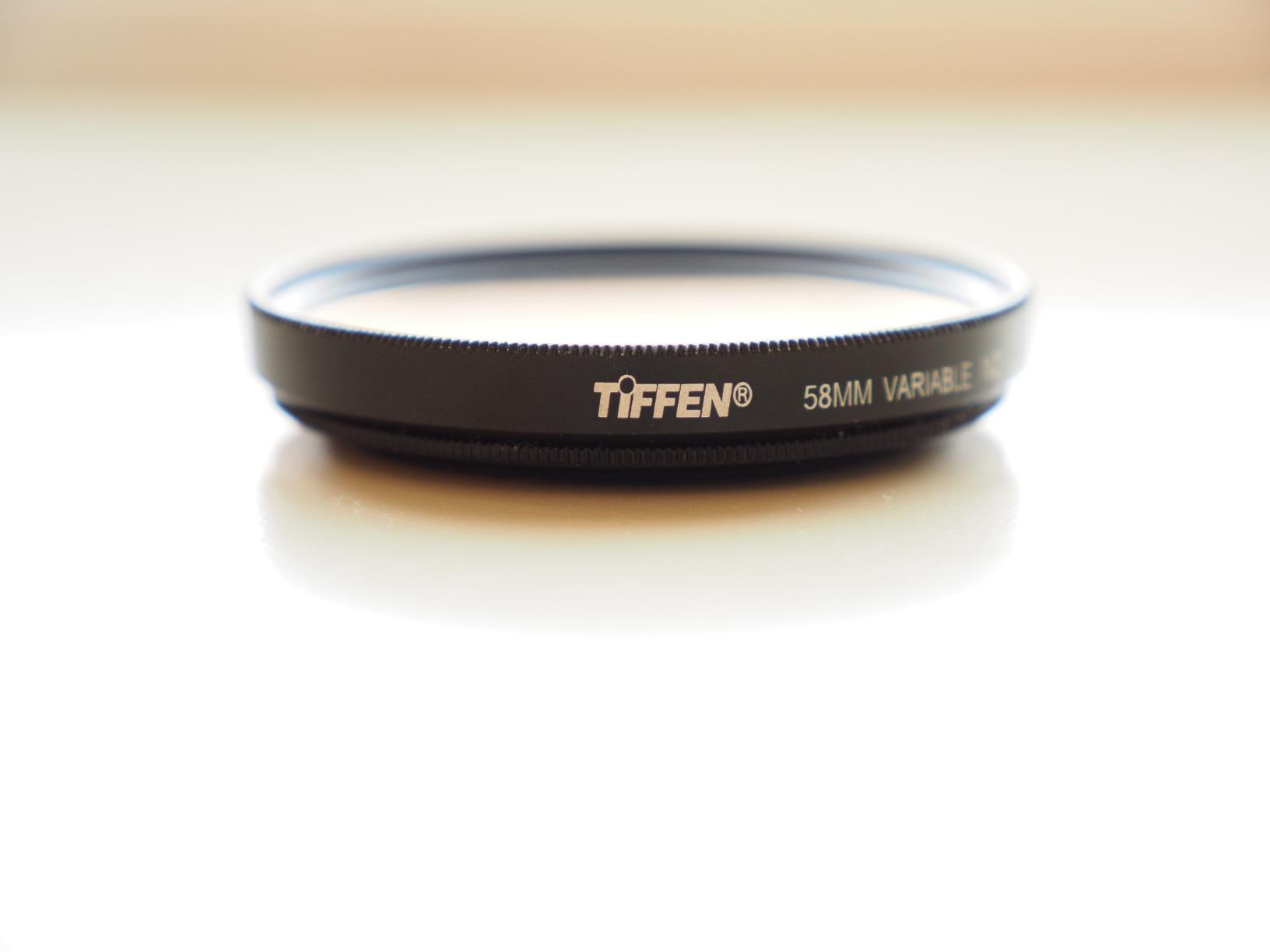
The Tiffen 82VND is the same filter as the 77VND but in the larger 82mm thread size. I recommend this version specifically because buying one 82mm filter and using inexpensive step-down rings is the most cost-effective way to cover all your lenses. A single 82mm filter with a set of step-down rings can serve your 77mm, 72mm, 67mm, and even 58mm lenses.
I have used this strategy for years on multi-camera shoots. Instead of buying a separate quality filter for each lens thread size, one 82mm Tiffen handles everything. Step-down rings cost a fraction of what a new filter costs, and the oversized 82mm optics actually help reduce vignetting since the effective glass area exceeds what smaller threads require.
The performance is identical to the 77mm version in every way. The 2-8 stop range, smooth rotation, and cinema-proven optical quality all carry over. The 10-year warranty applies regardless of size. The only difference is the physical dimensions and the versatility that comes with the larger thread.
For filmmakers building their first real filter kit, this is the smartest investment you can make. Buy the 82mm Tiffen, a set of step-down rings, and you have filtration coverage for your entire lens collection at a fraction of the cost of buying individual filters.
Who Should Buy the Tiffen 82VND
Filmmakers with multiple lenses of different thread sizes. If you own a 67mm prime, a 77mm zoom, and a 72mm wide-angle, buying three separate quality filters gets expensive fast. One 82mm Tiffen with step-down rings solves this problem elegantly. It is the budget-savvy approach without sacrificing quality.
It is also ideal for filmmakers who rent lenses frequently. Since you never know what thread size a rented lens will have, owning an 82mm filter with a full set of step-down rings ensures you always have filtration coverage regardless of the gear you end up using.
Limitations to Consider
The same limitations apply as the 77mm version. No multi-coating means flare susceptibility, and the thick profile makes storage awkward. The last few stops can introduce color cast. Step-down rings also add a small amount of extension between the filter and lens, which can slightly increase vignetting on ultra-wide lenses.
You will need to purchase step-down rings separately, which adds a small additional cost. However, even with a full set of quality brass rings, the total investment is still significantly less than buying individual filters for each lens size.
9. Hoya 77mm Variable ND II – Best Stop Range Coverage

- Widest usable range at 1.5-9 stops
- Built-in adjustment knob for precision
- Ultra-slim frame minimizes vignetting
- Multi-coated HOYA optical glass
- Accepts 82mm caps for stacking
- Color aberration on some sensors
- X-pattern on certain lenses
- Not water resistant
- Glass scratches if mishandled
The Hoya Variable ND II covers an impressive 1.5 to 9 stop range, the widest usable range of any filter in this lineup. Most variable NDs either start at 1 stop (too weak for most situations) or end at 5 stops (insufficient for bright sun). The Hoya hits a middle ground that covers everything from slightly-overcast outdoor shooting to harsh midday conditions.
The built-in adjustment knob is a thoughtful design choice. Instead of rotating the entire filter ring, you use a small protruding knob to dial in your desired density. This provides more precise control than free-rotation designs and prevents accidental shifts during handling. The knob has enough resistance to stay put once set.
The ultra-slim frame design minimizes vignetting on wide-angle lenses. Hoya clearly designed this with full-frame mirrorless shooters in mind. I tested it at 24mm with no corner darkening at any stop setting. The multi-coated HOYA optical glass produces sharp images with good contrast, though color accuracy varies depending on your camera sensor.
Who Should Buy the Hoya Variable ND II
Filmmakers who need maximum range from a single filter. The 1.5-9 stop coverage means you can go from indoor available-light shooting to bright outdoor conditions without swapping filters. If you travel light and want one filter that truly does everything, the Hoya’s range is hard to beat.
The built-in knob makes this a good choice for photographers transitioning into video. The precise control feels familiar if you are used to adjusting lens settings manually. The 82mm cap acceptance means you can stack additional filters on the front thread if needed.
Limitations to Consider
The 4.1-star rating is the lowest in our lineup, and the issues are real. Some users report color aberration on specific camera sensors, with Leica M8 owners noting particular problems. The X-pattern appears on certain lenses, especially at the extreme ends of the range. Careful handling is required; the glass can scratch more easily than competing filters.
The filter is not water resistant, which is disappointing at this price point. The limited review count (61 reviews) means the sample size is smaller than most filters on this list. If you shoot on a sensor known for filter sensitivity, test the filter thoroughly during the return window.
10. K&F Concept 82mm Nano-X PRO VND + CPL – Best Brass Build

- Brass frame for premium durability
- 36-layer coating reduces reflectivity to 0.15%
- VND and CPL in one filter
- No color shift across range
- Leather filter bag included
- Heavy at 196 grams
- Lens cap does not fit
- No hard stops
- Tabs make storage difficult
The K&F Nano-X PRO Series steps up from the standard Nano-X with a brass frame construction and an impressive 36-layer nano coating. Brass is denser and more durable than aluminum, providing a premium feel that is immediately apparent when you hold it. The filter has a substantial weight that communicates quality without being cumbersome.
The 36-layer coating reduces surface reflectivity to just 0.15 percent, which means almost no ghosting or flare under point light sources. I tested this during a night cityscape shoot with streetlights and neon signs throughout the frame. The Nano-X PRO produced noticeably cleaner results than the 28-layer standard Nano-X, with minimal ghosting artifacts.
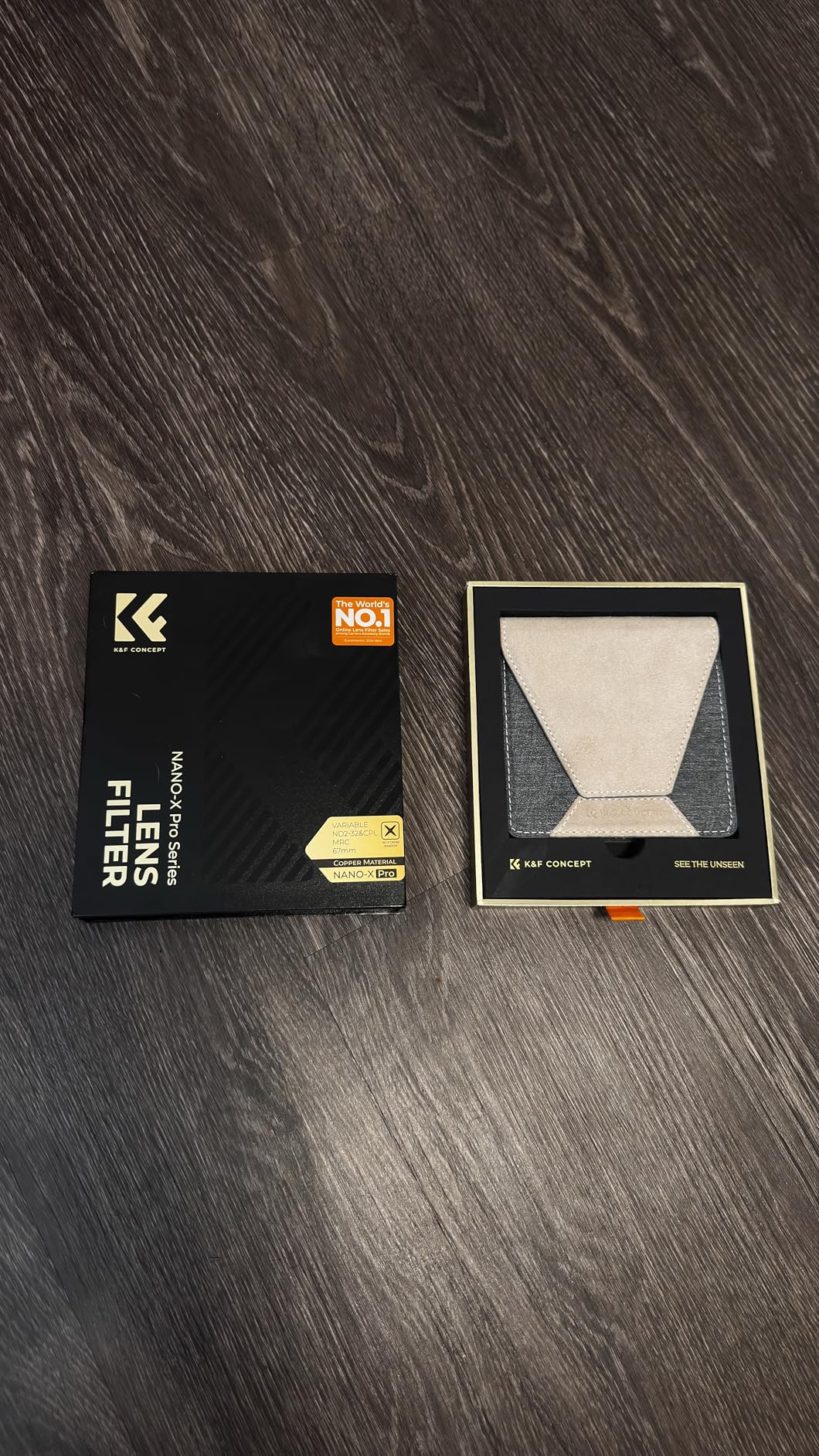
Having both variable ND and CPL in one filter eliminates the need for a separate polarizer. The adjustment pucks on the filter ring allow smooth rotation of both elements. I used this on a landscape video shoot where I needed both exposure control and sky enhancement, and the results were excellent.
K&F Concept was recognized as the world’s number one lens filter brand by online sales by Euromonitor. The PRO Series represents their top-tier offering, and the build quality justifies that positioning. The included leather filter bag is a premium touch that matches the filter’s positioning.
Who Should Buy the K&F Nano-X PRO VND+CPL
Filmmakers who want premium build quality without paying PolarPro prices. The brass frame, 36-layer coating, and dual VND+CPL functionality make this a serious tool for professional work. If you shoot outdoors where both exposure control and glare reduction matter, this combo filter handles both needs admirably.
It is also ideal for adventure filmmakers. Reviewers have used this filter from high-altitude shoots in Peru to dusty desert environments, and the waterproof, scratch-resistant coating has held up. The build quality inspires confidence in challenging conditions.
Limitations to Consider
At 196 grams, this is the heaviest filter on our list. On smaller mirrorless lenses, the weight is noticeable and can affect balance. The adjustment tabs stick out significantly, making the filter difficult to store in standard filter sleeves. The lens cap does not fit over the mounted filter.
There are no hard stops on the adjustment ring, so you need to watch for the X-pattern at maximum settings. Some users report scratching on the filter surface when using lens caps, so careful storage is important. The ND range maxes out at 5 stops (ND32), which may not be enough for bright conditions.
11. K&F Concept 77mm Black Diffusion VND – Best Cinematic Effect

- Variable ND plus diffusion for instant cinematic look
- Self-locking frame eliminates X-pattern
- 28-layer coating for protection
- Creates dreamy aesthetic without post
- Stops clearly marked on edge
- Diffusion adds permanent softness
- Not suitable for pure sharp ND
- Max ND32 may be insufficient
- Niche use case
This is the most creative filter in our lineup. The K&F Black Diffusion VND combines a variable ND (ND2-ND32) with a 1/4 black diffusion effect in a single filter. The result is instant cinematic softening that would normally require specialized diffusion filters or post-production processing. I used this on a music video shoot and the footage had a dreamy, film-like quality straight out of camera.
The black diffusion effect works by slightly scattering light across the image surface. This softens harsh highlights, smooths skin textures, and creates a gentle bloom around bright areas. The 1/4 strength is subtle enough for professional use; it enhances the image without making it look like a soft-focus wedding video from the 1990s.
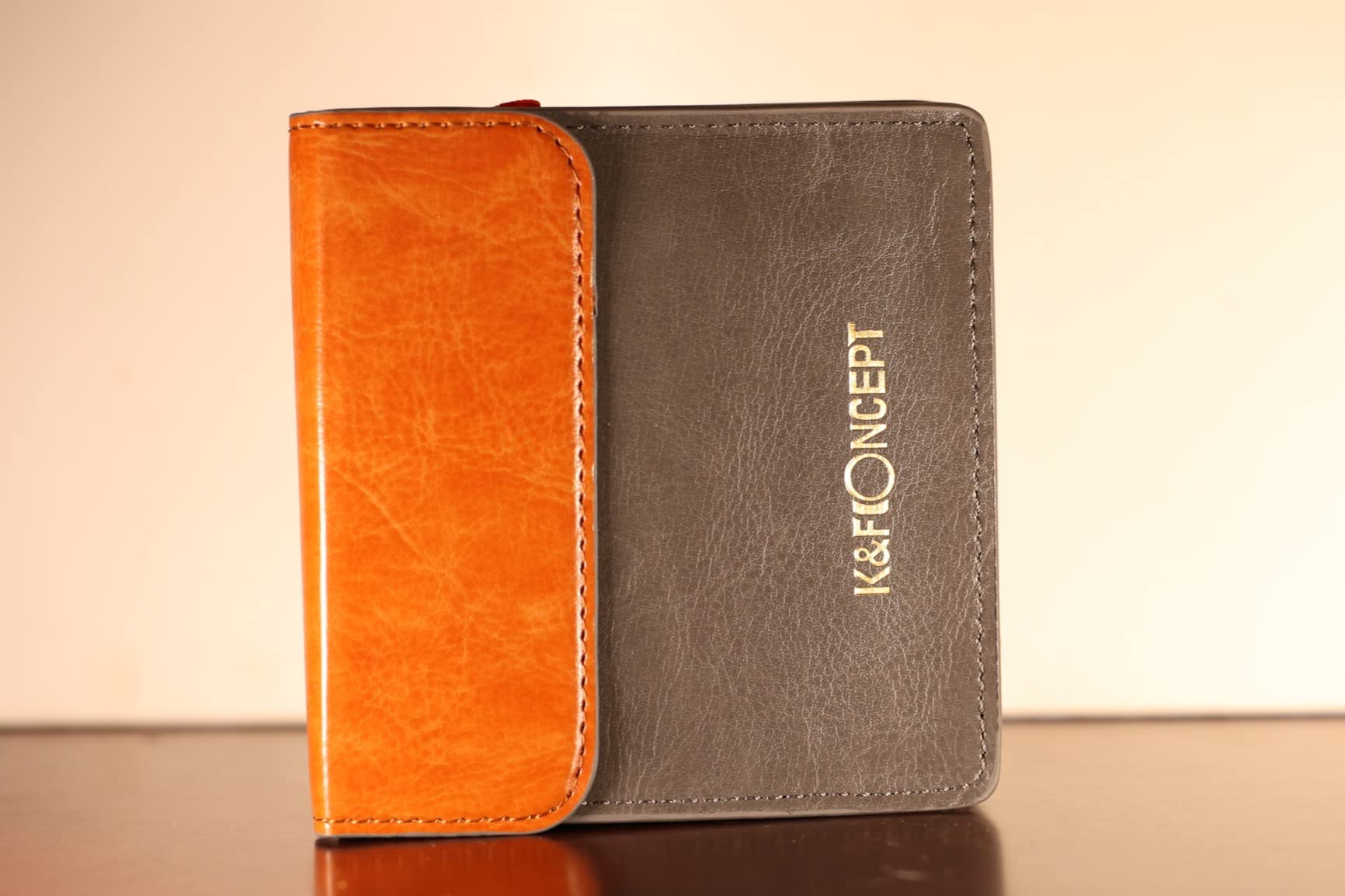
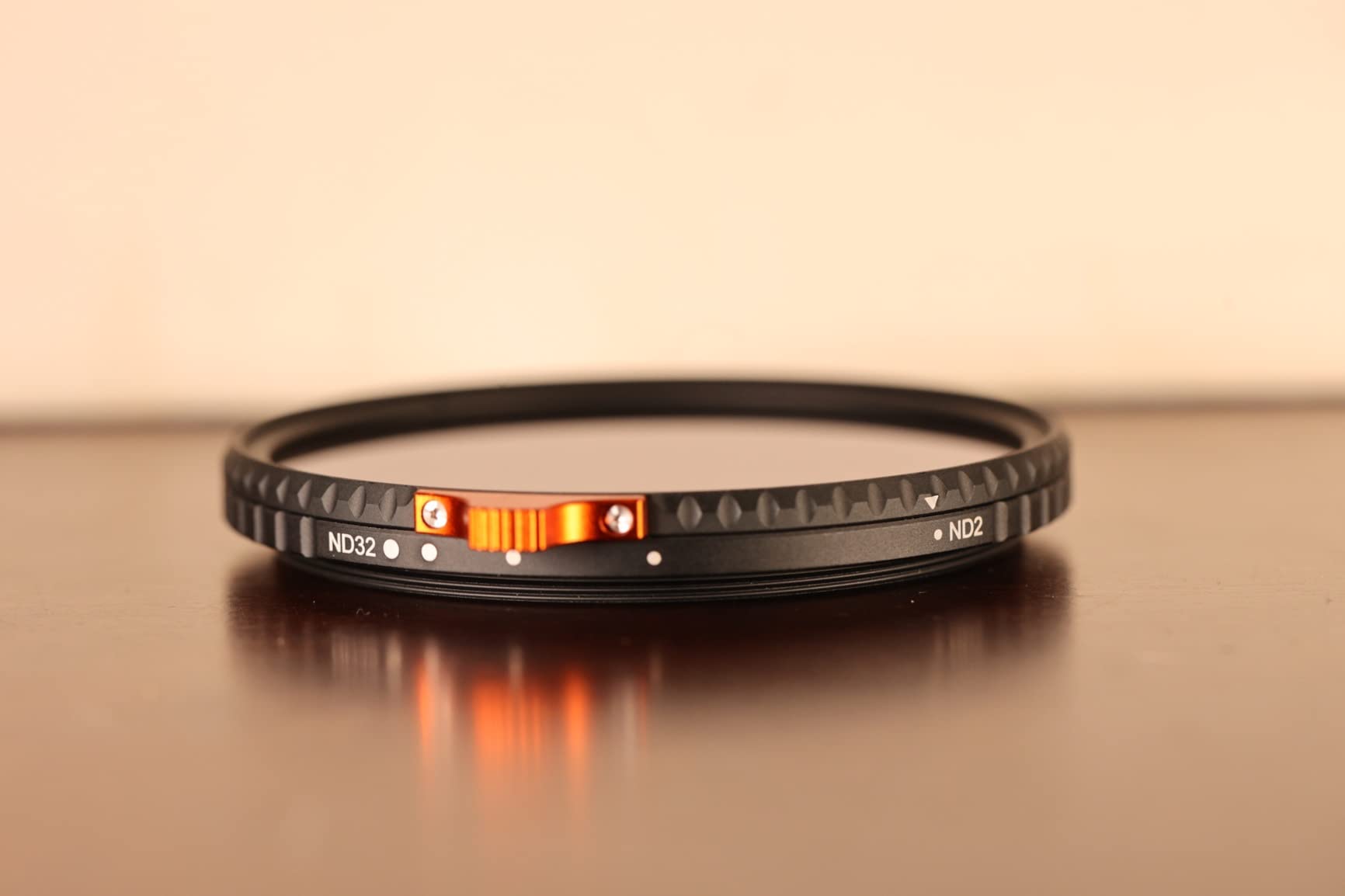
The self-locking frame technology is the same system used in the K&F True Color VND+CPL, and it works identically here. The frame physically prevents rotation past the effective range, eliminating X-pattern artifacts. The ND stops are clearly marked and click into place at each position, giving you precise control over your exposure settings.
The 28-layer multi-coating provides anti-reflection, waterproof, and scratch-resistant properties. Double-side polishing technology ensures the image remains sharp on wide-angle lenses despite the diffusion element. At 77mm, this filter fits a wide range of professional lenses.
Who Should Buy the K&F Black Diffusion VND
Filmmakers who want a cinematic look without spending hours in post-production. If you shoot music videos, fashion content, narrative shorts, or any project where a soft, film-like aesthetic is desirable, this filter delivers that look in-camera. The diffusion effect is particularly flattering for portrait and people-focused content.
Wedding videographers will find this especially useful. The black diffusion softens skin imperfections and creates a romantic quality that clients love. Combined with the variable ND for exposure control, this single filter handles two creative needs at once.
Limitations to Consider
The black diffusion effect is permanent and cannot be removed in post-production. If you need a pure, sharp ND filter for technical or commercial work, this is not the right choice. The diffusion adds softness that some clients may reject for product or architectural photography. Think of this as a creative tool, not a general-purpose filter.
The ND range maxes out at ND32 (5 stops), which limits bright-sun usability. The review count of 236 is smaller than other filters on this list, reflecting its niche appeal. However, 79 percent of reviewers gave it five stars, indicating strong satisfaction among users who specifically want this creative effect.
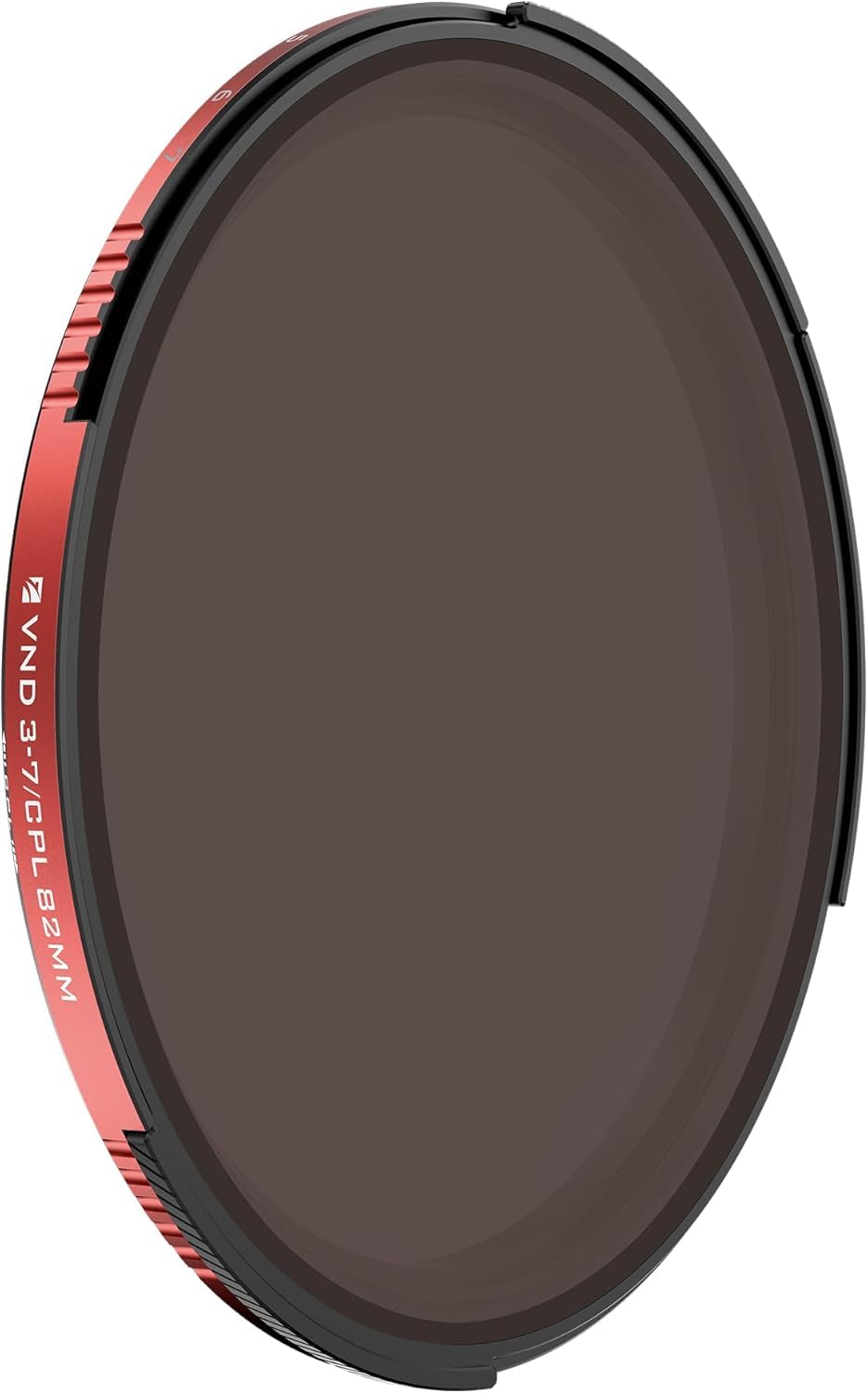
12. Freewell 67mm Hybrid VND/CPL (3-7 Stops) – Best Compact Hybrid

- Hybrid ND and CPL in compact design
- 3-7 stop range covers bright conditions
- No X-pattern artifacts on tested lenses
- Solid build quality
- Good value for combined functionality
- Limited 3-7 stop range too dark at low end
- Stiff CPL ring shifts framing
- Lens cap falls off easily
- Color cast on some bodies
The Freewell Hybrid VND/CPL is designed for filmmakers who need both exposure control and polarization in a compact, single-filter solution. The 3-7 stop range is unique in our lineup, starting higher than most VNDs (which typically start at 1-2 stops) and extending into bright-sun territory. This makes it ideal for outdoor shooters who rarely need minimal filtration.
I tested this filter during an outdoor automotive shoot where glare reduction was as important as exposure control. The built-in CPL cut reflections on car paint and windshields while the variable ND kept my exposure locked at f/2.8 with a 180-degree shutter. The multi-coated optical glass produced sharp images with vibrant, true-to-life colors.

The compact design makes this filter suitable for mirrorless cameras where filter size and weight matter more than on bulky DSLRs. The anti-reflective coatings perform well under most lighting conditions, though strong backlight can still produce some flare. The build quality feels solid with good machining and workmanship throughout.
The value proposition is strong for filmmakers who would otherwise need to buy separate ND and CPL filters. Getting both functions in one filter saves money and reduces the gear you need to carry. For travel filmmakers and run-and-gun shooters, this consolidation is genuinely useful.
Who Should Buy the Freewell Hybrid VND/CPL
Outdoor filmmakers who need both ND and CPL functionality. The 3-7 stop range is specifically suited for bright conditions where you also need polarization. If you shoot automotive, landscape, or water sports content, this filter handles the specific combination of bright light and reflective surfaces that plague outdoor footage.
Travel filmmakers will appreciate the compact, all-in-one design. Instead of carrying separate ND and CPL filters and swapping between them, one filter handles both needs. This is especially valuable when shooting run-and-gun in changing environments where speed matters.
Limitations to Consider
The 3-7 stop range means the minimum filtration is 3 stops. In low-light outdoor conditions or indoor settings, this will be too dark. You cannot reduce below ND8, which limits the filter’s versatility compared to VNDs that start at 1-2 stops. The CPL ring can be stiff to rotate, risking frame shifts during video recording.
The 3.9-star rating reflects a polarized experience. 60 percent of users rate it five stars, but 16 percent rate it one star. Common complaints include the poorly fitting lens cap that falls off easily and color cast on certain camera bodies. The lack of a warranty is also a concern at this price point.
How to Choose the Best Variable ND Filter for Filmmaking
Choosing the right variable ND filter comes down to understanding your shooting style, the conditions you work in, and the features that matter most for your workflow. After testing 12 filters across hundreds of hours of real shooting, here is what I have learned about making the right choice.
Understanding Stop Range
Stop range determines how much light reduction your filter can provide. One stop halves the light entering your lens. Most variable ND filters offer between 1-5 stops (ND2-ND32) or 1-9 stops (ND2-ND400). Your typical shooting conditions should dictate your choice.
For everyday video in varied conditions, 1-5 stops handles most scenarios. You can shoot at f/2.8 outdoors with moderate sunlight. For bright midday conditions or wide apertures like f/1.4, you need 6-9 stops. The trade-off is that wider ranges (1-9 stops) are more prone to X-pattern artifacts at maximum settings, while narrower ranges (1-5 stops) maintain cleaner image quality throughout.
Color Neutrality and True Color Technology
Color shift is the most common complaint about variable ND filters. Cheaper filters introduce a warm yellow-green tint that becomes visible on skin tones and white surfaces. Premium filters use specialized coatings to minimize this cast. NiSi’s True Color technology, K&F’s titanium coating, and PolarPro’s cinema-grade quartz glass all address this problem.
If you shoot commercial work, weddings, or any content where color accuracy matters, invest in a filter with True Color or equivalent color-neutral technology. The time you save in post-production color correction easily justifies the higher price. For casual content creation where color grading is part of the aesthetic, a slight color cast may be acceptable or even desirable.
Cross-Polarization and the X-Pattern
The X-pattern (also called cross-polarization) is the dark X-shaped artifact that appears when a variable ND filter is rotated past its effective range. This happens because all variable NDs use two polarizing elements, and when they reach maximum opposition, they create the characteristic dark cross. Hard stops physically prevent rotation past the effective range, eliminating this problem entirely.
If you adjust your filter during live recording, hard stops are invaluable. Without them, you risk capturing the X-pattern artifact in your footage. Filters with hard stops include the PolarPro Peter McKinnon Edition and any filter with self-locking frame technology like the K&F True Color series. Budget filters without hard stops require careful attention to stay within the effective range.
Hard Stops vs Continuous Rotation
Hard stops provide physical detents at the minimum and maximum effective range. You feel a solid stop when you reach the limit, preventing accidental X-pattern creation. Continuous rotation filters have no physical limits, meaning you can rotate past the effective range and create artifacts. Hard stops are a feature typically found on premium filters, though K&F’s self-locking frame technology brings this feature to mid-range pricing.
For photographers, continuous rotation is fine since you can check each frame. For filmmakers adjusting during live recording, hard stops are strongly recommended. The ability to adjust exposure by feel, without looking away from your subject, is a significant advantage that hard stops provide.
Filter Thread Size and Step-Up Rings
Variable ND filters are threaded to specific lens sizes. Common sizes include 67mm, 77mm, and 82mm. Buying a filter in the largest thread size you use (typically 82mm) and using step-down rings for smaller lenses is the most cost-effective strategy. Step-down rings cost a fraction of what individual filters cost.
The trade-off is that step-down rings add a small amount of extension between the filter and lens, which can theoretically increase vignetting on ultra-wide lenses. In practice, this is rarely a problem unless you are shooting at 14mm or wider. The Tiffen 82VND is specifically recommended for this step-down ring strategy.
Variable ND vs Fixed ND Filters
Variable ND filters offer convenience and speed. One filter covers multiple stop values, and you can adjust on the fly without swapping filters. This makes them ideal for video, run-and-gun shooting, and situations where lighting changes rapidly. The trade-offs are potential color shift, the X-pattern at extreme settings, and slightly lower optical quality than premium fixed NDs.
Fixed ND filters offer superior optical quality with no color shift and no X-pattern. They are the choice for landscape photographers and cinematographers who need absolute maximum image quality. The trade-off is that you need multiple filters for different lighting conditions, which costs more and takes up more bag space. For most filmmakers, the convenience of a variable ND outweighs the optical benefits of fixed NDs.
Frequently Asked Questions
What is the best variable ND filter?
The NiSi 67mm Swift True Color ND-Vario is our top pick for best overall variable ND filter, thanks to its exceptional color neutrality, no X-effect, and 20-layer waterproof nano coating. For budget-conscious filmmakers, the Ku0026amp;F Concept 67mm Variable ND2-ND400 offers the best value with a full 1-9 stop range at an entry-level price.
How do variable ND filters work?
Variable ND filters work by stacking two polarizing filter elements. When you rotate one element relative to the other, the amount of light passing through changes continuously. This provides stepless adjustment of exposure reduction, typically from 1 to 9 stops, without needing to swap individual fixed ND filters.
Are variable ND filters good for video?
Yes, variable ND filters are essential for video. Video requires a fixed shutter speed based on the 180-degree shutter rule, meaning you cannot adjust shutter speed for exposure control. A variable ND allows you to maintain correct shutter speed and aperture while adjusting exposure by rotating the filter, making it the primary exposure tool for filmmakers shooting outdoors.
What is the difference between fixed ND and variable ND?
Fixed ND filters provide a single, preset light reduction value with superior optical quality and no color shift or X-pattern artifacts. Variable ND filters offer adjustable light reduction from 1 to 9 stops in a single filter, providing convenience and speed at the cost of potential color shift and cross-polarization effects at extreme settings. Filmmakers typically prefer variable NDs for their versatility.
How many stops do I need in a variable ND filter?
For everyday video shooting, 1-5 stops (ND2-ND32) covers most scenarios including shaded outdoor conditions and indoor environments. For bright midday sun or wide-aperture shooting at f/1.4 or wider, you need 6-9 stops (ND64-ND512). Many professional filmmakers own both ranges to cover all lighting conditions.
Do variable ND filters cause color shift?
Cheaper variable ND filters can introduce a warm or cool color cast as you increase the density. Premium filters with True Color technology, titanium coatings, or cinema-grade quartz glass minimize this shift significantly. The NiSi True Color and PolarPro Peter McKinnon Edition produce virtually no color shift across their entire range. Most remaining color cast can be corrected in post-production.
What is the X-pattern or cross-polarization in variable ND filters?
The X-pattern is a dark cross-shaped artifact that appears when a variable ND filter is rotated past its maximum effective range. It occurs because the two polarizing elements reach maximum opposition, creating uneven darkening across the image. Filters with hard stops or self-locking frames physically prevent this by limiting rotation to the effective range.
Can I use a variable ND filter for still photography?
Yes, variable ND filters work for still photography, particularly for long-exposure landscapes, waterfall shots, and situations where you need wide apertures in bright light. However, for serious landscape work, fixed ND filters offer better optical quality with no color shift. Variable NDs are best for photographers who also shoot video or need quick, adjustable filtration.
Final Verdict: The Best Variable ND Filters for Filmmakers in 2026
After testing 12 filters across months of real-world shooting, the NiSi 67mm Swift True Color ND-Vario stands out as the best variable ND filter for filmmakers who demand color accuracy and clean optical performance. The True Color coating genuinely eliminates the yellow tint that plagues cheaper options, and the no X-effect design means you can adjust freely during live recording.
For filmmakers on a budget, the K&F Concept 67mm Variable ND2-ND400 delivers unmatched value with a 1-9 stop range and over 12,000 customer reviews backing its reliability. And for those who want maximum functionality, the K&F True Color VND+CPL combines two essential filters into one outstanding package at 4.8 stars.
Whatever your budget or shooting style, investing in a quality variable ND filter transforms your ability to shoot cinematic video in any lighting condition. Pair your new filter with one of the best GoPro alternatives for vloggers or your existing cinema camera, and you have everything you need for professional-quality footage in 2026.