
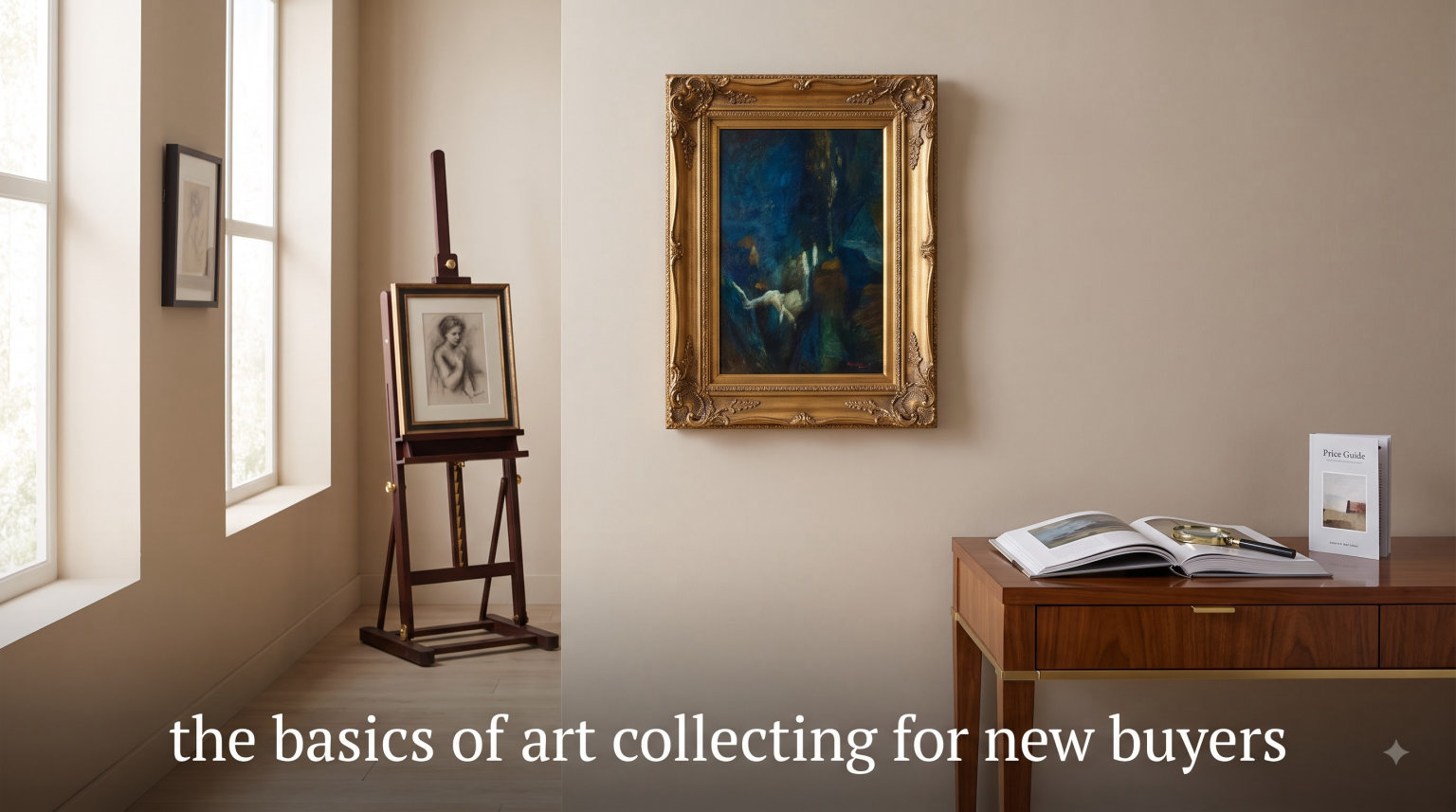
Starting an art collection can feel overwhelming. I remember walking into my first gallery and feeling completely lost among price tags I did not understand and artists I had never heard of.
But art collecting for new buyers does not require a fortune or an art history degree. You just need curiosity, a clear budget, and some basic knowledge to avoid common pitfalls.
In this guide, I will walk you through everything I wish I knew when I started. We will cover how to set a realistic budget, where to find art that speaks to you, how to evaluate pieces before buying, and mistakes that trip up most beginners.
Table of Contents
Why Collect Art?
People start collecting art for many reasons. Some want to support living artists. Others see it as an investment. Most simply want beautiful objects that bring meaning to their daily lives.
I started collecting because I wanted my apartment to feel like home. A bare wall felt cold. A carefully chosen piece of art made the space feel personal and alive.
Personal and Emotional Value
Art transforms spaces. The right painting or photograph can change how a room feels. It can spark conversation, calm your mind, or remind you of something important every time you walk past it.
Unlike mass-produced decor, original art carries the energy of its maker. You are not just buying an object. You are bringing someone else’s vision into your life.
Supporting Artists
When you buy directly from an artist or through a gallery, your money supports creative work. Emerging artists especially depend on collectors to continue making art. Your purchase might help someone pay rent or buy supplies for their next project.
Investment Potential
Art can appreciate in value over time, though this should never be your primary motivation. Blue-chip artists like Picasso or Basquiat have seen dramatic price increases. Emerging artists offer lower entry points but higher risk.
Studies show contemporary art has outperformed the S&P 500 in certain periods. But like any investment, returns are never guaranteed.
Types of Art to Collect
Before you start buying, understand what is available. Each type of art comes with different price points, care requirements, and collecting considerations.
Original Paintings
Original paintings are one-of-a-kind works created by hand. They typically command the highest prices but offer the most direct connection to the artist. Oil, acrylic, and watercolor each have different care needs and visual qualities.
When buying original paintings, ask about the medium, substrate, and any special framing requirements. Canvas paintings need breathing room. Works on paper need UV protection.
Limited Edition Prints
Prints offer an affordable entry point into collecting. Look for limited editions with clear numbering like “15 of 100.” Lower edition numbers often carry slight premiums.
Understand print methods. Screenprints, lithographs, and giclee prints each have different characteristics. Some are hand-pulled by the artist. Others are digitally reproduced.
Always buy prints with a certificate of authenticity. This document proves the work is genuine and part of a limited run.
Photography
Photography has become increasingly collectible. Look for limited editions, signed prints, and proper archival processing. Ask about the print medium, C-prints, silver gelatin, and archival inkjet all age differently.
Sculpture and Three-Dimensional Work
Sculpture adds physical presence to a collection. Consider weight, fragility, and display requirements before buying. Even small sculptures need stable surfaces and protection from accidents.
Digital Art and NFTs
Digital art and NFTs represent a newer collecting category. NFTs use blockchain technology to prove ownership of digital works. Traditional digital art can be collected as prints or displayed on screens.
This space changes rapidly. If you are interested, research wallet security, platform reputation, and the environmental impact of different blockchains.
Emerging vs Blue-Chip Artists
Understanding artist categories helps set expectations.
Emerging artists are early in their careers. Their work is more affordable but riskier as investment. You are betting on future potential. Many collectors find the most exciting work here.
Mid-career artists have established reputations and gallery representation. Prices reflect proven track records. Risk and reward balance out.
Blue-chip artists are household names with auction records. Think Warhol, Hockney, Koons. Entry prices start in the tens of thousands. These works hold value but require serious capital.
Setting Your Art Budget
One of the most common questions I hear is “How much do I need to start an art collection?” The answer surprises most people. You can start with very little money.
Budget Tiers for Beginners
Under $500: Focus on prints, small works on paper, and emerging artists. Many talented artists sell work in this range. You can build a meaningful collection slowly.
$500 to $2,000: Opens doors to larger prints, small originals, and established emerging artists. This tier lets you be more selective about quality and provenance.
$2,000 and above: Access to gallery-represented artists, significant works, and pieces with stronger investment potential. At this level, consider consulting an art advisor.
Allocating Your Funds
Do not spend your entire budget on one piece. Spread purchases across several works. This builds variety and reduces risk if one artist does not appreciate.
Save 10 to 20 percent of your budget for framing. Good framing protects your investment and makes art look its best. Cheap frames detract from even excellent work.
Quality Over Quantity
A common beginner mistake is buying too much too fast. Ten mediocre pieces do not equal one excellent one. Be patient. Save for work that truly moves you.
Where to Buy Art
Knowing where to look is half the battle. Each source offers different experiences, price points, and risks.
Art Galleries
Galleries represent artists and curate selections. They offer guidance, provenance documentation, and relationships that last beyond the sale. Prices reflect gallery commissions, usually 40 to 50 percent.
Start with local galleries. Visit regularly. Ask questions. Good gallerists love educating new collectors. Building relationships leads to first access of new work and payment plans.
Art Fairs
Art fairs bring dozens or hundreds of galleries together in one location. They are excellent for seeing wide variety quickly. Major fairs include Art Basel, Frieze, and regional events in most cities.
Fairs can overwhelm first-timers. Plan your visit. Research galleries beforehand. Take photos and notes. Do not feel pressured to buy immediately.
Online Platforms
Websites like Artsy, Saatchi Art, and Artnet connect collectors with artists and galleries globally. These platforms democratize access but require more self-education.
Read reviews carefully. Verify seller credentials. Ask for additional photos and condition reports. Reputable platforms offer buyer protection.
Auctions
Auctions range from local estate sales to major houses like Sotheby’s and Christie’s. They offer excitement and potential bargains but also risks.
Research auction terms. Understand buyer’s premiums, which add 20 to 25 percent to the hammer price. Inspect pieces in person when possible. Set strict bidding limits and stick to them.
Direct from Artists
Buying directly from artists cuts out middlemen and often saves money. Visit open studio events. Follow artists on social media. Attend local art walks.
Direct relationships let you learn about the work’s creation. Many collectors treasure these connections as much as the art itself.
Comparing Your Options
Galleries offer expertise and relationships but at premium prices. Fairs provide variety and discovery but can overwhelm. Online platforms offer convenience and range but require more due diligence. Auctions create excitement and access to secondary markets but demand research. Direct sales build personal connections and save money but offer less guidance.
Most collectors use multiple sources over time. Start where you feel comfortable and expand as you learn.
How to Evaluate Art Before Buying
Knowing how to assess art protects you from mistakes and helps you negotiate confidently.
Understanding Provenance
Provenance is the documented history of who has owned an artwork. Good provenance proves authenticity and can increase value. Ask for documentation showing the chain of ownership from artist to present.
Be wary of gaps in provenance. Missing documentation does not always mean problems, but it requires extra scrutiny.
Certificate of Authenticity
A certificate of authenticity confirms the work is genuine. For contemporary art, this usually comes from the artist or their gallery. For older work, reputable dealers or authentication boards provide certification.
Never buy significant work without proper documentation. Future sales depend on clear authenticity.
Condition Assessment
Condition dramatically affects value. Examine works carefully before buying. Look for damage, restoration, fading, or other issues. Ask for condition reports from sellers.
For works on paper, check for foxing, tears, or acid damage. For paintings, look for craquelure, paint loss, or previous restoration. Photography should show no fading or color shifts.
Artist Reputation and Career Trajectory
Research the artist before buying. Look for gallery representation, museum shows, and critical reviews. Emerging artists should show career momentum. Established artists should have clear market records.
Follow art publications like Artforum, Hyperallergic, or Artsy Editorial. They track rising artists and market trends.
Caring for Your Art Collection
Proper care protects your investment and keeps art looking its best for decades.
Proper Framing
Invest in archival-quality framing. Use UV-protective glass or acrylic to prevent fading. Ensure acid-free backing and matting. Cheap materials can damage art over time.
Canvas paintings typically do not need glass but may need protective varnish. Consult a professional framer for specific needs.
Storage Considerations
If storing art, keep it in climate-controlled spaces. Avoid attics, basements, and garages. Use acid-free materials for wrapping. Store paintings vertically, never stacked flat.
Climate Control
Art hates rapid temperature and humidity changes. Ideal conditions are 65 to 75 degrees Fahrenheit with 40 to 50 percent humidity. Keep art away from direct sunlight, heating vents, and bathrooms.
Insurance Basics
Homeowner’s insurance often covers art inadequately. Consider specialized art insurance for collections over $5,000. Document your collection with photos, receipts, and appraisals.
Update appraisals every three to five years. Art markets change, and your insurance should reflect current values.
Common Mistakes New Collectors Make
Learning from others’ mistakes saves money and heartache. These are the errors I see most often.
Buying Without Research
Impulse purchases often lead to regret. Take time to learn about the artist, comparable sales, and market position. Sleep on major decisions. Good art will still be there tomorrow.
Ignoring Provenance
A bargain without documentation often becomes expensive later. Always verify authenticity and ownership history. If something seems too good to be true, it probably is.
Overextending Your Budget
Never spend money you cannot afford to lose. Art markets fluctuate. Buy with your heart but spend with your head. Leave room in your budget for framing, insurance, and unexpected opportunities.
Following Trends Blindly
What is hot today may be forgotten tomorrow. Collect what you love, not what magazines tell you to buy. Your collection should reflect your taste, not someone else’s.
Neglecting Condition
A damaged work at half price is rarely a good deal. Restoration is expensive and often visible. Buy the best condition you can afford.
Forgetting About Space
Before buying large works, measure your walls. Consider viewing distance and lighting. A massive painting can overwhelm a small room. A tiny piece gets lost on a large wall.
Building Your Collection Style
As you collect, your taste will evolve. Embrace this process.
Focused vs Eclectic Approach
Some collectors build focused collections around a theme, medium, or time period. Others prefer eclectic mixes of everything that catches their eye. Neither approach is better. Choose what brings you joy.
Focused collections often gain recognition and value. Eclectic collections reflect personal journeys. Both tell stories.
Developing Your Eye
Train yourself to see quality. Visit museums regularly. Study what makes certain works powerful. Read criticism. Talk to other collectors. Your eye improves with exposure.
I learned more from spending hours in galleries than from any book. Looking closely at hundreds of works develops instinctive judgment.
Creating a Collecting Mission
Some collectors write mission statements. These define goals, budgets, and boundaries. A mission might focus on supporting local artists, documenting social movements, or exploring abstract expressionism.
Missions provide focus but should not restrict discovery. Stay open to surprises.
Frequently Asked Questions
How do I start collecting art as a beginner?
Start by defining what you love. Visit museums, galleries, and online platforms to develop your taste. Set a realistic budget you can afford to spend without stress. Research artists and understand provenance before buying. Begin with affordable works like prints or small pieces from emerging artists. Build slowly and focus on pieces that truly move you rather than following trends.
What budget do I need to start an art collection?
You can start collecting art with as little as $100 to $500. At this level, focus on limited edition prints, small works on paper, or pieces by emerging artists. A budget of $500 to $2,000 opens access to larger prints and small originals. Above $2,000, you can consider gallery-represented artists and more significant works. The key is starting within your means and growing over time.
Where is the best place to buy art for beginners?
Local galleries are ideal for beginners because they offer guidance and education. Art fairs let you see variety quickly. Online platforms like Artsy and Saatchi Art provide access to global markets with buyer protections. Buying direct from artists at open studios offers personal connections and better prices. Auctions work for experienced collectors but require more research. Start with sources that feel comfortable and educational.
What types of art should a new collector buy?
Limited edition prints offer the best entry point for new collectors. They are affordable, authentic, and often come with certificates of authenticity. Photography and works on paper also provide accessible starting points. Small original paintings from emerging artists let you own one-of-a-kind pieces without massive investment. As you gain confidence and budget, expand into larger works and different media.
How do I evaluate art before buying?
Always check provenance, the documented ownership history. Request certificates of authenticity for contemporary works. Examine condition carefully, looking for damage, fading, or restoration. Research the artist’s career, gallery representation, and exhibition history. Compare prices with similar works sold recently. If buying at auction, set strict limits and account for buyer’s premiums. Take time with major decisions.
How do I care for my art collection?
Frame works using UV-protective glass and acid-free materials. Keep art away from direct sunlight, heating vents, and humid areas like bathrooms. Maintain stable temperatures between 65 to 75 degrees and humidity around 40 to 50 percent. Store unframed pieces vertically in climate-controlled spaces. Consider specialized art insurance for collections over $5,000. Document everything with photos and receipts.
What mistakes do new art collectors make?
Common mistakes include buying without research, ignoring provenance, overextending budgets, and following trends blindly. New collectors often neglect condition issues, forget to budget for framing, and buy pieces too large for their spaces. Impulse purchases lead to regret. Taking time to learn, verify authenticity, and plan purchases prevents most expensive errors.
Conclusion
Art collecting for new buyers is a journey, not a destination. Start small. Learn constantly. Buy what you love.
Your first piece does not need to be perfect. It needs to be meaningful to you. Over time, you will develop taste, knowledge, and confidence. The collection you build will tell the story of your aesthetic evolution.
Visit a gallery this weekend. Browse an online platform. Attend an open studio event. The world of art collecting is more accessible than you think. Your first piece is waiting.