
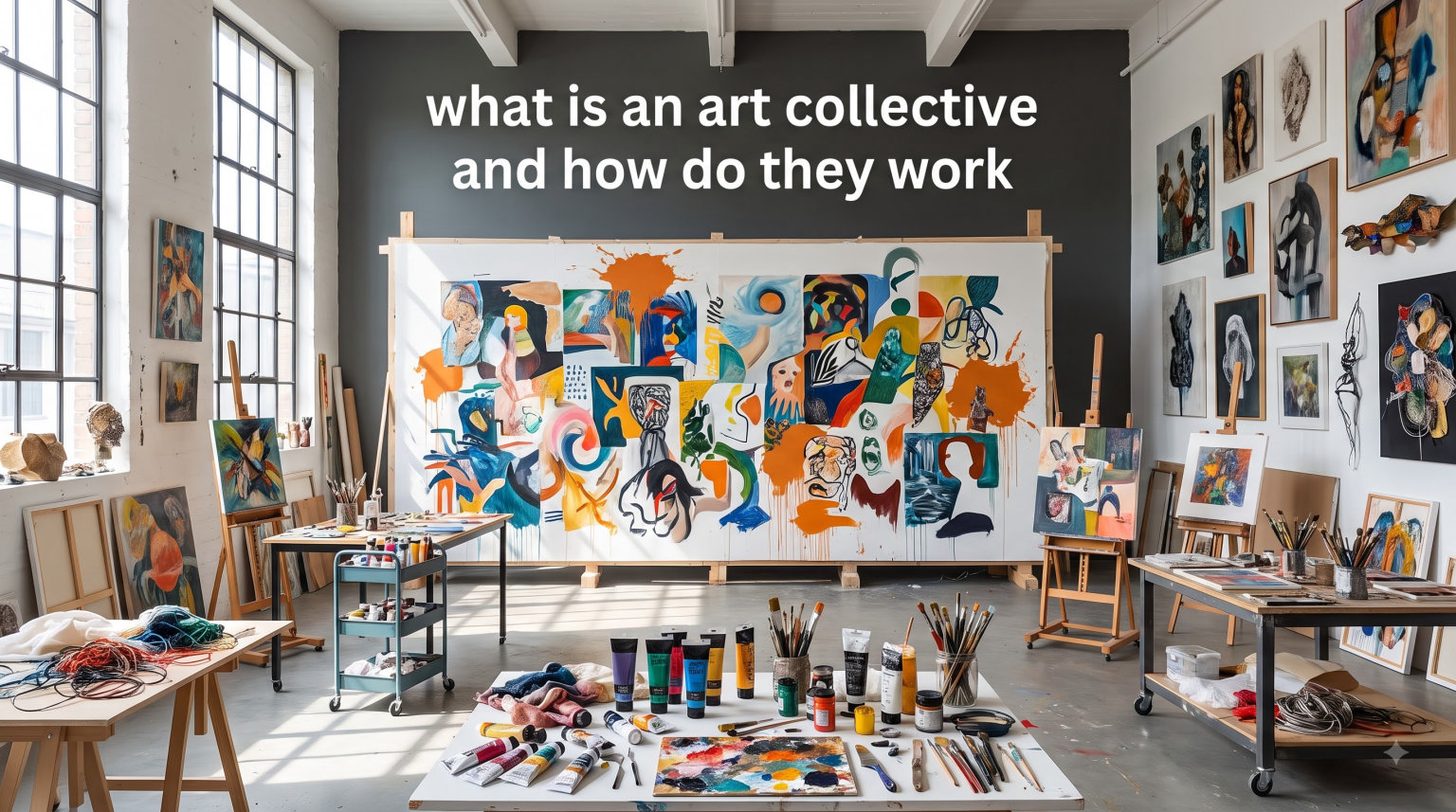
If you have ever wondered what an art collective is and how these groups actually function, you are not alone. Artists and art enthusiasts frequently ask us about these collaborative groups that seem to operate differently from traditional galleries or solo practices. This guide walks you through everything you need to know about art collectives in 2026.
An art collective is a group of artists who join together to work toward shared goals while maintaining their individual practices. Unlike a company with a hierarchical structure, most collectives operate on principles of equality, mutual support, and collaborative decision-making. The members share resources, exhibition opportunities, and often a common social or political vision that shapes their work.
The concept has become increasingly relevant as solo artists face rising costs, diminished gallery representation, and the isolation that independent practice can create. We have seen how collectives offer alternative paths to professional visibility and creative fulfillment that bypass traditional art world gatekeepers.
Table of Contents
What Is an Art Collective?
An art collective is defined by its collaborative nature and shared identity among artists. According to Tate, “loosely defined, an art collective is a group of artists working together to achieve a common objective.” The key distinction from other artist groupings lies in the emphasis on collective ownership of work, shared management, and often a unified aesthetic or political stance.
The most successful collectives develop their own name, visual identity, and sometimes even manifestos that outline their mission. Members typically retain copyright to their individual work while participating in group projects under the collective name. This structure allows artists to gain the benefits of group visibility while preserving their personal artistic voice.
Several characteristics distinguish a true art collective from casual artist groups:
Shared management and decision-making among members
Collaborative creation of works or shared exhibition spaces
Common aesthetic, social, or political goals
Pooled resources for exhibitions, studios, or projects
Collective identity that extends beyond individual members
The distinction between an art collective and an artist cooperative also deserves attention. Cooperatives typically focus on economic benefits, shared studio spaces, or collective bargaining. Collectives emphasize shared creative vision and often prioritize social or political missions over purely economic organization. However, many groups blend elements of both structures.
Our team has researched how these groups form and sustain themselves over time. Many collectives emerge from art schools, where artists find kindred spirits committed to supporting each other’s practice beyond graduation. Others form later when independent artists seek community and collaboration after years of solitary work.
How Art Collectives Work
Understanding how art collectives work requires examining their internal structure, decision-making processes, and the activities they undertake together. Each collective develops its own operational framework based on member needs and shared goals.
Collective Structure and Membership
The structure of an art collective varies significantly depending on its size and purpose. Some groups consist of just two or three artists who collaborate closely on every project. Others grow to include dozens of members with subcommittees handling different aspects of operations.
Membership models typically fall into three categories. Open collectives welcome new members who align with the group’s values and mission. Closed collectives maintain a fixed membership roster. Hybrid models allow for a core group with rotating participants for specific projects.
Most collectives establish clear criteria for membership. Artists may need to demonstrate a commitment to the collective’s values, participate in minimum hours of group work, or contribute to shared resources. These requirements help maintain cohesion and prevent the group from drifting away from its founding purpose.
Leadership roles often rotate among members, preventing any single artist from dominating the group. This rotation distributes administrative burden and ensures that collective knowledge remains shared rather than concentrated in a few individuals.
Decision-Making Processes
Decision-making in art collectives typically operates through consensus or democratic voting systems. Unlike traditional businesses with CEOs or directors, collectives often require agreement among members before major decisions. This approach takes more time but ensures broad buy-in and prevents hierarchical power imbalances.
Forum discussions among artists reveal that successful collectives establish clear decision-making protocols early. They define which decisions require unanimous consent, which need majority approval, and which can be made by individual members or small committees. Regular meetings, often weekly or monthly, provide structured opportunities for discussing group business.
Many collectives use digital tools like shared documents, group chats, and project management platforms to facilitate communication between meetings. This infrastructure supports the coordination demands that forum participants consistently rank among the top challenges of collective work.
Conflict resolution represents an essential component of collective governance. When members disagree about creative direction, resource allocation, or group priorities, established protocols help navigate tensions constructively. Some collectives designate specific members as mediators, while others bring in external facilitators for difficult conversations.
Shared Activities and Projects
Art collectives engage in various shared activities that would be difficult or impossible for individual artists to accomplish alone. Group exhibitions represent the most visible output, allowing members to show work in galleries and alternative spaces that might not welcome solo shows from emerging artists.
Beyond exhibitions, collectives often organize workshops, artist talks, educational programs, and community events. Some maintain shared studio spaces where members rent affordable work areas. Others focus primarily on collaborative art-making, with multiple artists contributing to single works or installations.
Resource sharing represents a core benefit of collective membership. Artists pool funds for marketing, website maintenance, grant applications, and professional development. This collective infrastructure reduces individual costs while increasing professional visibility.
Collectives also frequently engage in advocacy work, using their combined voice to address issues affecting artists in their community. This might include campaigning for better art education, advocating for public funding of the arts, or organizing against gentrification that displaces artists from affordable workspaces.
Historic Art Collectives That Shaped the Movement
Throughout art history, collectives have driven major movements and challenged established conventions. Understanding these historic examples helps explain why artists continue to form collectives today.
The Dada movement emerged during World War I as artists including Marcel Duchamp, Hannah Hoch, and Tristan Tzara rejected conventional aesthetics. They organized exhibitions, published journals, and embraced absurdity as a response to the failures of Western civilization. The Dadaists established templates for collective action that artists still follow, including the use of manifestos and public interventions to challenge artistic authority.
Bauhaus operated from 1919 to 1933 in Germany, bringing together artists, architects, and designers under a shared educational philosophy. Unlike loose artist groups, Bauhaus functioned as a formal school with workshops, faculty, and curriculum. This model demonstrated how collectives could sustain themselves institutionally while maintaining creative freedom. The school’s closure by Nazi forces showed the vulnerability of collective institutions to political pressure.
The Arte Povera movement in Italy during the late 1960s featured artists like Jannis Kounellis and Mario Merz who often worked collectively, sharing spaces and resources. Their emphasis on unconventional materials and site-specific work influenced generations of artists interested in collective practice. The movement responded to Italian social upheaval while establishing new models for artist collaboration.
General Idea, active from 1979 to 1994, exemplified how collectives could build distinctive brands that merged art with popular culture. The Canadian group adopted a corporate aesthetic, creating work that commented on commercialization while building a recognizable collective identity. Their approach influenced subsequent generations interested in brand-conscious collective practice.
Each of these historic examples demonstrates how collectives respond to their cultural moment. Artists form groups to challenge dominant art world structures, support each other’s experimental work, and amplify voices that individual artists might struggle to project alone.
Contemporary Art Collectives Making an Impact
Modern art collectives continue the tradition of collective action while addressing current social and political concerns. These groups demonstrate the diverse forms that collective practice can take today.
The Guerilla Girls, founded in 1985, remain active in 2026 with their mission to expose gender and racial inequality in the art world. Members wear gorilla masks to maintain anonymity while creating posters, books, and public interventions. You can learn about the Guerilla Girls collective in our comprehensive guide to guerrilla art artists. Their work demonstrates how collectives can sustain themselves over decades while evolving their tactics to address persistent inequalities.
Array Collective, based in Belfast, won the Turner Prize in 2021 for their collaborative practice addressing LGBTQ+ rights in Northern Ireland. The twelve-member group creates installations, videos, and performances that emerge from extensive collaborative discussions. Their success represents growing recognition of collective art-making in mainstream institutions, signaling shifts in how the art world values collaborative practice.
Mataaho Collective, a four-member group from Aotearoa New Zealand, similarly won the Turner Prize in 2022. Their monumental woven installations draw on Maori knowledge systems and demonstrate how collectives can center cultural heritage while achieving international recognition. The group’s success highlights the growing global interest in Indigenous-led collective practice.
Critical Art Ensemble, founded in 1986, continues to influence artists interested in the intersection of art, technology, and political activism. Their immersive performances and installations explore themes of surveillance, biotechnology, and corporate power. The collective demonstrates how long-term collective practice can build specialized expertise that individual artists would struggle to develop alone.
These contemporary examples show that art collectives remain vital forces in the art world. They address issues that individual artists struggle to tackle alone, from gender inequality to Indigenous rights, while producing distinctive work that institutions increasingly celebrate.
Benefits and Challenges of Art Collectives
Before joining or starting an art collective, artists should weigh the advantages against the real challenges that forum discussions consistently surface. Understanding both sides helps set realistic expectations and prepares artists for the commitment that collective work requires.
Key Benefits
Artists in collectives report several significant advantages. Resource sharing reduces individual costs for studio space, marketing materials, and exhibition fees. A collective brand often attracts attention more easily than individual artists working alone. Group exhibitions can reach audiences and venues that would be inaccessible to members working independently.
Peer support represents perhaps the most valuable benefit. Artists in collectives report higher motivation, increased accountability, and access to constructive criticism from trusted colleagues. The isolation that many artists experience in solitary practice diminishes significantly within a supportive collective environment. This social dimension of collective practice often proves as valuable as the professional benefits.
Collectives also provide platforms for experimentation. Group critiques, shared studio visits, and collaborative projects push members beyond their comfort zones. The dialogue that emerges from collective practice often influences individual work in unexpected ways, introducing artists to techniques, materials, and concepts they might never encounter alone.
For emerging artists especially, collective membership offers professional legitimacy. A group with an established presence can provide references, recommendation letters, and networking opportunities that individual emerging artists lack. Collective exhibitions also offer emerging artists access to venues and audiences that typically require established track records.
Common Challenges
Forum participants consistently mention administrative burden as a significant challenge. Collectives require regular communication, meeting attendance, and coordination that can feel overwhelming alongside individual art practice. The time investment often exceeds initial expectations, particularly for collectives that maintain formal structures with regular programming.
Creative disagreements present another common obstacle. When multiple artists contribute to group decisions, conflicts about aesthetic direction, work quality, and project priorities emerge naturally. Successful collectives develop protocols for navigating these disagreements without damaging personal relationships. However, even well-managed collectives face periodic tensions that require careful navigation.
Maintaining consistent membership proves difficult for many groups. Artists’ circumstances change, leading to departures that disrupt collective momentum. Recruiting new members who align with existing group culture requires careful attention and sometimes creates tensions between maintaining tradition and embracing new perspectives.
Balancing individual and group goals requires ongoing negotiation. Artists may feel pressure to prioritize collective projects over their personal practice, or conversely, may resist contributing to group efforts. Finding this balance differs for every collective and often requires regular reassessment as members’ needs evolve over time.
How to Start Your Own Art Collective
Starting an art collective requires careful planning and realistic expectations. Based on the pain points that forum discussions surface, we recommend addressing several key areas before launching your group.
First, identify your shared purpose. What brings you and potential members together? Common purposes include political activism, experimental collaboration, resource sharing, or community building. A clear mission statement helps attract compatible members and guides future decisions when the group faces difficult choices.
Second, establish decision-making protocols early. Define how your collective will handle disagreements, financial matters, membership changes, and project priorities. Written agreements prevent misunderstandings later when emotions run high about creative or business decisions. Taking time to discuss and document these protocols upfront saves significant trouble later.
Third, create infrastructure for communication and coordination. This might include shared digital workspaces, regular meeting schedules, and clear points of contact for different responsibilities. The administrative systems you establish early will shape how smoothly the collective operates and how effectively members can collaborate.
Fourth, start small with manageable projects before attempting major exhibitions or institutional collaborations. A small successful project builds trust among members and demonstrates your collective’s capabilities to potential partners. Initial projects also reveal operational kinks that you can address before scaling up.
Fifth, address practical matters including how you will handle finances, credit for collective work, and intellectual property. These legal and ethical questions deserve explicit discussion even if your collective never generates significant income. Establishing clear answers early prevents confusion and conflict as the group evolves.
Finally, be patient with the process. Most successful collectives took years to develop the structures, relationships, and reputation they enjoy today. Starting with realistic expectations and a commitment to working through challenges together sets the foundation for long-term success that collective practice requires.
If you are interested in exploring specific collectives further, explore our guide to the most influential art collectives for detailed profiles of groups that have shaped contemporary art.
FAQs
What makes an art collective?
An art collective is a group of artists who work together under a shared identity toward common goals. Key characteristics include collaborative creation, shared decision-making, pooled resources, and often a unified aesthetic or political vision. Members typically retain copyright to individual work while participating in group projects.
What is the difference between an artist collective and an art group?
While the terms overlap, an art collective typically involves deeper collaboration and shared management than an art group. Collectives often have formal decision-making structures, shared resources, and a collective identity that persists beyond individual membership. Art groups may be more informal or temporary associations without the same level of structural integration.
How do artist collectives make decisions?
Most artist collectives use consensus or democratic voting systems for major decisions. This differs from hierarchical businesses and ensures broad member buy-in. Successful collectives establish clear protocols early, defining which decisions require unanimous consent, majority approval, or can be made by individuals or small committees.
What are the benefits of joining an artist collective?
Key benefits include resource sharing (studio space, marketing, exhibition fees), increased visibility through collective branding, peer support and accountability, access to critique from trusted colleagues, and professional legitimacy that can help emerging artists access opportunities.
How were historic artist collectives like Dada or Bauhaus formed?
Historic collectives like Dada emerged as responses to cultural crises, with artists joining forces to challenge established conventions. Bauhaus operated more formally as a school with workshops and curriculum. Both demonstrate how collectives respond to their moment while establishing models that continue influencing artists today.