
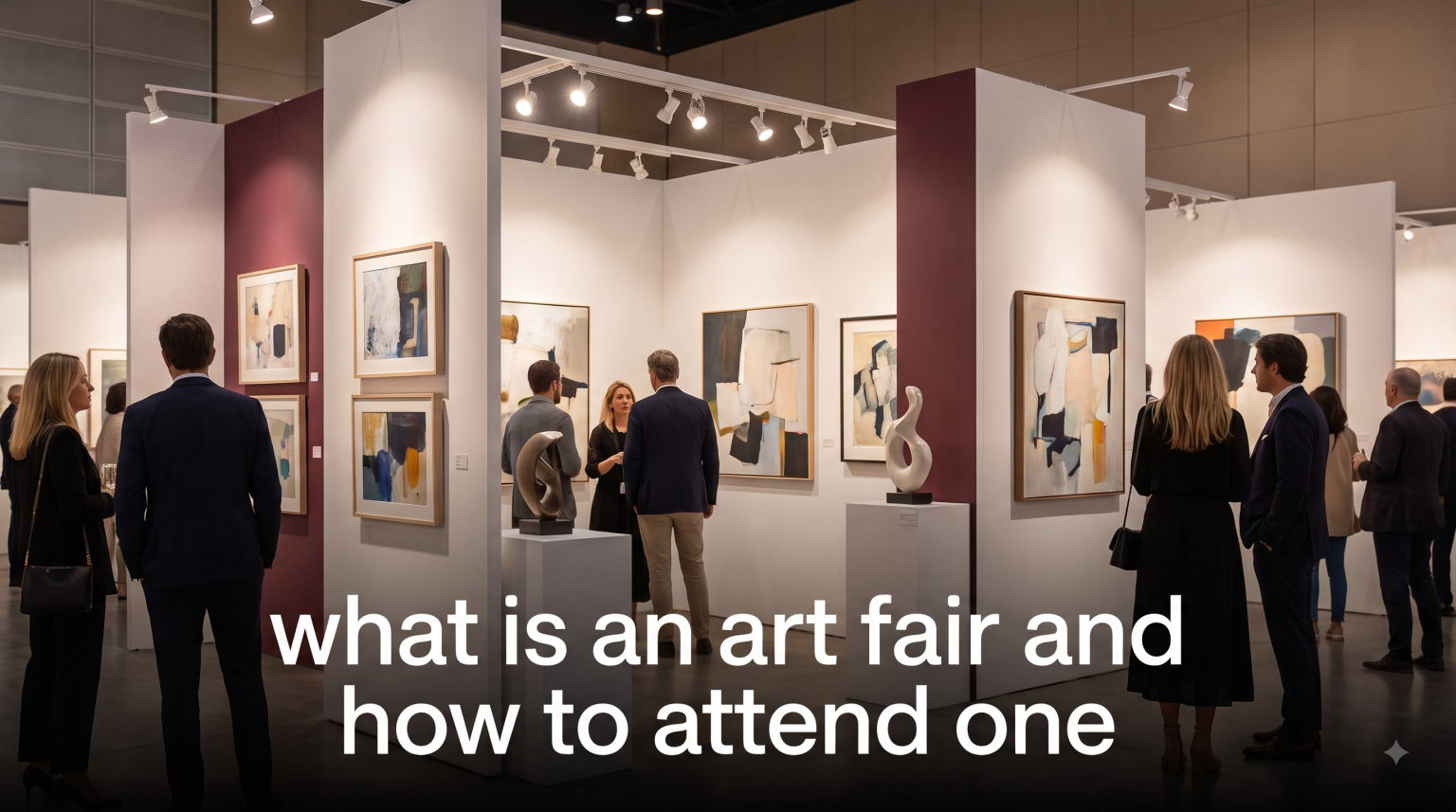
Walking into an art fair for the first time can feel overwhelming. I remember my first experience standing in a massive convention center, surrounded by hundreds of booths, thousands of artworks, and what felt like an exclusive club speaking a language I barely understood. That is what is an art fair and how to attend one becomes such an essential question for anyone interested in contemporary art.
An art fair is essentially a temporary marketplace where galleries, dealers, and artists gather under one roof to showcase and sell art directly to collectors and the public. Unlike visiting a single gallery, you get access to dozens or even hundreds of galleries from around the world in a single weekend. This concentrated experience makes art fairs one of the most exciting ways to engage with the art world economics and discover work you might never encounter otherwise.
Whether you are a serious collector hunting for your next investment piece or a curious newcomer wanting to explore contemporary art, this guide covers everything you need to know. I have attended dozens of fairs over the years, and I will share practical advice that will help you navigate your first experience with confidence.
Table of Contents
What Is an Art Fair
An art fair is a temporary trade event where galleries, art dealers, and sometimes individual artists come together in one large venue to exhibit and sell artworks to collectors, curators, museum professionals, and the general public. Think of it as an art supermarket or a temporary mall dedicated entirely to fine art.
The modern art fair traces its origins to 1967 when Art Cologne launched in Germany as the first truly international art fair. Before that, art sales happened primarily in galleries or through auction houses. Art Cologne changed everything by bringing multiple galleries together under one roof, creating a competitive marketplace that benefited both sellers and buyers. This model proved so successful that it spawned the global art fair ecosystem we know today.
Unlike a museum exhibition where art is displayed for educational purposes, an art fair is fundamentally commercial. Galleries pay significant fees for booth space and need to recoup those costs through sales. This creates a unique energy where business and culture intersect.
How Art Fairs Work
Art fairs operate on a simple but effective model. Organizers rent a large venue, divide it into individual booths or sections, and sell or rent those spaces to participating galleries. Each gallery then transforms their allocated space into a mini-exhibition showcasing available works by their represented artists.
Most fairs run for three to five days, with the first day or two typically reserved for VIP preview events. These previews are invite-only and attract serious collectors, museum curators, and high-net-worth individuals who get first dibs on the best pieces. After the preview period, the fair opens to the general public with purchased tickets.
Galleries carefully curate what they bring to a fair. They need to balance showing their most impressive work to attract attention while ensuring they have pieces across different price points to accommodate various budgets. A single booth might display works ranging from a few thousand dollars to several million.
Why Attend an Art Fair
The reasons for attending an art fair vary depending on who you are and what you are looking for. After interviewing dozens of attendees and reflecting on my own experiences, I have identified the main motivations that bring people through those doors.
For First-Time Visitors and Art Enthusiasts
If you are new to art collecting or simply love looking at contemporary work, art fairs offer an unmatched educational experience. In a single afternoon, you can see hundreds of artists across different styles, mediums, and price points. This exposure helps you develop your eye and understand what resonates with you personally.
Art fairs also democratize access to galleries you might never visit otherwise. Many exhibitors come from cities or countries far from where you live. For instance, someone in New York can browse galleries from Tokyo, Berlin, and São Paulo without leaving Manhattan.
Many first-timers worry about feeling out of place or looking foolish. Here is the truth: most people there are figuring it out as they go. Gallery staff are generally happy to answer questions, and the casual atmosphere means you can browse without pressure to buy.
For Collectors
Serious collectors attend art fairs because of efficiency and access. Instead of traveling to galleries across multiple cities, you can evaluate work from dozens of galleries in a single weekend. This concentration saves time and travel costs while exposing you to pieces you might never discover through gallery visits alone.
Fairs also provide real-time market intelligence. By seeing what galleries are showing and what is selling, collectors get a pulse on current trends and pricing. This information helps inform collecting decisions and investment strategies.
For those interested in best galleries in NYC and beyond, art fairs offer a way to discover new galleries and artists before they gain widespread recognition.
For Artists
Artists attend fairs to research galleries they might want to work with, understand market trends, and network with other professionals. While artists typically cannot exhibit at major fairs without gallery representation, attending as a visitor provides invaluable insight into how their work fits into the broader market.
Some fairs specifically cater to unrepresented artists or offer satellite events where artists can show work directly. These opportunities help emerging artists build their careers and connect with potential dealers.
The Networking Value
Perhaps the most underrated aspect of art fairs is the networking opportunity. You never know who you might meet in line for coffee or while admiring a particular piece. Many collectors have discovered their favorite galleries through casual conversations at fairs. Artists have found representation by striking up dialogues with dealers.
The social aspect extends beyond business. Art fairs attract passionate, interesting people from around the world. Conversations often flow naturally because everyone shares at least one common interest: art.
Types of Art Fairs You Can Attend
Not all art fairs are created equal. Understanding the different types helps you choose which events match your interests and budget.
Major International Art Fairs
These are the heavy hitters of the art fair world. Events like Art Basel, Frieze, and The Armory Show feature top-tier galleries from around the globe showing museum-quality work by established and emerging artists. Admission prices tend to be higher, and the atmosphere can feel more exclusive.
Major fairs typically run concurrent with citywide art events, creating a festive atmosphere with parties, talks, and special exhibitions. Attending one of these feels like participating in a cultural moment rather than just visiting a trade show.
Satellite Fairs
Satellite fairs spring up around major events, offering alternative programming and often more affordable entry points. These fairs might focus on emerging artists, specific mediums like photography or digital art, or particular geographic regions.
During Miami Art Week, for example, the main Art Basel Miami Beach fair is surrounded by dozens of satellite fairs like NADA, Pulse, and Scope. Each has its own personality and price point, making the week accessible to collectors at every level.
Affordable Art Fairs
For newcomers worried about price tags, affordable art fairs are a perfect entry point. These events specifically curate work priced to be accessible, typically capping pieces at $10,000 or less. Many works fall in the $100 to $1,000 range.
Affordable art fairs prove that you do not need a trust fund to start collecting. I have seen visitors leave with original works by talented emerging artists for the price of a nice dinner. These fairs also tend to have a more relaxed, welcoming atmosphere that puts first-time buyers at ease.
Print and Multiple Fairs
Print-focused fairs specialize in editioned works like prints, photographs, and multiples. Because these pieces exist in multiples rather than being one-of-a-kind, they typically cost less than unique paintings or sculptures.
This makes print fairs excellent for new collectors wanting to own work by established artists without paying primary market prices for unique pieces. A print by a famous artist might cost a fraction of what their painting would command while still offering the satisfaction of owning authentic work.
Specialty and Regional Fairs
Beyond these categories, countless specialty fairs focus on specific mediums like photography, ceramics, or craft. Regional fairs highlight local galleries and artists, offering a more intimate experience and often lower price points than international events.
Researching the specific focus of a fair before attending helps set expectations and ensures the event aligns with your interests.
What You Will Find at an Art Fair
Walking onto a fair floor, you will encounter an incredible variety of artistic media and styles. Understanding what is typically available helps you know what to expect.
Paintings and Drawings
Paintings remain the bread and butter of most art fairs. From small works on paper to large-scale canvases, you will find everything from figurative to abstract, traditional to experimental. Drawing sections often showcase more affordable entry points into an artist’s practice.
Sculpture and Installation
Three-dimensional work brings physical presence to fair booths. Sculptures range from small tabletop pieces to monumental works that barely fit through convention center doors. Some fairs dedicate special sections to installation art, creating immersive environments within the larger event.
Photography
Photography has earned its place as a major medium at art fairs. You will find vintage prints, contemporary digital works, and everything in between. Photography tends to be more affordable than painting or sculpture, making it popular with new collectors.
Prints and Multiples
As mentioned earlier, editioned works offer accessible collecting opportunities. Screenprints, etchings, lithographs, and digital editions allow you to own work by renowned artists at lower price points. Just pay attention to edition size and provenance.
Digital Art and NFTs
The digital art world has exploded in recent years, and art fairs have adapted. Many now include sections for digital art, video installations, and NFTs displayed on screens or through VR experiences. This rapidly evolving category attracts younger collectors and tech enthusiasts.
Artistic Collaborations
Some fairs highlight influential art collectives and collaborative projects. These group presentations showcase how artists work together to create pieces that no individual could produce alone.
How to Prepare for Your First Art Fair
Preparation separates a stressful experience from an enjoyable one. After attending dozens of fairs, here is my pre-visit checklist.
Research Participating Galleries
Most fairs publish a list of participating galleries before the event. Spend 30 minutes browsing their websites to identify which ones align with your taste. Note any specific artists or pieces you want to see. This research transforms aimless wandering into purposeful exploration.
Many fairs also publish floor plans showing where each gallery is located. Study the map and plan a route that hits your priority booths first. Energy and attention fade over long days, so see the most important things while you are fresh.
Set a Budget
Art fairs can trigger impulse purchases. The excitement, the social pressure, and the fear of missing out on a piece can lead to regrettable decisions. Set a firm budget before you arrive and stick to it.
Your budget should include admission tickets, transportation, food, and any purchases you plan to make. If you are serious about buying, research typical price ranges for the types of work you are considering. This knowledge helps you recognize fair deals and avoid overpaying.
Remember that many galleries offer payment plans for serious purchases. Do not be afraid to ask about financing options if you find a piece you love that slightly exceeds your immediate budget.
Plan Your Visit Strategically
Timing matters at art fairs. Opening days bring the biggest crowds and the most energy, but also the most competition for popular pieces. Later days might offer better opportunities for negotiation as galleries hope to make sales before packing up.
If possible, visit on a weekday rather than a weekend. Crowds are thinner, gallery staff have more time to talk, and the atmosphere feels less frantic.
Arrive early in the day when you have energy and the space is less crowded. Peak hours typically run from 1 PM to 4 PM.
Dress Comfortably
You will walk miles during an art fair visit. Wear comfortable shoes and clothing appropriate for temperature changes. Convention centers often blast air conditioning, so bring a light layer even in summer.
Avoid bringing bulky bags that make navigating crowded aisles difficult. Many fairs prohibit large backpacks anyway for security reasons.
Bring the Essentials
Pack light but smart. Bring your phone with gallery research bookmarked, a portable charger, any business cards if you have them, and a small notebook for jotting down artist names or gallery contacts. Some visitors bring measuring tapes to check if pieces will fit in their homes.
Leave valuables at home and keep your wallet and phone in secure front pockets. Art fairs attract pickpockets like any crowded event.
Navigating an Art Fair Like a Pro
Once you arrive, these strategies will help you make the most of your visit.
Arrive Early and Pace Yourself
Get there when doors open to beat crowds and see work before the best pieces sell. However, pace yourself. Trying to see everything in two hours leads to visual overload and fair-tigue.
Take regular breaks. Sit down, have a coffee, and let your eyes rest. Your brain needs time to process what you are seeing. I recommend planning at least one substantial break for every two hours of viewing.
Understanding Fair-Tigue
Fair-tigue is real. It describes the exhaustion that comes from walking endless aisles, processing thousands of visual stimuli, and making constant aesthetic judgments. Symptoms include decision paralysis, irritability, and the inability to appreciate anything you see.
Combat fair-tigue by setting realistic goals, taking breaks, and knowing when to call it a day. If you find yourself mindlessly walking past booths without really seeing the work, it is time to leave. You can always return tomorrow with fresh eyes.
How to Approach Galleries
Many first-timers feel intimidated entering a booth. They worry about being judged, pressured to buy, or revealing their ignorance. In reality, most gallery staff welcome genuine interest regardless of your buying power.
Walk in, look around, and if something catches your eye, ask about it. Simple questions like “Can you tell me about this artist?” or “What is the price range for this work?” open conversations naturally. Gallery representatives want to talk about the work they are showing. Their enthusiasm usually shows.
If a gallery representative seems dismissive or rude, simply move on. Life is too short to support spaces that make you feel unwelcome. There are hundreds of other booths to explore.
Taking Notes and Photos
Document what you see. Photograph pieces you love, note gallery names and artist information, and record prices if disclosed. Most galleries allow photography, but always ask first out of courtesy.
These notes become invaluable when you want to follow up later. Memory fades quickly when you have seen hundreds of pieces. Having photos and written records lets you revisit favorites with clarity.
Understanding Private Views and Preview Days
Private views and preview days are invite-only events before the public opening. They attract serious collectors, museum curators, and press. Gallery staff focus on VIP guests during these times.
Can anyone go to a private view? Generally no. These events require invitations typically extended to established collectors, museum professionals, or those with gallery relationships. However, some fairs offer preview access to members or for an additional ticket price.
If you do attend a preview, respect the priority system. Serious collectors may be negotiating for specific pieces. Do not be offended if gallery staff seem busy or distracted.
Buying at the Fair
If you find a piece you want to purchase, act decisively. Good works sell quickly, and hesitation often means losing out. That said, never rush into a major purchase without due diligence.
Ask about the artist’s exhibition history, provenance of the piece, and condition. Reputable galleries provide this information willingly. For significant purchases, request a certificate of authenticity.
Payment methods vary by gallery. Most accept credit cards, though some offer discounts for cash payments. Ask about delivery options, especially for large pieces that cannot be carried out by hand.
Major International Art Fairs Worth Knowing
The global art fair calendar is packed with events year-round. Here are the most significant ones every art enthusiast should know.
Art Basel
The mother of all art fairs, Art Basel started in 1970 in Basel, Switzerland, and has expanded to Miami Beach and Hong Kong. It represents the pinnacle of the market, with galleries showing museum-quality work by blue-chip artists. Attending Art Basel feels like visiting the World Cup of the art world.
Frieze
Frieze began as a magazine in London and launched its fair in 2003. It has since expanded to New York, Los Angeles, and Seoul. Frieze tends to feature more emerging and contemporary work than Art Basel, with a focus on innovation and cutting-edge practice.
The Armory Show
New York’s flagship fair takes place each September on the West Side of Manhattan. It draws collectors from around the world and anchors New York’s fall art season. The fair emphasizes both historical work and contemporary innovation.
FIAC
The Foire Internationale d’Art Contemporain in Paris is one of Europe’s most important fairs. It takes place in the Grand Palais, making the venue itself an attraction. FIAC balances established and emerging galleries with strong representation from European and international dealers.
TEFAF
The European Fine Art Fair in Maastricht, Netherlands, focuses on older works including Old Master paintings, antiques, and classical art. Unlike contemporary fairs, TEFAF offers historical depth and museum-quality pieces spanning centuries.
Affordable Art Fair
With editions in cities worldwide, Affordable Art Fair lives up to its name by capping prices and focusing on accessibility. It is the perfect entry point for new collectors wanting to start their journey without breaking the bank.
Frequently Asked Questions
What do you do at an art fair?
At an art fair, you browse booths displaying artworks from galleries worldwide, view paintings, sculptures, photography, and other media, speak with gallery representatives about artists and prices, network with other art enthusiasts, attend talks or special events, and potentially purchase artwork. It is both a cultural experience and a commercial marketplace where you can discover new artists, learn about market trends, and engage directly with the art world.
Can anyone go to a private view?
Private views at art fairs are typically invite-only events reserved for VIP collectors, museum curators, press, and established gallery clients. However, some fairs offer preview access through membership programs or premium ticket purchases. The general public can usually attend during regular public hours, which typically begin after preview days end.
What is the 70/30 rule in art?
The 70/30 rule in art generally refers to gallery commission splits, where the artist receives 70% of the sale price and the gallery keeps 30%. This split can vary based on the artist’s career stage and negotiating power, with emerging artists sometimes receiving less favorable terms while established artists may negotiate better splits.
What is the 80/20 rule in art?
The 80/20 rule in art, also known as Pareto’s Principle, suggests that roughly 80% of sales come from 20% of artists represented by a gallery. This principle helps galleries focus their resources on their most successful artists while still supporting emerging talent. For collectors, it highlights why certain artists command higher prices and attention.
Conclusion
Understanding what is an art fair and how to attend one opens doors to one of the most exciting aspects of contemporary culture. These temporary marketplaces offer unparalleled access to global art, networking opportunities, and the chance to discover work that might transform your understanding of what art can be.
Start with an affordable art fair or satellite event to get your bearings. Research participating galleries, set a budget, and arrive early. Take breaks to avoid fair-tigue, ask questions without fear, and document what moves you.
The art fair world welcomes curious newcomers. Every experienced collector and dealer started exactly where you are now. Your first visit is just the beginning of what could become a lifelong passion for collecting and experiencing art. I will see you on the fair floor.