
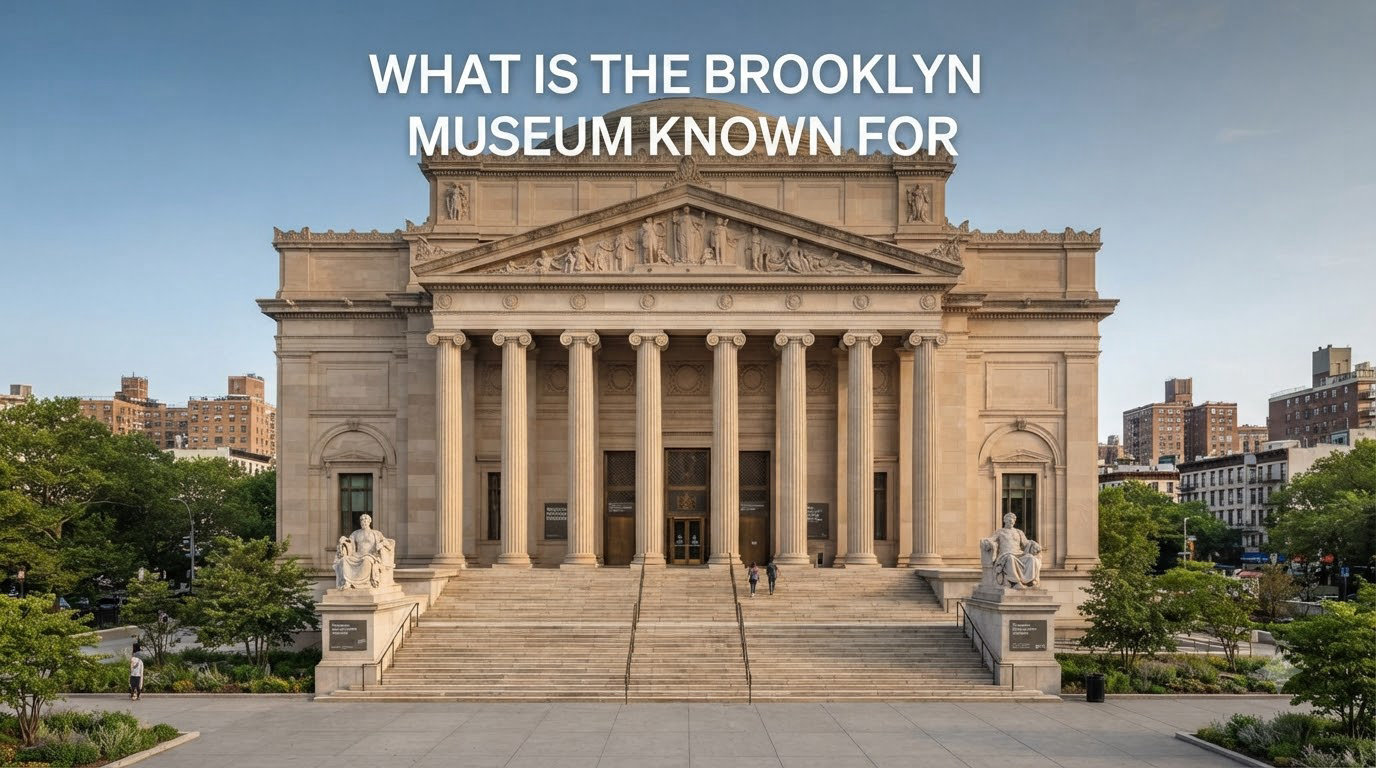
The Brooklyn Museum is one of New York City’s largest and most celebrated encyclopedic art institutions, housing a collection of approximately 500,000 objects spanning 6,000 years of human history. Located in the heart of Brooklyn, this landmark museum is renowned for its exceptional Egyptian art collection, diverse African art holdings, American art from colonial times to contemporary works, and its pioneering Feminist Art Center. With over 560,000 square feet of space, it stands as New York City’s second-largest art museum, offering visitors an unparalleled journey through world cultures and artistic achievements.
Table of Contents
A Pioneer in Public Art Education
The Brooklyn Museum has held a unique position in the American art museum landscape since its founding in 1895. It was one of the first major museums in the United States to embrace public education in art, pioneering programs that made art accessible to all visitors regardless of background or expertise. This commitment to democratic access remains central to the museum’s mission today, reflected in initiatives like its popular pay-what-you-wish admission policy and free community programs.
Throughout its history, the museum has consistently led the way in presenting art in innovative ways. It was the first major American museum to exhibit African art as fine art rather than anthropological artifacts, fundamentally changing how African artistic traditions were perceived and understood. The museum’s period rooms represent another innovation, recreating complete domestic environments from different eras and cultures to give visitors an immersive understanding of how people lived and created.
The Egyptian Art Collection
The Brooklyn Museum’s Egyptian art collection is widely regarded as one of the finest in the Western Hemisphere, offering visitors an extraordinary glimpse into one of the world’s most fascinating civilizations. The collection spans thousands of years, from prehistoric times through the Ptolemaic period, and includes everything from everyday objects to monumental temple decorations.
Highlights include ancient mummies, intricately painted coffins, exquisite jewelry, and powerful sculptures of pharaohs and deities. The collection is particularly strong in objects from the Middle Kingdom and New Kingdom periods, showcasing the artistic mastery and spiritual complexity of ancient Egypt. Visitors can explore elaborate burial equipment, magical amulets, and detailed scenes depicting daily life along the Nile. The museum’s Egyptian galleries provide context and interpretation that helps modern visitors appreciate both the artistry and the cultural significance of these remarkable objects.
African Art Collection
The museum’s African art collection represents one of the most comprehensive holdings of African artistic traditions in any American museum. Unlike many collections of its era, the Brooklyn Museum long recognized African artistic achievements on their own terms, presenting masks, sculptures, textiles, and everyday objects as works of art rather than ethnographic curiosities.
The collection spans the breadth of the African continent and includes both traditional and contemporary works. Notable areas include West African masquerade traditions, the extraordinary cast-metal traditions of the Benin Kingdom, and powerful sculptures from Central Africa. Contemporary African artists are also represented, demonstrating the living, evolving nature of African artistic practice. The collection showcases the sophisticated aesthetics, spiritual depth, and technical mastery that characterize African art traditions.
American Art Through the Ages
The Brooklyn Museum’s American art collection traces the artistic development of the United States from colonial times to the present day. The collection includes paintings, sculpture, decorative arts, and more recently, new media installations that reflect the diverse and evolving nature of American creative practice.
Historical strengths include an outstanding collection of 19th-century American paintings, including notable works from the Hudson River School and American Impressionism. The 20th century is represented through strong holdings of modernist movements, abstract expressionism, and contemporary art. The collection provides a comprehensive view of American artistic achievement, reflecting both the nation’s shared experiences and its remarkable diversity of perspectives.
The Elizabeth A. Sackler Center for Feminist Art
The Elizabeth A. Sackler Center for Feminist Art represents a unique and groundbreaking addition to the Brooklyn Museum, making it one of the only major museums in the world with a dedicated center exploring feminist perspectives in art. This pioneering facility centers on Judy Chicago’s monumental installation “The Dinner Party,” one of the most significant works of the feminist art movement.
Beyond “The Dinner Party,” the center provides a platform for examining women’s contributions to art history and celebrating the achievements of female artists throughout history and across cultures. It houses exhibitions, educational programs, and research resources dedicated to advancing understanding of feminist art practices. The center positions the Brooklyn Museum as a leader in addressing historical gaps in the representation and study of women artists.
Contemporary Art and Special Exhibitions
The Brooklyn Museum maintains a dynamic presence in the contemporary art world through its rotating special exhibitions and its commitment to living artists. These exhibitions often address pressing social issues, explore emerging artistic practices, and showcase works by artists from diverse backgrounds and perspectives.
The museum’s contemporary art galleries feature works by leading artists working in all media, from painting and sculpture to video, installation, and digital art. Regular exhibitions explore themes ranging from identity and culture to politics and the environment. The museum’s contemporary programming reflects its commitment to remaining relevant and responsive to the evolving art world and the interests of its diverse audiences.
The Historic Building
The Brooklyn Museum’s building itself is a masterpiece of Beaux-Arts architecture, designed by the architectural firm McKim, Mead & White and completed in 1912. The facade features dramatic terraces and sculptural elements, while the interior spaces are characterized by soaring galleries filled with natural light. The building was designated a New York City landmark in 2001, recognizing its architectural significance.
Over the years, the building has been expanded and modernized to meet contemporary museum needs while preserving its historic character. The renovation has created spaces that enhance the visitor experience, including improved galleries, conservation facilities, and public amenities. The building itself serves as an introduction to the museum’s commitment to preserving and presenting cultural heritage.
Community Programs and Events
The Brooklyn Museum’s commitment to community engagement is expressed through an array of programs and events designed to make the museum accessible to all. The famous First Saturdays program, held on the first Saturday of each month, transforms the museum into a vibrant cultural hub with live music, artist talks, family activities, and extended hours until 11 PM. This beloved tradition has become one of Brooklyn’s most anticipated cultural events.
Other community programs include outreach initiatives that bring museum resources to schools and community organizations throughout Brooklyn and beyond. The Museum on Wheels program takes educational resources into underserved communities, while partnership programs work with local organizations to create meaningful connections between the museum and Brooklyn’s diverse populations. These programs reflect the museum’s understanding of its role as a community institution.
Visitor Information
The Brooklyn Museum welcomes visitors seven days a week, with extended hours on certain evenings. General admission is pay-what-you-wish, making it accessible to everyone regardless of budget. Special exhibitions may require separate timed-entry tickets.
The museum is located at 200 Eastern Parkway in Brooklyn, easily accessible by subway and other public transportation. Visitors should plan to spend several hours exploring the collection, as the museum’s size and depth make it impossible to see everything in a single visit. Wheelchair accessibility is available throughout the building, and services for visitors with disabilities are provided.
The museum’s location in Prospect Park puts it within walking distance of other Brooklyn cultural institutions, including the Brooklyn Botanic Garden and the Prospect Park Zoo, making it possible to plan a full day of cultural exploration in this vibrant neighborhood.
Why the Brooklyn Museum Is Worth Visiting
The Brooklyn Museum offers something for every art lover, history enthusiast, and curious visitor. Its encyclopedic collection spans civilizations and centuries, while its commitment to contemporary issues ensures that the museum remains relevant and engaging for modern audiences. The combination of world-class collections, thought-provoking exhibitions, and genuine community engagement makes the Brooklyn Museum one of New York City’s essential cultural destinations.
What sets the Brooklyn Museum apart is its willingness to address challenging topics, its dedication to diverse perspectives, and its belief that art can be transformative and accessible. Whether you’re interested in ancient civilizations, contemporary social issues, or anywhere in between, the Brooklyn Museum provides a welcoming space for exploration, discovery, and inspiration.
FAQs
What is the Brooklyn Museum most famous for?
The Brooklyn Museum is most famous for its encyclopedic collection spanning 6,000 years of history, with particular strengths in Egyptian art, African art, American art, and its pioneering Feminist Art Center. It houses approximately 500,000 objects in 560,000 square feet, making it New York City’s second-largest art museum.
Is the Brooklyn Museum worth visiting?
Yes, the Brooklyn Museum is absolutely worth visiting. It offers world-class collections with pay-what-you-wish admission, making it accessible to everyone. Notable highlights include the Egyptian art collection, the Elizabeth A. Sackler Center for Feminist Art, and diverse holdings in African, American, and contemporary art.
How big is the Brooklyn Museum?
The Brooklyn Museum encompasses approximately 560,000 square feet, making it New York City’s second-largest art museum after the Metropolitan Museum of Art. Its collection includes roughly 500,000 objects spanning 6,000 years of human history.
What is unique about the Brooklyn Museum?
Several features make the Brooklyn Museum unique, including the Elizabeth A. Sackler Center for Feminist Art, which houses Judy Chicago’s monumental u0022The Dinner Party,u0022 and its pioneering role as one of the first museums to present African art as fine art. The museum also hosts the popular First Saturdays program, offering free evening events with live music and activities.
How much does it cost to visit the Brooklyn Museum?
General admission to the Brooklyn Museum is pay-what-you-wish, meaning visitors can choose to pay any amount they prefer. Special exhibitions may require separate timed-entry tickets. The museum is committed to making art accessible to all visitors regardless of budget.
What collections are at the Brooklyn Museum?
The Brooklyn Museum’s major collections include ancient Egyptian art, African art, American art (colonial to contemporary), Asian art, decorative arts, and the Elizabeth A. Sackler Center for Feminist Art. The museum also maintains a significant collection of period rooms and regularly hosts special exhibitions.
Where is the Brooklyn Museum located?
The Brooklyn Museum is located at 200 Eastern Parkway in the Prospect Heights neighborhood of Brooklyn, New York. It is easily accessible by subway and is situated near the Brooklyn Botanic Garden and Prospect Park.
Conclusion
The Brooklyn Museum stands as a testament to the power of art to inspire, educate, and transform. With its extraordinary collections spanning thousands of years of human creativity, its commitment to accessibility and community engagement, and its pioneering approach to presenting diverse artistic traditions, the museum has earned its place as one of America’s great cultural institutions. Visiting the Brooklyn Museum offers not just an encounter with remarkable works of art, but an opportunity to engage with the full breadth of human experience and achievement. Whether you’re a lifelong art enthusiast or simply curious about what the Brooklyn Museum is known for, the museum promises a rewarding and memorable experience.