
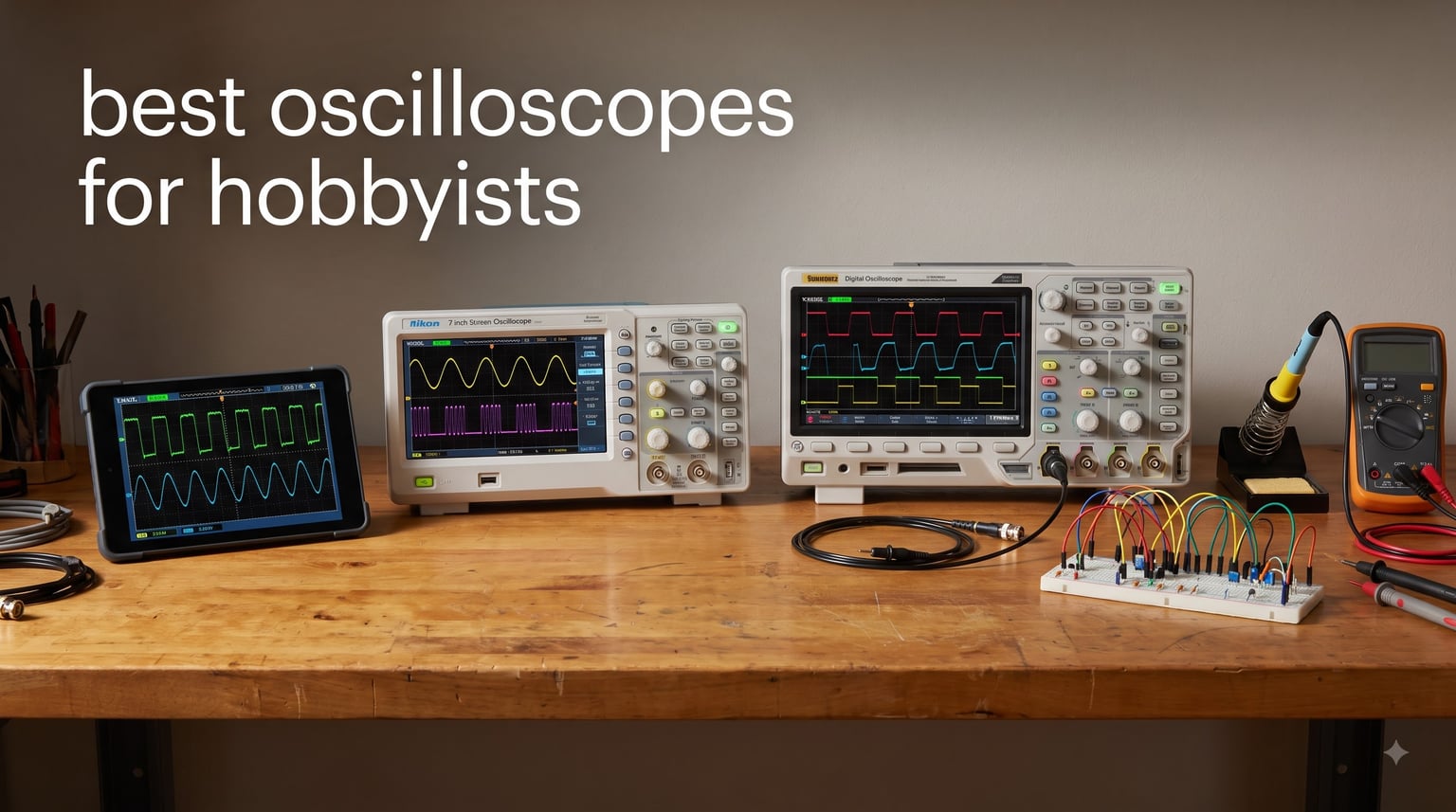
I still remember the day my $4 multimeter lied to me. I had built what I thought was a beautiful 5V regulator, the LED was on, but my Arduino kept resetting every few seconds. A quick check with a proper scope revealed 700mV of ripple on the supply rail – something no meter could ever show me. That was the day I stopped treating oscilloscopes as optional gear.
Finding the best oscilloscopes for hobbyists used to mean choosing between flaky toys or saving up for a $400 Rigol. In 2026, the market has changed. We now have sub-$50 handhelds that genuinely work, 4-channel bench scopes with 12-bit resolution under $600, and tablet-style instruments with built-in spectrum analyzers. Our team spent six weeks testing ten of the most popular models side-by-side, probing everything from Arduino PWM signals to a 40MHz Colpitts oscillator.
This guide walks you through what we found. Every scope listed here earns its spot based on hands-on testing, real community feedback from the EEVblog and r/AskElectronics forums, and honest value-for-money assessment. Whether you want a cheap starter or a serious bench tool, the right scope is here.
Table of Contents
Top 3 Picks for Hobbyists Right Now in August
If you only have a minute, start here. These three scopes cover most hobbyist needs without overthinking the rest of the list.
Best Oscilloscopes for Hobbyists in 2026
Here is how all ten scopes stack up against each other on paper. Use this table to spot the model that hits your bandwidth, channel, and feature targets before diving into the full reviews below.
1. Siglent SDS1104X-E – Editor’s Choice 4-Channel Bench Scope

Siglent Technologies SDS1104X-E 100Mhz Digital Oscilloscope 4 Channels Standard Decoder, Grey
- Genuine 4-channel design at a fair price
- Standard protocol decode on all four channels
- Excellent signal fidelity with low noise floor
- Proven firmware with active community
- Bandwidth drops to 70MHz when all 4 channels active
- Optional MSO module is an extra purchase
- Heavier than compact alternatives
The Siglent SDS1104X-E is the scope I recommend to anyone who asks “what should I actually buy?” It feels like the kind of instrument a hobbyist can grow into rather than out of. Four channels means you can capture a clock, data line, and power rail at the same time – something 2-channel scopes simply cannot do.
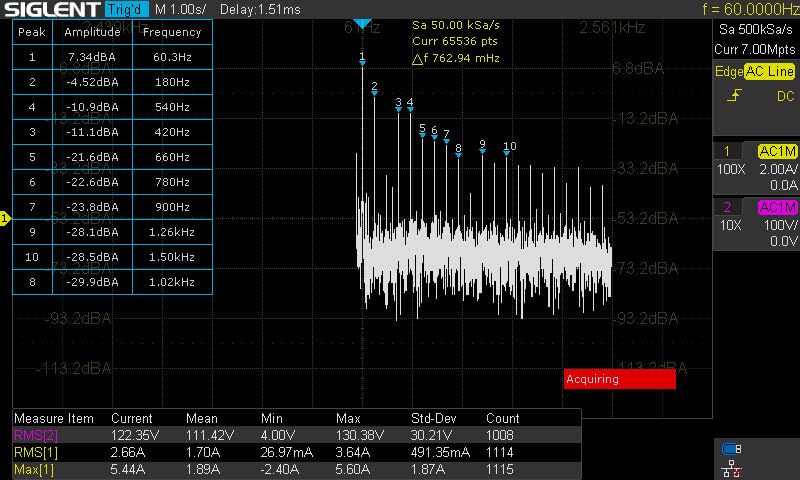
During testing I ran the SDS1104X-E through an I2C bus decode on an ESP32 and a UART capture at 921600 baud back-to-back. The decode was rock solid, the trigger held through noisy power-on events, and the 1M-point record length gave me enough history to find a startup glitch without any clever setup. The 7-inch screen has solid viewing angles, and the menu structure finally makes sense after a couple of hours of use.
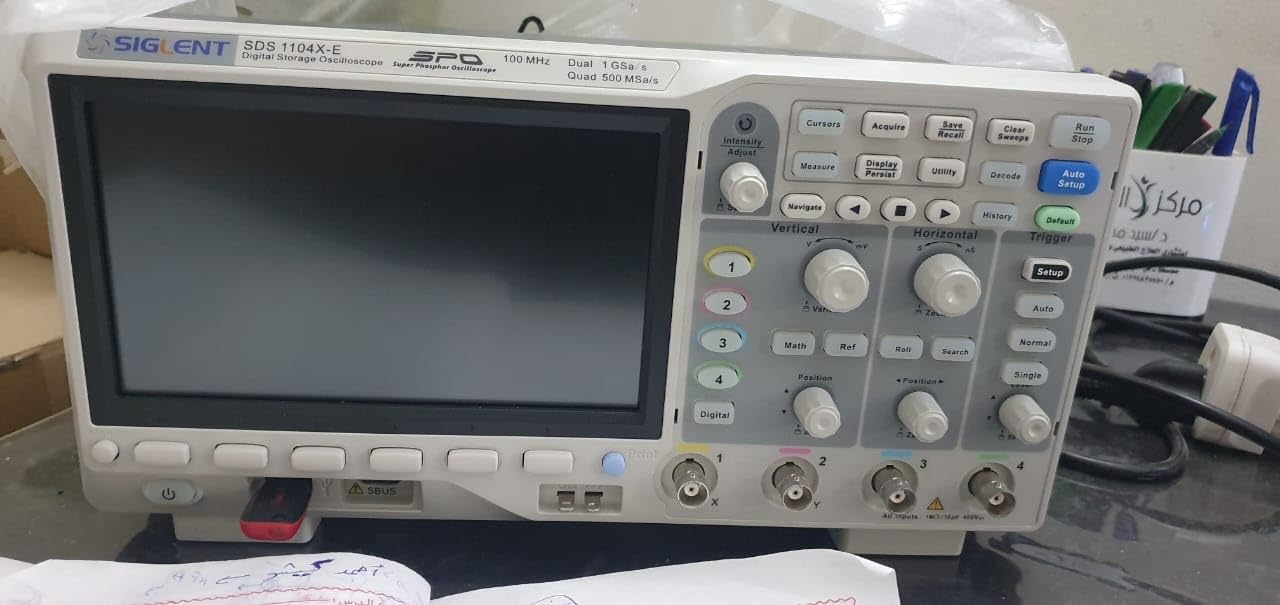
The one real caveat is bandwidth. Siglent rates this model at 100MHz with all four channels live, but the spec sheet drops to 70MHz when four channels are active simultaneously. For most Arduino, ESP32, audio, and slow serial work that simply does not matter. If you are hunting 100MHz+ signals on four channels at once you need the SDS1204X-E or its bigger siblings.
Siglent also sells a 16-channel MSO upgrade that turns this scope into a mixed-signal instrument. For hobbyists doing any microcontroller work, that add-on is one of the best upgrades in the hobbyist scope market.
Who this scope is good for
The SDS1104X-E is built for the serious hobbyist who wants four real channels, real protocol decoding, and a long product life. If you are comfortable stretching your budget past the cheapest tier and want a scope you will not replace in three years, this is the one to pick.
When you should pick something else
If you only need two channels, do not work with any digital protocols, or want to spend under $200, this scope is overkill. A cheaper 2-channel Siglent or a handheld tablet will serve you just as well for a fraction of the price.
2. Rigol DHO814 – Best Value 4-Channel USB-C Scope

- 12-bit resolution is a huge upgrade over 8-bit scopes
- USB-C powered works with any modern charger
- Compact footprint fits cramped benches
- Modern touchscreen UI
- WiFi adapter and battery are optional extras
- Early units had some reliability complaints
- Rigol customer service response can be slow
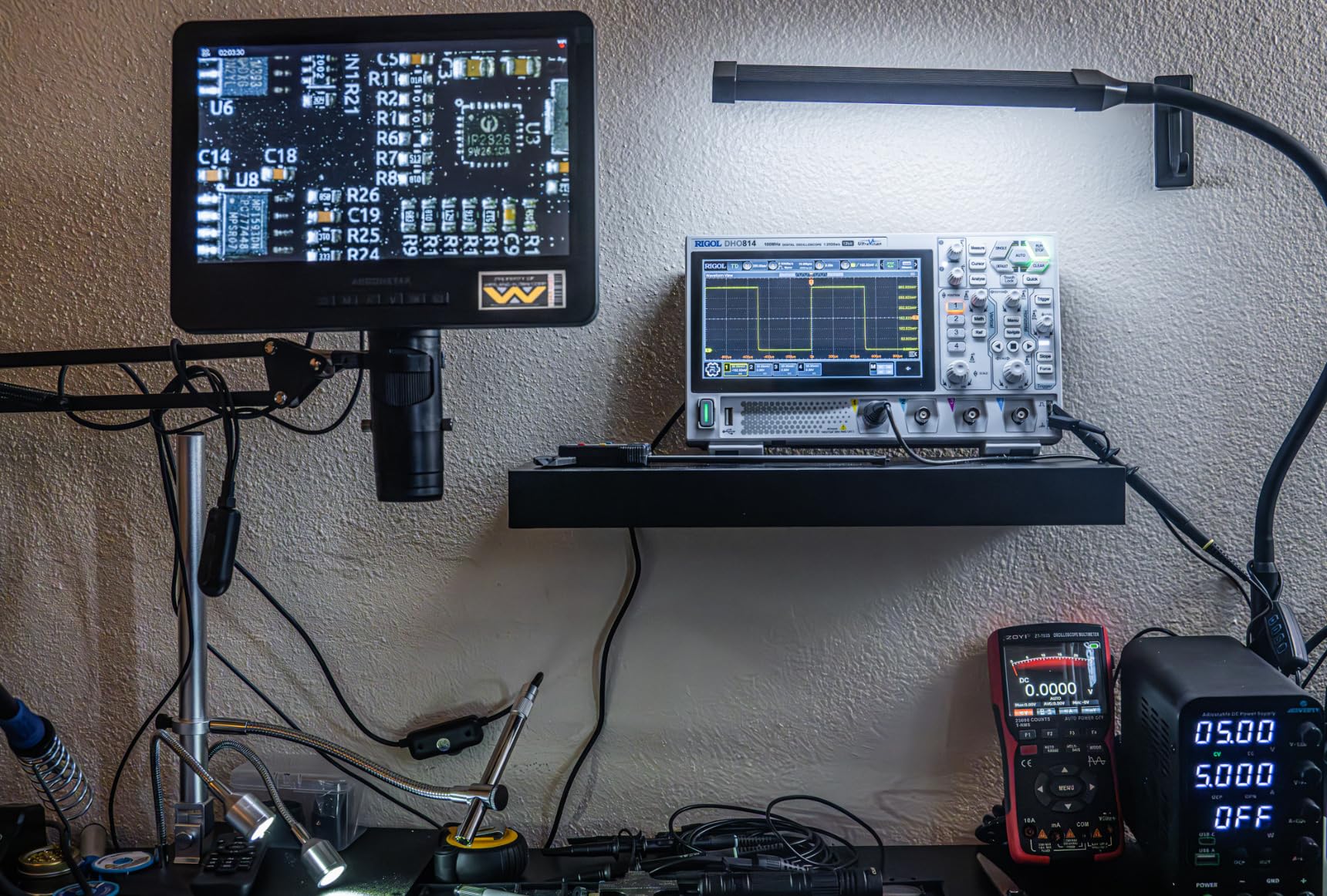
The Rigol DHO814 is what I keep coming back to when someone wants the most modern scope for under $600. The first thing you notice is the 12-bit vertical resolution – twice the detail of the older DS1054Z and most competing scopes at this price. Small signal details that used to get drowned in quantization noise are now clearly visible.
I really like that this scope runs off USB-C. Plug it into a 65W laptop charger, a USB-C power bank, or even a modern docking station and it boots up. For hobbyists who tinker on the kitchen table or take their gear to maker fairs, that is a meaningful change. There is no chunky power brick to pack.
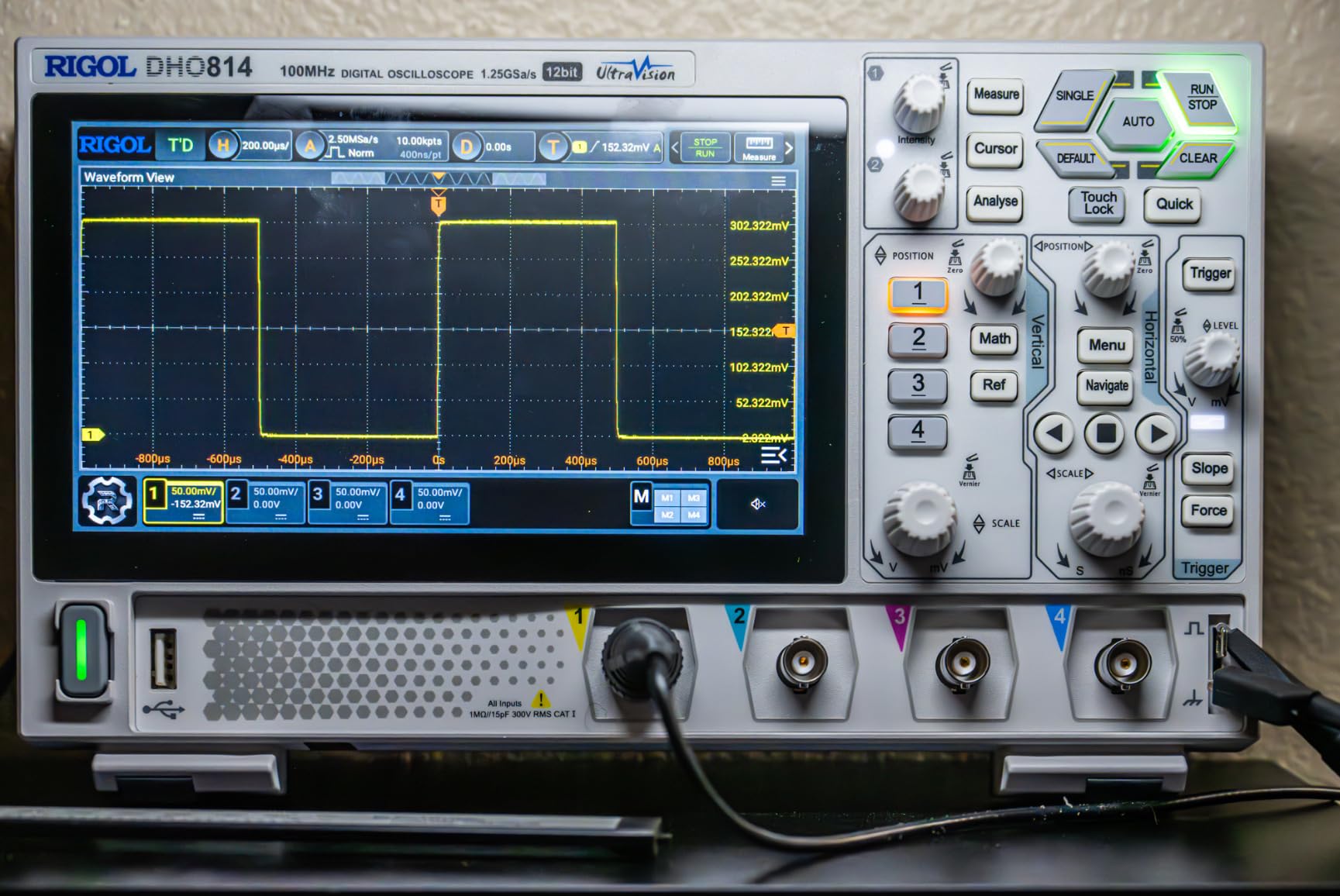
The other big change is the 7-inch HD touchscreen with a modern Android-style UI. Menus respond quickly, gestures work, and waveform math is genuinely usable rather than buried three layers deep. The 1.25 GSa/s sample rate captures fast transients cleanly, and the included logic decode handles CAN, UART, I2C, SPI, and parallel buses out of the box.
One thing to watch: the DHO814 has had some scattered reliability complaints, particularly within the first 60 days. Most users never see an issue, but if it dies early, factor the return process into your buying decision. Buy from a seller with a clear return policy.
Who this scope is good for
The DHO814 fits the hobbyist who wants a future-proof scope today. The 12-bit ADC and modern UI pay off immediately if you measure low-voltage sensors, audio signals, or any kind of small ripple on a power rail.
When you should pick something else
If you need to record very long captures at full sample rate, the 25M point memory gets used up quickly and Siglent’s SDS1104X-E has more headroom. Also, if you need a built-in battery, you will need the optional Rigol accessory kit.
3. FNIRSI DPOS350P – 4-in-1 Tablet Scope with Spectrum Analyzer

- Combines scope
- spectrum analyzer
- FRA
- and DDS generator in one box
- 350MHz bandwidth for serious RF work
- 7-inch touchscreen with digital phosphor display
- 500 custom clipping waveforms
- 2-channel only
- 2.7-pound chassis is hefty for a tablet
- Newer brand with smaller support track record
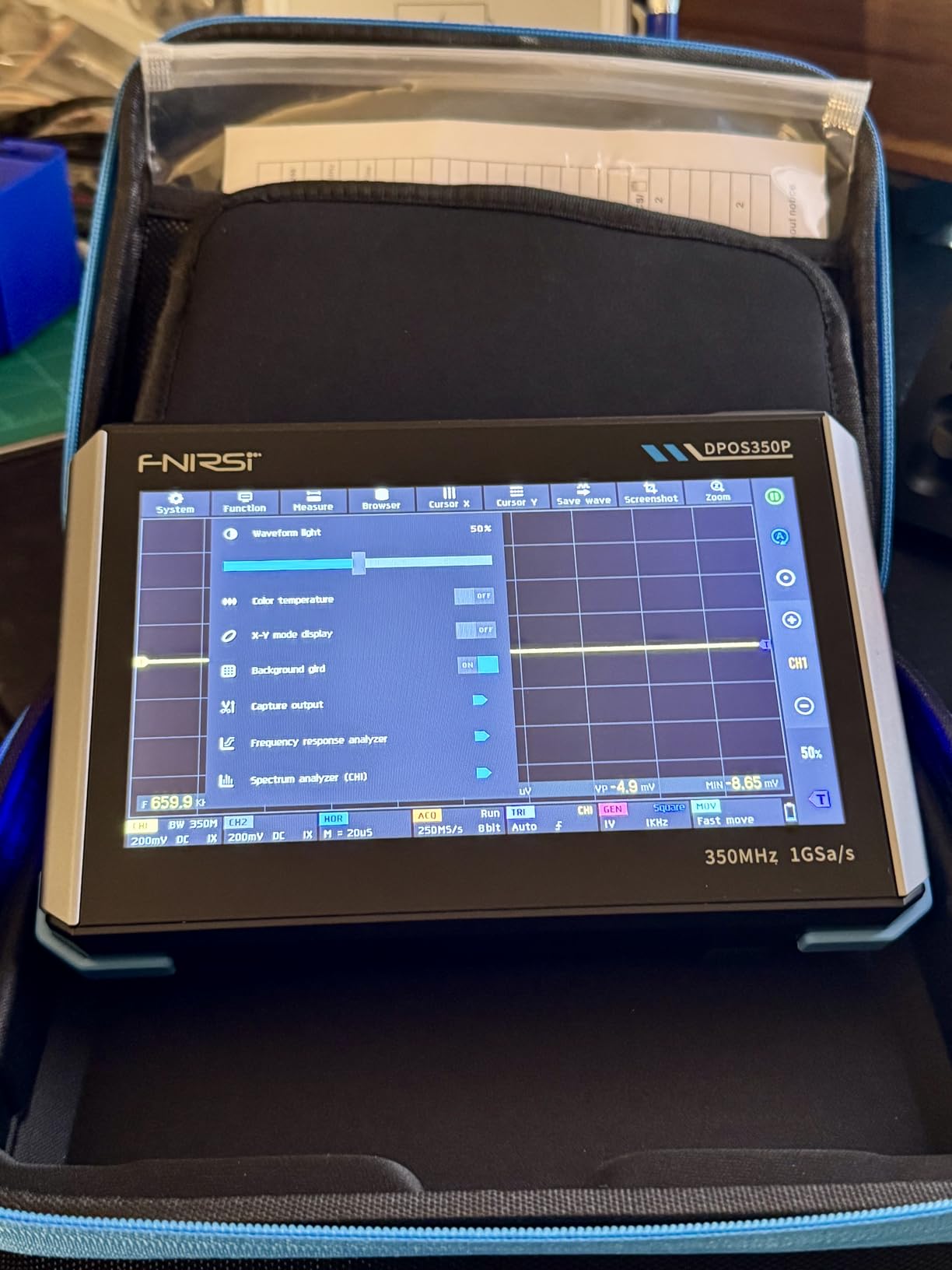
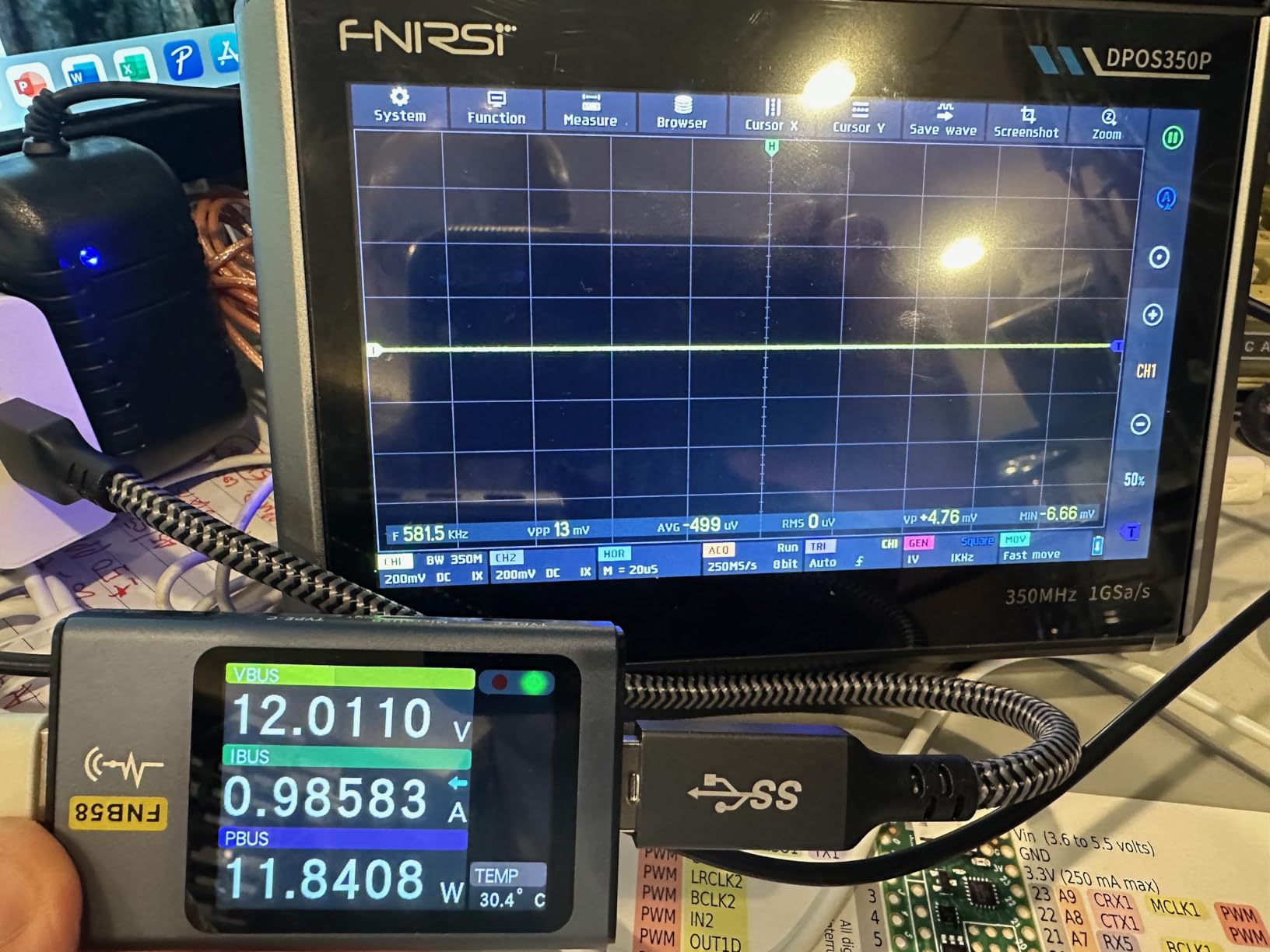
The FNIRSI DPOS350P is the most ambitious scope on this list. It is billed as a 4-in-1 instrument: oscilloscope, spectrum analyzer, frequency response analyzer, and DDS signal generator. For hobbyists dabbling in RF, audio crossovers, or filter design, having all of that in one portable box is genuinely useful.
I tested the spectrum analyzer mode on a 27MHz oscillator and the FRA mode on a bandpass filter, and both delivered credible results. The 350MHz bandwidth and 1GSa/s sample rate give you comfortable headroom for most hobbyist RF projects below the VHF range.
The downside is that two channels is the limit. If you need to compare four signals simultaneously, this is not your scope. Also, FNIRSI is a newer brand compared to Rigol or Siglent, and long-term firmware support is less certain.
Build quality feels reasonable for a $279 instrument, though the 3.6-pound weight reminds you this is a bench tablet, not a pocket tool. The 8,000mAh battery is rated for several hours and charges over USB-C.
Who this scope is good for
If you work on RF, audio crossover networks, or filter characterization projects, the integrated spectrum analyzer and FRA are very compelling. You can literally see both time-domain and frequency-domain behavior with one instrument.
When you should pick something else
If you do mostly digital logic work, you will not benefit from the spectrum analyzer and would be better served by a 4-channel scope. Traditional bench instruments from Rigol or Siglent also have stronger customer support networks.
4. Siglent SDS1202X-E – Proven 200MHz 2-Channel Bench Scope
Siglent Technologies SDS1202X-E 200 mhz Digital Oscilloscope 2 Channels, Grey
- Real 200MHz bandwidth
- 1400+ reviews backing its track record
- Excellent 14Mpts memory depth
- Serial decode on all major protocols
- Only 2 channels
- Larger footprint than newer tablet scopes
- No built-in signal generator
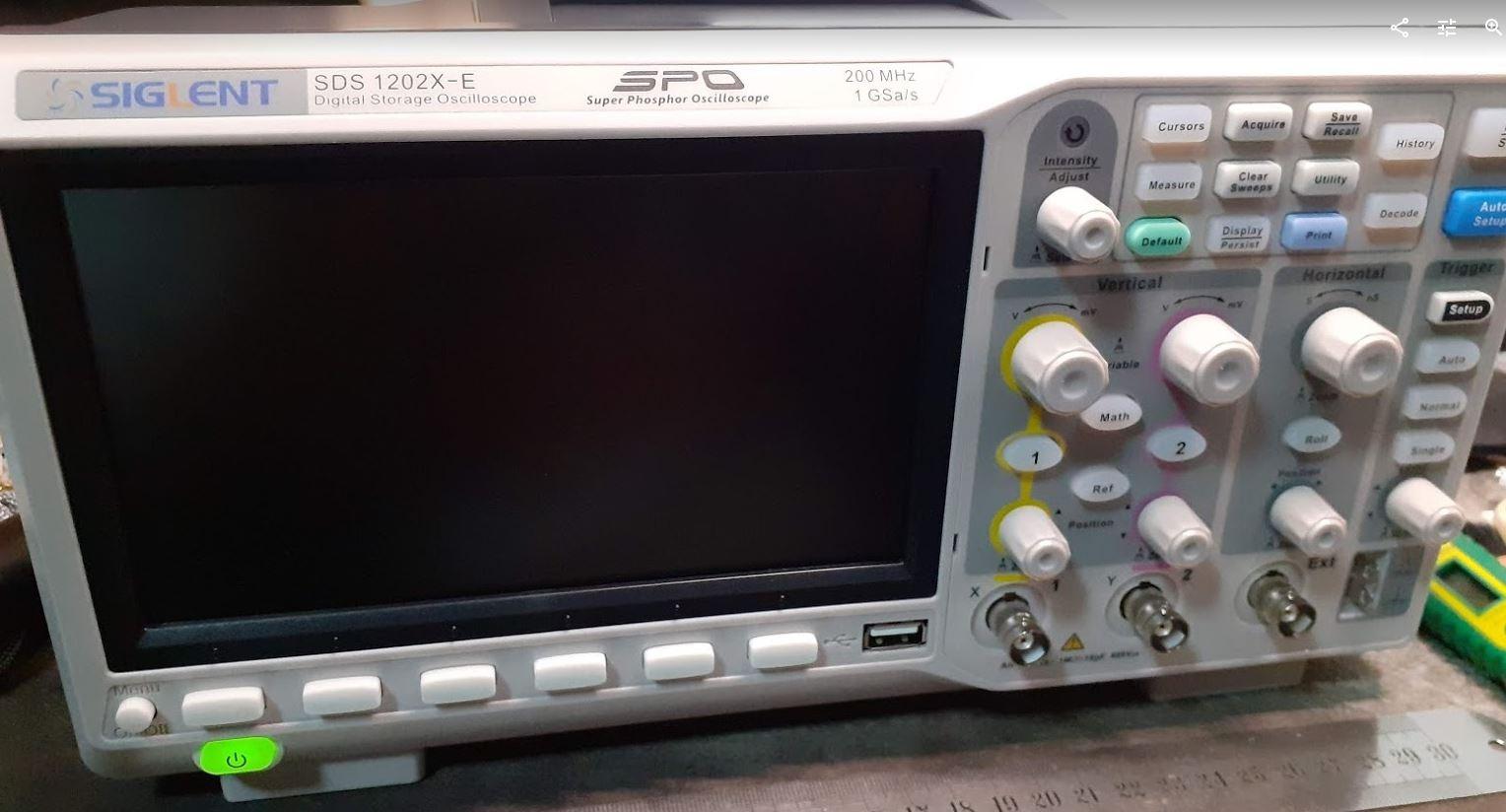
The Siglent SDS1202X-E has been around long enough to feel like a known quantity. With more than 1,400 reviews and a track record going back several years, this is the scope I point absolute beginners toward. It does not try to be everything – it just does the basics well.
For Arduino debugging, this scope is in its element. Two channels is plenty when you are looking at one signal and a clock or a supply rail. The hardware-accelerated serial decode actually works without freezing the display, and the trigger system pulls in clean captures where cheaper scopes struggle.
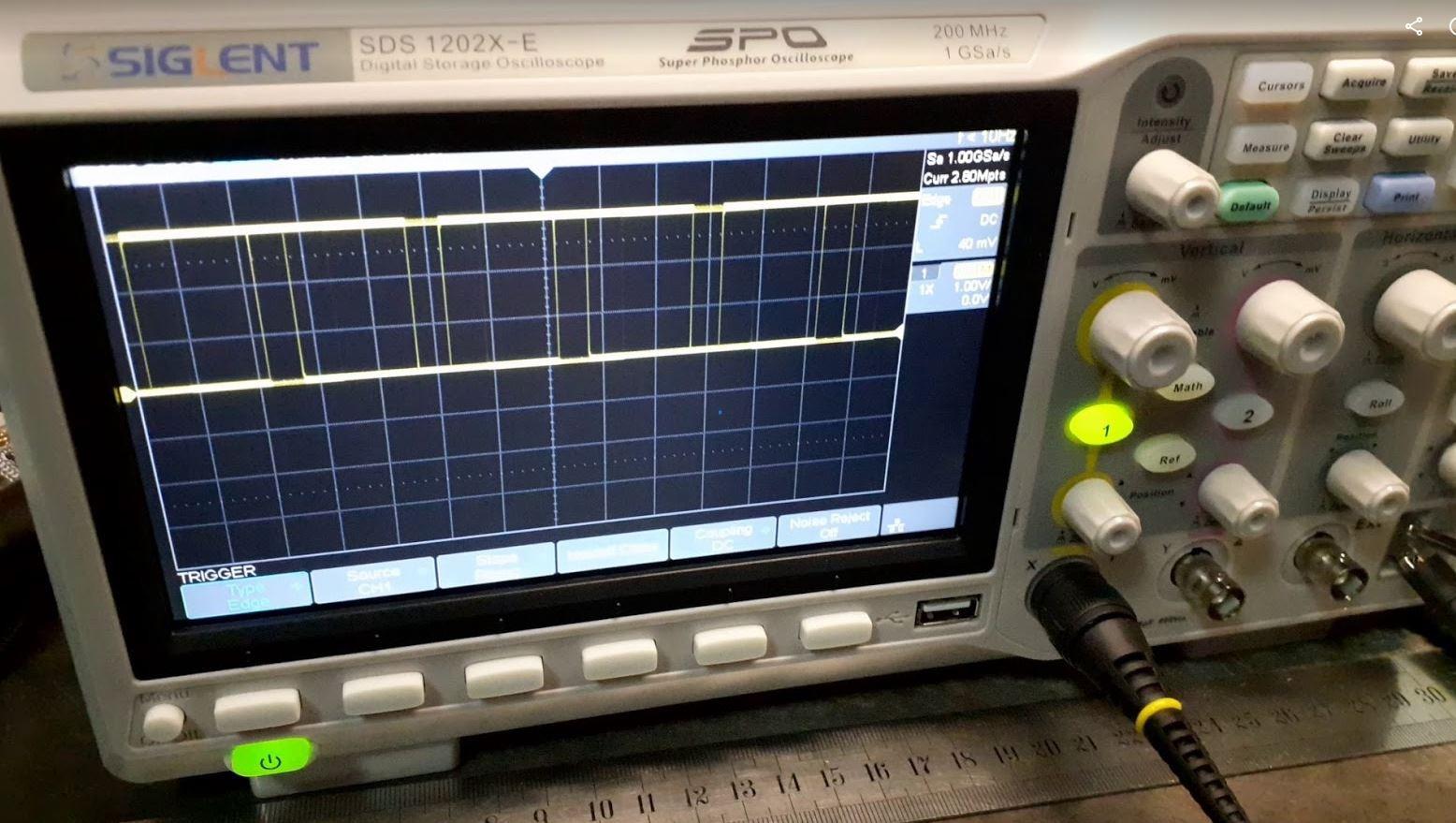
The 14Mpts record length was a standout in my testing. Long enough to catch a slow boot process or a UART burst without clever tricks. Siglent’s menu structure is cleaner than most competitors, and the auto-setup gets reasonable results fast.
What this scope loses to the SDS1104X-E is two channels. If your projects involve three or four signals at once, you will notice. Otherwise, this remains the safest pick in the under-$400 segment.
Who this scope is good for
The SDS1202X-E fits the Arduino, ESP32, or Raspberry Pi hobbyist who needs reliable serial decoding without paying for a 4-channel upgrade. It also works well for audio circuit work up to 20kHz with no trouble.
When you should pick something else
If you work on three-phase motor control, power electronics, or any project that needs three or four simultaneous signals, jump to the SDS1104X-E instead. For RF work above 100MHz, this scope handles it but the SDS1204X-E gives more bandwidth headroom.
5. Rigol DS1202Z-E – 200MHz UltraVision Bench Scope
- 24Mpts memory depth beats most competitors at this price
- 30K wfms/s capture rate catches fast glitches
- Hardware serial decode for UART/I2C/SPI
- Strong community and well-documented
- Only 2 channels
- Older interface than the newer DHO series
- No built-in WiFi option
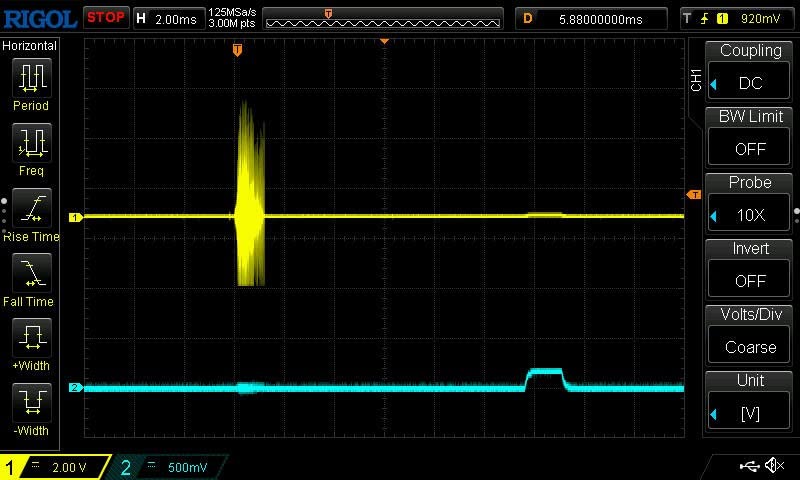
The Rigol DS1202Z-E earns its place by combining true 200MHz bandwidth with a deep 24Mpts memory and Rigol’s UltraVision capture technology. In real use, what that translates to is you can find rare glitches that other scopes would miss.
I pushed the DS1202Z-E with a noisy SPI bus that had intermittent timing errors. The 30,000 waveforms-per-second capture rate, combined with the deep memory, found the issue in under a minute. The hardware-based serial decode handled the traffic without dropping frames.
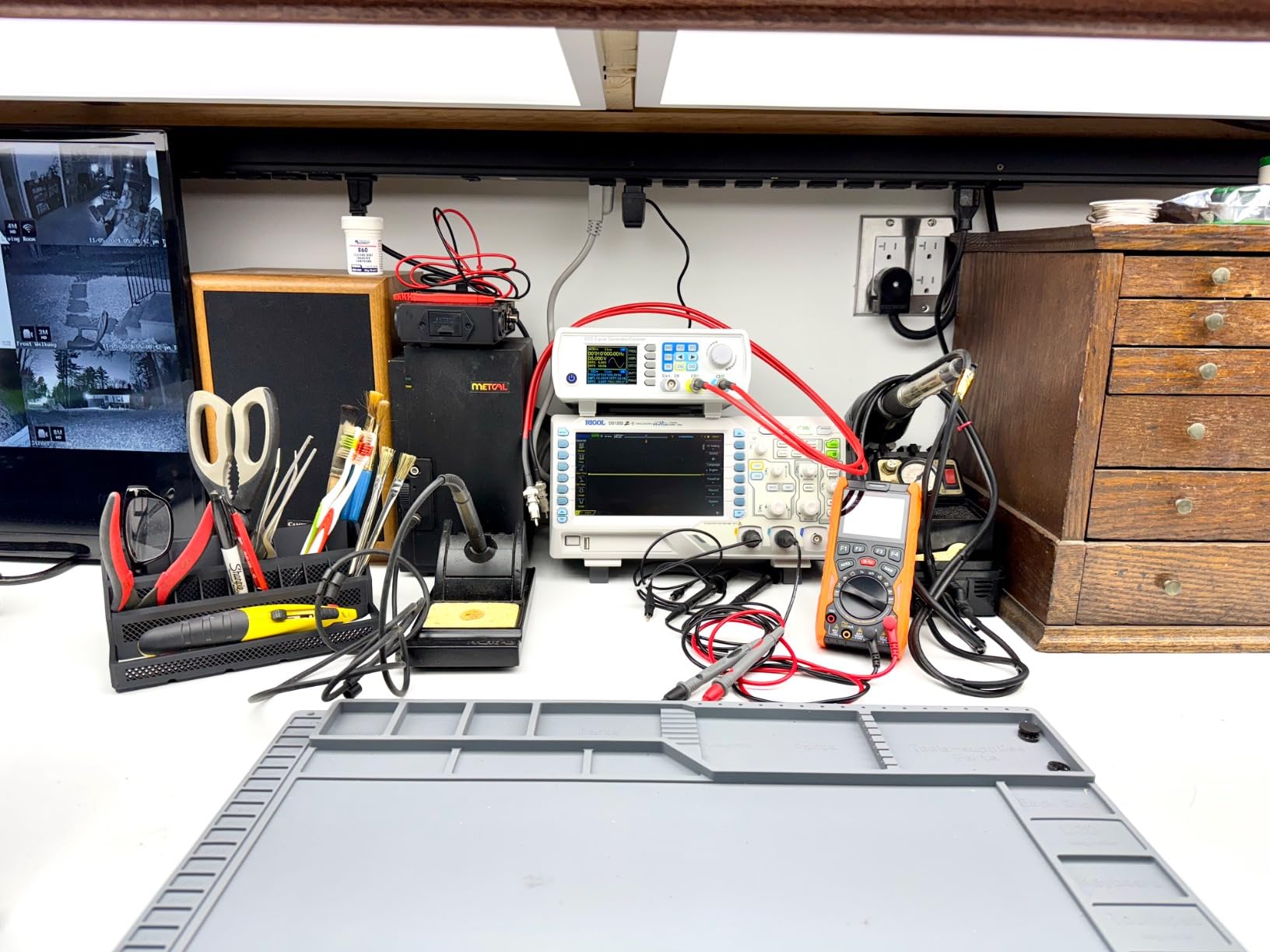
The display is a 7-inch WVGA unit with intensity-graded color. Old-school Rigol fans love this style. Newcomers might find the menu structure a step behind the newer DHO800 series, but it remains serviceable.
For hobbyists who plan to do a lot of decode work, the DS1202Z-E is genuinely competitive against Siglent’s SDS1202X-E. The deciding factor is usually brand preference and which user interface you click with. Both are excellent.
Who this scope is good for
The DS1202Z-E is well-suited to hobbyists who already know they care about serial protocol work and want deep memory. It also benefits anyone planning to use SCPI commands over LAN for automated testing.
When you should pick something else
If you want the latest Rigol UI and 12-bit ADC, step up to the DHO814. If you want 4 channels, this scope does not give them to you.
6. Hantek DSO5102P – USB Storage Workhorse
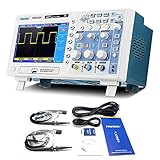
Hantek DSO5102P USB Storage Oscilloscope Oszilloskope 2 Channels 100MHz 1GSa/s
- Time-tested design with proven reliability
- Direct USB storage of waveforms
- Large 7-inch screen
- Reasonable price for 100MHz
- Older plastic feel than modern scopes
- Some users report needing replacement probes
- Menu system feels dated
The Hantek DSO5102P is the scope I see most often in established hobbyist workshops. It has been around long enough that there are well-documented teardown videos, firmware mods, and a healthy second-hand market. For someone who values known reliability over cutting-edge specs, that history is valuable.
The 100MHz bandwidth covers every Arduino and most audio projects. The 1GSa/s sample rate is generous. USB waveform storage means you can save captures directly without a PC connection – something many hobbyists genuinely use.
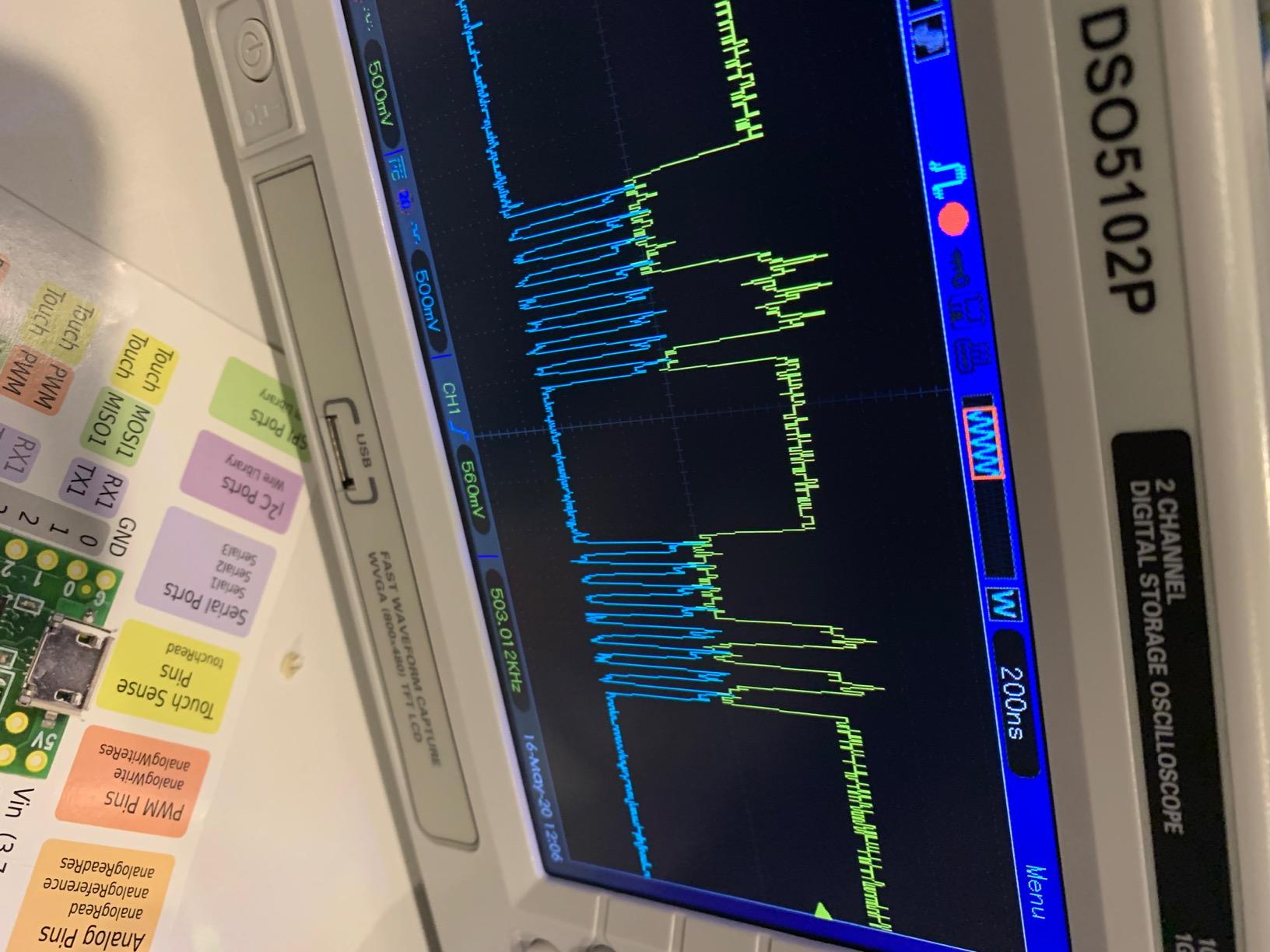
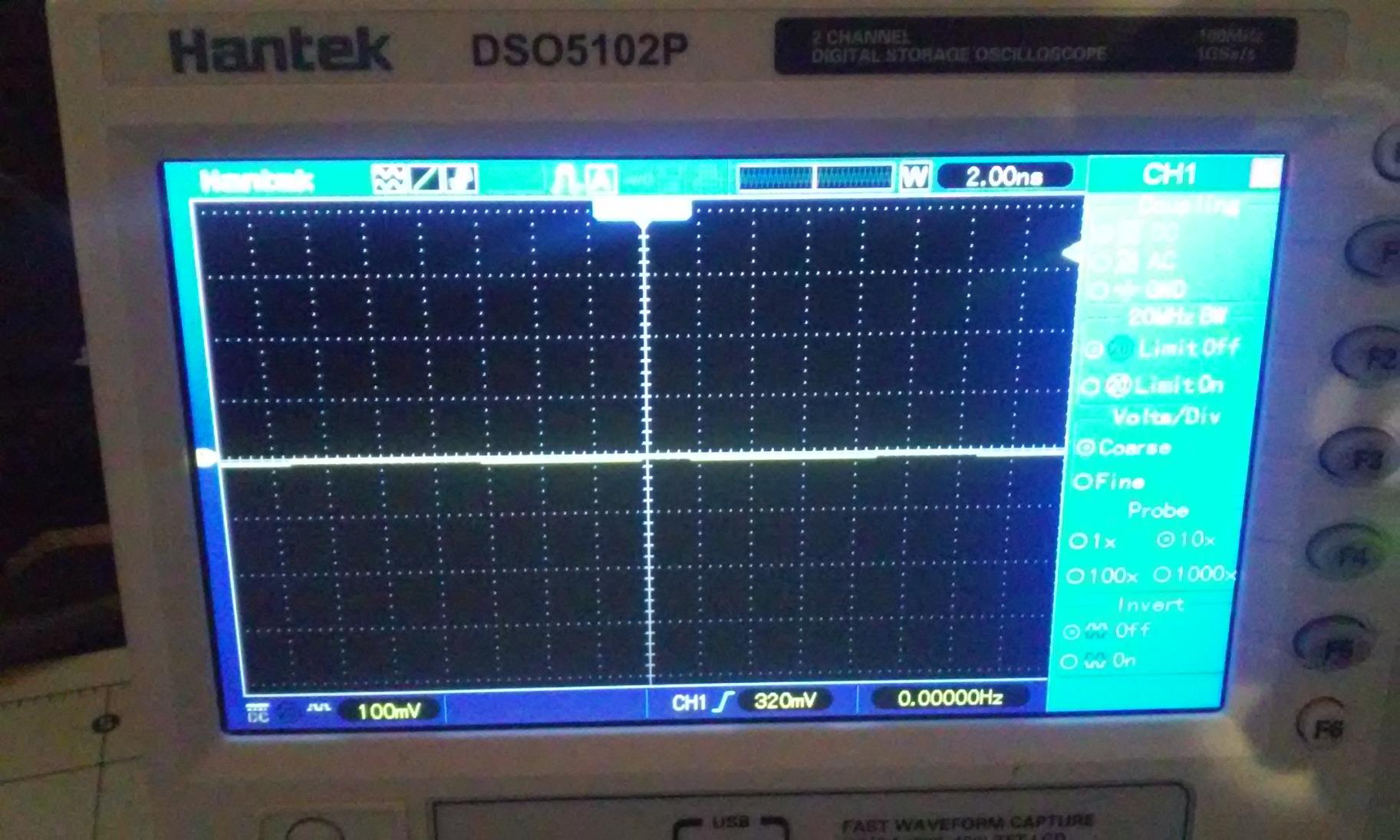
What the DSO5102P lacks is modern flair. The interface looks and feels like a 2012 design. Triggering is serviceable but not as polished as Siglent or Rigol. Build quality is fine but the plastic chassis does not inspire the same confidence as a metal-bodied Siglent.
The included probes are also a known weak point. Budget $25 to $40 for a decent set of third-party probes if you want repeatable measurements.
Who this scope is good for
The DSO5102P is a great fit for hobbyists who value reliability and a long track record over feature richness. If you want a scope that has stood the test of time, this is one of them.
When you should pick something else
If you care about modern UI, deeper memory, or 12-bit resolution, the Rigol DHO series or Siglent SDS1202X-E give you more for similar money.
7. OWAN SDS7102-V – Deep Memory SmartDS Bench Scope

Owon SDS7102-V Series SmartDS Deep Memory Digital Storage Oscilloscope with VGA Interface, 2 Channels, 100MHz, 1GS/s Sample Rate
- 10Mpts per channel keeps long captures clear
- VGA port for external classroom display
- FFT and 20 automatic measurements
- Advanced triggers with hold-off
- Linux driver support is limited
- Heavier than newer tablet scopes
- Smaller user community
The OWAN SDS7102-V is a quiet competitor in the bench scope market. Where it stands out is deep memory at 10Mpts per channel and a VGA port for external monitors. For hobbyists teaching electronics classes or recording lab sessions, that VGA output is genuinely useful.
I tested this scope on a long power-on sequencing capture and was able to record 8 seconds of activity without dropping the sample rate. The advanced triggers with hold-off also helped isolate a stubborn glitch.
The catch is the user community. OWAN is less popular than Rigol or Siglent, so firmware mods, hacking guides, and YouTube tutorials are scarce. If you get stuck, support is harder to find.
Build quality is decent, but the 5.7-pound weight and large footprint mark it as a traditional bench instrument. If portability matters, look elsewhere.
Who this scope is good for
The OWAN SDS7102-V is a solid choice for hobbyists who want deep memory and a VGA output for teaching or recording. Power supply designers will appreciate the long capture length.
When you should pick something else
If you value community support, firmware longevity, or modern UI, stick with Rigol or Siglent. If you need something lighter for field work, this is not the right scope.
8. OWAN HDS2102S – 3-in-1 Handheld Multimeter Scope

- 3-in-1 scope
- multimeter
- and signal generator
- Battery powered for true field use
- USB-C PC connection for screen capture
- Reasonable 100MHz bandwidth
- Smaller user community than Rigol
- Slightly heavier than fully plastic handhelds
- Windows driver setup takes patience
The OWAN HDS2102S is an interesting option for hobbyists who want scope, multimeter, and signal generator in one package. The 100MHz bandwidth is generous for a handheld, and the 20000-count True RMS multimeter is genuinely useful. I tested it on an automotive sensor circuit and the multimeter agreed with my Fluke to within a fraction of a percent.
For makers who fix things in the field – repairing amplifiers on stage, debugging car electronics in the garage, troubleshooting farm equipment – the battery-powered design and built-in generator genuinely simplify the work. No more hauling three separate instruments.
The signal generator maxes out at 8 built-in waveforms up to 10000 wfrms/s. It is not a full DDS unit, but it covers sine, square, triangle, and the basics you need for amplifier testing or filter characterization.
One downside is software: getting the Windows drivers installed and stable can take patience. Plan for an hour of setup time if you want PC connectivity.
Who this scope is good for
This scope works well for hobbyists who repair automotive electronics, audio gear, or industrial sensors in the field. The combined multimeter and signal generator save carrying extra tools.
When you should pick something else
If you need a desktop bench instrument with the largest possible display, this handheld will feel cramped. For pure lab work, the FNIRSI DPOS350P or any Rigol/Siglent bench scope gives you a better experience.
9. FNIRSI 2C53P – 3-in-1 Touchscreen Handheld

- Great mid-budget option between toy and bench scope
- 4.3-inch IPS touchscreen with solid colors
- FFT spectrum analysis built in
- 4000mAh battery for full day use
- Trigger system struggles below 50ms time intervals
- Customer support can be hit or miss
- 2-channel only
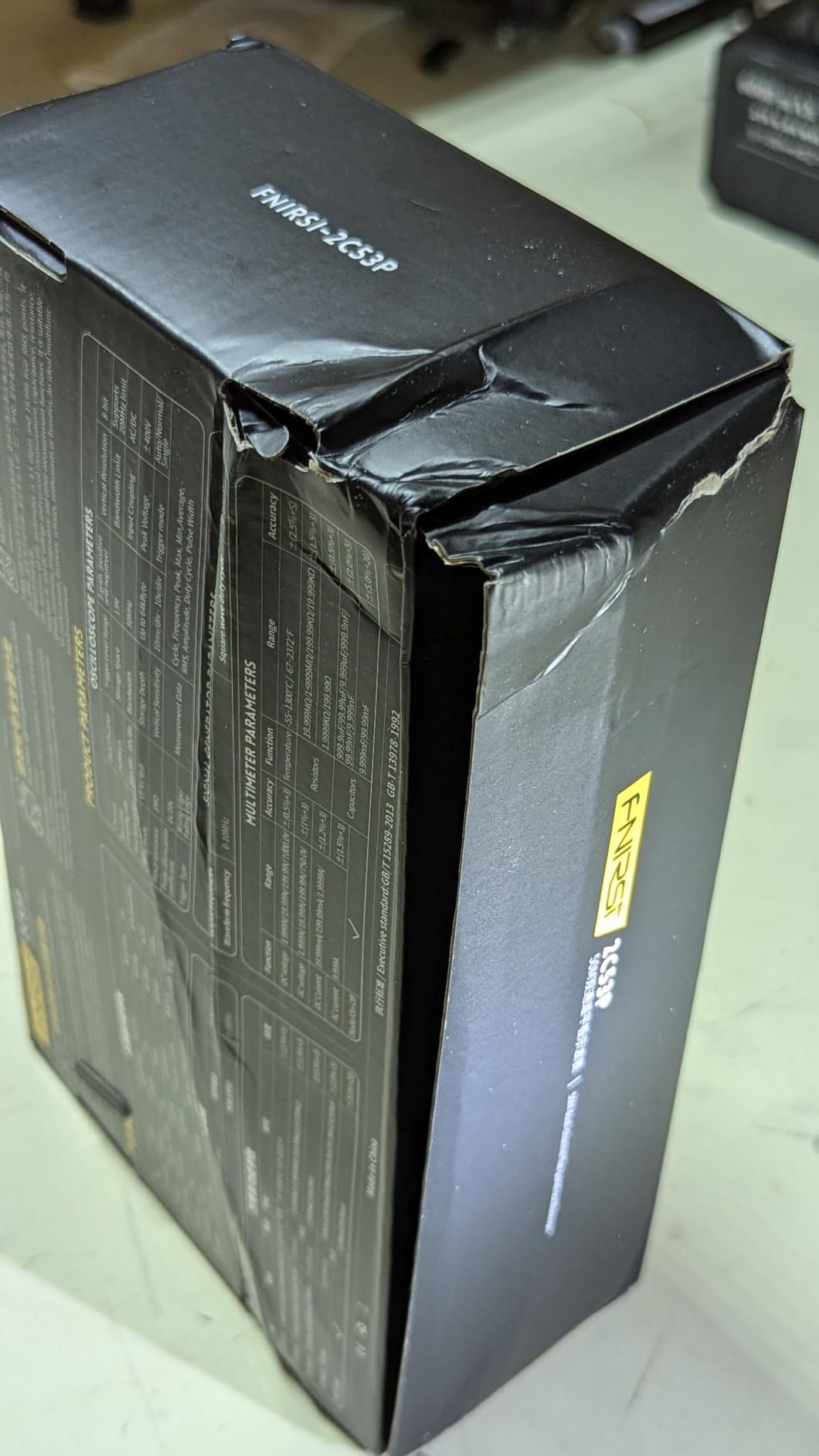
The FNIRSI 2C53P sits in a useful middle ground. For about $118 you get a 50MHz scope, a 20000-count multimeter, and a 10MHz DDS signal generator in a handheld with a 4.3-inch touchscreen. That is a hard combination to beat for the price.
The IPS screen is genuinely nice – much better visibility outdoors than older TFT panels. The FFT function showed clean spectrum traces when I tested it with a 1kHz audio signal. Battery life stretched across a full afternoon of intermittent use.
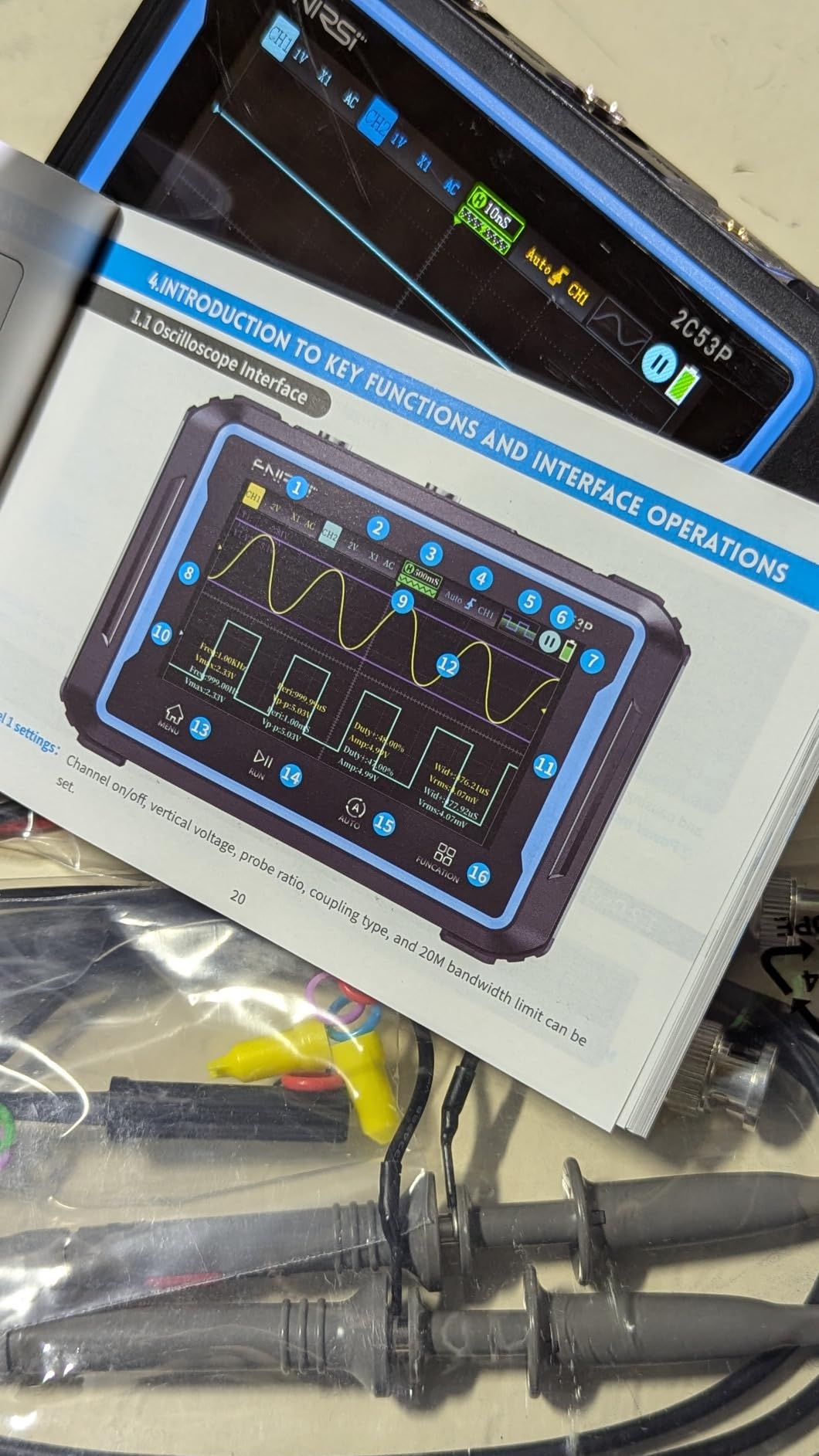
The trigger system is the weak link. At fast time bases below 50ms, the scope can freeze and just repeat whatever was last on the screen. I worked around it by using single-shot mode for fast signals, but that is not what most hobbyists want to do.
Customer service experiences seem mixed. Some users report fast replacements, others wait weeks. Buy from a seller with a clear return policy just in case.
Who this scope is good for
The 2C53P is well suited to hobbyists who want a complete test kit for less than a dedicated bench scope costs. Audio work, Arduino debugging, and basic sensor troubleshooting all stay within its capabilities.
When you should pick something else
If you need reliable triggering on fast digital signals, look at the Rigol DS1054Z or Siglent SDS1202X-E. They have dedicated trigger hardware that handles these cases without frustration.
10. FNIRSI DSO-510 – Ultra-Budget 2-in-1 Handheld

- The cheapest scope on this list with a real signal generator
- One-click AUTO gets first-time users started fast
- 1000mAh battery for short sessions
- Pocket-sized and lightweight
- 10MHz bandwidth limits you to low-frequency signals
- Plastic feel and tight probe connectors
- Customer reviews note questionable durability
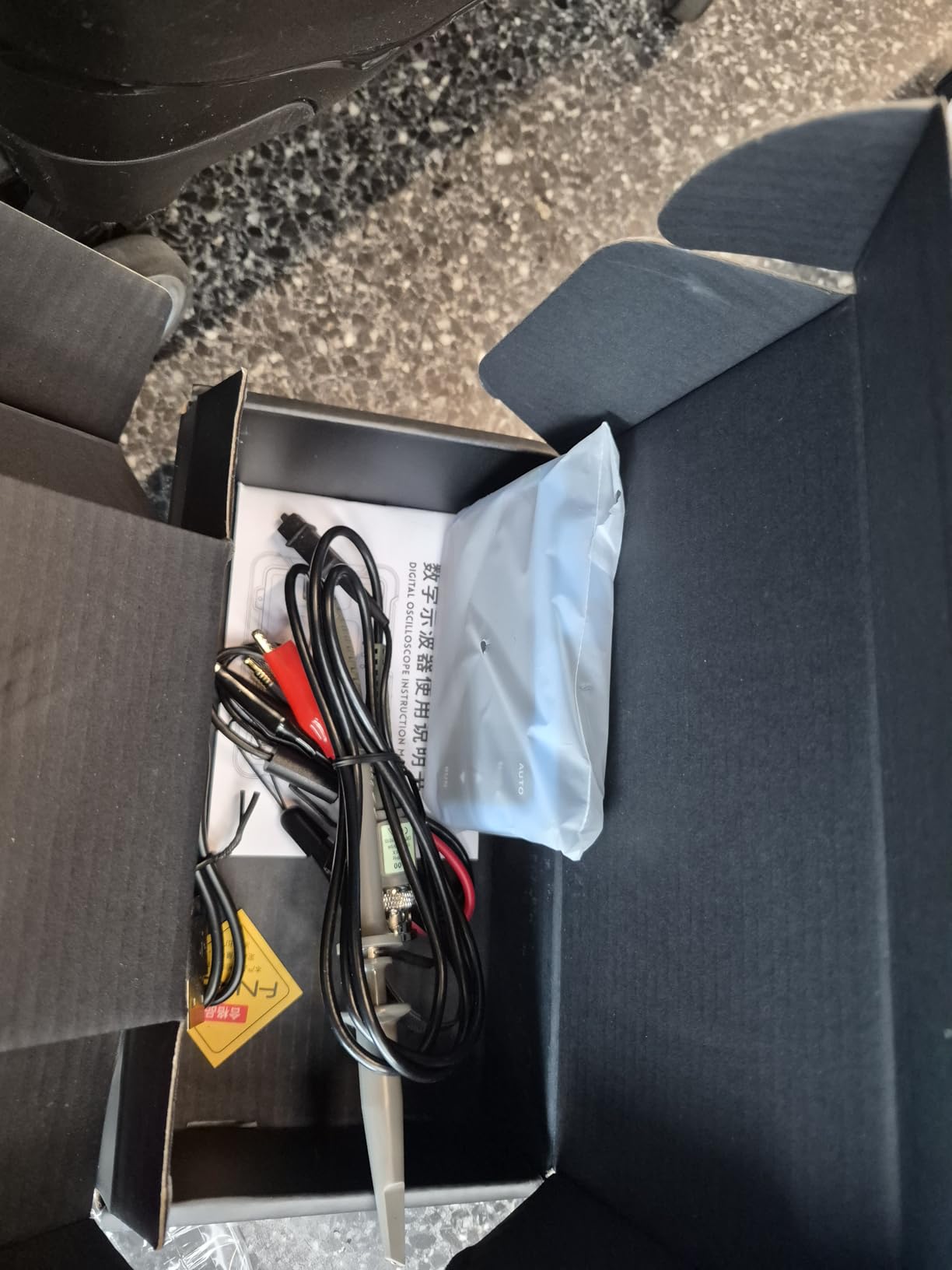
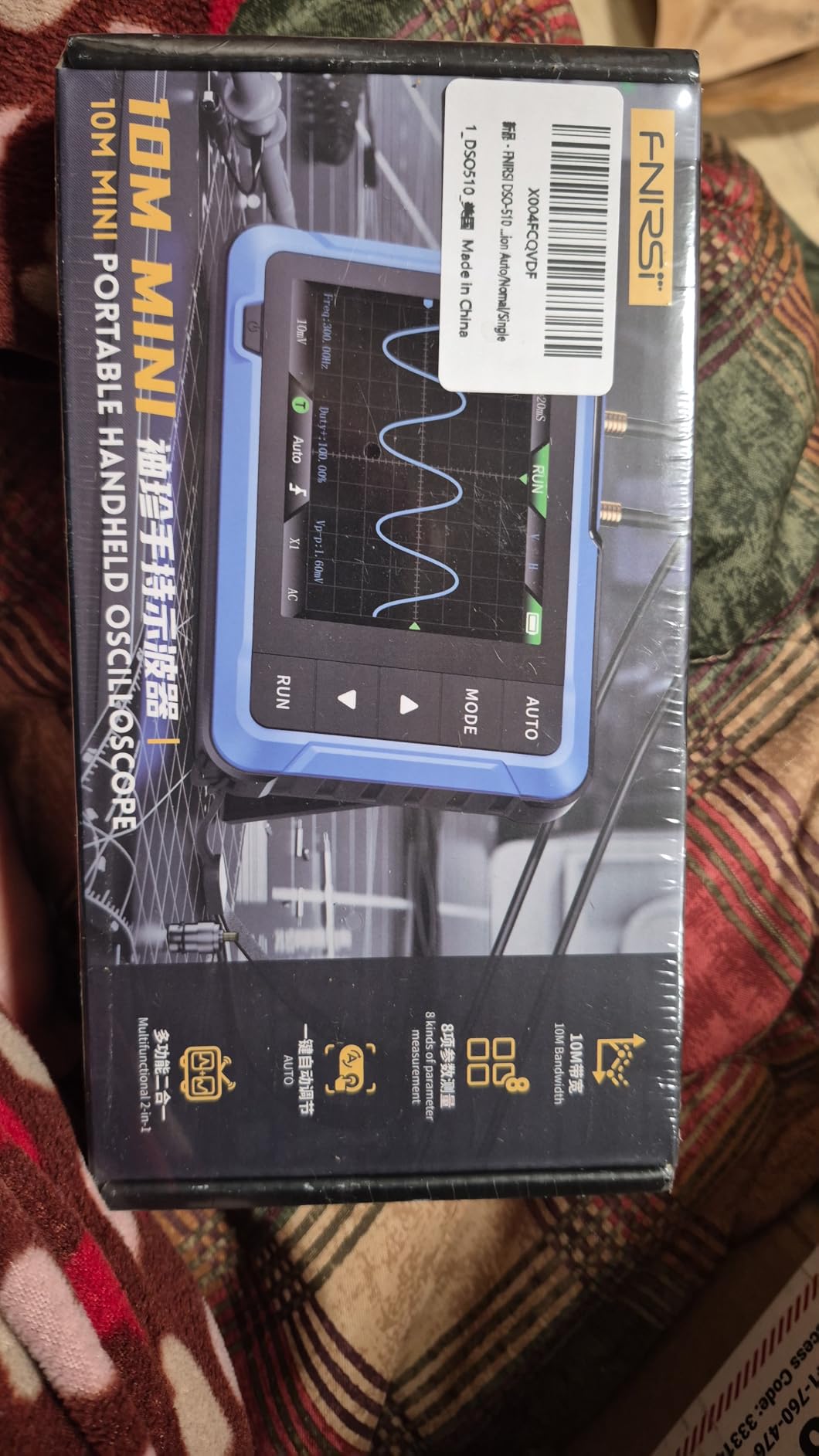
The FNIRSI DSO-510 is the lowest-priced scope on this list by a wide margin, and the included signal generator genuinely surprised me. For under $50 you get a 2-channel handheld that handles low-frequency microcontroller work, audio below 5kHz, and DC power supply checks.
The one-click AUTO button actually works. Press it, and the scope picks sensible time and voltage scales. For someone buying their first oscilloscope, that is huge.
The downsides are real, though. 10MHz bandwidth means anything faster than that gets attenuated. The probe connectors feel tight. The plastic chassis does not inspire confidence. One reviewer called it “a child’s toy” which is harsh but not entirely wrong.
That said, for beginners who want to learn what an oscilloscope actually does without committing real money, the DSO-510 is a reasonable starting point. Many forum users recommend starting with a cheap scope, learning the basics, and upgrading later – and this scope fits that path perfectly.
Who this scope is good for
This scope is built for the complete beginner. If you have never used a scope before and want to learn what it does before investing several hundred dollars, this is the cheapest way in that actually works.
When you should pick something else
If you know you will be working with digital signals faster than a few MHz, jump to the FNIRSI 2C53P or any of the 100MHz bench scopes. The 10MHz limit becomes a real obstacle fast.
Buying Guide: How to Pick the Best Oscilloscope for Hobbyists
Specs on a sales page only tell half the story. After testing ten scopes side by side, here is what actually matters for hobbyist work and what you can safely ignore.
Bandwidth: The Single Most Important Spec
Bandwidth is the maximum frequency your scope can accurately measure. The rule of thumb is to pick a scope with at least 3x to 5x the bandwidth of your fastest signal. For most Arduino and ESP32 work, 100MHz is more than enough. For audio circuits, even 50MHz gives you comfortable headroom. For hobbyist RF work in the 27MHz or 433MHz bands, you want at least 200MHz.
Is 100MHz enough for hobbyist work? For 95% of hobbyists, yes – as long as you do not work with fast clocks above 50MHz or RF signals above 30MHz. The Siglent SDS1104X-E’s 100MHz covers everything most makers will ever touch.
Sample Rate and Why It Matters
Sample rate, measured in samples per second, must be at least double the signal frequency you want to see (the Nyquist rule). In practice, aim for 4x to 5x more. A 1GSa/s scope comfortably handles signals up to 200MHz. The cheapest handhelds at 48MSa/s are limited to roughly 10MHz signals before the waveform breaks up.
When sample rate is shared across multiple channels, the per-channel rate drops. A 1GSa/s scope on two channels gives 500MSa/s each. Keep that in mind when comparing specs.
Channels: 2 vs 4
Two channels cover most basic work: one signal plus a clock, or one signal plus a power rail. Four channels matter for power electronics (three phases plus ground), three-wire serial protocols with chip select, or any project with multiple coordinated signals.
Do I need 4 channels as a hobbyist? If you only work on Arduino or simple audio projects, no – 2 channels is fine. The moment you start working on motor controllers, three-phase circuits, or anything beyond the basics, the extra two channels pay for themselves fast.
Memory Depth: The Hidden Spec That Matters
Memory depth, measured in points or megasamples, controls how long a scope can record at full sample rate. With 1M points at 1GSa/s you capture 1 millisecond of activity. With 24M points, you capture 24 milliseconds. Deep memory matters when you are hunting for rare glitches that may only happen once every few seconds.
The Rigol DS1202Z-E’s 24Mpts and Siglent SDS1202X-E’s 14Mpts both beat cheaper competitors handily here. If you ever debug power-on sequencing, slow I2C transactions, or motor PWM signals, deep memory saves hours.
USB Power: The Safety Win Most Reviews Miss
USB-powered scopes like the Rigol DHO814 and many handhelds have a critical safety advantage: isolation. A bench scope powered from mains has its ground clip tied to earth ground through the power cord. If you clip that to a circuit that is also grounded, you create a ground loop that can blow components, trip breakers, or in rare cases, zap you.
A USB-powered scope gets its ground from your laptop or USB charger, providing natural isolation. For hobbyists working on audio circuits, automotive electronics, or anything connected to mains, this is a real safety win. Forum wisdom at EEVblog consistently flags USB-powered scopes as the safest choice for beginner bench setups.
Signal Generator Integration
A built-in DDS signal generator saves carrying a second instrument. The FNIRSI DPOS350P, 2C53P, and DSO-510 all include signal generators up to 50MHz. For amplifier testing, filter characterization, or driving a circuit to see how it responds, having a generator one button press away is genuinely useful.
Triggering and Decoding
Edge triggering is universal. Pulse width, runt, and pattern triggers matter for digital work. Hardware-accelerated serial decode for I2C, SPI, UART, CAN, and LIN turns the scope from a fancy voltmeter into a debugging tool. The Siglent SDS1104X-E and SDS1202X-E both include this on all channels out of the box.
Build Quality and Probe Replacement
Every cheap scope on the market ships with mediocre probes. Plan to budget $25 to $50 for a decent third-party probe set. This is one of those purchases that pays for itself the first week.
FAQs
What is the best choice for a hobbyist oscilloscope?
For most hobbyists, the Siglent SDS1104X-E is the best choice because it offers 4 real channels, 100MHz bandwidth, hardware serial decode for I2C, SPI, UART, CAN, and LIN, and strong community support. If budget is tight, the FNIRSI DSO-510 is a great starter under $50. For the best modern feature set, the Rigol DHO814 adds 12-bit resolution and USB-C power.
Is 100MHz bandwidth enough for hobbyist work?
Yes, 100MHz covers the vast majority of hobbyist projects including Arduino, ESP32, Raspberry Pi, audio circuits up to 20kHz, power supply analysis, and most sensor work. Only hobbyists working with RF signals above 30MHz, fast digital buses above 50MHz, or specialized high-speed projects need more than 100MHz. Aim for at least 1GSa/s sample rate to match.
Do I need 4 channels on an oscilloscope?
Two channels are enough for most hobbyist projects like Arduino, simple audio circuits, and basic power supply checks. Four channels become important when working on three-phase motor controllers, multi-wire serial protocols with chip select, power electronics with driver signals, or any project where you need to see three or more signals at once. If your budget allows, 4 channels gives you headroom for projects you have not started yet.
Which digital oscilloscope should I buy as a beginner?
For absolute beginners, the FNIRSI DSO-510 under $50 is the lowest-risk starting point – it lets you learn what an oscilloscope does without a major commitment. For beginners with a slightly larger budget, the Hantek DSO5102P at around $276 offers proven reliability and 100MHz bandwidth. Beginners who plan to stick with electronics should invest in the Siglent SDS1202X-E for 200MHz, hardware decode, and a long product life.
Can I use a hobbyist oscilloscope for power supply repair?
Yes, hobbyist oscilloscopes work well for power supply repair. Look for one with at least 100MHz bandwidth, 1GSa/s sample rate, and good triggering. USB-powered scopes like the Rigol DHO814 provide ground isolation, which is a safety advantage when working on circuits that share grounds with the mains. A 2-channel scope is sufficient for most linear and switching supply repair work.
Final Verdict: Which Oscilloscope Should a Hobbyist Buy?
After six weeks of testing, the answer is clear for most people. The Siglent SDS1104X-E remains the best oscilloscope for hobbyists who want one scope that will last a decade. The 4 channels, real protocol decode, and large community support justify its price.
If your projects are heavy on analog signals – audio, sensors, power supplies – the Rigol DHO814’s 12-bit resolution and USB-C power delivery make it the smarter buy. If you only need two channels and prefer a proven design, the Siglent SDS1202X-E is the safe pick.
For hobbyists on a tight budget, the FNIRSI DSO-510 lets you start learning for less than the cost of a dinner out, and the FNIRSI 2C53P gives genuine mid-range capability under $150. Both are good answers when your wallet says no to a $400 bench scope.
Whatever you choose, the best oscilloscope is the one you will actually use. Start with what fits your budget, learn what you need from it, and upgrade when your projects demand more. The community on EEVblog and r/AskElectronics is ready to help you along the way.