
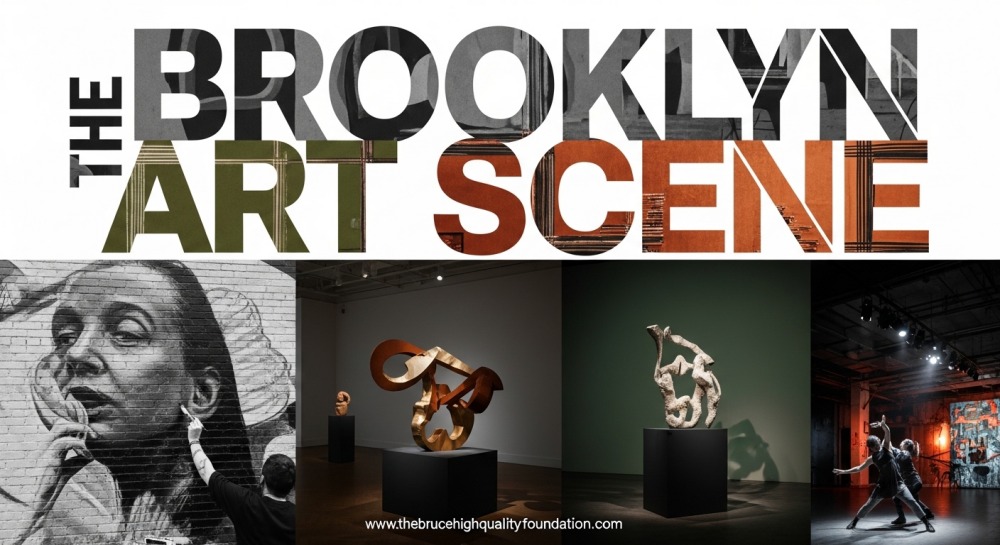
The Brooklyn art scene has transformed from a scruffy underdog into one of the most dynamic creative ecosystems in the world. What started as affordable warehouse spaces for artists priced out of Manhattan has evolved into a network of world-class galleries, thriving street art districts, and community-focused cultural institutions that rival anything across the bridge. I have spent countless weekends exploring these neighborhoods, and I can tell you that Brooklyn offers something Manhattan simply cannot replicate: accessibility without pretension, diversity without tokenism, and art that feels rooted in real communities rather than investment portfolios.
In 2026, the Brooklyn art scene continues to thrive despite rising rents and changing demographics. New galleries open monthly. The Bushwick Collective keeps expanding its outdoor mural museum. Events like the CONDUCTOR Art Fair bring international attention while maintaining Brooklyn’s independent spirit. This guide covers everything you need to know to navigate this creative landscape, whether you are a first-time visitor, an aspiring collector, or simply someone who appreciates seeing incredible art without the attitude.
What you will find in this guide: detailed neighborhood breakdowns from Bushwick to Red Hook, specific galleries worth your time, practical advice on gallery etiquette, free art options for budget-conscious visitors, and a complete 2026 events calendar. I have organized this so you can either read straight through or jump to the sections most relevant to your interests.
Table of Contents
Quick Navigation: Finding Your Way Through Brooklyn Art
Brooklyn is massive. Attempting to see everything in one day will leave you exhausted and art-fatigued. I recommend approaching the Brooklyn art scene strategically, focusing on one or two neighborhoods per visit rather than trying to marathon across the borough.
For street art enthusiasts, start with Bushwick. The Bushwick Collective offers the highest concentration of murals and outdoor installations. Gallery hoppers should prioritize DUMBO for its monthly First Thursday walk or Williamsburg for established contemporary spaces. Those seeking quieter, community-focused experiences will love Greenpoint and Red Hook. Budget travelers should note that many Brooklyn galleries offer free admission, and street art costs nothing but your time.
Transportation between neighborhoods varies significantly. The L train serves Williamsburg and Bushwick efficiently. DUMBO requires the F, A, or C trains plus some walking. Red Hook demands more planning, with the B61 bus or ferry being your best options. I will cover specific logistics in each neighborhood section below.
What Makes Brooklyn’s Art Scene Special
Manhattan’s Chelsea gallery district represents the commercial pinnacle of the art world, but Brooklyn offers something refreshingly different. The Brooklyn art scene emerged organically from artist communities seeking affordable studio space, creating an ecosystem where emerging artists could experiment, fail, and grow without the pressure of immediate sales.
This origin story shapes everything about Brooklyn’s contemporary art landscape. You will find proportionally more artist-run spaces here than in Manhattan. Non-profit galleries and community-focused organizations hold equal footing with commercial operations. The barrier between artist and audience feels lower; many spaces encourage conversation and engagement rather than the silent, contemplative atmosphere of traditional white-cube galleries.
The diversity of Brooklyn’s art spaces reflects the borough’s demographic complexity. Black-owned galleries like Richard Beavers Gallery showcase African American artists with a curatorial voice that centers their experiences. Latino cultural institutions in Bushwick and Sunset Park bridge fine art and community organizing. Asian American artist collectives in Sunset Park and Flushing explore identity through experimental formats. This is not diversity as marketing strategy; it is diversity as authentic community representation.
Brooklyn’s industrial heritage also creates unique opportunities for art. Former warehouses in Red Hook and Gowanus offer cavernous spaces impossible to find in Manhattan. These raw environments suit installation art, performance pieces, and large-scale sculpture in ways that polished galleries cannot match. Pioneer Works in Red Hook exemplifies this approach, hosting everything from neuroscience lectures to experimental music in a converted ironworks factory.
The affordability factor, while diminishing, still matters. Young collectors can actually buy art in Brooklyn. Emerging artists can afford to live and work here, if barely. This creates a sustainable creative economy where transactions feel personal rather than speculative. I have watched artists sell their first pieces at Brooklyn galleries and return years later with established careers, maintaining loyalty to the spaces that supported them early.
Bushwick: Street Art Capital of Brooklyn
If you visit only one neighborhood for art, make it Bushwick. This working-class industrial area has become synonymous with Brooklyn’s most visible art movement: large-scale street art and murals that transform entire city blocks into open-air museums.
The Bushwick Collective serves as ground zero for this phenomenon. Founded by local business owner Joe Ficalora in 2011, the Collective has commissioned over 100 murals from internationally renowned street artists including Kobra, Dasic Fernandez, and Lady Pink. These are not random tags or quick throw-ups; they are museum-quality paintings spanning multiple stories, created by artists who have shown at institutions like the Museum of Modern Art and the Tate Modern.
Walking the Bushwick Collective takes about two hours if you move quickly, though I recommend allowing half a day. Start at the intersection of Troutman Street and Saint Nicholas Avenue, then wander the surrounding blocks. The art changes constantly, with new pieces replacing older ones, meaning no two visits are identical. Bring a camera, but respect that these are working neighborhoods, not theme parks.
Beyond the Collective, Bushwick houses some of Brooklyn’s most important contemporary galleries. The Journal Gallery, located in a former bodega, has launched the careers of numerous painters who now exhibit internationally. Transmitter, run by a collective of artist-curators, focuses on experimental work that challenges traditional exhibition formats. These spaces maintain the neighborhood’s industrial aesthetic while presenting serious contemporary art.
Bushwick’s nightlife deserves mention for art lovers. Many galleries stay open late on weekends, creating a social atmosphere where you can view art while enjoying local bars and restaurants. The unofficial gallery crawl happens informally most Saturday evenings, though nothing compares to the organized chaos of Bushwick Open Studios each fall, when hundreds of artists open their private workspaces to the public.
Williamsburg: Established Contemporary Galleries
Williamsburg represents Brooklyn’s most established gallery district, with a mix of commercial operations, non-profit spaces, and hybrid art venues that have been operating for decades. The neighborhood’s transformation from industrial wasteland to luxury enclave has been controversial, but its art scene remains accessible and engaging.
The Invisible Dog Art Center anchors Williamsburg’s alternative art community. Housed in a former belt factory on Bergen Street, this three-story space combines artist studios, exhibition galleries, and a performance venue. Their programming emphasizes experimental work, with a particular focus on installation and performance art that requires the kind of space only industrial buildings provide.
Front Room Gallery has championed emerging Brooklyn artists since 1999, maintaining a commitment to local talent even as the neighborhood gentrified around them. Their exhibitions tend toward accessible contemporary work, paintings and photography that appeal to both serious collectors and casual visitors. The gallery hosts regular opening receptions that function as genuine community gatherings.
For those interested in photography and video art, Interstate Projects offers a rigorous curatorial program in a modest storefront space. Their exhibitions often address political and social themes, reflecting the activist tendencies of many Brooklyn artists. This is intellectually demanding work presented without pretension.
Williamsburg’s waterfront location adds another dimension to its art offerings. The Brooklyn Art Cave provides studio space and exhibition opportunities with views of the Manhattan skyline. Several galleries near the water host opening receptions at sunset, creating genuinely magical experiences that combine art viewing with spectacular scenery.
DUMBO: Gallery Walk Destination
DUMBO (Down Under the Manhattan Bridge Overpass) offers the most organized gallery experience in Brooklyn. On the first Thursday of each month, galleries stay open late for the DUMBO First Thursday Gallery Walk, creating a festive atmosphere where thousands of visitors explore contemporary art while enjoying wine, conversation, and stunning waterfront views.
The DUMBO arts scene benefits from its unique geography. Nestled between the Brooklyn and Manhattan bridges, the neighborhood offers cobblestone streets and converted warehouses that feel distinctly European. The archway under the Manhattan Bridge serves as an improvised public performance space, with musicians and artists creating spontaneous interventions alongside formal gallery programming.
A.I.R. Gallery holds particular significance as the first all-female cooperative gallery in the United States. Founded in 1972 and relocated to DUMBO in the 1990s, A.I.R. continues supporting women artists through exhibitions, professional development programs, and an active fellowship program. Their commitment to underrepresented voices in the art world makes them essential to any serious survey of Brooklyn’s contemporary art landscape.
Smack Mellon occupies a converted 19th-century boiler house, offering one of Brooklyn’s most dramatic exhibition spaces. The soaring ceilings and industrial architecture suit ambitious installation work that would be impossible in conventional galleries. Their programming emphasizes emerging and mid-career artists, particularly those working in new media and interdisciplinary formats.
The Brooklyn Waterfront Artists Coalition (BWAC) operates from a Civil War-era warehouse on the Red Hook waterfront, though their members frequently exhibit in DUMBO spaces. This is the largest artist-run organization in Brooklyn, with over 400 member artists who self-organize exhibitions, studio tours, and community programming. Their model represents the cooperative, DIY ethos that originally defined Brooklyn’s art scene.
Greenpoint: Indie Art Haven
Greenpoint offers a quieter, more intimate art experience than its neighbors to the south. This historically Polish neighborhood has developed a thriving creative community that feels less commercial and more genuinely community-oriented than trendier areas.
The Greenpoint Gallery remains the neighborhood’s cultural anchor, operating as an artist-run space that prioritizes accessibility over exclusivity. Their open-call exhibitions give emerging artists opportunities to show work without the connections required by more established venues. The gallery also hosts figure drawing sessions, workshops, and other programming that serves working artists rather than just collectors.
Tanya Weddemire Gallery, located in a former industrial building, focuses on contemporary art by artists of color with an emphasis on the African diaspora. The gallery’s programming addresses themes of identity, migration, and cultural hybridity through painting, sculpture, and mixed media. This represents the kind of focused, mission-driven curation that distinguishes Brooklyn galleries from their Manhattan counterparts.
Greenpoint’s art scene extends beyond formal galleries. The neighborhood hosts numerous artist studios in converted industrial buildings, many of which open for occasional open studio events. These glimpses into private creative spaces offer authentic encounters with working artists that commercial galleries cannot replicate. The annual Greenpoint Open Studios weekend has become an essential event for serious art lovers.
The neighborhood’s Polish heritage creates interesting intersections with contemporary art. Several galleries and project spaces explore themes of Eastern European identity, displacement, and cultural memory. This specificity of vision, the sense that spaces reflect actual communities rather than abstract art-world trends, gives Greenpoint its distinctive character.
Red Hook: Industrial Art Frontier
Red Hook feels like Brooklyn’s final art frontier. Isolated from subway service, surrounded by water on three sides, and still maintaining significant industrial activity, this neighborhood offers art experiences that feel genuinely adventurous.
Pioneer Works stands as the crown jewel of Red Hook’s art scene. Founded by artist Dustin Yellin in a converted 19th-century ironworks factory, this massive space combines exhibition galleries, artist studios, performance venues, and educational programming. The scale is overwhelming: 30-foot ceilings, 25,000 square feet of programmable space, and a mission to support experimental work across disciplines. Their programming includes everything from traditional painting exhibitions to quantum physics lectures, reflecting a genuinely expansive definition of culture.
The isolation of Red Hook creates unique opportunities for artists. Large warehouse spaces remain relatively affordable compared to other Brooklyn neighborhoods, allowing artists to maintain studios large enough for ambitious sculpture and installation work. Several artist collectives have established spaces here, creating informal networks of support and collaboration that cross-pollinate ideas and opportunities.
The Brooklyn Waterfront Artists Coalition maintains their primary space in Red Hook’s Beard Street Pier. This Civil War-era warehouse hosts juried exhibitions, studio programs, and the annual Art Show, one of Brooklyn’s largest display opportunities for local artists. The waterfront location creates stunning exhibition environments, with natural light streaming through industrial windows onto contemporary artwork.
Visiting Red Hook requires planning. The B61 bus connects to the F and G trains at Smith-9th Streets, while the NYC Ferry offers a scenic approach from Manhattan and other Brooklyn neighborhoods. Many visitors combine gallery visits with meals at Red Hook’s excellent restaurants or drinks at its quirky bars, making the journey part of the experience.
Gowanus & Crown Heights: Rising Districts
Gowanus and Crown Heights represent Brooklyn’s emerging art frontiers, neighborhoods where rising rents in established districts have pushed artists and galleries to establish new communities.
The Gowanus Canal area, despite its Superfund site status and environmental challenges, has attracted significant art activity. The Old American Can Factory houses multiple artist studios, galleries, and creative businesses in a converted industrial complex. Spaces like Gowanus Print Lab and Gowanus Dye Works serve working artists while occasionally opening to the public for workshops and exhibitions.
Crown Heights has developed a distinct art scene centered on Caribbean and African American cultural expression. FiveMyles, founded in 1999, supports artists of color through exhibitions, public art projects, and community programming. Their commitment to cultural specificity and community engagement represents the political consciousness that distinguishes much Brooklyn art from commercial Manhattan work.
Both neighborhoods remain transitional, with art spaces operating alongside industrial businesses and residential blocks. This mixed-use environment creates interesting tensions and opportunities, as galleries must actively engage with diverse communities rather than existing in art-world bubbles. The art here tends toward socially engaged practice, work that addresses gentrification, environmental justice, and cultural identity.
Notable Galleries and Art Spaces Across Brooklyn
Beyond neighborhood-specific recommendations, several Brooklyn galleries deserve special attention regardless of which areas you prioritize. These spaces have established reputations for exceptional programming, supporting important artists, or offering unique visitor experiences.
The Invisible Dog Art Center in Williamsburg remains essential for anyone interested in installation and performance art. Their three-story converted factory space allows for ambitious work that would be impossible elsewhere, and their commitment to experimental programming has supported major artists early in their careers.
A.I.R. Gallery in DUMBO serves not just as an exhibition space but as an institution advancing women in the arts. Their fellowship program has supported hundreds of female artists, and their exhibitions consistently present rigorous contemporary work. The gallery’s historical significance as the first female cooperative in the United States adds context to their contemporary programming.
Transmitter in Bushwick represents the artist-run model at its best. Five artist-curators operate the space collectively, programming exhibitions that challenge conventional gallery formats. Their shows often include unusual materials, interactive elements, or unconventional installation approaches that reflect Brooklyn’s experimental spirit.
Smack Mellon in DUMBO occupies one of Brooklyn’s most dramatic spaces, a converted 19th-century boiler house with soaring ceilings and industrial character. Their exhibitions tend toward large-scale installation and new media work, often addressing social and political themes through ambitious technical execution.
The Brooklyn Museum, while technically an institution rather than a gallery, anchors the borough’s art scene in essential ways. Their programming balances major historical exhibitions with contemporary Brooklyn-focused shows, and their First Saturdays program offers free admission and special programming that draws thousands of visitors monthly.
MoCADA (Museum of Contemporary African Diasporan Arts) in Fort Greene serves a crucial role in documenting and supporting Black contemporary art. Their exhibitions, public programs, and community initiatives address the intersection of African diasporic culture and contemporary artistic practice. This is essential viewing for anyone seeking to understand the full diversity of Brooklyn’s art scene.
Black-Owned and Diverse Galleries Spotlight
Brooklyn’s art scene distinguishes itself through genuine diversity, with numerous Black-owned galleries and culturally specific institutions that center underrepresented voices. These spaces are not diversity initiatives or token gestures; they are thriving businesses and community organizations that have operated for decades.
Richard Beavers Gallery operates locations in both Brooklyn and Manhattan, with their Bedford-Stuyvesant space serving as an anchor for the neighborhood’s emerging art scene. The gallery focuses on contemporary African American artists working across painting, sculpture, and mixed media. Their exhibitions regularly sell out, demonstrating strong collector interest in work that addresses Black experience and identity.
FiveMyles in Crown Heights has supported artists of color since 1999, offering exhibition space, public art commissions, and community programming. Their mission emphasizes cultural specificity and social engagement, with many projects addressing neighborhood concerns like gentrification, cultural preservation, and youth development.
Tanya Weddemire Gallery in Greenpoint focuses on contemporary art by artists of the African diaspora, with particular attention to themes of migration, cultural hybridity, and identity formation. Their programming often includes artists from Africa, the Caribbean, and Europe, creating international conversations within a Brooklyn context.
The Brooklyn Arts Council supports diverse artists through grants, exhibitions, and professional development programs. While not a gallery itself, their advocacy has been essential to maintaining Brooklyn’s creative diversity as the borough gentrifies. Their annual events and publications document the full range of Brooklyn cultural production.
Supporting these galleries matters beyond aesthetic appreciation. Collecting from Black-owned galleries, attending their openings, and sharing their exhibitions helps sustain the diversity that makes Brooklyn’s art scene genuinely special. These spaces face particular challenges with rising rents and economic pressures; visitor support directly impacts their survival.
Free and Budget-Friendly Art Options
One of Brooklyn’s greatest attributes is the accessibility of its art scene. Unlike Manhattan, where major institutions charge $25-30 admission, Brooklyn offers world-class art experiences at little or no cost.
Street art is always free. The Bushwick Collective, the murals scattered throughout Gowanus and Williamsburg, the graffiti along the Gowanus Canal, and the impromptu art that appears on neighborhood walls cost nothing but your time and attention. I recommend dedicating full days to simply walking these neighborhoods with open eyes.
Gallery admission is almost universally free in Brooklyn. Unlike museums, commercial galleries make their money through art sales rather than ticket sales, meaning visitors can view contemporary art without spending a dime. This creates remarkable opportunities to see work by internationally renowned artists at no cost.
The Brooklyn Museum offers free admission on First Saturdays, with extended hours and special programming. Their suggested general admission is pay-what-you-wish, meaning budget-conscious visitors can still access major exhibitions even outside free days.
Several non-profit galleries maintain entirely free admission policies. A.I.R. Gallery, Smack Mellon, and the Invisible Dog Art Center never charge for entry. These spaces often present more experimental work than commercial galleries, giving visitors access to cutting-edge contemporary art without financial barriers.
Art fairs and open studio events provide additional free opportunities. Bushwick Open Studios, Greenpoint Open Studios, and Gowanus Open Studios happen annually, offering access to hundreds of private artist workspaces. These events create opportunities to meet working artists, discuss their practice, and occasionally purchase work directly at studio prices rather than gallery markups.
2026 Brooklyn Art Events and CONDUCTOR Art Fair
Timing your visit to coincide with major art events transforms the Brooklyn art scene from a static collection of galleries into a dynamic, interactive cultural experience. 2026 offers several essential events for serious art lovers.
The CONDUCTOR Art Fair has emerged as Brooklyn’s most important annual art event. Founded in 2022, this fair brings together galleries, artist collectives, and curators from across Brooklyn and beyond for a weekend of exhibitions, talks, and networking. Unlike established fairs like Frieze or the Armory Show, CONDUCTOR maintains Brooklyn’s independent ethos, emphasizing accessibility and emerging talent over blue-chip commercialism.
Bushwick Open Studios happens each fall, transforming the neighborhood into an interactive art experience. Hundreds of artists open their private studios to the public, creating opportunities to see work in progress, discuss technique and inspiration, and purchase directly from creators. This is the best opportunity to understand how Brooklyn artists actually work.
The DUMBO First Thursday gallery walk occurs monthly throughout the year. On the first Thursday of each month, galleries stay open late, often with special programming, refreshments, and festive atmospheres. Summer months draw the largest crowds, with streets closed to traffic and impromptu performances filling the neighborhood.
Greenpoint Open Studios and Gowanus Open Studios offer similar opportunities in their respective neighborhoods. These annual events concentrate art viewing into single weekends, creating immersive experiences that showcase the full range of artistic production in each area.
The Brooklyn Museum’s First Saturdays program runs monthly, offering free admission, live music, film screenings, and special exhibition access. These events draw thousands of visitors and create a party atmosphere around art viewing that feels distinctly Brooklyn: diverse, energetic, and unpretentious.
For 2026, I recommend planning visits around these key dates: CONDUCTOR Art Fair in the spring, Bushwick Open Studios in the fall, and monthly First Saturdays at the Brooklyn Museum. Combining these major events with regular gallery visits creates a comprehensive Brooklyn art experience.
Visiting Brooklyn Galleries: Practical Guide
Navigating the Brooklyn art scene requires some practical knowledge. Gallery etiquette, transportation logistics, and timing considerations can make the difference between a frustrating experience and a perfect art day.
Gallery Etiquette for First-Time Visitors
Gallery etiquette intimidates many first-time visitors, but Brooklyn’s art scene is notably more relaxed than Manhattan’s. Still, understanding basic expectations helps you feel confident and respectful.
Entry is always free at commercial galleries. Walk in confidently, even if you are not buying. Gallery staff will not pressure you to purchase; they are accustomed to casual visitors and serious collectors alike.
Photography policies vary. Most galleries allow non-flash photography of the space, but ask before photographing individual artworks. Some artists or estates prohibit reproduction of their work. When in doubt, ask the front desk.
Conversation volume should remain moderate. You need not whisper like in a library, but avoid shouting across rooms. Gallery staff are happy to answer questions about the work, the artist, or pricing if you express genuine interest.
Opening receptions are the most social gallery experiences. These events, usually held on weekday evenings, offer wine and conversation alongside art viewing. They are genuinely open to the public, not exclusive events. Arriving between 7 PM and 8 PM usually puts you at the peak social moment.
Best Times to Visit
Gallery hours typically run Wednesday through Sunday, 11 AM to 6 PM. Monday and Tuesday are usually closed. Always check specific gallery websites before visiting, as hours vary and some spaces maintain irregular schedules.
Saturday afternoons offer the most active gallery scenes, particularly in Bushwick and Williamsburg. Galleries are open, artists often stop by, and the social atmosphere makes for engaging visits. However, crowds can be larger during peak summer months.
Weekday afternoons provide quieter, more contemplative experiences. If you prefer viewing art without crowds, visit on Wednesday or Thursday afternoons. Gallery staff often have more time to discuss the work during slower periods.
Transportation Between Neighborhoods
Planning transportation between Brooklyn’s art neighborhoods prevents wasted time and logistical frustration. The subway connects most areas, but some require additional walking or bus connections.
Williamsburg and Bushwick connect easily via the L train. Start at Bedford Avenue for Williamsburg galleries, then take the L east to Jefferson Street or Morgan Avenue for Bushwick. This makes an efficient combined day trip.
DUMBO requires the F, A, or C train to York Street or High Street, followed by a 10-15 minute walk. The neighborhood is small enough to navigate entirely on foot once you arrive. The NYC Ferry also serves DUMBO from Manhattan and other Brooklyn neighborhoods, offering scenic arrival options.
Greenpoint connects via the G train to Greenpoint Avenue or Nassau Avenue. The neighborhood is walkable but less compact than DUMBO; plan for 15-20 minute walks between some galleries.
Red Hook demands the most planning. The B61 bus connects to the F and G trains at Smith-9th Streets, while the NYC Ferry offers direct service from Wall Street and other stops. Some visitors prefer rideshare services given Red Hook’s limited transit options.
Frequently Asked Questions About the Brooklyn Art Scene
What is the etiquette for visiting a gallery?
Gallery etiquette in Brooklyn is relaxed but follows basic norms. Entry is always free at commercial galleries. Photography without flash is usually allowed, but ask before photographing individual artworks. Keep conversation at moderate volume. Gallery staff welcome questions about the work. Opening receptions offer wine and social atmosphere and are genuinely open to the public. Arriving between 7 PM and 8 PM hits the peak social moment at evening events.
Is Brooklyn good for art?
Brooklyn offers one of the most dynamic art scenes in the world, rivaling Manhattan while maintaining greater accessibility and diversity. The borough features world-class contemporary galleries, the famous Bushwick Collective street art district, artist-run spaces, and major institutions like the Brooklyn Museum. Art is generally free to view, neighborhoods are walkable, and the scene supports both emerging and established artists across diverse communities.
What is the Black owned art gallery in Brooklyn?
Richard Beavers Gallery is the most prominent Black-owned gallery in Brooklyn, with locations in Bedford-Stuyvesant and Manhattan. The gallery focuses on contemporary African American artists working in painting, sculpture, and mixed media. Other important Black-owned and Black-focused spaces include FiveMyles in Crown Heights and Tanya Weddemire Gallery in Greenpoint, both supporting artists of the African diaspora through exhibitions and community programming.
Are Brooklyn galleries free?
Most Brooklyn galleries offer free admission. Commercial galleries make revenue through art sales rather than ticket sales, allowing visitors to view contemporary art at no cost. Major non-profit spaces like A.I.R. Gallery, Smack Mellon, and the Invisible Dog Art Center also maintain free admission. The Brooklyn Museum offers free admission on First Saturdays and pay-what-you-wish pricing otherwise. Street art throughout Bushwick and other neighborhoods is always free to view.
What is Bushwick Collective?
The Bushwick Collective is an outdoor street art museum in Bushwick, Brooklyn, featuring over 100 large-scale murals by internationally renowned artists. Founded in 2011, the Collective has commissioned works by artists including Kobra, Dasic Fernandez, and Lady Pink. The art spans multiple city blocks, transforming industrial buildings into an open-air gallery that is free and accessible to everyone. New murals replace older ones regularly, meaning the collection constantly evolves.
What is the best neighborhood for art in Brooklyn?
The best neighborhood depends on your interests. Bushwick offers the best street art at the Bushwick Collective and underground galleries. Williamsburg has established contemporary galleries in a walkable district. DUMBO provides organized gallery walks on First Thursdays with waterfront views. Red Hook features unique industrial spaces like Pioneer Works. Greenpoint offers intimate artist-run spaces with a community focus. Each neighborhood offers distinct art experiences.
When is DUMBO gallery walk?
DUMBO First Thursday Gallery Walk happens on the first Thursday of every month throughout the year. Galleries stay open late, usually until 8 PM or 9 PM, with special programming, refreshments, and festive atmospheres. Summer months draw the largest crowds. The event transforms the neighborhood into an interactive cultural experience with thousands of visitors exploring contemporary art alongside the waterfront architecture.
Conclusion: Your Brooklyn Art Adventure Starts Now
The Brooklyn art scene in 2026 offers something precious in today’s cultural landscape: authentic creative energy that remains accessible to everyone. Whether you are drawn to the monumental street art of Bushwick, the established galleries of Williamsburg, the organized walks of DUMBO, or the industrial experiments of Red Hook, Brooklyn rewards curiosity with discovery.
I encourage you to start with whichever neighborhood calls to you, but ultimately to explore them all. Each offers distinct perspectives on what contemporary art can be and who it can serve. The diversity of Brooklyn’s art scene, its genuine commitment to emerging artists and underrepresented voices, creates experiences that linger in memory long after you return home.
Begin planning your visit today. Check gallery websites for current exhibitions. Note the upcoming art fairs and open studio events. Most importantly, approach the Brooklyn art scene with open eyes and genuine curiosity. The artists and galleries here have created something remarkable, and they welcome you to experience it.