
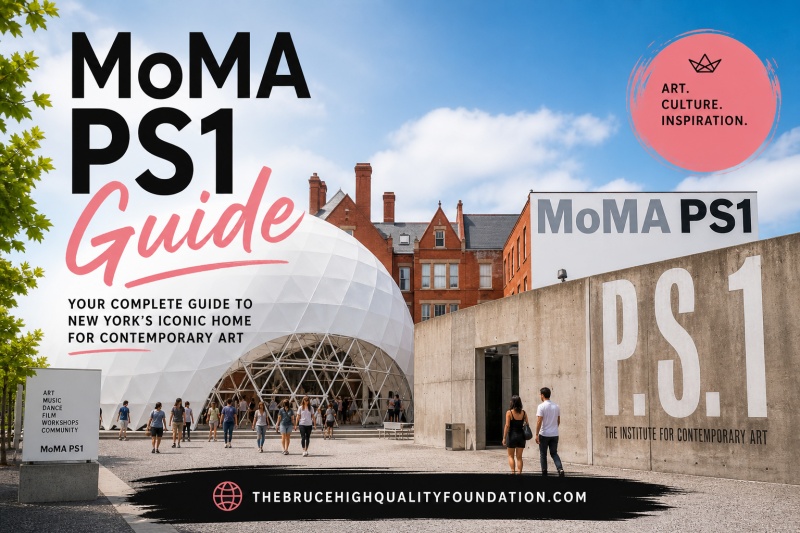
New York City’s art scene extends far beyond Manhattan, and MoMA PS1 proves exactly why the borough of Queens deserves a spot on every art lover’s itinerary. This comprehensive MoMA PS1 guide covers everything you need to know about visiting one of the city’s most distinctive contemporary art institutions, from practical transit directions to the exhibitions you absolutely cannot miss.
MoMA PS1 stands apart from traditional museums because it functions as an exhibition space rather than a collection repository. The institution showcases work from emerging and experimental artists, offering visitors the chance to discover new talent before they become household names. The raw, industrial atmosphere of the converted school building adds another dimension that you simply will not find at polished Manhattan institutions.
This guide provides detailed information on planning your visit, understanding the museum’s history, navigating transit options, and maximizing your time at one of New York’s most important cultural destinations.
Table of Contents
From Abandoned School to Art Institution
The building at 22-25 Jackson Avenue began its life in 1892 as P.S. 1, a public school serving the children of Long Island City for decades. The Romanesque Revival structure featured distinctive arched windows, spacious classrooms, and the kind of solid construction that characterized New York public schools of that era. For generations, this building stood at the heart of the neighborhood, shaping young minds before its unexpected transformation.
By the 1960s, demographic shifts and school consolidations left the building vacant. The city declared it surplus property, and for nearly a decade the structure sat empty, accumulating the kind of patina that only time and neglect can provide. Graffiti appeared on exterior walls, weather damage affected windows, and the surrounding neighborhood continued its industrial evolution. This period of abandonment, while difficult for the building itself, created conditions that would later inform its artistic identity.
In 1971, Alanna Heiss founded P.S. 1 Contemporary Art Center with a revolutionary vision for vacant municipal buildings. She recognized something precious in spaces others considered blighted. Rather than demolishing or fully renovating, she began converting classrooms into galleries, preserving the building’s authentic character while adapting it for new purposes. The creaky floors, high ceilings, and remnants of educational use became integral to the museum experience.
The renovation strategy deliberately maintained the building’s raw industrial qualities instead of creating sterile museum environments. Exposed brick walls remained visible, ceilings stayed unadorned, and certain chalkboards survived the conversion. This intentional choice distinguished P.S. 1 from every other art institution in New York. Visitors could engage with cutting-edge contemporary work while surrounded by genuine architectural history.
The affiliation with the Museum of Modern Art in 2000 brought significant institutional resources and international recognition. However, MoMA PS1 retained its independent curatorial vision and commitment to experimental programming. The Queens location provides freedom for exhibitions that might not fit the main museum’s more traditional profile, while MoMA’s resources enable ambitious projects that might otherwise be impossible.
Today, MoMA PS1 operates as the premier destination for contemporary and emerging art in New York. The institution continues its founding mission of providing platforms for artists whose work challenges conventions and expands understanding of what art can be. This commitment to innovation has remained constant even as the surrounding neighborhood transformed around it.
Plan Your Visit to MoMA PS1 in 2026
Planning your MoMA PS1 visit requires knowing the essential details: location, hours, and admission policies. The museum sits at 22-25 Jackson Avenue in Long Island City, Queens, easily accessible by multiple transit options from throughout the metropolitan area. The building’s distinctive architecture makes it easy to identify, with its Romanesque Revival facade standing out among surrounding structures.
MoMA PS1 hours are Thursday through Monday, 12:00 PM to 6:00 PM. The museum closes completely on Tuesdays and Wednesdays for exhibition installation and building maintenance. This schedule means you should plan your visit for the latter half of the week or on weekends to ensure the galleries are open.
Admission to MoMA PS1 is free for all visitors as of 2026, representing a significant policy change that removed previous financial barriers. This makes MoMA PS1 one of the most accessible major art institutions in New York City. No tickets are required for general admission, though some special exhibitions may require free timed entry for capacity management.
The museum closes for major holidays including Thanksgiving Day, Christmas Day, and New Year’s Day. Summer programming, particularly the Warm Up concert series, may affect regular hours on Saturday evenings during June through September. Always verify current hours on the official momaps1.org website before visiting, as exhibition installations occasionally require temporary gallery closures.
Quick reference information for your visit: the address is 22-25 Jackson Avenue, Long Island City, Queens, NY 11101. The phone number is (718) 784-2084. Subway access is available via the 7 train to 45th Road-Court Square station, with an approximately 5-minute walk to the entrance. The E, M, G, N, and W trains also serve nearby stations within 8-10 minutes walking distance.
How to Get to MoMA PS1 by Subway and Transit
The 7 train provides the most direct route to MoMA PS1 for visitors coming from Manhattan or elsewhere in the city. Board any 7 train heading toward Flushing-Main Street and exit at 45 Road-Court Square station. From there, walk north on Jackson Avenue for approximately two blocks until you reach the museum entrance. This route is particularly convenient for tourists exploring Midtown or western Queens.
Alternative subway options include the E, M, and G trains, which stop at Court Square-23rd Street station. This station requires an eight-minute walk through a mixed-use neighborhood with well-maintained sidewalks and good lighting. The N and W trains serve 39th Avenue station, approximately ten minutes away on foot via a straightforward route.
Each alternative subway option provides covered walking routes for significant portions, making them viable regardless of weather conditions. The Court Square area has undergone substantial development, meaning sidewalks remain accessible and safe during evening hours. Visitors using mobility devices will find curb cuts and accessible crossings at all major intersections along each route.
Multiple bus routes serve the MoMA PS1 area, including the Q32, Q39, Q60, Q67, B32, and B62. These options prove particularly valuable for visitors staying in Queens neighborhoods without direct subway connections or for those preferring surface transit. The Q32 runs most frequently, with service every 10-15 minutes during daytime hours on weekdays.
Cyclists can access MoMA PS1 via protected bike lanes along Jackson Avenue and Vernon Boulevard. Citi Bike stations sit at multiple nearby corners, including directly across from the museum entrance on Jackson Avenue. This makes bike sharing a practical option for visitors without personal bicycles who want to combine cycling with their museum visit.
For visitors driving, street parking exists in the surrounding neighborhood but remains challenging to find, particularly on weekends. Several paid parking garages operate within a ten-minute walk, offering more reliable though more expensive options. Note that MoMA PS1 does not maintain a dedicated parking facility.
The NYC Ferry system provides a scenic transportation option during warmer months. The Long Island City landing sits approximately fifteen minutes walking distance from the museum, following a pleasant waterfront route. This option serves connections from Manhattan’s East 34th Street and Wall Street terminals, plus Brooklyn’s Greenpoint and North Williamsburg stops.
What to See at MoMA PS1: Exhibitions and Installations
The rotating exhibition program at MoMA PS1 focuses intensively on emerging artists, experimental practices, and ambitious conceptual projects. Unlike larger institutions with collection-based programming, this museum dedicates its entire space to temporary exhibitions that change throughout the year. Each exhibition cycle typically spans three to six months, featuring carefully curated solo shows and thematic group exhibitions.
The annual Greater New York survey represents one of the museum’s most important recurring exhibitions. This comprehensive examination of artistic production across the metropolitan region has launched numerous careers and provides a snapshot of where contemporary art is heading. The exhibition typically features work across all media, from video installations to massive sculptures to participatory projects.
Site-specific installations form the backbone of the essential MoMA PS1 experience. Unlike conventional museums with standardized white cube galleries, the institution actively invites artists to respond directly to the building’s unique history and architectural quirks. The resulting works frequently incorporate exposed brick walls, irregular room proportions, dramatic ceiling heights, and natural light patterns that define the former school building.
James Turrell’s Meeting stands as the most celebrated and enduring long-term installation at MoMA PS1. Created in 1986 and permanently installed since, this skyspace creates a precisely framed view of the heavens through a square opening cut into the building’s roof. Visitors enter a room with bench seating arranged around the perimeter, reclining to gaze upward through the ceiling aperture.
The Turrell installation achieves maximum impact during sunset sessions when carefully calibrated LED lighting within the room synchronizes with changing natural light conditions outside. This interplay creates perceptual phenomena that alter how viewers experience color, space, and atmosphere. The experience varies dramatically with weather conditions, meaning each visit offers something different. Sunset viewing sessions often require separate registration due to limited capacity.
The Courtyard serves as MoMA PS1’s central outdoor exhibition space, social gathering area, and seasonal event venue. This expansive raw space hosts large-scale sculptures, performance art, and the legendary Warm Up summer concert series. The surrounding exposed brick walls and industrial architectural backdrop create a setting for contemporary art that embraces rather than conceals the building’s institutional past.
Classroom galleries throughout the building retain original chalkboards, unusually high ceilings, and irregular spatial proportions. These intimate spaces feel human-scaled compared to vast anonymous museum halls, creating personal connections between viewers and artworks. The architectural quirks become integral to each exhibition’s character, compelling artists and curators to think inventively about display strategies.
The museum’s basement and upper floors contain additional gallery spaces that many first-time visitors overlook. These areas often host smaller, more experimental projects that reward curious exploration. The building’s maze-like layout encourages wandering and discovery, with unexpected installations waiting around corners and behind unmarked doors.
Download the Bloomberg Connects mobile application before visiting to access MoMA PS1’s complimentary digital guide. This resource offers audio commentary from artists and curators, detailed exhibition information, accessibility features, and interactive content that significantly enhances the gallery experience. The app functions offline after initial content download, making it practical for international visitors.
Visitor Tips, Dining, and Seasonal Events
Strategic timing dramatically improves your MoMA PS1 experience. Visit on Thursday or Friday mornings immediately upon opening for the quietest, most contemplative gallery experience. Weekend afternoons, particularly Sunday, attract the highest visitor volumes including school groups. Saturday mornings offer a reasonable middle ground with manageable crowds before noon.
Mina’s Cafe occupies the museum’s ground floor near the entrance, serving breakfast items, sandwiches, salads, and espresso drinks throughout operating hours. The interior features industrial-chic design complementing the building’s character, while outdoor courtyard seating becomes available during warm weather. This option proves ideal for breaks between intensive gallery exploration.
Cafe pricing runs reasonable by museum standards, with most food items priced between $8 and $15 and specialty coffee drinks averaging $4 to $6. The avocado toast receives consistent praise for generous portions and quality ingredients. Fresh pastries arrive daily from local Brooklyn bakeries, and the beverage selection includes beer and wine for adult visitors.
Artbook @ MoMA PS1 operates as the museum’s dedicated bookstore, specializing in contemporary art publications, limited edition exhibition catalogs, and artist monographs. Unlike the main MoMA store in Manhattan, this Queens location focuses specifically on emerging artists, critical theory texts, and small press titles. Art students, working artists, and serious collectors regularly discover unique items here.
The Warm Up summer concert series transforms the Courtyard into an outdoor music venue every Saturday from June through September, running from 3:00 PM to 9:00 PM. This program pairs experimental electronic music, independent rock, and international sounds with the museum’s visual art mission. One Reddit user described Warm Up as “super respectful, great sets, not oversold,” praising the series for attracting a thoughtful audience.
Family workshops run regularly on weekend mornings, providing hands-on art activities for children ages 5-12 and their adult companions. These sessions connect directly to current exhibitions, offering age-appropriate engagement with contemporary art concepts. Children create artwork inspired by gallery installations, developing personal connections to challenging contemporary practices.
Accessibility services at MoMA PS1 include complimentary wheelchairs available at the admissions desk, elevator access serving all public gallery levels, and large-print exhibition guides. The historic building presents inherent challenges, with uneven floors in certain gallery areas and narrow doorways in older sections. Staff members can advise on the most accessible route through current exhibitions.
Coat check operates near the main entrance for complimentary bag storage. Large backpacks, umbrellas, and oversized bags must be checked, while smaller purses and personal items may accompany you through galleries. Photography is permitted for personal, non-commercial use, but flash photography and tripods remain prohibited. Always respect posted signage regarding specific exhibition photography policies.
The museum maintains gender-neutral restrooms on multiple floors, with accessible facilities clearly marked. Water fountains are available for refilling bottles, though food and beverages remain prohibited within gallery spaces. Seating benches appear throughout exhibitions for visitor rest, particularly valuable given the amount of standing required during typical visits.
What to Do Around MoMA PS1
Court Square and the surrounding Long Island City neighborhood offer substantial exploration opportunities before or after your museum visit. This district has transformed remarkably over the past decade, adding craft breweries, independent cafes, waterfront parks, and residential towers to its industrial heritage. Plan for at least an additional hour to experience the neighborhood beyond the museum walls.
The Long Island City waterfront sits approximately fifteen minutes walking distance from MoMA PS1, offering spectacular panoramic views of the Midtown Manhattan skyline across the East River. Gantry Plaza State Park provides benches, walking paths, and iconic photo opportunities that rival the more crowded Brooklyn Bridge Park. Visit at sunset for the most dramatic urban vistas.
Nearby dining options extend beyond the museum cafe for visitors seeking more substantial meals. Court Square Diner serves classic 24-hour New York diner fare just two blocks from MoMA PS1. Alewife Brewing and other local establishments offer craft beer, casual food, and outdoor seating within easy walking distance. The neighborhood’s food scene continues expanding rapidly.
SculptureCenter, another highly regarded contemporary art institution, sits just ten minutes away on Purves Street near the waterfront. This smaller nonprofit venue focuses specifically on sculpture and installation art, complementing MoMA PS1’s broader programming with intensive three-dimensional work. Combining both venues creates a full day of Queens art exploration.
The Socrates Sculpture Park, located further north along the waterfront, offers additional outdoor art experiences during warmer months. This unique public park commissions large-scale sculptures and hosts outdoor cinema screenings, art workshops, and community events. The seasonal schedule overlaps with MoMA PS1’s Warm Up series.
The strategic connection to Manhattan MoMA allows for efficient combined visit planning. Take the 7 train to Fifth Avenue-53rd Street for the main MoMA, explore its collection, then return to Queens for the distinctly different PS1 experience. Both visits are worthwhile rather than forcing a choice between them, as the Queens location offers an atmosphere impossible to replicate in Manhattan.
Frequently Asked Questions
How can I visit PS1 MoMA?
Visiting MoMA PS1 requires no advance reservation or ticket purchase for general admission. Simply arrive during operating hours (Thursday-Monday, 12:00 PM – 6:00 PM) at 22-25 Jackson Avenue in Long Island City, Queens. The 7 train to 45 Road-Court Square provides the most direct subway access, with just a five-minute walk to the entrance. Admission is free for all visitors.
What should I not miss at MoMA PS1?
Do not miss James Turrell’s Meeting, the permanent skyspace installation that frames the sky through the building’s roof, creating a meditative light experience best viewed at sunset. The Courtyard hosts rotating large-scale sculptures and the summer Warm Up concert series. The annual Greater New York exhibition showcases emerging artists. Download the Bloomberg Connects app for audio commentary.
Is MoMA PS1 worth visiting?
Yes, MoMA PS1 offers a genuinely unique contemporary art experience distinct from traditional museum visits. The free admission policy, ambitious experimental exhibitions, and stunning historic building transformation make it essential for art enthusiasts visiting New York. The Queens location and raw, industrial gallery spaces provide an authentic atmosphere impossible to replicate in Manhattan.
Is MoMA PS1 free?
Yes, MoMA PS1 offers completely free admission to all visitors as of 2026. This policy change removed the previous suggested donation system, making contemporary art accessible regardless of visitor budget. Special exhibitions may occasionally require free timed entry tickets for capacity management, but general admission remains complimentary for everyone.
How long should I spend at MoMA PS1?
Plan for 2-3 hours to experience MoMA PS1 thoroughly without rushing. This duration allows comfortable time to explore all gallery spaces, contemplate the long-term installations including James Turrell’s Meeting, take breaks in the Courtyard or Mina’s cafe, and browse the Artbook bookstore. First-time visitors may want the full three hours to navigate the building’s multi-level layout.
Plan Your MoMA PS1 Visit in 2026
This MoMA PS1 guide has provided everything necessary to experience one of New York City’s most distinctive and accessible art institutions. The combination of free admission for all visitors, consistently ambitious experimental programming, and a genuinely unique historic building setting creates cultural value impossible to find elsewhere in the metropolitan area. Whether you are a dedicated contemporary art professional or a curious first-time visitor, the Queens location rewards thorough exploration.
Download the Bloomberg Connects mobile application before arriving to enhance your visit with professional audio commentary and detailed exhibition information. Plan your subway route using the 7 train for simplest Manhattan access, and consider combining your MoMA PS1 visit with neighborhood exploration in Long Island City or a trip to the main MoMA in Manhattan. Thursday and Friday mornings at opening time offer the most peaceful viewing experience.
The transformation of an abandoned public school into a world-class contemporary art venue represents the very best of New York City’s ongoing cultural evolution. MoMA PS1 simultaneously preserves meaningful architectural history while pushing artistic boundaries, all within accessible reach of Manhattan and the outer boroughs. With the free admission policy removing financial barriers to entry, there has never been a better time to discover what this extraordinary institution offers visitors from around the world.