
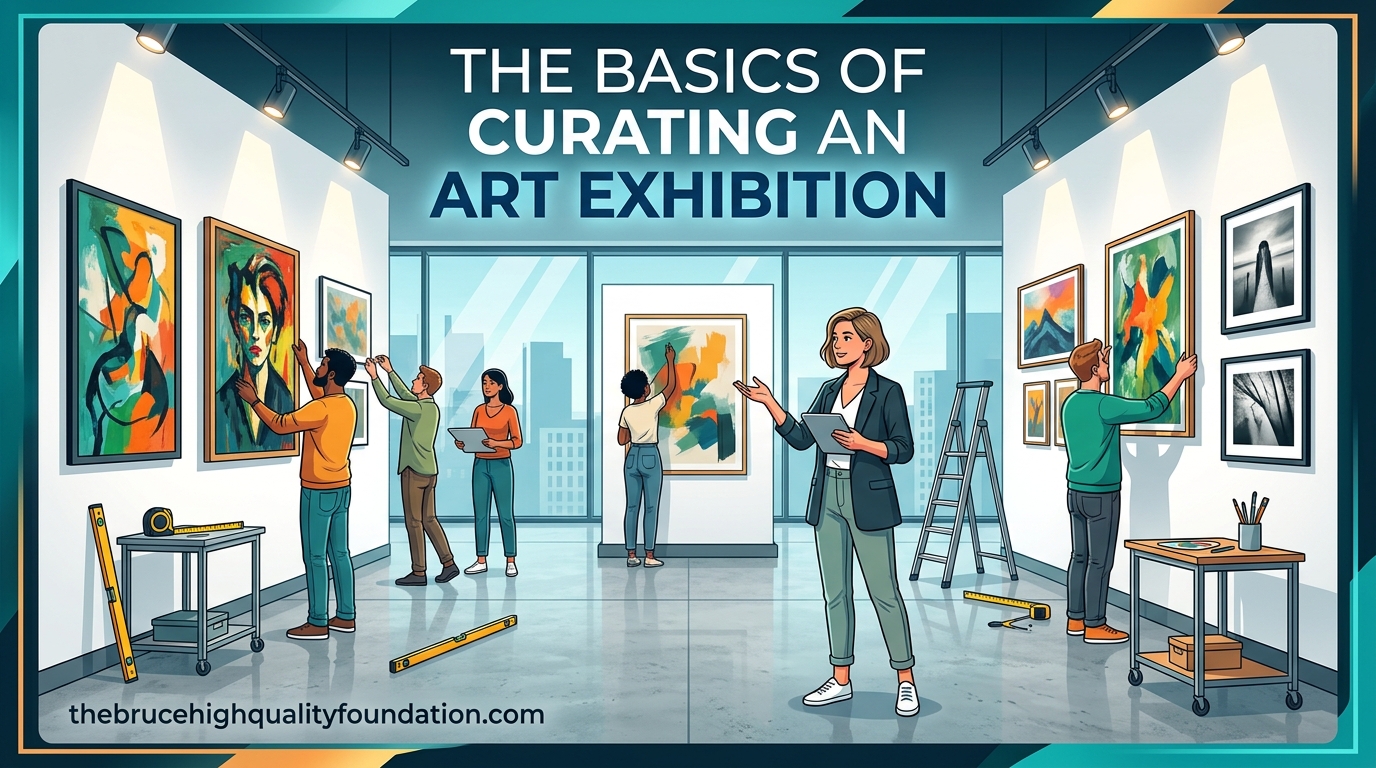
Curating an art exhibition is part storytelling, part project management, and part spatial design. Whether you are an aspiring curator, a gallery owner, or an artist planning your first solo show, understanding the fundamentals of exhibition curation can make the difference between a forgettable display and an experience that stays with visitors long after they leave. This guide covers every stage of the curatorial process, from developing your concept to opening night, with practical advice drawn from real-world experience.
In this article, we will walk through the basics of curating an art exhibition step by step. You will learn how to build a strong theme, select and arrange artwork, manage logistics, and promote your show effectively. If you are also interested in how collaborative art practices shape the contemporary scene, check out our guide to the most influential art collectives working today.
Table of Contents
What Is Art Curation?
Art curation is the process of selecting, organizing, and presenting artwork in a way that creates a coherent visual narrative for an audience. A curator decides what gets shown, where it gets placed, and how viewers will experience the collection as a whole. The goal is not simply to display art but to create meaning through arrangement and context.
The word “curator” comes from the Latin curare, meaning “to take care of.” Historically, curators were keepers of collections in museums and institutions, responsible for preserving and cataloguing objects. Over time, the role evolved into something far more creative. Today, a curator is as much a storyteller and conceptual thinker as a caretaker of objects.
Modern curating an art exhibition involves research, vision, and logistics in equal measure. You are interpreting artwork for an audience, building a thematic framework, and managing the practical details that bring the show to life. Whether working in a major museum, a commercial gallery, or a converted warehouse, the core responsibility remains the same: make the art speak to the people who come to see it.
Essential Skills Every Curator Needs
Curating is not a single skill but a collection of abilities that work together. Based on conversations with working curators and community discussions on forums like Reddit’s r/ContemporaryArt and r/artbusiness, these are the competencies that matter most.
Visual Analysis and Art Historical Knowledge
You need to look at artwork critically and articulate why a piece fits (or does not fit) within your exhibition. This means understanding art history, contemporary movements, and how different works relate to one another visually and conceptually. A strong visual vocabulary lets you build connections between pieces that might not seem related at first glance.
Project Management
Exhibitions involve deadlines, budgets, shipping schedules, artist contracts, insurance, and installation timelines. A curator who cannot manage logistics will struggle regardless of their artistic vision. Organizational skill is what separates a compelling concept from a completed show.
Writing and Communication
Curators write exhibition proposals, wall texts, press releases, and catalog essays. Clear, persuasive writing is non-negotiable. Reddit users in art communities consistently emphasize that a strong exhibition text can make or break how your show is received by critics and the public alike.
Relationship Building
Working with artists, gallery owners, lenders, and institutions requires diplomacy and trust. Building a network of collaborators takes time, but it is the foundation of every successful curatorial career. Museum professionals suggest approaching institutions with collaboration pitches rather than simply asking for opportunities.
How to Curate an Art Exhibition: Step by Step
Here is the complete curatorial process broken into six clear stages. Follow these steps to plan and execute a successful exhibition from start to finish.
Step 1: Develop Your Exhibition Concept and Theme
Every exhibition begins with an idea. Your concept is the intellectual and emotional framework that holds the show together. It might be a formal exploration of color and form, a response to a social or political issue, or a celebration of a single artist’s practice. The strongest concepts are specific enough to guide selection but open enough to allow surprise.
Start by asking questions. What story do you want to tell? What conversation do you want to start? Who is your audience? Write a curatorial statement of two to three paragraphs that explains your vision. This document will serve as your north star throughout the planning process, keeping your selections focused and your messaging consistent.
Research is essential at this stage. Look at what other curators have done with similar themes. Visit exhibitions, read catalog essays, and study how different shows have structured their narratives. The more reference points you have, the more original your own approach can be.
Step 2: Select and Source Artwork
With your concept in hand, begin building your checklist of works. This is the heart of the curatorial process. Every piece you include should serve the exhibition’s theme and contribute to the overall visual narrative. Avoid the temptation to include work simply because you admire it in isolation.
Consider variety in media, scale, and tone. A show of fifteen similar-sized paintings hung in a row can feel monotonous, while mixing painting, sculpture, photography, and installation can create dynamic visual rhythms. Think about how works will contrast with and complement one another when placed in the same room.
When sourcing work, reach out to artists, galleries, collectors, and lenders early. Give yourself plenty of lead time, as loan agreements and shipping arrangements can take weeks or months. Be clear about your exhibition concept when making requests. Artists and galleries are more likely to participate when they understand how their work fits into a thoughtful framework.
Step 3: Plan Your Exhibition Space and Layout
The physical space shapes how people experience the art. Before you install anything, spend time in the venue. Walk through it as a visitor would. Note the natural light, wall surfaces, ceiling height, electrical outlets, and traffic flow patterns. Measure everything.
Create a floor plan that guides visitors through a logical sequence. Most exhibitions follow a spatial narrative: an introduction or anchor piece near the entrance, a progression through related works, and a strong final statement near the exit. Leave enough breathing room between pieces so viewers can focus on individual works without visual overload.
If you are working with a digital or virtual exhibition space, the same principles apply. Plan the navigation flow, decide how viewers will encounter each piece, and ensure the user experience feels intentional rather than random. Virtual shows have become increasingly common, and understanding digital exhibition design is a valuable skill for any curator in 2026.
Step 4: Handle Logistics, Budget, and Timelines
Logistics can sink an otherwise brilliant exhibition. Build a detailed timeline that works backward from your opening date. Include milestones for confirming artwork loans, arranging shipping and insurance, completing installation, and running publicity. Most experienced curators recommend planning at least six months in advance for a mid-scale show and twelve months or more for a museum exhibition.
Your budget should account for shipping, insurance, framing, painting walls, lighting equipment, printing labels and catalogs, marketing materials, and opening night costs. Always include a contingency of ten to fifteen percent for unexpected expenses. Track every cost from day one.
Contracts matter. Put agreements with artists, lenders, and vendors in writing. Clarify insurance responsibilities, shipping costs, installation requirements, and return dates. A clear contract protects everyone involved and prevents misunderstandings that can damage professional relationships.
Step 5: Install the Exhibition
Installation is where planning meets reality. This phase covers three critical areas: lighting, display, and labels.
Lighting transforms how art looks and how viewers feel. Use adjustable track lighting to highlight individual works and create focal points. Avoid direct sunlight on sensitive pieces. Aim for even illumination across each work, typically between 150 and 300 lux for most materials, with lower levels for works on paper and textiles. The difference between flat overhead lighting and carefully angled spotlights is dramatic.
Display technique affects both aesthetics and safety. Paint walls a neutral color, usually white or a soft gray, so the artwork remains the focus. Use appropriate hanging hardware rated for the weight of each piece. For sculpture and installations, consider sightlines from multiple angles and ensure enough space for viewers to walk around three-dimensional work.
Labels and wall text provide context without overwhelming. Each work should have a small label with the artist’s name, title, date, medium, and lender credit. Your introductory wall text should explain the exhibition concept in clear, accessible language, no more than 150 to 200 words. Avoid jargon. Write for a general audience, not just other art professionals.
Step 6: Promote the Exhibition and Plan Opening Night
A well-curated exhibition that nobody knows about is a missed opportunity. Build your promotional plan alongside your exhibition plan, not as an afterthought.
Create a press release and send it to local art publications, blogs, and newspapers at least four weeks before opening. Build an event page on social media and share behind-the-scenes content during installation. Reach out to your network directly through email invitations. Document the show with professional photography on opening night and submit images to art blogs and publications for coverage.
Opening night sets the tone. Plan a reception that matches the scale and energy of your show. Simple refreshments, good music, and a welcoming atmosphere go a long way. Introduce yourself to visitors, facilitate conversations between artists and attendees, and collect contact information for future events. Community advice from art forums consistently emphasizes taking great photos of the show and submitting them to art blogs for post-opening visibility.
How to Get Started as a Curator
One of the most common questions from beginners is how to land that first curatorial opportunity without professional credentials. The truth is that many working curators built their careers outside traditional academic paths. Here are practical strategies for getting started.
Start Small and Build a Portfolio
You do not need a museum to curate. Organize a pop-up show in a rented storefront, a community center, or even your apartment. Approach local cafes, bookstores, or libraries about displaying work. These grassroots exhibitions teach you the fundamentals of the curatorial process while building a body of work you can show to future collaborators.
Document everything. Photograph each exhibition, save your curatorial statements, and collect any press coverage. This portfolio becomes your calling card when you approach galleries or institutions for larger projects.
Pitch With Collaboration in Mind
Museum professionals on Reddit consistently advise against simply asking institutions for a job or exhibition slot. Instead, approach galleries and museums with a fully developed proposal that shows you have done your research. Explain why your concept fits their space and mission. Offer to collaborate rather than asking for a favor. A strong pitch includes your curatorial statement, a preliminary checklist of works, a budget outline, and a timeline.
Connect with artists directly. Many early-career artists are eager for exhibition opportunities and may be willing to collaborate on a self-organized show. Working with peers builds your network and produces real results you can point to in future pitches.
Learn From Others
Attend as many exhibitions as you can. Pay attention to how other curators handle spacing, lighting, flow, and wall text. Read exhibition catalogs and curatorial essays. Seek out workshops, mentorship programs, or informal study groups. The art world values practical experience as much as formal education, and there is no substitute for seeing what works (and what does not) in real spaces.
Common Mistakes to Avoid When Curating an Art Exhibition
Even experienced curators make errors. Here are the most frequent pitfalls and how to avoid them.
Overcrowding the space. Less is often more. A tightly edited show of twenty well-placed works creates a stronger impression than a crowded room of forty pieces. Leave enough space for each work to breathe and for visitors to move comfortably.
Neglecting lighting. Bad lighting flattens three-dimensional work, creates glare on glazed surfaces, and makes colors look dull. Invest time in adjusting your lighting for each piece individually. The results are immediately visible.
Weak exhibition narrative. If visitors cannot sense a connection between the works, the show feels random. Your curatorial concept should be visible through the arrangement itself, not only explained in the wall text. Every piece should earn its place.
Underestimating time and budget. Everything takes longer than you expect. Shipping gets delayed. Walls need an extra coat of paint. Labels need reprinting. Build generous buffers into your timeline and budget from the start.
Poor communication with artists. Keep artists informed throughout the process. Share your floor plan, installation timeline, and promotional plans. Artists who feel respected and included are more likely to collaborate again and recommend you to others.
Curating an Art Exhibition: Your Complete Checklist
Use this checklist to keep your curatorial process on track from concept to closing.
Pre-Exhibition
- Define your exhibition concept and write a curatorial statement
- Research and select artwork that supports your theme
- Secure artist agreements, loan contracts, and insurance
- Create a detailed budget with a ten to fifteen percent contingency
- Build a floor plan and spatial layout
- Arrange shipping and delivery schedules
- Write wall text, labels, and promotional materials
- Launch your marketing campaign at least four weeks before opening
Installation
- Paint and prepare walls and display surfaces
- Receive and inspect all artwork upon delivery
- Install pieces according to your floor plan
- Adjust lighting for each individual work
- Apply labels and wall text
- Conduct a final walkthrough and make adjustments
Post-Opening
- Host opening night reception and document with photography
- Submit show documentation to art publications and blogs
- Monitor visitor feedback and engagement throughout the run
- Plan deinstallation and artwork return logistics
- Send thank-you notes to artists, lenders, and collaborators
FAQs
What goes into curating an art exhibition?
Curating an art exhibition involves six key stages: developing a concept or theme, selecting and sourcing artwork, planning the exhibition space and layout, managing logistics and budgets, installing the show with proper lighting and labels, and promoting the exhibition to attract visitors. Each stage requires a combination of creative vision and practical project management skills.
How do you get experience to curate your first exhibition?
Start by organizing small shows in unconventional spaces like cafes, bookstores, or pop-up venues. Collaborate with emerging artists who are also seeking exhibition opportunities. Document every show you produce with photographs and curatorial statements to build a portfolio. You can also volunteer at galleries or museums to learn the logistics behind exhibition production from the inside.
What does it really take to become a curator?
A working curator needs visual analysis skills, art historical knowledge, project management ability, strong writing for proposals and wall texts, and interpersonal skills for building relationships with artists and institutions. While a degree in art history or museum studies can help, practical experience organizing exhibitions and a strong portfolio of curatorial work are equally valuable to galleries and institutions.
How do you select artwork for an exhibition?
Start with your exhibition concept and choose works that directly support your theme. Aim for variety in media, scale, and tone to create visual rhythm. Consider how each piece will interact with others when placed in the same space. Every work should earn its place by contributing to the overall narrative you are building.
How far in advance should you plan an art exhibition?
Plan a mid-scale gallery exhibition at least six months in advance. For a museum show or any exhibition involving loaned works from multiple institutions, allow twelve months or more. The timeline accounts for securing loan agreements, arranging shipping and insurance, producing promotional materials, and completing installation without rushing.
Conclusion
Curating an art exhibition is a skill that improves with every show you produce. The basics come down to six steps: develop your concept, select your artwork, plan your space, manage logistics, install with care, and promote with intention. Each exhibition teaches you something the last one did not, and there is no substitute for the experience of working with real art in real spaces.
Start where you are, with what you have. A small pop-up show in a borrowed space teaches the same fundamentals as a major museum installation. The important thing is to begin, document your work, and keep building. The art world has room for new voices and new perspectives on how art should be seen. Curating an art exhibition is how you add yours to the conversation.