
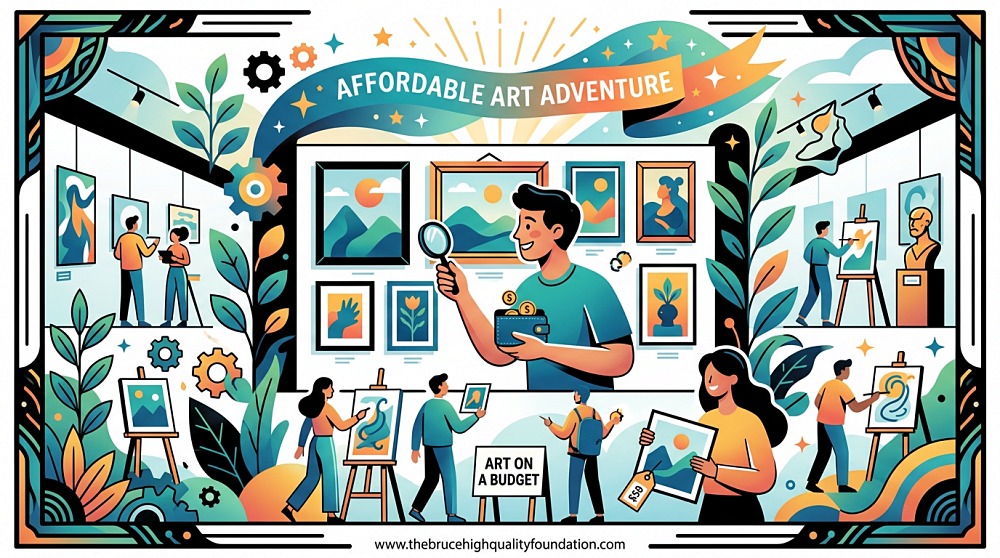
Starting an art collection might seem like something reserved for wealthy collectors in glossy magazines. I used to think the same way until I bought my first original piece for under $150 at a local student exhibition. Learning how to start collecting art on a budget is simpler than most people realize. You don’t need thousands of dollars or deep connections in the art world to begin.
So how do you collect art on a budget? Focus on these proven strategies:
- Explore limited edition prints instead of original paintings
- Buy from emerging artists at student exhibitions and open studio events
- Use online galleries like Saatchi Art, Etsy, and Artfinder for accessible pricing
- Attend local art fairs and university shows for direct artist access
- Start small with works on paper or smaller pieces
- Build relationships with galleries and artists for first-look opportunities
- Be patient and let your collection grow over time
The key is understanding that budget art collecting focuses on smart choices rather than compromising on quality. With the right approach, you can own meaningful, original artwork that brings joy to your space without draining your bank account.
Table of Contents
Understanding Your Art Preferences
Before spending a single dollar, spend time discovering what genuinely moves you. Walk through local museums and galleries without buying anything. Notice which pieces make you stop and stare.
Create a digital mood board using Pinterest or Instagram saves. Look for patterns in what attracts you. Do you gravitate toward abstract expressionism, or do photorealistic portraits captivate you? Maybe you’re drawn to bold colors, or perhaps muted tones speak to you more.
Understanding your aesthetic preferences prevents expensive mistakes. I’ve seen new collectors buy trendy pieces they don’t actually love, only to regret the purchase months later. When you know your taste, every purchase feels intentional.
Don’t worry about whether your preferences match what’s “in” right now. Art collecting is deeply personal. The pieces you choose will live with you for years, so they should resonate with your own sensibilities, not someone else’s.
Where to Find Affordable Art
The art world has never been more accessible. Today’s collectors have multiple pathways to finding original, affordable artwork that fits their budget.
Online Art Marketplaces
Online galleries democratized art buying. Platforms like Saatchi Art, Artfinder, and UGallery connect buyers directly with artists worldwide. These sites typically offer pieces ranging from $50 to $500, making them perfect entry points.
Etsy has become a surprising hub for affordable original art. Many emerging artists sell paintings, drawings, and prints directly to collectors. The platform’s review system helps verify seller legitimacy before you buy.
When buying online, request additional photos from different angles. Ask about the artwork’s dimensions relative to standard objects like notebooks or laptops. Understanding scale prevents disappointment when that “perfect piece” arrives and doesn’t fit your wall.
Local Art Fairs and Markets
Local art fairs remain one of my favorite hunting grounds for affordable pieces. These events typically feature emerging and mid-career artists selling work at prices far below gallery retail. You can meet the artists directly, hear their stories, and sometimes negotiate modest discounts.
Most cities host monthly or seasonal art markets. Research your local art council website for event calendars. Entry fees are usually minimal, and the browsing experience itself is worth the trip.
Bring cash for smaller purchases, as many artists appreciate avoiding credit card processing fees. A cash offer might even earn you a small discount on pieces under $300.
University and Student Exhibitions
University art programs hold regular exhibitions where students sell their work. These shows offer incredible value. MFA students create sophisticated, gallery-quality pieces at prices significantly below established artists.
Visit art department websites for local universities and art schools. Look for end-of-semester shows, thesis exhibitions, and senior showcases. These events often feature works priced between $100 and $800.
Buying from students also means investing in potential future success. Several collectors I know purchased early works from artists who later gained significant recognition. Those initial pieces appreciated considerably.
Open Studio Events
Many cities organize annual open studio weekends where artists invite the public into their workspaces. These events eliminate gallery markups since you’re buying directly from the creator.
Open studios let you see an artist’s full range of work, not just their current gallery inventory. You might discover pieces from earlier series or experimental works that never made it to commercial venues.
The casual environment encourages conversation. Ask artists about their process, inspiration, and future projects. Building these relationships can lead to studio visits, commission opportunities, and first access to new work.
Types of Budget-Friendly Art to Consider
Not all art requires gallery-level investment. Understanding different types of budget-friendly art opens collecting possibilities you might not have considered.
Limited Edition Prints
Limited edition prints offer an excellent entry point into collecting. These aren’t mass-produced posters but carefully created reproductions using high-quality printing methods. Each print comes numbered (like 24/100) and often signed by the artist.
Giclée prints use archival inks and paper, creating reproductions that can last decades without fading. Many contemporary artists release limited giclée editions of their paintings at prices far below the original works.
Screen prints and lithographs have rich artistic traditions. These printing techniques often involve the artist directly in the creation process, making each print a legitimate artistic work rather than a simple copy.
When buying limited editions, verify the edition size. Smaller editions (under 100) typically hold value better than larger runs. Always request a certificate of authenticity with your purchase.
Works on Paper
Paintings on canvas command premium prices, but works on paper often sell for a fraction of the cost. Drawings, watercolors, pastels, and mixed media pieces on paper can be just as compelling as larger paintings.
Many established artists create works on paper as studies or parallel series. These pieces offer an accessible way to own work by artists whose paintings might cost thousands.
Photography also falls into the works on paper category. Original photographic prints from emerging photographers often start under $200. Look for limited editions and archival printing processes.
Smaller-Scale Pieces
Size significantly impacts art pricing. Artists often price work by square inch, meaning smaller pieces cost substantially less. A 12×12 inch painting might cost $200 while the same artist’s 36×36 piece costs $1,800.
Starting with smaller works lets you buy multiple pieces and experiment with grouping them into gallery walls. This approach often creates more visual impact than one large piece at the same total cost.
Consider works under 16×20 inches for your initial purchases. These fit standard frame sizes, making affordable framing easier to find.
Digital Art and NFTs
Digital art represents the newest frontier in budget collecting. Many digital artists sell limited edition digital files that buyers display on screens or print professionally.
NFT platforms have created markets for digital art ownership. While some NFTs sell for millions, many talented digital artists offer pieces between $50 and $300. Research platforms like Foundation, SuperRare, and OpenSea for emerging digital creators.
Digital art collecting requires different storage considerations than physical pieces. Factor in display technology costs if you plan to show digital work on dedicated screens.
Thrift Store and Flea Market Strategies
Hidden gems occasionally surface in unexpected places. Thrift stores, estate sales, and flea markets can yield legitimate artwork at thrift prices.
Look for original paintings and prints in the housewares sections. Check the backs of framed pieces for artist signatures, gallery labels, or exhibition stickers. These markers often indicate quality work donated by families clearing estates.
Research signatures you find using your phone. Many regional artists have modest followings, and their work sells for reasonable prices even in secondary markets.
Estate sales often feature entire art collections. Arrive early for the best selection, but return near closing time when prices drop. I’ve found original oil paintings for under $50 simply because the sellers wanted everything gone.
Condition matters significantly with thrift finds. Check for water damage, mold, or insect evidence. Minor frame damage is fixable, but compromised canvases or paper require professional restoration that may exceed the artwork’s value.
Understanding What Makes Art Valuable
Price tags in the art world can seem arbitrary. Understanding value factors helps you make informed purchases and spot genuine opportunities.
| Value Factor | Impact on Price | Budget Collector Strategy |
|---|---|---|
| Artist Reputation | Established artists command premium prices | Buy emerging artists before they gain recognition |
| Medium | Oil on canvas costs more than works on paper | Focus on drawings, prints, and photography |
| Size | Larger works cost more due to materials and labor | Collect smaller pieces and create gallery walls |
| Edition Size | Smaller limited editions hold value better | Look for editions under 100 with certificates |
| Provenance | Documented ownership history adds value | Keep all purchase receipts and artist documentation |
| Exhibition History | Shown works carry prestige | Ask artists about shows and keep exhibition catalogs |
| Condition | Pristine condition essential for value | Inspect carefully; avoid restoration projects |
Provenance matters even for modest collections. Keep every receipt, certificate of authenticity, and artist statement. This documentation protects your investment and adds resale value if you ever decide to part with pieces.
Authenticity concerns worry many new collectors. When buying from living artists, authenticity is straightforward. For older or thrifted pieces, look for signatures, gallery labels, and any accompanying documentation. When in doubt, consult online artist databases or local appraisers before major purchases.
Smart Strategies for Budget Art Collecting
Successful collecting requires strategy, not just shopping. These approaches maximize your budget while building a meaningful collection.
Set a Realistic Budget
Determine what you can comfortably spend monthly or quarterly on art. Some collectors set aside $100 monthly, others allocate $500 quarterly. Choose a sustainable amount that doesn’t strain your finances.
Track your spending to avoid impulse purchases that derail your plan. I’ve found that setting a “cooling off” period of 48 hours prevents most regrettable impulse buys.
Payment Plans and Layaway
Many galleries and artists offer payment plans for pieces over $500. Rather than paying the full amount upfront, you make monthly installments over three to six months.
The Own Art scheme in some countries offers interest-free loans for art purchases. Check if similar programs exist in your region. These programs make larger pieces accessible without upfront capital.
Minor Works by Major Artists
Can’t afford a painting by your favorite established artist? Look for their works on paper, prints, or smaller studies. Many renowned artists create more affordable pieces alongside their major works.
These “minor works” often provide the same aesthetic satisfaction as larger pieces. They also carry the artist’s reputation, potentially holding value better than unknown artists’ work.
Build Gallery Relationships
Visit local galleries regularly, even when you’re not buying. Introduce yourself and mention your collecting interests. Gallery owners remember engaged visitors and may offer first looks at new arrivals or alert you to price reductions.
Join gallery mailing lists for exhibition announcements and collector previews. Some galleries host special events for regular visitors, offering wine-and-view evenings with artists present.
Practice Patience
The best collections grow slowly. Wait for pieces that genuinely excite you rather than filling walls quickly. An empty wall is better than art you don’t love.
Set alerts on online platforms for artists you admire. Follow them on social media to learn about new releases. Sometimes waiting six months leads to the perfect piece at the right price.
Displaying Your Art on a Budget
Great art deserves proper presentation, but framing costs can shock new collectors. Smart display strategies keep presentation costs manageable.
Standard sizes save money. Works that fit 8×10, 11×14, 16×20, or 18×24 inch frames avoid custom framing premiums. Buy frames during sales at craft stores or online retailers.
Consider float frames for canvases, which cost less than traditional framing. Gallery wrap canvases don’t require framing at all, saving significant money.
DIY framing works for works on paper. Buy archival mats and backing board online, then use affordable frames. Just ensure you’re using acid-free materials to protect the artwork.
Lighting dramatically affects how art appears. Small picture lights or even well-placed floor lamps can transform how your collection looks. Natural light works beautifully but avoid direct sunlight that fades artwork.
Create gallery walls by grouping smaller pieces together. This approach looks intentional and sophisticated while costing less than one large statement piece. Arrange pieces on the floor before hanging to test layouts.
Frequently Asked Questions
How do you collect art on a budget?
Start by exploring affordable alternatives like limited edition prints, works by emerging artists, and student exhibitions. Set a realistic monthly or quarterly budget, research artists before buying, and consider online galleries and local art fairs. Build relationships with galleries and artists for first-look opportunities, be patient rather than rushing purchases, and remember that buying what you love matters more than investment potential. Focus on smaller works, prints, and pieces on paper which cost significantly less than large paintings.
What is the 70 30 rule in art?
The 70-30 rule in art composition suggests that a successful artwork should contain approximately 70% dominant elements (such as the main subject or primary color) and 30% accent elements (details, contrasting colors, or secondary subjects) to create visual balance and interest. This principle applies to creating art but also helps collectors understand why certain pieces feel visually harmonious in a space.
What is the 80 20 rule in art?
The 80-20 rule, also known as the Pareto Principle in art collecting, suggests that 80% of your collection’s value or enjoyment may come from 20% of your pieces. This principle encourages collectors to focus on acquiring fewer, more meaningful works rather than many mediocre ones. For budget collectors, this means investing in one truly special piece rather than ten forgettable items.
What are the 5 C’s of art?
The 5 C’s of art in collecting are: Collection (gathering meaningful works that tell your story), Community (engaging with other collectors, artists, and galleries), Culture (understanding artistic context and history), Collaboration (working with galleries, advisors, and artists), and Creativity (developing your unique collecting vision). These principles guide collectors toward building purposeful, meaningful collections.
Conclusion
Learning how to start collecting art on a budget opens doors to a deeply rewarding pursuit. You don’t need wealth to surround yourself with meaningful creativity. What you need is curiosity, patience, and a willingness to explore beyond traditional galleries.
Start with what you love, not what you think might appreciate in value. Your first pieces should bring daily joy to your space. That emotional return matters more than any financial calculation.
Begin your collecting journey 2026 by visiting one local student exhibition or browsing an online gallery tonight. Set a modest budget that feels comfortable. Trust your instincts when something moves you.
The art world welcomes new collectors at every level. Your collection, however small it starts, becomes part of your story. Each piece represents a moment of discovery and a connection with another creator’s vision. That experience remains priceless, regardless of what you paid.